1. Introduction
The enhancement of mechanical strength in components manufactured using micro-alloyed steels is predominantly attributable to the application of hardening treatments, which produce a resilient exterior layer situated on a malleable core [
1,
2,
3]. Thermochemical surface treatments are utilized extensively to mitigate surface degradation, with the process involving the enrichment of the surface layer of components with elements such as nitrogen or carbon, thereby enhancing their mechanical and tribological properties. Among these processes, carbonitriding is distinguished by its ability to simultaneously improve hardness, wear resistance, fatigue life and corrosion resistance while maintaining the dimensional stability of components [
2,
4]. This explains why it has become one of the most prevalent hardening treatments for small and medium components made of low-alloy steel with low-to-modest mechanical characteristics [
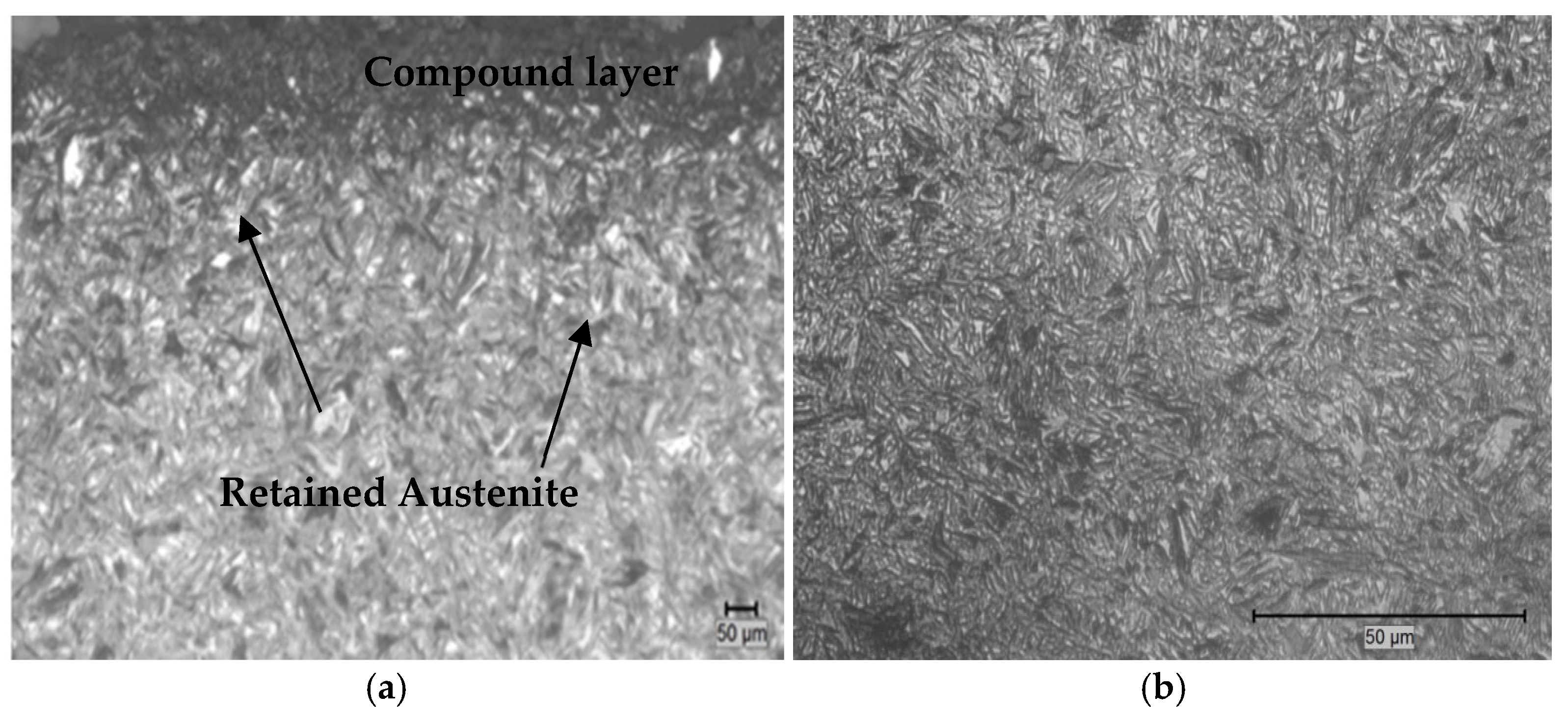
5]. The presence of retained austenite and martensite in carbonitrided steel has been demonstrated to be contingent on the carbonitriding conditions and the type of steel under investigation [
6], and this microstructural composition consequently enhances the fatigue and corrosion resistance of the treated components [
7].
The tribological performance of case-hardened steels is conventionally assessed using pin-on-disc or reciprocating sliding tests. These tests provide reliable steady-state friction and wear data, but generally require longer test durations, larger specimen volumes, and do not readily capture the progressive evolution of friction with repeated, localized contact. Single-pass scratch testing addresses some of these limitations but does not reproduce the cumulative damage built-up experienced by components such as gear flanks or shaft-bearing interfaces under repeated contact cycles. The multi-pass scratch test has therefore recently been introduced as a cost-effective and rapid alternative, in which the friction response is tracked as a function of cumulative sliding distance on a single, small specimen under precisely controlled and repeatable normal load [
8]. Multi-pass scratch testing has previously been utilized to examine the friction behavior of deep-drawing-quality steel sheets under repeated sliding contact. In this context, load and surface roughness have been identified as the predominant factors governing the evolution of the friction coefficient with the number of passes [
8,
9]. Furthermore, related single- or multi-pass friction studies on tool steels and coated/textured surfaces have demonstrated a similar sensitivity of friction evolution to surface hardness, contact pressure and surface finish [
10,
11,
12]. However, to the best of our knowledge, no study has directly evaluated and jointly optimized the influence of the three parameters most relevant to carbonitrided components in service—hardness (HV), normal load (F
N) and number of passes (Np)—under adhesive wear conditions.
The steel AISI 4130 (25CrMo4) was selected as the material of interest for this study. It is frequently utilized in the fabrication of gears and transmission shafts, and it is one of the most used steels in combination with carbonitriding. It has been extensively documented for its excellent hardening ability and favorable tribological behavior in the manufacture of highly stressed mechanical components, such as gears, shafts and crankshafts. A significant number of studies have investigated the enhancement of its properties through thermochemical treatments. However, many of these studies have concentrated on identifying the optimal treatment parameters in isolation, rather than on the subsequent tribological response under controlled, repeated contact. The multi-pass scratch test methodology adopted here addresses precisely this issue.
The response surface methodology (RSM) is a robust statistical tool encompassing a range of techniques that facilitate the identification of interactions between multiple process variables while reducing the number of experimental trials needed. As Mondal et al. [
13] demonstrated, the efficacy of RSM lies in its ability to identify key process parameters and establish significant relationships between process variables and responses. This is achieved by means of variance analysis, which is used to evaluate the effectiveness of each parameter. Concurrently, recent studies have demonstrated the efficacy of artificial neural networks (ANNs) in modeling small experimental datasets, thereby enhancing time- and cost-efficiency [
14,
15]. RSM provides an explicit, physically interpretable regression model, while ANN offers superior flexibility for capturing nonlinear interactions. Consequently, several recent studies have combined the two approaches so that ANN predictions can be validated alongside empirical RSM models, with each model compensating for the other’s limitations [
16,
17]. This combined RSM–ANN strategy is adopted in this study for the same reason.
This study is distinguished from prior work by the same research group in several respects. First, an earlier single- and multi-pass scratch investigation of carbonitrided AISI 4130 steel [
18] compared only two carbonitrided conditions (C1 and C2), without the C11/C12 tempered conditions used here, without a 4 × 4 × 4 factorial designs, and without RSM or ANN modeling. As stated in Reference [
14], a combined RSM–ANN approach was previously applied to nitrided D2 steel. However, a single process factor (nitriding time) was varied, and the focus was on friction/wear behavior, without the simultaneous optimization of hardness, normal load and number of passes as co-equal design factors. This study differs from previous research in three respects: This study treats carbonitriding plus tempering (four distinct conditions: C1/C11/C12/C2) rather than a single thermochemical treatment varied in duration. Furthermore, it employs a full 4 × 4 × 4 factorial design (64 trials) co-optimizing three independent factors simultaneously, rather than a single factor sweep. Finally, it couples the tribological response with quantitative depth-resolved retained-austenite profiles to provide a microstructural explanation of the hardness–friction relationship, a link not established in [
14].
This study constitutes a pioneering effort in the field, as it is the first to simultaneously treat microhardness, normal load, and number of passes as jointly optimized design variables for the multi-pass scratch friction response of carbonitrided AISI 4130 steel. The study employs a full-factorial response surface methodology (RSM)/desirability-function approach, in conjunction with an artificial neural network (ANN) model to achieve two objectives: to explain the response and to predict it. The scientific problem that is the focus of this study is the current absence of a quantitative, jointly optimized relationship between carbonitriding-induced hardness, contact load and cumulative sliding passes, and the resulting friction coefficient of carbonitrided AISI 4130 steel. The applied problem is the corresponding lack of a validated predictive design tool for selecting carbonitriding and duty-cycle parameters for carbonitrided transmission components. The objective of this study is to characterize the response surfaces of three parameters (F
N, HV and Np) and to utilize a neural network to predict the friction coefficient. The hypothesis tested is that microhardness (as controlled by carbonitriding/tempering), normal load and number of passes can be jointly optimized, and their relative contributions quantified, to minimize the friction coefficient under dry multi-pass scratch conditions. Furthermore, it is hypothesized that an ANN model can reproduce this relationship with an accuracy comparable to the RSM regression model. The selection of these three parameters was based on a recent literature review [
19,
20,
21], which emphasized the significance of normal stress in the tribological behavior of the tested material and, consequently, on the coefficient of friction of carbonitrided AISI 4130 steels. A full factorial approach was employed in the experimental design, and the ensuing results were analyzed using response surface methodology (RSM) and an artificial neural network (ANN) model. This was performed to estimate the optimum conditions and quantify the relationship between process input and output parameters. The parameters of the optimized friction coefficient were determined using Minitab software (2020). Specifically, the advance over existing methodologies and tools is fivefold: The experiment was conducted using a full 4 × 4 × 4 (64-trial) factorial design, which jointly optimized microhardness, normal load and number of passes as co-equal factors for carbonitrided steel. This is a novel finding, as no such experiment has been previously reported. The experiment involved mutual cross-validation between an explicit RSM regression and an independently trained ANN (R → 1 for the best-performing structures). Finally, quantitative coupling of depth-resolved retained-austenite profiles to the friction response was used to provide a microstructural explanation of the hardness–friction relationship.
2. Materials and Methods
This study focuses on AISI 4130 steel, a material that is widely utilized in the mechanical industry for the manufacturing of automotive transmission parts. The chemical composition of the steel is presented in
Table 1. To enhance the properties of the specimens, they were subjected to carbonitriding on all surfaces. The conditions employed in this study are designated C1, C11, C12 and C2. The detailed treatment conditions are outlined in
Table 2.
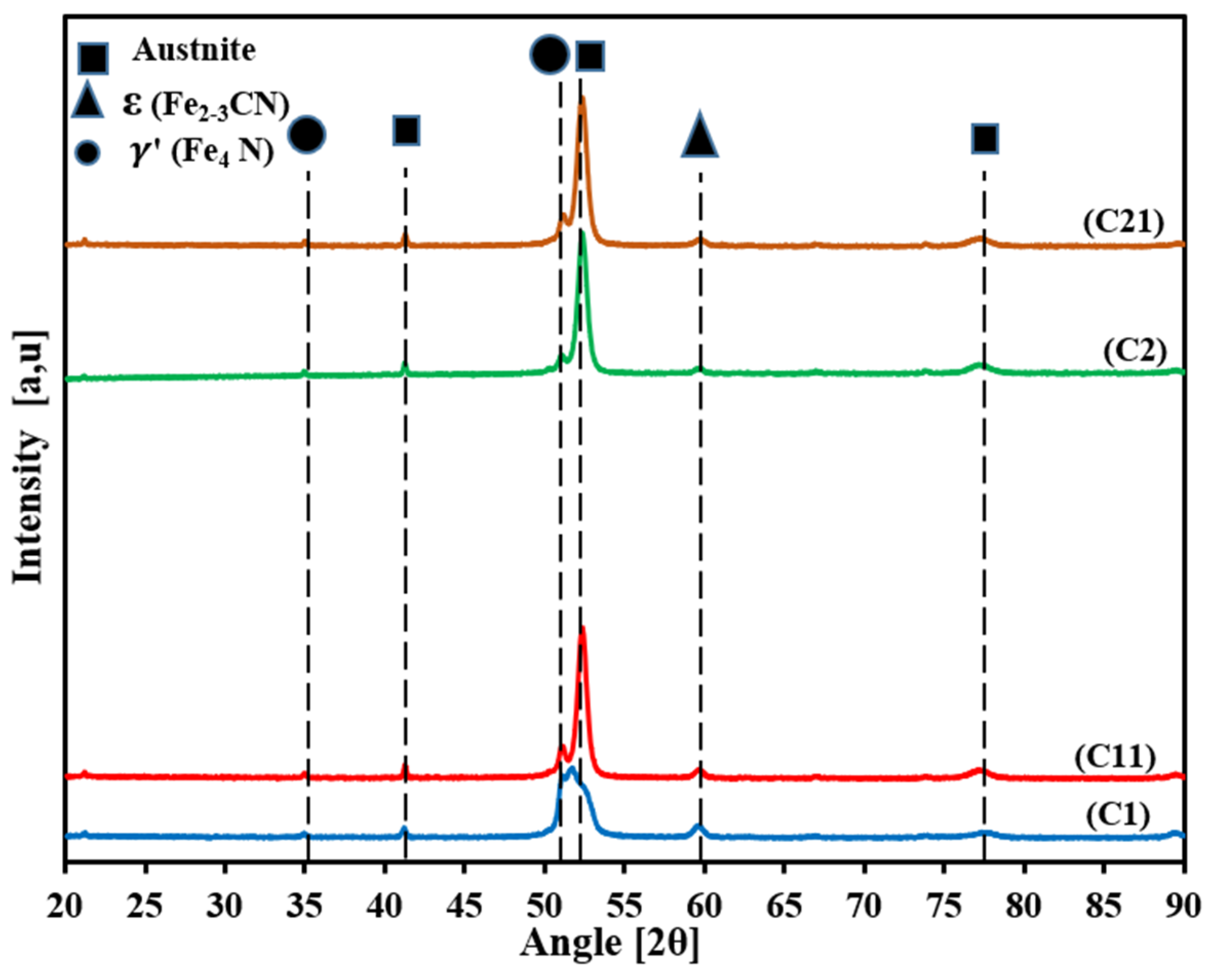
A variety of techniques were used to study the microstructural and mechanical properties of carbonitrided AISI 4130 steel. Cross-sections of treated and untreated samples were polished and then etched in a 4% Nital solution at room temperature. The phase composition and structure of the compound layers was determined by performing XRD on an X-ray diffractometer. Measurements were taken at 45 kV and 40 mA using Cu Ka radiation (k = 1.544 Å) at room temperature. Vickers microhardness tests were used to assess the mechanical properties of the carbonitrided layers. The test was carried out on the polished sections using a load of 0.1 N (100 g) and a dwell time of 15 s. The CLEMEX JS 2000 M apparatus (Brossard, QC, J4Z 3V4-Canada) was used for the test. The distribution of residual austenite in the treated samples was determined using a Pulstec μ-X360 device (Pulstec Industrial Co., Ltd., Hamamatsu, Japan). The process of electrolytic polishing was used to achieve a detailed profile of residual austenite, with the radius of the samples being progressively reduced. Details of the retained austenite measurement are presented in
Table 3.
The friction coefficient was selected as the primary response based on three factors: The parameter is of direct operational relevance in relation to power loss and heat generation in transmission components in service. Furthermore, it can be measured continuously and non-destructively during the multi-pass test. This allows its evolution with cumulative sliding distance to be tracked on a single specimen. In contrast, mass-loss measurement is a destructive end-point technique. The rationale for adopting the multi-pass scratch test itself, as opposed to alternative methods such as pin-on-disc, block-on-ring, or reciprocating tests, is outlined in the Introduction.
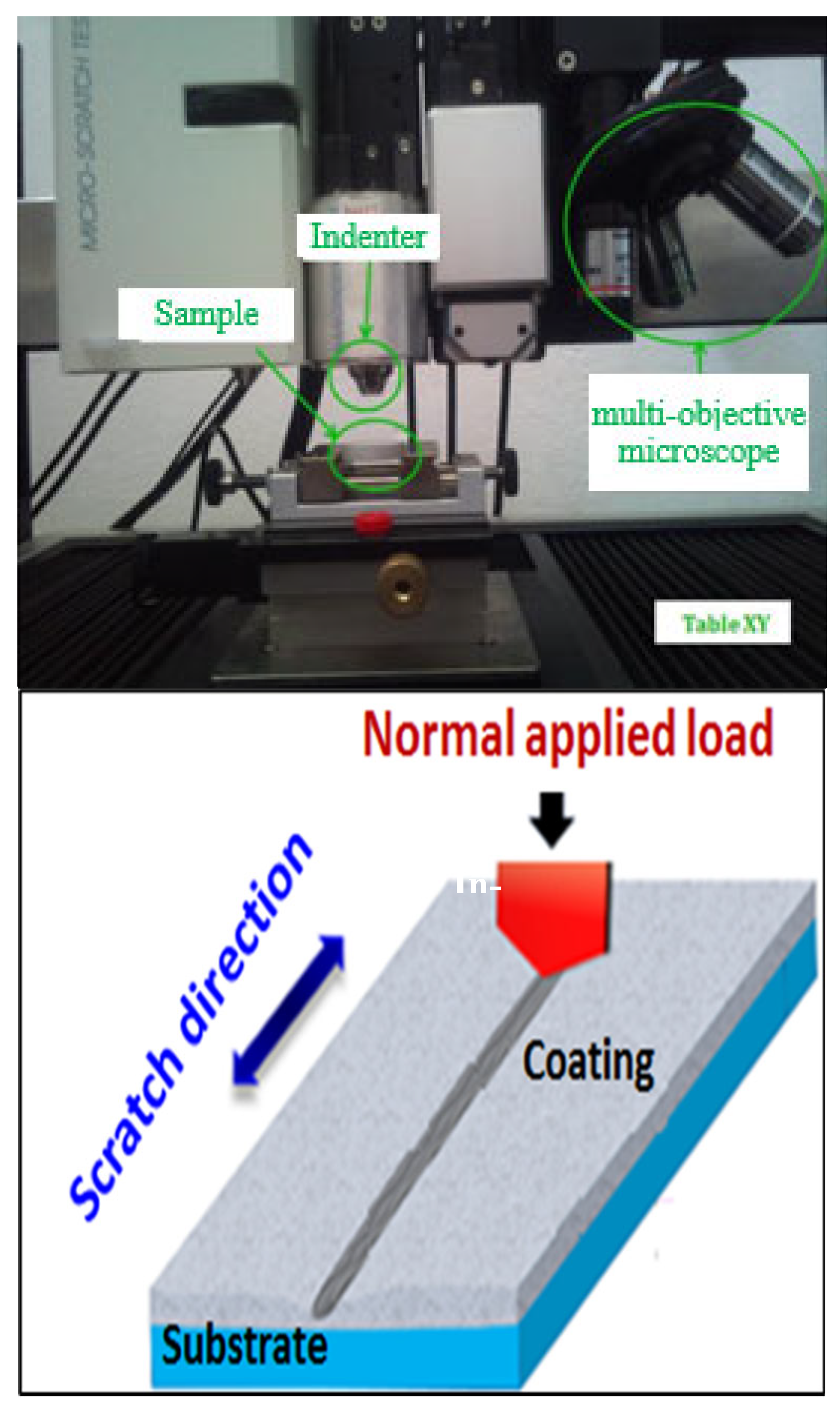
The tribological performance of carbonitrided AISI 4130 steel was investigated using the multi-pass scratch test. A Rockwell C diamond indenter with a tip radius of 200 μm was used to evaluate the steel’s wear resistance (
Figure 1). The tests were carried out for up to 100 cycles under a range of applied loads (5, 10, 15 and 20 N) at a scratching speed of 10 mm/min, with a scratch length of 3 mm.
All scratch tests were conducted at ambient temperature. Each test condition was repeated between two and three times to confirm its repeatability. It was found that surface roughness did not differ measurably between the four carbonitrided/tempered conditions (C1, C11, C12, C2). This is because roughness is set by the mechanical polishing/preparation step applied identically to all specimens prior to testing. The carbonitriding treatment and the subsequent tempering step do not alter this parameter. A full 4 × 4 × 4 factorial design was employed, with microhardness, normal load and number of passes all subjected to simultaneous variation. The resulting dataset was then subjected to further analysis using signal-to-noise ratios and delta-statistic ranking, in accordance with Taguchi’s robust-design philosophy for identifying factor importance. It should be noted that the underlying design of experiments itself remains a complete factorial rather than a fractional Taguchi orthogonal array. Specifically, a multi-pass scratch test was conducted, with three parameters identified as controlling factors: microhardness, normal load and number of passes. Each of these factors was assigned to four levels, denoted by L1, L2, L3 and L4, respectively. The selection of these factors and their corresponding levels was based on pilot experiments, as detailed in
Table 4.
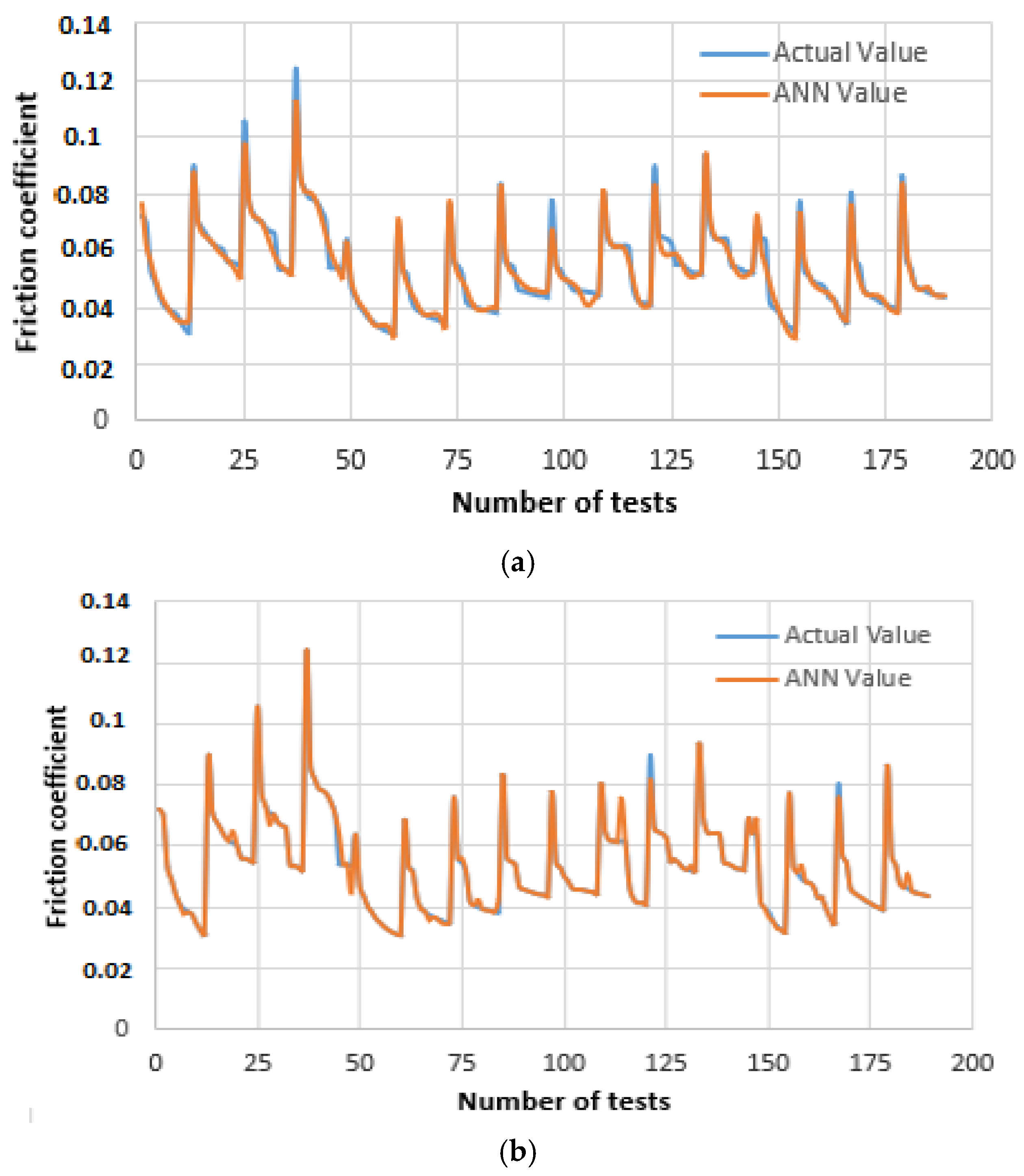
Therefore. accurate quantitative prediction of the friction coefficient holds significant theoretical significance and practical utility. In this study, an artificial neural network (ANN) model was employed for modeling. However, traditional ANN models are driven in the direction of maximum error reduction gradient, which can lead to local minimum values and slow convergence speeds [
10,
22,
23,
24,
25].
4. Discussion
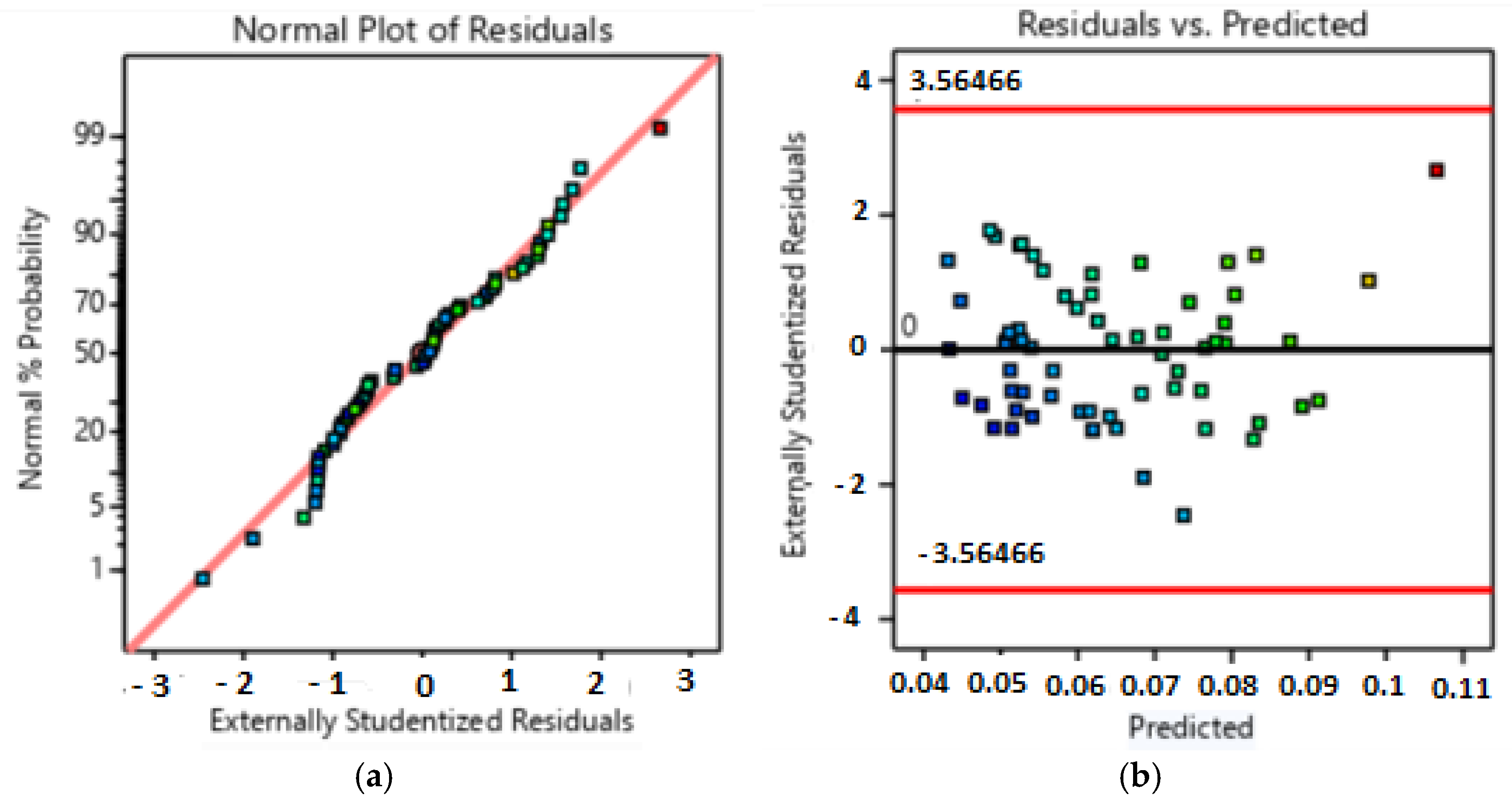
The friction coefficient of carbonitrided AISI 4130 steel under multi-pass scratch loading is governed jointly by the microhardness of the carbonitrided layer, the normal load and the number of passes. These three factors can be explained mechanistically and predicted quantitatively using complementary RSM and ANN models.
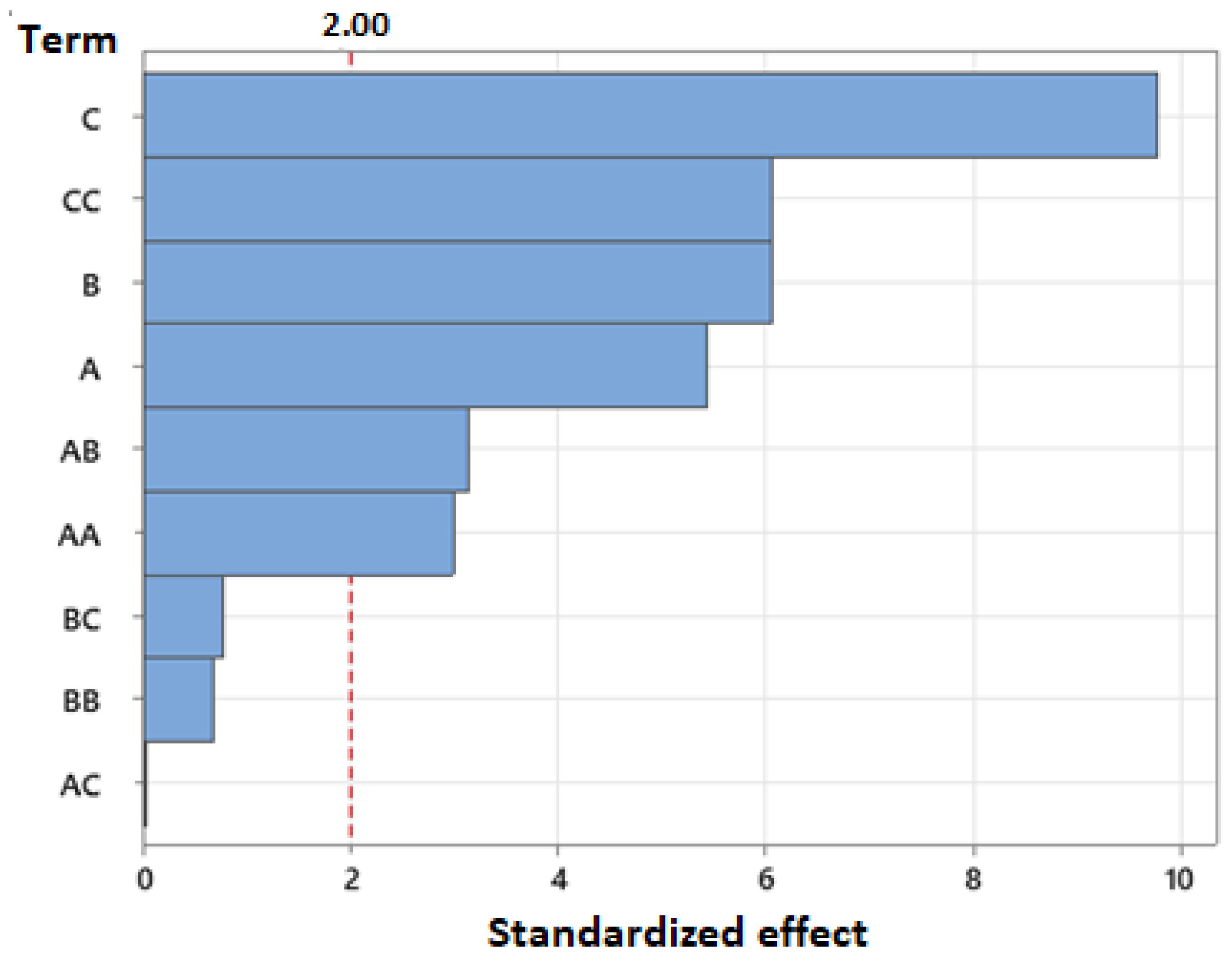
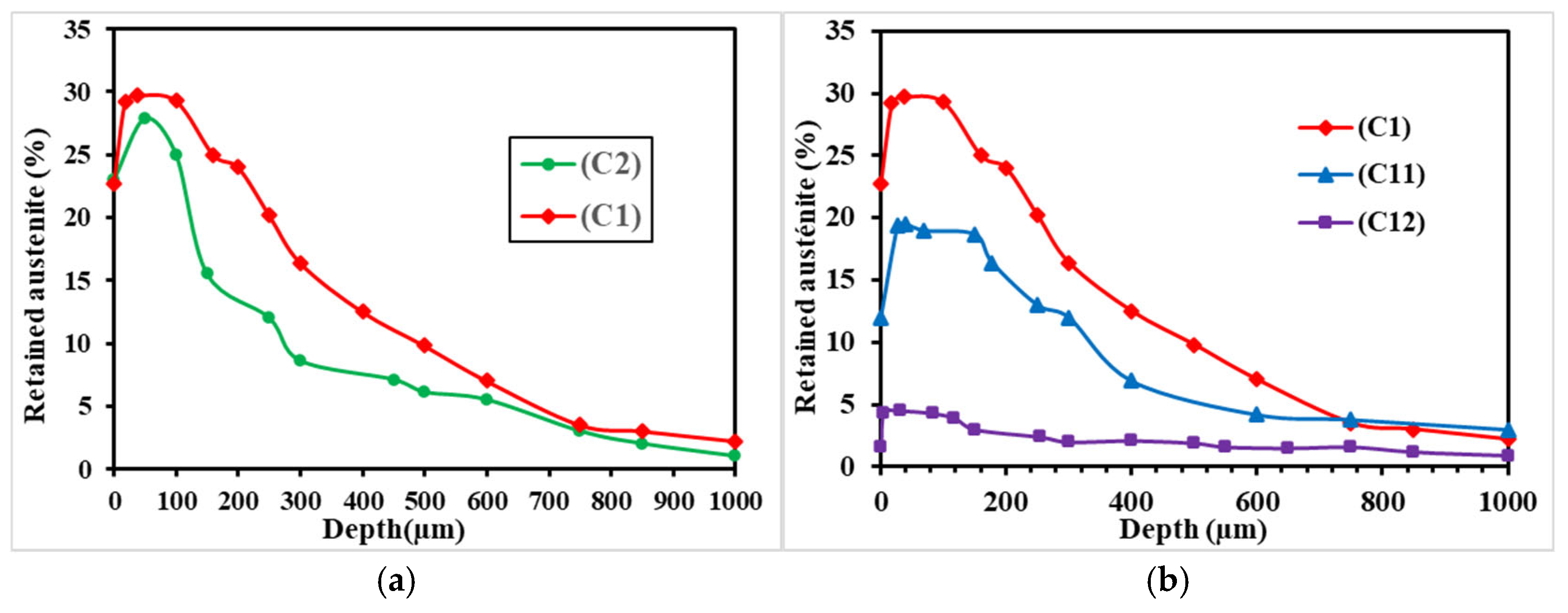
The analysis of variance (ANOVA) indicates that the predominant influence of microhardness is consistent with the microstructural characterization of
Section 3.1,
Section 3.2 and
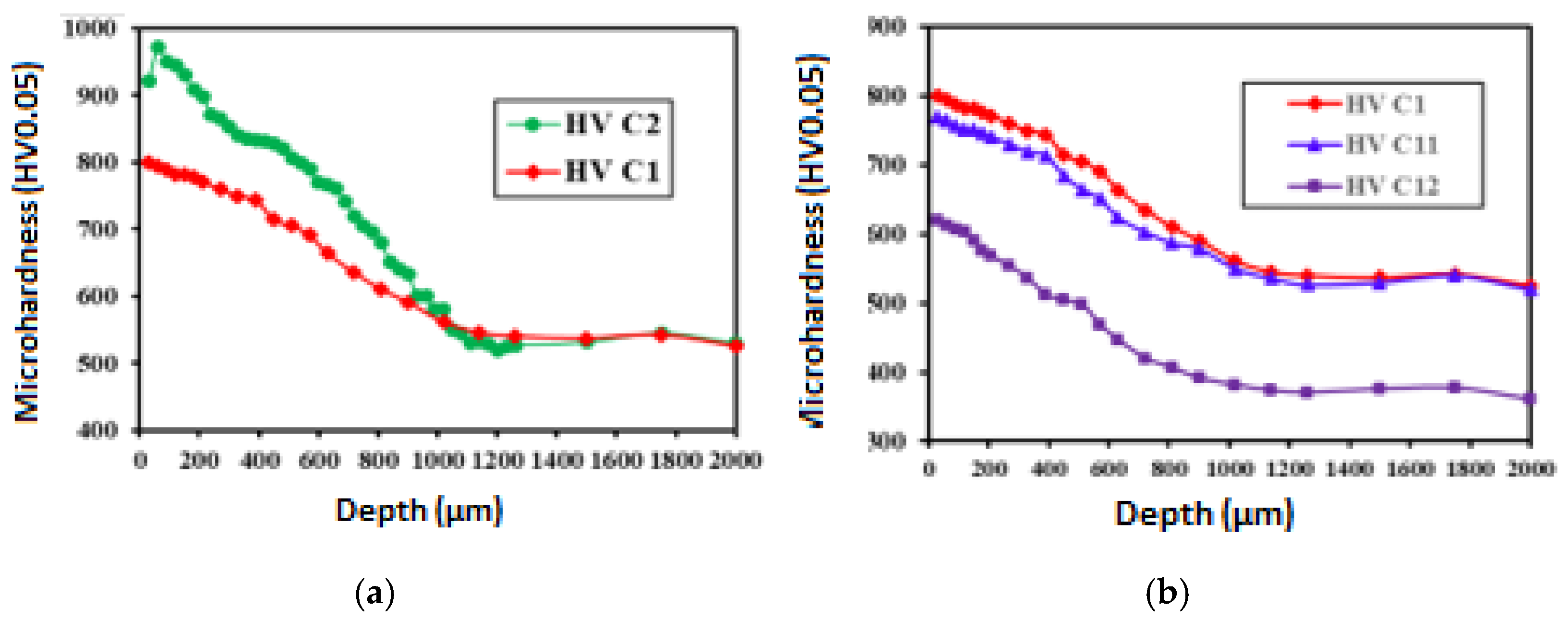
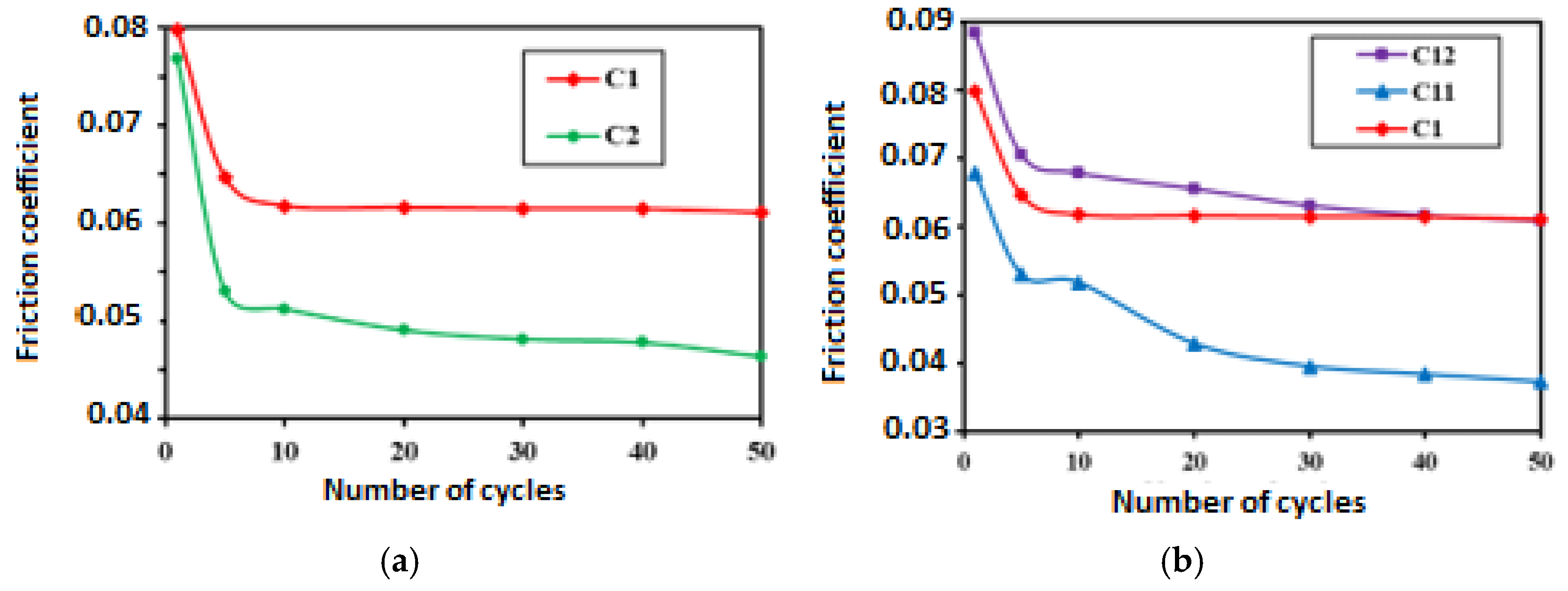
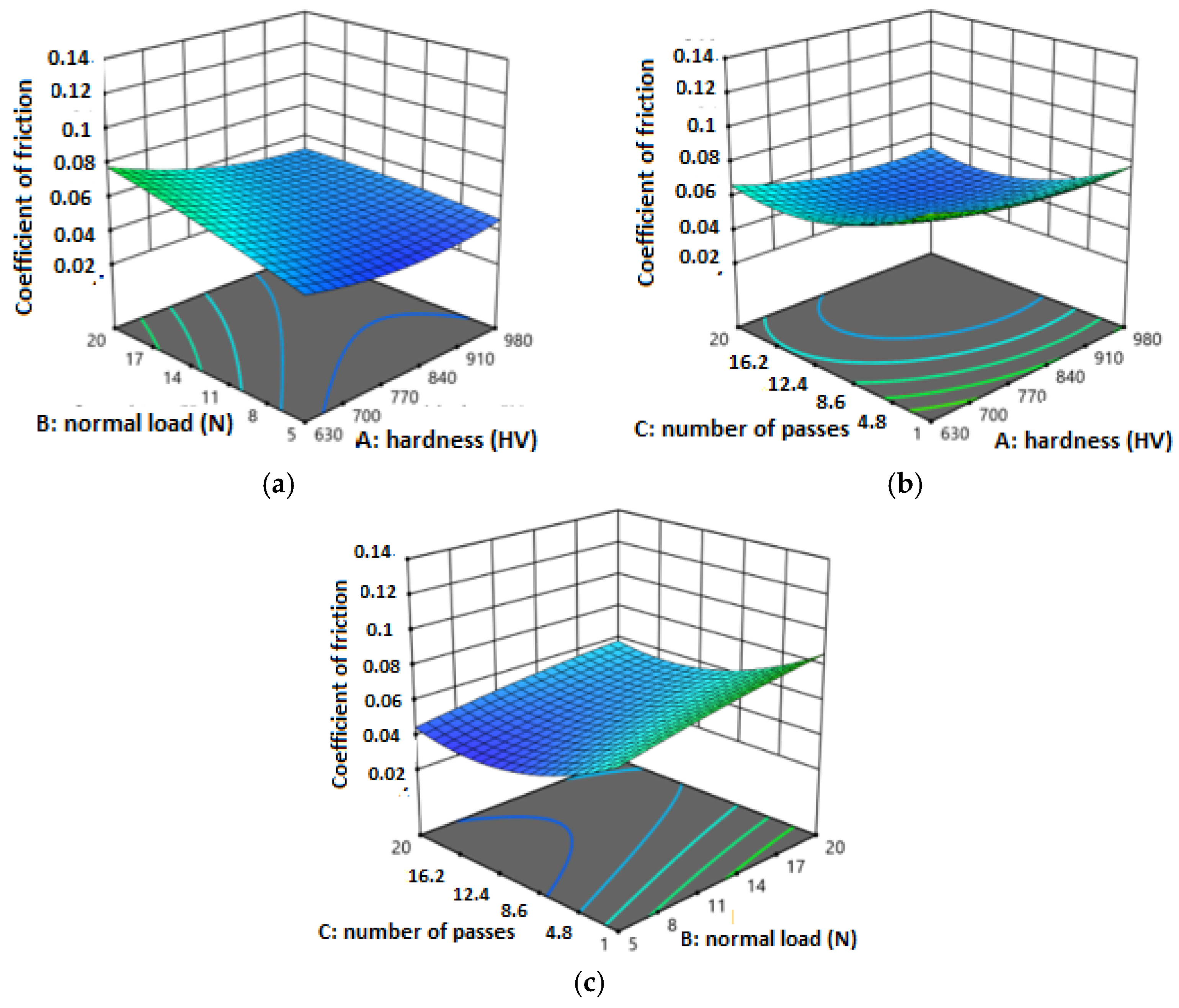
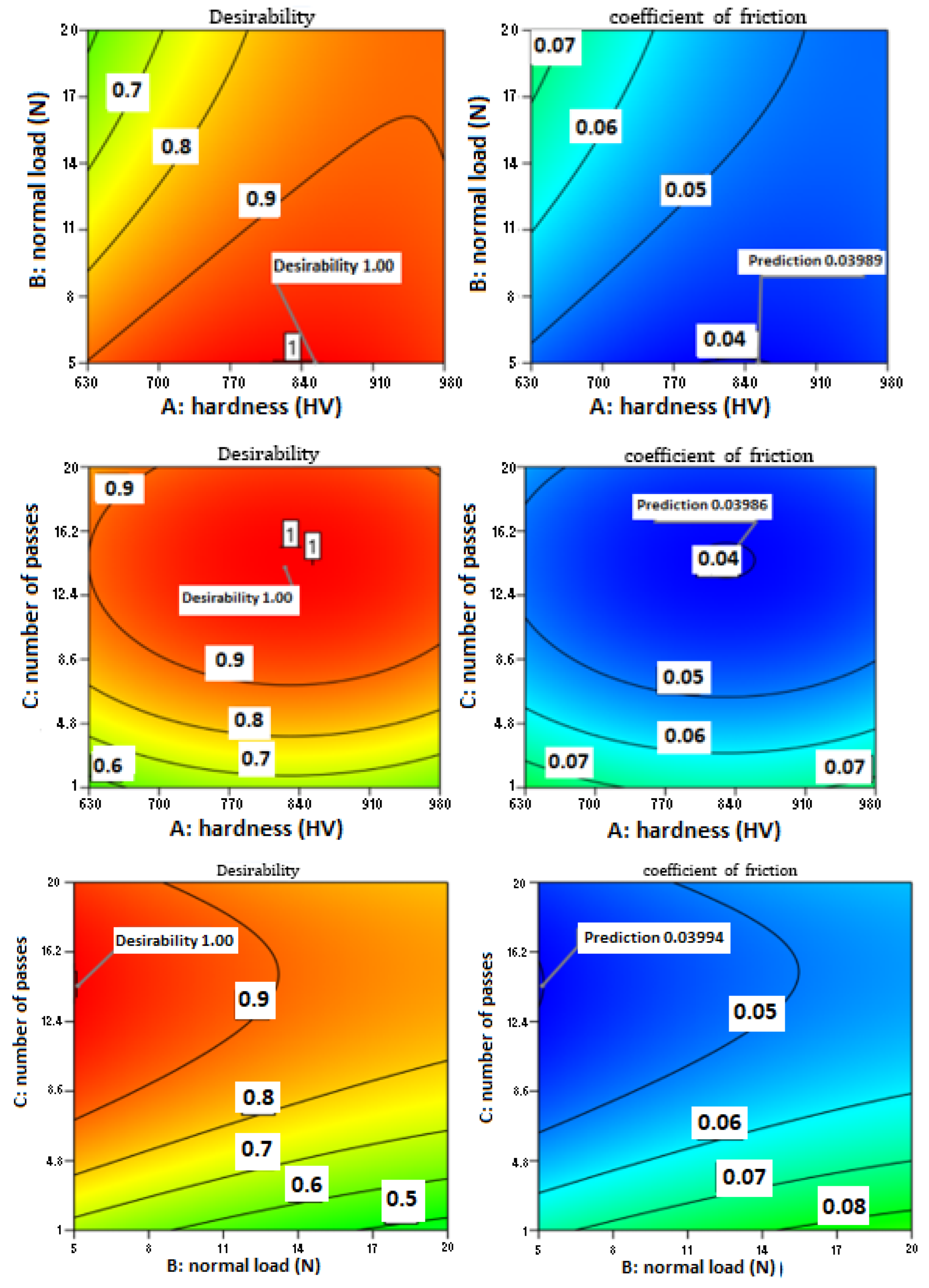
Section 3.3: the C2 condition, which exhibits the highest carbon potential and the shortest retained-austenite persistence near the surface (~9% at the surface versus ~12% for C1), also exhibits the highest surface hardness (980 HV0.1) and the lowest friction coefficient (~0.065). Conversely, the tempered conditions (C11, C12) demonstrate a progressive reduction in hardness associated with retained-austenite and transition-carbonitride decomposition during tempering, exhibiting correspondingly higher friction coefficients. This finding is consistent with an adhesion-ploughing mechanism, whereby a harder, less deformable surface reduces the real contact area beneath the diamond indenter and limits plastic ploughing, thereby lowering the coefficient of friction. The strong interaction terms identified between hardness and normal load (
Figure 8a) and between hardness and number of passes (
Figure 8b) further indicate that the benefit of a harder carbonitrided layer is most pronounced precisely under the more severe combinations of high load and low pass count, where ploughing would otherwise be most significant.
The underlying microscopic mechanism can be stated explicitly as follows: as the tempering temperature increases from 200 °C (C11) to 550 °C (C12), thermal activation promotes progressive decomposition of retained austenite into cementite/transition carbides and relieves quenching-induced residual stresses in the martensitic matrix. This process has been shown to reduce both carbon supersaturation and dislocation density, thereby softening the near-surface layer (a finding that is consistent with the measured drop from 870 HV0.1 for as-carbonitrided C1 to 630 HV0.1 for C12). In accordance with the classical adhesive-contact relation for the real contact area, A_real ≈ F
N/HV, a softer surface produces a larger real contact area for a given normal load, thereby increasing the adhesive and ploughing components of friction beneath the diamond indenter. The mechanistic chain (tempering → retained-austenite/carbide decomposition → reduced HV → increased A_real → increased friction) accounts for the monotonic hardness–friction trend reported in
Section 3.4.
In order to establish a quantitative framework for the severity of contact underlying these measurements, a first-order Hertzian elastic-contact estimate was performed for the diamond indenter (radius R = 200 μm, E ≈ 1140 GPa, ν ≈ 0.07) on the hardened steel (E ≈ 210 GPa, ν ≈ 0.3), giving a combined modulus E* ≈ 192 GPa. It is evident from the data that, at the highest applied load (FN = 20 N), the Hertzian contact radius is a ≈ 25 μm and the corresponding maximum elastic contact pressure is p_max = 3FN/(2πa2) ≈ 15 GPa. At the lowest load (FN = 5 N), the radius is a ≈ 16.4 μm and the pressure is p_max ≈ 8.9 GPa. It is evident that these values exceed the highest recorded surface hardness (980 HV0.1 ≈ 9.6 GPa) by a substantial margin. Consequently, the elastic solution can only be considered a first-order estimate of the initial contact stress. However, it does confirm that contact occurs in the elastic–plastic/fully plastic regime from the onset of loading. This is consistent with the classical scratch-hardness result that the mean contact pressure under steady sliding approximates the material hardness itself (p_m ≈ H).
Table 11 provides a comprehensive overview of this study in relation to the existing body of research on friction and wear optimization, as referenced in the manuscript. Although response-surface and neural-network methodologies have heretofore been employed in the context of friction or wear behavior of other steels and coatings (e.g., deep-drawing-quality steel sheets [
8,
9], nitrided D2 and 4140 steels [
14,
29], laser-textured tool steel [
12] and model-based friction transferability studies [
10]), none of these studies have addressed the carbonitriding-induced hardness gradient, normal load and number of passes as co-optimized design factors for the friction coefficient of a carbonitrided steel. This study is distinguished by two features: first, the scope, which encompasses three jointly optimized factors as opposed to one or two; and second, the combined use of a cross-validated RSM/desirability-function model in conjunction with an ANN model of comparable accuracy (
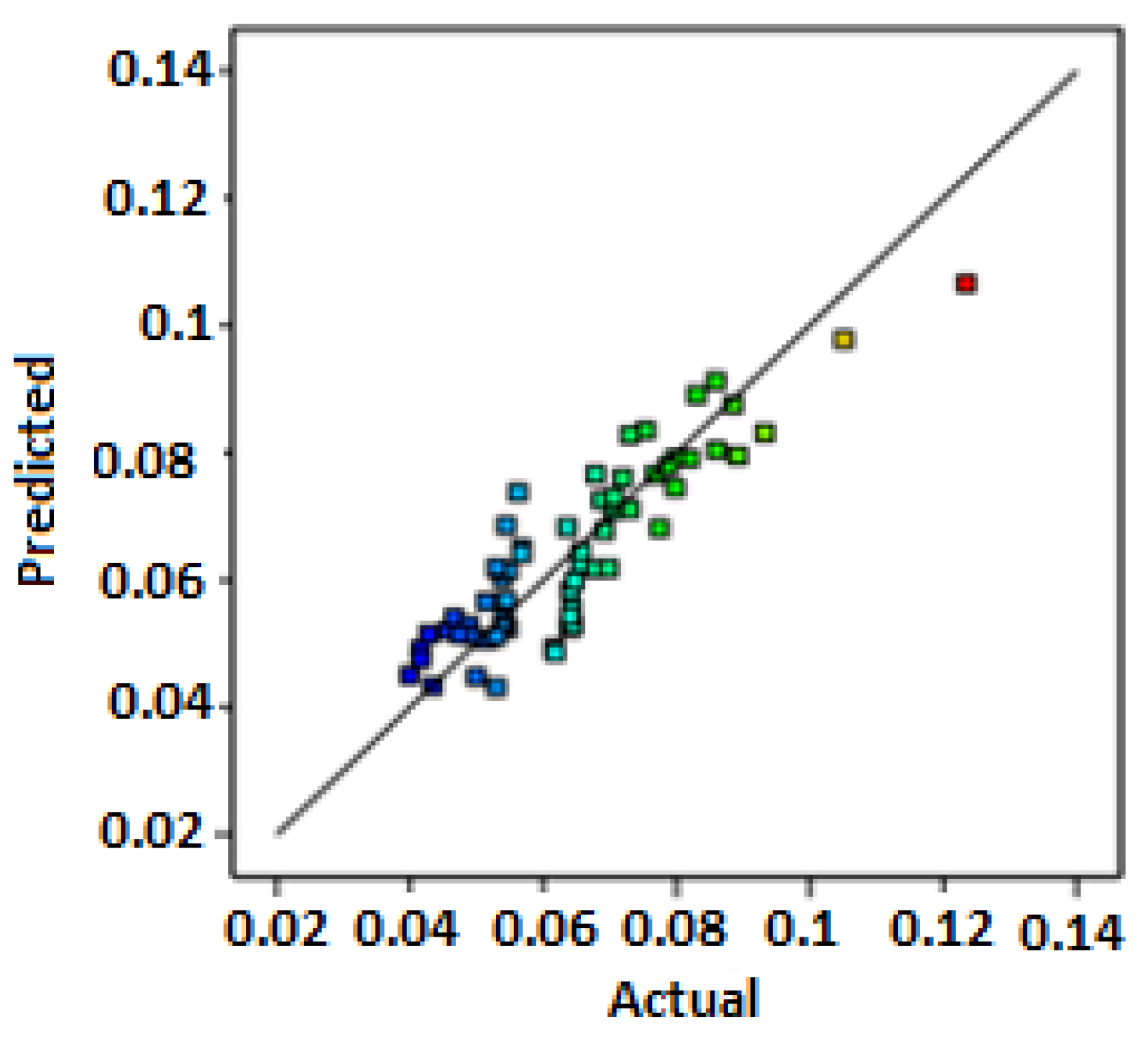
R2 = 0.993 and
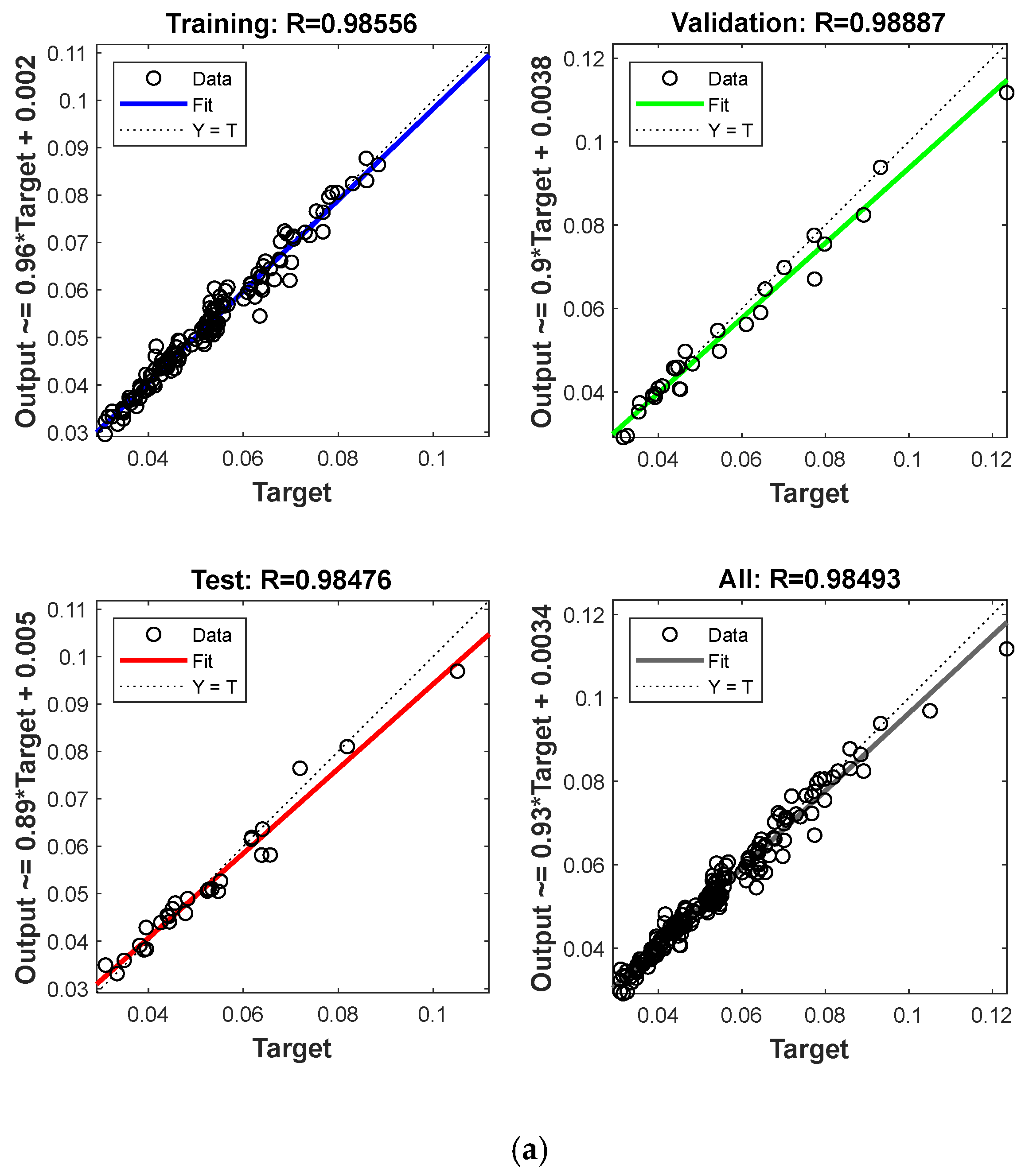
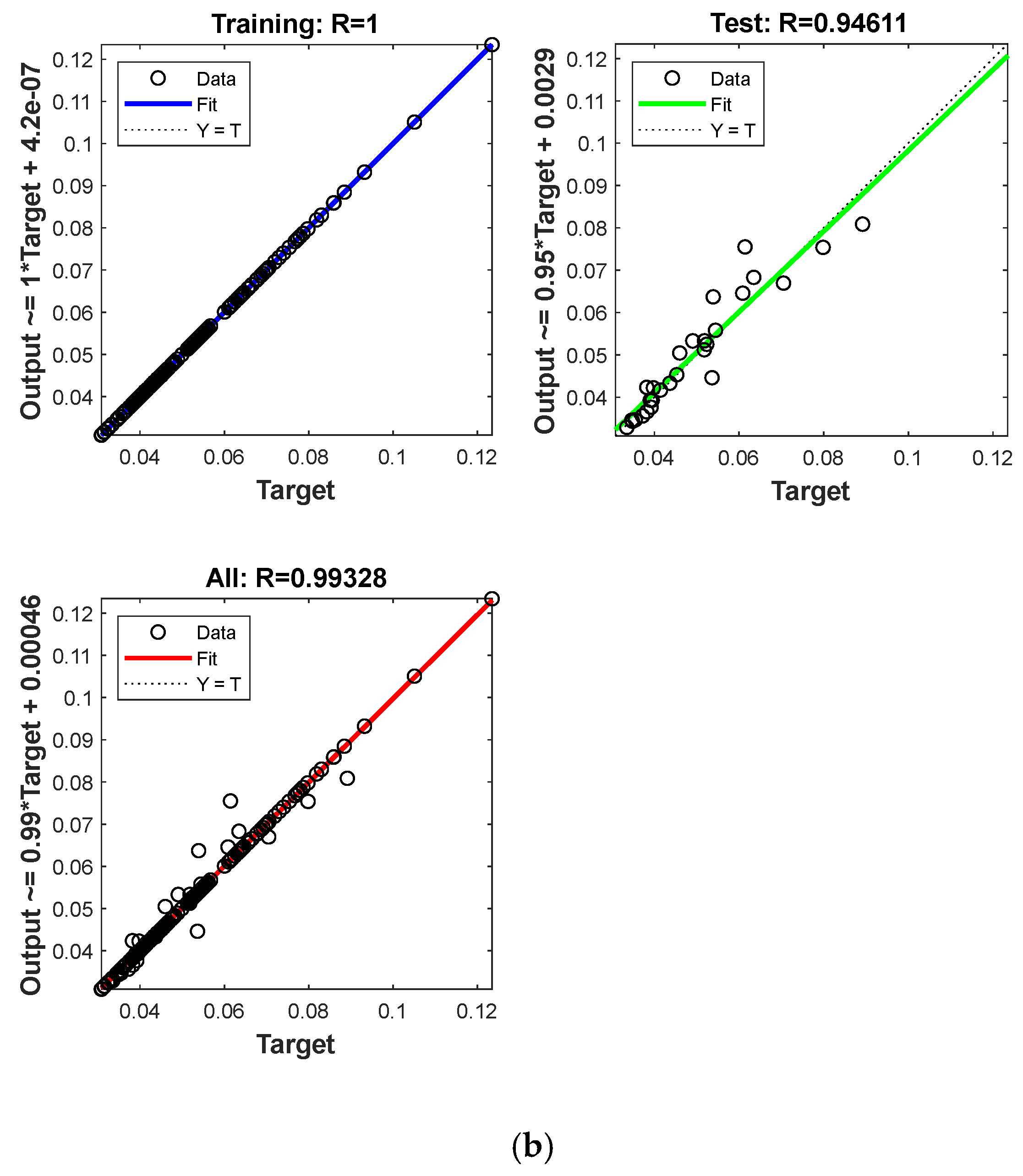
R close to 1 for the best-performing algorithms). For a fixed contact configuration (sliding velocity and contact geometry) and dry (unlubricated) sliding conditions, the regression equation (Equation (1)) and/or the trained ANN model can be used to estimate the friction coefficient directly from the component’s surface hardness—itself a process choice fixed by the selected carbonitriding-tempering condition—together with the expected operating normal load and number of sliding cycles. The predicted friction coefficient can then be substituted into the classical friction–force relation (Ff = f × FN) to estimate friction force, hence the associated power loss (P = Ff × v) at a given sliding velocity. This provides component designers with a first-order, experimentally validated basis for selecting carbonitriding and tempering parameters for gears, shafts and other highly stressed transmission components, ahead of more detailed lubricated-contact modeling.
5. Conclusions
The carbonitriding of AISI 4130 steel produces a hardness gradient governed by carbon/nitrogen potential and tempering condition, with surface microhardness ranging from 630 HV0.1 (C12) to 980 HV0.1 (C2), against 270 HV0.1 for the untreated core. This hardness gradient, together with the associated retained-austenite content (up to 30% near the sub-surface), is shown for the first time to be a statistically dominant driver (14.6% contribution) of the friction coefficient measured in multi-pass scratch testing, alongside normal load (14.0%) and number of passes (50.0%).
The multi-pass scratch test has been shown to be a rapid and cost-effective screening method for the tribological qualification of carbonitrided components. Within the tested envelope (5–20 N normal load, 1–20 passes, 630–980 HV0.1), the response-surface optimization with a desirability-function approach identifies an optimal combination of high hardness and low load that minimizes the predicted friction coefficient towards the lower bound of the experimental range (~0.04), consistent with the lowest friction coefficient directly measured among the tested conditions, ~0.065 for the C2 state. In combination, the regression model (cubic, R2 = 0.993) and the trained ANN model (relative error < 5% on the test set) provide industry-usable predictive tools for estimating the friction coefficient directly from processing and duty-cycle parameters. These tools can inform the selection of carbonitriding parameters for gears, shafts and other highly stressed transmission components, obviating the need for exhaustive full-scale wear testing.
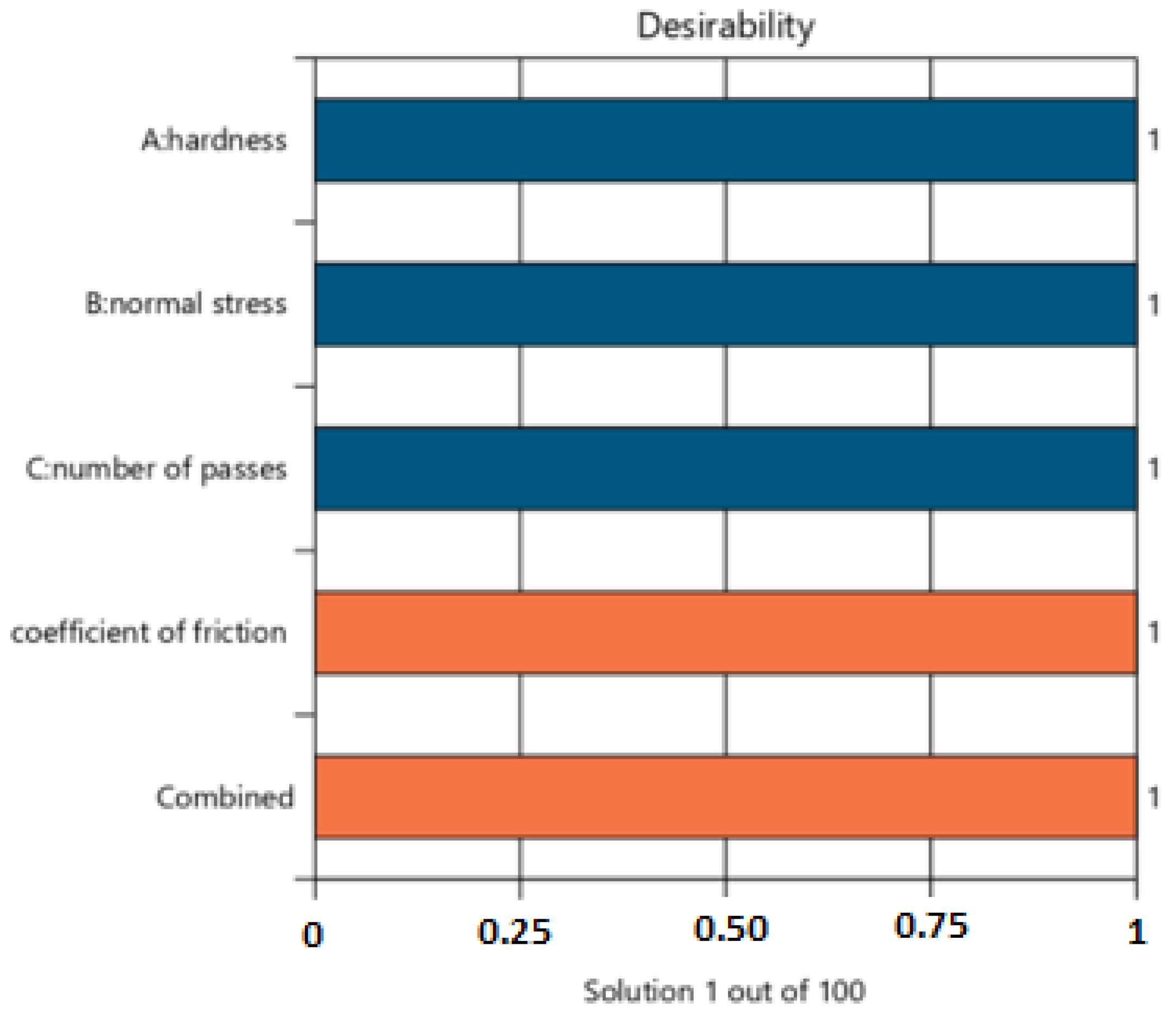
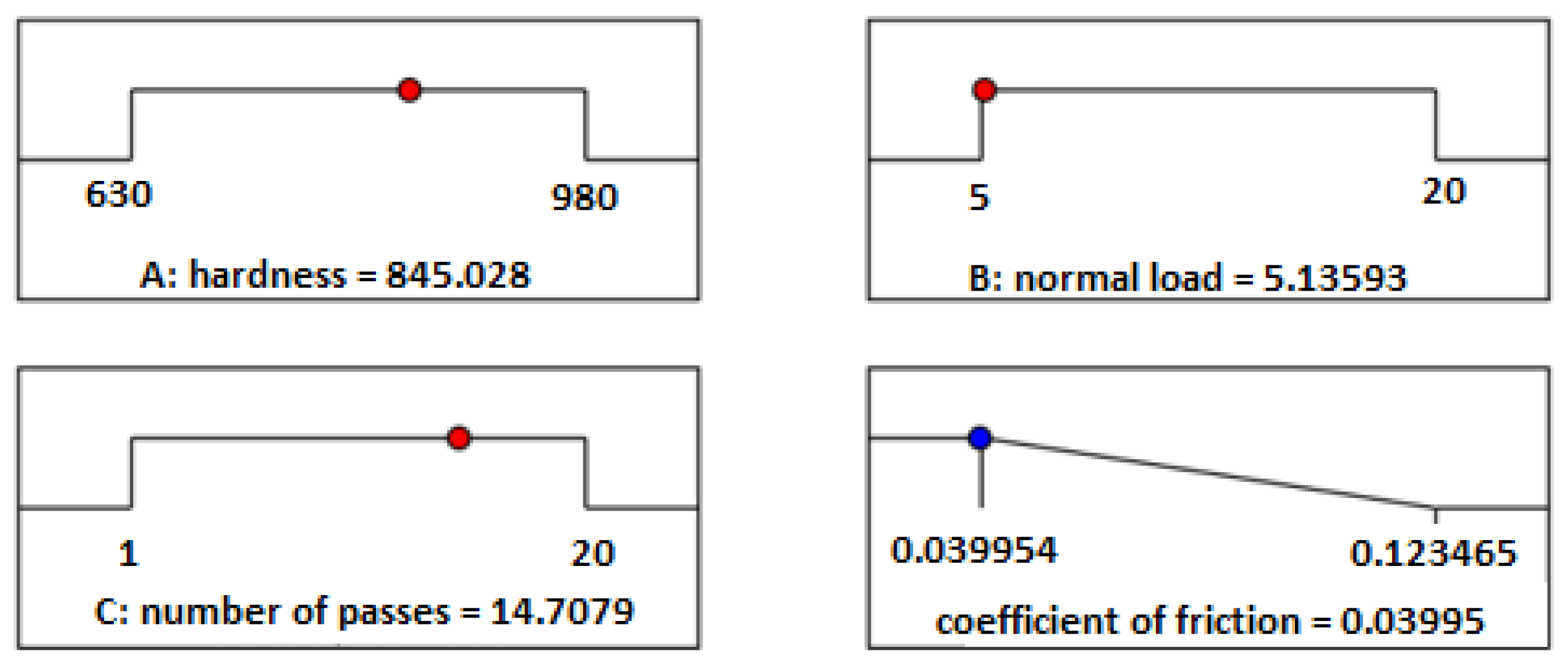
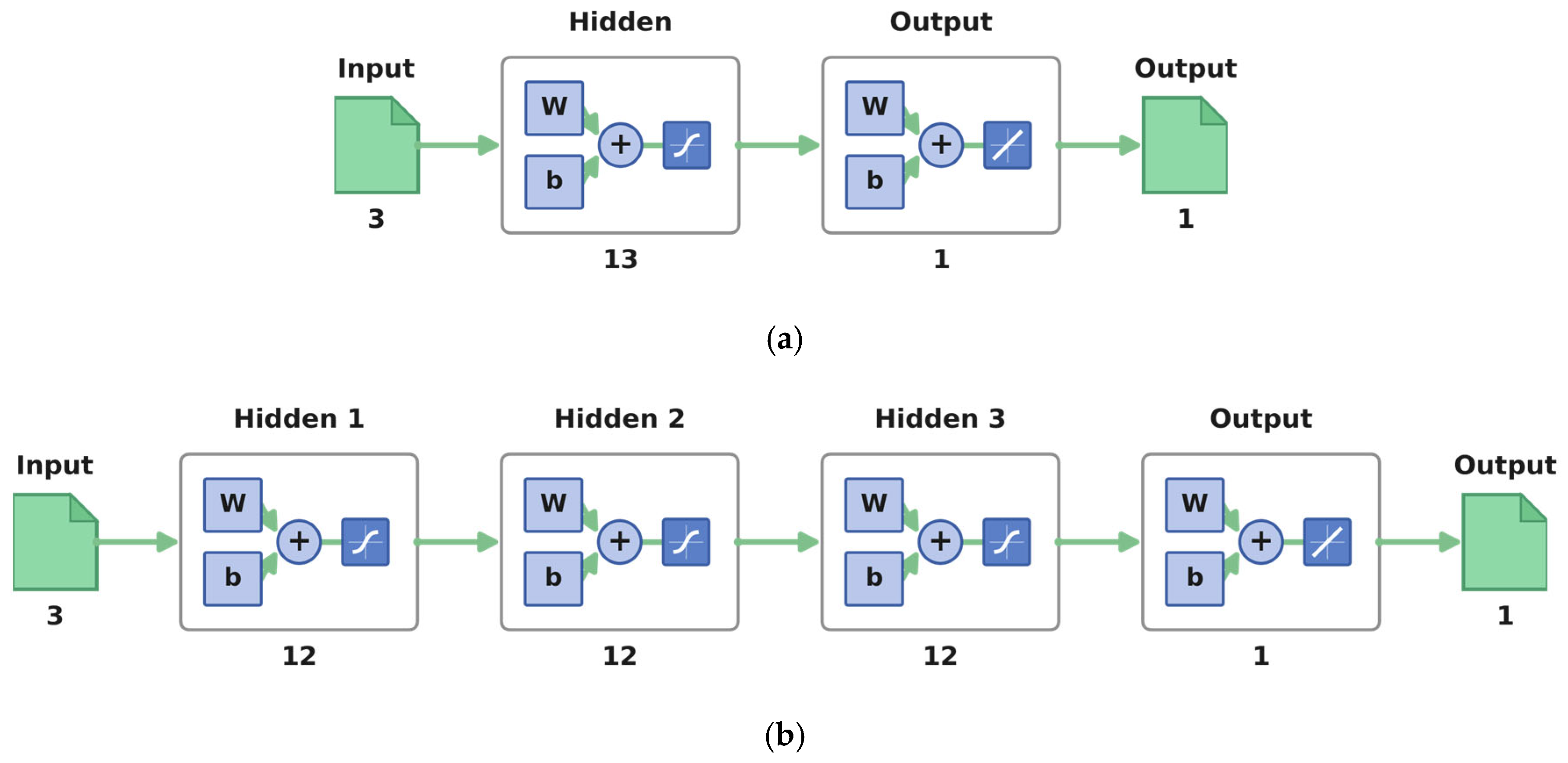
The desirability function optimization identifies a specific numerical optimum. It can be deduced from the data that HV ≈ 845 HV0.1, FN ≈ 5.14 N and Np ≈ 15 passes. This calculation provides a predicted friction coefficient of 0.040. It is evident that HV ≈ 845 corresponds to a carbonitriding/tempering condition intermediate between C1 and C2. Consequently, component designers targeting minimal friction should favor carbonitriding/tempering parameters producing surface hardness in this range. In addition, duty cycles that keep contact loads and pass counts on the lower end of the ranges studied here should be employed. For lightly loaded transmission components, for instance, where friction-driven power loss is the dominant design concern, this approach is particularly relevant. In practice, the cubic RSM regression equation is recommended in situations where a transparent, closed-form estimate is required for expeditious manual or spreadsheet-based calculations during the early stages of component design, or when the physical interpretability of individual main effects and interactions is of interest. It should be noted that this equation carries a moderately higher error (adjusted R2 = 0.9401). The utilization of a trained artificial neural network (ANN) model, employing either the 13-3-1 or 12-3-1 architecture, and either the Trainlm or Trainbr configuration, is strongly advocated in scenarios where optimal predictive precision is imperative. This may be exemplified by its application in the context of embedding within a digital twin or an automated optimization workflow. However, it should be noted that this approach is accompanied by a compromise in physical interpretability and the necessity for re-training in instances where extrapolation occurs beyond the confines of the tested range (630–980 HV0.1, 5–20 N, 1–20 passes).
This study is constrained to dry sliding contact and a single steel grade (AISI 4130); the crystallographic characterization was restricted to phase-fraction quantification by XRD, without full lattice-parameter/residual-stress refinement; and the desirability optimization treats friction alone as the response, with hardness fixed by the chosen carbonitriding/tempering condition and case depth not measured as a distinct, optimized response. Subsequent research will extend the RSM/ANN methodology to lubricated-contact conditions relevant to in-service operation. This will involve incorporating sliding velocity and contact geometry as additional factors. Furthermore, the desirability optimization will be extended to a true multi-response formulation, which will jointly minimize friction while maximizing case depth. In addition, mass loss/wear rate will be characterized as a complementary response alongside friction coefficient. Finally, the friction dataset will be combined with detailed microstructural and residual-stress analysis to strengthen the mechanistic interpretation of the hardness–friction relationship identified here.