Review

Precision Harvesting Technologies for Tree Bark-Derived Bio-Based Polymers Toward Sustainable Coating Applications


1
College of Furnishing and Industrial Design, Nanjing Forestry University, Nanjing 210037, China
2
College of Mechanical and Electronic Engineering, Nanjing Forestry University, Nanjing 210037, China
3
Co-Innovation Center of Efficient Processing and Utilization of Forest Resources, Nanjing Forestry University, Nanjing 210037, China
*
Author to whom correspondence should be addressed.
Coatings 2026, 16(7), 791; https://doi.org/10.3390/coatings16070791
Submission received: 22 May 2026 / Revised: 29 June 2026 / Accepted: 30 June 2026 / Published: 2 July 2026

Abstract

Tree Bark-Derived bio-based polymers are promising renewable materials for sustainable coatings, surface protection, adhesives, and functional films. This review aims to clarify how harvesting processes affect raw-material quality and coating performance. The materials discussed include Raw Lacquer, pine resin-derived rosin, turpentine, and tree gums. Key harvesting factors, such as incision depth, tapping frequency, collection method, environmental conditions, and tree physiological status, can influence yield stability, impurity content, enzyme activity, viscosity, chemical composition, and batch consistency. These changes further affect film formation, curing behavior, adhesion, barrier properties, corrosion resistance, water sensitivity, and durability. Traditional manual harvesting is flexible but labor-intensive, skill-dependent, and difficult to standardize. Recent precision and intelligent harvesting technologies, including controlled-depth cutting, low-damage incision, multi-sensor perception, adaptive trajectory planning, and closed collection, provide new approaches for improving harvesting efficiency, reducing contamination, protecting tree health, and supplying coating-grade raw materials. This review establishes a framework linking feedstock characteristics, harvesting parameters, raw-material quality, and coating film performance, and outlines future directions for sustainable, automated, and low-damage harvesting to support high-quality bio-based coatings.

1. Introduction

With the growing emphasis on environmental protection and sustainable development, renewable bio-based materials have become important alternatives to fossil-derived polymers in materials science and engineering [1]. Among them, Tree Bark-Derived polymeric materials, such as Raw Lacquer, pine resin-derived rosin/turpentine, and tree gums, have attracted increasing attention due to their renewable origin, unique chemical structures, and potential applications in coatings, adhesives, and surface protection systems [2]. In coating-related applications, these materials are particularly valuable because their intrinsic molecular composition and self-assembly behavior contribute to film formation, adhesion, barrier performance, corrosion resistance, and long-term durability.
Unlike synthetic polymers, Tree Bark-Derived bio-based materials are obtained from natural exudates of living trees. Their quality depends not only on chemical composition, but also on secretion processes and harvesting operations. Key harvesting parameters, including incision depth, tapping frequency, collection strategy, stimulant use, environmental conditions, and tree physiological status, affect exudate yield, impurity level, enzyme activity, viscosity, and compositional stability. These factors are closely related to coating performance. Incision depth and tapping frequency regulate secretory tissue opening, exudate flow, and wound response, while collection cleanliness controls bark debris, dust, microbial contamination, and water uptake. Enzyme activity determines urushiol oxidation and curing in Raw Lacquer, whereas viscosity affects processability, substrate wetting, film thickness, and leveling. In pine resin and tree gum systems, changes in resin acid composition, volatile content, polysaccharide structure, and rheological behavior further influence drying behavior, adhesion, gloss, water sensitivity, barrier performance, and durability. Therefore, harvesting conditions determine coating-grade raw-material consistency and final coating performance. Improper harvesting may damage cambial tissues and destabilize long-term raw-material supply chains [3].
Raw Lacquer, pine resin-derived products, and tree gums are typical Tree Bark-Derived bio-based polymers for coating systems. Raw Lacquer provides film-forming ability, adhesion, and chemical resistance after oxidative polymerization [4]. Pine resin yields rosin and turpentine as renewable resin components, modifiers, and additives [5]. Tree gums, mainly composed of polysaccharides, act as binders, stabilizers, and rheology modifiers in waterborne coatings [6]. Their performance is affected by species, age, climate, season, and harvesting intensity. Previous studies from 2007 to 2026 have addressed resin tapping, lacquer harvesting, and bio-based coatings, but mostly focused on single materials or isolated technologies. The links among secretion biology, harvesting strategy, raw-material quality, and coating performance remain insufficient. Table 1 compares previous reviews with this work to clarify its novelty.
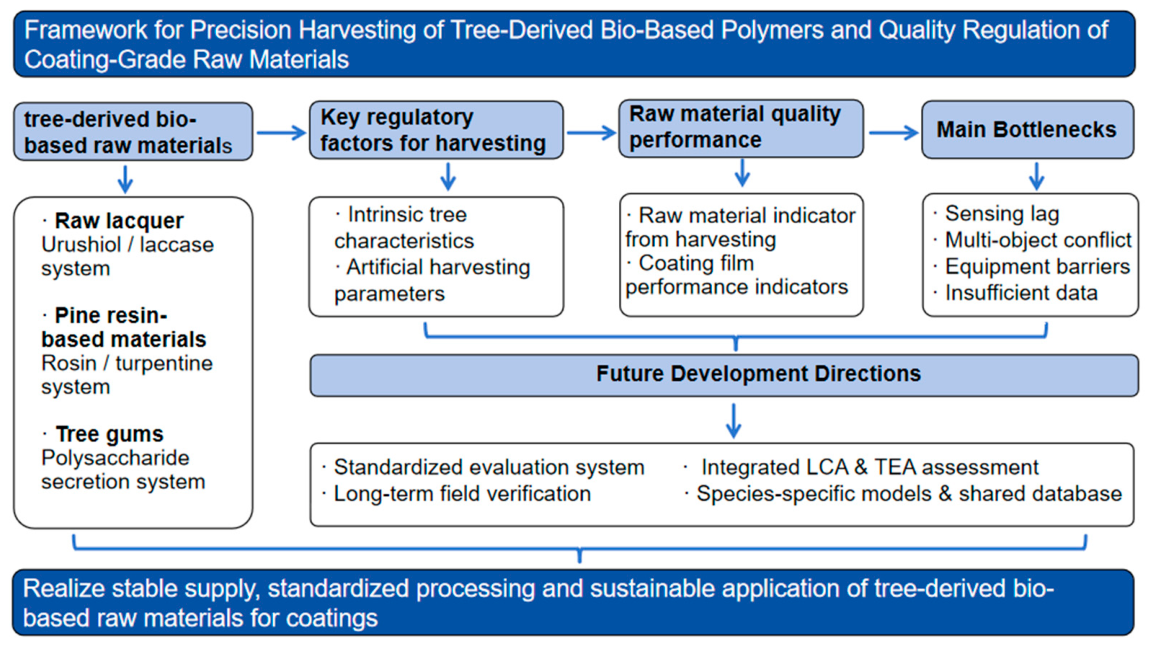
To address this gap, this review establishes a cross-material framework linking harvesting parameters, raw-material quality, and coating performance for tree bark-derived bio-based polymers. The review focuses on raw lacquer, pine resin-derived products, and tree gums. It also compares traditional, precision, mechanized, intelligent, and low-damage harvesting technologies, with attention to material quality, coating stability, tree health, sustainability, and industrial scalability (Figure 1).
Relevant studies published from 2007 to 2026 were collected from Web of Science, Scopus, Google Scholar, ScienceDirect, SpringerLink, PubMed, and CNKI. The main keywords included “tree bark-derived bio-based polymers,” “Raw Lacquer,” “Pine Resin,” “Rosin,” “Turpentine,” “Tree Gums,” “Bio-Based Coatings,” “Film Formation,” “Harvesting Technology,” “Mechanized Harvesting,” and “Intelligent Harvesting.” The collected literature was screened by reading titles, abstracts, and full texts, with emphasis on studies related to Raw Lacquer, pine resin-derived products, tree gums, harvesting methods, secretion mechanisms, coating performance, and sustainability. Studies that were clearly unrelated to Tree Bark-Derived materials, focused only on non-coating applications, or lacked sufficient technical information were not considered in detail. The relevance of the selected sources was assessed qualitatively according to their material type, harvesting relevance, coating relevance, data reliability, and contribution to the harvesting–quality–performance discussion.

2. Structural Characteristics and Functional Components of Bark-Derived Polymers

2.1. Natural Raw Lacquer

2.1.1. Structural Composition and Film-Forming Mechanism of Raw Lacquer

Natural Raw Lacquer is obtained from the exudate of the lacquer tree (Toxicodendron vernicifluum) and exists as water-in-oil (W/O) emulsion. Its main chemical components include urushiol (60%–65%), water (20%–30%), polysaccharides (3%–7%), insoluble glycoproteins (1%–2%), laccase (~0.2%), and trace amounts of blue copper proteins (~0.02%) [7]. The composition of Raw Lacquer, its W/O emulsion structure, and the functional roles of urushiol, laccase, polysaccharides, and glycoproteins have been experimentally characterized in previous studies. Among these components, urushiol serves as the primary film-forming precursor, laccase initiates oxidative polymerization, and polysaccharides and glycoproteins contribute to emulsion stability, interfacial regulation, and film formation. Based on these experimentally verified composition–function relationships, it can be inferred that variations in chemical composition and colloidal stability may affect curing behavior, coating uniformity, adhesion, barrier performance, and long-term durability. Therefore, although the composition and curing chemistry of raw lacquer are experimentally supported, the effects of tapping parameters, such as incision depth, wound spacing, and tapping interval, on laccase activity, urushiol composition, viscosity, curing behavior, and final coating durability remain insufficiently quantified and require further validation.
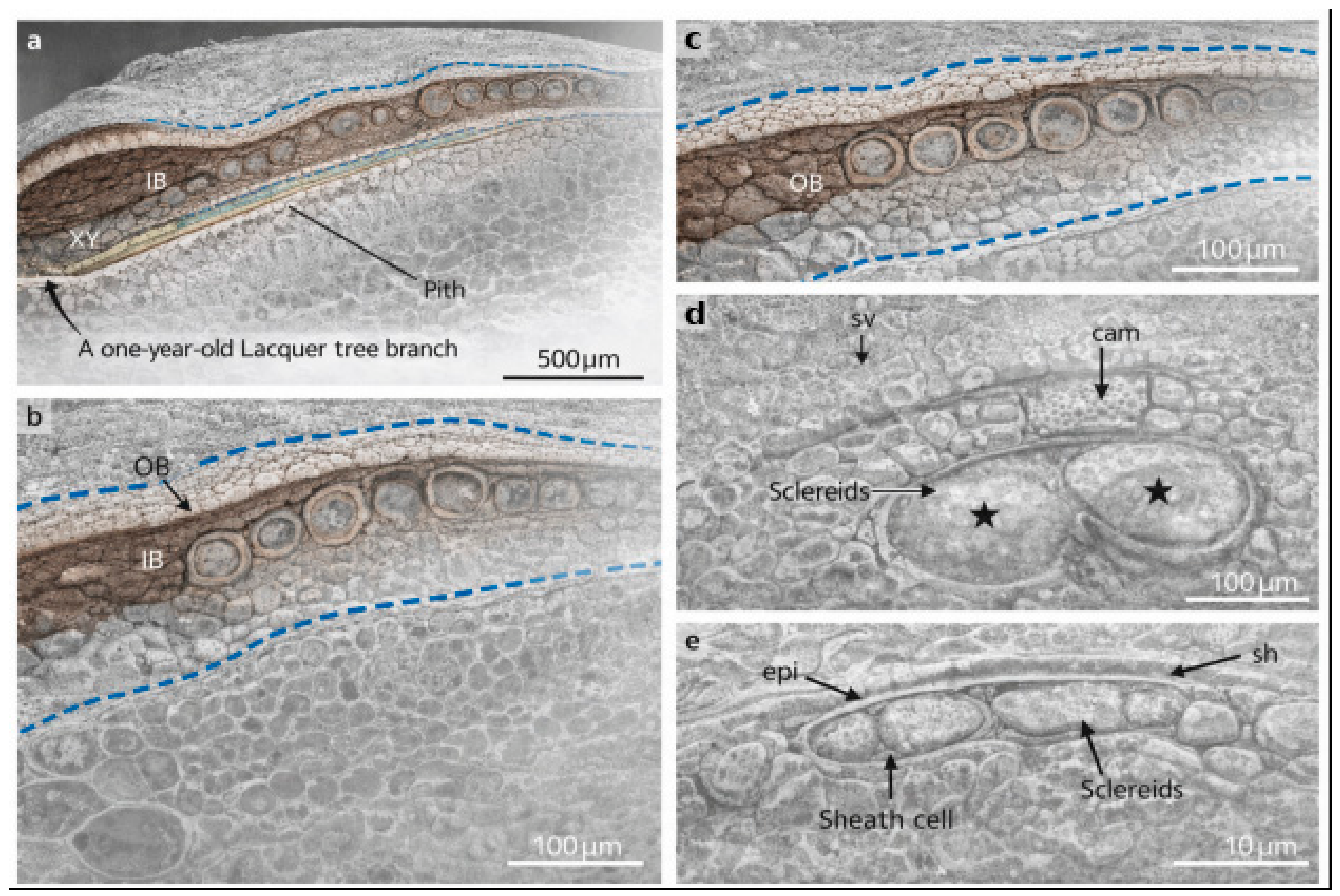
Lacquer sap is primarily distributed in the secondary phloem, where the density and size of laticifer-like resin canals vary with tree age and tissue development, maintaining a dynamic balance between secretion efficiency and mechanical protection of the tree (Figure 2) [8]. Although Figure 2 illustrates a one-year-old branch rather than a harvest-age trunk, it shows that lacquer secretion is closely associated with phloem-related secretory tissues. During tree growth, the trunk bark and secondary phloem further develop, and these tissues become the main anatomical regions for lacquer exudation in 3–10-year-old harvestable trees. Therefore, resin canal distribution provides an anatomical basis for determining appropriate harvesting parameters, especially incision depth and wound spacing. An overly shallow incision may fail to open sufficient active resin canals, resulting in low sap yield, whereas an excessively deep cut can intensify wound stress, increase impurity contamination, and damage cambial tissues. These harvesting-induced variations are clearly relevant to lacquer output and raw-material quality. However, their direct effects on coating-grade properties, such as curing rate, film uniformity, adhesion, and barrier performance, have not been fully quantified. Thus, the link between resin canal anatomy, incision depth, and coating performance should be regarded as a biologically reasonable but still partly inferential relationship.
The curing and film formation of Raw Lacquer can be understood as a sequential process involving emulsion stability, enzymatic oxidation, radical generation, crosslinking, and final coating-property development. First, during secretion and storage, glycoproteins and polysaccharides stabilize the W/O emulsion and regulate the distribution and transport of reactive components at the oil–water interface. Second, under suitable humidity and oxygen conditions, laccase catalyzes the oxidation of catechol groups in urushiol, initiating the enzymatic curing process [9]. Third, this oxidation generates reactive radical species, which further participate in chain propagation and coupling reactions. Blue copper proteins may help regulate radical concentration and suppress excessive oxidation, thereby contributing to reaction stability. Fourth, the radical-mediated reactions lead to progressive crosslinking of urushiol molecules and the formation of a dense three-dimensional polymer network. Environmental factors, especially temperature, humidity, oxygen diffusion, and seasonal variation, can influence enzyme activity, substrate mobility, and polymerization rate. Under appropriate curing conditions, typically at approximately 70%–85% relative humidity, Raw Lacquer undergoes room-temperature enzymatic oxidative polymerization and gradually forms a stable coating film [10]. Finally, the resulting crosslinked network provides lacquer coatings with excellent adhesion, gloss, hardness, chemical resistance, corrosion protection, barrier performance, and long-term durability, making Raw Lacquer a representative high-performance Tree Bark-Derived bio-based coating material.

2.1.2. Applications of Raw Lacquer in Functional Coatings

Owing to its strong adhesion, corrosion resistance, chemical resistance, and long-term durability, Raw Lacquer has been widely recognized as a renewable film-forming material for protective and functional coating systems. Traditionally, it has been applied to furniture, utensils, architectural components, and decorative surfaces, where it provides both aesthetic value and surface protection. During curing, urushiol molecules undergo oxidative polymerization and form a dense crosslinked network that can reduce the penetration of moisture, oxygen, ions, and other corrosive media [11]. This barrier effect is closely related to the durability, anticorrosion performance, and service stability of lacquer-based coatings.
With the increasing demand for sustainable and bio-based coating materials, Raw Lacquer has received renewed attention in advanced surface engineering. In anticorrosion coatings, lacquer-derived films can serve as compact protective layers on metallic substrates, showing potential for humid, marine, and chemically aggressive environments [12]. The phenolic hydroxyl groups in urushiol also contribute to antibacterial activity, which supports the development of lacquer-based antimicrobial coatings and biomedical surface materials [13]. In addition, through micro-/nano-structural regulation, hybridization with inorganic fillers, and surface modification, lacquer-based coatings can be further designed to achieve superhydrophobicity, self-cleaning behavior, antifouling performance, and improved weather resistance. These functional properties make lacquer not only a traditional decorative coating, but also a promising platform for sustainable protective coatings, wood coatings, cultural heritage conservation coatings, and multifunctional surface systems.
The application of Raw Lacquer in high-performance engineering coatings should be discussed at different levels. Traditionally, Raw Lacquer has been used in lacquerware, wood protection, cultural heritage conservation, decorative coatings, and surface protection, where its adhesion, gloss, chemical resistance, and long-term durability have been well demonstrated. More recently, Raw Lacquer and urushiol-based materials have been explored as renewable matrices for anticorrosive, antimicrobial, nano-modified, and other functional coatings. These studies show its potential for advanced green coating systems, but most remain at the laboratory or small-scale validation stage. Therefore, direct use in highly regulated fields such as aerospace coatings should be regarded as a future possibility rather than a mature technology. Several barriers remain, including long curing time, sensitivity to humidity and temperature, urushiol allergenicity, and performance variability caused by tree species, growth conditions, harvesting season, tapping parameters, and post-treatment processes [14]. For aerospace and other demanding applications, further challenges include certification, aging resistance, thermal stability, flame retardancy, reproducibility, and compatibility with industrial coating processes.
Therefore, future development of lacquer-based coating materials should focus on controlled curing, composition standardization, allergen-risk reduction, formulation optimization, and performance verification under service-relevant conditions. Strategies such as compounding with nanofillers, bio-based curing agents, corrosion inhibitors, and functional additives may improve mechanical strength, thermal resistance, barrier performance, and multifunctionality. However, systematic testing, standardized evaluation protocols, and scalable processing methods are still required before Raw Lacquer can be reliably used in advanced engineering coating applications [15].

2.2. Rosin/Turpentine

2.2.1. Structural Composition of Pine Resin and Turpentine and Their Film-Forming Behavior Mechanism

Pine resin-derived rosin and turpentine originate from the oleoresin of Pinus species. Pine resin is mainly composed of non-volatile resin acids and volatile terpenes, with abietic acid-type resin acids as the dominant structural components of rosin [16]. These resin acids contain hydrophobic diterpene backbones and reactive carboxyl groups, which provide active sites for esterification, hydrogenation, disproportionation, polymerization, and salt formation [17]. Therefore, rosin and its derivatives can serve as renewable resin components, tackifiers, modifiers, and film-forming auxiliaries in coatings, printing inks, adhesives, and surface-protection systems. Turpentine, mainly composed of volatile monoterpenes, can function as a bio-based solvent or reactive terpene feedstock for coating formulations.
Pine oleoresin is synthesized and transported through longitudinal and radial resin ducts lined with secretory epithelial cells [18]. Although resin duct development affects resin flow and secretion stability, the key issue for coating applications is how harvesting-induced quality fluctuations influence coating-grade raw materials. Harvesting parameters, including incision depth, wound area, tapping interval, stimulant use, collection method, season, tree age, DBH, and post-harvest handling, can change resin acid composition, volatile terpene content, moisture level, impurity content, viscosity, color, acid value, and oxidative stability. These quality changes can influence coating formulation compatibility, drying kinetics, film uniformity, hardness development, gloss, adhesion, barrier performance, corrosion resistance, and long-term durability.
If the incision is too shallow or the wound area is insufficient, resin flow may be limited, leading to unstable yield and compositional variation. In contrast, excessive cutting or overly frequent tapping can damage xylem and cambial tissues, increase bark debris and dust contamination, accelerate oxidation, darken resin color, and reduce long-term tree productivity. Typically, pine trees aged 10–30 years with a DBH of 15–35 cm have relatively mature resin duct networks and support more stable oleoresin secretion [19]. Therefore, pine resin harvesting should not be evaluated only by crude resin yield, but also by its ability to provide stable, low-impurity, and coating-grade rosin/turpentine feedstocks for reproducible bio-based coating formulations [20]. Compared with raw lacquer, the evidence for pine resin is stronger in terms of resin yield, resin acid composition, volatile terpene content, and industrial rosin/turpentine quality. However, direct studies linking specific tapping parameters with coating properties such as gloss, adhesion, drying kinetics, and corrosion resistance remain limited. Therefore, the harvesting–coating relationship in pine resin systems is mainly supported by combined evidence from resin chemistry, quality characterization, and coating formulation studies.

2.2.2. Applications of Pine Resin in Functional Materials

Owing to its excellent film-forming ability, adhesion, water resistance, and chemical stability, pine resin systems exhibit significant application potential in the field of functional materials and coatings. Traditionally, rosin and turpentine have been widely used in paints, adhesives, varnishes, and protective coating systems [21]. Through oxidative polymerization and crosslinking of resin acid components, they are capable of forming relatively dense continuous films, thereby providing substrate protection and performance enhancement.
In the coatings industry, rosin is commonly used as a natural tackifier or modified resin, significantly improving coating adhesion and film-forming performance while tuning film hardness and flexibility. Turpentine, on the other hand, serves as an important natural solvent and diluent, used to adjust system viscosity and improve application properties. During the drying process, it gradually volatilizes without being incorporated into the final film structure, thus contributing to a more uniform coating morphology [22].
In recent years, with the development of green chemistry and bio-based materials, the functional applications of pine resin-derived materials have been continuously expanded. In protective coating systems, chemical modifications of rosin—such as hydrogenation, esterification, and maleation—can significantly enhance its thermal stability and oxidation resistance, making it more suitable for high-performance coating applications [23]. In the field of adhesives, pine resin derivatives can be blended with synthetic resins or bio-based polymers to construct environmentally friendly adhesive systems with high bonding strength. Furthermore, due to its good processability and renewability, pine resin has been increasingly utilized in the development of low-VOC (volatile organic compound) coating systems, reducing emissions while maintaining desirable film-forming performance.
With advances in microstructural regulation and nanofiller composite technologies, pine resin-based coatings can further achieve synergistic improvements in weather resistance, corrosion resistance, and surface functionalization. These developments provide new research directions for the design and application of sustainable coating materials.

2.3. Tree Gums (Gum Arabic, Peach Gum, Etc.)

2.3.1. Structural Composition of Tree Gums and Their Film-Forming Behavior Mechanism

Tree gums are polysaccharide-based natural biopolymers secreted by plants in response to mechanical injury or environmental stress. Typical examples include gum Arabic (Acacia spp.) and peach gum (Prunus persica) [24,25]. They are generally exuded from phloem-related tissues through natural fissures or artificial tapping as highly viscous, water-soluble colloids composed mainly of polysaccharides, together with minor proteins and mineral ions. Owing to their abundant hydroxyl, carboxyl, and other polar functional groups, tree gums show good water dispersibility, rheological regulation ability, adhesion potential, and film-forming behavior. In coating formulations, their functions should be distinguished according to the application level. As additives, tree gums can improve dispersion stability and formulation viscosity. As binders, they can enhance cohesion and adhesion in waterborne or biodegradable coatings. As rheology modifiers, they regulate flow behavior, leveling, and suspension stability. As film-forming auxiliaries, they can contribute to continuous film formation after water evaporation. However, their direct use as standalone protective coatings is limited because unmodified tree gum films are usually hydrophilic, moisture-sensitive, and insufficiently durable under humid or wet service conditions.
The secretion and quality of tree gums are strongly affected by tree species, tissue maturity, wound condition, tapping strategy, harvesting interval, and environmental factors such as temperature, humidity, season, and water stress. For example, drought conditions may promote gum Arabic exudation, whereas peach gum is generally associated with gummosis induced by mechanical injury, physiological stress, or microbial infection [26]. Therefore, harvesting conditions directly influence gum yield, molecular composition, viscosity, impurity content, moisture level, microbial contamination, and batch-to-batch consistency. For coating-grade applications, excessive mechanical injury, uncontrolled harvesting intervals, or unsuitable humidity conditions may cause unstable polysaccharide composition, inconsistent rheological behavior, and reduced storage stability. These variations further affect coating formulation stability, substrate wetting, film continuity, adhesion, and wet-state performance.
The film formation of tree gums is mainly driven by water evaporation and physical self-assembly rather than enzymatic oxidative polymerization. During dehydration, polysaccharide chains associate through hydrogen bonding, van der Waals forces, and ionic interactions, forming a three-dimensional network that transforms from sol to gel and finally to a solid film [27]. This mechanism gives tree gum-based coatings good compatibility with waterborne systems and hydrophilic substrates. However, the same polar structure also leads to high water uptake, swelling, poor wet stability, and limited long-term barrier performance. Therefore, when tree gums are used in coating systems, their harvesting quality and polysaccharide composition should be controlled together with crosslinking, hydrophobic modification, or composite design. These strategies are necessary to improve adhesion, cohesion, water resistance, barrier performance, aging resistance, and long-term coating durability. For tree gums, the limitation of water sensitivity is directly supported by their hydrophilic polysaccharide structure and coating/film studies. However, the specific influence of harvesting interval, wound size, and collection humidity on final coating durability is less directly demonstrated. These relationships should therefore be understood as reasonable extrapolations from gum secretion behavior, polysaccharide quality, rheology, and waterborne coating performance.

2.3.2. Applications of Tree Gums in Functional Materials

Tree gums, owing to their film-forming ability, biocompatibility, biodegradability, and mild processing characteristics, exhibit potential as renewable components in functional coating systems. Traditionally, gums such as gum Arabic have been widely used as binders, thickeners, emulsifiers, and stabilizers in food, pharmaceutical, and coating formulations, where their polysaccharide networks improve rheological behavior, dispersion stability, and interfacial compatibility [28].
With the development of sustainable coating materials, tree gums have attracted increasing attention in waterborne coatings, biodegradable films, food-packaging coatings, and biomedical surface systems [29,30,31]. In waterborne coating formulations, they can serve as natural rheology modifiers, film-forming auxiliaries, or bio-based binding phases. Their abundant hydroxyl and carboxyl groups promote intermolecular hydrogen bonding, which helps improve coating continuity, flexibility, adhesion to hydrophilic substrates, and dispersion stability of pigments or functional fillers.
However, the same hydrophilic structure that gives tree gums good water dispersibility also represents their major limitation in protective coatings. Because tree gums contain numerous polar groups, gum-based films usually show high moisture sensitivity, poor water resistance, and limited long-term barrier performance under humid or wet service conditions [32,33]. These weaknesses restrict their direct use as independent protective coatings, especially in applications requiring water repellency, corrosion protection, anti-permeation behavior, or outdoor durability. Therefore, when tree gums are used in protective coating systems, they should be regarded more appropriately as modifiable bio-based polymer phases rather than fully developed high-performance coating binders.
To overcome these limitations, crosslinking modification, hydrophobic modification, and composite design are necessary. Crosslinking with bio-based or low-toxicity agents can reduce water solubility and improve wet mechanical stability. Hydrophobic modification can lower surface polarity and enhance water resistance. Composite strategies involving nanofillers (e.g., SiO2, clays), cellulose nanomaterials, natural waxes, plant oils, or bio-based resin networks can further improve barrier properties, mechanical strength, moisture resistance, and interfacial protection [34]. In addition, residual protein and phenolic components in certain gum systems may impart antibacterial and antioxidant activity, providing opportunities for food-contact coatings, active packaging, and biomedical surface materials.
Overall, tree gums are promising renewable additives, binders, rheology modifiers, and matrix components for sustainable coating formulations, but their direct use in high-performance protective coatings remains limited by hydrophilicity, water sensitivity, and insufficient long-term barrier durability. Therefore, future studies should evaluate tree-gum-based coatings using coating-specific parameters, including water uptake, water contact angle, adhesion strength, water vapor transmission rate (WVTR), oxygen transmission rate (OTR), wet-state stability, swelling behavior, barrier performance, and aging resistance. In addition, polysaccharide structural regulation, crosslinking optimization, hydrophobic functionalization, and hybrid coating design should be combined to reduce moisture absorption, improve interfacial adhesion, enhance water and oxygen barrier properties, and maintain film integrity under humid or long-term service conditions. These developments are essential for expanding tree-gum-based materials from traditional binders and stabilizers to reliable bio-based functional coatings with reproducible performance.

3. Traditional Harvesting Techniques and Existing Challenges

3.1. Traditional Manual Harvesting Techniques for Tree Bark-Derived Materials

3.1.1. Raw Lacquer

In China, the harvesting of natural Raw Lacquer has historically relied almost entirely on labor-intensive manual operations, reflecting a long-established integration of empirical craftsmanship and ecological knowledge. During traditional lacquer tapping, skilled workers use specialized tapping knives to carefully create shallow grooves or controlled curved incisions in the bark, specifically targeting laticifer-rich regions to stimulate the continuous exudation of lacquer sap. The selection of incision geometry is not arbitrary; rather, it is the result of accumulated generational experience aimed at optimizing both yield and tree vitality. Common incision patterns include “V-shaped,” “willow-leaf,” “straight-line,” and “ox-nose” types. Each of these designs serves a distinct functional purpose, balancing lacquer output, exudation efficiency, and the degree of physiological damage inflicted on the tree. Among them, the “ox-nose” incision has attracted particular attention due to its ability to minimize damage to the cambial layer, facilitate faster wound healing, and enhance the overall stability and quality of the harvested lacquer.
Traditional tapping operations are typically carried out during the summer season, when relatively high temperatures and active tree metabolism can promote lacquer sap exudation. However, the environmental conditions favorable for sap harvesting should be clearly distinguished from those required for lacquer film curing. Harvesting is mainly concerned with exudate flow, collection efficiency, and initial raw-material quality. During tapping, relatively warm conditions and appropriate tree water status can improve sap fluidity, whereas excessive heat, low humidity, or rapid surface drying may accelerate premature thickening, increase contamination risk, and reduce collection efficiency. Within a day, early morning is widely regarded as a suitable harvesting period because the temperature is moderate, sap fluidity is relatively high, and premature coagulation or surface contamination can be reduced.
By contrast, curing is a post-harvest film-forming process that determines the final coating structure and performance. Raw Lacquer curing depends on laccase-catalyzed oxidation of urushiol and generally requires controlled humidity and temperature. Adequate relative humidity is necessary to maintain laccase activity, support oxygen diffusion, and promote uniform oxidative polymerization, thereby affecting film formation, gloss, adhesion, barrier performance, and long-term coating durability [35]. Therefore, tapping conditions mainly control sap exudation, yield, impurity level, viscosity, moisture content, and initial compositional stability, whereas curing conditions control crosslinking density, film uniformity, mechanical strength, barrier properties, and final coating durability. This distinction is essential for evaluating Raw Lacquer as a coating material, because harvesting quality determines the starting material, while curing conditions determine the final coating film.
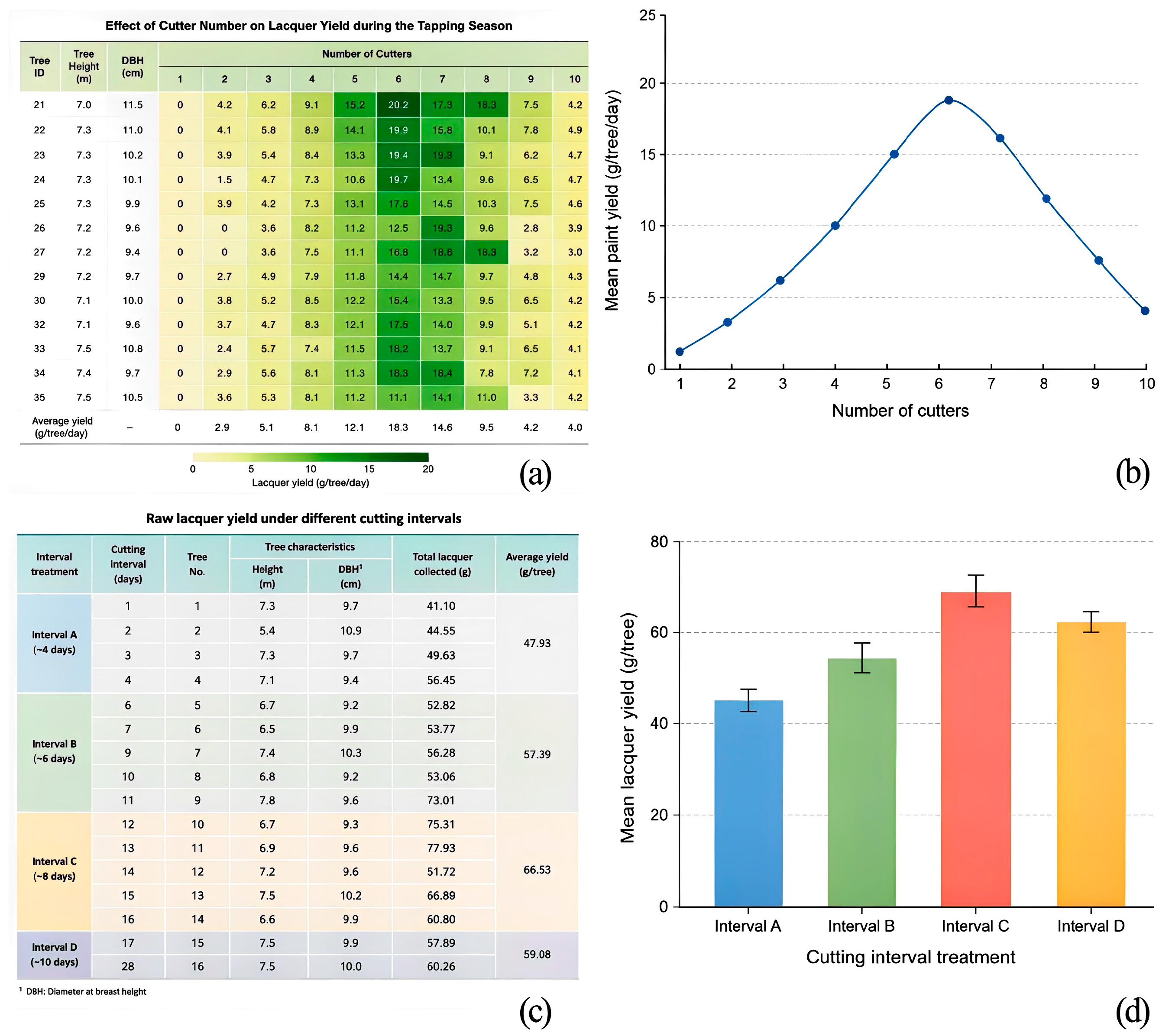
During traditional manual lacquer harvesting, tappers adjust key operational parameters according to tree age, physiological status, regional climate, and seasonal variation. These parameters include incision depth, incision spacing, tapping interval, and harvesting frequency. They influence not only lacquer sap yield, but also impurity content, laccase activity, viscosity, moisture content, and compositional stability, all of which are closely related to the batch-to-batch consistency of coating-grade Raw Lacquer. In the cited experiment, the reported value of 18.3 g/tree/day refers to the highest mean daily total Raw Lacquer yield obtained when six incisions were made on each tree. In contrast, 66.53 g/tree refers to the highest mean cumulative Raw Lacquer yield per tree under the approximately 8-day tapping-interval treatment, rather than a daily or seasonal yield (Figure 3) [36]. These results indicate that incision number and tapping interval can significantly affect Raw Lacquer yield under specific experimental conditions. However, these values should be interpreted as case-specific results because they depend on tree condition, local climate, tapping method, observation period, and evaluation criteria. Additional data on wound healing, cambial damage, lacquer composition, laccase activity, viscosity, and coating performance are still required to comprehensively assess the long-term sustainability and coating-grade quality of the harvesting strategy.
Overall, manual lacquer harvesting is rooted in long-term experiential knowledge and adaptive field management. Traditional guidelines for incision depth, cutting intensity, harvesting frequency, and wound protection have been developed to reduce excessive injury and physiological disorders such as “red-eye disease” and “black-core lacquer.” However, because these operations still depend largely on the tapper’s experience, tree condition, and local environmental conditions, key harvesting and quality-control parameters remain difficult to standardize. For coating-grade Raw Lacquer, standardization should include two levels. First, harvesting operations should be standardized in terms of incision depth, wound spacing, incision angle, tapping interval, harvesting frequency, and collection cleanliness. These parameters directly affect secretion capacity, bark debris contamination, microbial contamination, and wound recovery. Second, raw-material quality indicators should be standardized, including laccase activity, moisture content, viscosity, urushiol composition, impurity level, and batch-to-batch compositional stability. These indicators are directly related to coating performance: laccase activity governs oxidative polymerization and curing behavior; moisture content affects emulsion stability and curing rate; viscosity influences substrate wetting, leveling, and film thickness; and urushiol composition determines crosslinking density, adhesion, barrier performance, corrosion resistance, gloss, and long-term durability. Therefore, the main limitation of traditional lacquer harvesting lies not only in labor intensity or potential tree damage, but also in its insufficient ability to provide standardized, reproducible, and coating-grade Raw Lacquer. This limitation highlights the need for more precise, low-damage, and quality-oriented harvesting strategies for sustainable lacquer-based coating production.

3.1.2. Rosin and Turpentine

Rosin and turpentine collection traditionally relies on manual resin tapping, a long-established forestry practice that integrates empirical knowledge with careful tree management. In this process, grooves are deliberately incised into the tree trunk to stimulate the continuous exudation of resin from specialized resin ducts. These incisions are typically arranged in V-shaped or longitudinal spiral patterns, which are designed to optimize resin flow while simultaneously maintaining the tree’s physiological recovery capacity and minimizing structural stress [37,38].
During tapping, the cutting depth is strictly controlled within the bark layer to avoid damaging the cambium and xylem tissues, as injury to these vital conductive systems can severely impair nutrient transport and long-term tree vitality. Harvesting cycles are generally conducted on a weekly or monthly basis, depending on species characteristics, environmental conditions, and desired yield. Resin production typically reaches its peak during hot and dry summer periods, when increased temperature and reduced humidity enhance resin fluidity and exudation rates.
Experienced workers adjust the position, number, and spacing of grooves according to multiple biological and morphological factors, including tree age, vigor, and trunk diameter. Such adaptive management is essential to prevent overexploitation and to ensure sustained resin productivity over multiple tapping seasons [39]. In some cases, mild mechanical stimulation or carefully controlled chemical stimulants may be applied to enhance resin flow; however, these methods must be precisely regulated to avoid excessive stress or long-term damage to resin duct systems.
Overall, traditional pine resin tapping practices have sustained long-term resin yield and forest resource utilization. However, their capacity to deliver qualified coating-grade raw materials is inherently limited by manual operation uncertainty and variable tree physiological responses. Variations in incision depth, tapping frequency, stimulant application, collection cleanliness, and ambient conditions alter resin productivity, impurity levels, resin acid profiles, volatile terpene content, viscosity, color, and oxidative stability of crude pine resin. For coating applications, such raw material fluctuations further compromise formula compatibility, drying kinetics, film-forming uniformity, interfacial adhesion, gloss retention, mechanical hardness, barrier performance, corrosion resistance, and long-term coating durability. Therefore, traditional resin tapping evaluation should transcend the conventional focus on resin yield and tree protection; more importantly, it requires assessment of its capability to provide stable, reproducible, coating-grade rosin and turpentine feedstocks for sustainable bio-based coating manufacturing.

3.1.3. Tree Gums (Gum Arabic, Peach Gum)

Tree gums are typically collected through manual harvesting from either naturally occurring bark fissures or deliberately created artificial incisions. This process relies heavily on careful human intervention to ensure both product quality and long-term tree sustainability. For example, gum Arabic is usually harvested during dry seasons to reduce the risk of moisture contamination and to improve the stability and purity of the collected exudate. In contrast, peach gum is generally collected only after it has fully solidified on the tree surface, ensuring that the material has undergone sufficient dehydration and natural maturation before removal [40].
During harvesting operations, practitioners must precisely control several key parameters, including incision depth, wound size, and tapping intervals. These factors are adjusted according to species characteristics, tree age, growth conditions, and local environmental variables. Improper management may lead to excessive tissue damage, increased susceptibility to microbial infection, reduced regeneration capacity, or even tree mortality. Therefore, harvesting is not merely a mechanical process but a biologically sensitive operation that requires continuous monitoring and adaptive decision-making.
Traditional tree gum harvesting heavily relies on ambient climate, tree physiological conditions, and veteran workers’ empirical judgment, inevitably triggering pronounced batch-to-batch fluctuations in gum output and intrinsic quality. Irregular tapping intensity, wound dimension, harvesting cycle, and collection environment induce deviations in viscosity, purity, moisture content, polysaccharide distribution, and microbial contamination risk. From a coating-oriented standpoint, such raw material inconsistencies directly impair dispersion stability, rheological properties, substrate wettability, film integrity, interfacial adhesion, coating cohesion, water susceptibility, and long-term service durability of final coatings. While standardized controlled wounding and moderate pruning can boost gum exudation and overall productivity, the core bottleneck lies in reconciling yield improvement with two critical constraints: tree physiological health and consistent quality of coating-grade feedstock. Accordingly, the assessment of tree gum tapping performance ought to go beyond simple yield metrics; greater emphasis should be placed on its capacity to deliver stable, low-impurity, and reproducible polysaccharide raw materials for waterborne and biodegradable coating formulations.
To strengthen the connection between material comparison and coating applications, Table 2 summarizes the sources, harvesting characteristics, coating-grade quality indicators, and coating-performance implications of representative Tree Bark-Derived polymers.

3.2. Common Challenges in Traditional Harvesting

Traditional harvesting methods for bark-derived polymers rely heavily on manual experience and physical labor, which imposes inherent limitations on operational efficiency, product consistency, and large-scale supply. Harvesting operations are often restricted to specific seasons or daily time windows and require repeated cutting, scraping, collecting, and post-handling procedures under physically demanding field conditions. Because exudates are collected from individual trees, the production cycle is relatively long and difficult to accelerate. Moreover, harvesting efficiency and yield strongly depend on the operator’s skill, experience, and physical condition, leading to variability in output, raw-material purity, and batch stability. Rising labor costs and an aging workforce further restrict the sustainable development of traditional harvesting systems.
From the perspective of operational precision, manual harvesting shows considerable variability in controlling incision depth, cutting angle, wound spacing, tapping interval, and harvesting frequency. These parameters directly affect the opening of resin ducts, laticifer-like canals, or gum-secreting tissues, thereby influencing secretion efficiency and material quality. Excessively shallow incisions may fail to activate sufficient exudate flow, whereas overly deep or dense incisions may damage the cambium, resin ducts, and surrounding living tissues. Such damage can reduce secretion capacity, increase impurity contamination, and alter the chemical composition of the collected material. For coating applications, these variations are particularly important because changes in urushiol content, resin acid composition, polysaccharide structure, enzyme activity, or moisture content can affect curing behavior, film formation, gloss, hardness, adhesion, barrier properties, and long-term coating durability.
In addition, traditional harvesting presents challenges in quality control and industrial standardization. Environmental factors, including temperature, humidity, seasonal variation, tree age, and physiological status, significantly influence both yield and chemical composition. Manual operations are often unable to precisely regulate or record these variables, resulting in batch-to-batch inconsistencies in coating-grade raw materials. In contrast, mechanized and intelligent harvesting approaches provide opportunities for more stable incision control, repeatable operation, lower tree damage, and more standardized raw-material collection. However, mechanized systems also require higher initial investment, equipment maintenance, operator training, and adaptation to complex forest environments. Therefore, the transition from traditional harvesting to mechanized harvesting should be evaluated not only by yield, but also by raw-material quality, tree health, cost, scalability, and the resulting stability of coating performance.
The core disparities between traditional manual harvesting and mechanized intelligent harvesting, as well as their corresponding influences on coating production, are summarized in Table 3 from seven comparative perspectives.

3.3. Restrictions on the Industrial Scale-Up and Intelligent Upgrade of Traditional Tree Bark-Derived Raw Material Harvesting

Traditional harvesting of Tree Bark-Derived bio-based feedstocks still relies predominantly on labor-intensive manual operations. High labor costs, low operational efficiency, and inter-operator variability hinder large-scale industrial deployment and unified quality control. At present, harvesting schedules, incision dimensions, tapping frequency, stimulation protocols, and collection cycles are mostly determined by regional experience rather than standardized technical criteria. As a result, key harvesting parameters are difficult to control or trace throughout production. From the perspective of coating applications, this uncertainty is particularly important because variations in raw-material composition, impurity content, moisture level, viscosity, enzyme activity, and oxidation stability can directly influence curing behavior, film formation, adhesion, gloss, barrier performance, corrosion resistance, and long-term coating durability.
The main bottleneck of traditional harvesting lies in the strong dependence on empirical adjustment. Critical variables, including cutting angle, incision depth, wound area, tapping interval, and collection cleanliness, are usually modified according to tree condition, seasonal climate, and worker experience. However, Tree Bark-Derived feedstocks differ substantially in secretory tissue structure, exudate rheology, wound-healing ability, and contamination sensitivity. Lacquer trees, resin-producing pines, and gum-bearing trees have distinct anatomical and physiological characteristics, making it difficult to establish a universal mechanized harvesting model. Irregular trunk morphology, uneven bark thickness, heterogeneous distribution of secretory tissues, and complex forest terrain further increase the difficulty of automation. Although auxiliary cutting tools, semi-mechanized devices, and optimized collection systems have been explored, many technologies remain at the stage of laboratory validation, field trials, or small-scale pilot application.
Mechanized or improved harvesting has been tested in several Tree Bark-Derived feedstock systems, but large-scale promotion remains limited. In pine oleoresin production, grooving tools, borehole tapping devices, mechanical cutting equipment, stimulant-assisted resin induction, and sealed collection systems have been explored in resin-producing regions such as the Mediterranean basin, Turkey, India, and parts of China [41]. Their wider application is restricted by differences in pine species, trunk diameter, resin duct distribution, wound recovery, terrain accessibility, and stimulant response. For Raw Lacquer trees (Toxicodendron vernicifluum), mechanized tapping is further constrained by the uneven distribution of lacquer secretory canals, high sap viscosity, sensitivity of laccase activity, urushiol allergenicity, and strict contamination-control requirements [42]. Tree gum harvesting also faces difficulties because gum exudation is strongly affected by tree species, wound condition, season, humidity, water stress, and harvesting interval, while open and discontinuous collection easily causes impurity contamination, microbial growth, and moisture variation. These limitations reduce the consistency of rosin/turpentine, Raw Lacquer, and polysaccharide gum feedstocks, thereby affecting coating formulation compatibility, rheological stability, drying or curing behavior, film integrity, adhesion, water resistance, barrier properties, corrosion protection, and service durability.
In summary, the insufficient industrialization and intelligent upgrading of traditional Tree Bark-Derived feedstock harvesting are not merely a problem of equipment availability, but a combined challenge involving biological heterogeneity, field adaptability, economic feasibility, maintenance capacity, and downstream coating-performance requirements. Future harvesting systems should integrate species-specific incision models, low-damage cutting tools, sensor-based depth control, sealed or semi-sealed collection units, environmental monitoring, and traceable data recording. These advances are necessary to link harvesting parameters with raw-material quality and to ensure reproducible bio-based coating formulations with stable film formation, adhesion, barrier performance, corrosion resistance, and long-term durability.

4. Advanced Harvesting Technologies and Case Analysis

4.1. Precision Control and Robotic Automation

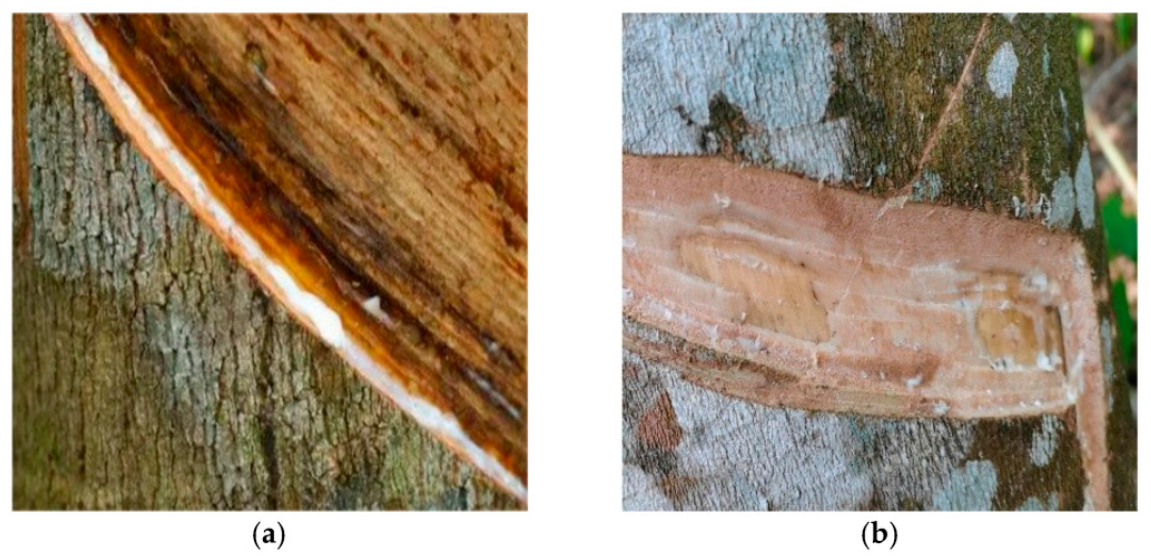
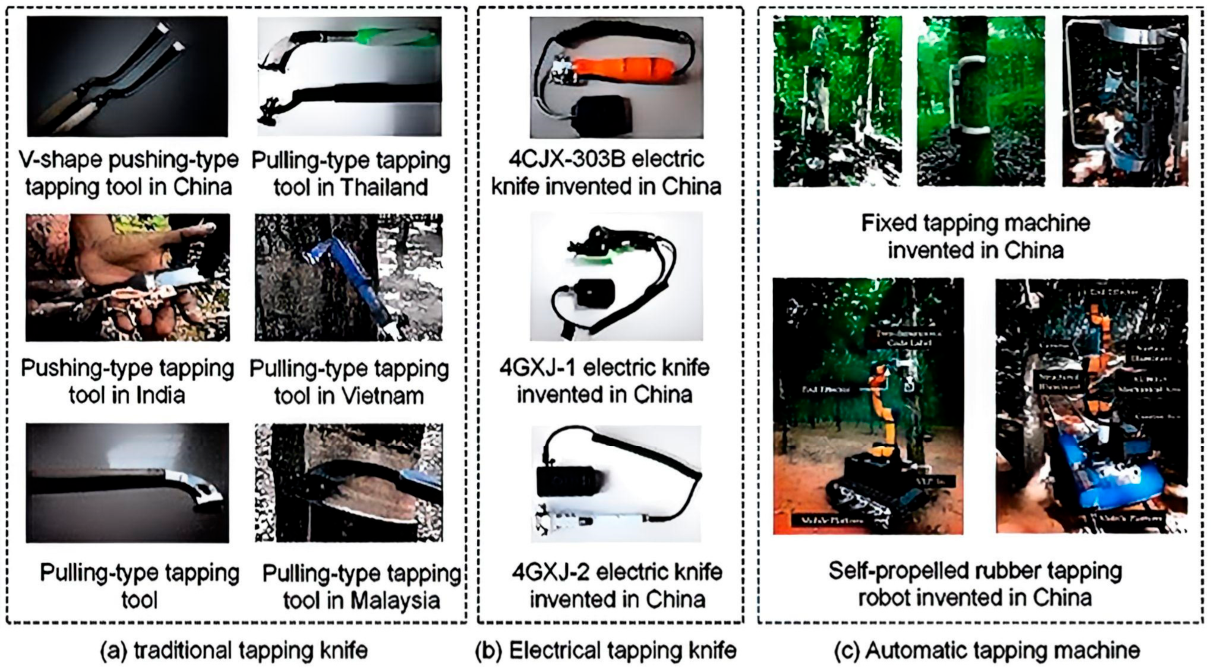
Precision control and low-damage harvesting technologies are important for improving the yield stability and quality consistency of Tree Bark-Derived biopolymer materials while reducing cambial injury and maintaining long-term tree vitality [43]. Mechanized rubber tapping for Hevea brasiliensis provides a technical reference for controlled-depth cutting, trajectory planning, sensor-assisted positioning, and low-damage incision design. In rubber tapping, insufficient cutting depth may leave coagulated latex residues and reduce exudation efficiency (Figure 4a), whereas excessive cutting can damage cambial tissues and laticifer networks, thereby affecting latex flow and tree recovery (Figure 4b) [44]. Recent intelligent rubber tapping systems using laser ranging, inertial measurement units (IMUs), machine vision, spiral trajectory planning, and PSO–PID-based adaptive control have been reported to improve cutting stability. Under the experimental conditions reported by Xu et al., a low-injury rubber tapping robot achieved sub-millimeter cutting-depth accuracy, such as 0.011 mm, with a tree damage rate of approximately 2%. Optimized spiral cutting angles of 25–30 have also been associated with yield improvements of approximately 15%–20% in rubber tapping robot studies [45]. However, these values are specific to H. brasiliensis and should not be directly generalized to lacquer, pine resin, or tree gum harvesting. Rubber tapping is used here only as a technical reference for depth control, tool positioning, trajectory planning, and low-damage cutting, because these materials differ substantially in secretory tissues, exudate viscosity, wound response, flow behavior, and coating-grade quality requirements.
For lacquer tree harvesting, rubber tapping technologies are conceptually informative but cannot be directly transferred. Unlike Hevea brasiliensis, lacquer trees (Toxicodendron vernicifluum) produce a high-viscosity urushiol-based W/O emulsion from resin canal-like secretory tissues rather than latex from laticifer networks. Therefore, automated lacquer tapping must consider incision depth, wound spacing, tool–bark interaction, sap viscosity, laccase sensitivity, urushiol allergenicity, and contamination control. Contour-following tapping, 3D laser reconstruction, adaptive depth control, and automated path planning may improve incision consistency and reduce cambial injury, but their feasibility must be verified through lacquer-tree-specific experiments. More importantly, automated lacquer harvesting should be evaluated not only by yield or cutting accuracy, but also by urushiol composition, laccase activity, moisture content, viscosity, impurity level, curing behavior, film formation, adhesion, barrier performance, and coating durability.
For pine resin harvesting, precision-control technologies are relatively more applicable because pine oleoresin is synthesized, stored, and transported through resin ducts, and resin flow is strongly affected by incision geometry, wound area, tapping interval, and collection method. However, pine resin differs from rubber latex in exudate viscosity, resin acid/terpene composition, slower flow behavior, and sensitivity to oxidation and impurity contamination. Therefore, robotic or semi-mechanized pine resin systems should focus on controllable wound formation, stimulant regulation, adaptive tapping intervals, and sealed or semi-sealed collection. Similar systems already applied in pine resin collection demonstrate strong adaptability to uneven terrain, reduced dependence on skilled labor, and improved operational stability and repeatability [46]. For coating-oriented applications, these technologies should further be connected with resin acid composition, volatile terpene content, acid value, color, viscosity, oxidative stability, drying behavior, gloss, adhesion, barrier performance, and long-term durability.
For tree gum harvesting, the transferability of rubber tapping technologies is more limited. Tree gums are polysaccharide-rich, water-soluble exudates whose secretion is strongly affected by wound condition, humidity, season, water stress, microbial contamination, and maturation time. Therefore, continuous spiral cutting or high-frequency tapping is not necessarily suitable for gum-bearing trees. Instead, controlled wounding, optimized harvesting intervals, clean collection, moisture control, and semi-closed collection systems are more relevant technical directions. These strategies may help stabilize gum yield, polysaccharide composition, viscosity, impurity content, microbial quality, rheological behavior, wet stability, adhesion, and barrier performance in waterborne or biodegradable coating formulations.
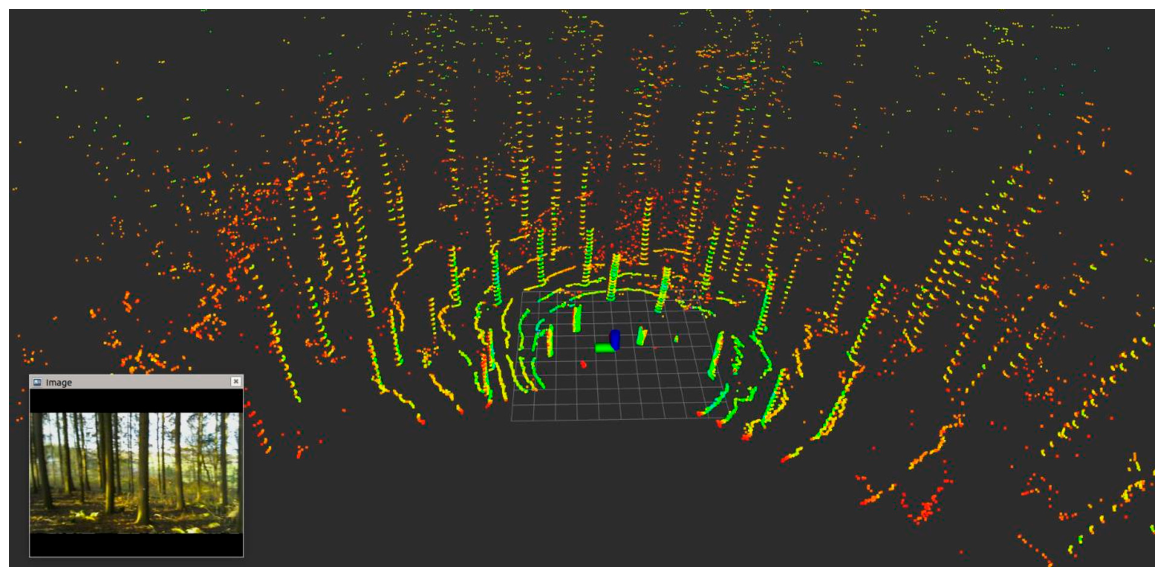
Beyond single-tree control systems, robotic and automated harvesting platforms further expand operational efficiency and scalability. Multi-sensor fusion technologies—incorporating machine vision, LiDAR, IMUs, and force-feedback modules—enable trunk recognition, surface reconstruction, and adaptive trajectory correction during field operations. Modular robotic systems, typically composed of mobile bases, articulated manipulators, and intelligent end-effectors, can autonomously perform positioning, incision, and sap collection tasks under complex forest conditions (Figure 5). However, their design should be material-specific: lacquer systems require contamination control and protection of laccase activity; pine resin systems require oxidation control and stable resin flow; and tree gum systems require moisture and microbial control. Therefore, precision-controlled and automated harvesting technologies should be developed as species-specific systems rather than directly transferred from rubber tapping. By integrating depth control, trajectory optimization, multi-sensor feedback, closed or semi-closed collection, and raw-material quality monitoring, these approaches can support the sustainable production of coating-grade Tree Bark-Derived biopolymers for advanced coating applications.

4.2. Multi-Sensor Fusion and Adaptive Control Technology

In complex forest environments with heterogeneous tree architectures, single-sensor systems are often insufficient to capture the full operational state of harvesting processes, thereby limiting system robustness and positional accuracy. For Tree Bark-Derived coating feedstocks, this limitation is particularly important because inaccurate perception may alter incision depth, wound position, collection cleanliness, and ultimately raw-material quality. To address this limitation, recent studies have increasingly adopted multi-sensor fusion combined with adaptive optimization strategies to support task planning, resource allocation, and dynamic control [47]. Typical configurations integrate LiDAR, stereo vision, inertial measurement units (IMU), force/torque sensors, and environmental monitoring modules (e.g., temperature, and humidity) to achieve multi-scale perception of forest terrain, individual tree morphology, and real-time harvesting conditions (Figure 6). For raw lacquer, these systems may help identify bark thickness, trunk curvature, and damage-sensitive regions, thereby potentially improving incision-depth control and reducing cambial injury. However, their actual effects on laccase activity, urushiol composition, curing behavior, and coating durability still require lacquer-tree-specific validation. This is important for maintaining laccase activity, viscosity, urushiol composition, emulsion stability, and curing behavior. For pine resin, multi-sensor perception can support wound-size control, resin-flow path identification, and collection-position optimization, which are related to resin acid composition, volatile terpene content, color, acid value, oxidative stability, drying behavior, gloss, and adhesion. For tree gums, environmental monitoring and clean collection are especially relevant because gum quality is strongly affected by humidity, microbial contamination, moisture uptake, polysaccharide composition, rheological behavior, wet stability, and barrier performance in waterborne coatings.
On this basis, adaptive optimization algorithms further enhance system-level decision-making by enabling dynamic path planning and harvesting strategy adjustment [49]. Individualized cutting trajectories can be generated based on integrated parameters such as trunk geometry, tissue distribution, and historical yield records, while operational parameters (e.g., cutting speed, helical angle, and incision depth) are continuously updated to accommodate variability in tree physiology and environmental conditions. However, the applicability of these technologies differs among Raw Lacquer, pine resin, and tree gums. Lacquer harvesting requires precise and low-damage incision control, but it also needs strict contamination control because Raw Lacquer is a high-viscosity urushiol-based emulsion sensitive to laccase activity, moisture content, and impurity level. Pine resin harvesting is more suitable for semi-mechanized incision control and sealed or semi-sealed collection, but oxidation, volatile terpene loss, resin color change, and impurity contamination must be controlled to ensure coating-grade rosin/turpentine quality. Tree gum harvesting is less suited to continuous cutting trajectories and instead requires controlled wounding, optimized collection intervals, humidity regulation, and microbial control to maintain viscosity, water sensitivity, film continuity, and barrier properties.
From a coating-oriented perspective, multi-sensor fusion and adaptive optimization should therefore be evaluated not only by positioning accuracy or harvesting efficiency, but also by their ability to stabilize coating-relevant raw-material indicators, including impurity content, moisture content, viscosity, enzyme activity, chemical composition, oxidative stability, and batch consistency. These indicators directly influence film formation, curing or drying behavior, adhesion, gloss, water resistance, barrier performance, corrosion protection, and long-term durability. Nevertheless, several limitations still restrict field deployment. Continuous sensor operation, real-time data processing, and multi-actuator coordination increase energy consumption, while lithium battery packs may limit operating time in remote forest environments. The integration of LiDAR and multi-modal sensing units also increases system cost, and maintenance becomes difficult under high humidity, dust exposure, and temperature fluctuations. Reliable field use further requires dustproof and moisture-resistant protection (e.g., IP-rated enclosures), regular sensor calibration, data synchronization, fault diagnosis, and operator training. Therefore, future intelligent harvesting systems for Tree Bark-Derived coating materials should combine multi-sensor perception with material-specific harvesting models, closed or semi-closed collection, and raw-material quality monitoring to establish a traceable link between harvesting operations and coating performance.

4.3. Green and Efficient Assisted Harvesting Technologies

Green and efficient forest-product harvesting technology aims to improve the yield and collection efficiency of resins, latex, and lacquer while minimizing tree injury and maintaining long-term tree productivity [50]. In this review, “green” harvesting is not defined only by higher yield, but by a set of sustainability-oriented criteria, including reduced cambial and vascular tissue damage, lower raw-material loss during collection, decreased use of high-concentration chemical stimulants, reduced emissions of volatile organic compounds and harvesting-related waste, and extended productive lifespan of tapped trees. From the perspective of coating applications, these criteria are particularly important because low-damage and low-contamination harvesting can help maintain the chemical stability, viscosity, enzyme activity, curing behavior, and film-forming consistency of coating-grade bio-based raw materials. In lacquer trees and resin-producing pines, green harvesting strategies generally combine mild physiological stimulation, optimized cutting intensity, controlled collection intervals, and auxiliary mechanized devices to promote exudate secretion without excessive mechanical injury or harsh chemical treatment.
During sap or resin collection, closed-channel collection devices can guide exudates into conduits or sealed collection bags [51], thereby reducing contamination, oxidation, and environmental exposure. This is especially relevant for coating-related raw materials, because oxidation, impurity introduction, or uncontrolled volatile loss may affect resin acid composition, urushiol stability, moisture content, viscosity, and subsequent coating performance. Flow-guiding and enclosed collection systems can also improve material utilization by reducing dripping loss and residue accumulation on the bark surface. In pine resin harvesting, the combination of low-intensity physical stimulation and enclosed collection has been reported to improve resin yield and reduce collection loss compared with conventional open collection methods [52]. However, reported improvements such as increased yield, reduced loss, enhanced wound healing, or decreased tree damage should be interpreted together with the experimental context, including tested tree species and number, tree age, monitoring period, control group design, stimulant type and concentration, environmental conditions, statistical significance, and variability range. Without these details, such values should be considered study-specific rather than universally applicable.
Furthermore, green and efficient harvesting technologies are increasingly being integrated with digital management systems to enable real-time monitoring and traceable production. Parameters such as incision depth, cutting frequency, stimulation strategy, collection time, exudate yield, wound condition, and tree health status can be recorded for individual trees, providing a basis for optimizing harvesting cycles and reducing cumulative physiological stress. For lacquer harvesting, strategies such as micro-rotary cutting, mild stimulation, and enclosed collection (“low-intensity cutting + enclosed collection”) may help balance yield improvement with tree protection. Nevertheless, claims regarding increases in lacquer yield, improved wound-healing rates, or reduced tree damage should be supported by clearly defined evaluation indicators. Wound healing should be assessed using measurable parameters such as wound closure area, callus formation, cambial recovery, or repeated-tapping viability over a defined period, while tree damage should be evaluated through incision depth deviation, cambial injury ratio, tissue browning, infection rate, or decline in subsequent secretion capacity. By linking low-impact harvesting with raw-material consistency and coating performance, green harvesting technologies can provide a more reliable foundation for sustainable production of bio-based coatings, adhesives, and surface-protection materials.
These cases indicate that green and efficient auxiliary harvesting technologies can achieve high-yield collection of latex, lacquer, and resins without relying on high-intensity mechanical or traditional manual harvesting, while safeguarding tree health and ecological sustainability. They thus provide a reliable technological foundation for the green and intelligent development of modern forestry.

5. Current Challenges in Harvesting Technologies

5.1. Incision-Depth Control, Impurity Content, and Film Uniformity

Precise incision-depth control is a key challenge in harvesting Tree Bark-Derived polymeric materials. Under field conditions, irregular trunk curvature, uneven bark thickness, variable hardness, and heterogeneous secretory tissue distribution make stable cutting difficult. A shallow incision may fail to open sufficient secretory tissues, reducing exudate flow and yield, whereas excessive cutting can damage cambial or xylem tissues, increase bark debris and dust contamination, and destabilize exudate composition.
For coating applications, incision-depth errors directly affect impurity content, viscosity, and film uniformity. Impurities may disturb dispersion, reduce film smoothness, and cause pinholes, uneven thickness, or weak interfacial regions. Viscosity changes further influence substrate wetting, leveling, coating thickness, and film continuity. In unstructured forests, positioning errors caused by uneven terrain, trunk movement, illumination, humidity, and surface texture remain major limitations for intelligent robots [53]. Future systems should combine tree morphology modeling, dynamic sensing, and adaptive depth control to reduce contamination and support uniform coating formation.

5.2. Tapping-Interval Regulation, Enzyme Activity, and Curing Behavior

Tapping interval is a key parameter linking harvesting operations with coating performance. Excessively short intervals may increase wound stress, reduce wound-healing capacity, and disturb the physiological balance of secretory tissues. In Raw Lacquer harvesting, frequent cutting may alter laccase activity, moisture content, urushiol composition, and emulsion stability. In pine resin and tree gum systems, tapping interval can also affect resin acid composition, volatile terpene content, polysaccharide structure, viscosity, and rheological behavior.
These changes directly influence curing and drying behavior. For Raw Lacquer, laccase activity controls urushiol oxidation, while urushiol composition affects crosslinking density and final film properties. For pine resin-derived coatings, volatile content and resin acid composition influence drying kinetics, film formation, and oxidative stability. For tree gum-based coatings, polysaccharide composition and viscosity affect water evaporation, gel formation, and film continuity. Therefore, future intelligent harvesting systems should combine adaptive control, tapping-interval optimization, and raw-material quality monitoring, including enzyme activity, moisture content, viscosity, and key chemical composition, to ensure reproducible curing behavior and coating performance [54].

5.3. Collection Method, Contamination/Moisture Control, and Barrier Performance

Collection method strongly affects contamination, moisture content, and post-harvest stability of Tree Bark-Derived raw materials. The traditional open collection is simple but exposes exudates to bark debris, dust, rainwater, insects, microorganisms, oxygen, and temperature fluctuations. These factors may increase impurity content, water uptake, oxidation, microbial contamination, and batch variation. For Raw Lacquer, they can disturb emulsion stability, laccase activity, viscosity, and curing behavior. For pine resin, they may affect color, acid value, volatile terpene content, and oxidative stability. For tree gums, they can alter polysaccharide composition, rheology, storage stability, and wet-state performance.
For coatings, collection-related contamination and moisture variation are directly linked to barrier performance. Impurities and excess water may create microdefects, reduce film compactness, and increase pathways for water, oxygen, and corrosive ions, thereby weakening water resistance, oxygen barrier performance, corrosion protection, and durability. Therefore, closed or semi-closed collection, clean containers, controlled drainage, and rapid post-harvest handling are essential for coating-grade raw-material quality.

6. Development Trends and Prospects

Harvesting technologies for tree bark-derived bio-based polymers should shift from yield-oriented operations to quality- and coating-performance-oriented systems. This review establishes a framework linking harvesting parameters, raw-material quality, tree health, and final coating behavior. Three pathways require particular attention: incision depth controls impurity content and viscosity, affecting film uniformity; tapping interval influences enzyme activity and chemical composition, regulating curing or drying behavior; and collection method determines contamination and moisture levels, affecting barrier performance and durability.
Future work should establish standardized metrics for incision depth, wound spacing, tapping interval, collection cleanliness, impurity content, moisture content, viscosity, enzyme activity, composition, and batch consistency. These metrics should be correlated with adhesion, gloss, hardness, barrier properties, corrosion resistance, and aging durability. Long-term multi-site trials are needed to evaluate yield stability, cambial injury, wound recovery, productive lifespan, and compositional variation. Species-specific models, intelligent sensing, closed collection, life cycle assessment, techno-economic analysis, and databases will improve reproducibility.

Author Contributions

X.L. (Xiaotong Li) and H.G. contributed to the conceptualization, methodology, manuscript drafting, and integration of research data; Y.Z. and X.F. participated in investigation, field experiments, data collection, validation of harvesting techniques, formal analysis, and visualization; S.L. assisted in experimental design, software tools support, and mechanical aspects of harvesting simulations; X.L. (Xinyou Liu) supervised the research, acquired funding, oversaw the project, guided the study design, and reviewed and edited the manuscript. All authors have read and agreed to the published version of the manuscript.

Funding

This research received no external funding.

Institutional Review Board Statement

Not applicable.

Data Availability Statement

The original contributions presented in this study are included in the article. Further inquiries can be directed to the corresponding author.

Acknowledgments

During the preparation of this manuscript/study, the author(s) used ChatGPT 5.5 Scholar GPT for the purposes of language polishing and refinement. The authors have reviewed and edited the output and take full responsibility for the content of this publication.

Conflicts of Interest

The authors declare no conflicts of interest.

References

  1. Ponnusamy, P.G.; Mani, S. Material and Environmental Properties of Natural Polymers and Their Composites for Packaging Applications-A Review. Polymers 2022, 14, 4033. [Google Scholar] [PubMed]
  2. Liu, C.; Luan, P.; Li, Q.; Cheng, Z.; Xiang, P.; Liu, D.; Hou, Y.; Yang, Y.; Zhu, H. Biopolymers Derived from Trees as Sustainable Multifunctional Materials: A Review. Adv. Mater. 2020, 33, e2001654. [Google Scholar] [CrossRef] [PubMed]
  3. Zaw, Z.N. A review of low-frequency latex harvesting systems that lessen the tapper shortage problem of the smallholders’ natural rubber production. Kultivasi 2023, 22, 210–217. [Google Scholar] [CrossRef]
  4. Wang, L.; Huang, C.; Li, T.; Cao, J.; Zheng, Y.; Huang, J. An Optimization Study on a Novel Mechanical Rubber Tree Tapping Mechanism and Technology. Forests 2023, 14, 2421. [Google Scholar] [CrossRef]
  5. McSharry, C.; Faulkner, R.; Rivers, S.; Shaffer, M.S.P.; Welton, T. The chemistry of East Asian lacquer: A review of the scientific literature. Stud. Conserv. 2007, 52, 29–40. [Google Scholar] [CrossRef]
  6. Rong, G.; Jiang, J.; Schmitz, N.; Jia, L.; Hamed, G.R. The mechanism for the exceptionally high tear strength of carbon black/Hevea natural rubber vulcanizates. arXiv 2019, arXiv:1905.09857. [Google Scholar]
  7. Yao, K.; Tian, J.; Huang, P. Urushiol-Based Antimicrobial Coatings for Lacquer Art Applications: A Review of Mechanisms, Durability, and Safety. Coatings 2026, 16, 198. [Google Scholar] [CrossRef]
  8. Kuroda, K.; Yamane, K.; Tabata, M. Anatomical study of resin duct development in the bark of the lacquer tree (Toxicodendron vernicifluum (Stokes) F. A. Barkley) in relation to tree growth. Trees 2024, 39, 8. [Google Scholar] [CrossRef]
  9. Yang, J.; Chen, N.; Zhu, J.; Cai, J.; Deng, J.; Pan, F.; Gao, L.; Jiang, Z.; Shen, F. Polymerization mechanism of natural lacquer sap with special phase structure. Sci. Rep. 2020, 10, 12867. [Google Scholar] [CrossRef] [PubMed]
  10. Hou, J.; Wang, T.; Wang, Y.; Feng, X.; Liu, X. Research on the Rapid Curing Mechanism and Technology of Chinese Lacquer. Polymers 2025, 17, 1596. [Google Scholar] [CrossRef] [PubMed]
  11. Li, X.; Qian, Y.; Wu, X.; Zheng, Y.; Feng, X.; Liu, X. Recent Advances in Modification Strategies and Functional Applications of Raw Lacquer: A Comprehensive Review. Materials 2026, 19, 2489. [Google Scholar] [CrossRef] [PubMed]
  12. Chen, Y.; Zhang, G.; Zhang, G.; Ma, C. Rapid curing and self-stratifying lacquer coating with antifouling and anticorrosive properties. Chem. Eng. J. 2021, 421, 129755. [Google Scholar] [CrossRef]
  13. Zhao, M.; Hu, C. An ultrastructural study of the development of resin canals and lacquer secretion in Toxicodendron vernicifluum (Stokes) F. A. Barkley. S. Afr. J. Bot. 2018, 116, 61–66. [Google Scholar]
  14. Li, Y.; Yuan, J.; Wang, H.; Li, S.; Liu, Z.; Lu, Y.; Zhang, J.; Yi, Y.; Shi, J.; Wu, H.; et al. Enhanced wood protection and sustainability via nano-modified raw lacquer coatings: Preparation, properties, and performance evaluation. Ind. Crops Prod. 2025, 233, 121417. [Google Scholar] [CrossRef]
  15. Zhao, M.; Liu, C.; Zheng, G.; Wei, S.; Hu, Z. Comparative studies of bark structure, lacquer yield and urushiol content of cultivated Toxicodendron vernicifluum varieties. N. Z. J. Bot. 2012, 51, 13–21. [Google Scholar] [CrossRef]
  16. Zhang, L.; Wu, H.; Wei, M.; Zheng, Z.; Vu, D.D.; Bui, T.T.X.; Huang, X. Preparation, characterization, and properties of graphene oxide/urushiol-formaldehyde polymer composite coating. J. Coat. Technol. Res. 2018, 15, 1343–1356. [Google Scholar]
  17. Yan, X.; Zhai, Z.; Song, Z.; Shang, S.; Rao, X. Synthesis and properties of polyester-based polymeric surfactants from diterpenic rosin. Ind. Crops Prod. 2017, 108, 371–378. [Google Scholar] [CrossRef]
  18. Su, S.; Liu, Y.; Chen, W.; Zhang, J.; Liu, X. Advances in the Chemical Properties and Functional Applications of Urushiol: From Traditional Lacquerware to Modern Materials. Polymers 2026, 18, 1072. [Google Scholar] [CrossRef]
  19. Turner, G.W.; Parrish, A.N.; Zager, J.J.; Fischedick, J.T.; Lange, B.M. Assessment of flux through oleoresin biosynthesis in epithelial cells of loblolly pine resin ducts. J. Exp. Bot. 2019, 70, 217–230. [Google Scholar] [PubMed]
  20. Seixas, N.; Santos, S.A.O.; Silvestre, A.J.D. Rapid GC-MS Characterization of Oleoresin, Turpentine and Rosin Using Tailored Chromatographic Programs. Int. J. Mol. Sci. 2026, 27, 1690. [Google Scholar] [CrossRef] [PubMed]
  21. Kugler, S.; Ossowicz, P.; Malarczyk-Matusiak, K.; Wierzbicka, E. Advances in Rosin-Based Chemicals: The Latest Recipes, Applications and Future Trends. Molecules 2019, 24, 1651. [Google Scholar] [CrossRef] [PubMed]
  22. da Silva Rodrigues-Corrêa, K.C.; de Lima, J.C.; Fett-Neto, A.G. Oleoresins from Pine: Production and Industrial Uses. In Natural Products; Springer: Berlin/Heidelberg, Germany, 2013; pp. 4037–4060. [Google Scholar]
  23. Cabrita, P. Resin flow in conifers. J. Theor. Biol. 2018, 453, 48–57. [Google Scholar] [CrossRef] [PubMed]
  24. Sarria-Villa, R.A.; Gallo-Corredor, J.A.; Benítez-Benítez, R. Characterization and determination of the quality of rosins and turpentines extracted from Pinus oocarpa and Pinus patula resin. Heliyon 2021, 7, e07834. [Google Scholar] [CrossRef] [PubMed]
  25. Sousa, D.; Biscaia, S.; Viana, T.; Gaspar, M.; Mahendra, V.; Mohan, S.D.; Mateus, A.; Mitchell, G.R. Rosin Based Composites for Additive Manufacturing. Appl. Mech. Mater. 2019, 890, 70–76. [Google Scholar]
  26. Sarr, M.S.; Seiler, J.R.; Sullivan, J.; Diallo, A.M.; Strahm, B.D. Drought resistance and gum yield performances in a Senegalia senegal (L.) Britton progeny trial in Senegal. New For. 2021, 52, 943–957. [Google Scholar] [CrossRef]
  27. Mahendra, V. Rosin Product Review. Appl. Mech. Mater. 2019, 890, 77–91. [Google Scholar]
  28. Batiha, G.E.-S.; Akhtar, N.; Alsayegh, A.A.; Abusudah, W.F.; Almohmadi, N.H.; Shaheen, H.M.; Singh, T.G.; De Waard, M. Bioactive compounds, pharmacological actions, and pharmacokinetics of genus Acacia. Molecules 2022, 27, 7340. [Google Scholar] [CrossRef] [PubMed]
  29. Padil, V.V.T.; Wacławek, S.; Černík, M.; Varma, R.S. Tree gum-based renewable materials: Sustainable applications in nanotechnology, biomedical and environmental fields. Biotechnol. Adv. 2018, 36, 1984–2016. [Google Scholar] [CrossRef] [PubMed]
  30. Athinarayanan, J.; Periasamy, V.S.; Alshatwi, A. A Ultrasonic-Assisted Synthesis and Cytocompatibility Assessment of TiO2/SiO2 Nanoparticles-Impregnated Gum Arabic Nanocomposite: Edible Coating of Dates for Shelf-Life Extension. Polymers 2025, 17, 161. [Google Scholar] [PubMed]
  31. Sultan, M.; Elsayed, H.; Taha, G. Potential effect of citrate nanocellulose on barrier, sorption, thermal and mechanical properties of chitosan/Arabic gum packaging film. Food Biosci. 2023, 56, 103246. [Google Scholar] [CrossRef]
  32. Cui, C.; Gao, L.; Dai, L.; Ji, N.; Qin, Y.; Shi, R.; Qiao, Y.; Xiong, L.; Sun, Q. Hydrophobic Biopolymer-Based Films: Strategies, Properties, and Food Applications. Food Eng. Rev. 2023, 15, 360–379. [Google Scholar] [CrossRef]
  33. Nechita, P.; Roman, M. Review on Polysaccharides Used in Coatings for Food Packaging Papers. Coatings 2020, 10, 566. [Google Scholar] [CrossRef]
  34. Simas-Tosin, F.F.; Barraza, R.R.; Petkowicz, C.L.O.; Silveira, J.L.M.; Sassaki, G.L.; Santos, E.M.R.; Gorin, P.A.J.; Iacomini, M. Rheological and structural characteristics of peach tree gum exudate. Food Hydrocoll. 2010, 24, 486–493. [Google Scholar] [CrossRef]
  35. Hou, J.; Wang, Y.; Wang, T.; Xu, G.; Feng, X.; Liu, X. The Effects of Repeated Kurome Treatment on Chinese Lacquer and Its Film Properties. Polymers 2025, 17, 1481. [Google Scholar] [CrossRef] [PubMed]
  36. Zhou, J.; Wang, Z.; Wu, W.; Li, L.; Liao, S. Effects of Different Cutting Methods on the Properties of Lacquer Production. Acta Agric. Univ. Jiangxiensis 2021, 43, 364–370. (In Chinese) [Google Scholar]
  37. Dkhar, K.O.; Johar, V. Harvesting liquid gold: Innovative techniques in pine resin tapping. Int. J. Adv. Biochem. Res. 2024, 8, 366–372. [Google Scholar] [CrossRef]
  38. López-Álvarez, Ó.; Zas, R.; Marey-Perez, M. Resin tapping: A review of the main factors modulating pine resin yield. Ind. Crops Prod. 2023, 202, 117105. [Google Scholar] [CrossRef]
  39. Hertz, C.H. A new method of turpentine orcharding. Nature 1903, 68, 499. [Google Scholar]
  40. Elyas Siddig Eltahir, M.; Eldin Mohamed Fadl, K.; Adam Abbas Hamad, M.; Ismail Ahmed Safi, A.; Mohamed Ahmed Elamin, H.; Ibrahim Mohammed Abutaba, Y.; Ismail Musa, F.; Elsheikh Mahmoud, T.; Alemeu, A.; Ali Abdelrhman, H.; et al. Tapping Tools for Gum Arabic and Resins Production: A Review Paper. Am. J. Eng. Technol. Manag. 2023, 8, 33–40. [Google Scholar] [CrossRef]
  41. Caglayan, İ.; Kabak, Ö.; Ucal Sari, I. Comparative cost analysis for bore hole and bark streak tapping methods in resin production from Pinus brutia. Agrofor. Syst. 2025, 99, 45. [Google Scholar] [CrossRef]
  42. Wang, Y.; Hou, J.; Wang, T.; Feng, X.; Liu, X. Research on Volatile Allergenic Substances in Chinese Lacquer: An Integrated Analysis of Their Composition, Detection, Mechanisms, and Prevention. Polymers 2025, 17, 1722. [Google Scholar] [CrossRef] [PubMed]
  43. Ismawanto, S.; Aji, M.; Lopez, D.; Mournet, P.; Gohet, E.; Syafaah, A.; Bonal, F.; Oktavia, F.; Taryono; Subandiyah, S.; et al. Genetic analysis of agronomic and physiological traits associated with latex yield revealed complex genetic bases in Hevea brasiliensis. Heliyon 2024, 10, e33421. [Google Scholar] [CrossRef] [PubMed]
  44. Xu, R.; Liao, Y.; Liu, J.; Zhang, Z.; Zhang, X. Low-Injury Rubber Tapping Robots: A Novel PSO-PID Approach for Adaptive Depth Control in Hevea Brasiliensis. Agriculture 2025, 15, 1089. [Google Scholar]
  45. Gao, K.; Sun, J.; Gao, F.; Jiao, J. Tapping error analysis and precision control of fixed tapping robot. Trans. Chin. Soc. Agric. Eng. 2021, 37, 44–50. (In Chinese) [Google Scholar]
  46. Zhang, C.; Yong, L.; Chen, Y.; Zhang, S.; Ge, L.; Wang, S.; Li, W. A Rubber-Tapping Robot Forest Navigation and Information Collection System Based on 2D LiDAR and a Gyroscope. Sensors 2019, 19, 2136. [Google Scholar] [PubMed]
  47. Gurau, V.; Ragland, B.; Cox, D.; Michaud, A.; Busby, L. Robot Operations for Pine Tree Resin Collection. Technologies 2021, 9, 79. [Google Scholar] [CrossRef]
  48. Khaksar, W.; Astrup, R. Multi-Sensor Terrestrial SLAM for Real-Time, Large-Scale, and GNSS-Interrupted Forest Mapping. arXiv 2023, arXiv:2310.01064. [Google Scholar]
  49. Ferreira, J.F.; Portugal, D.; Andrada, M.E.; Machado, P.; Rocha, R.P.; Peixoto, P. Sensing and Artificial Perception for Robots in Precision Forestry: A Survey. Robotics 2023, 12, 139. [Google Scholar] [CrossRef]
  50. Chae, Y.K.; Woo, T.R.; Kim, K.-N. A systematic approach for quantifying rubber content in plant latex by infrared spectroscopy. Discov. Appl. Sci. 2025, 7, 1317. [Google Scholar] [CrossRef]
  51. Zang, Y.; Yang, B.; Liang, F.; Xiao, X. Novel Adaptive Laser Scanning Method for Point Clouds of Free-Form Objects. Sensors 2018, 18, 2239. [Google Scholar] [CrossRef] [PubMed]
  52. Zhang, Z.L.; Zhu, J.H.; Zhang, Q.Q.; Cai, Y.B. Molecular characterization of an ethephon-induced Hsp70 involved in high and low-temperature responses in Hevea brasiliensis. Plant Physiol. Biochem. 2009, 47, 954–959. [Google Scholar]
  53. Yue, Z.; Xiao, C. A meta-review of remote sensing for rubber plantations. Int. J. Appl. Earth Obs. Geoinf. 2025, 141, 104625. [Google Scholar]
  54. Zhou, H.; Gao, J.; Zhang, F.; Zhang, J.; Wang, S.; Zhang, C.; Li, W. Evaluation of Cutting Stability of a Natural-Rubber-Tapping Robot. Agriculture 2023, 13, 583. [Google Scholar]
Figure 1. Precision harvesting framework for tree bark-derived biopolymers toward standardized coating-grade feedstock.
Coatings 16 00791 g001
Figure 2. Bark anatomy and resin ducts in a one-year-old Toxicodendron vernicifluum branch. (a) Outer bark (OB), inner bark (IB), xylem (XY), and pith. (b) Resin ducts beneath the bark. (c) Cambium (cam), sieve tubes (sv), and parenchyma. (d) Resin ducts with sclereids. (e) Epithelial cells (epi) and sheath cells (sh). Asterisks indicate resin duct lumens.
Coatings 16 00791 g002
Figure 3. Effects of tapping interval and incision number on Raw Lacquer yield in 5-year-old trees. (a) Yield under different tapping intervals. (b) Average yield under different tapping intervals. (c) Individual-tree yield under different incision numbers. (d) Average yield under different tapping frequencies [36].
Coatings 16 00791 g003
Figure 4. The effects of different tapping depths on rubber trees: (a) excessively shallow tapping and (b) excessively deep tapping [44].
Coatings 16 00791 g004
Figure 5. Examples of rubber tapping tools and machines from different countries. (a) Traditional tapping knives used in China, Thailand, India, Vietnam, and Malaysia. (b) Electric tapping knives developed in China. (c) Fixed and self-propelled automatic rubber tapping machines developed in China [4].
Coatings 16 00791 g005
Figure 6. A frame from the recorded datasets including the lidar point cloud and the camera feed [48].
Coatings 16 00791 g006
Table 1. Comparison of previous reviews and the specific contribution of this review.
Previous Review TypeMain FocusRepresentative ObjectsMain Limitation
Raw Lacquer/urushiol reviewsComposition, curing, modification, applicationsRaw Lacquer, urushiol, laccaseWeak linkage between harvesting parameters and coating performance
Pine resin/rosin reviewsResin acids, rosin modification, industrial applicationsPine resin, rosin, turpentineUnclear relationship between resin tapping conditions and coating-grade quality
Tree gum reviewsPolysaccharide structure, rheology, film formationGum Arabic, peach gum, plant gumsInsufficient discussion of harvesting variability and water sensitivity
Bio-based coating reviewsFormulation design, sustainability, and coating performanceNatural polymers, bio-based resinsLimited attention to upstream harvesting processes
Intelligent harvesting reviewsSensing, trajectory planning, depth control, automationRobots, sensors, control systemsInsufficient evaluation of transferability and coating-grade quality
Table 2. Comparison of Tree Bark-Derived bio-based polymers and coating-relevant quality indicators.
ParameterRaw LacquerRosin/TurpentineTree Gums
Species sourceToxicodendron vernicifluumPinus spp.Acacia spp.; Prunus persica
Secretion structure and harvesting methodResin canal-like tissues; manual tappingResin ducts; bark streaking/resin tappingPhloem-related tissues; wound-induced exudate collection
Main compositionUrushiol, water, polysaccharides, glycoproteins, and laccaseResin acids and terpenesPolysaccharides, minor proteins, and minerals
Key harvesting control pointsIncision depth, wound spacing, and collection cleanlinessWound area, tapping interval, stimulant use, and closed collectionWound condition, harvesting interval, humidity, and drying method
Coating-grade quality indicatorsPurity, viscosity, moisture, laccase activity, urushiol compositionPurity, viscosity, acid value, volatile content, color, oxidative stabilityPurity, viscosity, moisture, polysaccharide composition, and microbial contamination
Main coating functionsFilm formation, adhesion, corrosion protection, and chemical resistanceFilm-forming aid, tackifier, modifier, drying regulatorBinder, stabilizer, rheology modifier, film-forming aid
Effects on coating performanceCuring behavior, film uniformity, adhesion, barrier performance, and durabilityFormulation compatibility, drying behavior, gloss, adhesion, barrier performanceDispersion stability, film continuity, water sensitivity, and wet stability
Main limitationsSlow curing, allergenicity, and quality fluctuationOxidation, color change, and volatile lossWater sensitivity, swelling, limited long-term barrier performance
Table 3. Comparative analysis of traditional manual harvesting and intelligent mechanized harvesting and their relevance to coating applications.
Comparison DimensionTraditional Manual HarvestingMechanized/Intelligent HarvestingRelevance to Coating Applications
YieldHighly dependent on operator experience, tree condition, season, and tapping interval; yield fluctuation is relatively highMore stable incision depth, cutting trajectory, and tapping frequency may improve yield consistencyStable yield supports continuous supply of coating-grade raw materials
Raw-material qualityGreater batch-to-batch variability; impurities may increase due to inconsistent cutting and open collectionMore standardized cutting and closed or semi-closed collection can reduce contamination and improve quality consistencyComposition stability affects curing behavior, viscosity, gloss, adhesion, and film uniformity
Tree damageRisk of excessive incision depth, dense wounds, cambium injury, and shortened productive lifespanControlled-depth cutting and a low-damage incision design can reduce unnecessary tissue injuryHealthier trees support a long-term supply and reduce variation in exudate composition
CostLow equipment cost but high labor demand; increasingly affected by labor shortages and an aging workforceHigher initial equipment cost and maintenance requirements, but lower dependence on skilled manual laborCost balance affects industrial scalability of bio-based coating materials
ScalabilitySuitable for small-scale or traditional production; difficult to standardize across regions and operatorsMore suitable for standardized and large-scale production, but requires field adaptability and technical trainingStandardized harvesting improves reproducibility of coating formulation and performance
Environmental adaptabilityFlexible in complex terrain but strongly dependent on human judgmentLimited by terrain, tree morphology, sensor accuracy, battery life, and field maintenanceField reliability determines whether mechanized systems can support a stable raw-material supply
Quality traceabilityLimited recording of harvesting parameters and environmental conditionsSensors and digital systems can record incision depth, frequency, location, and collection conditionsTraceable data help link harvesting parameters with coating performance evaluation
Disclaimer/Publisher’s Note: The statements, opinions and data contained in all publications are solely those of the individual author(s) and contributor(s) and not of MDPI and/or the editor(s). MDPI and/or the editor(s) disclaim responsibility for any injury to people or property resulting from any ideas, methods, instructions or products referred to in the content.