3.1. Mechanical Regulation of Morphology and Size of Aluminate Inorganic Particles and Their Dispersion Performance
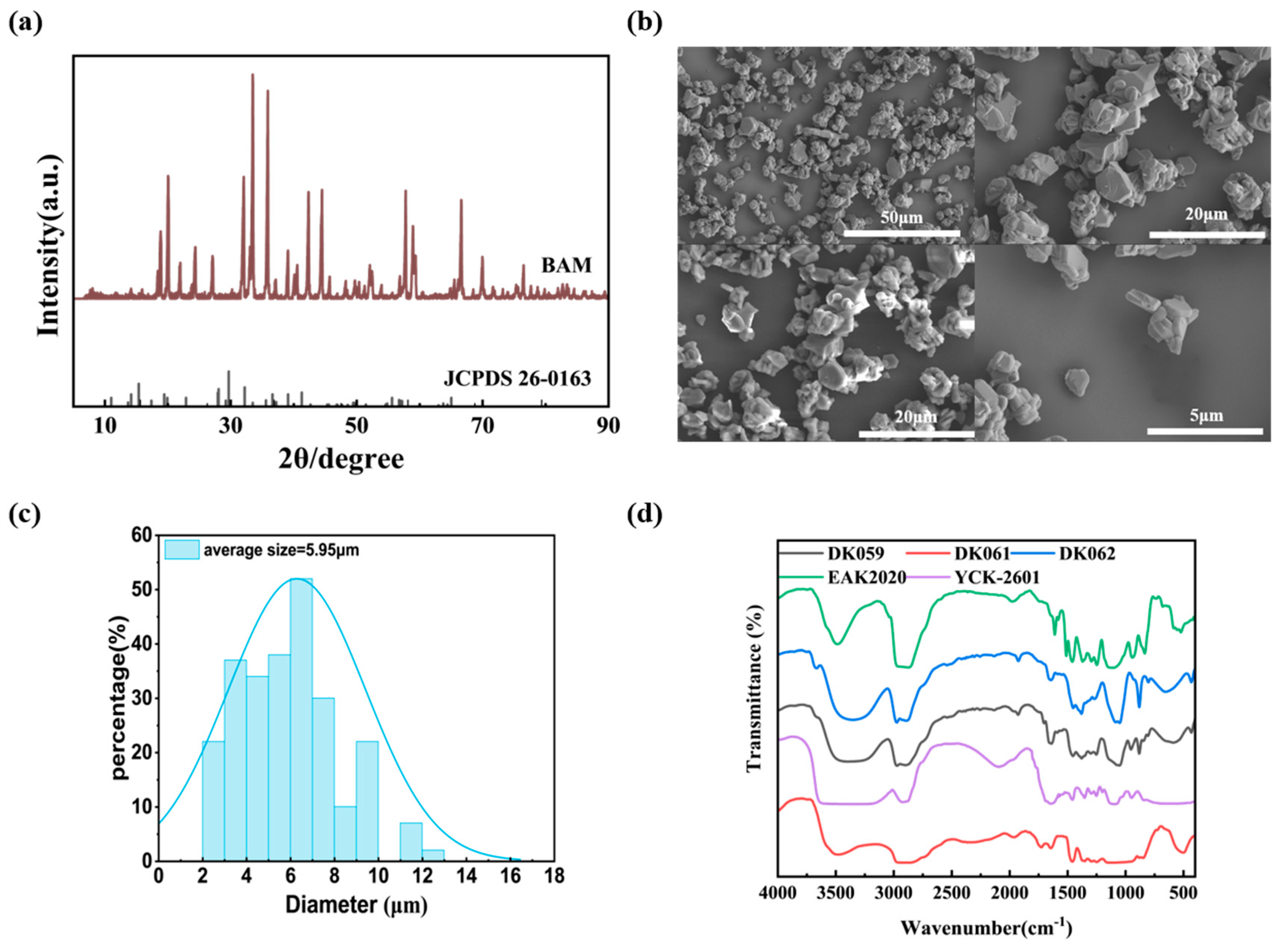
Figure 1a shows the XRD pattern of the pristine BAM phosphor. It can be observed that the multiple diffraction peaks of the pristine BAM phosphor are consistent with the standard BAM PDF card No. JCPDS 26-0163, indicating the high purity of the pristine BAM phosphor.
Figure 1b presents four SEM micrographs of the pristine BAM phosphor at different magnifications. Collectively, these images reveal that the pristine BAM particles are severely agglomerated, forming large, dense clusters with sizes ranging from several micrometers to over ten micrometers. At higher magnifications, individual particles within the agglomerates can be seen to have irregular shapes and fused grain boundaries, indicating partial sintering. This agglomeration behavior is attributed to the high-temperature solid-state synthesis method used to prepare the BAM phosphor, during which grain melting, mutual adhesion, and uncontrolled grain growth readily occur. The four images together provide a clear baseline morphology: without any milling or dispersion treatment, the phosphor exists as hard agglomerates that would cause severe light scattering if directly incorporated into an optical coating. Furthermore,
Figure 1c presents the particle size distribution histogram and its Gaussian fitting curve for the pristine BAM phosphor. The statistical results indicate that the particle size distribution of this phosphor is relatively broad, mainly ranging from 2 μm to 12 μm, with a calculated average particle size of 5.95 μm.
Figure 1d shows the infrared (IR) spectra of different grades of dispersants. First, in the wavenumber range of 3400–3500 cm
−1, all five dispersants exhibit broad and pronounced absorption peaks, which are typically attributed to the stretching vibrations of –OH or –NH– groups within the molecules. In the region of 2800–3000 cm
−1, each spectrum displays distinct sharp absorption peaks, characteristic of saturated C–H stretching vibrations, indicating that these dispersant molecules possess a carbon chain backbone of a certain length. Additionally, a strong characteristic absorption peak appears around 1700–1750 cm
−1, which is generally assigned to the C=O stretching vibration, suggesting that the molecular structures of these dispersants commonly contain polar functional groups such as esters, carboxyl, or amide groups. In the fingerprint region from 1000 to 1450 cm
−1, numerous absorption peaks are densely distributed, mainly corresponding to C–O stretching vibrations and C–H bending vibrations. Overall, these IR spectral features strongly indicate that the five dispersants are all polymeric surfactants or polymers rich in hydrophilic polar groups and hydrophobic nonpolar carbon chains. During the preparation of slurries or suspensions, these polar functional groups act as anchoring groups, enabling strong physical or chemical adsorption onto the surface of the BAM phosphor particles mentioned earlier. Meanwhile, their nonpolar carbon backbones extend as solvated chains into the dispersion medium, providing a strong steric hindrance effect that effectively prevents particle agglomeration caused by van der Waals forces.
Based on the experimental results shown in
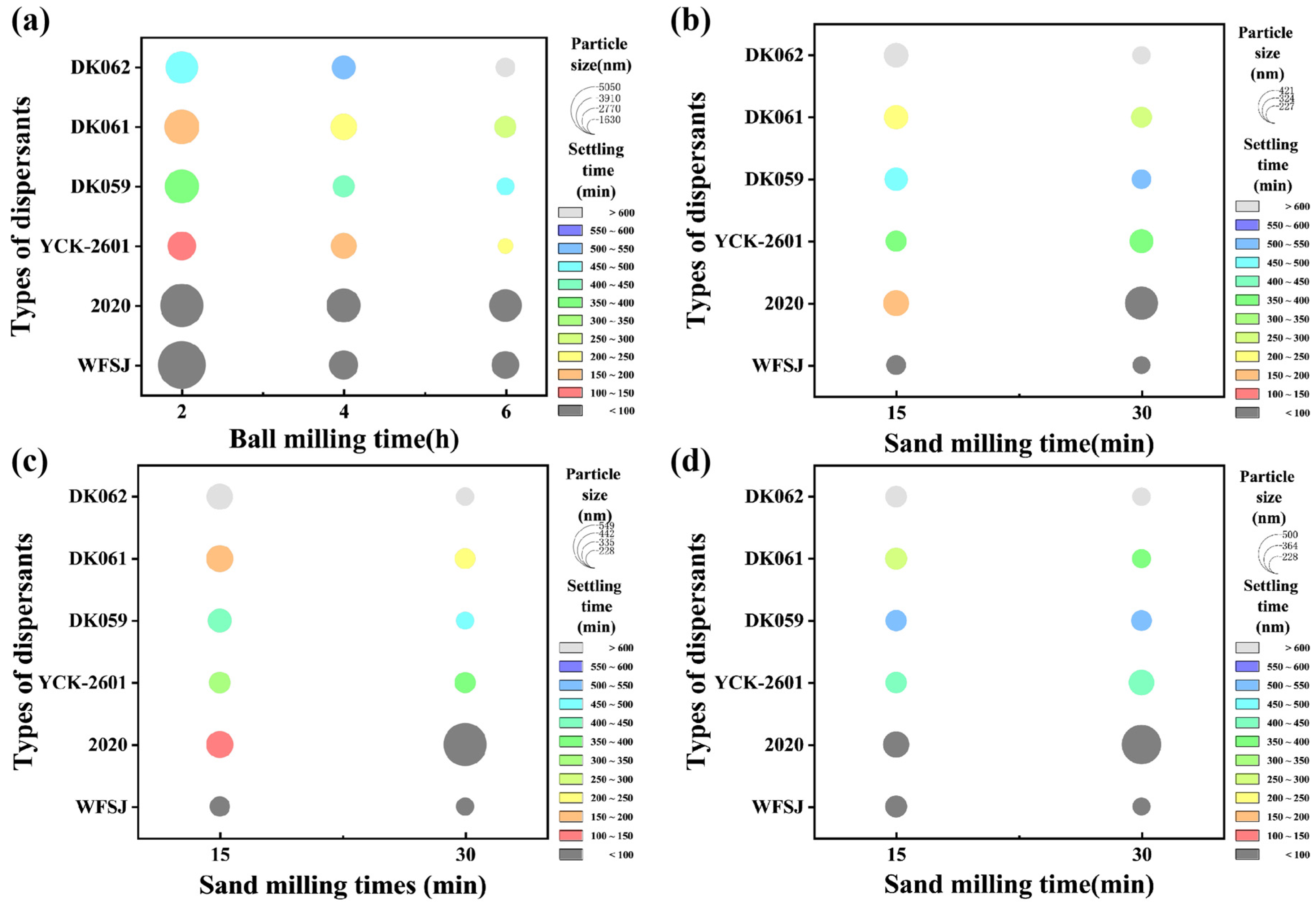
Figure 2, the dispersion and stability performance of BAM phosphor under different dispersants and milling processes can be summarized as follows. In the systems using ball milling alone (
Figure 2a): As the ball milling time increased from 2 h to 6 h, the particle size decreased and the settling time prolonged. The blank group (WFSJ) and the system with EAK2020 exhibited significantly larger particle sizes (5045 nm and 4577 nm, respectively, at 2 h) and completely separated within 30–50 min, indicating extremely poor stability. In contrast, the DK series and YCK-2601 effectively reduced the particle size (controlled at 1600–2300 nm at 6 h). Among them, DK062, with its long polymeric chains of polyester-modified acrylate, constructed a thick steric hindrance layer and maintained a uniform milky-white state even after 12 h of standing, demonstrating the best overall performance.
After the introduction of high-energy sand milling (
Figure 2b, ball milling for 2 h followed by sand milling for 15/30 min): Most systems achieved nanoscale particle sizes of 200–350 nm. However, a smaller particle size did not necessarily guarantee stability. The blank group settled and separated within only 20 min. EAK2020 exhibited an abnormal increase in particle size (to 549 nm) after 30 min of sand milling, attributed to poor wettability and dispersant desorption-induced agglomeration, resulting in a clear supernatant after 24 h of standing. In contrast, DK062 achieved a finely controlled particle size of 229 nm after 30 min of sand milling and remained uniformly milky-white after 24 h, demonstrating its superior anchoring strength and steric hindrance capability under high shear conditions.
When the preliminary ball milling time was extended to 4 h before sand milling (
Figure 2c): Most systems reached particle sizes of 200–300 nm after 30 min of sand milling. Although the blank group achieved a particle size of 227 nm, it completely separated within 20 min. EAK2020 again showed an abnormal particle size increase (from 330 nm to 421 nm) after sand milling, with a settling time of only 30 min and clear solid–liquid separation after 24 h. The DK062 system exhibited a particle size of 230 nm after 30 min of sand milling and maintained a highly uniform milky-white suspension after 24 h.
When the preliminary ball milling time was further extended to 6 h before sand milling (
Figure 2d): The stability of the blank group and the EAK2020 system deteriorated sharply, both showing clear supernatant after 24 h. EAK2020 also exhibited an abnormal particle size increase due to severe bridging flocculation. This abnormal increase can be explained by the weak anchoring of EAK2020 onto the BAM surface. Under the high shear force of sand milling (2500 rpm), the dispersant molecules partially desorb from the particle surface, exposing fresh, high-surface-energy sites. These bare surfaces rapidly re-aggregate via van der Waals attraction, forming either “soft agglomerates” (reversible) or, upon further mechanical compaction, “hard agglomerates” (irreversible). The measured size increase from 330 nm to 421 nm after 30 min sand milling is direct evidence of such desorption-induced flocculation. This behavior is consistent with the DLVO theory, where insufficient steric or electrostatic stabilization leads to a net attractive potential between particles. In contrast, DK062 continued to perform excellently, achieving a low particle size after 6 h of ball milling followed by 30 min of sand milling, with no separation after 24 h. The thorough ball milling pretreatment dissociated hard agglomerates, creating favorable conditions for the DK062 molecules to form a dense and continuous steric hindrance layer, thereby endowing the high-solid-content BAM slurry with long-term suspension stability.
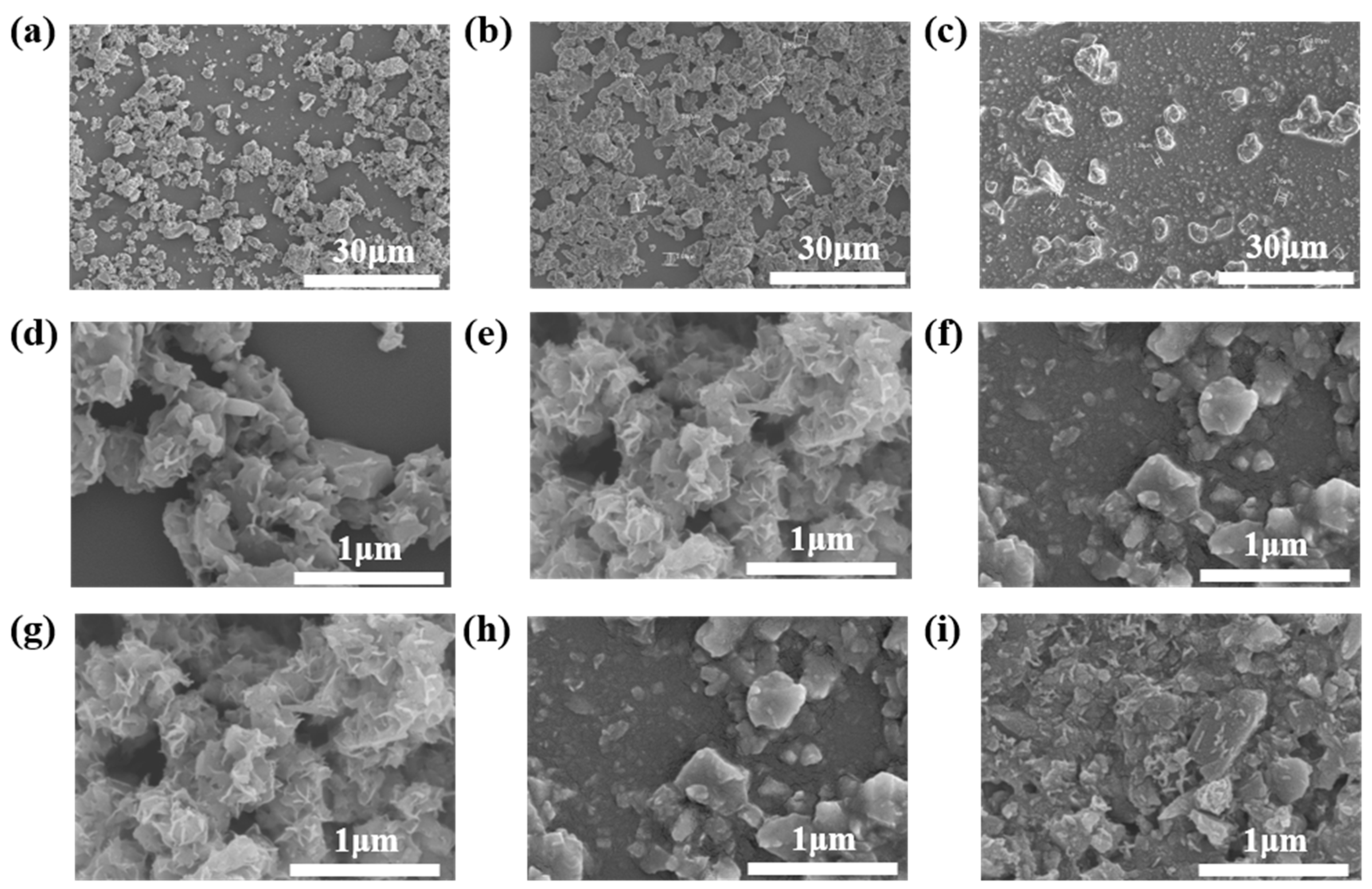
From the SEM images of the unmodified phosphors shown in
Figure 3, it can be clearly observed that the introduction of dispersants has a significant impact on the dispersibility of the phosphor, with marked differences among the various dispersants. First,
Figure 3a shows the WFJS-Q(6) sample without any dispersant. The particles exhibit severe large agglomerates with tight adhesion between particles, making it nearly impossible to distinguish individual particle boundaries. This indicates that without the aid of a dispersant, mechanical ball milling alone cannot effectively overcome the high surface energy between particles, leading to rapid re-agglomeration after mechanical fragmentation and the formation of dense secondary aggregated structures. In contrast,
Figure 3b shows the 2020-Q(6) sample with the addition of the 2020 dispersant. The agglomerate size is somewhat reduced, but noticeable adhesion between particles remains, indicating limited improvement in dispersibility.
Figure 3c shows the DQ062-Q(6) sample with the addition of the DQ062 dispersant. Here, the particle distribution is the most uniform, large agglomerates are significantly reduced, and particle boundaries become clearer, demonstrating the best dispersion effect among the three. These results indicate that the choice of dispersant plays a decisive role in the final dispersion state of the phosphor. The DQ062 dispersant, under the ball milling conditions employed, is more effective at reducing the surface energy of the particles and providing sufficient steric hindrance, thereby inhibiting re-agglomeration between particles.
Figure 3d–i shows SEM morphologies of phosphors after mechanical fragmentation with different dispersants under the same pretreatment conditions. Based on ball milling for 6 h, the introduction of sand milling enhanced fragmentation, but the final dispersion state still depended on the dispersant type. In
Figure 3d,e, the sample with dispersant 2020 (2020-Q(6)-S[15]) exhibits angular fragments with extensive fine powder adhering to large particle surfaces, forming a coating-like agglomerate structure. After 30 min of sand milling, the particles become finer, but surface adhesion shows little improvement, indicating that the 2020 dispersant forms a weak or easily detachable adsorption layer that cannot inhibit re-agglomeration of fresh surfaces. In contrast,
Figure 3f,g shows the sample with DQ062 dispersant (DK062-Q(6)-S[15]), where particle distribution is relatively uniform, less fine powder adheres to large particles, and particle boundaries become clearer. After 30 min of sand milling, the surface shows almost no fine powder adhesion. This demonstrates that DQ062 not only reduces surface energy but also forms a stable adsorption layer during continuous fragmentation, effectively preventing secondary particle aggregation.
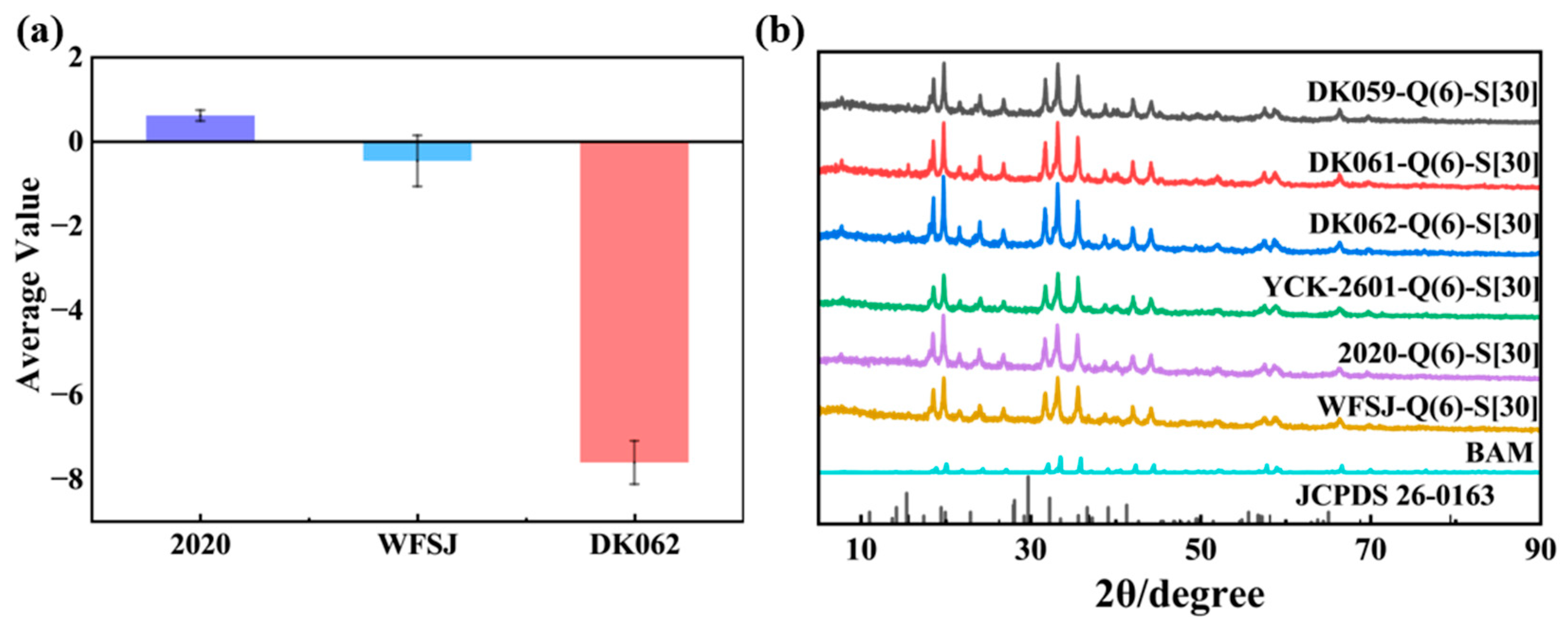
Figure 4 reveals the mechanisms by which different dispersants affect the stability of nano-BAM slurries.
Figure 4a presents the Zeta potential results: the blank group (WFSJ) shows only −0.46 mV, near the isoelectric point, leading to easy agglomeration and sedimentation; the EAK2020 system gives +0.62 mV, indicating weak electrostatic protection and a tendency to induce bridging flocculation; in contrast, the DK062 system exhibits a significantly increased absolute Zeta potential of −7.61 mV, indicating that the polyester-modified acrylate forms a dense negatively charged layer on the particle surface, enhancing electrostatic repulsion and inhibiting agglomeration.
Figure 4b shows the XRD patterns: after mechanical fragmentation, the phosphor exhibits decreased diffraction peak intensities, peak broadening, and the disappearance of some characteristic peaks, indicating reduced crystallinity and increased lattice defects. However, the main peak positions remain unchanged, confirming that the crystal structure is preserved.
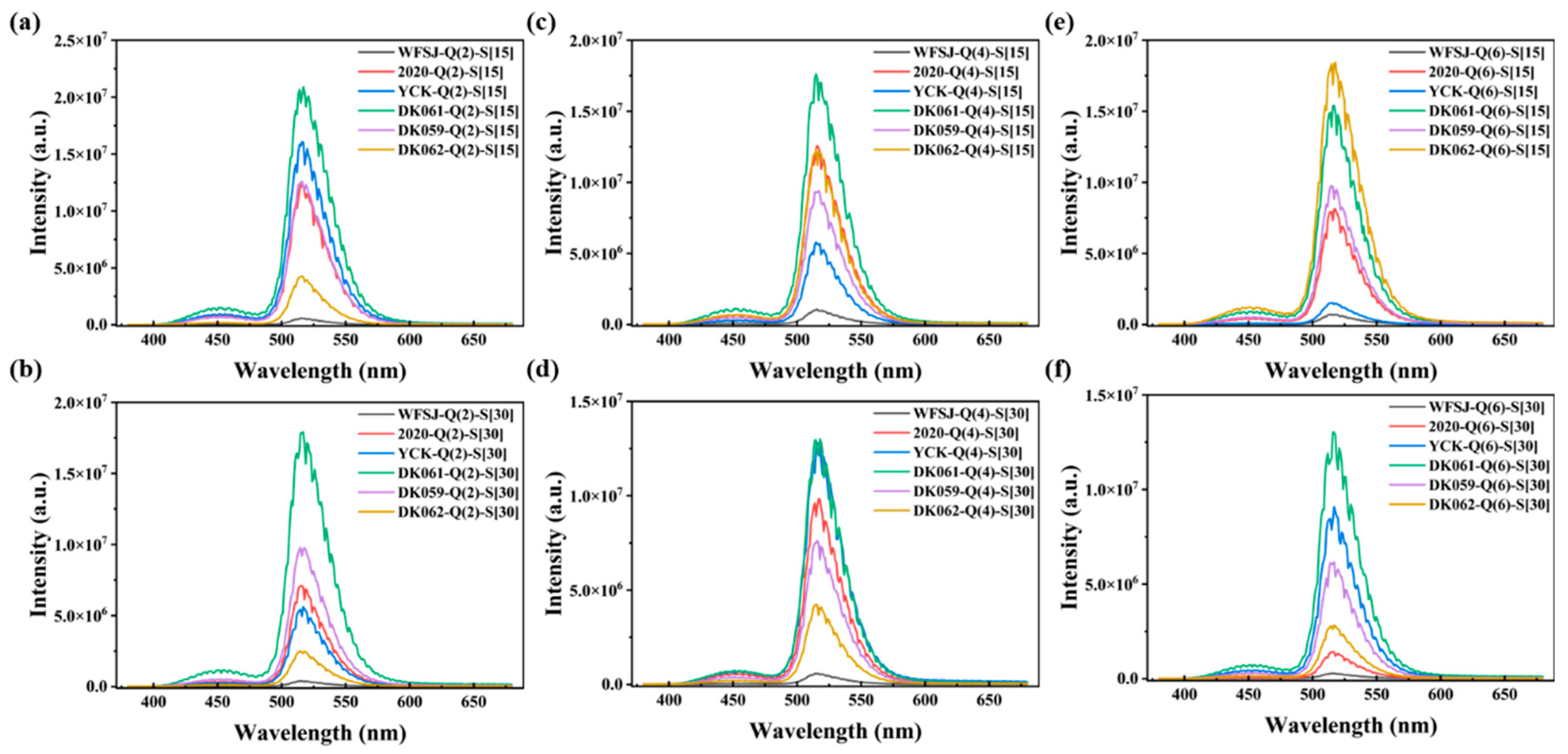
To evaluate the influence of the combined milling process and different dispersants on the luminescence performance of BAM phosphors, photoluminescence emission spectra of the phosphors at each milling stage were analyzed (
Figure 5). The decrease in photoluminescence intensity with increasing milling intensity is attributed to two main factors. First, high-energy mechanical fragmentation introduces a large number of lattice defects (such as vacancies, dislocations, and surface dangling bonds) that act as non-radiative recombination centers, as confirmed by the peak broadening and decreased intensity in the XRD patterns (
Figure 4b). These defects provide alternative pathways for excited carriers to relax without emitting photons, thus reducing the radiative quantum efficiency. Second, the choice of dispersant critically affects both milling efficiency and the degree of surface protection.
In the blank group (WFSJ), the absence of a dispersant leads to severe hard agglomeration during milling. Such agglomeration concentrates mechanical impact at particle contacts, exacerbating lattice damage and generating more surface defects. Consequently, its luminescence intensity drops to 2.62 × 10⁵. The EAK2020 system, although containing a dispersant, suffers from weak adsorption: during sand milling, the dispersant molecules partially desorb from the particle surface, leaving fresh surfaces unprotected and promoting re-agglomeration. As a result, its intensity drops to 1.39 × 10⁶.
In contrast, the DK062 dispersant—a polyester-modified acrylic long-chain polymer—strongly adsorbs onto the BAM particle surface through multiple polar anchoring groups (as indicated by the FTIR peaks in
Figure 1d, particularly the C=O stretch at ~1730 cm
−1 and the broad O–H/N–H band). This adsorbed layer provides two critical benefits: it creates a thick steric hindrance layer that prevents particle re-agglomeration, ensuring uniform milling. it acts as a physical buffer that absorbs and dissipates part of the mechanical impact during ball and sand milling, thereby reducing the generation of new lattice defects. Under the optimal process (DK062-Q(6)-S[30]), although particle refinement to ~228 nm inevitably causes some luminescence loss due to the increased surface-to-volume ratio, the emission intensity remains significantly higher than that of the WFSJ and EAK2020 systems. This demonstrates that DK062 not only enables nanoscale dispersion but also maximally preserves the luminescent lattice integrity by mitigating mechanical damage—a critical advantage over dispersants that only provide steric stabilization without impact protection.
3.2. Surface Chemical Modification and Fluorescence Enhancement of Aluminate Particles
While high-energy mechanical milling effectively reduces the particle size of BAM phosphors, it inevitably introduces a large number of lattice defects and dangling bonds on their surfaces, leading to a significant decrease in luminescence intensity. These surface defects, acting as non-radiative recombination centers, severely limit the practical application efficiency of the phosphors. To repair the mechanical damage and enhance the luminescence performance, chemical modification and passivation of the phosphor surface are essential. In this study, BAM phosphors with different particle sizes were selected as the research objects, and their surfaces were modified using KH570.
Figure 6 shows the infrared spectra of BAM phosphors with different particle sizes after silane modification. From the overall absorption characteristics of the infrared spectra, all three modified phosphors exhibit significant organic functional group vibration peaks, directly confirming the success of the surface modification. Specifically, a broad absorption peak in the range of 3350–3415 cm
−1 is attributed to the stretching vibrations of residual –OH groups or adsorbed water on the phosphor surface. A newly emerged sharp absorption peak near 2975 cm
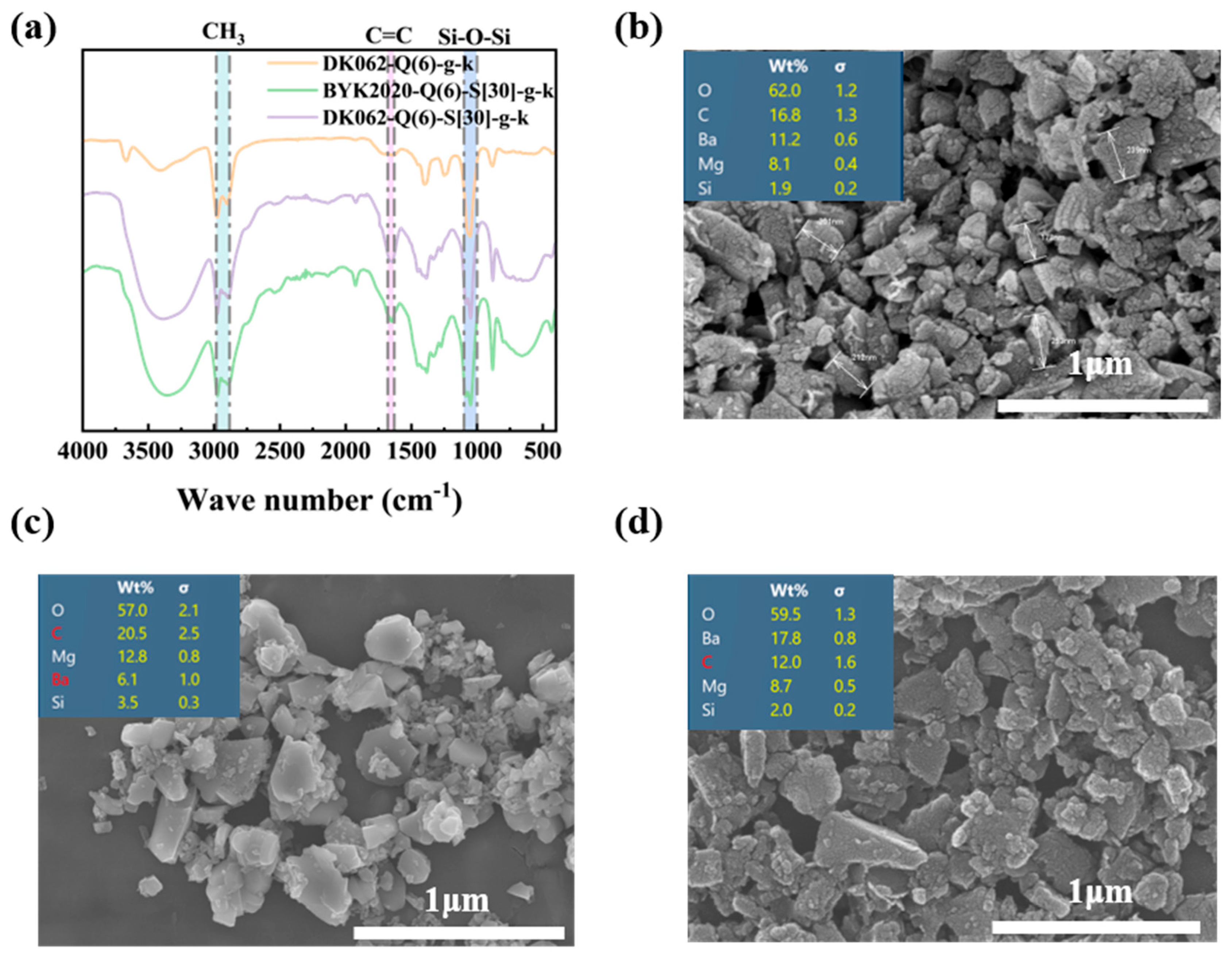
−1 is clearly assignable to the C–H stretching vibrations of the organic carbon chains in the silane coupling agent molecules. This characteristic peak, which is absent in unmodified inorganic BAM crystals, provides the most direct evidence for the successful introduction of silane long chains onto the phosphor surface. Furthermore, a strong and broad asymmetric absorption peak around 1050 cm
−1 corresponds to the overlapping vibrations of Si–O–Si network crosslinking bonds formed by polycondensation of hydrolyzed siloxanes, as well as Si–O–M (where M represents Al, Ba, or Mg) chemical bonds generated by dehydration condensation between silanol groups and surface hydroxyl groups. This indicates that the silane molecules are not merely physically adsorbed on the phosphor surface but are chemically anchored via robust covalent bonds.
Figure 6b–d shows the SEM morphology of silane-modified phosphors with different particle sizes. After KH570 modification, the surface characteristics and modification effects differ significantly among the three phosphors, showing good consistency with the subsequent fluorescence performance data. EDS elemental analysis confirmed the successful grafting of KH570. C and Si elements were detected on the sample surfaces. The C element originates from the organic functional groups in the KH570 molecule, while the Si element comes from its silane end, indicating that KH570 has been uniformly coated onto the phosphor surface via chemical bonding. The presence of matrix elements such as O, Ba, and Mg confirms that the modification is only surface decoration and does not alter the bulk composition of the phosphor.
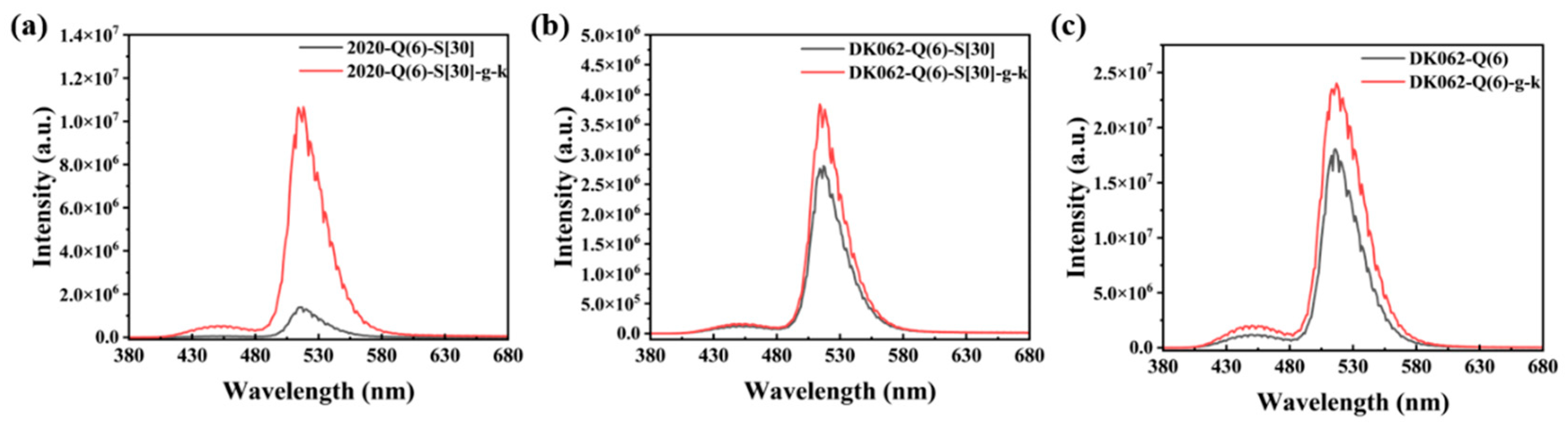
Figure 7 shows the fluorescence emission spectra of silane-modified phosphors with different particle sizes. Under the same sand milling conditions, the phosphor treated with the 2020 dispersant exhibits a fluorescence intensity of 1.39 × 10
6 at 515 nm, while that treated with the DK062 dispersant reaches 2.73 × 10
6, approximately twice as high. This result indicates that DK062 not only improves dispersibility but also provides significantly better protection of the luminescence performance compared to 2020. This is likely because, after adsorbing onto the particle surface, the dispersant molecules buffer the mechanical impact during ball/sand milling, reducing the generation of new surface defects from lattice damage. Additionally, the functional groups of the dispersant may weakly interact with surface dangling bonds, providing a preliminary passivation effect that suppresses the formation of non-radiative recombination centers. DK062, with its superior molecular structure and surface affinity, more effectively covers and protects the particle surface, thus exhibiting stronger luminescence protection capability. After silane modification, the fluorescence intensity of the 2020-treated phosphor increases to 1.05 × 10
7, an enhancement of approximately 7.55 times. This significant increase indicates that although 2020 provides some protection, a large number of defect sites remain on the surface. KH570 chemically grafts onto the phosphor surface, effectively occupying these defects and forming a dense passivation layer, which greatly suppresses non-radiative recombination and markedly improves the radiative recombination efficiency. For the DK062-treated phosphor, the fluorescence intensity after modification is 3.78 × 10
6, an enhancement of about 1.39 times. This is because DK062 itself already offers excellent surface protection, resulting in a low initial defect density, leaving limited room for further passivation by KH570. For the phosphor treated with DK062 without sand milling, its initial fluorescence intensity is as high as 1.79 × 10
7, and after KH570 modification it further increases to 2.30 × 10
7, an enhancement of about 1.28 times. This result again demonstrates the protective effect of DK062, and also shows that even without the sand milling process, KH570 can moderately enhance fluorescence by passivating residual defects or improving dispersion.
3.3. Application and Research of Inorganic Down-Conversion Nano-Phosphors in Anti-Reflection Coatings for Photovoltaic Modules
The BAM nano-phosphor DK062-Q(6)-S[30], prepared under the protection of the optimally performing DK062 dispersant, and its silane-modified counterpart DK062-Q(6)-S[30]-g-k were selected as functional units and physically blended into a commercial photovoltaic anti-reflection solution. By adjusting the phosphor doping concentration and the dip-coating process, a series of light-conversion anti-reflection coatings were fabricated on photovoltaic glass. The coatings prepared with the unmodified phosphor were designated as DCAR, while those prepared with the modified phosphor were designated as DCSAR.
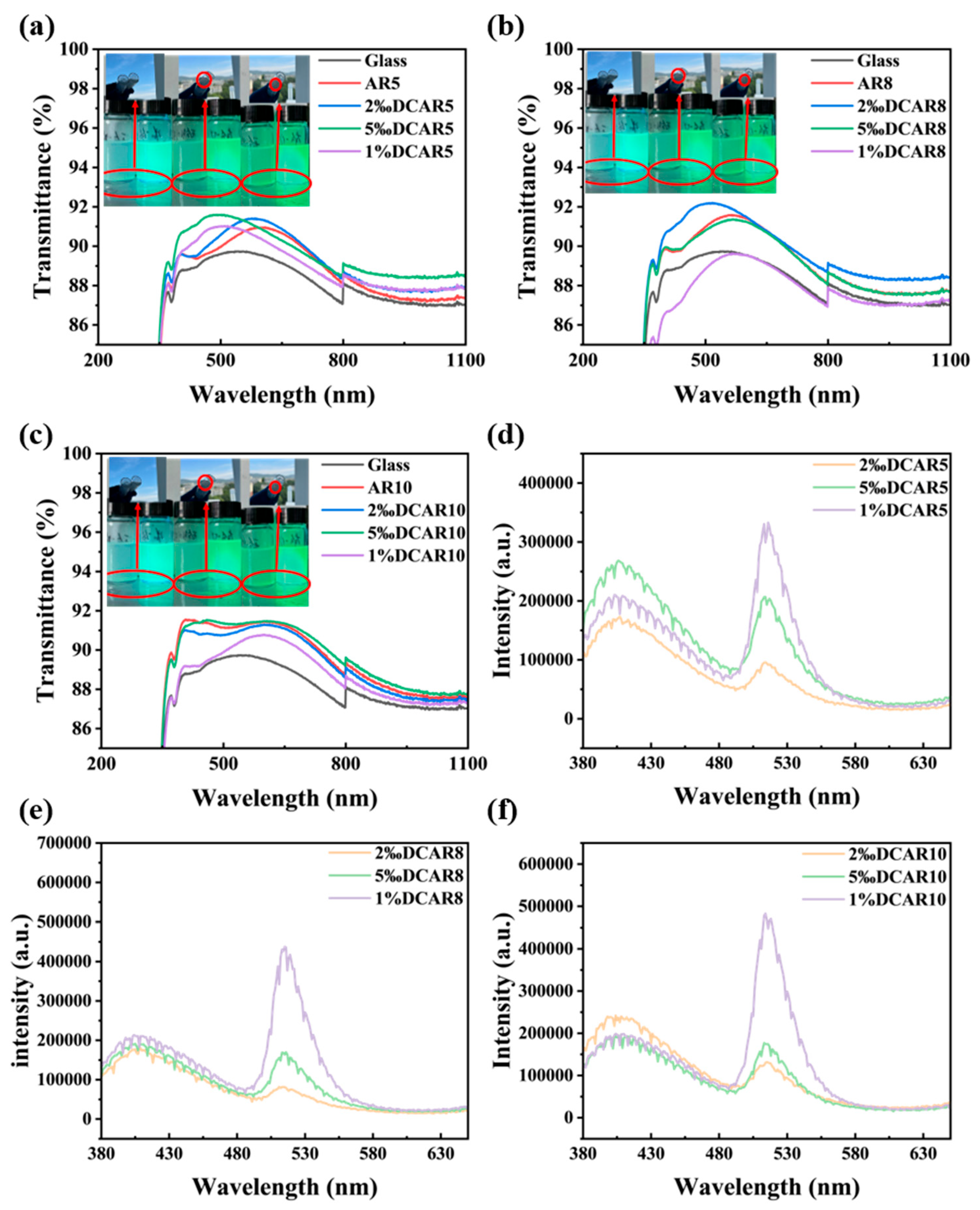
Figure 8 illustrates the optical properties of the DCAR coatings. As shown in
Figure 8a–c (transmittance spectra of DCAR coatings), an appropriate amount of DK062-Q(6)-S[30] nano-phosphor does not compromise the anti-reflection characteristics of the coating, but excessive addition leads to significant optical losses. From
Table 3, the average transmittance of uncoated bare glass in the visible range is 88.97%. After applying the pure anti-reflection coating, as the withdrawal speed increases from 5 mm/s to 10 mm/s, the transmittance gradually improves. The AR10 coating achieves 90.96%, indicating that the optical thickness of the film at this withdrawal speed best matches the anti-reflection condition for the visible spectrum. With the introduction of a small amount of DK062-Q(6)-S[30] nano-phosphor, the coating still maintains excellent anti-reflection performance. The average transmittance of the 2‰ DCAR coatings at different withdrawal speeds remains between 90.2% and 91.1%. Notably, the 5‰ DCAR10 system attains an average transmittance of 91.07%, which is higher than that of the pure AR10 coating. This suggests that the low concentration (5‰) of nano-phosphor not only avoids significant Mie/Rayleigh scattering but may also further optimize the refractive index gradient on the coating surface, thereby enhancing visible light transmittance. When the addition of DK062-Q(6)-S[30] nano-phosphor is increased to 1%, the transmittance drops markedly. At a withdrawal speed of 8 mm/s, the 1% DCAR8 coating exhibits an average transmittance of 88.37%, which is lower than that of bare glass, and even the optimal 1% DCAR10 reaches only 89.81%. This confirms that an excessive amount of down-conversion nanoparticles may disrupt coating compactness, introducing scattering and thus reducing average transmittance.
From the fluorescence emission spectra of DCAR coatings (
Figure 8d–f), it is evident that the luminescence intensity is positively correlated with both the phosphor concentration and the film thickness. All coatings retain the characteristic green emission peak at 515 nm. As the phosphor concentration increases from 2‰ to 5‰ and then to 1%, the absolute intensity of the green peak increases significantly. Although the absolute intensity increases with concentration, the relationship is not strictly linear. From 2‰ to 1%, the intensity only increases by a factor of 3.7. This sub-linear behavior is characteristic of concentration quenching. When the inter-particle distance becomes sufficiently small (≤10 nm), dipole–dipole interactions between Eu
2+ or Mn
2+ ions in neighboring particles provide alternative non-radiative decay pathways. Additionally, agglomeration at high concentrations creates local regions of high particle density, further reducing inter-particle distances and enhancing energy migration to quenching sites. At a withdrawal speed of 10 mm/s, the green peak intensity of 2‰ DCAR10 is approximately 1.3 × 10
5, that of 5‰ DCAR10 rises to 1.7 × 10
5, and that of 1% DCAR10 reaches 4.8 × 10
5. This indicates that the surge in fluorescence intensity within the coating is mainly due to the increased number of luminescent centers. At the same phosphor concentration, increasing the withdrawal speed effectively enhances the luminescence intensity. Comparing the 1% concentration group, the fluorescence intensity of 1% DCAR10 (4.8 × 10
5) is significantly higher than that of 1% DCAR8 and 1% DCAR5. This is because a higher withdrawal speed typically results in a thicker coating, which loads more phosphor particles per unit area, thereby maximizing the overall down-conversion light output of the coating.
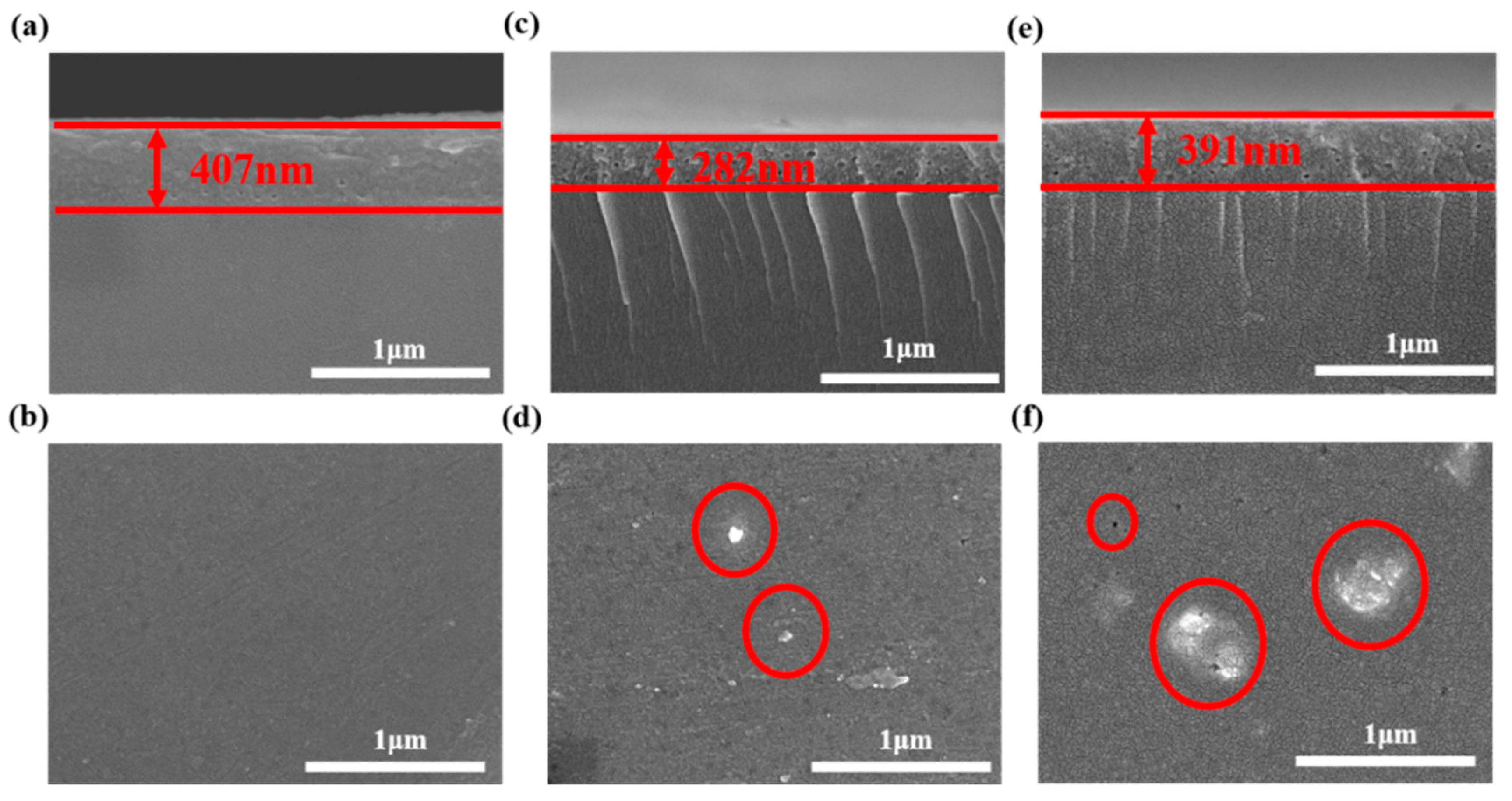
To investigate the effect of incorporating unmodified DK062-Q(6)-S[30] nano-phosphor on the microstructure and optical properties of DCAR coatings, systematic characterization of the cross-sectional and surface morphology was performed using SEM. As shown in
Figure 9a,b, the pure anti-reflection coating AR10 exhibits a stable cross-sectional thickness of 407 nm, with its surface densely packed by hollow silica nanoparticles, forming a flat and smooth coating. This coating effectively establishes a refractive index gradient between air and the glass substrate, significantly suppressing interfacial Fresnel reflection and thus achieving the desired broadband transmittance enhancement. As shown in
Figure 9c,d, when the BAM nano-phosphor doping concentration is 5‰, the cross-sectional thickness of the 5‰ DCAR10 coating decreases to 282 nm. From the surface morphology, it is clearly observed that the phosphor nanoparticles are uniformly distributed within the anti-reflection matrix. The change in physical film thickness and the introduction of a high-refractive-index inorganic phase synergistically optimize the equivalent refractive index matching of the coating system. This moderate microstructural intervention not only preserves the continuity of the original matrix but further enhances the overall macroscopic transmittance. However, as shown in
Figure 9e,f, when the BAM nano-phosphor concentration is increased to 1%, the film formation behavior of the 1% DCAR8 coating becomes significantly destabilized, with its cross-sectional thickness increasing to 391 nm. Severe secondary agglomeration of the unmodified phosphor at the high loading is clearly observed. The agglomerated phosphor particles hinder the continuous contraction of the hollow silica microsphere network, leading to the formation of distinct structural voids on the coating surface, which seriously compromise the film compactness. This microscopic imperfection, arising from both phosphor agglomeration and pore defects, induces strong light scattering losses at the macroscopic level, ultimately resulting in a marked decrease in the overall transmittance of the coating.
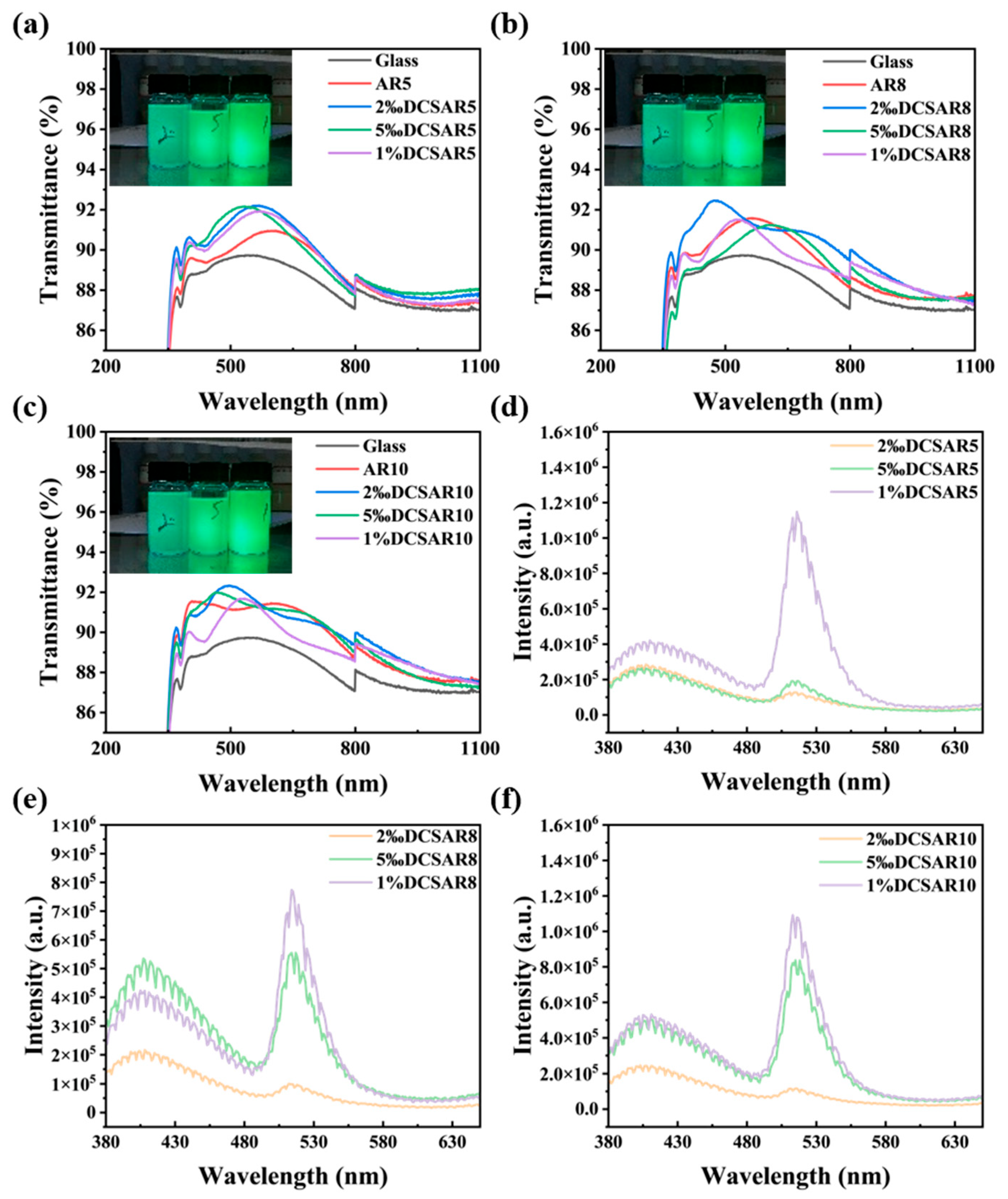
Figure 10 illustrates the optical properties of the DCSAR coatings after phosphor modification. From
Figure 10a–c (transmittance spectra of DCSAR coatings), it can be seen that increasing the amount of DK062-Q(6)-S[30]-g-k nano-phosphor has a diminished effect on transmittance.
Table 3 shows that the silane-modified nano-phosphor, under specific processing conditions, not only preserves the anti-reflection characteristics of the base coating but also provides an additional antireflective effect. Specifically, the bare glass substrate has an average transmittance of 88.97%, and the pure AR10 coating achieves 90.96%. When a low concentration of the modified DK062-Q(6)-S[30]-g-k nano-phosphor is introduced, the transmittance is further enhanced: at a BAM phosphor content of 2‰, the 2‰ DCSAR8 coating reaches 91.16%; and the 5‰ DCSAR10 coating reaches 91.02%. This phenomenon is attributed to the silane modification, which greatly improves the dispersibility of the inorganic particles in the sol system, enabling the formation of a uniform coating on the glass surface and achieving antireflective gain by optimizing the interfacial refractive index gradient. Moreover, even when the doping concentration is increased to 1%, the transmittance of the 1% DCSAR series coatings remains between 90.02% and 90.58%, still superior to that of the uncoated bare glass in all cases. This fully confirms that the silane coupling coating on the phosphor surface effectively suppresses secondary agglomeration of particles at high concentrations, greatly reducing Mie scattering and optical path obstruction losses caused by nano-agglomerates.
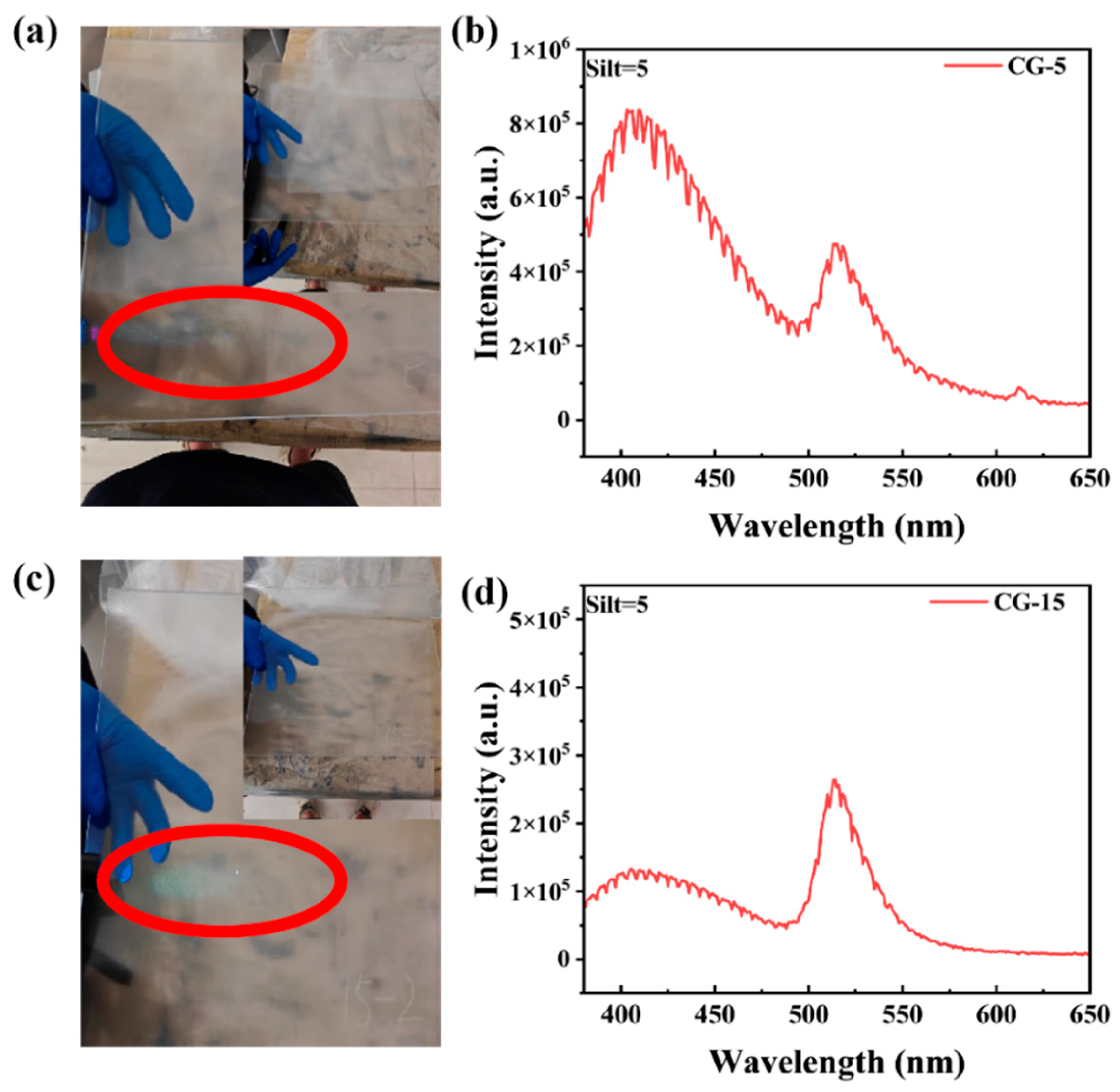
Figure 10d–f shows the fluorescence emission spectra of the DCSAR coatings. The fluorescence emission results indicate that, due to the effective passivation of surface lattice defects by the silane coating and its thermal buffering effect during high-temperature sintering, the luminescence performance of the modified coatings is significantly enhanced. The absolute intensity of the main green emission peak at 515 nm exhibits a strong positive correlation with the phosphor concentration and the withdrawal speed. As the phosphor concentration increases, the density of radiative transition centers within the coating increases correspondingly. For the 2‰ concentration series, the green peak intensity ranges from 1 × 10
5 to 1.27 × 10
5. For the 5‰ series, the intensity increases markedly to the range of 1.92 × 10
5–8.37 × 10
5. At a doping level of 1%, the emission intensity further rises to the range of 7.74 × 10
5–1.15 × 10
6. At the same phosphor concentration, a higher withdrawal speed increases the physical thickness of the coating, thereby increasing the effective loading of luminescent centers per unit area. Taking the 5‰ system as an example, when the withdrawal speed increases from 5 mm/s to 10 mm/s, the peak intensity dramatically increases from 1.92 × 10
5 to 8.37 × 10
5. The 1% system follows the same trend, with its luminescence intensity stably maintained around 1.09 × 10
6 at higher withdrawal speeds.
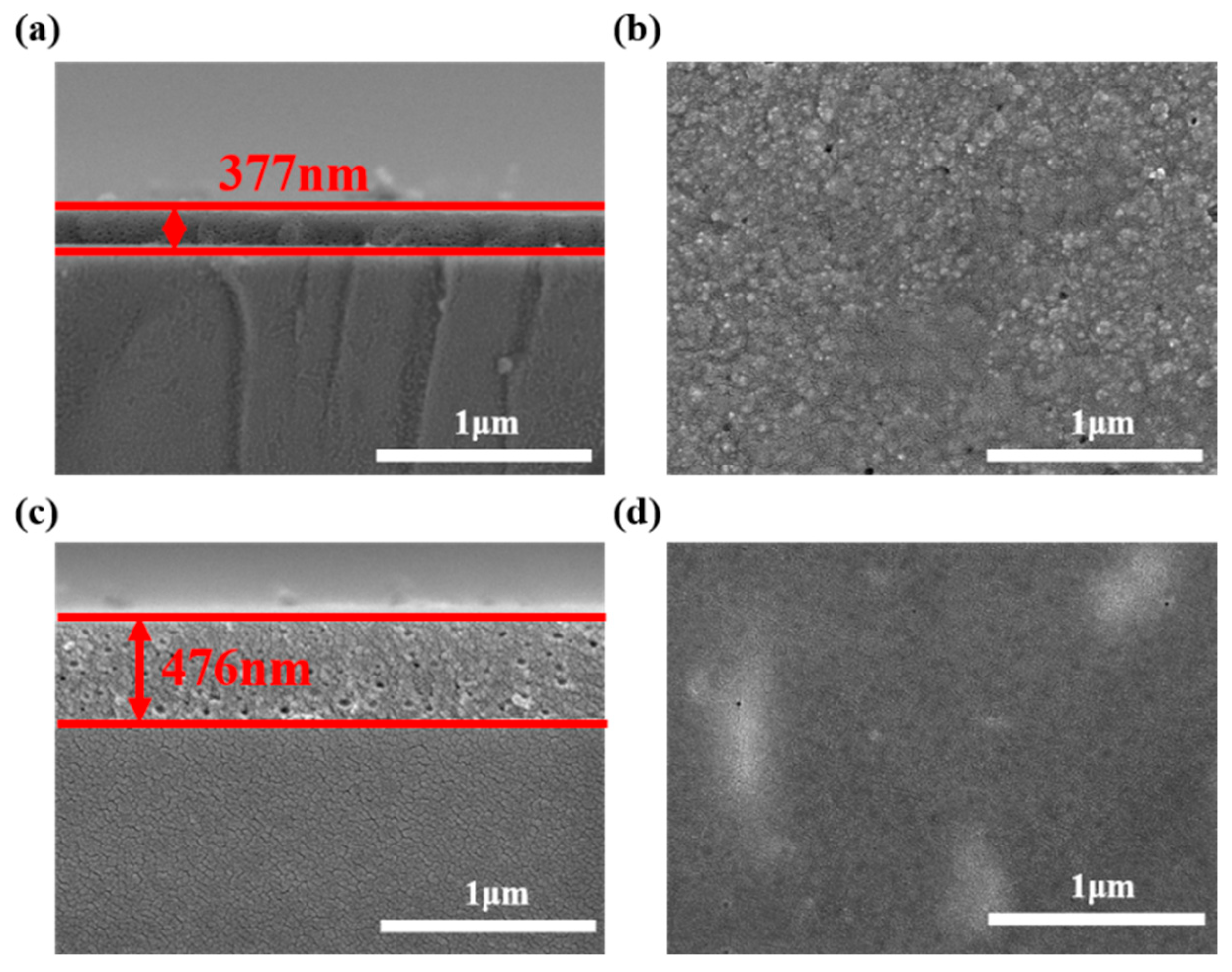
To verify the improvement in dispersion and optical performance of DK062-Q(6)-S[30]-g-k nano-phosphor in coatings after silane surface modification, systematic SEM characterization was performed on the modified DCSAR coatings. As shown in
Figure 11a,b, the cross-sectional physical thickness of the 2‰ DCSAR8 coating is 377 nm. From the surface morphology, the coating exhibits a highly dense and smooth appearance. Furthermore, as shown in
Figure 11c,d, when the modified phosphor concentration is greatly increased to 1%, the cross-sectional thickness of the 1% DCSAR10 coating increases with withdrawal speed to 476 nm, a dimensional evolution consistent with hydrodynamic film-formation behavior. Notably, even at such a high doping level, the nano-phosphor remains uniformly dispersed within the silica matrix, and the shrinkage cavities observed in the unmodified high-loading system have largely disappeared. These microstructural improvements unequivocally demonstrate that the silanized modification network on the phosphor surface successfully constructs a strong steric hindrance layer, which not only effectively shields the high van der Waals attraction between inorganic particles but also improves the compatibility between the phosphor and the silica sol matrix. This excellent compatibility ensures that the phosphor maintains an ideal dispersion state throughout the sol stage and subsequent high-temperature sintering, effectively suppressing micro-pore defects caused by framework agglomeration and hindered shrinkage. It is this dense, uniform, and large-scale-scattering-center-free optical interface that fundamentally reduces Mie scattering, further explaining the intrinsic mechanism by which DCSAR coatings achieve high-loading down-conversion luminescence while maximally avoiding macroscopic transmittance loss.
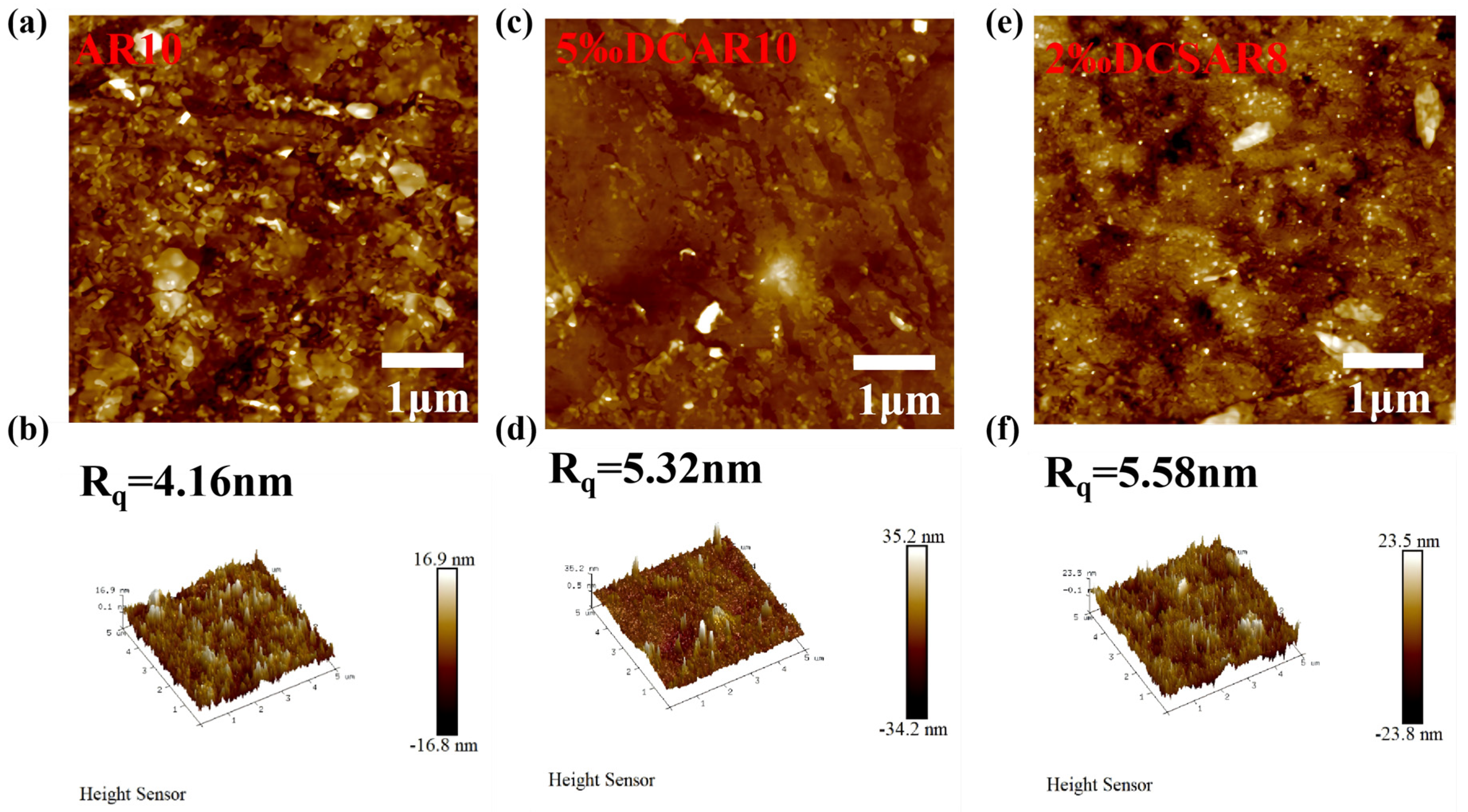
To investigate the structure–property relationship between coating surface roughness and anti-reflection performance,
Figure 12 presents AFM images and corresponding roughness parameters of different samples. The results indicate that surface roughness and uniformity are key factors influencing the final transmittance of the coatings. As shown in
Figure 12a,b, the AR10 sample exhibits the smoothest surface with the lowest roughness (Rq = 4.16 nm) and a height variation range of only −16.8 nm to 16.9 nm. Although the surface is not doped or modified, its flat structure helps reduce light diffusion scattering, resulting in an average transmittance of 90.96%, significantly higher than that of bare glass. This demonstrates that a dense, smooth film alone already possesses good anti-reflection properties, laying the foundation for achieving higher-performance coatings.
In contrast, the 5% DCAR10 sample in
Figure 12c,d shows a marked increase in surface roughness to 5.32 nm after doping, along with the largest height variation range. Notably, its average transmittance reaches 91.07%, exceeding that of the smoother AR10. This phenomenon can be attributed to the moderately increased surface roughness, which helps form a graded refractive index profile on the film surface. Such a gradient structure effectively reduces Fresnel reflection and thus enhances light transmission. However, the presence of visible agglomerates and large-scale undulations on the sample surface may introduce additional light scattering centers, limiting further improvement in transmittance.
Figure 12e,f shows the optimal modified sample, 2% DCSAR8. Its roughness Rq = 5.58 nm is slightly higher than that of AR10, but importantly, its height variation range is significantly smaller than that of 5% DCAR10. This indicates that after phosphor modification, the coating surface forms a more uniform nanostructure. Its excellent uniformity minimizes scattering losses caused by surface agglomeration or large particles. It is this ideal surface structure—combining moderate roughness with high uniformity—that enables the 2% DCSAR8 coating to achieve the highest average transmittance of 91.16% while reducing reflection and minimizing scattering losses.