3.1. Macroscopic Inspection of Corrosion Deposits in Gathering Station Components
The separator is a crucial piece of equipment in the surface system of oil and gas fields. Its primary function is to separate the transported medium into three phases and eliminate free water and impurities. The separated free water and impurities are stored temporarily in the liquid bag located at the lower part of the separator, which creates a highly corrosive environment [
18].
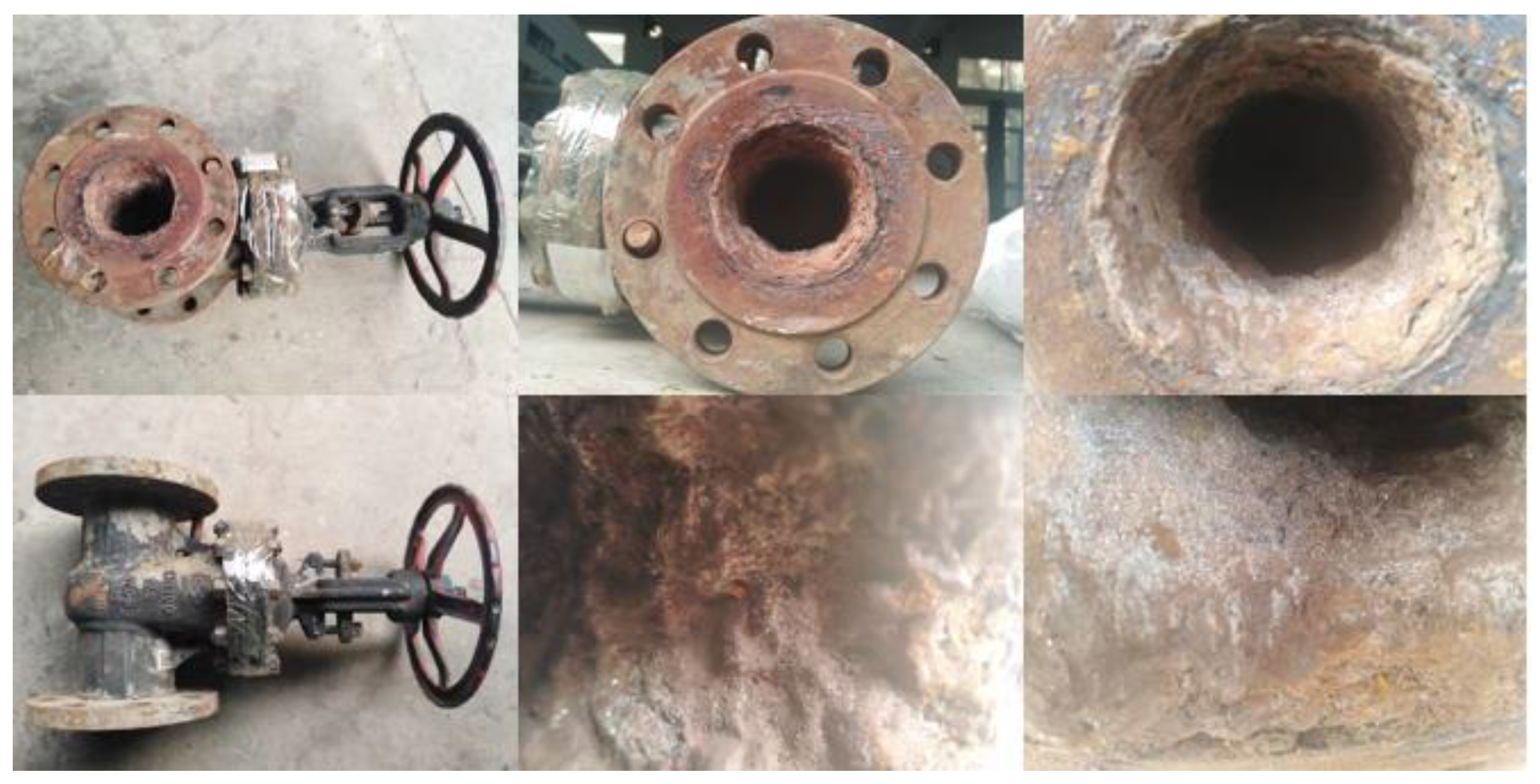
The three-phase outlet valve serves as a vital component of oilfield facilities, with corrosion predominantly occurring within its valve cavity. Given the valve’s connection to the oil pipeline, its cavity is frequently subjected to scale deposition from produced water, alongside sediment accumulation and erosion-corrosion. The buildup of corrosion products and mixed sediments derived from produced water can induce valve cavity blockage, which in turn leads to valve malfunction, as illustrated in
Figure 2. Furthermore, Outlet pressure Valve 2 is operational on three separators, tasked with separating water from the collected oil and gas mixture. The valve cavity in this case is subjected to erosion from high-velocity sewage sediment and a small amount of unseparated crude oil. Consequently, the outlet valve becomes clogged with sediment and corrosion products, as depicted in
Figure 2. These instances of corrosion and sediment accumulation underscore the significance of employing effective corrosion protection measures and regular maintenance of critical equipment in the oil and gas industry. Implementing corrosion-resistant materials and proactive cleaning and inspection practices can help extend the service life and reliability of essential components like separators and outlet valves, ensuring smooth and efficient operations in oil and gas fields [
19].
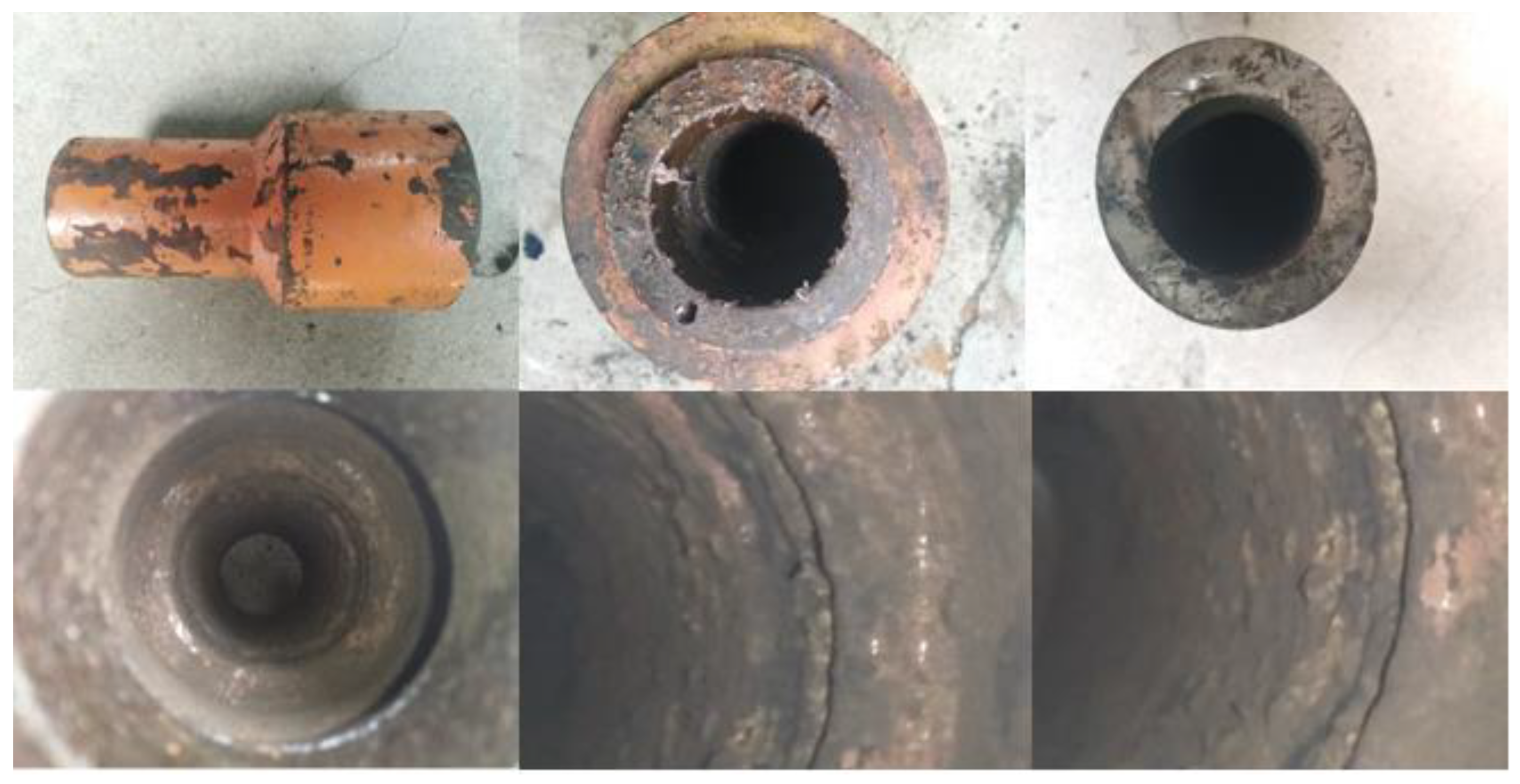
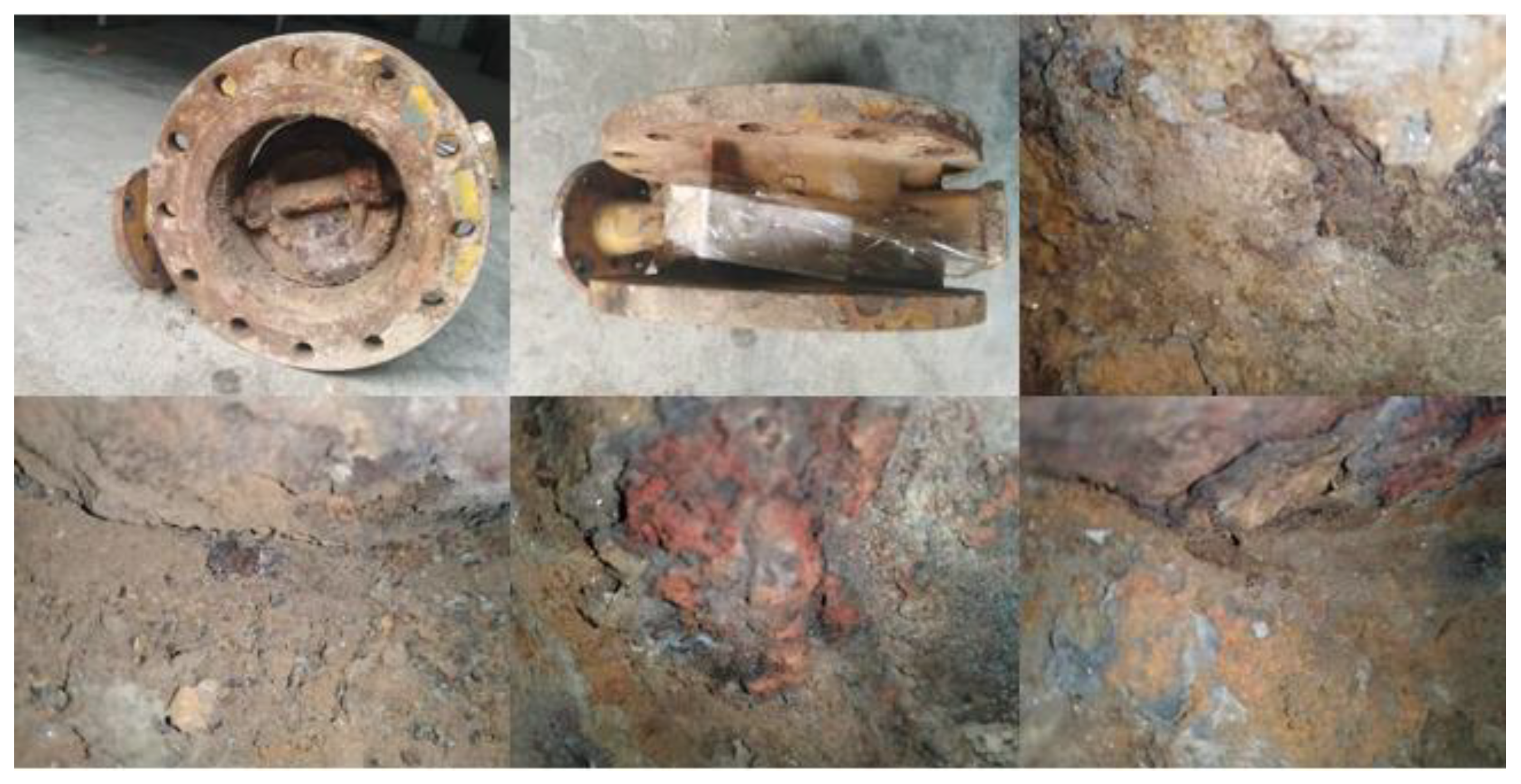
Figure 3 illustrates the macro-corrosion morphology of the valve copper sleeve trip. The valve copper sleeve is positioned alongside the valve stem. The copper sleeve, featuring an internal thread, and the valve stem, with an external thread, engage in relative motion to control the opening and closing of the valve plate. The valve copper-sleeve trip is chiefly caused by galvanic corrosion of the steel stem threads. Additionally, during the relative movement between the copper sleeve and the valve stem, wear is inevitable, resulting in damage and failure of the thread within the copper sleeve. Consequently, the steel threads are almost completely stripped, whereas the copper sleeve retains its dimensions.
Moreover, the relative motion between the copper sleeve and the valve stem during operation induces mechanical wear. This wear progressively damages the threads of the copper sleeve, ultimately leading to its failure. To mitigate this issue, it is crucial to incorporate corrosion and wear resistance into the design and material selection for the valve stem and copper sleeve. Effective countermeasures include applying corrosion-resistant coatings or opting for compatible material pairing to minimize galvanic corrosion risk. Furthermore, establishing a routine maintenance and inspection schedule is essential for the early detection of wear and corrosion, enabling timely intervention to preserve the long-term integrity and reliability of the valve system.
Figure 4 depicts a center vertical straight plate seal butterfly valve used in the ex-traction line with a service life of one year. This device is designed to rotate a disc-shaped butterfly plate within the valve body around its own axis, allowing for opening, closing, or flow regulation. In oil and gas pipelines, the valve primarily serves the purpose of cutting off and intercepting flow. The failure of the valve occurs at the center disc of the butterfly plate. Corrosion products and sediment tend to accumulate and rust the disc, hindering its normal rotation and leading to valve failure. As the valve operates in an environment with potential exposure to corrosive substances and sediments carried by the fluid medium, the center disc is particularly susceptible to corrosion and sediment deposition.
Over time, the accumulation of corrosion products and sediment on the disc can cause it to become immobilized, preventing its proper rotation and hampering the valve’s functionality [
20]. This loss of mobility and operation can result in flow disruptions, leakage, or complete valve failure, affecting the overall efficiency and safety of the ex-traction line. To address this issue and enhance the performance and longevity of the butterfly valve, regular inspection and maintenance are essential. Implementing proper cleaning procedures and protective measures, such as the use of corrosion-resistant materials or coatings, can help mitigate the impact of corrosion and sediment deposition on the valve’s critical components. Additionally, prompt identification and rectification of any early signs of corrosion or sediment buildup can prevent severe damage and ensure the reliable operation of the valve in the oil and gas pipeline system.
In the late stage of oilfield production, declining reservoir pressure can prevent crude oil from flowing naturally. To maintain extraction, water is injected to repressurize the reservoir. This process, known as waterflooding, involves pumping water from surface sources into the formation to enhance oil recovery. The waterflood pipeline, shown in
Figure 5, is designed to deliver this injection water.
Over a period of two years in service, the waterflood pipeline encountered an issue due to the high salinity of the injected water, coupled with sediment present in the water. These factors led to the blockage of the pipeline. The presence of high salinity in the water can lead to the deposition of salts and other dissolved minerals on the inner surface of the pipeline, gradually reducing its diameter and restricting the flow of water. Additionally, when the injected water contains sediment, it can settle and accumulate within the pipeline, further exacerbating the blockage. The pipeline blockage impedes the efficient delivery of water to the formation, ultimately affecting the oil extraction process. Reduced water injection rates can lead to decreased formation pressure, resulting in diminished oil production. To prevent and manage pipeline blockages in waterflood systems, it is essential to implement appropriate water treatment and filtration measures. Removing impurities, including sediment and salts, from the injected water can help reduce the potential for pipeline blockages. Additionally, regular inspection and cleaning of the waterflood pipeline can help maintain its efficiency and ensure uninterrupted water injection to the formation, optimizing oil recovery and prolonging the productive life of the oilfield.
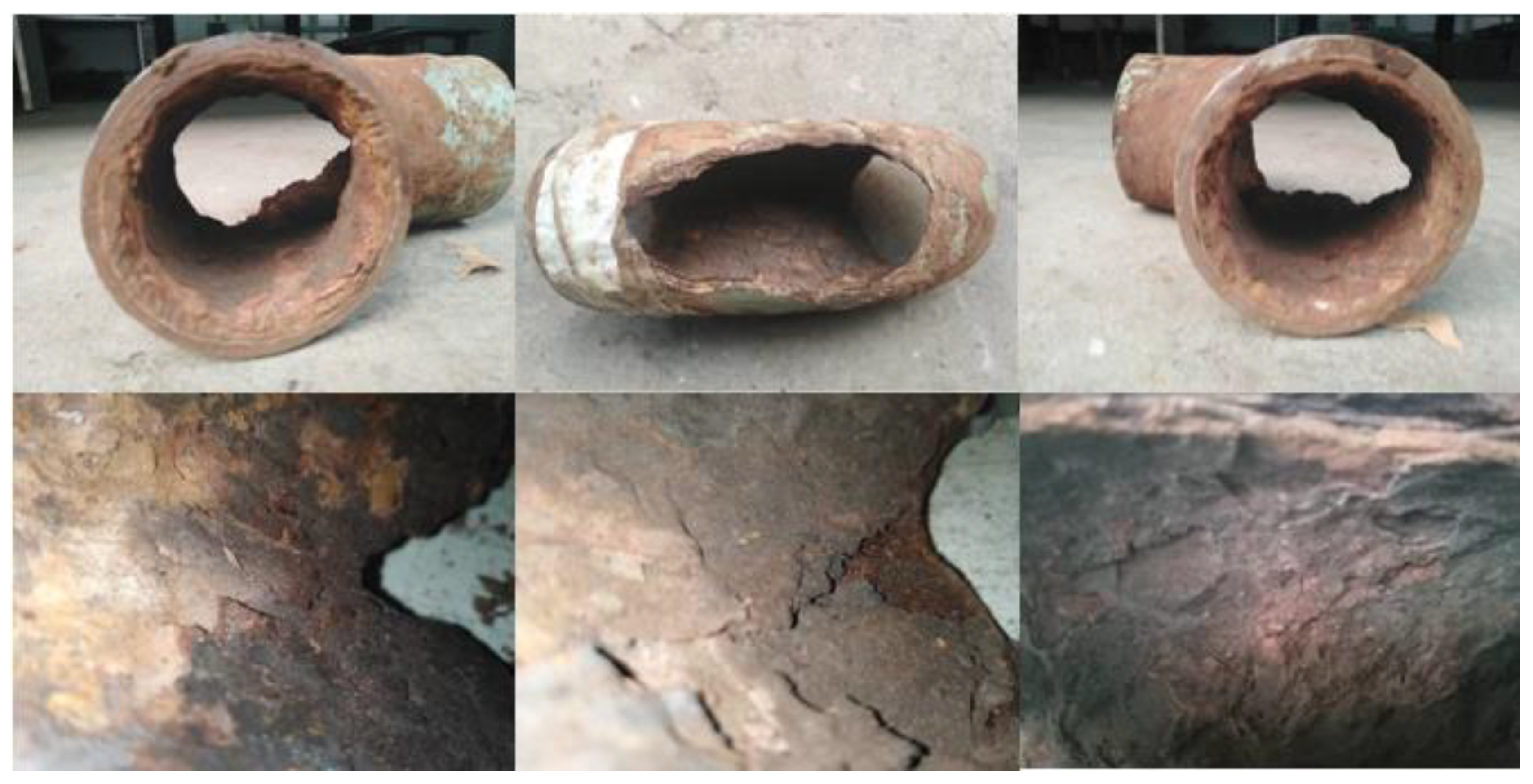
Figure 6 displays a section of fine pipe installed on the oil removal setting cylinder, which has been in service for one and a half years. Upon macroscopic examination, it becomes evident that the inner part of the pipeline is severely blocked by sediment and corrosion products, rendering it unusable. Over the course of its service life, the fine pipe has been exposed to various factors that contribute to its blockage: Sediment Accumulation: The pipeline is likely used to transport fluids with a high sediment load. As these sediments settle over time, they gradually build up on the inner surface of the pipe, reducing its cross-sectional area and hindering the smooth flow of fluid. The corrosion process generates corrosion products, which can also accumulate within the pipeline, further contributing to the blockage. The combination of sediment accumulation and corrosion product deposition has resulted in the significant blockage observed in the pipeline, rendering it ineffective for further use. To prevent similar blockages in pipelines, it is crucial to implement regular maintenance and cleaning practices. Periodic inspection and cleaning can remove sediment and corrosion products, ensuring the pipeline’s continued functionality and preventing a decline in fluid flow. Additionally, selecting corrosion-resistant materials for pipelines, when feasible, can help prolong their service life and reduce the risk of blockages caused by corrosion products [
21].
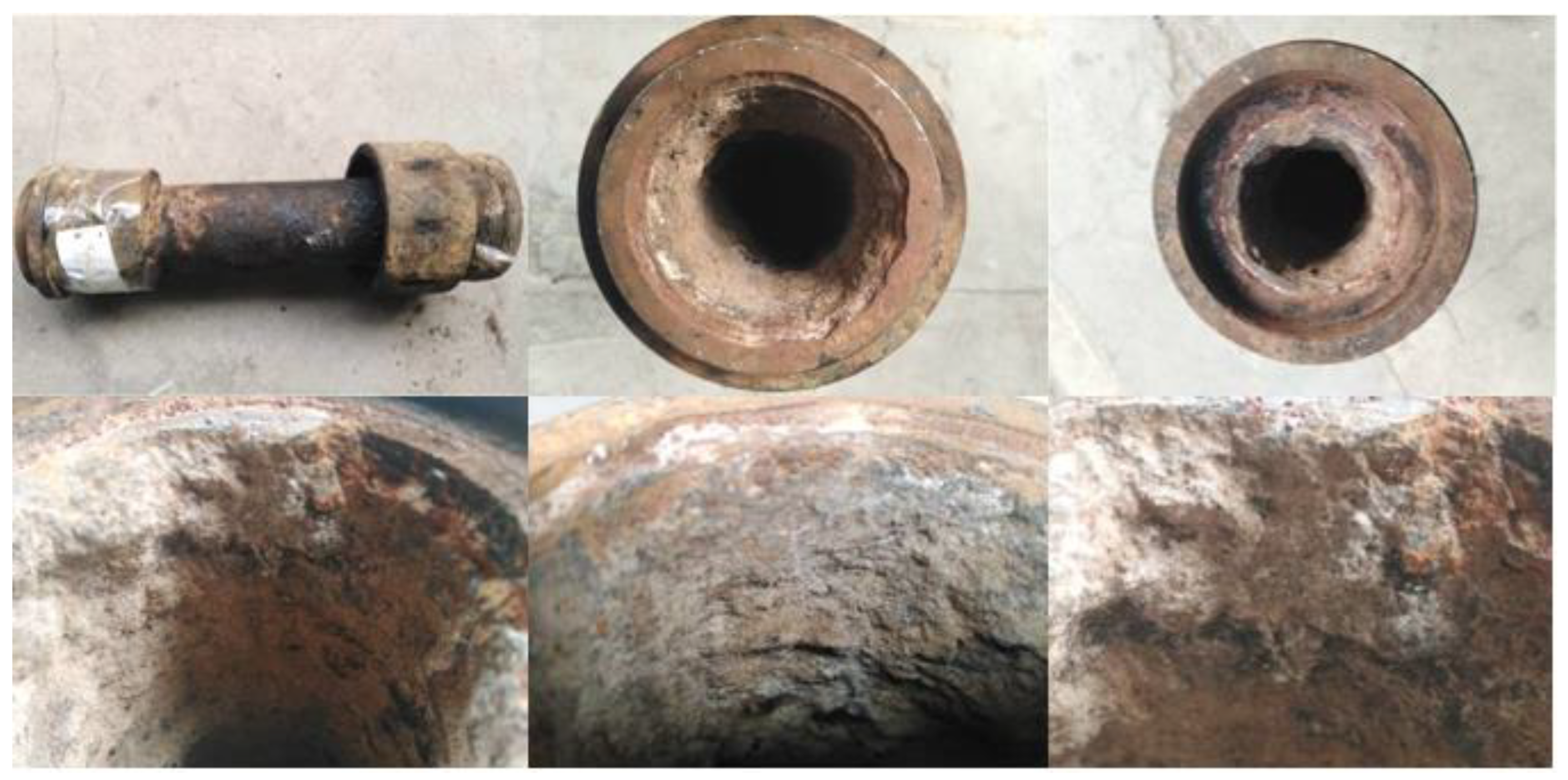
Figure 7 and
Figure 8 illustrate two sections of the gathering and transportation pipeline: a bent pipe and a reducer pipe, respectively. These components are primarily used to transport collected crude oil or separated wastewater. However, both the bending and reducing parts of the pipeline are susceptible to failure due to specific factors. From the bent pipe shown in
Figure 7, the bending pipe is subjected to the influence of high-speed fluid flow, which can lead to failure at the bending part of the pipeline. The high-speed fluid creates pressure imbalances and turbulent flow patterns, which can cause stress concentrations at the bending, leading to fatigue failure over time. Additionally, if the bending is not adequately designed or supported, it may be vulnerable to deformation or structural damage.
The reducer pipe shown in
Figure 8 is designed to decrease pipeline diameter to regulate fluid flow. However, this geometry can itself become a failure point. The diameter reduction increases fluid velocity, leading to erosive wear on the inner surface, which over time weakens the pipe. Exacerbating this mechanical degradation, both reducer and bent pipes are susceptible to internal corrosion from aggressive transported media, such as crude oil or wastewater. This corrosion progressively compromises the pipe’s structural integrity, potentially resulting in leaks, fractures, or total failure.
To prevent failure in these critical sections of the gathering and transportation pipeline, it is essential to use materials with adequate strength and corrosion resistance. Proper design and support of bent pipes are essential to mitigate stress concentrations. Additionally, implementing corrosion prevention and monitoring measures, such as protective coatings, cathodic protection, and regular inspection, can help extend the service life and reliability of the pipeline. Regular maintenance and replacement of worn or damaged components are also crucial to ensuring the safe and efficient transportation of crude oil and wastewater.
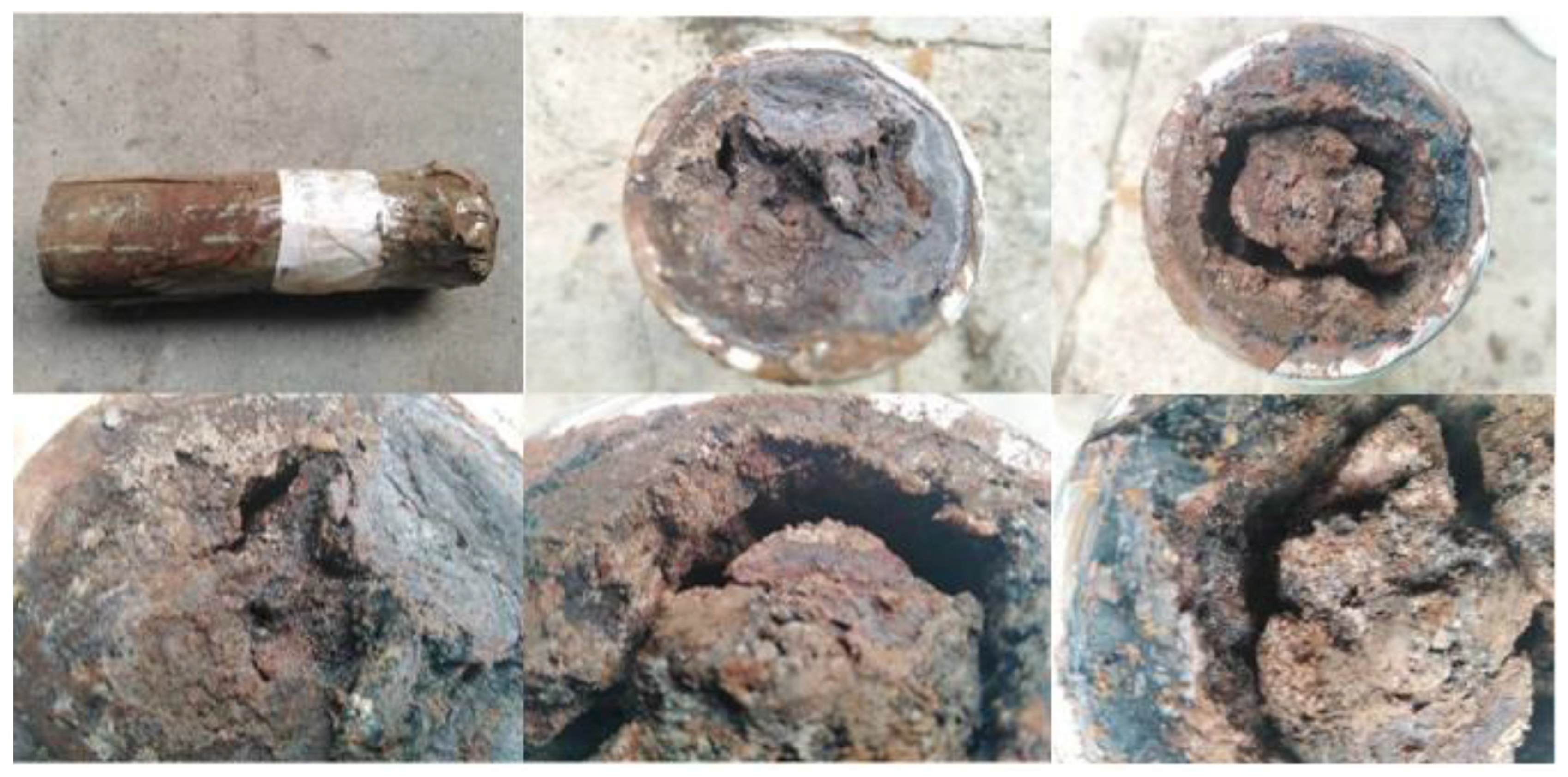
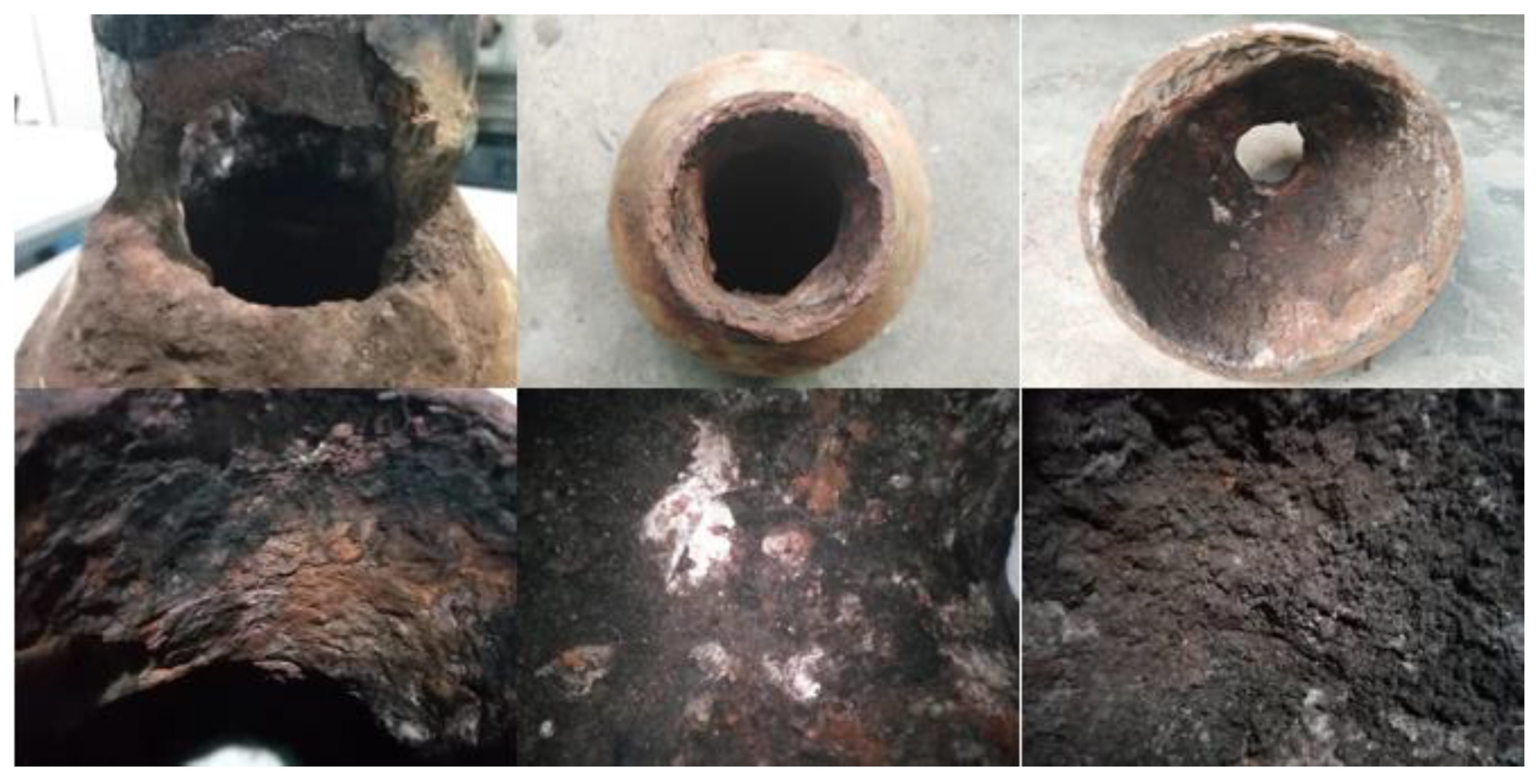
As shown in
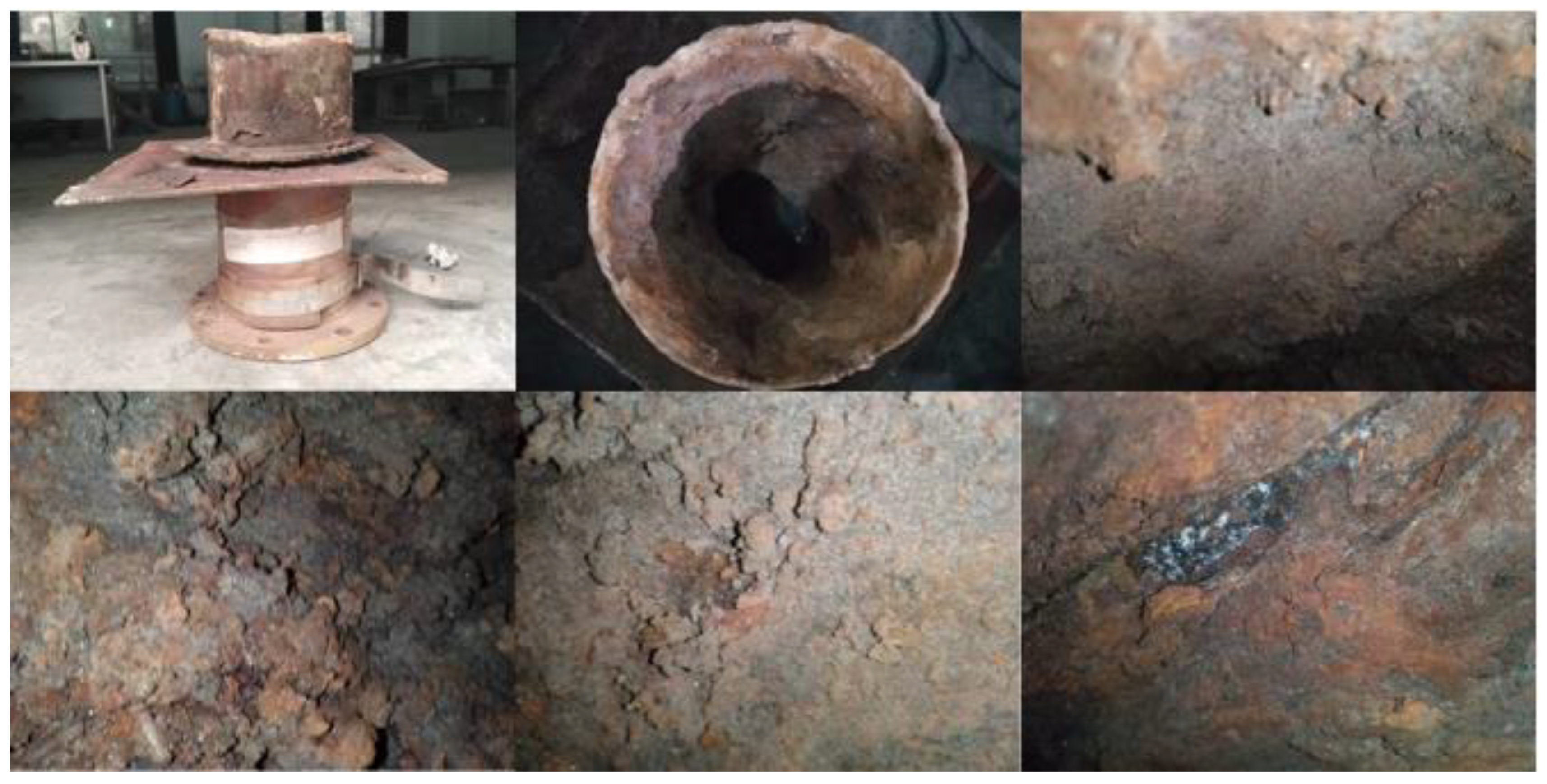
Figure 9 above, a straight pipe is installed on the oil removal settling tank to transport oily wastewater from the production process. After one and a half years of service, the pipeline exhibited severe corrosion, most notably in its middle section. This corrosion led to the accumulation of corrosion products and sediment, which ultimately blocked the pipeline.
The corrosion observed inside the pipeline can be attributed to the corrosive nature of the transported oily sewage. Such localized attack, including pitting and under-deposit corrosion, is a common failure mode in oil and gas pipelines that demands targeted mitigation approaches [
22,
23]. The presence of corrosive components and chemicals in the sewage can lead to the gradual degradation of the pipeline’s inner surface, resulting in the formation of corrosion products such as rust and scale. As corrosion progresses, the pipeline’s structural integrity is compromised, making it more susceptible to damage and blockage. Additionally, the accumulation of sediment inside the pipeline exaggerates the problem. Oily sewage can carry solid particles and sediments, which settle over time and combine with the corrosion products to form a thick layer of deposits. This sediment build-up narrows the pipeline’s diameter, obstructing the flow and impeding the efficient transportation of the sewage.
To address this issue, it is crucial to implement proper corrosion prevention and control measures. Using corrosion-resistant materials for the pipeline and applying protective coatings can help slow down or prevent corrosion formation. Regular inspection and maintenance are vital to identify and address corrosion at its early stages, reducing the risk of blockage. Furthermore, implementing appropriate filtration and cleaning processes can help remove sediment and blockages from the pipeline, ensuring the smooth flow of the oily sewage and minimizing downtime and operational disruptions.
3.2. Water Quality Analysis
Water chemistry analysis was performed using inductively coupled plasma optical emission spectrometry (ICP-OES) for cations (Ca2+, Mg2+, Na+, K+) and ion chromatography (IC) for anions (Cl−, HCO3−, SO42−). Total mineralization was derived from the ionic sum and confirmed by gravimetric evaporation at 180 °C.
Table 2 and
Table 3 present two representative water samples from key stages of the oilfield gathering and transportation process, with their analysis offering insights into system corrosion potential.
Sample No. 1: Outlet Water from Three-Phase Separator. This sample, representing untreated water immediately after oil separation, shows high concentrations of chloride, calcium ions, and salinity. These parameters indicate a strongly corrosive environment for carbon steel pipelines, highlighting the critical need for effective corrosion control from the initial stage of the transportation system.
Sample No. 2 (Water Sample Filtered by Walnut Shell after Natural Settlement): This water sample has undergone some treatment by filtration using walnut shells after natural settlement. While this treatment has improved the water quality slightly compared to Sample No. 1, the analysis still shows notable amounts of chloride ions, Ca2+ ions, and salinity. These elements continue to pose a potential risk of corrosion to the carbon steel pipelines in the oil gathering and transportation system, even after the filtration process.
Notably, the concentrations of chloride ions (Cl−) and total salinity increased in Sample #2 after walnut shell filtration. This is attributed to a concentration effect, as water removal during treatment enriches dissolved ions. Walnut shell filtration is a standard physical process aimed at removing suspended solids and oils, not dissolved salts. Conversely, the sharp decrease in sulfate (SO42−) is likely due to the precipitation and removal of insoluble sulfate scales (e.g., CaSO4, BaSO4). These results demonstrate that while conventional filtration improves water clarity, it does not mitigate corrosion induced by high dissolved chloride content, highlighting the need for more comprehensive management strategies. Gathering and transportation system indicates the potential for strong corrosion towards the carbon steel pipelines. Moreover, the high concentration of Ca2+ ions promotes severe scaling, and the resulting scale deposits can facilitate under-deposit corrosion, synergistically worsening the damage caused by the high-chloride environment. This underscores the critical importance of implementing effective corrosion control strategies to mitigate the damage caused by the corrosive elements present in the water. To address these challenges and ensure the longevity of the pipeline system, the adoption of aluminum-based sacrificial anodes is a promising solution. These anodes can act as sacrificial elements, offering protection to the carbon steel pipelines by corroding themselves instead. By sacrificial corroding, the anodes prevent the pipelines from undergoing direct corrosion, effectively safeguarding the infrastructure and maintaining its integrity.
3.3. Corrosion Kinetics Simulation
Simulation Parameters and Assumptions: The corrosion and scaling simulations were conducted using the OLI Analyzer Studio software (Version 11.5). The input water chemistry was based on the ionic composition of Sample #1 (Three-Phase Separator Outlet) from
Table 2. Key model assumptions included: (1) thermodynamic equilibrium for scaling predictions; (2) use of the MSE (Mixed Solvent Electrolyte) property package for high-salinity brine; (3) carbon steel as the corroding material with a homogeneous surface. Simulations were performed under closed-system conditions at 1 atm, with temperature varied from 25 to 90 °C and flow velocity as specified. The simulated pH (6.61) differs from the field-measured pH values (7.0 and 7.5) in
Table 2. This difference arises because the OLI simulation calculates the thermodynamic equilibrium pH under closed-system conditions at 25 °C and 1 atm, accounting for all ionic interactions including carbonate species. In contrast, the field pH reflects instantaneous values influenced by open-system effects, temperature changes, and CO
2 release. The simulated pH thus indicates the inherent acidic tendency of the brine, which is key for understanding long-term scaling and corrosion behavior, rather than replicating a specific field reading.
Based on the corrosion water quality data and the simulation results obtained from the OLI Analyzer (v4.0) corrosion simulation software, the pH value of the simulated solution at 25 °C and 1 atmosphere pressure is 6.61, indicating that the solution is acidic. The density of the solution is 1.038 g/mL. The scaling mechanism of the water sample can be analyzed based on the combined effects of flow velocity, temperature, pressure and wall shear stress, as shown in
Table 3. Understanding these mechanisms is essential for developing effective inhibition strategies, as detailed in comprehensive reviews of water-formed deposits [
24,
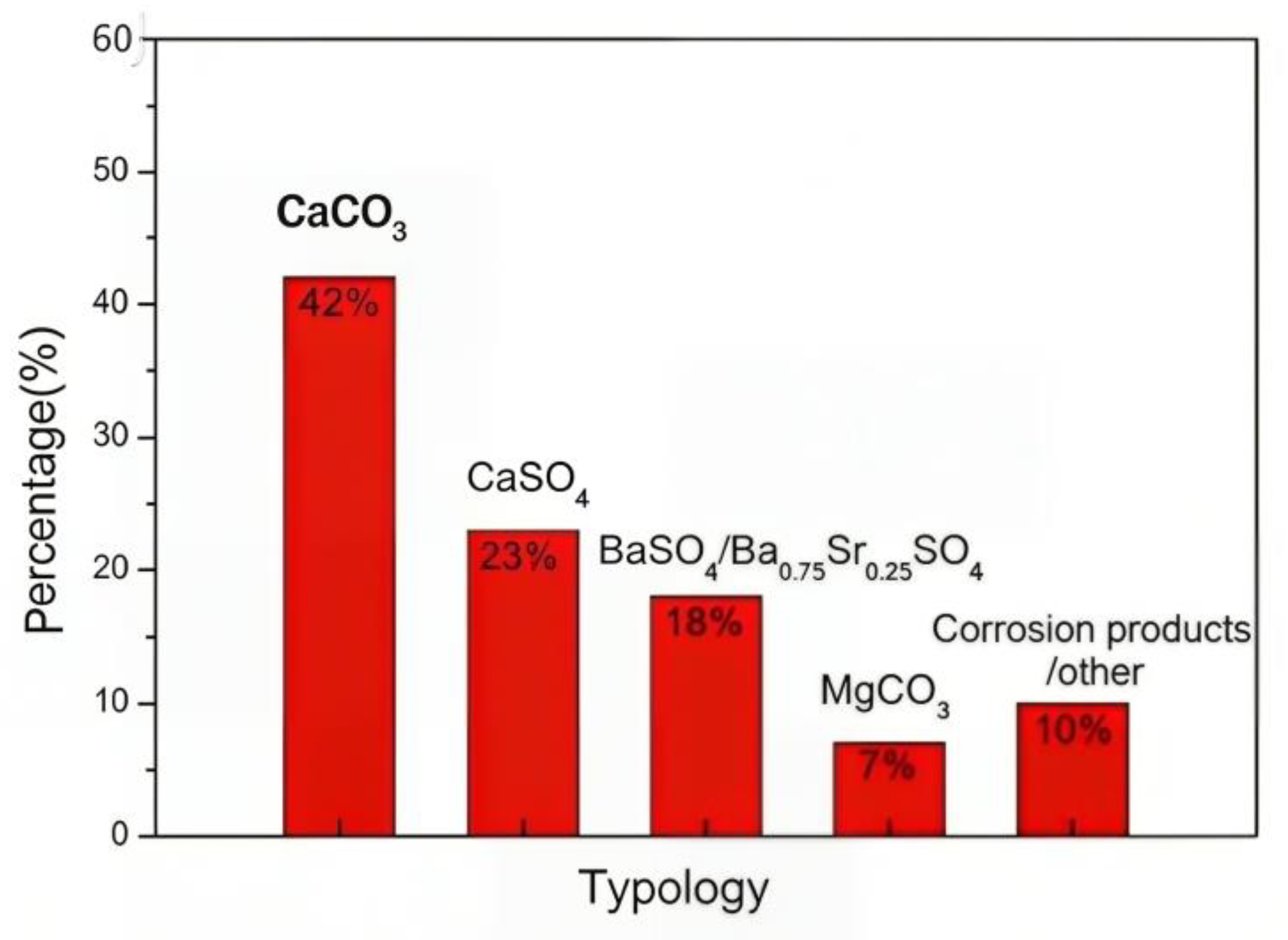
25]. From the table, it is observed that for the scaling trend analysis of the produced water sample, the generation trend of CaCO
3 (calcium carbonate) is at its maximum, with a value of 1. This indicates that calcium carbonate is the primary scaling component in the produced water sample. Scaling occurs when the concentration of calcium and carbonate ions in the water reaches a point where calcium carbonate starts to precipitate out of the solution, forming scale deposits on the inner surfaces of pipelines and equipment [
26].
The acidic nature of the water can lead to the dissolution of calcium carbonate, which may explain why the scaling trend of CaCO
3 is at its maximum. The dissolved calcium carbonate can subsequently precipitate out of the solution as the pH of the water changes due to various factors such as temperature, pressure, or chemical interactions. Understanding the scaling mechanism is crucial for managing scaling issues in the oil-field water injection system. Proper treatment and control measures can be implemented to prevent the formation of scale deposits and ensure the efficient and reliable operation of the system. Regular monitoring of water quality and scaling trends can also aid in identifying potential scaling problems early on, allowing for timely and effective intervention [
27,
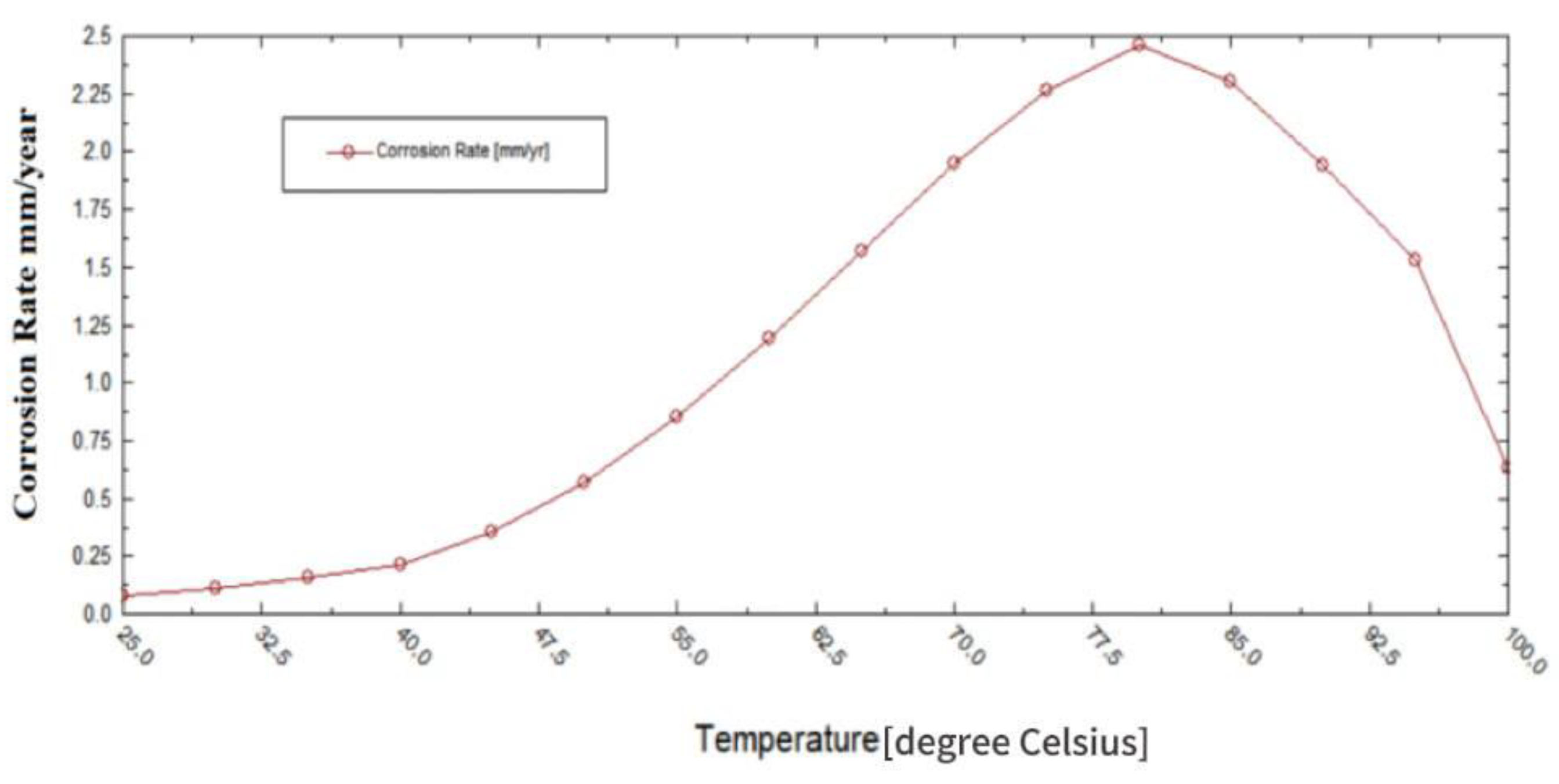
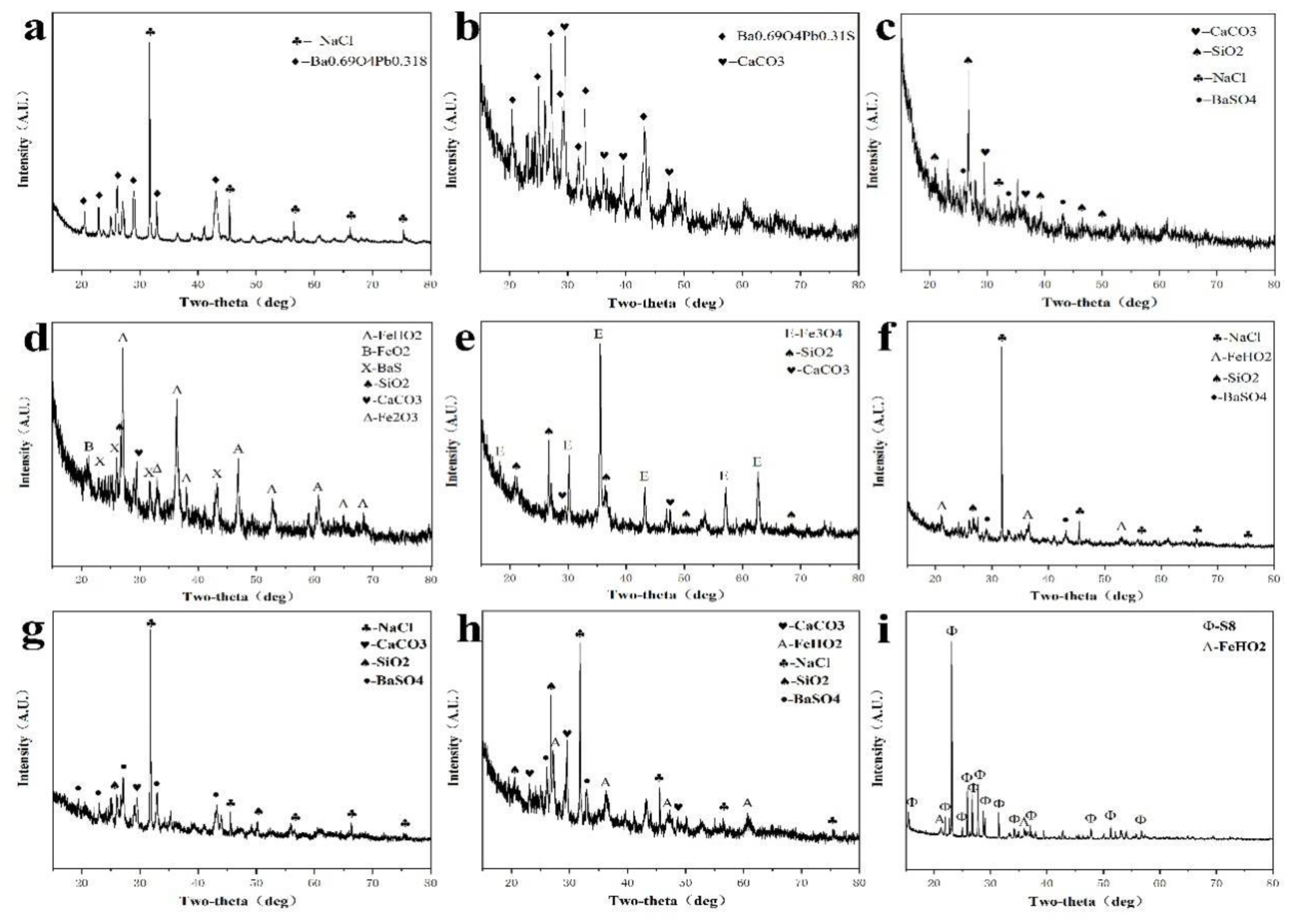
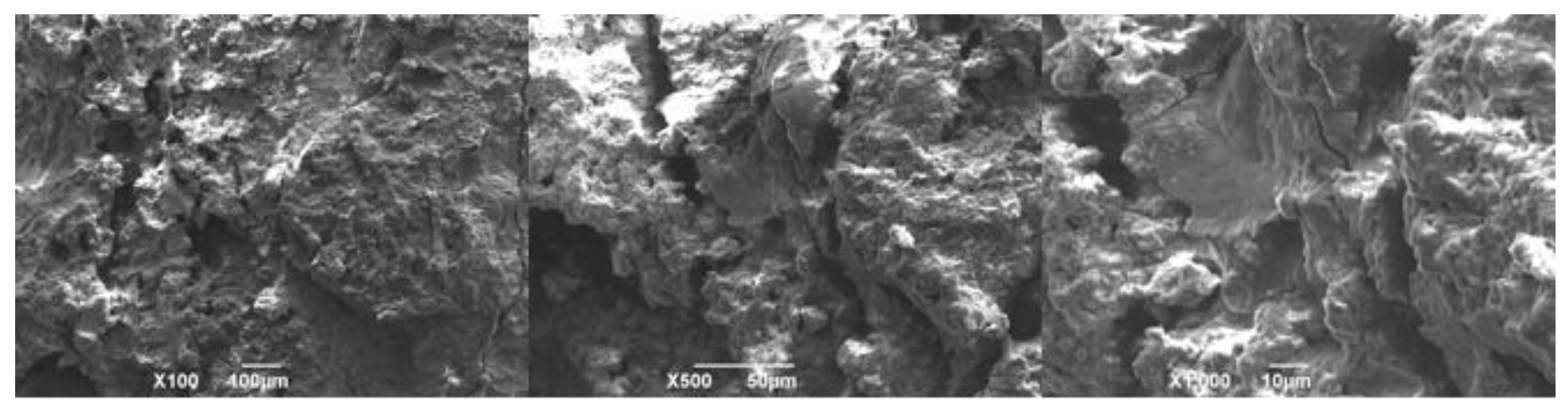
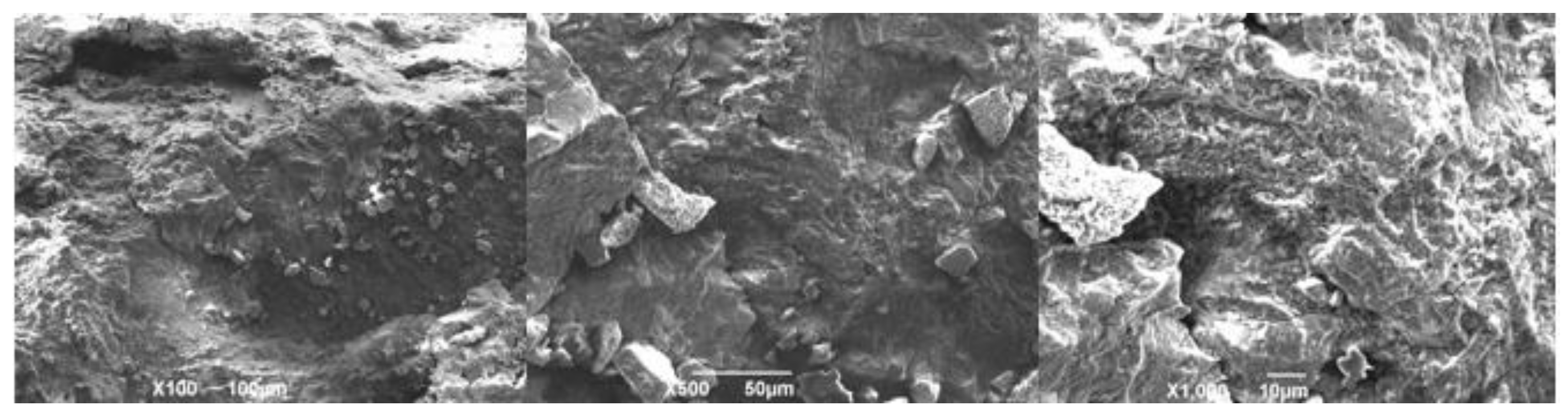
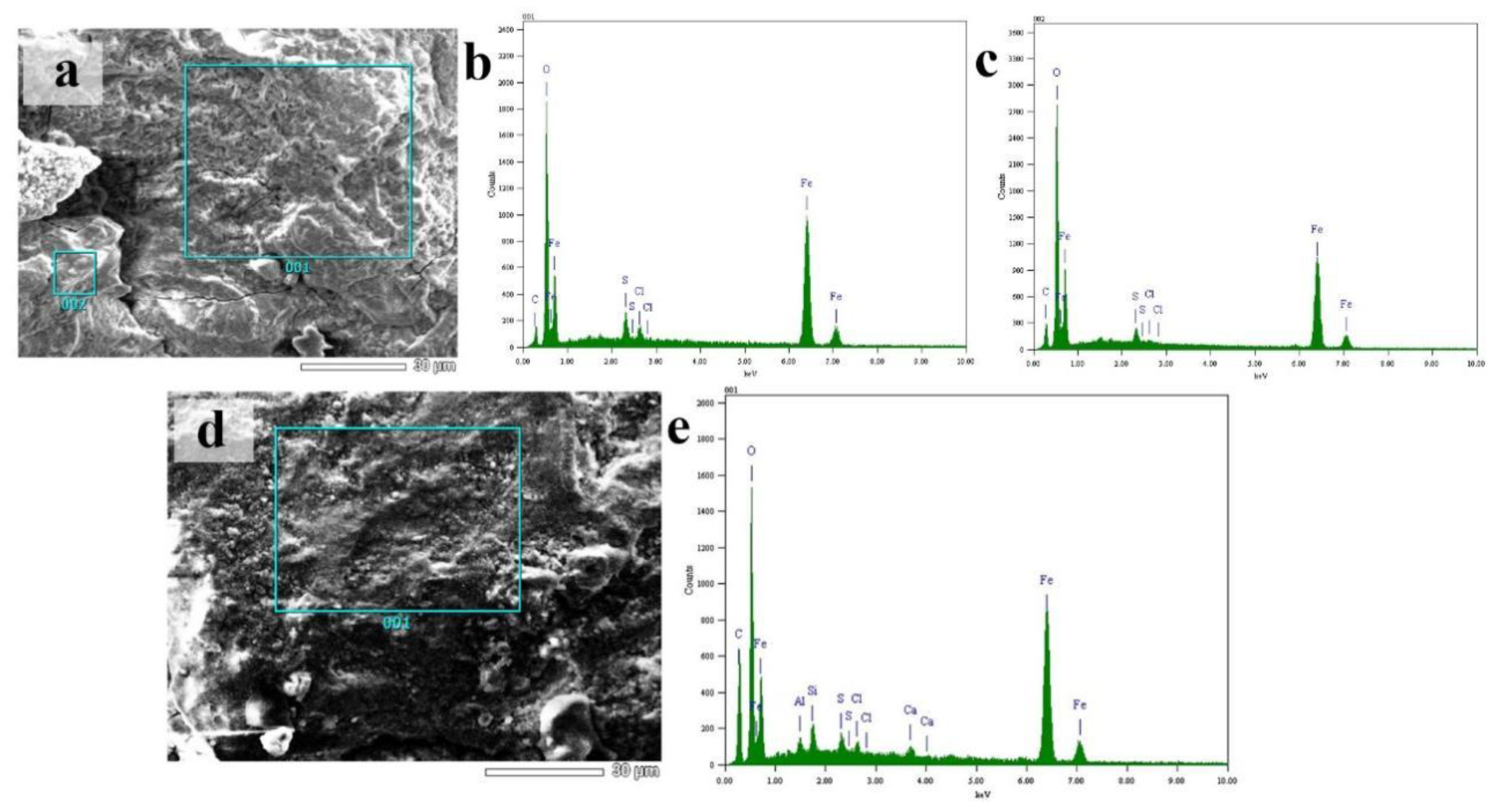
28]. Although the uniform corrosion rate of carbon steel is only 0.078 mm/yr at 25 °C, it rises sharply to 1.94 mm/yr at 90 °C—approximately 25 times higher. More importantly, under-deposit pitting, galvanic coupling (e.g., Cu–steel), and erosion-corrosion can locally accelerate penetration by an additional 10–50-fold. SEM thickness measurements of the removed scales reveal maximum residual pit depths of 2.3 mm, which aligns well with the observed 1–2-year service lives of the components listed in
Table 1 and illustrated in
Figure 2,
Figure 3,
Figure 4,
Figure 5,
Figure 6,
Figure 7,
Figure 8 and
Figure 9.
Based on the ion concentration index obtained from the water sample, various analyses can be conducted to understand the corrosion mechanism more comprehensively. These analyses include electrochemical and kinetic analysis, potentio-pH diagram (Pourbaix diagram) generation, corrosion product analysis and prediction, polarization curve prediction, and corrosion trend prediction. The Pourbaix diagram also reveals the generation mechanism of corrosion products and passivation films.
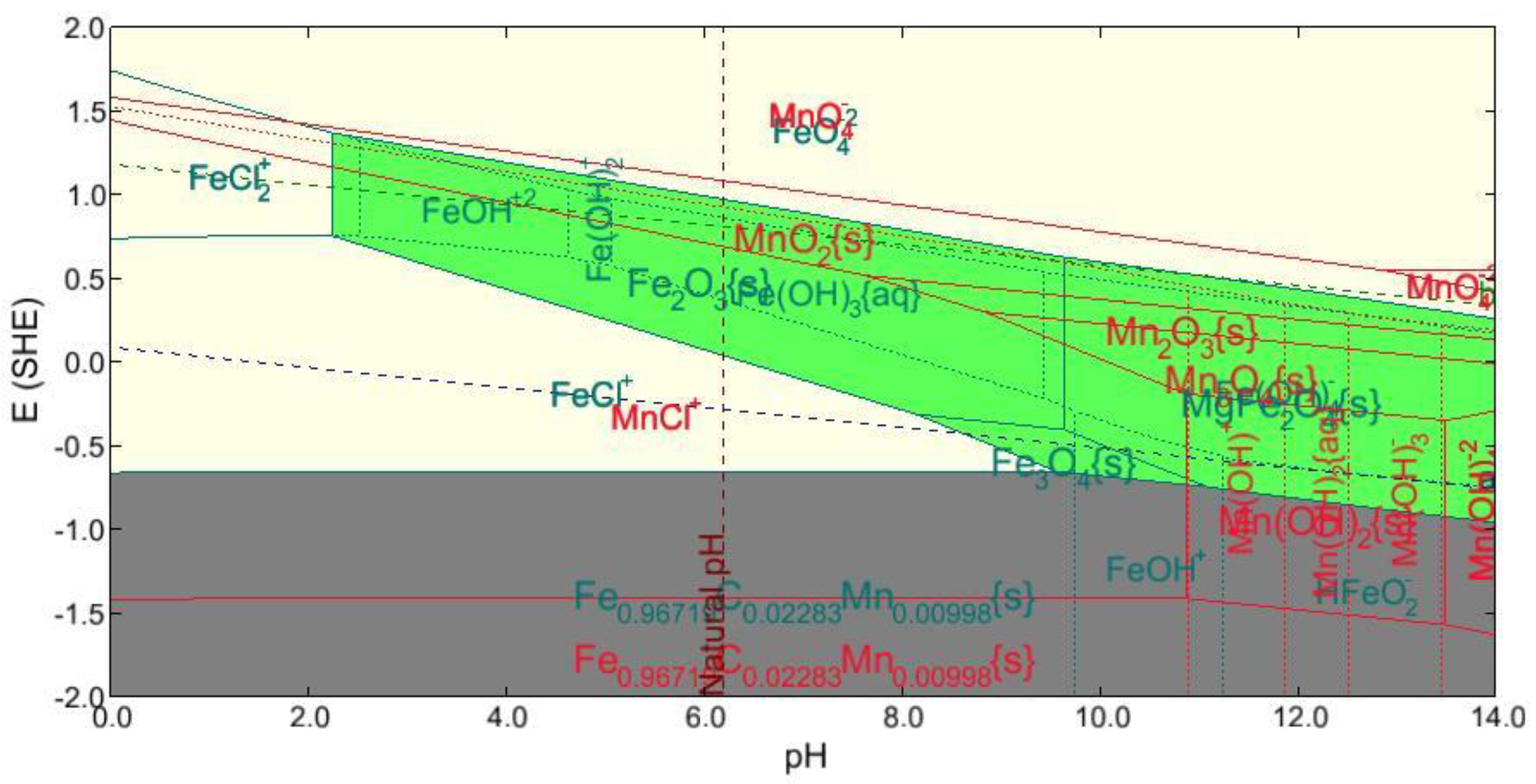
The Pourbaix diagram (
Figure 10) is constructed for a fixed temperature of 20 °C and maps the thermodynamic stability regions of iron and its potential corrosion products (e.g., Fe
2+, Fe
3O
4, Fe
2O
3, FeS) in the studied brine as a function of potential and pH. It helps identify the conditions under which protective films or corrosive species are stable. It is crucial to note that this diagram, by its conventional construction, is specific to a single temperature and does not depict a temperature-dependent trend. The significant effect of temperature on the corrosion kinetics (i.e., the rate of metal loss) is independently and quantitatively demonstrated by the OLI simulation results presented in
Figure 11, which shows the corrosion rate increase from 0.078 mm/y at 25 °C to 1.94 mm/y at 90 °C. These corrosion products are typical of the corrosion behavior of carbon steel in corrosive environments. Fe
2O
3 is commonly known as rust and is formed when iron reacts with oxygen and water. FeS, on the other hand, is likely formed due to the presence of sulfur-containing compounds in the water, leading to the formation of iron sulfide. Both Fe
2O
3 and FeS are corrosion products that can accumulate on the surface of carbon steel, contributing to the deterioration of its structural integrity over time. By understanding the corrosion products and the overall corrosion mechanism, measures can be taken to mitigate corrosion in the oilfield water injection system. These may include selecting corrosion-resistant materials, implementing protective coatings, controlling water quality parameters, and regular inspection and maintenance of equipment and pipelines. By applying the insights from the analysis, corrosion-related issues can be effectively managed, extending the lifespan and reliability of the oilfield infrastructure.
Figure 11 illustrates the corrosion rate of carbon steel under different ambient temperatures. At 25°C, the corrosion rate is measured to be 0.0777 mm/year, while at 90°C, the corrosion rate significantly increases to 1.938 mm/year. This temperature-dependent acceleration is consistent with the known behavior of carbon steel in corrosive media, including environments containing H
2S, where both temperature and acid gas concentration critically influence corrosion kinetics. The data from
Figure 11 reveals Enhanced mass transport: Higher temperatures increase the diffusion rate of corrosive species.
The increase in corrosion rate with temperature can be attributed to several factors:
- (a)
Accelerated Chemical Reactions: Higher temperatures can accelerate chemical reactions at the metal–water interface, leading to increased metal dissolution and corrosion. Elevated temperatures can enhance the mobility of ions in the water, making them more reactive with the metal surface.
- (b)
Decreased Protective Film Formation: At higher temperatures, the formation of protective passive films on the metal surface may be inhibited. These passive films act as barriers that protect the metal from further corrosion. In the absence of a robust passive film, the metal is more vulnerable to corrosion.
- (c)
Decreased Protective Film Formation: Elevated temperatures can inhibit the formation of stable passive films on the metal surface. Since these films serve as a protective barrier, their compromised integrity or absence significantly increases the metal’s susceptibility to corrosion.
- (d)
The significant increase in corrosion rate observed at higher temperatures highlights the importance of considering temperature as a critical parameter in man-aging corrosion in the oilfield water injection system. Measures such as temperature control, material selection, and appropriate corrosion inhibition strategies become crucial in preventing accelerated corrosion under elevated temperature conditions. Implementing effective corrosion prevention and control practices can help mitigate the detrimental effects of temperature-induced corrosion and ensure the long-term integrity and reliability of the system.
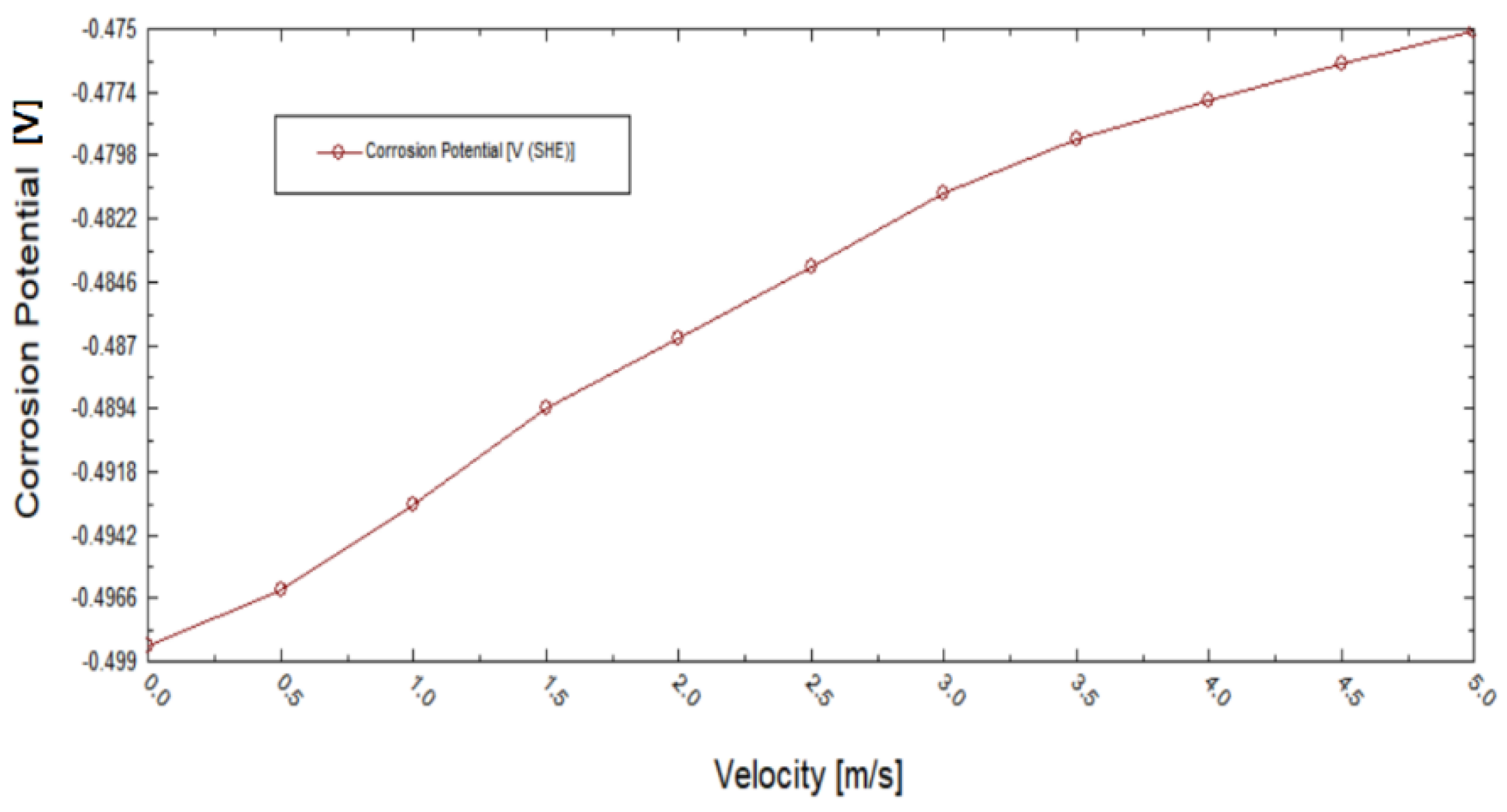
Figure 12 presents the simulated corrosion rates of carbon steel under different flow velocities. The results show a linear increase in corrosion rate with flow velocity, reflecting the contribution of flow-accelerated corrosion and erosion–corrosion mechanisms. Based on the analysis results, several conclusions can be drawn regarding the pipeline materials in the gathering and transportation stations in the Yanchang area:
High Salinity: The water in the pipeline generally exhibits high salinity [3.5% wt%–10 wt%NaCl], which can promote the formation of scale deposits. As noted previously, the predominant scale type is calcium carbonate (CaCO3).
Corrosion Under Scale: Pipeline materials undergo significant corrosion beneath the CaCO3 scale. Corrosive ions in the water, such as chloride ions, can accelerate this corrosion process, particularly under the scale layer.
Formation of Iron Oxides: The corrosion process under the scale layer results in the formation of iron oxides, such as Fe2O3, which are typical corrosion products for carbon steel materials exposed to corrosive environments.
Accelerated Corrosion with Flow Velocity: The loose and cracked nature of the scale layer exacerbates the corrosion problem. As flow velocity increases, the corrosion damage and failure of the pipeline materials accelerate. Higher flow velocities can lead to increased turbulence and more aggressive corrosion processes, contributing to the deterioration of the pipeline. Considering these conclusions, it becomes evident that effective corrosion prevention and mitigation strategies are crucial to maintaining the integrity and reliability of the gathering and transportation stations in Qingyang area. Additionally, appropriate water treatment methods may be employed to control the scale formation and reduce the impact of corrosive elements in the water, ultimately safeguarding the operation and safety of the oilfield system.