1. Introduction
The fifth-generation mobile communication technology (5G), characterized by high data rates, low latency, and massive connectivity, has become a key infrastructure supporting the digital transformation of modern society. As the physical carrier of the 5G radio access network, the active antenna unit (AAU) integrates radio-frequency units and massive antenna arrays. The continuous improvement in AAU performance is accompanied by a marked increase in power consumption and heat flux density [
1]. Efficient heat dissipation is therefore essential for ensuring stable AAU operation, maintaining device performance, and reducing energy consumption [
2]. Currently, AAUs commonly employ sealed aluminum alloy enclosures and rely mainly on passive cooling. Mainstream thermal management strategies primarily focus on optimizing heat conduction and convection pathways [
3,
4,
5]. For heat conduction, vapor chambers or similar components are typically installed beneath heat-generating devices to enhance heat transfer to the enclosure. For convection, V-shaped finned heat sinks are commonly designed on the outer surface of the chassis to enlarge the heat dissipation area and improve the convective heat transfer coefficient by promoting turbulent flow. However, existing approaches mainly emphasize conduction and convection, whereas thermal radiation, a heat-transfer mode that requires no medium and operates continuously, has not been fully exploited. Increasing the infrared emissivity of the enclosure surface to directly dissipate heat into the surrounding environment through radiation represents a promising, fully passive, and zero-energy-consumption strategy for improving cooling performance, with potential energy-saving and environmental benefits. Moreover, AAUs operate for long periods in complex outdoor environments, where contaminants such as dust can accumulate on their surfaces, reducing infrared emissivity and thereby degrading thermal performance. Therefore, integrating self-cleaning functionality with high infrared emissivity through surface modification provides a promising route for achieving long-term and stable radiative cooling of AAU enclosures.
At present, self-cleaning radiative cooling coatings are generally based on organic/inorganic composite systems with high emissivity and large water contact angles. For example, Liao et al. [
6] fabricated a superhydrophobic composite aerogel composed of stereocomplex-type polylactide and ultrafine glass fibers. The coating exhibited a solar reflectance of 91.68%, an infrared emissivity of 93.95%, and a water contact angle of 150°; however, its thermal conductivity was only 36.26 mW m
−1 K
−1. Liu et al. [
7] designed a thin and durable coating via the evaporation-driven assembly of a hierarchically porous structure consisting of hexagonal boron nitride (hBN) particles, 1H,1H,2H,2H-perfluorooctyl trichlorosilane (PFOTS), and isopropanol (IPA). With a thickness of 150 μm, the coating achieved a solar reflectance of 0.963, an infrared emissivity of 0.927, and a water contact angle of 154°, while its in-plane thermal conductivity was only 1.82 W m
−1 K
−1. Although these composite coatings exhibit promising radiative cooling and self-cleaning properties, they may suffer from limitations such as insufficient adhesion, high interfacial thermal resistance, and potential environmental concerns. In addition, most organic-based coatings have relatively low thermal conductivity, which may hinder the efficient transfer of heat generated by internal electronic components to the enclosure surface.
It should be noted that the infrared emissivity of a material is governed not only by its intrinsic surface chemistry but also by its surface topography. For example, Trevor et al. [
8] fabricated patterned textured structures on an aluminum substrate using a templating method and subsequently rendered the surface superhydrophobic by trichlorosilane modification. The water contact angle of the textured region reached approximately 150°, compared with approximately 120° for the smooth reference region. More importantly, the emissivity of the textured region increased significantly to 0.65, whereas that of the smooth region remained only 0.26. These results demonstrate that constructing rough surface structures can substantially enhance the infrared emissivity of aluminum surfaces. In general, when the characteristic scale of surface roughness is comparable to or larger than the incident wavelength, incident waves undergo multiple reflections and scattering within the rough surface, thereby increasing absorptivity in the corresponding wavelength range. According to Kirchhoff’s law of thermal radiation, increased absorptivity corresponds to increased emissivity at the same wavelength.
Considering the characteristic wavelength range of infrared radiation, particularly in the mid- and far-infrared regions, constructing multiscale micro/nano hierarchical structures has been recognized as an effective strategy for achieving high broadband emissivity [
9,
10]. Zhou et al. [
11] designed a dual-layer radiative coating by incorporating a reduced graphene oxide (r-GO) layer onto an Al
2O
3 layer. The dual-layer coating increased the infrared emissivity of a bare aluminum heat sink from 0.1 to 0.57 in the 3–8 μm band and to 0.83 in the 8–20 μm band, while reducing the temperature of a 1 W LED by 5.6 °C. Sha et al. [
12] developed a thermal radiative material using specific ceramic powders and polymer composite technology. The material exhibited an emissivity higher than 90% in the 4–14 μm range, as well as good electrical insulation and environmental reliability. When applied as a thin film onto the heat sink of a 13 W LED bulb, the coating reduced the temperature of the metal-based printed circuit board by 13.5 °C and that of the heat sink by approximately 8 °C.
However, templating methods are often complex and costly, making them unsuitable for large-scale industrial production. Similarly, thick organic or organic/inorganic composite coatings may introduce additional interfacial thermal resistance and partially compromise the inherent thermal conductivity advantage of aluminum alloys. In view of these limitations and the practical requirements of AAU thermal management, this study proposes a scalable and low-cost surface modification strategy. Hierarchical micro/nano structures were first constructed on a 6061 aluminum alloy substrate through a combined sandblasting and chemical etching process, followed by the grafting of a thin low-surface-energy PFTEOS layer. This strategy is intended to retain the near-surface thermal conduction pathway of the aluminum alloy while simultaneously endowing the surface with high infrared emissivity and hydrophobic self-cleaning properties. The objective of this work is to systematically investigate the evolution of surface morphology, chemical composition, wettability, and infrared emissivity during the modification process, and to clarify the mechanisms responsible for the synergistic enhancement of heat dissipation and self-cleaning performance.
2. Materials and Methods
A total of 6061 aluminum alloy sheets (Al: 98 wt%, Mg: 1.2 wt%, Si: 0.6 wt%) were supplied by Shanghai Heng Mei Metal Products Co., Ltd. Before use, the sheets were wire-cut into rectangular specimens with dimensions of 30 mm × 30 mm × 2 mm. The specimens were then ultrasonically cleaned sequentially in acetone, ethanol, and deionized water for 10 min each to remove surface contaminants. Subsequently, they were dried in a vacuum drying oven to obtain the 6061 aluminum alloy substrates for subsequent experiments. Brown fused alumina abrasives with a mesh size of 60 were purchased from AMF Aerospace Material Co., Ltd. Sodium hydroxide (NaOH, purity 99.999%), reagent-grade acetone (purity 99.999%), and ethanol (purity 99.999%) were obtained from Sinopharm Chemical Reagent Co., Ltd. 1H,1H,2H,2H-perfluorodecyltriethoxysilane (PFTEOS, purity 97%) was provided by J Scientific Co., Ltd. Deionized water was obtained from commercial sources. All materials were used as received without further purification.
In this study, microscale structures were constructed by sandblasting, while hierarchical micro/nano structures were formed through a combined sandblasting and NaOH etching process. After pretreatment, the surfaces of the 6061 aluminum alloy substrates were subjected to five sandblasting cycles using 60-mesh brown fused alumina abrasives at sandblasting pressures of 20, 40, and 60 PSI, respectively, to construct the required microscale rough structures. Subsequently, the sandblasted aluminum alloy substrates were immersed in 0.2 mol/L NaOH solution and etched at 80 °C for 1, 5, and 9 min, respectively. The etched substrates were then placed in boiling water for 40 min to further promote the formation of hierarchical micro/nano structures on the surface. NaOH etching not only contributed to the construction of the micro/nano surface structure but also partially dissolved the native Al2O3 layer on the aluminum alloy surface, thereby facilitating subsequent PFTEOS grafting.
For PFTEOS modification, an ethanol solution containing 1% (v/v) PFTEOS was maintained at 37 °C, and the 6061 aluminum alloy substrates were immersed in the solution for 30 min. Subsequently, the solution together with the immersed samples was heated to 120 °C and maintained at this temperature for 60 min to obtain a fluorinated modified surface on the 6061 aluminum alloy.
The surface wettability of the samples was characterized by measuring the water contact angle and sliding angle using a contact angle goniometer (CSCDIC-100, SINDIN, China). For static water contact angle measurements, 5 μL droplets of deionized water were deposited on different locations of each sample, and five measurements were performed for each specimen. The average value was then calculated. The sliding angle was measured by placing a 10 μL deionized water droplet on the sample surface and gradually tilting the stage until the droplet began to move. The tilt angle at the onset of droplet motion was recorded as the sliding angle.
The surface roughness of the samples was measured using a laser confocal microscope (Sensofar, Spain). The surface microstructure was observed by field-emission scanning electron microscopy (FE-SEM, Zeiss Ultra Plus, Germany) equipped with energy-dispersive spectroscopy (EDS). Phase identification of the sample surfaces was performed using an X-ray diffractometer (XRD, Empyrean, England) over a 2θ range of 10–80°. The chemical states of surface elements were analyzed by X-ray photoelectron spectroscopy (XPS, ESCALAB 250Xi, USA) using Al Kα radiation. In addition, the chemical bonding characteristics were investigated by Fourier-transform infrared spectroscopy (FTIR, Nicolet 6700, Thermo Fisher Scientific, USA). The FTIR spectra were collected over a wavenumber range of 4000–400 cm−1 at a resolution of 4 cm−1 with 8 accumulated scans. The crystallographic characteristics of the near-surface region were analyzed by electron backscatter diffraction (EBSD, Sigma 300, ZEISS, Germany).
The infrared emissivity was measured in the wavelength range of 2.5–25 μm using a Fourier-transform infrared spectrometer (FTIR, Tensor, Germany). The total emissivity was calculated according to the following equation:
where
R(
λ) is the spectral reflectance,
Ib(
λ) represents the blackbody radiation intensity at room temperature [
13,
14].
3. Results
3.1. Microstructure and Properties of Sandblasted Aluminum Alloy Surfaces
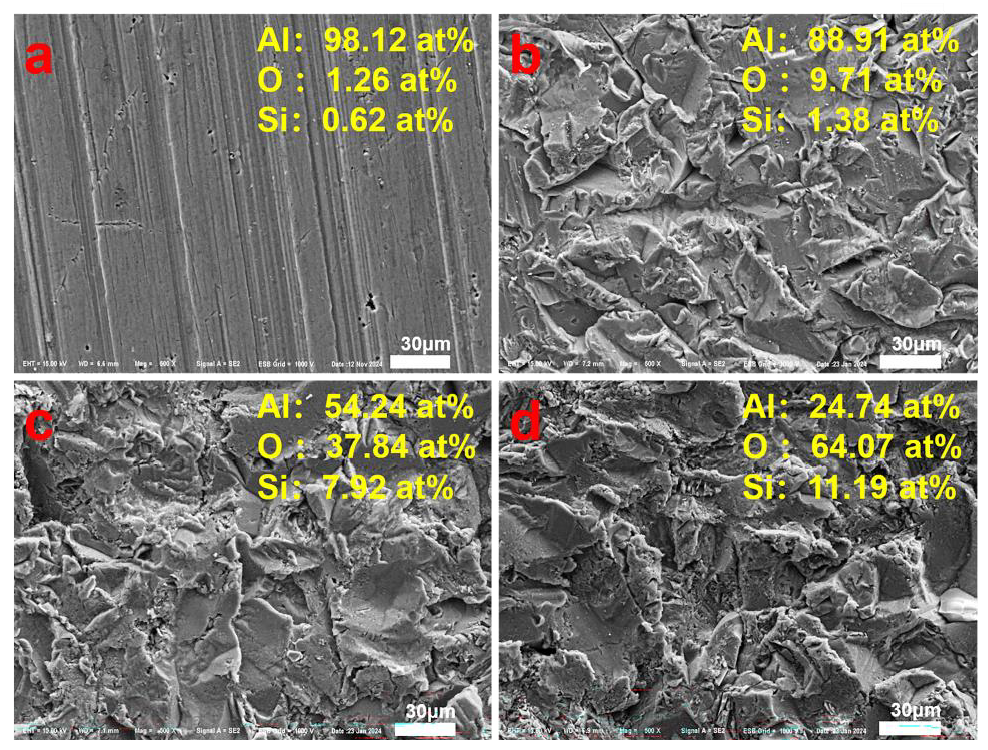
Figure 1 shows the surface morphology and corresponding elemental distribution of the samples treated at different sandblasting pressures. As shown in
Figure 1a, the untreated sample exhibits a relatively smooth and flat surface with visible linear scratches, which are characteristic of a typical machined surface. In contrast, after sandblasting, the original scratches are largely removed and replaced by a high density of microscale features, including pits, grooves, and protrusions (
Figure 1b–d). During sandblasting, abrasive particles impact the aluminum alloy surface at high velocity, resulting in the rapid transfer of kinetic energy to the substrate. Part of this energy is converted into mechanical work, inducing localized plastic deformation and forming the observed surface features. The remaining energy is mainly dissipated through particle rebound and deformation. The rebound energy drives the abrasive particles away from the surface or causes secondary impacts, whereas the deformation energy results in elastic or plastic deformation of the abrasive particles themselves. As the sandblasting pressure increases, the velocity and kinetic energy of the abrasive particles increase accordingly, leading to more pronounced impact-induced deformation of the aluminum alloy surface. Consequently, larger and deeper pits are formed at higher sandblasting pressures, as clearly observed in
Figure 1d.
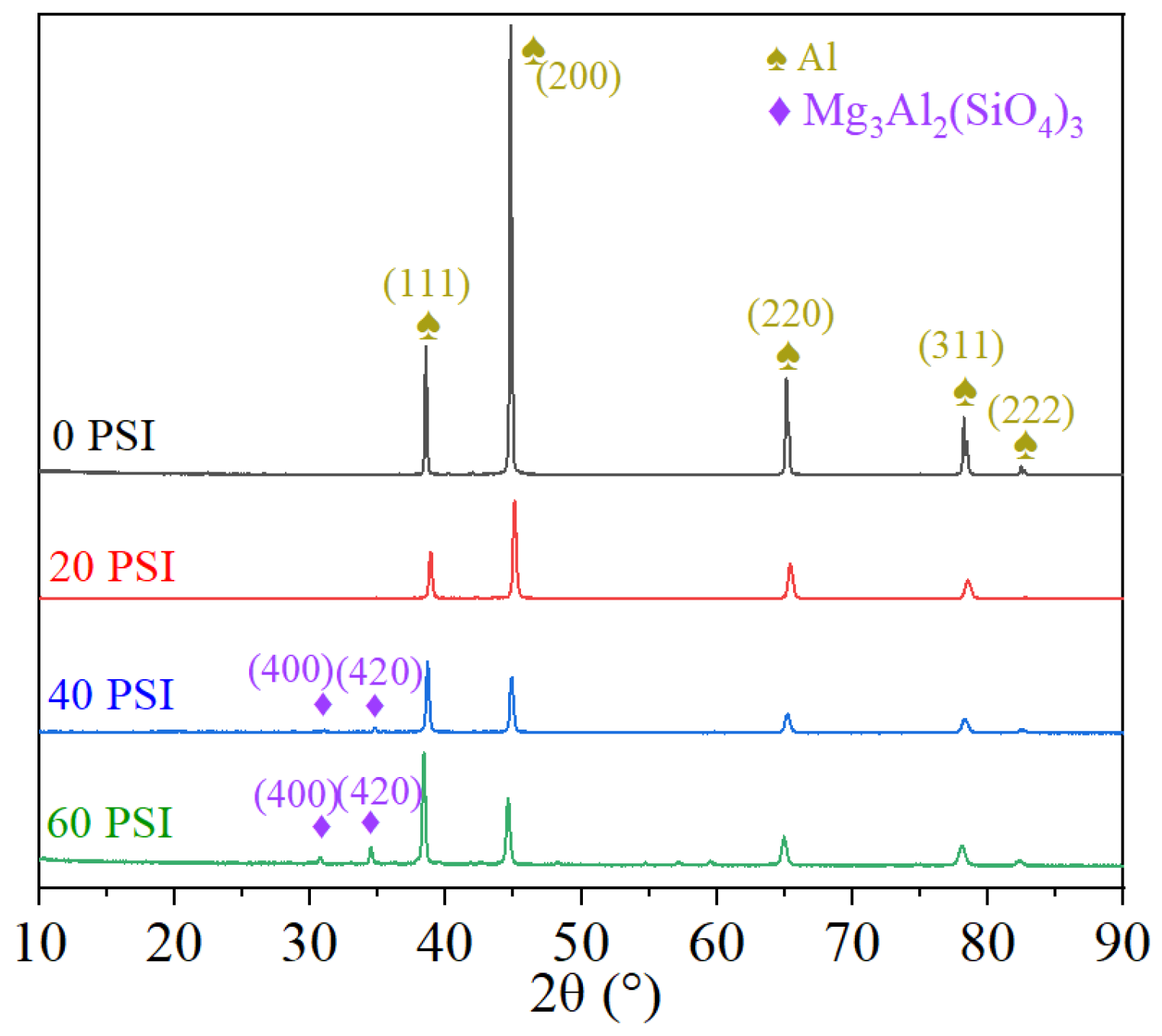
Figure 2 shows the XRD patterns of the sample surfaces treated at different sandblasting pressures. The results indicate that when the sandblasting pressure is 20 PSI or lower, only diffraction peaks corresponding to the Al phase are detected. As the sandblasting pressure increases, additional diffraction peaks assigned to Mg
3Al
2(SiO
4)
3 appear together with the Al peaks, confirming the presence of embedded abrasive particles on the sandblasted surface.
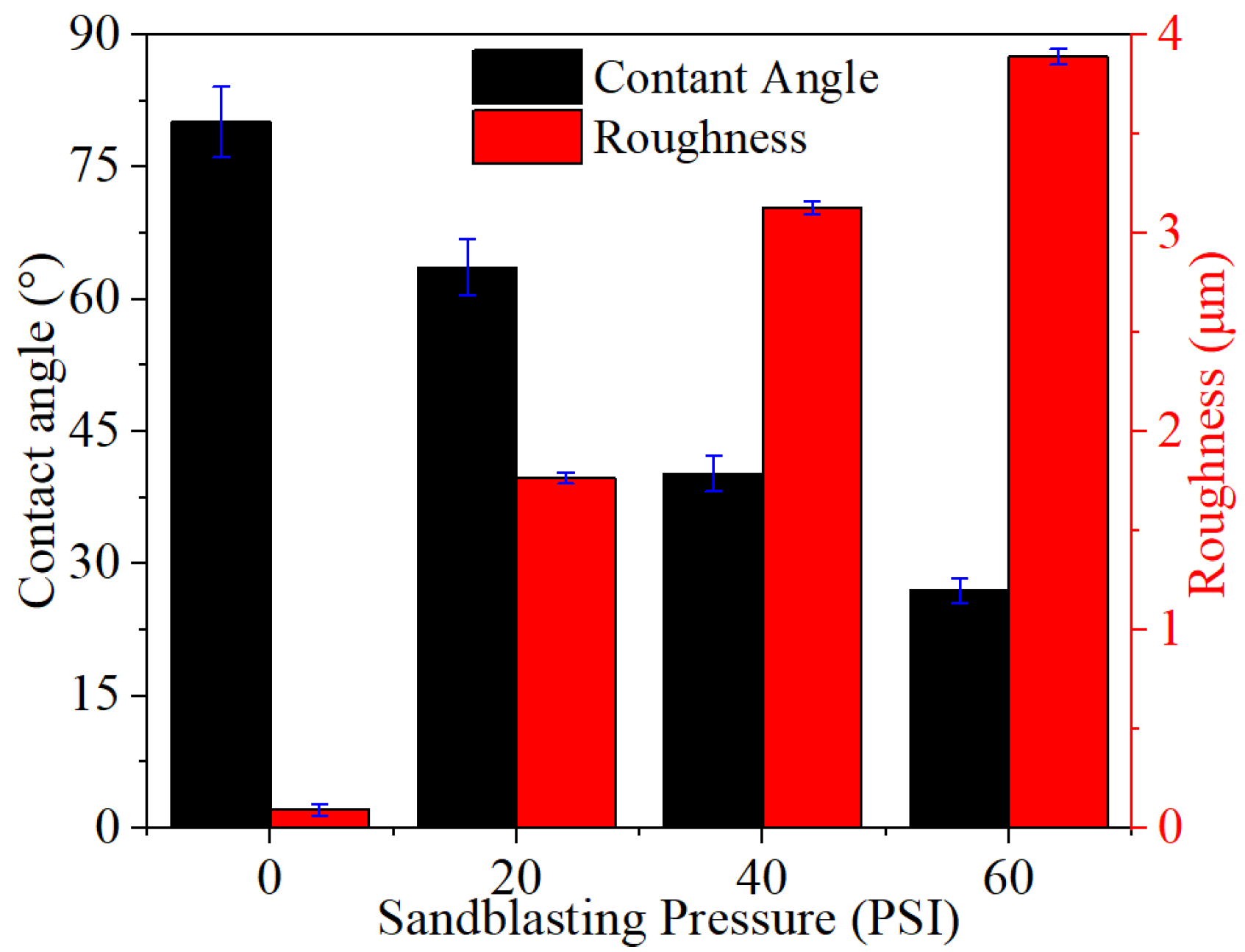
Figure 3 shows the variations in surface roughness and water contact angle as a function of sandblasting pressure. As the sandblasting pressure increased from 20 to 60 PSI, the surface roughness increased from 1.764 to 3.890 μm. This increase can be attributed to the higher exit velocity of the abrasive particles at elevated sandblasting pressures. According to the kinetic energy relationship [
15], a higher particle velocity corresponds to a significant increase in particle kinetic energy. The increased kinetic energy enhances the impact and erosion effects of the abrasive particles on the aluminum alloy surface, resulting in more severe localized plastic deformation. Consequently, deeper pits and more pronounced peak-valley structures are formed, which macroscopically appear as an increase in surface roughness. In contrast, the water contact angle continuously decreased from 63.62° to 26.93° with increasing sandblasting pressure. According to the Wenzel wetting model [
16], surface roughness amplifies the intrinsic wettability of a material. Aluminum alloy and its native oxide layer are inherently hydrophilic, with an intrinsic contact angle below 90°. Therefore, the increased roughness caused by higher sandblasting pressure enlarges the actual solid–liquid contact area, while the microscopic anchoring effect promotes the spreading of water droplets over the rough surface. These effects enhance the intrinsic hydrophilicity of the surface and lead to a gradual decrease in the apparent contact angle. In addition, increased sandblasting pressure may promote surface oxidation, thereby increasing surface polarity and strengthening interactions with water molecules, which further contributes to droplet spreading and the decrease in the observed contact angle.
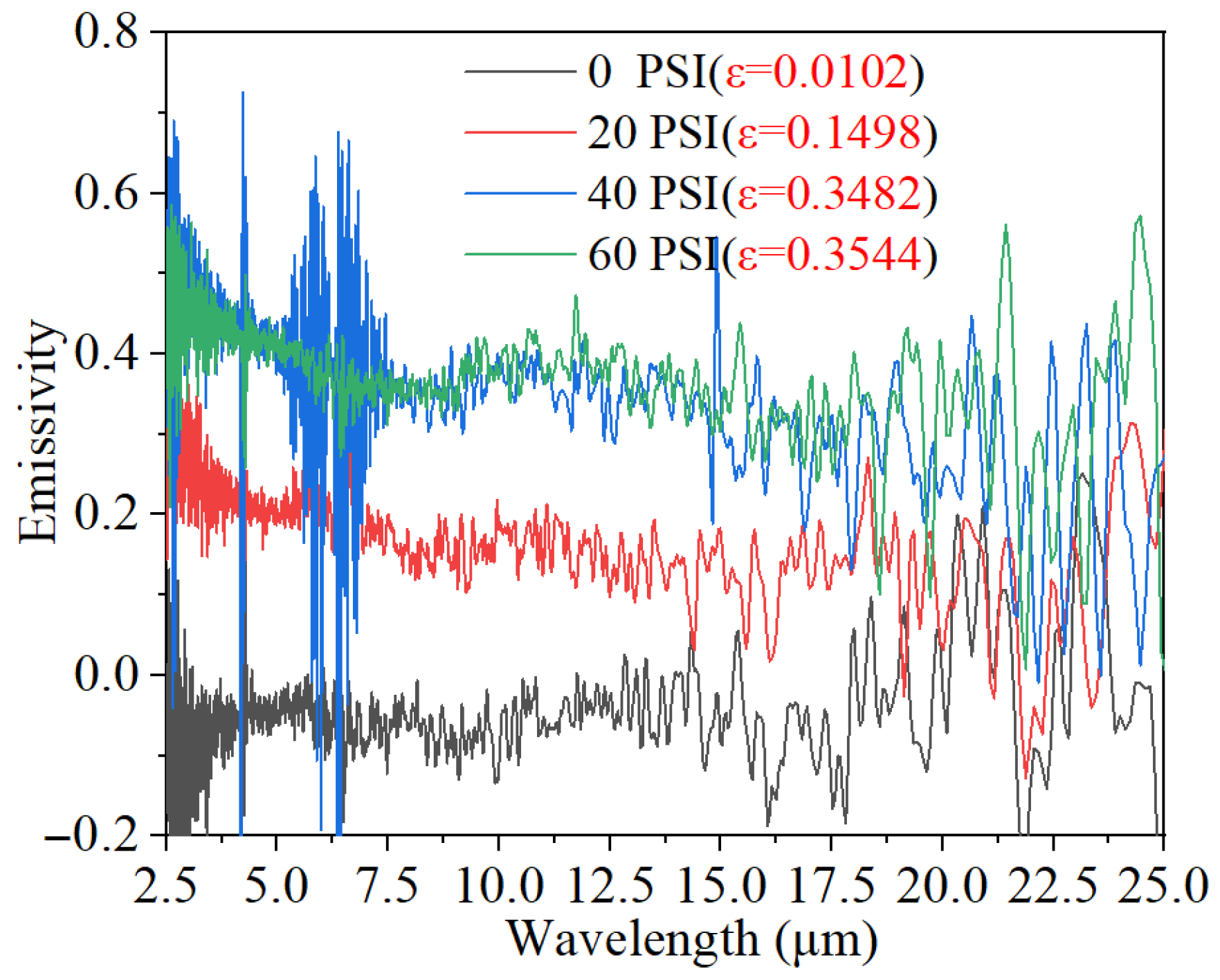
Figure 4 presents the spectral infrared emissivity of the sample surfaces treated at different sandblasting pressures. Compared with the untreated aluminum alloy (0 PSI), the sandblasted surfaces exhibit significantly enhanced spectral emissivity, with an overall increase across the entire measured wavelength range. When the sandblasting pressure is below 40 PSI, the surface emissivity increases markedly with increasing pressure. However, when the pressure exceeds 40 PSI, the increase in emissivity becomes more gradual. The maximum emissivity of 0.3544 is achieved at 60 PSI. Combined with the surface roughness results, the variation in emissivity is generally consistent with the change in roughness, indicating that the emissivity enhancement after sandblasting is mainly associated with surface roughening. The rough structures generated at higher sandblasting pressures contain numerous microscale pits, cracks, and grooves. For mid- and far-infrared radiation with wavelengths on the micrometer scale, these microstructures can act as effective optical traps [
17]. Incident infrared radiation undergoes multiple reflections and absorption within the cavities, making it more difficult to escape from the surface and thereby increasing the effective absorptivity. As the surface roughness increases, the optical-trapping effect becomes more pronounced. According to Kirchhoff’s law of thermal radiation [
18], a surface with higher absorptivity under thermal equilibrium also exhibits higher emissivity, leading to the observed increase in infrared emissivity. In addition, sandblasting may introduce a higher density of lattice defects in the near-surface region of the aluminum alloy, including grain refinement and increased dislocation density. These defects may further contribute to infrared absorption by enhancing lattice-vibration-related energy dissipation, particularly in the long-wavelength region of 10–25 μm.
3.2. Microstructure and Properties of Etched Aluminum Alloy Surfaces
Based on the above results, the samples sandblasted at 60 PSI were selected for subsequent NaOH etching.
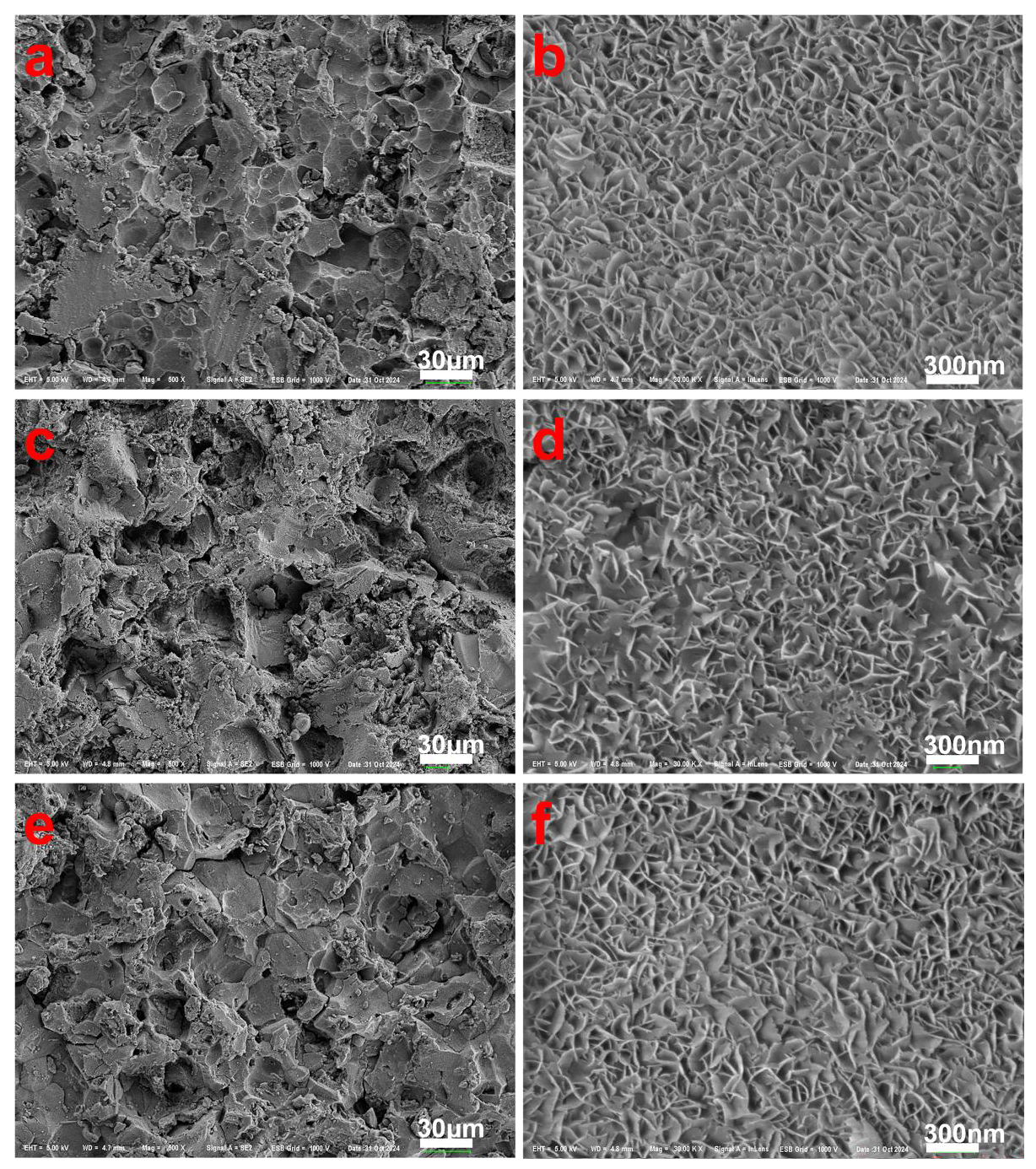
Figure 5 shows the surface micromorphology of the samples after different etching durations. After etching for 1 min, the microscale pits produced by prior sandblasting can still be locally observed on the surface. However, the originally smooth planes inside the pits disappear and are replaced by a much rougher texture. The magnified image reveals that numerous fine nanoscale plate-like structures are formed on the surface. After etching for 5 min, the residual microscale pits further decrease in size, and the overall surface topography becomes rougher. The corresponding high-magnification image also shows nanoscale plate-like structures, which become more developed in both size and morphology. When the etching time is extended to 9 min, no obvious change in either the overall surface morphology or the nanoscale plate-like structures is observed compared with the sample etched for 5 min.
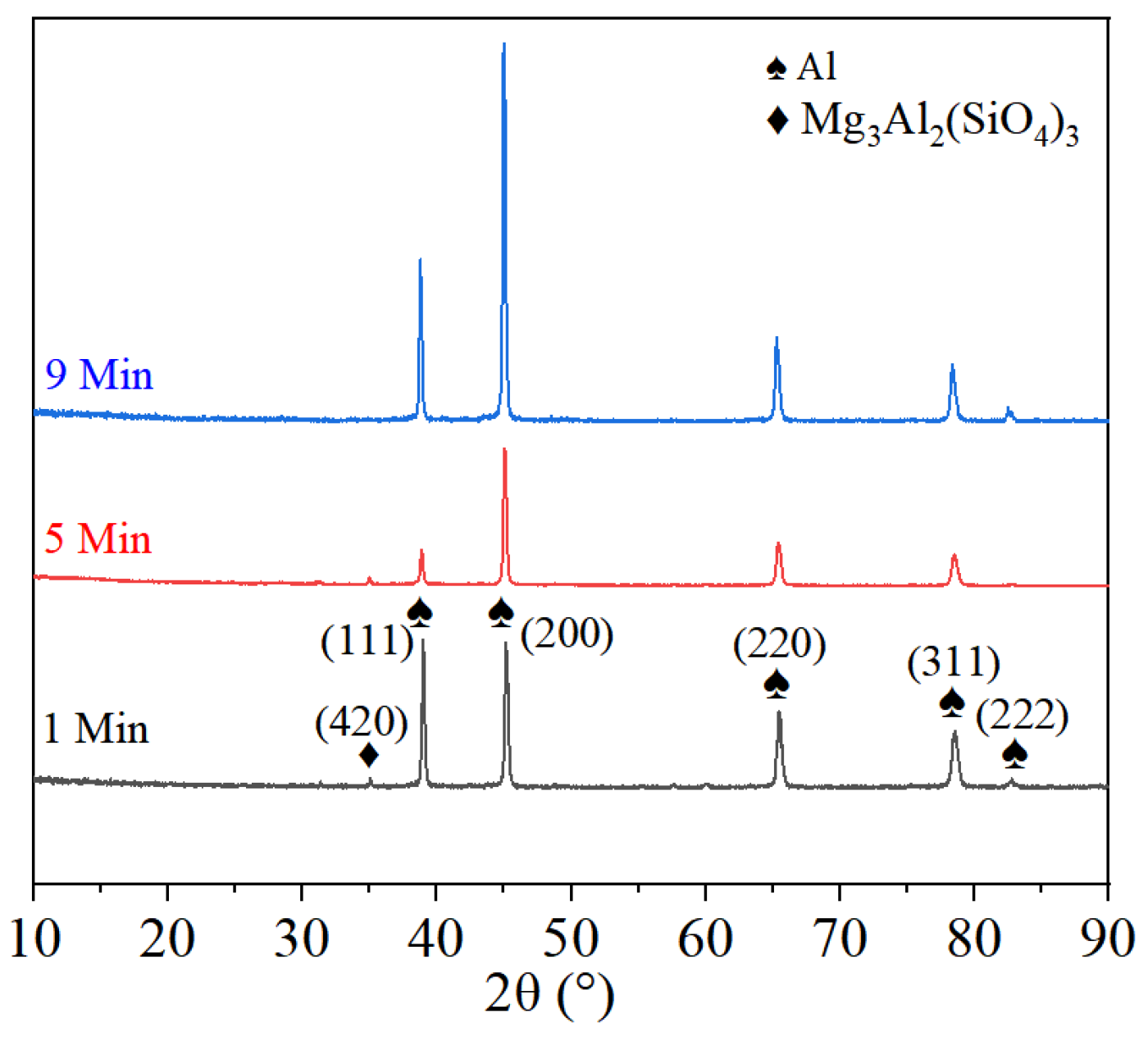
To identify the surface phases formed after etching, XRD and XPS analyses were performed on the etched samples.
Figure 6 shows the XRD patterns of the samples subjected to different NaOH etching durations. The results indicate that after etching for 1 and 5 min, the sample surfaces mainly consist of Al and Mg
3Al
2(SiO
4)
3. When the etching time is extended to 9 min, only the Al phase is detected, which may be attributed to the detachment or dissolution of residual sandblasting particles during the etching process. No other crystalline phases are detected except for Al and Mg
3Al
2(SiO
4)
3, possibly because the etched surface layer is too thin and its diffraction signal is masked by the strong signal from the aluminum substrate [
19].
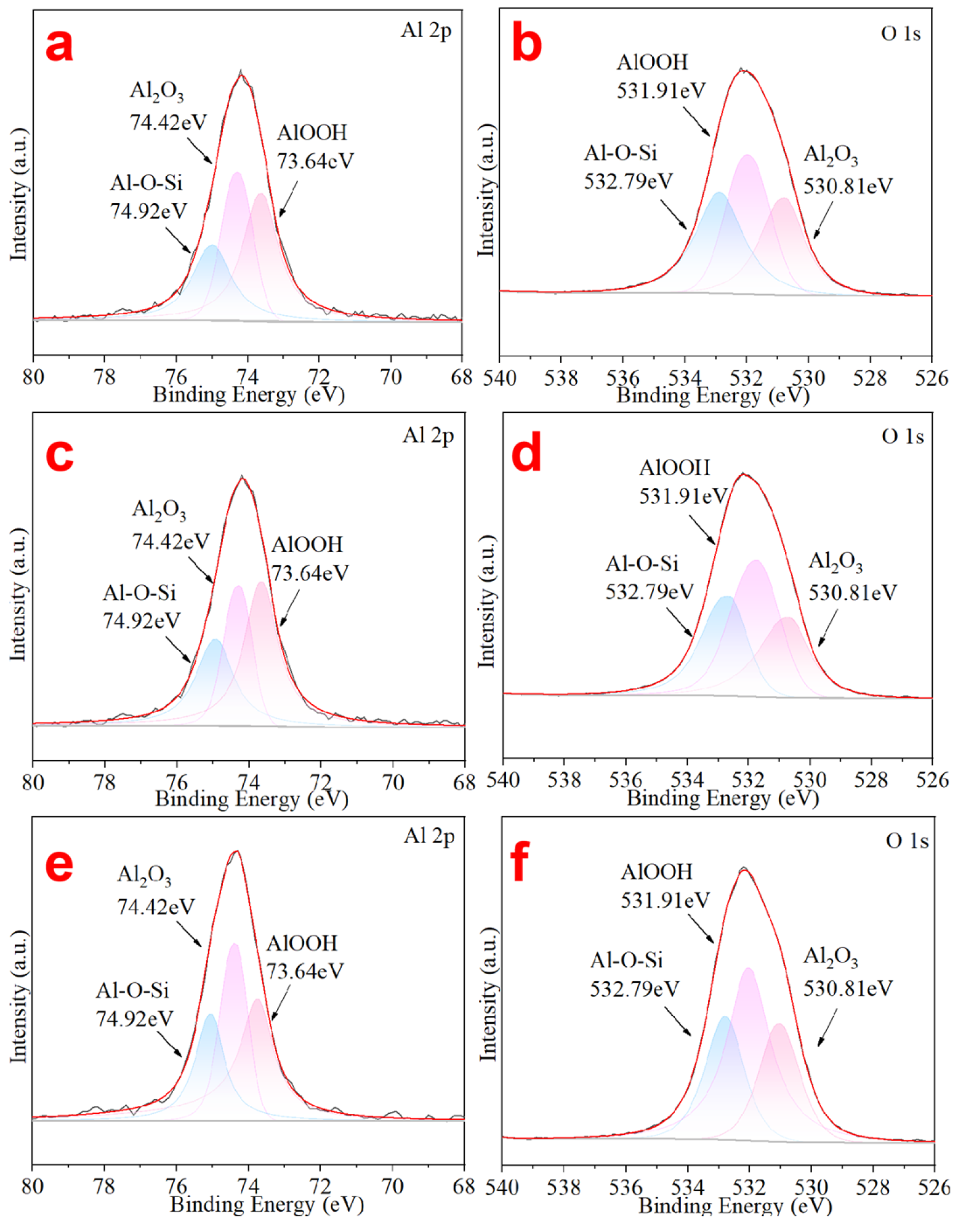
Figure 7 presents the XPS spectra of the sample surfaces after different NaOH etching durations. In the Al 2p spectra, aluminum is mainly present in three chemical states: Al
2O
3 at a binding energy of 74.31 eV, Al–Si–O at 74.92 eV, and AlOOH at 73.64 eV. Correspondingly, the O 1s spectra also show three oxygen species, including Al–Si–O at 532.89 eV, AlOOH at 532.01 eV, and Al
2O
3 at 530.81 eV. These results indicate that Al
2O
3 and AlOOH are formed on the etched surfaces [
20,
21,
22]. In addition, the Al 2p spectra reveal that the relative content of AlOOH first increases and then decreases with increasing etching time, whereas Al
2O
3 exhibits the opposite trend, decreasing initially and then increasing.
According to the reaction kinetics of NaOH etching [
23], the etching process of aluminum alloy can be roughly divided into three stages. In the first stage, the aluminum alloy surface is typically covered with a native Al
2O
3 layer; therefore, NaOH preferentially reacts with and dissolves this oxide layer before interacting with the underlying aluminum substrate. In the second stage, continued etching exposes fresh Al atoms, which react with OH
− ions and preferentially generate Al(OH)
3 precipitates within the etching pits. As the reaction proceeds, Al(OH)
3 further reacts with OH
− ions to form soluble NaAlO
2 accompanied by hydrogen evolution. The formation, growth, and detachment of hydrogen bubbles induce local microfluidic agitation, which promotes the diffusion of NaOH solution into the reaction sites and facilitates the removal of etching products, thereby increasing the etching depth. In the third stage, as Al atoms continue to react with OH
− ions, insoluble or poorly soluble impurities originally dispersed in the alloy gradually accumulate on the surface and form a barrier layer. This physical barrier reduces the effective reaction area, leading to locally intensified etching and a significant increase in local etching depth.
Based on the morphologies shown in
Figure 5, the sample etched for 1 min is considered to be in the transition stage between the first and second etching stages. Owing to the short etching duration, a considerable amount of the original Al
2O
3 layer remains on the surface. The reaction between the NaOH solution and the aluminum substrate is therefore incomplete, and the rough structures generated by sandblasting are largely retained. Meanwhile, fine AlOOH and Al
2O
3 nanosheets are formed on the outermost surface through the dehydration of Al(OH)
3 precipitates during the subsequent boiling-water treatment. The sample etched for 5 min corresponds mainly to the second etching stage. At this stage, the original Al
2O
3 layer is largely dissolved and may even be completely removed in some regions, with only residual traces of the sandblasted roughness remaining. The exposed Al substrate reacts actively with NaOH, generating abundant Al(OH)
3 precipitates. During the subsequent boiling-water treatment, these precipitates dehydrate to form AlOOH and Al
2O
3 nanosheets, with AlOOH being the dominant phase. The sample etched for 9 min can be assigned to the third etching stage. At this point, the rough surface initially produced by sandblasting has been largely destroyed, the original Al
2O
3 layer is almost completely dissolved, and locally accelerated etching results in a pronounced increase in etching depth. The Al(OH)
3 precipitates formed at this stage undergo more complete dehydration, producing both AlOOH and Al
2O
3, with Al
2O
3 becoming the dominant phase.
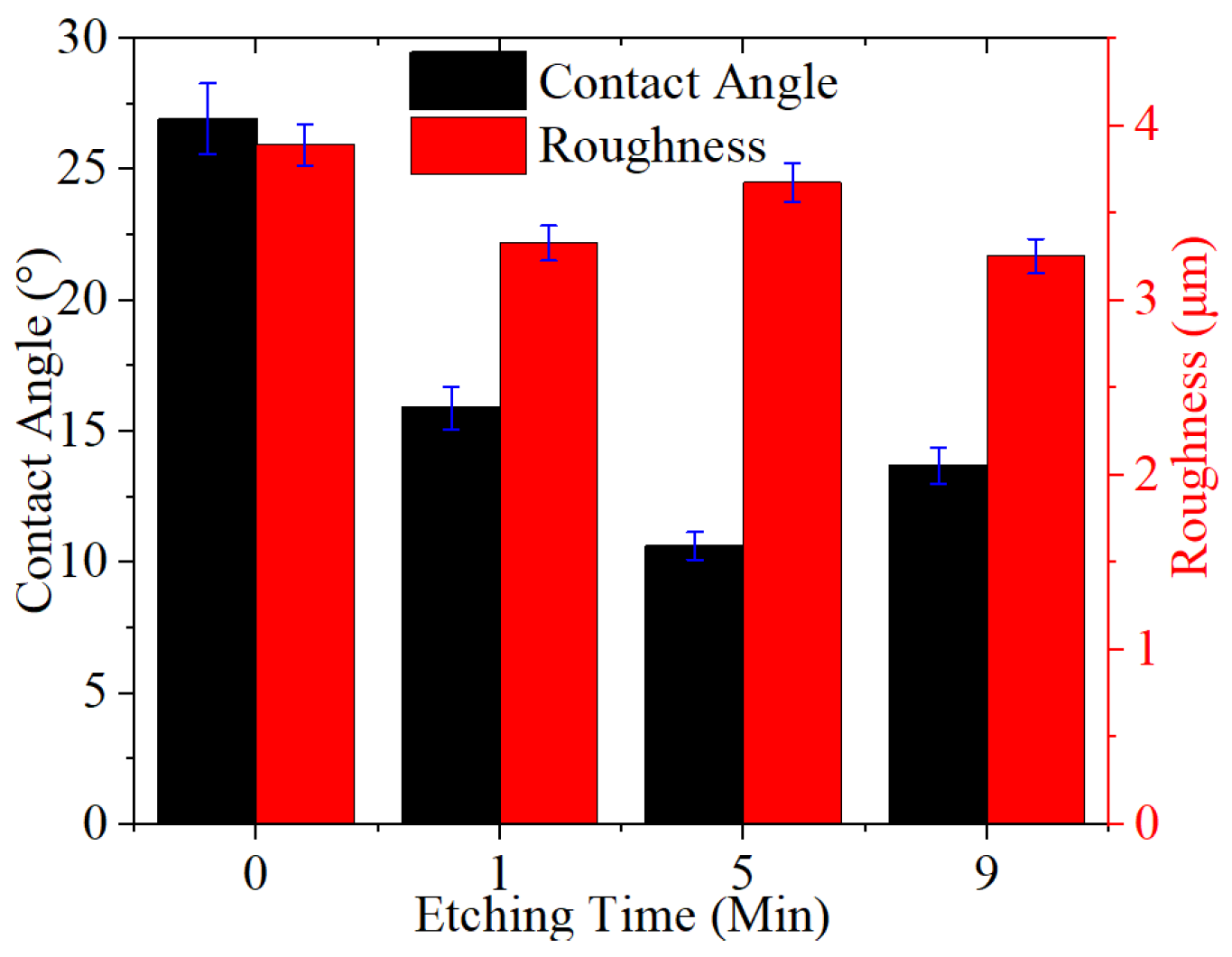
Figure 8 shows the variations in water contact angle and surface roughness as a function of NaOH etching time. As shown in the figure, the surface roughness first decreases, then increases, and subsequently decreases again with increasing etching time. Overall, the roughness of the sandblasted and etched samples is slightly lower than that of the sandblasted-only sample.
After sandblasting, residual compressive and tensile stresses are generated on the sample surface, with compressive stress mainly concentrated in the valleys and tensile stress primarily distributed at the peaks. Tensile stress can promote NaOH etching, whereas compressive stress tends to inhibit the etching reaction. As a result, the surface peaks are preferentially etched, leading to an initial decrease in surface roughness. This repeated process of preferential etching and surface reconstruction contributes to the observed alternating decrease–increase trend in roughness.
Notably, the variation in the contact angle of the etched samples does not strictly follow the change in surface roughness, indicating that surface wettability is governed not only by roughness but also by surface chemical composition. With increasing etching time, the combined effects of surface roughening and AlOOH formation enhance the intrinsic hydrophilicity of the aluminum alloy surface, which is consistent with the Wenzel model [
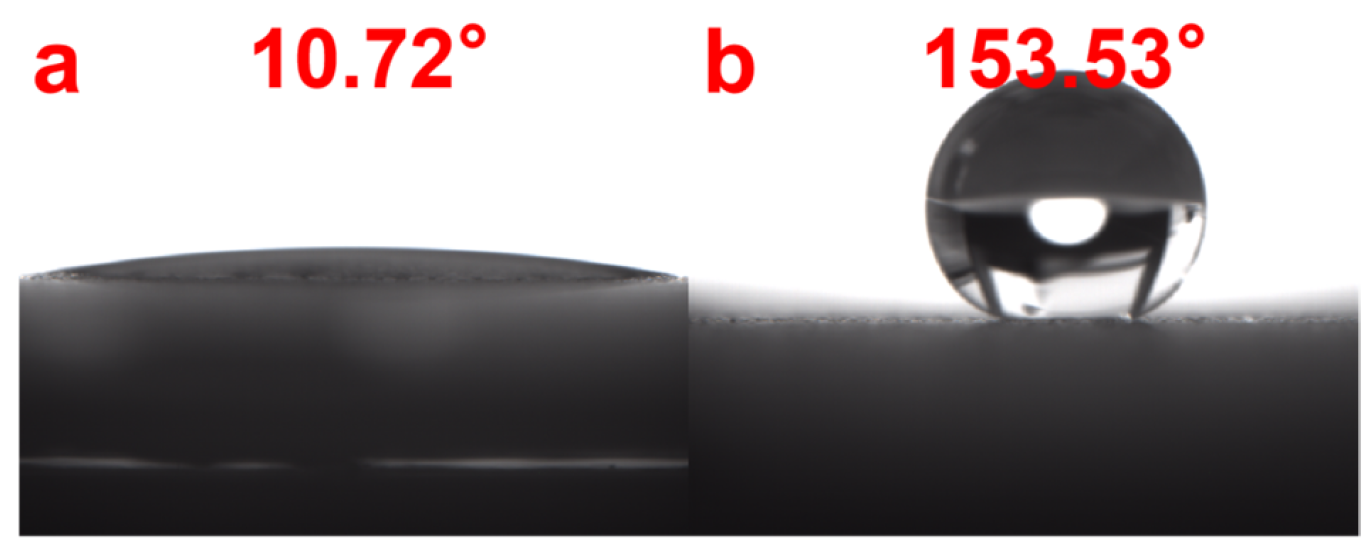
16]. However, excessive etching may partially degrade the micro/nano structures, resulting in a slight recovery of the contact angle. The minimum contact angle of 10.72° is achieved after etching for 5 min.
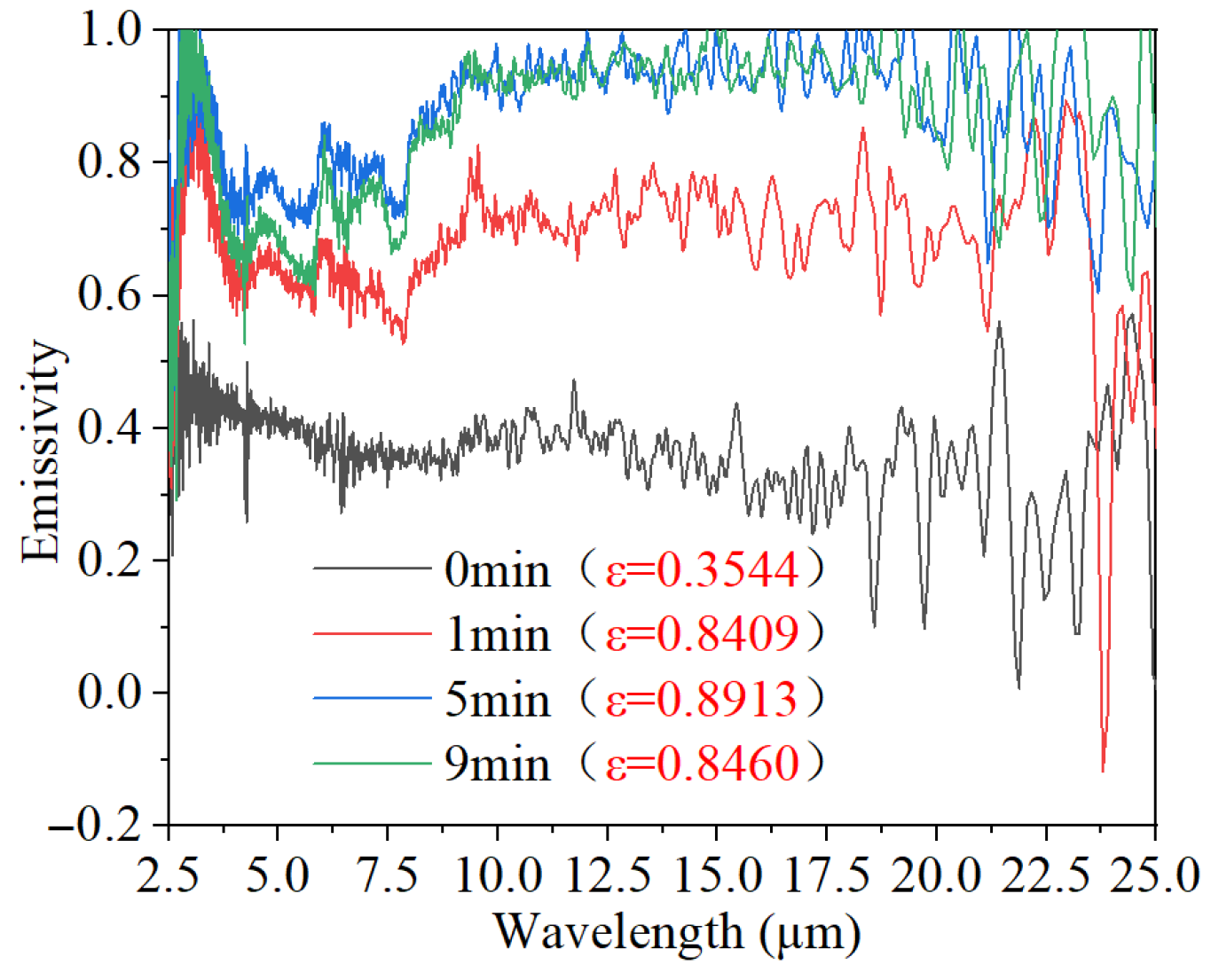
Figure 9 presents the emissivity spectra of the samples etched for different durations. The emissivity initially increases significantly and then decreases slightly with prolonged etching time. This trend is mainly attributed to the changes in surface chemistry and morphological reconstruction induced by NaOH etching. On the one hand, the formation of high-infrared-emissivity phases, such as Al
2O
3 and AlOOH, on the etched surface substantially enhances the infrared emissivity of the aluminum alloy across the entire measured wavelength range [
24,
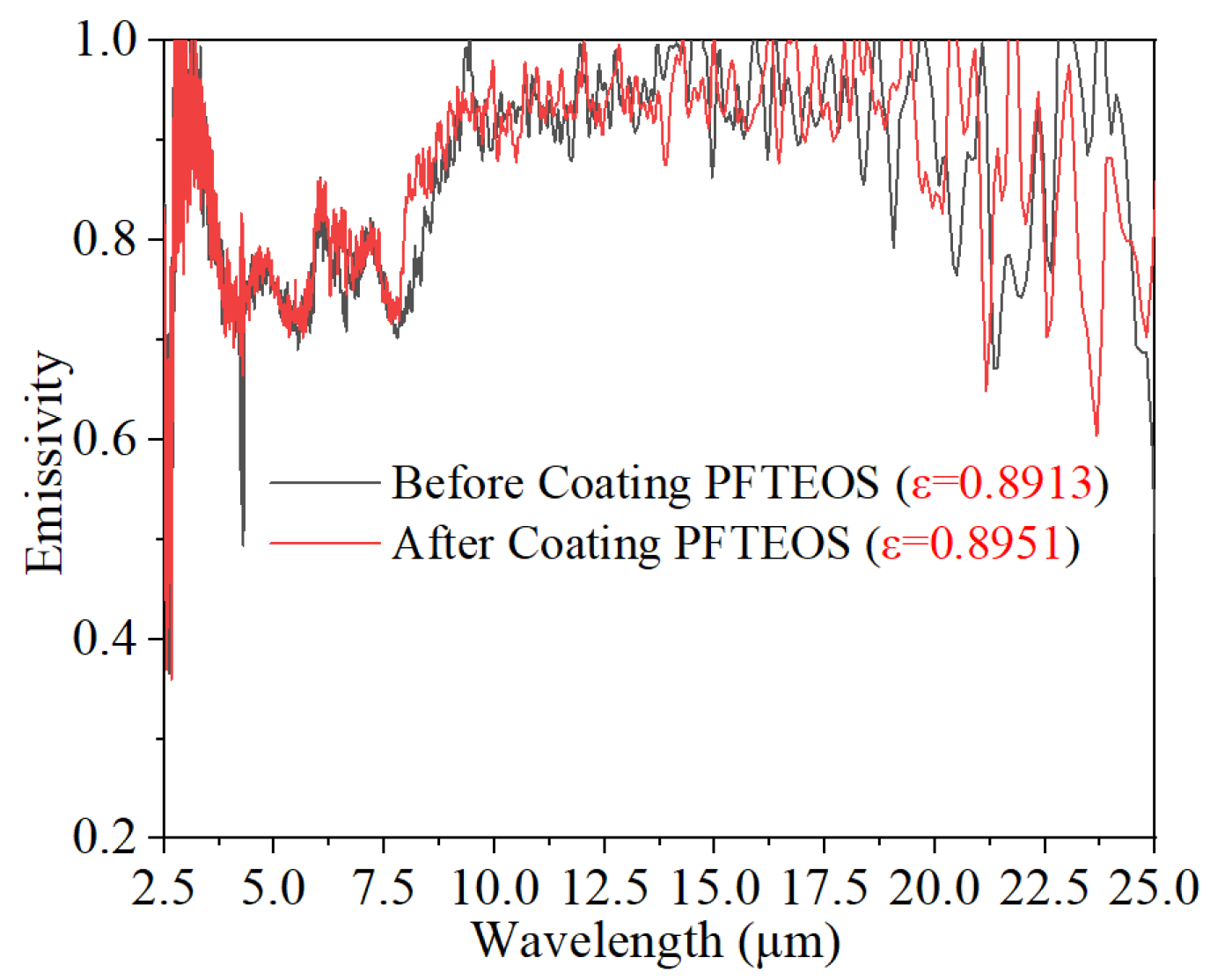
25]. On the other hand, moderate etching produces an optimized hierarchical micro/nano rough structure, which strengthens multiple internal reflections and absorption of infrared radiation, thereby further increasing emissivity. However, excessive etching may partially degrade the hierarchical surface structure, resulting in a slight decrease in emissivity. The maximum infrared emissivity of 0.8913 is obtained after etching for 5 min.
3.3. Microstructure and Properties of Pfteos-Grafted Aluminum Alloy Surfaces
Based on the above results, the samples etched for 5 min were selected for subsequent PFTEOS grafting.
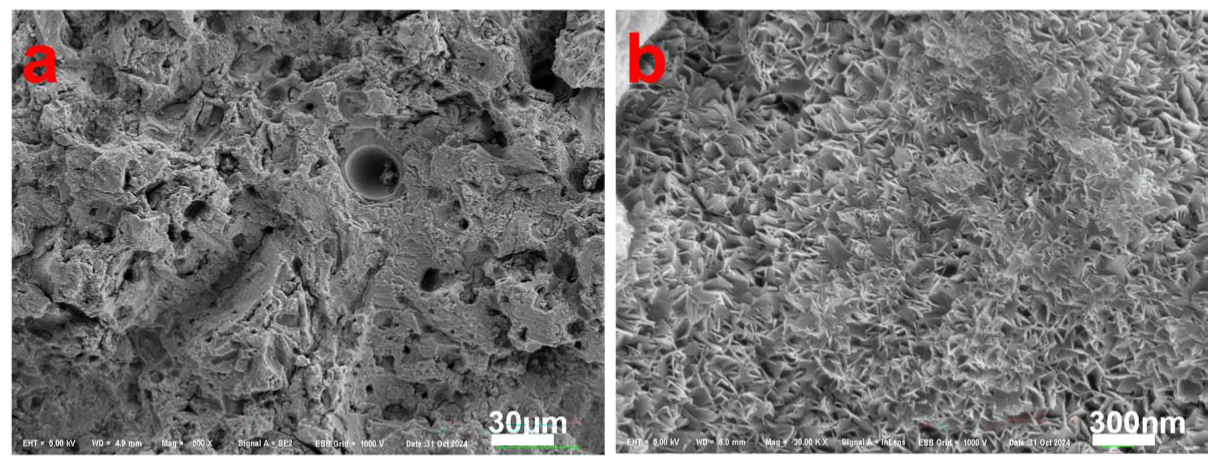
Figure 10 shows the surface micromorphology of the sample after PFTEOS grafting. The surface morphology after grafting shows no significant difference from that before grafting, indicating that the hierarchical micro/nano structure is well preserved without obvious structural damage or pore blockage.
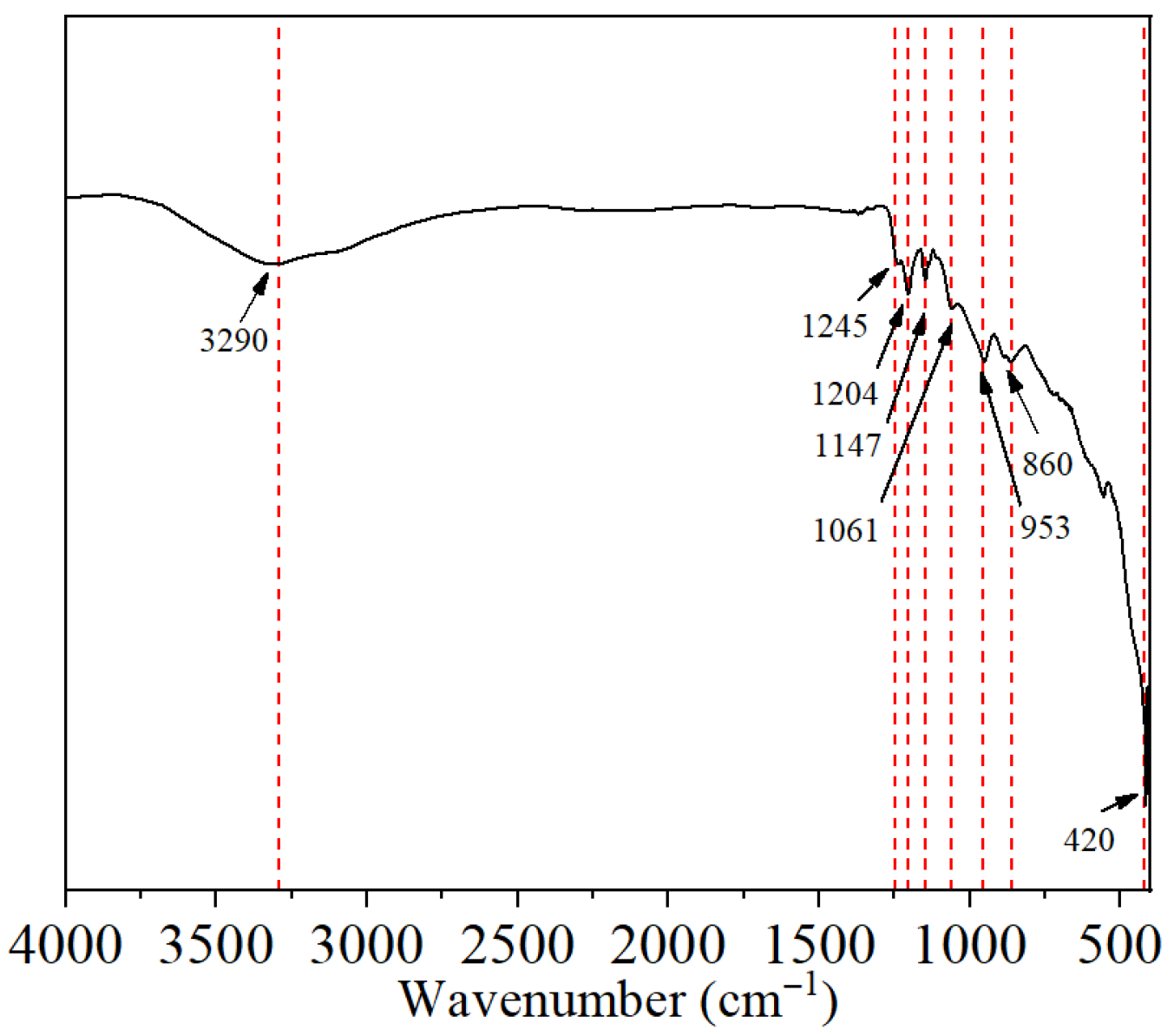
Figure 11 presents the FTIR spectrum of the PFTEOS-grafted sample. The absorption band near 3290 cm
−1 is mainly attributed to the O-H stretching vibrations of physically adsorbed water or surface hydroxyl groups [
26]. The strong and broad absorption band at 1061 cm
−1 primarily originates from the asymmetric stretching vibrations of the Si-O-Si network in the silane layer, together with contributions from Si-O-Al covalent bonds formed between the silane molecules and aluminum-containing surface species [
27]. The sharp and intense peaks at 1245, 1204, and 1147 cm
−1 correspond to the stretching vibrations of -CF
3, -CF
2, and -CF groups in the fluoroalkylsilane molecules, respectively, confirming the successful introduction of low-surface-energy fluorocarbon chains [
27]. Furthermore, the weak peak near 953 cm
−1 can be assigned to the stretching vibration of incompletely condensed Si-OH bonds, suggesting that the silane network is not fully cross-linked. In the lower wavenumber region, the absorption peak at 860 cm
−1 is attributed to the stretching vibration of Si-C bonds, while the peak near 420 cm
−1 is associated with the bending vibration modes of Si-O-Si or Si-O-Al bonds [
28]. The presence of these characteristic peaks demonstrates the successful grafting of PFTEOS onto the substrate surface and its stable attachment through chemical bonding.
Figure 12 shows the water contact angles of the samples before and after PFTEOS grafting. After PFTEOS grafting, the surface wettability undergoes a remarkable transition from a hydrophilic state to a superhydrophobic state, with the water contact angle reaching 153.53°.
Figure 13 presents the emissivity spectra of the samples before and after PFTEOS grafting. After grafting, the emissivity shows a slight increase, reaching approximately 0.8951. In addition, after 10 h of continuous impact by a high-velocity water jet at 150 rad/min, the water contact angle of the modified surface decreases only slightly from 153.63° to 150.01°, indicating that the surface maintains excellent superhydrophobicity after the water-jet impact test.
3.4. Evolution of Surface Microstructure and Properties
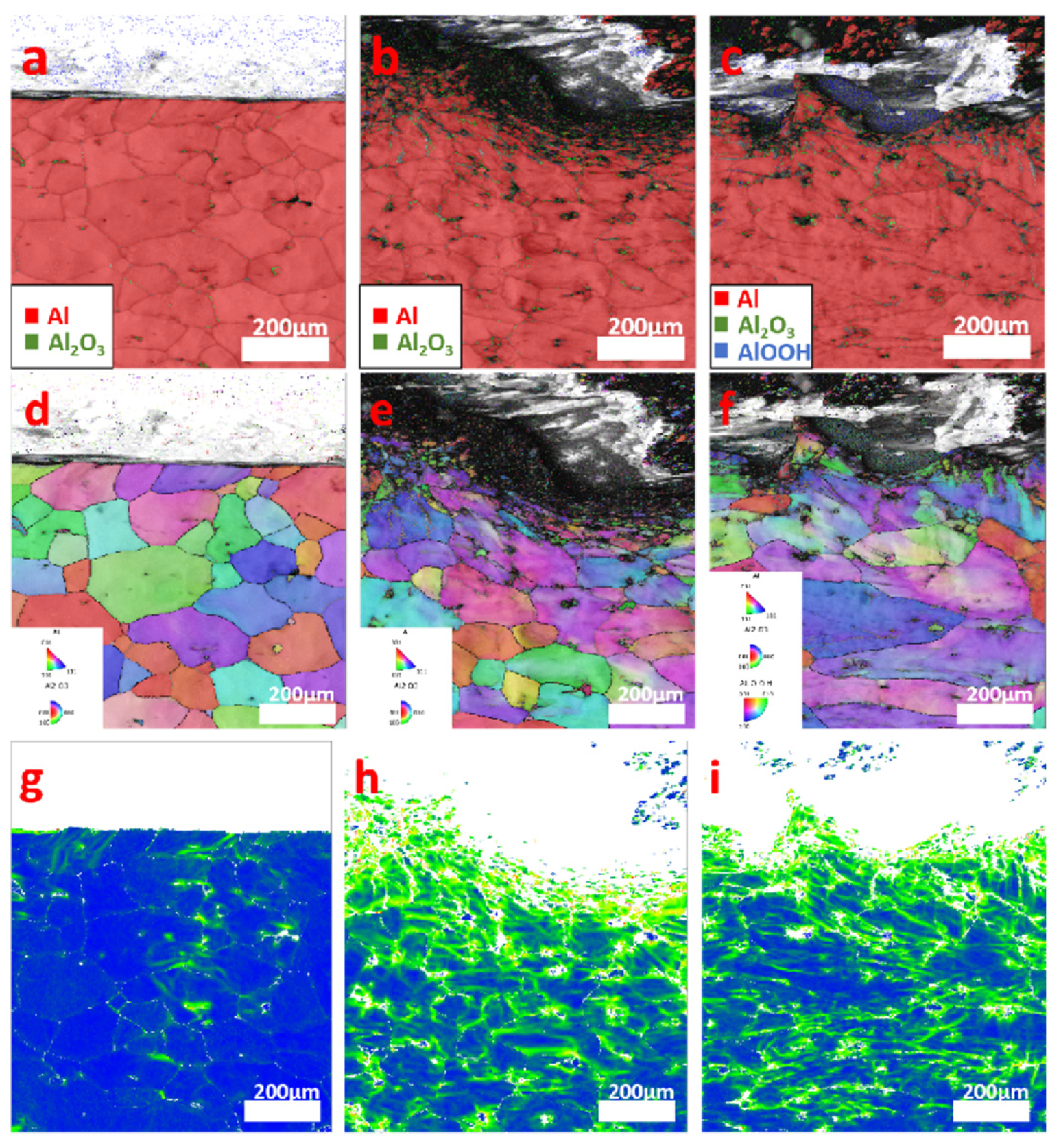
To investigate the evolution of the surface microstructure during the modification process, EBSD was employed to analyze the phase distribution, grain structure, and defect characteristics in the near-surface region. The results are presented in
Figure 14. As shown in
Figure 14a,d,g, the near-surface region of the untreated sample is relatively flat and consists mainly of the Al phase, with only trace amounts of Al
2O
3 dispersed along the grain boundaries. These minor Al
2O
3 inclusions may originate from the casting process. In addition, the grains in the near-surface region are coarse and nearly equiaxed, with no obvious preferred orientation and a low dislocation density. For the sandblasted sample shown in
Figure 14b,e,h, significant plastic deformation is observed near the surface, and the surface becomes markedly rougher. Under the impact of abrasive particles, a fine-grained zone with a thickness of approximately 100–200 μm is formed in the near-surface layer, and the Al
2O
3 content in the surface region increases significantly. Meanwhile, the dislocation density across the near-surface region also increases sharply. After NaOH etching, as shown in
Figure 14c,f,i, the surface structure undergoes further transformation. Localized, finer, and sharper peak–valley features, namely secondary roughness structures, appear on the surface. Meanwhile, both the thickness of the surface fine-grained zone and the dislocation density decrease to some extent. The surface phase composition consists of Al, Al
2O
3, and AlOOH. This phenomenon suggests that regions with high defect density, such as grain boundaries and dislocations, as well as areas with high tensile stress induced by sandblasting, are preferentially attacked during NaOH etching. Such selective corrosion promotes the formation of secondary roughness structures and generates abundant AlOOH and Al
2O
3 nanosheets, which is consistent with the XPS results.
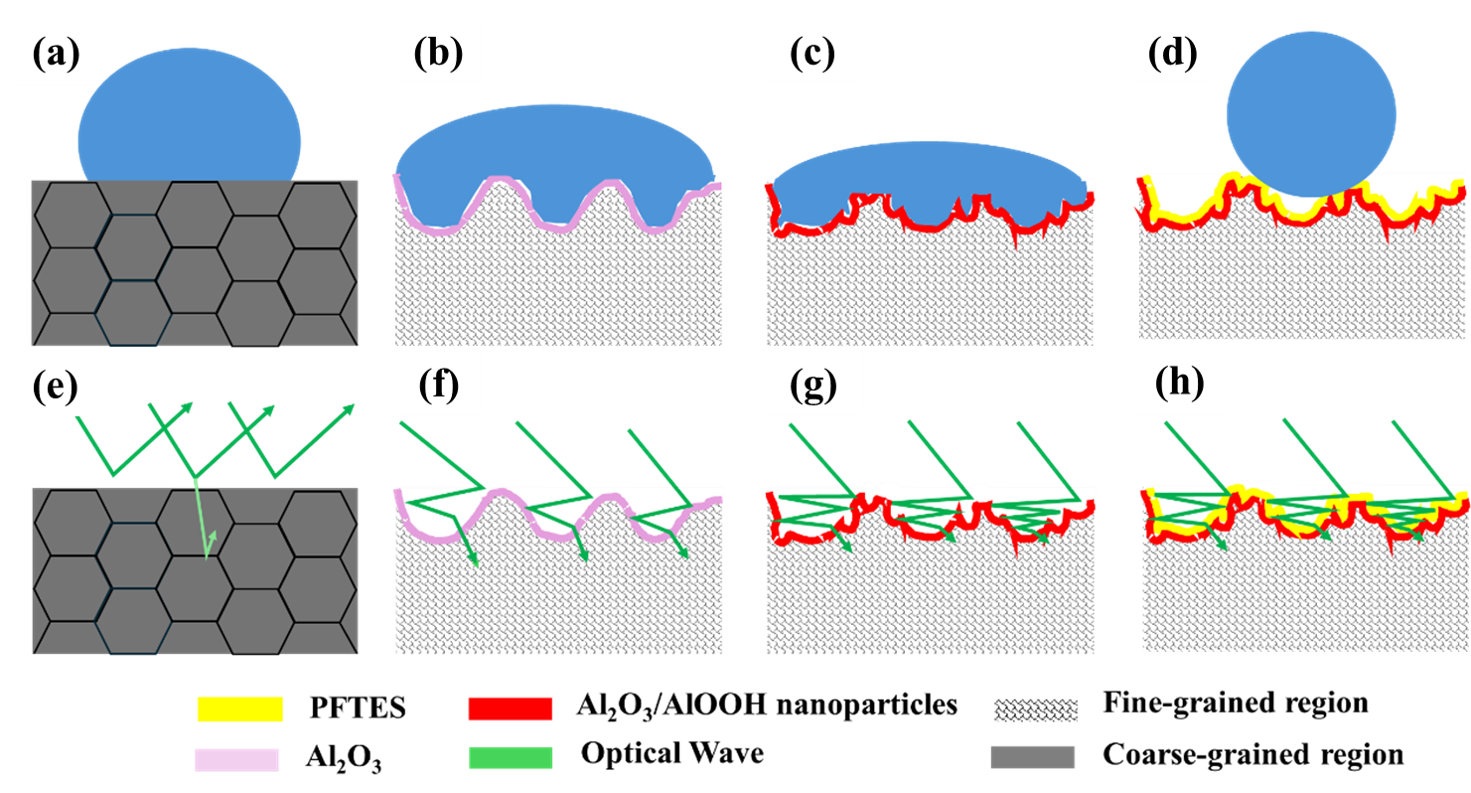
Figure 15 illustrates the mechanisms underlying the wetting behavior and infrared light propagation on the surfaces of different samples. As shown in
Figure 15a–d, the hydrophilic/hydrophobic properties of the aluminum alloy surface are mainly governed by surface topography and chemical composition. According to the Wenzel model [
16], surface roughness amplifies the intrinsic wettability of a material, thereby enhancing the hydrophilicity of inherently hydrophilic surfaces. The untreated aluminum alloy exhibits intrinsic hydrophilicity, with a water contact angle below 90°. After sandblasting, the increased surface roughness, together with the formation of hydrophilic Al
2O
3, significantly enhances surface hydrophilicity, reducing the contact angle to approximately 26°. Subsequent NaOH etching slightly reduces the overall roughness but creates a hierarchical micro/nano structure that increases the solid–liquid contact area. In addition, the formation of hydrophilic AlOOH and Al
2O
3 during etching synergistically promotes surface wettability, leading to a further decrease in the contact angle to approximately 10°. After PFTEOS grafting, the surface becomes superhydrophobic, with a contact angle of approximately 153°. On the one hand, the low-surface-energy Si-O-Si and C-F bonds introduced by PFTEOS impart hydrophobicity to the surface. On the other hand, according to the Cassie–Baxter model [
29], the hierarchical micro/nano structure traps air at the solid–liquid interface under hydrophobic conditions, thereby further enhancing the superhydrophobic character of the modified surface.
Regarding the evolution of optical properties, Kirchhoff’s law indicates that, under thermal equilibrium, higher infrared absorptivity corresponds to higher infrared emissivity. As illustrated in
Figure 15h, when infrared radiation is incident on the untreated aluminum alloy surface, most of the radiation is reflected by the relatively smooth metallic interface, while only a small fraction penetrates into the substrate. The transmitted infrared radiation may interact with microstructural defects, such as grain boundaries and dislocations, within the substrate and be partially absorbed. Overall, the untreated aluminum alloy surface exhibits low infrared absorptivity and, consequently, low infrared emissivity.
As shown in
Figure 15f, after sandblasting, the microscale rough structures formed on the surface act as optical traps, inducing multiple scattering and reflection of infrared radiation and thereby enhancing broadband absorptivity. In addition, the infrared-active Al
2O
3 formed on the surface, together with the increased density of near-surface defects such as grain boundaries and dislocations, may further contribute to infrared absorption.
As shown in
Figure 15g, after NaOH etching, the hierarchical micro/nano structure further strengthens the optical-trapping effect and extends the scattering path of infrared radiation. Moreover, the formation of AlOOH, which exhibits strong infrared absorption, further improves the overall infrared absorptivity of the modified surface.
As shown in
Figure 15h, after PFTEOS grafting, the optical path for infrared radiation remains nearly unchanged because the hierarchical micro/nano structure is well preserved. The slight increase in infrared absorptivity may be attributed to the vibrational absorption of Si-O-Si and C-F bonds in the PFTEOS layer [
30].
4. Discussion
The present study demonstrates that a simple sequential treatment involving sandblasting, NaOH etching, and PFTEOS grafting can transform 6061 aluminum alloy from a low-emissivity and moderately wettable metal into a multifunctional surface combining high infrared emissivity with superhydrophobicity. The results support the hypothesis that hierarchical micro/nano texturing, when coupled with appropriate surface chemistry, can simultaneously regulate radiative and wetting properties without the need for a thick conventional coating. In particular, this treatment route preserves the metallic substrate as the primary heat-conduction pathway while introducing only a thin functionalized surface layer, which is advantageous for thermal management applications where interfacial thermal resistance should be minimized. This design concept is consistent with the current trend in passive thermal management research, in which surface engineering, rather than bulk material replacement, is increasingly employed to achieve multifunctional performance.
The first important finding of this work is that sandblasting alone can produce a substantial increase in infrared emissivity, although the treated surfaces remain hydrophilic. This result is consistent with previous studies showing that the emissivity of aluminum alloys is highly sensitive to the surface state, particularly surface roughness and defect density. Similarly, recent studies on structured aluminum surfaces have demonstrated that micro/nano texturing can effectively enhance radiative heat dissipation by increasing the effective surface area and promoting multiple scattering of thermal radiation. In the present study, the progressive increase in emissivity with increasing sandblasting pressure can therefore be attributed to the combined effects of deeper microscale cavities, enhanced light-trapping behavior, and the formation of deformation-induced defects in the near-surface region, as supported by the EBSD results.
At the same time, the pronounced decrease in contact angle after sandblasting is also consistent with the wetting mechanism. For intrinsically hydrophilic materials, increased surface roughness generally enhances wetting according to the Wenzel model. Since aluminum and its native oxide layer are inherently hydrophilic, the microscale pits and asperities generated during sandblasting increase the actual solid–liquid contact area and facilitate water spreading. This interpretation is also supported by the possible increase in surface oxide content after mechanical treatment.
The second key finding is that NaOH etching after sandblasting acts not merely as a secondary roughening step but also as a critical process for surface-chemistry reconstruction. The etched samples exhibit a pronounced increase in emissivity, reaching 0.8913 after etching for 5 min, which is much higher than the values obtained by sandblasting alone. This improvement can be attributed to the synergistic effect of surface morphology and chemical composition. Morphologically, NaOH etching generates a hierarchical micro/nano architecture, in which the pre-existing microscale pits produced by sandblasting are decorated with nanoscale plate-like or coral-like features. Such multiscale structures are generally more effective than single-scale roughness in promoting broadband optical trapping, because they can interact with incident radiation over a wider spectral range. In terms of chemical composition, XPS results confirm the formation of AlOOH and Al2O3 on the etched surface.
5. Conclusions
To develop an aluminum alloy surface with enhanced heat dissipation and self-cleaning properties, a sequential surface modification strategy involving sandblasting, NaOH etching, and PFTEOS grafting was employed to construct hierarchical micro/nano structures on 6061 aluminum alloy. The effects of sandblasting pressure and etching time on surface morphology, chemical composition, wettability, and infrared emissivity were systematically investigated, and the corresponding evolution mechanisms were analyzed. The main conclusions are as follows:
(1) Increasing the sandblasting pressure promoted the formation of microscale pits, grooves, and protrusions on the aluminum alloy surface, leading to increased surface roughness and enhanced infrared emissivity. Meanwhile, the sandblasted surfaces became more hydrophilic with increasing pressure, which can be attributed to the enlarged solid–liquid contact area and the presence of hydrophilic oxide species. XRD results indicated that the sandblasted surface mainly consisted of Al, with residual Mg3Al2(SiO4)3 abrasive particles detected at higher sandblasting pressures.
(2) NaOH etching further reconstructed the sandblasted surface by forming hierarchical micro/nano structures. With increasing etching time, the surface roughness exhibited a fluctuating trend, while the overall roughness of the etched samples remained lower than that of the sandblasted-only sample. XPS results confirmed the formation of AlOOH and Al2O3 on the etched surface. Both hydrophilicity and infrared emissivity first increased and then decreased with prolonged etching time, indicating that moderate etching is beneficial for optimizing surface morphology and chemical composition.
(3) PFTEOS grafting transformed the etched aluminum alloy surface from a hydrophilic state to a superhydrophobic state. After grafting, the hierarchical micro/nano structure was well preserved, and the infrared emissivity changed only slightly. The introduction of low-surface-energy Si-O-Si and C–F bonds, together with the air-trapping effect of the hierarchical structure, contributed to the formation of the superhydrophobic surface.
(4) The enhancement of infrared emissivity can be mainly attributed to the optical-trapping effect of the hierarchical micro/nano structures, which extends the scattering path of infrared radiation and enhances broadband absorption. In addition, near-surface crystalline defects introduced by sandblasting, such as grain boundaries and dislocations, together with infrared-active AlOOH and Al2O3 formed during NaOH etching, may further contribute to infrared absorption. The superhydrophobicity originates from the synergistic effect of hierarchical surface roughness and the low-surface-energy PFTEOS layer.
(5) The optimal surface performance was achieved at a sandblasting pressure of 60 PSI and an NaOH etching time of 5 min. After PFTEOS grafting, the modified surface exhibited a water contact angle of 153.53° and an infrared emissivity of 0.8951, demonstrating the successful integration of high infrared emissivity and self-cleaning capability on 6061 aluminum alloy. This work provides a feasible surface-engineering strategy for improving the passive thermal management performance of outdoor aluminum components with high heat-flux density.
The modified surface also exhibited preliminary resistance to hydraulic shear, as its water contact angle remained above 150° after water-jet impact. Nevertheless, its long-term stability under outdoor-relevant conditions, such as ultraviolet irradiation, thermal cycling, corrosion, and mechanical abrasion, still requires further systematic evaluation. Future work will focus on accelerated aging and service-simulation tests to establish a more complete durability profile for practical applications.