Research on Optimization of Insert Spatial Mounting Posture for Improved Tool Life and Surface Quality of an Indexable Shallow-Hole Drill


Highlights
- •
- A parametric model of insert posture was developed for quality and life improvement.
- •
- Radial force and temperature were selected to assess surface integrity and wear.
- •
- Optimal posture was determined using improved LO-NSGA-II and entropy-TOPSIS.
- •
- Surface roughness reduced by 66%–74% after optimization.
- •
- Tool life increased by 40%–60% with reduced hole enlargement.
Abstract
1. Introduction
2. Parametric Description of Insert Spatial Mounting Posture
2.1. Structural Analysis of the Indexable Shallow-Hole Drill

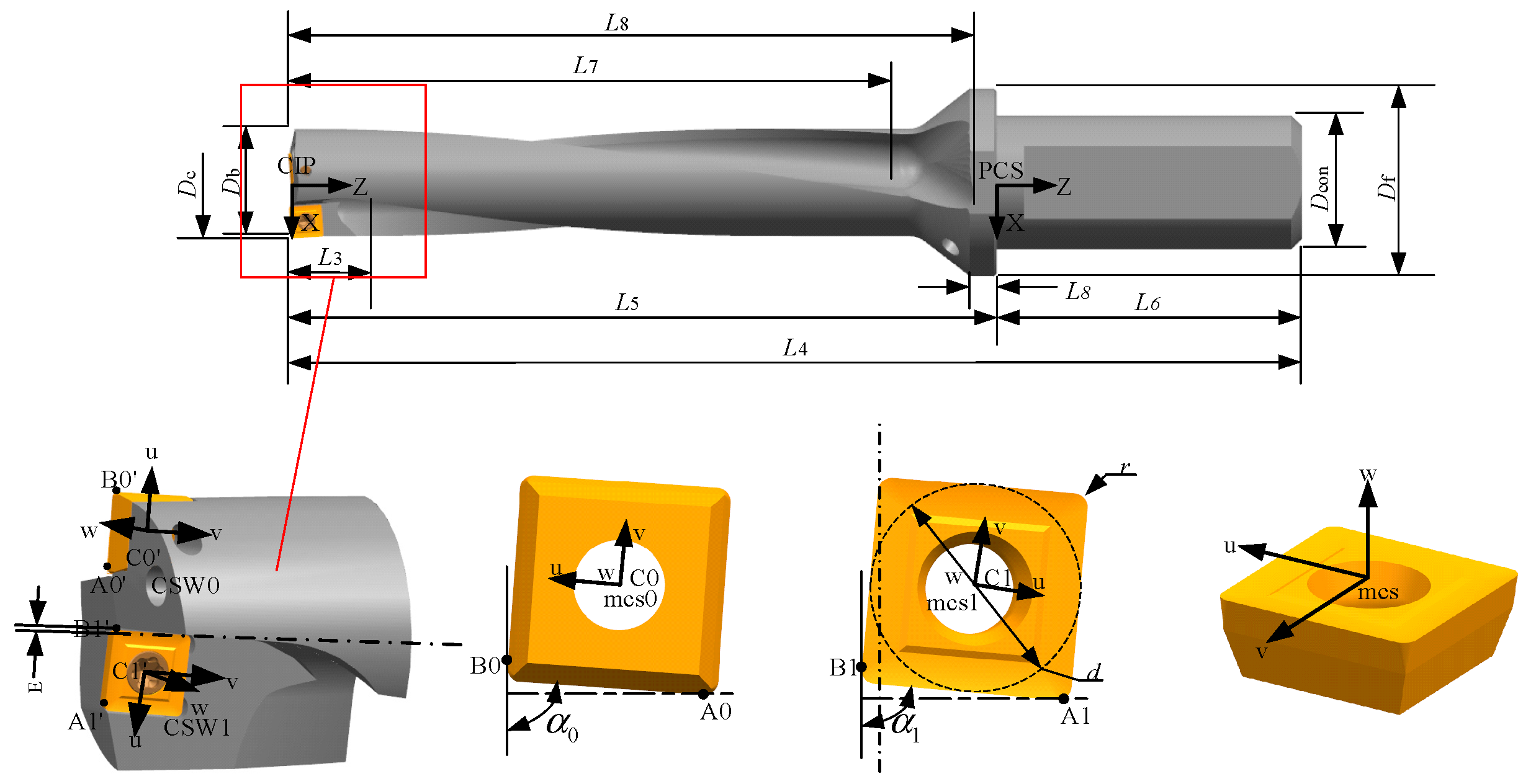
| Key Feature | Symbol | Key Feature | Symbol |
|---|---|---|---|
| Drill body diameter | Db | Chip flute length | L8 |
| Cutting diameter | Dc | Helix angle of chip flute | γ |
| Flange diameter | Df | Principal cutting edge angle of inner insert | α1 |
| Shank diameter | Dcon | Principal cutting edge angle of outer insert | α0 |
| Overall length | L4 | Height difference between inner and outer insert cutting edges | H3 |
| Overhang length | L5 | Center offset of inner insert cutting edge | E |
| Shank length | L6 | Radial runout of outer insert | H2 |
| Flange length | Lf | Radial runout of inner insert | H1 |
| Functional length | L7 | Included angle between inner and outer inserts | β |
- (1)
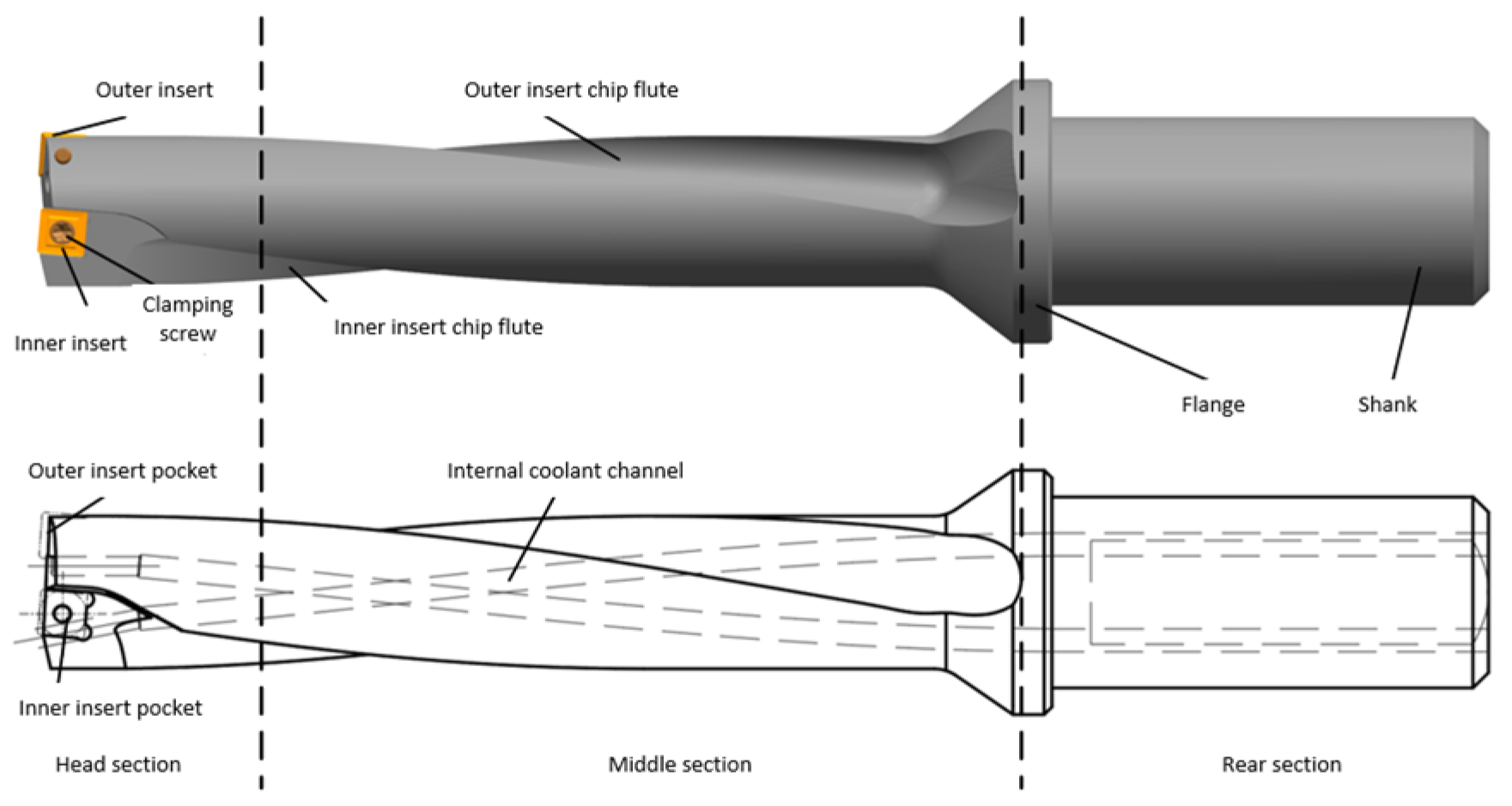
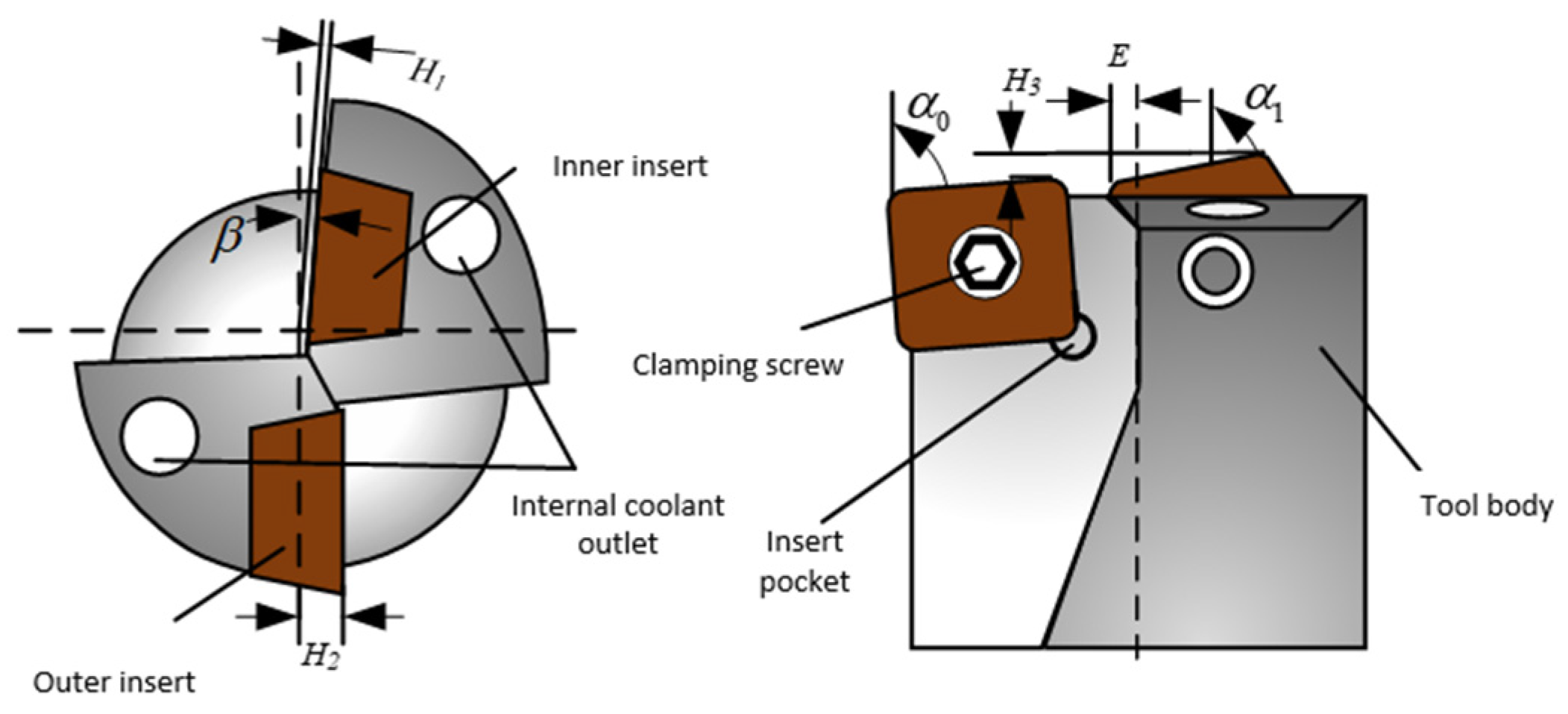
- The cutting section is the most critical component of an indexable shallow-hole drill, and its cutting performance directly determines the overall performance of the tool. As shown in Figure 3, This section typically consists of two cemented carbide inserts, which are fixed onto the drill body by clamping screws according to a specific mounting posture. In the radial direction of the drill body, the inner insert is positioned below the rotational center. The parallel distance between the inner insert and the plane passing through the tool axis is defined as the radial offset of the inner insert, denoted as H1. The presence of H1 prevents the cutting edge from reaching zero cutting speed during feeding and avoids the formation of a central boss at the hole bottom, thereby providing a certain self-centering effect. The outer insert is located above the rotational center, and the corresponding parallel distance is defined as the radial offset of the outer insert, denoted as H2. The introduction of H2 mainly aims to enhance the structural strength of the drill head. To balance the cutting forces acting on the inner and outer inserts during the drilling process, an included angle β between the inner and outer inserts is designed to reduce friction between the drill head and the hole wall caused by radial force imbalance. In the axial direction of the drill body, the cutting edge of the inner insert is positioned higher than that of the outer insert by a certain distance, denoted as H3. During drilling, the inner insert comes into contact with the workpiece first and initiates the cutting action. The offset of the inner insert cutting edge relative to the rotational axis is denoted as E. The selection of E is mainly intended to prevent the mechanically weaker insert nose from participating in cutting; therefore, E is typically chosen to be greater than three-quarters of the insert nose radius. In addition, the principal cutting edge angles of the inner and outer inserts are denoted as α1 and α0, respectively.
- (2)
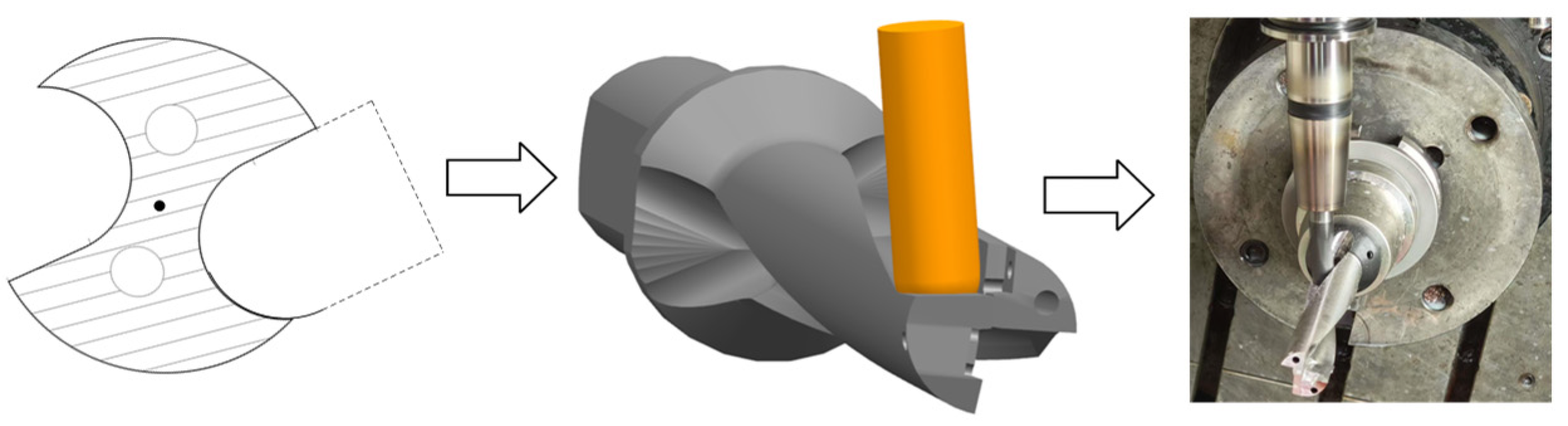
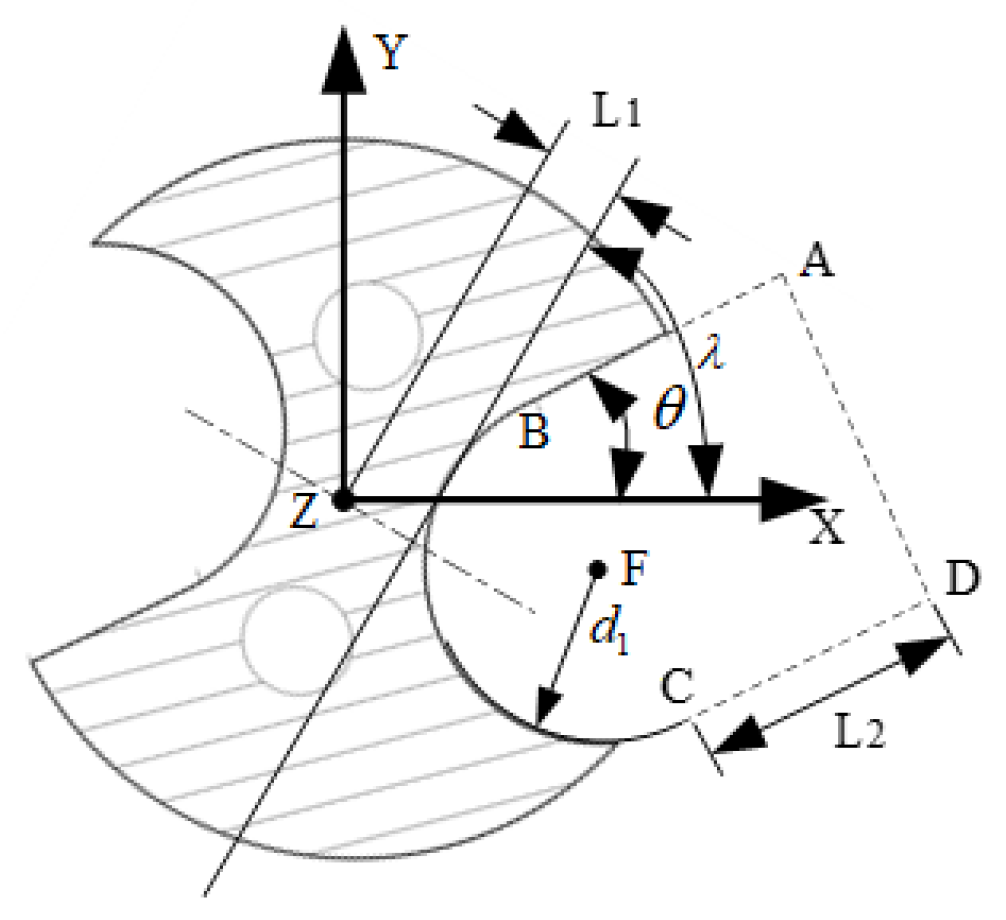
- The chip flute is the chip-evacuation structure of indexable shallow hole drills, consisting of both inner and outer insert chip flutes. Owing to the asymmetric mounting posture of the cutting inserts, the corresponding chip flutes also exhibit an inherently asymmetric spatial configuration. The chip flute geometry consists of straight segments smoothly connected to curved segments. From a manufacturing perspective, the chip flutes of indexable shallow hole drills are machined on CNC machining centers using ball-nose end mills according to pre-programmed sequences. This machining strategy yields a geometrically continuous flute profile with a simple contour and allows the flute to be formed in one or two milling passes. As a result, machining steps and tool changes can be effectively reduced, thereby lowering tooling costs while maintaining tool performance. As shown in Figure 4, the cross-sectional profile of the chip flute is governed by the shape and cutting position of the milling cutter, it directly serves as the reference for insert support and positioning. Consequently, variations in the flute cross-sectional geometry influence the mounting posture of the inserts within the drill body, which in turn modify the effective rake angle, clearance angle, and spatial orientation of the cutting edges. These changes ultimately affect the distribution of cutting forces and the stability of the drilling process.
- (3)
- In the design of drilling tools, common internal coolant channel configurations include straight and S-shaped channels. Straight internal coolant channels feature a simple structural design, typically consisting of linear passages that facilitate stable coolant flow and dimensional control during machining. They are also associated with lower manufacturing costs and higher production efficiency. In contrast, S-shaped internal coolant channels are generally formed through a thermal torsion process, providing more uniform cooling performance; however, their manufacturing complexity is higher, leading to increased production costs.
2.2. Mathematical Modeling of the Indexable Shallow-Hole Drill
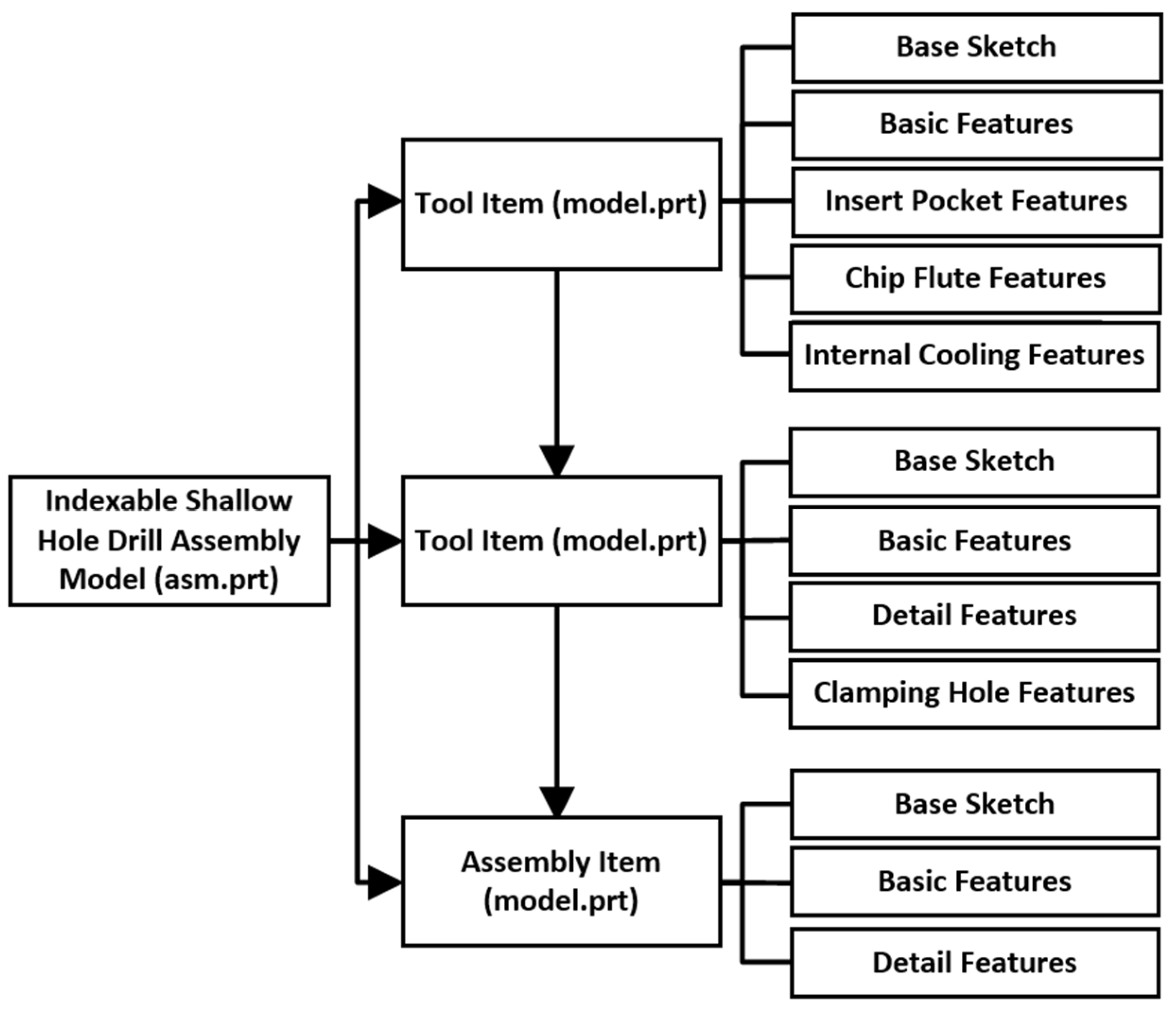
2.3. Parametric Modeling of the Indexable Shallow-Hole Drill
- (1)
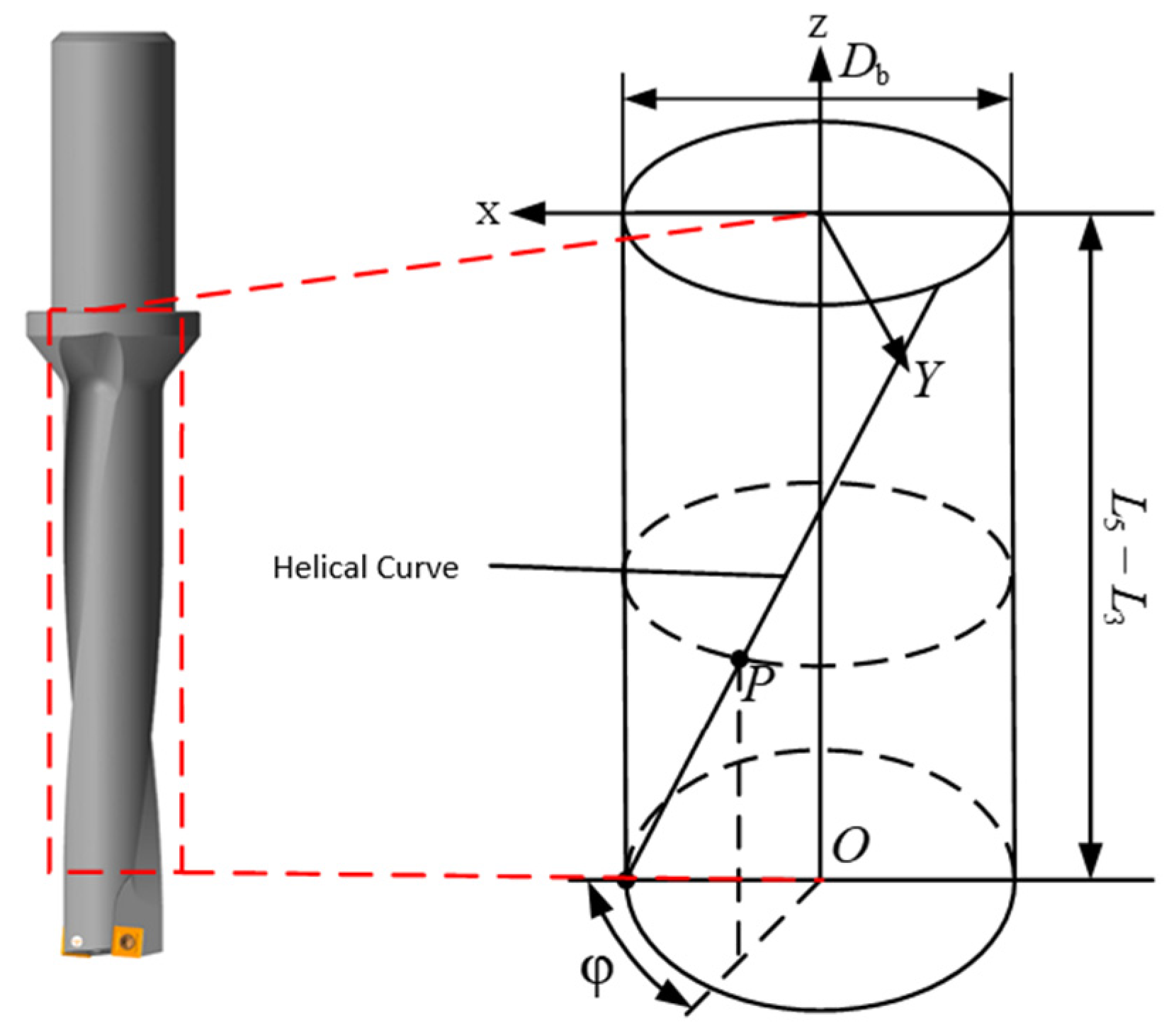
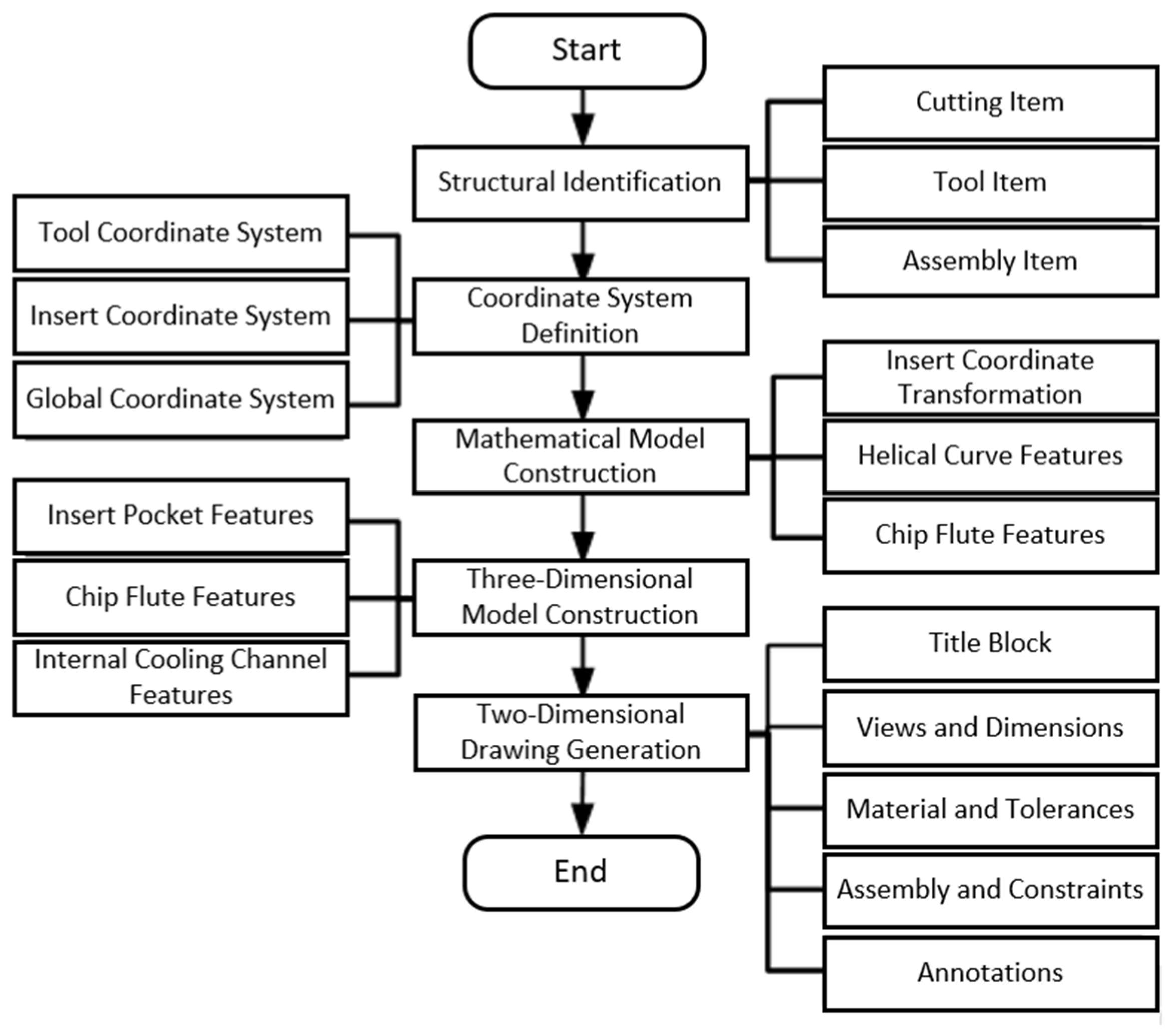
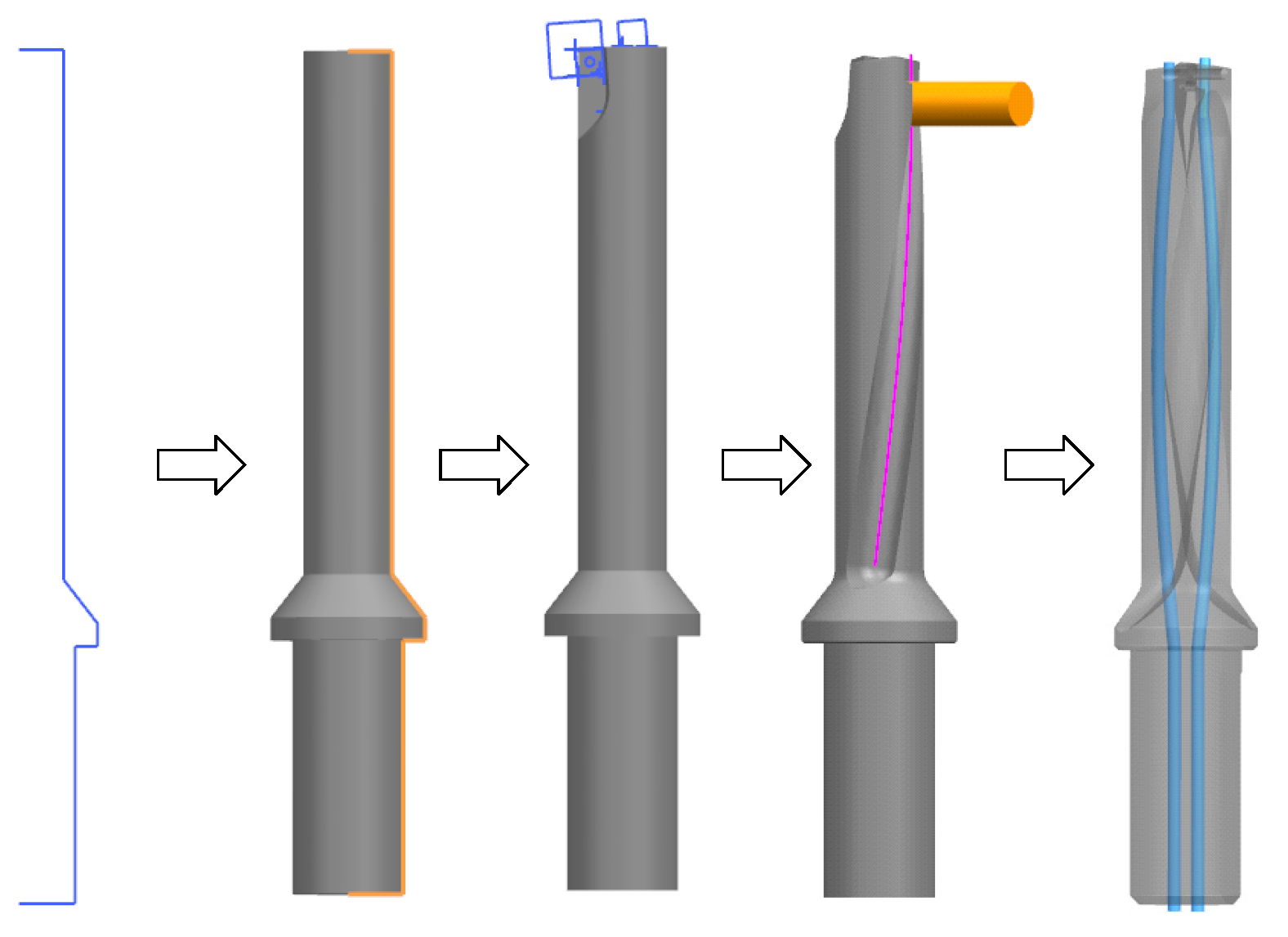
- Tool item: As illustrated in Figure 10, parametric modeling of the tool item of the indexable shallow-hole drill starts with the construction of a cross-sectional sketch of the drill body, in which the key dimensions are constrained using parametric expressions. In this study, an indexable shallow-hole drill with an effective cutting diameter of 21 mm is selected as an example to develop the parametric model. The basic drill body geometry is first generated by applying a rotational feature to the cross-sectional sketch. Subsequently, fully constrained sketches of the insert pockets are created according to the geometric parameters of the insert slots, and material is removed from the drill body to form the mounting grooves for the inner and outer inserts, respectively. Based on the mathematical model of the key points on the chip flute cross section, the initial flute cross section and the corresponding helical curve are defined using parametric feature curves. The chip flute structure of the drill body is then generated by sweeping the flute cross section along the helical curve. Finally, the helical feature curve of the internal coolant channel is defined in a similar manner, and the spiral internal cooling channel of the indexable shallow-hole drill is established.
- (2)
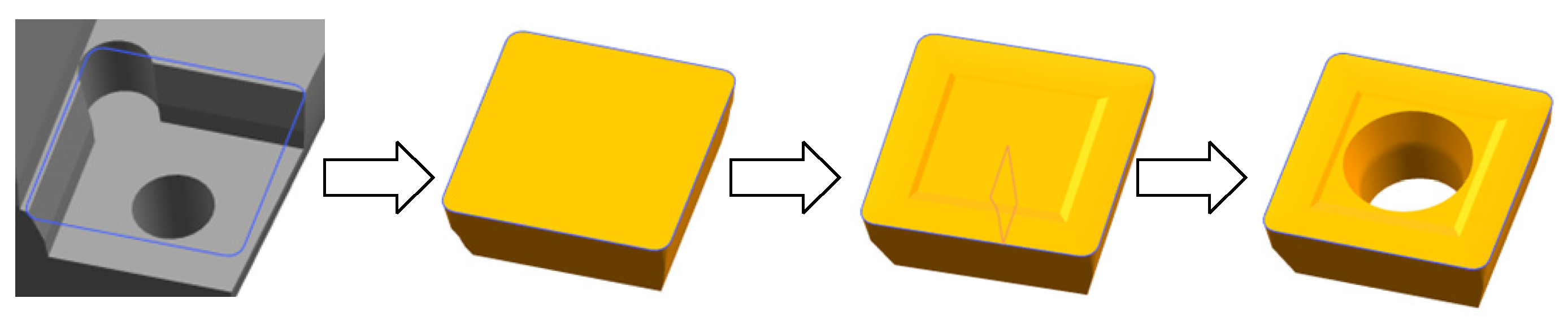
- Cutting item: As shown in Figure 11, the cutting section of the indexable shallow-hole drill investigated in this study employs square cemented carbide inserts. After completing the modeling of the tool item, a new cutting item file is created in the assembly environment, inheriting the insert pocket features from the tool item. Based on these features, sketches are constructed in the cutting item to define the initial geometry of the insert. The basic geometric model of the insert is then generated by extrusion, and the detailed insert geometry is progressively refined by incorporating key parameters such as the rake angle, inscribed circle diameter, and chamfer radius.
- (3)
- Assembly item: During the modeling of the assembly item, the clamping screw is first constructed by inheriting the insert clamping hole features and establishing a cross-sectional sketch of the screw. This cross-sectional sketch serves as the foundation of the screw design and contains the primary dimensional information, including the head geometry, shank diameter, and thread profile. After the sketch is completed, the basic geometric model of the screw is generated using a rotational feature to define its overall form. Once the base model is established, key structural details are further refined through additional extrusion and rotational features.
3. Multi-Objective Optimization of the Spatial Mounting Posture of Inserts
3.1. Multi-Objective Optimization of Insert Spatial Mounting Posture Based on an Improved NSGA-II Algorithm
3.1.1. Constraints on the Spatial Mounting Posture of Inserts
3.1.2. Multi-Objective Optimization of Insert Spatial Mounting Posture
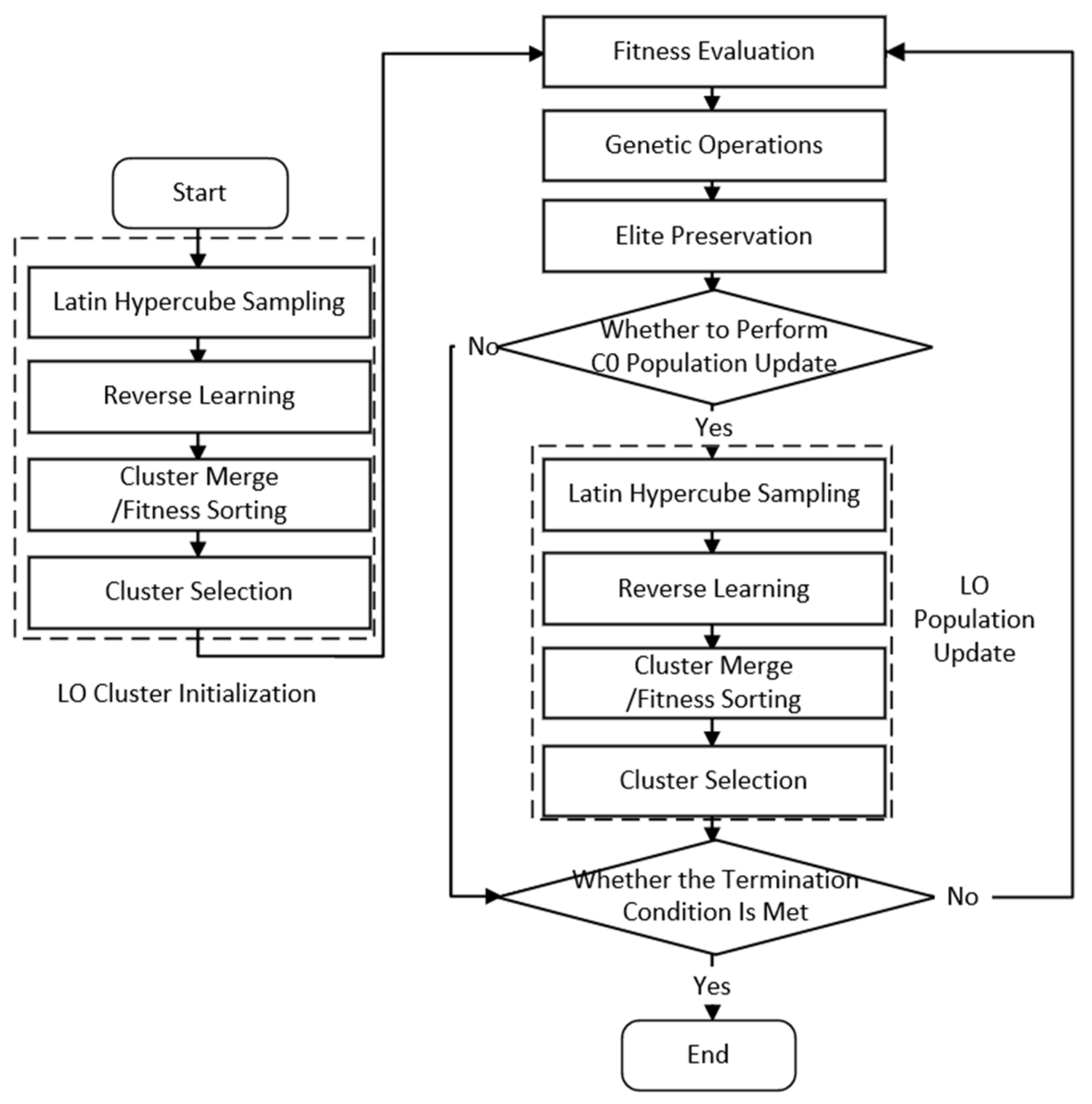
- Population initialization. Latin Hypercube Sampling (LHS) has been widely adopted across numerous domains due to its high sampling efficiency. By partitioning each dimension of the multidimensional space into equiprobable intervals, LHS ensures a uniform distribution of sampling points along each dimension, thereby avoiding the clustering effects commonly observed in conventional random sampling. As a result, LHS improves the coverage of samples in the parameter space and enhances the comprehensiveness, uniformity, and diversity of the initial population. Opposition-Based Learning (OBL) generates solutions that are opposite to those in the current population, further enhancing the exploration capability and coverage of the search space. In this study, the population X generated by LHS and the opposite population Y generated by OBL are merged to form an expanded population R. Subsequently, the expanded population is ranked according to fitness values, and the top N individuals with better fitness are selected as the final initial population.
- Population update. During the population update stage, Latin Hypercube Sampling (LHS) and Opposition-Based Learning (OBL) strategies are again incorporated to enhance the exploration capability of the algorithm, facilitate escape from local optima, and maintain global search performance. The specific procedure is described as follows:
- (1)
- Elite population generation. The current-generation population is produced using the basic operators of NSGA-II. An elite preservation strategy is then employed to select individuals with higher fitness, thereby forming the elite population .
- (2)
- Latin Hypercube Sampling (LHS). A new population is generated by applying Latin Hypercube Sampling to individuals from the current generation . Owing to its dynamically uniform distribution property, LHS effectively guides the algorithm to explore regions of the search space that have not yet been covered, thereby expanding the search scope and reducing the likelihood of the algorithm becoming trapped in local optima.
- (3)
- Reverse Learning Strategy Generates Adversarial Populations: For each individual in the elite population , an opposition-based learning strategy is applied to generate its corresponding opposite individual, thereby forming an opposite population . The introduction of the opposite population further expands the search space and enhances population diversity.
- (4)
- Merging and selection. The elite population , the Latin Hypercube Sampling (LHS) population , and the opposite population are merged to form an expanded population . Subsequently, the expanded population is ranked according to fitness values, and the top individuals with superior fitness are retained as the next- generation population.
- (5)
- As the population gradually approaches the Pareto front, the contribution of the population generated by the LO-based update strategy to further exploration of the search space progressively diminishes. To reduce computational complexity, the LO-based update strategy is applied only during the early n generations of the population evolution (typically n = 5–10).

| LO-NSGA-II | NSGA-II | |
|---|---|---|
| Population size | 100 | 100 |
| Number of generations | 100 | 100 |
| Crossover rate | 0.8 | 0.8 |
| Mutation rate | 0.2 | 0.2 |
| n | 6 | - |
| Test Function | LO-NSGA-II | NSGA-II | ||||
|---|---|---|---|---|---|---|
| SP Max | SP Min | SP Mean | SP Max | SP Min | SP Mean | |
| ZDT1 | 0.215842 | 0.010096 | 0.054121 | 0.325010 | 0.011754 | 0.100689 |
| ZDT2 | 0.354121 | 0.012920 | 0.031242 | 0.410984 | 0.002348 | 0.064926 |
| ZDT3 | 0.472145 | 0.008325 | 0.063258 | 0.453302 | 0.019654 | 0.071245 |
| ZDT6 | 0.631241 | 0.006551 | 0.102144 | 0.638906 | 0.010315 | 0.124582 |
| Viennet2 | 0.210110 | 0.045214 | 0.105866 | 0.150912 | 0.056752 | 0.113258 |
| Viennet3 | 0.203251 | 0.038845 | 0.088254 | 0.294523 | 0.042543 | 0.142351 |
| Test Function | LO-NSGA-II | NSGA-II | ||||
|---|---|---|---|---|---|---|
| GD Max | GD Min | GD Mean | GD Max | GD Min | GD Mean | |
| ZDT1 | 0.028521 | 0.001476 | 0.011251 | 0.033521 | 0.001176 | 0.018436 |
| ZDT2 | 0.019132 | 0.001408 | 0.001087 | 0.022132 | 0.001608 | 0.001217 |
| ZDT3 | 0.019021 | 0.000951 | 0.000964 | 0.021021 | 0.001051 | 0.001156 |
| ZDT6 | 0.056256 | 0.002362 | 0.002365 | 0.063256 | 0.003162 | 0.003479 |
| Viennet2 | 0.027251 | 0.001062 | 0.013218 | 0.031251 | 0.001562 | 0.017188 |
| Viennet3 | 0.024522 | 0.006311 | 0.011281 | 0.025522 | 0.007611 | 0.014031 |
3.2. Parameter Selection Based on the Entropy Weight-TOPSIS Hybrid Method
4. Experimental Validation and Results Analysis
4.1. Experimental Conditions and Protocol for Indexable Shallow Hole Drilling
4.1.1. Experimental Conditions
4.1.2. Experimental Protocol
4.2. Comparison of Cutting Performance Before and After Spatial Mounting Posture Optimization of the Tool
4.2.1. Mechanism Analysis of Cutting Force and Temperature


4.2.2. Elliptical Hole Analysis in the Drilling Process
4.2.3. Hole Surface Quality Comparison
4.2.4. Analysis of Hole Diameter Accuracy

4.2.5. Tool Life Comparison
5. Conclusions
- (1)
- To address the complex influence mechanism of the spatial installation orientation of inserts in indexable shallow-hole drills on cutting force distribution and thermal behavior—an issue that remains largely dependent on empirical design—a parametric mathematical model of the insert spatial installation orientation was established. By constructing a unified coordinate system and corresponding spatial transformation relationships, key parameters—including the principal cutting edge angles of the inner and outer inserts, the included angle, and the insert eccentricity—were modeled in a unified framework, thereby providing a geometric and mechanical foundation for subsequent structural optimization and performance analysis.
- (2)
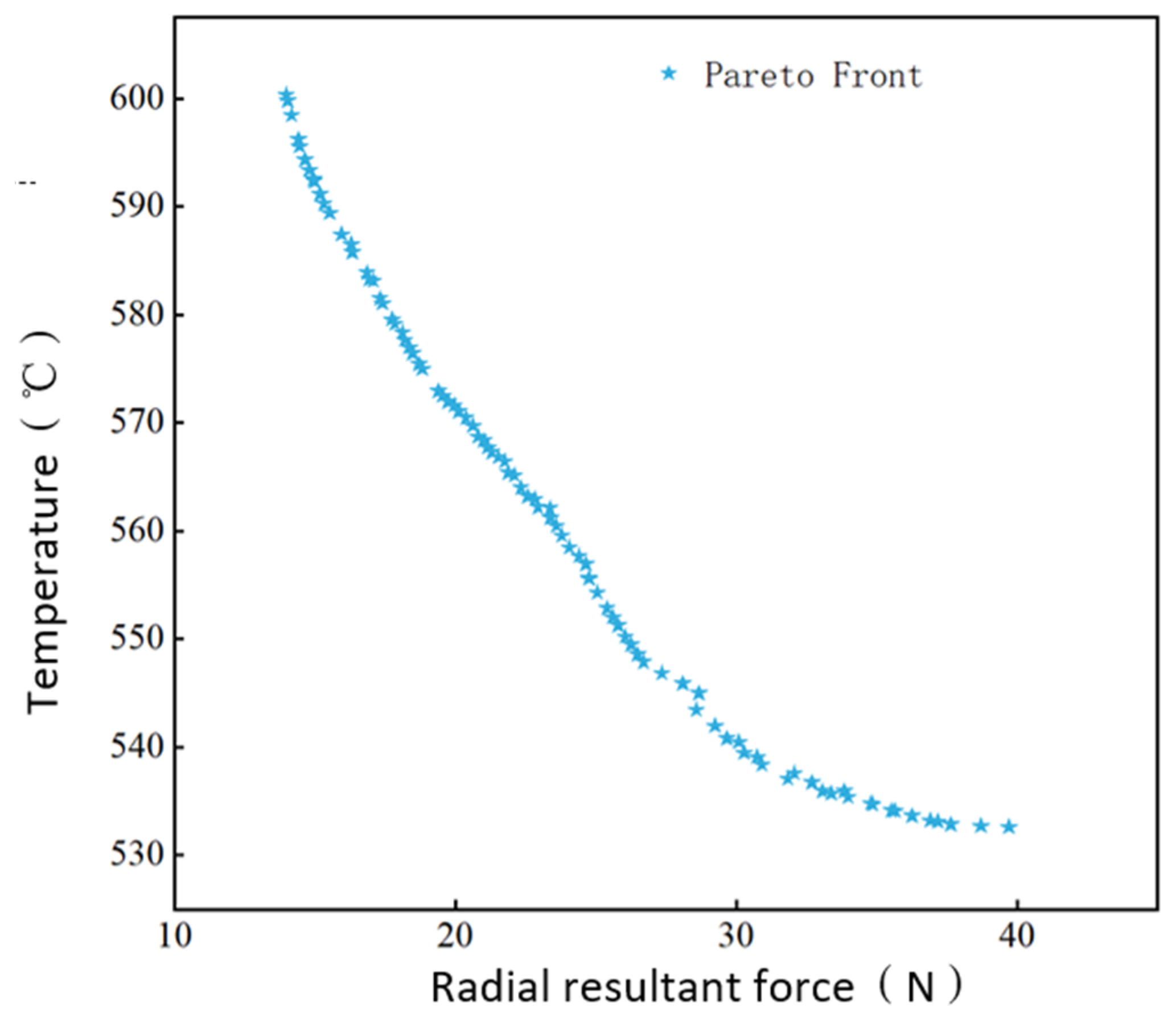
- Using radial resultant force and cutting temperature as key indicators of drilling stability and tool life, this study established a multi-objective optimization model for insert spatial mounting posture. An improved LO-NSGA-II algorithm was employed to obtain a Pareto-optimal solution set representing the trade-off between radial resultant force and cutting temperature under different posture-parameter combinations. The Pareto-optimal solutions were further evaluated using the entropy weight-TOPSIS method, through which two representative high-quality compromise schemes for insert spatial mounting posture parameters were selected. The results show that insert spatial mounting posture plays a significant role in regulating radial force balance and cutting thermal behavior. The proposed optimization framework is capable of effectively identifying high-quality compromise candidate solutions and provides a systematic decision-making basis for tool posture design under different performance requirements.
- (3)
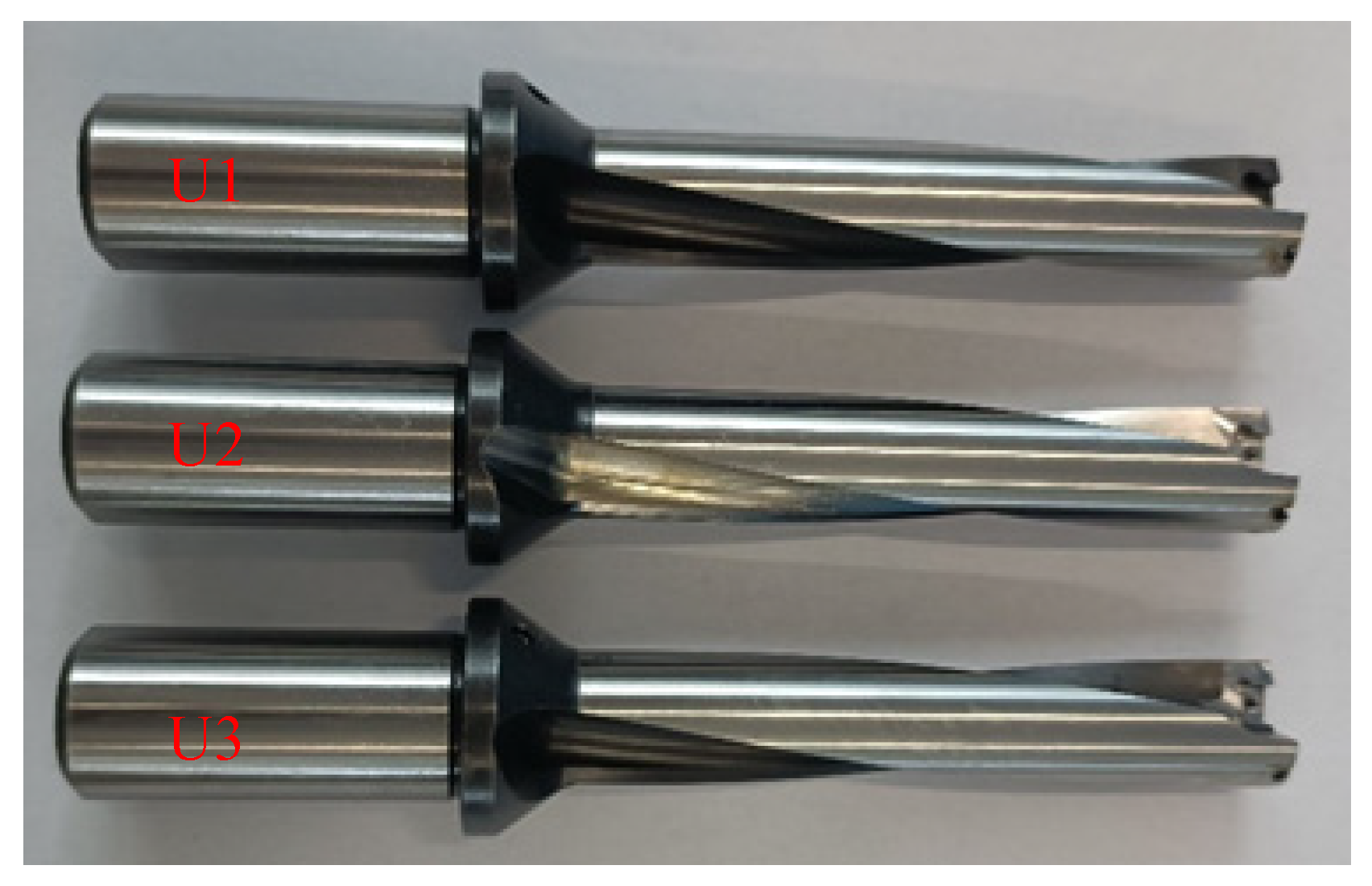
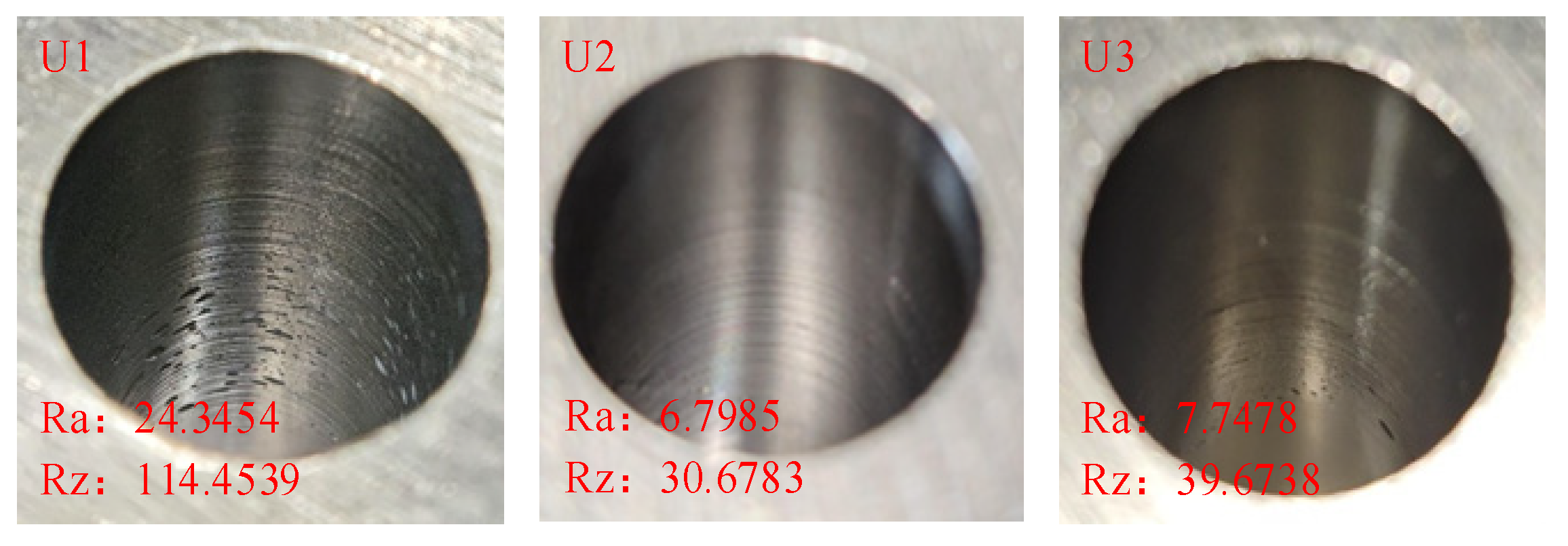
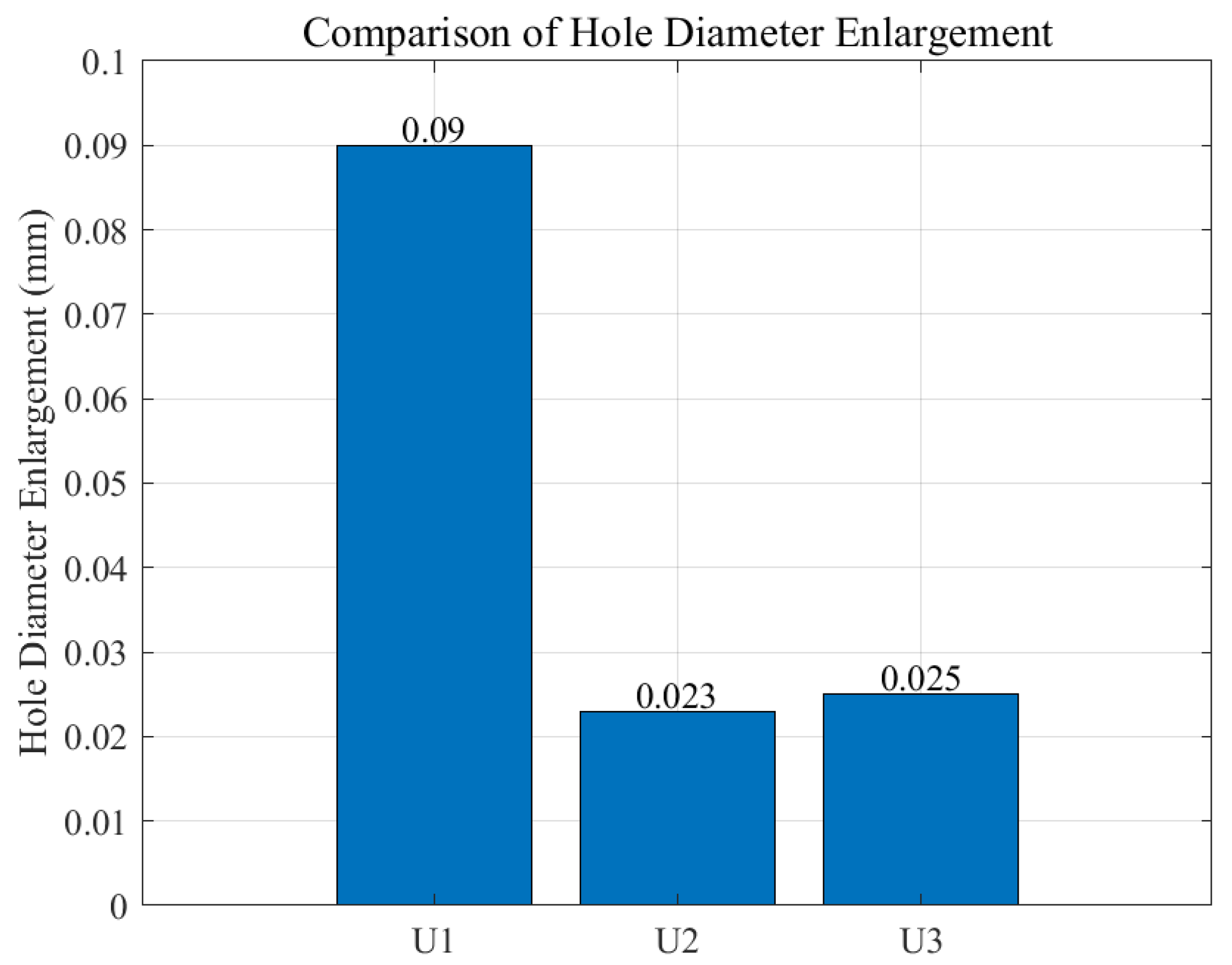
- Comparative drilling experiments were conducted to evaluate the cutting performance of indexable shallow-hole drills before and after posture optimization. Based on multi-objective optimization and multi-criteria decision-making methods, representative high-quality compromise candidate solutions were selected from the Pareto solution set, and their actual machining performance was further compared through drilling experiments. The results showed that the optimized tools exhibited significantly reduced radial resultant force and markedly improved drilling stability. Compared with the unoptimized tool, the optimized tools produced substantially lower Ra and Rz values, indicating a significant improvement in hole surface quality. In addition, the tool lives of the two candidate solutions, U2 and U3, increased by approximately 40% and 60%, respectively. These findings indicate that posture optimization can effectively improve the load uniformity of the inner and outer inserts and the distribution of cutting heat during drilling, thereby slowing insert wear. The results are generally consistent with those reported in previous studies, and further demonstrate that, in addition to cutting-parameter optimization and local structural improvement, optimization of insert spatial mounting posture is also an important approach for enhancing the machining performance of indexable shallow-hole drills.
- (4)
- Experimental validation confirmed the effectiveness of the proposed optimization framework in identifying preferred candidate solutions, extending tool life, and improving hole machining quality. Furthermore, the cross-validation results, weight sensitivity analysis, and drilling experiments consistently showed that the relative ranking of the optimized candidate solutions agreed with the overall performance trade-offs, indicating that the established surrogate models can effectively support the multi-objective optimization analysis in this study. However, the present work was conducted for 42CrMo workpiece material under fixed cutting conditions. Extending the proposed method to other workpiece materials or machining conditions would require the collection of new sample data and retraining of the surrogate models. In addition, the evaluation of hole machining quality in this study mainly focused on surface roughness and dimensional accuracy, without further considering surface integrity characteristics such as residual stress and subsurface microstructural evolution. Moreover, the sensitivity of the LO-NSGA-II algorithm parameters and the statistical significance of the experimental results still require further investigation. Future work will therefore focus on extending the method to multiple materials and machining conditions, conducting deeper characterization of surface integrity, analyzing the sensitivity of algorithm parameters, and optimizing the synchronized wear behavior of the inner and outer inserts.
Author Contributions
Funding
Institutional Review Board Statement
Informed Consent Statement
Data Availability Statement
Conflicts of Interest
References
- Dong, S.; Zheng, K.; Meng, D.; Liao, W.; Sun, L. Research progress on robot drilling technology for large and complex components. J. Aeronaut. 2022, 43, 31–48. [Google Scholar]
- Venkatesh, V.C.; Xue, W. A Study of the Built-up Edge in Drilling with Indexable Coated Carbide Inserts. J. Mater. Process. Technol. 1996, 58, 379–384. [Google Scholar] [CrossRef]
- Pereira, B.; Griffiths, C.A.; Birch, B.; Rees, A. Optimization of an autonomous robotic drilling system for the machining of aluminum aerospace alloys. Int. J. Adv. Manuf. Technol. 2021, 119, 2429–2444. [Google Scholar] [CrossRef]
- Liu, J.; Liu, C.; Xu, W.; Hou, Z.; Gao, L. Towards understanding the drilling-induced subsurface damage mechanism of SiCp/Al composite based on microscale numerical modeling and experimental analysis. Proc. Inst. Mech. Eng. Part B J. Eng. Manuf. 2026, 240, 162–178. [Google Scholar] [CrossRef]
- Xiong, L.; Shi, H.; Chen, Y. History, current status, and development trends in drill and drilling research. Tool Technol. 2005, 39, 11–14. [Google Scholar]
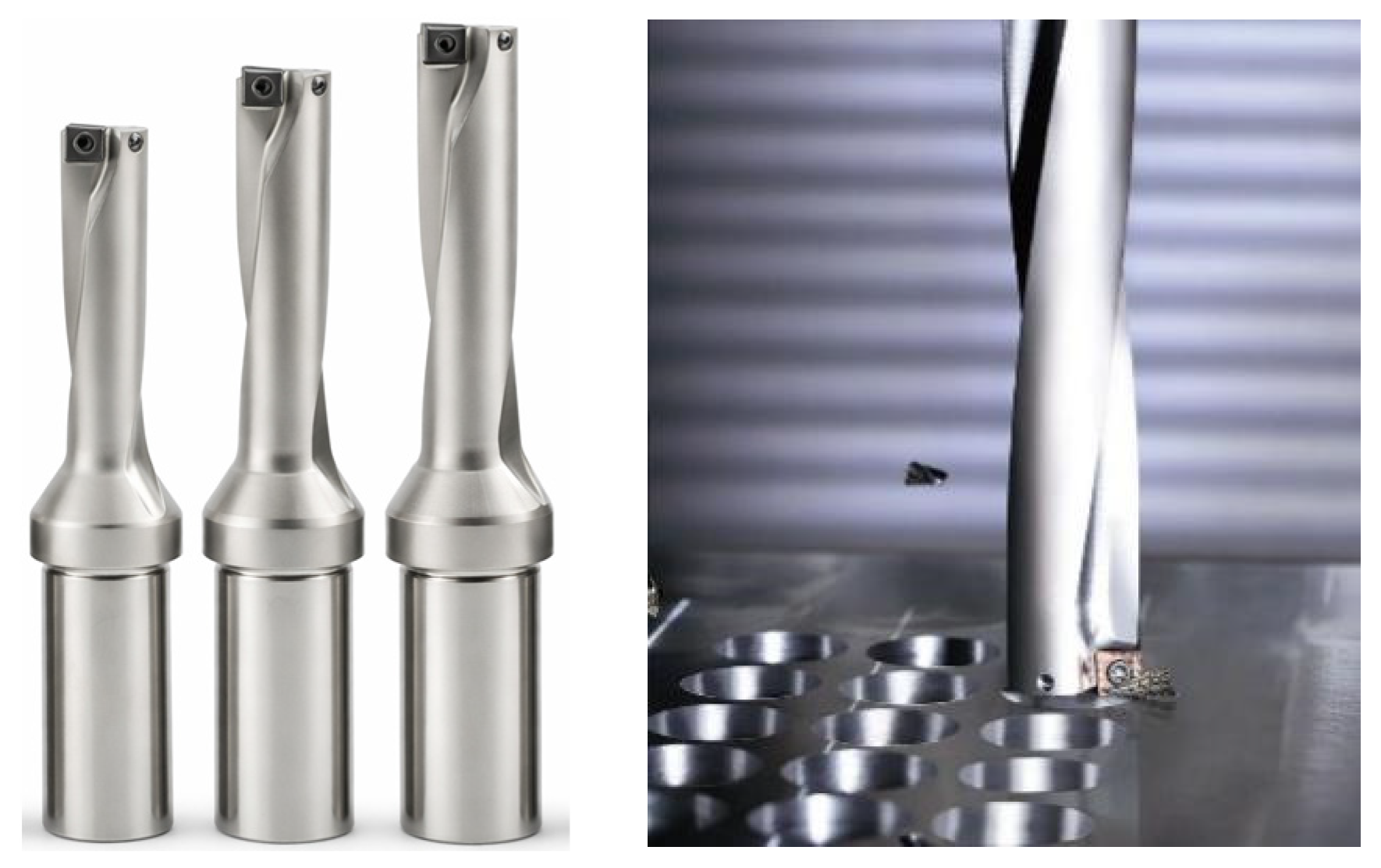
- International Metalworking News Network. Available online: https://www.mmsonline.com.cn/resupload/img/2022/0426/1650956598839051486.jpg (accessed on 20 January 2026).
- Liu, X.; Wu, N.; Chen, P. Geometric modeling of the cutting part of an indexable shallow-hole drill. J. Sichuan Inst. Technol. 2004, 23, 27–31. [Google Scholar]
- Wu, N.; Liu, X. Analysis of geometric angles of an indexable shallow-hole drill. Tool Eng. 2004, 38, 28–32. [Google Scholar]
- He, Y.; Yu, B.; Zheng, J.; Gao, J. Study on the influencing factors of chip deformation in indexable shallow-hole drilling. Cem. Carbide 2023, 40, 105–116. [Google Scholar]
- Lian, Y.; Zhang, M.; Chen, X.; Peng, S.; Lin, L.; Liu, C.; Chu, X.; Zhou, W. Optimization and experimental study of spiral chip-flute structure of indexable shallow hole drills. Mod. Manuf. Eng. 2024, 11, 10–17. [Google Scholar]
- Ma, S.; Zhao, J.; Lv, M.; Guo, J.; Ren, C.; Liang, G.; Huang, Y. Theoretical analysis and experimental study of a 5D shallow-hole drill based on chip-flute type. Tool Eng. 2025, 59, 73–78. [Google Scholar]
- Xiang, X.; Liu, W.; Song, B.; Jiang, A.; Xu, J.; Wu, D. Study on hole diameter error in drilling with indexable shallow hole drills based on radial force. Tool Technol. 2020, 54, 73–78. [Google Scholar]
- Li, J.; Jiang, F.; Wang, N.; Huang, S.; Zhang, T.; Jin, A.; Yao, X.; Yao, H.; Zhu, D.; Zha, X.; et al. A synchronous wear design for inner and outer inserts of indexable drill based on numerical simulation. Int. J. Adv. Manuf. Technol. 2025, 137, 263–277. [Google Scholar] [CrossRef]
- Ji, H. Analysis of Radial Force and Experimental Study on Indexable Shallow-Hole Drills. Ph.D. Thesis, Taiyuan University of Technology, Taiyuan, China, 2015. [Google Scholar]
- Okada, M.; Asakawa, N.; Sentoku, E.; M’sAoubi, R.; Ueda, T. Cutting performance of an indexable insert drill for difficult-to-cut materials under supplied oil mist. Int. J. Adv. Manuf. Technol. 2014, 72, 475–485. [Google Scholar] [CrossRef]
- Liu, Y.; Ren, X.; Liu, Z.; Zhao, J.; Jiang, A. Influence of chipbreaker groove structure parameters on the cutting force of indexable shallow hole drills when drilling H13 steel. Carbide 2025, 42, 35–43. [Google Scholar]
- Zheng, J. Cutting Force Analysis and Cutting Performance Experimental Study of Indexable Insert Drill Bits. Master’s Thesis, East China University of Science and Technology, Shanghai, China, 2022. [Google Scholar]
- Lu, Y. Force analysis and experimental study of an indexable shallow-hole drill. Tool Eng. 2019, 53, 29–31. [Google Scholar]
- Parsian, A.; Magnevall, M.; Beno, T.; Eynian, M. A Mechanistic Approach to Model Cutting Forces in Drilling with Indexable Inserts. Procedia CIRP 2014, 24, 74–79. [Google Scholar] [CrossRef]
- Jiang, A.; Zhao, Q.; Zhang, N.; Xiang, L.; Liu, Z.; Xu, R. Optimization of the insert groove shape of indexable shallow hole drills based on chip curl radius analysis. Carbide 2025, 42, 99–105. [Google Scholar]
- Meng, Y.; Sun, X.; Dong, S.; Wang, Y.; Liu, X. Cutting Energy Consumption Modelling of End Milling Cutter Coated with AlTiCrN. Coatings 2023, 13, 679. [Google Scholar] [CrossRef]
- Kaymakci, M.; Kilic, Z.; Altintas, Y. Unified cutting force model for turning, boring, drilling and milling operations. Int. J. Mach. Tools Manuf. 2012, 54–55, 34–45. [Google Scholar] [CrossRef]
- Jinyang, X.; Mohamed, M.E. Advanced Coating Materials for Machining Processes. Coatings 2022, 12, 910. [Google Scholar] [CrossRef]
- Dou, Z.; Zhao, L.; Yan, H.; Yang, Y.; Liu, F. Numerical Simulation of Cutting Performance of Coated Tools for Nickel-Based Superalloys. Coatings 2025, 15, 1275. [Google Scholar] [CrossRef]
- Daniel, S.; Tobias, A.; Andreas, L.A. Coupled Eulerian–Lagrangian simulation and experimental investigation of indexable drilling. Int. J. Adv. Manuf. Technol. 2022, 121, 471–486. [Google Scholar] [CrossRef]




| Variable | Description | Value Range |
|---|---|---|
| x1 | Included angle between inner and outer inserts β | −5°~10° |
| x2 | Principal cutting edge angle of inner insert α1 | 80°~90° |
| x3 | Principal cutting edge angle of outer insert α0 | 80°~90° |
| x4 | Over-center offset of inner insert tip E | 0.3~1 mm |
| Response Variables | R2 | RMSE |
|---|---|---|
| F | 0.9659 | 26.36 |
| T | 0.8531 | 39.25 |
| Weight Value | F | T |
|---|---|---|
| ω | 54.09% | 45.91% |
| Rank | (°) | (°) | (°) | (mm) | Radial Resultant Force F (N) | Cutting Temperature T (°C) | Closeness |
|---|---|---|---|---|---|---|---|
| 1 | 4.1 | 85.6 | 86.1 | 0.32 | 23.963 | 554.370 | 0.531 |
| 2 | 1.7 | 87.3 | 86.4 | 0.35 | 36.880 | 533.230 | 0.521 |
| Weight (F/T) | 1 | 2 |
|---|---|---|
| 60/40 | 0.556 | 0.468 |
| 50/50 | 0.513 | 0.558 |
| 40/60 | 0.471 | 0.650 |
| Tool Number | Β (°) | α1 (°) | α0 (°) | E (mm) | Dc (mm) | H1 = 0.15 mm, H2 = 0.65 mm, H3 = 0.17 mm |
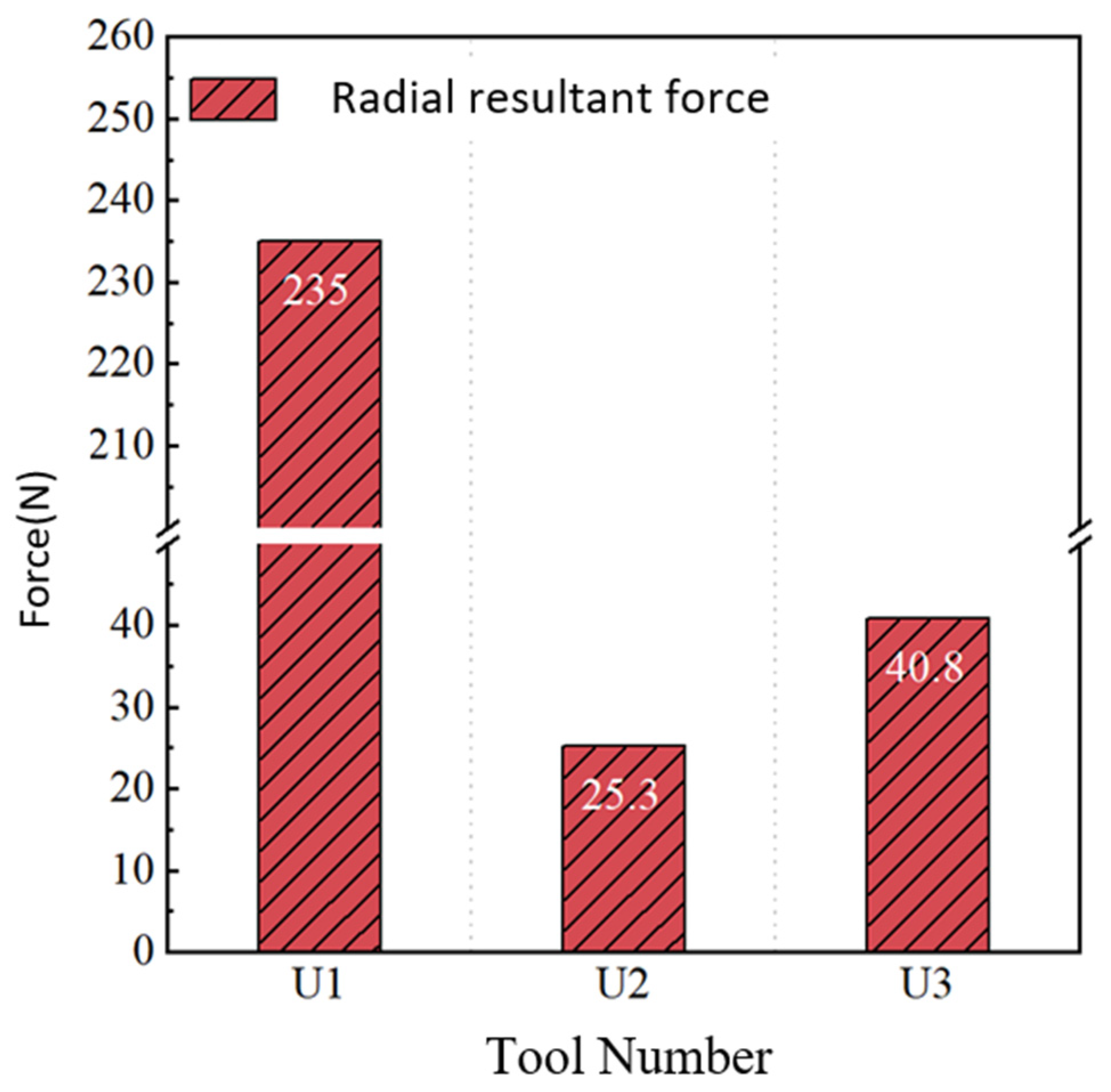
| U1 | 5 | 84.2 | 85.1 | 0.4 | 21.06 | |
| U2 | 4.1 | 85.5 | 86 | 0.32 | 21.03 | |
| U3 | 1.8 | 87.2 | 86.3 | 0.35 | 21.08 |
| Tool Type | Point 1 (µm) | Point 2 (µm) | Point 3 (µm) | Mean (µm) | Standard Deviation (µm) |
|---|---|---|---|---|---|
| U1 | 22.742 | 22.915 | 23.031 | 22.896 | 0.145 |
| U2 | 6.320 | 6.395 | 6.485 | 6.400 | 0.083 |
| U3 | 7.590 | 7.650 | 7.734 | 7.658 | 0.072 |
| Tool Type | Point 1 (µm) | Point 2 (µm) | Point 3 (µm) | Mean (µm) | Standard Deviation (µm) |
|---|---|---|---|---|---|
| U1 | 108.850 | 109.306 | 109.660 | 109.272 | 0.406 |
| U2 | 28.215 | 28.360 | 28.472 | 28.349 | 0.129 |
| U3 | 36.825 | 36.941 | 37.093 | 36.953 | 0.134 |
| Tool Type | Upper (mm) | Middle (mm) | Lower (mm) | Actual Tool Diameter (mm) | Mean Hole Diameter (mm) | Hole Enlargement (mm) | |||
|---|---|---|---|---|---|---|---|---|---|
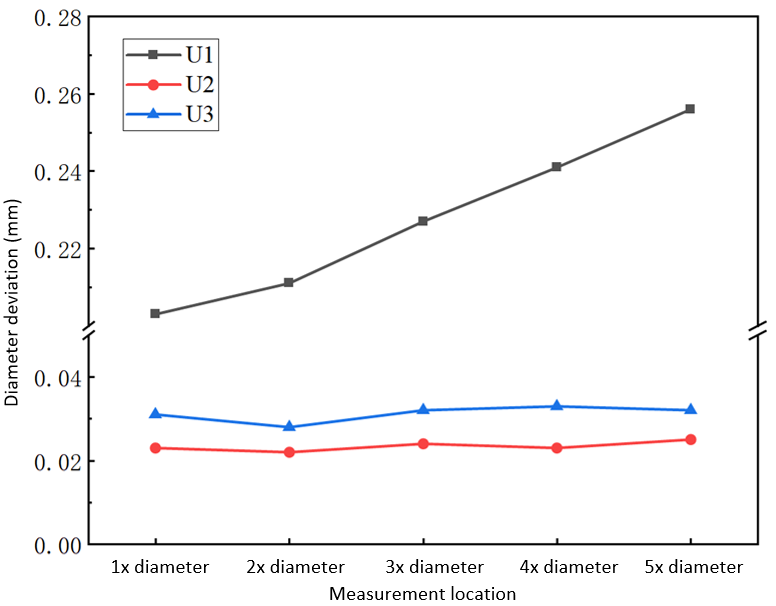
| U1 | 21.10 | 21.17 | 21.16 | 21.16 | 21.16 | 21.15 | 21.06 | 21.15 | 0.09 |
| U2 | 21.05 | 21.04 | 21.06 | 21.05 | 21.06 | 21.06 | 21.03 | 21.053 | 0.023 |
| U3 | 21.10 | 21.09 | 21.11 | 21.11 | 21.11 | 21.11 | 21.08 | 21.105 | 0.025 |
| Tool Number | Inner Insert Wear Width (mm) | Tool Life (Number of Holes) | Life Improvement Percentage (%) |
|---|---|---|---|
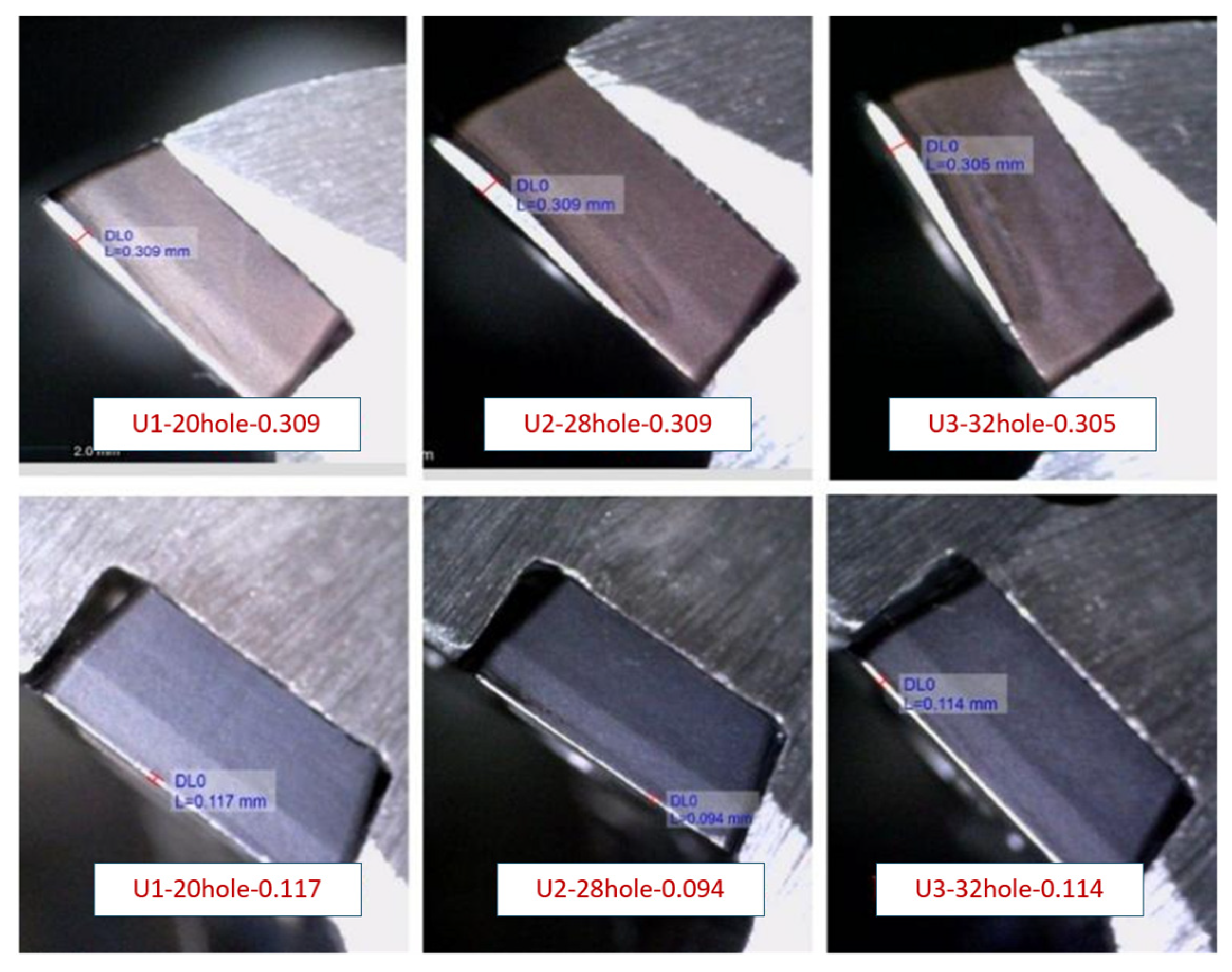
| U1 | 0.117 | 20 | - |
| U2 | 0.094 | 28 | 40% |
| U3 | 0.114 | 32 | 60% |
Disclaimer/Publisher’s Note: The statements, opinions and data contained in all publications are solely those of the individual author(s) and contributor(s) and not of MDPI and/or the editor(s). MDPI and/or the editor(s) disclaim responsibility for any injury to people or property resulting from any ideas, methods, instructions or products referred to in the content. |
© 2026 by the authors. Licensee MDPI, Basel, Switzerland. This article is an open access article distributed under the terms and conditions of the Creative Commons Attribution (CC BY) license.
Share and Cite
Jiang, Z.; An, X.; Liang, Y.; Liu, X.; Meng, Y.; Jiang, A. Research on Optimization of Insert Spatial Mounting Posture for Improved Tool Life and Surface Quality of an Indexable Shallow-Hole Drill . Coatings 2026, 16, 401. https://doi.org/10.3390/coatings16040401
Jiang Z, An X, Liang Y, Liu X, Meng Y, Jiang A. Research on Optimization of Insert Spatial Mounting Posture for Improved Tool Life and Surface Quality of an Indexable Shallow-Hole Drill . Coatings. 2026; 16(4):401. https://doi.org/10.3390/coatings16040401
Chicago/Turabian StyleJiang, Zhipeng, Xiaolin An, Yao Liang, Xianli Liu, Yue Meng, and Aisheng Jiang. 2026. "Research on Optimization of Insert Spatial Mounting Posture for Improved Tool Life and Surface Quality of an Indexable Shallow-Hole Drill " Coatings 16, no. 4: 401. https://doi.org/10.3390/coatings16040401
APA StyleJiang, Z., An, X., Liang, Y., Liu, X., Meng, Y., & Jiang, A. (2026). Research on Optimization of Insert Spatial Mounting Posture for Improved Tool Life and Surface Quality of an Indexable Shallow-Hole Drill . Coatings, 16(4), 401. https://doi.org/10.3390/coatings16040401