Article

A Case Study on the Top Coating of Multicolor Painting Work Based on the Empirical Method

1
Division of Architecture, Sunmoon University, Asan-si 31460, Chungnam, Republic of Korea
2
School of Architecture, Halla University, Wonju-si 26404, Gangwon, Republic of Korea
3
Asahi Kensou Co., Ltd., Tokyo 101-0041, Japan
4
Kyungsan Engineering Co., Ltd., Seocho-gu, Seoul 06646, Republic of Korea
5
K. Engineering Co., Ltd., Songpa-gu, Seoul 05703, Republic of Korea
*
Author to whom correspondence should be addressed.
Coatings 2026, 16(3), 337; https://doi.org/10.3390/coatings16030337

Submission received: 30 January 2026 / Revised: 26 February 2026 / Accepted: 6 March 2026 / Published: 9 March 2026

Abstract

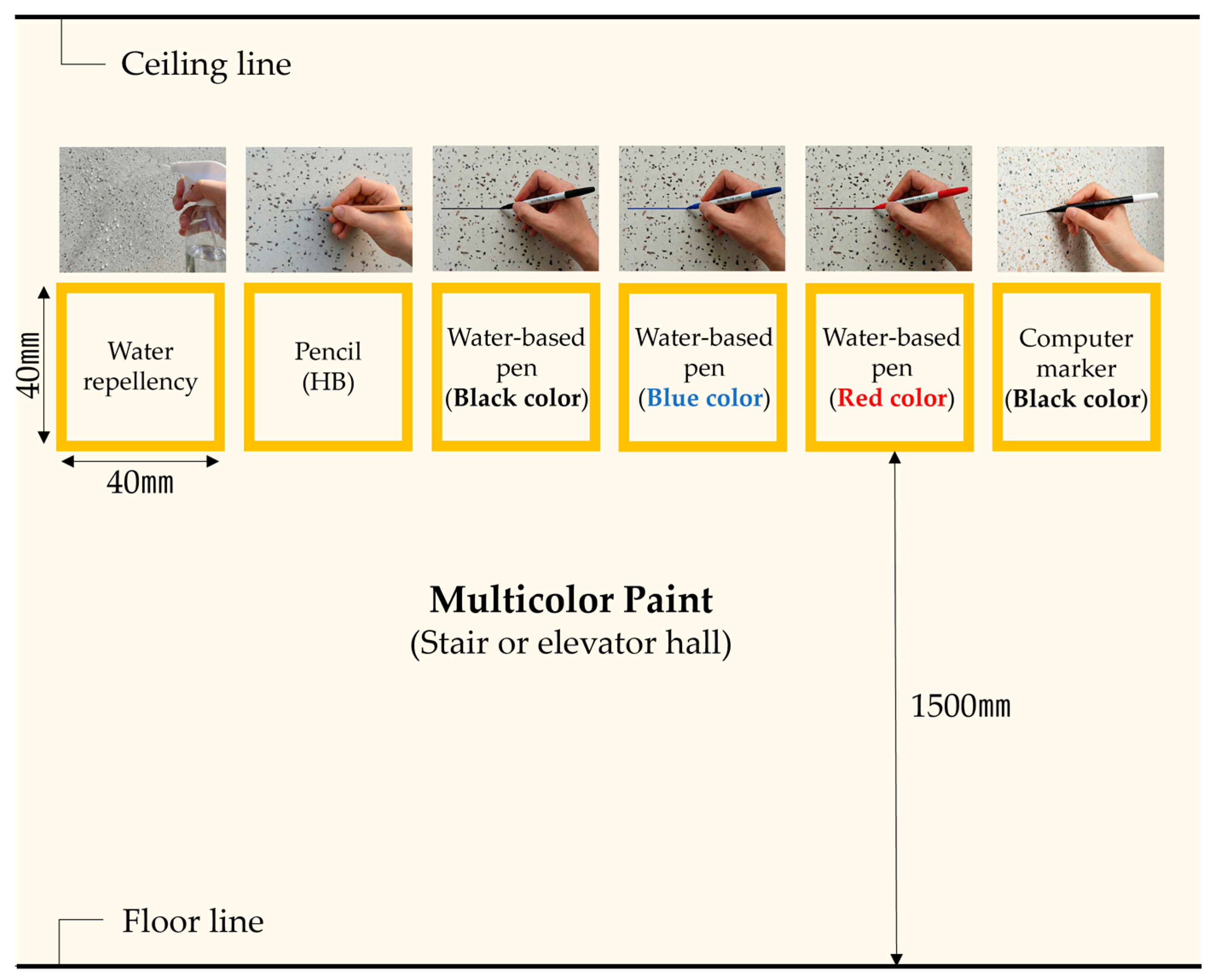
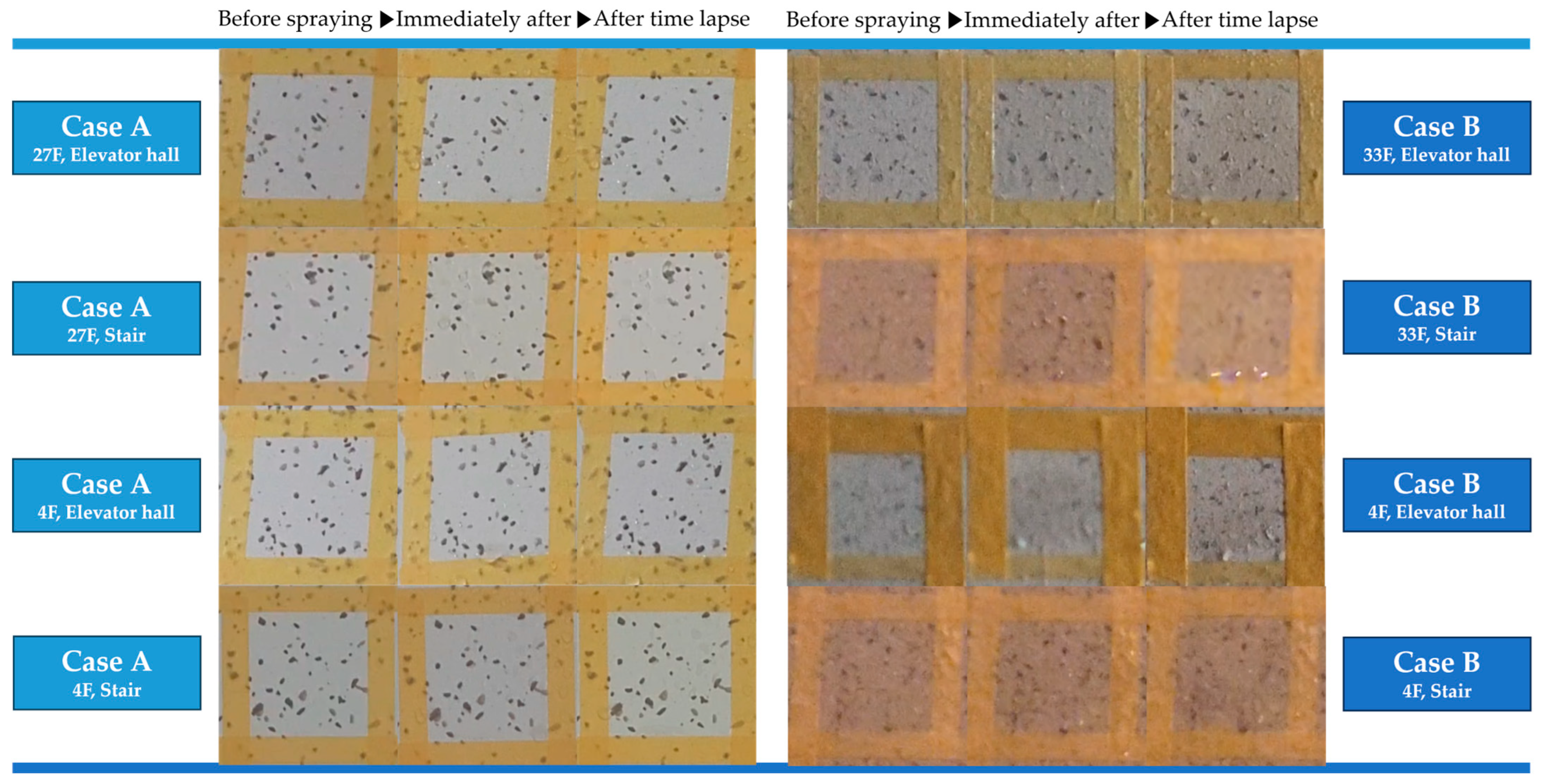
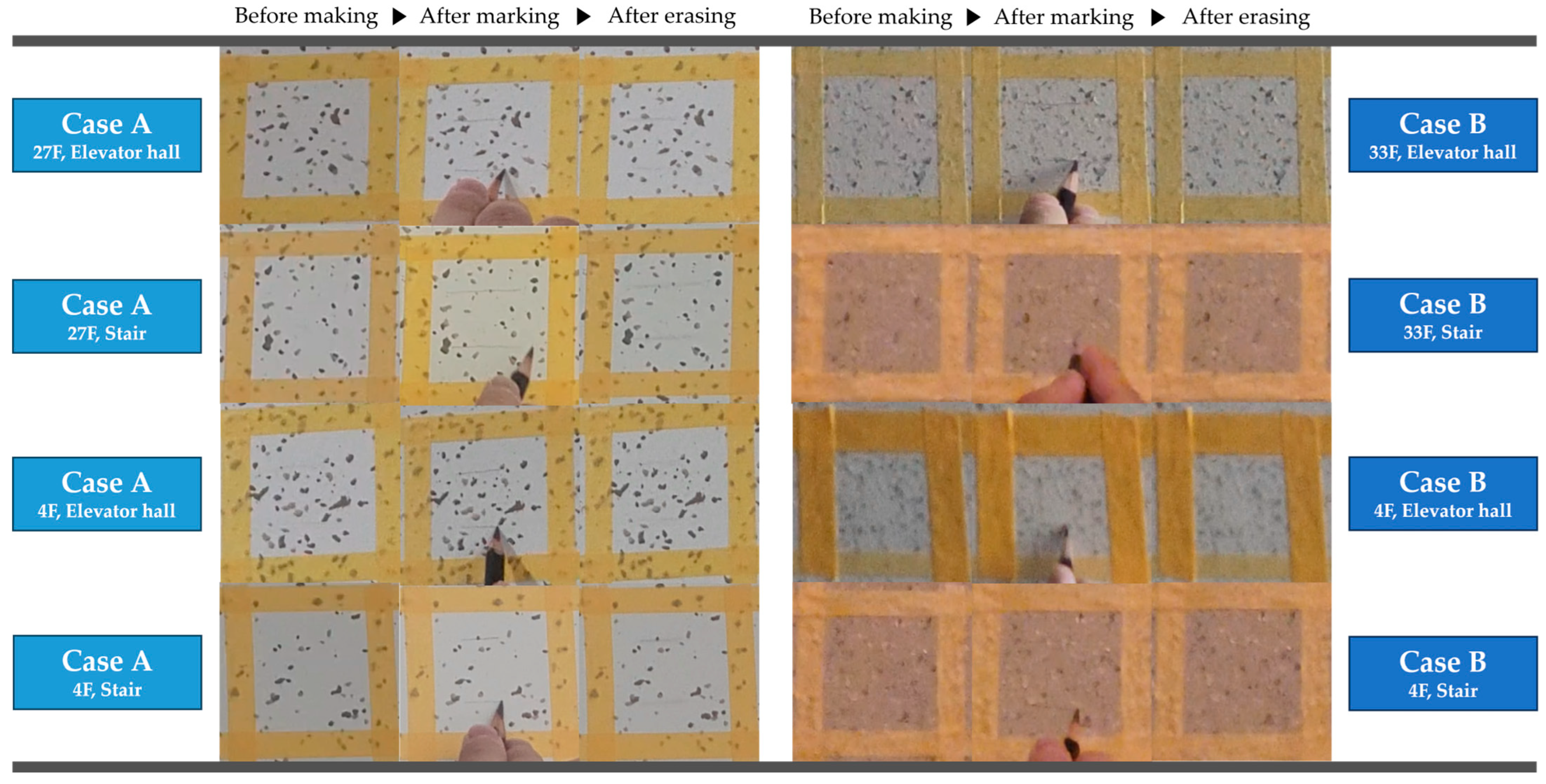
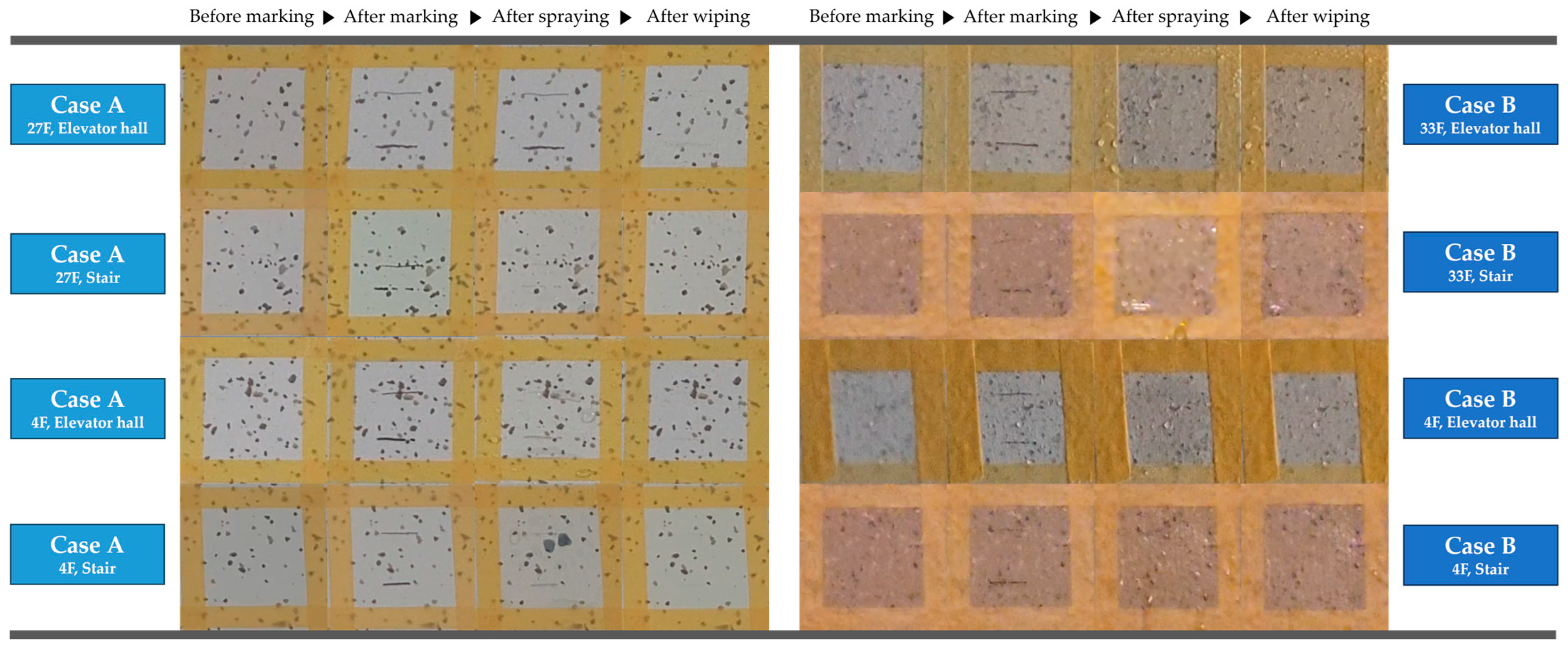
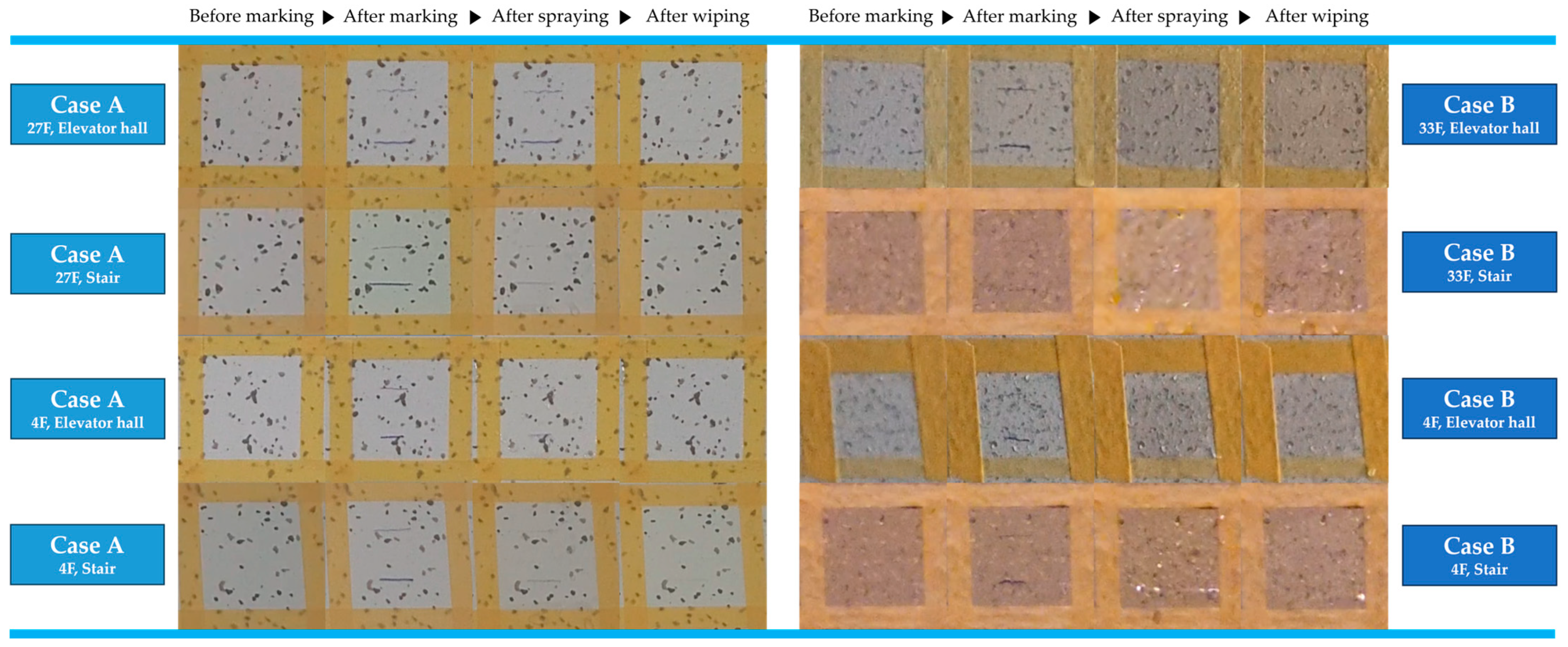
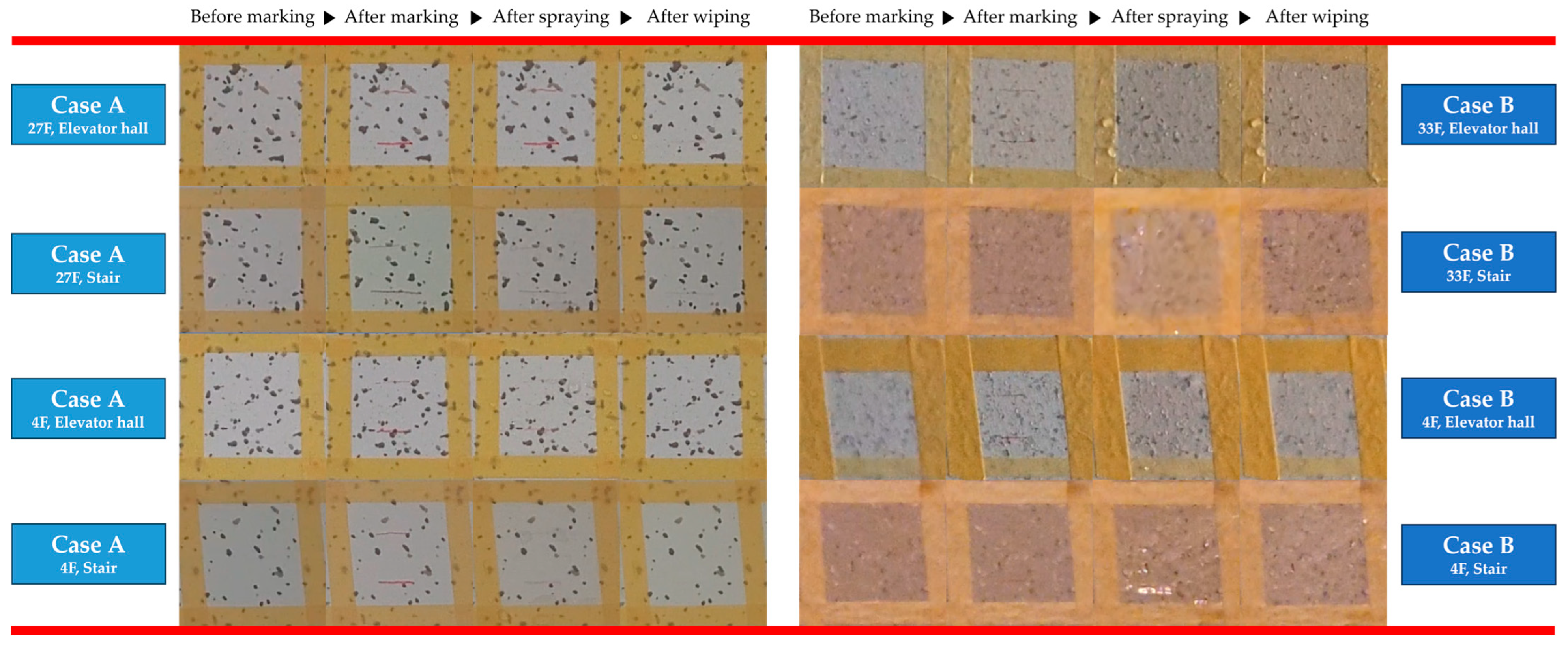
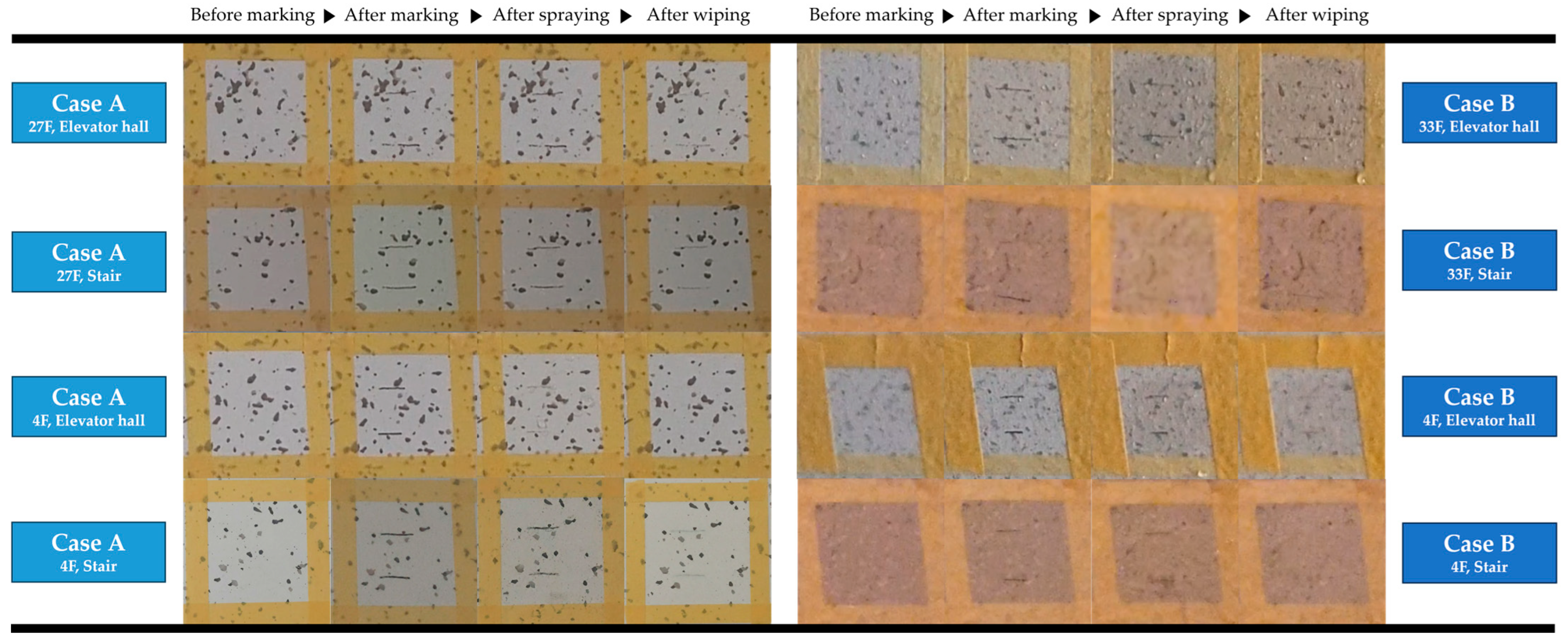
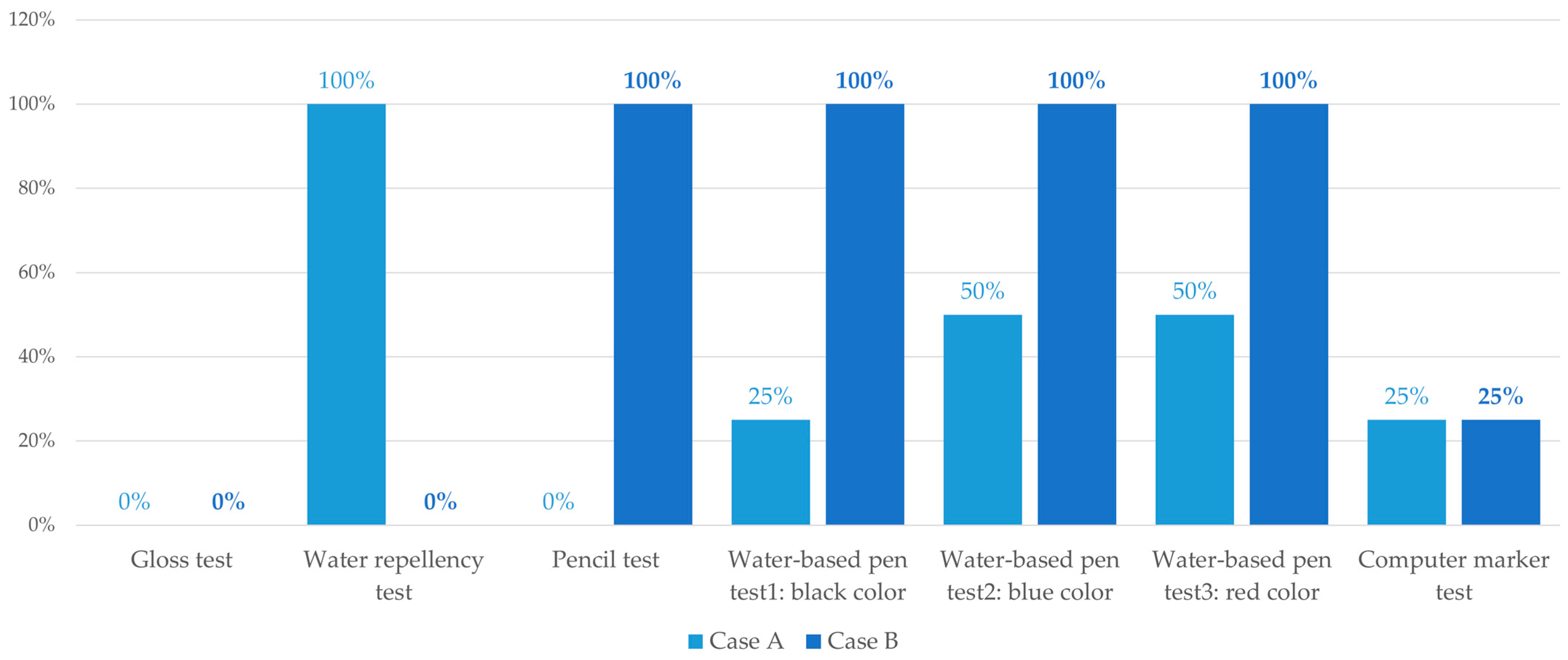
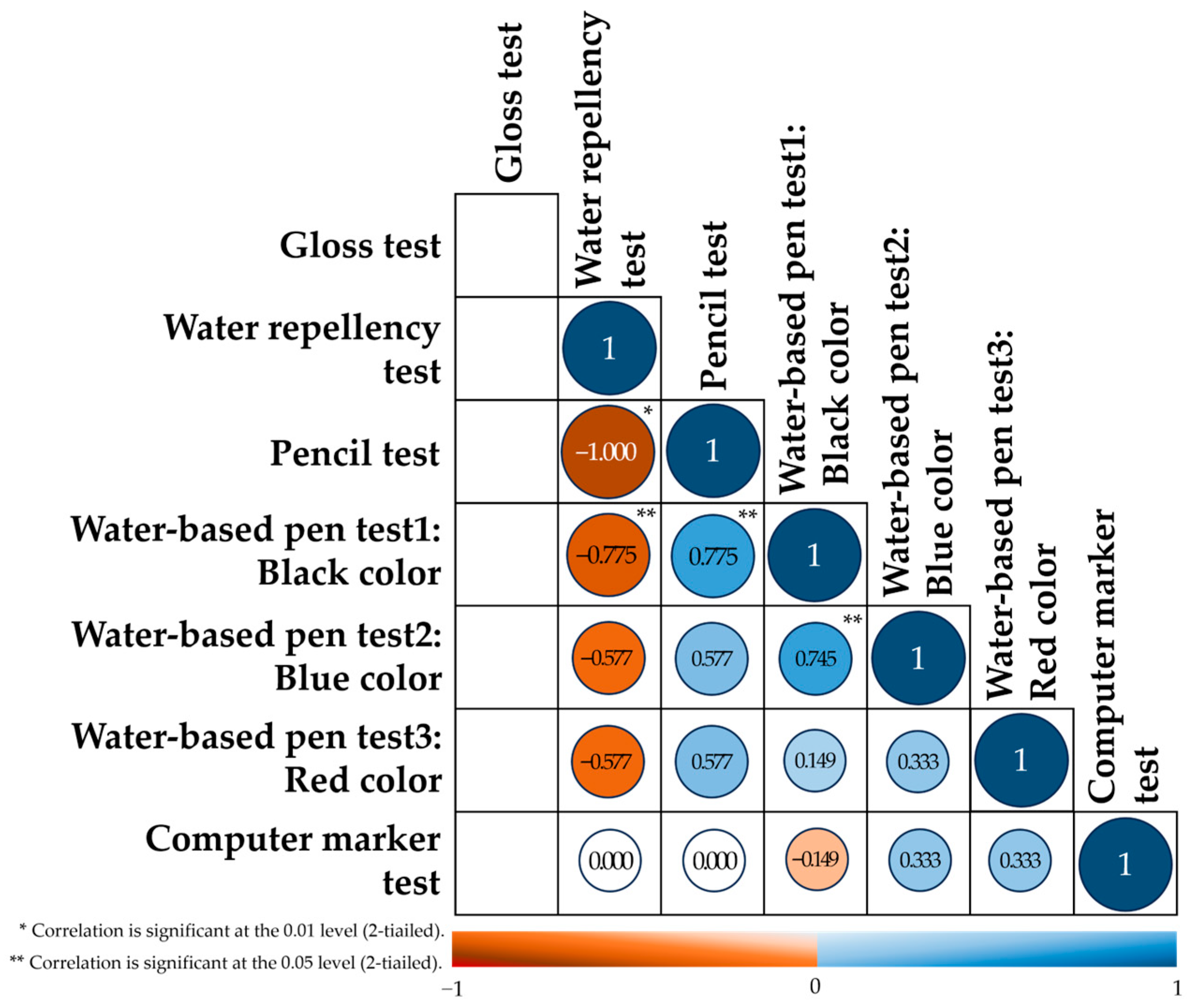
In multicolor painting for interior and exterior building finishes, a topcoat is often applied to protect the surface. Because topcoats are transparent, it is difficult to confirm whether one has been applied visually. However, Korean courts use empirical methods to determine whether topcoats have been applied in housing defect litigation. Typical empirical methods include observing gloss and assessing water-repellent properties. Pencils, water-based pens, and computer pens are used to assess graffiti-prevention properties. However, these empirical methods rely solely on appraisers’ experience and visual inspection, lacking standardized methods or detailed criteria. Furthermore, it is not even known whether each empirical method produces identical results. This study aimed to identify these inconsistencies by applying and comparing all known empirical methods to physical buildings. After assessing four locations in two apartment complexes, gloss was not found in any of the cases. The water-repellent and pencil tests showed a correlation coefficient of −1, demonstrating exactly opposite trends. The water-based pen test showed a correlation coefficient of 0.745 for black and blue, but none for red. The computer pen test results differed significantly from the other tests, and no correlation was found. These findings confirm that current empirical methods for detecting a topcoat in multicolor painting are inconsistent and should not be used.
Keywords: multicolor painting work; top coating; defect lawsuit; empirical method multicolor painting work; top coating; defect lawsuit; empirical method