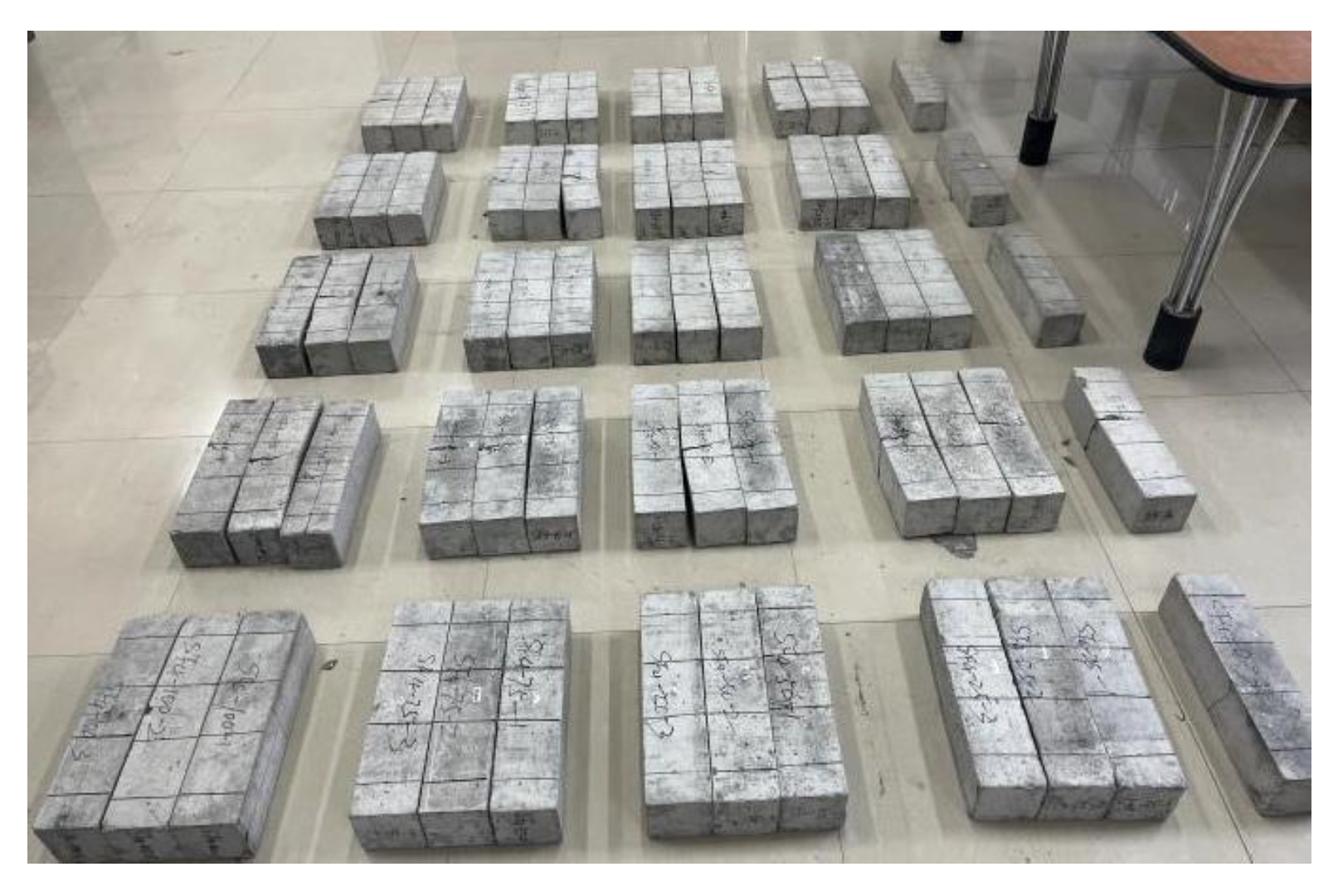
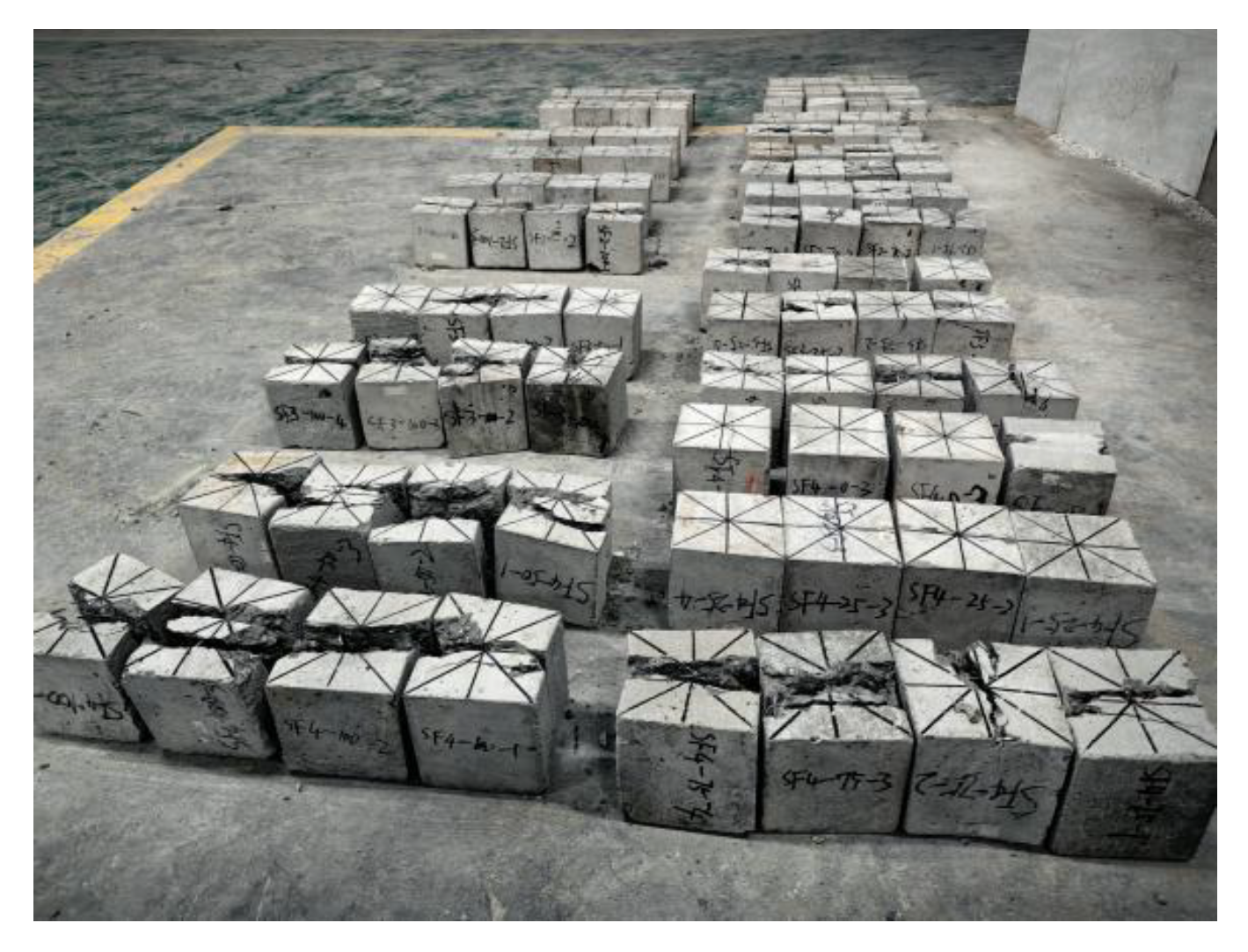
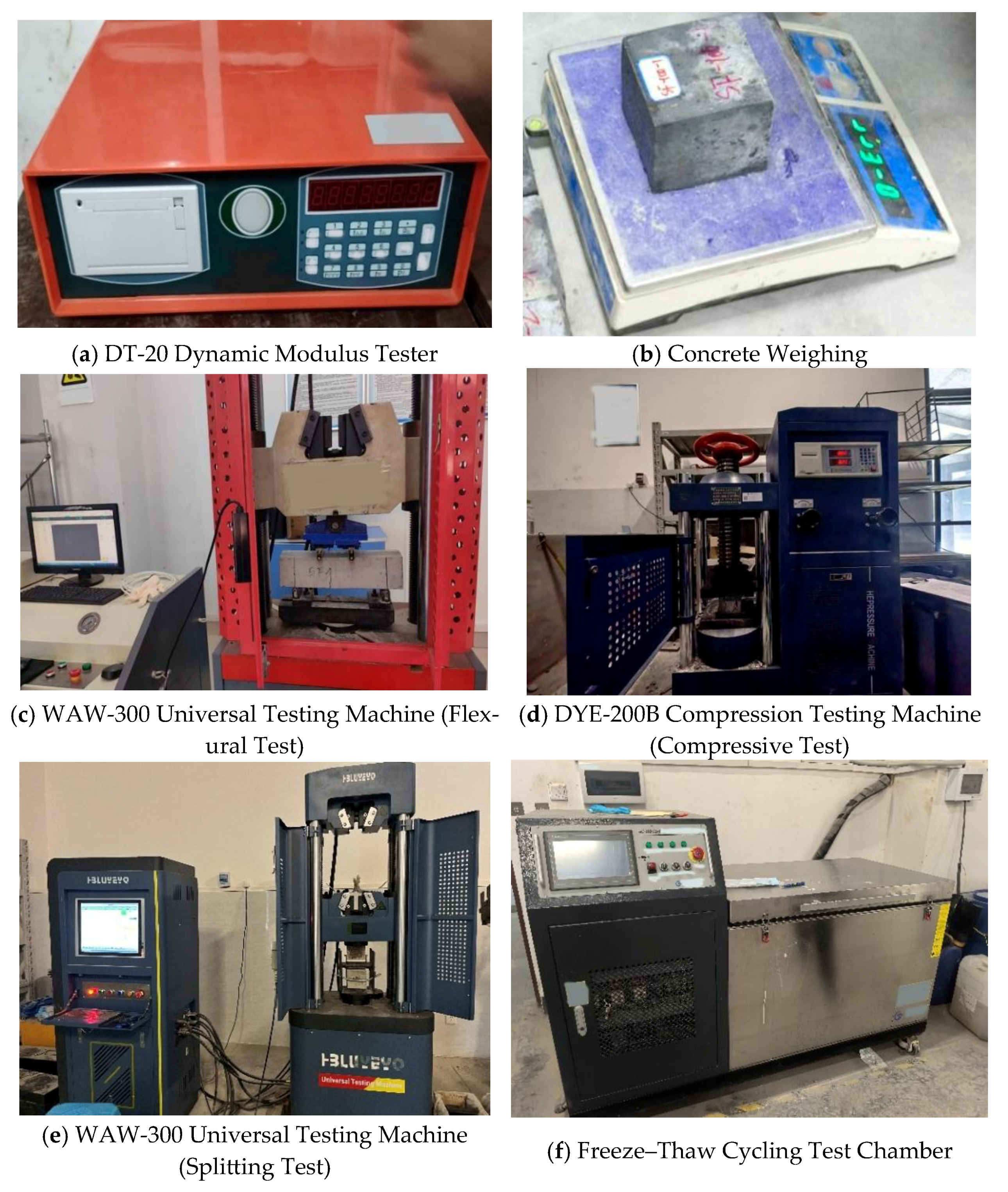
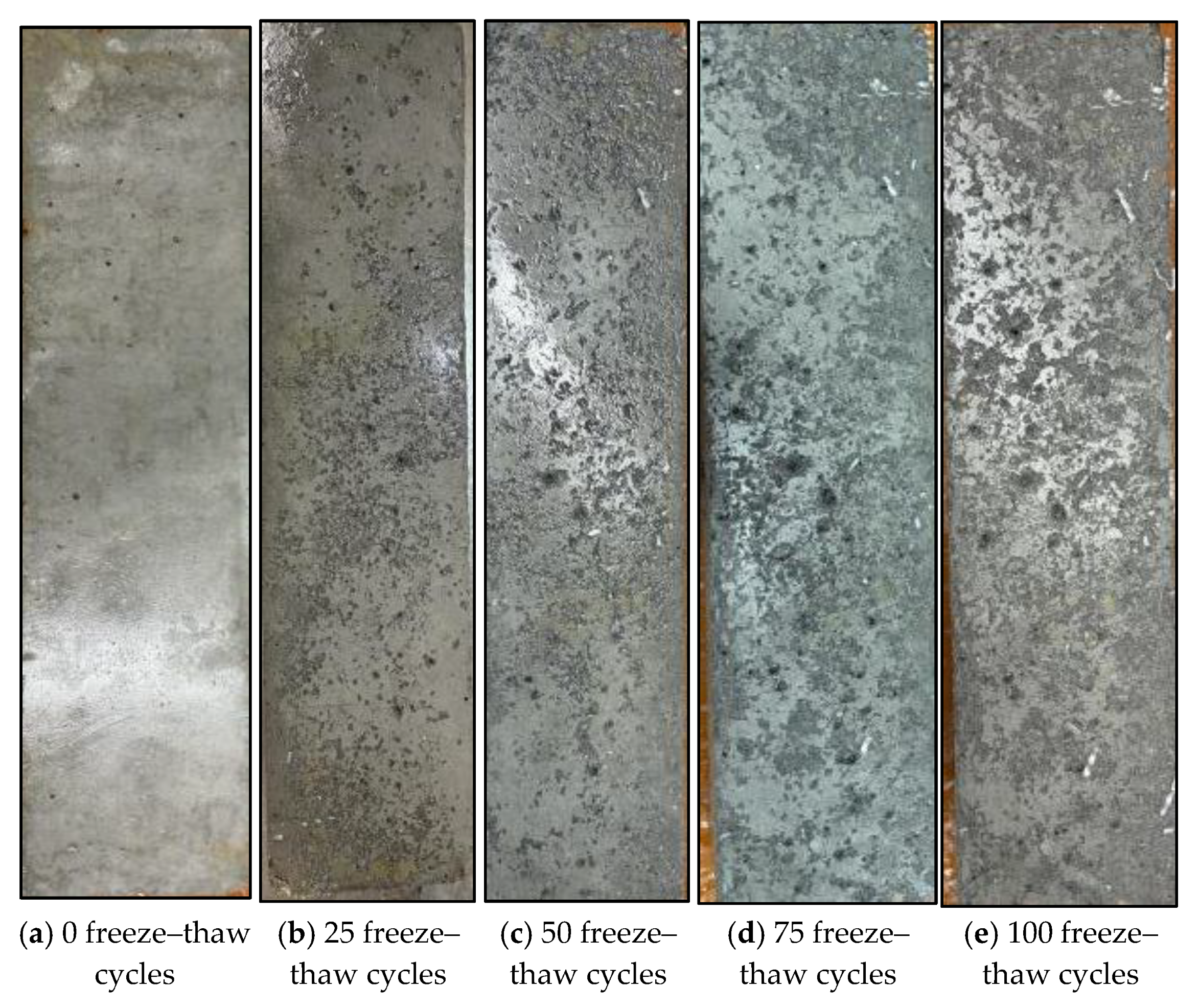
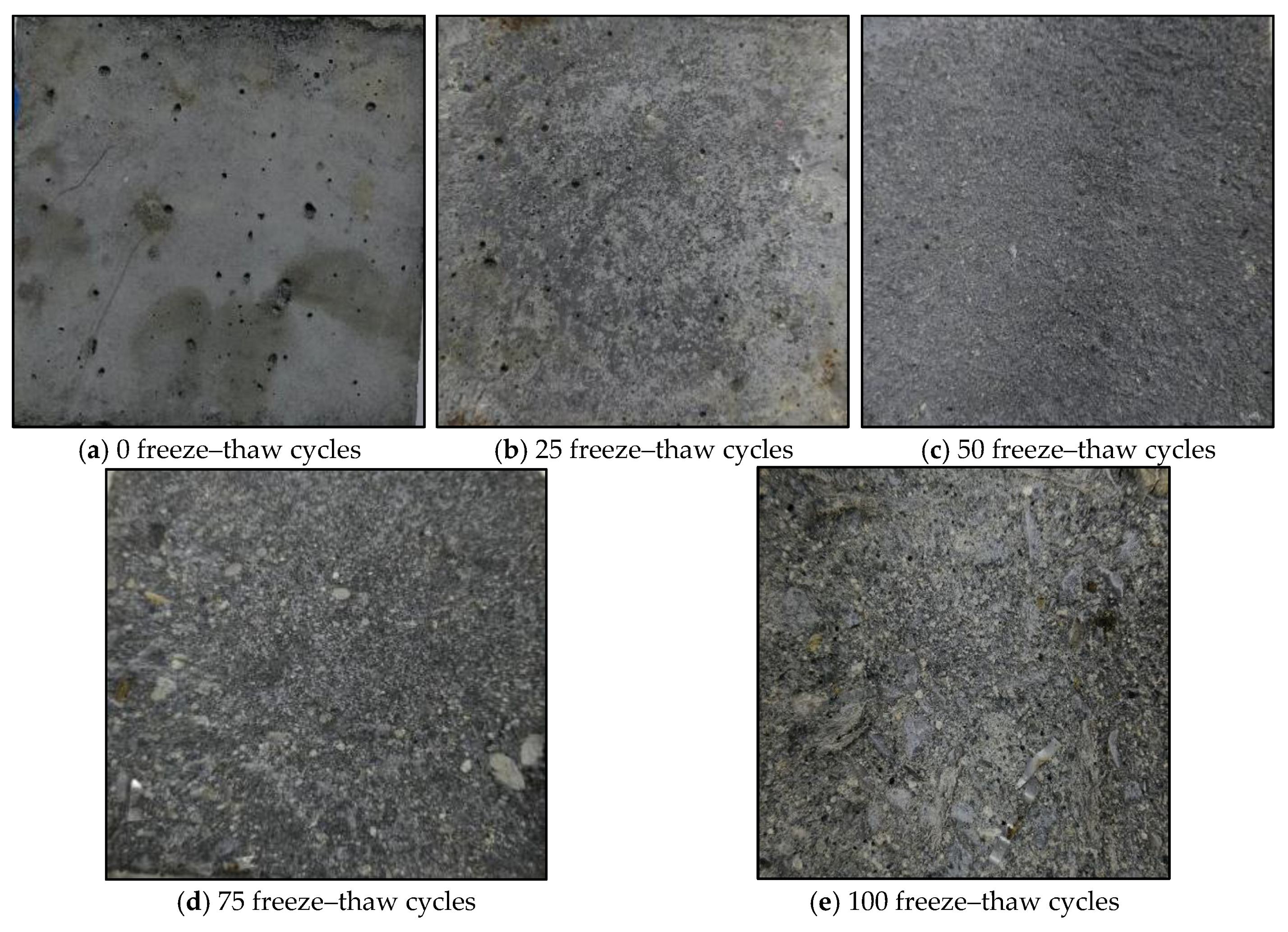
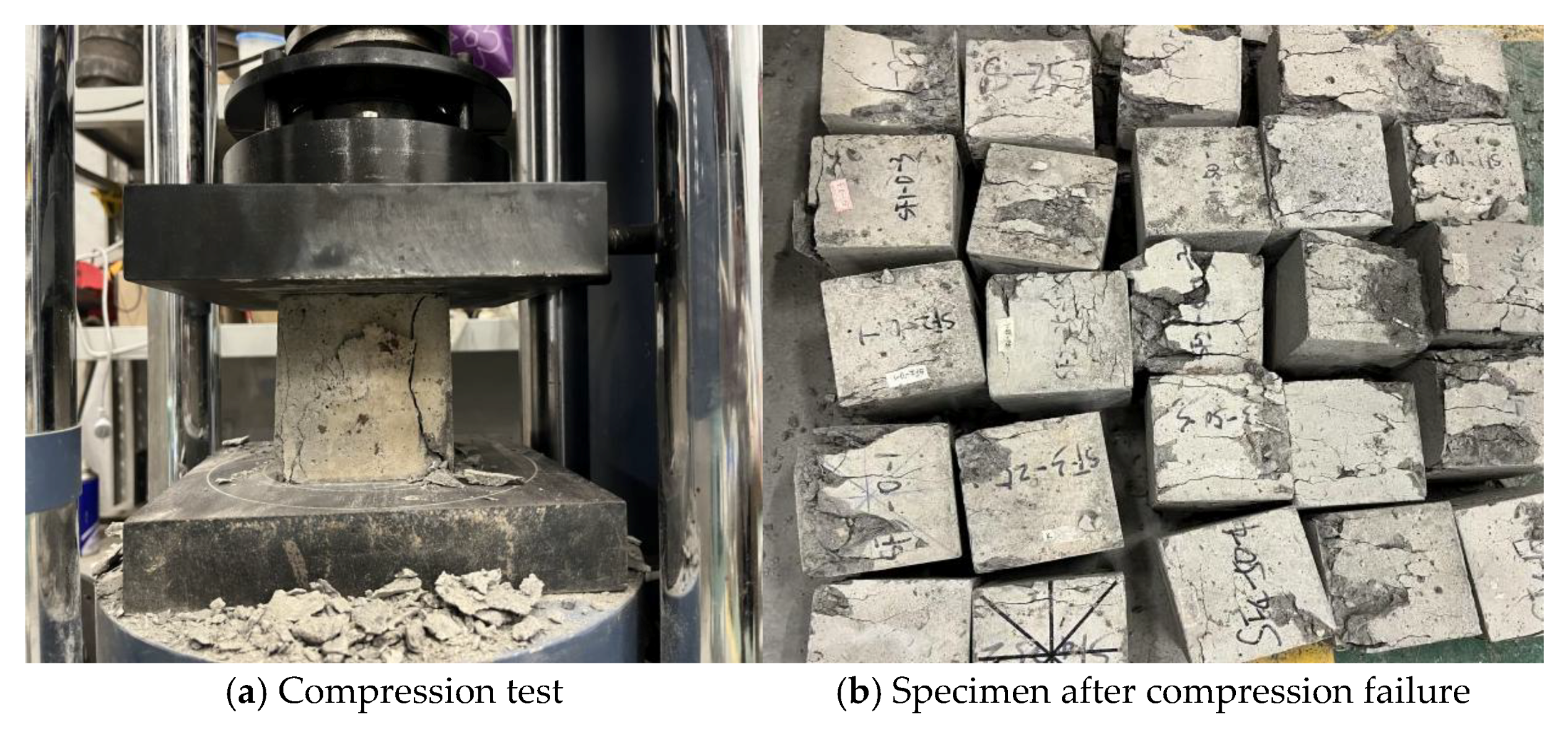
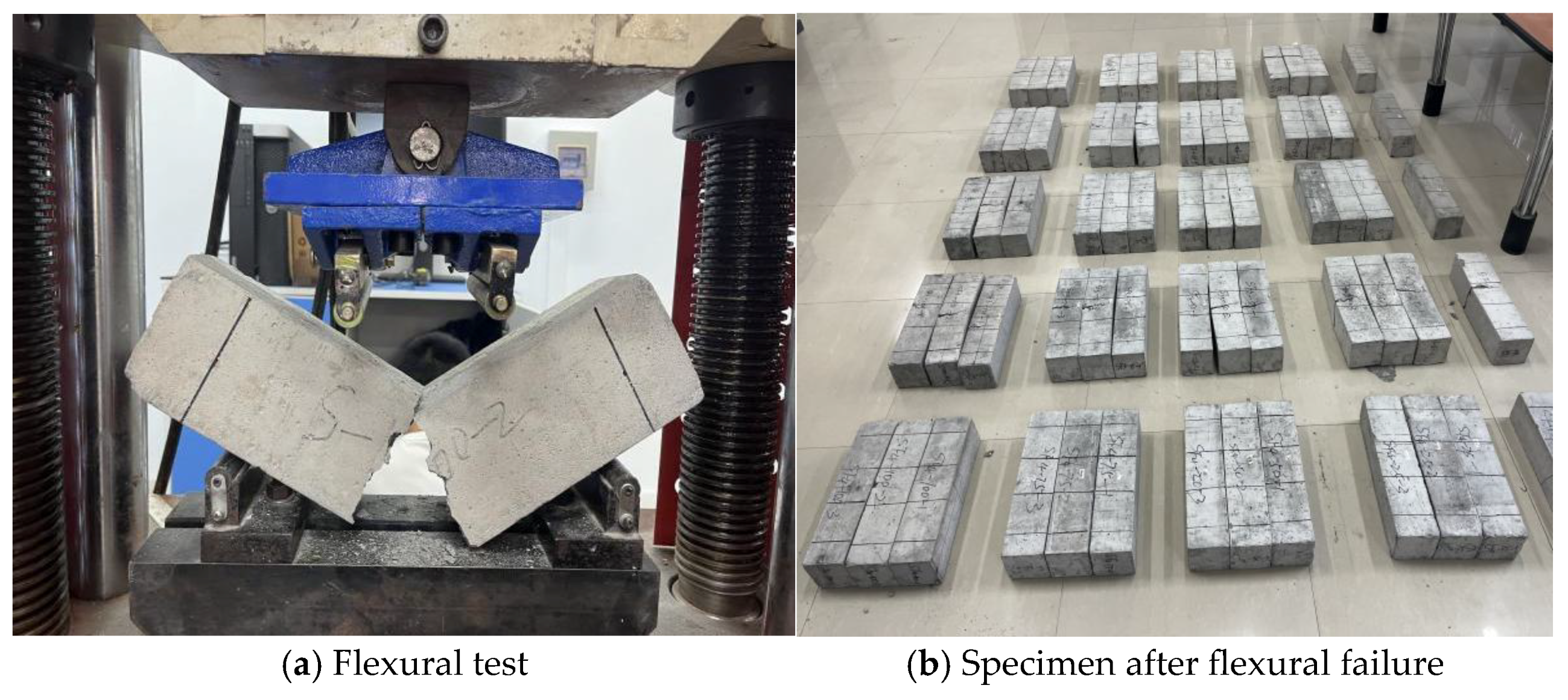
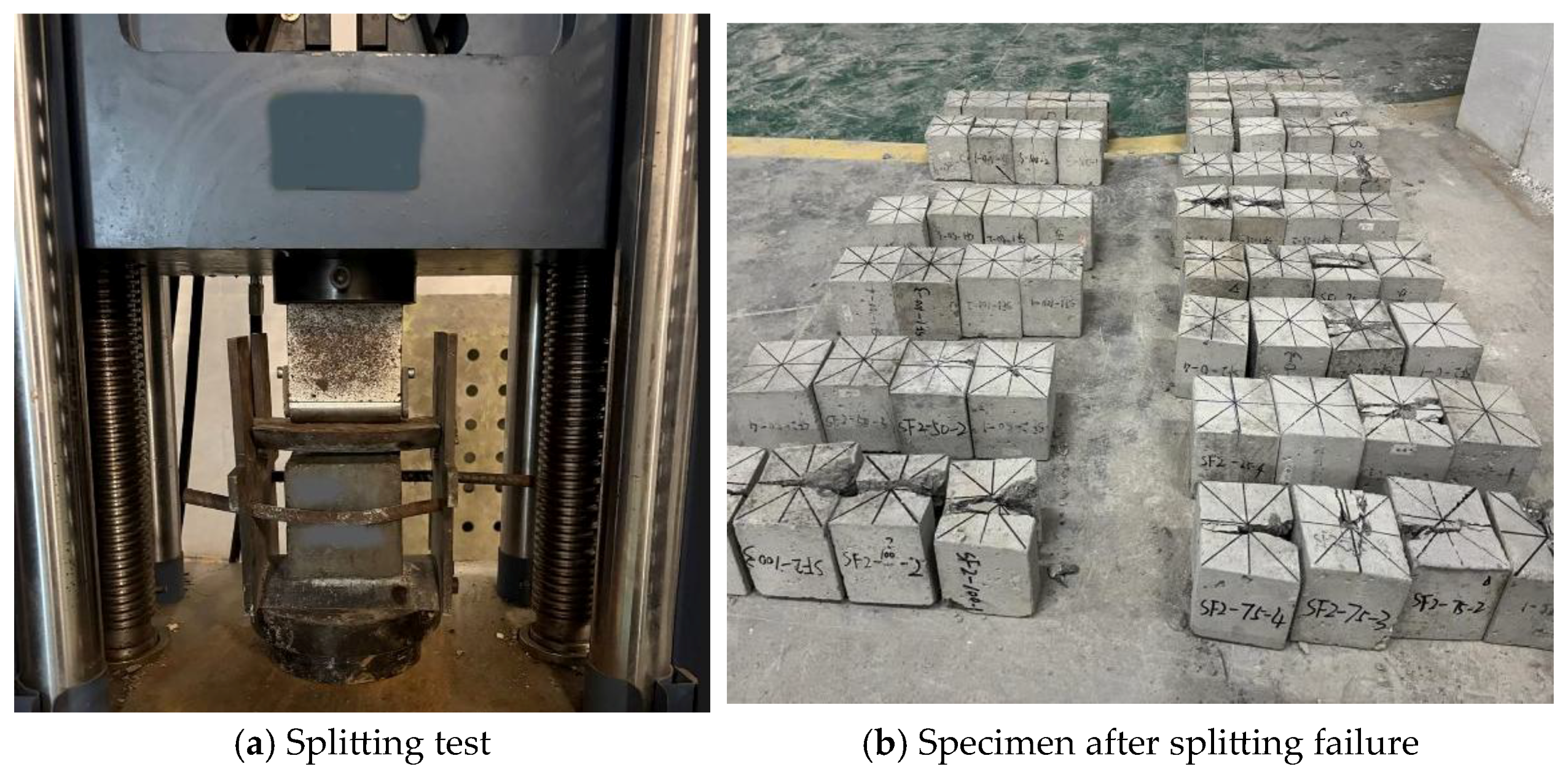
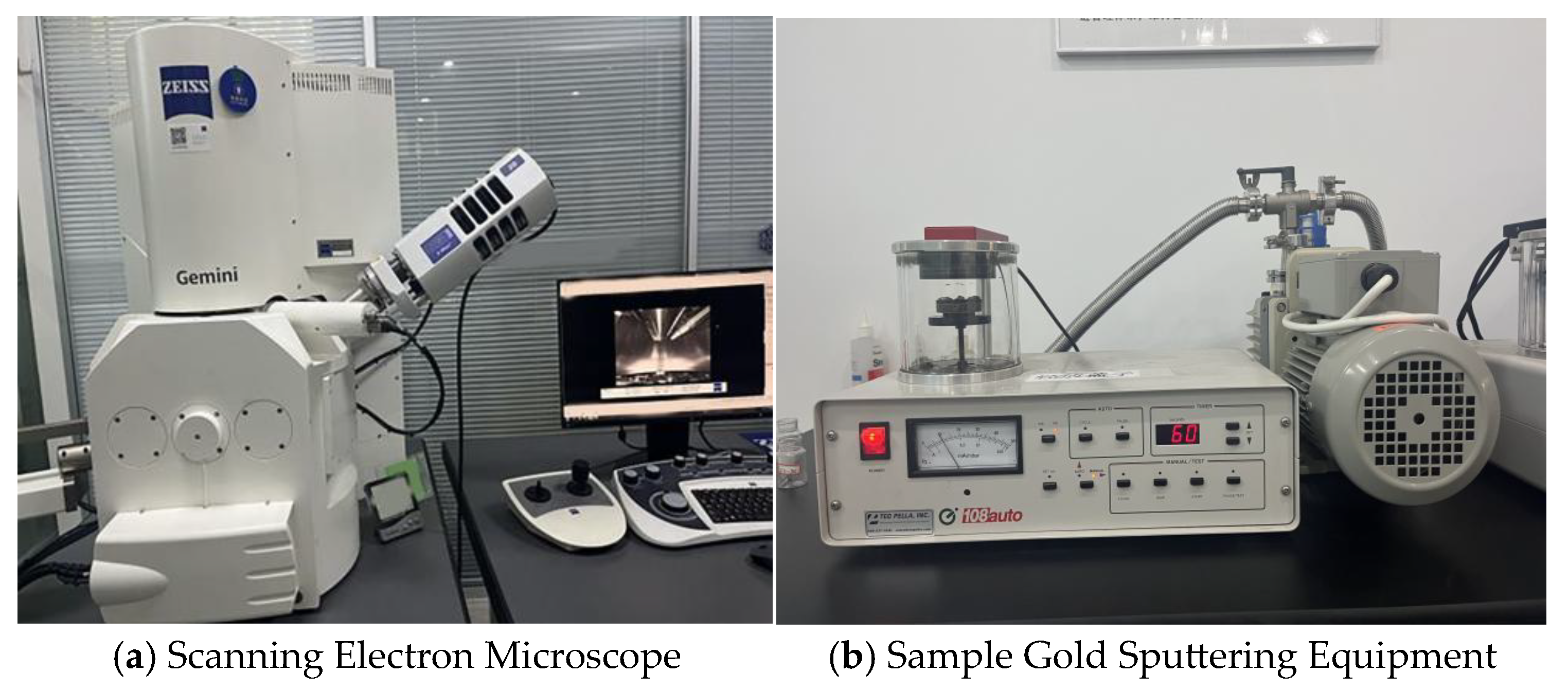
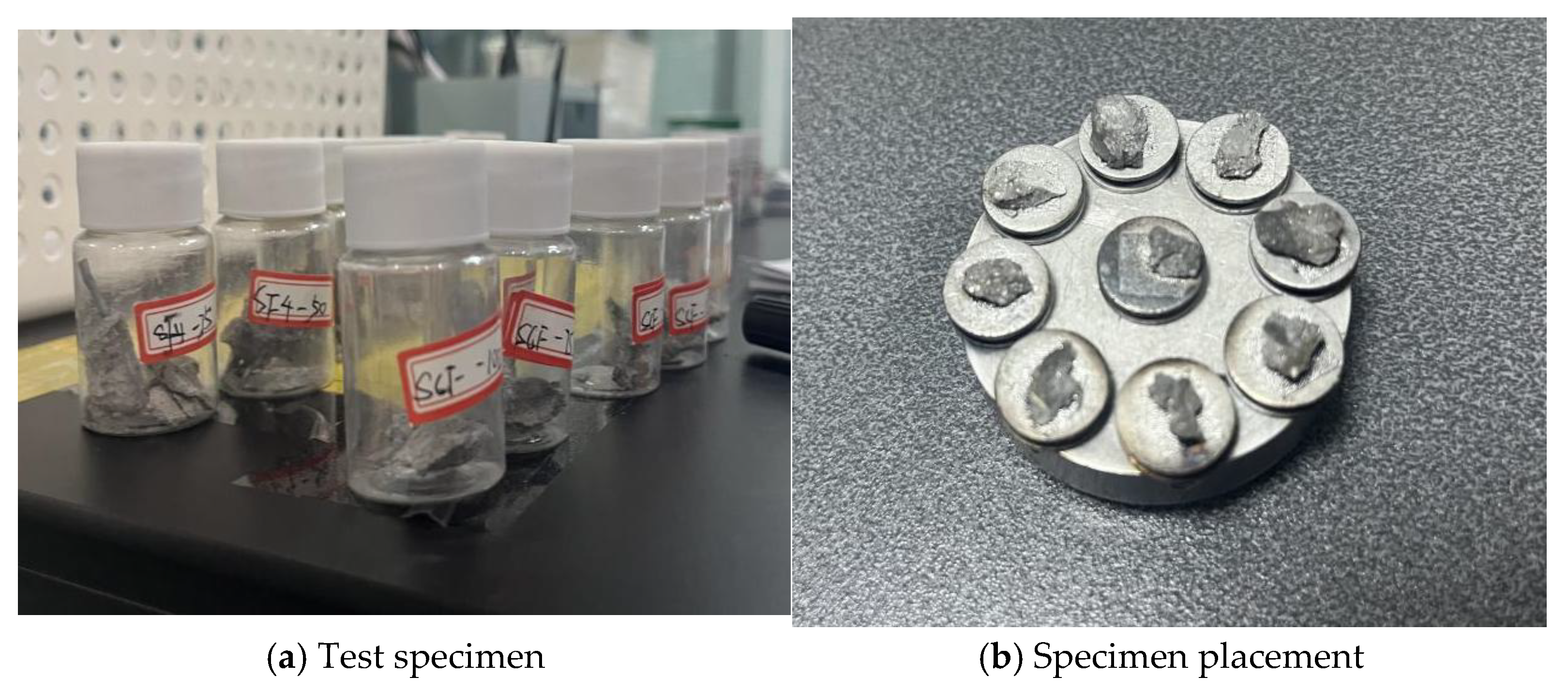
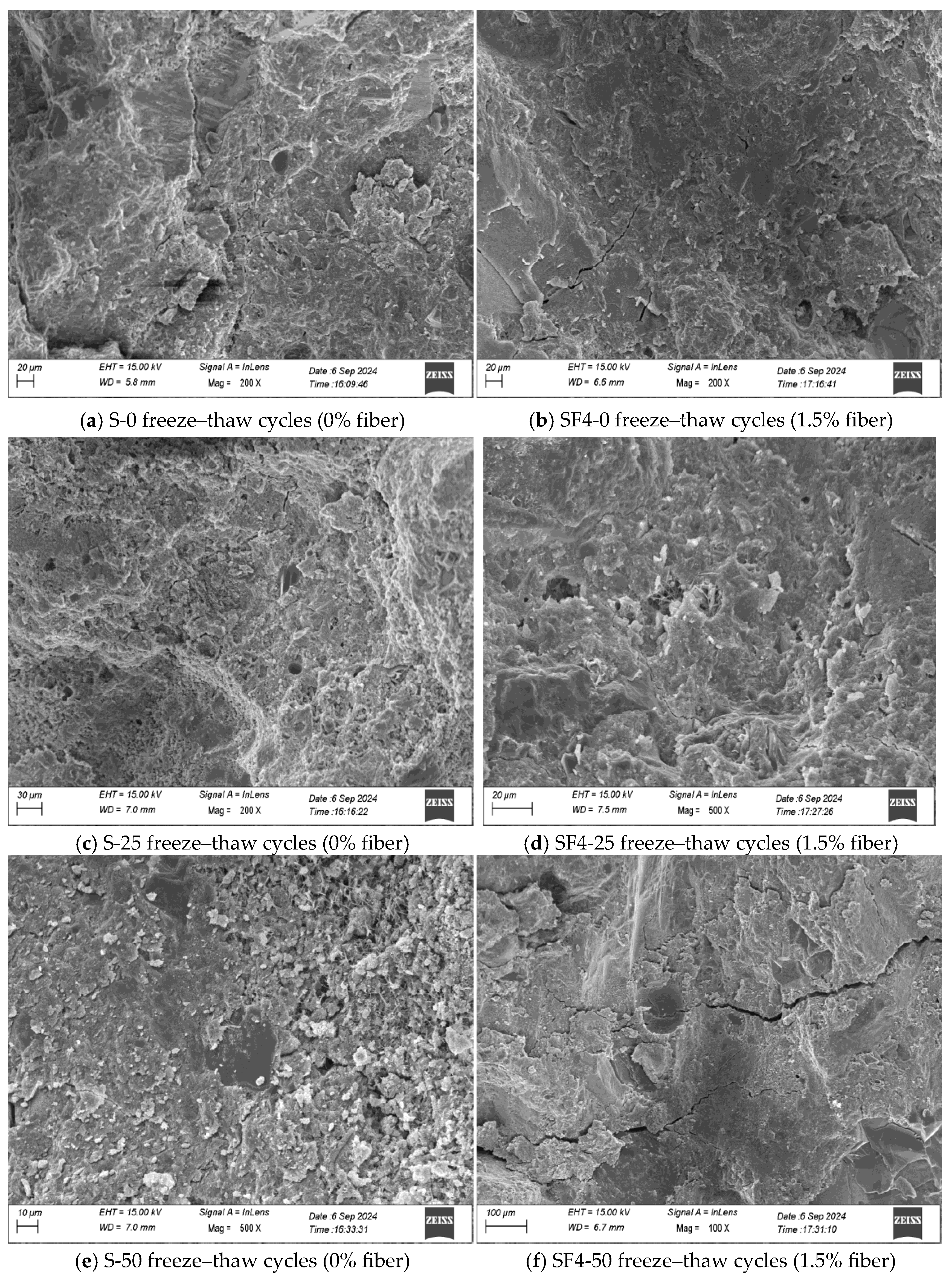
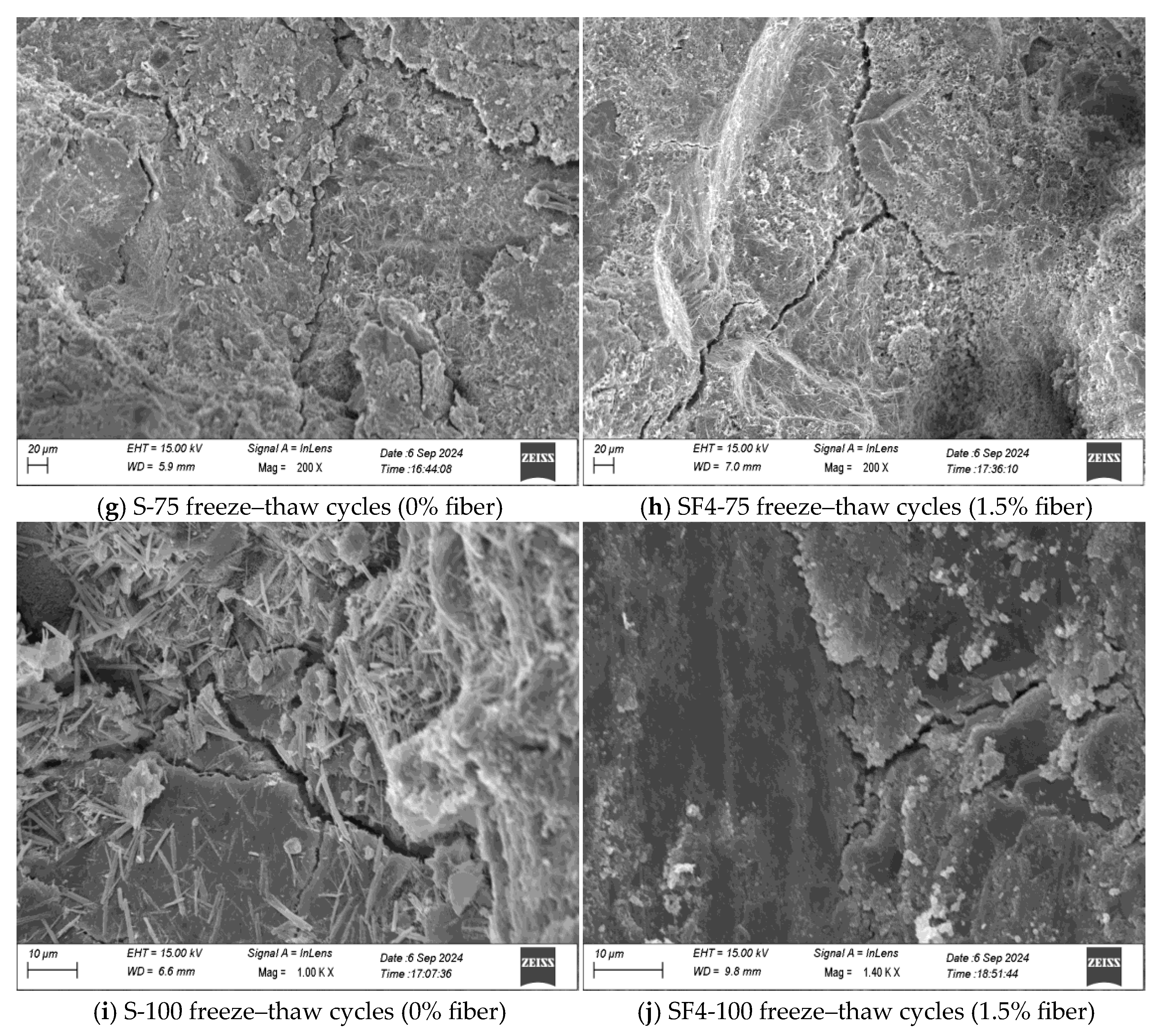
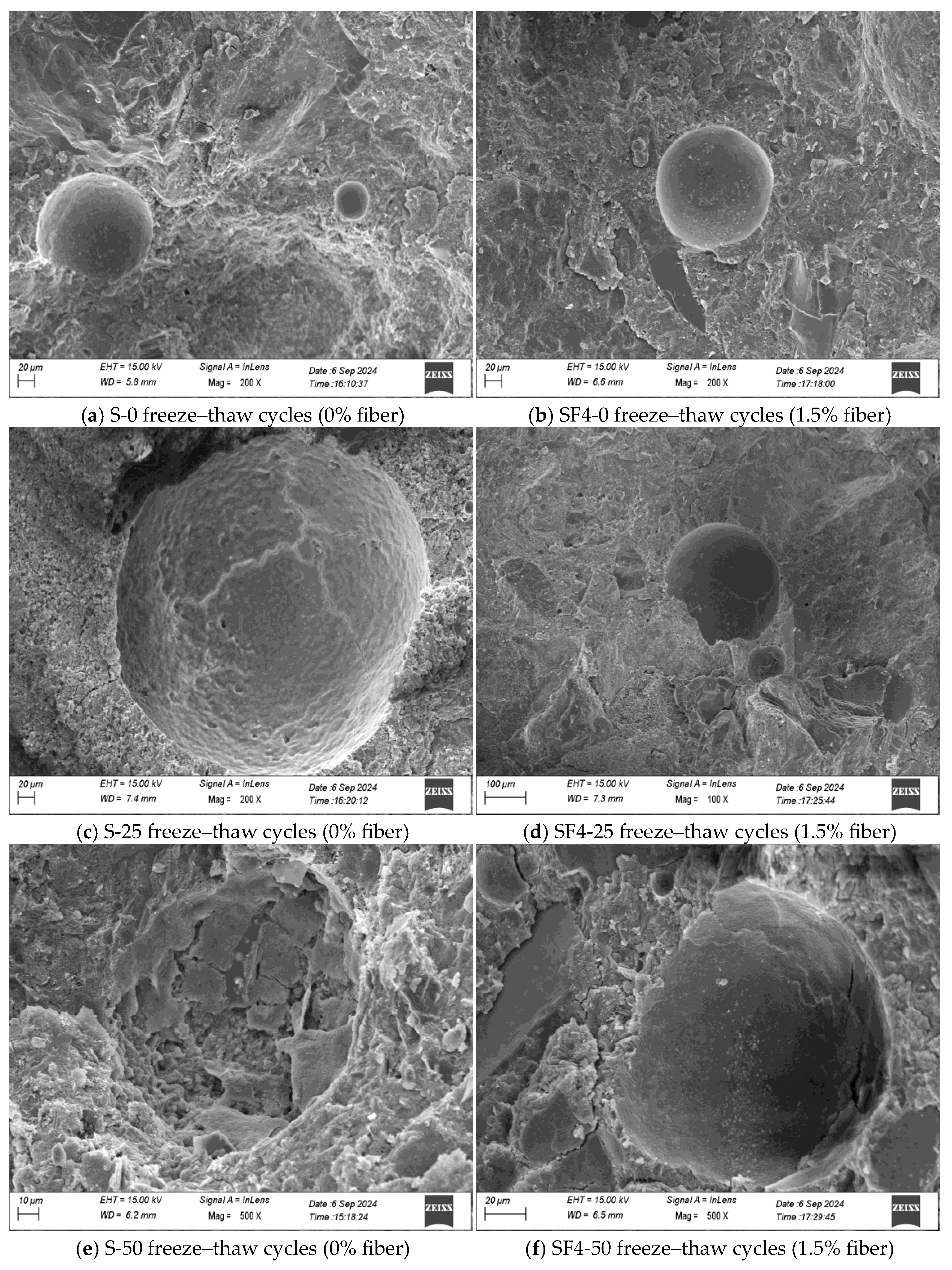
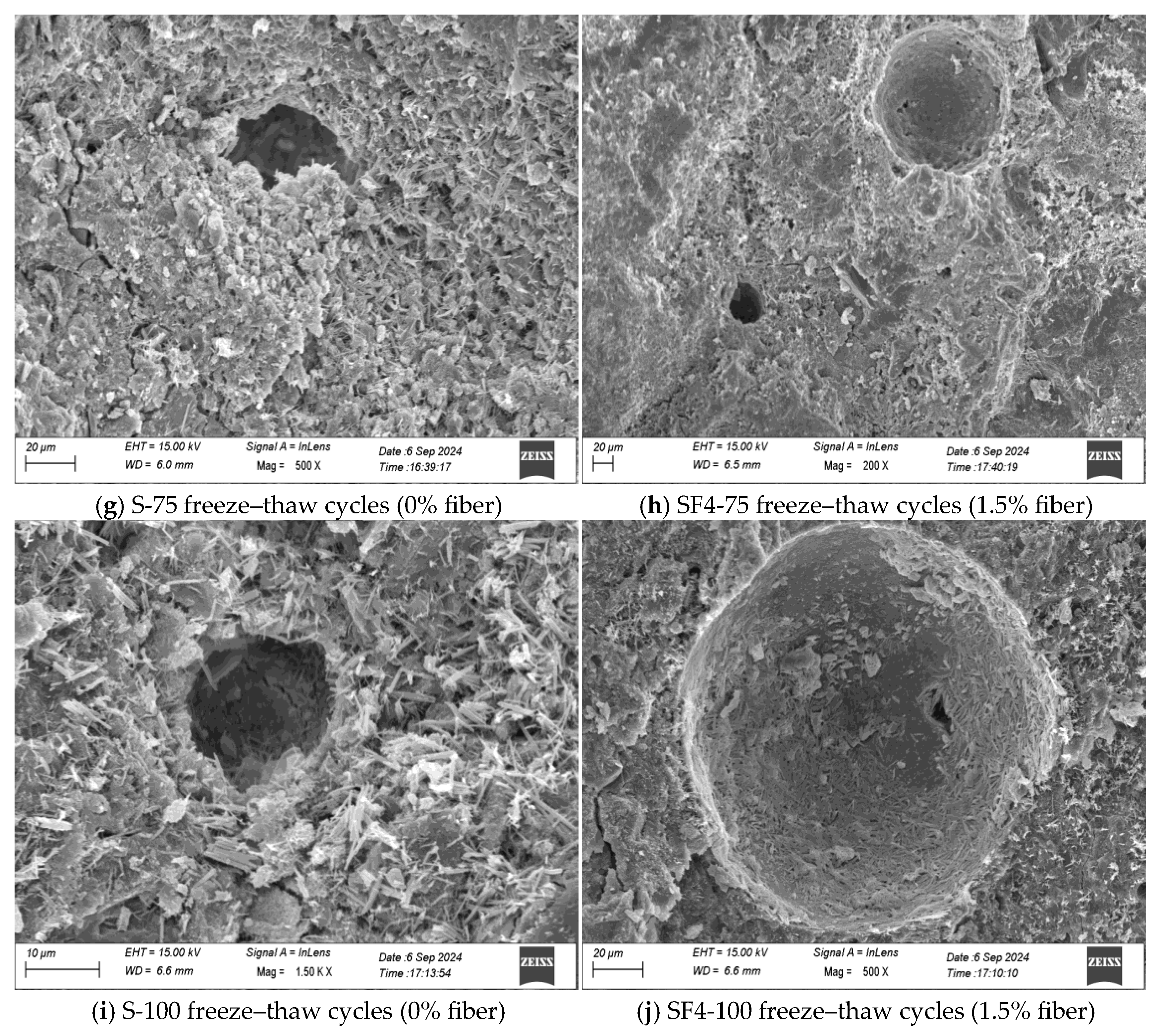
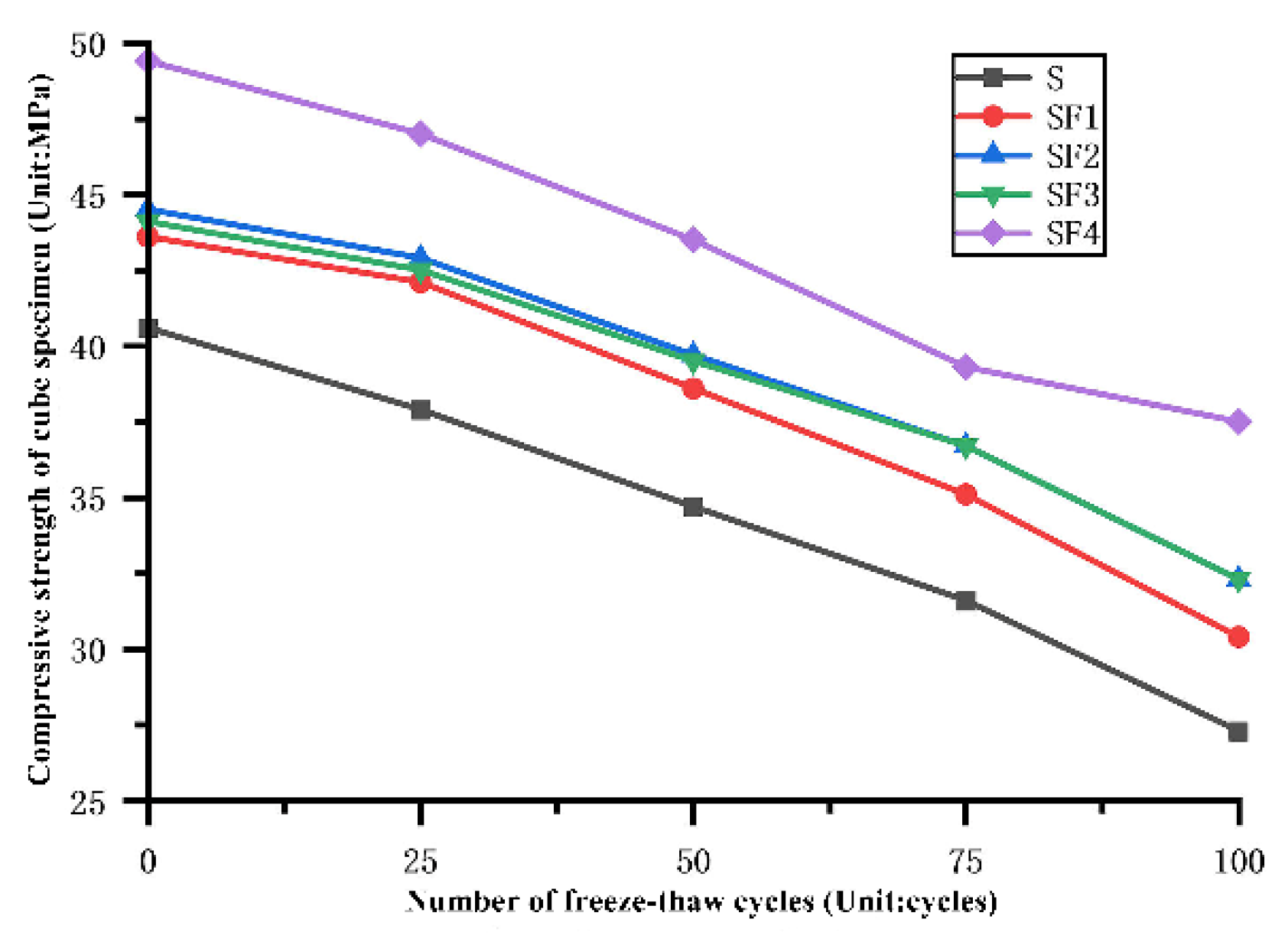
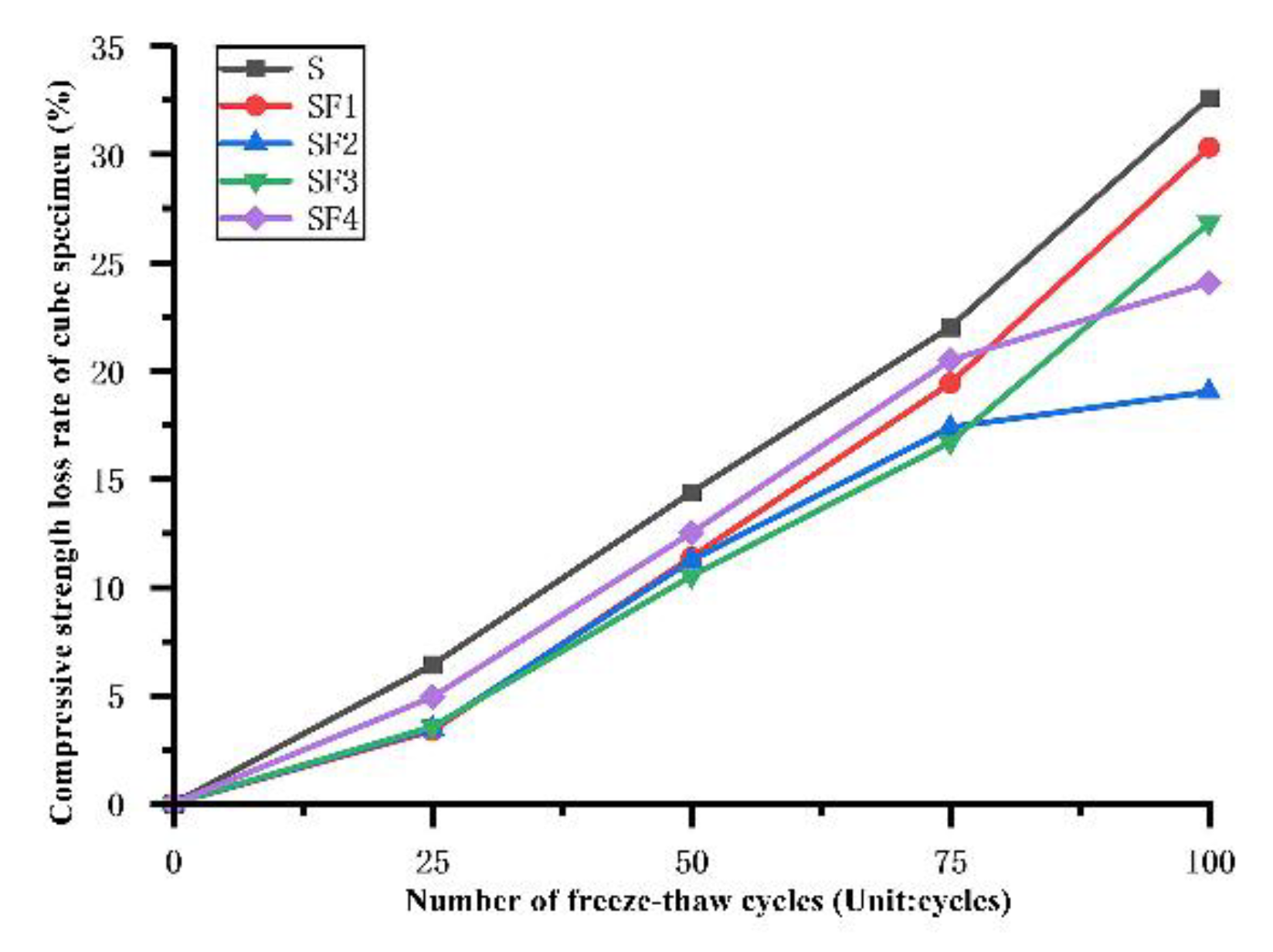
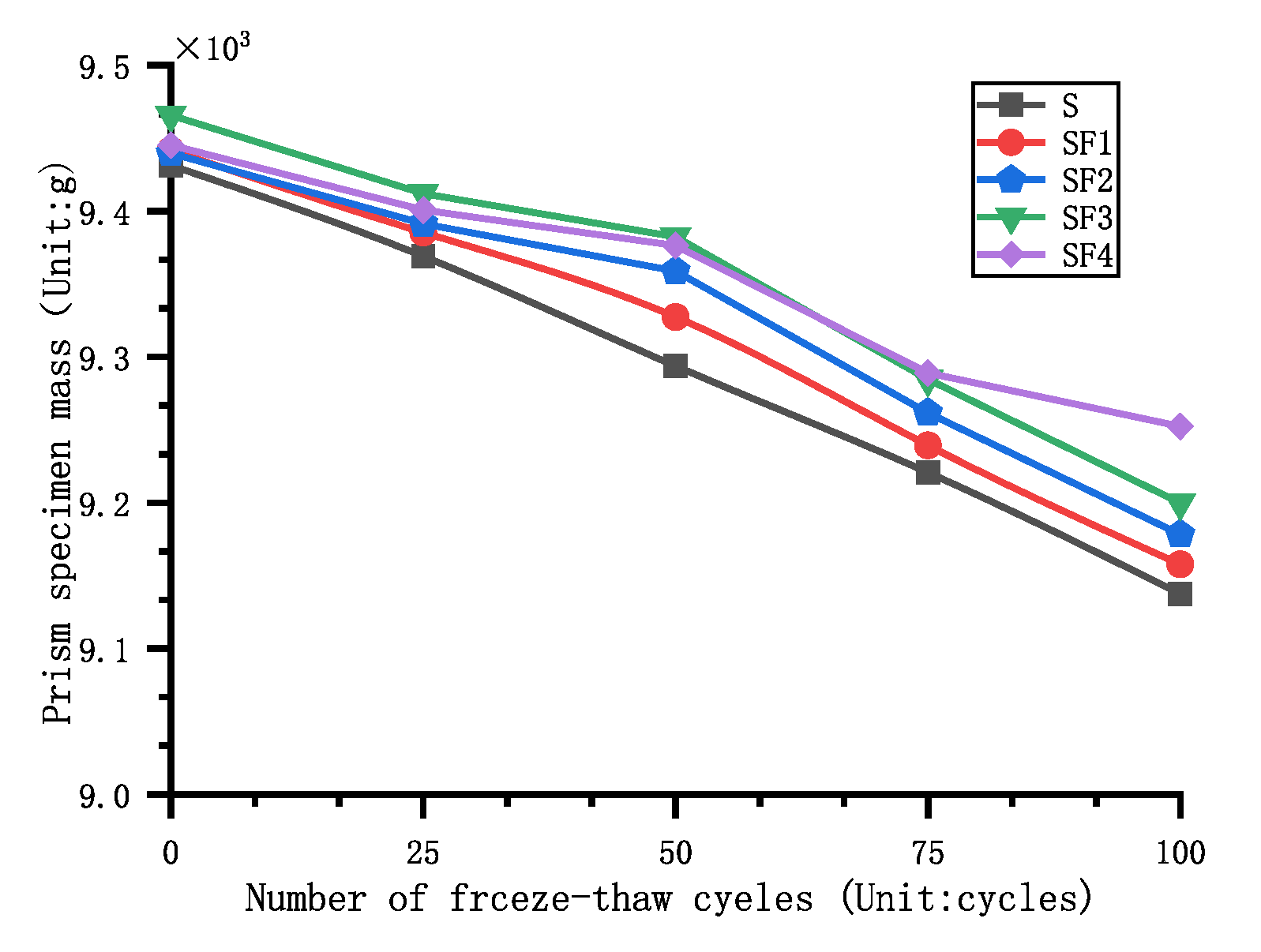
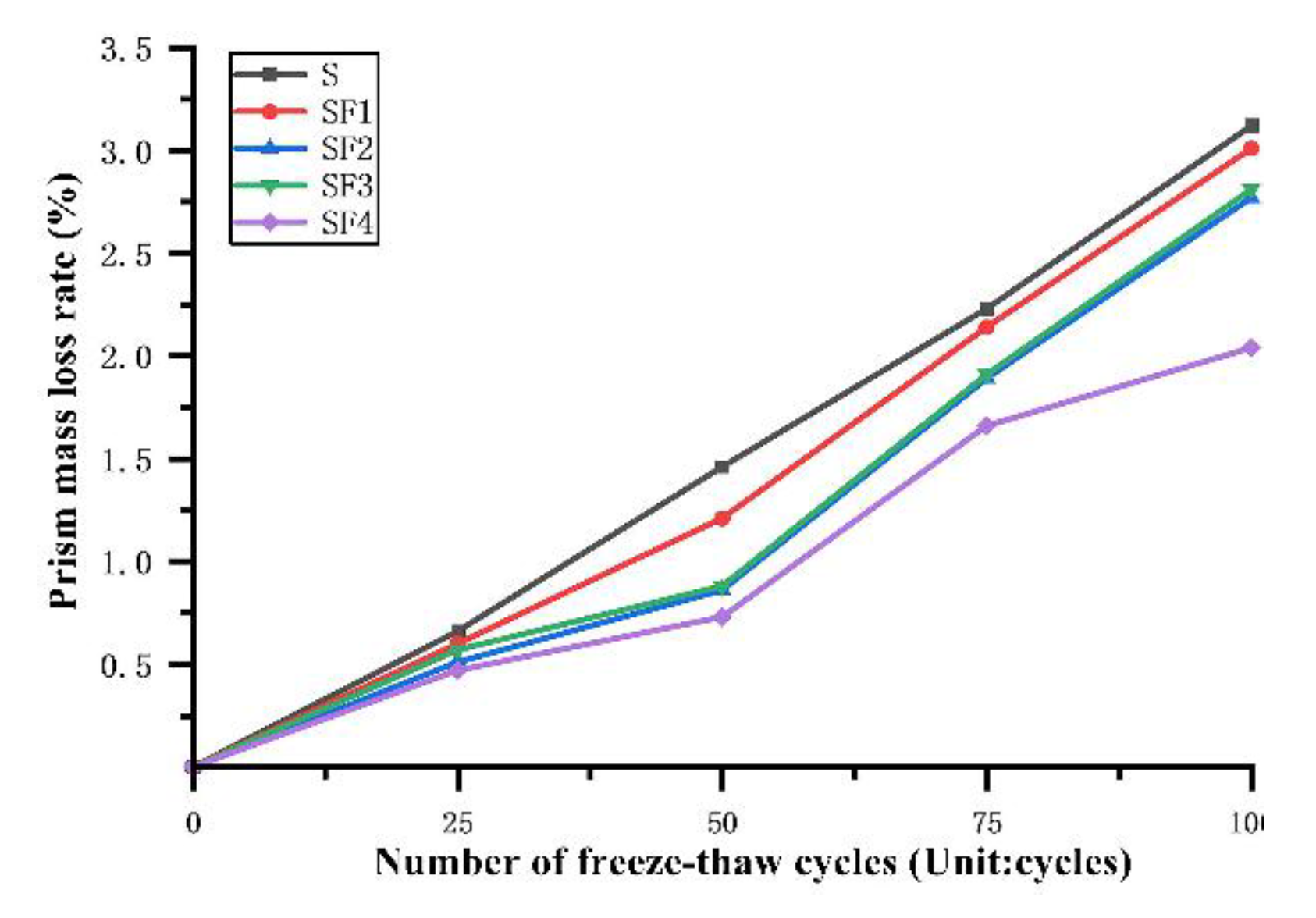
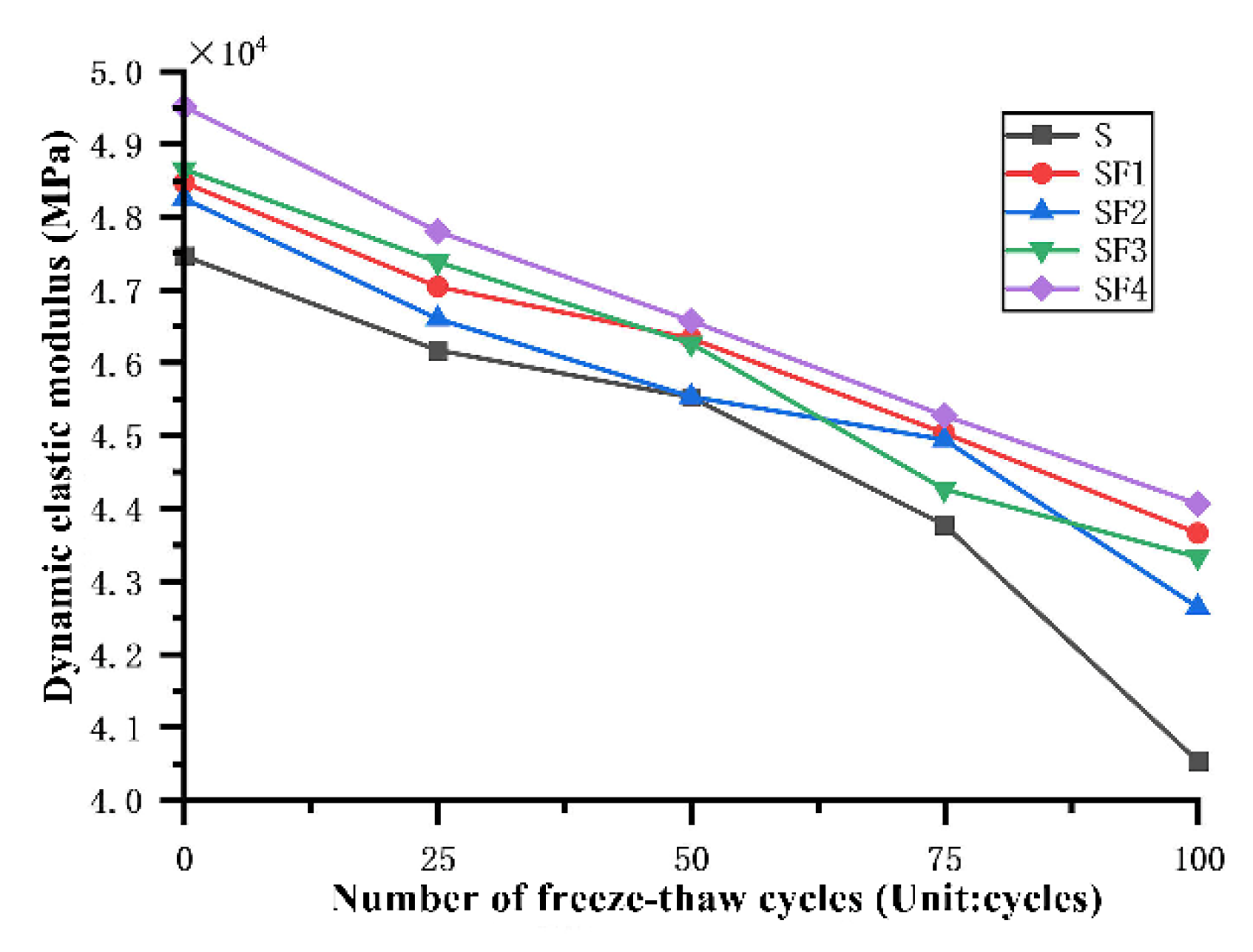
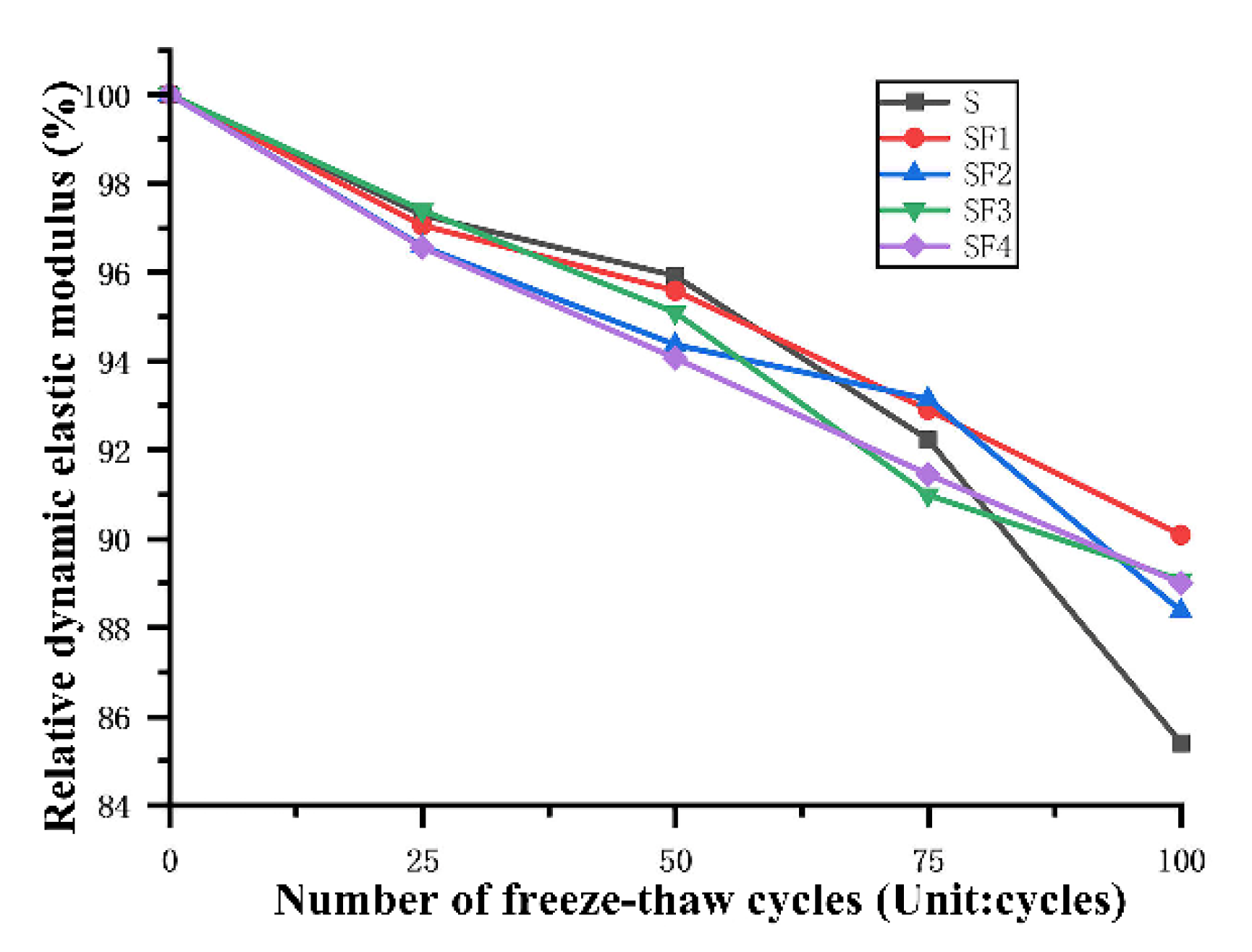
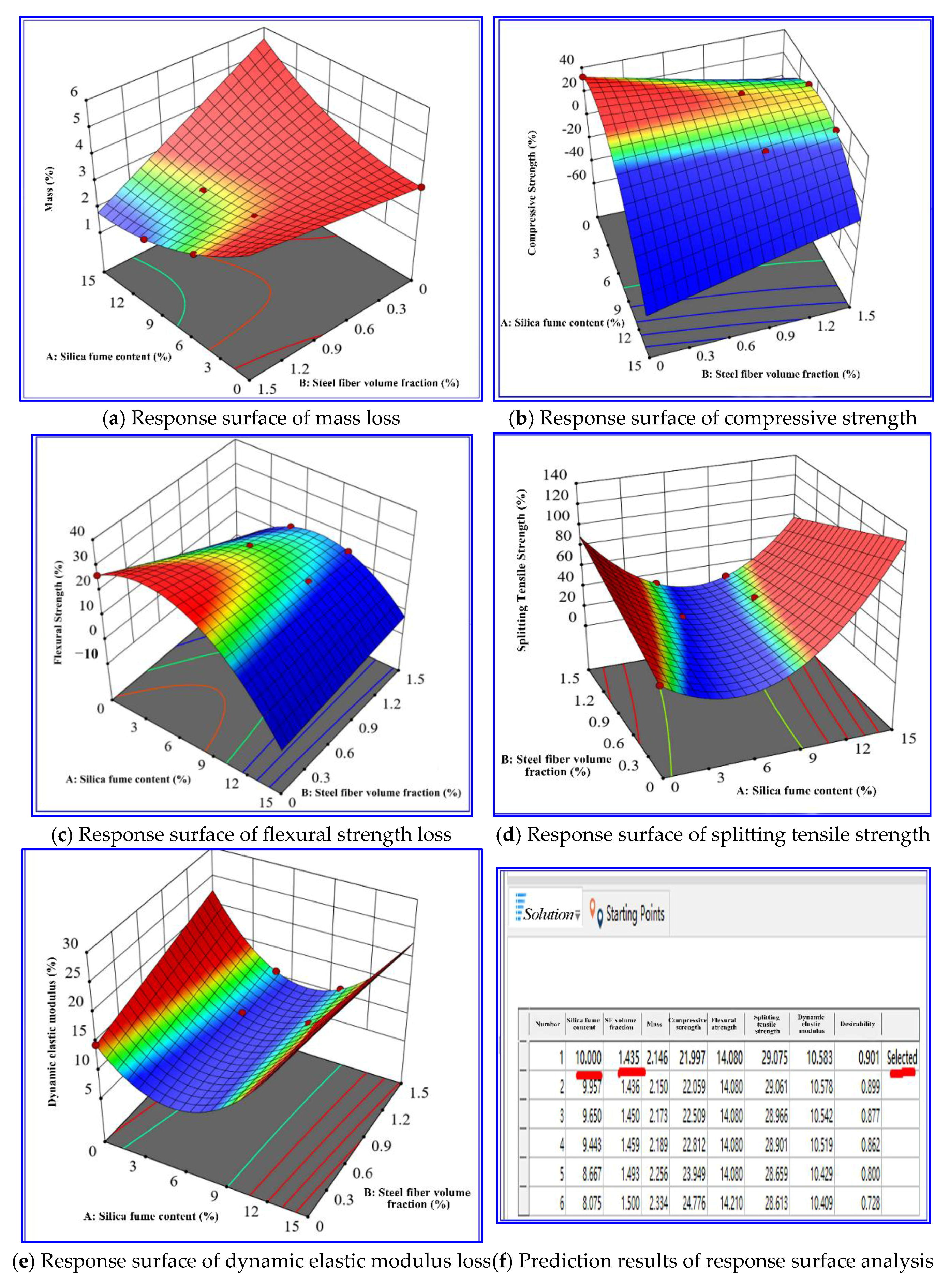
In high-altitude and extremely cold regions, freeze–thaw damage to concrete is one of the critical issues affecting structural durability and safety. Studies have shown that freeze–thaw cycles significantly accelerate the performance degradation of concrete, threatening the long-term service life of engineering structures. As the primary building material, the mechanical properties of concrete directly influence structural design, construction quality, and long-term safety. Therefore, investigating the mechanical behavior of steel fiber-reinforced concrete under freeze–thaw conditions is of great significance for optimizing material mix design, enhancing frost resistance, and extending service life. However, existing research on steel fiber-reinforced concrete under combined freeze–thaw and loading conditions remains insufficient, particularly in terms of characterizing interfacial damage evolution and cumulative performance degradation processes.
Lin et al. [
1] conducted freeze–thaw experiments on steel fiber-reinforced concrete (SFRC) with different strength grades, analyzing the effects of strength grade and number of freeze–thaw cycles on compressive strength, mass loss, and microstructure. They established a damage model based on RDEM (Relative Dynamic Modulus of Elasticity). The results indicated that low-strength SFRC exhibited significant damage, with a maximum strength loss of up to 35.02% after 125 freeze–thaw cycles. In contrast, high-strength SFRC maintained better performance and a denser microstructure. Sun et al. [
2] investigated the impact of freeze–thaw cycles and steel fiber content on the dynamic mechanical properties of SFRC using a Split Hopkinson Pressure Bar (SHPB) apparatus. The results showed that as the number of freeze–thaw cycles increased, the dynamic compressive strength decreased while the peak strain increased. With higher fiber content, the dynamic compressive strength initially increased and then decreased, whereas the peak strain generally increased. The study recommended an optimal fiber content of 2%. Ding et al. [
3] explored the influence of silica fume content on the compressive strength and mass loss of concrete under coupled wet–dry and freeze–thaw conditions. They found that increasing silica fume content effectively reduced the total porosity and average pore diameter, decreased the number of harmful pores larger than 100 nm, and increased the fractal dimension of pores. This reflected an enhancement in pore structure complexity and compactness. Xuan et al. [
4] conducted pull-out and microhardness tests, demonstrating that the addition of silica fume can effectively enhance the interfacial bond strength, reduce the thickness of the near-surface weak zone, and improve the microstructure of the interfacial transition zone (ITZ). Zhang et al. [
5] investigated the influence of silica fume content on the frost resistance and mechanical properties of concrete based on the rapid freezing method, ultimately concluding that incorporating silica fume can effectively improve the frost resistance of concrete. Zhou et al. [
6] studied the effects of freeze–thaw cycles and steel fiber content on the dynamic mechanical properties of concrete through experiments and SEM analysis. The results showed that freeze–thaw cycles lead to a reduction in axial compressive strength and an increase in peak strain; a 1% steel fiber content can significantly improve the dynamic performance and energy absorption capacity of concrete after freeze–thaw deterioration. Bai et al. [
7] investigated the influence of different steel fiber contents on the mechanical properties and microscopic morphology of concrete, concluding that steel fibers have a limited effect on improving the compressive strength of concrete but can significantly enhance its splitting tensile and flexural strengths. At a content of 1.5%, the splitting tensile strength increased by 80%, and the macroscopic properties were consistent with the microstructure characteristics. Dong [
8] studied the effects of freeze–thaw cycles on the mechanical properties of hybrid steel–polypropylene fiber-reinforced concrete. The results indicated that the strength of FRC remained stable after 250 freeze–thaw cycles, but its deformation capacity significantly decreased. Microscopic single-fiber pull-out tests revealed that freeze–thaw action primarily damages the fiber–matrix interfacial bond, which is the main cause of the deterioration in FRC ductility. Zheng et al. [
9] investigated the influence of freeze–thaw cycles on the thermophysical and mechanical properties of concrete, analyzed the mechanisms of multiple factors such as water–binder ratio and air content, summarized the evolution of microstructure, damage theories, and assessment methods, and provided suggestions for future research on multiscale modeling and damage mechanisms under complex environmental conditions.
Current research predominantly focuses on the material properties and damage monitoring of steel fiber-reinforced concrete under normal temperature conditions, while studies on its applicability in high-altitude cold regions remain insufficient. In particular, there is a lack of systematic analysis on the coupling mechanism between material performance degradation and structural damage under long-term freeze–thaw cycles. Based on the characteristics of the actual freeze–thaw environment, the number of freeze–thaw cycles was set to 100. Regarding fiber reinforcement, existing research has primarily focused on the single incorporation of steel fibers or the hybrid incorporation of steel fibers with other fibers. However, this study emphasizes the synergistic effect of steel fibers (0%, 1%, 1.5%) and silica fume (0%, 5%, 10%) on the macroscopic and microscopic damage mechanisms of concrete under freeze–thaw cycles. To further clarify the contribution of steel fibers to material performance, the water-to-binder ratio was fixed at 0.4 to eliminate its potential interference with the test results. Therefore, it is imperative to investigate the mechanical properties and failure mechanisms of steel fiber-reinforced concrete under freeze–thaw conditions, in order to elucidate the deterioration mechanisms at the fiber–matrix interface under the coupled effects of long-term freeze–thaw cycles and loading. This will provide a theoretical basis for material optimization in extreme environments.




 ,
,