Article

The Mechanism of Surface Blackening and Deterioration of a Traditional Construction Material, CATC, for Coastal Stone Masonry Jointing


1
College of Civil Engineering, Liming Vocational University, No. 298 Tonggang West Street, Quanzhou 362000, China
2
School of Architecture and Urban-Rural Planning, Fuzhou University, No. 2 Wulongjiang Avenue, Shangjie Town, Minhou County, Fuzhou 350108, China
3
Institute of Urban and Sustainable Development, City University of Macau, Avenida Padre Tomás Pereira, Taipa, Macau 999078, China
*
Author to whom correspondence should be addressed.
Coatings 2026, 16(2), 251; https://doi.org/10.3390/coatings16020251
Submission received: 15 January 2026 / Revised: 5 February 2026 / Accepted: 12 February 2026 / Published: 15 February 2026

Abstract

Crust Ash Triad Clay (CATC) is a traditional construction material commonly used for jointing coastal stone masonry in Southeast China. Its surface is prone to blackening in coastal environments. This study focused on traditional stone masonry residences within the protection area of Quanzhou Shihu Ancient Wharf. A systematic detection and analysis were conducted using combined technologies: XRD, Raman, SEM-EDS, and 16S rRNA sequencing. The results revealed that the CATC substrate is mainly composed of quartz and feldspar minerals, with calcite and other substances as binding components. The black coating on the surface is a loose material attached to the substrate, retaining some of the original minerals. The core mechanism of blackening lies in the coastal environment’s abundance of salt spray and humidity. The sulfate substances carried by rainwater react synergistically with metal ions such as Cu, Fe, and Mn in the substrate under the metabolic action of anaerobic bacteria, producing metal sulfide minerals. Photoautotrophic bacteria generate oxygen through photosynthesis, promoting the oxidation and acidification of metal sulfide. This process directly triggers the chain deterioration of the CATC substrate. Based on the principle of “minimal intervention”, physical waterproofing or laser stain removal can be implemented. This study provides scientific support for optimizing the durability and achieving precise protection of traditional building materials in coastal stone structure heritage.

1. Introduction

1.1. Background and Significance

The northwest Pacific Ocean (including the South China Sea) is affected by typhoons (tropical cyclones). It has abundant rainfall and frequent alternations of dry and wet conditions. It also features a typical marine environment with high humidity and high salt spray. Therefore, traditional coastal buildings in such areas are generally stone structures [1,2,3,4,5]. Crust Ash Triad Clay (CATC) is a traditional jointing material for stone masonry. It can not only bond blocks but also serve as grout to protect the bonding material inside the masonry. However, factors such as saline minerals and microorganisms in seawater may cause the surface of CATC joints to blacken. This not only affects the building’s appearance but also leads to the deterioration of the jointing material itself. In turn, it threatens the overall stability of the stone structure. This issue has attracted widespread attention in the field of coastal architectural heritage protection.
This work offers significant theoretical and practical contributions. In terms of theory, it analyzes the nature, formation mechanism, and deterioration path of the CATC surface blackening and constructs a multi-dimensional deterioration theoretical framework. Practically, this study clarifies the impact of blackening on CATC, provides guidance for the protection and restoration of traditional coastal stone buildings, and maintains the application value of traditional craftsmanship in civil architecture.

1.2. Literature Review

CATC is a traditional jointing material used in stone masonry on the southeast coast of China. Its application history can be traced back to the Northern Song Dynasty of China [4,5]. Unlike high-performance concretes such as UHPC and LC3, commonly used in contemporary architectural engineering, its composition does not include cement mortar [6,7]. This material is based on calcium oxide formed by calcining the shells of marine crustaceans. Through hydration and carbonation reactions, it generates calcium carbonate as a binder. Then, it is mixed with sea sand and a small amount of clay. It has excellent bonding performance. It has been used as a bonding, plastering, and jointing material between blocks in coastal buildings for a long time [8,9].
In contemporary research, low-carbon development of marine building materials has become a hot topic. Many scholars are committed to developing composite materials with little or no cement mortar, aiming to reduce carbon emissions and reliance on natural resources [8,9]. For example, shell waste from marine aquaculture and daily consumption is processed through cleaning, desalination, and high-temperature activation. It is then used to replace part of the cement to prepare environmentally friendly mortar. Glass powder is also added to replace sea sand. This reduces the usage of natural sea sand and artificial cement mortar [9]. Another attempt is to add calcined shell powder to ordinary cement. Its calcium oxide component enhances the durability and early strength of cement-based materials. It shortens the setting time while ensuring structural strength and stability [10,11,12]. These studies all indicate that calcined marine shell products are among the building materials well-suited for coastal environments.
Importantly, the surface of CATC materials often becomes blackened. Research on this issue in the fields of architecture and materials is relatively scarce. Related studies on the corrosion of the Yangtze River No.2 shipwreck found that the black substances on the shipwreck’s surface are iron sulfide. They are formed by the reaction of sulfur ions in seawater with iron ions from the ship’s hull under the metabolic action of SRB anaerobic bacteria. Subsequent oxidation produces sulfuric acid, which accelerates hull corrosion [13]. However, this finding has not been verified in marine or coastal building materials.
Specifically, regarding CATC materials on coastal land, research on the mechanism of surface blackening is still lacking. Existing studies mainly focus on the intrinsic properties of the material, and do not conduct a systematic analysis of the composition, mechanism, and impact of the blackening phenomenon. There is a lack of physical, chemical, and biological evidence verified by different technologies. This provides an important entry point and research focus for this study.

1.3. Research Objectives

This study aims to identify the composition of the blackened surface layer of CATC and reveal the blackening and deterioration mechanisms of CATC in coastal environments. Additionally, it proposes targeted protection and treatment schemes, aiming to ensure the sustainable application of traditional craftsmanship for coastal stone structures.

2. Research Object and Experimental Method

2.1. CATC Surface Blackening Material

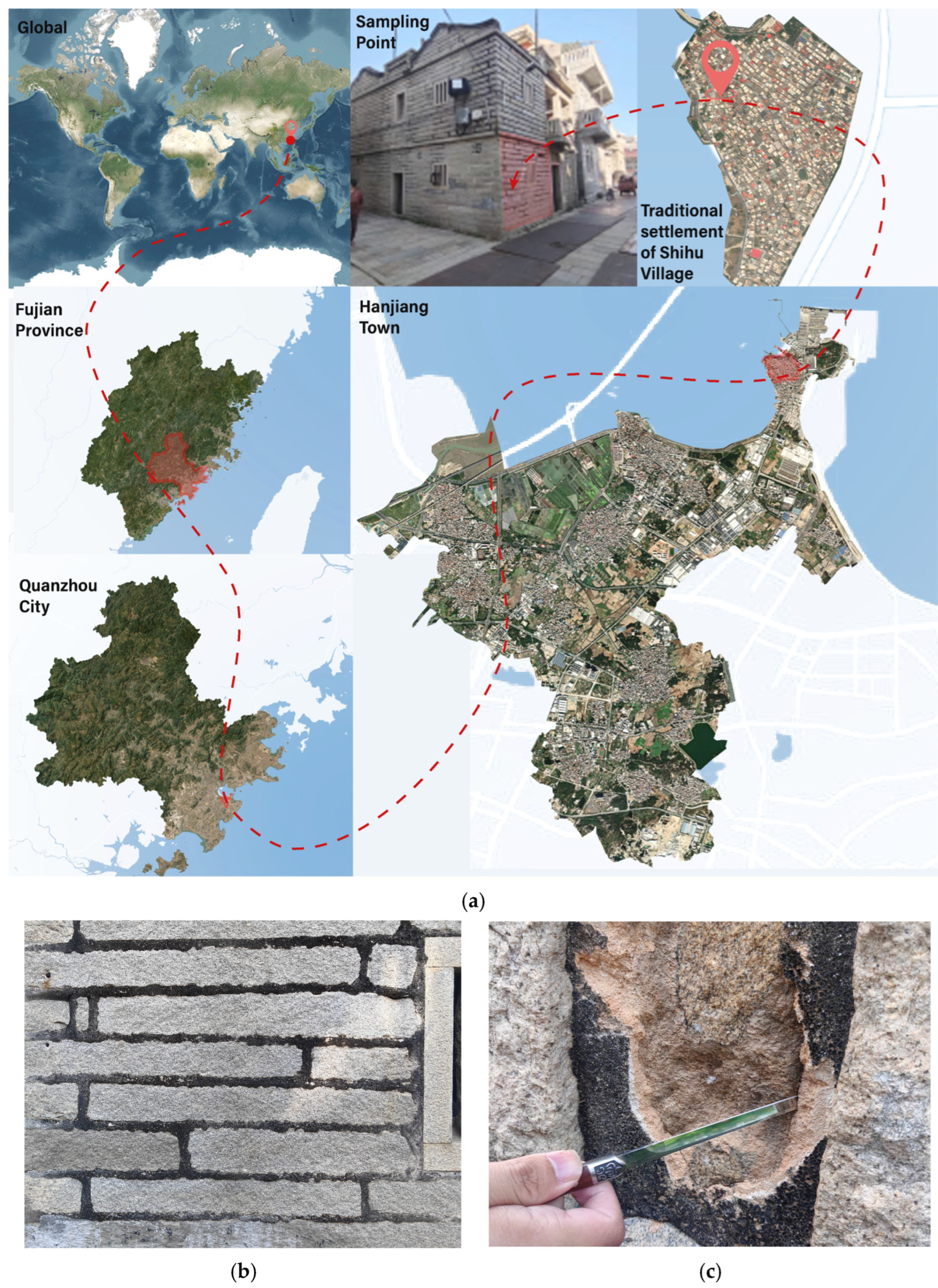
Field investigations have revealed that CATC is a traditional construction material. It is commonly used for bonding, plastering, and jointing coastal stone structures in Southeast China. In coastal environments with high humidity and salt spray, combined with the action of rainwater, products tend to precipitate on the surface, causing blackening. The blackened surface layer is mostly black with a slight blue-green tint. It has a coarse-grained texture, interspersed with sporadic white and metallic spots, and its thickness is usually 2–3 mm. Loose white substances are distributed beneath the blackened layer (Figure 1). Based on this qualitative observation, a foundation is laid for the in-depth analysis of the composition, formation mechanism, deterioration path of such blackened substances, and their impacts on the CATC substrate in subsequent sections.

2.2. Sampling Basis

The sampling area was the stone structure residential buildings in Shihu Village, Quanzhou. It is a traditional settlement with significant historical value that is within the protection of the Shihu Ancient Wharf and part of the world cultural heritage “Quanzhou: China World Marine Trade Center during the Song and Yuan Dynasties”. The jointing material for the stone structures used in the residential buildings has been in continuous use since the Northern Song Dynasty, with stable inheritance of craftsmanship and performance. Located on the East Asian coastal peninsula, facing the Pacific Ocean to the east, the area is affected by tropical cyclones, featuring frequent typhoons, abundant rainfall, and a typical marine environment with high humidity and salt spray (Figure 1) [14]. When the surface of the jointing material (CATC) of the stone masonry comes into contact with water, it is prone to blackening, making it highly representative.

2.3. Preliminary Sample Processing

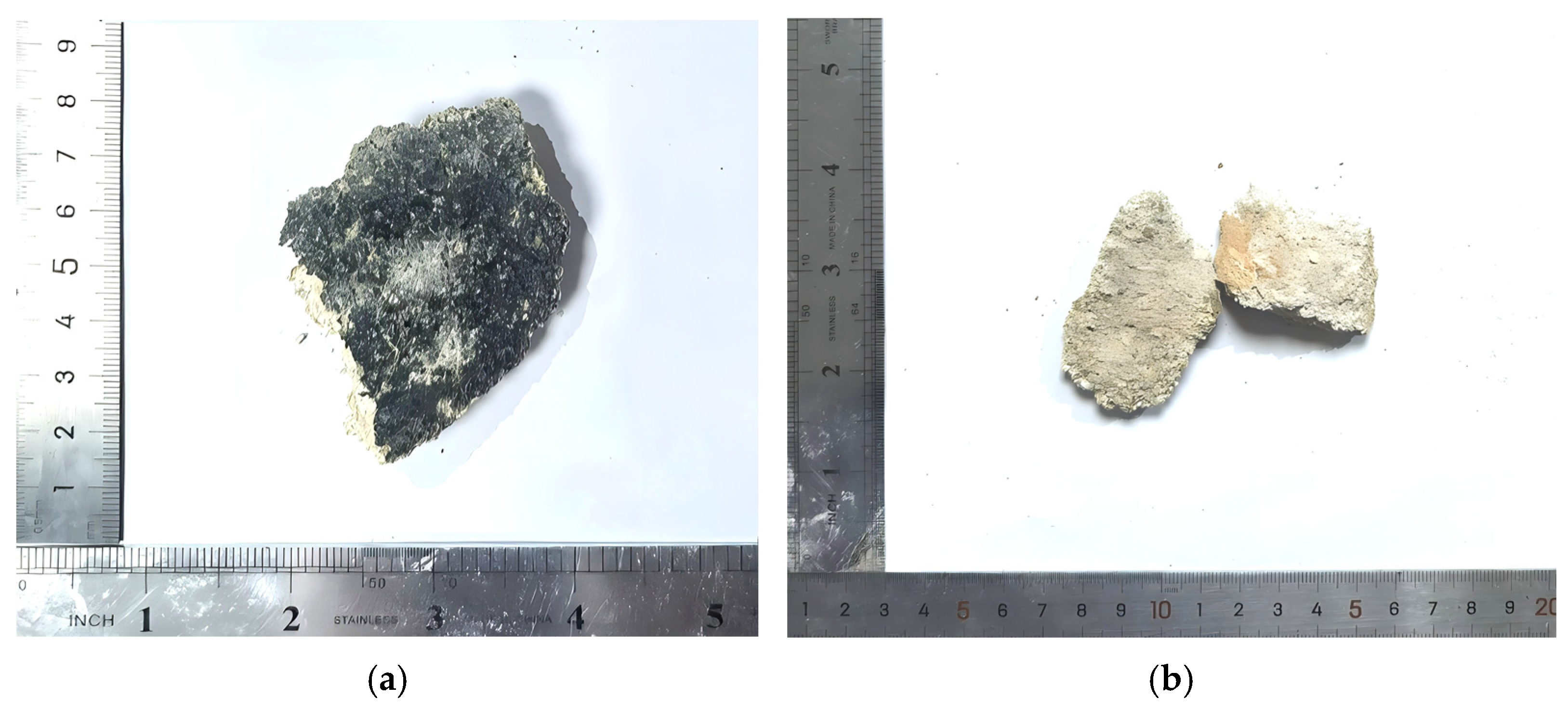
After confirming the sampling sites, a sterile knife was used to cut the on-site CATC jointing material and its blackened substances on the surface into blocks. Both block samples were required to have a size exceeding 1 cm × 1 cm × 1 cm (Figure 2). After removing surface-adhered contaminants with a brush, the samples were immediately transferred to sterile packaging bags on-site. They were then labeled: the surface-blackened substance as S-C-01 and the CATC jointing material as S-C-02. Within 45 min of sealing and labeling, the two types of samples were transported to the laboratory and stored in an ultra-low temperature freezer at −80 °C. Thus, the microbial activity in the material can be controlled, making it easier to obtain more accurate data in experiments [15,16].

2.4. Method and Its Equipment

2.4.1. XRD Experimental Steps

Block samples of S-C-01 and S-C-02, each measuring 1 cm × 1 cm × 1 cm, were selected. The two samples were separately ground into 200-mesh powder in an agate mortar. After sieving, 10% corundum was added to S-C-01 as an internal standard substance. This was carried out to detect amorphous content, as the research focuses on the blackening mechanism of S-C-01 and requires a comprehensive understanding of its compound composition.
Subsequently, both samples were placed in a desiccator to dry at room temperature for 24 h and prepare glass slide samples. A Rigaku-D/MAX-2600 X-ray diffractometer (Nippon Science Corporation, Tokyo, Japan) was used for detection. The parameters were set as follows: tube voltage of 40 kV, tube current of 30 mA, test range of 5–90°, scanning speed of 2°/min, step size of 0.02°, and Cu-Kα radiation (wavelength of 1.540562 Å) as the light source. Raw data of the samples’ XRD spectra were obtained through equipment scanning [16].
MDI Jade 6.0 software (Materials Data Inc., Livermore, CA, USA) was used for data correction of the original patterns. The corrected data were compared with the JCPDS standard mineral database. The mass fraction of each mineral was quantitatively calculated using the K-value method to clarify the differences in mineral composition and content between the two types of samples [16].

2.4.2. Raman Experimental Steps

Block samples of S-C-01 and S-C-02, each with a size of 1 cm × 1 cm × 1 cm, were selected, and their original surfaces were preserved. Surface dust was gently removed using a clean, dry soft brush.
Three parallel tests were conducted for each sample to reduce accidental errors and improve the reliability of characteristic peak data. A Horiba LabRAM HR Evolution Raman spectrometer (HORIBA, Ltd., Tokyo, Japan) was used for Raman scanning. The parameters were set as follows: excitation wavelength of 532 nm, grating of 2400, integration time of 15 s, laser power of 20 mW, spectral collection range of 0–4000 cm−1, and resolution of 1 cm−1. Raw Raman spectral data of each sample were acquired [17].
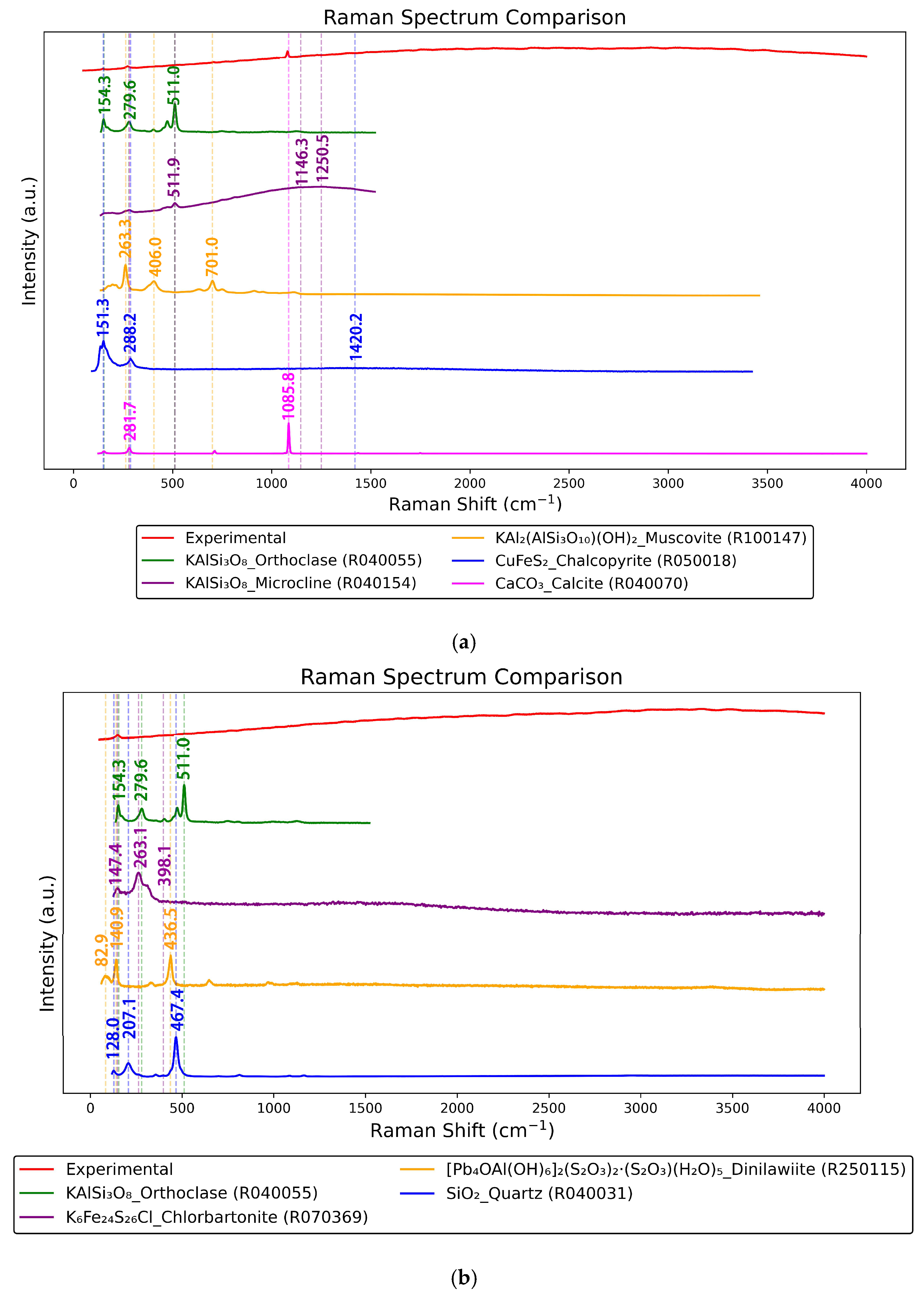
Characteristic peaks in the original spectra were matched and identified using the RRUFF database. Python 3.12.0 software (CWI, Amsterdam, The Netherlands) was used for plotting [16]. Data with better peak intensity signals from the three tests were selected for analysis: the second test for S-C-01 and the first test for S-C-02. This step clarified the material composition of the two samples and supplemented the limitations of XRD in amorphous substance detection [17].

2.4.3. SEM–EDS Experimental Steps

One block sample (1 cm × 1 cm × 1 cm) was cut from each of S-C-01 and S-C-02, and directly adhered to the conductive adhesive. A thin gold (Au) layer was sputtered onto the samples using an Oxford Quorum SC7620 sputter coater (Oxford Instruments, Abingdon, UK) for 45 s at a sputtering current of 10 mA to enhance their conductivity for electron microscope observation.
A Sigma 360 scanning electron microscope equipped with the Zeiss SmartSEM platform (Carl ZEISS AG, Oberkochen, Germany) was used to perform energy-dispersive spectroscopy (EDS) mapping on 500× images that showed both porous and non-porous regions (to fully reflect the material’s microstructure). Elemental analysis was conducted using the attached EDS system (Carl Zeiss Industrielle Messtechnik GmbH, Oberkochen, Germany). The instrument parameters were set as follows: acceleration voltage of 3 kV for morphology imaging, 15 kV for EDS mapping, SE2 secondary electron detector, and working distance of 1316 mm. The EDS test was performed at an acceleration voltage range of 0–16 kV to obtain raw data on the elemental composition of the samples [15].
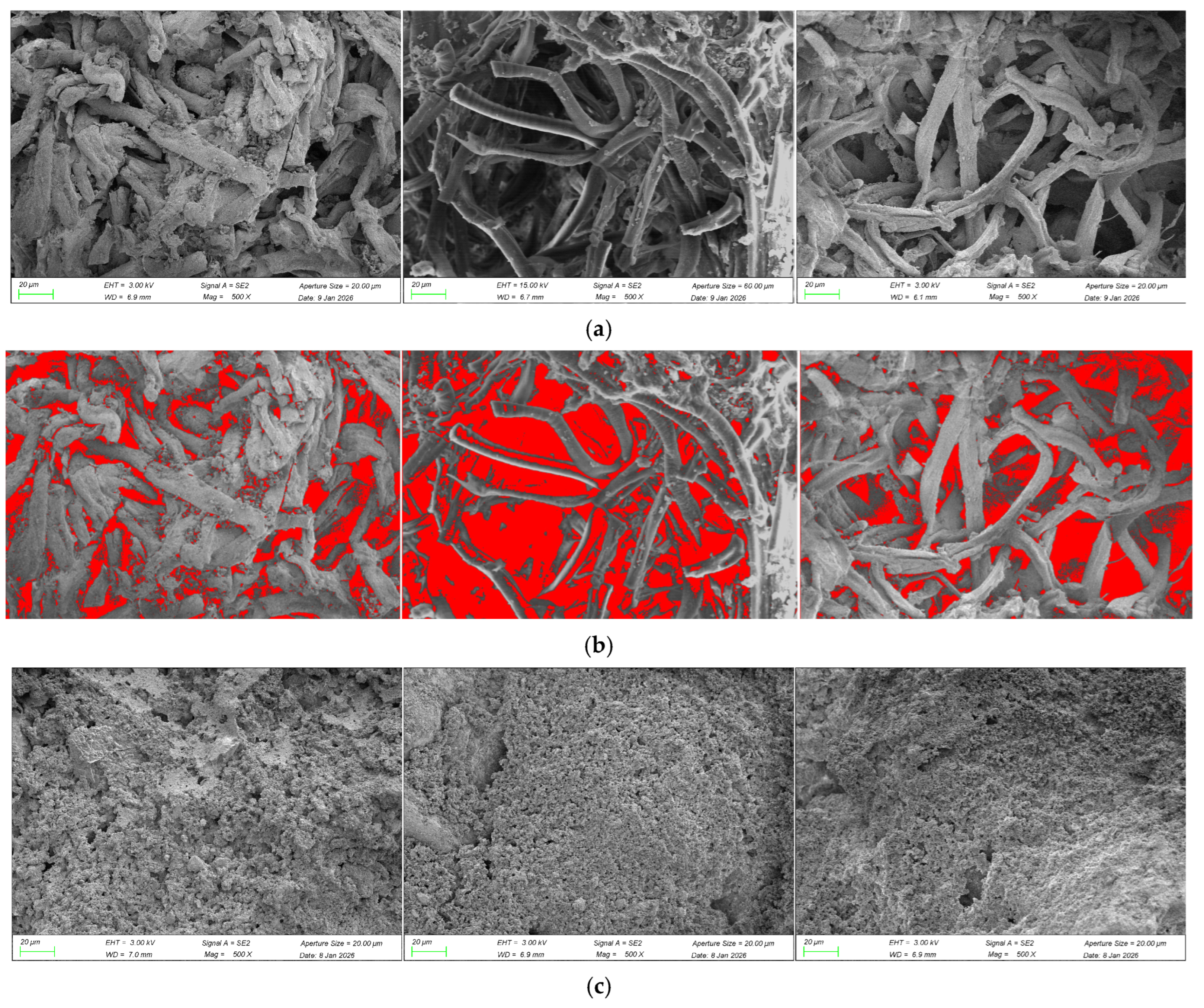
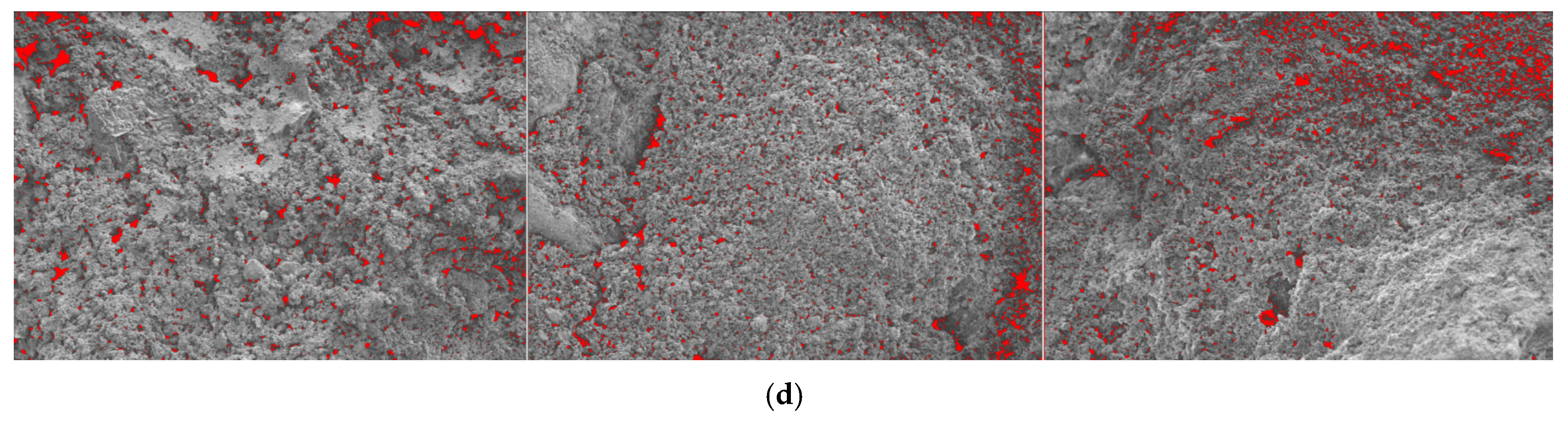
Based on the above equipment, three SEM micrographs (500×) were taken to observe and calculate the porosity of the sample, which can reflect the characteristics of the object. Among them, the porosity was calculated using the Area-Threshold function of ImageJ 1.8.0.345 software (National Institutes of Health, New York, NY, USA). The main principle is that the software can automatically capture the pore area in SEM images. Then, the average porosity is obtained by dividing the pore area by the total image area [16]. On this basis, further scan the area within the range of 500–5000× that can reflect the material properties to obtain the proportion of each element. The gold (Au) introduced through gold sputtering is not an inherent component of the sample. In the subsequently exported EDS spectra, it is necessary to exclude Au and normalize the content of all other elements to ensure a more accurate proportion of detected elements.

2.4.4. Analysis by 16S rRNA Gene Sequencing

One sample (0.2–0.5 g) was taken from each of S-C-01 and S-C-02 and placed into centrifuge tubes containing extraction lysis buffer. The samples were ground at a frequency of 60 Hz using a Shanghai Jingxin Tissuelyser-48 multi-sample tissue grinder (Shanghai Jingxin Industrial Development Co., Ltd., Shanghai, China). Subsequently, nucleic acids were extracted using an OMEGA Soil DNA Kit (D5635-02) (Omega Bio-Tek, Norcross, GA, USA). The molecular size was determined via 0.8% agarose gel electrophoresis, and DNA quantification was performed using a Nanodrop NC2000 (Thermo Scientific, Waltham, MA, USA).
16S rRNA gene sequencing was performed on the Illumina NovaSeq 6000 platform (Illumina, San Diego, CA, USA). The V3-V4 hypervariable regions of the bacterial 16S rRNA gene (approximately 468 bp) were selected as the target regions. PCR amplification was conducted with the specific primers 338F (5′-barcode+ACTCCTACGGGAGGCAGCA-3′) and 806R (5′-GGACTACHVGGGTWTCTAAT-3′), with a 7–10 bp sample-specific barcode attached to the forward primer. High-fidelity DNA polymerase was used for the PCR reactions, with a total reaction volume of 25 μL. The reaction system contained 2 μL of template DNA, 1 μL each of 10 μM forward and reverse primers, 2 μL of 10 mM dNTPs, and the corresponding buffer. The PCR amplification program was set as follows: pre-denaturation at 98 °C for 5 min, followed by 25 cycles of denaturation at 98 °C for 30 s, annealing at 53 °C for 30 s, and extension at 72 °C for 45 s. A final extension step was carried out at 72 °C for 5 min, and the products were preserved at 12 °C. After detection by 2% agarose gel electrophoresis, the target PCR amplicons were recovered using an Axygen Gel Extraction Kit. The recovered products were quantified and pooled in equal amounts, and then the sequencing library was constructed with the Illumina TruSeq Nano DNA Library Prep Kit (Illumina, San Diego, CA, USA). The constructed libraries were subjected to quality control and concentration verification via an Agilent Bioanalyzer (Agilent Technologies, Santa Clara, CA, USA). Only the libraries with a single peak, no adapter contamination, and a qualified concentration (≥2 nM) were used for sequencing. Paired-end sequencing (2 × 250 bp) was implemented on the qualified libraries with the Illumina NovaSeq 6000 SP Reagent Kit (Illumina, San Diego, CA, USA) (500 cycles) at a loading concentration of 15–18 pM [18].
The quality control, assembly, and clustering analysis steps of the original sequence in the experiment were all carried out using QIIME 2 2024.10 (International Open Source Community, CA, USA). Taxonomic annotation was performed in combination with the Silva database to clarify the composition, abundance, and diversity characteristics of the microbial communities in the two samples [18].

3. Results and Discussion

3.1. Comprehensive Analysis of XRD–Raman

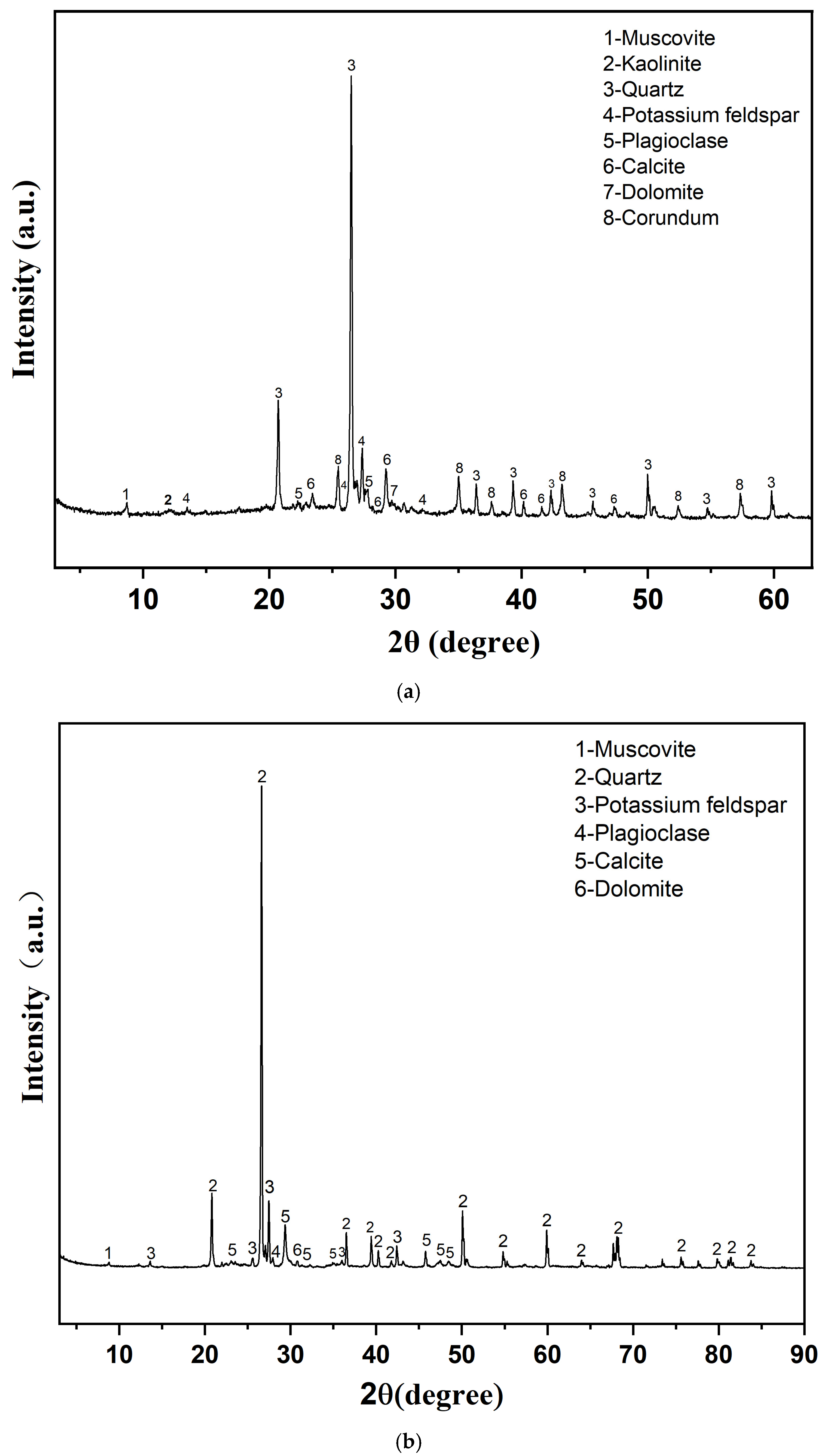
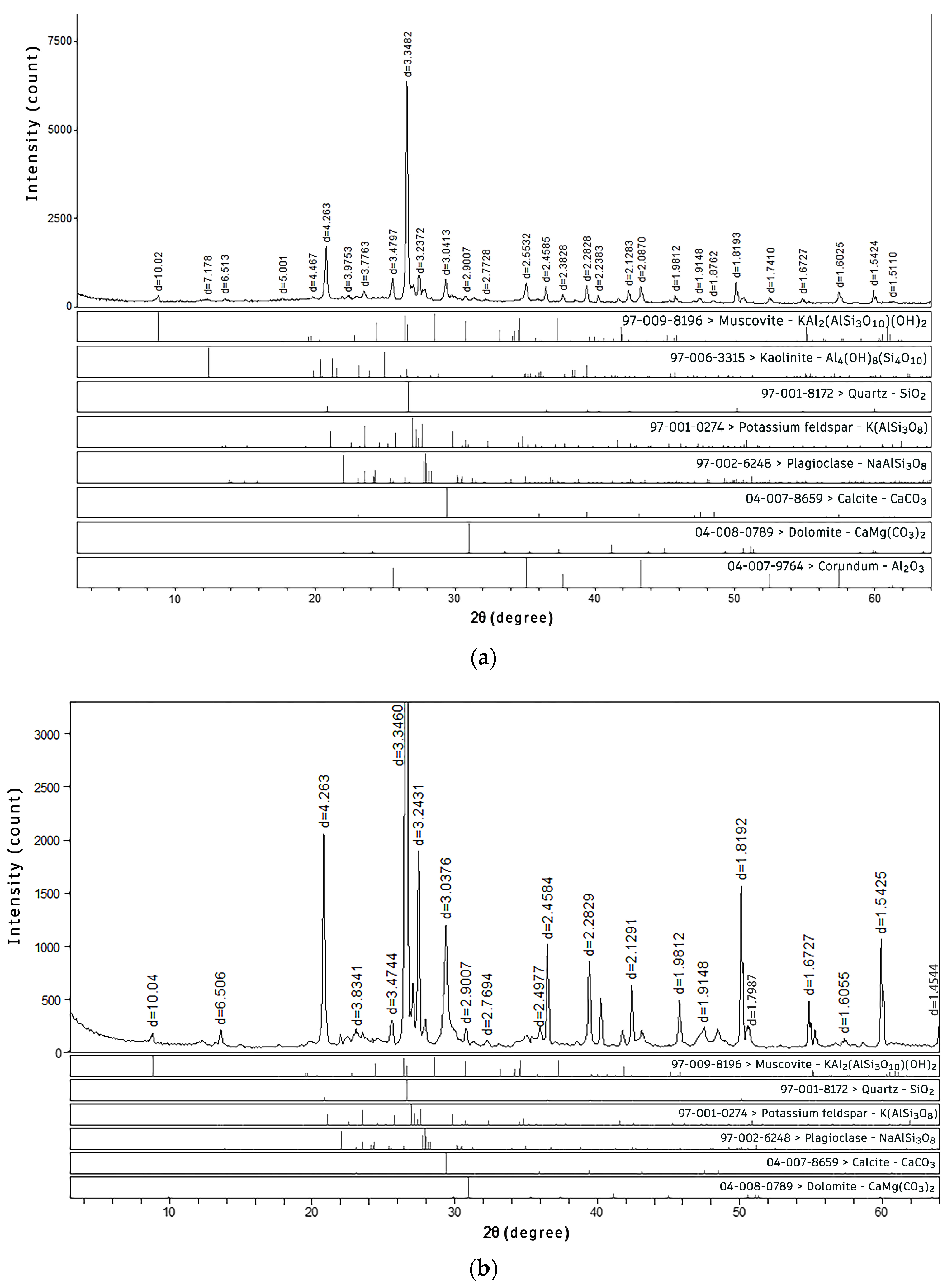
The XRD test results (Figure 3, Appendix A Table A1, Appendix B Figure A1) showed that the CATC substrate (S-C-02) is mainly composed of quartz, feldspar minerals (including potassium feldspar, plagioclase, etc.), and calcite, with small amounts of dolomite and muscovite. Among these components, calcite serves as the core binding agent. For the surface-blackened material (S-C-01), the quartz content decreased from 58.1% to 39%, while muscovite increased from 2.9% to 4.7%. Additionally, 4.3% kaolinite and 35.5% amorphous substances (with corundum as the internal standard) were newly detected. The subtle differences in mineral composition between the two samples not only reflect the material correlation between the CATC substrate and the surface-blackened layer but also indicate that phase transformation occurred on the CATC surface during the blackening process.
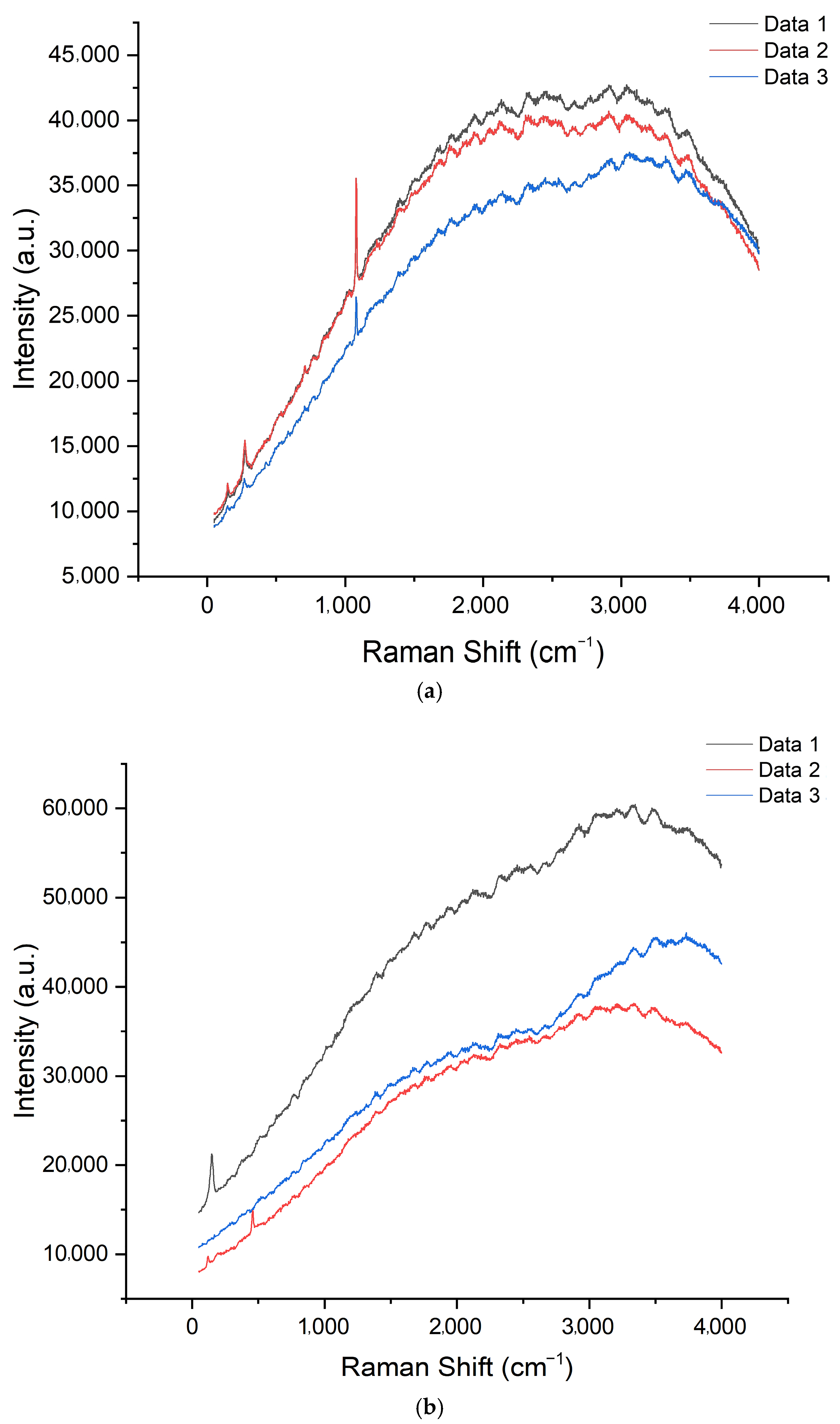
The Raman spectroscopy results (Figure 4, Appendix A Table A2, Appendix B Figure A2) revealed that characteristic peaks of orthoclase, chlorbartonite, dinilawite, and quartz were detected in S-C-02. Elements such as Fe and S in the substrate provide the material basis for the formation of sulfides. In S-C-01, characteristic peaks of orthoclase, microcline, muscovite, chalcopyrite, and calcite were identified. Due to the detected substances, only chalcopyrite is a black substance [19], indicating that it may be one of the components causing the surface of CATC to turn black. From the low peak value of chalcopyrite, its weak content is indeed difficult to detect via XRD, and the damage to the CATC material is also low [20]. The results of the two tests mutually validate that S-C-01 and S-C-02 are materially correlated, and minor phase changes occurred in the substrate after exposure to rainwater containing sulfate substances.

3.2. SEM-EDS Analysis

The SEM test results (Figure 5, Appendix A Table A3) indicated that the surface-blackened material (S-C-01) exhibits a strip-like microscopic morphology with large pores. Calculations showed its porosity reaches 24%, which is significantly higher than the 4% porosity of the substrate (S-C-02). This directly confirms the loose nature of the blackened material. Combined with the XRD test results, the proportions of original minerals such as quartz, calcite, and dolomite in S-C-01 decreased substantially, while new minerals, including muscovite and microcline, were detected. The changes in mineral composition and microstructure once again demonstrate the loose nature of the blackened layer [21].
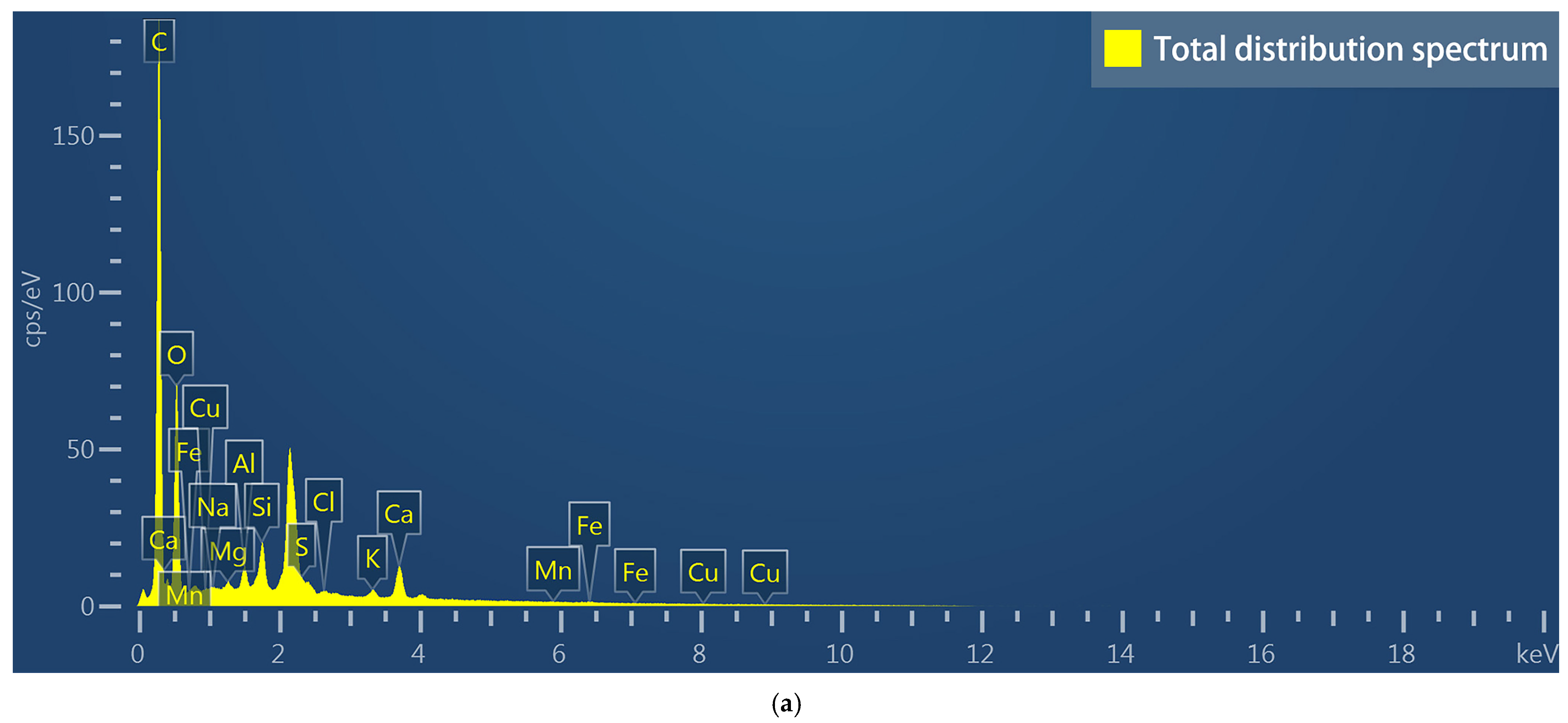
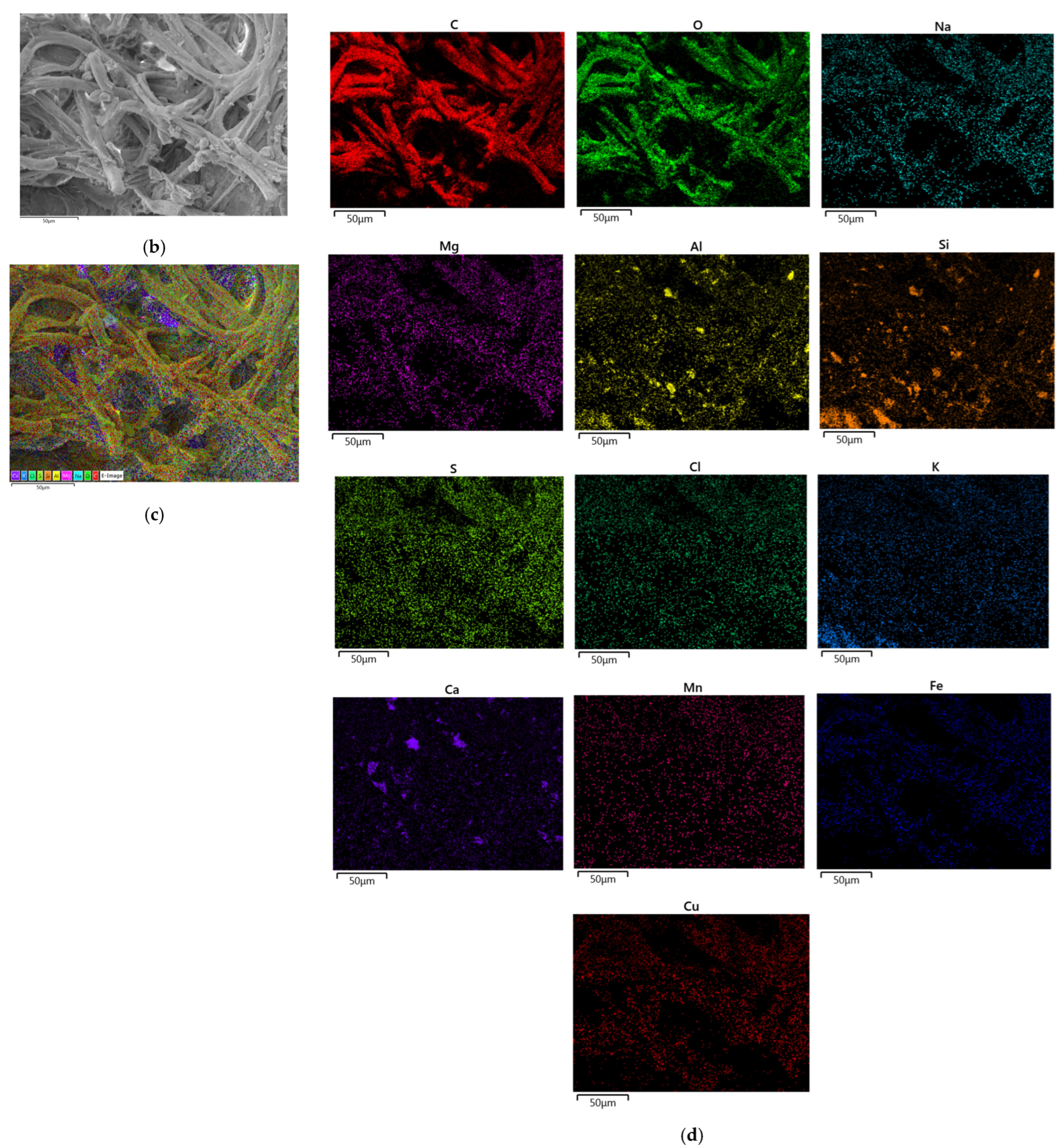
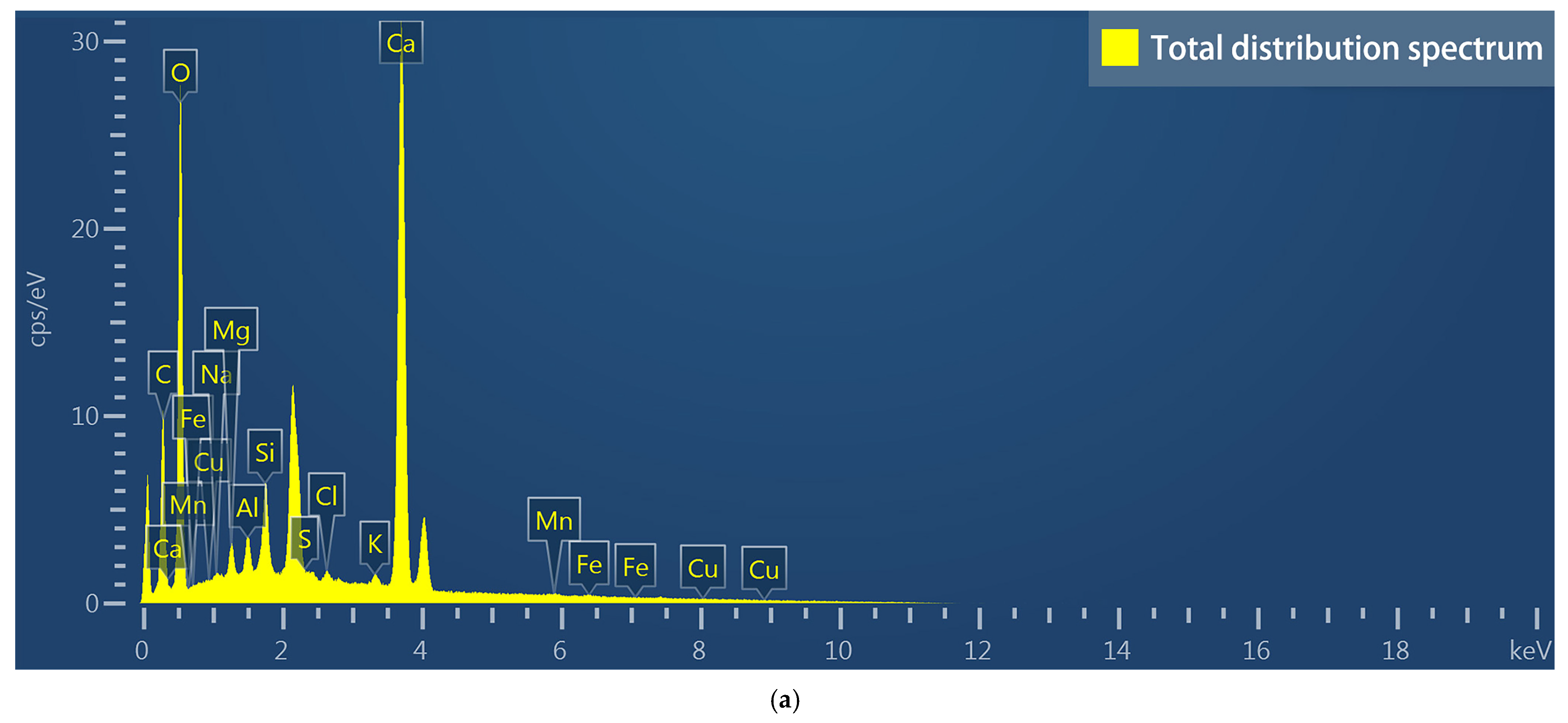
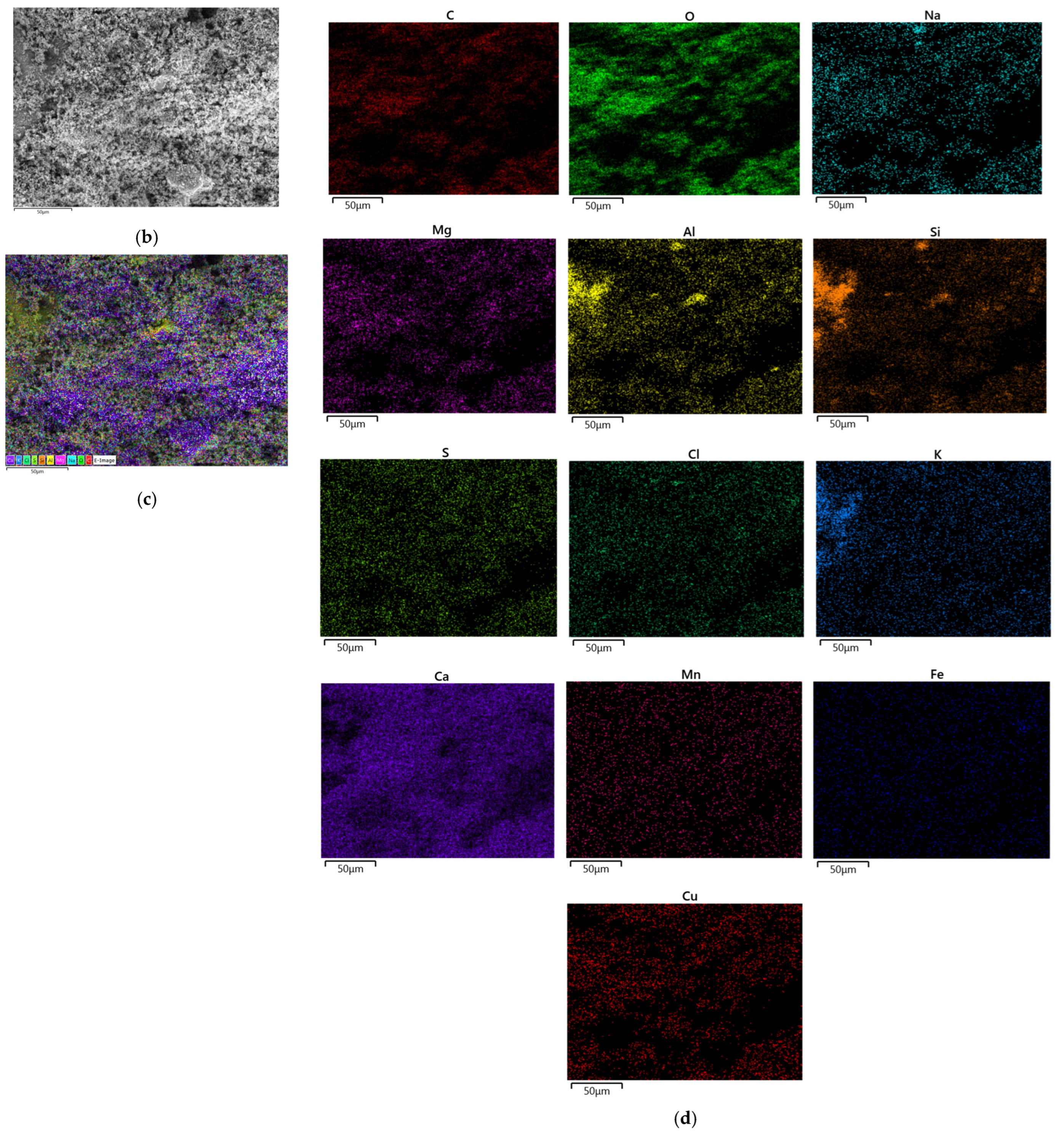
The EDS analysis results (Figure 6 and Figure 7, Appendix A Table A4) revealed the following: S-C-02 is rich in O, Si, Ca, and Mg elements, which form the core support for its dense and stable structure, while substances such as Cu, Fe, and Mn in the substrate provide the necessary metallic element basis for the formation of blackened materials [13,19]. The slight accumulation of S, Na, and Cl further indicates that the substrate has been continuously eroded by coastal rainwater, leading to the gradual deposition of salts and laying the material foundation for sulfide formation [22]. In S-C-01, the content of C and K increased, which is consistent with the increased content of muscovite, feldspar minerals, and kaolinite discovered via XRD and Raman, once again indicating the loose nature of S-C-01 [21]. EDS indicates the presence of small amounts of Cu, Fe, and Mn elements, and often one of Fe or Cu is missing in the SEM change view (possibly due to lower content of corresponding elements), which also reflects the trace amount of chalcopyrite in the Raman results. The black substance is not only chalcopyrite, but may also contain sulfides composed of other metals and S [22]. Hence, if CATC is continuously exposed to salt spray or water, it may oxidize and form H2SO4, causing damage to the calcium in the CATC substrate (Figure 6) [23].

3.3. Analysis of 16S rRNA Biodiversity

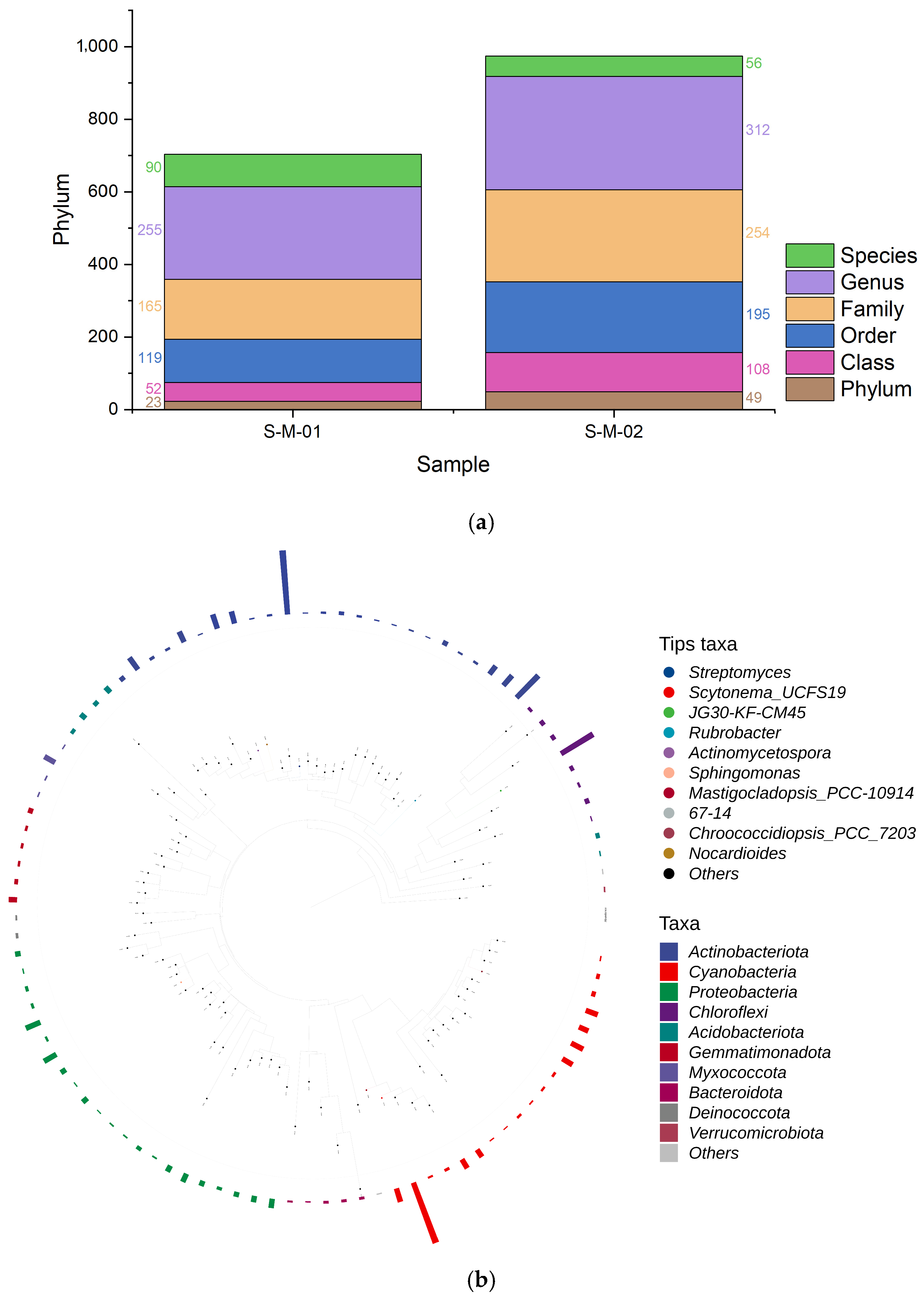
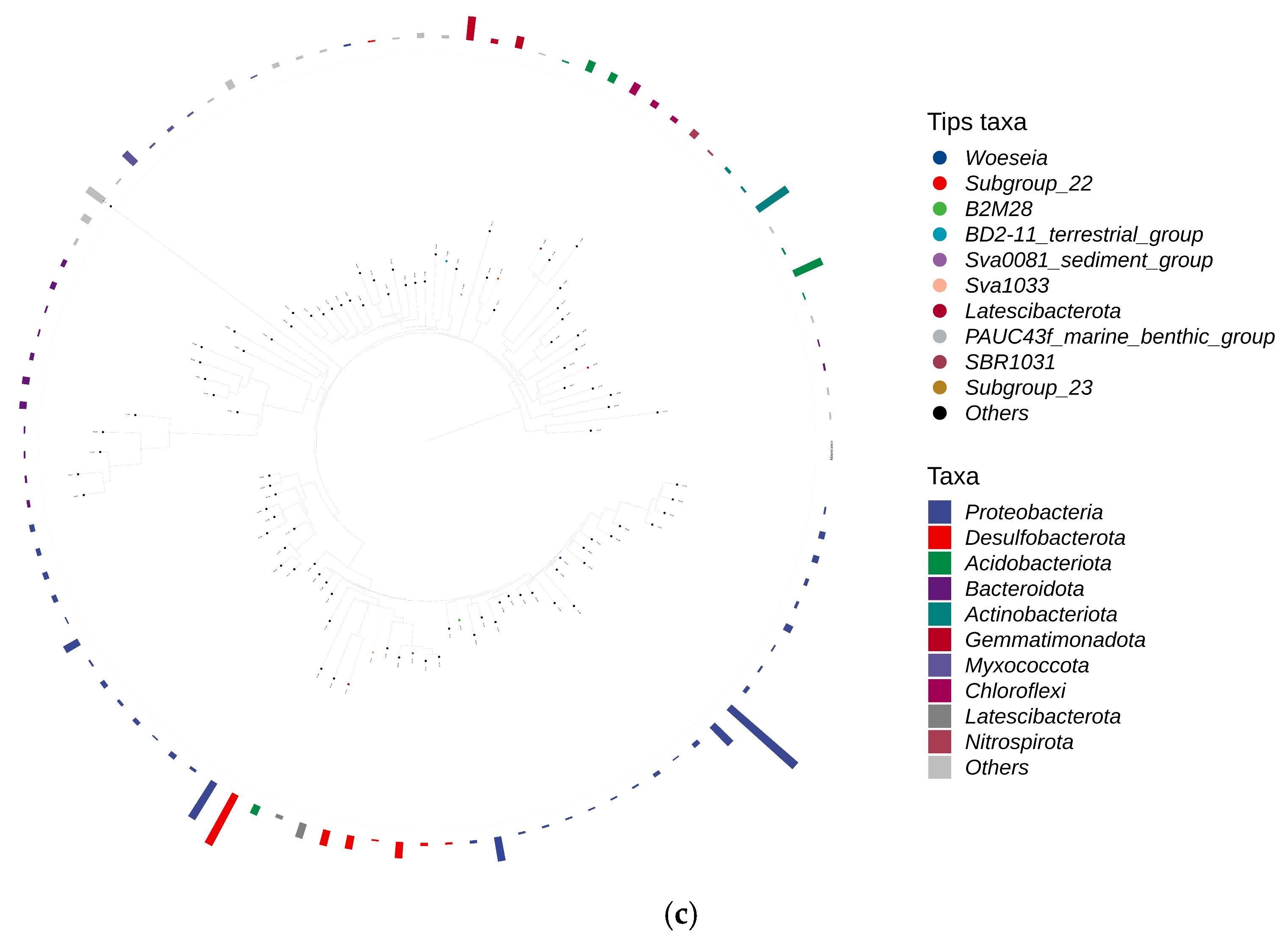
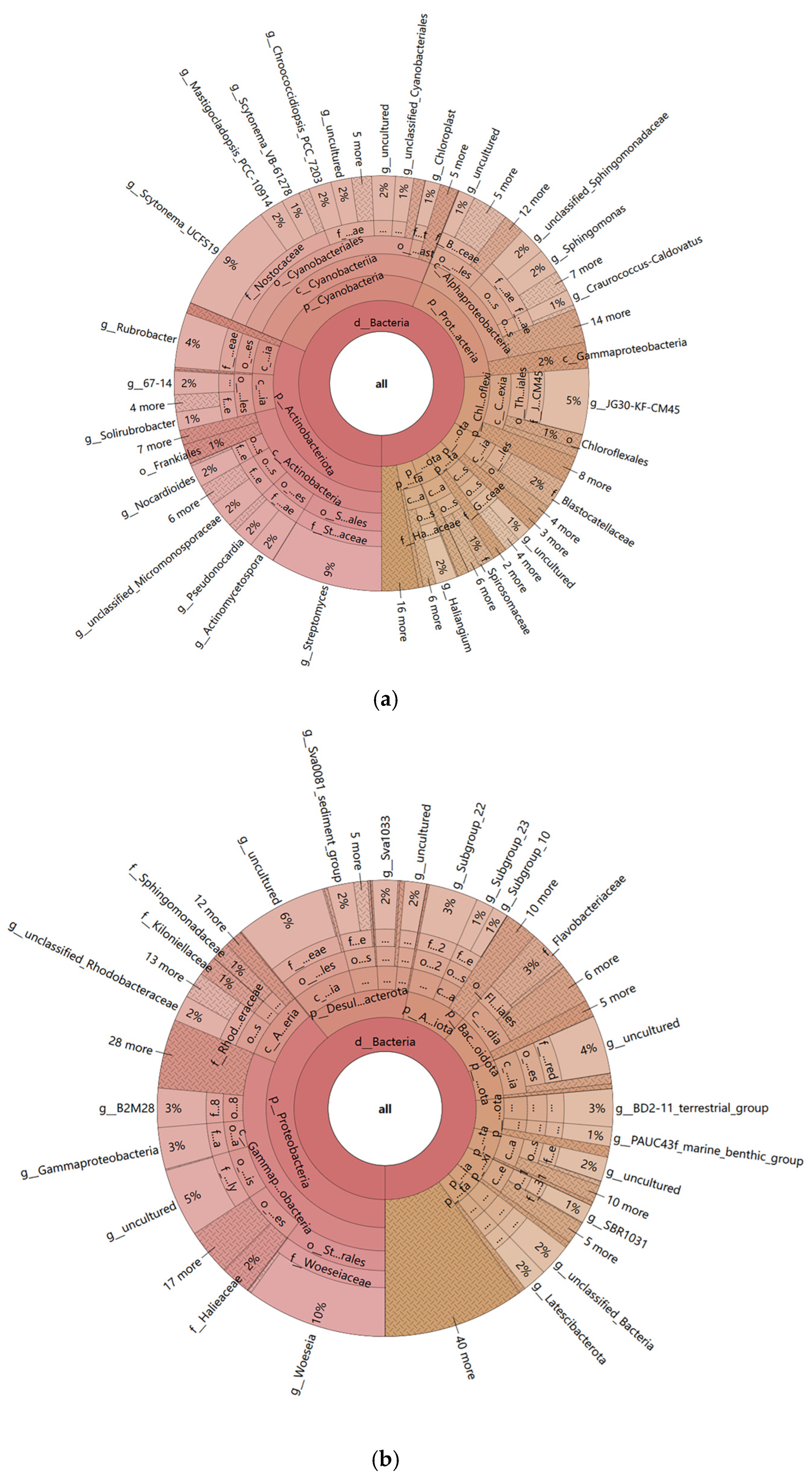
The 16S rRNA sequencing results (Figure 8, Appendix A Table A5, Appendix B Figure A3) revealed 379 microbial species in S-C-01 and 435 in S-C-02. The substrate (S-C-02) hosted a more diverse microbial community, indicating that continuous erosion by coastal rainwater has enriched the CATC substrate with a broader array of microorganisms—providing critical biological support for biochemical reactions on the material surface [24].
The core microbial flora in S-C-02 is dominated by anaerobic bacteria such as Sva1033 (accounting for 1.81%) and Latescibacterota (accounting for 0.44%). Through their metabolic activities, these anaerobic bacteria promote reactions between metallic substances (e.g., Mn, Fe, and Cu) in the substrate and sulfur (S) in the environment, acting as key biological drivers for the formation of black metal sulfide like chalcopyrite [13,19,25].
In S-C-01, the dominant microbial groups are photoautotrophic bacteria, including Scytonema_UCFS19 (8.77%), Chroococcidiopsis PCC 7203 (1.75%), and Acidithiobacillus ferrooxidans 67-14 (1.83%). These bacteria produce oxygen (O2) through photosynthesis, creating an acidic microenvironment that accelerates the oxidative decomposition of metal sulfides. This decomposition may produce sulfuric acid, which further damages the substrate structure [25,26].

4. Deterioration Mechanism and Protective Measures

4.1. Blackening Mechanism Dominated by Metal Sulfide

The surface blackening of CATC results from the synergistic effect of “coastal environmental substances, material ions, and microbial metabolism”. It also marks the initial stage of the deterioration process. In the coastal environment with high salt spray and humidity, sulfur ions and salt substances carried by rainwater penetrate the CATC substrate (S-C-02) [14]. These substances form a reaction basis with enriched metal ions such as Fe and Cu in the substrate. The dominant anaerobic bacteria in the substrate promote the production of hydrogen sulfide gas through their metabolic activities. This drives the combination of metal ions (Cu, Fe) with S ions. Eventually, a small amount of black sulfides containing metals such as Cu, Fe, and Mn were generated on the surface of CATC [13,27].

4.2. Chain Degradation Mechanism in Saline Environments

After the blackened layer forms, the CATC substrate undergoes chain degradation in coastal high-salt-spray and high-humidity environments. Long-term erosion by salt spray and rainwater causes continuous sulfate accumulation on and inside the material. Photoautotrophic bacteria in the blackened layer generate oxygen through photosynthesis, providing essential conditions for the oxidation of metal sulfide on the CATC surface [13,28]. The acidic microenvironment from autotrophic bacterial metabolism further accelerates metal sulfide’s oxidative decomposition, laying the foundation for sulfuric acid generation [23]. The sulfuric acid reacts with calcite, the core binding component of CATC, leading to massive calcium ion consumption in the substrate. EDS data show that the calcium ion mass fraction is 20.23% in S-C-02 but drops to 2.28% in S-C-01. Combined with the EDS-detected Ca, S, O distribution and relevant studies, gypsum dihydrate and other secondary products may form [29], further exacerbating CATC structural deterioration and endangering coastal stone masonry safety.

4.3. Protection and Treatment Measures

Based on the “minimal intervention” principle in cultural heritage protection, protection measures should focus on blocking water sources and inhibiting blackening. Specific measures are as follows: First, add rainproof eaves to building cornices and install waterproof baffles on walls. This reduces direct rainwater scouring and salt penetration, blocking the triggering conditions of deterioration reactions at the source. Second, establish a dynamic monitoring mechanism based on the results of this article, regularly observing the thickness of the blackening layer and the degree of weathering of the substrate. Focus on early warning of deterioration risks in high-humidity and high-salt-spray areas. If it is necessary to remove the blackened layer to prevent further damage to the CATC substrate, direct rinsing with clean water is strictly prohibited—unknown substances in water may accelerate CATC degradation. Non-destructive technologies such as precise laser stripping can be adopted. However, small-scale tests must be conducted before using such technologies to ensure no secondary damage to the cultural heritage itself [30].

5. Conclusions

This study focuses on shell ash triple clay (CATC) in the Shihu Ancient Wharf Protection Area of Quanzhou. Various techniques were applied to comprehensively analyze its surface blackening and degradation mechanisms in coastal environments.
The surface-blackened CATC is a loose substance adhering to the substrate. It retains a large amount of primitive minerals such as quartz, some feldspar, and calcite, and its core feature is the formation of black sulfide minerals dominated by metals such as Cu, Fe, Mn, etc. The formation of this blackened material is a product of the synergistic reaction between sulfate substances carried by rainwater in the coastal high-salt-spray, high-humidity environment and metal ions in the CATC substrate, driven by the metabolic activities of anaerobic bacteria. Notably, the generated metal sulfide adheres directly to the CATC substrate surface. Subsequently, photoautotrophic bacteria produce oxygen through photosynthesis, which drives the oxidation and acidification of the substrate-adhered metal sulfide. This process directly induces the deterioration of the CATC substrate, triggering a chain degradation sequence.
Innovation: This study reveals the formation mechanism of the CATC surface-blackened material and its subsequent chain degradation pathway due to the synergistic effect of environmental, material, and biological factors. It clarifies the material composition of the blackened substance (including primitive minerals and metal sulfides) and the core mechanisms of blackening. Beyond elucidating the root cause of CATC surface blackening, this research provides a scientific basis for optimizing the durability and achieving precise protection of traditional building materials in coastal stone structure heritage.

6. Prospects

Although detailed and methodologically reliable research was conducted on CATC materials from a single region and a single time point at Shihu Ancient Wharf, there is still room for further improvement in future studies. Firstly, it is necessary to expand the research scope by comparing CATC materials from other regions and with different service lives to verify the universality of the existing conclusions. Secondly, higher-magnification microscopes can be used to conduct in-depth research on the types of metal sulfides in CATC materials. Thirdly, this study only represents a preliminary exploration of the process by which functional microbial communities participate in blackening; future research should carry out more refined quantitative analysis to clarify the mechanism and contribution of microbial communities. Fourthly, long-term dynamic monitoring data and simulated accelerated aging equipment can be integrated to conduct dynamic tracking research on CATC materials, thereby fully revealing their complete deterioration mechanism. Through the aforementioned supplementary research, the research on the surface-blackened substances of CATC can be further improved and refined.

Author Contributions

Conceptualization, Y.D., R.G. and L.C.; methodology, Y.D. and R.G.; software, Y.D., Y.L. and Y.F.; validation, Y.D. and Y.L.; formal analysis, Y.D. and Y.L.; investigation, Y.D., Y.L. and T.M.; resources, Y.D., R.G. and L.C.; data curation, Y.D., Y.L.,Y.F. and T.M.; writing—original draft preparation, Y.D. and Y.F.; writing—review and editing, R.G. and L.C.; visualization, Y.D., Y.L. and T.M.; supervision, R.G. and L.C.; project administration, Y.D. and R.G.; funding acquisition, Y.D. All authors have read and agreed to the published version of the manuscript.

Funding

Quanzhou Science and Technology Plan Project: Research on Gao Chi of Traditional Minnan Architecture Based on Digital Technology (2024NS007).

Institutional Review Board Statement

Not applicable.

Informed Consent Statement

Not applicable.

Data Availability Statement

The original contributions presented in this study are included in the article. Further inquiries can be directed to the corresponding author.

Conflicts of Interest

The authors declare no conflict of interest.

Abbreviations

The following abbreviations are used in this manuscript:
CATCCrust Ash Triad Clay
E-ImageElectronic image

Appendix A

Table A1. XRD phase semi-quantitative analysis.
No.SampleMuscovite KaoliniteQuartzPotassium FeldsparPlagioclaseCalciteDolomiteAmorphous Substance
1S-C-014.74.3397.135.31.135.5
2S-C-022.90.058.119.33.8141.90.0
Unit is the mass fraction%. The relative deviation of different mineral content ranges is controlled by MDI Jade 6.0. The relative deviation is less than 10% when the mineral content is greater than 40%, less than 20% when it is between 20% and 40%, less than 30% when it is between 5% and 20%, and less than 40% when it is ≤5%. Source: The research team used the Rigaku D/MAX-2600 X-ray diffractometer (Nippon Science Corporation, Tokyo, Japan) for detection and acquisition.
Table A2. Raman compound characteristic peak analysis.
No.Chemical NameChemical FormulaS-C-01S-C-02
1OrthoclaseKAlSi3O8154.3; 279.6; 511.0154.3; 279.6; 511.0
2MicroclineKAlSi3O8511.9; 1146.3; 1250.5/
3MuscoviteKAl2(AlSi3O10)(OH)2263.3; 406.0; 701.0/
4ChalcopyriteCuFeS2151.3; 288.2; 1420.2/
5CalciteCaCO3281.7; 1085.8/
7ChlorbartoniteK6Fe24S26Cl/147.4; 263.1; 398.1
8Dinilawite[Pb4OAl(OH)6]2(S2O3)2·(S2O3)(H2O)5/82.9; 140.9; 436.5
9QuartzSiO2/1238.0; 207.1; 467.4
The main characteristic peak unit is cm−1. The symbol ‘/’ indicates that the material does not contain the corresponding compound. Source: The team used the Horiba LabRAM HR Evolution Raman spectrometer (HORIBA, Ltd., Tokyo, Japan) to obtain characteristic peak data.
Table A3. SEM porosity analysis.
No.MeanMinMaxPorosity
S-C-0141.7716224
S-C-0236.700504
The units of porosity are mass fraction%. Mean, Min, and Max are dimensionless units. Source: After obtaining images using the Zeiss SmartSEM platform (Carl ZEISS AG, Oberkochen, Germany), the threshold function in ImageJ 1.8.0.345 (National Institutes of Health, New York, NY, USA) was used to automatically adjust the image area threshold to capture gaps and calculate their porosity.
Table A4. Analysis of EDS element content.
No.ElementS-C-01S-C-02
1C67.9724.23
2O27.0351.91
3Na0.050.12
4Mg0.160.61
5Al0.520.62
6Si1.081.34
7S0.220.11
8Cl0.150.24
9K0.420.30
10Ca2.2820.23
11Mn0.040.14
12Fe0.000.14
13Cu0.060.01
14Total100100
Unit is the mass fraction%. Source: After using the Zeiss SmartSEM platform (Carl ZEISS AG, Oberkochen, Germany) to detect and obtain data, they were compiled into a table.
Table A5. 16S rRNA biodiversity abundance statistics.
RankMicrobialS-C-01S-C-02
1Woeseia0.0010.02
2Streptomyces8.770.00
3Scytonema_UCFS198.770.00
4JG30-KF-CM455.120.00
5Subgroup_220.003.49
6B2M280.002.78
7BD2-11_terrestrial_group0.002.69
8Actinomycetospora2.060.00
9Sphingomonas1.940.00
10Mastigocladopsis_PCC-109141.920.00
11Sva0081_sediment_group0.001.85
12Acidithiobacillus ferrooxidans 67-141.830.00
13Sva10330.001.81
14Chroococcidiopsis PCC 72031.750.00
15Nocardioides1.720.00
16Rubrobacter1.420.00
17Latescibacterota0.000.44
18PAUC43f_ marine_benthic_group0.000.14
19SBR10310.000.13
20Subgroup_230.000.13
21Others64.776.52
The unit is the abundance ratio%. Source: After obtaining data using the Illumina NovaSeq 6000 high-throughput sequencing platform (Illumina, San Diego, CA, USA), it was compiled into a table.

Appendix B

Figure A1. XRD spectrum: (a) S-C-01 XRD spectrum; (b) S-C-02 XRD spectrum. Add 10% internal standard (corundum) to S-C-01 for detecting amorphous materials, as shown in (a). Source: MDI Jade6 (Materials Data Inc., Livermore, CA, USA) was used for analysis and plotting.
Coatings 16 00251 g0a1
Figure A2. Raw data from 3 Raman test spectra:(a) is the three Raman test data of S-C-01; (b) is the three Raman test data of S-C-02; the numbers 1, 2, and 3 in the figure represent the number of tests conducted. Source: Origin 2022 software (OriginLab (Guangzhou) Ltd., Northampton, MA, USA) was used for plotting.
Coatings 16 00251 g0a2
Figure A3. Statistical pie chart of the proportion of all microorganisms using 16S rRNA: (a) biodiversity abundance statistics of S-C-01 (62% classified, 38% unclassified, total 100%); (b) biodiversity abundance statistics of S-C-02 (classified accounts for 65%, unclassified accounts for 35%, total 100%). The outer circles of pie charts (a,b) display the genus types and abundance ratios of microorganisms. The “…” in multiple annotations within the inner circle of the pie chart indicates a more macroscopic classification (phylum, class, order, family) corresponding to the “genus”, which does not affect the scientific validity of this study. Source: the Illumina NovaSeq 6000 high-throughput sequencing platform (Illumina, San Diego, CA, USA) was used for detection, combined with QIIME 2 software (International open source community, CA, USA) and the Silva database for plotting.
Coatings 16 00251 g0a3

References

  1. Reepmeyer, C.; Ferguson, R.; Valentin, F.; Clark, G.R. The stone adze and obsidian assemblage from the Talasiu site, Kingdom of Tonga. Archaeol. Ocean. 2021, 56, 1–16. [Google Scholar] [CrossRef]
  2. Martinsson-Wallin, H.; Wallin, P.; Anderson, A.; Solsvik, R. Chronogeographic variation in initial East Polynesian construction of monumental ceremonial sites. J. Isl. Coast. Archaeol. 2013, 8, 405–421. [Google Scholar] [CrossRef]
  3. Lee, C.H.; Lidour, K.; Shiao, J.C.; Chi, P.F.; Lin, Y.J.; Lin, C.H. Marginal Increment Analysis of Fish Otoliths Highlights Early Coastal Sedentarization in the Arabian Neolithic. J. Isl. Coast. Archaeol. 2025, 1–16. [Google Scholar] [CrossRef]
  4. Han, L.; Duan, Q.; Duan, J.; Zhu, S.; Chen, S.; Yin, Y.; Chen, H. Unidirectional propagation of water waves near ancient Luoyang Bridge. Front. Phys. 2024, 19, 32206. [Google Scholar] [CrossRef]
  5. Lu, H.; Zhang, B.; Hu, Y.; Wang, Z.; Wu, Y.; Ma, Y. A comprehensive analysis of the materials of the ancient Seawall in Hangzhou, China. Eur. Phys. J. Plus 2023, 138, 1072. [Google Scholar] [CrossRef]
  6. He, Z.H.; Shen, M.L.; Shi, J.Y.; Yalçınkaya, Ç.; Du, S.G.; Yuan, Q. Recycling Coral Waste into Eco-Friendly UHPC: Mechanical Strength, Microstructure, and Environmental Benefits. Sci. Total Environ. 2022, 836, 155424. [Google Scholar] [CrossRef]
  7. Di Salvo Barsi, A.; Trezza, M.A.; Irassar, E.F. Comparison of dolostone and limestone as filler in blended cements. Bull. Eng. Geol. Environ. 2020, 79, 243–253. [Google Scholar] [CrossRef]
  8. Ferraz, E.; Gamelas, J.A.; Coroado, J.; Monteiro, C.; Rocha, F. Recycling waste seashells to produce calcitic lime: Characterization and wet slaking reactivity. Waste Biomass Valorization 2019, 10, 2397–2414. [Google Scholar] [CrossRef]
  9. Liao, Y.D.; Fan, J.H.; Li, R.N.; Da, B.; Chen, D.; Zhang, Y. Influence of the Usage of Waste Oyster Shell Powder on Mechanical Properties and Durability of Mortar. Adv. Powder Technol. 2022, 33, 103503. [Google Scholar] [CrossRef]
  10. Lim, M.B.B.; Abadill, K.A.V.; Consuegra, C.C.; Lim, H.R. Pulverized blue swimming crab shell utilized as partial replacement for sand in concrete mixture. Palawan Sci. 2021, 13, 31–43. [Google Scholar] [CrossRef]
  11. Ez-zaki, H.; El Gharbi, B.; Diouri, A. Development of eco-friendly mortars incorporating glass and shell powders. Constr. Build. Mater. 2018, 159, 198–204. [Google Scholar] [CrossRef]
  12. Li, Z.J.; Zhan, J.Y.; Wang, Y.J.; He, Z.H.; Xie, Y.D. Low-Carbon UHPC with Glass Powder and Shell Powder: Deformation, Compressive Strength, Microstructure and Ecological Evaluation. J. Build. Eng. 2024, 94, 109833. [Google Scholar] [CrossRef]
  13. Zhao, M.; Zhai, Y.; Zhao, J.; Zhao, L.; Zhang, K.; Ge, Y.; Luo, H. Barnacle attachment and its corrosion effects on the surface of the Yangtze Estuary II Shipwreck. J. Cult. Herit. 2024, 67, 73–79. [Google Scholar] [CrossRef]
  14. Xu, F.; Zhong, X.S.; Zhang, H.H.; Wu, J.W.; Xu, G.B.; Yan, S.B.; Wang, J.; Li, X.J.; Yang, G.P. Effects of different environmental stressors on marine biogenic sulfur compounds in the Northwest Pacific and Eastern Indian Oceans. Geophys. Res. Lett. 2025, 52, e2024GL113603. [Google Scholar] [CrossRef]
  15. Zhang, L.; Chen, Y.; Zheng, L.; Zheng, R. Research on the Composition and Casting Technology of Bronze Arrowheads Unearthed from the Ruins of the Imperial City of the Minyue Kingdom. Materials 2025, 18, 402. [Google Scholar] [CrossRef]
  16. Ding, Y.; Lai, Y.; Wang, J.; Fu, Y.; Chen, L.; Ma, T.; Guan, R. Research on the BEM Reinforcement Mechanism of the POSF Method for Ocean Stone Construction. Coatings 2026, 16, 145. [Google Scholar] [CrossRef]
  17. Huang, S.; Xue, B.; Zhao, Y.; Yang, J. Characterization of primary silicate minerals in Earth-like bodies via Raman spectroscopy. J. Raman Spectrosc. 2024, 55, 625–636. [Google Scholar] [CrossRef]
  18. Pascoal, F.; Duarte, P.; Assmy, P.; Costa, R.; Magalhães, C. Full-length 16S rRNA gene sequencing combined with adequate database selection improves the description of arctic marine prokaryotic communities. Ann. Microbiol. 2024, 74, 29. [Google Scholar] [CrossRef]
  19. Samalens, N.; Barnes, S.J.; Sawyer, E.W. The role of black shales as a source of sulfur and semimetals in magmatic nickel-copper deposits: Example from the Partridge River Intrusion, Duluth Complex, Minnesota, USA. Ore Geol. Rev. 2017, 81, 173–187. [Google Scholar] [CrossRef]
  20. Frenzel, N.; Frisch, G. Symmetry relationships between the crystal structures of chalcopyrite and its derivatives–A systematic approach to inform XRD analysis of Cu–Fe–S phases. Z. Anorg. Allg. Chem. 2022, 648, e202200148. [Google Scholar] [CrossRef]
  21. Shen, L.; Huang, J.; Xu, R.; Sun, W.; Wang, L. Comparative study on hydration shell structure and wettability characteristics of Quartz, Feldspar, and muscovite surfaces. Appl. Surf. Sci. 2025, 718, 164865. [Google Scholar] [CrossRef]
  22. Zheng, Q.; Dong, L.; Shen, P.; Liu, D. A novel oxidation reagent scheme to realize efficient flotation separation of chalcopyrite and pyrrhotite. Appl. Surf. Sci. 2025, 693, 162794. [Google Scholar] [CrossRef]
  23. Song, S.; Gu, G.; Huang, W.; Wang, Y. Decoupling the mechanisms in chalcopyrite flotation with high sodium bentonite content when using saline water containing divalent cations. Miner. Eng. 2021, 167, 106902. [Google Scholar] [CrossRef]
  24. Jiang, X.; Gong, S.; Sun, T.; Peckmann, J.; Antler, G.; Hu, Y.; Feng, D. Controls on pyrite sulfur isotopes during early diagenesis in marine sediments of the South China Sea. Chem. Geol. 2024, 651, 122018. [Google Scholar] [CrossRef]
  25. Wunder, L.C.; Aromokeye, D.A.; Yin, X.; Richter-Heitmann, T.; Willis-Poratti, G.; Schnakenberg, A.; Otersen, C.; Dohrmann, I.; Römer, M.; Bohrmann, G.; et al. Iron and sulfate reduction structure microbial communities in (sub-)Antarctic sediments. ISME J. 2021, 15, 3587–3604. [Google Scholar] [CrossRef] [PubMed]
  26. Ye, Y.L.; Ma, K.J.; Fu, Y.H.; Wu, Z.C.; Fu, G.Y.; Sun, C.; Xu, X.W. The heterogeneity of microbial diversity and its drivers in two types of sediments from tidal flats in Beibu Gulf, China. Front. Mar. Sci. 2023, 10, 1256393. [Google Scholar] [CrossRef]
  27. Yang, L.; Zheng, X.; Zheng, L.; Ma, G.; Shao, H.; Zhang, L. Experimental study on the interfacial oxidation of pyrite with the participation of ferric ions. Appl. Surf. Sci. 2025, 692, 162735. [Google Scholar] [CrossRef]
  28. Su, C.; Cai, J.; Lai, H.; Zheng, Q.; Shen, P.; Liu, D. Extracellular polymeric substances-mediated hydrophobic/hydrophilic differentiation of chalcopyrite and pyrite by Acidithiobacillus ferrooxidans for enhanced selective flotation. Colloids Surf. A Physicochem. Eng. Asp. 2025, 727, 138443. [Google Scholar] [CrossRef]
  29. Ma, H.; Zeng, J.; Wang, Y.; Dang, Y.; Wang, S.; Zhang, X.; Guan, M. Leaching of Copper and Zinc from Copper-Zinc Sulfide Ore Activated by Sulfuric Acid with Water. J. Sustain. Metall. 2025, 11, 495–504. [Google Scholar] [CrossRef]
  30. Lu, Y.; Jin, T.G.; Xu, J.; Wang, Y.; Yang, L.J. An advanced ultraviolet nanosecond pulsed laser cleaning oceanic micro-biofouling from steel surface. Opt. Laser Technol. 2025, 185, 112618. [Google Scholar] [CrossRef]
Figure 1. Sampling point navigation: (a) Regional positioning; (b) for sampling point walls; (c) take on-site photos after sampling; the red dashed line in the (a) is only intended to enhance the readability of the sampling point localization and has no other meaning, which does not affect the scientific validity of the conclusions in this article. Source: Drawn with Photoshop 2023 (Adobe, San Jose, CA, USA). The photos were obtained as follows: first, all satellite images in (a) were exported by selecting the “administrative region” in Bigemap Pro 5.5.2.1 (Chengdu Bigemap Data Processing Co., Ltd., Chengdu, China); second, the building photos in (a), as well as all content in (b,c), were taken by the author 1.
Coatings 16 00251 g001
Figure 2. Sample types: (a) surface blackening material; (b) CATC substrate. Source: Pictures were taken by author 1 and author 3.
Coatings 16 00251 g002
Figure 3. XRD mineral labeling spectrum: (a) for the XRD spectrum of S-C-01 (Surface-blackened material); (b) for the XRD spectrum of S-C-02 (Substrate material). Source: Origin 2022 software (OriginLab (Guangzhou) Ltd., Northampton, MA, USA) was used for plotting.
Coatings 16 00251 g003
Figure 4. Raman spectroscopy comparison: (a) a comparison chart of S-C-01 Raman spectra; (b) a comparison chart of S-C-02 Raman spectra;the dashed lines in the figure are auxiliary lines used to correspond the displacement peaks of each mineral to the peak values in the red experimental data at the top; The numbers in parentheses in the figure are from https://www.rruff.net/RRUFF (URL accessed on 10 January 2026) database identification ID on the website. Source: Own drawing using Python 3.7 software (CWI, Amsterdam, The Netherlands).
Coatings 16 00251 g004
Figure 5. Calculation process of porosity: (a) SEM microstructure of S-C-01; (b) filled pore area of S-C-01 with ImageJ 1.8.0.345 software; (c) microscopic phase of S-C-02 SEM; (d) filled pore area of S-C-02 with ImageJ 1.8.0.345 software; Source: (a,c) are from the Sigma 360 equipment (Carl ZEISS AG, Oberkochen, Germany); (b,d) were rendered using ImageJ 1.8.0.345 software (NIH, New York, NY, USA).
Coatings 16 00251 g005aCoatings 16 00251 g005b
Figure 6. S-C-01 SEM and element distribution EDS spectrum mapping: S-C-01 is a secondary surface blackening substance. (a) Scanning area positioning map. (b) SEM image of the element scanning position. (c) Mapping the total distribution of elements scanned using EDS. (d) Mapping of important chemical elements. Source: Sigma 360 scanning electron microscope equipped with Zeiss SmartSEM platform (Carl ZEISS AG, Oberkochen, Germany) was used.
Coatings 16 00251 g006aCoatings 16 00251 g006b
Figure 7. S-C-02 SEM and element distribution EDS spectrum Mapping: S-C-02 is the substrate of CATC. (a) Element distribution spectrum. (b) SEM image of element scanning position. (c) Mapping of total distribution of elements scanned via EDS. (d) Mapping of important chemical elements. Source: Sigma 360 scanning electron microscope equipped with Zeiss SmartSEM platform (Carl ZEISS AG, Oberkochen, Germany) was used.
Coatings 16 00251 g007aCoatings 16 00251 g007b
Figure 8. Biodiversity statistical chart: (a) statistics on the proportion of sample biodiversity categories; (b) the evolutionary relationship of the top 10 microbial genera in S-C-01; (c) the evolutionary relationship of the top 10 microbial genera in S-C-02. Source: (a) was drawn using Origin2022 (OriginLab (Guangzhou) Ltd., Northampton, MA, USA); (b,c) was drawn using QIIME 2 (International Open Source Community, CA, USA).
Coatings 16 00251 g008aCoatings 16 00251 g008b
Disclaimer/Publisher’s Note: The statements, opinions and data contained in all publications are solely those of the individual author(s) and contributor(s) and not of MDPI and/or the editor(s). MDPI and/or the editor(s) disclaim responsibility for any injury to people or property resulting from any ideas, methods, instructions or products referred to in the content.