Article

Corrosion Behavior of Porcelain Enamels in Water Tank Storage

Department of Industrial Engineering, University of Trento, 38123 Trento, Italy
*
Author to whom correspondence should be addressed.
Coatings 2025, 15(8), 934; https://doi.org/10.3390/coatings15080934

Submission received: 18 July 2025 / Revised: 7 August 2025 / Accepted: 8 August 2025 / Published: 11 August 2025

Abstract

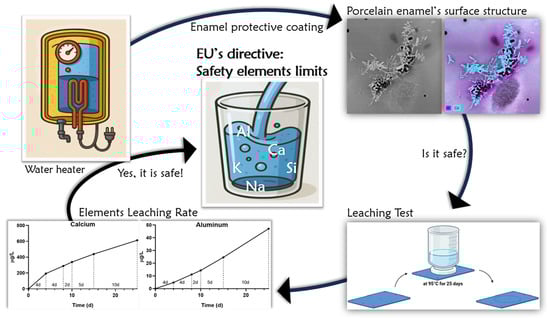
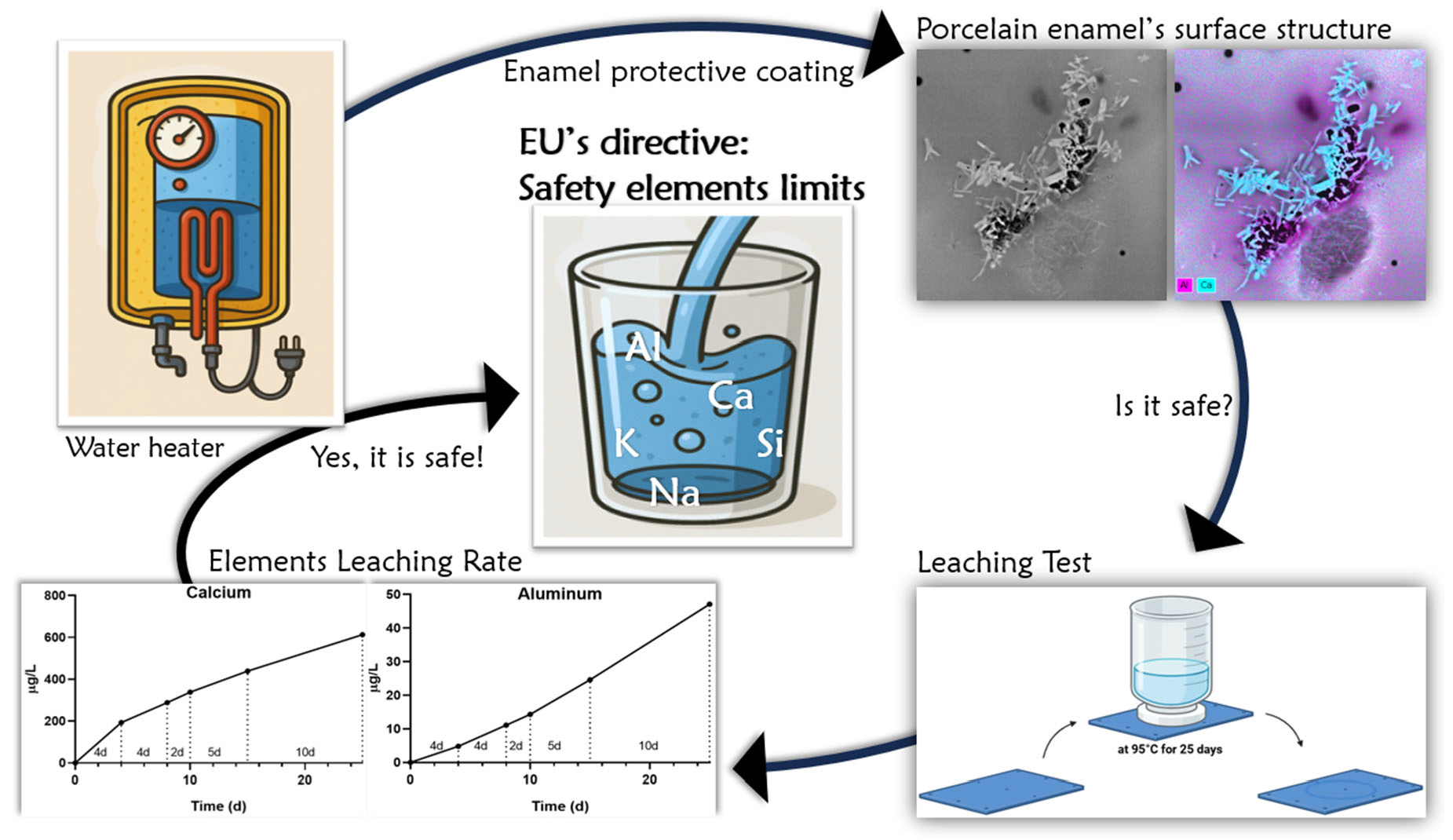
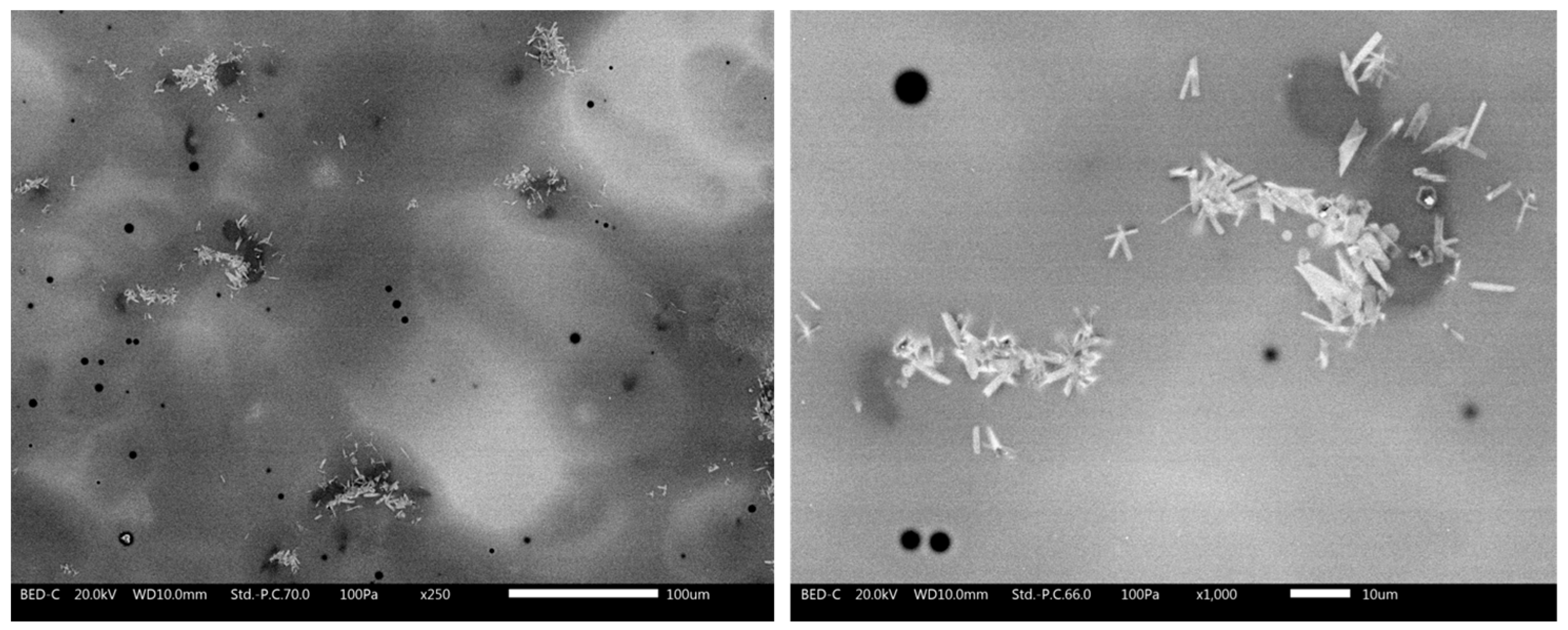
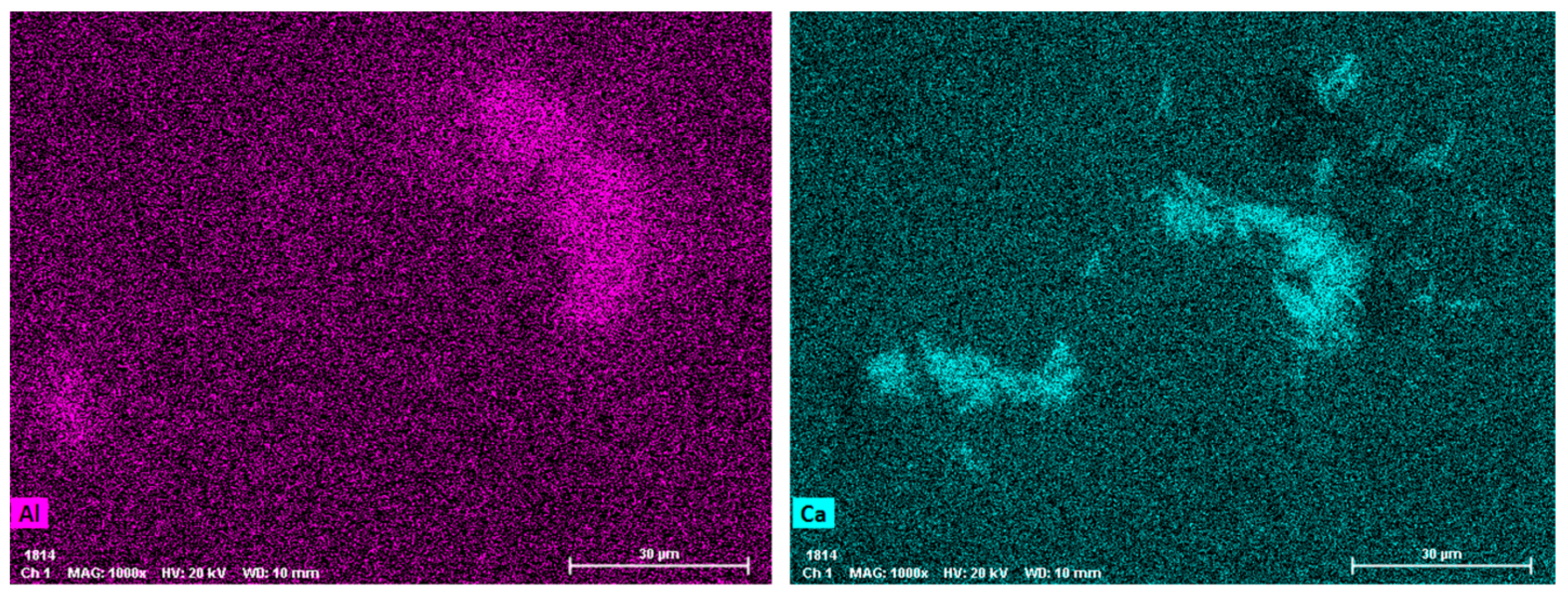
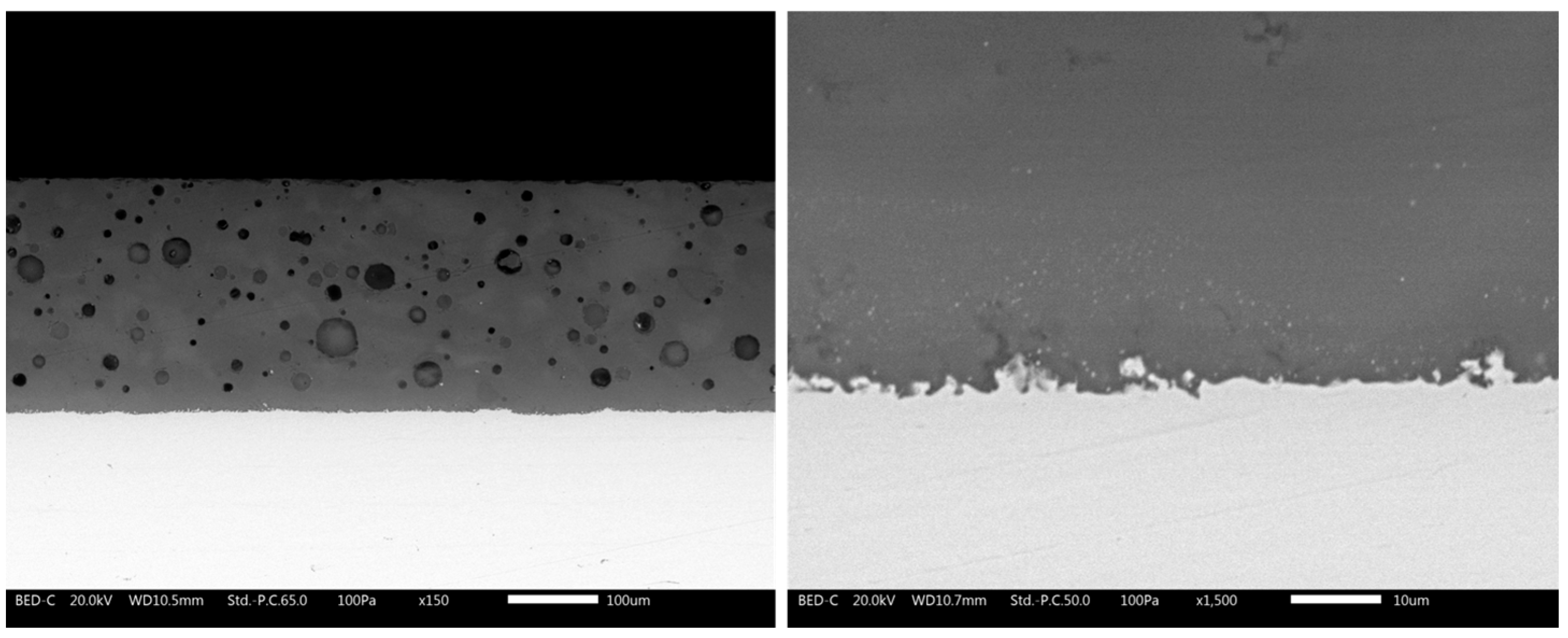
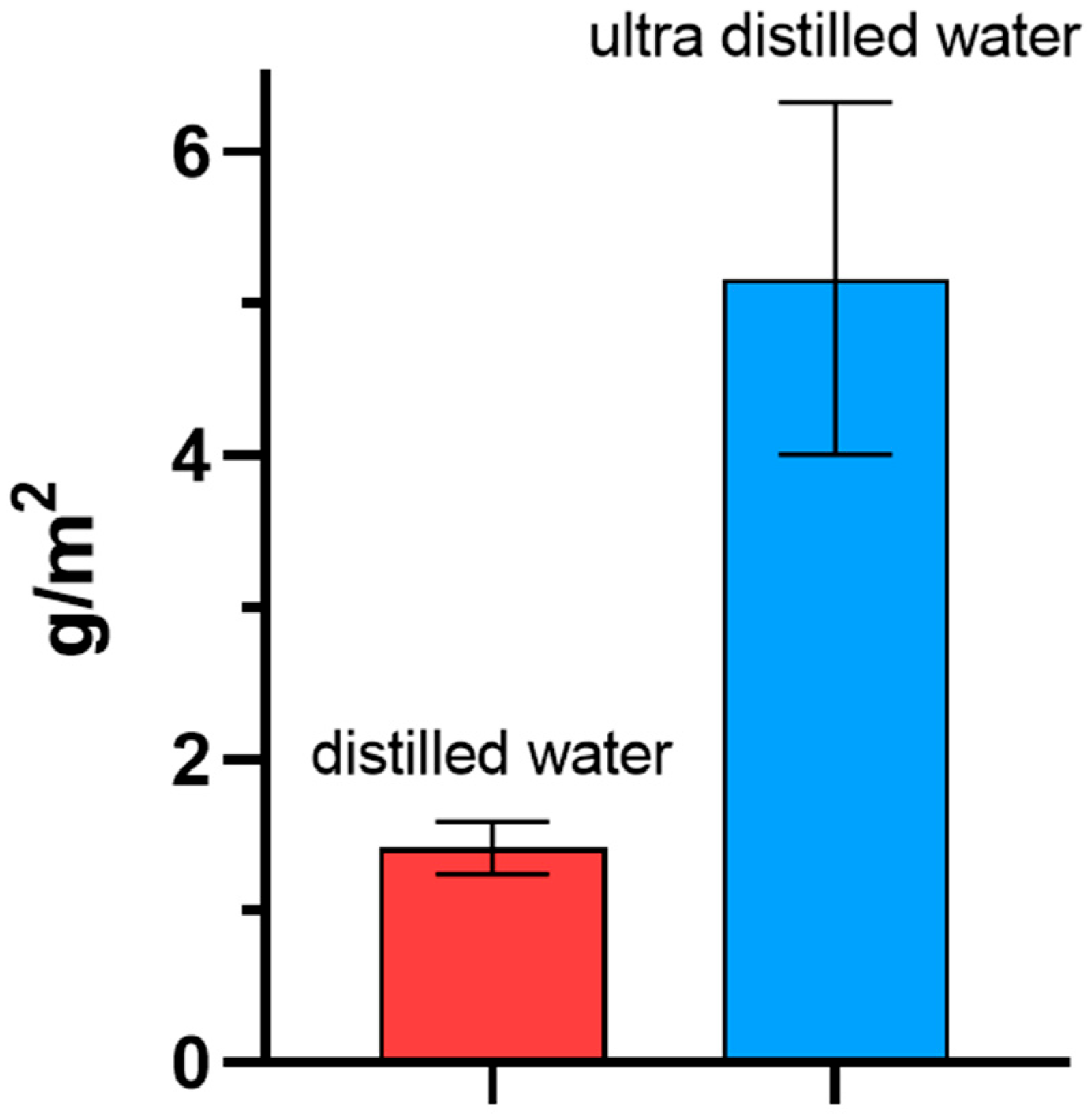
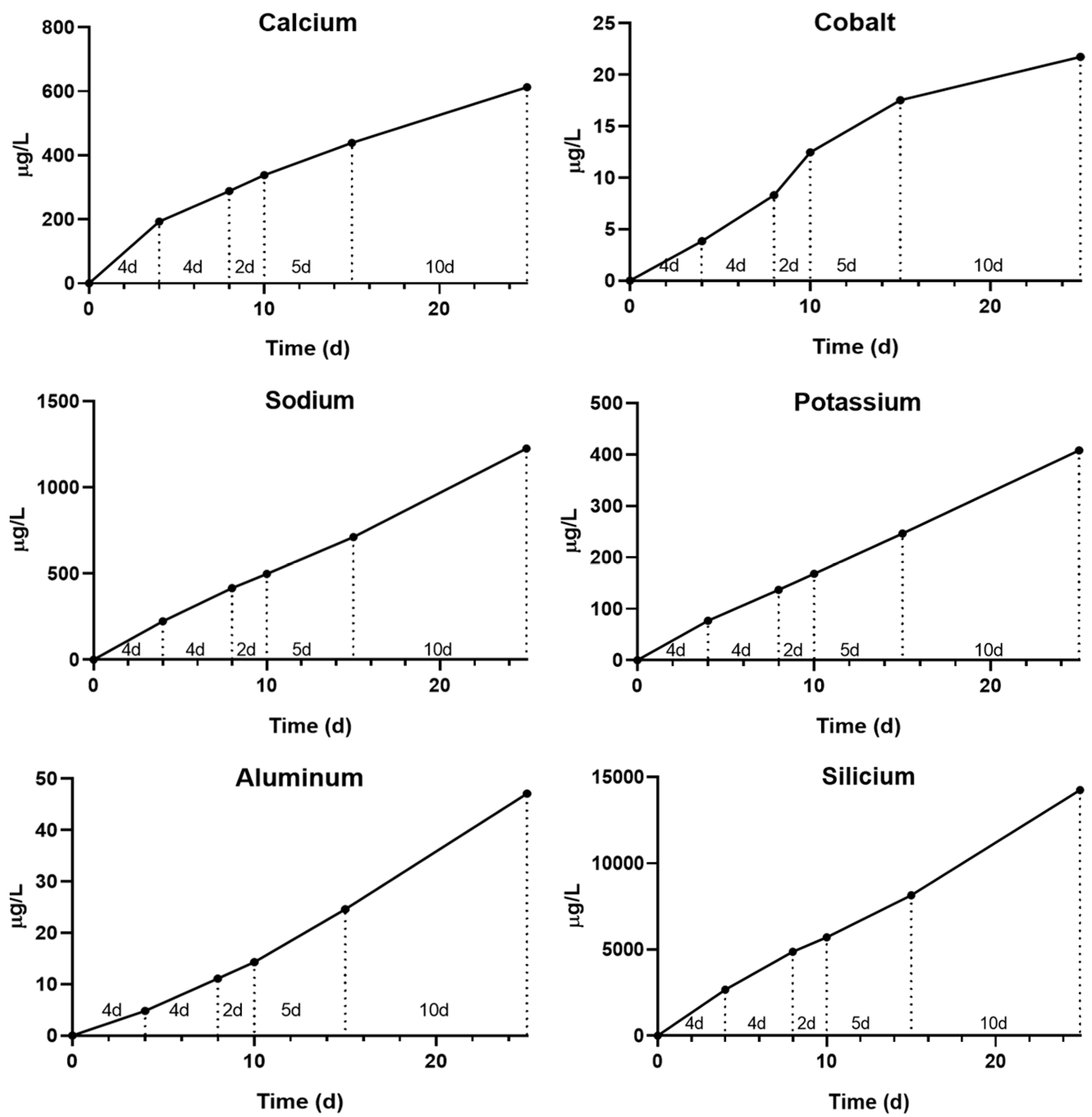
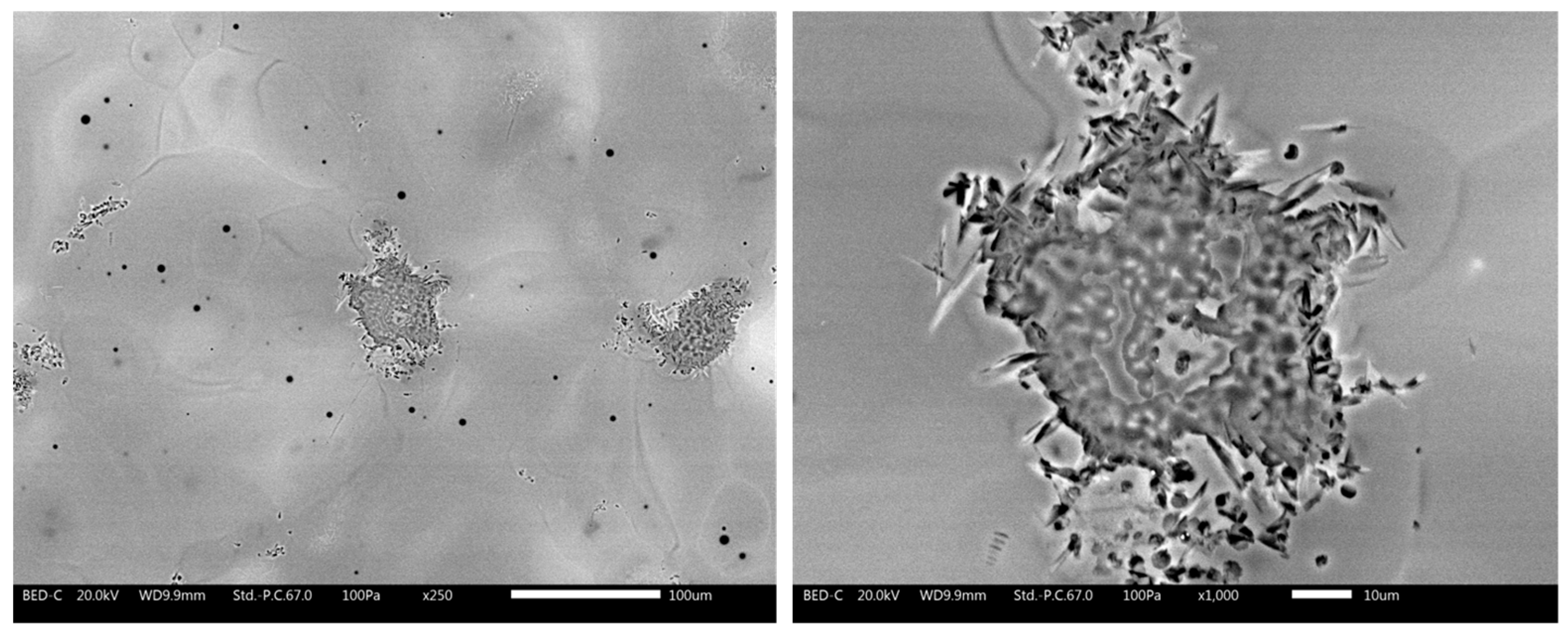
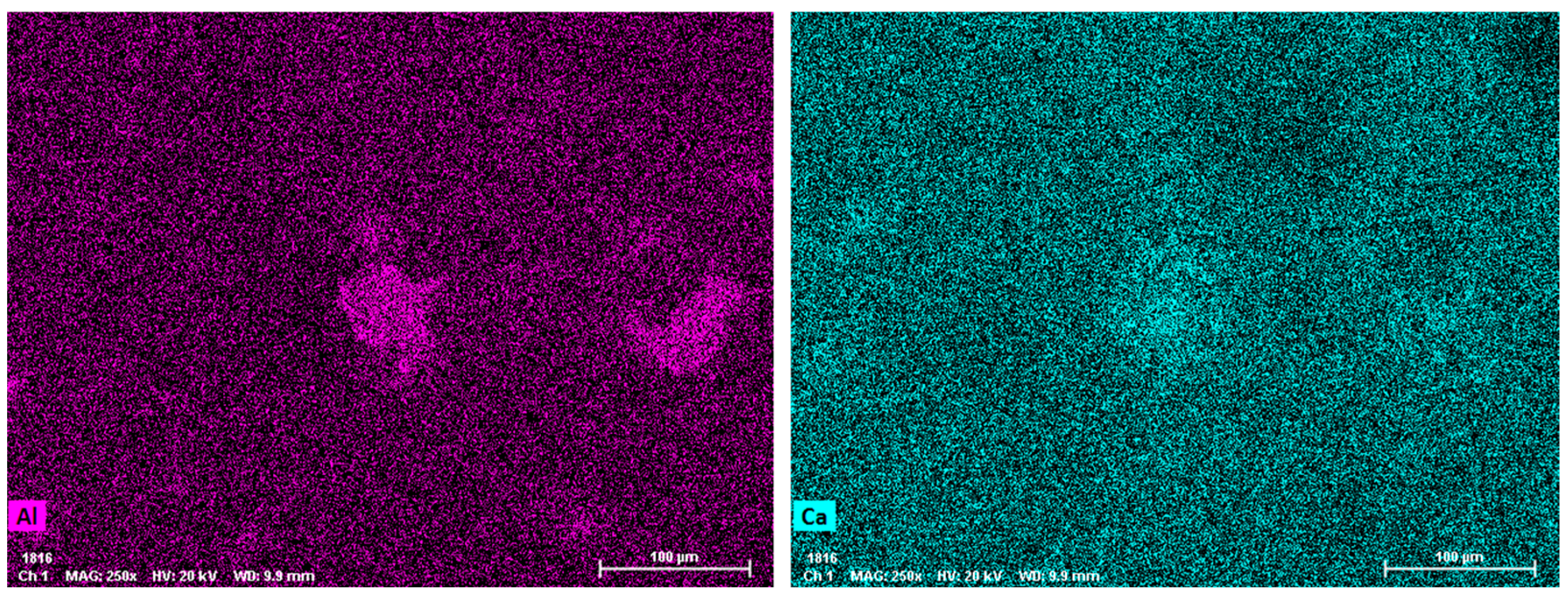
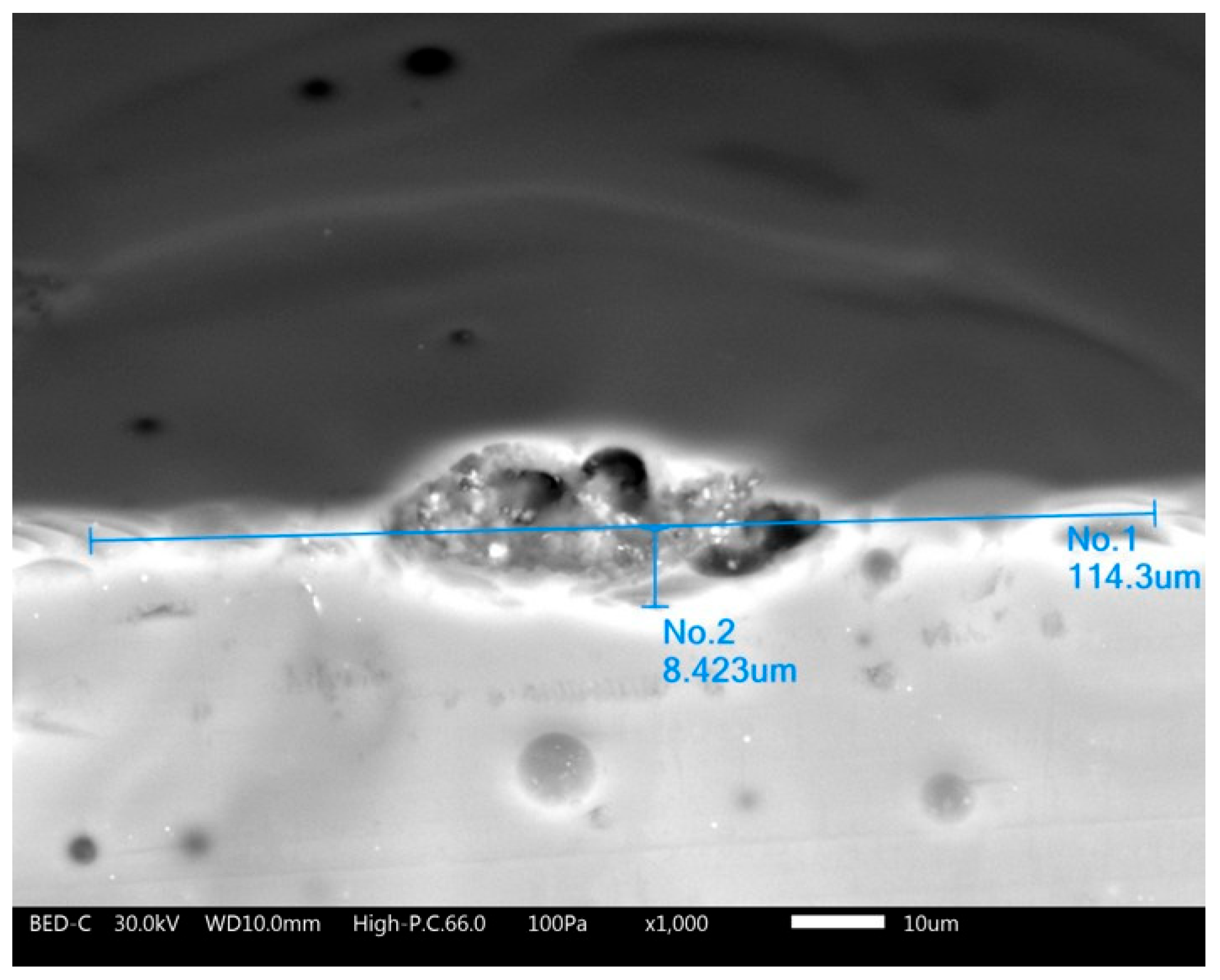
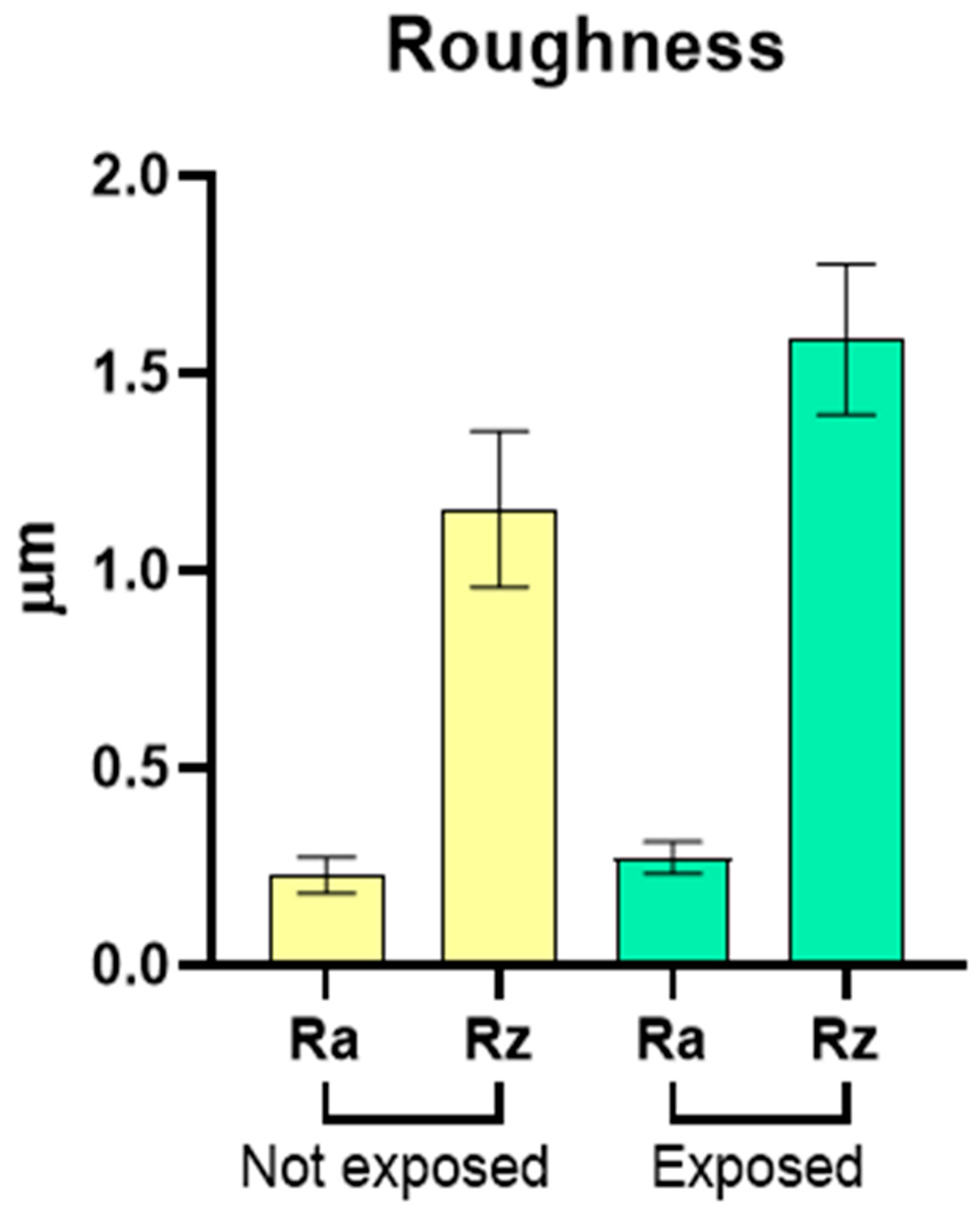
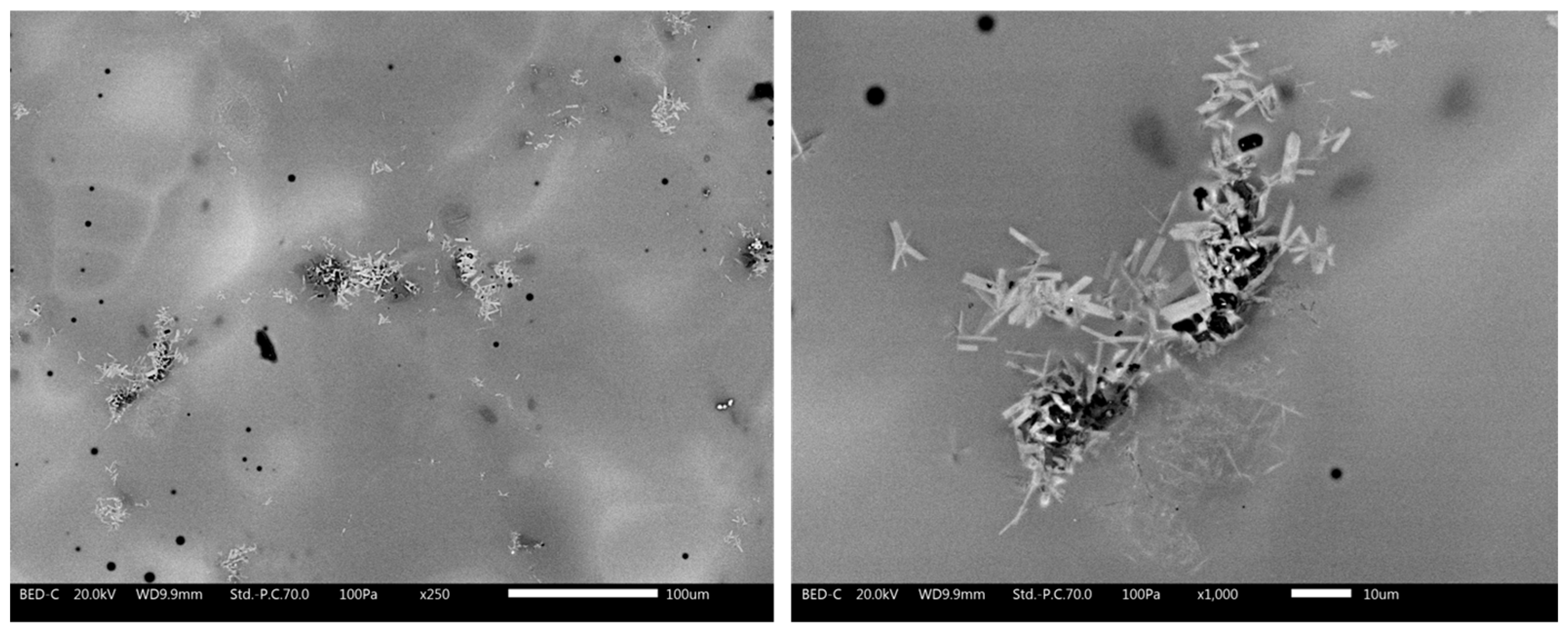
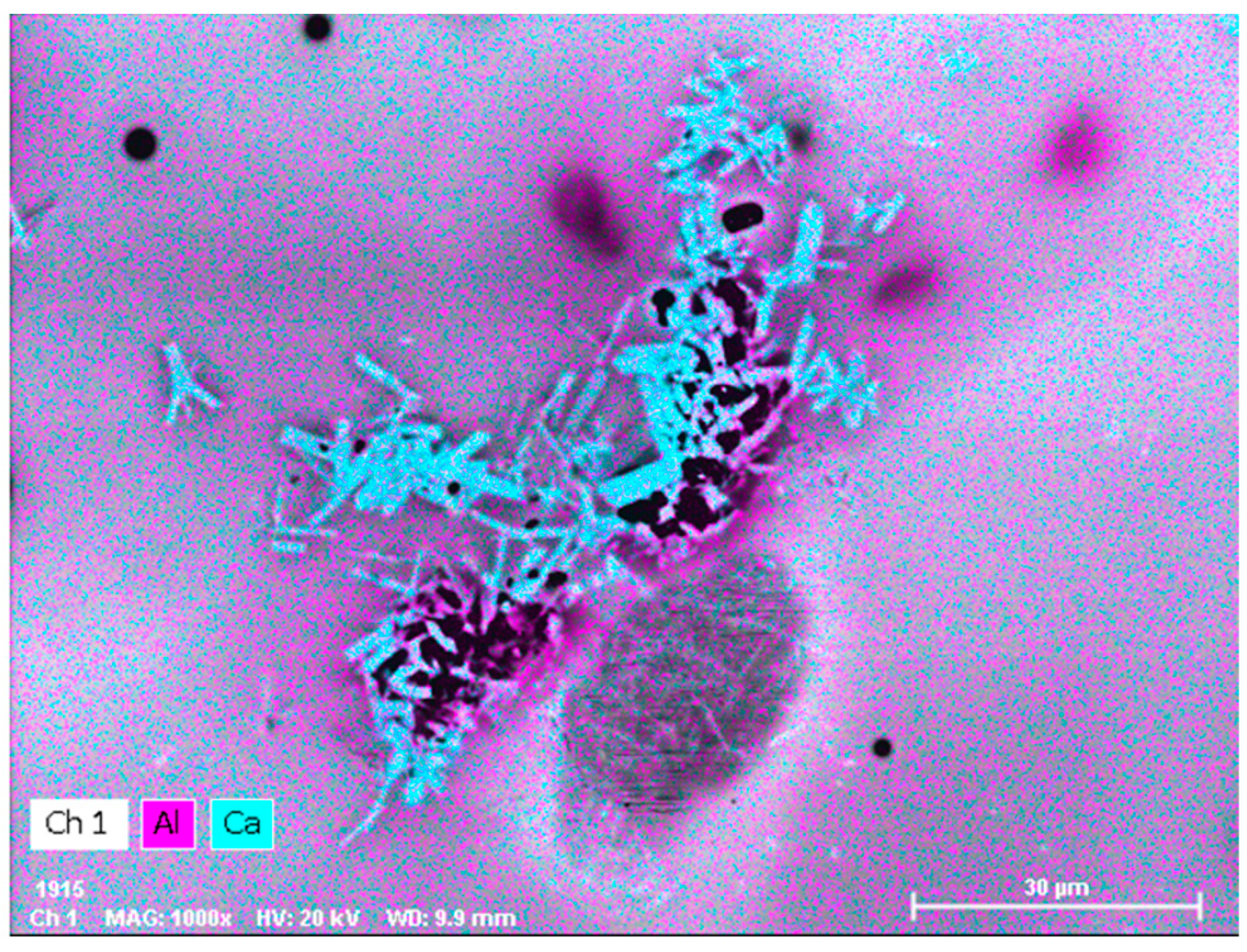
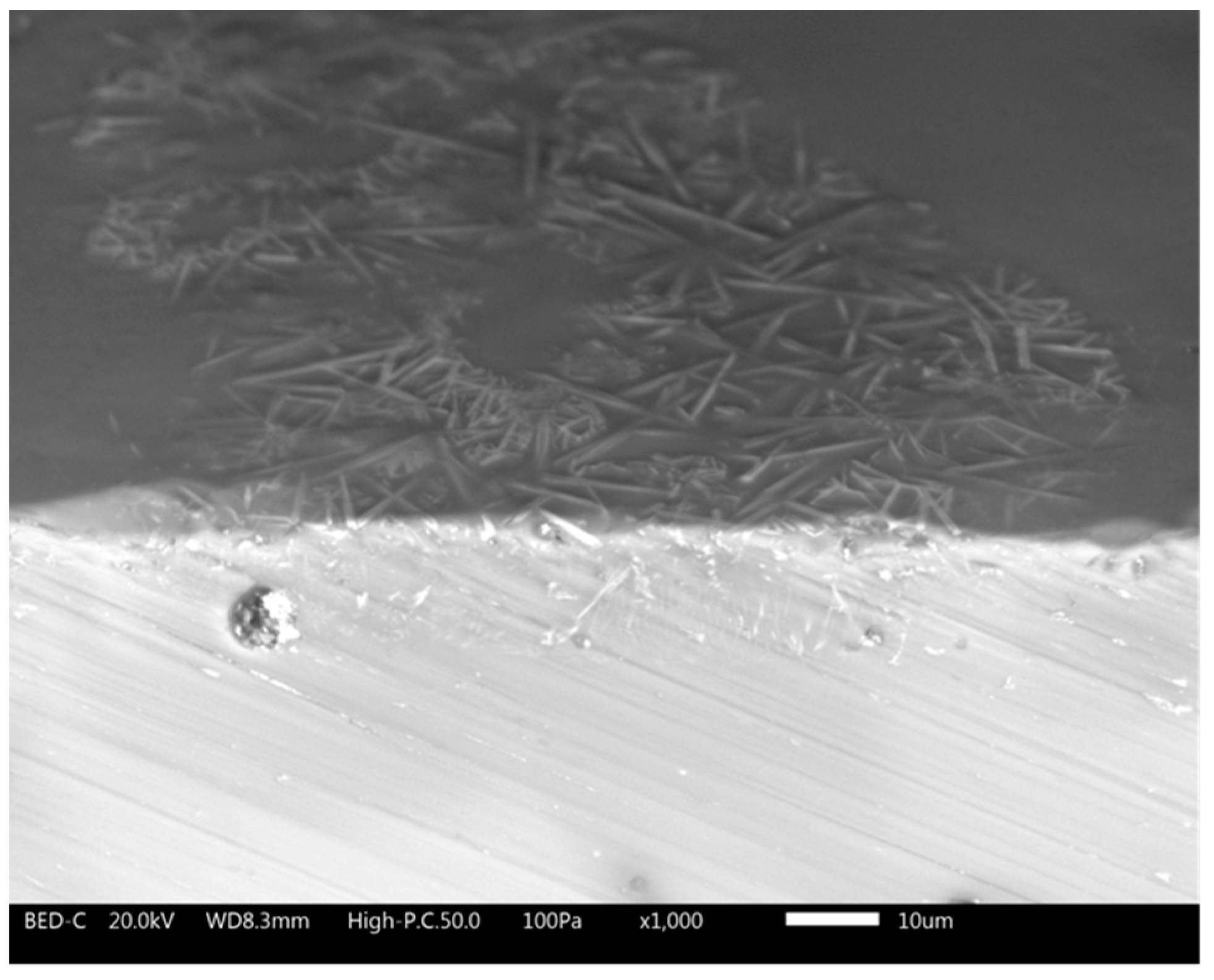
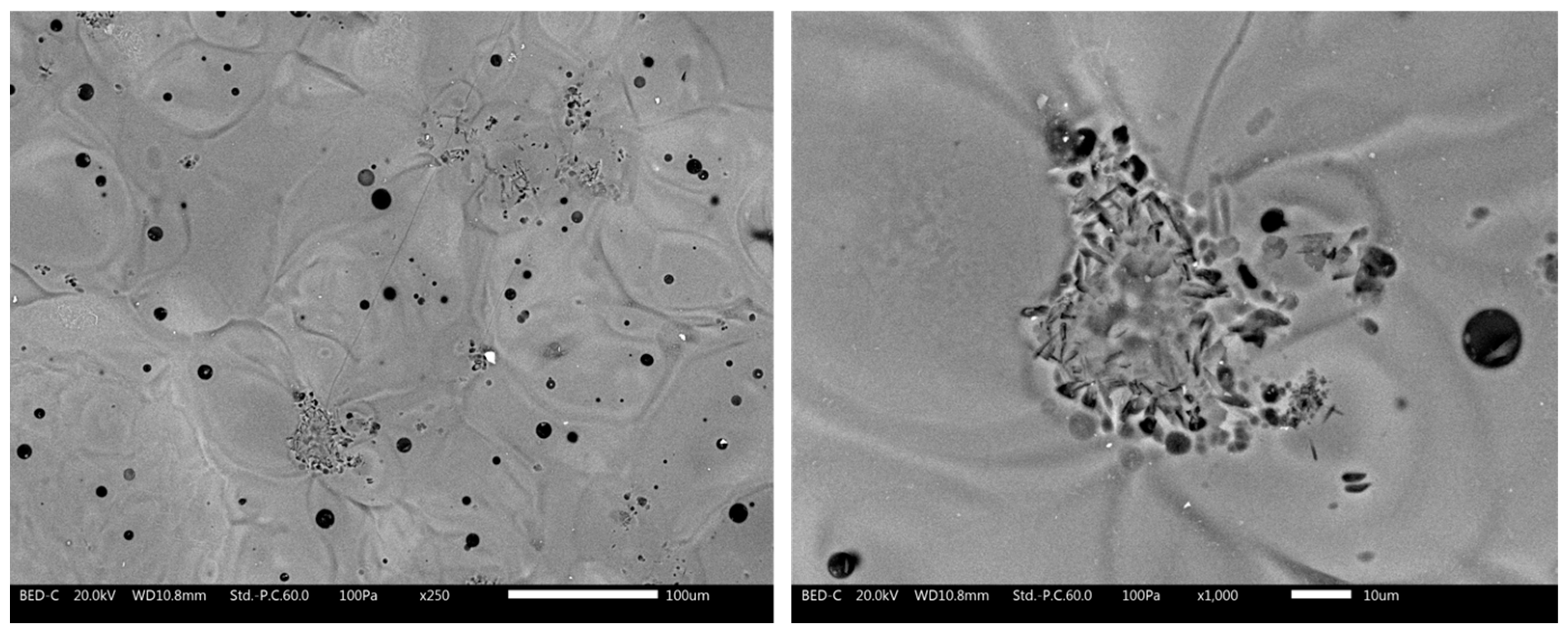
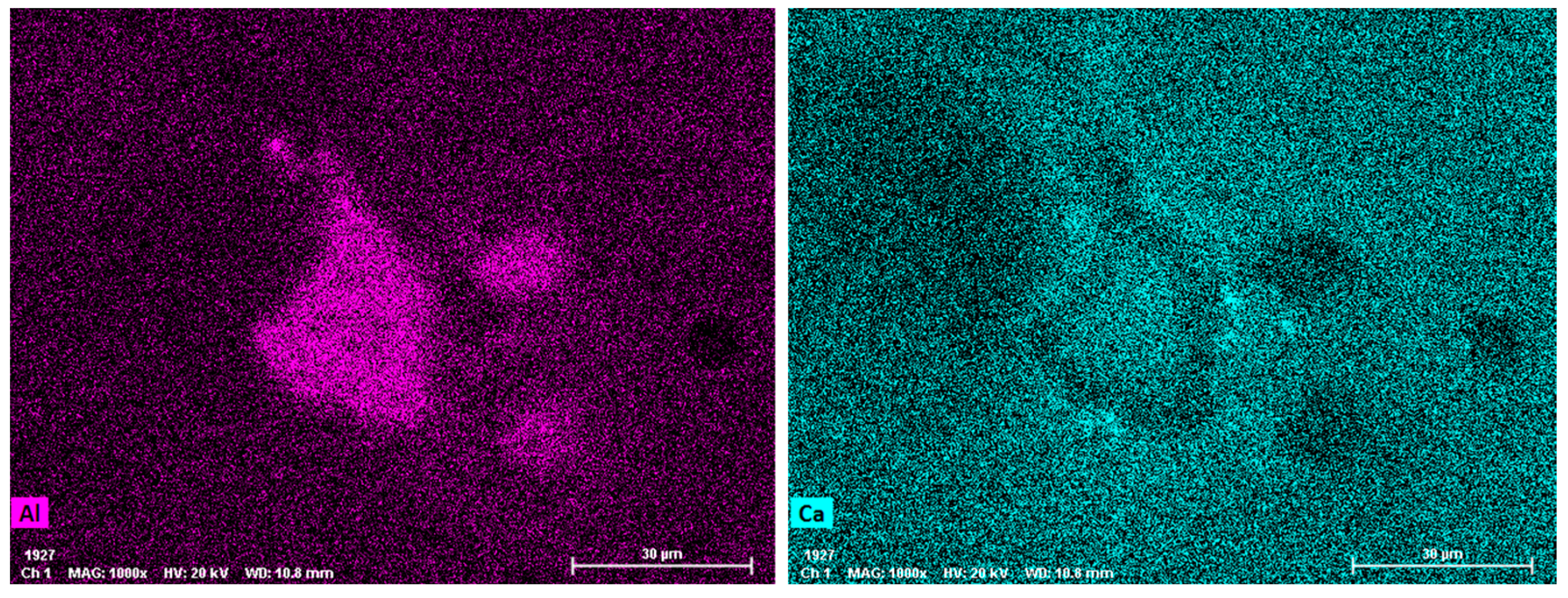
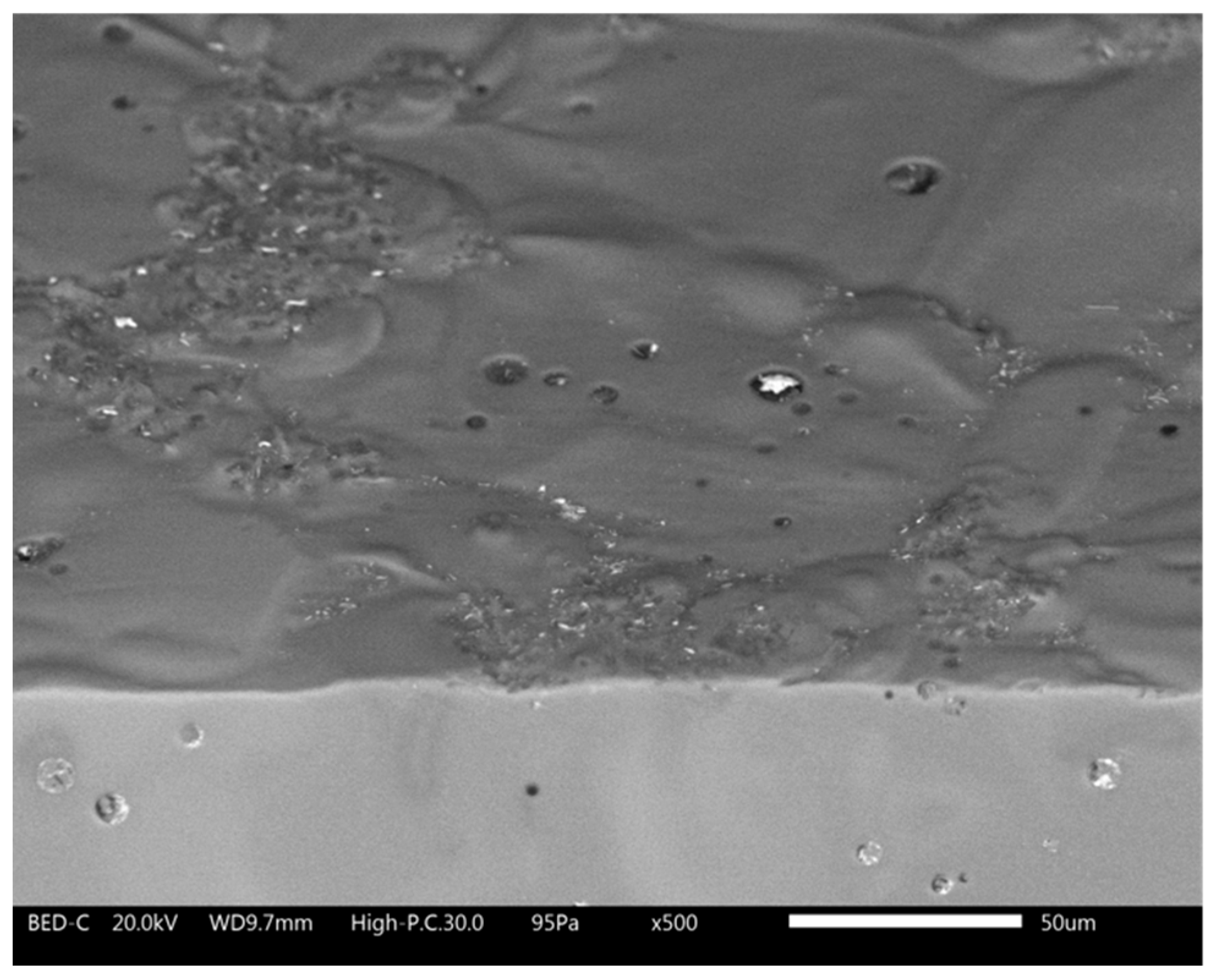
Recent updates to European Union directives on drinking water have extended safety limits to hot water, increasing the need to assess materials commonly used in water storage systems, such as porcelain enamel. This study investigates the interaction between enameled surfaces and aqueous environments, focusing on element release and microstructural alterations. The mass loss and chemical stability of the enamel were evaluated through a combination of surface characterization and Inductively Coupled Plasma (ICP) analysis. Time-resolved quantification of selected elements confirmed that all concentrations remained within EU regulatory thresholds. Additionally, the enamel was subjected to acidic and alkaline environments to explore the influence of pH on degradation mechanisms. Scanning electron microscopy (SEM) revealed that while the enamel undergoes surface-level modifications, the bulk structure remains intact. Notably, alkaline exposure had the strongest impact, dissolving needle-like calcium-rich structures and altering the surface more significantly than water or acid alone. These structures appear to facilitate localized corrosion once degraded. The correlation between surface morphology and elemental release dynamics highlights the critical role of microstructural features in determining long-term chemical resistance. Overall, the results underscore the importance of optimizing both the composition and structure of enamel coatings for applications involving prolonged contact with potable water.
Keywords: porcelain enamels; chemical durability; elements release; drinking water; inductively coupled plasma porcelain enamels; chemical durability; elements release; drinking water; inductively coupled plasma
Graphical Abstract