Article

Controlled Compositions in Zn–Ni Coatings by Anode Material Selection for Replacing Cadmium

National Centre for Advanced Tribology, Department of Mechanical Engineering, University of Southampton, Southampton SO17 1BJ, UK
*
Author to whom correspondence should be addressed.
Coatings 2024, 14(9), 1119; https://doi.org/10.3390/coatings14091119

Submission received: 25 July 2024 / Revised: 29 August 2024 / Accepted: 30 August 2024 / Published: 2 September 2024

Abstract

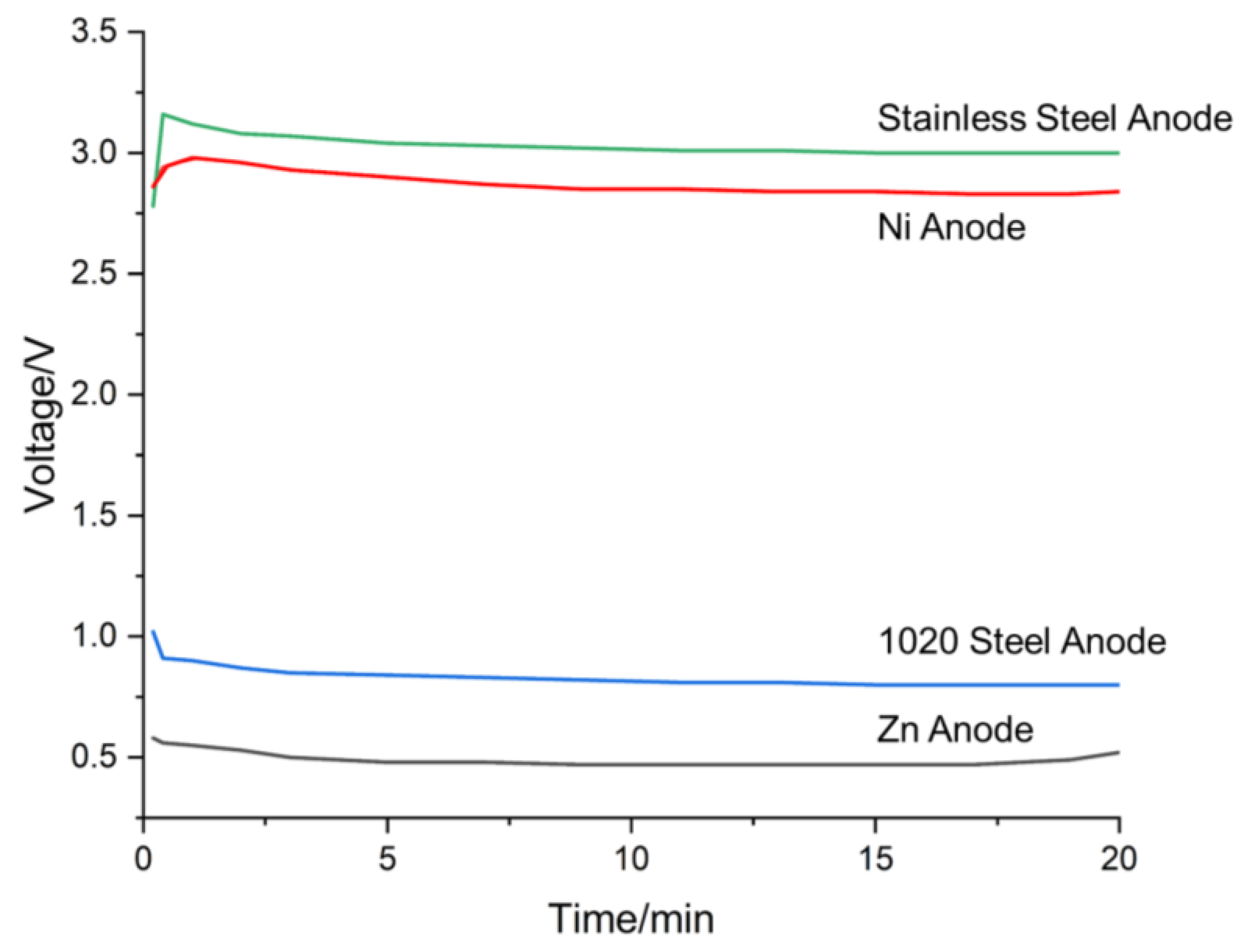
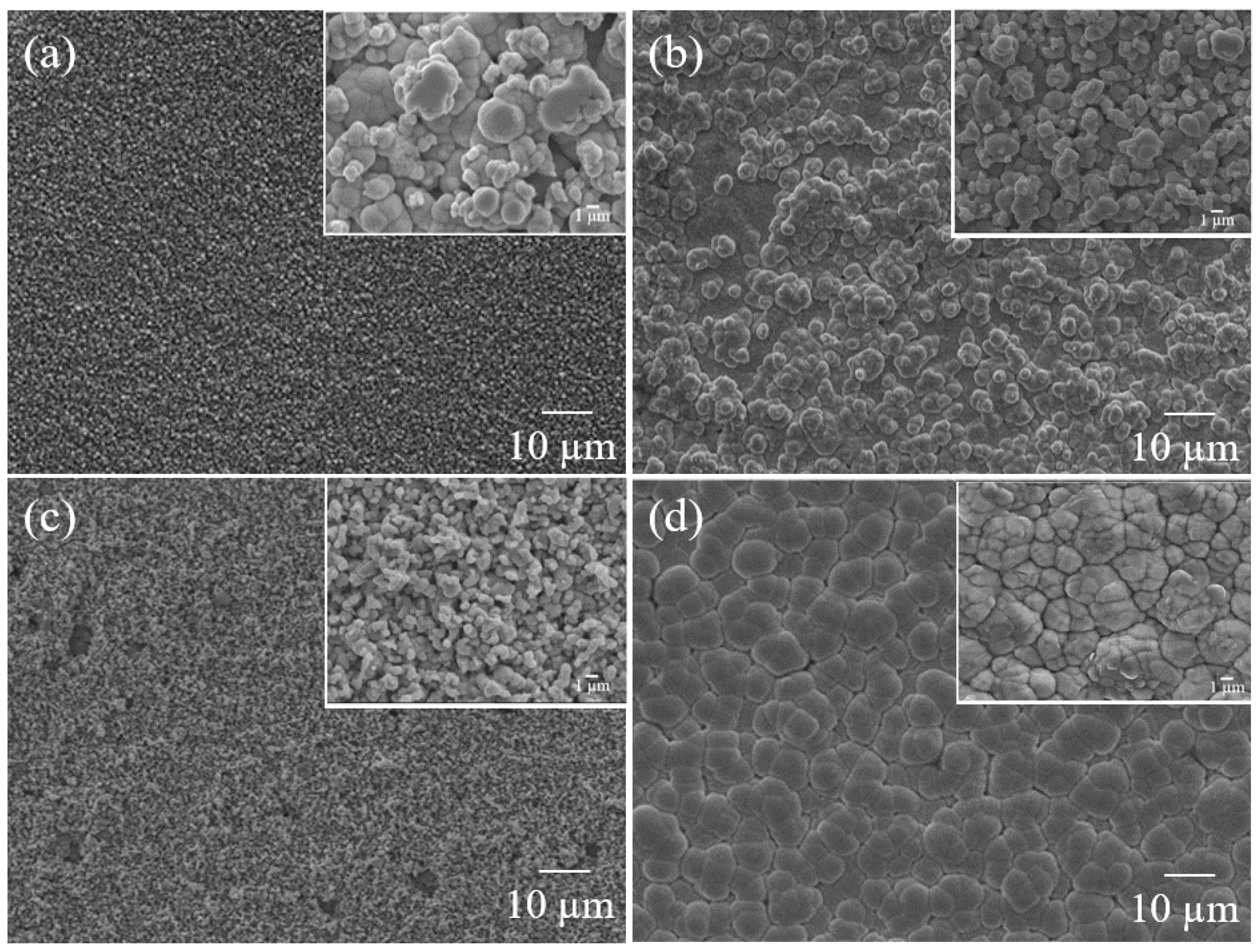
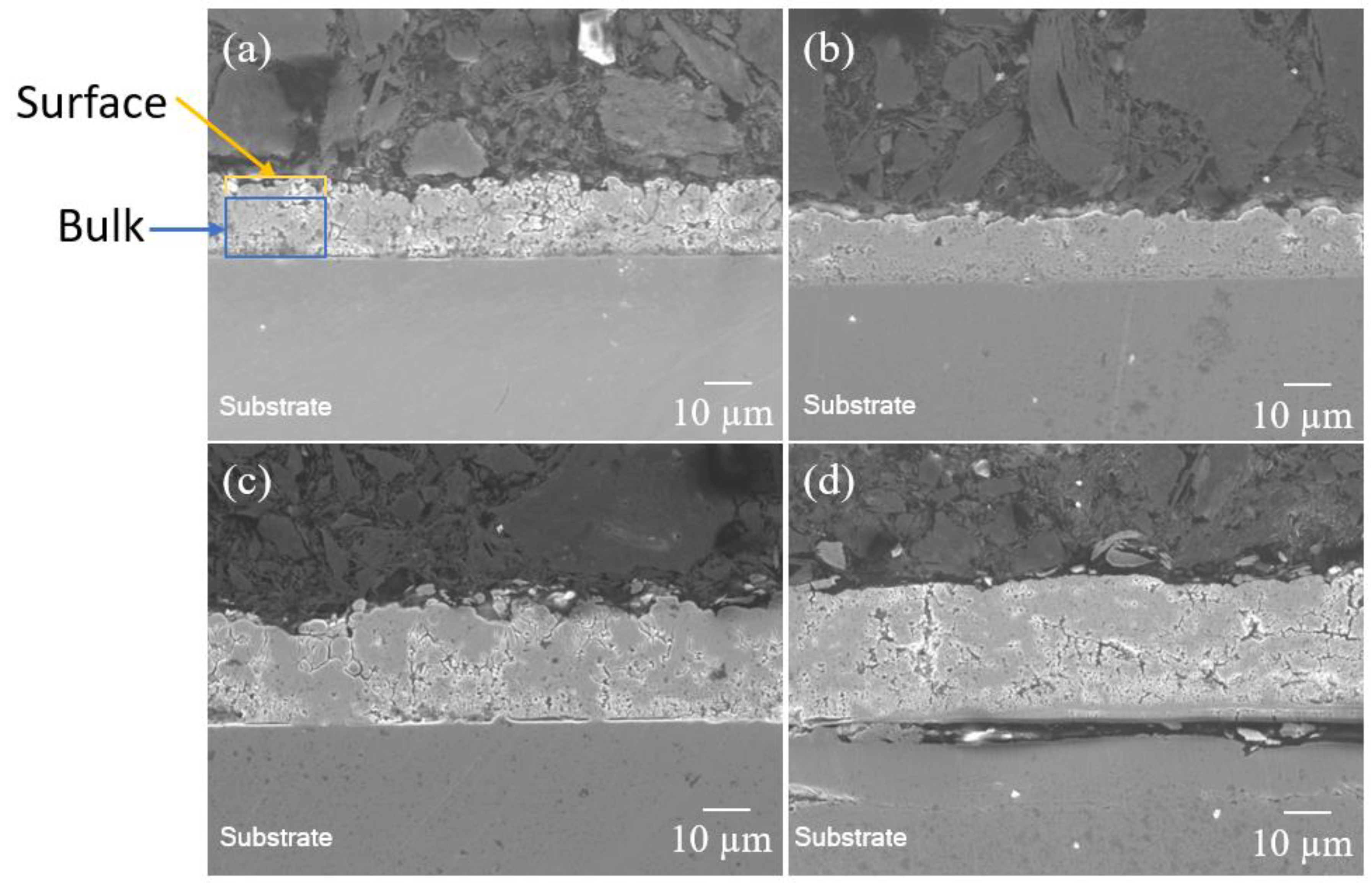
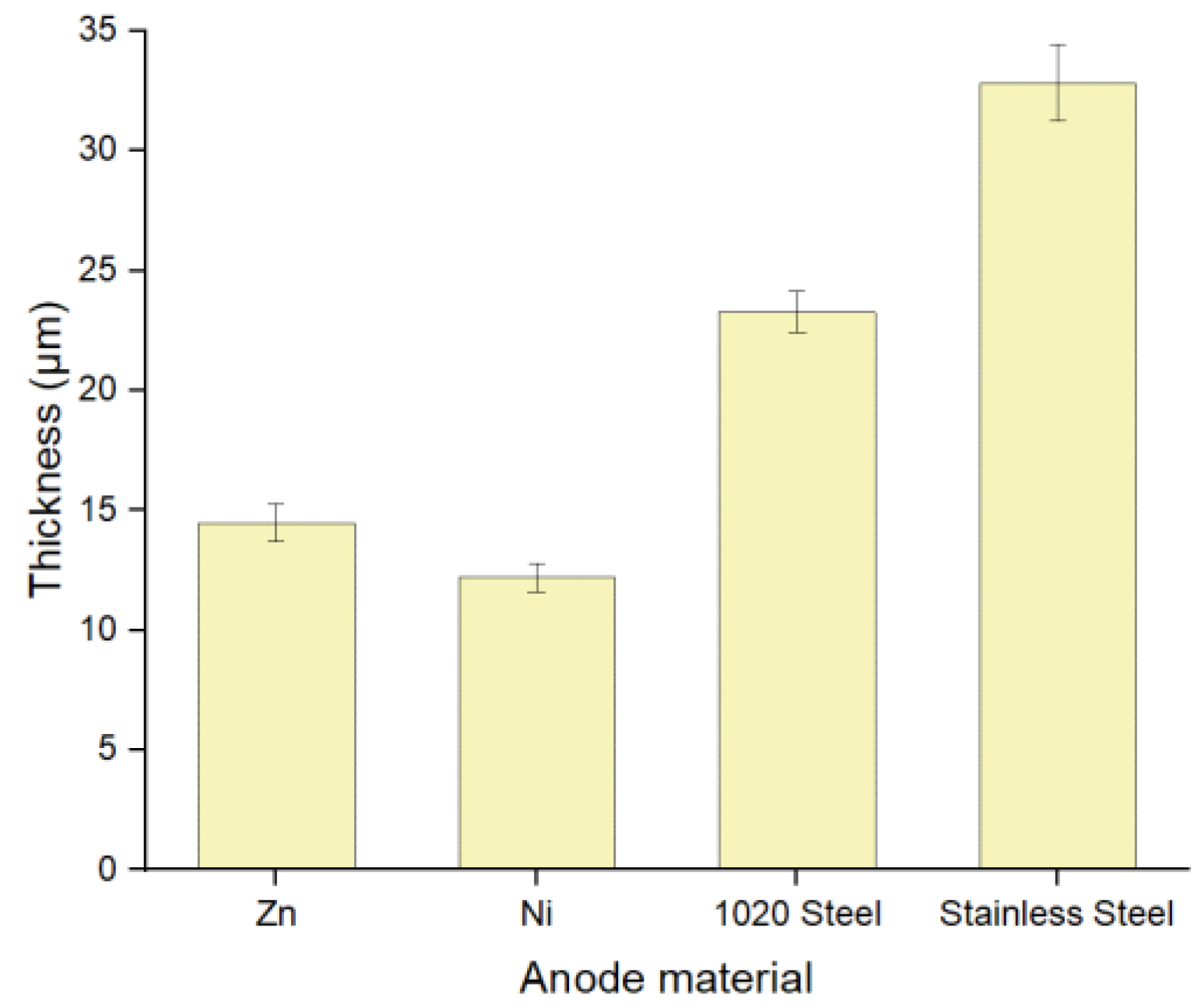
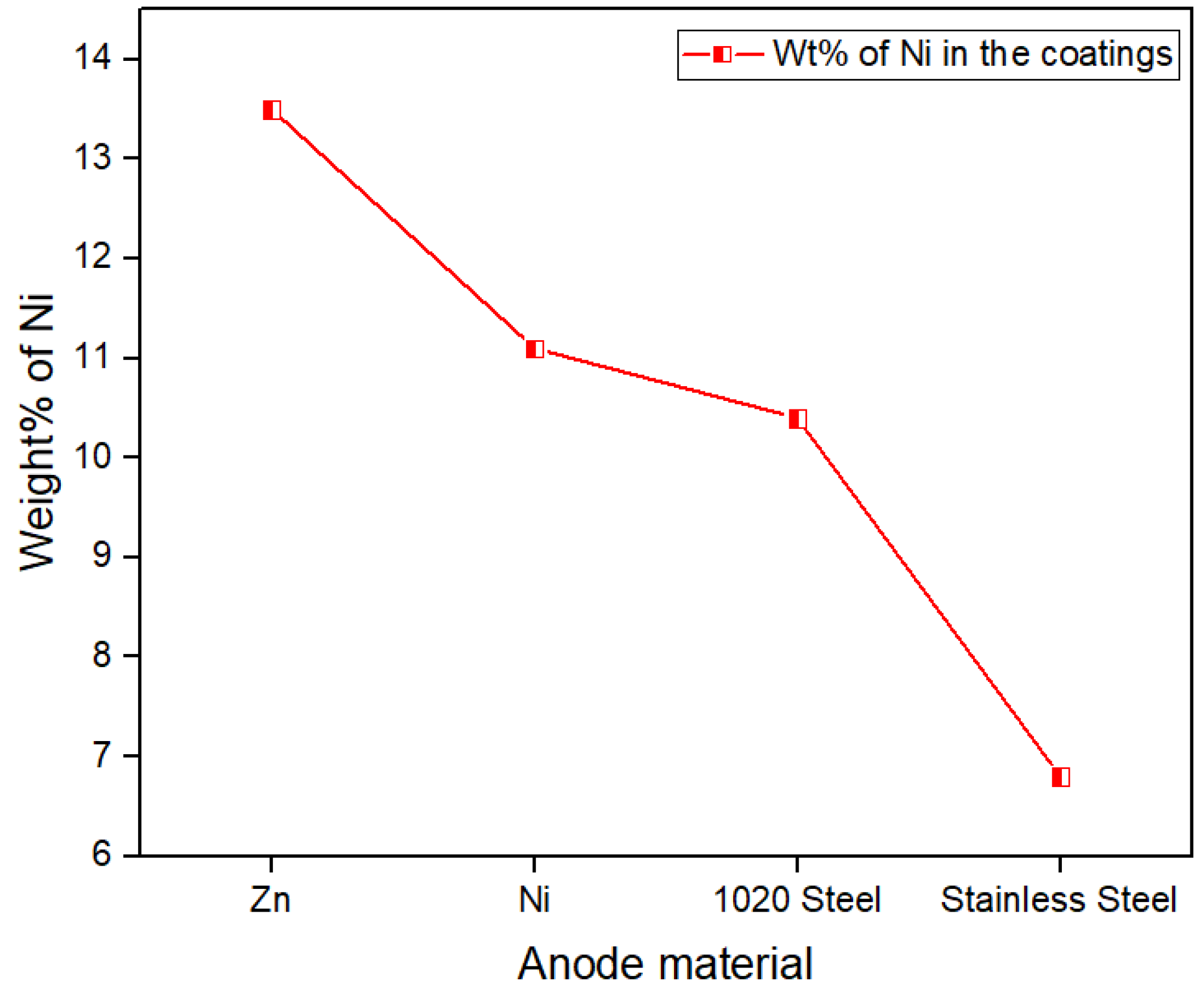
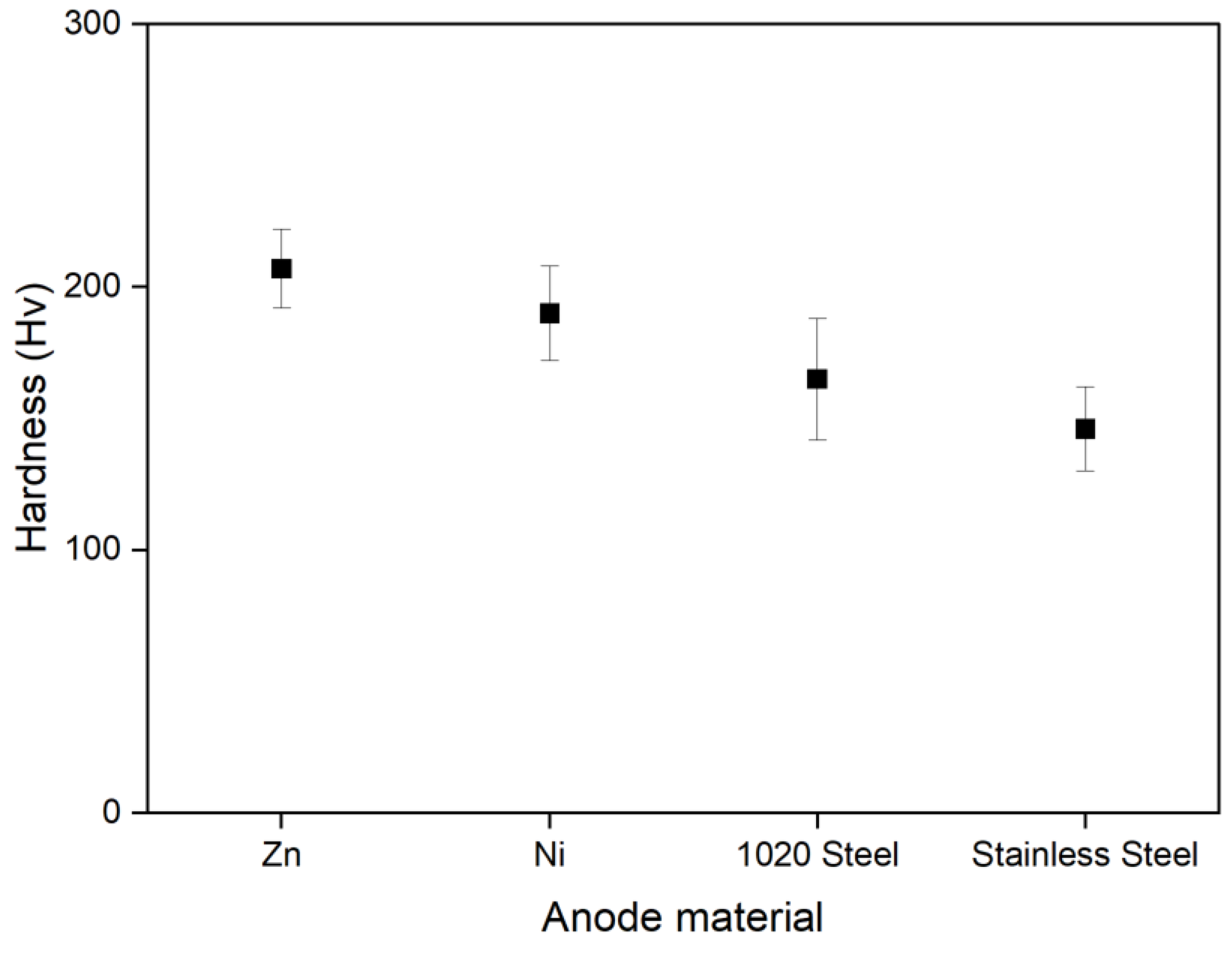
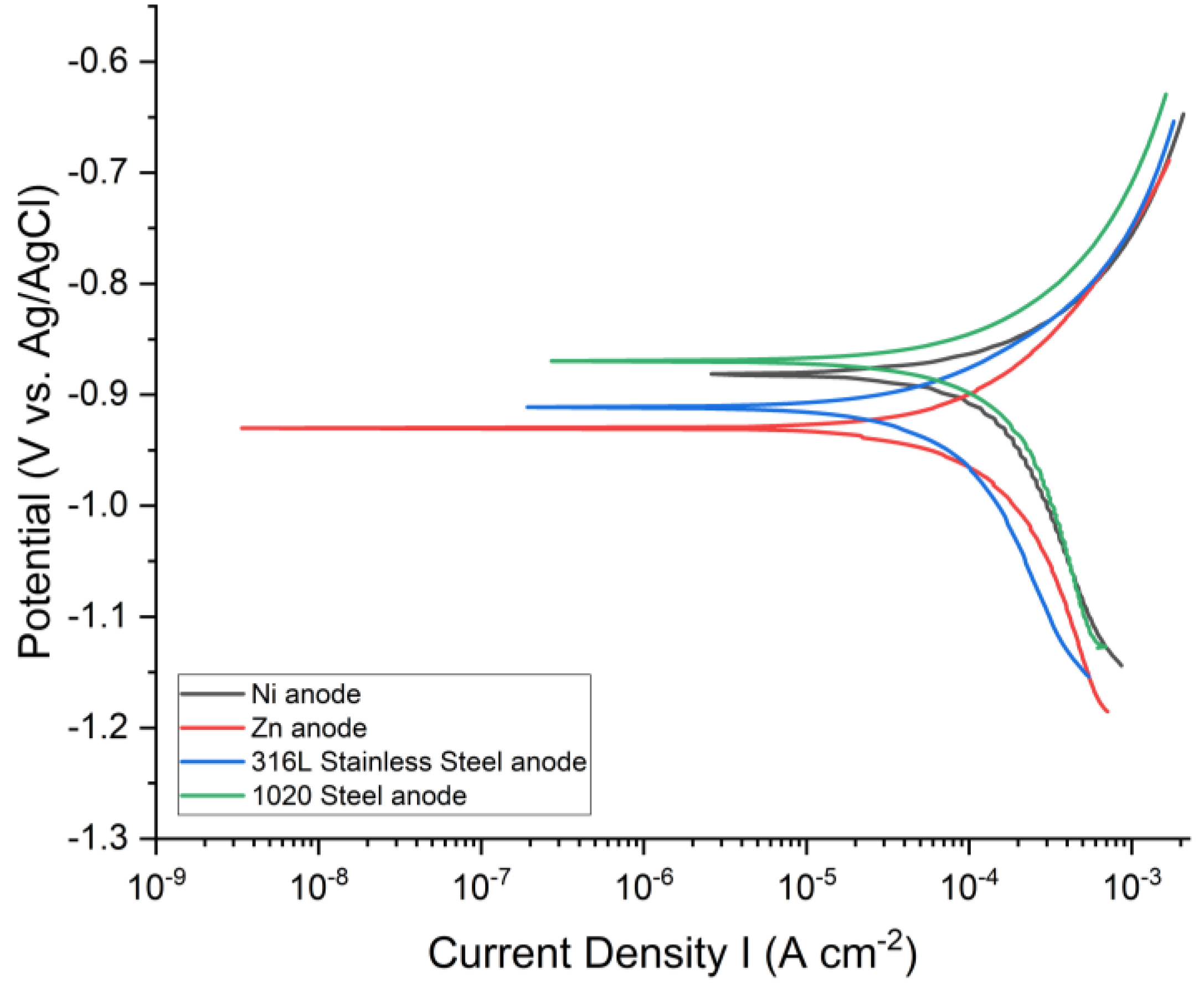
Cadmium-based coatings have long been used to protect high-strength steel in aerospace, but due to cadmium’s toxic and carcinogenic nature, its use is increasingly restricted. Zinc–nickel coatings, containing 10–14 wt% Ni, offer superior corrosion resistance compared to pure zinc, making them a promising alternative. However, Zn–Ni coatings are prone to cracking, which can compromise their protection. This study investigates how different anode materials influence crack formation and coating properties during electrodeposition. Zinc and nickel anodes produced coatings with consistent thicknesses of 13–15 µm, while 1020 steel and stainless steel resulted in thicker coatings of up to 33 µm. Notably, coatings deposited with nickel anodes demonstrated strong adhesion and consistent interface quality. Zinc anodes achieved a high Ni content of about 13.5 wt%, whereas 1020 steel and stainless steel produced lower Ni content, around 7 wt%. Additionally, zinc and nickel anodes led to fewer defects and minimal porosity, in contrast to the higher porosity observed with 1020 steel and stainless steel anodes. Furthermore, zinc anodes maintained stable voltages (~0.5 V), contributing to more uniform coatings. In terms of corrosion resistance, zinc anodes exhibited a lower corrosion rate of 0.44 mm/year compared to 1.54 mm/year for nickel anodes. This study highlights the importance of anode selection in reducing cracking and optimizing Zn–Ni coatings, presenting them as a safer and more effective alternative to cadmium-based coatings.
Keywords: Zn–Ni coatings; phase composition; XRD analysis; electrodeposition; anode material Zn–Ni coatings; phase composition; XRD analysis; electrodeposition; anode material