Article

Characterization of Thermal and Stress Dual-Induced Nano-SiC-Modified Microcapsules

1
Xinjiang Academy of Transportation Science, Co., Ltd., Urumqi 830000, China
2
School of Highway, Chang’an University, Xi’an 710064, China
3
School of Human Settlements and Civil Engineering, Xi’an Jiaotong University, Xi’an 710049, China
4
School of Transportation, Southeast University, Nanjing 211189, China
*
Authors to whom correspondence should be addressed.
Coatings 2024, 14(12), 1573; https://doi.org/10.3390/coatings14121573

Submission received: 12 November 2024 / Revised: 3 December 2024 / Accepted: 10 December 2024 / Published: 16 December 2024
(This article belongs to the Special Issue Green Asphalt Materials—Surface Engineering and Applications)

Abstract

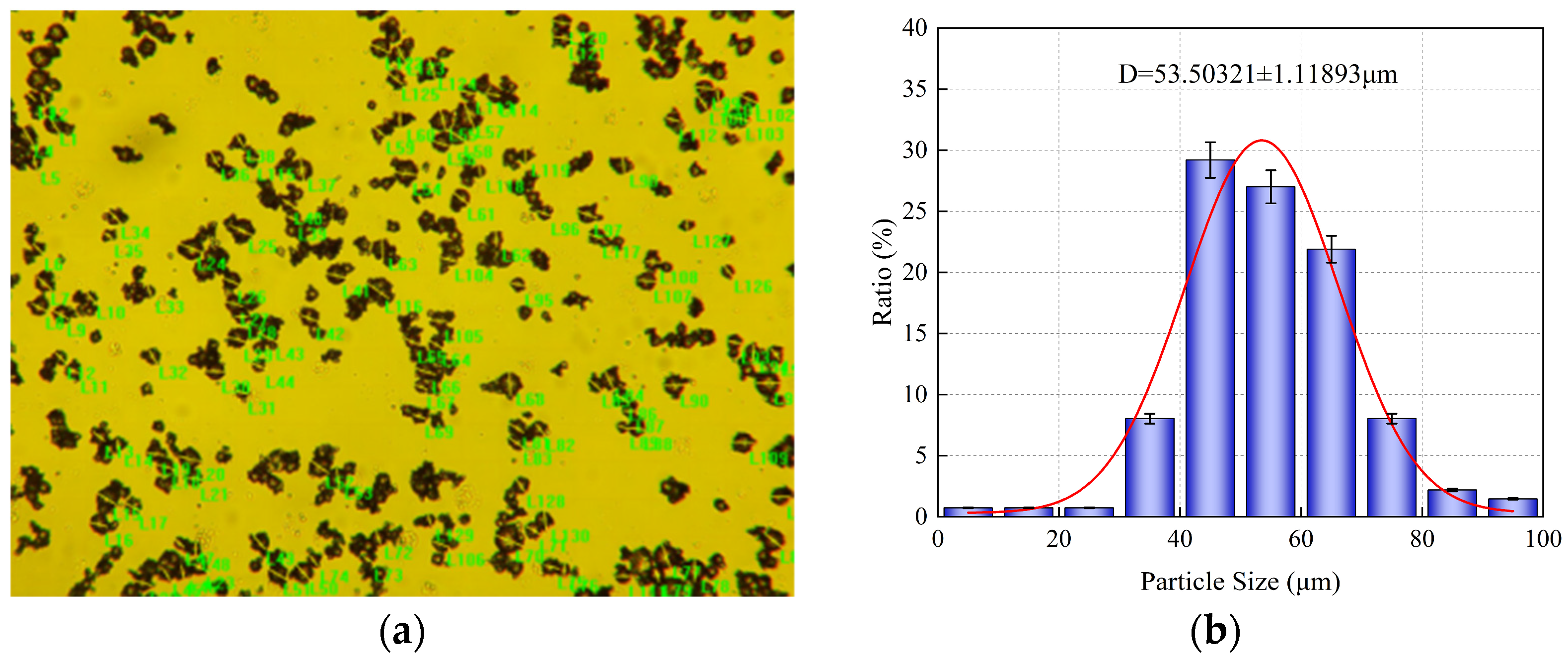
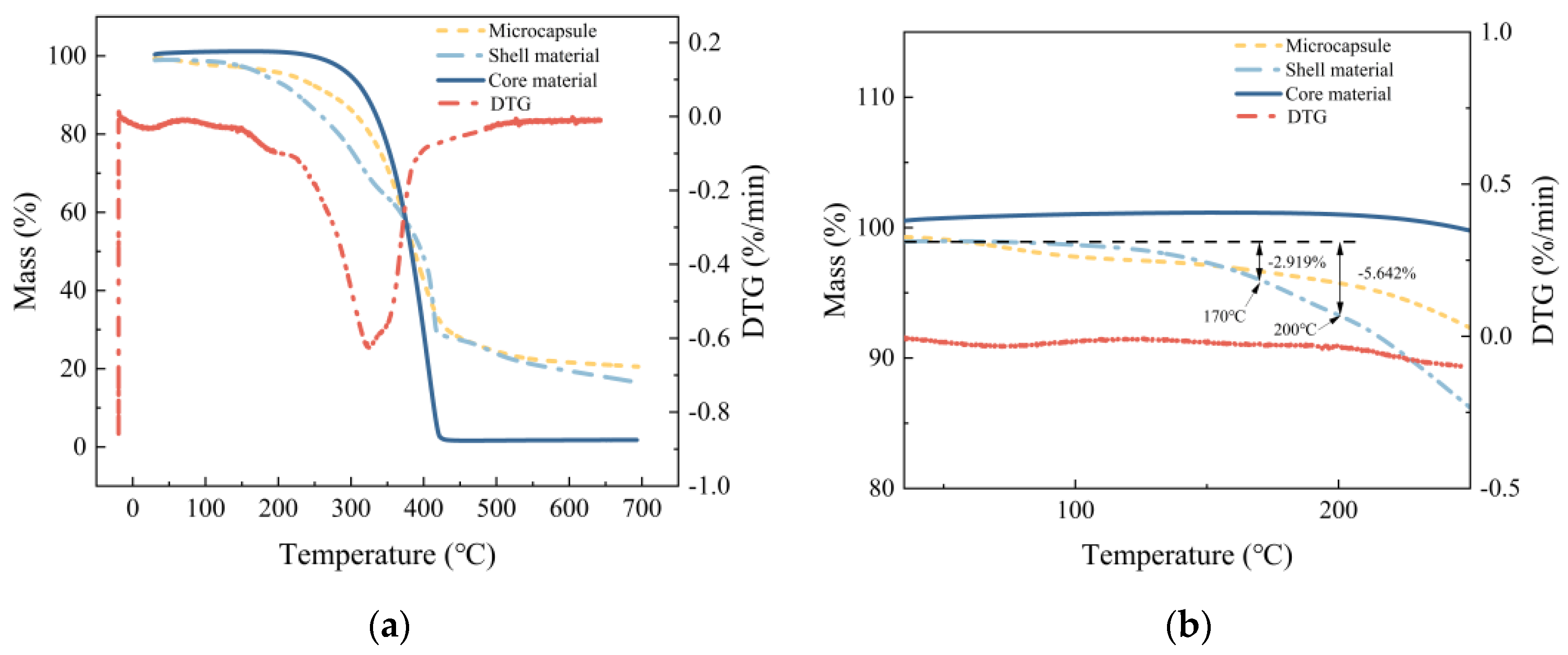
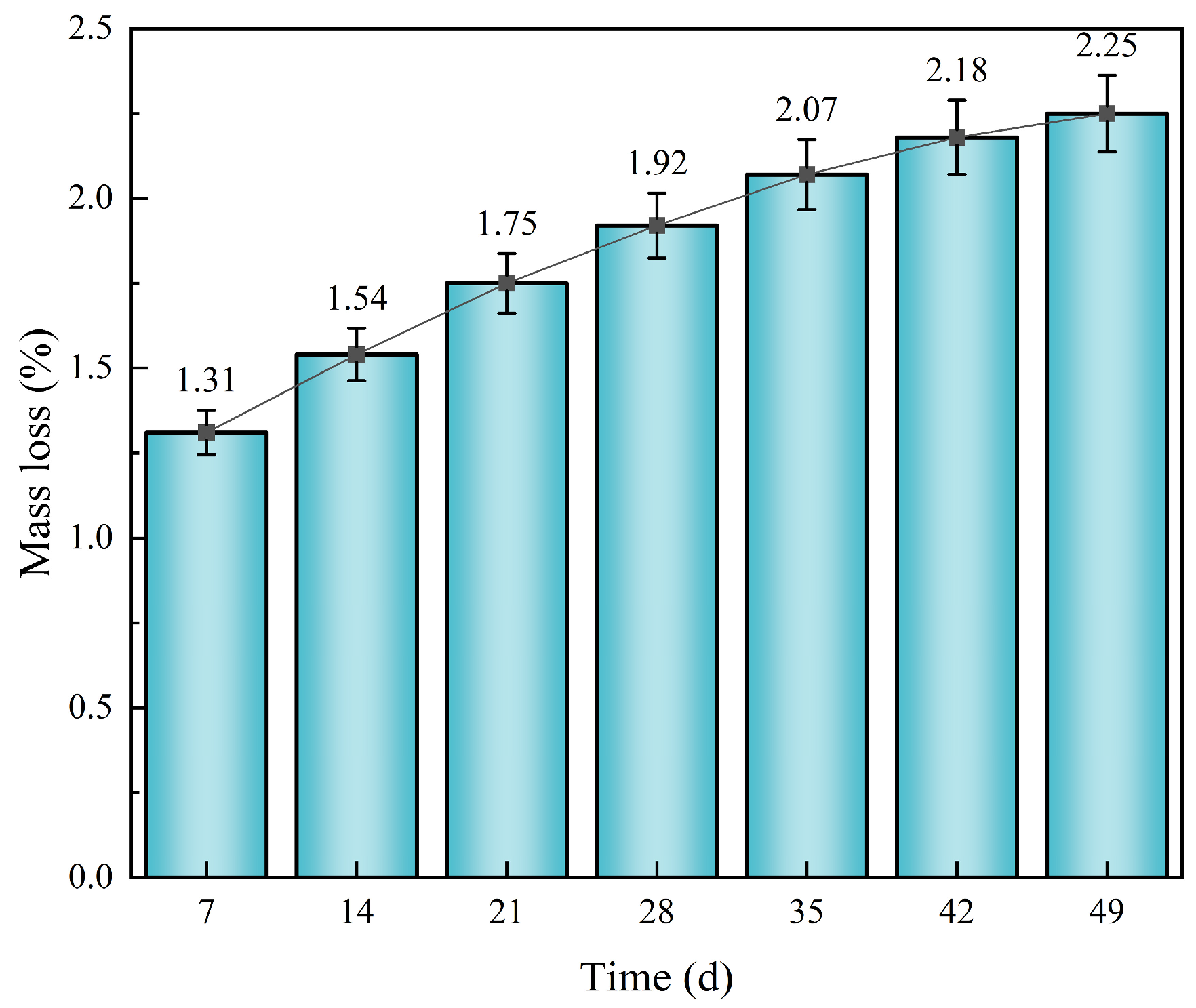
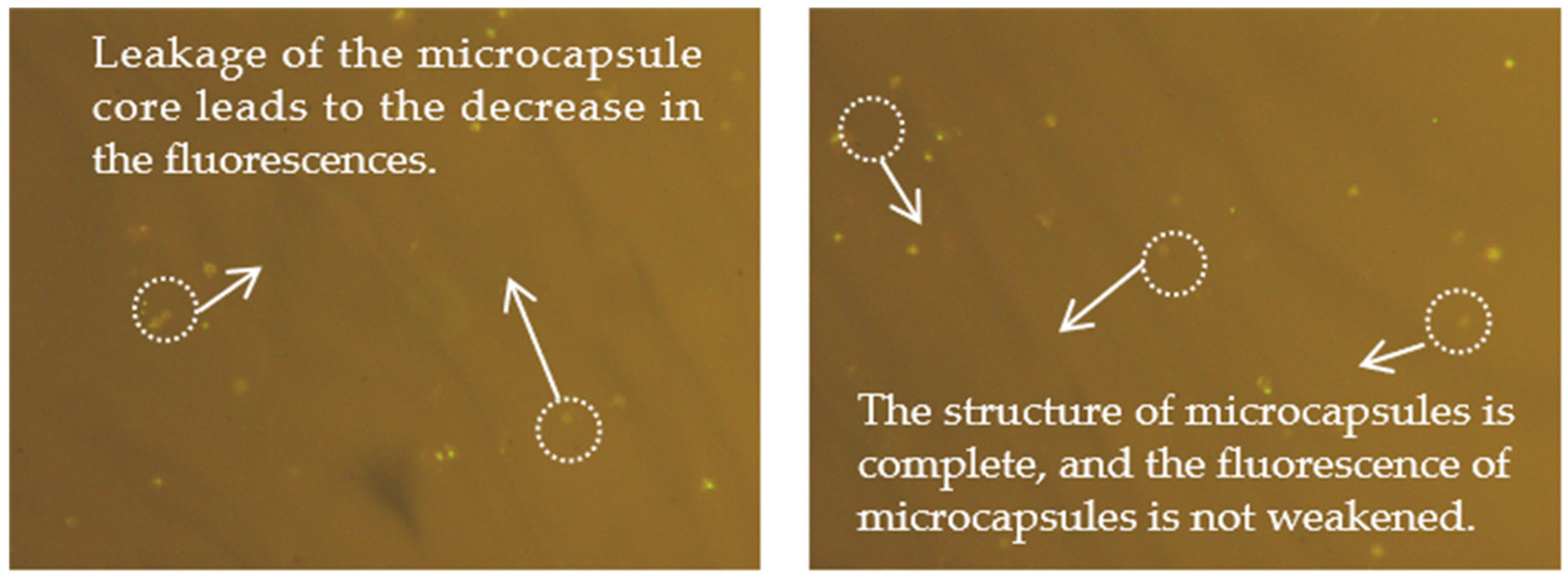
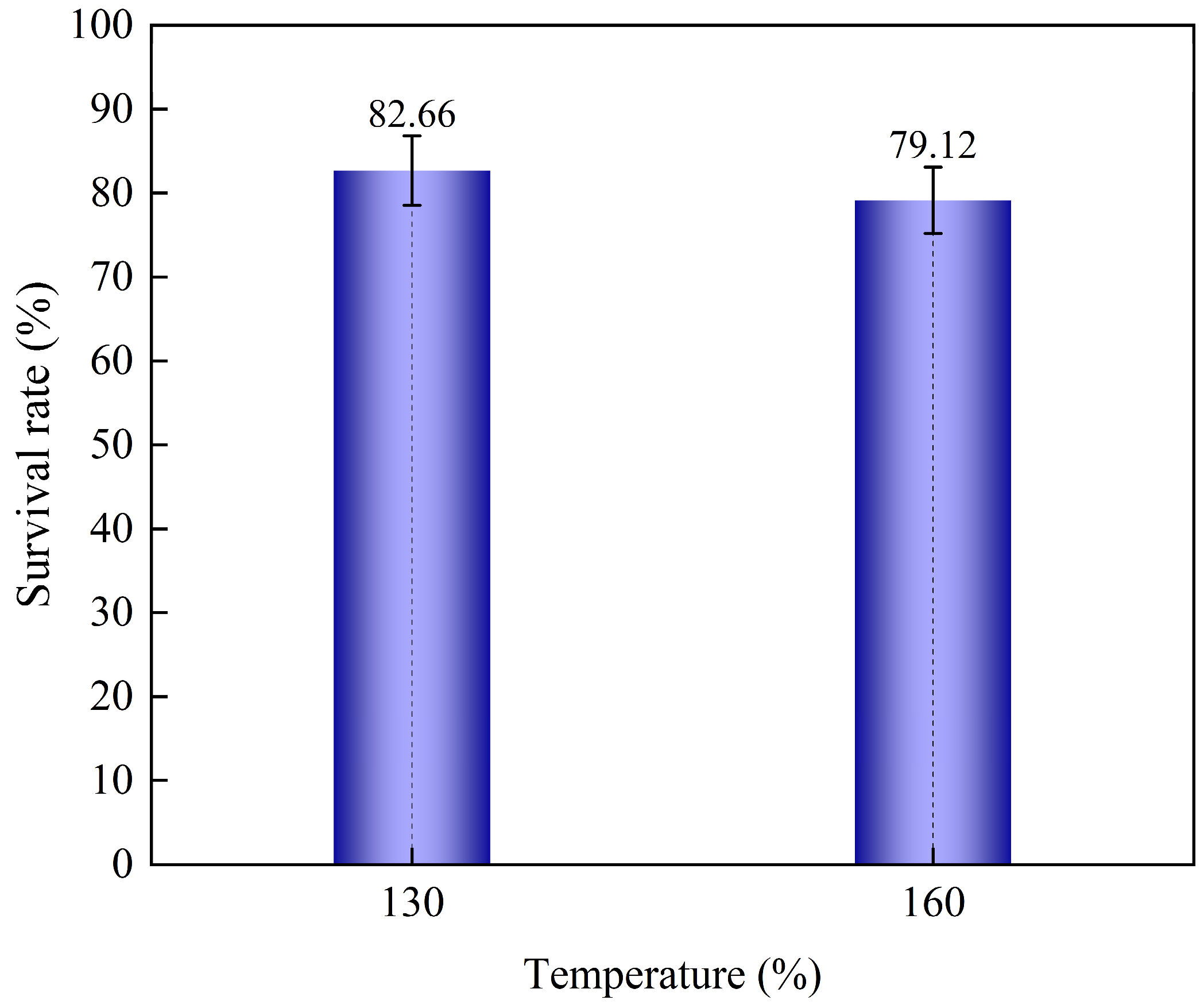
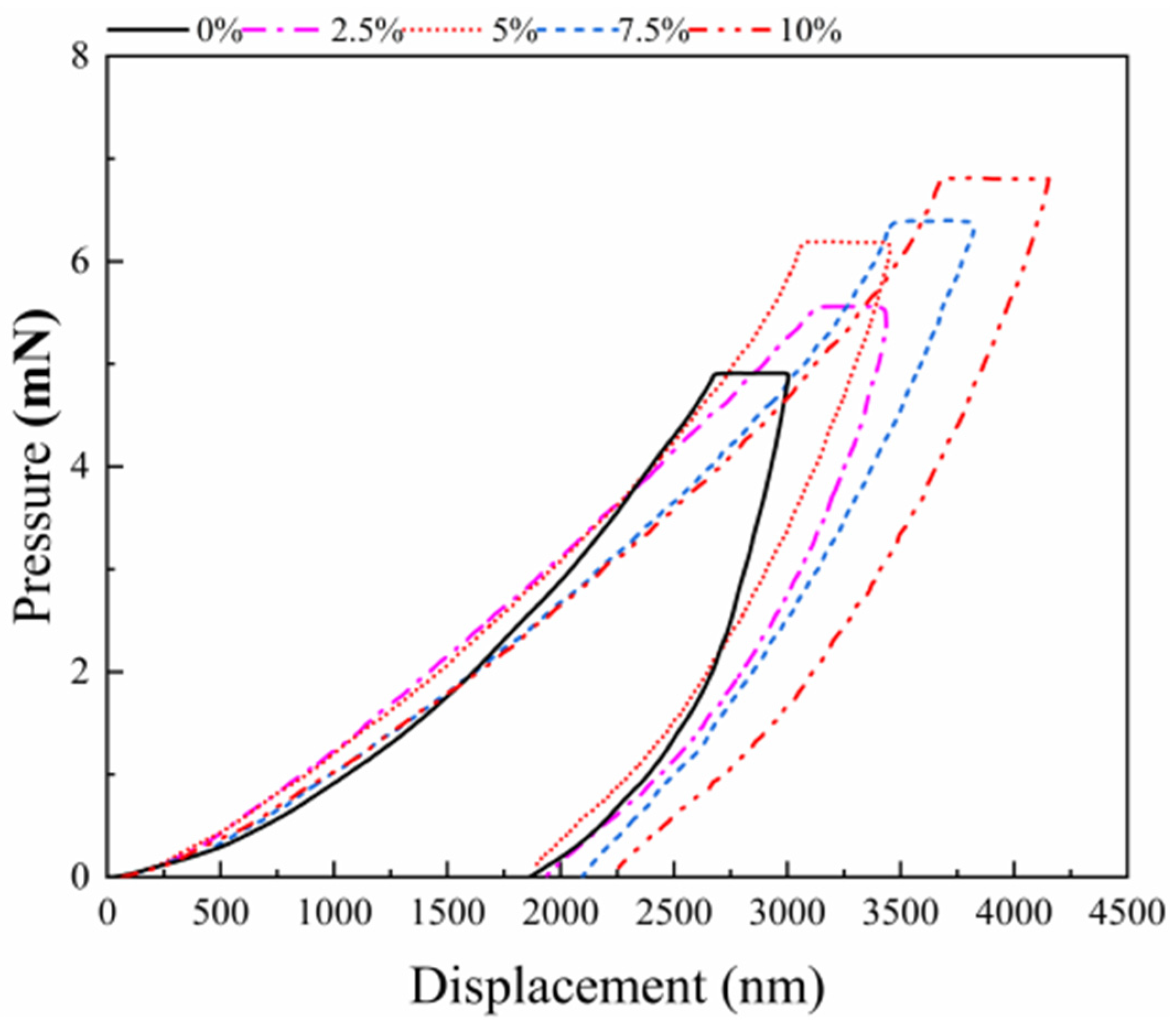
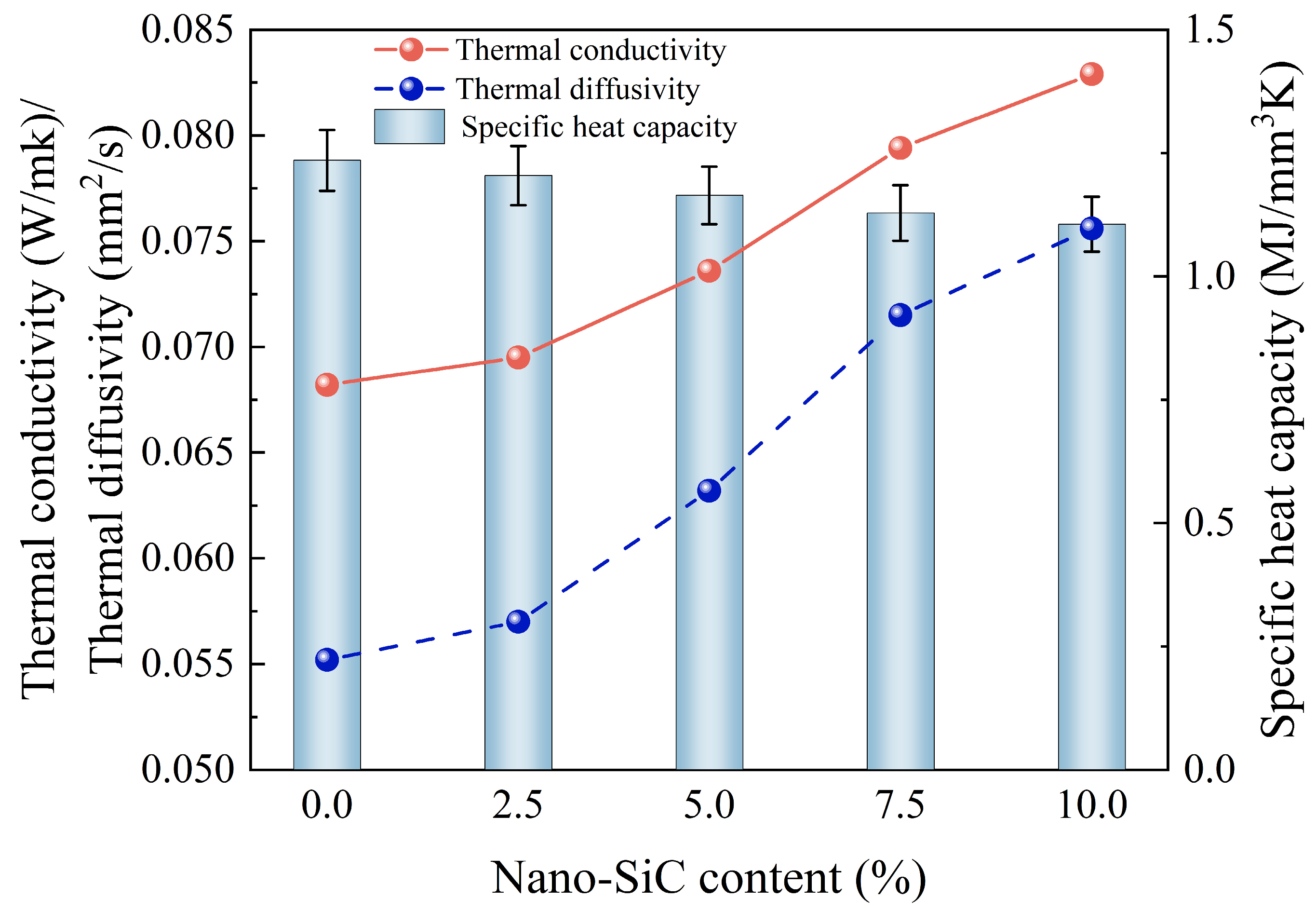
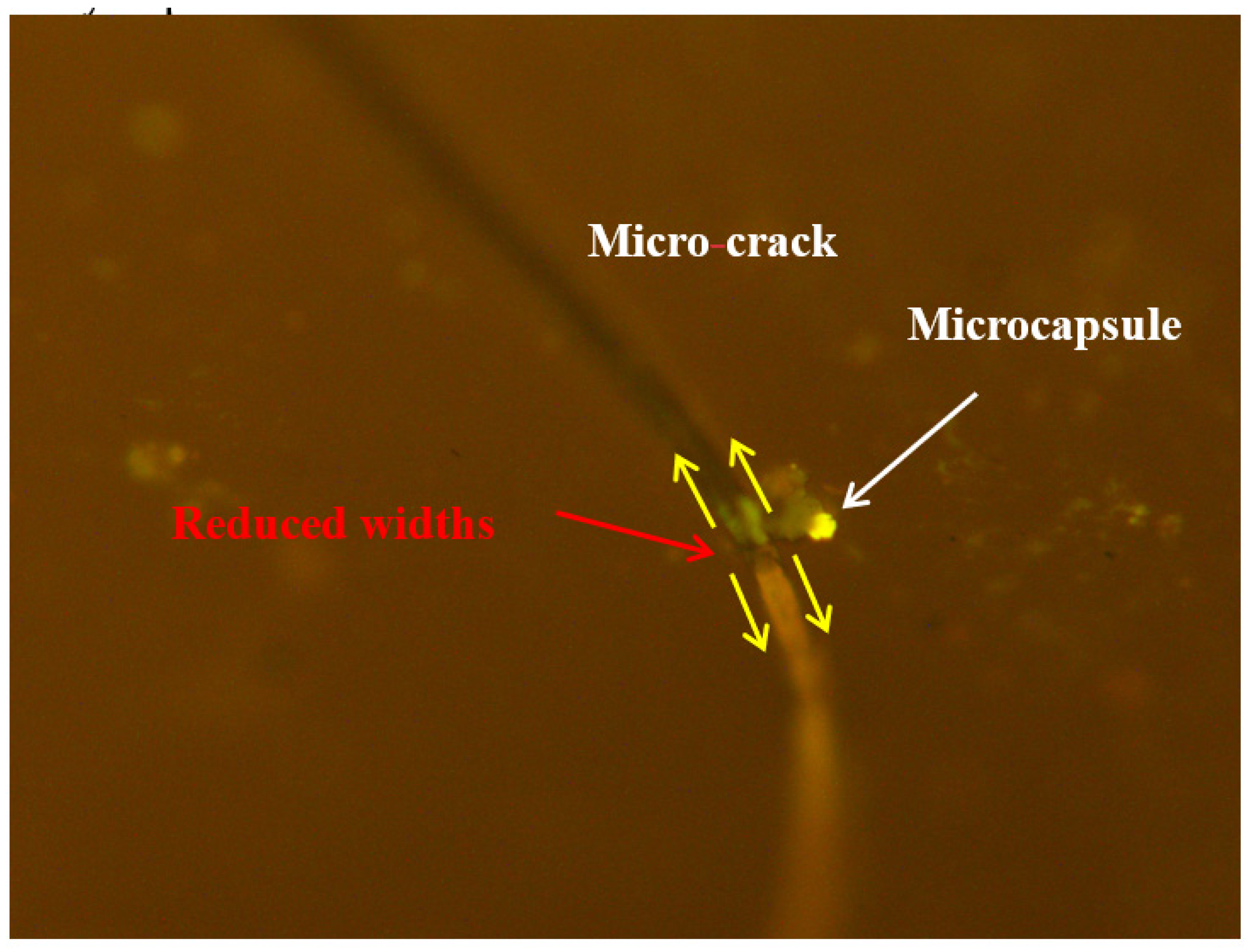
This work reports a kind of thermal and stress dual-induced nano-SiC-modified microcapsule that is applied to asphalt pavement to improve its self-healing performance. For this purpose, the microcapsules needed to contain a regenerator and be stable in an asphalt mixture. In addition, the microcapsules needed to have good wave-absorbing and temperature-raising properties to realize the dual-mechanism-induced release of microcapsules. In the first step in this study, heat-stressed double microcapsules were prepared. Then, the properties of the microcapsules—including basic properties, stability, mechanical properties, and wave-absorbing and temperature-raising properties—were tested. Finally, the self-healing mechanism of the microcapsules was observed. The results show that the nano-SiC-modified microcapsules have a high core content (87.6%), suitable particle size (average particle size of 53.50 µm), high thermal stability (mass loss of 2.92% at 150~170 °C), high construction stability (survival rate of more than 80%), high storage stability (loss rate of 2.35% at 49 d), and high mechanical properties (Young’s modulus and nano-hardness of 3.15 Gpa and 0.54 Gpa, respectively). Compared with microcapsules without nano-SiC, the thermal conductivity of the 10% nano-SiC-modified microcapsules increased by 21.6%, their specific heat capacity decreased by 10.45%, and their thermal diffusion coefficient increased by 36.96% after microwave heating for 6 min.
Keywords: microcapsules; nano-SiC; microstructure; chemical constitution; mechanical strength; stability microcapsules; nano-SiC; microstructure; chemical constitution; mechanical strength; stability