Article

Electrochemical Nucleation and Growth Mechanism of Aluminum on AZ31 Magnesium Alloys

1
College of Material Science and Engineering, Taiyuan University of Technology, Taiyuan 030024, China
2
Key Laboratory of Interface Science and Engineering in Advanced Materials, Ministry of Education, Taiyuan 030024, China
3
Shanxi Research Center of Advanced Materials Science and Technology, Taiyuan 030024, China
*
Author to whom correspondence should be addressed.
Coatings 2021, 11(1), 46; https://doi.org/10.3390/coatings11010046

Submission received: 3 December 2020 / Revised: 22 December 2020 / Accepted: 31 December 2020 / Published: 5 January 2021
(This article belongs to the Collection Hard Protective Coatings on Tools and Machine Elements)

Abstract

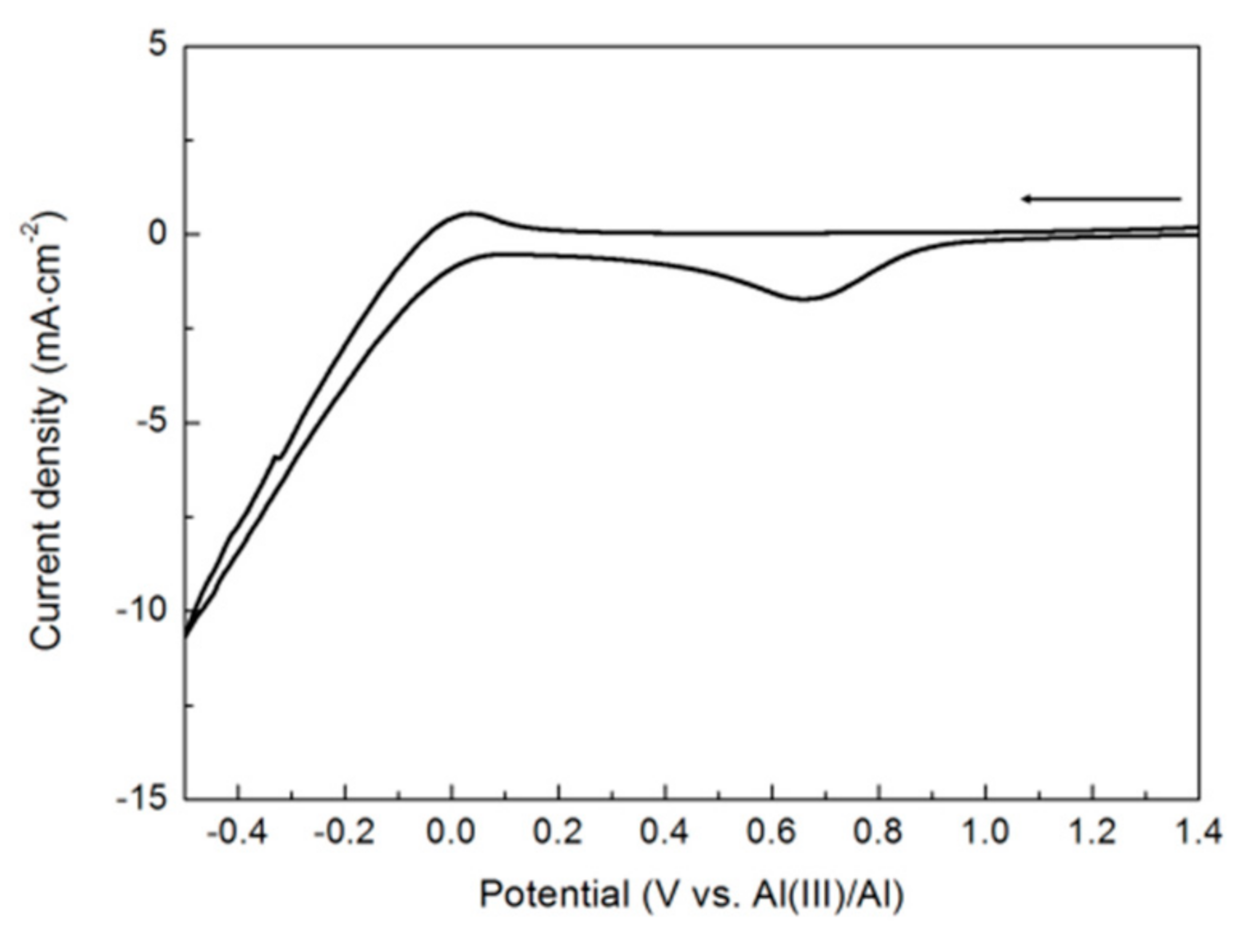
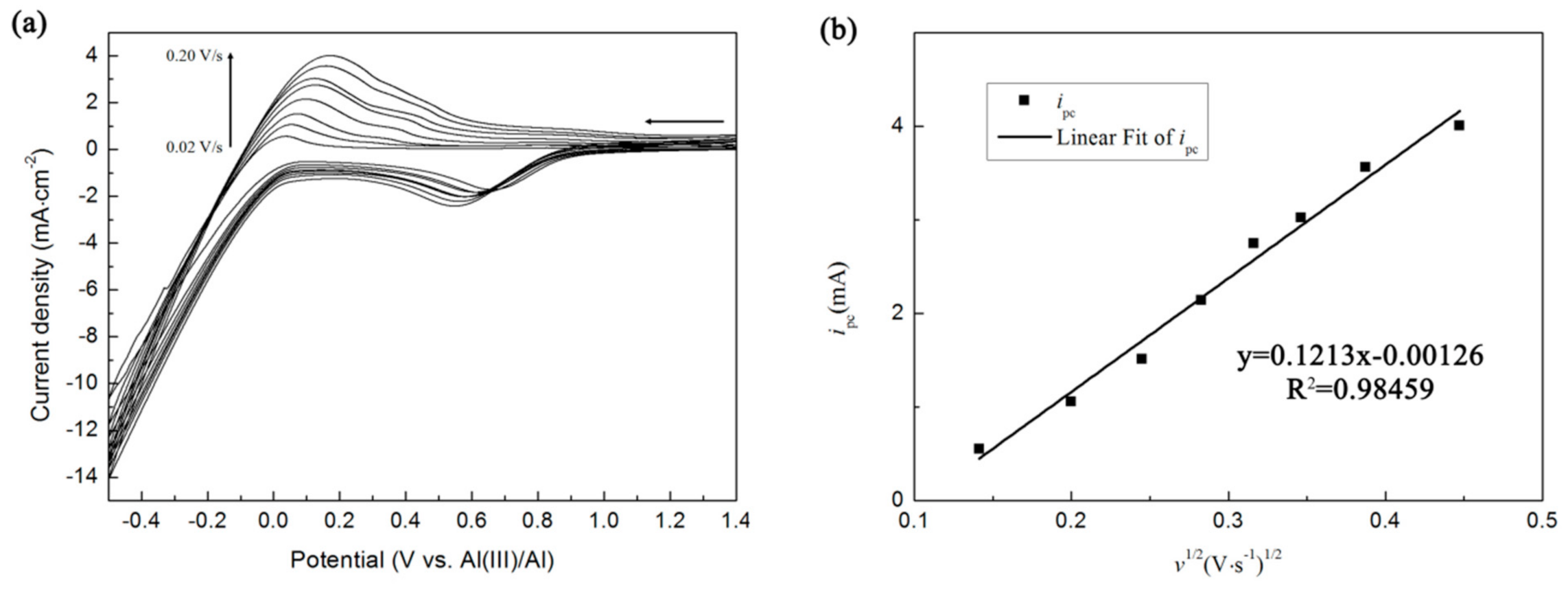
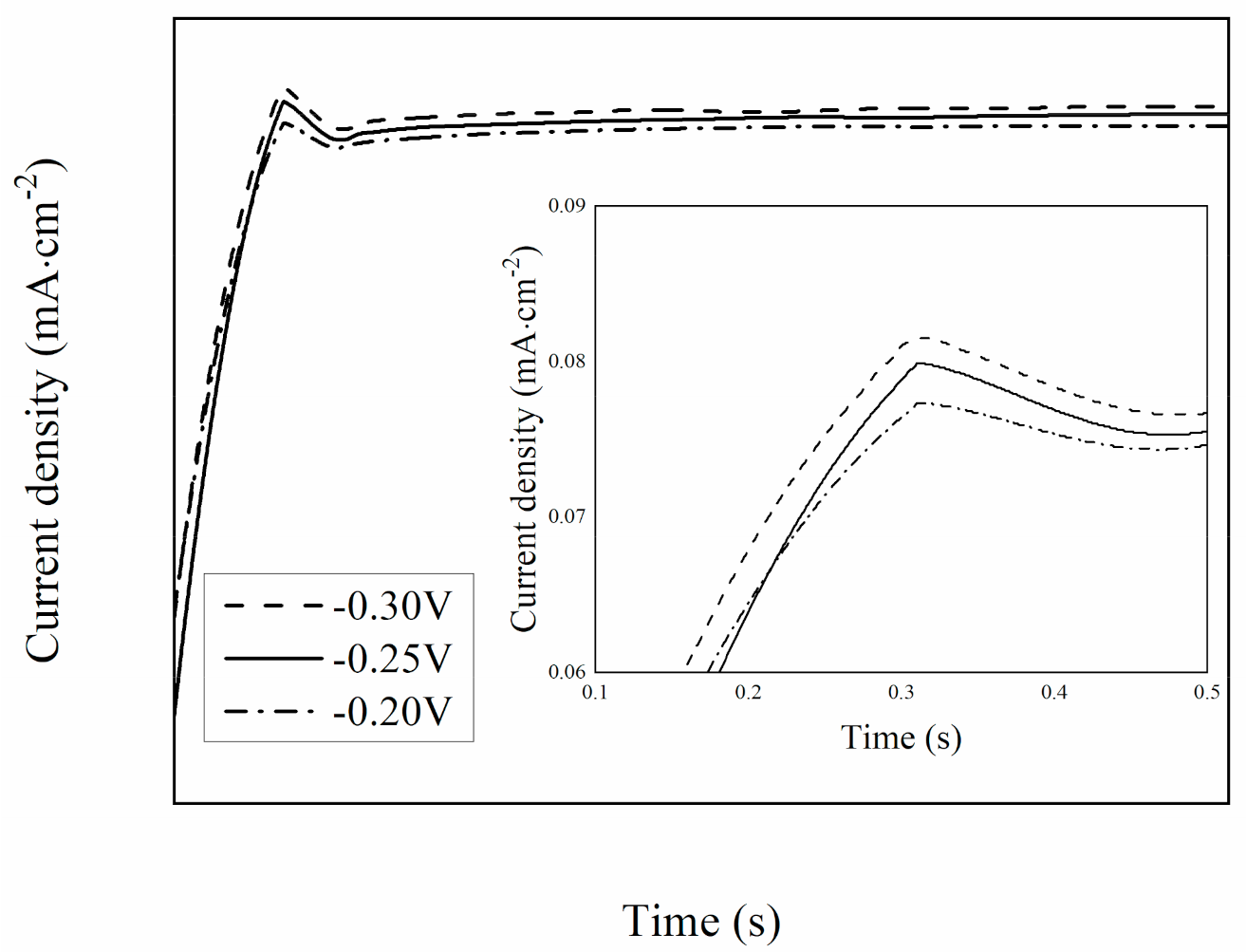
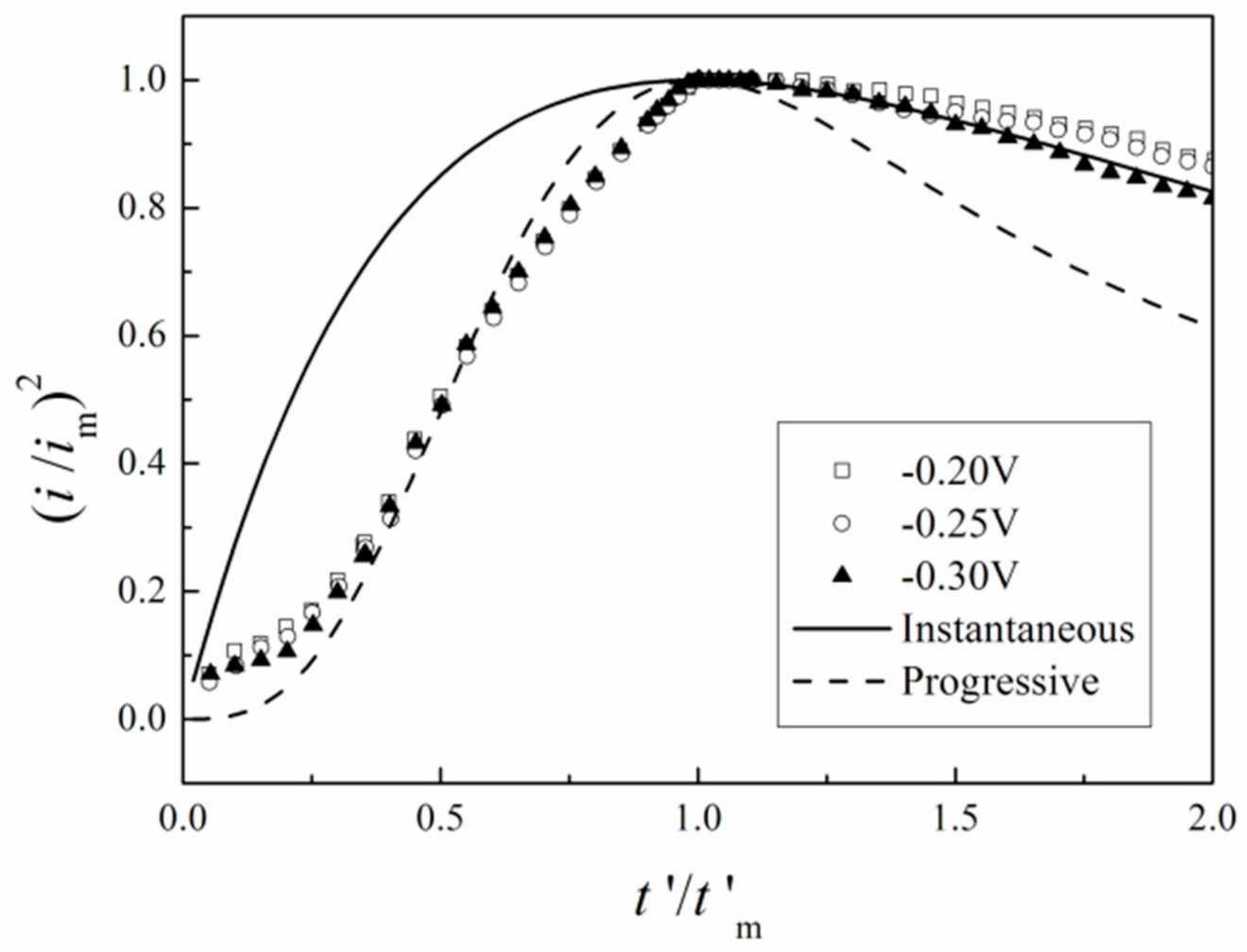
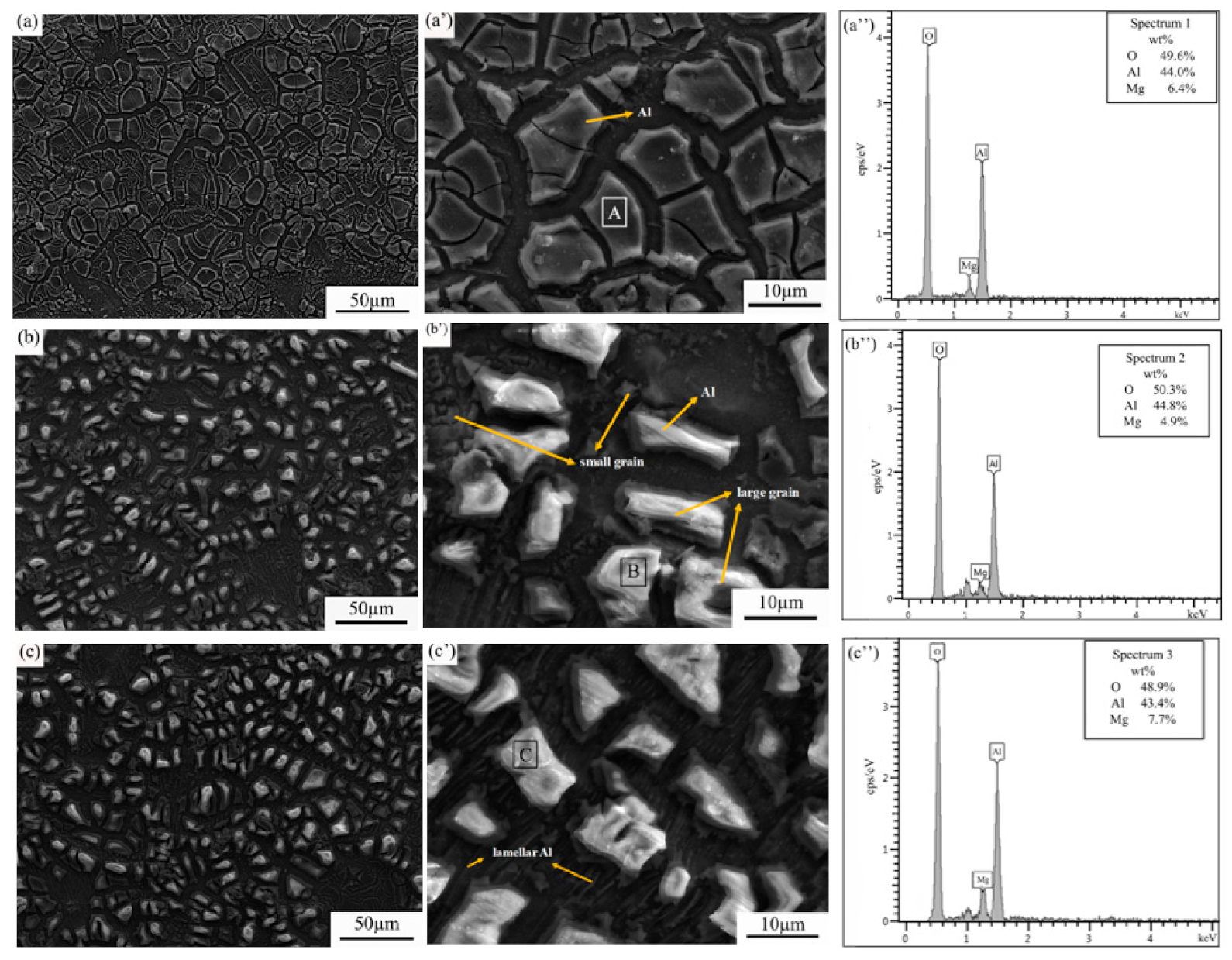
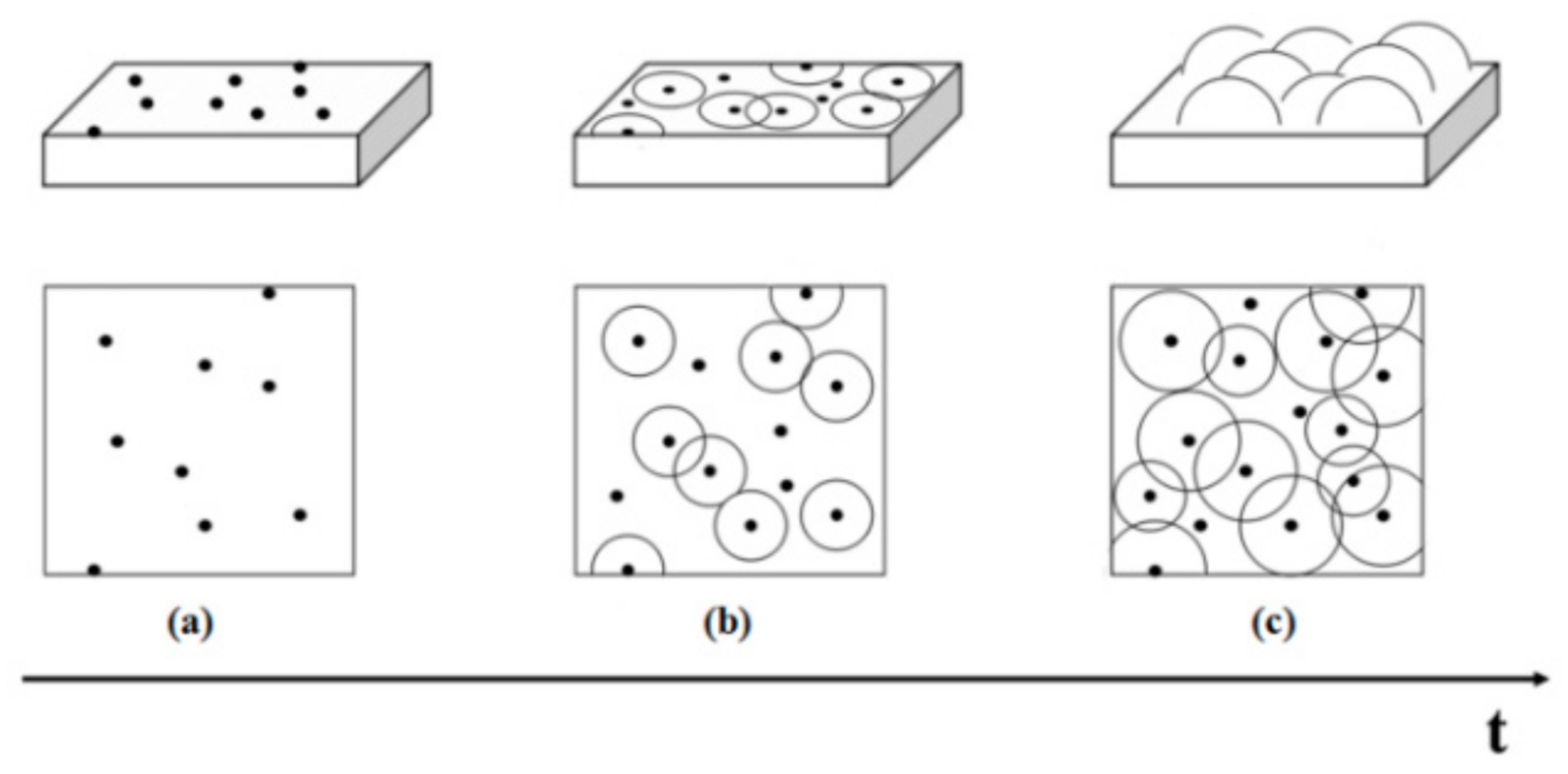
In this study, the nucleation and growth kinetics behavior of aluminum (Al) were investigated in the Choline-chloride (ChCl)-urea deep eutectic solvent (DES) ionic liquids. The studies of cyclic voltammetric and chronoamperometry demonstrated that the electrodeposition process of Al was controlled by three-dimensional progressive nucleation and instantaneous nucleation. And the growth of nuclei is a diffusion-controlled process. The diffusion coefficient of Al ions was calculated at 343 K, that is, 1.773 × 10⁻¹⁰ cm2/s. The Al coating was obtained on the surface of the AZ31 magnesium alloy electrode under appropriate conditions. According to the surface morphology of the Al film, it could be inferred that the theoretical deposit thickness is similar to the actual thickness, and the apparent diffusion rate of Al ions is slower than the diffusion coefficient in the electrolytes. So, in the later deposition, lamellar Al along the diffusion direction were formed, and lamellar depleted Al zones existed around the big grain Al-rich region.
Keywords: electrodeposition; Al; DES; nucleation; Mg alloys; diffusion electrodeposition; Al; DES; nucleation; Mg alloys; diffusion