Article

Addition of Si3N4 Strengthens SiC Coatings via Heat Treatment with Nitrogen Gas onto Carbon/Carbon Composites

1
Research Institute of Automobile Parts Technology, Hunan Institute of Technology, Hengyang 421000, China
2
National Joint Engineering Laboratory of Automobile Pump Parts Design and Manufacturing, Hengyang 421000, China
3
School of Safety and Environmental Engineering, Hunan Institute of Technology, Hengyang 421000, China
*
Author to whom correspondence should be addressed.
Coatings 2020, 10(8), 787; https://doi.org/10.3390/coatings10080787

Submission received: 3 July 2020 / Revised: 4 August 2020 / Accepted: 11 August 2020 / Published: 13 August 2020

Abstract

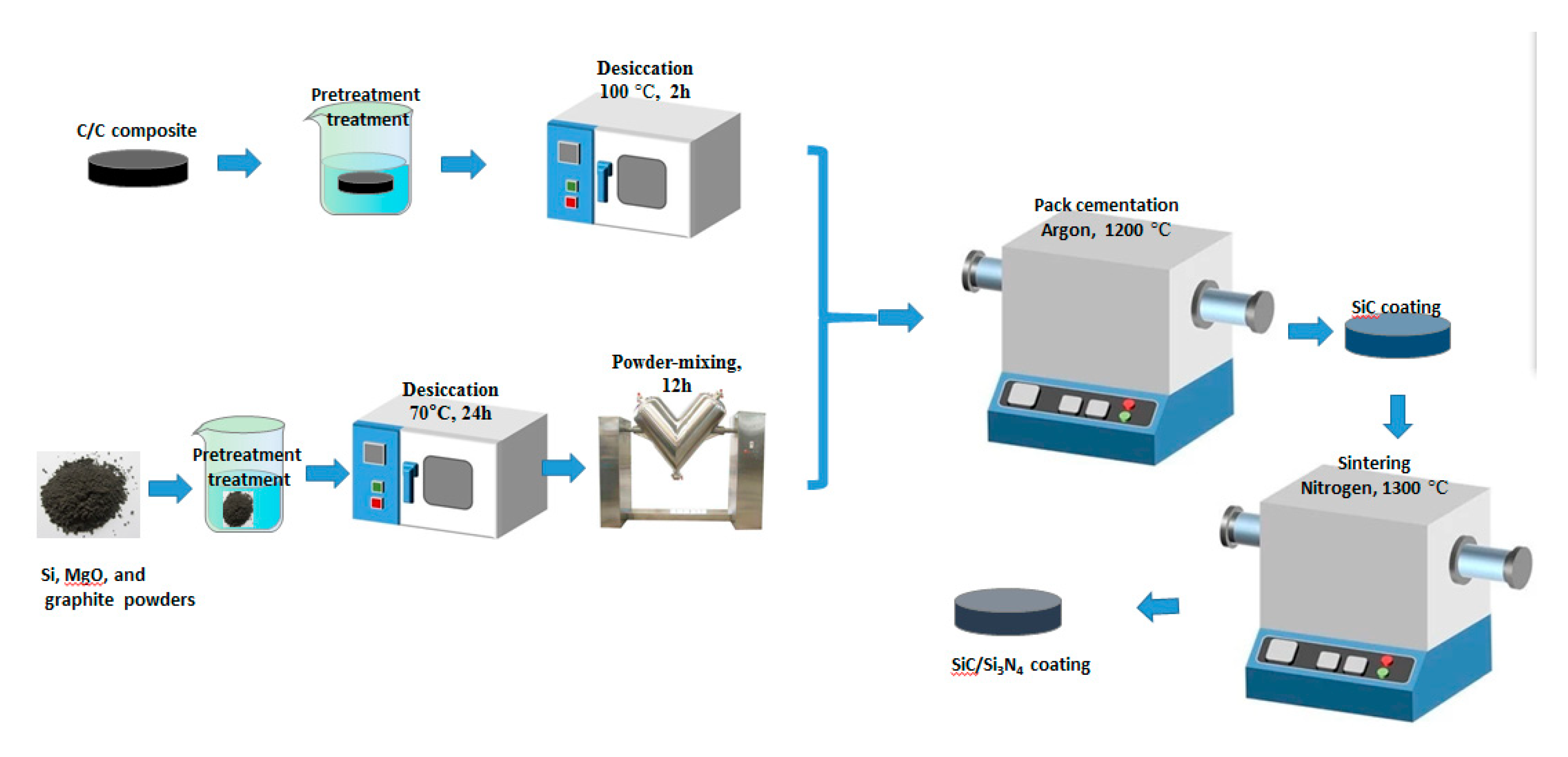
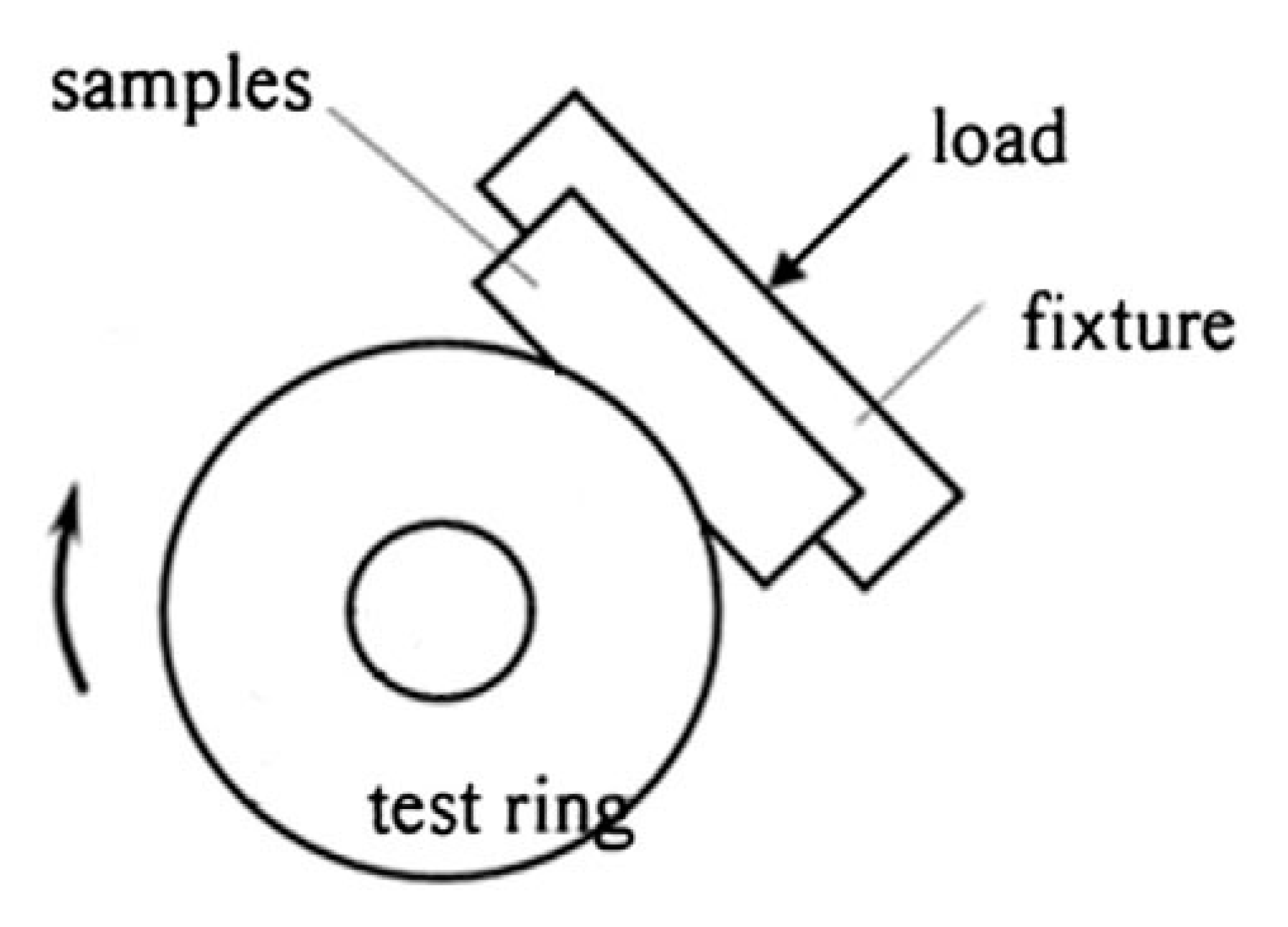
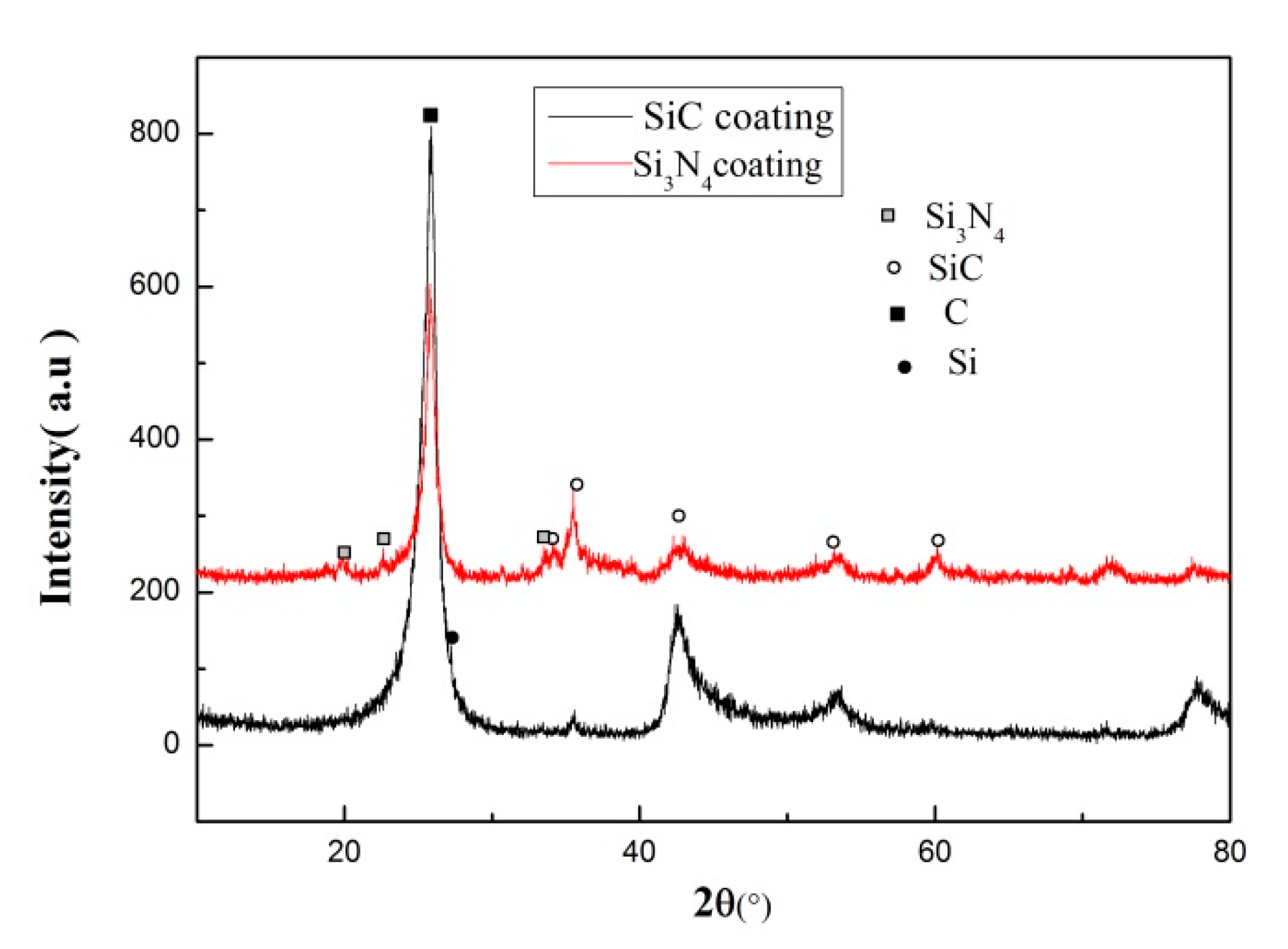
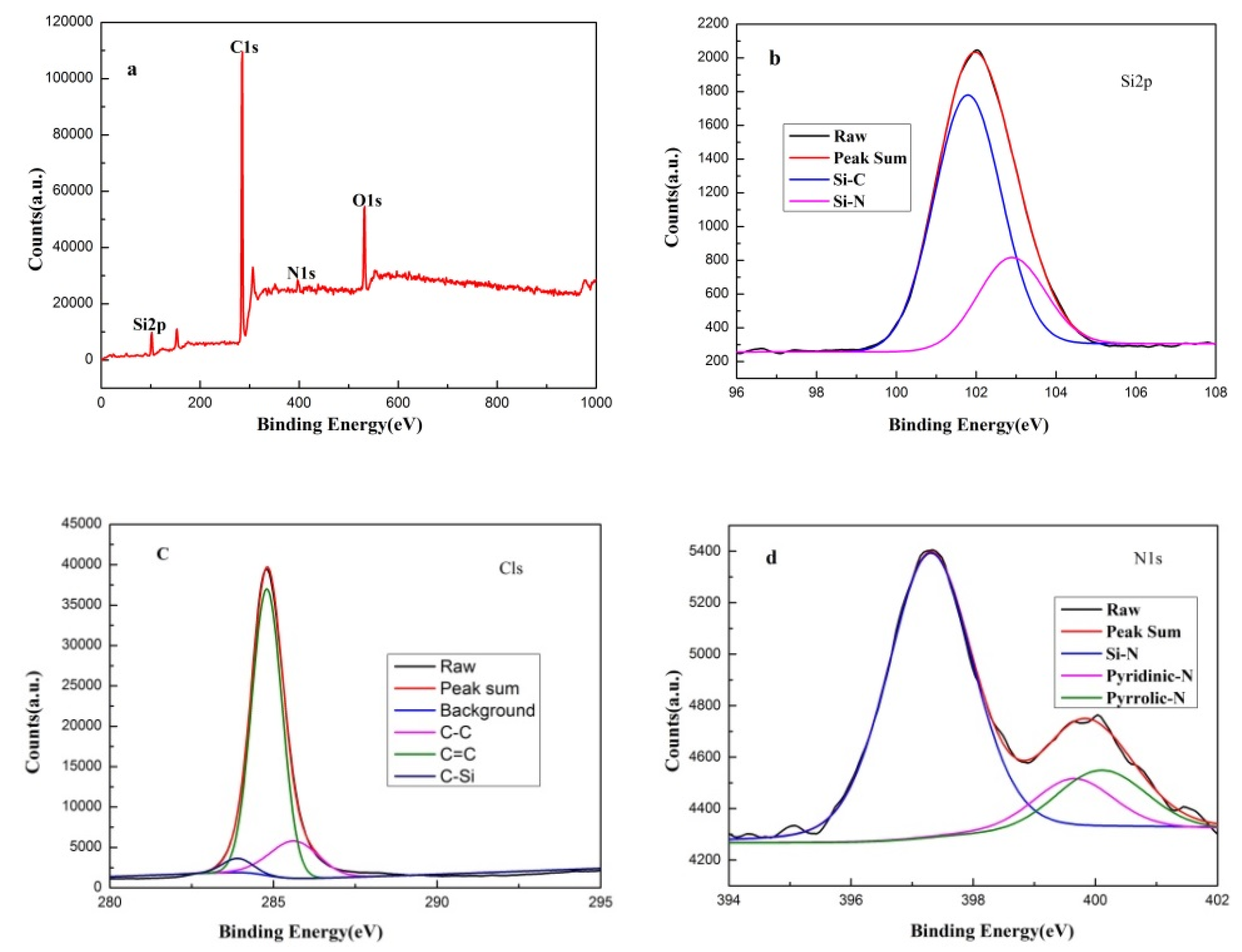
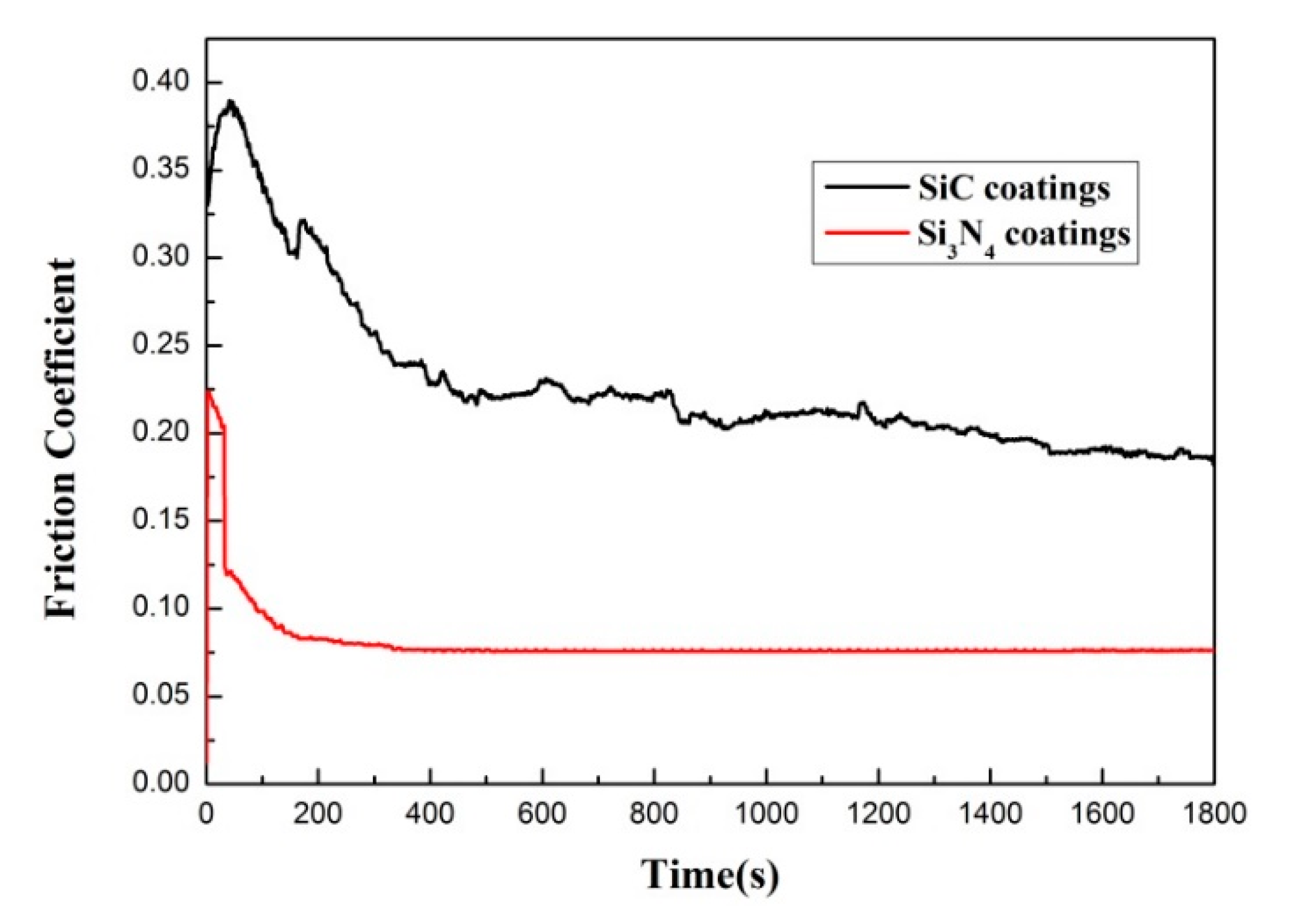
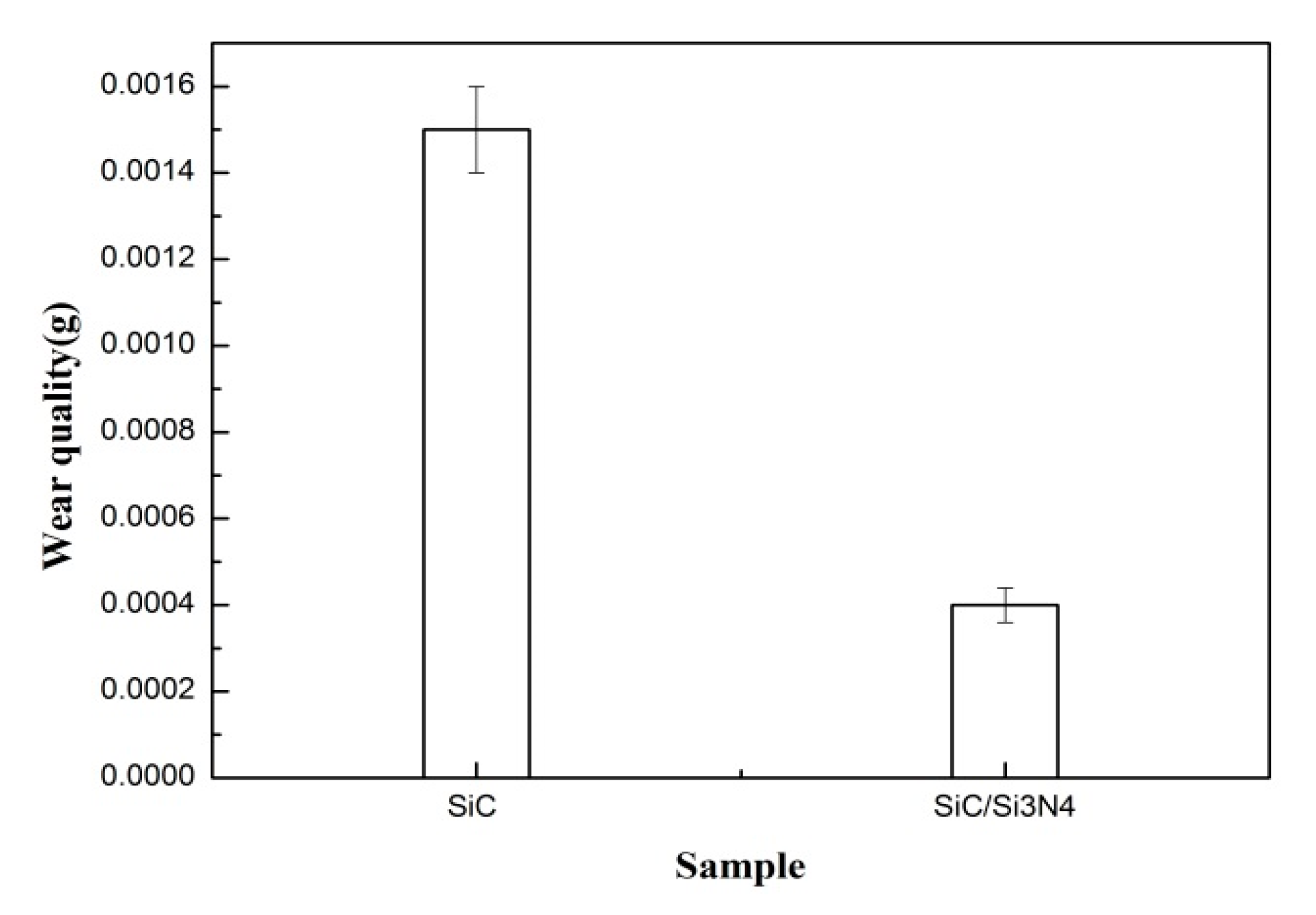
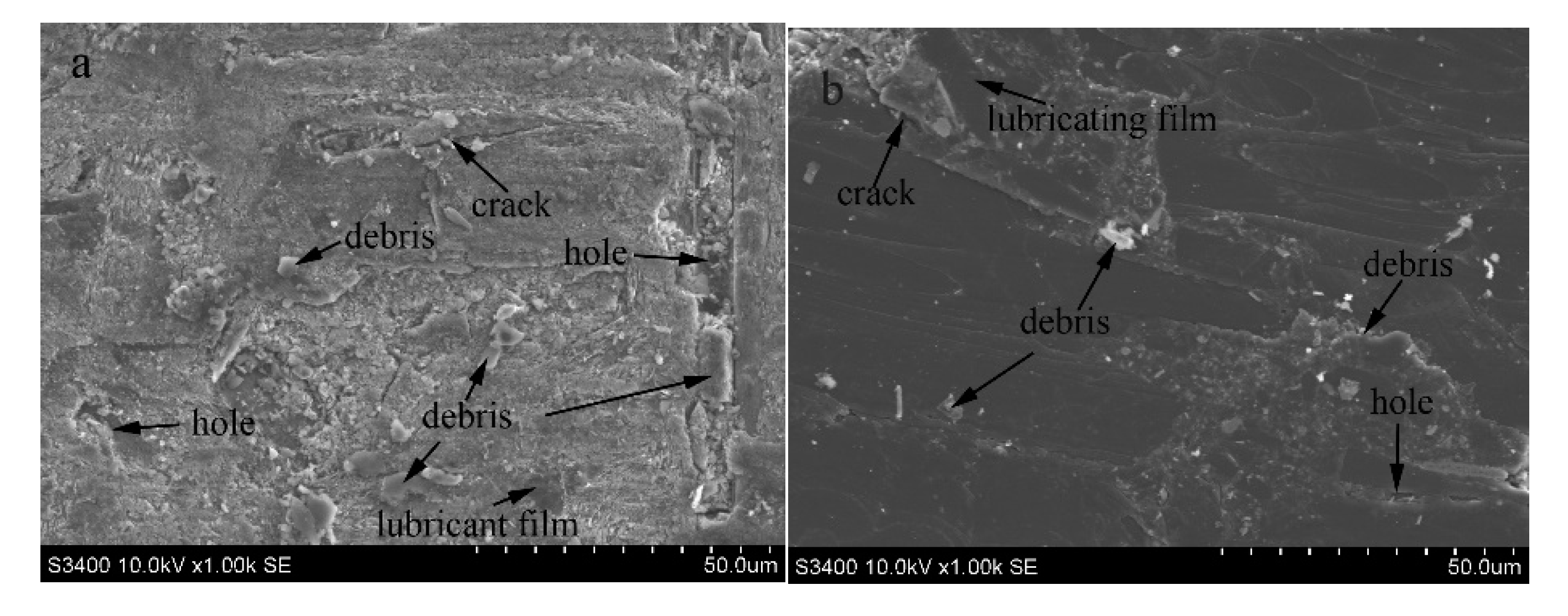
We report the synthesis of SiC/Si3N4 coatings on carbon/carbon composites via pack cementation and heat treatment with nitrogen gas, the latter of which improves the coating wear resistance. X-ray diffraction (XRD), scanning electron microscopy (SEM), energy dispersive X-ray spectroscopy (EDS) and X-ray photoelectron spectroscopy (XPS) are used to analyse the microstructure, surface morphology, chemical states and elemental distribution, respectively, of SiC and SiC/Si3N4 coatings. In addition, we analyse the tribological behaviour of the SiC and SiC/Si3N4 coatings and the related microstructure and wear mechanisms. The results show that SiC/Si3N4 coatings are compact and contain the three phases: Si3N4, SiC and C. Additionally, specimens with the SiC/Si3N4 coating have smaller, more stable friction coefficients and less weight loss than specimens with only the SiC coating. Adhesive wear and abrasive wear are the main wear mechanisms contributing to the higher friction coefficient of the SiC coating. Furthermore, with the SiC/Si3N4 coating, adhesive wear is the main wear mechanism causing a high friction coefficient at the initial stage of frictional wear. In the subsequent stages of frictional wear, the graphite in the SiC/Si3N4 coating generates a thin lubricating film that decreases the friction coefficient.
Keywords: carbon/carbon composites; SiC/Si3N4 coating; microstructure; tribological behaviour; wear mechanism carbon/carbon composites; SiC/Si3N4 coating; microstructure; tribological behaviour; wear mechanism