


Abstract
Bacterial biofilms are structured microbial communities enclosed within a self-produced extracellular polymeric substance matrix composed of polysaccharides, proteins, extracellular DNA, and lipids. This matrix promotes adhesion, structural stability, and the development of heterogeneous microenvironments that restrict antimicrobial penetration and shield bacteria from host immune responses. As a result, biofilms are major contributors to chronic, recurrent, device-related, and difficult-to-treat infections, posing a major challenge for clinical management and antimicrobial stewardship. This review summarizes current understandings of biofilm biology, its clinical relevance, including the stages of biofilm development, the composition and protective roles of the matrix, and the physiological heterogeneity that arises during maturation. It also examines key mechanisms underlying biofilm tolerance and resistance, such as limited antibiotic diffusion, and sequestration, enzymatic inactivation, efflux pump upregulation, persister cell formation, and horizontal gene transfer. In addition, it highlights important clinical settings in which biofilms are implicated, including cystic fibrosis, chronic wounds, osteomyelitis, implant- or device-associated infections, and breast implant illness, in which persistent implant-associated biofilms and the resulting chronic inflammatory milieu have been hypothesized to contribute to local and systemic manifestations in a subset of patients. The review further discusses conventional and emerging approaches for biofilm detection alongwith real-time monitoring. Biofilm-associated infections remain difficult to eradicate because persistence is driven by multiple interconnected protective mechanisms. Effective management therefore requires integrated strategies that combine accurate detection with multifaceted therapies, including antibiotics alongside matrix-disrupting enzymes, quorum-sensing inhibitors, bacteriophages, metabolic reactivators, and nanotechnology-based delivery systems. Advances in multi-omics and system-level modeling will be essential for developing next-generation strategies to prevent, monitor, and treat biofilm-associated disease.
1. Introduction
Microbial biofilms are structured communities of bacteria that adhere to living tissues or abiotic surfaces and become embedded in a self-produced extracellular polymeric substance matrix (EPS) [1,2,3]. The bacteria in biofilm interact with one another [4], and the biofilm matrix endows beneficial emergent properties that cannot be seen in planktonic microorganisms [5,6]. The matrix stabilizes adhesion, retains water and biomolecules, and creates local gradients in oxygen, nutrients, pH, and antimicrobial exposure, generating subpopulations with distinct physiological states [7,8]. This organization is clinically important because its collective properties help explain why biofilms are strongly associated with persistent infection, immune evasion, and poor therapeutic response in clinical settings [9,10].
The persistence of biofilms is particularly challenging because antibacterial failure in these communities arises from mechanisms beyond resistance alone [11,12]. Resistance refers to the inherited or stably acquired ability of microorganisms to grow in the presence of antimicrobial concentrations that inhibit susceptible populations [13], usually reflected by an increased minimal inhibitory concentration (MIC) [14], and mediated by mechanisms such as mutation or acquisition of resistance genes [11,15]. Tolerance, in contrast, is the capacity of a susceptible population to survive longer during antimicrobial exposure without a change in MIC [13,14]. Persistence describes a small phenotypic subpopulation of transiently dormant or very slow-growing cells that survive lethal drug concentrations and can repopulate once treatment stops [16]. In biofilms, restricted drug penetration, nutrient and oxygen limitation, stress responses, and metabolic heterogeneity favor persistence and tolerance [17,18,19]. It may also facilitate the emergence and maintenance of resistance during prolonged infection [11,20]. These mechanisms make biofilms highly relevant to the clinical course of chronic and relapsing infections [21].
Biofilms are implicated across major disease groups, including chronic wounds [22], airway infections [23], urinary tract infections (UTIs) [24], osteomyelitis [25], periodontitis [26], and a wide range of infections involving prosthetic joints [27], heart valves [28], breast implant illness (BII) [29,30] and other implanted materials. In these settings, antimicrobial therapy may temporarily reduce bacterial burden yet fail to eradicate the protected community, especially when an infected surface, foreign body, or devitalized tissue remains in place. This mismatch has important diagnostic and therapeutic implications. Standard susceptibility testing is performed mainly on planktonic cells and therefore may underestimate the survival capacity of biofilm-embedded organisms [31], which helps explain why apparently susceptible isolates may still be associated with treatment failure in chronic infections [31,32]. Similarly, superficial cultures may not reflect organisms embedded within mature biofilms, especially in chronic wounds [33] and device-associated infections [32], underscoring the need for improved sampling strategies and biofilm-aware diagnostics [31,34].
Biofilms constitute a major clinical challenge because they contribute to persistence, treatment failure, and recurrence across many chronic and device-associated infections. Frequently cited historical estimates suggest that biofilms are involved in about 65% of microbial infections and up to 80% of chronic infections [35], although these values should be interpreted as broad estimates rather than precise contemporary surveillance figures. In the United States, healthcare-associated infections have been estimated to affect approximately 1.7 million hospitalized patients annually and to contribute to nearly 99,000 deaths, underscoring the scale of infection burden in settings where device-associated biofilms are common [36]. Implanted and indwelling medical devices are especially vulnerable because microorganisms readily form biofilms on biomaterial surfaces, where they become difficult to eradicate and often necessitate device removal or exchange [37,38]. In chronic wounds, biofilms are common and are associated with persistent inflammation, delayed healing, and reduced response to antimicrobial therapy [39,40]. In cystic fibrosis (CF), chronic airway infection with biofilm-forming Pseudomonas aeruginosa is a prototypic example of biofilm-driven disease and a major cause of morbidity and treatment burden [41]. This burden is further compounded by antimicrobial resistance (AMR); a global analysis estimated that 4.71 million deaths (95% UI 4.23–5.19) were associated with AMR in 2021 [42,43]. Biofilm-grown bacteria can tolerate antibiotic concentrations orders of magnitude higher than their planktonic counterparts, in some models approaching about 1000-fold greater tolerance [44]. Together, these observations make clear that biofilm research is a major epidemiologic and therapeutic priority rather than a niche topic [37,38]. In this context, this review examines the clinical significance of bacterial biofilms, with particular emphasis on the mechanisms by which resistance, tolerance, and persistence undermine treatment and on why improved diagnostics and biofilm-targeted therapies are needed.
2. What Are Biofilms
2.1. Cellular Organization of Biofilms
Biofilms exhibit a high degree of cellular organization that distinguishes them from free-living planktonic microorganisms [5,38]. Rather than forming random aggregates, cells within a biofilm are arranged in structured microcolonies and interconnected communities embedded in an EPS matrix [45,46]. This spatial architecture creates localized microenvironments with gradients in oxygen, nutrients, pH, and metabolic byproducts, causing cells in different regions of the biofilm to adopt distinct physiological states [44]. Surface-associated cells may remain relatively active and proliferative, whereas deeper populations often become slow-growing, stress-adapted, or dormant [44,47]. Channels and voids within the biofilm further enhance organization by permitting the movement of water, nutrients, signaling molecules, and waste products [37,48]. In addition, close cell-to-cell proximity promotes quorum sensing, coordinated gene expression, metabolic cooperation, and horizontal gene transfer [5,49,50]. Together, this organized multicellular arrangement enables biofilms to function as dynamic, resilient communities with enhanced survival, persistence, and tolerance to antimicrobial and host-mediated stresses [5,38,47].
2.2. Matrix Composition
At the core of the matrix is a heterogeneous mixture of EPS, extracellular DNA (eDNA), proteins, lipids and small molecules [46]. The exact composition varies by species, strain, environmental conditions and developmental stage, but several common structural components are consistently observed [19,51]. Polysaccharides form the primary structural scaffold in many biofilms, but the dominant polymer differs between Gram-negative and Gram-positive bacteria [52]. In Gram-negative bacteria such as P. aeruginosa, polysaccharides including alginate, Psl and Pel impart unique adhesive, diffusive, and mechanical properties to the biofilm matrix [53,54]. Psl is a neutral branched penta-saccharide composed of D-mannose, D-glucose, and L-rhamnose and promotes surface attachment to substrates including plastic, glass, mucin, and epithelial cells [55,56,57]. In Gram-positive staphylococci, particularly Staphylococcus epidermidis and Staphylococcus aureus, biofilm accumulation is frequently associated with polysaccharide intercellular adhesin/poly-β-(1→6)-N-acetylglucosamine (PIA/PNAG) [58,59]. Proteinaceous matrices rich in surface adhesins and amyloid-like factors are also common depending on the strain and growth conditions [60,61,62]. The diversity of polysaccharide chemistry underlies species-specific matrix behaviors, from highly hydrated, mucoid matrices in alginate-rich biofilms to more hydrophobic, protein-rich matrices in others [63].
eDNA is another key matrix component that contributes to structural integrity and microbial interactions [64,65]. It acts as a polyanionic cross-linker that binds cations (Mg2+, Ca2+), bridging polysaccharides and proteins [65]. Chemically, it buffers ionic microenvironments and functionally promotes horizontal gene transfer by serving as a gene reservoir [66,67]. eDNA can originate from controlled secretion, autolysis of subpopulations [65], or host neutrophil extracellular traps (NETs) [68], and its presence has profound effects on matrix rheology and antibiotic interactions. For instance, positively charged aminoglycosides are sequestered by eDNA and anionic polysaccharides, reducing free drug concentration and limiting penetration [8,69].
Proteins, including functional amyloids and adhesins, contribute to structural reinforcement and cell–cell adhesion within biofilms [51,62]. Enzymes associated with the matrix (nucleases, proteases, β-lactamases) can actively remodel or inactivate incoming antimicrobials and modulate matrix composition over time [70,71]. Lipids and outer membrane vesicles (OMVs) also contribute to matrix organization by transporting enzymes, signaling molecules, and DNA while influencing hydrophobic interactions and molecular transport [72,73,74].
2.3. Architecture
Mature biofilms behave as viscoelastic materials that can withstand mechanical stress and exhibit both solid-like and fluid-like behavior depending on the magnitude and timescale of deformation [75]. Biofilms are structurally heterogeneous and commonly contain clustered microcolonies, water channels, and void spaces that facilitate nutrient transport and waste removal [76]. In clinical environments, biofilm architecture is also influenced by interactions with host-derived components and surface-associated molecules. Adhesins expressed by bacterial cells facilitate attachment to host tissues [77], while host macromolecules such as fibrin, mucins, collagen and lipids can become incorporated into the developing biofilm matrix, contributing to structural stability thereby shaping the spatial organization of microbial communities [78]. These structural features generate microscale gradients in oxygen, nutrients, pH, and metabolites, which in turn produce physiologically distinct subpopulations across the biofilm [44,79,80]. As a result, biofilms develop stratified metabolic zones in which microbial cells adopt different physiological states depending on their local microenvironment. These microenvironments also influence antimicrobial activity by altering drug penetration and bacterial physiological state [81,82].
2.4. EPS Matrix Function
The EPS matrix performs several critical functions within biofilms. The EPS matrix provides mechanical stability, mediates adhesion, and helps protect embedded cells from physical disruption and chemical stress [46,75]. Matrix polymers can retard or alter antimicrobial penetration, and electrostatic interactions involving matrix components such as eDNA and polysaccharides can sequester cations or positively charged antibiotics, thereby modifying antimicrobial susceptibility [66,81,83]. In some biofilms, matrix-associated β-lactamase activity can hydrolyze β-lactam antibiotics before they reach deeper bacterial cells [84]. Biofilm regulation also depends on quorum sensing and the intracellular second messenger cyclic-di-GMP, which coordinates matrix production, motility repression, maturation, and dispersal [85,86,87]. The close spatial arrangement of cells within biofilms also promotes metabolic cooperation and cross-feeding, particularly in polymicrobial communities [88,89]. These interactions allow biofilm communities to exploit diverse nutrient sources and persist under nutrient limitations or environmental stress.
3. The Biofilm Life Cycle and Host Defense in Clinically Relevant Microenvironments
Biofilm formation is a regulated, multistage process in which microbial adaptation and host defense are in constant opposition [37]. In peri-implant tissues and chronic or diabetic wounds, the stages of attachment, maturation, and dispersal are clinically important because they contribute to persistence, immune evasion, chronic inflammation, and treatment failure [90,91,92]. Although these stages are often presented linearly, biofilm development in vivo is dynamic and often cyclical. In implant settings, host proteins coating the biomaterial can enhance bacterial adhesion, whereas in diabetic wounds, ischemia, barrier dysfunction, and immune dysregulation impair early clearance [77,90,92]. At this stage, host defense is primarily preventive and includes intact epithelial barriers, antimicrobial peptides, complement, normal perfusion, and mechanical clearance [90,91,93]. During the transition to irreversible attachment, adhesins, pili, fimbriae, and rising cyclic-di-GMP levels promote stable adhesion, EPS production, and repression of motility [86,87,94]. If host clearance fails, the attached population matures into a three-dimensional community with water channels and steep gradients in oxygen, nutrients, and pH [44,79]. These gradients generate phenotypic heterogeneity, with more metabolically active cells near nutrient-replete regions and slower-growing or dormant cells in deeper zones [44,80]. Quorum sensing and other regulatory networks further refine virulence, matrix remodeling, stress responses, and dispersal behavior [85,86]. Clinically, the mature biofilm state is difficult to eradicate because matrix-mediated protection and physiological heterogeneity reduce susceptibility to antibiotics and host clearance [75,82,95]. Neutrophils and macrophages may remain abundant, but phagocytic killing is less effective, and unresolved inflammation can cause collateral tissue damage without sterilizing the infection [90,91,95]. This problem is amplified around implants by the foreign-body effect and in diabetic wounds by impaired perfusion and defective inflammatory resolution [90,92,93]. Dispersal is clinically important because it can seed recurrence and spread to adjacent sites [79,85]. In response to cues such as nutrient limitation, oxygen shifts, waste accumulation, nitric oxide signaling, or mechanical disturbance, biofilms can release single cells or aggregates through matrix degradation, erosion, or sloughing [79,85]. Host defenses attempt to clear these released cells, but this is often incomplete in compromised tissues [90,91,92]. Clinically relevant biofilm phenotypes are not confined to firmly surface-attached growth, because non-attached aggregates in chronic wounds and airway secretions can display biofilm-like physiology, tolerance, and persistence [96,97,98]. From a clinical perspective, the biofilm life cycle therefore reflects both microbial development and progressive failure of host clearance mechanisms [90,91,95]. Biofilm development and the major host-immune barriers to clearance in peri-implant tissues and diabetic wounds are summarized in Figure 1.
Figure 1.
Biofilm development in peri-implant tissues and diabetic wounds along with immune barriers to clearance. Schematic overview of biofilm establishment and persistence in two clinically relevant microenvironments: peri-implant tissues (foreign-body surface and peri-implant niche) and diabetic/chronic wounds (damaged tissue with impaired perfusion). Initial attachment, followed by reversible adhesion and irreversible attachment of planktonic bacteria to implant material or exposed tissue. Microcolony formation and maturation into a structured biofilm encased in an extracellular polymeric substance (EPS) matrix with nutrient/oxygen gradients and phenotypic heterogeneity. Immune engagement (neutrophils, macrophages, natural killer cells and T cells) is blunted by physical shielding from the EPS, altered bacterial metabolism (slow growth/dormancy), and biofilm-driven immune modulation. Persistence and dissemination, including release of planktonic cells/aggregates during dispersal, drive recurrent infection and chronic inflammation.
4. Antimicrobial Resistance
Biofilm resilience to antimicrobials emerges from the interplay of physical protection, altered physiology, and genetic exchange [12,99,100]. Within the biofilm, bacteria are embedded in a dense extracellular polymeric matrix that impedes drug penetration, sequesters antimicrobial molecules, and buffers rapid changes in the local environment [11,101,102,103]. At the same time, steep gradients of nutrients, oxygen, pH, and waste products generate heterogeneous microenvironments that drive subpopulations into slow-growing, dormant, or persister states that are intrinsically less susceptible to many drugs [44,97,104]. Overlaying this is an elevated rate of genetic exchange via plasmids, mobile elements, and released DNA within the matrix, which promotes the spread and diversification of resistance determinants among neighboring cells [50,105,106]. Together, these mechanisms operate across spatial and temporal scales, from micron-scale niches to population-level dynamics, to produce a multi-layered tolerance phenotype that is reversible and context dependent, and therefore fundamentally distinct from classical planktonic antibiotic resistance, which is typically defined by stable, heritable changes in minimum inhibitory concentration measured in well-mixed, free-living cultures of bacteria [107,108,109]. Key biofilm-associated mechanisms that drive antimicrobial tolerance and the emergence/spread of AMR are summarized in Figure 2.
Figure 2.
Mechanisms by which biofilms withstand antimicrobial stress and promote the emergence and spread of antimicrobial resistance (AMR). (a) The extracellular polymeric substance (EPS) matrix limits antimicrobial diffusion. (b) Antibiotics are sequestered within the matrix through binding to extracellular DNA (eDNA), polysaccharides, and other polymers, and may also be degraded by β-lactamases. (c,d) Bacteria may modify antibiotic targets through conformational changes or protect these targets from antibiotic action. (e) Biofilm cells upregulate efflux pumps that actively expel antibiotics. (f) Reduced permeability, including decreased uptake through porins, restricts antibiotic entry. (g) Enzymes further inactivate or degrade antimicrobial agents, lowering effective drug concentrations. (h) Persister cells exhibit reduced translation, low ATP production, and diminished metabolic activity, resulting in decreased susceptibility to antibiotic killing. (i) Horizontal gene transfer, including plasmid-mediated exchange of resistance determinants, promotes the emergence and dissemination of AMR. (j) Overexpression of resistance-associated genes further strengthens biofilm survival under antimicrobial stress.
4.1. Diffusion–Reaction Barriers and Drug Sequestration
The EPS presents a diffusion–reaction barrier that reshapes antibiotic concentration profiles as drugs penetrate the biomass [100,103]. Electrostatic interactions and charge heterogeneity in the matrix can bind and sequester antibiotics (aminoglycosides binding to anionic eDNA/polysaccharides), reducing free drug concentrations in the deeper parts of the biofilm [110]. Meanwhile, matrix-associated enzymatic activities (β-lactamases, esterases) degrade susceptible antibiotics in situ before they reach target bacteria [84,111]. The combined effect is a lower effective concentration at the cellular level than predicted by bulk dosing. To better understand antibiotic penetration within biofilms, diffusion–reaction models have been developed to describe how antimicrobial molecules move through and interact with the EPS matrix. These models typically apply modified forms of Fick’s laws of diffusion, incorporating parameters such as biofilm thickness, matrix density, antibiotic binding affinity, and enzymatic degradation rates [103,112,113]. The resulting frameworks predict that antibiotic concentration decreases progressively with depth as molecules diffuse inward while simultaneously being adsorbed, inactivated, or consumed. Reaction–diffusion simulations therefore explain why deeper biofilm layers often experience sub-inhibitory drug concentrations despite high external dosing. Such modeling approaches provide quantitative insight into transport limitations within biofilms and help identify how matrix composition, biofilm architecture, and antibiotic physicochemical properties collectively determine drug accessibility to bacterial target sites during dosing [100,103].
4.2. Microenvironmental Effects on Drug Action
Local physicochemical heterogeneity within biofilms further reduces antimicrobial efficacy. Microdomains of altered pH, redox potential, oxygen tension, and metal ion availability develop because of restricted diffusion and intense local metabolism, creating conditions that differ markedly from the surrounding environment [44,83,114]. These gradients are not merely passive features of biofilm architecture. They directly influence drug penetration, uptake, stability, and intracellular activity. Local acidification can alter the ionization state of both antimicrobial agents and bacterial surfaces, thereby affecting membrane permeability and drug–target interactions [115]. At the same time, redox gradients shape cellular respiratory activity and membrane energetics, which are critical determinants of susceptibility for several antibiotic classes’ potential [116,117,118]. Ion chelation within the extracellular matrix, mediated in part by extracellular polymeric substances and extracellular DNA, can further modify antimicrobial potency by sequestering cations, destabilizing normal membrane interactions, and altering local chemical conditions [83].
Aminoglycosides provide a clear example of this phenomenon. Their uptake depends on an intact proton motive force (PMF) and membrane potential generated by active respiration [114,117]. In acidic, hypoxic, or anoxic regions of the biofilm, where energy production is reduced, aminoglycoside transport across the bacterial membrane is markedly impaired [104,114,119]. As a result, even when the drug reaches these deeper layers, intracellular accumulation may remain subtherapeutic. Similarly, oxygen depletion in the inner regions of biofilms drives a metabolic shift away from aerobic respiration toward fermentation or anaerobic respiration, producing physiological states in which antibiotics that are most effective against actively respiring cells lose potency [120]. These localized metabolic adaptations therefore create protected niches in which bacteria are not genetically resistant but are phenotypically far less susceptible to treatment [107,108]. Collectively, pH microdomains, redox stratification, and ion sequestration reinforce the capacity of biofilms to withstand antimicrobial exposure by converting a structurally complex community into a chemically and physiologically heterogeneous therapeutic barrier.
4.3. Slow Growth, Dormancy and Persister Cells
A hallmark of biofilms is metabolic heterogeneity; many cells in the interior adopt slow-growth or near-dormant states before or during antibiotic exposure [44,104,121]. These persister cells survive antibiotic exposure without heritable changes in MICs, but by virtue of low metabolic activity, reduced target engagement, and activated stress responses [104,107,122]. In biofilms, steep gradients of oxygen, nutrients, pH, redox state, and waste products expand these low-energy micro niches and favor multidrug tolerance [44,100]. Persisters arise through both stochastic phenotypic switching and environmentally induced programs [104,121,123]. Among the best characterized stress pathways is the stringent response, in which accumulation of (p)ppGpp under starvation, oxidative stress, envelope stress, immune pressure, or antibiotic exposure suppresses replication, transcription, and translation and shifts cells toward a protected survival state [124,125]. Toxin–antitoxin systems can further reinforce reversible growth arrest by inhibiting translation, DNA replication, or other core processes, although their contribution varies by species and experimental context. In biofilms, these programs intersect with quorum sensing and c-di-GMP signaling, which further support matrix production, stress adaptation, and dormancy-associated survival [123,126]. Once antibiotic pressure is removed, persisters can resuscitate, repopulate the biofilm, and drive relapse, helping explain why bactericidal drugs that mainly target active cellular processes often fail to eradicate established biofilm infections [122,127,128].
4.4. Biofilm-Specific Transcriptional Programs
Biofilm growth is accompanied by broad transcriptional reprogramming that shifts bacterial physiology from rapid planktonic proliferation to a protected, stress-adapted state [82,99,129]. Rather than depending on a single resistance determinant, biofilm-associated cells coordinately alter the expression of genes involved in transport, metabolism, cell envelope maintenance, oxidative stress defense, and damage repair [82,99]. These changes reduce intracellular antibiotic accumulation, diminish drug–target engagement, and improve survival during prolonged antimicrobial exposure. In P. aeruginosa, for example, the biofilm-associated regulator BrlR promotes tolerance by activating multidrug efflux systems, including PA1874–PA1877, thereby lowering intracellular antibiotic concentrations [130]. Biofilm cells also induce oxidative stress defenses, protein quality-control pathways, and DNA repair systems, allowing them to withstand both antibiotic-mediated injury and host-derived reactive species [131].
Comparable transcriptional adaptations occur in Gram-positive biofilms, although the specific regulators differ. In S. aureus, biofilm growth is associated with major changes in global regulatory networks, including the alternative sigma factor sigB, the agr quorum-sensing system, sarA, and two-component systems such as WalKR, ArlRS, and GraRS [132,133,134]. These pathways remodel expression of adhesins, autolysins, extracellular matrix-associated factors, and stress-response genes, while also enhancing tolerance to cell envelope stress, oxidative injury, and antimicrobial exposure. In many contexts, reduced agr activity favors a sessile, adhesive phenotype, whereas sigB and sarA support persistence by promoting stress tolerance and biofilm stability. In S. epidermidis, regulators linked to the ica operon and polysaccharide intercellular adhesin production similarly reinforced matrix accumulation and chronic device-associated persistence [135,136]. In enterococci, systems such as fsr and other stress-responsive regulators contribute to biofilm maturation, surface adherence, and survival under hostile conditions [137,138]. Across Gram-positive organisms, these transcriptional programs converge on a common outcome, reduced growth-associated vulnerability, strengthened envelopes and stress defenses, altered surface architecture, and improved capacity to survive antibiotic and immune attack.
Thus, biofilm-associated tolerance is not merely a passive consequence of matrix shielding or nutrient limitation [99]. It is also an active physiological state driven by regulatory circuits in both Gram-negative and Gram-positive bacteria. By coupling efflux, stress adaptation, repair, and biofilm-specific surface programs, these transcriptional networks create cells that are harder to kill, more resilient to host defenses, and more capable of sustaining chronic infection [129].
4.5. Horizontal Gene Transfer and Gene Flow
Dense, surface-attached communities facilitate horizontal gene transfer (HGT) via conjugative plasmids, bacteriophage-mediated transduction, and DNA transfer mediated by OMVs [50,105,106,139]. The EPS matrix concentrates DNA and mobile elements, boosting the probability of gene exchange. This ecological intimacy speeds up the dissemination of AMR genes and mobile genetic elements, integrating tolerance and resistance at the community level [50,65,140]. Biofilms are typically polymicrobial, bringing phylogenetically diverse bacteria into stable, long-term contact within the same matrix. This taxonomic diversity enlarges the pool of mobile genetic elements and broad-host-range plasmids present, increasing opportunities for interspecies conjugation, transduction, and transformation [105]. Metabolic cross-feeding and quorum-sensing within such mixed communities can further induce competence by stress responses, enhancing horizontal gene transfer and promoting the spread of AMR determinants across otherwise unrelated taxa [105,106].
4.6. Evolutionary Dynamics and Adaptive Mutation in Biofilms
Biofilms function as evolutionary niches where spatial structure and environmental heterogeneity accelerate the emergence of antibiotic-resistant variants [141]. Cells near the surface experience higher antibiotic exposure, while deeper cells often encounter nutrient limitation and metabolic stress [142]. These stresses activate global responses such as SOS and stringent responses, which can increase mutation rates through error-prone DNA polymerases and reduced DNA repair fidelity [141]. Oxidative stress further promotes DNA damage and mutagenesis [106]. Because biofilms restrict dispersal, beneficial mutations can expand locally within clonal microcolonies rather than competing with the entire population. Repeated cycles of stress and recovery therefore promote adaptive diversification and the emergence of stable antibiotic-resistant lineages [12,106].
4.7. Outer Membrane Vesicles and Phage Dynamics
Outer membrane vesicles serve as vehicles for DNA, proteins, and enzymes, shielding genetic material from nucleases and enabling the delivery of resistance determinants to recipient cells. In parallel, bacteriophages and prophage dynamics within biofilms also modulate gene flow and can propagate resistance or virulence phenotypes. These mobile elements blur the boundary between individual-level genetics and community-level adaptation [143]. Phages are often extraordinarily abundant within biofilms, where the EPS matrix traps viral particles and creates localized “hotspots” of phage–host interaction [144]. In this structured environment, temperate phages frequently adopt lysogenic lifestyles, integrating into bacterial genomes and acting as major vectors for transduction of AMR and virulence genes [145]. Phage predation imposes strong selective pressures that shape community composition, while induction of prophages and phage-mediated lysis can drive biofilm turnover, nutrient release, and dispersal of resistant subpopulations. Collectively, these processes generate a biofilm-specific tolerance phenotype in which standard planktonic minimum inhibitory concentrations fail to reflect true clinical resilience. Antimicrobials that appear effective against free-living cells often perform poorly against biofilm-embedded populations. Consequently, biofilm-centered metrics such as the minimum biofilm inhibitory concentration (MBIC) and the minimum biofilm eradication concentration (MBEC) more accurately capture antimicrobial efficacy in biofilm-associated infections [143].
5. Detecting and Monitoring Biofilms
Effective prevention and management of biofilm-associated infections in clinical settings rely on sensitive, specific, and context-appropriate detection tools that can identify persistent microbial communities contributing to chronic wounds, device-related infections, and antimicrobial resistance. No single assay addresses every aspect, given the heterogeneous nature of biofilms. Robust workflows therefore combine complementary methods such as phenotypic (e.g., tissue culture plate, Congo red agar), microscopic techniques exemplified by confocal laser scanning and scanning electron microscopy (SEM), molecular techniques (PCR-based assays, 16S rRNA Next generation sequencing), spectroscopic techniques such as near-infrared (NIR) imaging, and others like biofilm blotting to triangulate key parameters like biomass quantification, cell viability, 3D structure, matrix composition, and real-time dynamics. This integrated strategy enhances diagnostic accuracy and guides targeted therapies. A summary of clinically relevant detection and monitoring approaches, including advantages and limitations, is provided in Table 1.
Table 1.
Detection Methods for Biofilms in Clinical Settings.
5.1. Classical Laboratory Methods
Crystal violet staining remains one of the most widely used assays in biofilm research because it provides a simple measurement of total attached biomass in microtiter plates [97,155]. In the standard microtiter-plate format, attached biomass is stained with crystal violet, the retained dye is solubilized, and absorbance is measured spectrophotometrically as an indirect index of total biofilm mass [156,157]. Because the assay is easily scaled to 96-well or similar formats, it is well-suited to comparative screening of strains, growth conditions, mutants, and antibiofilm treatments [155,156]. Standardized optical-density cutoffs have also been used to classify isolates as weak, moderate, or strong biofilm producers, although the exact thresholds depend on the protocol and controls used [158,159]. Crystal violet is also commonly used in biofilm susceptibility workflows to quantify inhibition of biofilm formation or reduction in established biomass after treatment [31,160]. Colony-forming unit enumeration after mechanical or enzymatic disruption remains a standard method for quantifying the culturable, viable fraction of biofilm populations [155,161]. CFU-based assays are especially useful in antimicrobial testing because they directly measure surviving culturable bacteria, but they do not capture viable-but-nonculturable cells and require careful standardization of biofilm recovery and plating [155,161].
5.2. Microscopy and High-Resolution Structural and Chemical Characterization
Microscopy-based methods are central to biofilm research because they allow direct visualization of biofilm viability, architecture, matrix organization, and physicochemical heterogeneity [155,162]. Fluorescence-based viability assays are widely used for rapid assessment of intact biofilms, particularly when combined with epifluorescence microscopy, widefield fluorescence microscopy, or confocal laser scanning microscopy (CLSM) [162]. Common dyes include SYTO 9 to label total bacterial cells, propidium iodide to identify cells with compromised membranes, and DAPI for nucleic acid staining [163,164]. These assays exploit differences in membrane permeability and provide a practical means to examine live/dead distributions within intact biofilms. However, interpretation requires caution, since membrane compromise does not always indicate irreversible cell death, especially in slow-growing, injured, or dormant subpopulations [165].
Among optical imaging approaches, CLSM remains one of the most informative tools for biofilm analysis because it enables high-resolution, three-dimensional imaging of hydrated, minimally disturbed biofilms [162,166]. When combined with fluorescent probes targeting cells and extracellular matrix components, such as lectins for polysaccharides, nucleic acid dyes, fluorescently tagged antibodies, or genetically encoded fluorescent proteins, CLSM can resolve biofilm thickness, microcolony organization, spatial heterogeneity, and matrix distribution. Multiphoton microscopy can extend imaging depth in thicker specimens while reducing phototoxicity and spinning-disk confocal systems may improve temporal resolution for dynamic imaging [167]. Time-lapse fluorescence microscopy is also valuable for monitoring biofilm development, dispersal, and antimicrobial responses in real time [168]. In addition, super-resolution techniques such as structured illumination microscopy (SIM) [169], stimulated emission depletion (STED) [170], and single-molecule localization methods including Photoactivated Localization Microscopy (PALM) [171] and Stochastic Optical Reconstruction Microscopy (STORM) [172] can provide sub-diffraction spatial detail, enabling finer analysis of matrix organization, cell–cell interactions, and subcellular localization of biofilm-associated molecules. When paired with quantitative image-analysis platforms such as COMSTAT or related software [173], these imaging datasets can be converted into robust structural descriptors, including biomass, average and maximum thickness, roughness, and porosity.
Several non-fluorescence microscopy techniques also contribute important structural information. Bright-field and phase-contrast microscopy are commonly used for routine observation of attached biomass and early-stage biofilm development [174], while differential interference contrast (DIC) microscopy improves contrast in unstained live samples and is useful for tracking surface colonization and microcolony formation [175]. In situ hybridization-based imaging, including fluorescence in situ hybridization (FISH) and peptide nucleic acid FISH, can be integrated with fluorescence microscopy or confocal platforms to identify the spatial organization of specific taxa within polymicrobial biofilms [176]. These approaches are especially valuable when species distribution or interspecies interactions are central to the study question.
For endpoint ultrastructural analysis, electron microscopy remains indispensable. Scanning electron microscopy (SEM) provides detailed views of biofilm surface architecture, cell morphology, and matrix-associated fibrillar material [177]. SEM can sometimes reduce dehydration artifacts by allowing imaging under more hydrated conditions. Transmission electron microscopy (TEM) reveals internal ultrastructure and fine details of cell envelopes and matrix-associated material at very high resolution [172,178]. Cryo-electron microscopy and cryo-electron tomography offer improved preservation of native ultrastructure by minimizing fixation and dehydration artifacts, although they are technically demanding and less commonly used for routine studies [179]. Together, these methods provide insights that are not achievable with conventional light microscopy, but they usually require extensive sample preparation and are low throughput. Atomic force microscopy (AFM) adds another dimension to biofilm analysis by generating nanoscale topographical maps and measuring biomechanical properties such as adhesion, stiffness, elasticity, and viscoelasticity [75,180]. Because biofilm behavior is strongly influenced by matrix mechanics, AFM is particularly useful for linking structure with physical function.
Chemical imaging methods can further complement structural microscopy by adding molecular information to spatial observations [171]. Raman microscopy, including confocal Raman microscopy and surface-enhanced Raman spectroscopy (SERS), enables label-free molecular characterization and spatial mapping of matrix components, metabolites, and other biomolecular signatures within biofilms [171,181,182,183]. Depending on the application, correlative and other spectroscopic imaging approaches can also be used to integrate morphology with chemical composition.
Overall, microscopy-based platforms provide a multiscale toolbox for studying biofilms, from bulk architecture to nanoscale structure and chemical organization, although many of the highest-resolution approaches remain specialized and relatively low throughput.
5.3. Real-Time and Label-Free Biosensors
Label-free optical and electrical biosensors are increasingly being developed for real-time monitoring of bacterial adhesion and early biofilm formation on relevant surfaces [184,185]. Fiber-optic interferometric and resonant platforms detect small changes in refractive index or optical path length associated with surface colonization and biomass accumulation [185,186]. Silicon nanowire field-effect transistor (SiNW-FET) platforms are attractive because they enable highly sensitive, real-time, label-free electrical detection and are compatible with miniaturized device formats [187,188]. In biofilm-focused applications, SiNW-FET systems have also been used for rapid, label-free monitoring of bacterial metabolic activity in microfluidic formats [189]. These technologies are promising, but clinical translation still depends on solving practical issues such as biofouling, calibration in complex biological fluids, and specificity in polymicrobial settings [184,185].
5.4. Molecular and Omics Approaches
Molecular techniques PCR, qPCR, and next-generation sequencing (NGS) including 16S rRNA amplicon sequencing, metagenomic sequencing can define species composition, identify genetic determinants (including antimicrobial-resistance genes) and infer functional potential [190]. Downstream activity layers (meta transcriptomics, meta proteomics, and metabolomics) capture in situ gene expression, protein production, and metabolite fluxes, enabling multi-omics frameworks to model biofilm behavior and metabolic exchange [191,192].
When integrated with imaging and in situ sensors, multi-omics approaches can connect spatial organization to gene expression patterns, enzyme activity, and metabolic information that is critical for designing therapies that target specific biofilm niches and their metabolic vulnerabilities [193,194,195]. High-throughput 16S rRNA gene sequencing, in particular, enables detailed bacterial typing (often to the species level) and can detect fastidious organisms or taxa that are frequently missed by culture-based methods [193,196,197]. By sequencing variable regions of the 16S rRNA gene and aligning reads to curated reference databases, investigators can reconstruct community structure, estimate relative abundances, and track changes in key pathogen or commensals over time or in response to a treatment [198]. Although taxonomic resolution may be limited for closely related species, results can be influenced by primer and database biases. 16S rRNA sequencing remains a foundational approach for characterizing the bacterial communities in complex clinical and environmental biofilms [199,200,201].
5.5. Practical Considerations for Clinical Monitoring
In clinical settings, biofilm detection must balance sensitivity, specificity, and timeliness to guide interventions while minimizing false positives that could lead to unnecessary treatments [202,203]. Routine culture of device explants, tip cultures (e.g., catheter tips), sonication followed by culture or molecular assays (like PCR), and imaging (e.g., SEM, confocal) remain core tools, but require careful sample handling to avoid contamination and ensure reproducibility [199]. For prosthetic infections, sonication of explanted hardware combined with culture and molecular testing increases diagnostic yield by dislodging adherent communities [202,204]. This thought demands specialized equipment and may not be feasible in resource-limited settings. Real-time sensor integration, such as NIR spectroscopy or metabolic-tracking biosensors for indwelling devices, represents a research frontier with strong translational potential for continuous, non-invasive monitoring, potentially reducing patient risks from repeated sampling [205]. Practical considerations include cost-effectiveness, operator training, integration with electronic health records, validation across diverse patient populations to address accuracy and equity and combining methods for comprehensive insights into biofilm persistence.
6. Clinical Significance of Biofilms in Diseases
Biofilms are central to the pathogenesis, persistence, and recurrence of many chronic and device-associated infections [206,207,208,209]. Their ecological properties translate into major clinical challenges, including impaired eradication, relapses, persistent inflammation, and progressive tissue injury [207,210].
In the respiratory tract, cystic fibrosis is the best-described example of a chronic biofilm infection, with persistent airway colonization by P. aeruginosa [41,211]. These infections often coexist with other organisms, including S. aureus, Burkholderia cepacia complex, and Stenotrophomonas spp., within polymicrobial airway communities [41,212,213]. In CF airways, mucoid and often alginate-rich P. aeruginosa biofilms develop within thick mucus, where oxygen and nutrient gradients promote metabolic heterogeneity and antibiotic tolerance [41,214]. Similar chronic biofilm-associated colonization occurs in non-cystic fibrosis bronchiectasis, in which Haemophilus influenzae, Moraxella catarrhalis, S. aureus, and P. aeruginosa are among the most common pathogens [212,215]. Biofilms are also implicated in chronic rhinosinusitis, where S. aureus, P. aeruginosa, and coagulase-negative staphylococci have been detected and linked to poorer outcomes [216,217,218]. In recurrent otitis media, biofilms formed by non-typeable H. influenzae, Streptococcus pneumoniae, and M. catarrhalis can persist on the middle-ear mucosa and contribute to recurrent disease [219,220].
Chronic wounds are another major clinical setting in which biofilms are important [39,221]. Diabetic foot ulcers (DFU), pressure injuries, and venous leg ulcers commonly harbor polymicrobial biofilms containing S. aureus, P. aeruginosa, anaerobes, and other Gram-negative organisms [39,221]. These communities sustain chronic inflammation, impair re-epithelialization, and decrease responsiveness to antimicrobial therapy [39,221]. As a result, management usually requires local wound care and debridement together with appropriate off-loading and antimicrobial therapy when indicated [221].
Bone and implant-associated infections are classic biofilm-mediated diseases [222,223]. Staphylococci predominate in osteomyelitis and periprosthetic joint infection, whereas Cutibacterium acnes is especially important in shoulder arthroplasty infection [25,209,224,225]. Once established on bone or implant surfaces, these infections are difficult to eradicate and commonly require surgical debridement, implant revision or exchange, and prolonged antimicrobial therapy [209,223].
Medical devices provide particularly favorable surfaces for biofilm establishment. Central venous catheters are major biofilm-prone devices, and common catheter-related bloodstream infection pathogens include coagulase-negative staphylococci, S. aureus, Enterococcus spp., Gram-negative bacilli, and Candida spp. [226]. Urinary catheters frequently develop biofilms, and Proteus mirabilis is especially important because crystalline biofilms cause encrustation and blockage [227,228,229]. Endotracheal-tube biofilms are a recognized risk factor for ventilator-associated pneumonia and commonly contain Pseudomonas, Klebsiella, Staphylococcus, and Acinetobacter spp. [230].
Biofilms also play a major role in oral disease [231,232]. Dental plaque is a complex multispecies biofilm, and dental caries reflects acidogenic and aciduric community shifts in which mutans streptococci remain important but are not the sole contributors [233]. In periodontitis, dysbiotic subgingival biofilms enriched in Porphyromonas gingivalis, Treponema denticola, and Tannerella forsythia are strongly associated with chronic inflammation and periodontal tissue destruction [232,234]. Related polymicrobial communities also colonize dental implants and are central to peri-implant mucositis and peri-implantitis [231,235,236].
Biofilms have also been implicated in complications around breast implants, particularly capsular contracture [237,238]. Skin-associated organisms, especially S. epidermidis and C. acnes, have repeatedly been detected on implant-associated capsules and biofilms [30,239,240]. These findings support a role for chronic low-grade bacterial colonization and inflammation, although any causal link between biofilms and systemic symptom syndromes remains under active investigation [241].
Across these diverse settings, common themes include multispecies organization, matrix-mediated protection, chemical microgradients, and enhanced tolerance to host defenses and antibiotics. These properties help explain why biofilm-associated infections are often chronic, relapsing, and difficult to eradicate. Persister cells are especially important because they can survive bactericidal therapy without a stable increase in MIC. After antibiotic concentrations fall, persisters can resume growth and repopulate the infection, contributing to relapses. Longitudinal studies in cystic fibrosis have shown the emergence of high-persister P. aeruginosa lineages during chronic airway infection. In a murine catheter-associated biofilm model, S. aureus biofilm cells showed reduced membrane potential and were associated with reduced clearance, as is consistent with persister enrichment [242]. Overall, the clinical implication is consistent across organ systems (Figure 3). Biofilm ecology promotes persistent infection, sustained immune activation, treatment failure, and recurrence, often necessitating combined mechanical, surgical, and pharmacological strategies with stronger emphasis on prevention and early detection [207,208].
Figure 3.
Human infections in which biofilms drive chronicity, recurrence, and treatment failure. Representative spectrum of biofilm-associated infections across tissues and indwelling medical devices. Examples include device-associated infections (e.g., intravascular/urinary catheters, prosthetic joints, cardiac valves and chronic tissue infections (e.g., cystic fibrosis, diabetic foot ulcers and breast implants) and surface biofilms (e.g., dental plaque/periodontitis, otitis media).
7. Therapeutic Strategies
Eradication of biofilm-associated infections involving catheters, implants, prosthetic joints, chronic wounds, CF airways, and dental surfaces is particularly challenging. In real-world clinical practice, effective management depends on combining source control with targeted antimicrobial treatment. Source control includes removal or exchange of infected devices when feasible, along with drainage of infected collections and surgical or mechanical debridement of affected tissues. This combined approach remains the backbone of therapy [243]. However, there is increasing use of biofilm-targeted and biofilm-disrupting adjunctive strategies in select clinical settings, and many of these approaches are currently being evaluated in clinical trials [244]. A practical framework for integrating these emerging therapies is a mechanism-guided, layered treatment design that addresses both the physical biofilm structure and the altered physiology of biofilm-associated organisms [245]. A framework for anti-biofilm therapy combining matrix disruption, targeted antimicrobials, and adjunct approaches is presented in Figure 4.
Figure 4.
A layered strategy for prevention and treatment of biofilm infections. (a) EPS-targeting agents, including proteases, DNase I, depolymerases, alginate lyases, and EDTA, destabilize the matrix and enhance antibiotic penetration. (b) Quorum-sensing inhibitors disrupt signal synthesis, receptor binding, and intercellular communication, thereby reducing biofilm maintenance and virulence. (c) Efflux pump inhibitors prevent antibiotic extrusion and resensitize biofilm cells. (d) Metabolic activators enhance ribosomal activity and respiratory function, restoring susceptibility to antibiotic killing. (e) Inhibitors of the secondary messengers (p)ppGpp and cyclic di-AMP suppress stress-adaptive and survival pathways that support persistence. (f) Bacteriophages directly lyse bacterial cells. (g) Nanoparticles exert antimicrobial effects by disrupting membranes, impairing the electron transport chain, inactivating enzymes and ribosomes, and generating ROS that cause DNA damage.
7.1. EPS Matrix Disruption
Matrix disruption is often a rational first pharmacologic step in biofilm-directed therapy because it enhances molecular diffusion and exposes embedded cells to both host immune defenses and antimicrobial agents. Enzymatic strategies are typically chosen to match the dominant chemical constituents of the extracellular matrix. For example, DNase targets extracellular DNA, a key structural component of many biofilms [246], alginate lyase degrades alginate-rich matrices characteristic of P. aeruginosa biofilms [247], and Dispersin B hydrolyzes poly-N-acetylglucosamine (PNAG) containing polysaccharides, promoting biofilm detachment [248,249]. Structural and biochemical studies further support the specificity and mechanisms of action of these enzymes [250].
In clinical and applied settings, matrix-disrupting agents are rarely used in isolation. Instead, they are commonly combined with physical interventions such as surgical debridement, device removal or exchange, and mechanical cleaning, all of which rapidly reduce total biofilm biomass and diminish the reservoir of persister cells, capable of reseeding infection. Importantly, weakening the biofilm matrix and reducing biomass create conditions in which subsequent antimicrobial therapy, the therapeutic “payload,” including antibiotics, bacteriophages, or immune effectors, can more effectively penetrate the biofilm and exert bactericidal activity. Thus, matrix disruption and biomass reduction function as enabling steps that increase the likelihood of success of downstream antimicrobial interventions. Matrix-disrupting strategies have been investigated against several clinically important biofilm-forming pathogens. Enzymatic approaches such as DNase I, alginate lyase, and Dispersin B have demonstrated biofilm-dispersing activity against organisms including P. aeruginosa, S. aureus, S. epidermidis, and A. actinomycetemcomitans. DNase I disrupts extracellular DNA scaffolding and reduces biofilm biomass in P. aeruginosa and S. aureus biofilms, typically producing a biofilm-disruptive rather than directly bactericidal effect. It markedly enhances antibiotic activity when combined with agents such as tobramycin or ciprofloxacin. Similarly, Dispersin B hydrolyzes poly-N-acetylglucosamine (PNAG) and has been shown to detach S. epidermidis and A. actinomycetemcomitans biofilms, resulting in increased susceptibility to antimicrobial agents. In most experimental systems, these enzymes primarily reduce matrix integrity and biomass, thereby enabling subsequent antimicrobial therapies to achieve bactericidal effects.
7.2. Phage-Based Therapeutics as Precision Anti-Biofilm Adjuncts
Phage-based strategies are appealing for biofilm control because they combine species or strain-level specificities with mechanisms capable of functioning within structured communities. Intact bacteriophages can replicate at the infection site and lyse susceptible bacteria, while phage-derived depolymerases can degrade polysaccharide components of biofilm matrix, thereby enhancing antimicrobial penetration and activity [251]. A clinically visible offshoot of the “phage enzyme” concept is the development of enzybiotics or lysins (phage-derived cell wall hydrolases) [252]. Despite strong mechanistic rationale and promising preclinical data, clinical translation is not assured. For example, a large phase 3 trial evaluating exebacase, an anti-S. aureus lysin, as an adjunct to standard-of-care antibiotics in S. aureus bacteremia, failed to demonstrate superiority on its primary efficacy endpoint. This outcome highlights the challenge of translating biofilm-active or highly targeted antimicrobial mechanisms into benefit across heterogeneous, invasive infection settings [253]. From an operational perspective, phage-based therapeutics continue to face practical barriers, including the need for precise host-range matching, challenges in manufacturing and regulatory standardization, and complex interactions with the host immune system. Nonetheless, phages and phage-derived enzymes remain credible adjunctive candidates, particularly when integrated into combination strategies that include matrix-disrupting agents and conventional antibiotics to overcome biofilm-associated tolerance. Phage-based anti-biofilm approaches have been most extensively studied in S. aureus (including MRSA) and P. aeruginosa biofilms. Lytic bacteriophages can penetrate structured biofilms and produce direct bactericidal effects through bacterial lysis, while phage-derived depolymerases degrade polysaccharide components of the extracellular matrix. Experimental studies have demonstrated significant reductions in viable cell counts and biofilm biomass in P. aeruginosa, S. aureus, and A. baumannii biofilms following phage treatment. In addition, synergistic activity has been observed when phages are combined with conventional antibiotics, leading to enhanced killing of biofilm-embedded cells. However, clinical translation remains challenging. For example, although early studies suggested promise for the anti-staphylococcal lysin exebacase, a large phase III trial in S. aureus bacteremia [254] did not demonstrate superiority over standard antibiotic therapy alone, highlighting the complexity of translating targeted biofilm therapies into heterogeneous clinical settings.
7.3. Local Delivery for Device-Associated Biofilms: Locks, Coatings, and Hydrogels
The most clinically actionable anti-biofilm innovations are often device-centered, as local delivery can achieve antimicrobial concentrations that exceed systemic levels by orders of magnitude. “Antimicrobial lock therapy” exemplifies this approach by targeting intraluminal catheter biofilms through prolonged exposure to high-concentration antibiotics. Taurolidine-containing lock solutions are supported by evidence from prevention-focused clinical studies and meta-analyses [255]. Biofilm-eradicating lock formulations extend this concept by combining agents that disrupt the extracellular matrix with antimicrobials that kill embedded cells. An “optimal” lock strategy has been shown in experimental studies to rapidly eradicate organisms within established biofilms [256], and successful clinical catheter salvage using a minocycline–EDTA–25% ethanol lock solution has been reported in patients with catheter-related bloodstream infections when catheter removal is not feasible [257].
Beyond intravascular devices, anti-biofilm strategies have also been developed for orthopedic and trauma implants. Fast resorbable antibiotic-loaded hydrogel coatings (DAC®) have undergone clinical evaluation, including a multicenter randomized trial in internal osteosynthesis [258] and an early joint arthroplasty study demonstrating reduced rates of early surgical site infections without apparent safety concerns [259]. In addition to lock solutions and hydrogel coatings, several advanced delivery systems are being developed to improve antimicrobial penetration into biofilm matrices. Nanoparticle-based carriers, including liposomes, polymeric nanoparticles, and metallic nanoparticles (e.g., silver or chitosan-based systems), can enhance drug diffusion through the EPS by protecting antimicrobial agents from inactivation and facilitating sustained local release. Liposomal formulations have been particularly investigated for delivering antibiotics such as aminoglycosides directly into biofilm structures [260]. Stimuli-responsive delivery systems, including pH-sensitive or enzyme-responsive hydrogels, are also being explored to trigger localized drug release in the acidic or enzyme-rich microenvironments characteristic of mature biofilms. In parallel, antimicrobial peptide-loaded coatings and enzyme-functionalized materials capable of degrading extracellular matrix components (e.g., DNase or dispersin B) have shown promise in improving antibiotic access to embedded cells. Collectively, these diverse formulations illustrate the growing versatility of local delivery technologies aimed at overcoming biofilm-associated diffusion barriers and enhancing therapeutic efficacy.
7.4. Quorum Sensing Inhibition and Anti-Virulence “Disarmament” Strategies
Quorum-sensing inhibitors (QSIs) and related anti-biofilm small molecules target coordination, not viability, disarming collective behaviors such as maturation, matrix production, and virulence expression [261]. This “disarm rather than kill” framing is clinically appealing because it could, in principle, reduce resistance selection while sensitizing communities to immunity and antibiotics. A closely related, well-studied chemical class is 2-aminoimidazole–based compounds, which can inhibit biofilm development and interact with response regulators that control biofilm programs. In A. baumannii, the response regulator BfmR (a master controller of biofilm development) was identified as a target for a 2-AI anti-biofilm agent, providing a mechanistic anchor for why these molecules can disrupt community behaviors [262]. In practice, QSIs/anti-biofilm modulators are best conceptualized as adjunct layers. They are unlikely to clear established infections alone, but they may reduce relapses and improve antibiotic susceptibility when paired with matrix disruption and adequate drug delivery.
Quorum-sensing inhibition has been investigated particularly in P. aeruginosa, A. baumannii, and S. aureus biofilms. Small-molecule inhibitors such as 2-aminoimidazole derivatives disrupt regulatory pathways controlling biofilm maturation and virulence gene expression [263]. In experimental models of A. baumannii, inhibition of the response regulator BfmR significantly reduced biofilm formation and increased susceptibility to antimicrobial agents [264]. Unlike traditional antibiotics, these agents generally exhibit anti-biofilm or bacteriostatic-like effects rather than direct bactericidal activity, functioning primarily as sensitizing adjuncts that improve antibiotic penetration or host immune clearance.
7.5. Targeting Persister Cells Through Metabolic Reactivation
Persisters are not genetically resistant; they are phenotypically tolerant, often because dormancy reduces antibiotic target engagement and active uptake. A practical anti-persister concept is metabolic reactivation, transiently pushing dormant cells into a state where bactericidal drugs work. A landmark example showed that certain metabolites can potentiate aminoglycoside killing by enabling uptake and restoring lethal activity against otherwise tolerant persisters [265]. Translationally, this motivates combination logic: deliver a bactericidal antibiotic (or local high concentration) while simultaneously providing a metabolic “wake-up” signal, ideally in a controlled, localized manner to limit off-target effects. In biofilm therapy design, persister targeting is the last resort. It matters most after you have already reduced biomass and improved penetration (via debridement and/or matrix disruption). Otherwise, persisters simply remain protected behind diffusion barriers, and reactivation signals may not reach them uniformly across the biofilm’s chemical gradients. Persister targeting should be viewed more broadly than a simple “wake-up” strategy. In biofilms, persisters emerge from stochastic phenotypic switching, nutrient and oxygen limitation, and low membrane potential. Stress-responsive signaling networks such as the stringent response, while quorum sensing, c-di-GMP pathways, and biofilm-specific regulators including SagS and BrlR can further stabilize tolerant states and reduce intracellular antibiotic accumulation [266]. Metabolic reactivation nevertheless remains a rational anti-persister approach because transient restoration of respiration or proton motive force can resensitize dormant cells to antibiotics that depend on active uptake or active targets. A landmark example showed that selected metabolites can potentiate aminoglycoside killing of persisters by restoring uptake and lethal activity. Translationally, this supports layered combination therapy: first reduce biomass and diffusion barriers, second deliver an effective antimicrobial payload, and third to pair that payload with a tolerance-disrupting adjuvant such as metabolic stimulation or stress-response/efflux modulation. Without the first two steps, dormant subpopulations remain shielded within heterogeneous microenvironments and are unlikely to be reached uniformly across the biofilm. For this reason, localized or device-directed delivery may be attractive for future anti-persister therapy regimens.
Metabolic reactivation strategies have been studied primarily in P. aeruginosa, E. coli, and S. aureus biofilms. Certain metabolites, including fumarate, mannitol, and glucose, can stimulate cellular respiration and restore proton motive force, thereby facilitating aminoglycoside uptake and restoring bactericidal activity against persister populations. Experimental studies in P. aeruginosa biofilms have demonstrated that metabolic stimulation combined with aminoglycosides significantly increases killing of otherwise tolerant cells [265]. These findings support the concept that persister-targeting therapies function primarily as adjuvant approaches that convert dormant populations into antibiotic-susceptible states.
7.6. Efflux Pump Inhibition and Suppression of Biofilm Stress Responses
Biofilm-associated tolerance is driven in part by regulatory adaptations, as biofilm communities activate transcriptional programs that reduce intracellular antimicrobial exposure and enhance survival under stress. In P. aeruginosa, the MerR-like transcriptional regulator BrlR plays a central role in mediating high-level antimicrobial tolerance in biofilms by linking biofilm growth to multidrug tolerance pathways [267]. This mechanistic insight supports two complementary adjunctive strategies, inhibition of efflux pumps to increase intracellular drug accumulation, and targeting of stress-response pathways to attenuate community-wide tolerance. Clinically, translation of these approaches remains challenging. Selective and safe inhibitors are limited, and broad efflux pump inhibition carries risks of toxicity and adverse drug interactions. Consequently, tolerance-targeting strategies are best viewed as enabling components rather than stand-alone therapies. Mechanistically, BrlR illustrates why bacteria that appear susceptible in standard laboratory tests can persist during infection [267]. Within a biofilm, cells activate regulatory programs that protect them from antibiotics, so their survival is determined more by this coordinated tolerance response than by the minimum inhibitory concentration. When incorporated into layered treatment regimens that combine matrix disruption, antimicrobial therapy, and tolerance-modulating agents, this approach aims to reduce post-treatment rebound and prevent recolonization.
7.7. Nanotechnology-Enabled Delivery and Multi-Agent Packaging
Nanotechnology-enabled antibiofilm delivery tackles two core barriers: poor penetration through the EPS and the need for sustained, high local antimicrobial levels. Liposomes, nanogels and polymeric nanoparticles can be engineered with “biofilm-affinity” surfaces (e.g., charge-switching coatings) so they bind anionic matrix components, move deeper into the biofilm, and then release the drug where bacteria reside [268]. In one clear example, layer-by-layer nanoparticles that convert from net negative to net positive under the lower-pH conditions typical of P. aeruginosa biofilms penetrated more effectively and, when loaded with tobramycin, produced greater CFU reductions than free drug in a hyper-biofilm mutant [268]. Layered therapy can also be built into one carrier. DNase I functionalized ciprofloxacin nanoparticles degraded extracellular DNA while providing controlled antibiotic release, markedly reducing established P. aeruginosa biofilm biomass and viability in a flow-cell model [269]. Multi-agent payloads are feasible too; liposomal co-delivery of ciprofloxacin plus the quorum-sensing molecule, farnesol, increased depth of killing and lowered the ciprofloxacin concentration needed for comparable biofilm inhibition [270]. More broadly, biofilm-responsive factors (pH, enzymes, ROS/redox cues) and “sense-and-release” theranostics are being developed to make delivery context-aware in chronic wounds and airway disease [271,272]. Nanoparticle-based anti-biofilm systems have been investigated against several clinically relevant pathogens including P. aeruginosa, S. aureus, S. epidermidis, and E. coli. Silver nanoparticles and nitric oxide-releasing nanomaterials have demonstrated direct bactericidal effects through membrane disruption, oxidative stress generation, and interference with cellular respiration [273]. In contrast, polymeric nanoparticles and liposomal systems often function primarily as drug delivery enhancers, improving antibiotic penetration into biofilms and sustaining local drug concentrations. Experimental studies using charge-switching nanoparticles loaded with tobramycin have demonstrated enhanced killing of P. aeruginosa biofilms, while DNase-functionalized nanoparticles have reduced biofilm biomass and viability in flow-cell models [274].
7.8. Energy-Based and Non-Drug Modalities for Accessible Biofilms
For superficial or accessible biofilms (chronic wounds, dental plaque, some device-adjacent infections), energy-based modalities provide nontraditional killing/disruption that does not rely on systemic drug penetration. Cold atmospheric plasma (CAP) generates reactive species and has been evaluated clinically; in a randomized trial for diabetic foot ulcers, adjunctive CAP improved wound-healing metrics compared with placebo/standard care [275]. Antimicrobial photodynamic therapy (aPDT) uses a photosensitizer plus visible light to generate reactive oxygen species that damage microbes and can reduce dental biofilm burden; randomized clinical trial evidence exists in pediatric dental biofilm contexts [276]. “Electroceutical” dressings create low electric fields in moist environments and are designed to suppress biofilms while supporting healing; a prospective randomized controlled study evaluated a fabric-based wireless electroceutical dressing against acute trauma/burn wound biofilm infection [277]. Practically, these tools fit the layered model as front-end disruptors that reduce biomass and weaken biofilm defenses before (or alongside) topical/systemic antimicrobials. Energy-based approaches have been evaluated primarily in polymicrobial wound biofilms, S. aureus biofilms, and oral plaque biofilms dominated by Streptococcus species. Cold atmospheric plasma generates reactive oxygen and nitrogen species capable of producing rapid bactericidal effects on exposed biofilm surfaces. Similarly, antimicrobial photodynamic therapy has demonstrated substantial reductions in S. mutans and mixed oral biofilms through light-activated generation of reactive oxygen species. Clinical trials in chronic wound settings have shown improved microbial clearance and wound healing outcomes when these modalities are used as adjunctive therapies [278].
7.9. Synthetic Small Molecules, Natural Products, and Antimicrobial Peptides
A broad spectrum of synthetic small molecules and natural compounds can interfere with biofilm formation by preventing adhesion, disrupting matrix assembly, or inhibiting quorum sensing, with examples often including octyl gallate and plant-derived polyphenols [279]. Their appeal is that some may reduce biofilm formation without strong growth inhibition, potentially lowering classic resistance selection, though potency, pharmacokinetics, and safety must be carefully validated. Beyond “anti-adhesion,” several translational strategies target biofilm physiology and dispersal. In cystic fibrosis relevant contexts, OligoG (alginate oligosaccharide) has been described as disrupting biofilms and potentiating antimicrobials as an inhaled approach [280]. Nitric oxide (NO) is another dispersal-linked molecule: NO can be antimicrobial and can trigger dispersal pathways at low concentrations; device concepts include NO-releasing urinary catheters aimed at preventing colonization and early biofilm formation [281]. Gallium, acting as an iron mimetic, disrupts iron-dependent processes important for chronic Pseudomonas physiology. Inhaled gallium citrate (e.g., AR 501) and intravenous gallium approaches have been explored in cystic fibrosis-related infection settings [282].
Antimicrobial peptides (AMPs) and peptide-like agents are attractive because many are rapidly bactericidal and can act under conditions where conventional antibiotics struggle. Beyond membrane disruption, many AMPs also interfere with intracellular pathways that regulate biofilm development. Several AMPs have been shown to penetrate bacterial cells and interact with intracellular targets, including nucleic acids, ribosomes, and key metabolic enzymes [283]. By binding DNA or RNA, some peptides inhibit transcriptional programs required for adhesion, matrix production, and stress adaptation during early biofilm formation. Others interfere with protein synthesis or disrupt ATP generation, thereby limiting the metabolic capacity needed for biofilm maturation. Importantly, certain AMPs also modulate quorum-sensing networks and intracellular second-messenger pathways such as cyclic-di-GMP signaling, which plays a central role in biofilm formation and dispersal. Through these combined actions, membrane permeabilization, intracellular targeting, and interference with regulatory signaling, AMPs can suppress biofilm initiation, destabilize established communities, and enhance the susceptibility of embedded bacteria to conventional antibiotics. However, systemic translation has been slower than topical development due to stability and toxicity constraints. Omiganan (a synthetic cationic peptide) illustrates the topical high concentration rationale relevant to device exits and skin interfaces, in vitro activity against pathogens implicated in catheter-associated infections, including fungal pathogens [284] and contemporary bacterial pathogens commonly responsible for catheter-associated infections [285], has been documented. From a biofilm-therapy design standpoint, peptides often occupy the “payload” layer, especially when delivered topically or locally. Other adjuncts (matrix enzymes, coatings, or physical removal) improve access to the embedded community. Natural products and synthetic non-growth inhibitory compounds are frequently discussed as anti-biofilm adjuvants, but potency, pharmacokinetics, and safety remain the key hurdles before routine clinical use [286,287]. Antimicrobial peptides and related synthetic molecules have demonstrated antibiofilm activity against a range of pathogens including S. aureus, P. aeruginosa, and E. faecalis. Many peptides exert direct bactericidal activity through membrane permeabilization, while others interfere with intracellular processes such as transcription, translation, and quorum-sensing signaling. The human cathelicidin LL-37, for example, has been shown to produce substantial reductions in S. aureus biofilm viability, while synthetic peptides such as omiganan exhibit activity against pathogens associated with catheter-related infections [288]. Although these agents show strong in vitro antibiofilm activity, systemic clinical use remains limited due to concerns regarding peptide stability, toxicity, and pharmacokinetics.
7.10. Immune Targeting and Antimicrobial Peptides: Promise with Mixed Clinical Translation
Anti-virulence immunotherapies aim to neutralize pathogenesis and bacterial adhesion rather than directly kill bacteria, with the theoretical advantage of reducing selection pressure for resistance. A well-known clinical example is MEDI3902 (Gremubamab), a bispecific monoclonal antibody targeting P. aeruginosa PcrV (type III secretion) and Psl (a biofilm-associated exopolysaccharide). In a phase 2 trial, P. aeruginosa colonized ICU patients; MEDI3902 did not reduce the incidence of Pseudomonas nosocomial pneumonia compared with the placebo [289]. This outcome does not invalidate the immunotherapy approach but highlights key biofilm-associated infection realities. Progression from colonization to disease is multifactorial, and virulence pathways are often redundant. Clinical benefit may depend on careful patient selection as well as combination with optimized antimicrobial therapy and source-control measures. Vaccine development against biofilm-forming pathogens remains active, although no broadly adopted biofilm-targeted vaccine has yet become standard in major clinical indications.
The most promising therapeutic strategies are increasingly based on layered or sequential design. First, disrupting the EPS matrix through enzymes, depolymerases, ultrasound, or mechanical removal can reduce structural protection and improve diffusion of therapeutics. Followed by delivery of a concentrated antimicrobial payload, such as localized antibiotics, nanocarriers, or bacteriophages, to achieve effective activity within the biofilm. Finally, to disable communal resilience traits, including quorum-sensing inhibition, metabolic reactivation, or efflux inhibition to prevent recolonization, reduce persistence and limit the emergence or spread of antimicrobial resistance. Advances in multi-omics (metagenomics, metatranscriptomics, metabolomics), single-cell analytics, and computational modeling will enable precision targeting of biofilm vulnerabilities, including identification of persister-enriched niches, matrix composition, and key metabolic interactions sustaining dormancy. In this context, personalized strategies such as matching enzymatic adjuncts to dominant matrix chemistries, selecting phage cocktails according to isolate susceptibility, or tuning nanocarrier release to local pH conditions represent promising translational directions. The pathogen spectrum, biological effects (bactericidal, bacteriostatic, or biofilm-disruptive), and clinical applications of these emerging anti-biofilm strategies are summarized in Table 2.
Table 2.
Treatment/Therapeutic Strategies for Biofilms in Clinical Settings.
8. Clinical Implications and Future Directions
The evidence synthesized in this review indicates that effective management of biofilm-associated infections is limited when these conditions are interpreted solely within a planktonic framework. Standard in vitro susceptibility testing, short courses of monotherapy, and a narrow focus on organism identity and MIC values often fail to capture the biological complexity of biofilm infections. Biofilms create protected microenvironments characterized by physiological heterogeneity, dormant or slow-growing subpopulations, and the frequent coexistence of multiple species or strains. These features generate a multilayered tolerance phenotype that cannot be fully explained by conventional antimicrobial resistance metrics.
In clinical practice, successful management of biofilm-associated infections therefore requires multimodal and layered strategies. While antimicrobial selection and dosing remain critical, they must be integrated with device management, surgical source control, and optimization of host factors such as perfusion, glycemic control, and immune competence. Infections involving prosthetic joints, cardiac devices, vascular grafts, or orthopedic hardware frequently cannot be eradicated with antibiotics alone. Decisions regarding device retention versus removal, surgical debridement strategies, and reconstruction are often central determinants of outcome. Similarly, in chronic wound infections, local measures such as debridement, drainage, and topical therapies are essential for reducing biofilm burden.
Emerging diagnostic approaches may help bridge the gap between the complex biology of biofilms and the tools currently available in clinical practice. Advanced imaging techniques, molecular diagnostics, and label-free detection methods offer the possibility of earlier recognition of biofilm involvement, improved risk stratification, and more accurate monitoring of treatment response. Point-of-care tests capable of detecting biofilm-associated molecular signatures, or imaging modalities that directly visualize biofilm structures on tissues or devices, could help clinicians determine when aggressive intervention is required and when conservative management is sufficient. However, successful integration of these technologies into clinical workflows will require rigorous validation, standardized interpretation frameworks, and clinician education.
Mechanistic insights into biofilm biology also point toward new therapeutic opportunities. Multi-omics studies and advanced modeling approaches have begun to identify context-specific vulnerabilities within biofilm communities, including dependencies on specific metabolic pathways, matrix components, and intercellular signaling networks. Combination therapies that pair conventional antibiotics with matrix-disrupting agents such as DNases, enzymes, or surfactants may improve antimicrobial penetration and immune access. Additional approaches, including bacteriophages, phage-derived enzymes, nanoparticles, targeted delivery systems, and metabolic adjuvants, offer strategies to concentrate on antimicrobial activity at the site of infection or sensitize dormant bacterial subpopulations that otherwise survive therapy.
These innovations must be developed within robust antimicrobial stewardship and regulatory frameworks. Layered treatment regimens combining biologics, enzymes, antimicrobial agents, and medical devices will require new regulatory pathways and clinical trial designs that reflect the chronic and device-associated nature of many biofilm infections. Stewardship programs will also need to consider not only antimicrobial selection and duration but also the sequencing and ecological consequences of complex therapeutic combinations.
Prevention represents a particularly important and often underutilized pillar of biofilm management. Clinically, this includes careful device selection, adherence to insertion and maintenance bundles, timely removal of unnecessary or infected devices, and early intervention when colonization is suspected. At the technological level, advances in biomaterials, surface engineering, and device architecture are being explored to reduce microbial attachment and biofilm formation. Incorporating a biofilm-aware perspective into infection prevention guidelines, device design, and quality improvement initiatives could substantially reduce the burden of biofilm-associated complications.
Finally, translating biofilm-centered insights into clinical practice will require sustained interdisciplinary collaboration among microbiologists, infectious disease specialists, surgeons, engineers, materials scientists, and regulatory authorities. The development of realistic preclinical models, standardized definitions of biofilm involvement, and harmonized clinical outcome measures will be essential for moving the field from conceptual advances to evidence-based clinical recommendations.
9. Conclusions
Bacterial biofilms are not simply an alternative mode of microbial growth but a clinically transformative state that reshapes how infections begin, persist, and respond to therapy. Across the conditions discussed in this review, a consistent theme emerges, once bacteria enter the biofilm state, infection can no longer be understood adequately through a purely planktonic framework. The extracellular polymeric substance matrix, coupled with spatial organization, metabolic stratification, and biofilm-specific transcriptional programs, creates communities that are structurally protected, physiologically heterogeneous, and far less susceptible to antimicrobial killing than standard laboratory testing would predict. This helps explain why infections involving devices, chronic wounds, airway secretions, implants, and other vulnerable niches so often show discordance between in vitro susceptibility and clinical response. Biofilm infections may involve isolates that are formally susceptible by MIC criteria yet remain persistent because embedded cells experience restricted drug penetration, altered pH and redox conditions, reduced metabolic activity, active efflux, stress-adapted survival pathways, and the presence of persister subpopulations capable of surviving prolonged antibiotic exposure. In parallel, biofilms impair effective immune clearance by shielding bacteria from phagocytosis, blunting complement and antimicrobial peptide access, and sustaining a state of ineffective but tissue-damaging inflammation. Together, these properties make biofilms a central biological explanation for chronic infection, relapses after apparently appropriate treatment, and the frequent need for repeated intervention.
A second major conclusion is that biofilm-associated infection must be approached as a microenvironmental and host-contextual problem rather than solely as a question of organism identity and antibiotic selection. This review highlights that biofilm formation and persistence depend not only on microbial factors but also on local environmental conditions and failures of host defense. Foreign-body surfaces, impaired perfusion, tissue necrosis, hyperglycemia, chronic inflammation, immune dysfunction, and compromised barrier integrity all create microenvironments in which biofilms can establish and endure. This is why successful management so often requires more than escalation of antimicrobial therapy. Source control, biomass reduction, and restoration of the local tissue environment are not ancillary measures but core therapeutic principles. Device removal or exchange, debridement, drainage, mechanical cleaning, and optimization of host factors such as perfusion and glycemic control may determine outcome as much as the antibiotic regimen itself. The same logic applies to emerging anti-biofilm strategies. Matrix-disrupting enzymes, bacteriophages, targeted delivery systems, metabolic adjuvants, and host-directed therapies are promising not because they replace conventional antimicrobials, but because they address the features of biofilm biology that antibiotics alone often cannot overcome. Likewise, improved diagnostics including advanced microscopy, molecular tools, and label-free detection methods will be valuable only insofar as they help clinicians recognize biofilm involvement earlier, define risk more accurately, and match interventions to the biological realities of the infected niche. A biofilm-aware clinical approach therefore requires integration of microbiology, surgery, device management, wound care, pharmacology, and host optimization together rather than in isolation.
Ultimately, the most important conclusion of this review is that biofilms should be recognized as a unifying principle in many of the most difficult infections encountered in modern medicine. They provide a mechanistic link between persistent colonization, chronic inflammation, treatment tolerance, and recurrent disease across diverse anatomical sites and clinical syndromes. Appreciating this continuity has practical implications for research, stewardship, prevention, and guideline development. Future progress will depend on moving beyond simplified models of acute planktonic infection toward more realistic definitions, diagnostics, and treatment paradigms that reflect the structured, adaptive, and relapsing nature of diseases involving biofilm. It will also require interdisciplinary collaboration among microbiologists, infectious disease specialists, surgeons, wound-care teams, engineers, and regulatory bodies to translate mechanistic insight into clinically validated strategies. Just as importantly, prevention must remain central. Use of improved biomaterials, careful device stewardship, timely removal of unnecessary foreign bodies, and early local intervention may prevent biofilms from becoming established in the first place. In this sense, the clinical significance of biofilms lies not only in their ability to explain therapeutic failure but also in their ability to redirect clinical thinking toward more rational, multimodal, and preventive care. Incorporating biofilm biology into routine clinical reasoning will be essential if persistent and recalcitrant infections are managed with greater precision, predictability, and long-term success.
Author Contributions
P.A.M. and M.S. conceived and designed the article. P.A.M., A.S.S., A.R.M. and M.S. wrote the manuscript. R.E.M., F.Z., C.K.-P., R.R. and A.H.H. reviewed the manuscript and provided critical inputs. All authors have read and agreed to the published version of the manuscript.
Funding
This work was supported by the National Institutes of Health (NIH) grants R01AI165958 and R21AI171932 to M.S., Plastic Surgery Foundation grant 831458 to M.S. and IUSoM-PU Engineering in Medicine grant to M.S. and R.R. The content is solely the responsibility of the authors and does not necessarily represent the official views of the NIH or other sponsors.
Institutional Review Board Statement
Not applicable.
Informed Consent Statement
Not applicable.
Data Availability Statement
No new data were created or analyzed in this study. Data sharing is not applicable to this article.
Acknowledgments
All figures were created using BioRender.com.
Conflicts of Interest
The authors declare no conflicts of interest.
Abbreviations
| AFM | Atomic Force Microscopy |
| aPDT | Antimicrobial Photodynamic Therapy |
| AMR | Antimicrobial Resistance |
| AMPs | Antimicrobial Peptides |
| BFI | Biofilm formation index |
| BII | Breast Implant Illness |
| c-di-GMP | Cyclic diguanylate monophosphate |
| CAP | Cold Atmospheric Plasma |
| CDC | Center for Disease Control and Prevention |
| CF | Cystic Fibrosis |
| CFU | Colony Forming Unit |
| CLABSI | Central line-associated bloodstream infection |
| CLSM | Confocal Laser Scanning Microscopy |
| CRA | Congo red agar |
| CT | Computed tomography |
| DAPI | 4′,6-diamidino-2-phenylindole |
| DNA | Deoxyribonucleic acid |
| eDNA | Extracellular DNA |
| EPS | Extracellular Polymeric Substance |
| FISH | Fluorescence In Situ Hybridization |
| HGT | Horizontal Gene Transfer |
| ICU | Intensive Care Unit |
| MBEC | Minimum Biofilm Eradication Concentration |
| MBIC | Minimum Biofilm Inhibitory Concentration |
| MIC | Minimum Inhibitory Concentration |
| NETs | Neutrophil Extracellular Traps |
| NGS | Next Generation Sequencing |
| NIR | Near-Infrared |
| NO | Nitric Oxide |
| OMVs | Outer Membrane Vesicles |
| PALM | Photoactivated Localization Microscopy |
| PCR | Polymerase Chain Reaction |
| PDT | Photodynamic therapy |
| PIA | Polysaccharide intercellular adhesin |
| PMF | Proton Motive Force |
| PNAG | Poly-β-1,6-N-acetylglucosamine |
| PJI | Prosthetic Joint Infection |
| qPCR | Quantitative Real-Time PCR |
| QS | Quorum Sensing |
| QSI | Quorum Sensing Inhibitor |
| RNA | Ribonucleic acid |
| ROS | Reactive Oxygen Species |
| SERS | Surface-enhanced Raman spectroscopy |
| SEM | Scanning Electron Microscopy |
| SiNW-FETs | Silicon Nanowire Field Effect Transistors |
| SIM | Structured illumination microscopy |
| SOS | SOS DNA Damage Response System |
| SSBI | Systemic Symptoms Associated with Breast Implants |
| STED | Stimulated emission depletion |
| STORM | Stochastic Optical Reconstruction Microscopy |
| TCP | Tissue Culture Plate (biofilm assay) |
| TEM | Transmission Electron Microscopy |
| WHO | World Health Organization |
References
- Domouchtsidou, A.; Ioannou, P.; Lianou, A.; Tsante, K.A.; Tsakri, D.; Bonova, E.; Baliou, S.; Fortis, S.P.; Chaldoupis, A.E.; Samonis, G.; et al. Biofilms in clinical infection: Pathophysiology, diagnosis, and the evolving therapeutic landscape. J. Clin. Microbiol. 2026, 64, e0104225. [Google Scholar] [CrossRef] [Scilit]
- Bilal, Z.; Tipping, W.; Brown, J.L.; Faulds, K. Under the lens: Using Raman spectroscopy as a unique system in biofilm analyses. Crit. Rev. Microbiol. 2026, 52, 283–301. [Google Scholar] [CrossRef] [Scilit] [PubMed]
- Guchhait, K.C.; Dey, S.; Majumder, S.; Raul, P.; Ballav, S.; Jana, D.; Panda, A.K.; Ghosh, C. Modern therapeutic strategies to mitigate biofilm-associated infection in livestock organisms. Antonie Leeuwenhoek 2025, 119, 5. [Google Scholar] [CrossRef] [Scilit]
- Sadiq, F.A.; Burmolle, M.; Heyndrickx, M.; Flint, S.; Lu, W.; Chen, W.; Zhao, J.; Zhang, H. Community-wide changes reflecting bacterial interspecific interactions in multispecies biofilms. Crit. Rev. Microbiol. 2021, 47, 338–358. [Google Scholar] [CrossRef] [Scilit]
- Flemming, H.C.; Wingender, J.; Szewzyk, U.; Steinberg, P.; Rice, S.A.; Kjelleberg, S. Biofilms: An emergent form of bacterial life. Nat. Rev. Microbiol. 2016, 14, 563–575. [Google Scholar] [CrossRef] [Scilit]
- Bohning, J.; Tarafder, A.K.; Bharat, T.A.M. The role of filamentous matrix molecules in shaping the architecture and emergent properties of bacterial biofilms. Biochem. J. 2024, 481, 245–263. [Google Scholar] [CrossRef] [Scilit] [PubMed]
- Karygianni, L.; Ren, Z.; Koo, H.; Thurnheer, T. Biofilm Matrixome: Extracellular Components in Structured Microbial Communities. Trends Microbiol. 2020, 28, 668–681. [Google Scholar] [CrossRef] [Scilit]
- Almatroudi, A. Biofilm Resilience: Molecular Mechanisms Driving Antibiotic Resistance in Clinical Contexts. Biology 2025, 14, 165. [Google Scholar] [CrossRef] [Scilit] [PubMed]
- Gondil, V.S.; Subhadra, B. Biofilms and their role on diseases. BMC Microbiol. 2023, 23, 203. [Google Scholar] [CrossRef] [Scilit]
- Sharma, S.; Mohler, J.; Mahajan, S.D.; Schwartz, S.A.; Bruggemann, L.; Aalinkeel, R. Microbial Biofilm: A Review on Formation, Infection, Antibiotic Resistance, Control Measures, and Innovative Treatment. Microorganisms 2023, 11, 1614. [Google Scholar] [CrossRef] [Scilit]
- Liu, H.Y.; Prentice, E.L.; Webber, M.A. Mechanisms of antimicrobial resistance in biofilms. npj Antimicrob. Resist. 2024, 2, 27. [Google Scholar] [CrossRef] [Scilit] [PubMed]
- Ciofu, O.; Tolker-Nielsen, T. Tolerance and Resistance of Pseudomonas aeruginosa Biofilms to Antimicrobial Agents-How P. aeruginosa Can Escape Antibiotics. Front. Microbiol. 2019, 10, 913. [Google Scholar] [CrossRef] [Scilit]
- Brauner, A.; Fridman, O.; Gefen, O.; Balaban, N.Q. Distinguishing between resistance, tolerance and persistence to antibiotic treatment. Nat. Rev. Microbiol. 2016, 14, 320–330. [Google Scholar] [CrossRef] [Scilit] [PubMed]
- Balaban, N.Q.; Helaine, S.; Lewis, K.; Ackermann, M.; Aldridge, B.; Andersson, D.I.; Brynildsen, M.P.; Bumann, D.; Camilli, A.; Collins, J.J.; et al. Definitions and guidelines for research on antibiotic persistence. Nat. Rev. Microbiol. 2019, 17, 441–448. [Google Scholar] [CrossRef] [Scilit] [PubMed]
- Abe, K.; Nomura, N.; Suzuki, S. Biofilms: Hot spots of horizontal gene transfer (HGT) in aquatic environments, with a focus on a new HGT mechanism. FEMS Microbiol. Ecol. 2020, 96, fiaa031. [Google Scholar] [CrossRef] [Scilit]
- Geerts, N.; De Vooght, L.; Passaris, I.; Delputte, P.; Van den Bergh, B.; Cos, P. Antibiotic Tolerance Indicative of Persistence Is Pervasive among Clinical Streptococcus pneumoniae Isolates and Shows Strong Condition Dependence. Microbiol. Spectr. 2022, 10, e0270122. [Google Scholar] [CrossRef] [Scilit] [PubMed]
- Jo, J.; Price-Whelan, A.; Dietrich, L.E.P. Gradients and consequences of heterogeneity in biofilms. Nat. Rev. Microbiol. 2022, 20, 593–607. [Google Scholar] [CrossRef] [Scilit]
- Kunnath, A.P.; Suodha Suoodh, M.; Chellappan, D.K.; Chellian, J.; Palaniveloo, K. Bacterial Persister Cells and Development of Antibiotic Resistance in Chronic Infections: An Update. Br. J. Biomed. Sci. 2024, 81, 12958. [Google Scholar] [CrossRef] [Scilit]
- Uruen, C.; Chopo-Escuin, G.; Tommassen, J.; Mainar-Jaime, R.C.; Arenas, J. Biofilms as Promoters of Bacterial Antibiotic Resistance and Tolerance. Antibiotics 2020, 10, 3. [Google Scholar] [CrossRef] [Scilit]
- Higazy, D.; Pham, A.D.; van Hasselt, C.; Hoiby, N.; Jelsbak, L.; Moser, C.; Ciofu, O. In vivo evolution of antimicrobial resistance in a biofilm model of Pseudomonas aeruginosa lung infection. ISME J. 2024, 18, wrae036. [Google Scholar] [CrossRef] [Scilit]
- Vestby, L.K.; Gronseth, T.; Simm, R.; Nesse, L.L. Bacterial Biofilm and its Role in the Pathogenesis of Disease. Antibiotics 2020, 9, 59. [Google Scholar] [CrossRef] [Scilit] [PubMed]
- Hurlow, J.; Wolcott, R.D.; Bowler, P.G. Clinical management of chronic wound infections: The battle against biofilm. Wound Repair Regen. 2025, 33, e13241. [Google Scholar] [CrossRef] [Scilit] [PubMed]
- Martin, I.; Waters, V.; Grasemann, H. Approaches to Targeting Bacterial Biofilms in Cystic Fibrosis Airways. Int. J. Mol. Sci. 2021, 22, 2155. [Google Scholar] [CrossRef] [Scilit]
- Lila, A.S.A.; Rajab, A.A.H.; Abdallah, M.H.; Rizvi, S.M.D.; Moin, A.; Khafagy, E.S.; Tabrez, S.; Hegazy, W.A.H. Biofilm Lifestyle in Recurrent Urinary Tract Infections. Life 2023, 13, 148. [Google Scholar] [CrossRef] [Scilit] [PubMed]
- Masters, E.A.; Trombetta, R.P.; de Mesy Bentley, K.L.; Boyce, B.F.; Gill, A.L.; Gill, S.R.; Nishitani, K.; Ishikawa, M.; Morita, Y.; Ito, H.; et al. Evolving concepts in bone infection: Redefining “biofilm”, “acute vs. chronic osteomyelitis”, “the immune proteome” and “local antibiotic therapy”. Bone Res. 2019, 7, 20. [Google Scholar] [CrossRef] [Scilit]
- Johnston, W.; Rosier, B.T.; Artacho, A.; Paterson, M.; Piela, K.; Delaney, C.; Brown, J.L.; Ramage, G.; Mira, A.; Culshaw, S. Mechanical biofilm disruption causes microbial and immunological shifts in periodontitis patients. Sci. Rep. 2021, 11, 9796. [Google Scholar] [CrossRef] [Scilit] [PubMed]
- Doub, J.B.; Parmiter, D.; Brantner, C.A.; Moshyedi, M.; Hughes, M.; Kolevar, M.; Johnson, A. The Location of Biofilms on Chronic Prosthetic Joint Infections and the Ramifications for Clinical Practice. Arthroplast. Today 2024, 25, 101314. [Google Scholar] [CrossRef] [Scilit] [PubMed]
- Lauten, A.; Martinovic, M.; Kursawe, L.; Kikhney, J.; Affeld, K.; Kertzscher, U.; Falk, V.; Moter, A. Bacterial biofilms in infective endocarditis: An in vitro model to investigate emerging technologies of antimicrobial cardiovascular device coatings. Clin. Res. Cardiol. 2021, 110, 323–331. [Google Scholar] [CrossRef] [Scilit]
- Lee, M.; Ponraja, G.; McLeod, K.; Chong, S. Breast Implant Illness: A Biofilm Hypothesis. Plast. Reconstr. Surg. Glob. Open 2020, 8, e2755. [Google Scholar] [CrossRef] [Scilit]
- Khan, I.; Minto, R.E.; Kelley-Patteson, C.; Singh, K.; Timsina, L.; Suh, L.J.; Rinne, E.; Van Natta, B.W.; Neumann, C.R.; Mohan, G.; et al. Biofilm-derived oxylipin 10-HOME-mediated immune response in women with breast implants. J. Clin. Investig. 2023, 134, e165644. [Google Scholar] [CrossRef] [Scilit]
- Coenye, T. Biofilm antimicrobial susceptibility testing: Where are we and where could we be going? Clin. Microbiol. Rev. 2023, 36, e0002423. [Google Scholar] [CrossRef] [Scilit] [PubMed]
- Wi, Y.M.; Patel, R. Understanding Biofilms and Novel Approaches to the Diagnosis, Prevention, and Treatment of Medical Device-Associated Infections. Infect. Dis. Clin. N. Am. 2018, 32, 915–929. [Google Scholar] [CrossRef] [Scilit]
- Schultz, G.; Bjarnsholt, T.; James, G.A.; Leaper, D.J.; McBain, A.J.; Malone, M.; Stoodley, P.; Swanson, T.; Tachi, M.; Wolcott, R.D.; et al. Consensus guidelines for the identification and treatment of biofilms in chronic nonhealing wounds. Wound Repair Regen. 2017, 25, 744–757. [Google Scholar] [CrossRef] [Scilit] [PubMed]
- Miller, J.M.; Binnicker, M.J.; Campbell, S.; Carroll, K.C.; Chapin, K.C.; Gonzalez, M.D.; Harrington, A.; Jerris, R.C.; Kehl, S.C.; Leal, S.M., Jr.; et al. Guide to Utilization of the Microbiology Laboratory for Diagnosis of Infectious Diseases: 2024 Update by the Infectious Diseases Society of America (IDSA) and the American Society for Microbiology (ASM). Clin. Infect. Dis. 2024, 67, ciae104. [Google Scholar] [CrossRef] [Scilit] [PubMed]
- Zafer, M.M.; Mohamed, G.A.; Ibrahim, S.R.M.; Ghosh, S.; Bornman, C.; Elfaky, M.A. Biofilm-mediated infections by multidrug-resistant microbes: A comprehensive exploration and forward perspectives. Arch. Microbiol. 2024, 206, 101. [Google Scholar] [CrossRef] [Scilit]
- Haque, M.; Sartelli, M.; McKimm, J.; Abu Bakar, M. Health care-associated infections—An overview. Infect. Drug Resist. 2018, 11, 2321–2333. [Google Scholar] [CrossRef] [Scilit]
- Donlan, R.M.; Costerton, J.W. Biofilms: Survival mechanisms of clinically relevant microorganisms. Clin. Microbiol. Rev. 2002, 15, 167–193. [Google Scholar] [CrossRef] [Scilit]
- Hall-Stoodley, L.; Costerton, J.W.; Stoodley, P. Bacterial biofilms: From the natural environment to infectious diseases. Nat. Rev. Microbiol. 2004, 2, 95–108. [Google Scholar] [CrossRef] [Scilit] [PubMed]
- James, G.A.; Swogger, E.; Wolcott, R.; Pulcini, E.; Secor, P.; Sestrich, J.; Costerton, J.W.; Stewart, P.S. Biofilms in chronic wounds. Wound Repair Regen. 2008, 16, 37–44. [Google Scholar] [CrossRef] [Scilit]
- Hoiby, N.; Bjarnsholt, T.; Moser, C.; Bassi, G.L.; Coenye, T.; Donelli, G.; Hall-Stoodley, L.; Hola, V.; Imbert, C.; Kirketerp-Moller, K.; et al. ESCMID guideline for the diagnosis and treatment of biofilm infections 2014. Clin. Microbiol. Infect. 2015, 21, S1–S25. [Google Scholar] [CrossRef] [Scilit]
- Hoiby, N.; Bjarnsholt, T.; Moser, C.; Jensen, P.O.; Kolpen, M.; Qvist, T.; Aanaes, K.; Pressler, T.; Skov, M.; Ciofu, O. Diagnosis of biofilm infections in cystic fibrosis patients. Apmis 2017, 125, 339–343. [Google Scholar] [CrossRef] [Scilit]
- Murray, C.J.; Ikuta, K.S.; Sharara, F.; Swetschinski, L.; Aguilar, G.R.; Gray, A.; Han, C.; Bisignano, C.; Rao, P.; Wool, E.; et al. Global burden of bacterial antimicrobial resistance in 2019: A systematic analysis. Lancet 2022, 399, 629–655. [Google Scholar] [CrossRef] [Scilit]
- Naghavi, M.; Vollset, S.E.; Ikuta, K.S.; Swetschinski, L.R.; Gray, A.P.; Wool, E.E.; Aguilar, G.R.; Mestrovic, T.; Smith, G.; Han, C.; et al. Global burden of bacterial antimicrobial resistance 1990–2021: A systematic analysis with forecasts to 2050. Lancet 2024, 404, 1199–1226. [Google Scholar] [CrossRef] [Scilit] [PubMed]
- Stewart, P.S.; Franklin, M.J. Physiological heterogeneity in biofilms. Nat. Rev. Microbiol. 2008, 6, 199–210. [Google Scholar] [CrossRef] [Scilit]
- Tolker-Nielsen, T.; Brinch, U.C.; Ragas, P.C.; Andersen, J.B.; Jacobsen, C.S.; Molin, S. Development and dynamics of Pseudomonas sp. biofilms. J. Bacteriol. 2000, 182, 6482–6489. [Google Scholar] [CrossRef] [Scilit] [PubMed]
- Flemming, H.C.; Wingender, J. The biofilm matrix. Nat. Rev. Microbiol. 2010, 8, 623–633. [Google Scholar] [CrossRef] [Scilit] [PubMed]
- Fux, C.A.; Costerton, J.W.; Stewart, P.S.; Stoodley, P. Survival strategies of infectious biofilms. Trends Microbiol. 2005, 13, 34–40. [Google Scholar] [CrossRef] [Scilit]
- Quan, K.; Hou, J.; Zhang, Z.; Ren, Y.; Peterson, B.W.; Flemming, H.C.; Mayer, C.; Busscher, H.J.; van der Mei, H.C. Water in bacterial biofilms: Pores and channels, storage and transport functions. Crit. Rev. Microbiol. 2022, 48, 283–302. [Google Scholar] [CrossRef] [Scilit]
- Grandclement, C.; Tannieres, M.; Morera, S.; Dessaux, Y.; Faure, D. Quorum quenching: Role in nature and applied developments. FEMS Microbiol. Rev. 2016, 40, 86–116. [Google Scholar] [CrossRef] [Scilit]
- Madsen, J.S.; Burmolle, M.; Hansen, L.H.; Sorensen, S.J. The interconnection between biofilm formation and horizontal gene transfer. FEMS Immunol. Med. Microbiol. 2012, 65, 183–195. [Google Scholar] [CrossRef] [Scilit]
- Fong, J.N.C.; Yildiz, F.H. Biofilm Matrix Proteins. Microbiol. Spectr. 2015, 3, 201–222. [Google Scholar] [CrossRef] [Scilit]
- Hobley, L.; Harkins, C.; MacPhee, C.E.; Stanley-Wall, N.R. Giving structure to the biofilm matrix: An overview of individual strategies and emerging common themes. FEMS Microbiol. Rev. 2015, 39, 649–669. [Google Scholar] [CrossRef] [Scilit]
- Ryder, C.; Byrd, M.; Wozniak, D.J. Role of polysaccharides in Pseudomonas aeruginosa biofilm development. Curr. Opin. Microbiol. 2007, 10, 644–648. [Google Scholar] [CrossRef] [Scilit] [PubMed]
- Colvin, K.M.; Irie, Y.; Tart, C.S.; Urbano, R.; Whitney, J.C.; Ryder, C.; Howell, P.L.; Wozniak, D.J.; Parsek, M.R. The Pel and Psl polysaccharides provide Pseudomonas aeruginosa structural redundancy within the biofilm matrix. Environ. Microbiol. 2012, 14, 1913–1928. [Google Scholar] [CrossRef] [Scilit] [PubMed]
- Byrd, M.S.; Sadovskaya, I.; Vinogradov, E.; Lu, H.; Sprinkle, A.B.; Richardson, S.H.; Ma, L.; Ralston, B.; Parsek, M.R.; Anderson, E.M.; et al. Genetic and biochemical analyses of the Pseudomonas aeruginosa Psl exopolysaccharide reveal overlapping roles for polysaccharide synthesis enzymes in Psl and LPS production. Mol. Microbiol. 2009, 73, 622–638. [Google Scholar] [CrossRef] [Scilit]
- Ma, L.; Jackson, K.D.; Landry, R.M.; Parsek, M.R.; Wozniak, D.J. Analysis of Pseudomonas aeruginosa conditional psl variants reveals roles for the psl polysaccharide in adhesion and maintaining biofilm structure postattachment. J. Bacteriol. 2006, 188, 8213–8221. [Google Scholar] [CrossRef] [Scilit]
- Byrd, M.S.; Pang, B.; Mishra, M.; Swords, W.E.; Wozniak, D.J. The Pseudomonas aeruginosa exopolysaccharide Psl facilitates surface adherence and NF-kappaB activation in A549 cells. mBio 2010, 1, e00140-10. [Google Scholar] [CrossRef] [Scilit]
- Fey, P.D.; Olson, M.E. Current concepts in biofilm formation of Staphylococcus epidermidis. Future Microbiol. 2010, 5, 917–933. [Google Scholar] [CrossRef] [Scilit]
- Rohde, H.; Frankenberger, S.; Zahringer, U.; Mack, D. Structure, function and contribution of polysaccharide intercellular adhesin (PIA) to Staphylococcus epidermidis biofilm formation and pathogenesis of biomaterial-associated infections. Eur. J. Cell Biol. 2010, 89, 103–111. [Google Scholar] [CrossRef] [Scilit]
- Wang, Y.; Jiang, J.; Gao, Y.; Sun, Y.; Dai, J.; Wu, Y.; Qu, D.; Ma, G.; Fang, X. Staphylococcus epidermidis small basic protein (Sbp) forms amyloid fibrils, consistent with its function as a scaffolding protein in biofilms. J. Biol. Chem. 2018, 293, 14296–14311. [Google Scholar] [CrossRef] [Scilit]
- Speziale, P.; Pietrocola, G.; Foster, T.J.; Geoghegan, J.A. Protein-based biofilm matrices in Staphylococci. Front. Cell. Infect. Microbiol. 2014, 4, 171. [Google Scholar] [CrossRef] [Scilit]
- Taglialegna, A.; Lasa, I.; Valle, J. Amyloid Structures as Biofilm Matrix Scaffolds. J. Bacteriol. 2016, 198, 2579–2588. [Google Scholar] [CrossRef] [Scilit] [PubMed]
- Limoli, D.H.; Jones, C.J.; Wozniak, D.J. Bacterial Extracellular Polysaccharides in Biofilm Formation and Function. Microbiol. Spectr. 2015, 3, 223–247. [Google Scholar] [CrossRef] [Scilit]
- Montanaro, L.; Poggi, A.; Visai, L.; Ravaioli, S.; Campoccia, D.; Speziale, P.; Arciola, C.R. Extracellular DNA in biofilms. Int. J. Artif. Organs 2011, 34, 824–831. [Google Scholar] [CrossRef] [Scilit]
- Okshevsky, M.; Meyer, R.L. The role of extracellular DNA in the establishment, maintenance and perpetuation of bacterial biofilms. Crit. Rev. Microbiol. 2015, 41, 341–352. [Google Scholar] [CrossRef] [Scilit]
- Wilton, M.; Charron-Mazenod, L.; Moore, R.; Lewenza, S. Extracellular DNA Acidifies Biofilms and Induces Aminoglycoside Resistance in Pseudomonas aeruginosa. Antimicrob. Agents Chemother. 2016, 60, 544–553. [Google Scholar] [CrossRef] [Scilit]
- Sharma, D.K.; Rajpurohit, Y.S. Multitasking functions of bacterial extracellular DNA in biofilms. J. Bacteriol. 2024, 206, e0000624. [Google Scholar] [CrossRef] [Scilit]
- Hirschfeld, J.; Dommisch, H.; Skora, P.; Horvath, G.; Latz, E.; Hoerauf, A.; Waller, T.; Kawai, T.; Jepsen, S.; Deschner, J.; et al. Neutrophil extracellular trap formation in supragingival biofilms. Int. J. Med. Microbiol. 2015, 305, 453–463. [Google Scholar] [CrossRef] [Scilit] [PubMed]
- Osondu-Chuka, G.O.; Schandl, S.; Scheberl, A.; Guillaume, O.; Ovsianikov, A.; Reimhult, E. Beyond the matrix: Rethinking antibiotic tolerance in CF biofilms using 3D models. npj Biofilms Microbiomes 2025, 12, 3. [Google Scholar] [CrossRef] [Scilit]
- Wu, X.; Zhan, S.; Han, J.; Liu, Y. Nanoscale Ultrasensitive Temperature Sensing Based on Upconversion Nanoparticles with Lattice Self-Adaptation. Nano Lett. 2021, 21, 272–278. [Google Scholar] [CrossRef] [Scilit]
- Albrecht, T.; Rossberg, A.; Rose, F.; Breuhahn, K.; Baumann, E.M.; Tóth, M.; Brinkmann, F.; Charbel, A.; Vogel, M.N.; Köhler, B.; et al. Combined analysis of albumin in situ hybridisation and C reactive protein immunohistochemistry for the diagnosis of intrahepatic cholangiocarcinoma: Towards a molecular classification paradigm. J. Clin. Pathol. 2025, 78, 307–316. [Google Scholar] [CrossRef] [Scilit]
- Schooling, S.R.; Beveridge, T.J. Membrane vesicles: An overlooked component of the matrices of biofilms. J. Bacteriol. 2006, 188, 5945–5957. [Google Scholar] [CrossRef] [Scilit]
- Cooke, A.C.; Florez, C.; Dunshee, E.B.; Lieber, A.D.; Terry, M.L.; Light, C.J.; Schertzer, J.W. Pseudomonas Quinolone Signal-Induced Outer Membrane Vesicles Enhance Biofilm Dispersion in Pseudomonas aeruginosa. mSphere 2020, 5, e01109-20. [Google Scholar] [CrossRef] [Scilit]
- Jeong, G.J.; Khan, F.; Tabassum, N.; Cho, K.J.; Kim, Y.M. Bacterial extracellular vesicles: Modulation of biofilm and virulence properties. Acta Biomater. 2024, 178, 13–23. [Google Scholar] [CrossRef] [Scilit]
- Peterson, B.W.; He, Y.; Ren, Y.; Zerdoum, A.; Libera, M.R.; Sharma, P.K.; van Winkelhoff, A.J.; Neut, D.; Stoodley, P.; van der Mei, H.C.; et al. Viscoelasticity of biofilms and their recalcitrance to mechanical and chemical challenges. FEMS Microbiol. Rev. 2015, 39, 234–245. [Google Scholar] [CrossRef] [Scilit] [PubMed]
- Rather, M.A.; Gupta, K.; Mandal, M. Microbial biofilm: Formation, architecture, antibiotic resistance, and control strategies. Braz. J. Microbiol. 2021, 52, 1701–1718. [Google Scholar] [CrossRef] [Scilit] [PubMed]
- Bhattacharya, M.; Horswill, A.R. The role of human extracellular matrix proteins in defining Staphylococcus aureus biofilm infections. FEMS Microbiol. Rev. 2024, 48, fuae002. [Google Scholar] [CrossRef] [Scilit]
- Azimi, S.; Lewin, G.R.; Whiteley, M. The biogeography of infection revisited. Nat. Rev. Microbiol. 2022, 20, 579–592. [Google Scholar] [CrossRef] [Scilit] [PubMed]
- Rumbaugh, K.P.; Sauer, K. Biofilm dispersion. Nat. Rev. Microbiol. 2020, 18, 571–586. [Google Scholar] [CrossRef] [Scilit] [PubMed]
- Williamson, K.S.; Richards, L.A.; Perez-Osorio, A.C.; Pitts, B.; McInnerney, K.; Stewart, P.S.; Franklin, M.J. Heterogeneity in Pseudomonas aeruginosa biofilms includes expression of ribosome hibernation factors in the antibiotic-tolerant subpopulation and hypoxia-induced stress response in the metabolically active population. J. Bacteriol. 2012, 194, 2062–2073. [Google Scholar] [CrossRef] [Scilit]
- Tseng, B.S.; Zhang, W.; Harrison, J.J.; Quach, T.P.; Song, J.L.; Penterman, J.; Singh, P.K.; Chopp, D.L.; Packman, A.I.; Parsek, M.R. The extracellular matrix protects Pseudomonas aeruginosa biofilms by limiting the penetration of tobramycin. Environ. Microbiol. 2013, 15, 2865–2878. [Google Scholar] [CrossRef] [Scilit] [PubMed]
- Stewart, P.S.; Franklin, M.J.; Williamson, K.S.; Folsom, J.P.; Boegli, L.; James, G.A. Contribution of stress responses to antibiotic tolerance in Pseudomonas aeruginosa biofilms. Antimicrob. Agents Chemother. 2015, 59, 3838–3847. [Google Scholar] [CrossRef] [Scilit]
- Mulcahy, H.; Charron-Mazenod, L.; Lewenza, S. Extracellular DNA chelates cations and induces antibiotic resistance in Pseudomonas aeruginosa biofilms. PLoS Pathog. 2008, 4, e1000213. [Google Scholar] [CrossRef] [Scilit]
- Hengzhuang, W.; Ciofu, O.; Yang, L.; Wu, H.; Song, Z.; Oliver, A.; Hoiby, N. High beta-lactamase levels change the pharmacodynamics of beta-lactam antibiotics in Pseudomonas aeruginosa biofilms. Antimicrob. Agents Chemother. 2013, 57, 196–204. [Google Scholar] [CrossRef] [Scilit]
- Solano, C.; Echeverz, M.; Lasa, I. Biofilm dispersion and quorum sensing. Curr. Opin. Microbiol. 2014, 18, 96–104. [Google Scholar] [CrossRef] [Scilit]
- Ha, D.G.; O’Toole, G.A. c-di-GMP and its Effects on Biofilm Formation and Dispersion: A Pseudomonas aeruginosa Review. Microbiol. Spectr. 2015, 3, 301–317. [Google Scholar] [CrossRef] [Scilit]
- Kuchma, S.L.; Ballok, A.E.; Merritt, J.H.; Hammond, J.H.; Lu, W.; Rabinowitz, J.D.; O’Toole, G.A. Cyclic-di-GMP-mediated repression of swarming motility by Pseudomonas aeruginosa: The pilY1 gene and its impact on surface-associated behaviors. J. Bacteriol. 2010, 192, 2950–2964. [Google Scholar] [CrossRef] [Scilit]
- Evans, C.R.; Kempes, C.P.; Price-Whelan, A.; Dietrich, L.E.P. Metabolic Heterogeneity and Cross-Feeding in Bacterial Multicellular Systems. Trends Microbiol. 2020, 28, 732–743. [Google Scholar] [CrossRef] [Scilit]
- Miller, D.P.; Fitzsimonds, Z.R.; Lamont, R.J. Metabolic Signaling and Spatial Interactions in the Oral Polymicrobial Community. J. Dent. Res. 2019, 98, 1308–1314. [Google Scholar] [CrossRef] [Scilit] [PubMed]
- Zimmerli, W.; Sendi, P. Pathogenesis of implant-associated infection: The role of the host. Semin. Immunopathol. 2011, 33, 295–306. [Google Scholar] [CrossRef] [Scilit] [PubMed]
- Versey, Z.; da Cruz Nizer, W.S.; Russell, E.; Zigic, S.; DeZeeuw, K.G.; Marek, J.E.; Overhage, J.; Cassol, E. Biofilm-Innate Immune Interface: Contribution to Chronic Wound Formation. Front. Immunol. 2021, 12, 648554. [Google Scholar] [CrossRef] [Scilit] [PubMed]
- Rodriguez-Rodriguez, N.; Martinez-Jimenez, I.; Garcia-Ojalvo, A.; Mendoza-Mari, Y.; Guillen-Nieto, G.; Armstrong, D.G.; Berlanga-Acosta, J. Wound Chronicity, Impaired Immunity and Infection in Diabetic Patients. MEDICC Rev. 2022, 24, 44–58. [Google Scholar] [CrossRef] [Scilit] [PubMed]
- Raziyeva, K.; Kim, Y.; Zharkinbekov, Z.; Kassymbek, K.; Jimi, S.; Saparov, A. Immunology of Acute and Chronic Wound Healing. Biomolecules 2021, 11, 700. [Google Scholar] [CrossRef] [Scilit] [PubMed]
- Carniello, V.; Peterson, B.W.; van der Mei, H.C.; Busscher, H.J. Physico-chemistry from initial bacterial adhesion to surface-programmed biofilm growth. Adv. Colloid Interface Sci. 2018, 261, 1–14. [Google Scholar] [CrossRef] [Scilit]
- Bjarnsholt, T. The role of bacterial biofilms in chronic infections. APMIS Suppl. 2013, 121, 1–58. [Google Scholar] [CrossRef] [Scilit] [PubMed]
- Kragh, K.N.; Tolker-Nielsen, T.; Lichtenberg, M. The non-attached biofilm aggregate. Commun. Biol. 2023, 6, 898. [Google Scholar] [CrossRef] [Scilit]
- Alhede, M.; Kragh, K.N.; Qvortrup, K.; Allesen-Holm, M.; van Gennip, M.; Christensen, L.D.; Jensen, P.O.; Nielsen, A.K.; Parsek, M.; Wozniak, D.; et al. Phenotypes of non-attached Pseudomonas aeruginosa aggregates resemble surface attached biofilm. PLoS ONE 2011, 6, e27943. [Google Scholar] [CrossRef] [Scilit]
- Hall-Stoodley, L.; McCoy, K.S. Biofilm aggregates and the host airway-microbial interface. Front. Cell. Infect. Microbiol. 2022, 12, 969326. [Google Scholar] [CrossRef] [Scilit]
- Mah, T.F.; O’Toole, G.A. Mechanisms of biofilm resistance to antimicrobial agents. Trends Microbiol. 2001, 9, 34–39. [Google Scholar] [CrossRef] [Scilit]
- Stewart, P.S. Antimicrobial Tolerance in Biofilms. Microbiol. Spectr. 2015, 3, 1–13. [Google Scholar] [CrossRef] [Scilit] [PubMed]
- Flemming, H.C.; van Hullebusch, E.D.; Neu, T.R.; Nielsen, P.H.; Seviour, T.; Stoodley, P.; Wingender, J.; Wuertz, S. The biofilm matrix: Multitasking in a shared space. Nat. Rev. Microbiol. 2023, 21, 70–86. [Google Scholar] [CrossRef] [Scilit]
- Flemming, H.C.; van Hullebusch, E.D.; Little, B.J.; Neu, T.R.; Nielsen, P.H.; Seviour, T.; Stoodley, P.; Wingender, J.; Wuertz, S. Microbial extracellular polymeric substances in the environment, technology and medicine. Nat. Rev. Microbiol. 2025, 23, 87–105. [Google Scholar] [CrossRef] [Scilit] [PubMed]
- Stewart, P.S. Theoretical aspects of antibiotic diffusion into microbial biofilms. Antimicrob. Agents Chemother. 1996, 40, 2517–2522. [Google Scholar] [CrossRef] [Scilit] [PubMed]
- Lewis, K. Persister cells. Annu. Rev. Microbiol. 2010, 64, 357–372. [Google Scholar] [CrossRef] [Scilit]
- Michaelis, C.; Grohmann, E. Horizontal Gene Transfer of Antibiotic Resistance Genes in Biofilms. Antibiotics 2023, 12, 328. [Google Scholar] [CrossRef] [Scilit] [PubMed]
- Nesse, L.L.; Simm, R. Biofilm: A Hotspot for Emerging Bacterial Genotypes. Adv. Appl. Microbiol. 2018, 103, 223–246. [Google Scholar] [CrossRef] [Scilit]
- Lewis, K. Multidrug tolerance of biofilms and persister cells. Curr. Top. Microbiol. Immunol. 2008, 322, 107–131. [Google Scholar] [CrossRef] [Scilit] [PubMed]
- Hughes, D.; Andersson, D.I. Environmental and genetic modulation of the phenotypic expression of antibiotic resistance. FEMS Microbiol. Rev. 2017, 41, 374–391. [Google Scholar] [CrossRef] [Scilit]
- Macia, M.D.; Rojo-Molinero, E.; Oliver, A. Antimicrobial susceptibility testing in biofilm-growing bacteria. Clin. Microbiol. Infect. 2014, 20, 981–990. [Google Scholar] [CrossRef] [Scilit]
- Pinto, R.M.; Soares, F.A.; Reis, S.; Nunes, C.; Van Dijck, P. Innovative Strategies Toward the Disassembly of the EPS Matrix in Bacterial Biofilms. Front. Microbiol. 2020, 11, 952. [Google Scholar] [CrossRef] [Scilit]
- Mulet, X.; Moya, B.; Juan, C.; Macia, M.D.; Perez, J.L.; Blazquez, J.; Oliver, A. Antagonistic interactions of Pseudomonas aeruginosa antibiotic resistance mechanisms in planktonic but not biofilm growth. Antimicrob. Agents Chemother. 2011, 55, 4560–4568. [Google Scholar] [CrossRef] [Scilit] [PubMed]
- Dibdin, G.H. Mathematical modeling of biofilms. Adv. Dent. Res. 1997, 11, 127–132. [Google Scholar] [CrossRef] [Scilit]
- Soda, S.; Heinzle, E.; Fujita, M. Modeling and simulation of competition between two microorganisms for a single inhibitory substrate in a biofilm reactor. Biotechnol. Bioeng. 1999, 66, 258–264. [Google Scholar] [CrossRef]
- Borriello, G.; Werner, E.; Roe, F.; Kim, A.M.; Ehrlich, G.D.; Stewart, P.S. Oxygen limitation contributes to antibiotic tolerance of Pseudomonas aeruginosa in biofilms. Antimicrob. Agents Chemother. 2004, 48, 2659–2664. [Google Scholar] [CrossRef] [Scilit] [PubMed]
- Lin, Q.; Pilewski, J.M.; Di, Y.P. Acidic Microenvironment Determines Antibiotic Susceptibility and Biofilm Formation of Pseudomonas aeruginosa. Front. Microbiol. 2021, 12, 747834. [Google Scholar] [CrossRef] [Scilit] [PubMed]
- Sotgia, S.; Zinellu, A.; Pisanu, E.; Murgia, L.; Pinna, G.A.; Gaspa, L.; Deiana, L.; Carru, C. A hydrophilic interaction ultraperformance liquid chromatography (HILIC-UPLC) method for genomic DNA methylation assessment by UV detection. Anal. Bioanal. Chem. 2010, 396, 2937–2941. [Google Scholar] [CrossRef] [Scilit]
- Ezraty, B.; Vergnes, A.; Banzhaf, M.; Duverger, Y.; Huguenot, A.; Brochado, A.R.; Su, S.Y.; Espinosa, L.; Loiseau, L.; Py, B.; et al. Fe-S cluster biosynthesis controls uptake of aminoglycosides in a ROS-less death pathway. Science 2013, 340, 1583–1587. [Google Scholar] [CrossRef] [Scilit]
- Bryan, L.E.; Kwan, S. Roles of ribosomal binding, membrane potential, and electron transport in bacterial uptake of streptomycin and gentamicin. Antimicrob. Agents Chemother. 1983, 23, 835–845. [Google Scholar] [CrossRef] [Scilit]
- Spoering, A.L.; Lewis, K. Biofilms and planktonic cells of Pseudomonas aeruginosa have similar resistance to killing by antimicrobials. J. Bacteriol. 2001, 183, 6746–6751. [Google Scholar] [CrossRef] [Scilit]
- Walters, M.C., 3rd; Roe, F.; Bugnicourt, A.; Franklin, M.J.; Stewart, P.S. Contributions of antibiotic penetration, oxygen limitation, and low metabolic activity to tolerance of Pseudomonas aeruginosa biofilms to ciprofloxacin and tobramycin. Antimicrob. Agents Chemother. 2003, 47, 317–323. [Google Scholar] [CrossRef] [Scilit]
- Lewis, K. Persister cells, dormancy and infectious disease. Nat. Rev. Microbiol. 2007, 5, 48–56. [Google Scholar] [CrossRef] [Scilit]
- Lewis, K. Persister cells: Molecular mechanisms related to antibiotic tolerance. Handb. Exp. Pharmacol. 2012, 211, 121–133. [Google Scholar] [CrossRef] [Scilit]
- Harms, A.; Maisonneuve, E.; Gerdes, K. Mechanisms of bacterial persistence during stress and antibiotic exposure. Science 2016, 354, aaf4268. [Google Scholar] [CrossRef] [Scilit]
- Pacios, O.; Blasco, L.; Bleriot, I.; Fernandez-Garcia, L.; Ambroa, A.; Lopez, M.; Bou, G.; Canton, R.; Garcia-Contreras, R.; Wood, T.K.; et al. (p)ppGpp and Its Role in Bacterial Persistence: New Challenges. Antimicrob. Agents Chemother. 2020, 64, e01283-20. [Google Scholar] [CrossRef] [Scilit] [PubMed]
- Salzer, A.; Keinhorster, D.; Kastle, C.; Kastle, B.; Wolz, C. Small Alarmone Synthetases RelP and RelQ of Staphylococcus aureus Are Involved in Biofilm Formation and Maintenance Under Cell Wall Stress Conditions. Front. Microbiol. 2020, 11, 575882. [Google Scholar] [CrossRef] [Scilit] [PubMed]
- Wang, X.; Wood, T.K. Toxin-antitoxin systems influence biofilm and persister cell formation and the general stress response. Appl. Environ. Microbiol. 2011, 77, 5577–5583. [Google Scholar] [CrossRef] [Scilit] [PubMed]
- Conlon, B.P. Staphylococcus aureus chronic and relapsing infections: Evidence of a role for persister cells: An investigation of persister cells, their formation and their role in S. aureus disease. Bioessays 2014, 36, 991–996. [Google Scholar] [CrossRef] [Scilit]
- Thakur, A.; Maroju, P.A.; Ganesan, R.; Ray Dutta, J. Overcoming microbial resuscitation using stable ultrafine gold nanosystems. Nanoscale Adv. 2024, 6, 1847–1852. [Google Scholar] [CrossRef] [Scilit]
- Ciofu, O.; Moser, C.; Jensen, P.O.; Hoiby, N. Tolerance and resistance of microbial biofilms. Nat. Rev. Microbiol. 2022, 20, 621–635. [Google Scholar] [CrossRef] [Scilit]
- Liao, J.; Schurr, M.J.; Sauer, K. The MerR-like regulator BrlR confers biofilm tolerance by activating multidrug efflux pumps in Pseudomonas aeruginosa biofilms. J. Bacteriol. 2013, 195, 3352–3363. [Google Scholar] [CrossRef] [Scilit]
- Poudyal, B.; Sauer, K. The ABC of Biofilm Drug Tolerance: The MerR-Like Regulator BrlR Is an Activator of ABC Transport Systems, with PA1874-77 Contributing to the Tolerance of Pseudomonas aeruginosa Biofilms to Tobramycin. Antimicrob. Agents Chemother. 2018, 62, e01981-17. [Google Scholar] [CrossRef] [Scilit] [PubMed]
- Archer, N.K.; Mazaitis, M.J.; Costerton, J.W.; Leid, J.G.; Powers, M.E.; Shirtliff, M.E. Staphylococcus aureus biofilms: Properties, regulation, and roles in human disease. Virulence 2011, 2, 445–459. [Google Scholar] [CrossRef] [Scilit] [PubMed]
- Valle, J.; Toledo-Arana, A.; Berasain, C.; Ghigo, J.M.; Amorena, B.; Penades, J.R.; Lasa, I. SarA and not sigmaB is essential for biofilm development by Staphylococcus aureus. Mol. Microbiol. 2003, 48, 1075–1087. [Google Scholar] [CrossRef] [Scilit]
- Crosby, H.A.; Tiwari, N.; Kwiecinski, J.M.; Xu, Z.; Dykstra, A.; Jenul, C.; Fuentes, E.J.; Horswill, A.R. The Staphylococcus aureus ArlRS two-component system regulates virulence factor expression through MgrA. Mol. Microbiol. 2020, 113, 103–122. [Google Scholar] [CrossRef] [Scilit] [PubMed]
- Cafiso, V.; Bertuccio, T.; Santagati, M.; Campanile, F.; Amicosante, G.; Perilli, M.G.; Selan, L.; Artini, M.; Nicoletti, G.; Stefani, S. Presence of the ica operon in clinical isolates of Staphylococcus epidermidis and its role in biofilm production. Clin. Microbiol. Infect. 2004, 10, 1081–1088. [Google Scholar] [CrossRef] [Scilit] [PubMed]
- Stevens, N.T.; Tharmabala, M.; Dillane, T.; Greene, C.M.; O’Gara, J.P.; Humphreys, H. Biofilm and the role of the ica operon and aap in Staphylococcus epidermidis isolates causing neurosurgical meningitis. Clin. Microbiol. Infect. 2008, 14, 719–722. [Google Scholar] [CrossRef] [Scilit]
- Hancock, L.E.; Perego, M. The Enterococcus faecalis fsr two-component system controls biofilm development through production of gelatinase. J. Bacteriol. 2004, 186, 5629–5639. [Google Scholar] [CrossRef] [Scilit]
- Ali, I.A.A.; Levesque, C.M.; Neelakantan, P. Fsr quorum sensing system modulates the temporal development of Enterococcus faecalis biofilm matrix. Mol. Oral Microbiol. 2022, 37, 22–30. [Google Scholar] [CrossRef] [Scilit] [PubMed]
- Johnston, E.L.; Zavan, L.; Bitto, N.J.; Petrovski, S.; Hill, A.F.; Kaparakis-Liaskos, M. Planktonic and Biofilm-Derived Pseudomonas aeruginosa Outer Membrane Vesicles Facilitate Horizontal Gene Transfer of Plasmid DNA. Microbiol. Spectr. 2023, 11, e0517922. [Google Scholar] [CrossRef] [Scilit]
- Li, Y.; Li, R.; Hou, J.; Sun, X.; Wang, Y.; Li, L.; Yang, F.; Yao, Y.; An, Y. Mobile genetic elements affect the dissemination of antibiotic resistance genes (ARGs) of clinical importance in the environment. Environ. Res. 2024, 243, 117801. [Google Scholar] [CrossRef] [Scilit]
- Santos-Lopez, A.; Marshall, C.W.; Scribner, M.R.; Snyder, D.J.; Cooper, V.S. Evolutionary pathways to antibiotic resistance are dependent upon environmental structure and bacterial lifestyle. eLife 2019, 8, e47612. [Google Scholar] [CrossRef] [Scilit] [PubMed]
- Omwenga, E.O.; Awuor, S.O. The Bacterial Biofilms: Formation, Impacts, and Possible Management Targets in the Healthcare System. Can. J. Infect. Dis. Med. Microbiol. 2024, 2024, 1542576. [Google Scholar] [CrossRef] [Scilit]
- Federica, D.; Cosimato, I.; Salzano, F.; Mensitieri, F.; Andretta, V.; Santoro, E.; Boccia, G.; Folliero, V.; Franci, G. Adaptations of Bacterial Extracellular Vesicles in Response to Antibiotic Pressure. Int. J. Mol. Sci. 2025, 26, 5025. [Google Scholar] [CrossRef] [Scilit]
- Azeredo, J.; Garcia, P.; Drulis-Kawa, Z. Targeting biofilms using phages and their enzymes. Curr. Opin. Biotechnol. 2021, 68, 251–261. [Google Scholar] [CrossRef] [Scilit]
- Banerjee, B.; Halder, S.; Kumar, S.; Chaddha, M.; Ali, R.; Mohite, R.; Bano, M.; Pandey, R. Genomic insights into bacteriophages: A new frontier in AMR detection and phage therapy. Brief. Funct. Genom. 2025, 24, elaf011. [Google Scholar] [CrossRef] [Scilit]
- Mayer, P.; Smith, A.C.; Hurlow, J.; Morrow, B.R.; Bohn, G.A.; Bowler, P.G. Assessing Biofilm at the Bedside: Exploring Reliable Accessible Biofilm Detection Methods. Diagnostics 2024, 14, 2116. [Google Scholar] [CrossRef] [Scilit] [PubMed]
- Nirmala, B.; Manhas, P.L.; Jadli, M.; Sharma, R.; Manhas, H.; Omar, B.J. A novel dual-staining method for cost-effective visualization and differentiation of microbial biofilms. Sci. Rep. 2024, 14, 29169. [Google Scholar] [CrossRef] [Scilit]
- Khaddam, W.; Durgham, B. Comparative analysis of biofilm detection methods and antibiotic resistance in catheter-associated uropathogens: A cross-sectional study from Syria. BMC Microbiol. 2025, 25, 760. [Google Scholar] [CrossRef] [Scilit]
- Harika, K.; Shenoy, V.P.; Narasimhaswamy, N.; Chawla, K. Detection of Biofilm Production and Its Impact on Antibiotic Resistance Profile of Bacterial Isolates from Chronic Wound Infections. J. Glob. Infect. Dis. 2020, 12, 129–134. [Google Scholar] [CrossRef] [Scilit]
- Xiao, J.; Zeng, Y.; Rustchenko, E.; Huang, X.; Wu, T.T.; Falsetta, M.L. Dual transcriptome of Streptococcus mutans and Candida albicans interplay in biofilms. J. Oral Microbiol. 2023, 15, 2144047. [Google Scholar] [CrossRef] [Scilit] [PubMed]
- Joshi, A.A.; Szafranski, S.P.; Steglich, M.; Yang, I.; Qu, T.; Schaefer-Dreyer, P.; Xiao, X.; Behrens, W.; Grischke, J.; Haussler, S.; et al. Integrative microbiome- and metatranscriptome-based analyses reveal diagnostic biomarkers for peri-implantitis. npj Biofilms Microbiomes 2025, 11, 175. [Google Scholar] [CrossRef] [Scilit]
- Dame-Teixeira, N.; El-Gendy, R.; de Oliveira, A.S.; Holanda, C.A.; Romeiro, L.A.S.; Do, T. Engineering a dysbiotic biofilm model for testing root caries interventions through microbial modulation. Microbiome 2024, 12, 145. [Google Scholar] [CrossRef] [Scilit]
- Del Rey, Y.C.; Kitzinger, K.; Lund, M.B.; Schramm, A.; Meyer, R.L.; Wagner, M.; Schlafer, S. pH-FISH: Coupled microscale analysis of microbial identity and acid-base metabolism in complex biofilm samples. Microbiome 2024, 12, 266. [Google Scholar] [CrossRef] [Scilit]
- Mikzinski, P.; Kraus, K.; Widelski, J.; Paluch, E. Modern Microbiological Methods to Detect Biofilm Formation in Orthopedy and Suggestions for Antibiotic Therapy, with Particular Emphasis on Prosthetic Joint Infection (PJI). Microorganisms 2024, 12, 1198. [Google Scholar] [CrossRef] [Scilit] [PubMed]
- Wilson, C.; Lukowicz, R.; Merchant, S.; Valquier-Flynn, H.; Caballero, J.; Sandoval, J.; Okuom, M.; Huber, C.; Brooks, T.D.; Wilson, E.; et al. Quantitative and Qualitative Assessment Methods for Biofilm Growth: A Mini-review. Res. Rev. J. Eng. Technol. 2017, 6. Available online: https://pubmed.ncbi.nlm.nih.gov/30214915 (accessed on 9 February 2026). [PubMed] [PubMed Central]
- O’Toole, G.A. Microtiter dish biofilm formation assay. J. Vis. Exp. 2011, 47, 2437. [Google Scholar] [CrossRef] [Scilit]
- Borowicz, M.; Krzyzanowska, D.M.; Jafra, S. Crystal violet-based assay for the assessment of bacterial biofilm formation in medical tubing. J. Microbiol. Methods 2023, 204, 106656. [Google Scholar] [CrossRef] [Scilit]
- Singh, A.K.; Prakash, P.; Achra, A.; Singh, G.P.; Das, A.; Singh, R.K. Standardization and Classification of In Vitro Biofilm Formation by Clinical Isolates of Staphylococcus aureus. J. Glob. Infect. Dis. 2017, 9, 93–101. [Google Scholar] [CrossRef] [Scilit]
- Hassan, A.; Usman, J.; Kaleem, F.; Omair, M.; Khalid, A.; Iqbal, M. Evaluation of different detection methods of biofilm formation in the clinical isolates. Braz. J. Infect. Dis. 2011, 15, 305–311. [Google Scholar] [CrossRef] [Scilit]
- Skogman, M.E.; Vuorela, P.M.; Fallarero, A. A Platform of Anti-biofilm Assays Suited to the Exploration of Natural Compound Libraries. J. Vis. Exp. 2016, 118, 54829. [Google Scholar] [CrossRef] [Scilit]
- Pezzoni, M.; Pizarro, R.A.; Costa, C.S. Evaluation of Viable Cells in Pseudomonas aeruginosa Biofilmsby Colony Count and Live/Dead Staining. Bio Protoc. 2020, 10, e3762. [Google Scholar] [CrossRef] [Scilit]
- Reichhardt, C.; Parsek, M.R. Confocal Laser Scanning Microscopy for Analysis of Pseudomonas aeruginosa Biofilm Architecture and Matrix Localization. Front. Microbiol. 2019, 10, 677. [Google Scholar] [CrossRef] [Scilit]
- Tawakoli, P.N.; Al-Ahmad, A.; Hoth-Hannig, W.; Hannig, M.; Hannig, C. Comparison of different live/dead stainings for detection and quantification of adherent microorganisms in the initial oral biofilm. Clin. Oral Investig. 2013, 17, 841–850. [Google Scholar] [CrossRef] [Scilit] [PubMed]
- Rosenberg, M.; Azevedo, N.F.; Ivask, A. Propidium iodide staining underestimates viability of adherent bacterial cells. Sci. Rep. 2019, 9, 6483. [Google Scholar] [CrossRef] [Scilit] [PubMed]
- Netuschil, L.; Auschill, T.M.; Sculean, A.; Arweiler, N.B. Confusion over live/dead stainings for the detection of vital microorganisms in oral biofilms—Which stain is suitable? BMC Oral Health 2014, 14, 2. [Google Scholar] [CrossRef] [Scilit] [PubMed]
- Neu, T.R.; Lawrence, J.R. Investigation of microbial biofilm structure by laser scanning microscopy. Adv. Biochem. Eng. Biotechnol. 2014, 146, 1–51. [Google Scholar] [CrossRef] [Scilit]
- Fernandez, A.; Classen, A.; Josyula, N.; Florence, J.T.; Sokolov, A.V.; Scully, M.O.; Straight, P.; Verhoef, A.J. Simultaneous Two- and Three-Photon Deep Imaging of Autofluorescence in Bacterial Communities. Sensors 2024, 24, 667. [Google Scholar] [CrossRef] [Scilit]
- Tran, V.N.; Khan, F.; Han, W.; Luluil, M.; Truong, V.G.; Yun, H.G.; Choi, S.; Kim, Y.M.; Shin, J.H.; Kang, H.W. Real-time monitoring of mono- and dual-species biofilm formation and eradication using microfluidic platform. Sci. Rep. 2022, 12, 9678. [Google Scholar] [CrossRef] [Scilit]
- Wang, Y.; Fu, M.; Wu, B.; Huang, M.; Ma, T.; Zang, H.; Jiang, H.; Zhang, Y.; Li, C. Insight into biofilm-forming patterns: Biofilm-forming conditions and dynamic changes in extracellular polymer substances. Environ. Sci. Pollut. Res. Int. 2022, 29, 89542–89556. [Google Scholar] [CrossRef] [Scilit]
- Neu, T.R.; Kuhlicke, U. Biofilm Analysis by Confocal Microscopy-Basics and Practical Aspects. Microsc. Res. Tech. 2026, 89, 183–206. [Google Scholar] [CrossRef] [Scilit]
- van Hoogstraten, S.W.G.; Kuik, C.; Arts, J.J.C.; Cillero-Pastor, B. Molecular imaging of bacterial biofilms-a systematic review. Crit. Rev. Microbiol. 2024, 50, 971–992. [Google Scholar] [CrossRef] [Scilit] [PubMed]
- Haval, M.; Unakal, C.; Ghagane, S.C.; Pandit, B.R.; Daniel, E.; Siewdass, P.; Ekimeri, K.; Rajamanickam, V.; Justiz-Vaillant, A.; Lootawan, K.A.; et al. Biofilms Exposed: Innovative Imaging and Therapeutic Platforms for Persistent Infections. Antibiotics 2025, 14, 865. [Google Scholar] [CrossRef] [Scilit] [PubMed]
- Verotta, D.; Haagensen, J.; Spormann, A.M.; Yang, K. Mathematical Modeling of Biofilm Structures Using COMSTAT Data. Comput. Math. Methods Med. 2017, 2017, 7246286. [Google Scholar] [CrossRef] [Scilit] [PubMed]
- Giorgi, F.; Curran, J.M.; Patterson, E.A. Real-time monitoring of the dynamics and interactions of bacteria and the early-stage formation of biofilms. Sci. Rep. 2022, 12, 18146. [Google Scholar] [CrossRef] [Scilit] [PubMed]
- Han, J.; Park, S.; Seid, M.G.; Park, B.; Lee, S.H.; Kim, H.M.; Lee, C.; Lee, J.; Kim, J.H.; Hong, S.W. Real-time morphological detection of label-free submicron-sized plastics using flow-channeled differential interference contrast microscopy. J. Hazard. Mater. 2023, 459, 132207. [Google Scholar] [CrossRef] [Scilit]
- Barbosa, A.; Miranda, S.; Azevedo, N.F.; Cerqueira, L.; Azevedo, A.S. Imaging biofilms using fluorescence in situ hybridization: Seeing is believing. Front. Cell. Infect. Microbiol. 2023, 13, 1195803. [Google Scholar] [CrossRef] [Scilit]
- Relucenti, M.; Familiari, G.; Donfrancesco, O.; Taurino, M.; Li, X.; Chen, R.; Artini, M.; Papa, R.; Selan, L. Microscopy Methods for Biofilm Imaging: Focus on SEM and VP-SEM Pros and Cons. Biology 2021, 10, 51. [Google Scholar] [CrossRef] [Scilit]
- Zahller, J.; Stewart, P.S. Transmission electron microscopic study of antibiotic action on Klebsiella pneumoniae biofilm. Antimicrob. Agents Chemother. 2002, 46, 2679–2683. [Google Scholar] [CrossRef] [Scilit]
- Heydari, S.; Liu, J. High-throughput cryo-electron tomography enables multiscale visualization of the inner life of microbes. Curr. Opin. Struct. Biol. 2025, 93, 103065. [Google Scholar] [CrossRef] [Scilit]
- Araujo, G.R.S.; Viana, N.B.; Gomez, F.; Pontes, B.; Frases, S. The mechanical properties of microbial surfaces and biofilms. Cell Surf. 2019, 5, 100028. [Google Scholar] [CrossRef] [Scilit]
- Lanni, E.J.; Masyuko, R.N.; Driscoll, C.M.; Dunham, S.J.; Shrout, J.D.; Bohn, P.W.; Sweedler, J.V. Correlated imaging with C60-SIMS and confocal Raman microscopy: Visualization of cell-scale molecular distributions in bacterial biofilms. Anal. Chem. 2014, 86, 10885–10891. [Google Scholar] [CrossRef] [Scilit] [PubMed]
- Liu, X.Y.; Guo, S.; Bocklitz, T.; Rosch, P.; Popp, J.; Yu, H.Q. Nondestructive 3D imaging and quantification of hydrated biofilm matrix by confocal Raman microscopy coupled with non-negative matrix factorization. Water Res. 2022, 210, 117973. [Google Scholar] [CrossRef] [Scilit] [PubMed]
- Bodelon, G.; Montes-Garcia, V.; Perez-Juste, J.; Pastoriza-Santos, I. Surface-Enhanced Raman Scattering Spectroscopy for Label-Free Analysis of P. aeruginosa Quorum Sensing. Front. Cell. Infect. Microbiol. 2018, 8, 143. [Google Scholar] [CrossRef] [Scilit]
- Peter, B.; Farkas, E.; Kurunczi, S.; Szittner, Z.; Bosze, S.; Ramsden, J.J.; Szekacs, I.; Horvath, R. Review of Label-Free Monitoring of Bacteria: From Challenging Practical Applications to Basic Research Perspectives. Biosensors 2022, 12, 188. [Google Scholar] [CrossRef] [Scilit]
- Rakhimbekova, A.; Kudaibergenov, B.; Moldabay, D.; Zharylgap, A.; Ajunwa, O.M.; Marsili, E.; Tosi, D. Biofilm Detection by a Fiber-Tip Ball Resonator Optical Fiber Sensor. Biosensors 2022, 12, 481. [Google Scholar] [CrossRef] [Scilit] [PubMed]
- Li, B.; Zhang, R.; Bi, R.; Olivo, M. Applications of Optical Fiber in Label-Free Biosensors and Bioimaging: A Review. Biosensors 2022, 13, 64. [Google Scholar] [CrossRef] [Scilit]
- Shen, M.Y.; Li, B.R.; Li, Y.K. Silicon nanowire field-effect-transistor based biosensors: From sensitive to ultra-sensitive. Biosens. Bioelectron. 2014, 60, 101–111. [Google Scholar] [CrossRef] [Scilit]
- Li, H.; Li, D.; Chen, H.; Yue, X.; Fan, K.; Dong, L.; Wang, G. Application of Silicon Nanowire Field Effect Transistor (SiNW-FET) Biosensor with High Sensitivity. Sensors 2023, 23, 6808. [Google Scholar] [CrossRef] [Scilit] [PubMed]
- Yeor-Davidi, E.; Zverzhinetsky, M.; Krivitsky, V.; Patolsky, F. Real-time monitoring of bacterial biofilms metabolic activity by a redox-reactive nanosensors array. J. Nanobiotechnol. 2020, 18, 81. [Google Scholar] [CrossRef] [Scilit]
- Wensel, C.R.; Pluznick, J.L.; Salzberg, S.L.; Sears, C.L. Next-generation sequencing: Insights to advance clinical investigations of the microbiome. J. Clin. Investig. 2022, 132, e154944. [Google Scholar] [CrossRef] [Scilit]
- Josephs-Spaulding, J.; Rettig, H.C.; Zimmermann, J.; Chkonia, M.; Mischnik, A.; Franzenburg, S.; Graspeuntner, S.; Rupp, J.; Kaleta, C. Metatranscriptomics-based metabolic modeling of patient-specific urinary microbiome during infection. npj Biofilms Microbiomes 2025, 11, 183. [Google Scholar] [CrossRef] [Scilit] [PubMed]
- Zhao, F.; Yang, H.; Bi, D.; Khaledi, A.; Qiao, M. A systematic review and meta-analysis of antibiotic resistance patterns, and the correlation between biofilm formation with virulence factors in uropathogenic E. coli isolated from urinary tract infections. Microb. Pathog. 2020, 144, 104196. [Google Scholar] [CrossRef] [Scilit]
- Zheng, Y.; He, L.; Asiamah, T.K.; Otto, M. Colonization of medical devices by staphylococci. Environ. Microbiol. 2018, 20, 3141–3153. [Google Scholar] [CrossRef] [Scilit]
- Saarenpaa, S.; Shalev, O.; Ashkenazy, H.; Carlos, V.; Lundberg, D.S.; Weigel, D.; Giacomello, S. Spatial metatranscriptomics resolves host-bacteria-fungi interactomes. Nat. Biotechnol. 2024, 42, 1384–1393. [Google Scholar] [CrossRef] [Scilit]
- Gulati, G.S.; D’Silva, J.P.; Liu, Y.; Wang, L.; Newman, A.M. Profiling cell identity and tissue architecture with single-cell and spatial transcriptomics. Nat. Rev. Mol. Cell Biol. 2025, 26, 11–31. [Google Scholar] [CrossRef] [Scilit] [PubMed]
- Curry, K.D.; Soriano, S.; Nute, M.G.; Villapol, S.; Dilthey, A.; Treangen, T.J. Microbial Community Profiling Protocol with Full-length 16S rRNA Sequences and Emu. Curr. Protoc. 2024, 4, e978. [Google Scholar] [CrossRef] [Scilit]
- Vanhee, M.; Flore, K.; Vanthourenhout, S.; Hellemans, J.; Muyldermans, A.; Reynders, M. Implementation of full-length 16S nanopore sequencing for bacterial identification in a clinical diagnostic setting. Diagn. Microbiol. Infect. Dis. 2024, 108, 116156. [Google Scholar] [CrossRef] [Scilit]
- Cakin, I.; Morrissey, B.; Gordon, M.; Gaffney, P.P.J.; Marcello, L.; Macgregor, K.; Taggart, M.A. Comparing DNA isolation and sequencing strategies for 16S rRNA gene amplicon analysis in biofilm containing environments. J. Microbiol. Methods 2024, 220, 106921. [Google Scholar] [CrossRef] [Scilit]
- Regueira-Iglesias, A.; Balsa-Castro, C.; Blanco-Pintos, T.; Tomas, I. Critical review of 16S rRNA gene sequencing workflow in microbiome studies: From primer selection to advanced data analysis. Mol. Oral Microbiol. 2023, 38, 347–399. [Google Scholar] [CrossRef] [Scilit]
- Zhang, W.; Fan, X.; Shi, H.; Li, J.; Zhang, M.; Zhao, J.; Su, X. Comprehensive Assessment of 16S rRNA Gene Amplicon Sequencing for Microbiome Profiling across Multiple Habitats. Microbiol. Spectr. 2023, 11, e0056323. [Google Scholar] [CrossRef] [Scilit] [PubMed]
- Na, H.S.; Song, Y.; Yu, Y.; Chung, J. Comparative Analysis of Primers Used for 16S rRNA Gene Sequencing in Oral Microbiome Studies. Methods Protoc. 2023, 6, 71. [Google Scholar] [CrossRef] [Scilit]
- Esteban, J.; Gomez-Barrena, E. An update about molecular biology techniques to detect orthopaedic implant-related infections. EFORT Open Rev. 2021, 6, 93–100. [Google Scholar] [CrossRef] [Scilit]
- Cieslinski, J.; Ribeiro, V.S.T.; Lima, C.K.; Kraft, L.; Suss, P.H.; Tuon, F.F. Sonication as a tool for disrupting biofilms and recovering microorganisms in bladder catheters. J. Bras. Nefrol. 2023, 45, 373–377. [Google Scholar] [CrossRef] [Scilit] [PubMed]
- Peng, G.; Liu, Q.; Guan, Z.; Liu, M.; Sun, X.; Zhu, X.; Chen, J.; Feng, W.; Li, J.; Zeng, J.; et al. Diagnostic accuracy of sonication fluid cultures from prosthetic components in periprosthetic joint infection: An updated diagnostic meta-analysis. J. Orthop. Surg. Res. 2023, 18, 175. [Google Scholar] [CrossRef] [Scilit] [PubMed]
- Tidwell, J.E.; Dawson-Andoh, B.; Adedipe, E.O.; Nkansah, K.; Dietz, M.J. Can Near-infrared Spectroscopy Detect and Differentiate Implant-associated Biofilms? Clin. Orthop. Relat. Res. 2015, 473, 3638–3646. [Google Scholar] [CrossRef] [Scilit]
- Hall-Stoodley, L.; Stoodley, P. Evolving concepts in biofilm infections. Cell Microbiol. 2009, 11, 1034–1043. [Google Scholar] [CrossRef] [Scilit]
- Percival, S.L.; Suleman, L.; Vuotto, C.; Donelli, G. Healthcare-associated infections, medical devices and biofilms: Risk, tolerance and control. J. Med. Microbiol. 2015, 64, 323–334. [Google Scholar] [CrossRef] [Scilit] [PubMed]
- Romling, U.; Balsalobre, C. Biofilm infections, their resilience to therapy and innovative treatment strategies. J. Intern. Med. 2012, 272, 541–561. [Google Scholar] [CrossRef] [Scilit] [PubMed]
- Masters, E.A.; Ricciardi, B.F.; Bentley, K.L.M.; Moriarty, T.F.; Schwarz, E.M.; Muthukrishnan, G. Skeletal infections: Microbial pathogenesis, immunity and clinical management. Nat. Rev. Microbiol. 2022, 20, 385–400. [Google Scholar] [CrossRef] [Scilit] [PubMed]
- Fux, C.A.; Stoodley, P.; Hall-Stoodley, L.; Costerton, J.W. Bacterial biofilms: A diagnostic and therapeutic challenge. Expert Rev. Anti Infect. Ther. 2003, 1, 667–683. [Google Scholar] [CrossRef] [Scilit] [PubMed]
- Murray, T.S.; Egan, M.; Kazmierczak, B.I. Pseudomonas aeruginosa chronic colonization in cystic fibrosis patients. Curr. Opin. Pediatr. 2007, 19, 83–88. [Google Scholar] [CrossRef] [Scilit]
- Welp, A.L.; Bomberger, J.M. Bacterial Community Interactions During Chronic Respiratory Disease. Front. Cell. Infect. Microbiol. 2020, 10, 213. [Google Scholar] [CrossRef] [Scilit]
- Li, D.; Schneider-Futschik, E.K. Current and Emerging Inhaled Antibiotics for Chronic Pulmonary Pseudomonas aeruginosa and Staphylococcus aureus Infections in Cystic Fibrosis. Antibiotics 2023, 12, 484. [Google Scholar] [CrossRef] [Scilit]
- Guillaume, O.; Butnarasu, C.; Visentin, S.; Reimhult, E. Interplay between biofilm microenvironment and pathogenicity of Pseudomonas aeruginosa in cystic fibrosis lung chronic infection. Biofilm 2022, 4, 100089. [Google Scholar] [CrossRef] [Scilit] [PubMed]
- Chorepsima, S.; Kechagias, K.S.; Kalimeris, G.; Triarides, N.A.; Falagas, M.E. Spotlight on inhaled ciprofloxacin and its potential in the treatment of non-cystic fibrosis bronchiectasis. Drug Des. Devel Ther. 2018, 12, 4059–4066. [Google Scholar] [CrossRef] [Scilit] [PubMed]
- Bendouah, Z.; Barbeau, J.; Hamad, W.A.; Desrosiers, M. Biofilm formation by Staphylococcus aureus and Pseudomonas aeruginosa is associated with an unfavorable evolution after surgery for chronic sinusitis and nasal polyposis. Otolaryngol. Head. Neck Surg. 2006, 134, 991–996. [Google Scholar] [CrossRef] [Scilit] [PubMed]
- Foreman, A.; Wormald, P.J. Different biofilms, different disease? A clinical outcomes study. Laryngoscope 2010, 120, 1701–1706. [Google Scholar] [CrossRef] [Scilit]
- Brook, I. Microbiology of chronic rhinosinusitis. Eur. J. Clin. Microbiol. Infect. Dis. 2016, 35, 1059–1068. [Google Scholar] [CrossRef] [Scilit]
- Murphy, T.F.; Bakaletz, L.O.; Smeesters, P.R. Microbial interactions in the respiratory tract. Pediatr. Infect. Dis. J. 2009, 28, S121–S126. [Google Scholar] [CrossRef] [Scilit]
- Luke-Marshall, N.R.; Hansen, L.A.; Shafirstein, G.; Campagnari, A.A. Antimicrobial Photodynamic Therapy with Chlorin e6 Is Bactericidal against Biofilms of the Primary Human Otopathogens. mSphere 2020, 5, e00492-20. [Google Scholar] [CrossRef] [Scilit] [PubMed]
- Uberoi, A.; McCready-Vangi, A.; Grice, E.A. The wound microbiota: Microbial mechanisms of impaired wound healing and infection. Nat. Rev. Microbiol. 2024, 22, 507–521. [Google Scholar] [CrossRef] [Scilit]
- Arciola, C.R.; Campoccia, D.; Ehrlich, G.D.; Montanaro, L. Biofilm-based implant infections in orthopaedics. Adv. Exp. Med. Biol. 2015, 830, 29–46. [Google Scholar] [CrossRef] [Scilit] [PubMed]
- Zimmerli, W.; Sendi, P. Orthopaedic biofilm infections. APMIS 2017, 125, 353–364. [Google Scholar] [CrossRef] [Scilit]
- Paxton, E.S.; Green, A.; Krueger, V.S. Periprosthetic Infections of the Shoulder: Diagnosis and Management. J. Am. Acad. Orthop. Surg. 2019, 27, e935–e944. [Google Scholar] [CrossRef] [Scilit]
- Boisrenoult, P. Cutibacterium acnes prosthetic joint infection: Diagnosis and treatment. Orthop. Traumatol. Surg. Res. 2018, 104, S19–S24. [Google Scholar] [CrossRef] [Scilit] [PubMed]
- Chaves, F.; Garnacho-Montero, J.; Del Pozo, J.L.; Bouza, E.; Capdevila, J.A.; de Cueto, M.; Dominguez, M.A.; Esteban, J.; Fernandez-Hidalgo, N.; Fernandez Sampedro, M.; et al. Diagnosis and treatment of catheter-related bloodstream infection: Clinical guidelines of the Spanish Society of Infectious Diseases and Clinical Microbiology and (SEIMC) and the Spanish Society of Spanish Society of Intensive and Critical Care Medicine and Coronary Units (SEMICYUC). Med. Intensiva 2018, 42, 5–36. [Google Scholar] [CrossRef] [Scilit] [PubMed]
- Pelling, H.; Nzakizwanayo, J.; Milo, S.; Denham, E.L.; MacFarlane, W.M.; Bock, L.J.; Sutton, J.M.; Jones, B.V. Bacterial biofilm formation on indwelling urethral catheters. Lett. Appl. Microbiol. 2019, 68, 277–293. [Google Scholar] [CrossRef] [Scilit]
- Stickler, D.J. Clinical complications of urinary catheters caused by crystalline biofilms: Something needs to be done. J. Intern. Med. 2014, 276, 120–129. [Google Scholar] [CrossRef] [Scilit]
- Stickler, D.J. Bacterial biofilms in patients with indwelling urinary catheters. Nat. Clin. Pract. Urol. 2008, 5, 598–608. [Google Scholar] [CrossRef] [Scilit]
- Deshmukh-Reeves, E.; Shaw, M.; Bilsby, C.; Gourlay, C.W. Biofilm Formation on Endotracheal and Tracheostomy Tubing: A Systematic Review and Meta-Analysis of Culture Data and Sampling Method. Microbiologyopen 2025, 14, e70032. [Google Scholar] [CrossRef] [Scilit]
- Belibasakis, G.N.; Charalampakis, G.; Bostanci, N.; Stadlinger, B. Peri-implant infections of oral biofilm etiology. Adv. Exp. Med. Biol. 2015, 830, 69–84. [Google Scholar] [CrossRef] [Scilit] [PubMed]
- Darveau, R.P. Periodontitis: A polymicrobial disruption of host homeostasis. Nat. Rev. Microbiol. 2010, 8, 481–490. [Google Scholar] [CrossRef] [Scilit] [PubMed]
- Kleinberg, I. A mixed-bacteria ecological approach to understanding the role of the oral bacteria in dental caries causation: An alternative to Streptococcus mutans and the specific-plaque hypothesis. Crit. Rev. Oral Biol. Med. 2002, 13, 108–125. [Google Scholar] [CrossRef] [Scilit] [PubMed]
- Holt, S.C.; Ebersole, J.L. Porphyromonas gingivalis, Treponema denticola, and Tannerella forsythia: The “red complex”, a prototype polybacterial pathogenic consortium in periodontitis. Periodontol. 2000 2005, 38, 72–122. [Google Scholar] [CrossRef] [Scilit]
- Schwarz, F.; Derks, J.; Monje, A.; Wang, H.L. Peri-implantitis. J. Periodontol. 2018, 89, S267–S290. [Google Scholar] [CrossRef] [Scilit] [PubMed]
- Costa, R.C.; Bertolini, M.; Costa Oliveira, B.E.; Nagay, B.E.; Dini, C.; Benso, B.; Klein, M.I.; Barao, V.A.R.; Souza, J.G.S. Polymicrobial biofilms related to dental implant diseases: Unravelling the critical role of extracellular biofilm matrix. Crit. Rev. Microbiol. 2023, 49, 370–390. [Google Scholar] [CrossRef] [Scilit]
- Ajdic, D.; Zoghbi, Y.; Gerth, D.; Panthaki, Z.J.; Thaller, S. The Relationship of Bacterial Biofilms and Capsular Contracture in Breast Implants. Aesthet. Surg. J. 2016, 36, 297–309. [Google Scholar] [CrossRef] [Scilit]
- Hu, H.; Jacombs, A.; Vickery, K.; Merten, S.L.; Pennington, D.G.; Deva, A.K. Chronic biofilm infection in breast implants is associated with an increased T-cell lymphocytic infiltrate: Implications for breast implant-associated lymphoma. Plast. Reconstr. Surg. 2015, 135, 319–329. [Google Scholar] [CrossRef] [Scilit]
- Crowe, S.A.; Simister, R.L.; Spence, J.S.; Kenward, P.A.; Van Slyke, A.C.; Lennox, P.; Carr, N. Microbial community compositions in breast implant biofilms associated with contracted capsules. PLoS ONE 2021, 16, e0249261. [Google Scholar] [CrossRef] [Scilit]
- Wixtrom, R.N.; Stutman, R.L.; Burke, R.M.; Mahoney, A.K.; Codner, M.A. Risk of breast implant bacterial contamination from endogenous breast flora, prevention with nipple shields, and implications for biofilm formation. Aesthet. Surg. J. 2012, 32, 956–963. [Google Scholar] [CrossRef] [Scilit] [PubMed]
- Suh, L.J.; Khan, I.; Kelley-Patteson, C.; Mohan, G.; Hassanein, A.H.; Sinha, M. Breast Implant-Associated Immunological Disorders. J. Immunol. Res. 2022, 2022, 8536149. [Google Scholar] [CrossRef] [Scilit] [PubMed]
- Theis, T.J.; Daubert, T.A.; Kluthe, K.E.; Brodd, K.L.; Nuxoll, A.S. Staphylococcus aureus persisters are associated with reduced clearance in a catheter-associated biofilm infection. Front. Cell. Infect. Microbiol. 2023, 13, 1178526. [Google Scholar] [CrossRef] [Scilit]
- Sahoo, K.; Meshram, S. Biofilm Formation in Chronic Infections: A Comprehensive Review of Pathogenesis, Clinical Implications, and Novel Therapeutic Approaches. Cureus 2024, 16, e70629. [Google Scholar] [CrossRef] [Scilit] [PubMed]
- Abdelhamid, A.G.; Yousef, A.E. Combating Bacterial Biofilms: Current and Emerging Antibiofilm Strategies for Treating Persistent Infections. Antibiotics 2023, 12, 1005. [Google Scholar] [CrossRef] [Scilit]
- Yang, S.; Li, X.; Cang, W.; Mu, D.; Ji, S.; An, Y.; Wu, R.; Wu, J. Biofilm tolerance, resistance and infections increasing threat of public health. Microb. Cell 2023, 10, 233–247. [Google Scholar] [CrossRef] [Scilit]
- Whitchurch, C.B.; Tolker-Nielsen, T.; Ragas, P.C.; Mattick, J.S. Extracellular DNA required for bacterial biofilm formation. Science 2002, 295, 1487. [Google Scholar] [CrossRef] [Scilit] [PubMed]
- Blanco-Cabra, N.; Paetzold, B.; Ferrar, T.; Mazzolini, R.; Torrents, E.; Serrano, L.; LLuch-Senar, M. Characterization of different alginate lyases for dissolving Pseudomonas aeruginosa biofilms. Sci. Rep. 2020, 10, 9390. [Google Scholar] [CrossRef] [Scilit] [PubMed]
- Kaplan, J.B.; Ragunath, C.; Ramasubbu, N.; Fine, D.H. Detachment of Actinobacillus actinomycetemcomitans biofilm cells by an endogenous beta-hexosaminidase activity. J. Bacteriol. 2003, 185, 4693–4698. [Google Scholar] [CrossRef] [Scilit] [PubMed]
- Kaplan, J.B.; Ragunath, C.; Velliyagounder, K.; Fine, D.H.; Ramasubbu, N. Enzymatic detachment of Staphylococcus epidermidis biofilms. Antimicrob. Agents Chemother. 2004, 48, 2633–2636. [Google Scholar] [CrossRef] [Scilit] [PubMed]
- Ramasubbu, N.; Thomas, L.M.; Ragunath, C.; Kaplan, J.B. Structural analysis of dispersin B, a biofilm-releasing glycoside hydrolase from the periodontopathogen Actinobacillus actinomycetemcomitans. J. Mol. Biol. 2005, 349, 475–486. [Google Scholar] [CrossRef] [Scilit]
- Knecht, L.E.; Veljkovic, M.; Fieseler, L. Diversity and Function of Phage Encoded Depolymerases. Front. Microbiol. 2019, 10, 2949. [Google Scholar] [CrossRef] [Scilit]
- Vazquez, R.; Briers, Y. What’s in a Name? An Overview of the Proliferating Nomenclature in the Field of Phage Lysins. Cells 2023, 12, 2016. [Google Scholar] [CrossRef] [Scilit] [PubMed]
- Fowler, V.G., Jr.; Das, A.F.; Lipka-Diamond, J.; Ambler, J.E.; Schuch, R.; Pomerantz, R.; Cassino, C.; Jauregui-Peredo, L.; Moran, G.J.; Rupp, M.E.; et al. Exebacase in Addition to Standard-of-Care Antibiotics for Staphylococcus aureus Bloodstream Infections and Right-Sided Infective Endocarditis: A Phase 3, Superiority-Design, Placebo-Controlled, Randomized Clinical Trial (DISRUPT). Clin. Infect. Dis. 2024, 78, 1473–1481. [Google Scholar] [CrossRef] [Scilit]
- Fowler, V.G., Jr.; Das, A.F.; Lipka-Diamond, J.; Schuch, R.; Pomerantz, R.; Jauregui-Peredo, L.; Bressler, A.; Evans, D.; Moran, G.J.; Rupp, M.E.; et al. Exebacase for patients with Staphylococcus aureus bloodstream infection and endocarditis. J. Clin. Investig. 2020, 130, 3750–3760. [Google Scholar] [CrossRef] [Scilit]
- Tribler, S.; Brandt, C.F.; Petersen, A.H.; Petersen, J.H.; Fuglsang, K.A.; Staun, M.; Broebech, P.; Moser, C.E.; Jeppesen, P.B. Taurolidine-citrate-heparin lock reduces catheter-related bloodstream infections in intestinal failure patients dependent on home parenteral support: A randomized, placebo-controlled trial. Am. J. Clin. Nutr. 2017, 106, 839–848. [Google Scholar] [CrossRef] [Scilit]
- Raad, I.; Hanna, H.; Dvorak, T.; Chaiban, G.; Hachem, R. Optimal antimicrobial catheter lock solution, using different combinations of minocycline, EDTA, and 25-percent ethanol, rapidly eradicates organisms embedded in biofilm. Antimicrob. Agents Chemother. 2007, 51, 78–83. [Google Scholar] [CrossRef] [Scilit]
- Raad, I.; Chaftari, A.M.; Zakhour, R.; Jordan, M.; Al Hamal, Z.; Jiang, Y.; Yousif, A.; Garoge, K.; Mulanovich, V.; Viola, G.M.; et al. Successful Salvage of Central Venous Catheters in Patients with Catheter-Related or Central Line-Associated Bloodstream Infections by Using a Catheter Lock Solution Consisting of Minocycline, EDTA, and 25% Ethanol. Antimicrob. Agents Chemother. 2016, 60, 3426–3432. [Google Scholar] [CrossRef] [Scilit] [PubMed]
- Malizos, K.; Blauth, M.; Danita, A.; Capuano, N.; Mezzoprete, R.; Logoluso, N.; Drago, L.; Romano, C.L. Fast-resorbable antibiotic-loaded hydrogel coating to reduce post-surgical infection after internal osteosynthesis: A multicenter randomized controlled trial. J. Orthop. Traumatol. 2017, 18, 159–169. [Google Scholar] [CrossRef] [Scilit]
- Romano, C.L.; Malizos, K.; Capuano, N.; Mezzoprete, R.; D’Arienzo, M.; Van Der Straeten, C.; Scarponi, S.; Drago, L. Does an Antibiotic-Loaded Hydrogel Coating Reduce Early Post-Surgical Infection After Joint Arthroplasty? J. Bone Jt. Infect. 2016, 1, 34–41. [Google Scholar] [CrossRef] [Scilit] [PubMed]
- Makhlouf, Z.; Ali, A.A.; Al-Sayah, M.H. Liposomes-Based Drug Delivery Systems of Anti-Biofilm Agents to Combat Bacterial Biofilm Formation. Antibiotics 2023, 12, 875. [Google Scholar] [CrossRef] [Scilit]
- Brackman, G.; Coenye, T. Quorum sensing inhibitors as anti-biofilm agents. Curr. Pharm. Des. 2015, 21, 5–11. [Google Scholar] [CrossRef] [Scilit]
- Thompson, R.J.; Bobay, B.G.; Stowe, S.D.; Olson, A.L.; Peng, L.; Su, Z.; Actis, L.A.; Melander, C.; Cavanagh, J. Identification of BfmR, a response regulator involved in biofilm development, as a target for a 2-Aminoimidazole-based antibiofilm agent. Biochemistry 2012, 51, 9776–9778. [Google Scholar] [CrossRef] [Scilit]
- Liu, C.; Zhang, H.; Peng, X.; Blackledge, M.S.; Furlani, R.E.; Li, H.; Su, Z.; Melander, R.J.; Melander, C.; Michalek, S.; et al. Small Molecule Attenuates Bacterial Virulence by Targeting Conserved Response Regulator. mBio 2023, 14, e0013723. [Google Scholar] [CrossRef] [Scilit] [PubMed]
- Russo, T.A.; Manohar, A.; Beanan, J.M.; Olson, R.; MacDonald, U.; Graham, J.; Umland, T.C. The Response Regulator BfmR Is a Potential Drug Target for Acinetobacter baumannii. mSphere 2016, 1, e00082-16. [Google Scholar] [CrossRef] [Scilit]
- Allison, K.R.; Brynildsen, M.P.; Collins, J.J. Metabolite-enabled eradication of bacterial persisters by aminoglycosides. Nature 2011, 473, 216–220. [Google Scholar] [CrossRef] [Scilit]
- Gupta, K.; Marques, C.N.; Petrova, O.E.; Sauer, K. Antimicrobial tolerance of Pseudomonas aeruginosa biofilms is activated during an early developmental stage and requires the two-component hybrid SagS. J. Bacteriol. 2013, 195, 4975–4987. [Google Scholar] [CrossRef] [Scilit]
- Liao, J.; Sauer, K. The MerR-like transcriptional regulator BrlR contributes to Pseudomonas aeruginosa biofilm tolerance. J. Bacteriol. 2012, 194, 4823–4836. [Google Scholar] [CrossRef] [Scilit] [PubMed]
- Deiss-Yehiely, E.; Carcamo-Oyarce, G.; Berger, A.G.; Ribbeck, K.; Hammond, P.T. pH-Responsive, Charge-Reversing Layer-by-Layer Nanoparticle Surfaces Enhance Biofilm Penetration and Eradication. ACS Biomater. Sci. Eng. 2023, 9, 4794–4804. [Google Scholar] [CrossRef] [Scilit] [PubMed]
- Baelo, A.; Levato, R.; Julian, E.; Crespo, A.; Astola, J.; Gavalda, J.; Engel, E.; Mateos-Timoneda, M.A.; Torrents, E. Disassembling bacterial extracellular matrix with DNase-coated nanoparticles to enhance antibiotic delivery in biofilm infections. J. Control. Release 2015, 209, 150–158. [Google Scholar] [CrossRef] [Scilit]
- Bandara, H.M.; Herpin, M.J.; Kolacny, D., Jr.; Harb, A.; Romanovicz, D.; Smyth, H.D. Incorporation of Farnesol Significantly Increases the Efficacy of Liposomal Ciprofloxacin against Pseudomonas aeruginosa Biofilms In Vitro. Mol. Pharm. 2016, 13, 2760–2770. [Google Scholar] [CrossRef] [Scilit]
- Ding, M.; Zhao, W.; Song, L.J.; Luan, S.F. Stimuli-responsive nanocarriers for bacterial biofilm treatment. Rare Met. 2022, 41, 482–498. [Google Scholar] [CrossRef] [Scilit]
- Darvishi, S.; Tavakoli, S.; Kharaziha, M.; Girault, H.H.; Kaminski, C.F.; Mela, I. Advances in the Sensing and Treatment of Wound Biofilms. Angew. Chem. Int. Ed. Engl. 2022, 61, e202112218. [Google Scholar] [CrossRef] [Scilit] [PubMed]
- Tortella Fuentes, G.; Fincheira, P.; Rubilar, O.; Leiva, S.; Fernandez, I.; Schoebitz, M.; Pelegrino, M.T.; Paganotti, A.; Dos Reis, R.A.; Seabra, A.B. Nanoparticle-Based Nitric Oxide Donors: Exploring Their Antimicrobial and Anti-Biofilm Capabilities. Antibiotics 2024, 13, 1047. [Google Scholar] [CrossRef] [Scilit]
- Deng, W.; Lei, Y.; Tang, X.; Li, D.; Liang, J.; Luo, J.; Liu, L.; Zhang, W.; Ye, L.; Kong, J.; et al. DNase inhibits early biofilm formation in Pseudomonas aeruginosa- or Staphylococcus aureus-induced empyema models. Front. Cell. Infect. Microbiol. 2022, 12, 917038. [Google Scholar] [CrossRef] [Scilit] [PubMed]
- Stratmann, B.; Costea, T.C.; Nolte, C.; Hiller, J.; Schmidt, J.; Reindel, J.; Masur, K.; Motz, W.; Timm, J.; Kerner, W.; et al. Effect of Cold Atmospheric Plasma Therapy vs Standard Therapy Placebo on Wound Healing in Patients With Diabetic Foot Ulcers: A Randomized Clinical Trial. JAMA Netw. Open 2020, 3, e2010411. [Google Scholar] [CrossRef] [Scilit] [PubMed]
- Lima, N.G.; Monteiro, R.M.; Torres, C.P.; de Souza-Gabriel, A.E.; Watanabe, E.; Borsatto, M.C. Influence of antimicrobial photodynamic therapy with different pre-irradiation times on children’s dental biofilm: Randomized clinical trial. Eur. Arch. Paediatr. Dent. 2022, 23, 897–904. [Google Scholar] [CrossRef] [Scilit]
- Chan, R.K.; Nuutila, K.; Mathew-Steiner, S.S.; Diaz, V.; Anselmo, K.; Batchinsky, M.; Carlsson, A.; Ghosh, N.; Sen, C.K.; Roy, S. A Prospective, Randomized, Controlled Study to Evaluate the Effectiveness of a Fabric-Based Wireless Electroceutical Dressing Compared to Standard-of-Care Treatment Against Acute Trauma and Burn Wound Biofilm Infection. Adv. Wound Care 2024, 13, 1–13. [Google Scholar] [CrossRef] [Scilit]
- Hu, X.; Huang, Y.Y.; Wang, Y.; Wang, X.; Hamblin, M.R. Antimicrobial Photodynamic Therapy to Control Clinically Relevant Biofilm Infections. Front. Microbiol. 2018, 9, 1299. [Google Scholar] [CrossRef] [Scilit]
- Shariati, A.; Noei, M.; Askarinia, M.; Khoshbayan, A.; Farahani, A.; Chegini, Z. Inhibitory effect of natural compounds on quorum sensing system in Pseudomonas aeruginosa: A helpful promise for managing biofilm community. Front. Pharmacol. 2024, 15, 1350391. [Google Scholar] [CrossRef] [Scilit]
- van Koningsbruggen-Rietschel, S.; Davies, J.C.; Pressler, T.; Fischer, R.; MacGregor, G.; Donaldson, S.H.; Smerud, K.; Meland, N.; Mortensen, J.; Fosbol, M.O.; et al. Inhaled dry powder alginate oligosaccharide in cystic fibrosis: A randomised, double-blind, placebo-controlled, crossover phase 2b study. ERJ Open Res. 2020, 6. [Google Scholar] [CrossRef] [Scilit]
- Chug, M.K.; Sapkota, A.; Garren, M.; Brisbois, E.J. Wearable nitric oxide-releasing antibacterial insert for preventing device-associated infections. J. Control. Release 2024, 375, 667–680. [Google Scholar] [CrossRef] [Scilit]
- Goss, C.H.; Kaneko, Y.; Khuu, L.; Anderson, G.D.; Ravishankar, S.; Aitken, M.L.; Lechtzin, N.; Zhou, G.; Czyz, D.M.; McLean, K.; et al. Gallium disrupts bacterial iron metabolism and has therapeutic effects in mice and humans with lung infections. Sci. Transl. Med. 2018, 10, eaat7520. [Google Scholar] [CrossRef] [Scilit]
- Min, K.H.; Kim, K.H.; Ki, M.R.; Pack, S.P. Antimicrobial Peptides and Their Biomedical Applications: A Review. Antibiotics 2024, 13, 794. [Google Scholar] [CrossRef] [Scilit] [PubMed]
- Fritsche, T.R.; Rhomberg, P.R.; Sader, H.S.; Jones, R.N. Antimicrobial activity of omiganan pentahydrochloride against contemporary fungal pathogens responsible for catheter-associated infections. Antimicrob. Agents Chemother. 2008, 52, 1187–1189. [Google Scholar] [CrossRef] [Scilit] [PubMed]
- Fritsche, T.R.; Rhomberg, P.R.; Sader, H.S.; Jones, R.N. Antimicrobial activity of omiganan pentahydrochloride tested against contemporary bacterial pathogens commonly responsible for catheter-associated infections. J. Antimicrob. Chemother. 2008, 61, 1092–1098. [Google Scholar] [CrossRef] [Scilit] [PubMed]
- Rathod, N.V.; Mishra, S. Strategies for biofilm inhibition: The role of synthetic drug- and nanotechnology-based agents. Arch. Microbiol. 2025, 208, 37. [Google Scholar] [CrossRef] [Scilit]
- Tuan, D.A.; Masak, J. Natural-Compound Adjuvants Dismantle Candida Biofilms: Mechanisms, Design Rules, and Biofilm-Aware Pharmacology. Curr. Microbiol. 2026, 83, 131. [Google Scholar] [CrossRef] [Scilit]
- Ridyard, K.E.; Overhage, J. The Potential of Human Peptide LL-37 as an Antimicrobial and Anti-Biofilm Agent. Antibiotics 2021, 10, 650. [Google Scholar] [CrossRef] [Scilit]
- Chastre, J.; Francois, B.; Bourgeois, M.; Komnos, A.; Ferrer, R.; Rahav, G.; De Schryver, N.; Lepape, A.; Koksal, I.; Luyt, C.E.; et al. Safety, efficacy, and pharmacokinetics of gremubamab (MEDI3902), an anti-Pseudomonas aeruginosa bispecific human monoclonal antibody, in P. aeruginosa-colonised, mechanically ventilated intensive care unit patients: A randomised controlled trial. Crit. Care 2022, 26, 355. [Google Scholar] [CrossRef] [Scilit]
- Liu, Z.; Yang, H.; Huang, R.; Li, X.; Sun, T.; Zhu, L. Vaginal mycobiome characteristics and therapeutic strategies in vulvovaginal candidiasis (VVC): Differentiating pathogenic species and microecological features for stratified treatment. Clin. Microbiol. Rev. 2025, 38, e0028424. [Google Scholar] [CrossRef] [Scilit]
- Wang, Z.; Vanbever, R.; Lorent, J.H.; Solis, J.; Knoop, C.; Van Bambeke, F. Repurposing DNase I and alginate lyase to degrade the biofilm matrix of dual-species biofilms of Staphylococcus aureus and Pseudomonas aeruginosa grown in artificial sputum medium: In-vitro assessment of their activity in combination with broad-spectrum antibiotics. J. Cyst. Fibros. 2024, 23, 1146–1152. [Google Scholar] [CrossRef] [Scilit] [PubMed]
- Poniatovskyi, V.; Shyrobokov, V.; Vodianyk, A.; Kharina, A.; Shevchenko, O. Efficacy of Phage Cocktails Against Biofilms Formed by Antibiotic-Resistant Bacteria. Infect. Drug Resist. 2025, 18, 5789–5799. [Google Scholar] [CrossRef] [Scilit] [PubMed]
- Asalipisheh, A.; Ashrafi, F.; Ghane, M.; Abbaspour, H. Enhanced antibacterial activity of 3D-printed niosome-curcumin/ceftizoxime scaffolds against drug-resistant pathogens. BMC Microbiol. 2025, 25, 650. [Google Scholar] [CrossRef] [Scilit]
- Jiang, Y.; Gao, H.; Wang, L.; Hu, W.; Wang, G.; Wang, S. Quorum sensing-activated phenylalanine metabolism drives OMV biogenesis to enhance mosquito commensal colonization resistance to Plasmodium. Cell Host Microbe 2023, 31, 1655–1667.e1656. [Google Scholar] [CrossRef] [Scilit] [PubMed]
- Oliveira, R.A.; Cabral, V.; Torcato, I.; Xavier, K.B. Deciphering the quorum-sensing lexicon of the gut microbiota. Cell Host Microbe 2023, 31, 500–512. [Google Scholar] [CrossRef] [Scilit]
- Lordelo, R.; Branco, R.; Gama, F.; Morais, P.V. Assessment of antimicrobial resistance, biofilm formation, and surface modification potential in hospital strains of Pseudomonas aeruginosa and Klebsiella pneumoniae. Heliyon 2024, 10, e30464. [Google Scholar] [CrossRef] [Scilit]
- Prax, M.; Bertram, R. Metabolic aspects of bacterial persisters. Front. Cell. Infect. Microbiol. 2014, 4, 148. [Google Scholar] [CrossRef] [Scilit]
- Roque-Borda, C.A.; Primo, L.; Medina-Alarcon, K.P.; Campos, I.C.; Nascimento, C.F.; Saraiva, M.M.S.; Berchieri Junior, A.; Fusco-Almeida, A.M.; Mendes-Giannini, M.J.S.; Perdigao, J.; et al. Antimicrobial Peptides: A Promising Alternative to Conventional Antimicrobials for Combating Polymicrobial Biofilms. Adv. Sci. 2025, 12, e2410893. [Google Scholar] [CrossRef] [Scilit]
- Liu, P.; Liu, R.; Luo, Y.; Fan, W.; Fan, B. Antibacterial effect of femtosecond laser against Enterococcus faecalis and Fusobacterium nucleatum biofilms on dentin: An in vitro study. BMC Oral Health 2025, 25, 347. [Google Scholar] [CrossRef] [Scilit] [PubMed]
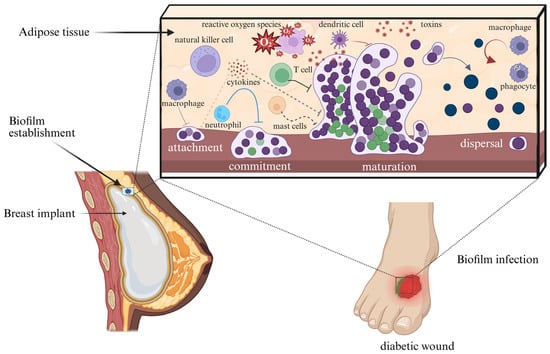
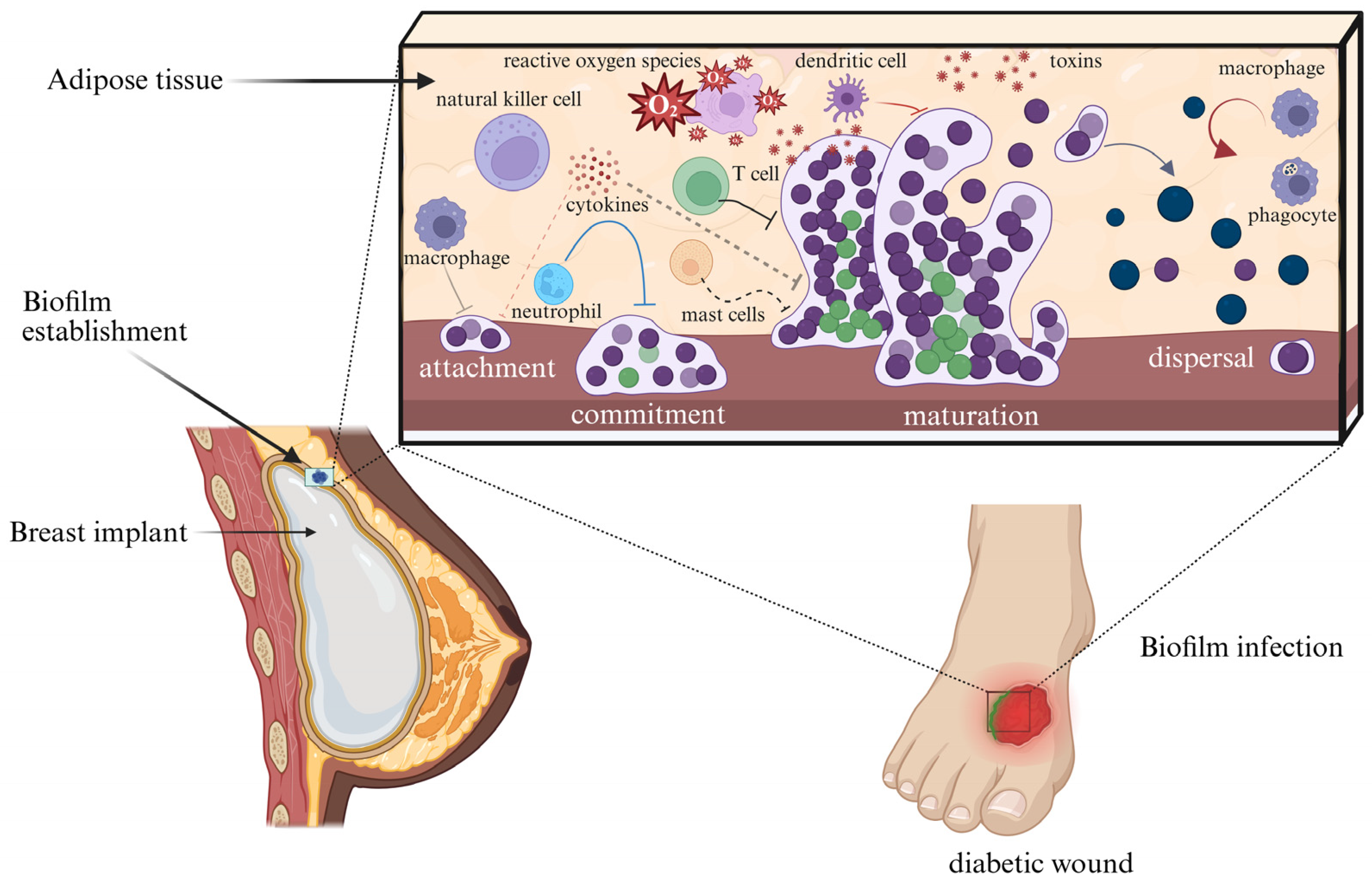
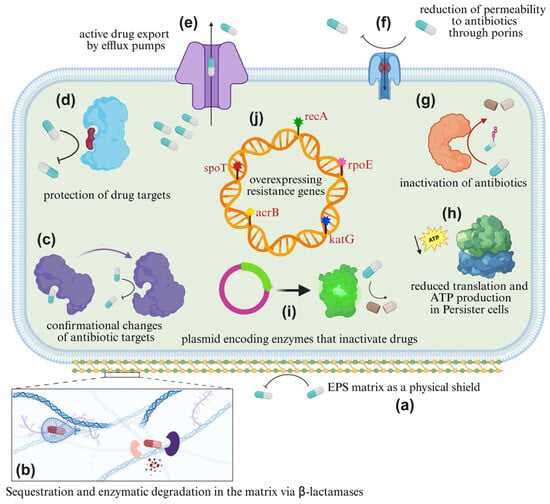
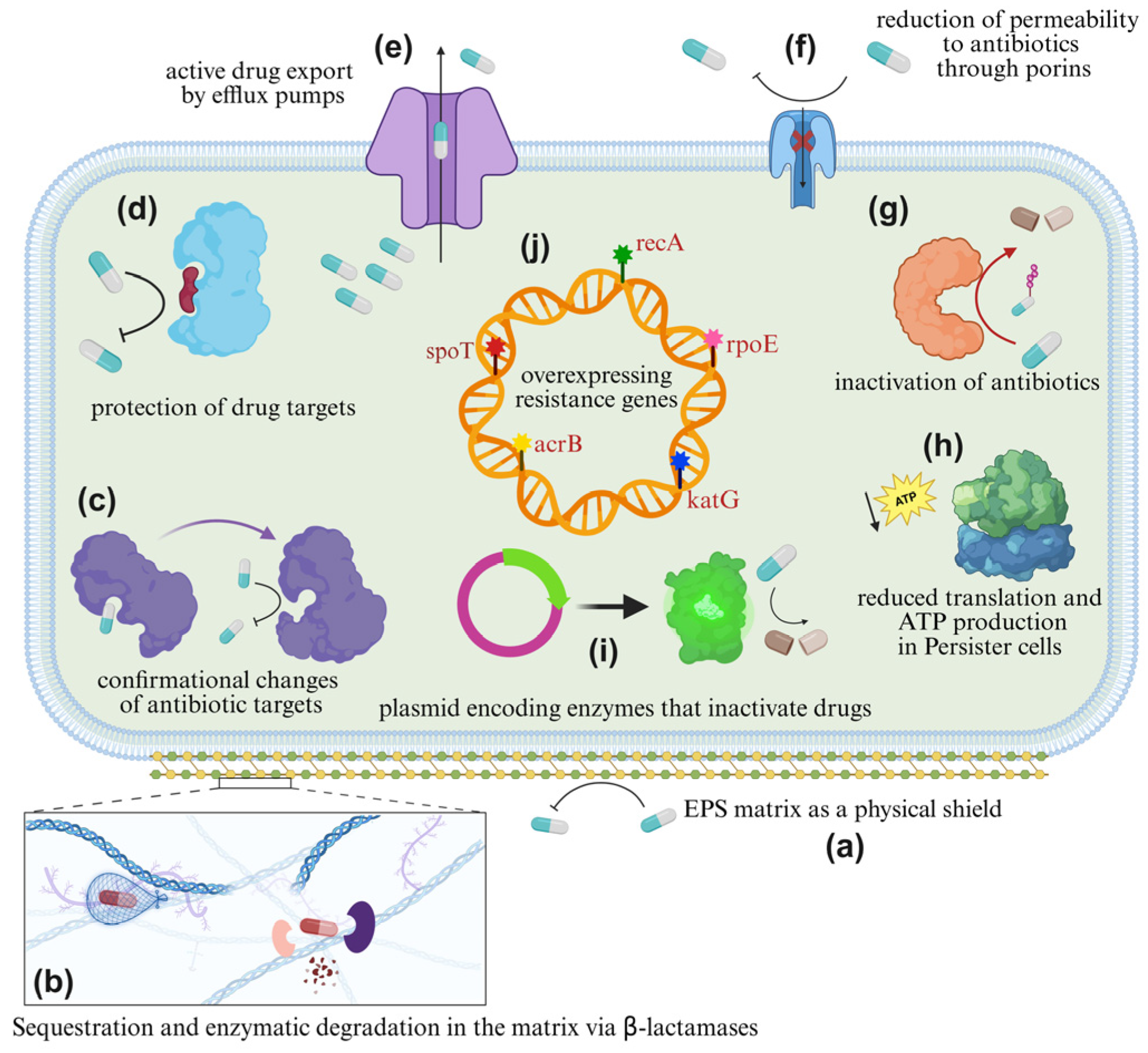
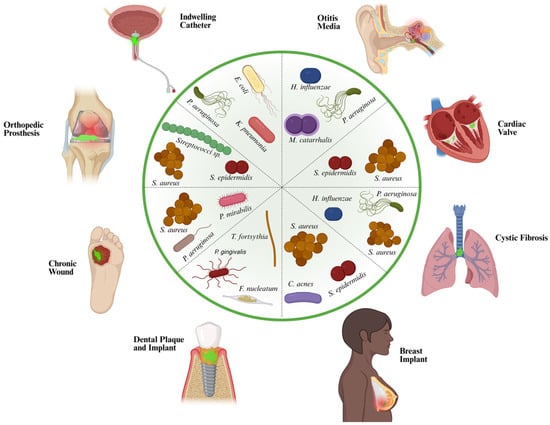
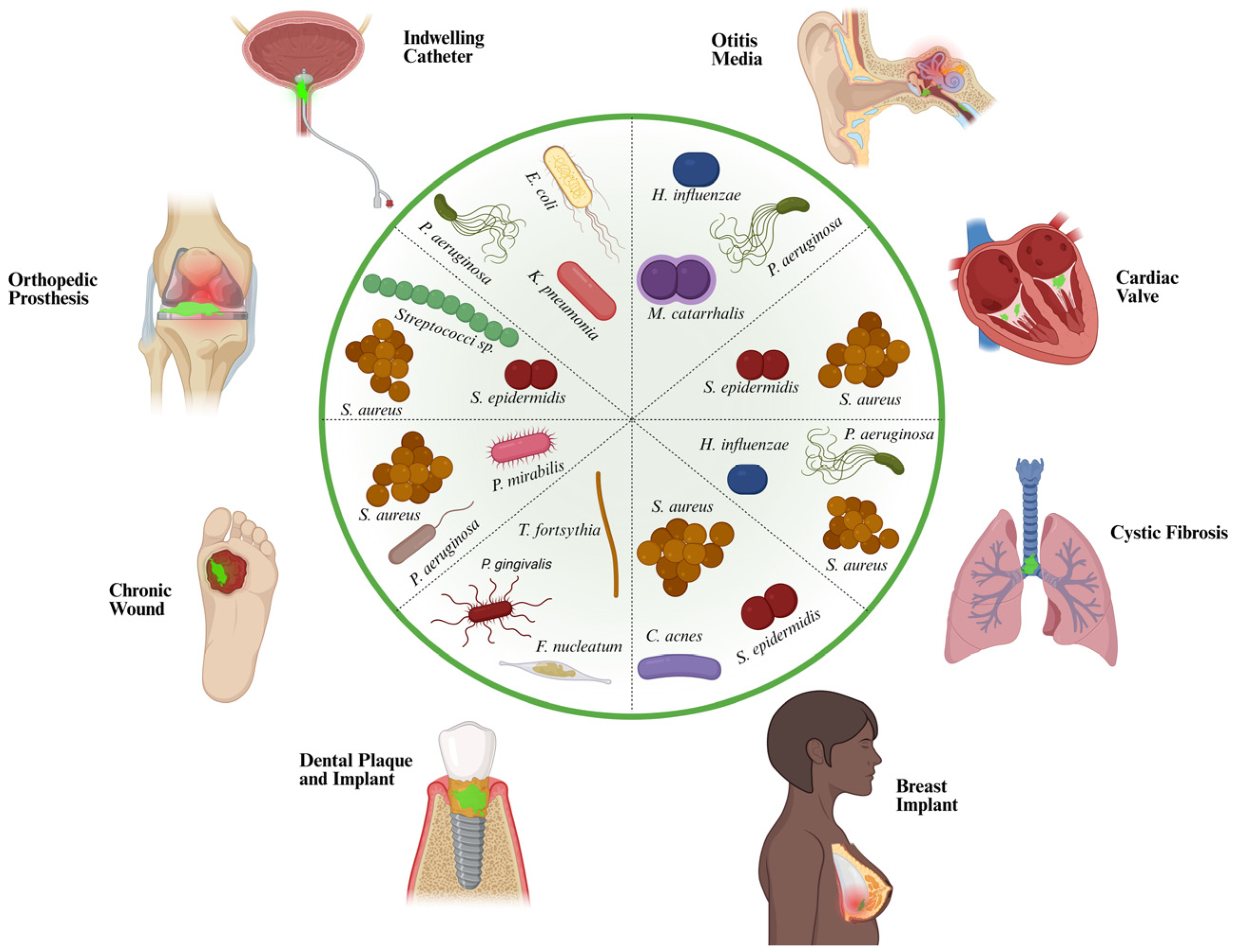
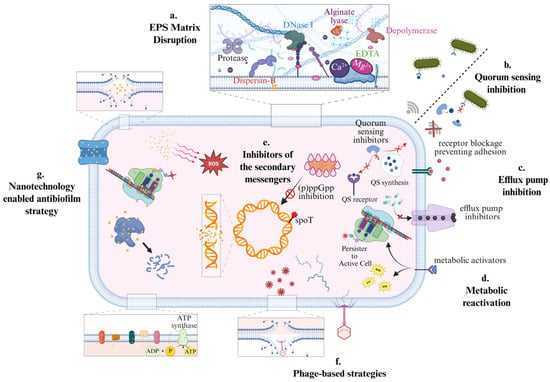
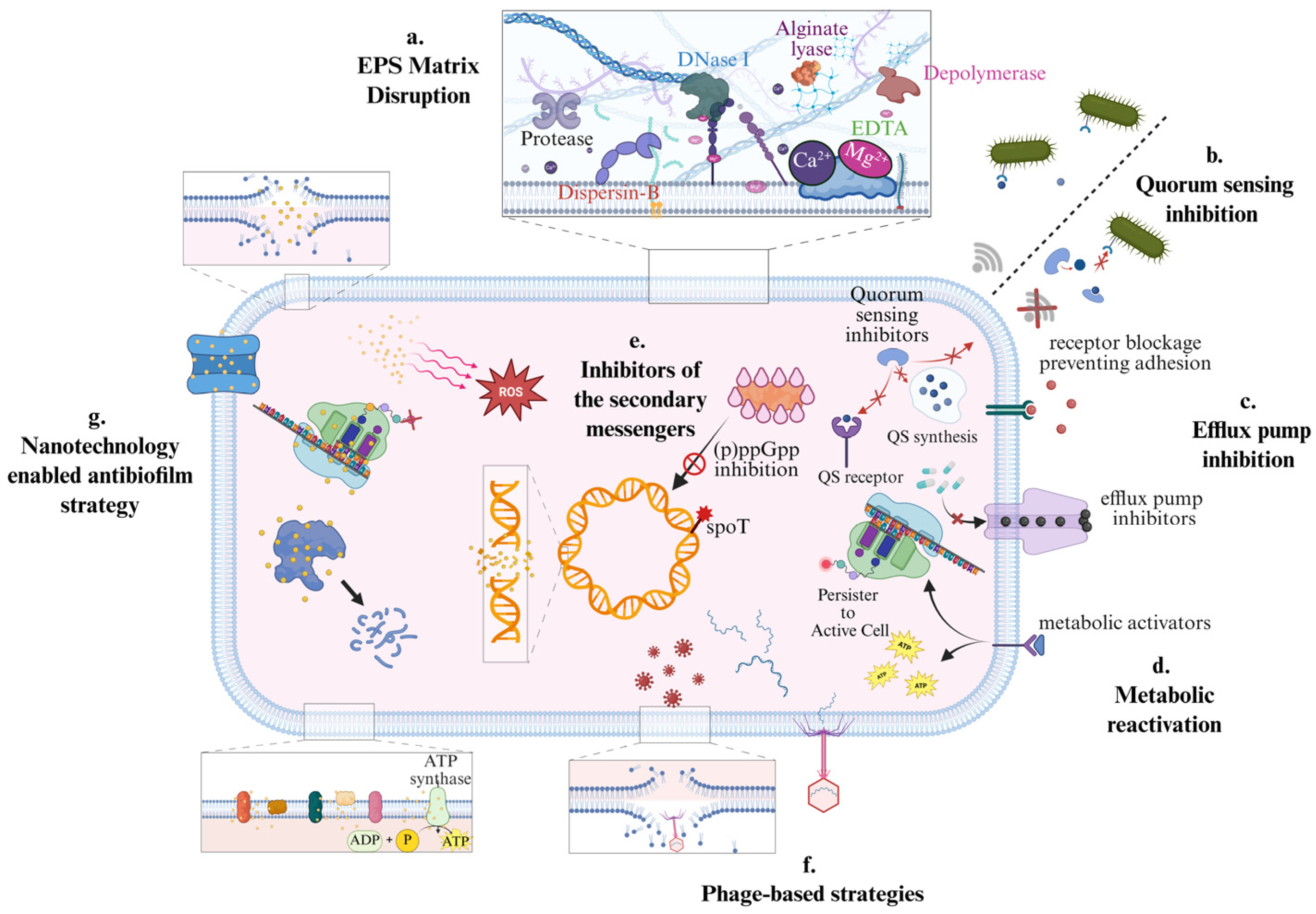

Disclaimer/Publisher’s Note: The statements, opinions and data contained in all publications are solely those of the individual author(s) and contributor(s) and not of MDPI and/or the editor(s). MDPI and/or the editor(s) disclaim responsibility for any injury to people or property resulting from any ideas, methods, instructions or products referred to in the content. |
© 2026 by the authors. Licensee MDPI, Basel, Switzerland. This article is an open access article distributed under the terms and conditions of the Creative Commons Attribution (CC BY) license.