Article

Anticandidal Properties of Launaea sarmentosa among the Salt Marsh Plants Collected from Palk Bay and the Gulf of Mannar Coast, Southeastern India


by
Smriti Das
1,†,
Karuppannagounder Rajan Priyanka
1,
Kolandhasamy Prabhu
1,
Ramachandran Vinayagam
2,†,
Rajendran Rajaram
1,* and
Sang Gu Kang
2,*
1
Department of Marine Science, School of Marine Sciences, Bharathidasan University, Tiruchirappalli 620 024, Tamil Nadu, India
2
Department of Biotechnology, Institute of Biotechnology, College of Life and Applied Sciences, Yeungnam University, 280 Daehak-Ro, Gyeongsan 38541, Gyeongsangbuk-do, Republic of Korea
*
Authors to whom correspondence should be addressed.
These authors contributed equally to this work.
Antibiotics 2024, 13(8), 748; https://doi.org/10.3390/antibiotics13080748

Submission received: 28 June 2024 / Revised: 6 August 2024 / Accepted: 7 August 2024 / Published: 9 August 2024

Abstract

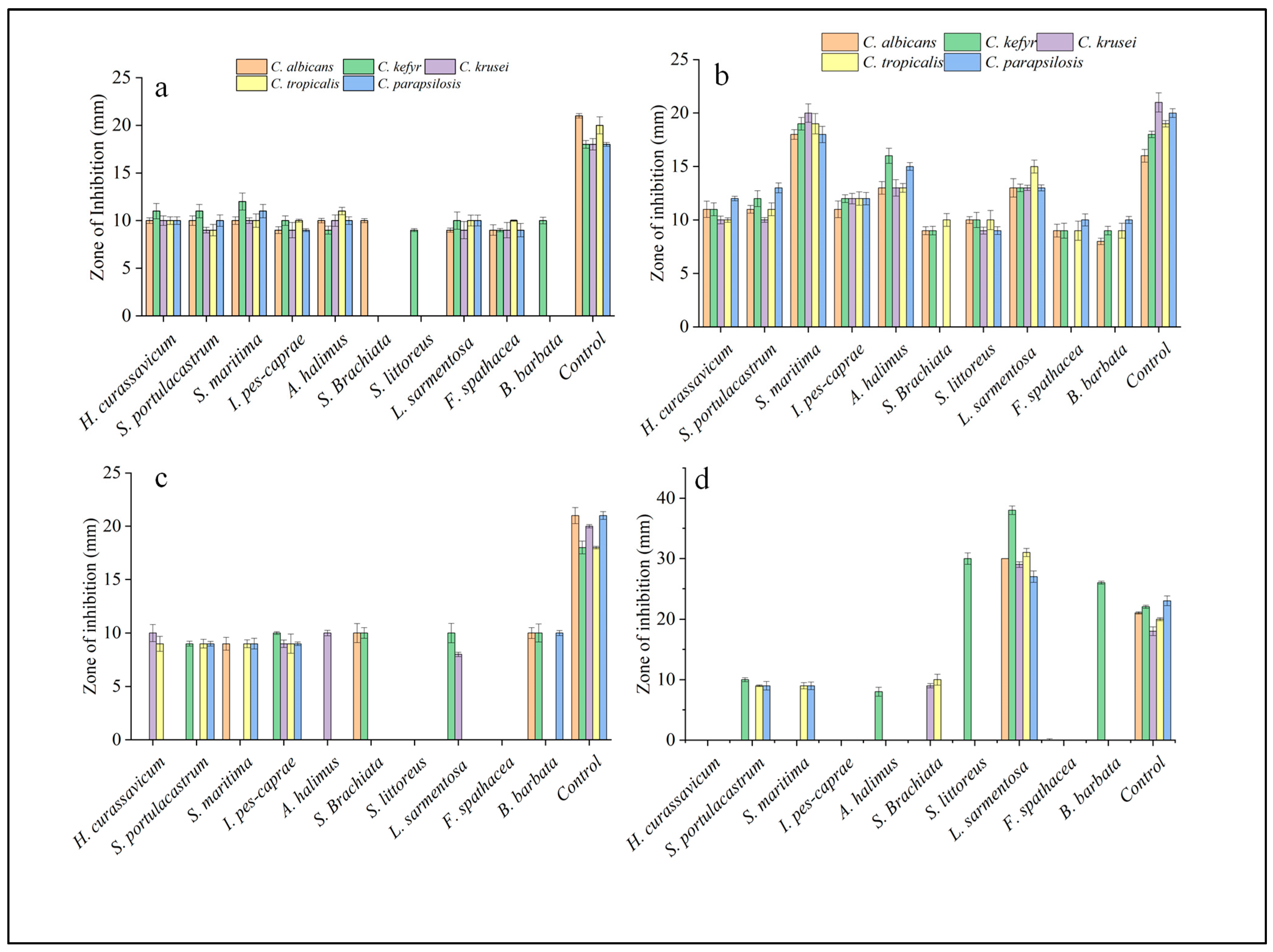
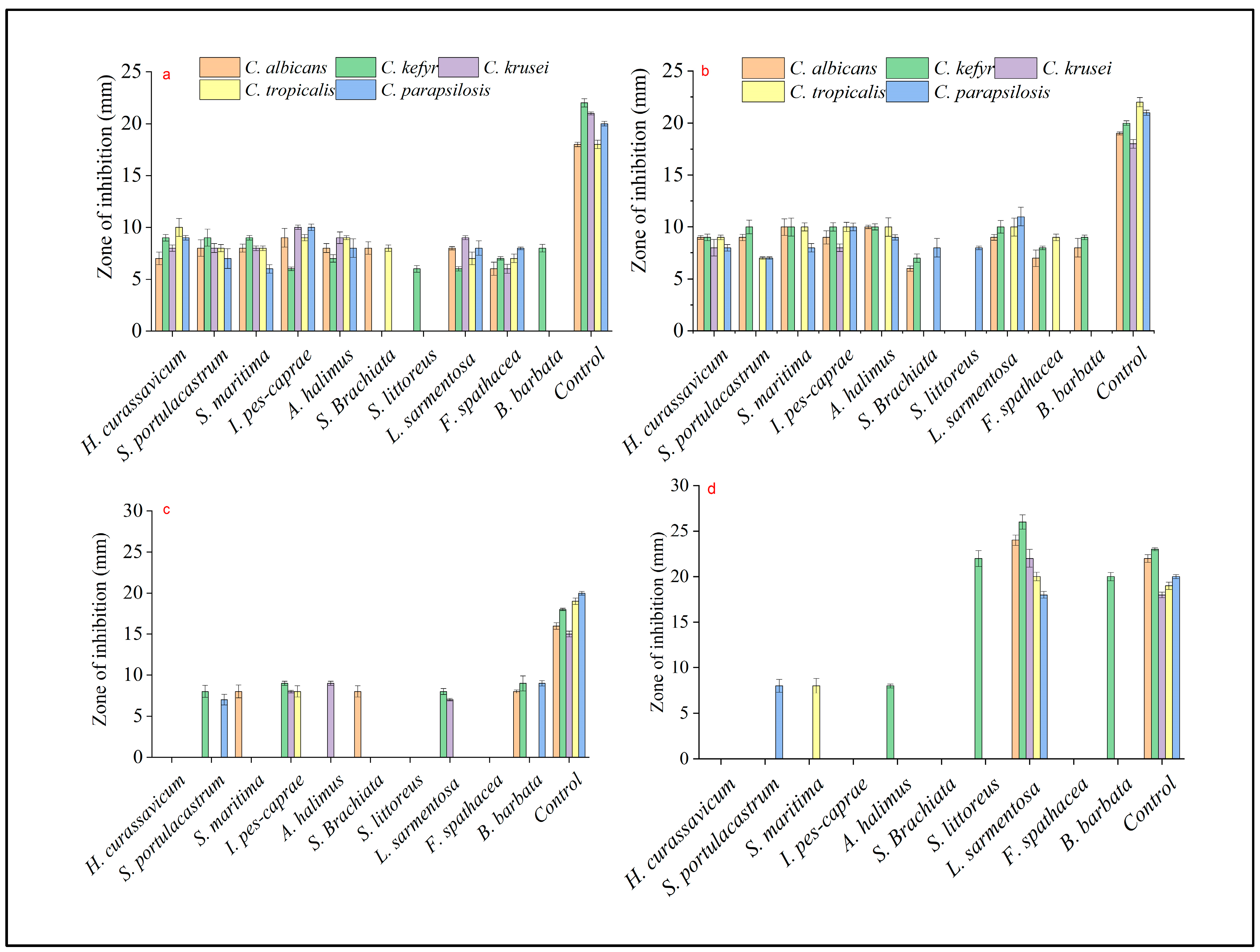
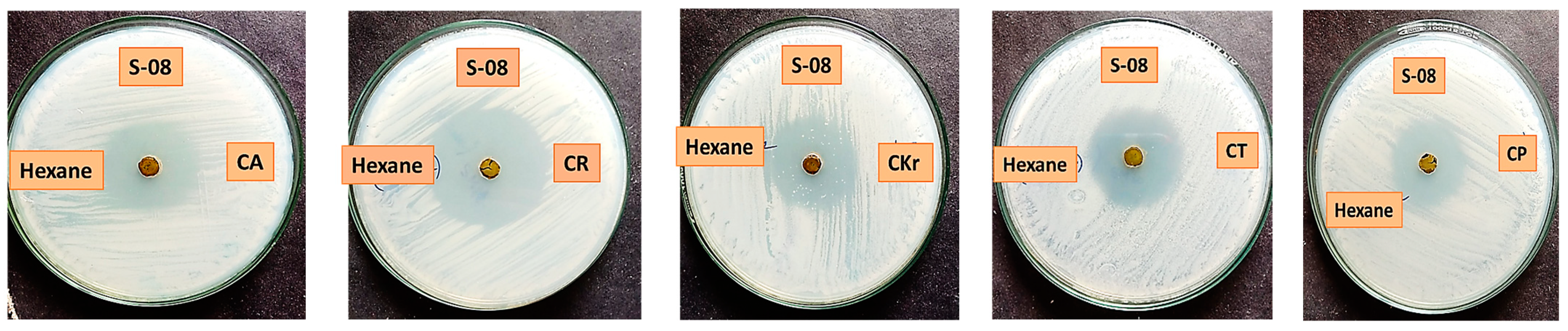
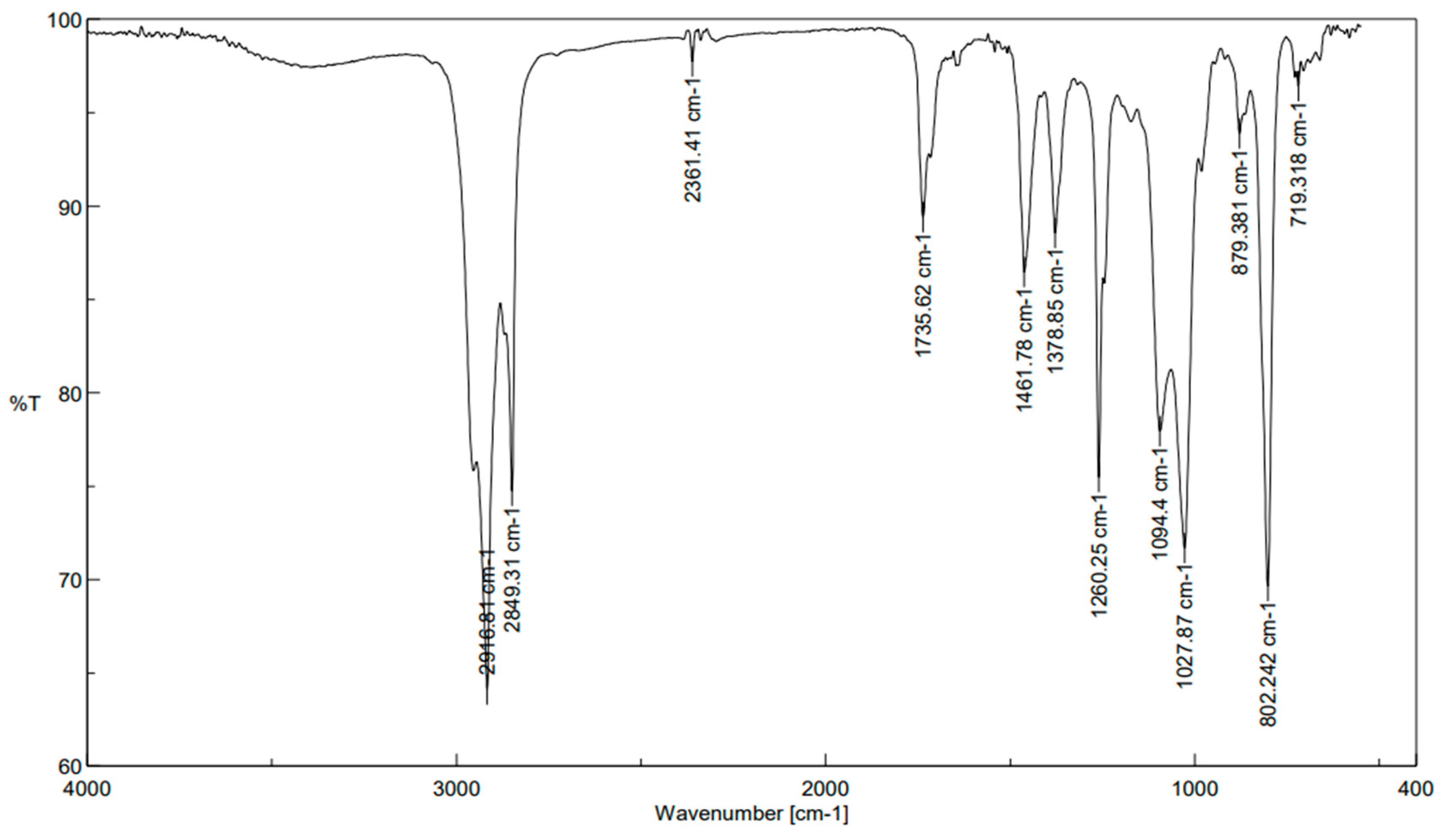
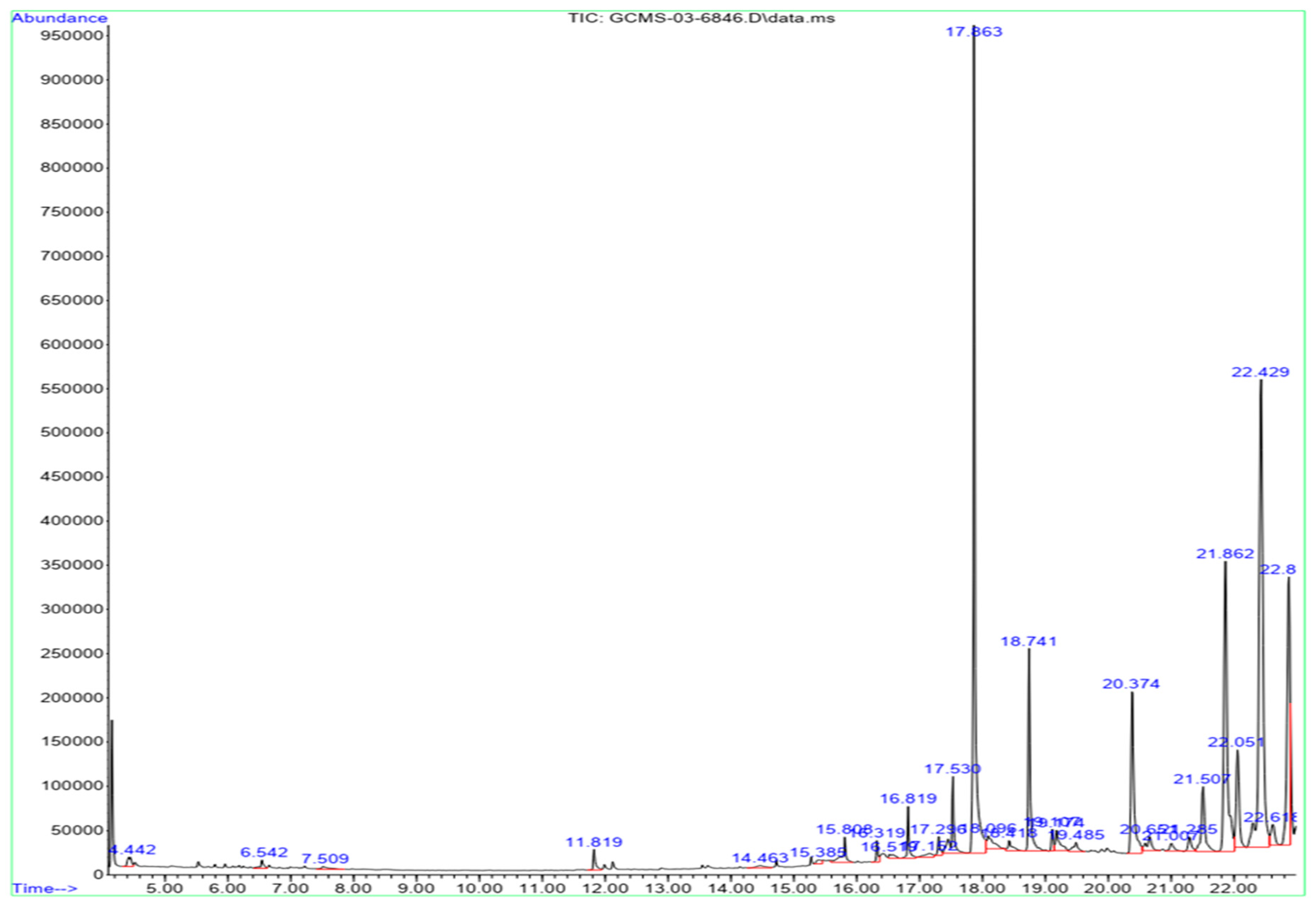
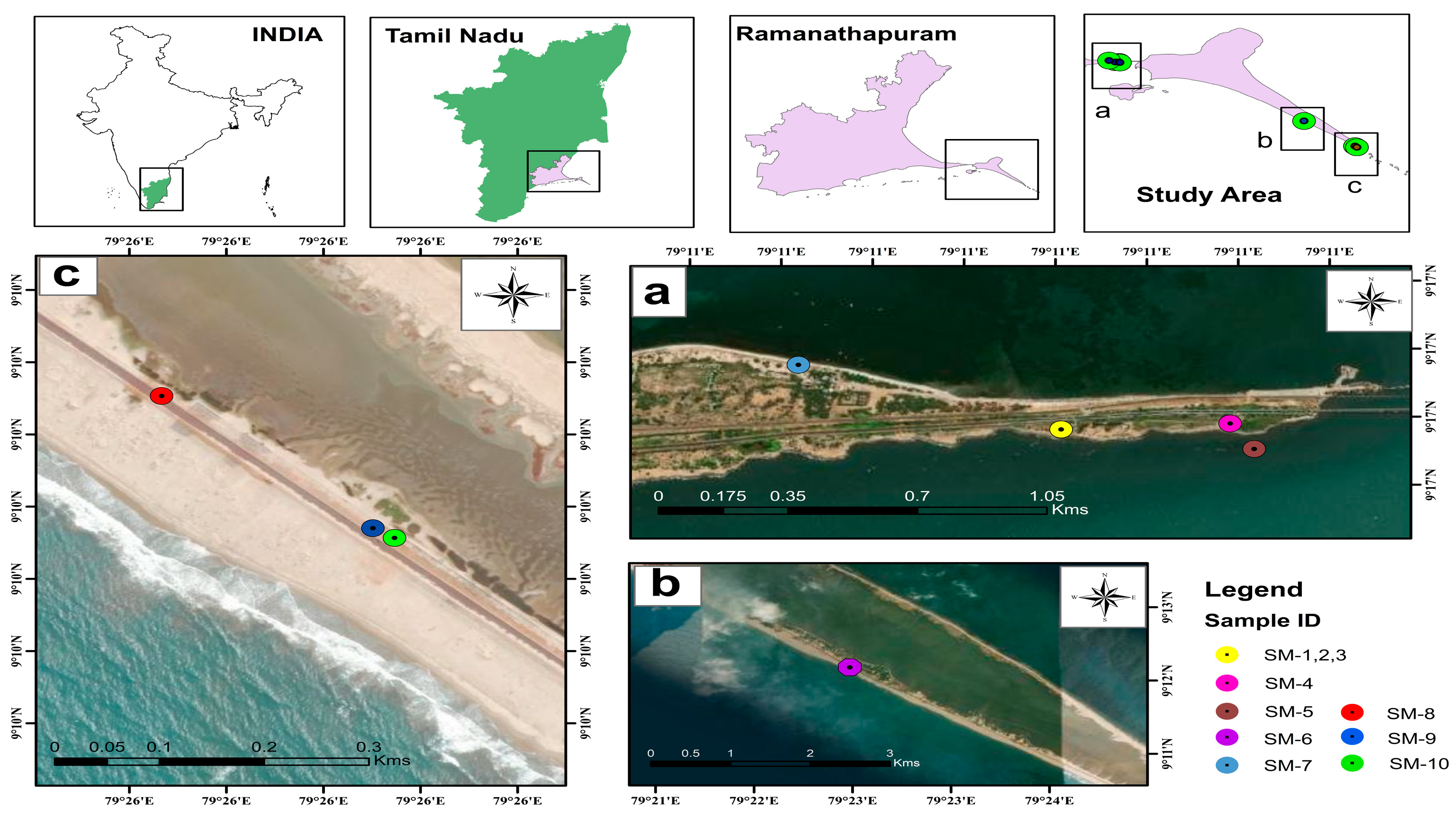
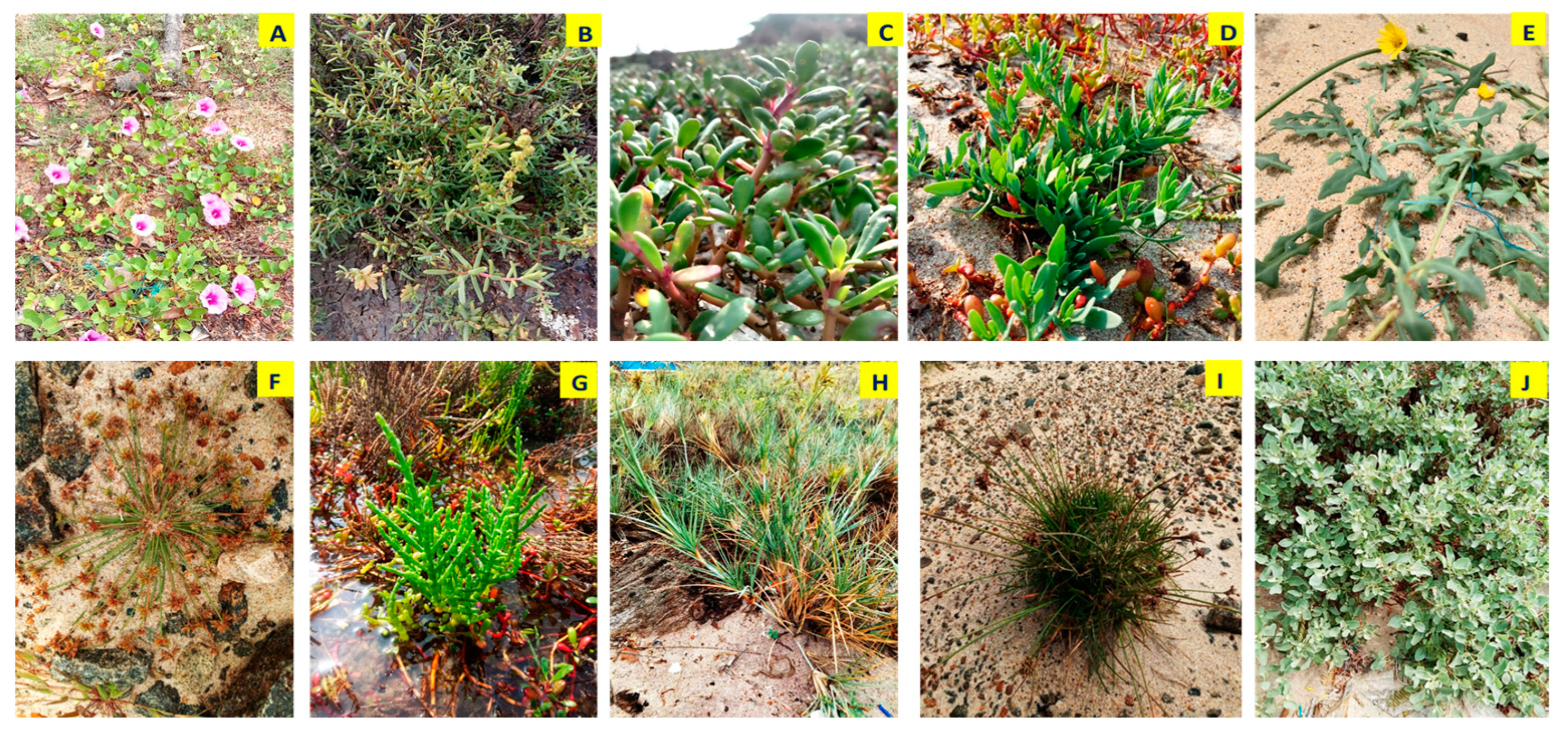
Tidal wetlands, commonly known as salt marshes, are highly productive ecosystems in temperate regions worldwide. These environments constitute a unique flora composed primarily of salt-tolerant herbs, grasses, and shrubs. This study investigated the therapeutic properties of ten salt marsh plants collected mainly from Palk Bay and Mannar Gulf against Candida disease. This study examined the changes in natural plant products associated with their anti-Candida growth activity during two distinct seasonal changes—monsoon and summer. The potential of the salt marshes to inhibit the growth of five different Candida strains was assessed using four solvents. In phytochemical analysis, the extracts obtained from a Launaea sarmentosa exhibited the highest results compared to the other plant extracts. Fourier transform infrared spectroscopy revealed 12 peaks with alkane, aldehyde, amine, aromatic ester, phenol, secondary alcohol, and 1,2,3,4-tetrasubstituted. Gas-chromatography–mass spectrometry detected 30 compounds. Cyclotetracosane, lupeol, β-amyrin, and 12-oleanen-3-yl acetate showed the highest peak range. In particular, plant samples collected during the monsoon season were more effective in preventing Canda growth than the summer plant samples. In the monsoon season, the salt marsh plant extracted with ethyl acetate showed a high anti-Candida growth activity, while in the summer, the acetone extract exhibited a higher anti-Candida growth activity than the other solvents. The hexane extract of L. sarmentosa showed the highest inhibition zone against all Candidal strains. Furthermore, compounds, such as β-amyrin, lupeol, and oxirane, from the hexane extract of L. sarmentosa play a vital role in anti-Candida activity. This paper reports the potential of tidal marsh plant extracts for developing new antifungal agents for Candida infections.
Keywords: phytochemical; GC-MS; seasonal variation; Launaea sarmentosa; Candida spp. phytochemical; GC-MS; seasonal variation; Launaea sarmentosa; Candida spp.