Article

Performance of a Pilot-Scale Continuous Flow Ozone-Based Hospital Wastewater Treatment System

1
Department of Pharmaceutical Sciences, Osaka Medical and Pharmaceutical University, Takatsuki 569-1094, Japan
2
Department of Surgery, Toho University Ohashi Medical Center, Tokyo 153-8515, Japan
3
Pathogen Genomics Center, National Institute of Infectious Diseases, Tokyo 162-8640, Japan
*
Authors to whom correspondence should be addressed.
Antibiotics 2023, 12(5), 932; https://doi.org/10.3390/antibiotics12050932

Submission received: 9 March 2023 / Revised: 16 May 2023 / Accepted: 17 May 2023 / Published: 19 May 2023

Abstract

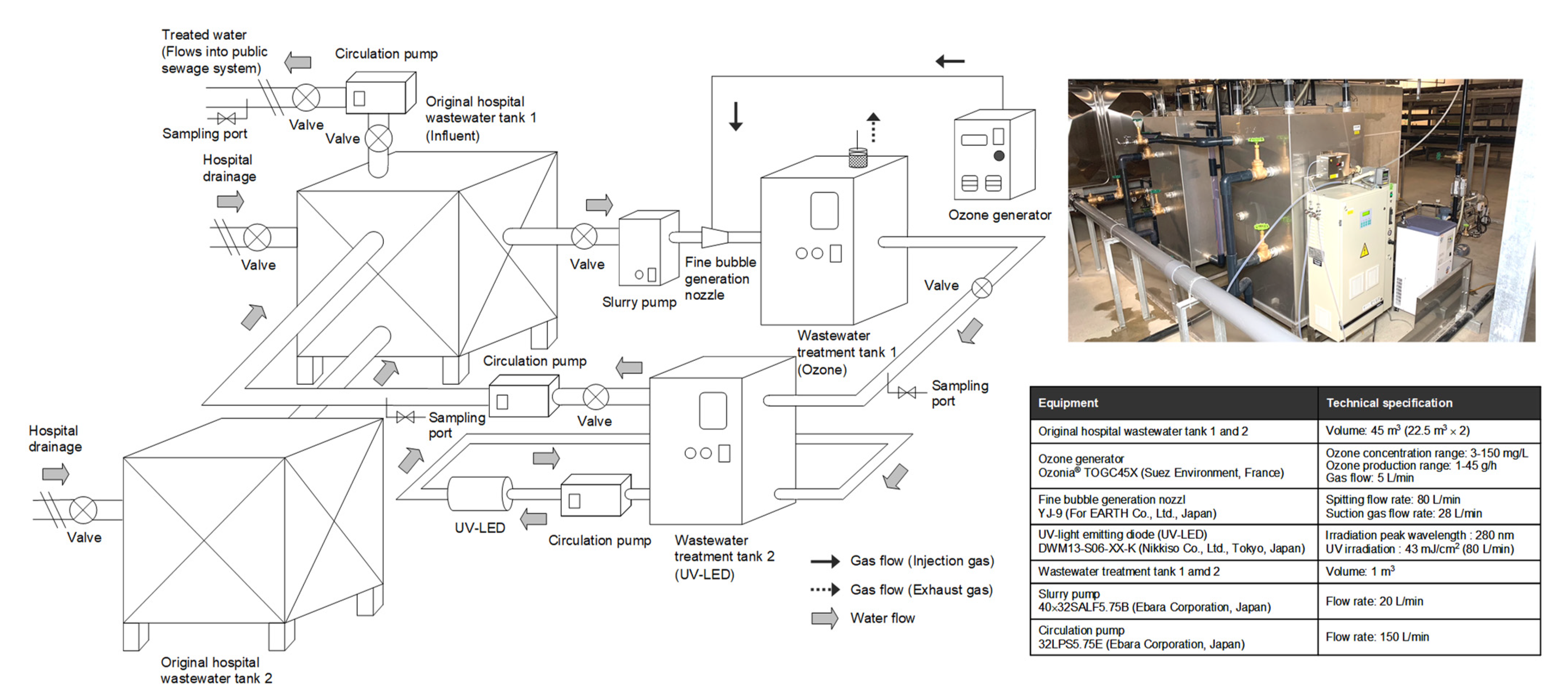
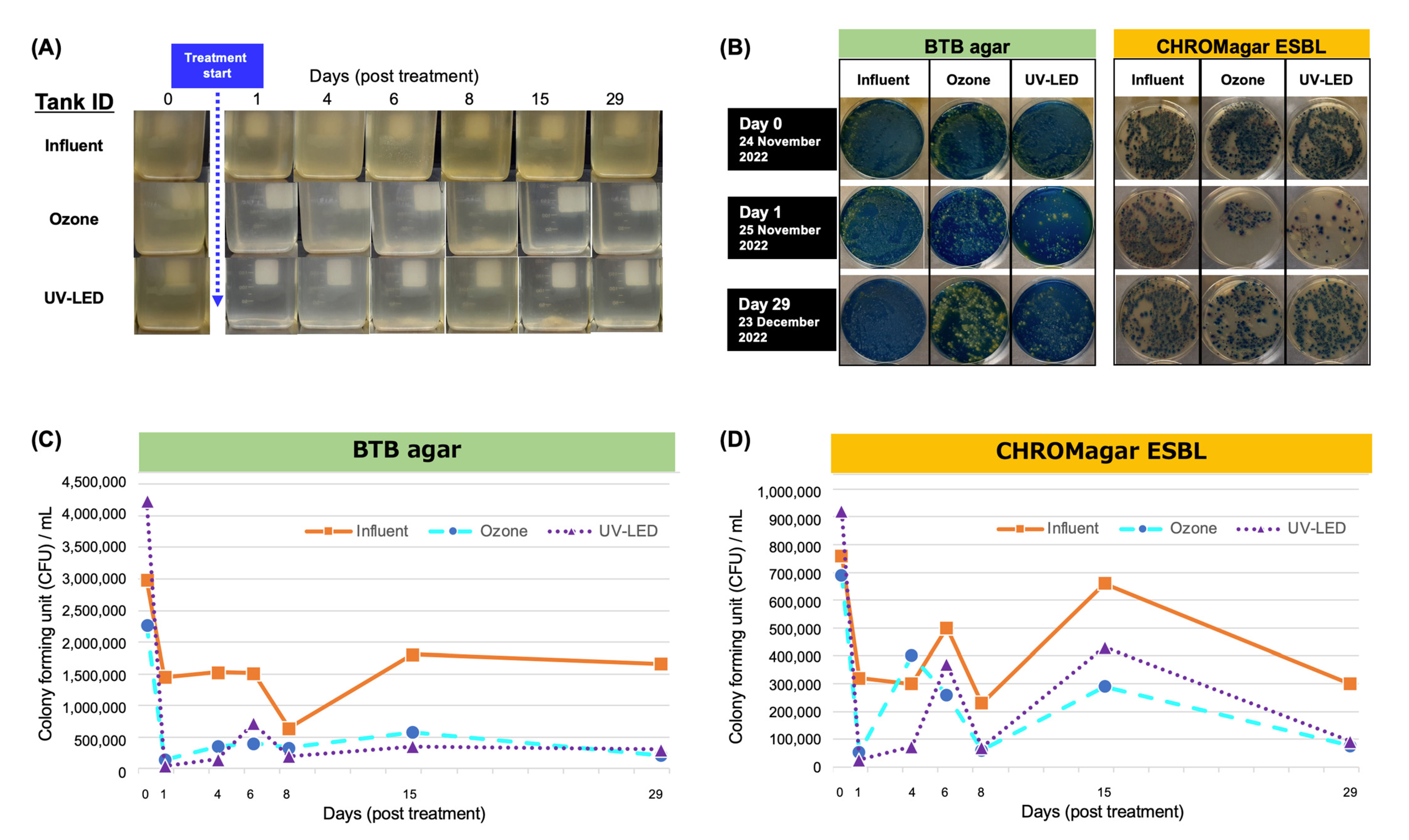
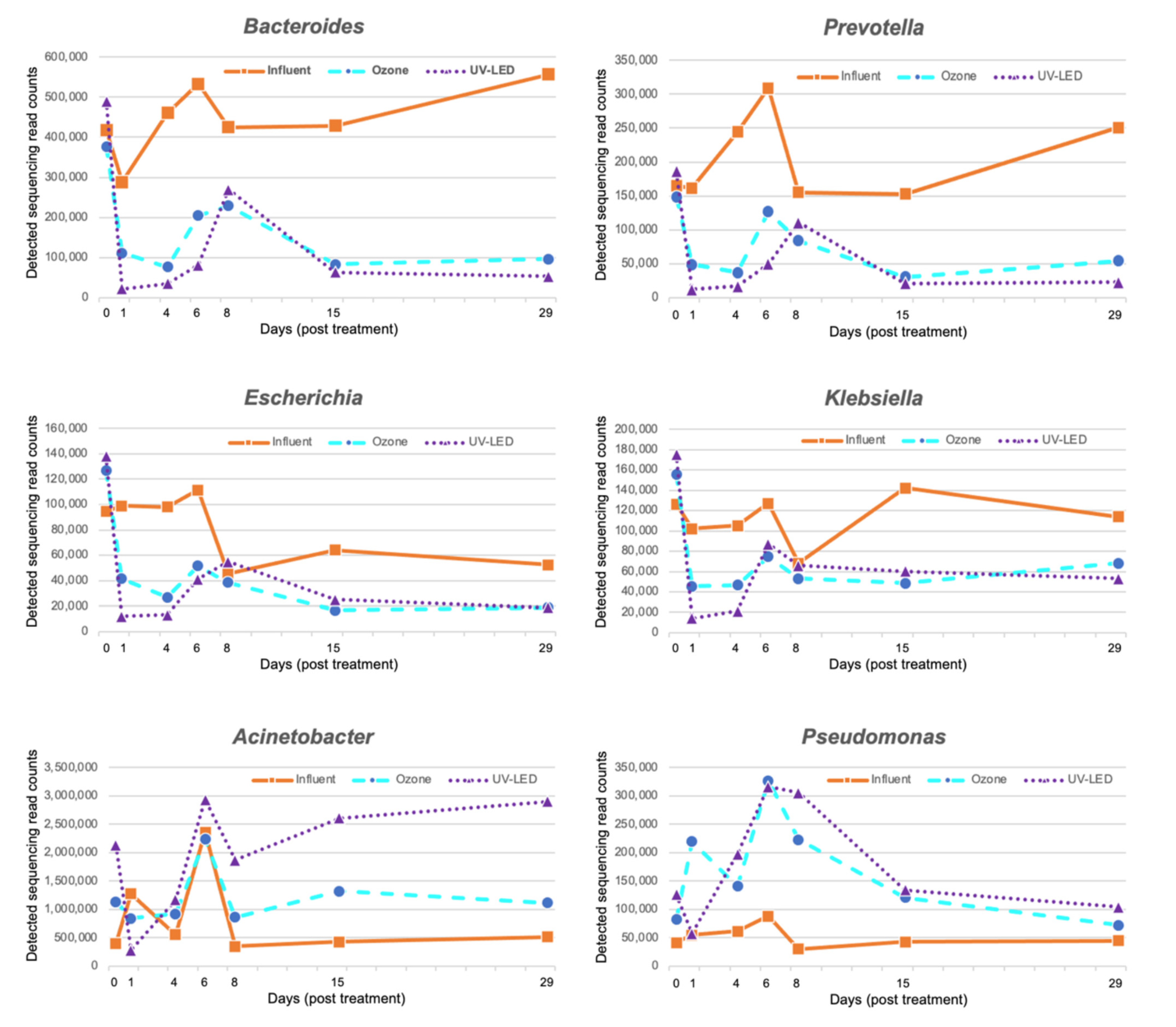
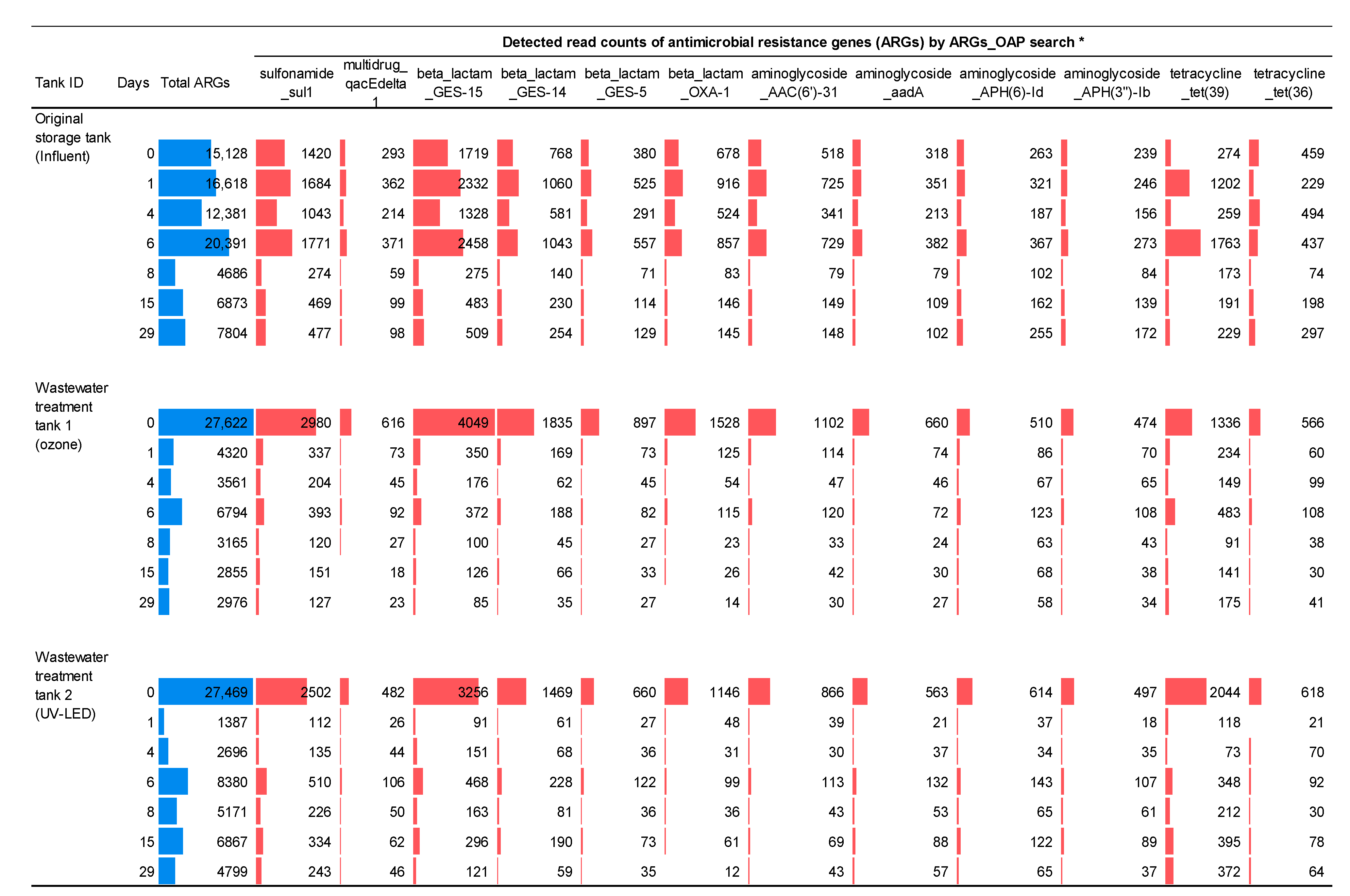
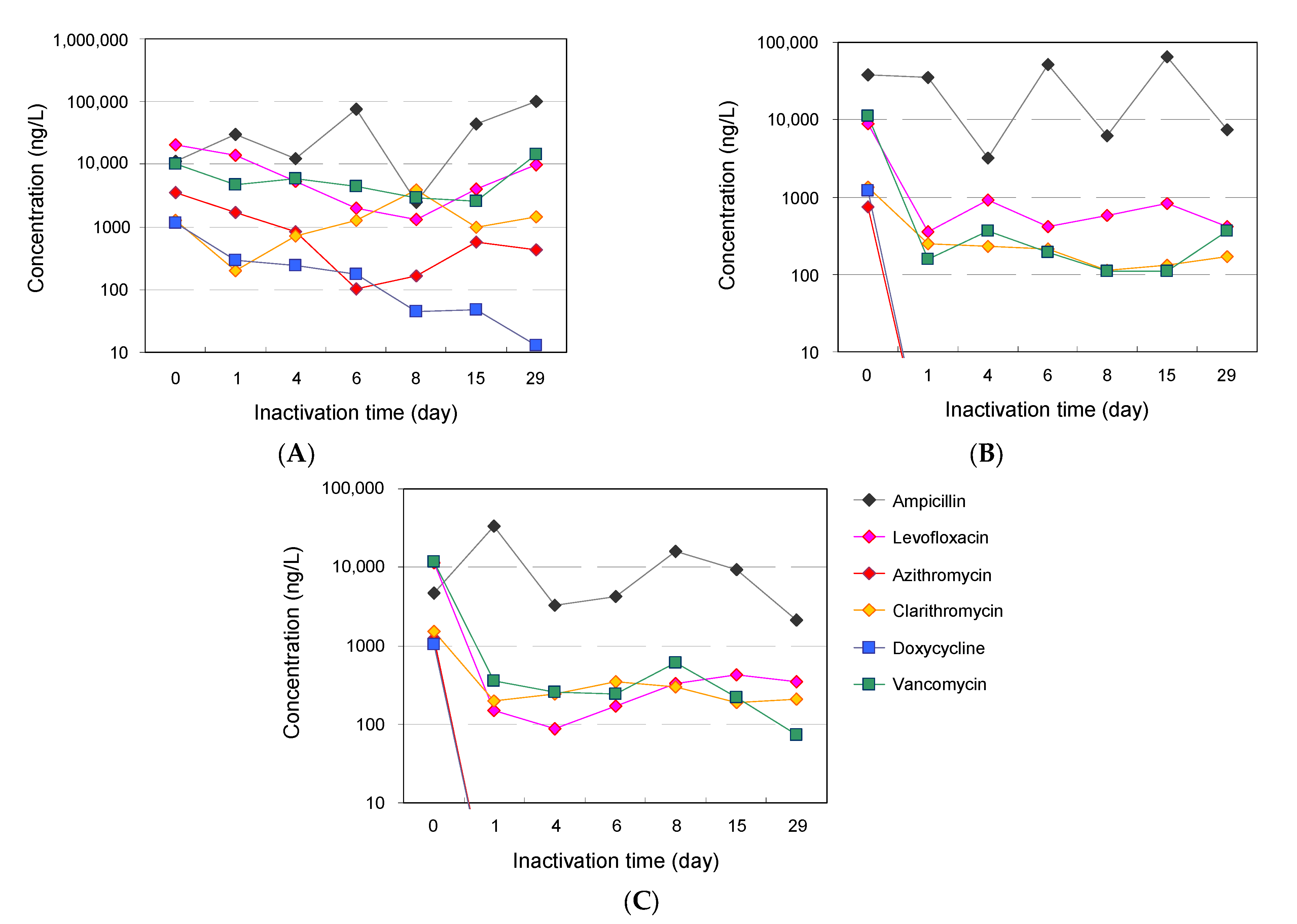
Antimicrobial resistance (AMR) is becoming a global concern. Recently, research has emerged to evaluate the human and environmental health implications of wastewater from medical facilities and to identify acceptable wastewater treatment methods. In this study, a disinfection wastewater treatment system using an ozone-based continuous flow system was installed in a general hospital located in Japan. The effectiveness of antimicrobial-resistant bacteria (ARB) and antimicrobials in mitigating the environmental impact of hospital wastewater was evaluated. Metagenomic analysis was conducted to characterize the microorganisms in the wastewater before and after treatment. The results demonstrated that ozone treatment enables effective inactivation of general gut bacteria, including Bacteroides, Prevotella, Escherichia coli, Klebsiella, DNA molecules, and ARGs, as well as antimicrobials. Azithromycin and doxycycline removal rates were >99% immediately after treatment, and levofloxacin and vancomycin removal rates remained between 90% and 97% for approximately one month. Clarithromycin was more readily removed than the other antimicrobials (81–91%), and no clear removal trend was observed for ampicillin. Our findings provide a better understanding of the environmental management of hospital wastewater and enhance the effectiveness of disinfection wastewater treatment systems at medical facilities for mitigating the discharge of pollutants into aquatic environments.
Keywords: antimicrobial resistance (AMR); hospital wastewater; continuous ozonation system; pilot study; metagenomics; antimicrobials resistant bacteria (ARB); antimicrobial resistance antimicrobial resistance (AMR); hospital wastewater; continuous ozonation system; pilot study; metagenomics; antimicrobials resistant bacteria (ARB); antimicrobial resistance