Deep Convolutional Neural Network-Based Detection of Gait Abnormalities in Parkinson’s Disease Using Fewer Plantar Sensors in a Smart Insole




Abstract
1. Introduction
2. Materials and Methods
2.1. Dataset Information
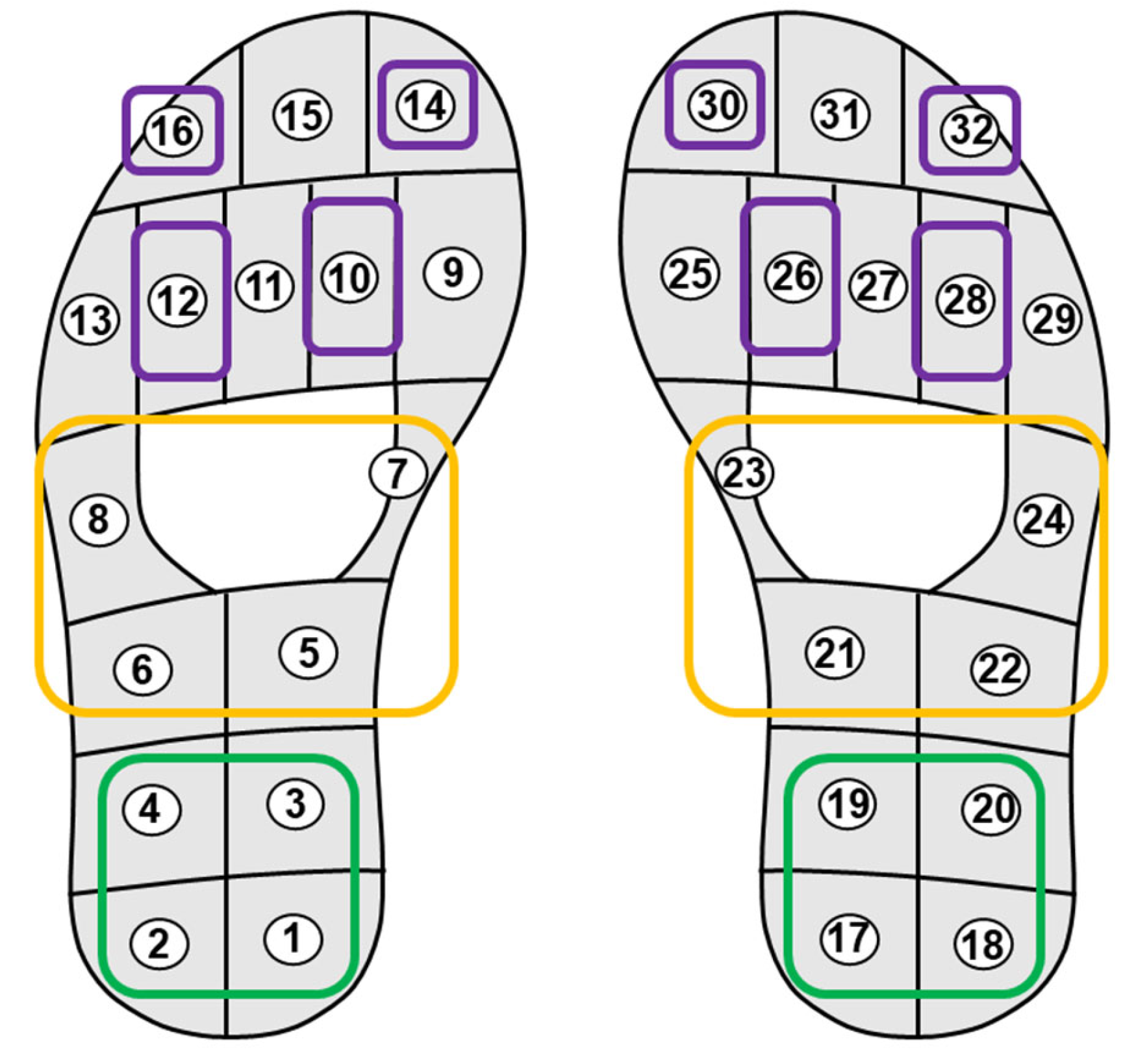
2.2. Region of Interests (ROIs)
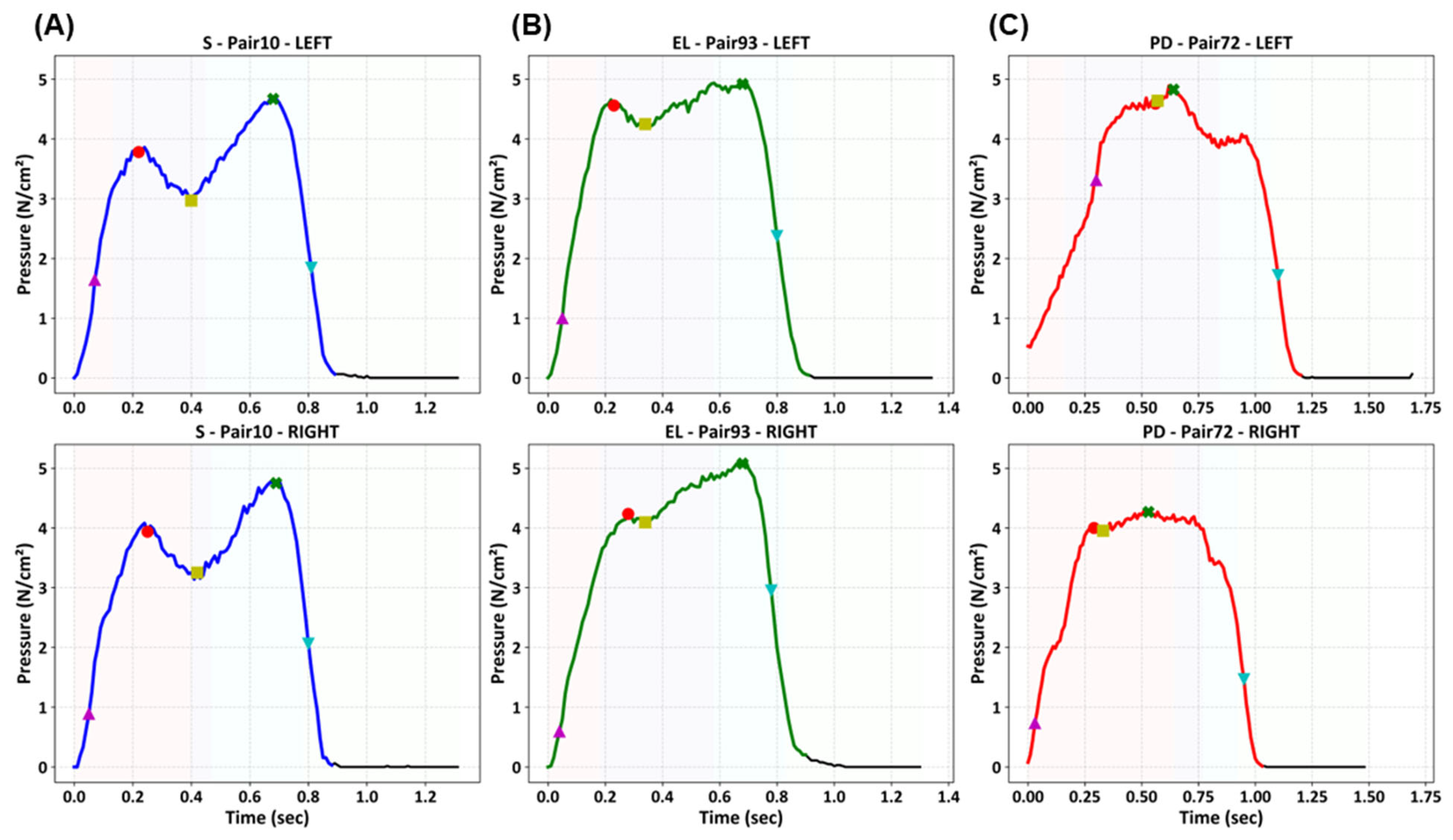
2.3. Unit Step Analysis
2.4. Data Preprocessing
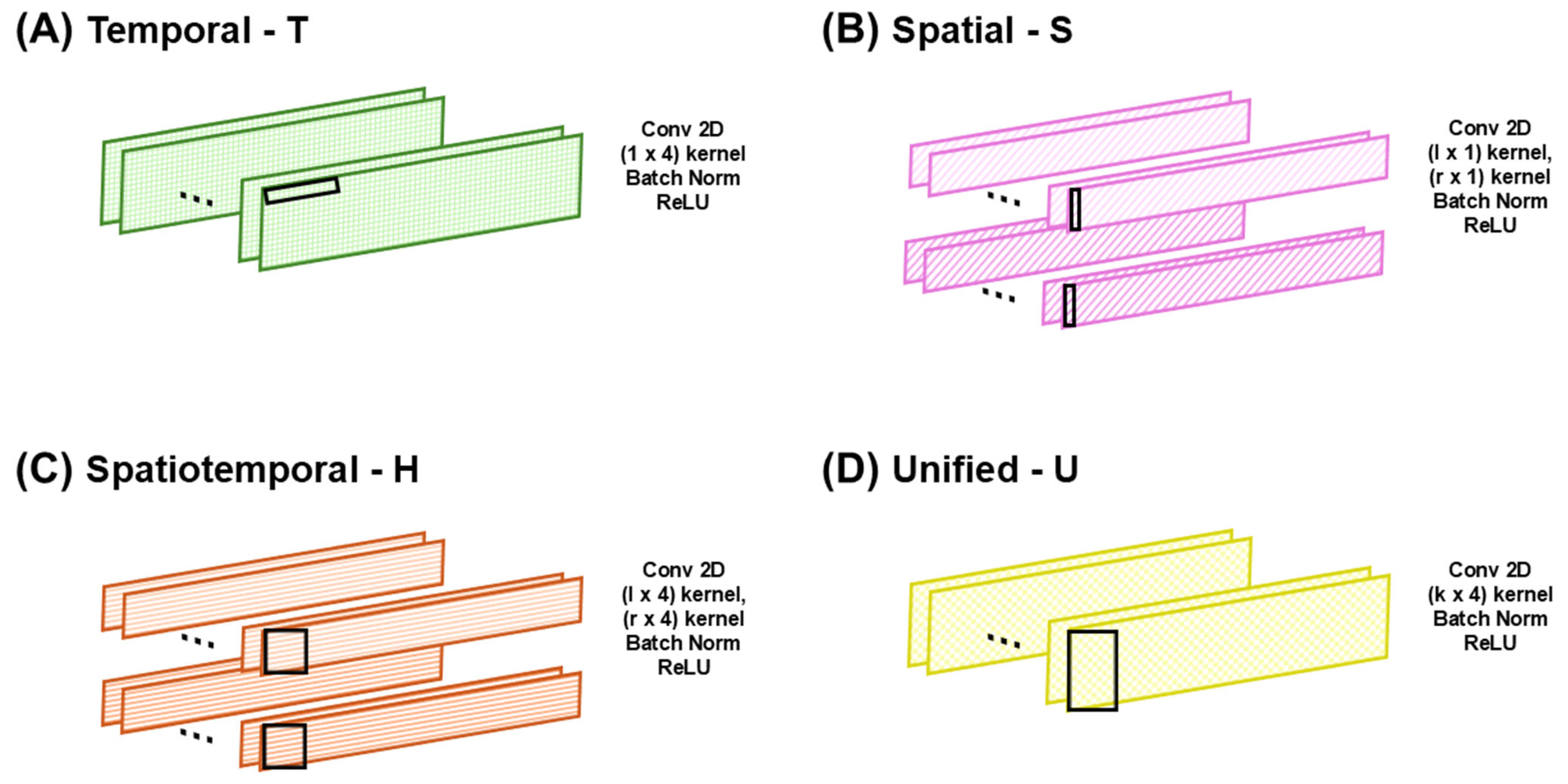
2.5. Model Design Strategy
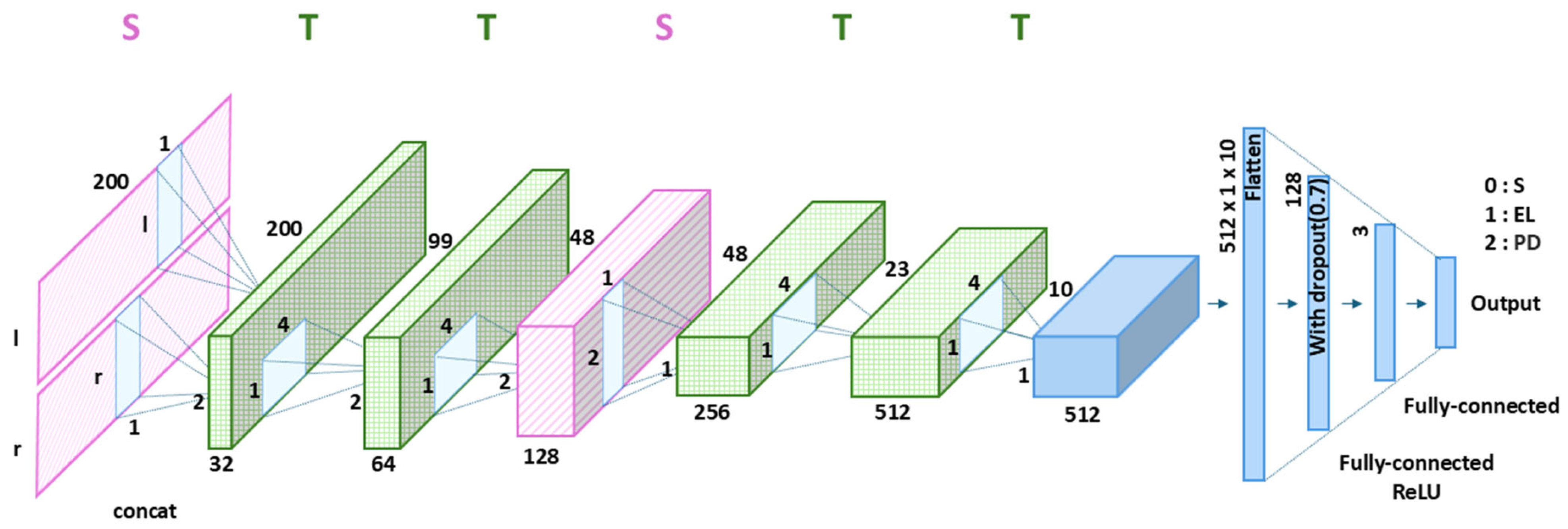
2.6. Proposed CNN Model Architecture
2.7. Model Evaluation and Training Setup
3. Results
3.1. CNN Model Optimization
3.2. Results of Unit Step Analysis
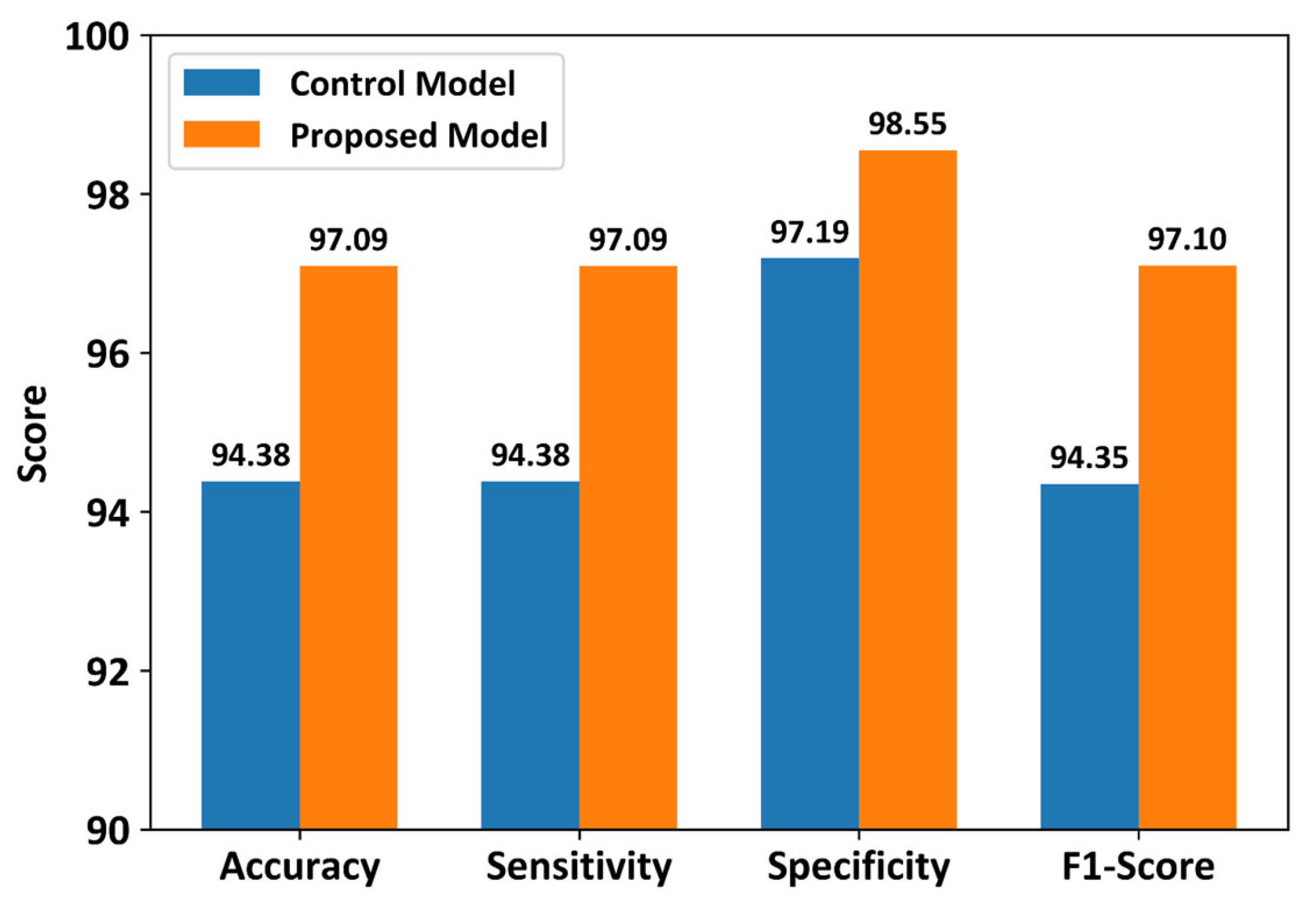
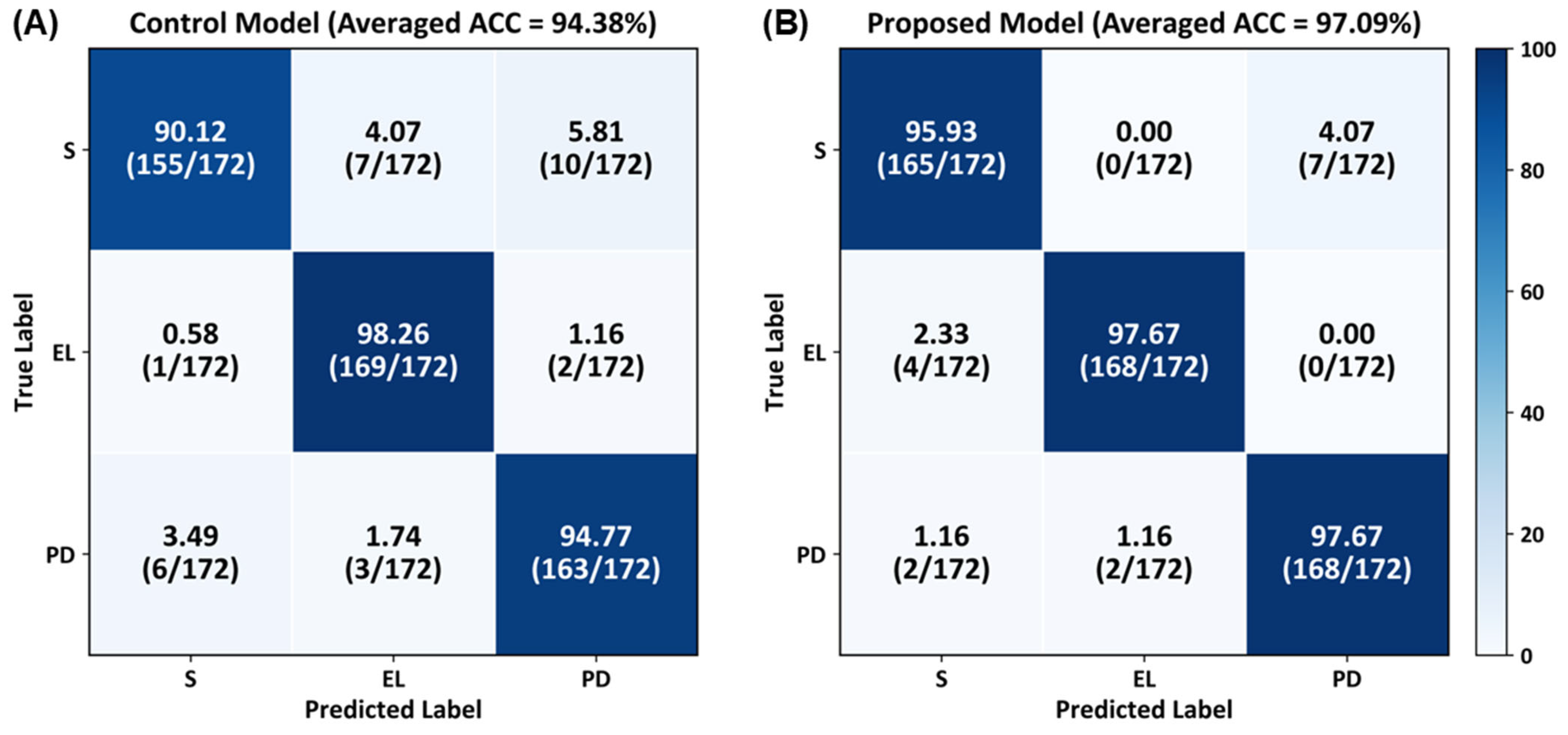
3.3. Classification Results Using All Sensors
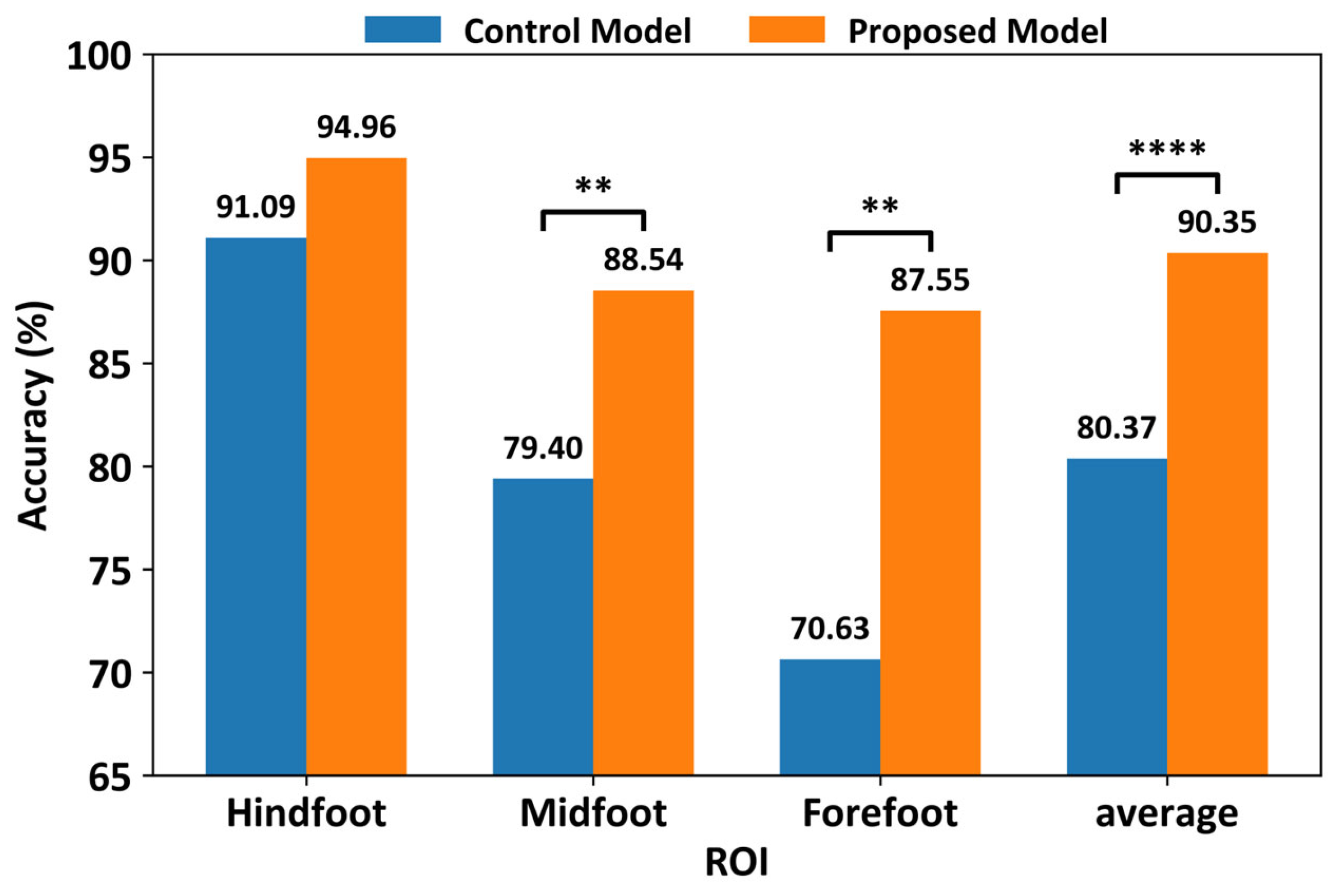
3.4. Classification Results by ROIs with Fewer Sensors
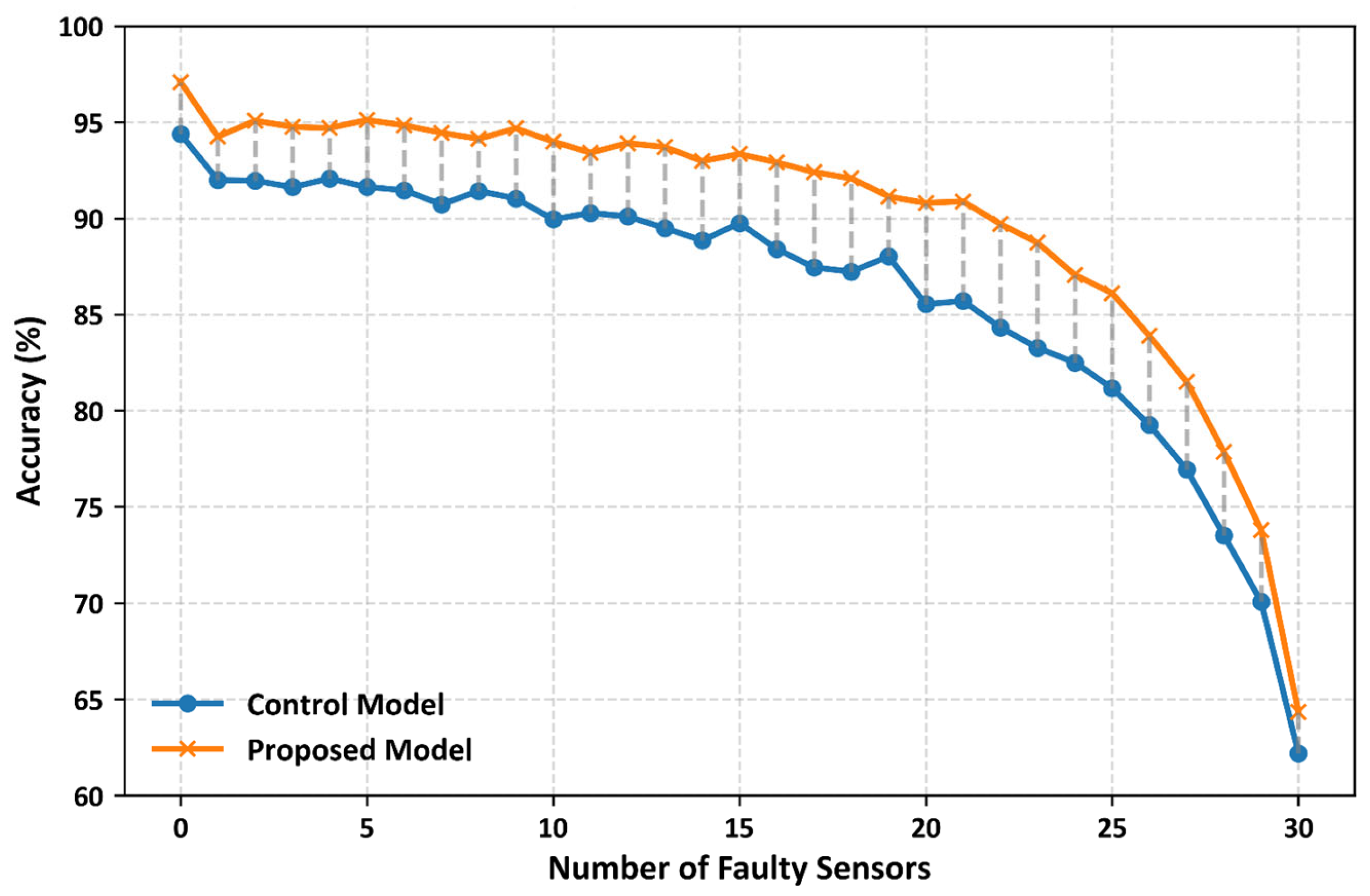
3.5. Classification Results Under Multiple-Sensor Failures
3.6. Classification Results by Different Gait Types
4. Discussion
4.1. Motivation and Practical Challenges in Wearable Gait Analysis
4.2. CNN Architecture Design and Comparative Analysis
4.3. Classification Performance and Robustness Analysis
4.4. Limitations and Challenges
5. Conclusions
Author Contributions
Funding
Institutional Review Board Statement
Informed Consent Statement
Data Availability Statement
Acknowledgments
Conflicts of Interest
Abbreviations
| PD | Parkinson’s disease |
| QoL | Quality of life |
| MRI | Magnetic resonance imaging |
| PET | Positron emission tomography |
| DaT-SPECT | Dopamine transporters and single-photon emission computed tomography |
| CNN | Convolutional neural network |
| WST | Walk straight and turn |
| TUG | Timed up and go |
| ADL | Activities of daily living |
| GCE | Gait cycle event |
| IRB | Institutional review board |
| ROIs | Region of interests |
| ASI | Absolute symmetry index |
| TCNN | Temporal convolutional neural network |
References
- Zhou, Z.; Yi, L.; Wang, Q.; Lim, T.M.; Tan, E.K. Role of Dopamine in the Pathophysiology of Parkinson’s Disease. Transl. Neurodegener. 2023, 12, 44. [Google Scholar] [CrossRef] [PubMed]
- Galván, A.; Devergnas, A.; Wichmann, T. Alterations in Neuronal Activity in Basal Ganglia-Thalamocortical Circuits in the Parkinsonian State. Front. Neuroanat. 2015, 9, 5. [Google Scholar] [CrossRef] [PubMed]
- Jankovic, J. Parkinson’s Disease: Clinical Features and Diagnosis. J. Neurol. Neurosurg. Psychiatry 2008, 79, 368–376. [Google Scholar] [CrossRef] [PubMed]
- Poewe, W.; Seppi, K.; Tanner, C.M.; Halliday, G.M.; Brundin, P.; Volkmann, J.; Schrag, A.; Lang, A.E. Parkinson Disease. Nat. Rev. Dis. Primers 2017, 3, 17013. [Google Scholar] [CrossRef]
- Park, A.; Stacy, M. Dopamine-Induced Nonmotor Symptoms of Parkinson’s Disease. Park. Dis. 2011, 2011, 485063. [Google Scholar] [CrossRef]
- Parra, E.C.; Jiménez, M.P.C.; Useros, M.V.D.; Hernández-Martínez, A.; Molina-Alarcón, M. Relationship Between Motor and Nonmotor Symptoms and Quality of Life in Patients with Parkinson’s Disease. Nurs. Rep. 2021, 12, 1–12. [Google Scholar] [CrossRef]
- Alonso-Canovas, A.; Voeten, J.; Gifford, L.; Thomas, O.; Lees, A.J.; Bloem, B.R. The Early Treatment Phase in Parkinson’s Disease: Not a Honeymoon for All, Not a Honeymoon at All? J. Park. Dis. 2023, 13, 323–328. [Google Scholar] [CrossRef]
- Isaacson, S.; Hauser, R.A. Review: Improving Symptom Control in Early Parkinson’s Disease. Ther. Adv. Neurol. Disord. 2009, 2, 393–400. [Google Scholar] [CrossRef]
- Munhoz, R.P.; Tumas, V.; Pedroso, J.L.; Silveira-Moriyama, L. The Clinical Diagnosis of Parkinson’s Disease. Arq. Neuro-Psiquiatr. 2024, 82, s00431777775. [Google Scholar] [CrossRef]
- Zhang, Y.; Tartaglia, M.C.; Zhan, W.; Ofori, E. Editorial: Neuroimaging in Parkinson’s Disease and Parkinsonism. Front. Neurol. 2023, 14, 1153682. [Google Scholar] [CrossRef]
- Grover, S.; Somaiya, M.; Kumar, S.; Avasthi, A. Psychiatric Aspects of Parkinson’s Disease. J. Neurosci. Rural Pract. 2014, 6, 65–76. [Google Scholar] [CrossRef] [PubMed]
- Rao, S.S.; Hofmann, L.A.; Shakil, A. Parkinson’s Disease: Diagnosis and Treatment. Am. Fam. Physician 2006, 74, 2046–2054. [Google Scholar] [PubMed]
- Holmes, S.; Tinaz, S. Neuroimaging Biomarkers in Parkinson’s Disease. In Neurophysiologic Biomarkers in Neuropsychiatric Disorders; Springer: Cham, Switzerland, 2024; pp. 617–663. [Google Scholar] [CrossRef]
- Zaman, M.S.; Ghahari, S.; McColl, M.A. Barriers to Accessing Healthcare Services for People with Parkinson’s Disease: A Scoping Review. J. Park. Dis. 2021, 11, 1537–1553. [Google Scholar] [CrossRef] [PubMed]
- Meissner, W.G. When Does Parkinson’s Disease Begin? From Prodromal Disease to Motor Signs. Rev. Neurol. 2012, 168, 809–814. [Google Scholar] [CrossRef]
- Tolosa, E.; Garrido, A.; Scholz, S.W.; Poewe, W. Challenges in the Diagnosis of Parkinson’s Disease. Lancet Neurol. 2021, 20, 385–397. [Google Scholar] [CrossRef]
- Bayen, S.; Lagon, X.; Cauet, C.; Bayen, M.; Richebe, T.; Messaadi, N.; Calafiore, M. Time is Health: Management of Parkinson’s Disease in Primary Care: A Retrospective Quantitative Study of Diagnostic and Therapeutic Timelines. BMC Prim. Care 2025, 26, 217. [Google Scholar] [CrossRef]
- Guo, Y.; Yang, J.; Liu, Y.; Chen, X.; Yang, G. Detection and Assessment of Parkinson’s Disease Based on Gait Analysis: A Survey. Front. Aging Neurosci. 2022, 14, 15122. [Google Scholar] [CrossRef]
- Zhang, X.; Fan, W.; Hu, Y.; Li, L.; Chen, Z.; Guan, Q. Single- and Dual-Task Gait Performance and Their Diagnostic Value in Early-Stage Parkinson’s Disease. Front. Neurol. 2022, 13, 974985. [Google Scholar] [CrossRef]
- Yin, W.; Zhu, W.; Gao, H.; Niu, X.; Shen, C.; Fan, X.; Wang, C. Gait Analysis in the Early Stage of Parkinson’s Disease with a Machine Learning Approach. Front. Neurol. 2024, 15, 1472956. [Google Scholar] [CrossRef]
- Mirelman, A.; Bonato, P.; Camicioli, R.; Ellis, T.D.; Giladi, N.; Hamilton, J.L.; Hass, C.J.; Hausdorff, J.M.; Pelosin, E.; Almeida, Q.J. Gait Impairments in Parkinson’s Disease. Lancet Neurol. 2019, 18, 697–708. [Google Scholar] [CrossRef]
- Fling, B.W.; Curtze, C.; Horak, F.B. Gait Asymmetry in People with Parkinson’s Disease Is Linked to Reduced Integrity of Callosal Sensorimotor Regions. Front. Neurol. 2018, 9, 215. [Google Scholar] [CrossRef] [PubMed]
- Toly Chen, T.-C.; Lee, Y.-J. Smart and Healthy Walking: Toward Better Health and Life in Smart Cities; Springer: Berlin/Heidelberg, Germany, 2024; 98p. [Google Scholar]
- Nassajpour, M.; Seifallahi, M.; Rosenfeld, A.; Tolea, M.I.; Galvin, J.E.; Ghoraani, B. Comparison of Wearable and Depth-Sensing Technologies with Electronic Walkway for Comprehensive Gait Analysis. Sensors 2025, 25, 5501. [Google Scholar] [CrossRef] [PubMed]
- Klöpfer-Krämer, I.; Brand, A.; Wackerle, H.; Müßig, J.A.; Kröger, I.; Augat, P. Gait Analysis—Available Platforms for Outcome Assessment. Injury 2019, 51, S90–S96. [Google Scholar] [CrossRef] [PubMed]
- Hulleck, A.A.; Mohan, D.M.; Abdallah, N.; El-Rich, M.; Khalaf, K. Present and Future of Gait Assessment in Clinical Practice: Towards the Application of Novel Trends and Technologies. Front. Med. Technol. 2022, 4, 901331. [Google Scholar] [CrossRef]
- Schlachetzki, J.C.M.; Barth, J.; Marxreiter, F.; Goßler, J.; Kohl, Z.; Reinfelder, S.; Gaßner, H.; Aminian, K.; Eskofier, B.M.; Winkler, J.; et al. Wearable Sensors Objectively Measure Gait Parameters in Parkinson’s Disease. PLoS ONE 2017, 12, e0183989. [Google Scholar] [CrossRef]
- Prasanth, H.; Caban, M.; Keller, U.; Courtine, G.; Ijspeert, A.J.; Vallery, H.; von Zitzewitz, J. Wearable Sensor-Based Real-Time Gait Detection: A Systematic Review. Sensors 2021, 21, 2727. [Google Scholar] [CrossRef]
- Chatzaki, C.; Skaramagkas, V.; Tachos, N.S.; Christodoulakis, G.; Maniadi, E.; Kefalopoulou, Z.; Fotiadis, D.I.; Tsiknakis, M. The Smart-Insole Dataset: Gait Analysis Using Wearable Sensors with a Focus on Elderly and Parkinson’s Patients. Sensors 2021, 21, 2821. [Google Scholar] [CrossRef]
- Boucharas, D.; Androutsos, C.; Gkois, G.; Tsakanikas, V.; Pezoulas, V.; Manousos, D.; Skaramagkas, V.; Chatzaki, C.; Kontogiannis, S.; Spandonidis, C.; et al. Smart Insole: A Gait Analysis Monitoring Platform Targeting Parkinson Disease Patients Based on Insoles. arXiv 2022, arXiv:2212.00109. [Google Scholar] [CrossRef]
- Biswas, N.; Chakrabarti, S.; Jones, L.; Ashili, S. Smart Wearables Addressing Gait Disorders: A Review. Mater. Today Commun. 2023, 35, 106250. [Google Scholar] [CrossRef]
- Santos, V.; Gomes, B.B.; Neto, M.A.; Amaro, A.M. A Systematic Review of Insole Sensor Technology: Recent Studies and Future Directions. Appl. Sci. 2024, 14, 6085. [Google Scholar] [CrossRef]
- Subramaniam, S.; Majumder, S.; Faisal, A.I.; Deen, M.J. Insole-Based Systems for Health Monitoring: Current Solutions and Research Challenges. Sensors 2022, 22, 438. [Google Scholar] [CrossRef] [PubMed]
- Ramamoorthy, E.N.; Kleiber, B. The Foot; Springer eBooks: Berlin/Heidelberg, Germany, 2015; 633p. [Google Scholar]
- Perry, J.; Burnfield, J.M. Gait Analysis; CRC Press eBooks: Boca Raton, FL, USA, 2024; 570p. [Google Scholar]
- Herzog, W.; Nigg, B.M.; Read, L.; Olsson, E. Asymmetries in Ground Reaction Force Patterns in Normal Human Gait. Med. Sci. Sports Exerc. 1989, 21, 110–114. [Google Scholar] [CrossRef] [PubMed]
- Butterworth, P.; Urquhart, D.M.; Landorf, K.B.; Wluka, A.E.; Cicuttini, F.; Menz, H.B. Foot Posture, Range of Motion and Plantar Pressure Characteristics in Obese and Non-Obese Individuals. Gait Posture 2014, 41, 465–469. [Google Scholar] [CrossRef] [PubMed]
- Karamanidis, K.; Arampatzis, A.; Bruggemann, G.-P. Symmetry and Reproducibility of Kinematic Parameters during Various Running Techniques. Med. Sci. Sports Exerc. 2003, 35, 1009–1016. [Google Scholar] [CrossRef]
- Fukuchi, C.A.; Fukuchi, R.; Duarte, M. Effects of Walking Speed on Gait Biomechanics in Healthy Participants: A Systematic Review and Meta-Analysis. Syst. Rev. 2019, 8, 153. [Google Scholar] [CrossRef]
- Chen, M.; Sun, Z.; Xin, T.; Chen, Y.; Su, F. An Interpretable Deep Learning Optimized Wearable Daily Detection System for Parkinson’s Disease. IEEE Trans. Neural Syst. Rehabil. Eng. 2023, 31, 3937–3946. [Google Scholar] [CrossRef]
- Duncanson, K.A.; Horst, F.; Abbasnejad, E.; Hanly, G.; Robertson, W.S.P.; Thewlis, D. Modelling Individual Variation in Human Walking Gait across Populations and Walking Conditions via Gait Recognition. J. R. Soc. Interface 2024, 21, 20240565. [Google Scholar] [CrossRef]
- Gupta, S.; Saviour, C.M.; Pal, B.; Chanda, S.; Mukherjee, K. Biomechanics of Gait. In Biomechanics of Gait; Springer: Berlin/Heidelberg, Germany, 2025; pp. 121–149. [Google Scholar] [CrossRef]
- Lee, S.-S.; Choi, S.T.; Choi, S. Classification of Gait Type Based on Deep Learning Using Various Sensors with Smart Insole. Sensors 2019, 19, 1757. [Google Scholar] [CrossRef]
- He, K.; Zhang, X.; Ren, S.; Sun, J. Delving Deep into Rectifiers: Surpassing Human-Level Performance on ImageNet Classification. In Proceedings of the IEEE International Conference on Computer Vision, Santiago, Chile, 7–13 December 2015; pp. 1026–1034. [Google Scholar] [CrossRef]
- Kimmeskamp, S.; Hennig, E.M. Heel to Toe Motion Characteristics in Parkinson Patients during Free Walking. Clin. Biomech. 2001, 16, 806–812. [Google Scholar] [CrossRef]
- Jones, A.D.; Crossland, S.; Nixon, J.; Siddle, H.J.; Culmer, P.; Russell, D. A Cross-Sectional Pilot Study Utilising STRain Analysis and Mapping of the Plantar Surface (STAMPS) to Measure Plantar Load Characteristics within a Healthy Population. Gait Posture 2024, 113, 246–251. [Google Scholar] [CrossRef]
- Xu, C.; Wen, X.; Huang, L.; Shang, L.; Cheng, X.; Yan, Y.; Lei, W. Normal Foot Loading Parameters and Repeatability of the Footscan® Platform System. J. Foot Ankle Res. 2017, 10, 30. [Google Scholar] [CrossRef] [PubMed]
- Wolff, C.; Steinheimer, P.; Warmerdam, E.; Dahmen, T.; Slusallek, P.; Schlinkmann, C.; Chen, F.; Orth, M.; Pohlemann, T.; Ganse, B. Effects of Age, Body Height, Body Weight, Body Mass Index and Handgrip Strength on the Trajectory of the Plantar Pressure Stance-Phase Curve of the Gait Cycle. Front. Bioeng. Biotechnol. 2023, 11, 1110099. [Google Scholar] [CrossRef] [PubMed]
- Rößler, R.; Wagner, J.; Knaier, R.; Rommers, N.; Kressig, R.W.; Schmidt-Trucksäss, A.; Hinrichs, T. Spatiotemporal Gait Characteristics Across the Adult Lifespan: Reference Values from a Healthy Population—Analysis of the COMPLETE Cohort Study. Gait Posture 2024, 109, 101–108. [Google Scholar] [CrossRef] [PubMed]
- Anderson, A.J.; Eguren, D.; Gonzalez, M.; Khan, N.; Watkinson, S.A.; Caiola, M.; Hirczy, S.; Zabetian, C.P.; Mills, K.A.; Moukheiber, E.; et al. WearGait-PD: An Open-Access Wearables Dataset for Gait in Parkinson’s Disease and Age-Matched Controls. medRxiv 2024. [Google Scholar] [CrossRef]
- Santos, V.; Gomes, B.B.; Neto, M.A.; Rodrigues, P.F.; Amaro, A.M. A Systematic Review on Smart Insole Prototypes: Development and Optimization Pathways. Actuators 2025, 14, 408. [Google Scholar] [CrossRef]
- Fazio, R.D.; Perrone, E.; Velázquez, R.; Di Vittorio, M.; Visconti, P. Development of a Self-Powered Piezo-Resistive Smart Insole Equipped with Low-Power BLE Connectivity for Remote Gait Monitoring. Sensors 2021, 21, 4539. [Google Scholar] [CrossRef]
- Neseem, M.; Nelson, J.; Reda, S. AdaSense: Adaptive Low-Power Sensing and Activity Recognition for Wearable Devices. In Proceedings of the 2020 57th ACM/IEEE Design Automation Conference (DAC), San Francisco, CA, USA, 19–23 July 2020; pp. 1–7. [Google Scholar] [CrossRef]
- Park, J.M.; Moon, C.-W.; Lee, B.C.; Oh, E.; Lee, J.; Jang, W.; Cho, K.H.; Lee, S.-H. Detection of Freezing of Gait in Parkinson’s Disease from Foot-Pressure Sensing Insoles Using a Temporal Convolutional Neural Network. Front. Aging Neurosci. 2024, 16, 1437707. [Google Scholar] [CrossRef]
- Mun, F.; Choi, A. Deep Learning Approach to Estimate Foot Pressure Distribution in Walking with Application for a Cost-Effective Insole System. J. NeuroEng. Rehabil. 2022, 19, 4. [Google Scholar] [CrossRef]
- Leyh, C.; Feipel, V. Impact of Sex and Velocity on Plantar Pressure Distribution during Gait: A Cross-Sectional Study Using an Instrumented Pressure-Sensitive Walkway. J. Funct. Morphol. Kinesiol. 2022, 7, 106. [Google Scholar] [CrossRef]
- Varkanitsa, M.; Peñaloza, C.; Charidimou, A.; Kiran, S. Cerebral Small Vessel Disease Burden: An Independent Biomarker for Anomia Treatment Responsiveness in Chronic Stroke Patients with Aphasia. Arch. Phys. Med. Rehabil. 2023, 104, 1630–1637. [Google Scholar] [CrossRef]
- Lee, M.; Youm, C.; Noh, B.; Park, H.; Cheon, S. Gait Characteristics under Imposed Challenge Speed Conditions in Patients with Parkinson’s Disease during Overground Walking. Sensors 2020, 20, 2132. [Google Scholar] [CrossRef]
- Raza, A.; Mahmood, I.; Sultana, T.; Sultana, S. Differences in Gait Dynamic Stability of Healthy Subjects Due to Age, Body Mass, Height, BMI, and Walking Speed. Med. Nov. Technol. Devices 2025, 26, 100355. [Google Scholar] [CrossRef]



| Layer No. | Layer Type | Accuracy (%) | |||||
|---|---|---|---|---|---|---|---|
| All | Hindfoot | Midfoot | Forefoot | Average | Average (ROI Only) | ||
| 1 | U | 95.13 | 86.27 | 76.36 | 59.96 | 79.43 | 74.19 |
| 2 | HS | 90.85 | 86.99 | 80.78 | 78.80 | 84.36 | 82.19 |
| 3 | STS | 89.96 | 91.08 | 87.18 | 74.95 | 85.79 | 84.40 |
| 4 | SHTT | 93.37 | 92.06 | 86.99 | 85.01 | 89.36 | 88.02 |
| 5 | HSTTT | 92.10 | 92.24 | 88.19 | 86.77 | 89.82 | 89.06 |
| 6 | STTSTT | 97.09 | 94.96 | 88.54 | 87.55 | 92.04 | 90.35 |
| 7 | STTTHTT | 95.51 | 91.27 | 88.55 | 86.55 | 90.47 | 88.79 |
| Feature Types | Kruskal-Wallis | Wilcoxon Rank-Sum with Holm Correction | ||
|---|---|---|---|---|
| p-Value | S vs. EL | S vs. PD | EL vs. PD | |
| Tmax1 | <0.001 | <0.001 *** | 0.460 | 0.104 |
| Tmax2 | <0.001 | 0.001 ** | <0.001 *** | 0.035 * |
| Tmin | 0.026 | 0.068 | 0.563 | 0.068 |
| MaxSL | 0.295 | — | — | — |
| Tms | 0.019 | 0.532 | 0.030 * | 0.030 * |
| NegSL | 0.007 | 0.146 | 0.044 * | 0.008 ** |
| Tns | <0.001 | <0.001 *** | <0.001 *** | 0.034 * |
| Ts | 0.002 | 0.006 ** | 0.009 ** | 0.760 |
| Gait Type | Accuracy (%) | ||||
|---|---|---|---|---|---|
| All | Hindfoot | Midfoot | Forefoot | Average | |
| Fast | 91.03 | 90.20 | 93.37 | 82.12 | 89.18 |
| Normal | 93.65 | 91.11 | 87.78 | 83.33 | 88.97 |
| Slow | 97.09 | 94.96 | 88.54 | 87.55 | 92.04 |
| TUG | 89.83 | 84.44 | 83.42 | 72.52 | 82.56 |
Disclaimer/Publisher’s Note: The statements, opinions and data contained in all publications are solely those of the individual author(s) and contributor(s) and not of MDPI and/or the editor(s). MDPI and/or the editor(s) disclaim responsibility for any injury to people or property resulting from any ideas, methods, instructions or products referred to in the content. |
© 2026 by the authors. Licensee MDPI, Basel, Switzerland. This article is an open access article distributed under the terms and conditions of the Creative Commons Attribution (CC BY) license.
Share and Cite
Park, E.-S.; Liu, X.; Hwang, H.-J.; Han, C.-H. Deep Convolutional Neural Network-Based Detection of Gait Abnormalities in Parkinson’s Disease Using Fewer Plantar Sensors in a Smart Insole. Biosensors 2026, 16, 40. https://doi.org/10.3390/bios16010040
Park E-S, Liu X, Hwang H-J, Han C-H. Deep Convolutional Neural Network-Based Detection of Gait Abnormalities in Parkinson’s Disease Using Fewer Plantar Sensors in a Smart Insole. Biosensors. 2026; 16(1):40. https://doi.org/10.3390/bios16010040
Chicago/Turabian StylePark, Eun-Seo, Xianghong Liu, Han-Jeong Hwang, and Chang-Hee Han. 2026. "Deep Convolutional Neural Network-Based Detection of Gait Abnormalities in Parkinson’s Disease Using Fewer Plantar Sensors in a Smart Insole" Biosensors 16, no. 1: 40. https://doi.org/10.3390/bios16010040
APA StylePark, E.-S., Liu, X., Hwang, H.-J., & Han, C.-H. (2026). Deep Convolutional Neural Network-Based Detection of Gait Abnormalities in Parkinson’s Disease Using Fewer Plantar Sensors in a Smart Insole. Biosensors, 16(1), 40. https://doi.org/10.3390/bios16010040