Review

The Potential of Nanopore Technologies in Peptide and Protein Sensing for Biomarker Detection


by
Iuliana Șoldănescu
1,2,
Andrei Lobiuc
3,*,
Olga Adriana Caliman-Sturdza
4,*,
Mihai Covasa
3,
Serghei Mangul
3,5,6 and
Mihai Dimian
1,2
1
Integrated Center for Research, Development, and Innovation for Advanced Materials, Nanotechnologies, Manufacturing and Control Distributed Systems (MANSiD), Stefan cel Mare University of Suceava, 720229 Suceava, Romania
2
Department of Computer, Electronics and Automation, Stefan cel Mare University of Suceava, 720229 Suceava, Romania
3
Department of Biological and Morphological Sciences, College of Medicine and Biological Sciences, Stefan cel Mare University of Suceava, 720229 Suceava, Romania
4
Department of Clinical and Surgical Sciences, College of Medicine and Biological Sciences, Stefan cel Mare University of Suceava, 720229 Suceava, Romania
5
Department of Computers, Informatics, and Microelectronics, Technical University of Moldova, 2045 Chisinau, Moldova
6
Department of Clinical Pharmacy, Alfred E. Mann School of Pharmacy and Pharmaceutical Sciences, University of Southern California, Los Angeles, CA 90089, USA
*
Authors to whom correspondence should be addressed.
Biosensors 2025, 15(8), 540; https://doi.org/10.3390/bios15080540
Submission received: 13 May 2025 / Revised: 10 August 2025 / Accepted: 13 August 2025 / Published: 16 August 2025
(This article belongs to the Special Issue Advances in Nanopore Biosensors)

Abstract

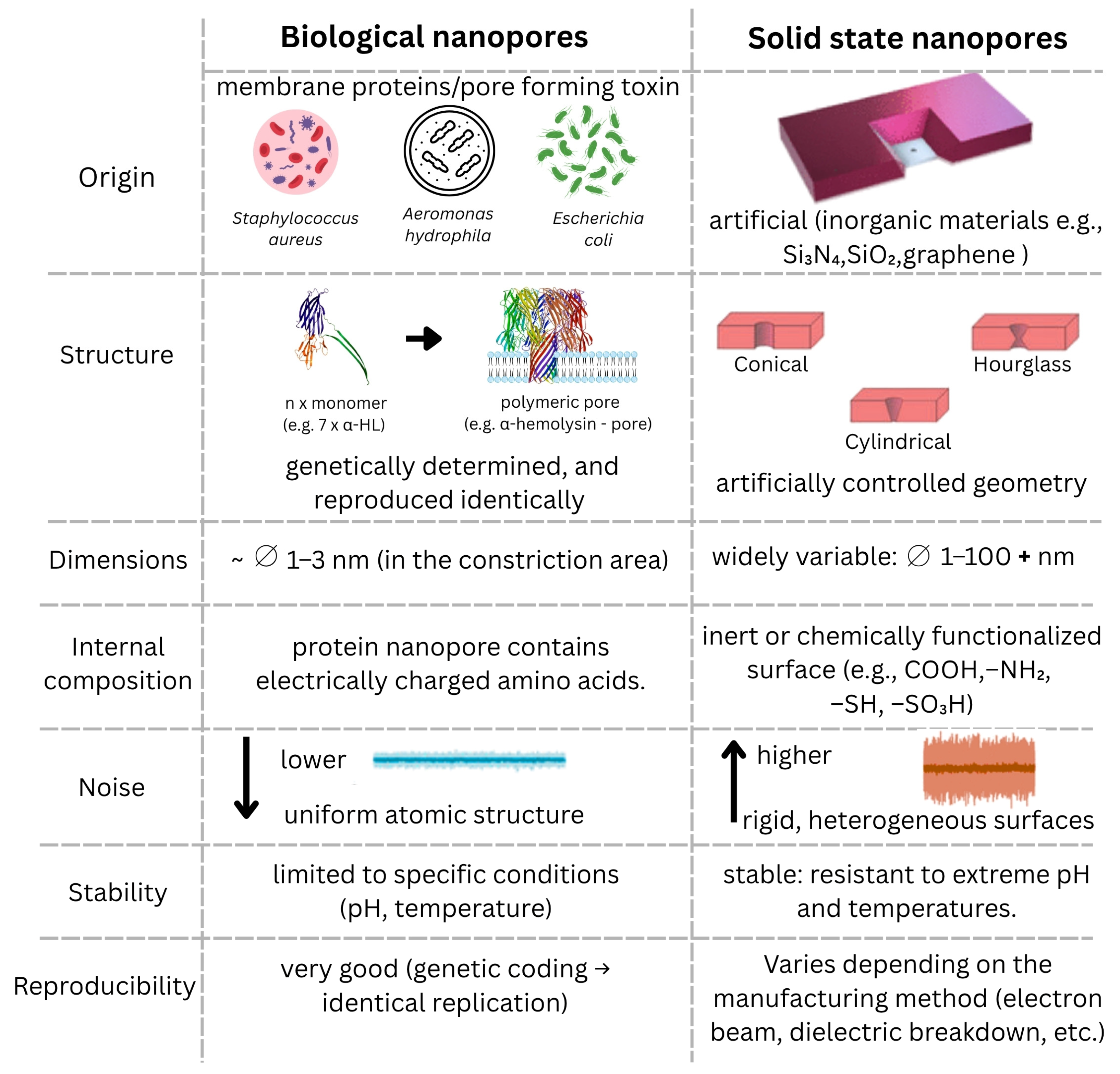
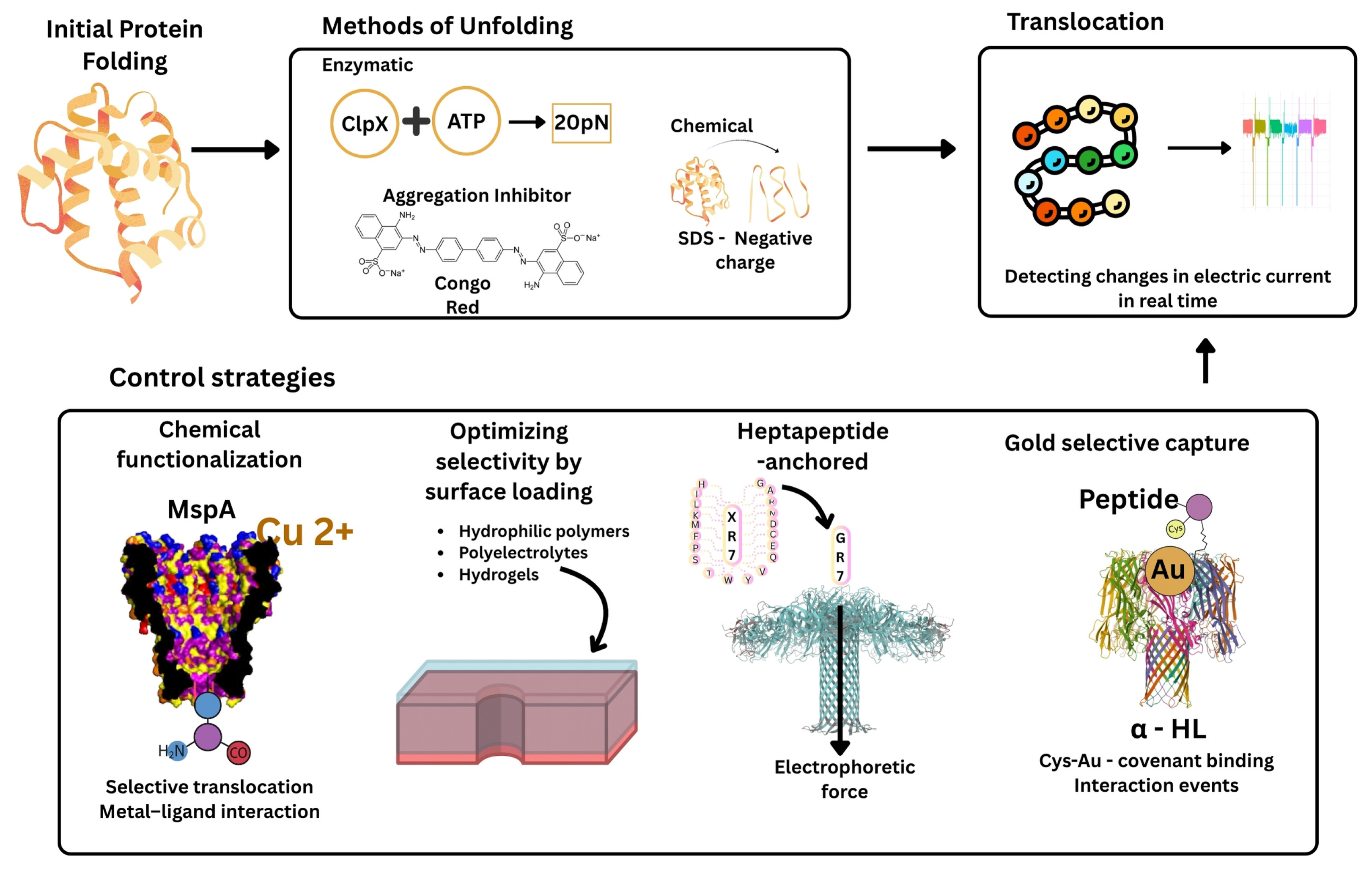
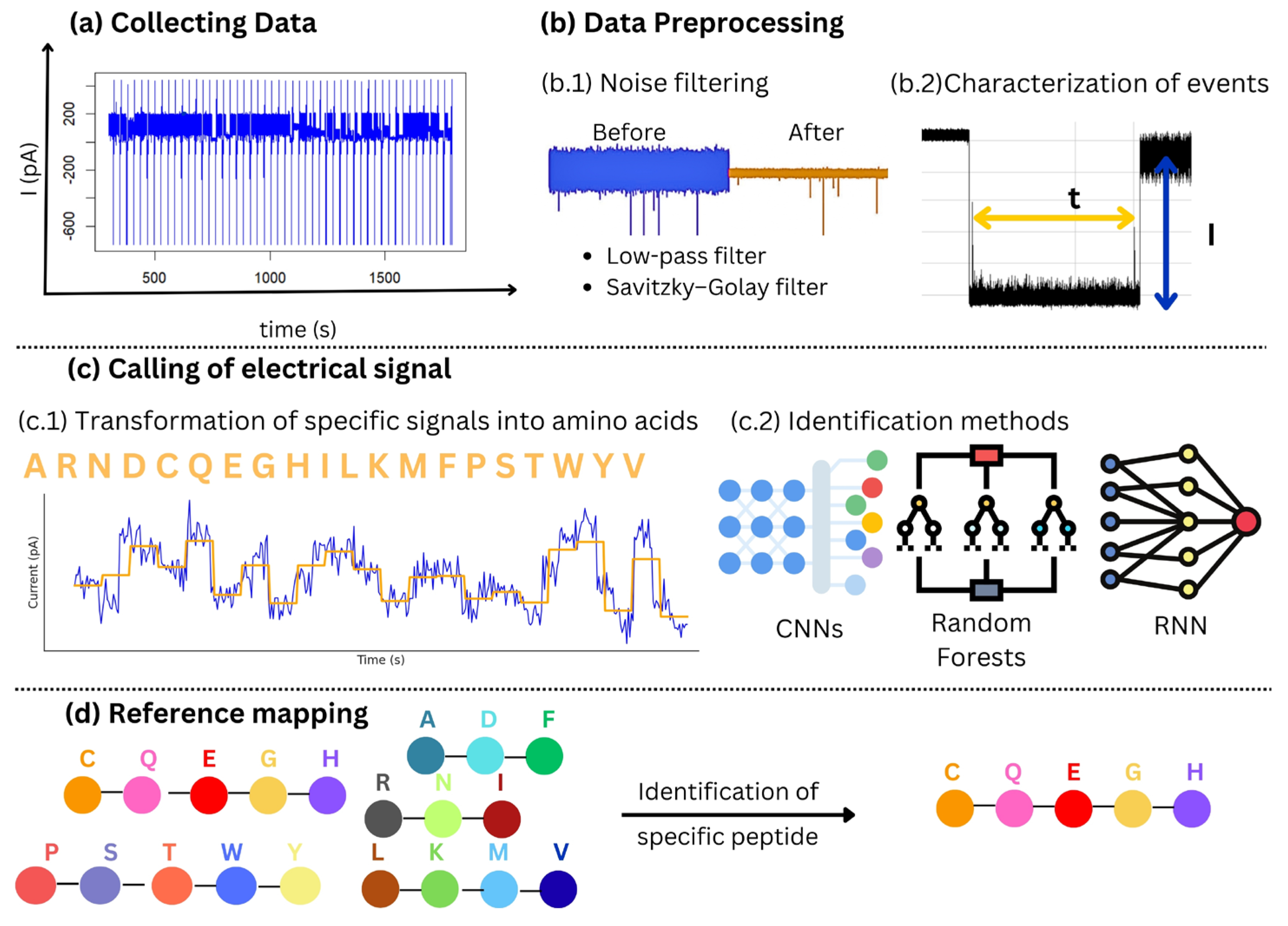
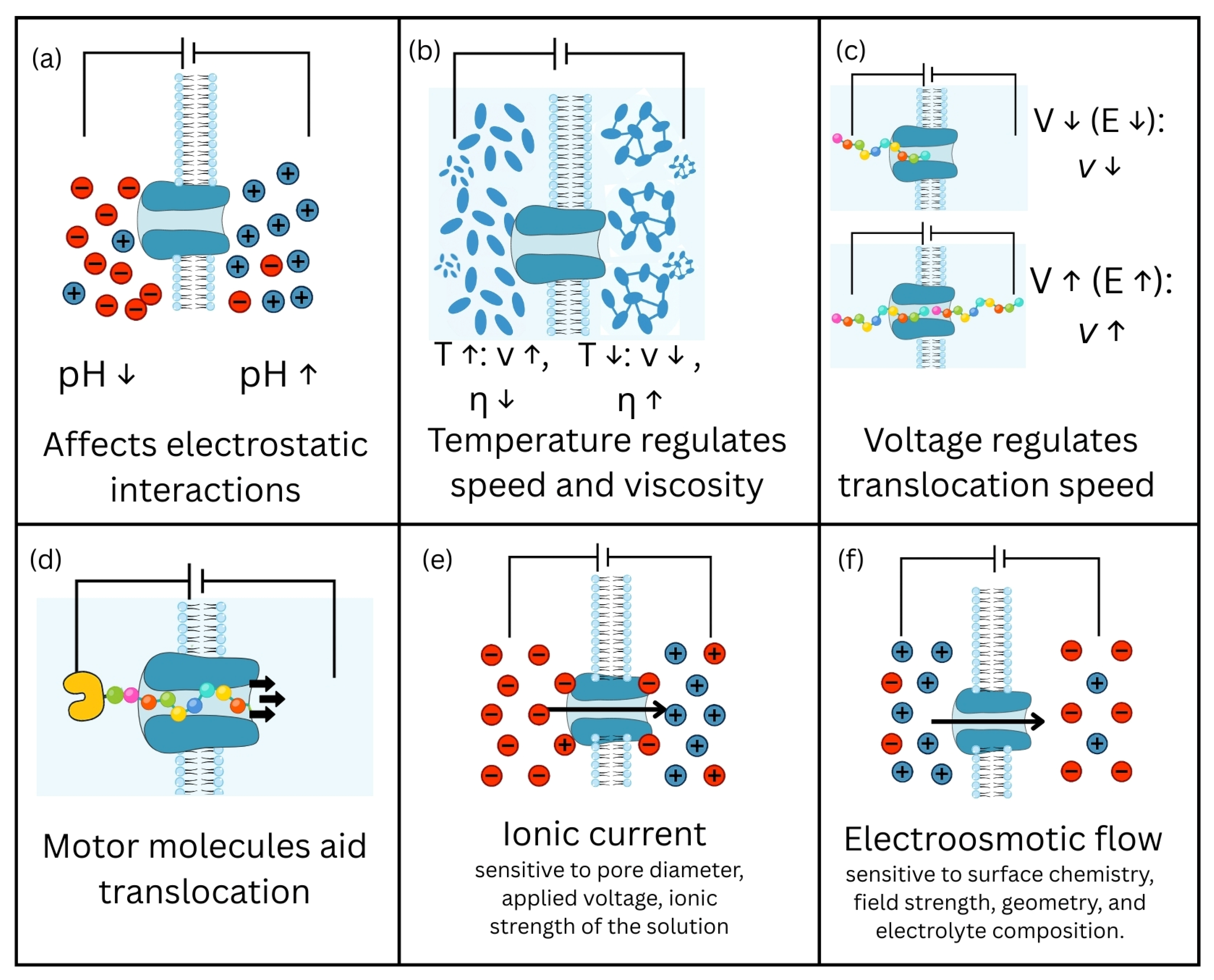
The increasing demand for high-throughput, real-time, and single-molecule protein analysis in precision medicine has propelled the development of novel sensing technologies. Among these, nanopore-based methods have garnered significant attention for their unique capabilities, including label-free detection, ultra-sensitivity, and the potential for miniaturization and portability. Originally designed for nucleic acid sequencing, nanopore technology is now being adapted for peptide and protein analysis, offering promising applications in biomarker discovery and disease diagnostics. This review examines the latest advances in biological, solid-state, and hybrid nanopores for protein sensing, focusing on their ability to detect amino acid sequences, structural variants, post-translational modifications, and dynamic protein–protein or protein–drug interactions. We critically compare these systems to conventional proteomic techniques, such as mass spectrometry and immunoassays, discussing advantages and persistent technical challenges, including translocation control and signal deconvolution. Particular emphasis is placed on recent advances in protein sequencing using biological and solid-state nanopores and the integration of machine learning and signal-processing algorithms that enhance the resolution and accuracy of protein identification. Nanopore protein sensing represents a disruptive innovation in biosensing, with the potential to revolutionize clinical diagnostics, therapeutic monitoring, and personalized healthcare.
Keywords: proteomics; amino acids; bioinformatics; personalized medicine; nanotechnology proteomics; amino acids; bioinformatics; personalized medicine; nanotechnology