Article

A Motion-Balanced Sensor Based on the Triboelectricity of Nano-Iron Suspension and Flexible Polymer


1
State Key Laboratory of Reliability and Intelligence of Electrical Equipment, Hebei University of Technology, Tianjin 300130, China
2
Key Laboratory of Electromagnetic Field and Electrical Apparatus Reliability of Hebei Province, Hebei University of Technology, Tianjin 300130, China
3
Experimental Training Center, Hebei University of Technology, Tianjin 300130, China
4
Electrical and Computer Engineering, National University of Singapore, Singapore 117576, Singapore
*
Authors to whom correspondence should be addressed.
Nanomaterials 2019, 9(5), 690; https://doi.org/10.3390/nano9050690
Submission received: 8 April 2019 / Revised: 24 April 2019 / Accepted: 29 April 2019 / Published: 2 May 2019
(This article belongs to the Special Issue From Nanomaterials to Intelligent Nanosystems)

Abstract

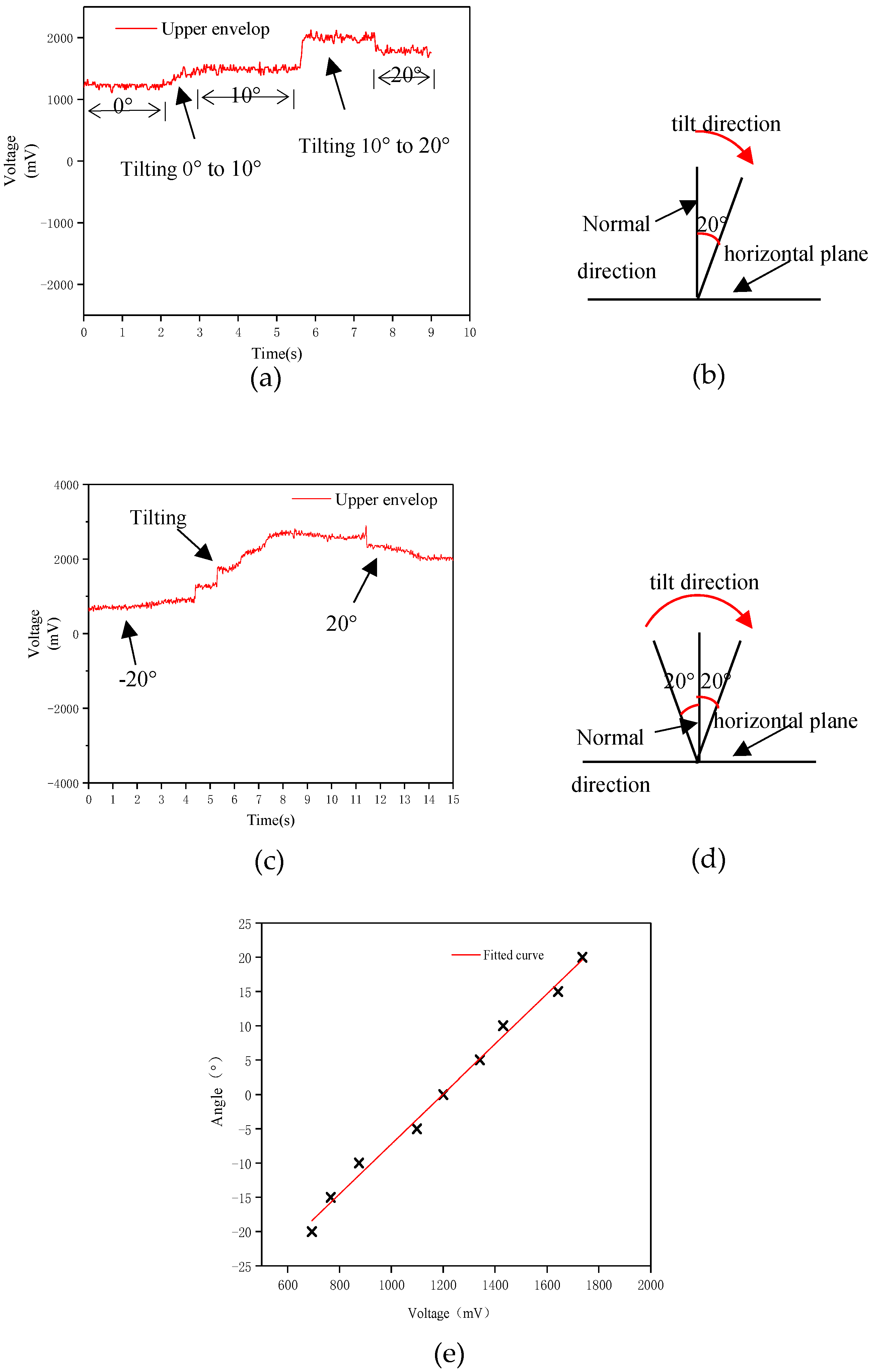
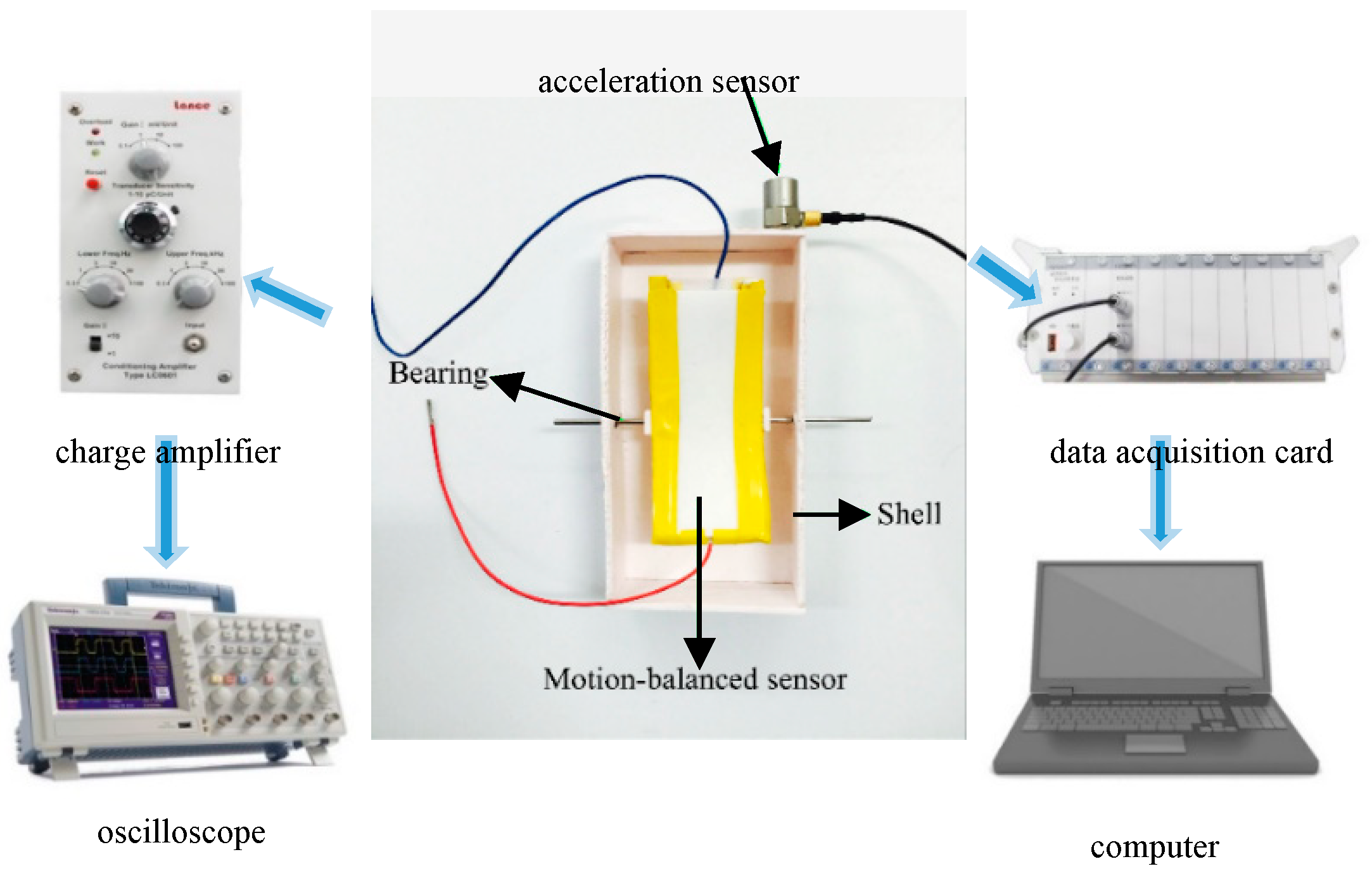
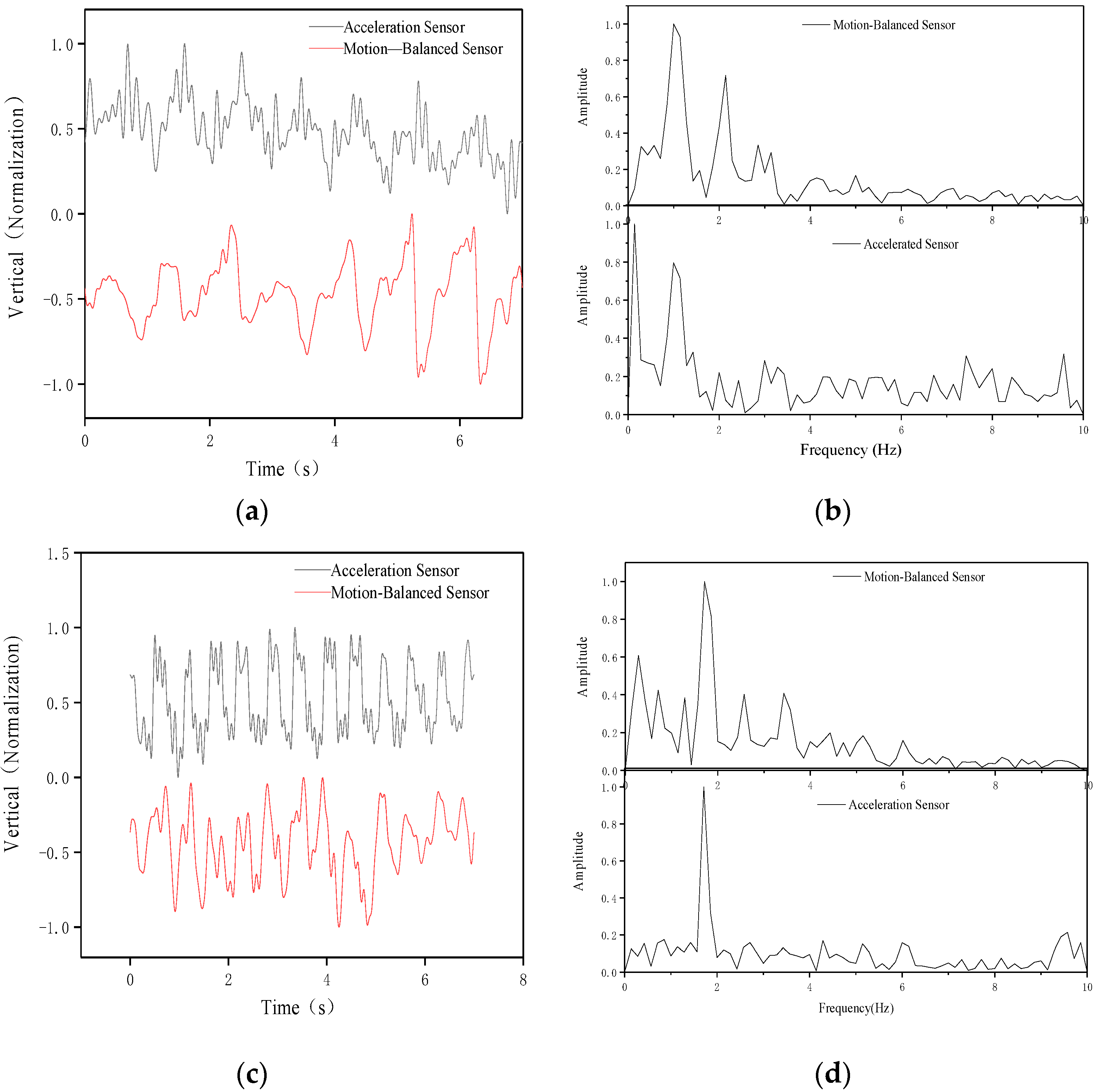
With the development of the Internet of Things and information technology, a large number of inexpensive sensors are needed to monitor the state of the object. A wide variety of sensors with a low cost can be made using the difference in charge attractiveness between flexible polymers and other materials. Compared to the two solid materials, a sensor made of a solid polymer-liquid has a large contact area and low friction. A motion-balanced sensor is presented based on the polytetrafluoroethene pipe and nano-iron suspension. The effect of the concentration and volume of the nano-iron suspension on the output voltage of the sensor is analyzed. The motion-balanced sensor can be used to measure the tilt angle of the object and there is a linear relationship between the output voltage and the tilt angle. A comparison test is performed to a commercial acceleration sensor with PZT-5. The test results show that the frequency characteristics and amplitude characteristics of the motion-balanced sensor are consistent with those of the acceleration sensor. The motion-balanced sensor can be used to determine the state of exercise such as walking, running, etc. The motion-balanced sensor has broad application prospects for monitoring the bridges and power towers balance, stroke patients’ health assessment, etc.
Keywords: motion-balanced sensor; triboelectric; nano metal suspension; polymer motion-balanced sensor; triboelectric; nano metal suspension; polymer