Article

Optimal Synthesis of Environment-Friendly Iron Red Pigment from Natural Nanostructured Clay Minerals

1
Key Laboratory of Clay Mineral Applied Research of Gansu Province, Center of Eco-material and Green Chemistry, Lanzhou Institute of Chemical Physics, Chinese Academy of Sciences, Lanzhou 730000, China
2
University of the Chinese Academy of Sciences, Beijing 100049, China
3
Center of Xuyi Palygorskite Applied Technology, Lanzhou Institute of Chemical Physics, Chinese Academy of Sciences, Xuyi 211700, China
*
Authors to whom correspondence should be addressed.
Nanomaterials 2018, 8(11), 925; https://doi.org/10.3390/nano8110925
Submission received: 18 October 2018 / Revised: 4 November 2018 / Accepted: 5 November 2018 / Published: 8 November 2018

Abstract

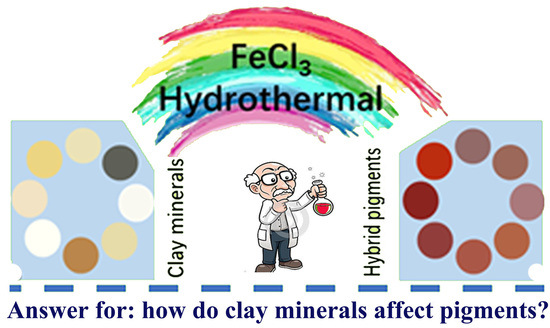
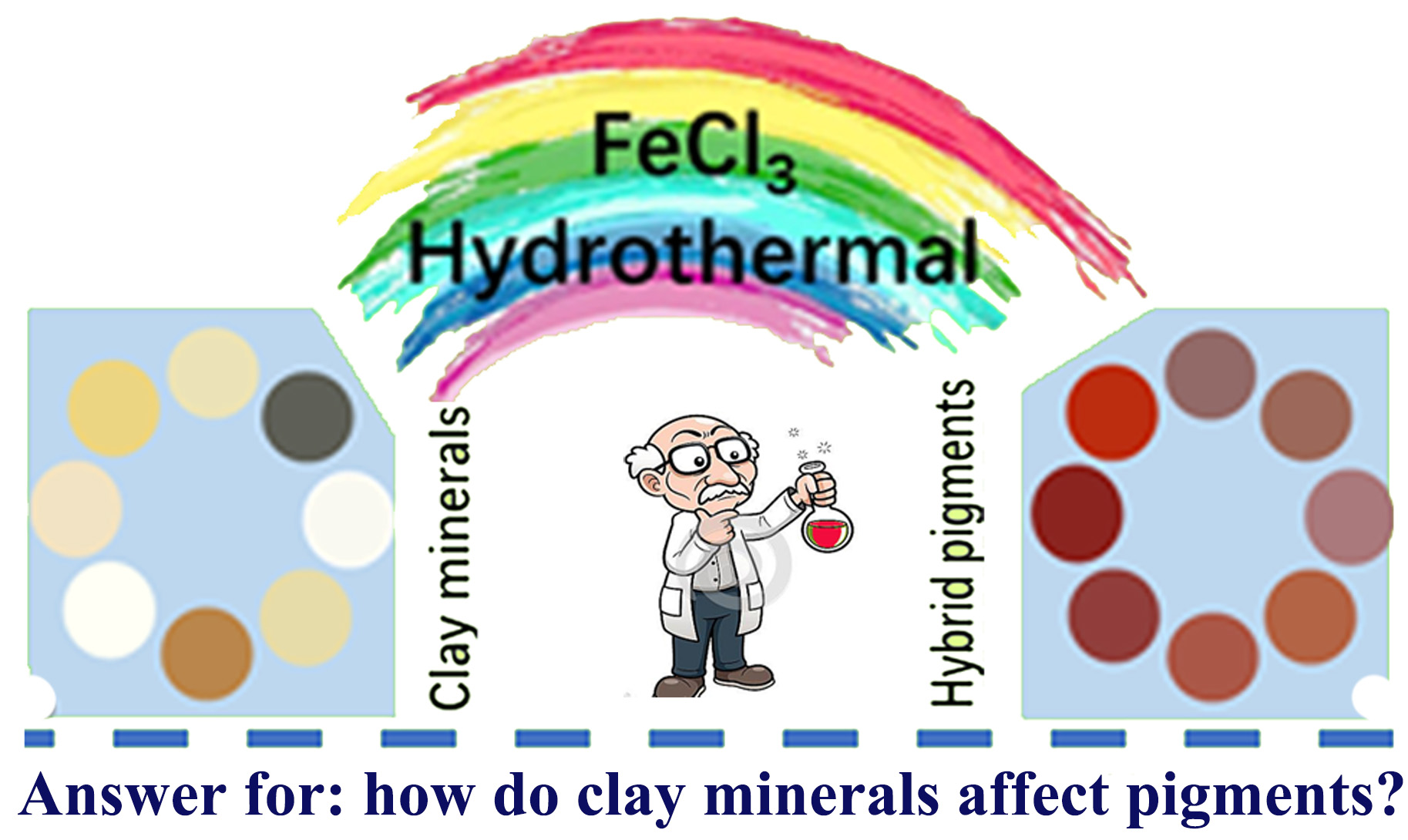
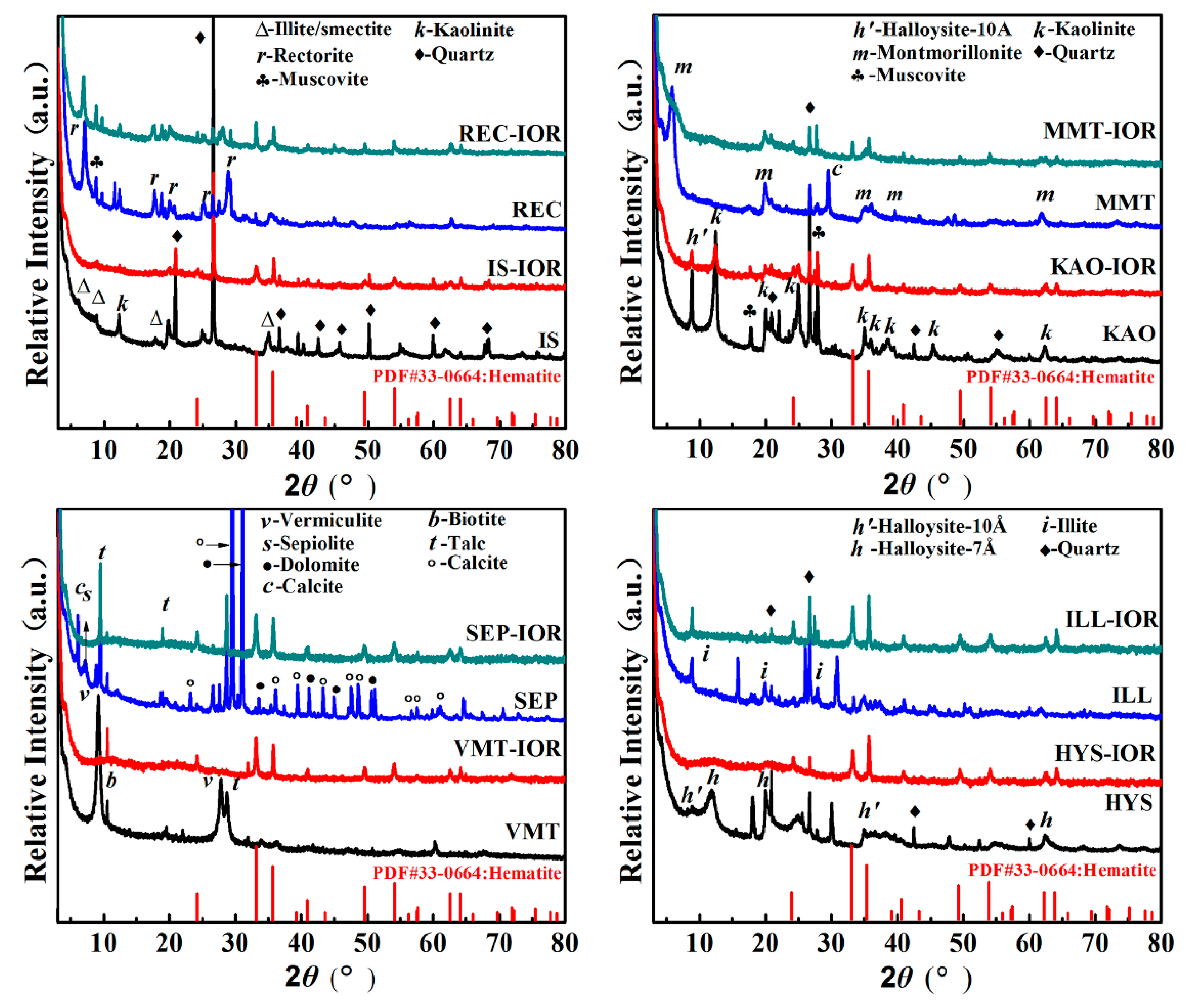
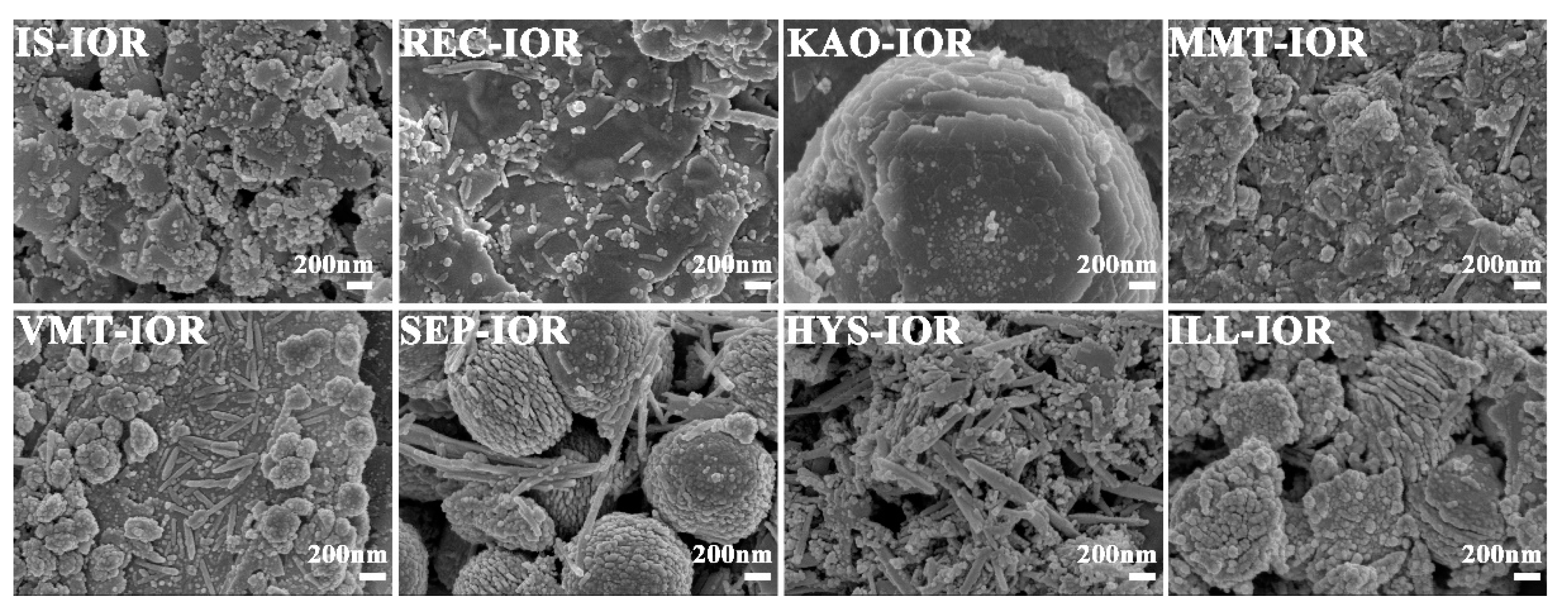
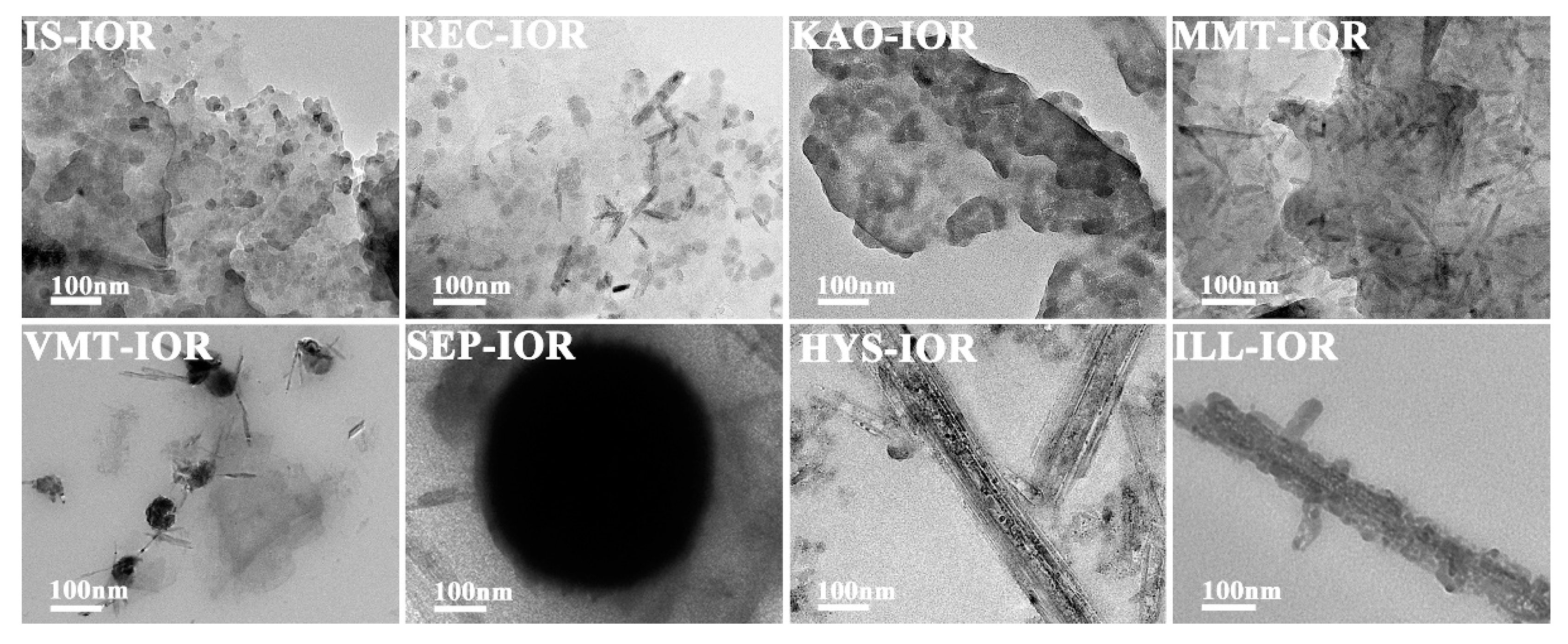
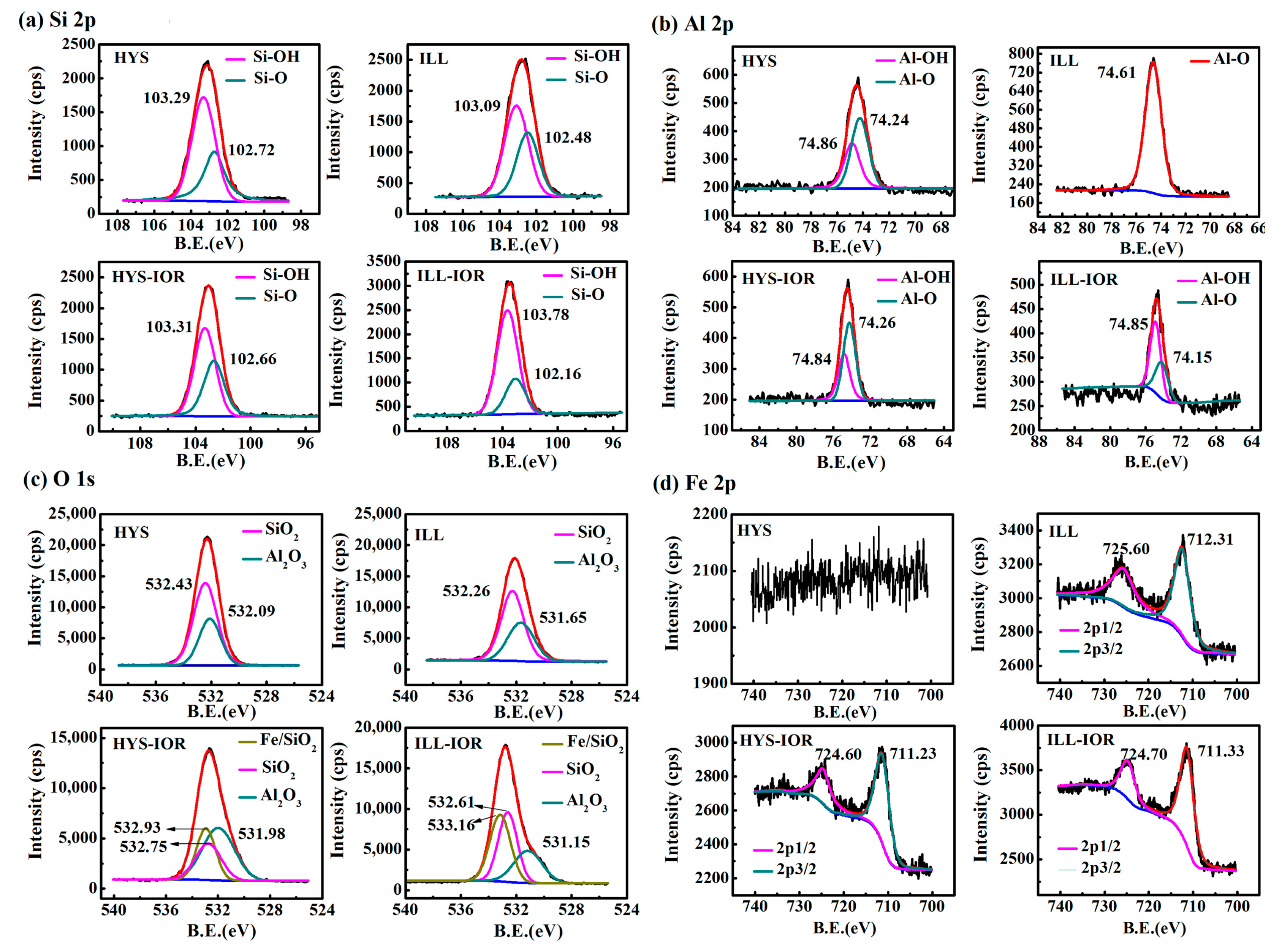
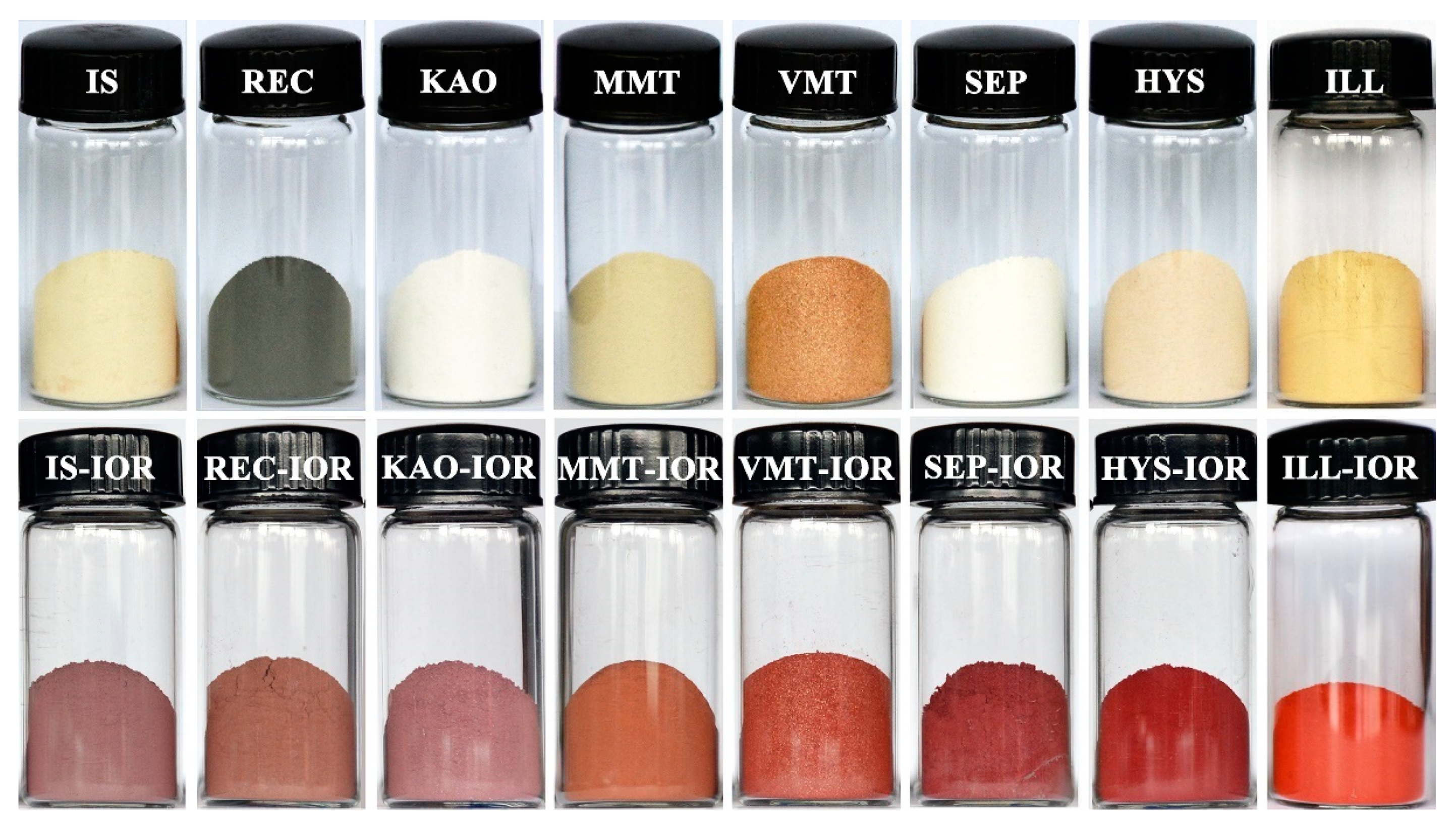
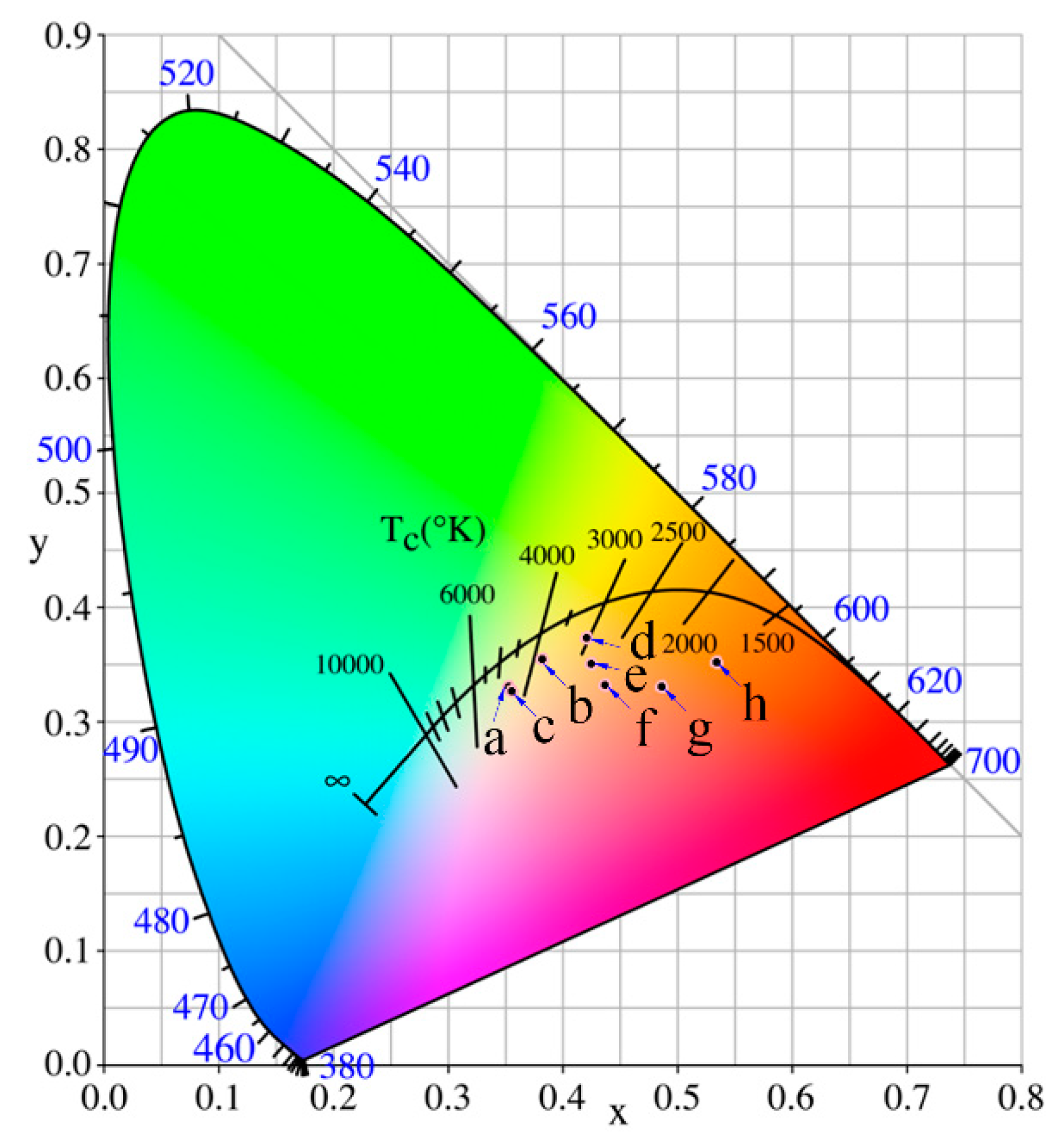
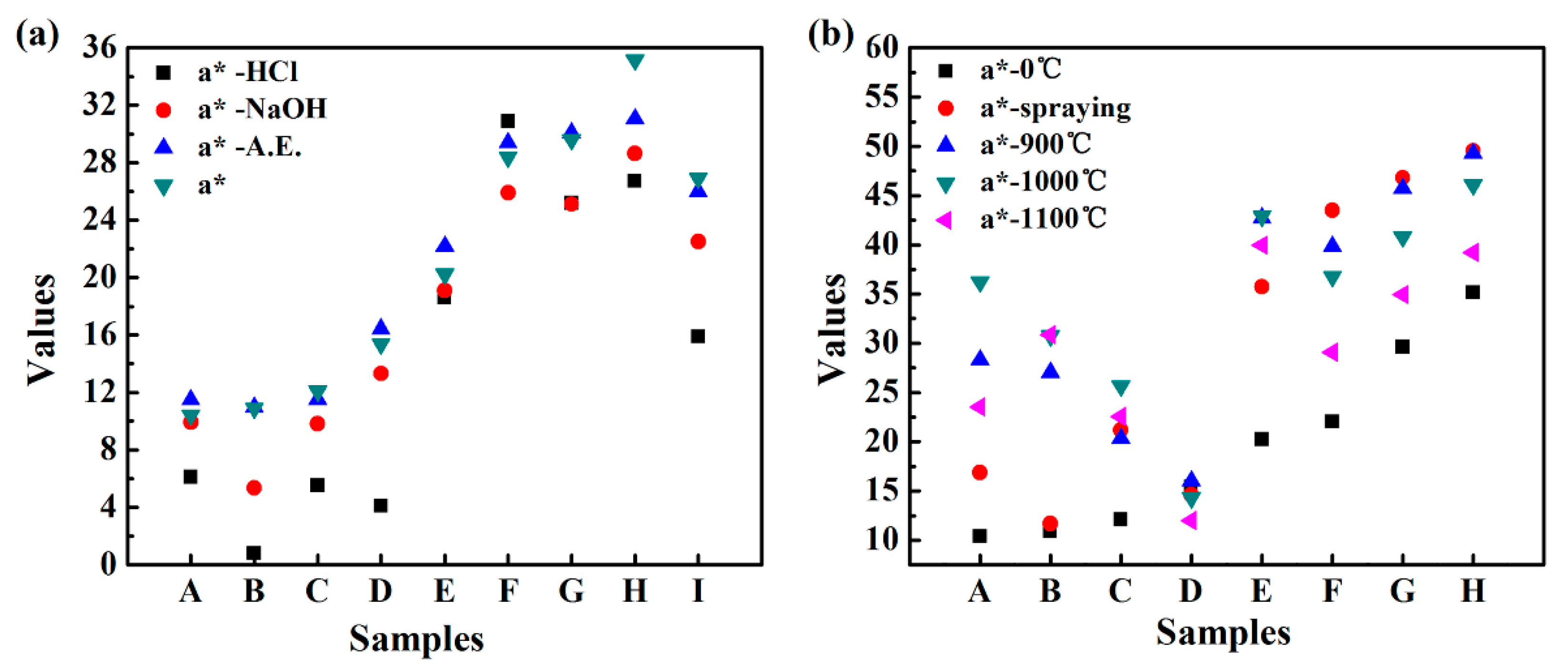
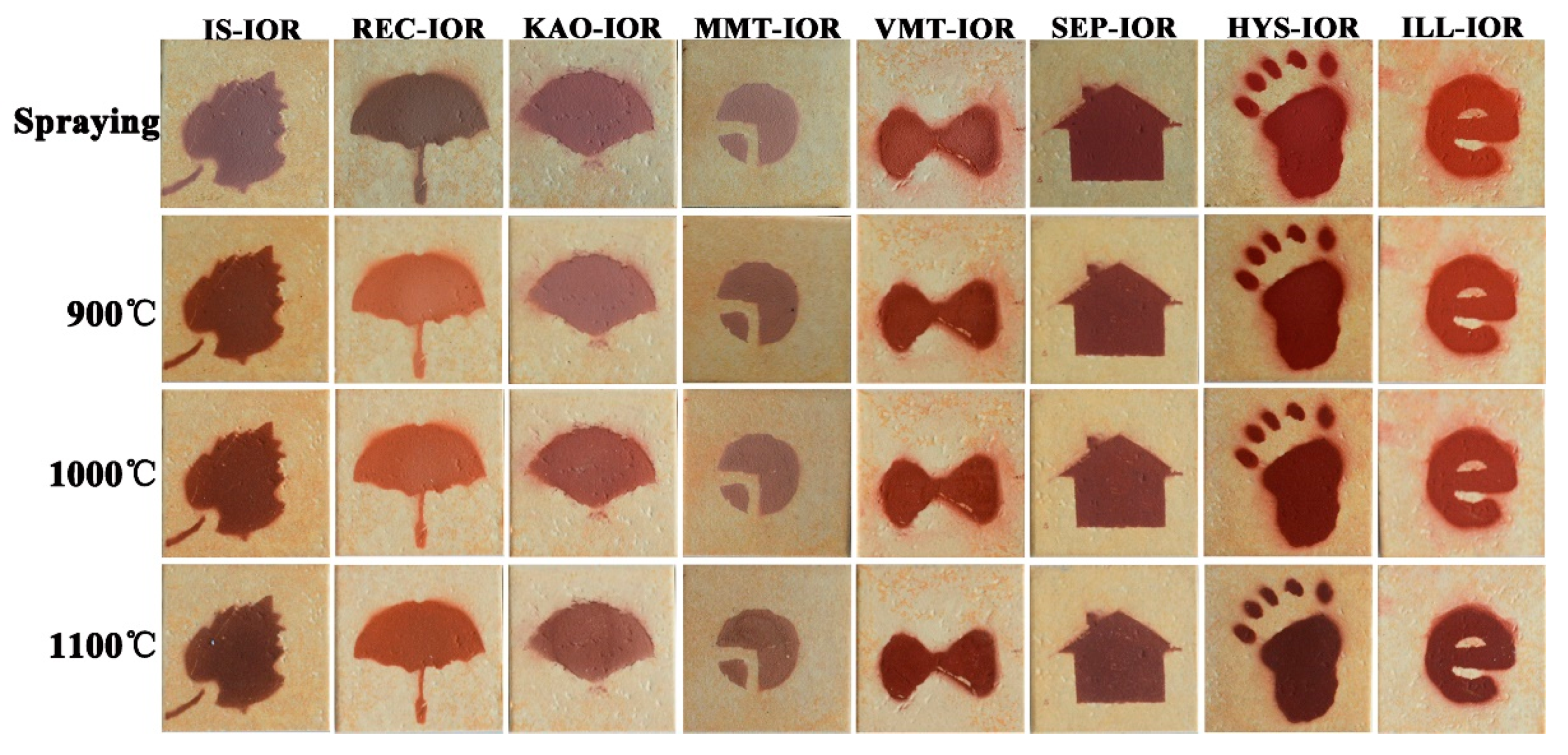
A series of environment-friendly clay minerals—α-Fe2O3 iron-red hybrid pigments—were prepared by a simple one-step hydrothermal reaction process using natural nanostructured silicate clay minerals as starting materials. The influence of structure, morphology and composition of different clay minerals on the structure, color properties, and stability of the pigments was studied comparatively by systematic structure characterizations with X-ray diffraction (XRD), Fourier-transform infrared spectroscopy (FTIR), scanning electron microscopy (SEM), transmittance electron microscope (TEM), X-ray fluorescence spectroscopy (XRF), X-ray photoelectron spectroscopy (XPS) and CIE-L*a*b* Colorimetric analyses. The results showed that the clay minerals act as green precipitants during the hydrothermal reaction to induce in-situ transformation of Fe(III) ions into Fe2O3 crystals. Meanwhile, they also act as the “micro-reactor” for forming Fe2O3 crystals and the supporter for inhibiting the aggregation of Fe2O3 nanoparticles. The color properties of iron-red hybrid pigments are closely related to the surface charges, surface silanol groups, and solid acid sites of clay minerals. The clay minerals with higher surface activity are more suitable to prepare iron-red pigments with better performance. The iron-red hybrid pigment derived from illite (ILL) clay showed the best red color performance with the color values of L* = 31.8, a* = 35.2, b* = 27.1, C* = 44.4 and h° = 37.6, and exhibited excellent stability in different chemical environments such as acid, alkaline, and also in high-temperature conditions.
Keywords: clay mineral; iron red; hybrid pigment; hydrothermal; stability clay mineral; iron red; hybrid pigment; hydrothermal; stability
Graphical Abstract