Article

Advancing Renewable Energy Systems: A Numerical Approach to Investigate Nanofluidics’ Role in Engineering Involving Physical Quantities


by
Muhammad Abdul Basit
1,2,*,
Muhammad Imran
3,4,
Tayyiba Anwar-Ul-Haq
3,
Chang-Feng Yan
1,2,
Daniel Breaz
5,*,
Luminita-Ioana Cotîrlă
6 and
Alin Danciu
7
1
Guangzhou Institute of Energy Conversion, Chinese Academy of Sciences, Guangzhou 510640, China
2
School of Energy Science and Engineering, University of Science and Technology of China, Guangzhou 510640, China
3
Department of Mathematics, Government College University Faisalabad, Faisalabad 38000, Pakistan
4
Department of Mathematics and Science Education, Faculty of Education, Biruni University, İstanbul 34015, Turkey
5
Department of Mathematics, “1 Decembrie 1918” University of Alba Iulia, 510009 Alba Iulia, Romania
6
Department of Mathematics, Technical University of Cluj-Napoca, 400114 Cluj-Napoca, Romania
7
Department of Mathematics, Babes Bolyai University, 400084 Cluj-Napoca, Romania
*
Authors to whom correspondence should be addressed.
Nanomaterials 2025, 15(4), 261; https://doi.org/10.3390/nano15040261
Submission received: 16 December 2024 / Revised: 29 January 2025 / Accepted: 7 February 2025 / Published: 10 February 2025
(This article belongs to the Special Issue Thermal Challenges in Renewable Energy: Nanofluidic Solutions)

Abstract

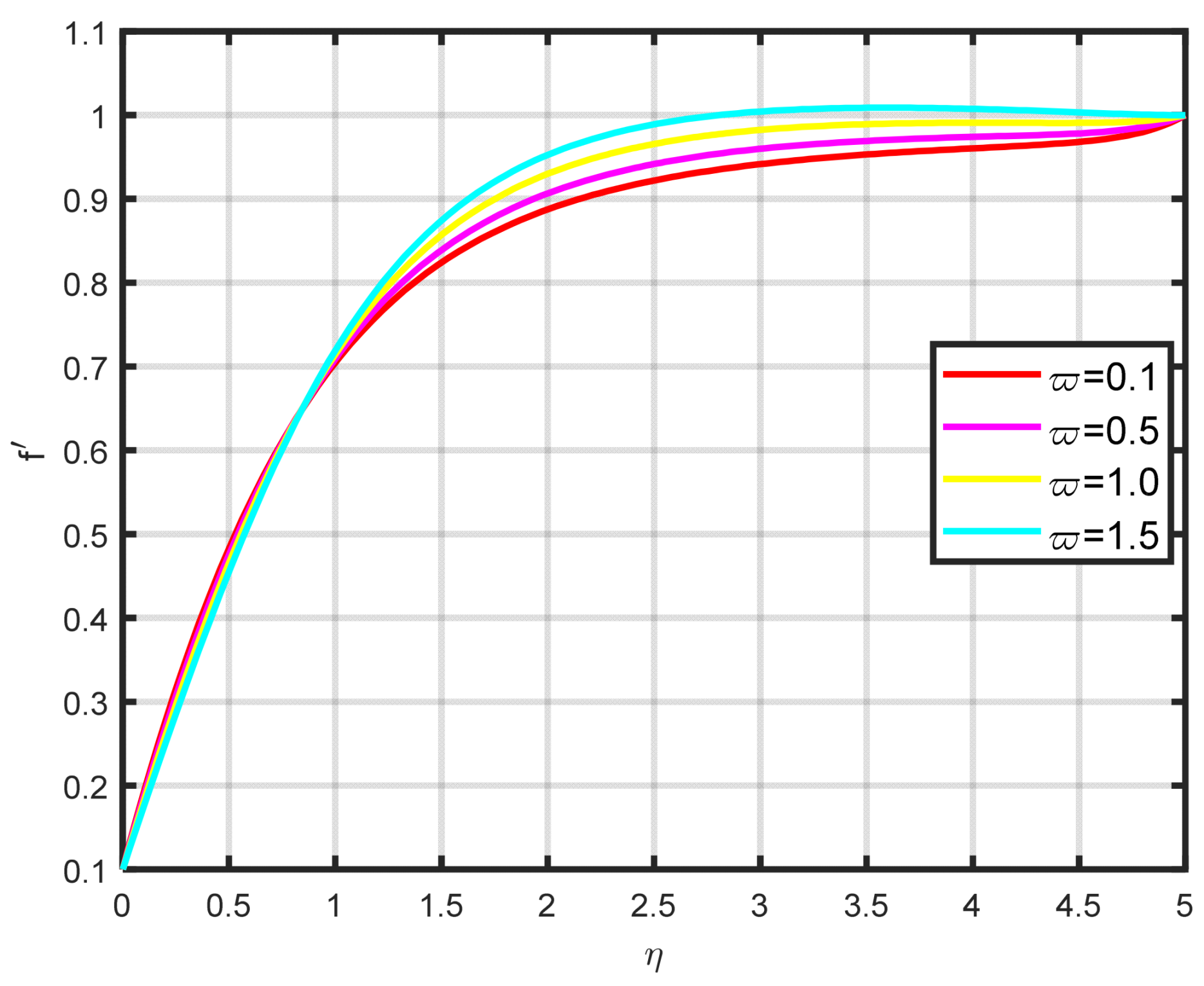
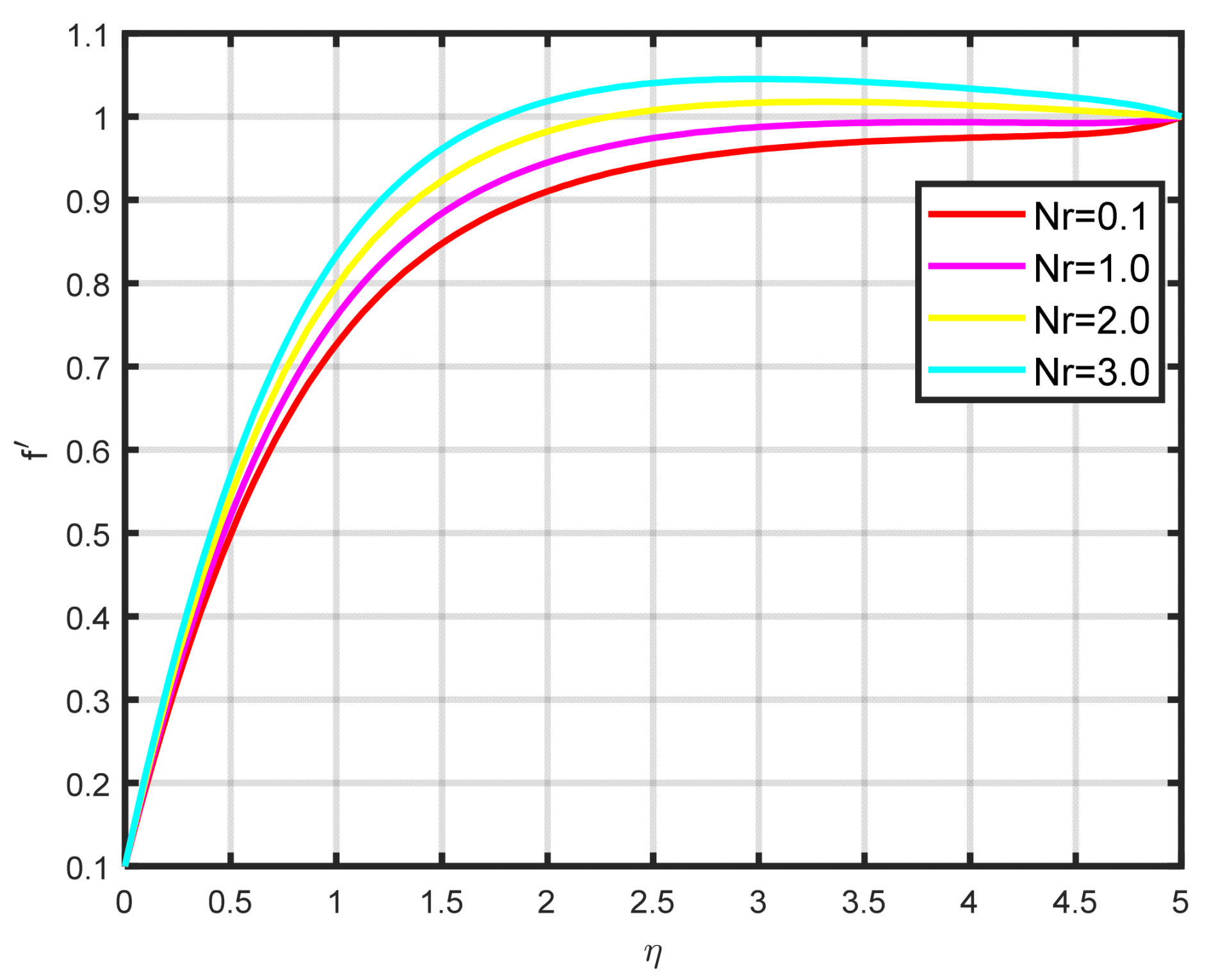
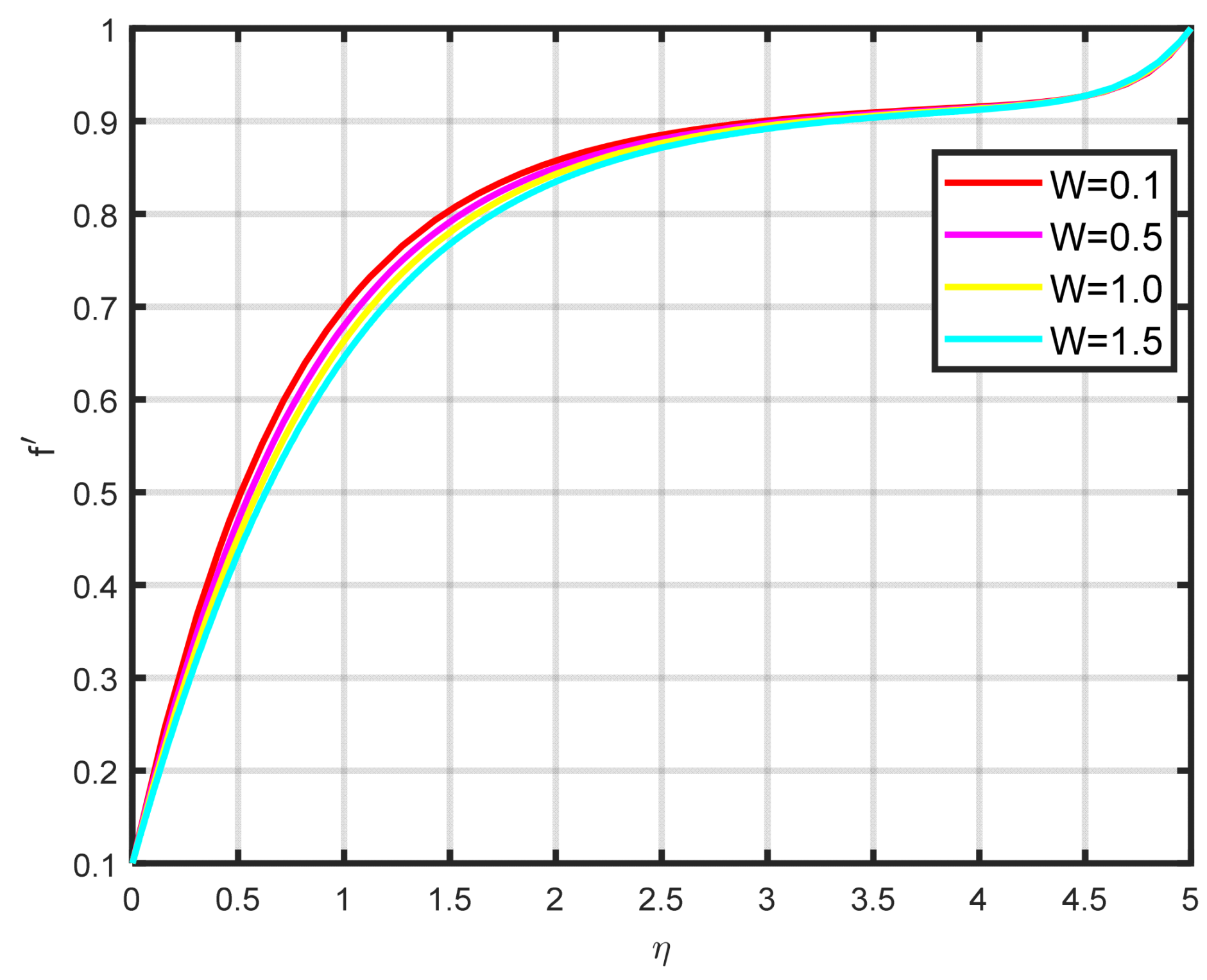
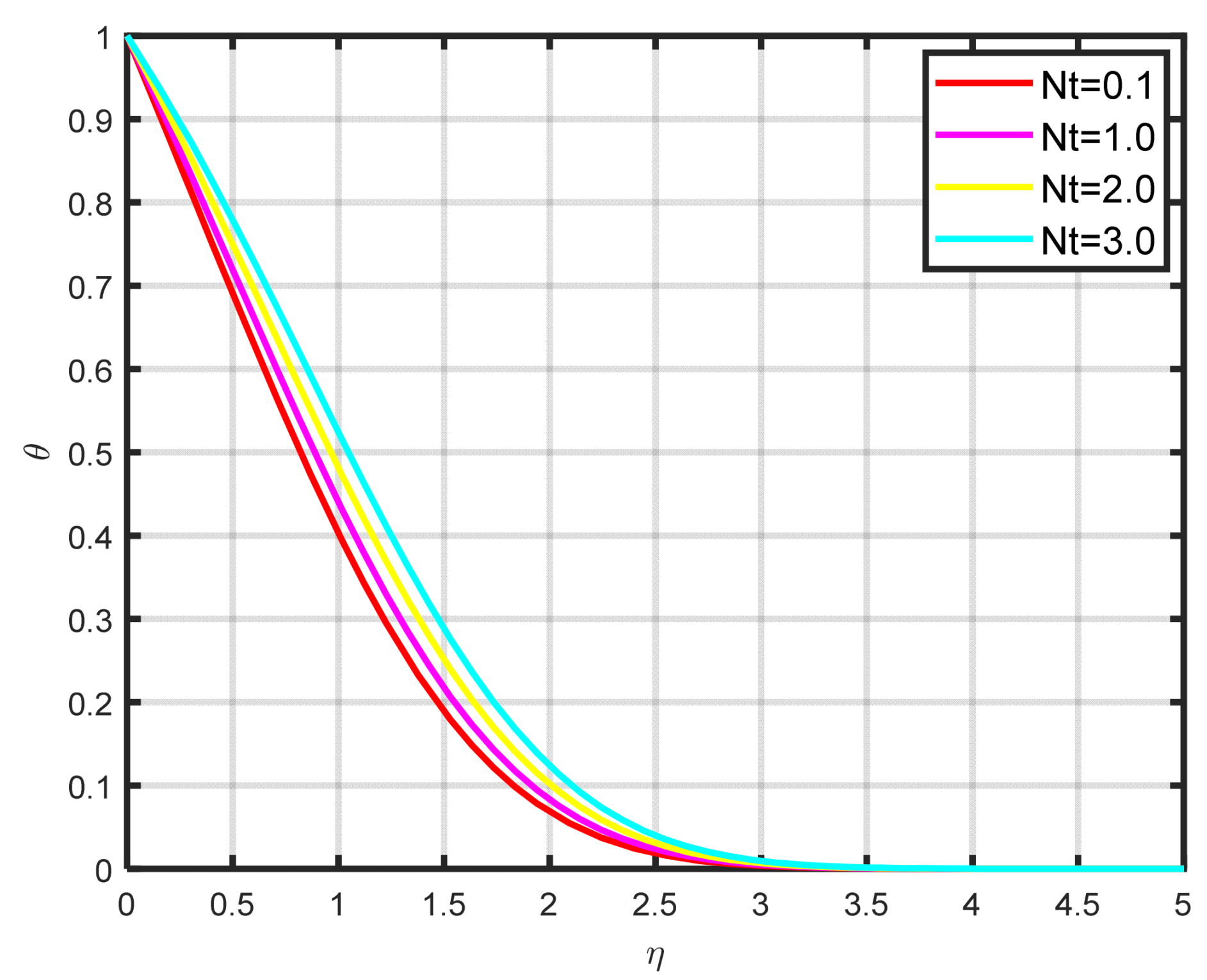
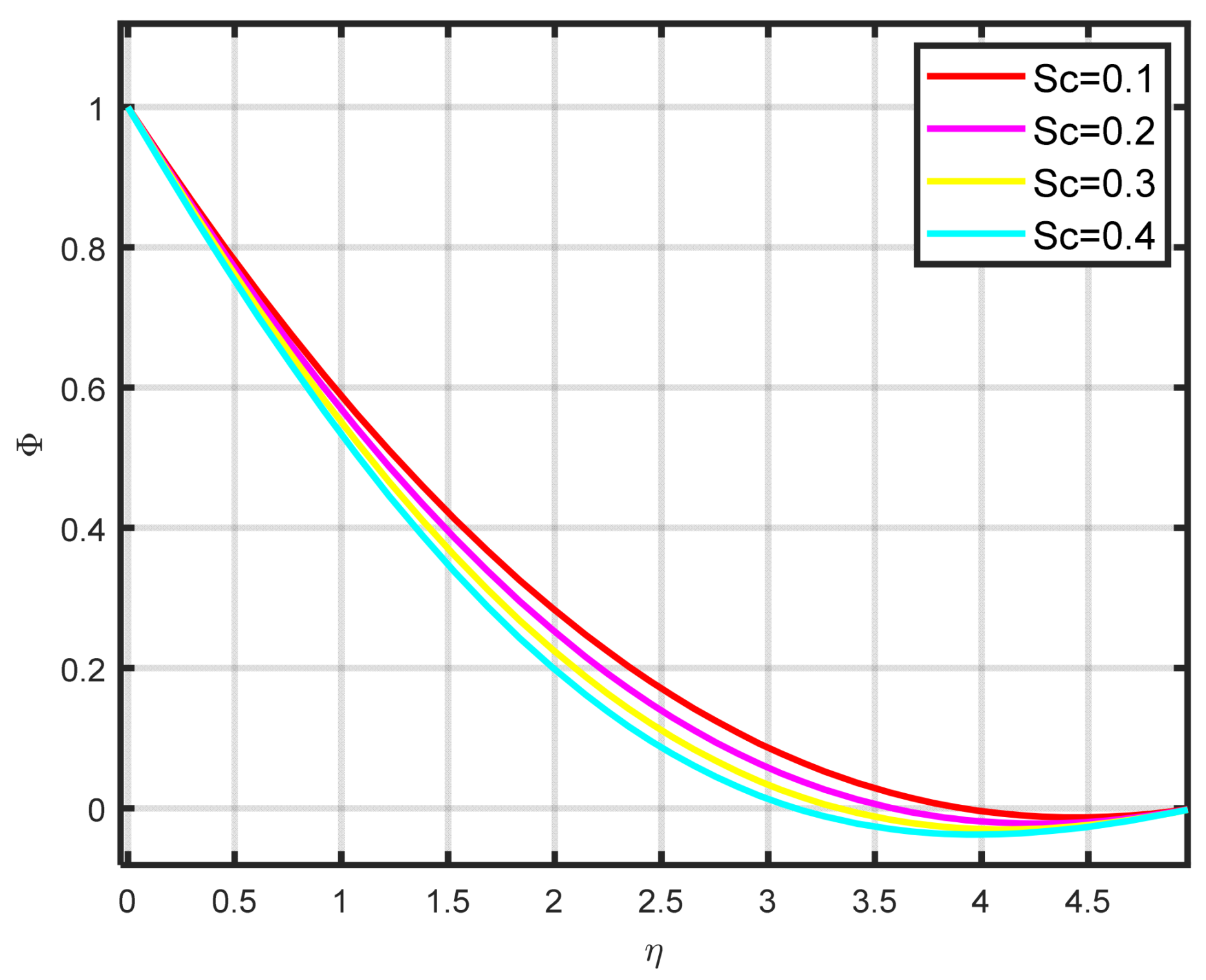
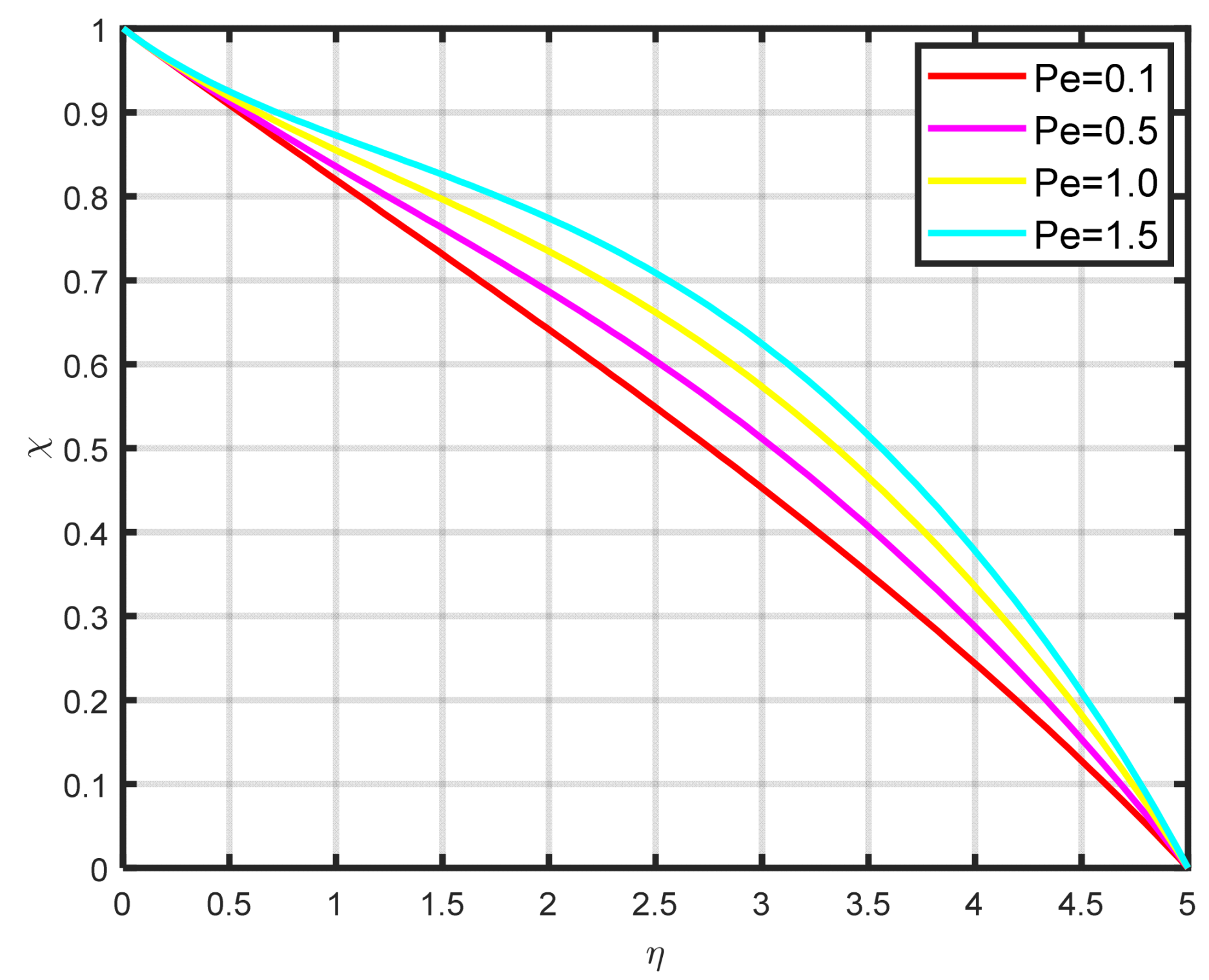
Nanofluids, with their enhanced thermal properties, provide innovative solutions for improving heat transfer efficiency in renewable energy systems. This study investigates a numerical simulation of bioconvective flow and heat transfer in a Williamson nanofluid over a stretching wedge, incorporating the effects of chemical reactions and hydrogen diffusion. The system also includes motile microorganisms, which induce bioconvection, a phenomenon where microorganisms’ collective motion creates a convective flow that enhances mass and heat transport processes. This mechanism is crucial for improving the distribution of nanoparticles and maintaining the stability of the nanofluid. The unique rheological behavior of Williamson fluid, extensively utilized in hydrometallurgical and chemical processing industries, significantly influences thermal and mass transport characteristics. The governing nonlinear partial differential equations (PDEs), derived from conservation laws and boundary conditions, are converted into dimensionless ordinary differential equations (ODEs) using similarity transformations. MATLAB’s bvp4c solver is employed to numerically analyze these equations. The outcomes highlight the complex interplay between fluid parameters and flow characteristics. An increase in the Williamson nanofluid parameters leads to a reduction in fluid velocity, with solutions observed for the skin friction coefficient. Higher thermophoresis and Williamson nanofluid parameters elevate the fluid temperature, enhancing heat transfer efficiency. Conversely, a larger Schmidt number boosts fluid concentration, while stronger chemical reaction effects reduce it. These results are generated by fixing parametric values as 0.1<ϖ<1.5, 0.1<Nr<3.0, 0.2<Pr<0.5, 0.1<Sc<0.4, and 0.1<Pe<1.5. This work provides valuable insights into the dynamics of Williamson nanofluids and their potential for thermal management in renewable energy systems. The combined impact of bioconvection, chemical reactions, and advanced rheological properties underscores the suitability of these nanofluids for applications in solar thermal, geothermal, and other energy technologies requiring precise heat and mass transfer control. This paper is also focused on their applications in solar thermal collectors, geothermal systems, and thermal energy storage, highlighting advanced experimental and computational approaches to address key challenges in renewable energy technologies.
Keywords: non-Newtonian/Williamson nanofluid; nanotechnology; stretching wedge; chemical reaction; bioconvection; numerical simulation; heat and mass transfer; renewable energy applications non-Newtonian/Williamson nanofluid; nanotechnology; stretching wedge; chemical reaction; bioconvection; numerical simulation; heat and mass transfer; renewable energy applications