3.1. DC Analysis
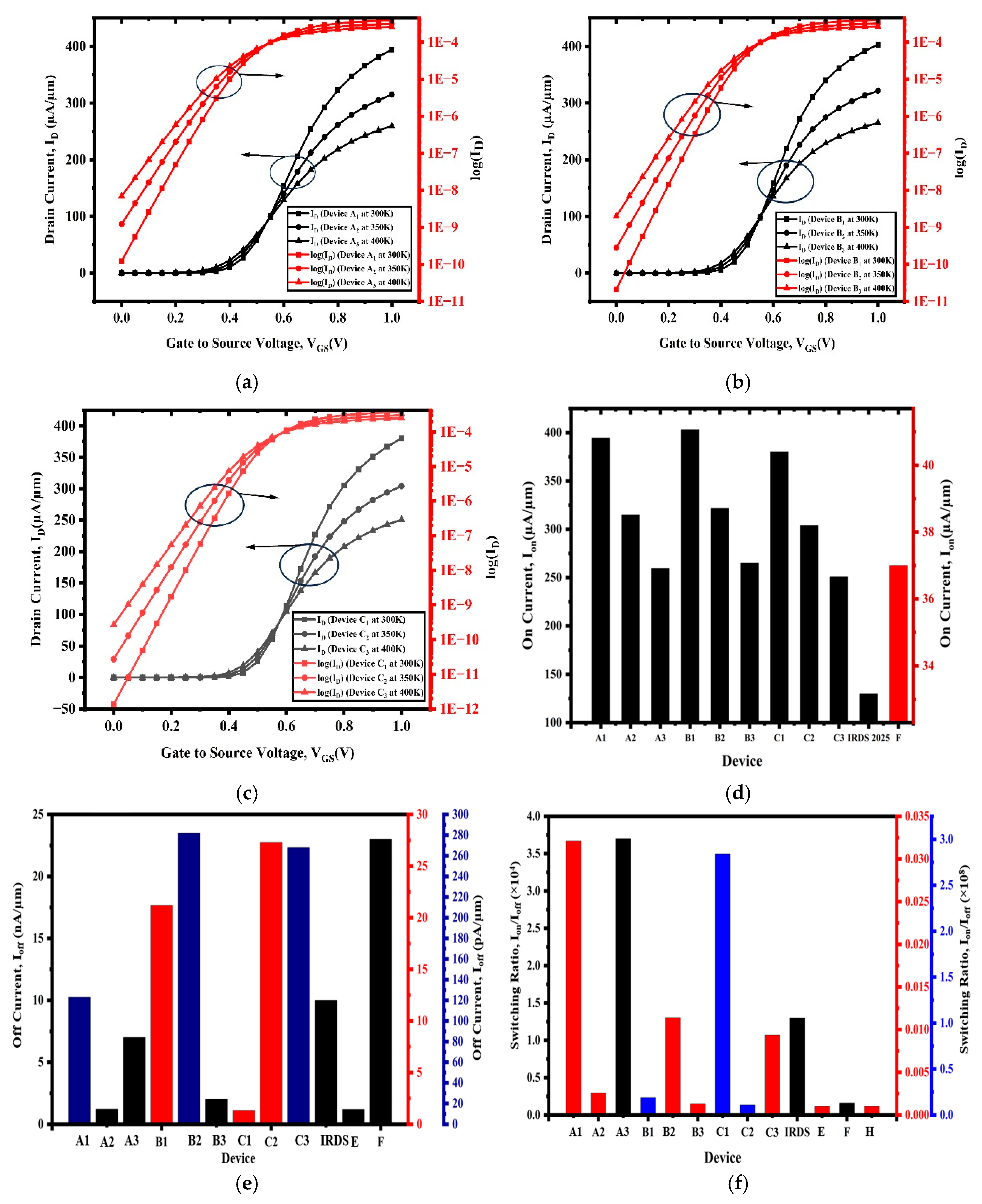
Figure 3a represents the drain current ID versus the gate-to-source voltage (VGS) characteristics of device A at different temperatures: 300 K, 350 K, and 400 K. The graph has two Y axes, which display both the linear and logarithmic drain current with the voltage V
GS ranging from 0 to 1 V.
The graph provides a comprehensive understanding of the electrical performance of device A at different temperatures of a SiGe-based GAAFET. The solid curves represent the linear drain current, ID, at different temperatures (300 K, 350 K, and 400 K), while the logarithmic drain current ID curves show the subthreshold and leakage regimes with enhanced values. When the gate voltage, VGS, is high, the drain current, ID, increases sharply, indicating effective gate control and strong channel formation. When the temperature increases from 300 K to 400 K, we observed two primary effects: firstly, it increases the drain current, ID, as the temperature rises; secondly, it enhances carrier mobility and reduces the threshold voltage. Additionally, the subthreshold and OFF state currents emphasize the rise in leakage current in the subthreshold region, which impacts the static power consumption and the overall reliability. The data display distinct trends and overlapping operating points, highlighted on the plot to denote areas of interest where temperature dependence is most significant. The low-temperature profile indicates reduced subthreshold swing and limited leakage, whereas the high-temperature range exhibits increased off-state currents. The figure shows that the SiGe-based GAAFET device maintains a strong ON-state drive current across three different temperatures; however, the design is affected by rising OFF-state and leakage currents at high temperatures. The graphical representation shows the importance of power management and the need to realize high-performance, low-leakage transistors for nanoelectronics.
Figure 3b shows the transfer characteristics of a SiGe-based gate stack GAAFET (device B) plotted between drain current I
D versus gate-to-source voltage V
GS at 300 K, 350 K, and 400 K. It represents both the linear scale and logarithmic scale of drain currents. The device’s performance offers a comprehensive view across its ON and OFF regimes as the gate’s bias increases from 0 to 1 V. The graph evaluates the electrical behavior of the Si-Ge-based gate stack GAAFET device (device B). The black curves show the linear drain current I
D values at 300 K, 350 K, and 400 K, while the red curves show the logarithmic drain current I
D values, which provide a clear insight into both the ON-state drive and subthreshold/OFF-state leakage current behavior. When the temperature rises from 300 K to 400 K, the drain current increases for the given V
GS in the ON-state. At high temperatures, the behavior is due to increased carrier generation and a reduced threshold voltage. From the logarithmic curves at low values of V
GS, it is evident that the leakage current increases with temperature, which is beneficial for low-power applications. The increased subthreshold slopes and punch-through the leakage-assisted carrier injection. At low temperatures, the device maintains a robust ON current with good subthreshold suppression and a strong gate electrostatic control. From the characterization analysis of transfer characteristics, it is clear that the gate stack GAAFET device has high ON-state drive current and very good subthreshold swing at room temperature, although there is an expected increase in leakage and threshold voltage roll-off behavior at elevated temperatures. The outcome emphasizes the important role of interface engineering, gate dielectric selection, and channel design to preserve performance and power efficiency across a variety of use environments.
Therefore, detailed temperature-dependent characterization is essential to benchmark state-of-the-art GAAFETs, especially when used in ultra-scaled nodes, where thermal effects, leakage, and variability start to dominate device behavior. The result supports the device’s concept for next-generation low-power, high-performance CMOS logic, while demonstrating the tradeoffs of the engineering.
Figure 3c represents the drain current I
D versus gate-to-source voltage V
GS characteristics of device C at different temperatures of 300 K, 350 K, and 400 K. The graph presents the transfer characteristics of a SiGe-based gate stack GAAFET with gate underlap (device C) by plotting the graph between the drain current against the gate-to-source voltage V
GS at three different temperatures (300 K, 350 K, and 400 K). It displays the graph in both linear and logarithmic scales, illustrating the device’s operation across the voltage range from 0 to 1 V. It explores the effect of temperature on the electrical parameters of device C with a gate underlap. The curves give a detailed conception of the ON-state drive and subthreshold leakage. The observations from the graph show that as the temperature increases, the device’s temperature dependence results in an increase in drain current above the threshold voltage, a reduction in specified carrier mobility, and a decrease in threshold voltage. At low V
GS voltage, the leakage current increases with temperature, which helps suppress SCEs. The device’s operation changes rapidly in response to temperature fluctuations, demonstrating its electrostatic control and sensitivity. The performance of device C at 300 K displays powerful gate control, low leakage, and a sharp subthreshold swing, validating the effectiveness of the gate underlap device. At 400 K, the leakage and threshold voltage roll off, emphasizing the importance of carefully engineering the interface, as well as the spacer layer. The ON/OFF ratio remains large, allowing for reliable switching time and low off-state power consumption, which is typical of gate stack GAAFETs with underlaps for use in next-generation devices. The transfer curves, dependent on temperature, depict the impact of gate underlaps on GAAFET architectures in terms of ON current, threshold control, and leakage. The data in this figure clearly demonstrate the use of gate underlaps to reduce SCEs while sustaining high ON currents and maintaining leakage at nominal operating conditions. Gate stack GAAFETs with underlaps are viable candidates in ultra-scaled, low-power, and high-performance logic circuits and will compete as one of the best transistors in future technology nodes of semiconductor technology.
It is observed that the drain current I
ON of devices B
1 and C
1 achieves higher values compared to the other devices.
Figure 3d shows the drain current values of all the devices. Both devices, B
1 and C
1, overcome the benchmark against the IRDS 2025 and reference device F, which indicates superior electrostatic control and carrier mobility. This figure indicates that various superior gate stack GAAFET configurations well surpass the current IRDS 2025 ON current specifications, verifying the performance of better materials and geometric design in emerging transistor developments. The comparison emphasizes the importance of continued optimization of channel structure and gate dielectric selection to surpass industry standards. The inclusion of device F and IRDS 2025 as standards further emphasizes the achievements and current challenges in pushing high-performance logic transistors.
Figure 3e shows the comparative analysis of the OFF-state leakage currents of all the devices, and it is observed that devices B
2, C
1, and C
2 exhibit the highest OFF-state leakage currents, which have the potential for improved ON-state performance. Devices A
2, A
3, B
3, and C
3 show low OFF-state leakage currents, which point to superior leakage control. Devices A
1, B
1, and F have a moderate leakage current. This comparative analysis demonstrates the effectiveness of various gate stack and channel engineering techniques for ultra-scaled GAAFETs. Achieving an optimal OFF-state current while maintaining good ON-state performance is essential for future technology nodes, where reducing static power is as crucial as increasing speed. The results present promising designs but highlight the need for continued innovation to meet tight leakage targets set by global standards such as the IRDS.
Figure 3f presents a comparative analysis of the switching ratio among all devices. Devices A
1, A
2, and C
1 show the highest switching ratio with greater electrostatic gate and effective leakage suppression. These devices are capable of ensuring lower static power and a high I
ON/I
OFF ratio, which are crucial for high-performance and energy-efficient devices.
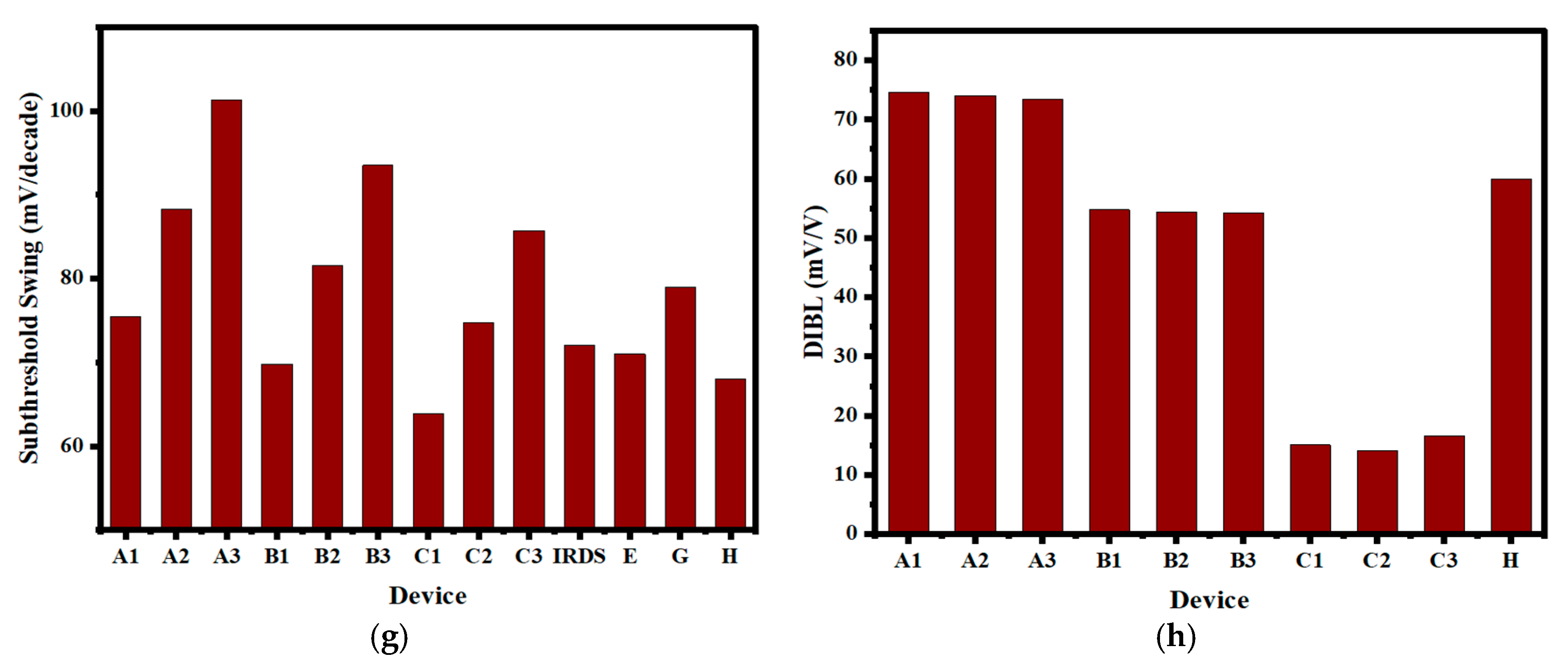
Figure 3g presents the comparative analysis of subthreshold swing among all the devices. We observe that devices A
1, B
1, and C
1 have low values of SS, which have better control over the channel and switch more efficiently. The values are also within the IRDS limit.
Figure 3h presents the comparative analysis of DIBL among all the devices. From the figure, devices C
1, C
2, and C
3 have the lower DIBL values, which means the threshold voltage of the devices is more consistent, minimizing the short channel effects, and improving the device’s stability.
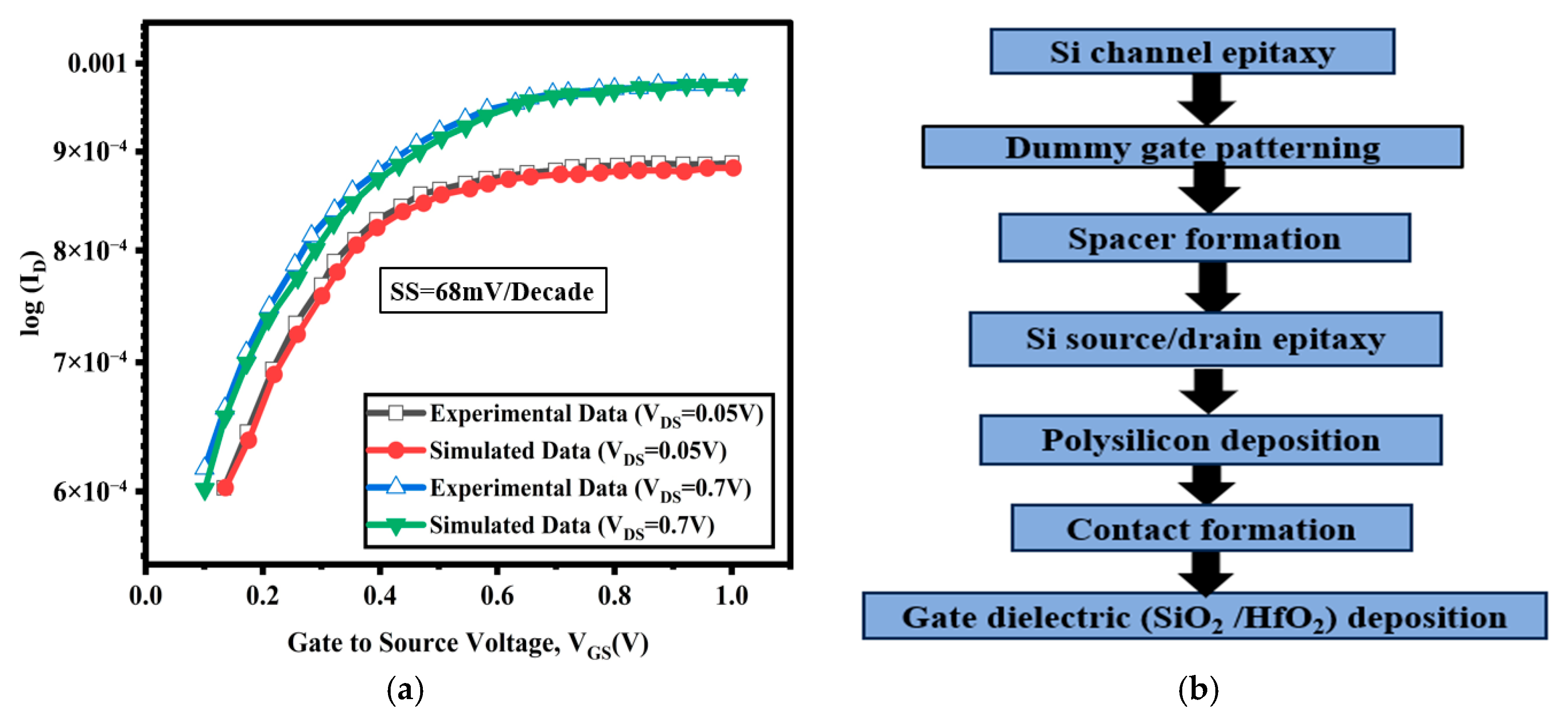
The electrical characteristics of the proposed strained Si/SiGe channel GAA FET (device C
1) were obtained using Silvaco TCAD simulations. The simulation parameters were benchmarked and calibrated against the experimentally fabricated Si nanowire (Si NW) cylindrical GAA FET reported in Ref. [
21], as already discussed previously in
Section 2 and shown in
Figure 2. Furthermore, it is validated with IRDS 2025 technology projections to ensure physical consistency.
Figure 3 presents the comparative electrical analysis among the developed device structures (A
1–A
3, B
1–B
3, and C
1–C
3), the fabricated experimental device H [
21], and the simulated existing devices [
11,
12,
13,
14,
15]. The results clearly demonstrate that the proposed device C
1 exhibits superior electrical performance, achieving a higher I
ON, lower off current, a higher switching ratio, and lower SS and DIBL compared to all other developed, existing simulation and fabricated devices as shown in
Figure 3 and summarized in
Table 2. The rigorous calibration, benchmarking, and validation process ensures that the simulation’s outcomes are both physically realistic and experimentally consistent, confirming that the proposed structure represents an optimized design for next-generation nanoscale GAA FET technologies.
From
Table 2, one can see that device C
1 is not only in a position to satisfy but surpass the specifications that have been placed on IRDS 2025 using its 2 nm node technology. To explore this further, we venture into a detailed investigation of device C
1.
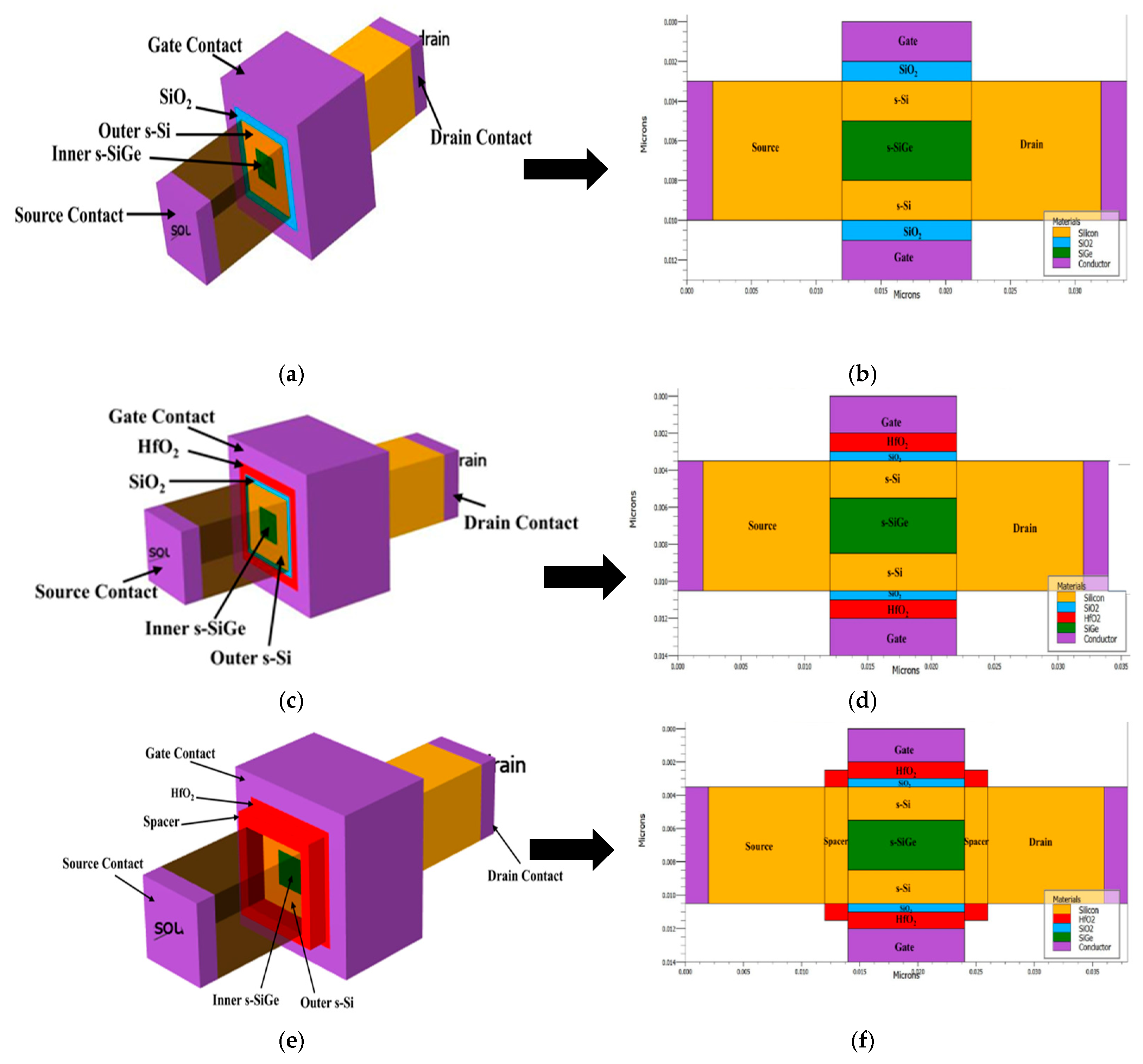
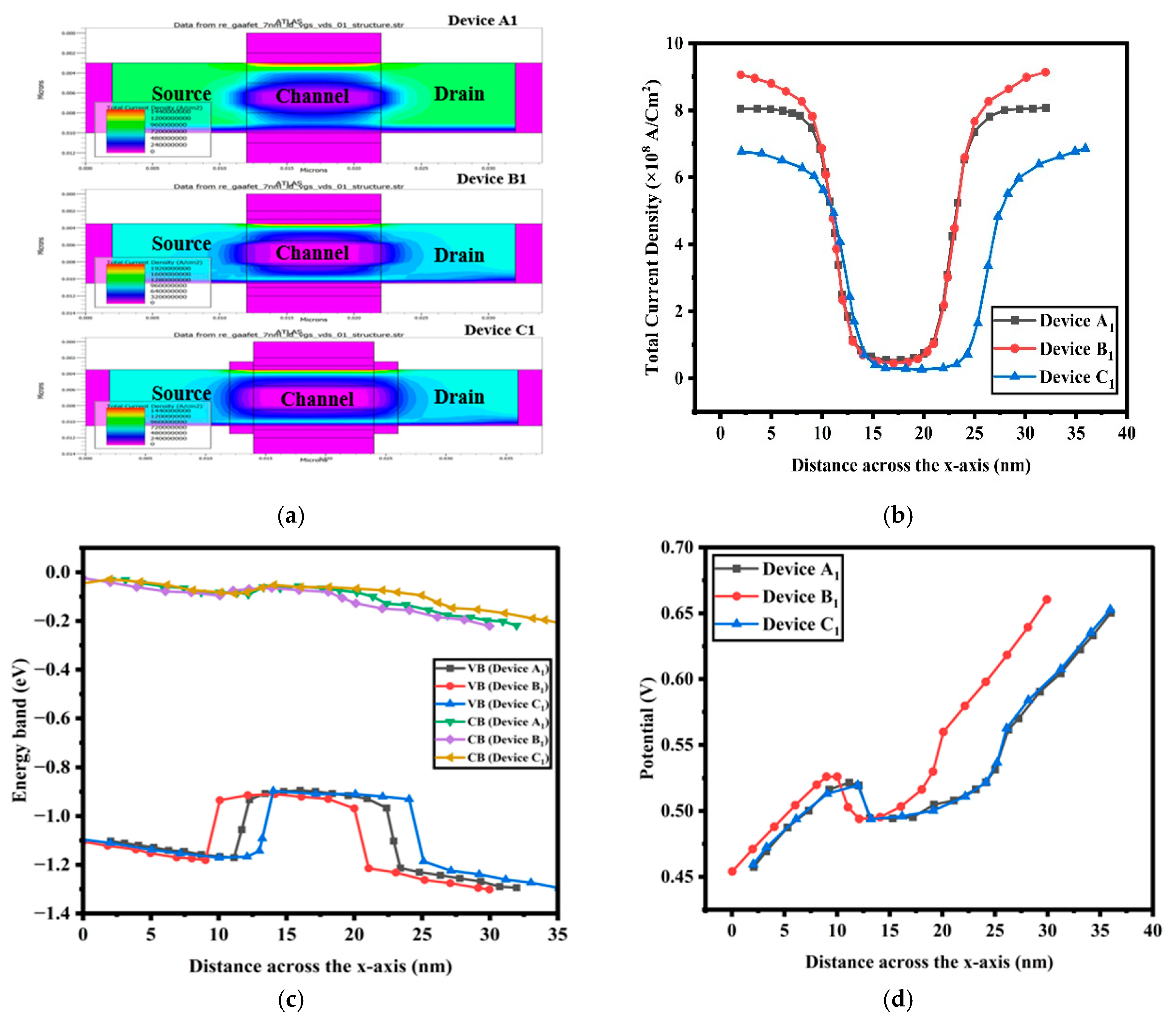
Figure 4a shows the contour diagram of total current density v of devices A
1, B
1, and C
1. Large current density changes are seen at the source–channel and drain–channel interfaces of the outer st-Si layer. The corners of these interfaces have a high current density because carrier movement is limited there, while the average current density remains fairly uniform across the outer st-Si layer. The confinement of electronic carriers in the channel is caused by the combined effect of Type-II band alignment and the stacked high-k dielectric in the st-Si channel device. Since SiGe is very sensitive to hole-carrier motion, the outermost st-Si layer benefits from better electron transport through ballistic motion. It also needs to be highlighted that high-k spacers increase capacitance in the fringing fields, and thereby current density is enormously increased at the source–channel as well as drain–-channel interface.
Figure 4b presents the current density distributions generated using the Silvaco TCAD tool. The source–channel and drain–channel interfaces display the contours of the current density of devices A
1, B
1, and C
1.
Table 2 presents the electrical parameters of all of the devices. Among these devices, C
1 stands out as the best, offering superior performance for CMOS and RF applications. It features a high ON current, low subthreshold swing, improved switching, and strong leakage suppression.
Figure 4c shows the CB and VB energy levels of devices A
1, B
1, and C
1, clearly demonstrating the superior performance of device C
1 over the others. The conduction and valence band energies in device C
1 exhibit increased stability and improved characteristics, reflecting its enhanced design and performance. The addition of a 2 nm high-k HfO
2 underlap enhances the lower conduction band edge, improving electron confinement and reducing leakage currents, thereby improving the on-state performance and power efficiency of device C
1. SiGe-based GS GAA FETs are of a wide band gap, and this contributes to enhancing the thermal stability and reliability of the valence band energy at high temperatures. This is due to the improved heat dissipation associated with increased carrier confinement and enhanced transport characteristics, rendering the device stable at high temperatures. The proposed device utilizes a strained Si/SiGe channel heterostructure, where a thin tensile-strained Si layer is epitaxially grown on a relaxed Si
1−xGe
x buffer (x = 0.4). The lattice mismatch induces biaxial tensile strain in the Si channel, leading to band splitting in the conduction band valleys and an effective reduction in electron effective mass, thereby improving mobility.
Figure 4c presents the calculated energy band diagram of the Si/SiGe heterostructure, showing a Type-II band alignment in which the conduction band minima of the strained Si layer lie below that of strained SiGe, forming a quantum well-barrier nanosystem that confines electrons within the strained Si layer.
Figure 4d indicates the possible profiles along the channel from the drain to source for devices A
1, B
1, and C
1 under operation. The red color indicates the higher potential values. Throughout the analysis, device C
1 exhibits a greater surface potential than devices B
1 and A
1. This phenomenon is most apparent close to the drain end, where electrostatic potentials increase and the DIBL decreases. This reduction in DIBL indicates that device C
1 is able to exercise more control over the channel, resulting in superior overall performance, reliability, and higher switching speed.
3.2. Linearity Analysis
For effective communication in RF applications, the system must have a high degree of linearity. This entails enhancing the signal-to-noise ratio and minimizing harmonic distortion, which are the most important elements. According to [
24,
25,
26,
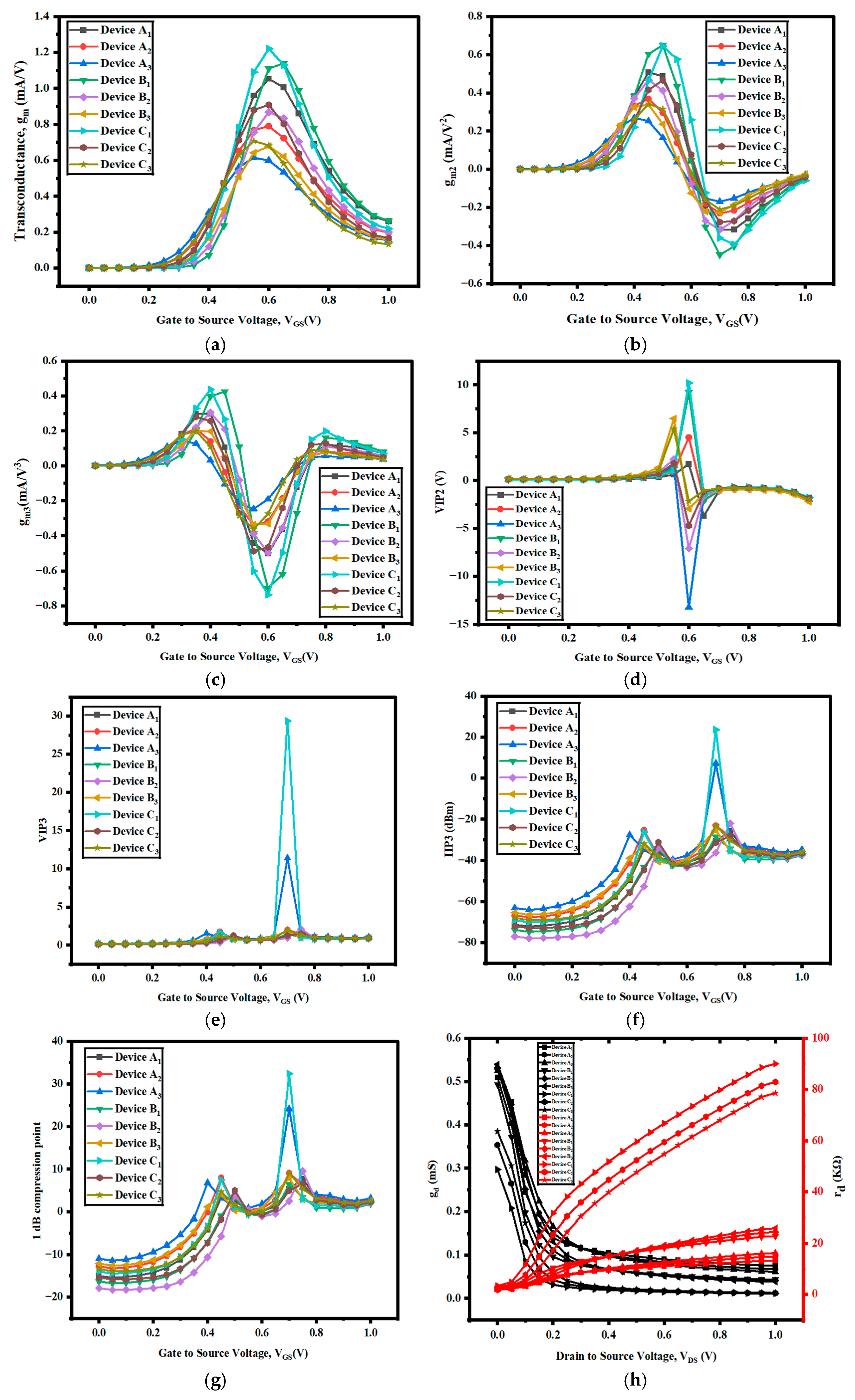
27], transistor nonlinear characteristics are mostly brought about by higher levels of gm2 and gm3 compared to gm. These are important in evaluating the linearity of the device, especially the second-order and third-order transconductances, and are graphed versus VGS for each of the three devices in
Figure 5a–c. Using a high-k underlap spacer within a semiconductor-on-insulator technology lowers the transconductance of the second and third order relative to gm. To evaluate linearity and the device’s quality for RF applications, VIP2, VIP3, IIP3, IMD3, and 1 dB, gain compression point measurements are made for each device. Among all the devices, C
1 has the best transconductance value of 1.13 mA/V, which is the highest value of all the devices, as shown in
Figure 5a and
Table 3.
Figure 5b,c graph the higher-order transconductances, the second- and third- order, against V
GS for each of the three devices. Second- and third-order transconductance decreases compared to gm are observed when using a high-k underlap spacer semiconductor-on-insulator technology (in device I), to evaluate the device’s performance and establish its suitability for RF applications, and to further the linearity analysis. For devices A, B, and C, VIP fluctuations for various values of V
GS in the second and third orders are shown in
Figure 5d and
Figure 5e, respectively. Compared to devices B
1 and A
1, device C
1 shows larger values for both VIP
2 and VIP
3. Higher VIP values indicate greater linearity and better suppression of distortion, making the device suitable for analog and RF applications. Higher gate control and reduced short-channel effects in GAAFETs help in maximizing VIP to support high-frequency operation and robust analog signal integrity. The determination or measurement of VIP is performed through large-signal simulations and harmonic or intermodulation distortion analysis, and is optimized by varying gate stack materials, channel geometry, and biasing conditions. The second and third orders are VIP
2 and VIP
3, whose values among all devices C
1 are higher. When one conducts a test of linearity in radio frequency circuits with FinFET technology, the third-order input intercept point (IIP3) is the primary measurement. It indicates the power level at which the third-order modulation distortion product begins to be evident and decreases the linearity of the RF system. The IIP3 is greater when utilizing high-k semiconductors on an insulator, as illustrated in
Figure 5f. IIP3 is the theoretical input power at which the amplitude of the third-order intermodulation distortion (IMD3) products is equal to the amplitude of the fundamental signal. It measures the linearity of a device when processing multi-tone signals. An increase in the value of IIP3 means that the device can process more powerful signals before experiencing significant nonlinear distortion. Device C
1 has a higher value of 23.60 dBm, which is the standout among all the devices. The 1 dB compression point in the GAAFET (gate-all-around FET) refers to the input or output power level at which the device’s gain drops by 1 dB from its ideal small-signal linear gain.
Figure 5g shows that the 1 dB compression point of the high-k spacer device C
1 is larger than those of other devices. The former is due to the greater value of gm in device C
1. The point of 1 dB compression, which represents the power level at which nonlinearity causes the gain of the device to fall by 1 dB, is crucial in radio frequency applications.
Figure 5h shows the g
d and R
d vs. V
DS for all developed devices. The output conductance, g
d, of device C
1 is minimum, and the output resistance, R
d, is a higher value, as shown in
Table 3.
3.3. Harmonic Distortion
Rodrigo Trevisoli Doria [
24] reports an evaluation of the DG GC transistors’ performance based on the GAA device structure, from the distortion point of view. Harmonic distortion (HD) is a term used to describe the inherently nonlinear nature of the output current of transistors, resulting in the presence of signals with frequencies other than those of the input signal. Thus, overall HD (THD) and third-order HD (HD3) will be taken as significant performance measures. Second-order HD (HD2) will not be discussed because this measure is relatively similar to THD in the considered operational range [
25]. Distortion has been assessed employing the integral function method (IFM), which enables distortion extraction from DC measurements without AC characterization, as opposed to Fourier analysis-based methods [
26], for instance. The linearity performance of GC GAA will be compared with that of conventional GAA transistors used in the saturation regime. In the study, the SOI MOSFET is used as a single-transistor amplifier, and HD is evaluated for different LLD/L ratios. The effect of diminishing channel length on linearity will also be considered. Long channel MOSFETs are selected for the best analog performance when used in baseband applications. In GAAFETs, harmonic distortion parameters are given in dBm. HD2 quantifies the nonlinear behavior of the device, producing signals at twice the fundamental frequency, which can interfere with wanted signals in analog/RF circuits. Third-order harmonics are especially challenging since they are closer to the fundamental frequency and can intermodulate with other signals. This is the sum power of the harmonics (usually the second to fifth harmonics) with reference to the fundamental frequency. THD is a measure of the overall nonlinear distortion, and devices with a lower THD (more negative dBm) are said to have more fidelity. Distortion measurement metrics such as HD2, HD3, THD, and IMD3 are critical for evaluating the linearity and signal integrity of GAAFET devices in RF and analog applications.
The increase in distortion is due to the nonlinear characteristic of equipment employed in analog and radio frequency applications, which is a main concern. Distortion degrades the signal by adding unwanted components that belong to a group other than the right frequency group. Therefore, we try to reduce distortion in the output of linear amplifiers as far as possible. To achieve this, the IFM (integral function method) will be employed to quantify distortion parameters through DC measurements instead of AC measurements. This is performed to establish the numerical interlinkages between different distortion measurements, like HD2 (second-order harmonic distortion), HD3 (third-order harmonic distortion), and THD (total harmonic distortion).
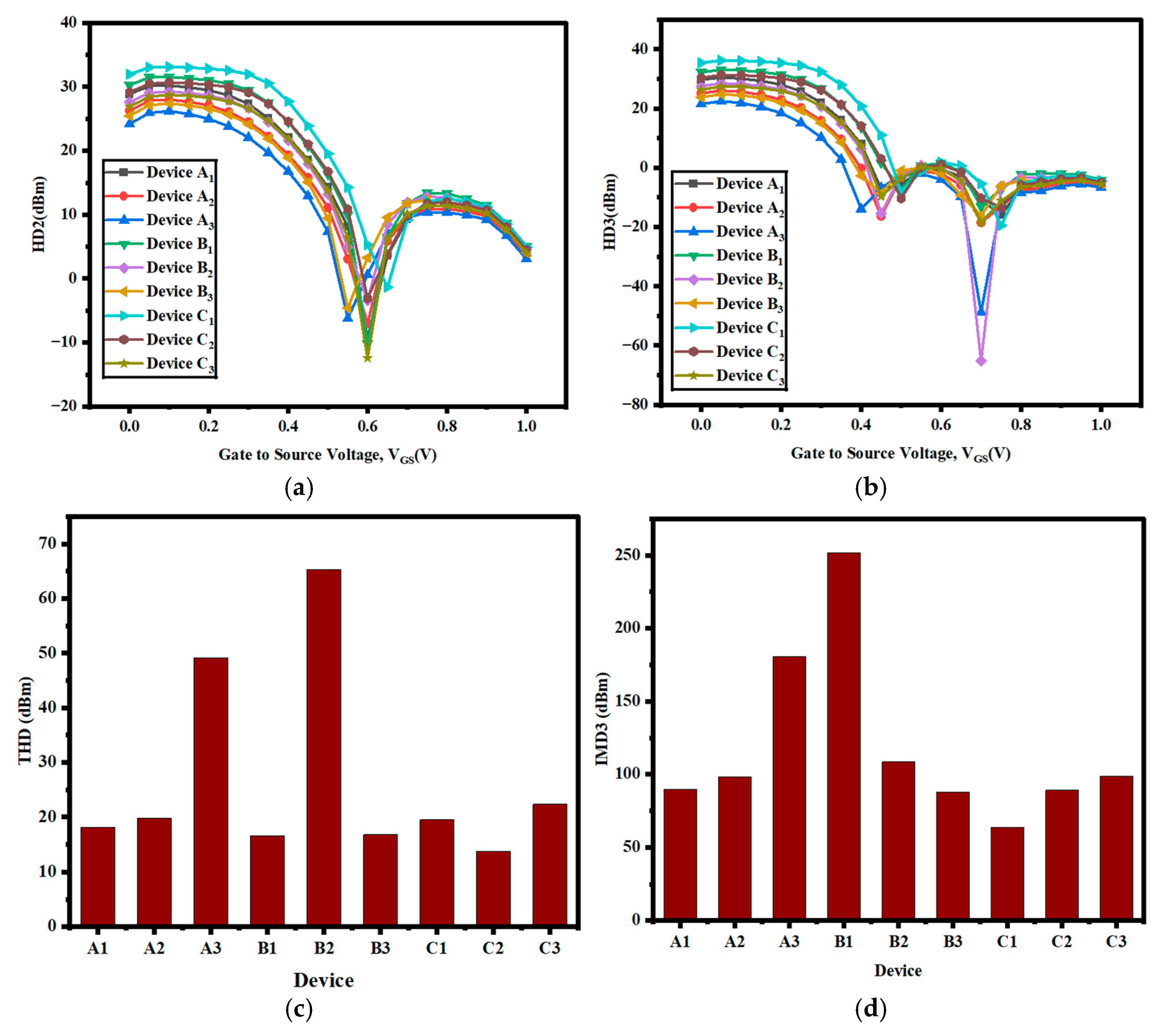
Values of second- and third-order harmonic distortion and total harmonic distortion (THD) are maintained as close to zero as possible to minimize distortion during the device’s operation. The variation in HD2 is given in
Figure 6a, whereas variations in HD3 and THD with V
GS are given in
Figure 6b, c. The reduction in gm2 and gm3 reduces the diminution in transconductance, thus producing low levels of distortion. Consequently, device C
1’s performance is better since its distortion characteristics are greatly improved by the lower second- and third-order transconductance. In order to enhance the linearity of the devices, the third-order intermodulation distortion (IMD
3) ought to be kept at a minimum. For all the compared configurations, the curve of IMD
3 versus VGS is presented in
Figure 6d. For lower values of V
GS, IMD
3 rises due to the decrease in VIP3, which results in an increase in gm3. In contrast, at elevated V
GS, the IMD
3 reduction is attributed to an increased third-order voltage interception point, which reduces gm
3 for device C
1. It is worth noting that the present device has an IMD
3 of approximately 5 dBm.
Table 4 illustrates that the current distortion for device C
1 is significantly lower than that of devices A
1 and B
1. From
Table 4, we can conclude that device C
1 is the best device, with HD2 (dBm), HD3 (dBm), THD (dBm), and IMD3 (dBm) values of −1.345, 19.47, 19.5164, and 63.80899, respectively.
To ensure the physical accuracy and validation of the simulation framework, the proposed device, C
1, was compared with the fabricated and experimental device, H [
21] (Si Nanowire Cylindrical GAA FET). Furthermore, the developed device variants (A
1–A
3, B
1–B
3, and C
2–C
3) were also analyzed under varying operating temperatures (300 K, 350 K, and 400 K) to examine thermal and electrical stability. The comparative results, summarized in
Table 2,
Table 3 and
Table 4, clearly show that device C
1 exhibits superior performance over all the newly developed devices, simulated devices [
18,
19,
20,
28,
29], and the fabricated device [
21]. The results further confirm that the proposed structure maintains excellent current drivability, subthreshold behavior, and scalability across a wide thermal range, ensuring strong correlation with experimental trends and IRDS 2025 projections.
The electrical, linearity, and harmonic analyses reveal that device C
1 exhibits the best overall performance among all developed structures (A
1–A
3, B
1–B
3, and C
2–C
3) under varying temperature conditions (300 K, 350 K, and 400 K), as well as in comparison with the fabricated experimental device, H [
21], and previously simulated devices [
18,
19,
20,
28,
29]. As presented in
Table 2,
Table 3 and
Table 4, device C
1 demonstrates a 284.12% higher switching ratio compared to the existing fabricated device H [
21], along with a 12.6% higher g
m1, 80% lower g
m2, 81.2% lower g
m3, 75% higher VIP2, and 130% higher VIP3 compared to device A
1. Furthermore, the THD value is 89.02% lower than that of the existing device [
29], confirming the superior linearity and RF performance of the proposed C
1 device.




 ,
,