Article

CO2 Sequestration in the Production of Portland Cement Mortars with Calcium Carbonate Additions
by
Marius-George Parvan
,
Georgeta Voicu
*,
Alina-Ioana Badanoiu
,
Adrian-Ionut Nicoara
and
Eugeniu Vasile
Department of Science and Engineering of Oxide Materials and Nanomaterials, Faculty of Applied Chemistry and Material Science, University POLITEHNICA of Bucharest, 1-7 Gh. Polizu Street, District 1, RO-011061 Bucharest, Romania
*
Author to whom correspondence should be addressed.
Nanomaterials 2021, 11(4), 875; https://doi.org/10.3390/nano11040875
Submission received: 9 March 2021 / Revised: 25 March 2021 / Accepted: 27 March 2021 / Published: 30 March 2021
(This article belongs to the Special Issue Smart Cementitious Materials for Sustainable Building Engineering)

Abstract

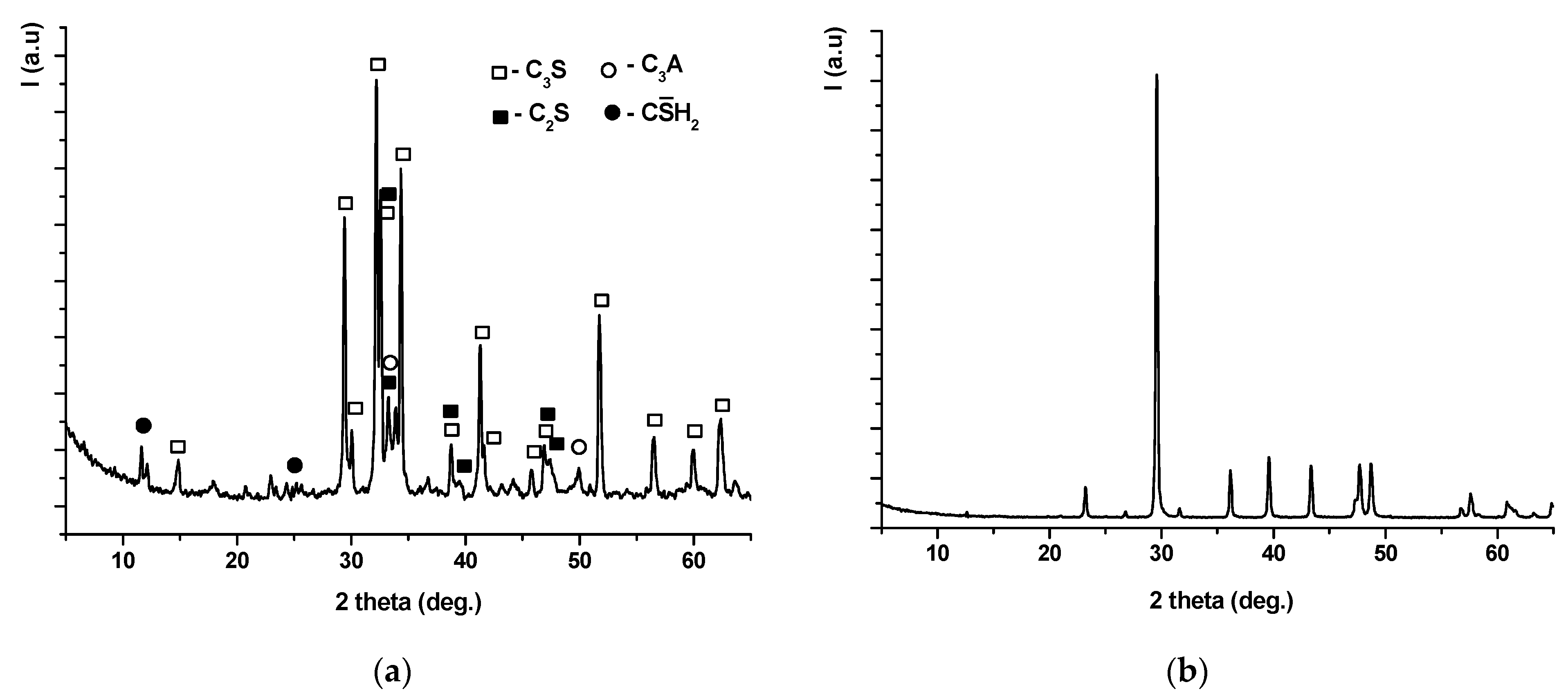
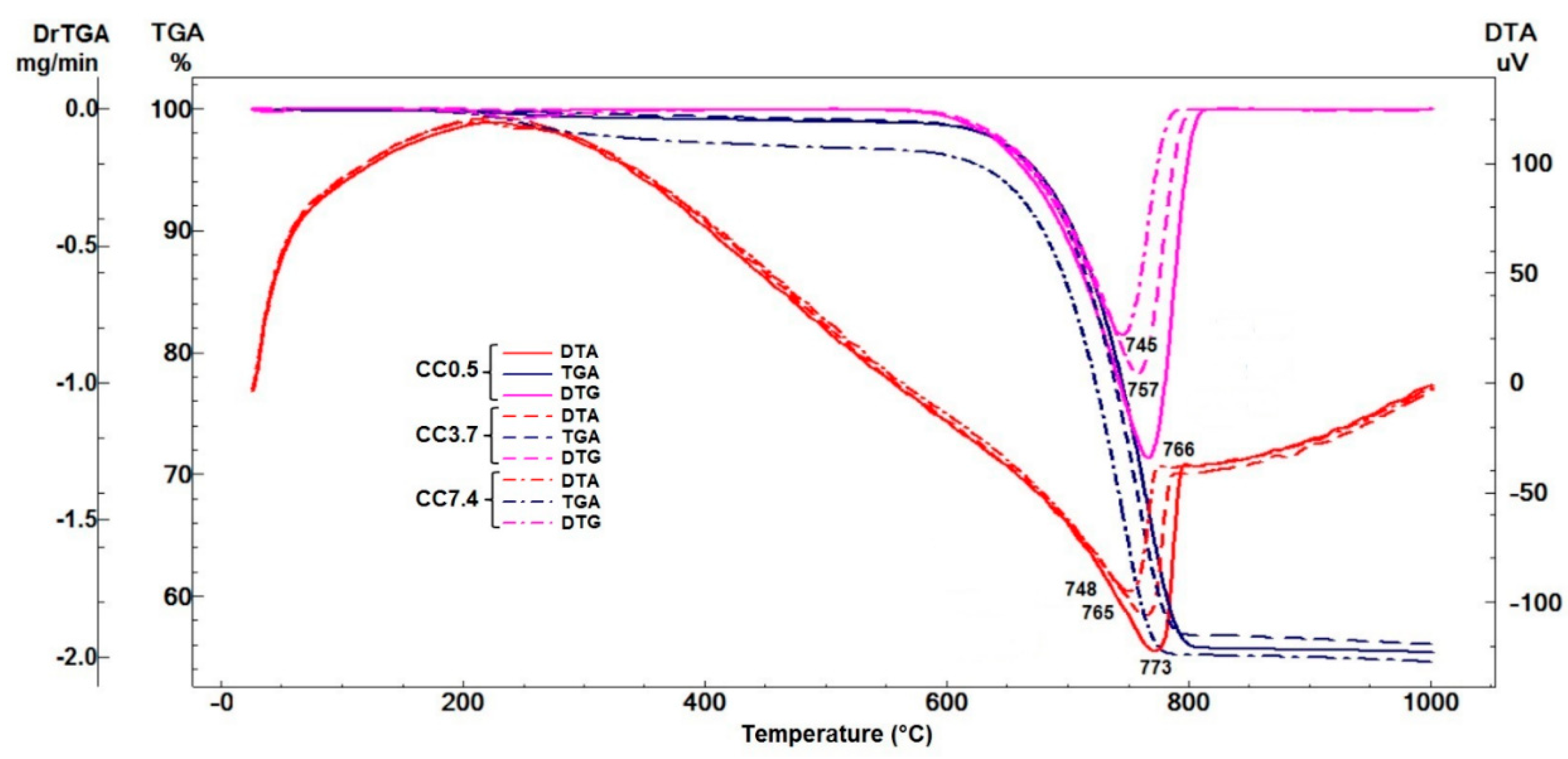
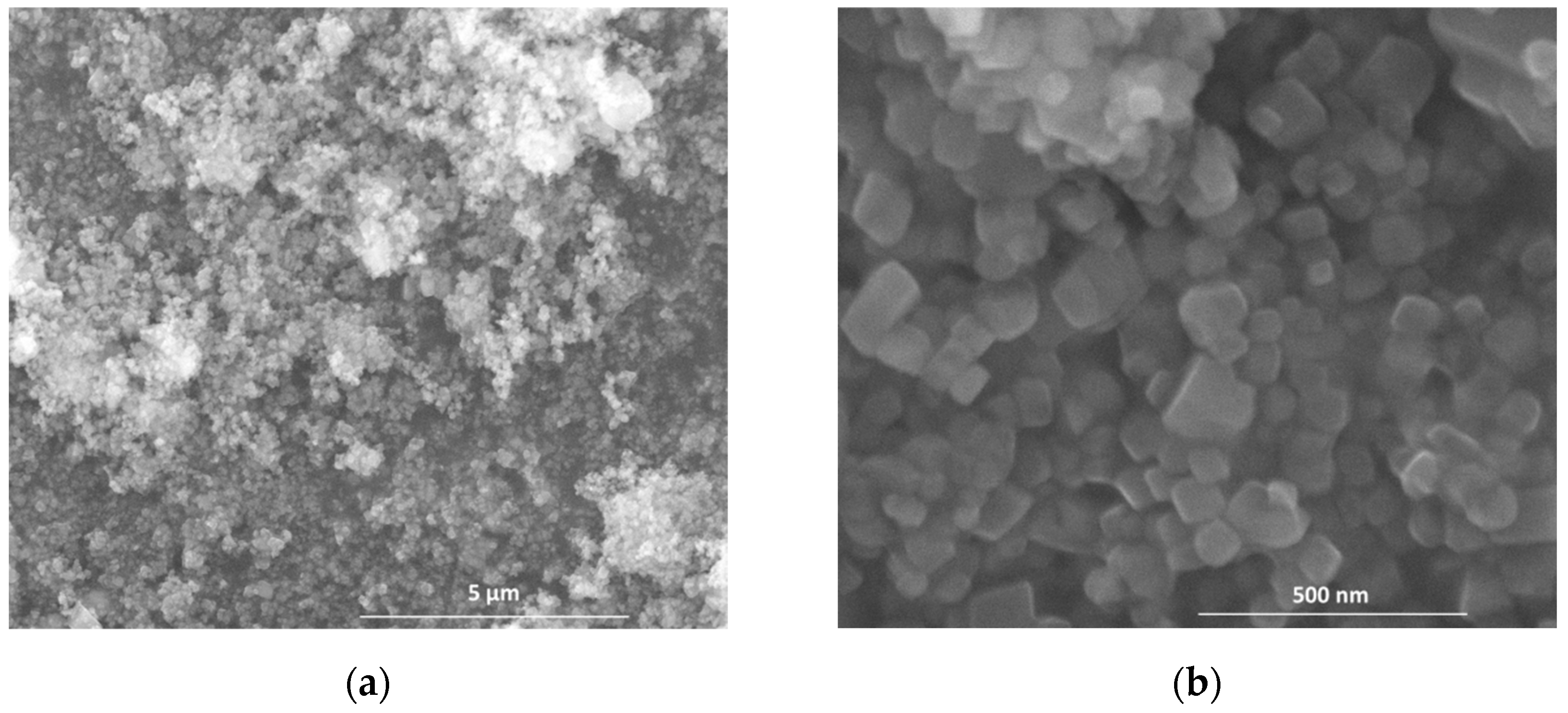
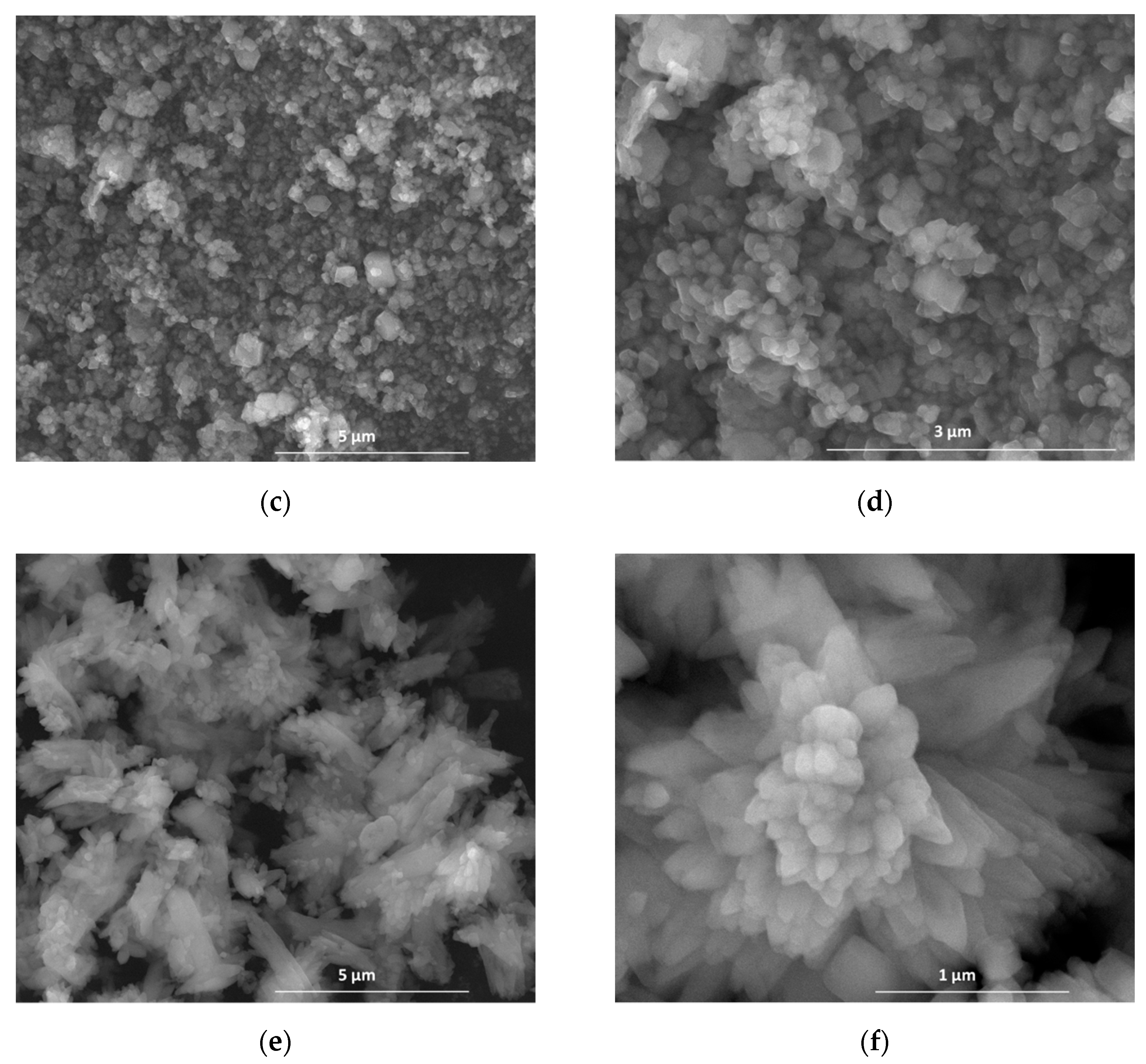
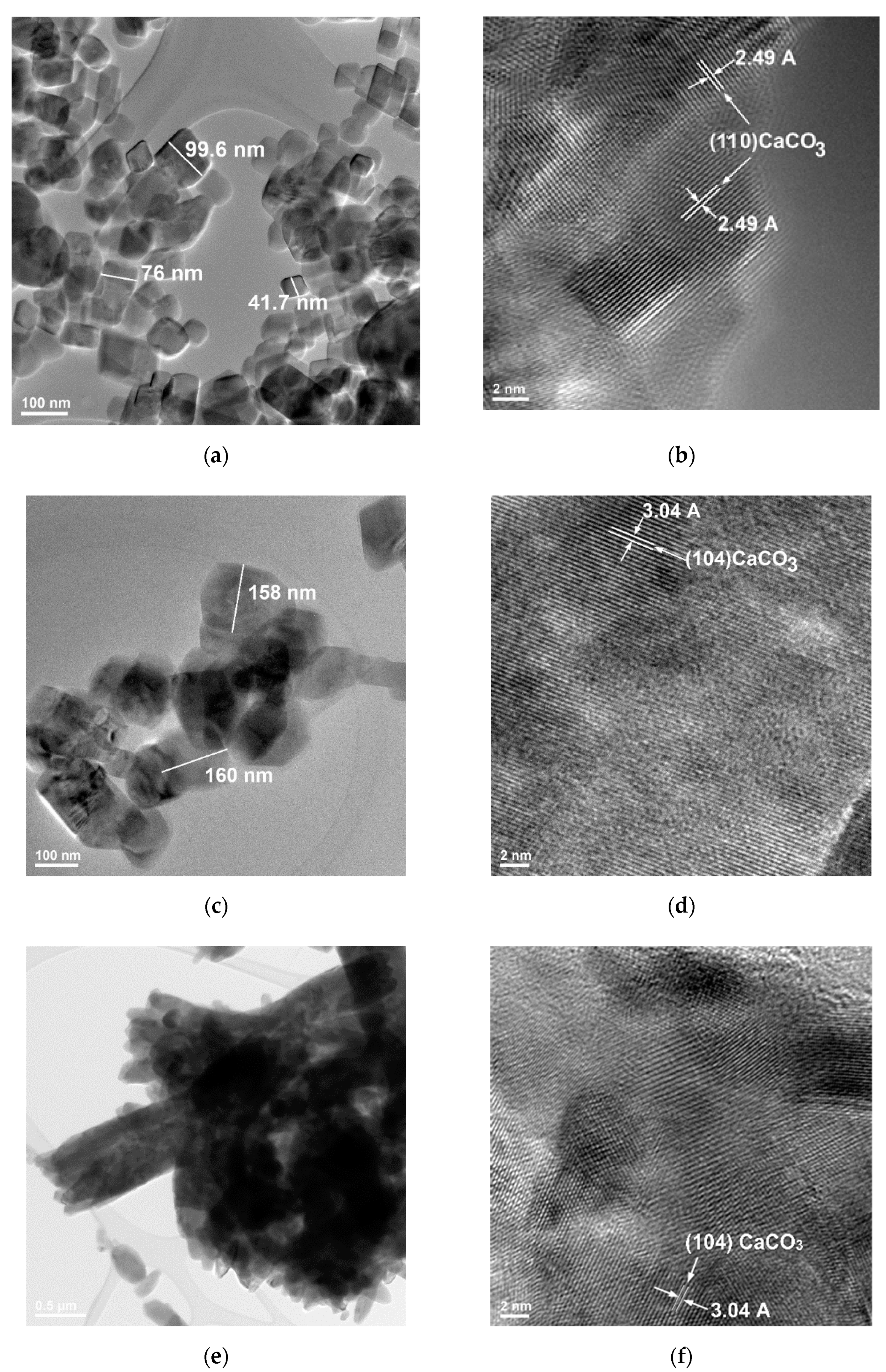
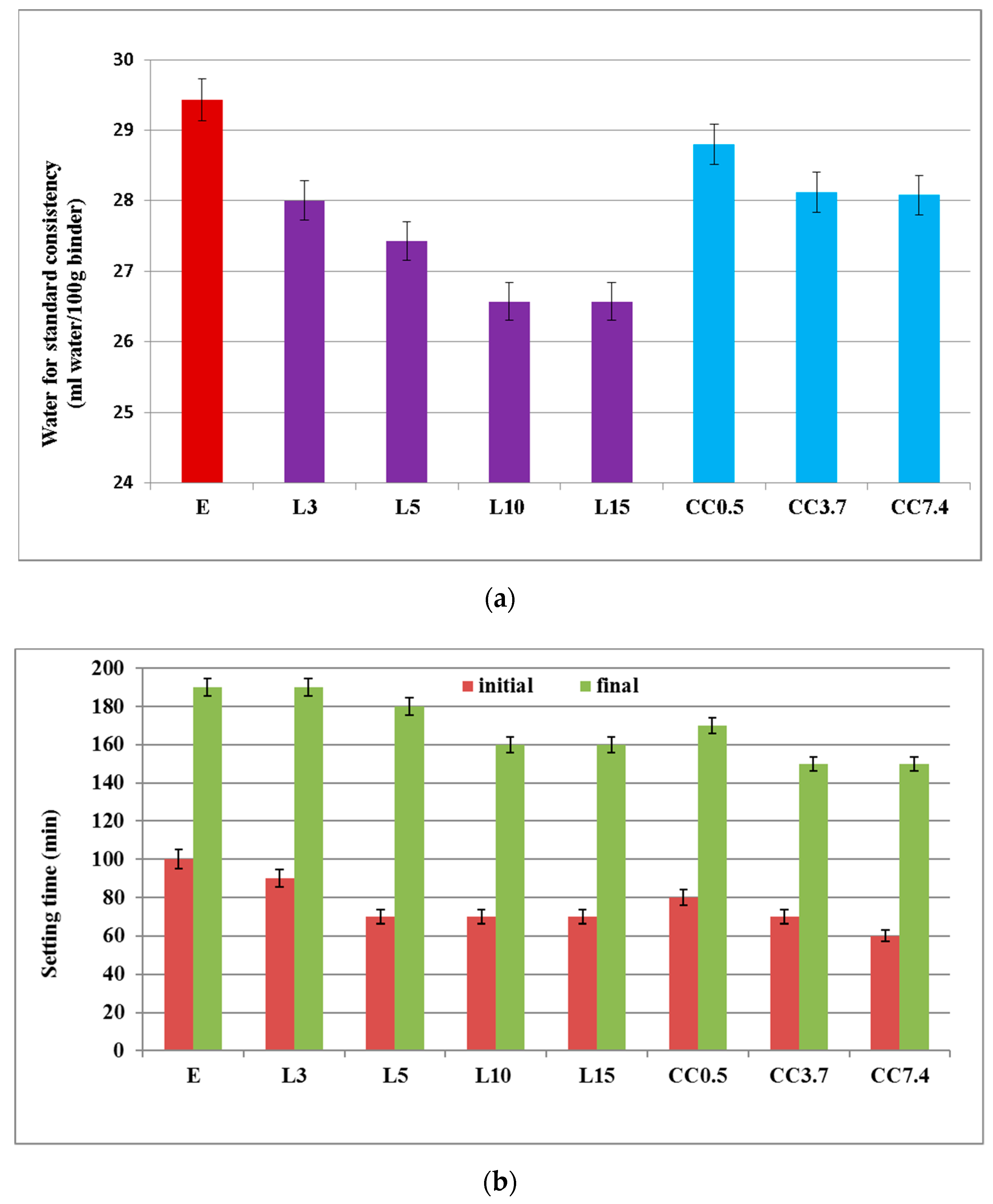
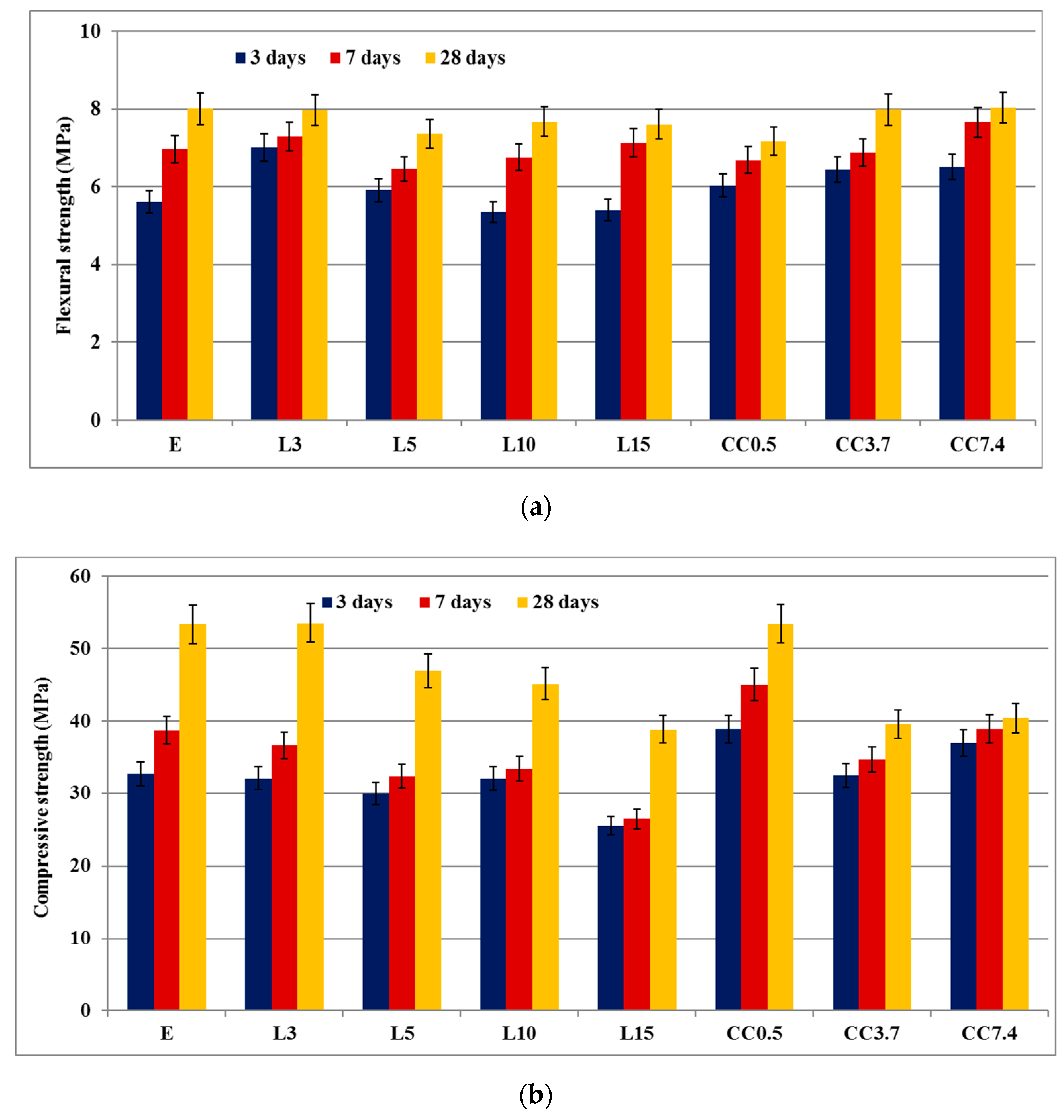
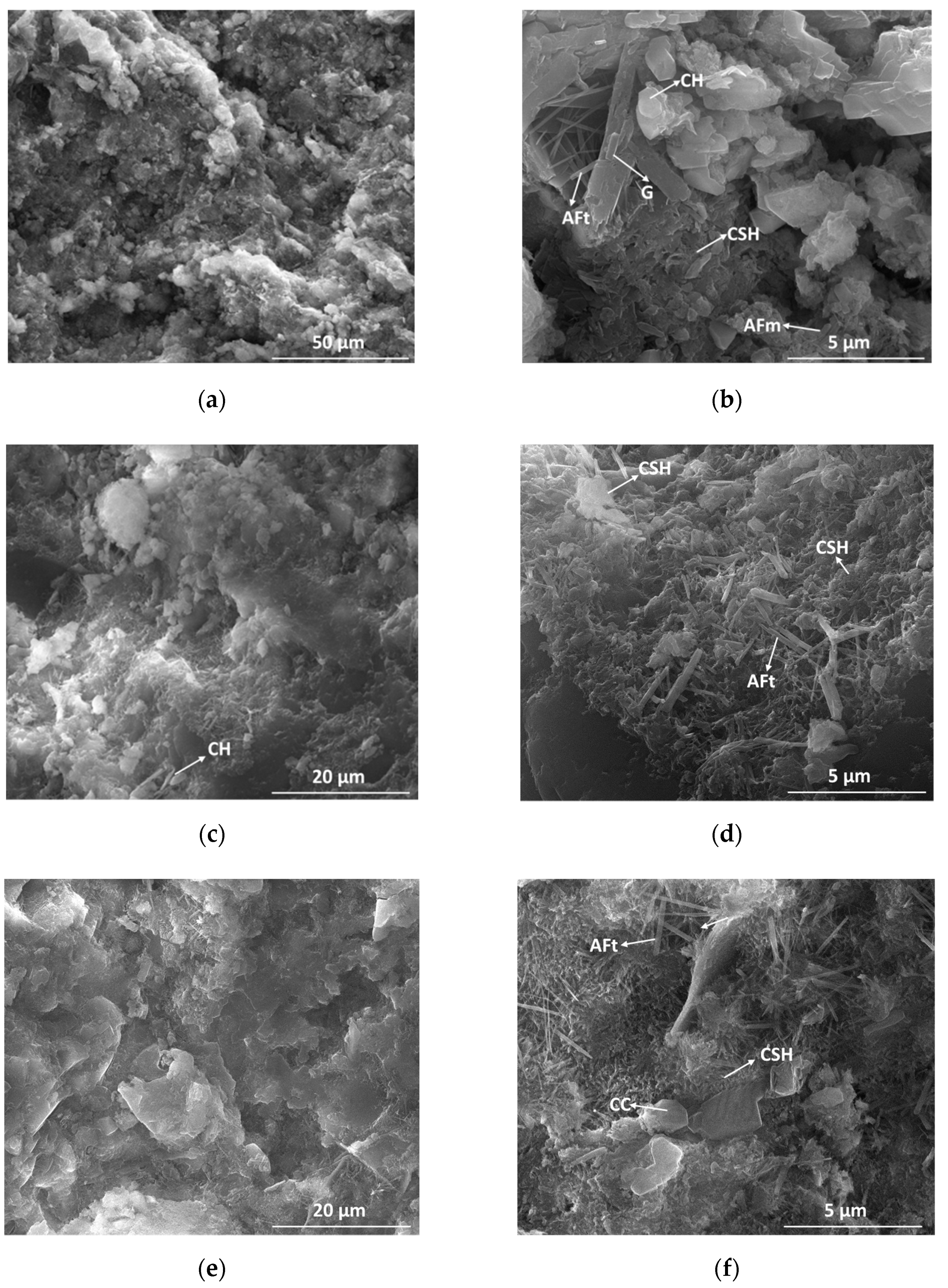
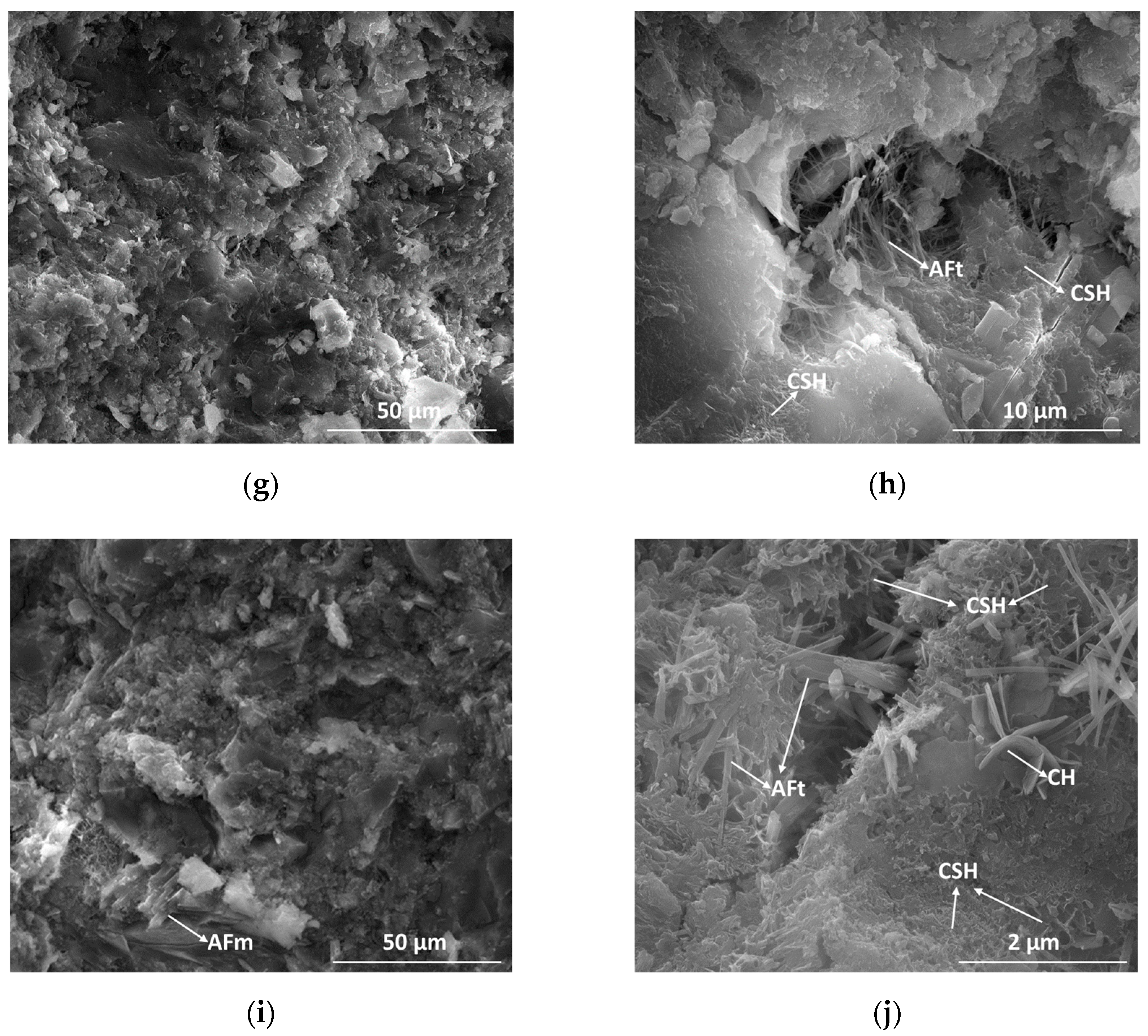
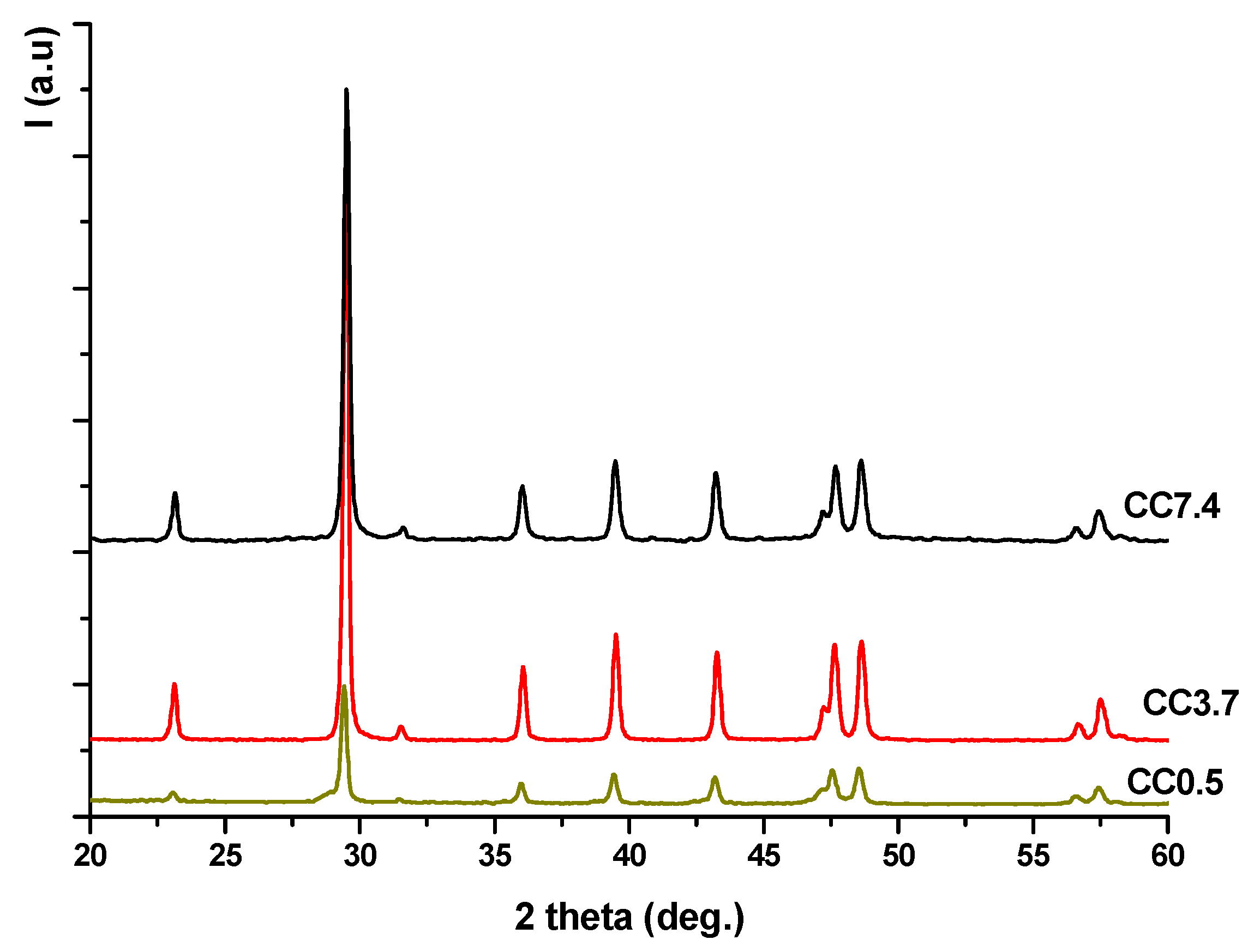
The paper presents the obtention and characterization of Portland cement mortars with limestone filler and nano-calcite additions. The nano-calcite was obtained by the injection of CO2 in a nano-Ca(OH)2 suspension. The resulted nano-CaCO3 presents different morphologies, i.e., polyhedral and needle like crystals, depending on the initial Ca(OH)2 concentration of the suspension. The formation of calcium carbonate in suspensions was confirmed by X-ray diffraction (XRD), complex thermal analysis (DTA-TG), scanning electron microscopy (SEM) and transmission electron microscopy (TEM and HRTEM). This demonstrates the viability of this method to successfully sequestrate CO2 in cement-based materials. The use of this type of nano-CaCO3 in mortar formulations based on PC does not adversely modify the initial and final setting time of cements; for all studied pastes, the setting time decreases with increase of calcium carbonate content (irrespective of the particle size). Specific hydrated phases formed by Portland cement hydration were observed in all mortars, with limestone filler additions or nano-CaCO3, irrespective of curing time. The hardened mortars with calcium carbonate additions (in adequate amounts) can reach the same mechanical strengths as reference (Portland cement mortar). The addition of nano-CaCO3 in the raw mix increases the mechanical strengths, especially at shorter hardening periods (3 days).
Keywords: Portland cement; nano-CaCO3; limestone filler; carbon footprint reduction; CO2 sequestration Portland cement; nano-CaCO3; limestone filler; carbon footprint reduction; CO2 sequestration