Article

Cationic Surface Modification Combined with Collagen Enhances the Stability and Delivery of Magnetosomes for Tumor Hyperthermia


1
Key Laboratory of Coastal Biology and Biological Resource Utilization, Yantai Institute of Coastal Zone Research, Chinese Academy of Sciences, Yantai 264003, China
2
University of Chinese Academy of Sciences, Beijing 100049, China
3
State Key Laboratory of Bioelectronics, National Demonstration Center for Experimental Biomedical Engineering Education, School of Biological Science and Medical Engineering, Southeast University, Nanjing 210096, China
4
The State Key Laboratory of Pharmaceutical Biotechnology, School of Life Sciences, Nanjing University, Nanjing 210023, China
5
Featured Laboratory for Biosynthesis and Target Discovery of Active Components of Traditional Chinese Medicine, School of Traditional Chinese Medicine, Binzhou Medical University, Yantai 264003, China
6
State Key Laboratory of Heavy Oil Processing and Center for Bioengineering and Biotechnology, College of Chemistry and Chemical Engineering, China University of Petroleum (East China), Qingdao 266580, China
7
School of Life Sciences, Yantai University, Yantai 264003, China
*
Authors to whom correspondence should be addressed.
These authors contributed equally to this work.
J. Funct. Biomater. 2025, 16(12), 461; https://doi.org/10.3390/jfb16120461
Submission received: 31 October 2025 / Revised: 3 December 2025 / Accepted: 9 December 2025 / Published: 12 December 2025
(This article belongs to the Special Issue Biomaterials for Drug Delivery and Cancer Therapy)

Abstract

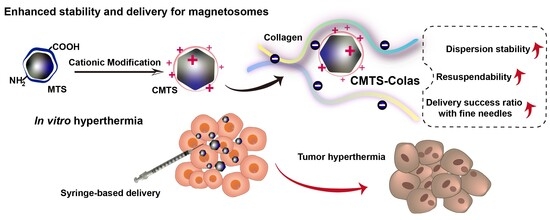
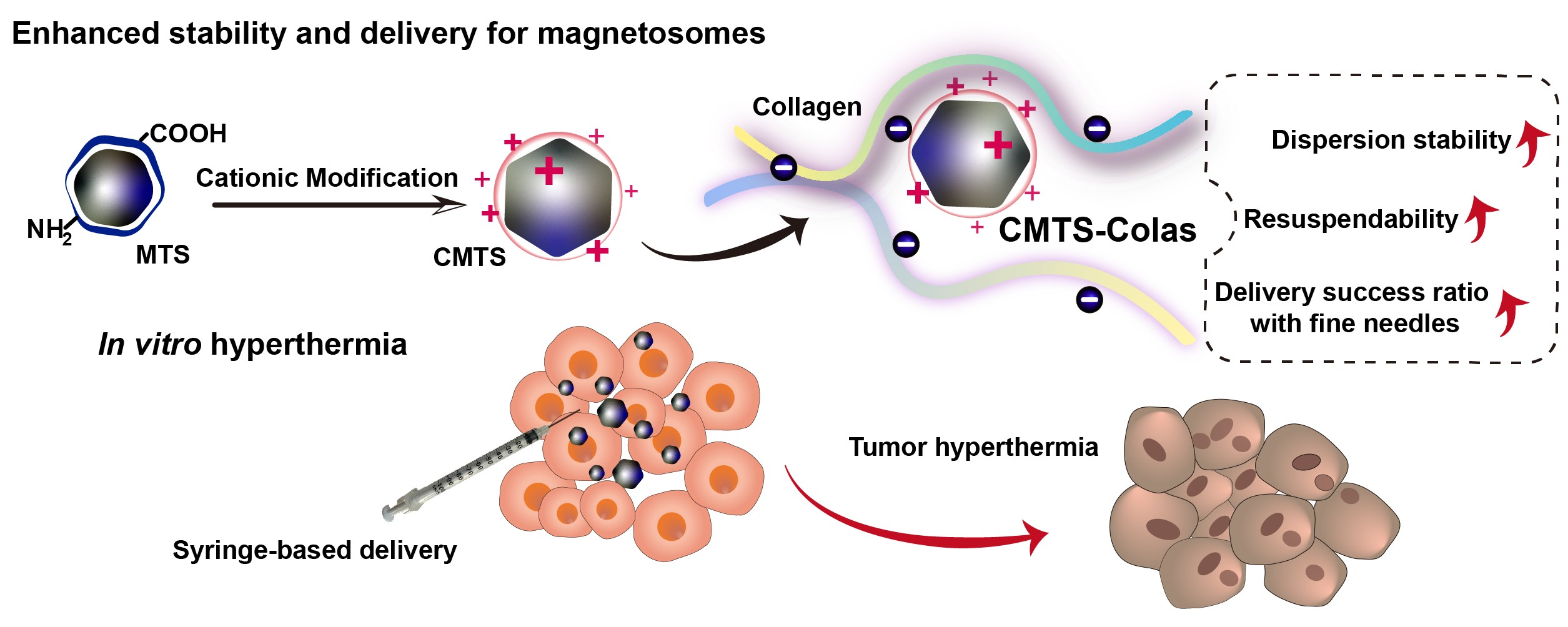
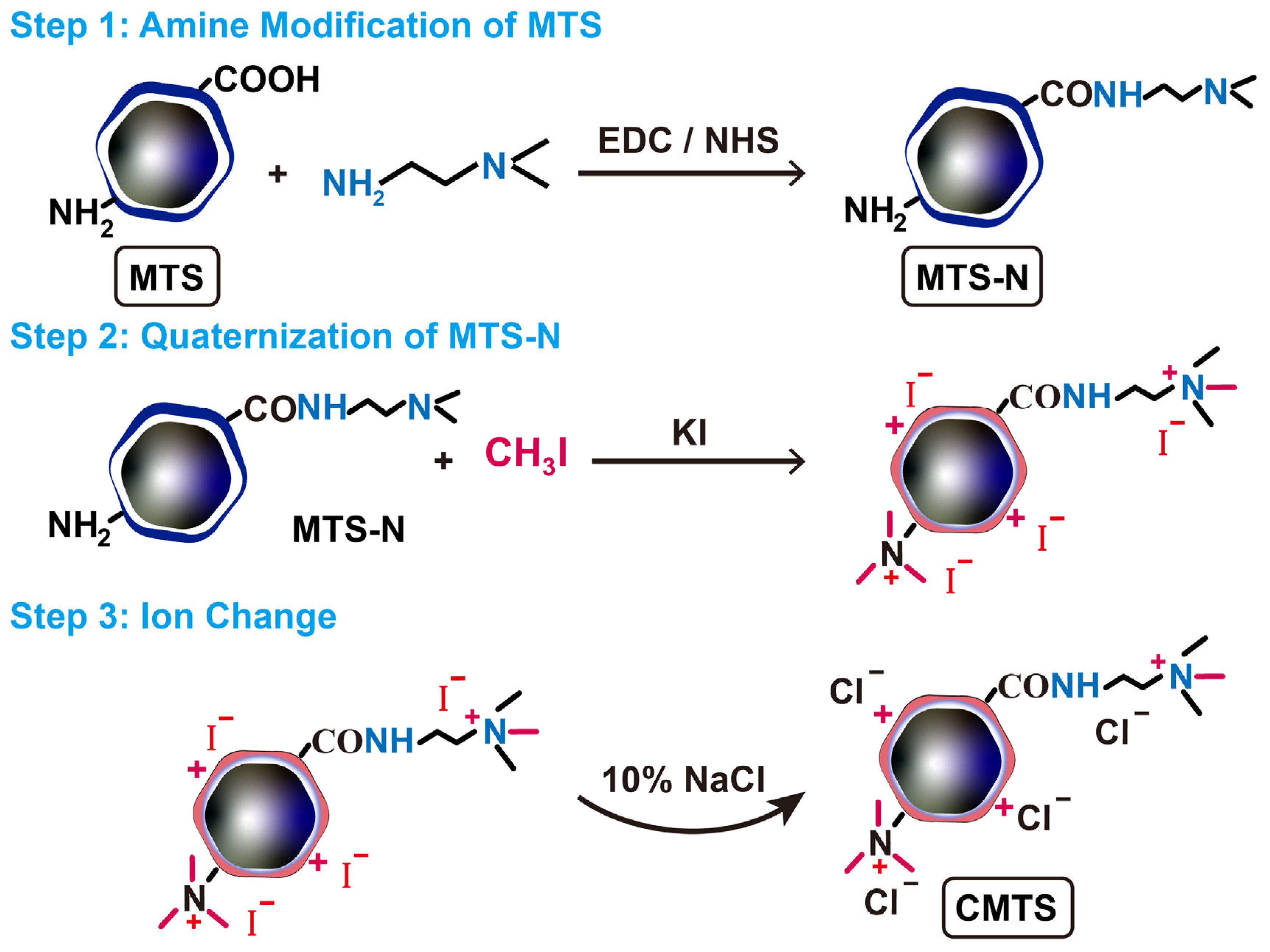
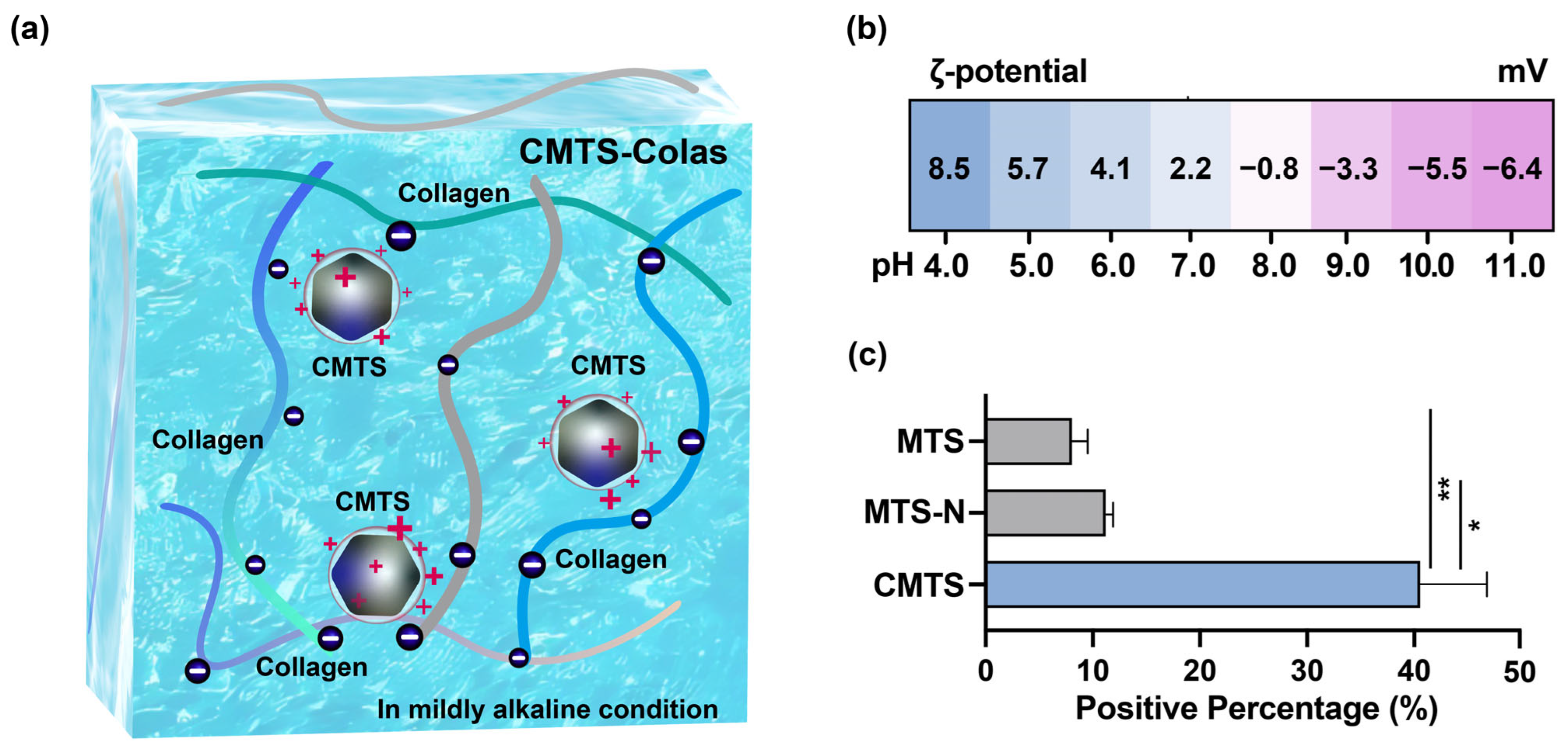
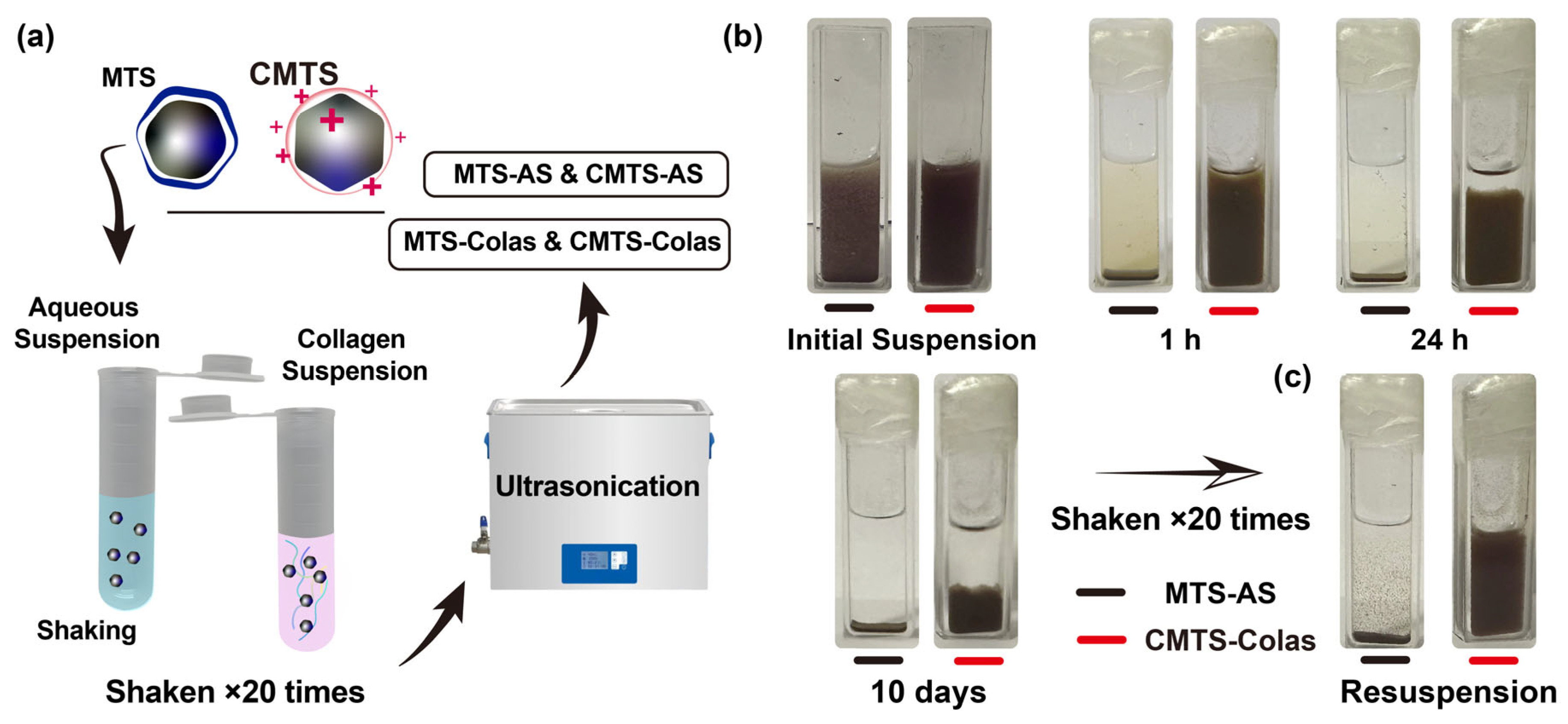
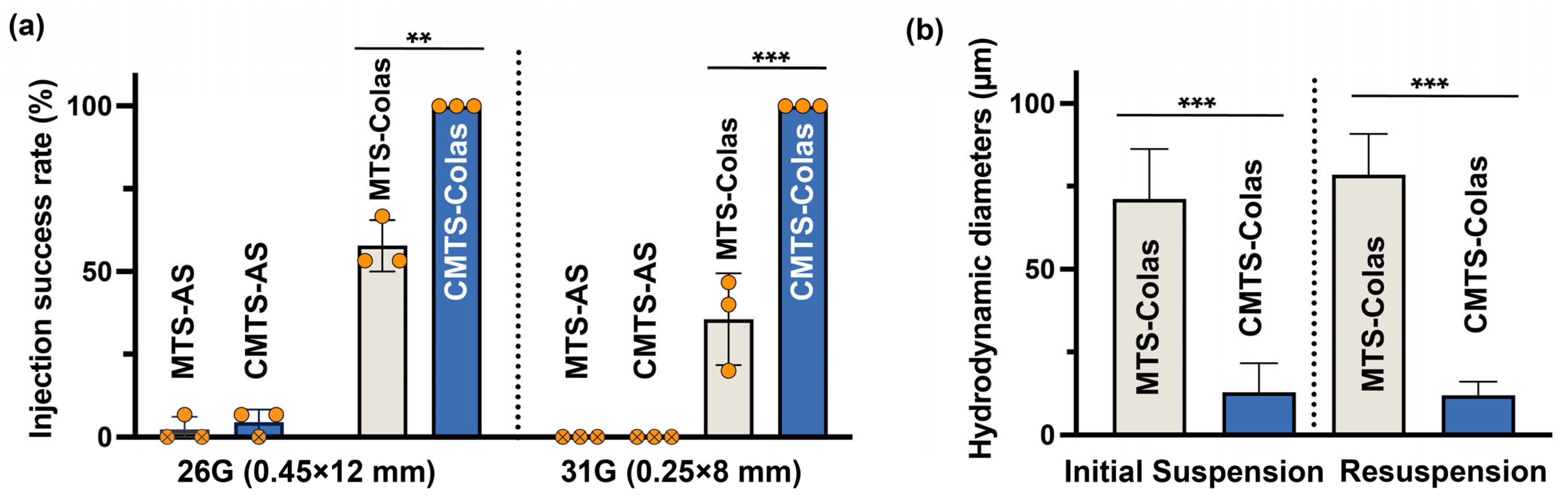
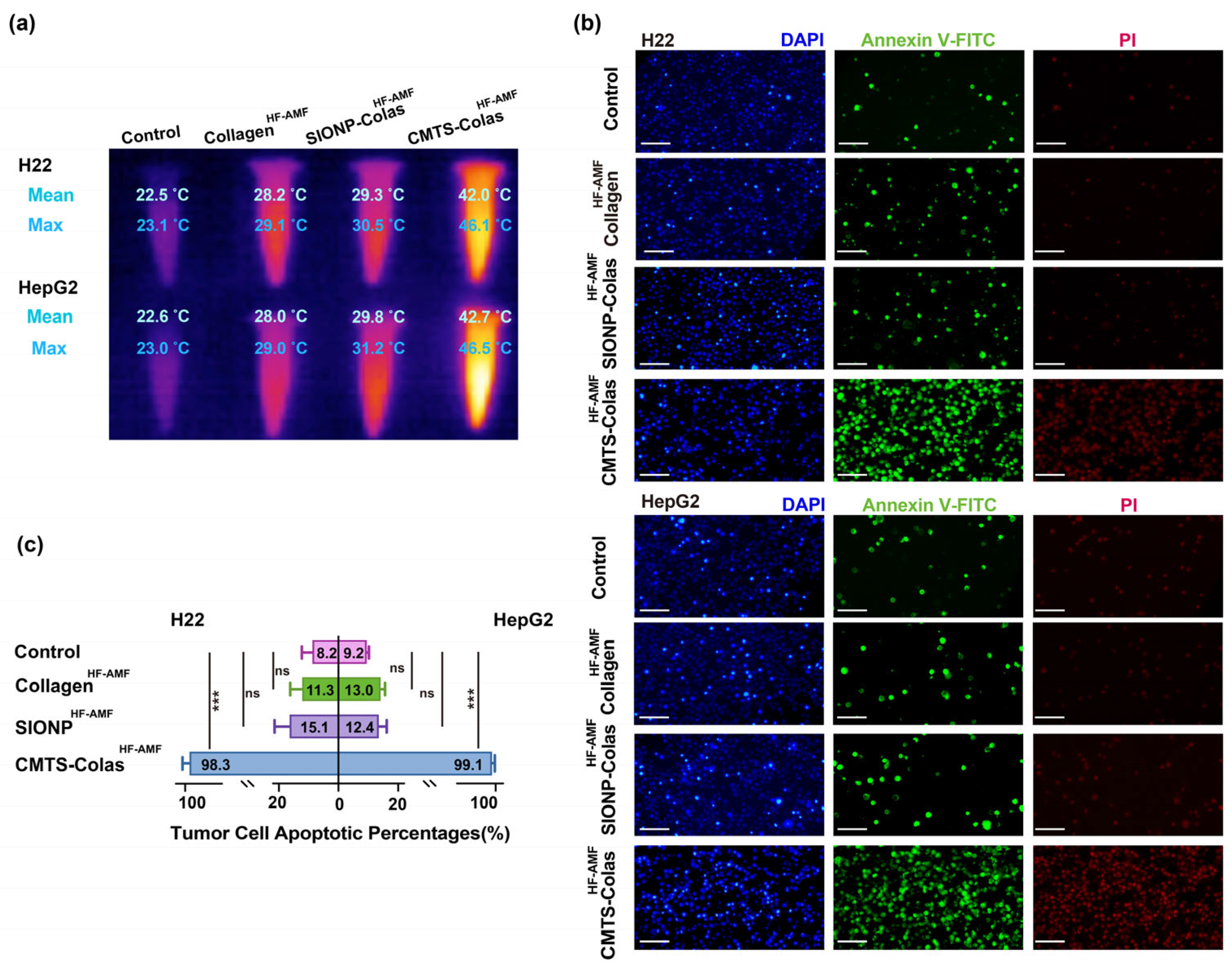
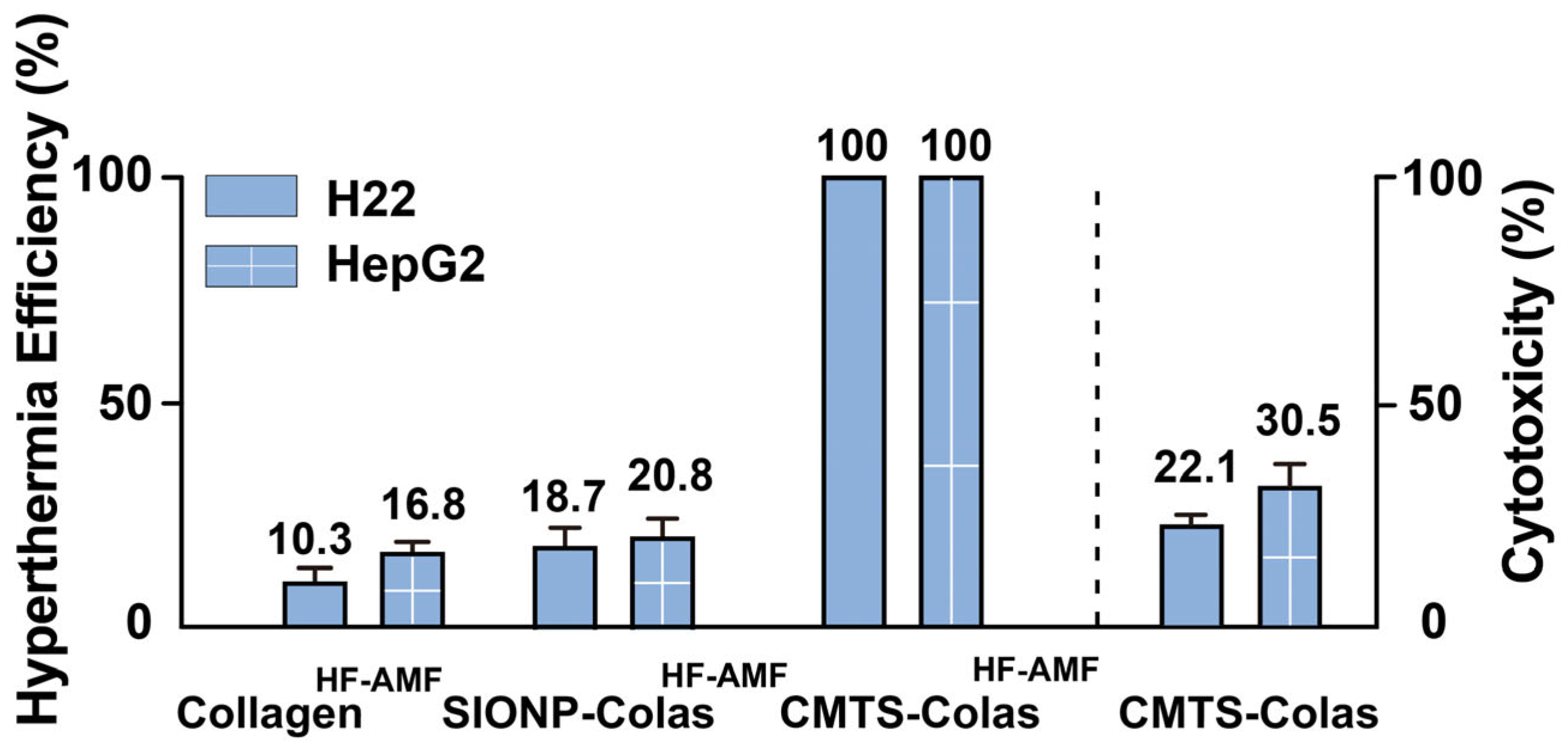
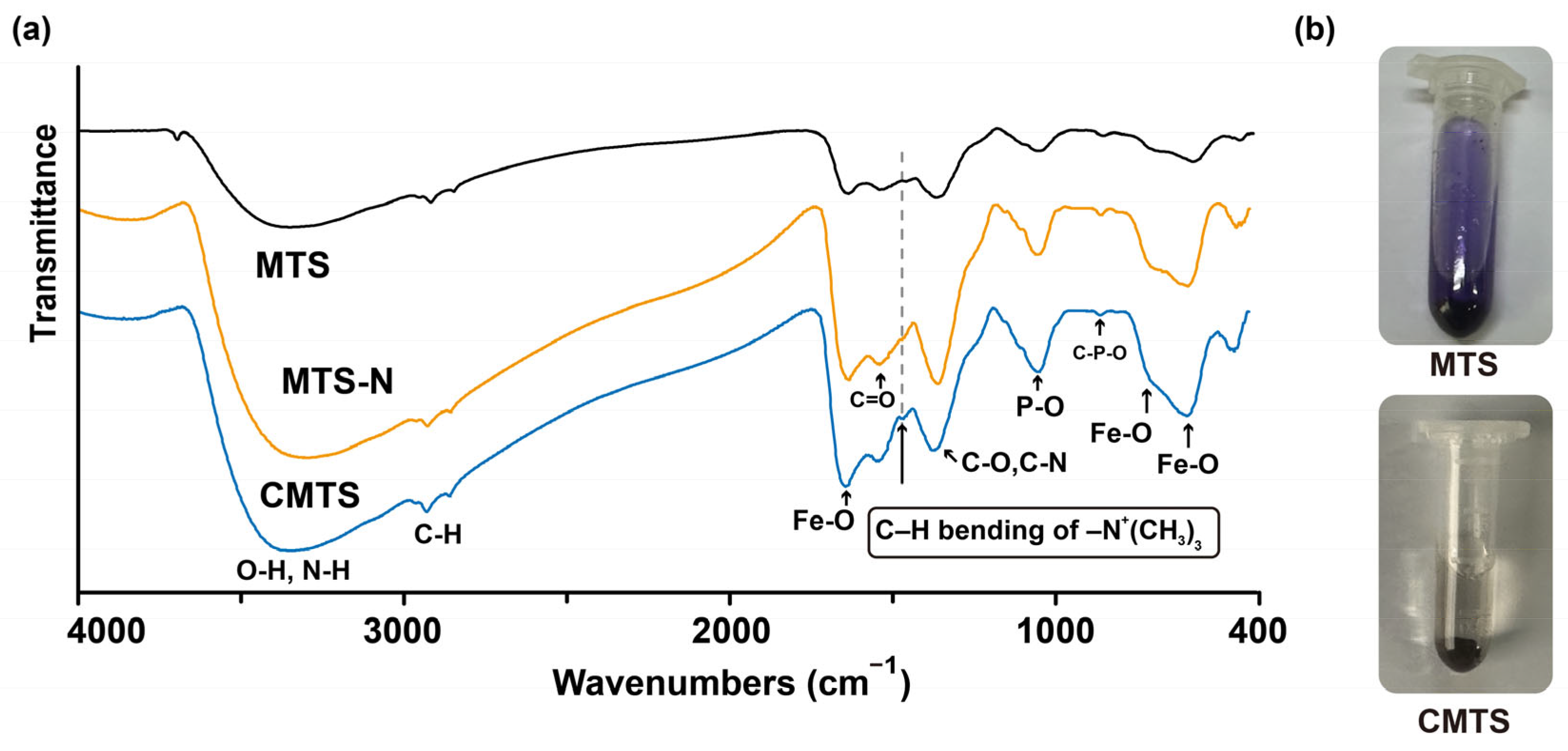
Magnetosomes (MTS), membrane-enclosed magnetic nanoparticles naturally biomineralized by magnetotactic bacteria, are promising materials for tumor hyperthermia owing to their good biocompatibility and heating efficiency. However, their application is limited by poor suspension stability and low injectability at high concentrations. This study aimed to enhance magnetosome stability and delivery performance through surface cationization combined with collagen matrix stabilization. The resulting cationic magnetosomes (CMTS) exhibited an increased positive charge on the outer membrane. Collagen, functioning as a negatively charged matrix under mildly alkaline conditions, effectively stabilized the cationic magnetosomes, forming CMTS–collagen aqueous suspensions (CMTS-Colas) that remained well-suspended for over 24 h and could be easily resuspended after 10 days of storage. Compared with native magnetosome suspensions, CMTS in collagen displayed smaller hydrodynamic diameters and significantly improved injectability through 26G and 31G fine needles. Under an alternating magnetic field, 2 mg/mL CMTS-Colas efficiently induced over 98% apoptosis in hepatoma cells after two treatment sessions and led to complete loss of cell viability after three sessions. These findings demonstrate that CMTS-Colas substantially improve the suspension stability and injectability of magnetosomes while maintaining strong hyperthermic efficacy, suggesting a promising strategy for stabilizing magnetosomes and potentially benefiting other charged, aggregation-prone magnetic biomaterials.
Keywords: cationic modification; collagen; delivery efficiency; magnetosomes; suspension stability; tumor magnetic hyperthermia cationic modification; collagen; delivery efficiency; magnetosomes; suspension stability; tumor magnetic hyperthermia
Graphical Abstract