
Article

Computational Modelling of Institutional Perceptions in a Civilisational Intergovernmental Organisation

by
Fahim Sufi
1,2,*,
A. K. M. Iftekharul Islam
3 and
Anowara Akter
4
1
COEUS Institute, New Market, VA 22844, USA
2
Centre for Trade & Investment, University of Dhaka, Dhaka 1000, Bangladesh
3
Faculty of Business, Law and Politics, University of Hull, Bloomsbury, London WC1E 6AA, UK
4
Department of Islamic History and Culture, Jagannath University, Dhaka 1100, Bangladesh
*
Author to whom correspondence should be addressed.
Computation 2026, 14(7), 164; https://doi.org/10.3390/computation14070164

Submission received: 30 May 2026 / Revised: 9 July 2026 / Accepted: 18 July 2026 / Published: 21 July 2026

Abstract

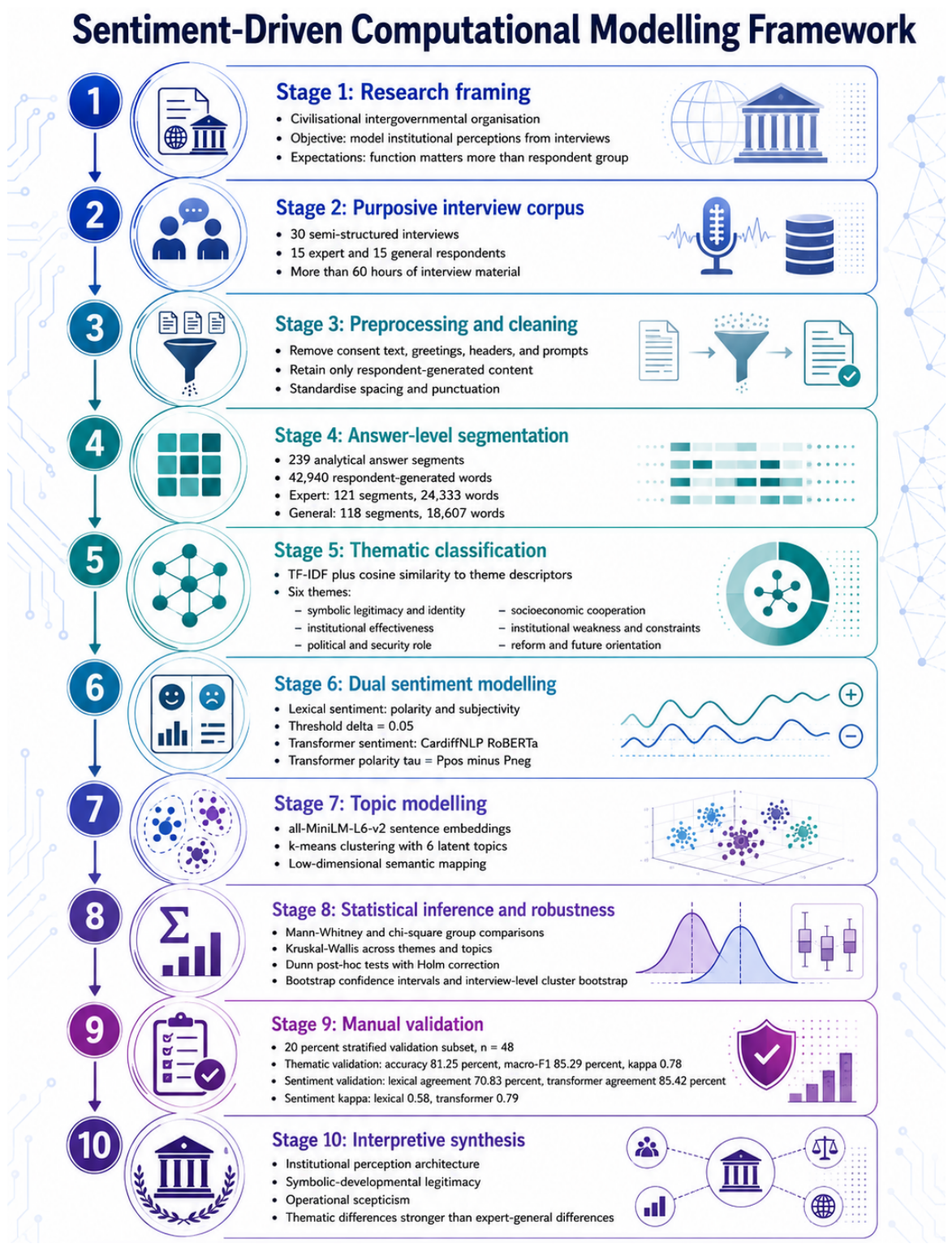
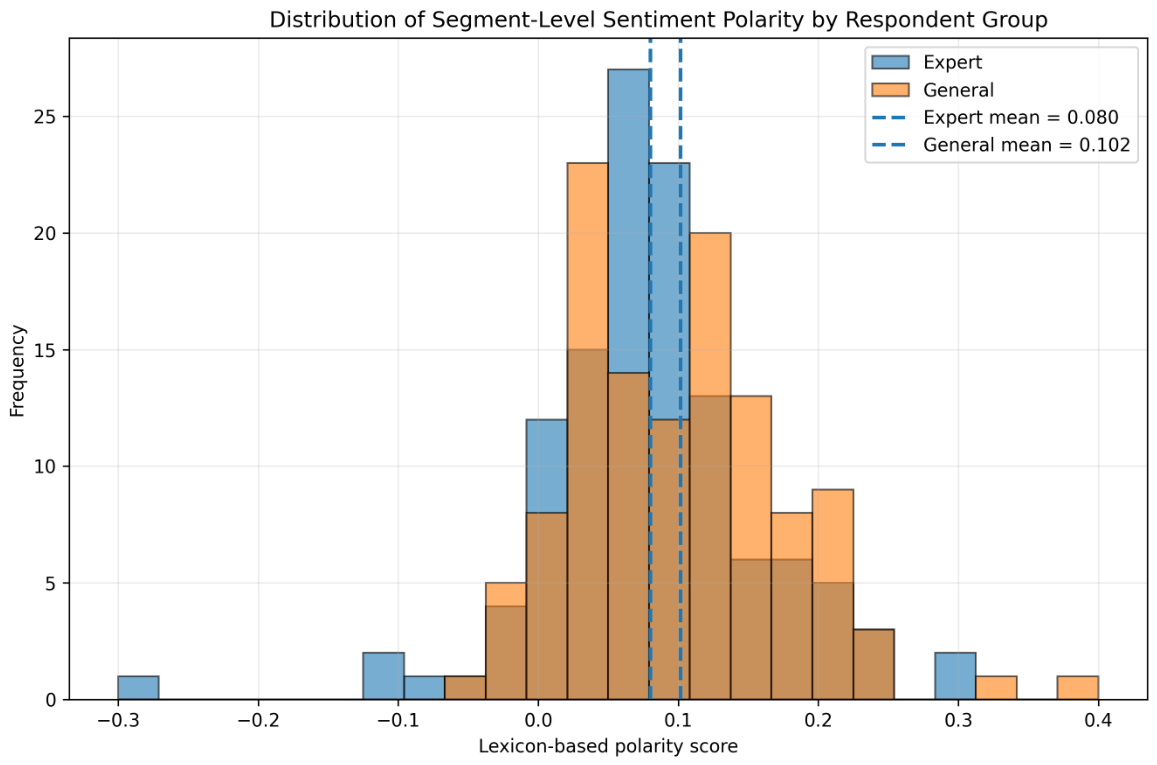
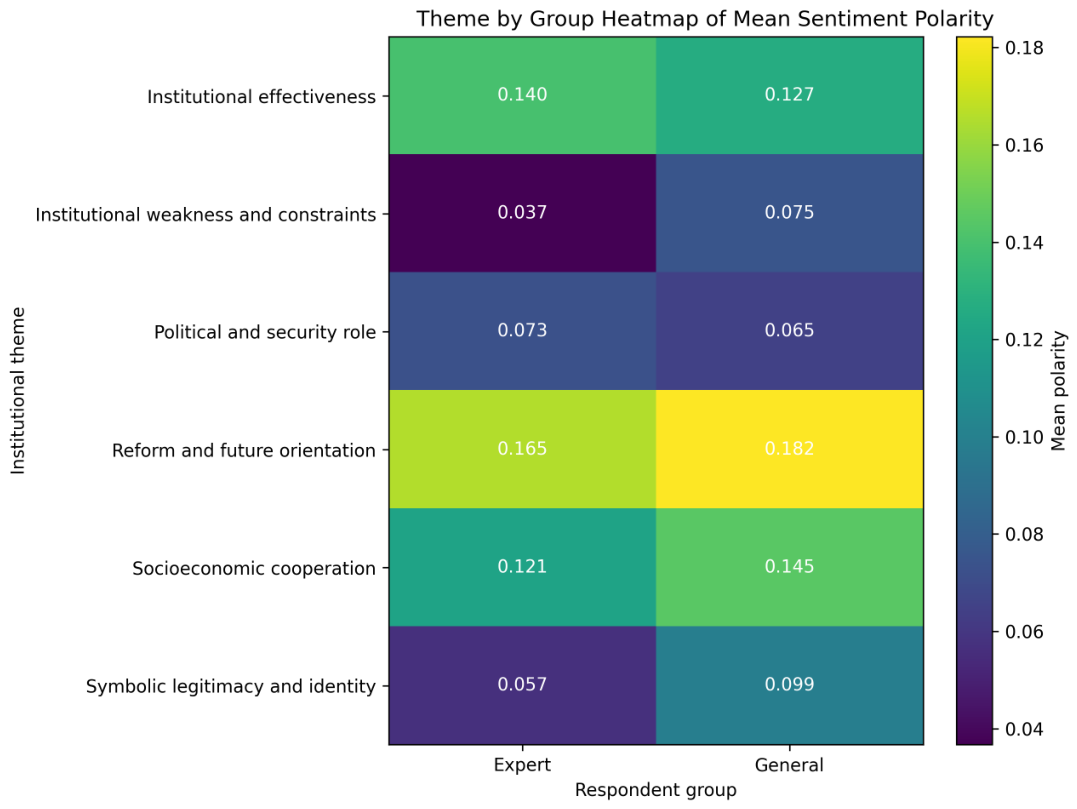
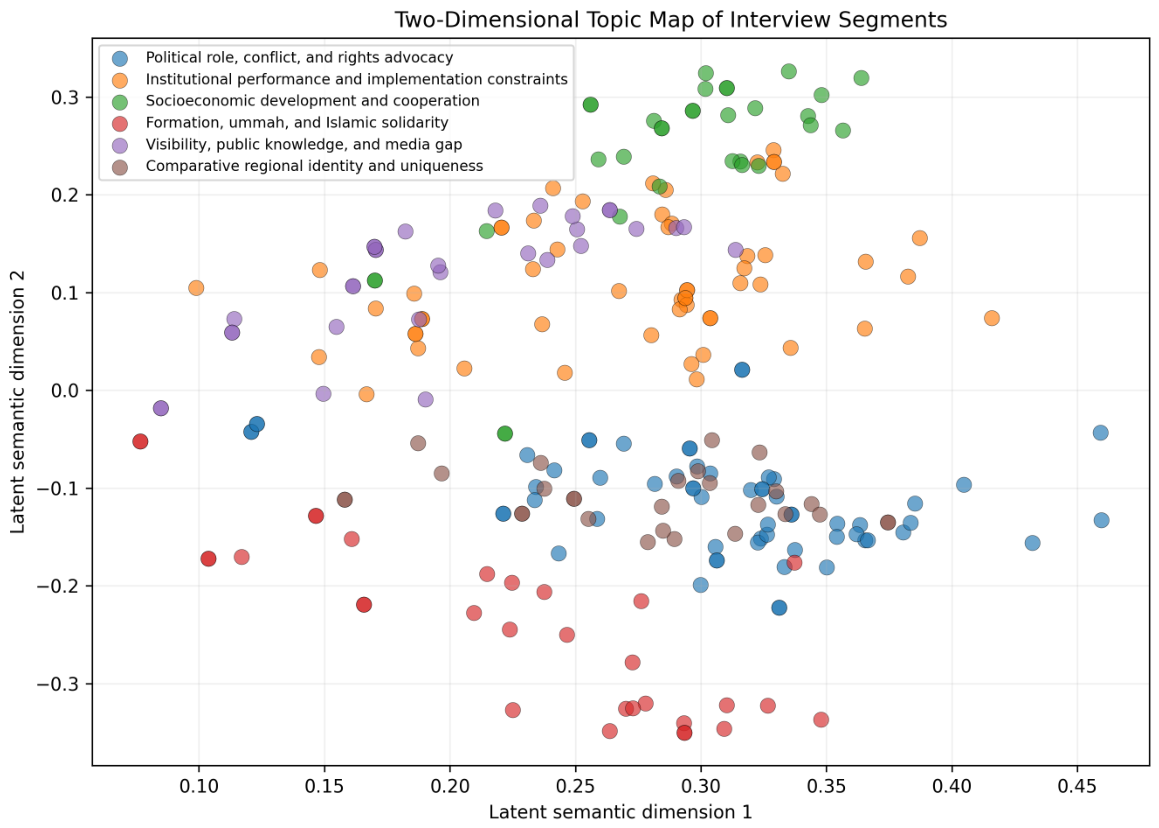
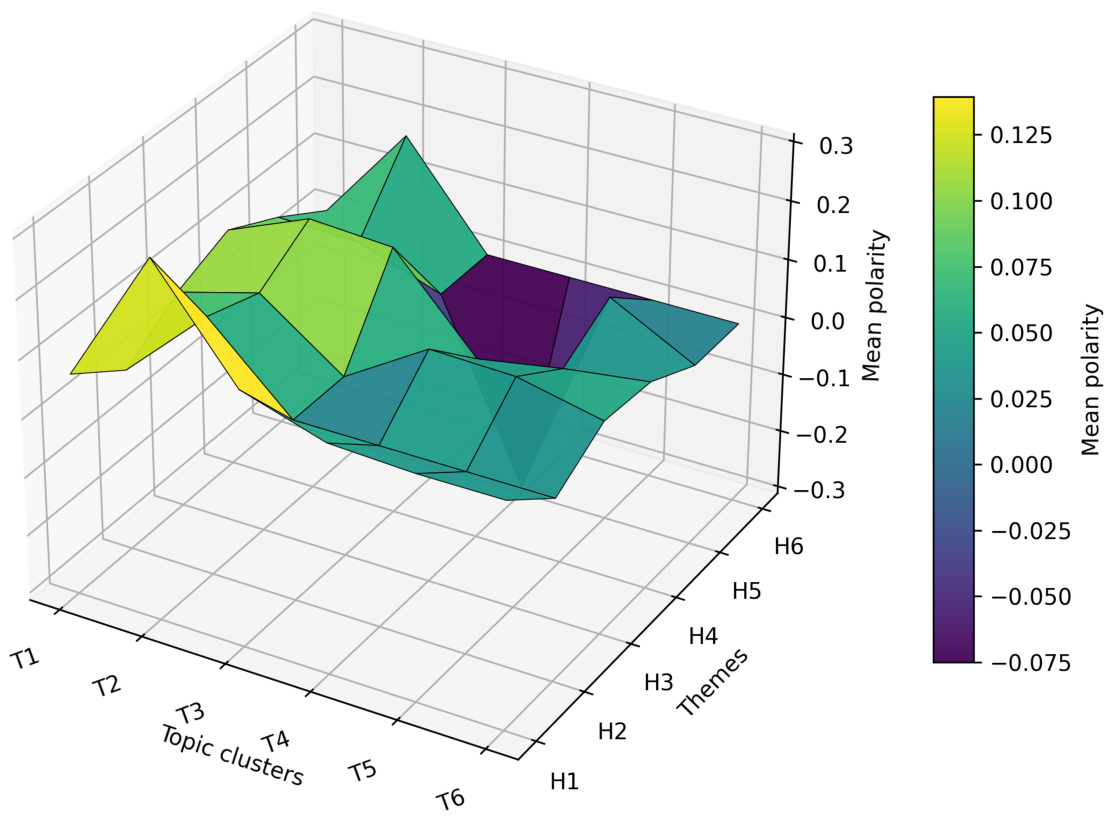
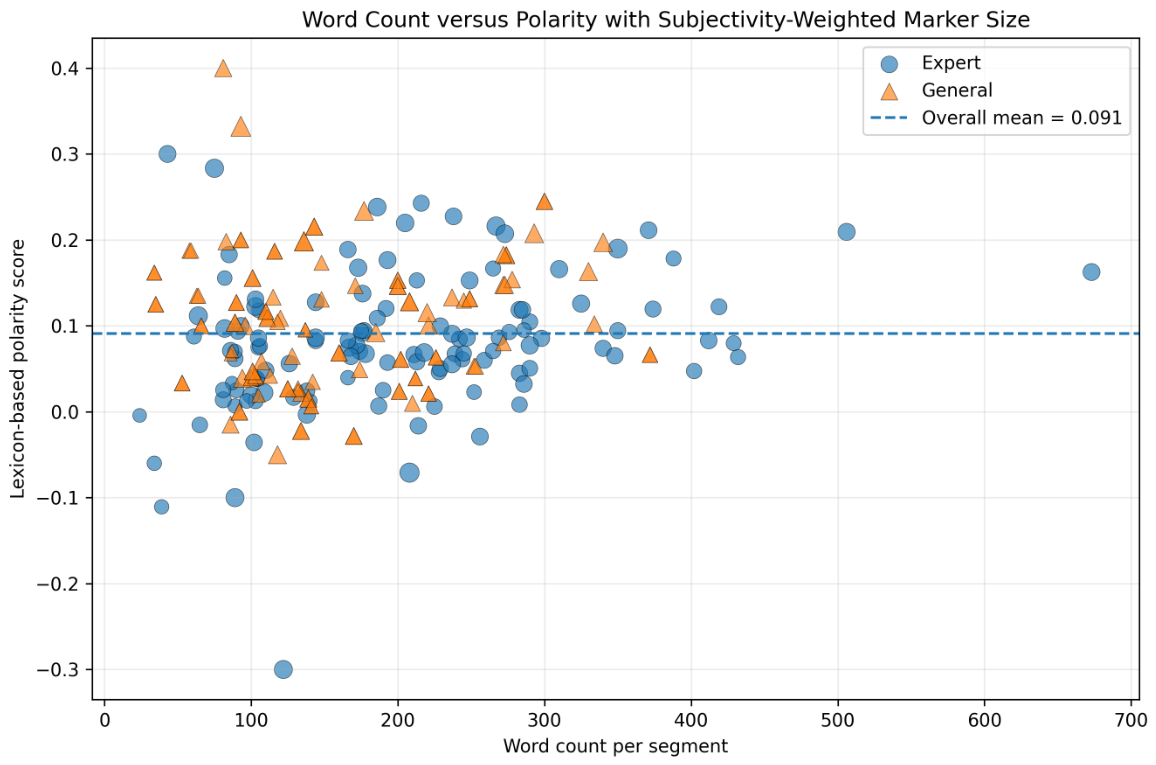
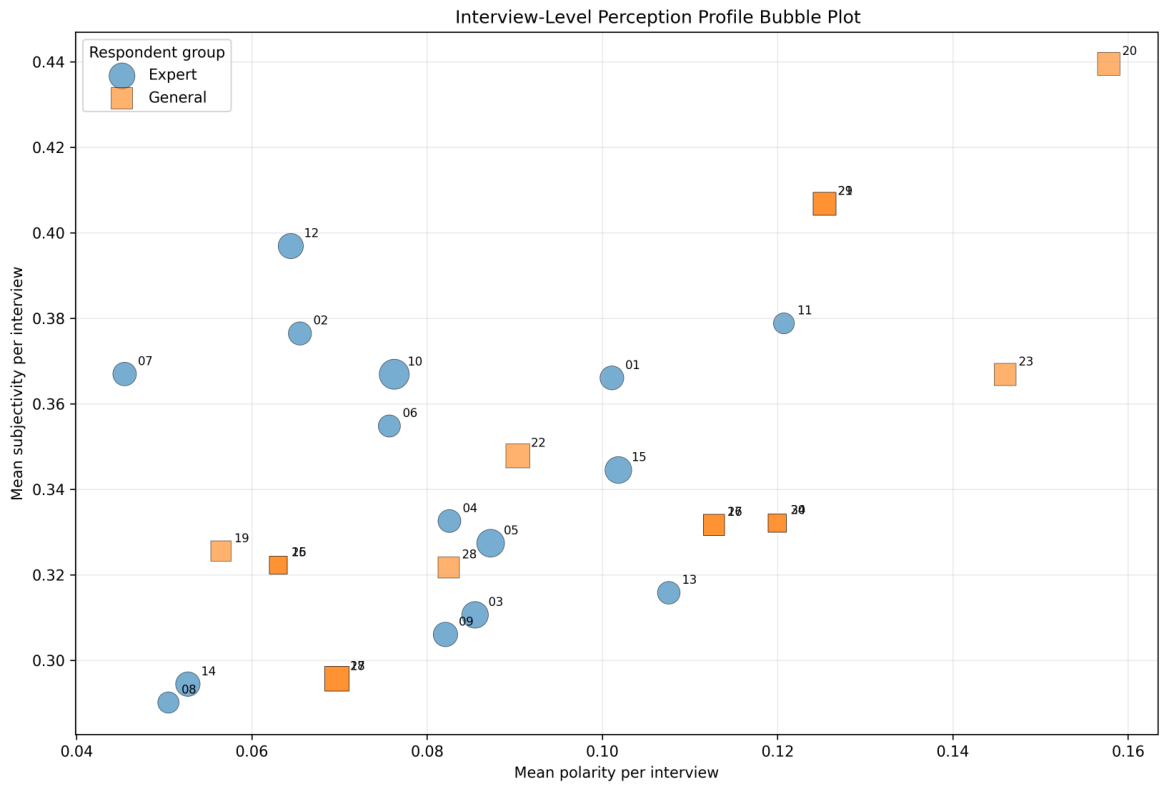
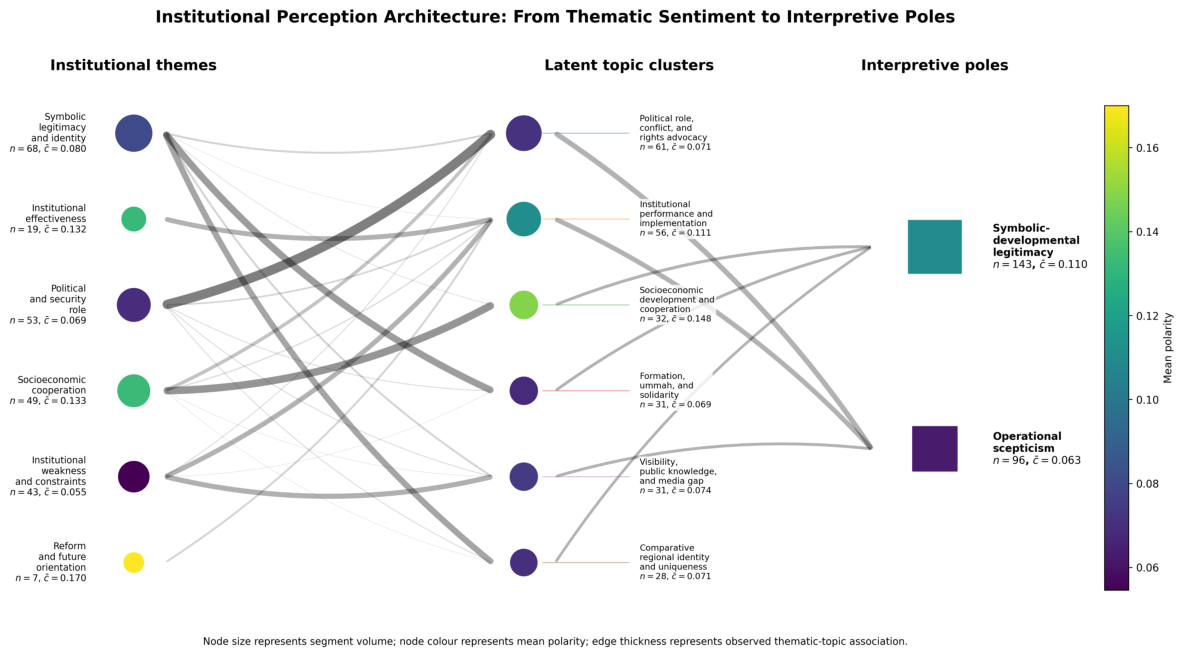
Civilisational intergovernmental organisations occupy a distinctive position in global governance because their legitimacy is shaped by institutional performance, symbolic identity, collective representation, and normative expectation. This study develops a sentiment-driven computational modelling framework for analysing institutional perceptions in a 57-member civilisational intergovernmental organisation. The empirical corpus comprises 30 semi-structured interviews, including 15 expert interviews and 15 general respondent interviews. After preprocessing, removal of administrative material, and exclusion of courtesy-only responses, the final corpus contained 239 answer segments and 42,940 respondent-generated words. The methodology integrates answer-level segmentation, thematic classification, lexical sentiment analysis, transformer-based sentiment modelling, latent semantic clustering, non-parametric statistical testing, bootstrap confidence estimation, and manual validation. The results show that institutional perception is broadly positive but thematically uneven. Experts recorded a mean polarity score of 0.0803, while general respondents recorded 0.1016. However, group-level differences were not statistically significant at segment level, Mann–Whitney U=6171.50, p=0.0704, or interview level, U=71.00, p=0.0888. In contrast, sentiment differed significantly across institutional themes, Kruskal–Wallis H=45.8768, p<0.001, and across latent semantic clusters, with Kruskal–Wallis H=35.0124 and p<0.001. The strongest positive sentiment appeared in reform and future orientation, mean polarity =0.1700, socioeconomic cooperation, 0.1330, and institutional effectiveness, 0.1325. The weakest sentiment concerned institutional weakness and constraints, 0.0546, and political and security role, 0.0693. Latent semantic clustering identified socioeconomic and economic cooperation as the most positively evaluated cluster, with mean polarity 0.1465. Overall, the findings reveal a measurable tension between symbolic-developmental legitimacy and operational scepticism.
Keywords: computational social science; sentiment analysis; institutional perceptions; civilisational intergovernmental organisation; thematic modelling; latent semantic clustering; transformer based sentiment analysis; symbolic legitimacy; operational scepticism; cultural regionalism computational social science; sentiment analysis; institutional perceptions; civilisational intergovernmental organisation; thematic modelling; latent semantic clustering; transformer based sentiment analysis; symbolic legitimacy; operational scepticism; cultural regionalism