1. Introduction
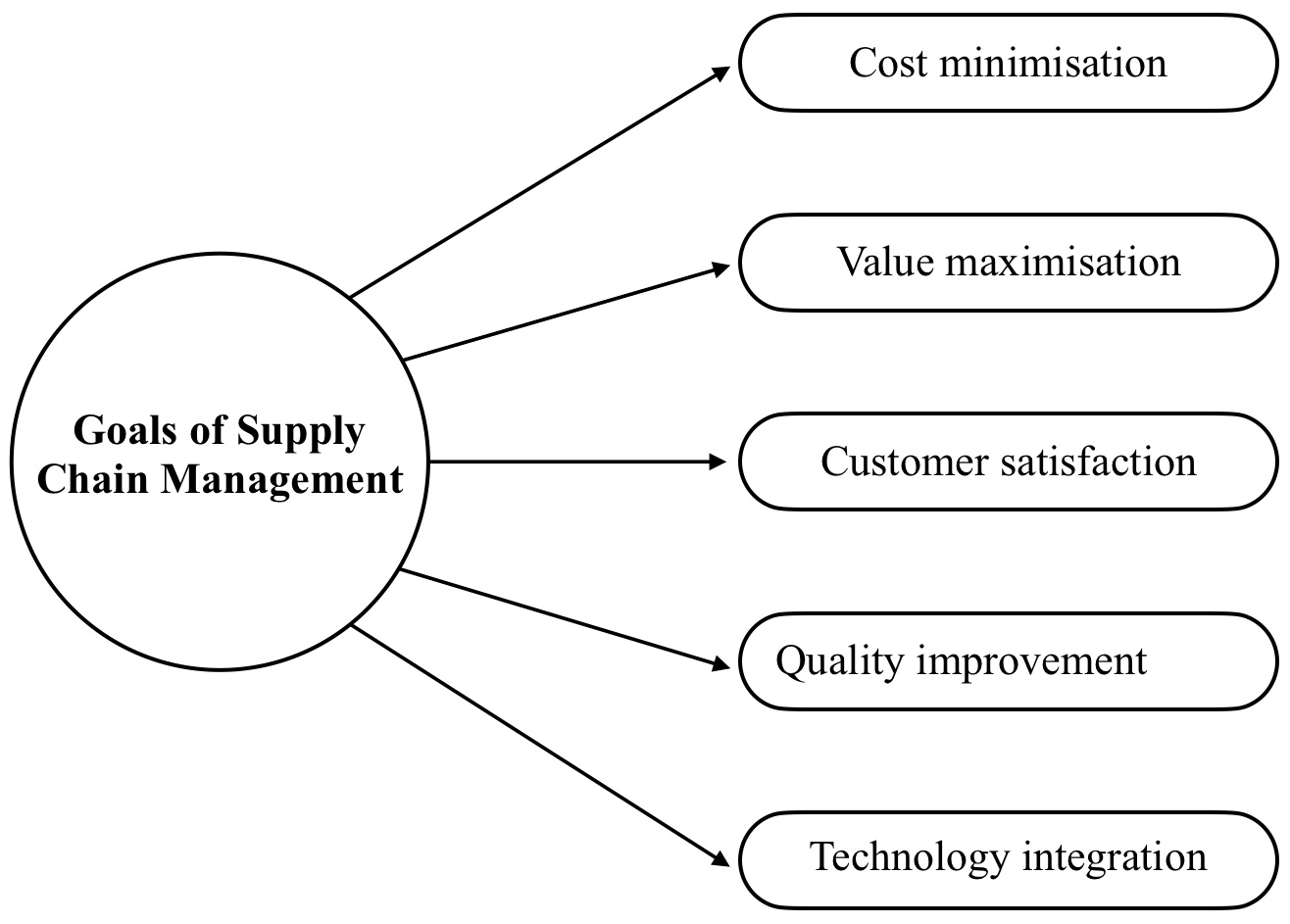
Supply chain management (SCM) plays an essential role in the modern business, and it determines the efficiency, sustainability and customer satisfaction. Supply chain refers to a joint system of a variety of firms, individuals, stakeholders, processes, information, and physical resources involved in the production and distribution of different goods or services to the final client or consumer. The supply chain network comprises numerous crucial players, but the most significant are those suppliers, manufacturers, distributors, retailers, and, in the end, consumers, who is the most central stakeholder in the entire supply chain because he or she is the driver of the entire supply chain [
1]. A small fluctuation at the customer level can result in significant disruption at the topmost level of the supply chain network [
2]. This phenomenon is known as the bullwhip effect, and SCM plays an important role in limiting its influence.
The notion of SCM began in the 1980s and has since expanded to become an essential component of business operations [
3,
4] are of the opinion that SCM is a methodical way of controlling and managing the flow of products, services, data and money between the manufacturing location and the final consumer or customer. Due to the unmatched volatility and uncertainty in businesses currently experienced in the global arena, the significance of SCM becomes even more evident. Two important elements in this framework are resilience and sustainability since they make sure that firms maintain continuity and sustainable practices in their operations, resulting in long-term success and stability of the firms [
5].
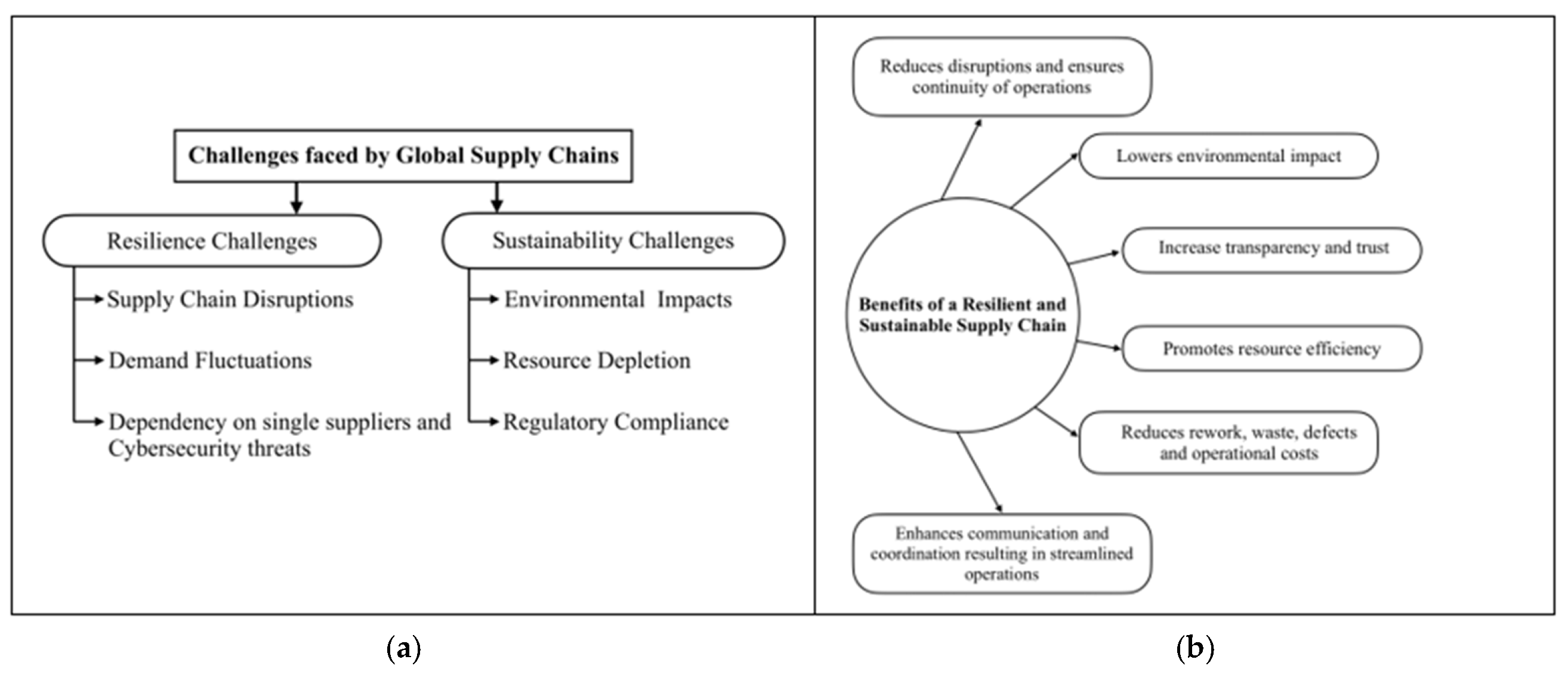
Figure 1a shows the main challenges that the global supply chains are exposed to regarding resilience and sustainability.
The emerging predicaments of global supply chain networks have introduced the necessity of considering resilience and sustainability as part of supply chain practices. According to [
6], resilience in supply chains refers to the ability to anticipate, prepare, respond, and recover normal operations in the wake of a disruption or an interruption. These are various disruptions and interruptions that may arise due to various factors, including natural calamities, pandemics, economic instability and manufacturing hiccups that may include delays, shortages and machine failures. According to [
7], sustainability in SCM is the systematic, deliberate, and transparent integration of societal, environmental, and economic goals into supply chain operations. These goals are usually referred to as the “triple bottom line” (TBL) or the “three pillars of sustainability” [
8]. Supply chain management is a topic that is considered sustainable and has moved beyond the conventional triple bottom line (economic, environmental, and social aspects) to embrace more principles and the global agenda. Frameworks like ISO 26000 focus on aspects of social responsibility like ethical governance, human rights, labor practices, and community development, whereas the United Nations Sustainable Development Goals (SDGs) are an extensive agenda that covers environmental protection, social equity, and economic growth at a global level. As much as this research is mainly concerned with the assimilation of economic, environmental, and societal objectives into the supply chain operations, it recognizes the fact that sustainability is a complex construct. The current study is thus confined to important dimensions that are pertinent to supply chain resilience and adoption of metaverse technology, although it is acknowledged that the study is placed within a larger sustainability framework defined in ISO 26000 and SDGs. Supply chain resilience can be defined as the ability of a supply chain to predict, respond, recover and adapt to disruptions without affecting operational continuity. It involves proactive (anticipation and preparedness) as well as reactive (response, recovery, and adaptation) capabilities and goes further to learning and hardening against future uncertainties. Especially in digitally enabled environments, including those that have been integrated into a metaverse, like supply chains, where real-time visibility, simulation, and predictive analytics can be used to make supply chains more resilient. In this analysis, resilience is fictionalized as an important assessment parameter under the fuzzy TOPSIS model, which indicates the importance of metaverse technologies in aiding disruption management and continuity of operations. A resilient and sustainable supply chain offers several benefits, which are depicted in
Figure 1b. Any technological advancement in supply chain practices carries the potential to lift or empower all other sectors of the economy. Metaverse technologies have the potential to help businesses improve and future-proof their supply chain practices.
Metaverse can be described as an innovative form of online interaction that unites the actual and virtual worlds, thus allowing users to interact in real-time within a unified computer-generated environment without any geographical boundaries [
9,
10]. The term metaverse was originally coined by Neal Stephenson in his 1992 book, Snow Crash. Previously, the term metaverse was not that prominent among the masses; it has only gained momentum in recent years because of platforms like Fortnite and the rebranding of Facebook to meta [
11]. Metaverse platforms have a vast potential, and this has made companies such as Meta, Microsoft, and Epic Games invest heavily in them. The metaverse platform gives users not only a chance of having immersive experiences but also enables them to develop avatars, interact, play games, visit events or exhibitions, and conduct business in a virtual collaborative setting [
11,
12]. The COVID-19 crisis increased the demand and rate of development of metaverse technologies in various sectors of industry. Because of the governmental restrictions, most of the world population was at home during the pandemic; therefore, people started to check new online sources where they could work, study, and communicate remotely. The move to online platforms and the necessity of immersive experiences boosted the development of metaverse platforms at the expense of traditional communication systems. By encouraging innovative methods of communicating and collaborating with individuals and companies, metaverse platforms have the potential to make them feel trusted [
13].
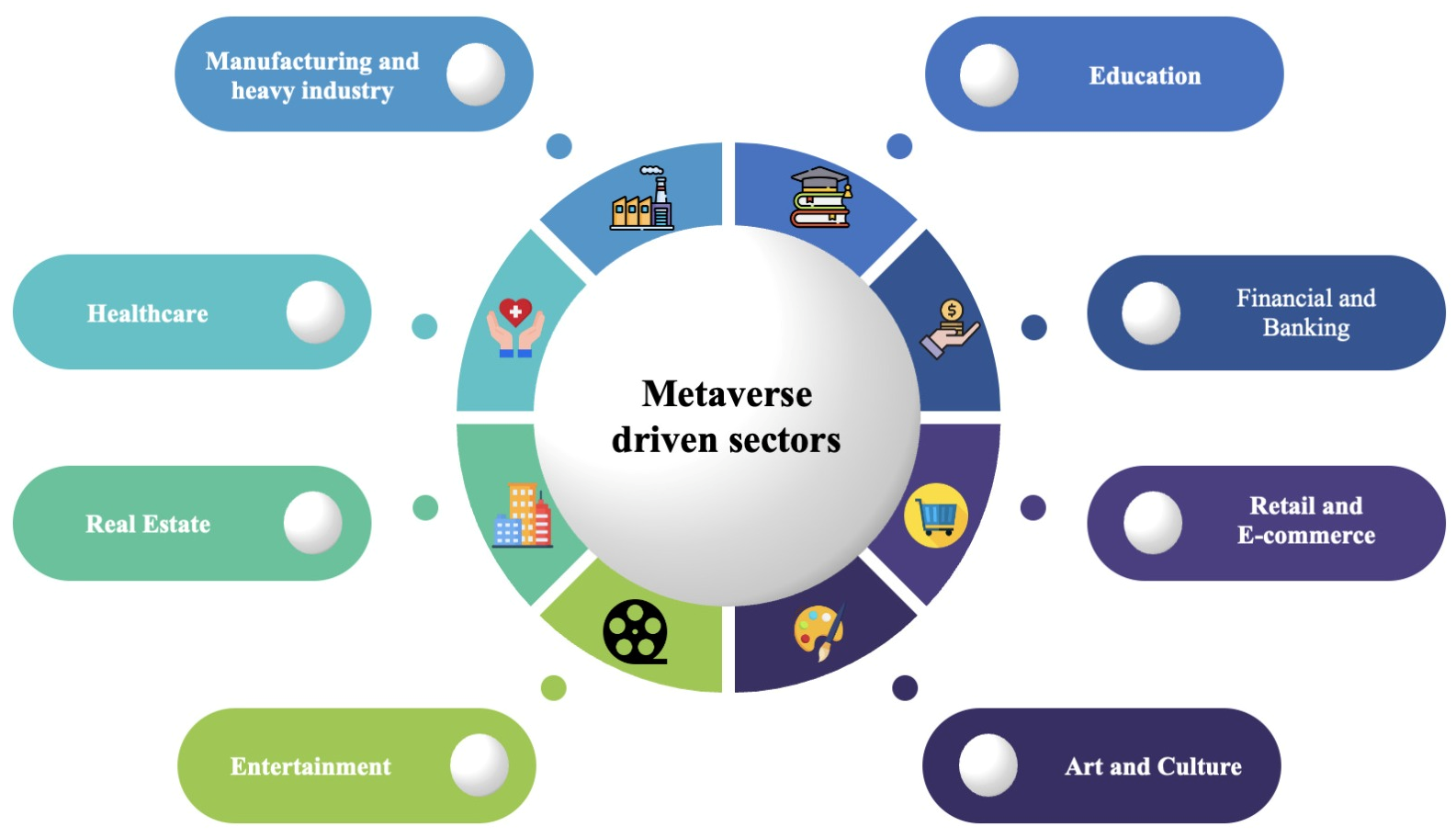
Figure 2 represents how the metaverse has been given a lot of focus as a revolutionary platform in a number of industries.
The metaverse is useful in building online manufacturing plants that enhance supply chain resiliency through real-time visibility. It provides virtual learning environments that facilitate immersion, learning and retention. It assists telemedicine, virtual rehabilitation, and mental health therapy in the healthcare sector. The metaverse also favors virtual currency, blockchain transactions, and the investment of digital assets that allow users to buy, sell and rent virtual space to advertise and host events as well. Metaverse assists in the enhancement of customer interaction in the virtual marketplaces. It also provides platforms where artists and cultural institutions can manage their work digitally by enabling them to store and showcase their work.
The present research considers resilience and sustainability to be the key performance indicators (KPIs) to assess the metaverse technologies in a supply chain. Resilience defines the capacity of technologies to enhance disruption preparedness, response, and recovery, and sustainability is the potential contribution of technologies to the long-term performance in terms of the economy, environment, and society. Those KPIs are viewed in aggregate terms so that the expert evaluation is direct and consistent. The potential application of this research is in the prioritization of investments in technologies that will result in a more sustainable and ecologically friendly metaverse infrastructure. It will also encourage best practices and sustainability, and innovation would bend towards enhanced solutions, which would yield the performance and environmental responsibility equilibrium. Lastly, this rating creates a stronger digital ecosystem that has the potential to grow over the long term as well as adhere to global sustainability standards.
This research is based on the overlap of supply chain resilience, sustainability and digital transformation. Using the dynamic capabilities lens, the supply chains are considered dynamic systems that demand technological capabilities that sense, respond, and recover to disruption as well as sustain long-term performance. The development of digital technologies, especially metaverse-powered ones like digital twins, artificial intelligence, and immersive environments, contributes to visibility, coordination, and decision-making within the scope of supply chain networks. The technologies are enablers of resilience and sustainability because they allow enhancing responsiveness, eliminating inefficiencies, and optimizing resources. To this end, this paper will conceptualize the metaverse technologies as strategic enablers that impact the supply chain performance, in the dual realms of resilience and sustainability.
The contribution of the study to the existing literature is as follows: the current research puts a distinct emphasis on metaverse-enabled technologies as a specific category and provides a framework of evaluation approach based on a specific theory. Contrary to the current work, which is mostly conceptual or descriptive, this study offers a systematic and comparative evaluation, based on Dynamic Capability Theory, to not only explain which technologies are more important but also why they contribute differently to resilience and sustainability outcomes.
In
Section 1, the author outlines the supply chain management in general, and then delves into the metaverse and its importance in various areas of the economy.
Section 2 contains a table containing the major literature reviews under investigation, which are the motivation behind this research. It consists of a number of research studies on the effect of the metaverse on SCM.
Section 3 classifies and offers a profound understanding of different emerging metaverse technologies and their main advantages in the implementation into supply chain practices.
Section 4 outlines a detailed fuzzy TOPSIS methodology to prioritize and rank the metaverse technologies.
Section 5 continues with the results and discussions where
Section 5.1 represents sensivity analysis and
Section 5.2 entails the validation, and lastly,
Section 6 provides a detailed conclusion with the future research direction. Further,
Table 1 lists the abbreviations used in the paper.
Table 1.
Key abbreviations.
| Abbreviation | Explanation |
|---|
| AI | Artificial Intelligence |
| IoT | Internet of Things |
| SDN | Software-Defined Networking |
| SAGIN | Space-Air-Ground Integrated Network |
| HetNets | Heterogeneous Networks |
| URLLC | Ultra-Reliable Low-Latency Communication |
| VPNS | Virtual Private Networks |
| LAM | Identity and Access Management |
| IDPS | Intrusion Detection and Prevention Systems |
| XR | Extended Reality |
| VR | Virtual Reality |
| AR | Augmented Reality |
| MR | Mixed Reality |
| BCIs | Brain-Computer Interfaces |
3. Emerging Metaverse Technologies
This section may be divided by subheadings. It should provide a concise and precise description of the experimental results, their interpretation as well as the experimental conclusions that can be drawn.
The new digital technologies that have just emerged can significantly assist the traditional OEMs to provide the best value to their customers. With the growing business size, the supply chain is becoming increasingly complex and more interdependent, hence there is a need to integrate these digital technologies into the supply chain practices to become more efficient, visible and innovative. The metaverse helps to fill this gap as it is a critical trigger in the development of supply chain networks to compete in this dynamic business environment [
30]. The following paragraph focuses on different emerging metaverse technologies, and it gives specific insight into these technologies.
Artificial Intelligence (AI) can be regarded as a key element in the operation and design of metaverse platforms. Ref. [
31] emphasize that AI is important to facilitate the creation of intelligent virtual environments, and Ref. [
32] underlines that AI algorithms assist in the creation of human-like interaction with virtual agents and the real-time decision-making process. Refs. [
33,
34] describe that AI consists of various sub-technologies, including machine learning (ML), which is used to improve the experience of users and enhance their security; deep learning (DL), which can be used to handle more complicated tasks, image recognition, and sentiment analysis; reinforcement learning (RL), which is used to streamline the process of making decisions; natural language processing (NLP), which can be used to facilitate real-world communication; and machine vision and computer vision, which can be used to.
The networking technologies are the basis for exchanging data and real-time communication between the users and devices within the metaverse [
35]. The Internet of Things (IoT) is a network of sensors and intelligent objects that collect, share, and analyze real-time information in the digital space [
36]. The heterogeneous Networks (HetNets) incorporate the use of various network types, including microcells and small cells, in order to improve service delivery [
37]. Software-Defined Networking (SDN) is used to support the control of the network and the dynamism of resource allocation by isolating the control and data planes [
38]. Besides, SAGIN offers a multi-layered network architecture that combines a satellite, aerial, ground, and sea network to guarantee connectivity worldwide [
35].
Communication technologies are also critical in facilitating interaction and exchange of information within virtual environments, with high-speed connections, ultra-low latency, and reliable communication, which is indispensable in the experience of the immersive metaverse [
14]. According to [
39], 6G has the potential to add to the bridge between the physical and digital world. Relying on quantum states, e.g., on superposition, entanglement, quantum communication ensures a very high level of data security and efficiency in data transmission [
40].
The metaverse is built with computing technologies to aid data processing, storage, and transmission. Spatial computing enables users to work inside three-dimensional spaces but superimpose digital data on the real world [
41]. Cloud computing provides enormous computing ability and storage to support the extensive amount of metaverse information [
42]. Edge computing is performed on the data that is much closer to the user, minimizing latency and reliance on the centralized servers [
43]. Fog computing is an expansion of this model, in which communication is spread between the edge devices and the cloud system, so that data is processed efficiently at close proximity to the end users [
20].
The technologies related to cybersecurity are crucial to defend users, data, and virtual environments against cyber threats. VPNs increase the degree of protection by encrypting the traffic over the internet and hiding the IP address of the users [
44]. Identity and Access Management (IAM) is used to make sure that only authorized users can get access to given metaverse services [
45]. Encryption protects confidential messages and avoids unauthorized access to information [
44]. The systems used to detect and mitigate possible cyber risks include Intrusion Detection and Prevention Systems (IDPS), which track the network traffic [
46]. The blockchain technology offers a ledger system that is decentralized and forbids tampering [
47]. It boosts transparency and data integrity without having to control it centrally [
45]. Smart contracts allow automating the process of digital agreement [
48], and NFTs are unique digital assets that establish ownership in the virtual world [
15].
The interactive technologies allow users to experience the digital environment actively through visual, auditory, and haptic feedback. Somatosensory technology enables the user to make use of body movements and gestures to communicate instead of using conventional input devices [
16]. Extended Reality (XR), the name of which incorporates virtual reality (VR), augmented reality (AR) and mixed reality (MR), is an experience in the form of immersion in digital reality as a combination of virtual and physical aspects [
49,
50]. Brain-Computer Interfaces (BCIs) can provide users with the option not only to interact with virtual beings (avatars or robots) by means of thought but also to command the digital system via neural signals [
22].
The development of digital twins, which are simulated and modeled representations of the real world, is assisted by simulation and modeling technology. Digital twins enable organizations to model, manage, and optimize physical processes in a virtual, the so-called real world [
50,
51]. This paper defines digital twins as real-time digital versions that allow prediction, verification, and control throughout the lifecycle of a system [
52]. As an example, BMW is modeling its electric vehicle production with NVIDIA Omniverse [
53], and Anheuser-Busch InBev is applying digital twins to make its brewing and supply chains more efficient [
54].
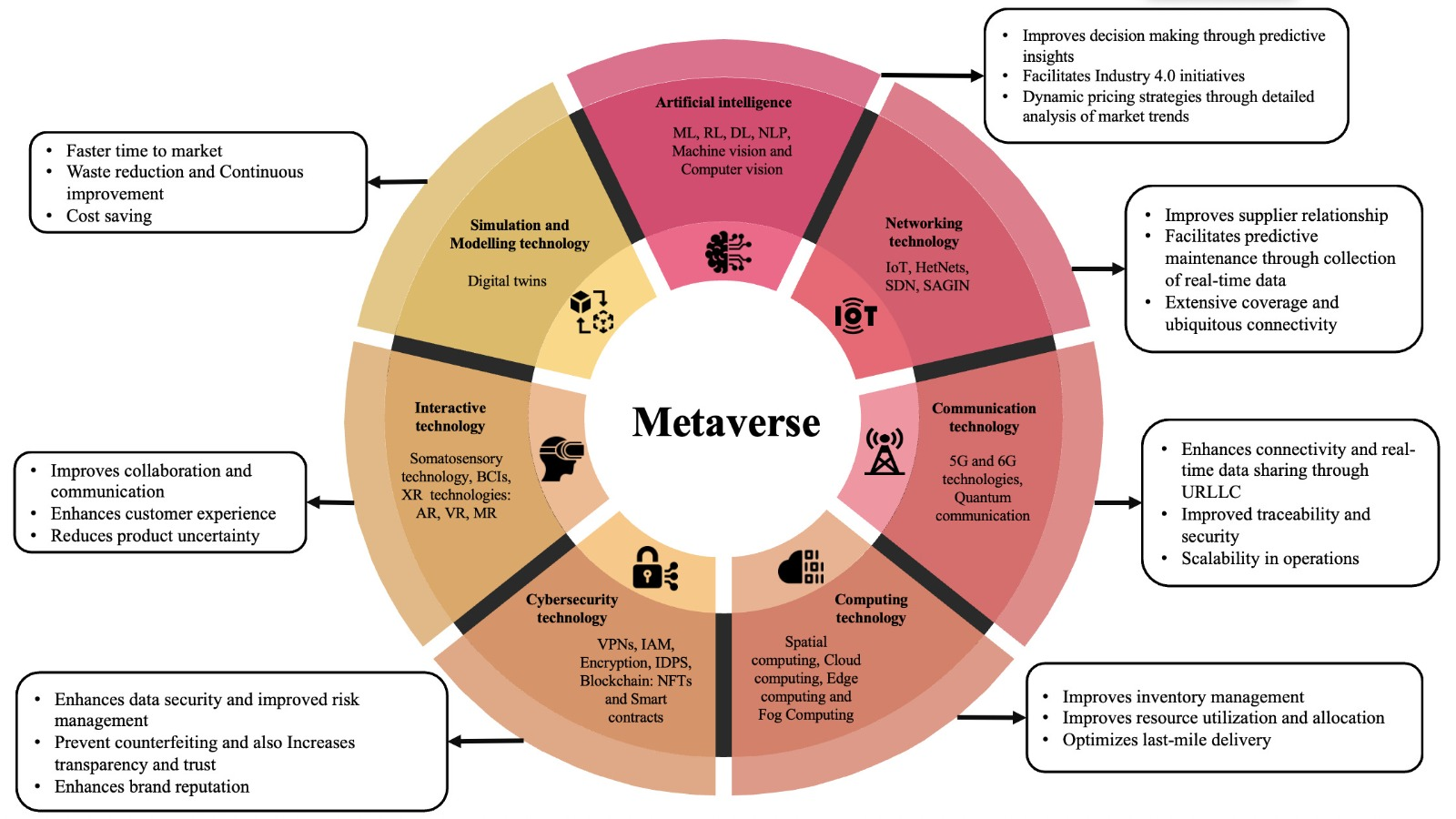
A clear and succinct overview of emerging metaverse technologies that have been identified in this study and their key benefits on integration into SCM practices has been depicted in
Figure 4. These technologies have been grouped together, and their contribution to the SCM practices was pinpointed.
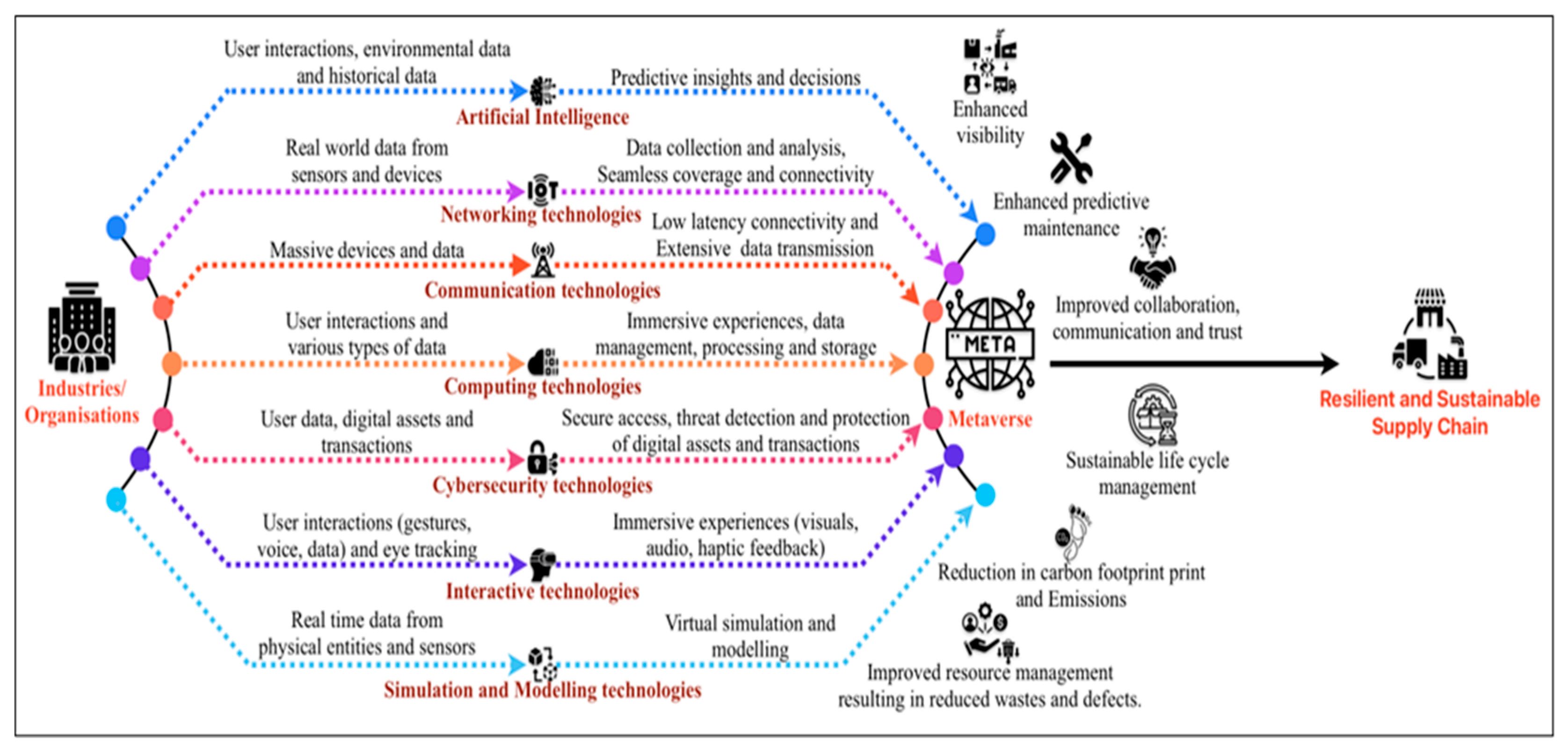
Figure 5 shows an example of a framework of how different emergent metaverse technologies play a crucial role in ensuring a resilient and sustainable supply chain.
Even though resilience and sustainability are closely interlinked concepts in the sphere of supply chain management, they constitute different constructs and will be considered as two independent analysis parameters in this paper. The ability of the supply chain to predict problems, react to and recover from interruptions is referred to as resilience; secondly, sustainability focuses on the long-term economic, environmental and social performance. Through assessing these criteria separately in the framework of the fuzzy TOPSIS model, the study can offer a more extensive analysis of the metaverse technologies, as well as embodying possible tradeoffs and complementarity between the resilience and sustainability dimensions.
4. Methodology
This paper uses a structured and theoretically driven methodology to assess and prioritize the metaverse technologies in the context of the supply chain. In particular, the theory of dynamic capability on which the framework used in the assessment is based enables the choice of the criteria and the interpretation of the results. Moreover, a multi-criteria decision-making (MCDM) system based on a fuzzy TOPSIS is used to systematically evaluate alternative technologies under uncertain and subjective expert judgment. To enhance methodological soundness, the research uses various expert sources, aggregation processes to minimize personal bias, and robustness tests to assess how the results stand. This combined strategy makes sure that the analysis is methodologically justified as well as empirically reliable and theoretically consistent.
The methodological process is carried out in a sequence of systematic processes. To begin with, a group of metaverse technologies is determined and classified as decision alternatives through a comprehensive literature review and expert feedback. Second, the assessment criteria resilience and sustainability are explained and theoretically justified within the perspective of dynamic capability theory, which reflects the results of the sensing, seizing, and reconfiguring capabilities. Third, the fuzzy TOPSIS approach is accepted as the key method of the analysis in order to rank the metaverse technologies.
Fuzzy TOPSIS was selected out of other alternative techniques of MCDM, such as AHP, VIKOR and ELECTRE, because of its applicability in ranking problems with multiple alternatives, as well as due to its ability to incorporate fuzzy logic to deal with uncertainty in expert judgments. Fuzzy TOPSIS is a more straightforward ranking method, as compared to AHP, which focuses on pair-wise comparisons and may be complex when more alternatives are considered. TOPSIS is more explanatory as far as distance to ideal and anti-ideal solutions are concerned than VIKOR, which is concerned with compromise solutions. This makes it most appropriate to the strategic prioritization of the emerging technologies in uncertain conditions.
Fuzzy TOPSIS is an MCDM technique that integrates fuzzy sets into the traditional TOPSIS method to deal with uncertainties and imprecise data [
56]. The fuzzy TOPSIS methodology selects an alternative based on proximity to the FPIS and distance from the FNIS [
56,
57]. According to [
57], FPIS includes the optimal performance values for each alternative, whereas an FNIS includes the lowest performance values.
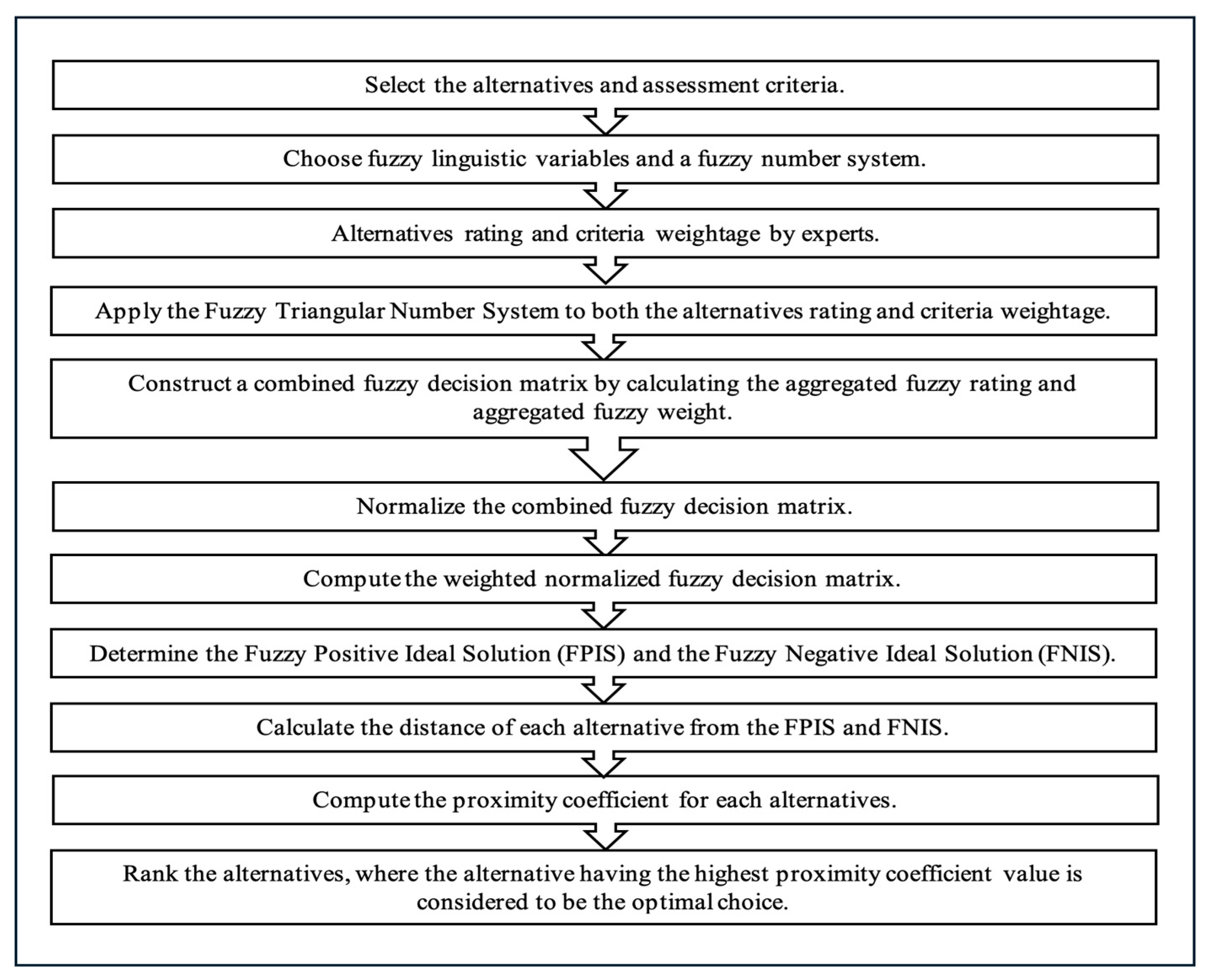
Figure 6 illustrates the steps involved in fuzzy TOPSIS. Further, fuzzy TOPSIS is an expert-based approach in which the focus is on the quality and relevance of expertise, and not sample size, which is in line with the previous literature, such as [
58,
59]. Refs. [
58,
59] have used the sample sizes of 3 experts and 4 experts, respectively.
The primary decision-makers for this study are assumed to be senior managers and technology planners in manufacturing and supply chain-intensive organizations, such as operations managers, supply chain heads, and digital transformation teams. These decision-makers have the role of resource allocation of limited resources to emerging technologies.
It is an early-stage strategic planning level, where organizations need to be able to identify which metaverse-enabling technologies should be given priority consideration and investment. The technologies as discussed within the framework of the present study are not supposed to be strictly substitutable; on the contrary, they are assumed to be potentially complementary but competing with each other regarding the limited organizational resources in terms of investment, effort of implementation, and capability development. Thus, the ranking implies relative strategic priority as opposed to selectivity. Moreover, the framework can be adopted in a variety of supply chain settings, such as manufacturing companies, logistics providers, and digitally integrated businesses, in which the focus is on improving visibility, responsiveness, and adaptability.
Moreover, the validity of the findings is reinforced in various areas of the methodology used. To begin with, the involvement of several professionals and the combination of their opinions can minimize personal bias and promote the consistency of the assessment. Second, the fuzzy TOPSIS system intrinsically considers uncertainties and vagueness in the opinion of experts, thus enhancing the strength of the decision-making process. Third, the acquired rankings follow the functional capabilities of the technologies, with higher-ranked options proving more contributions to resilience and sustainability.
Step 1. Selection of alternatives and assessment criteria.
Table 3 lists the alternatives and assessment criteria. The metaverse technology alternatives and two evaluation criteria (resilience and sustainability) are the variables used in the study that are clearly defined and systematically integrated into the analysis framework. The theoretical basis of the choice of evaluation criteria is based on the theory of dynamic capability, which helps in determining the supply chain performance. In particular, resilience is connected with sensing and seizing capabilities, which are reflected in the ability to anticipate and respond to disruptions, and sustainability is associated with reconfiguring capabilities, which are reflected in the long-term adaptation and efficient use of resources. Although resilience and sustainability are also subdivided into several sub-dimensions, this paper is parsimonious and views them as composite measures. This is in harmony with other MCDM studies, in which more advanced criteria are employed to simplify expert opinion and lower cognitive complexity.
Step 2. Choosing fuzzy linguistic variables and the fuzzy number system. This paper uses a triangular fuzzy number system to have a fuzzy rating scale for linguistic variables.
Table 4 depicts a 5-point fuzzy rating scale for linguistic variables.
Step 3. Alternatives rating and criteria weightage by experts.
The expert panel was sampled through a purposive sampling method to bring relevance and depth of domain knowledge. Six experts took part in the study, with a balanced representation of academia and industry professionals. In particular, the panel consisted of faculty members and experts in the field of supply chain management and digital technologies and practitioners in the operations, logistics, and digital technologies implementation sectors. The selection of an expert will be based on the following criteria: an expert must have been working in the field for more than ten years and must have demonstrated work in areas like digital transformation, supply chain optimization, and the adoption of emerging technologies. In the past research [
58,
59], it has been established that a few knowledgeable professionals are enough to achieve strong outputs in the fuzzy decision-making systems.
Table 5 depicts different linguistic variables assigned to alternatives and criteria by the six experts.
Step 4. Applying the fuzzy triangular number system to both the alternatives rating and the criteria weightage.
Table 6 depicts different fuzzy numbers assigned to alternatives and criteria as per
Table 4.
Let there be a group of experts consisting of z individuals. The fuzzy rating of the zth expert about alternative Am with respect to criteria Cn is denoted as = () and the weightage of criteria Cn is denoted as = ().
Step 5. Constructing a combined fuzzy decision matrix by calculating:
The aggregated fuzzy rating
= (
) of
alternative w.r.t
criteria:
The aggregated fuzzy weightage
= (
) for the criteria
Cn:
Table 7 depicts a combined matrix for aggregated fuzzy rating and aggregated fuzzy weightage.
Step 6. Normalizing the combined fuzzy decision matrix. The matrix is represented as U =
The assessment criteria taken into consideration in this paper are both benefit criteria so the formula for benefit criteria is used to normalize the matrix.
Table 8 depicts the normalized matrix.
Step 7. Computing the weighted normalized fuzzy decision matrix. The matrix is represented as
, where
.
Table 9 depicts the weighted normalized matrix.
Step 8. Determining FPIS
() and FNIS
().
Table 10 depicts the FPIS and FNIS.
Table 10 depicts FPIS
() and FNIS
().
Step 9. Calculating the distance from the
and
for each alternative. Ref. [
54] presented a vertex approach for calculating the distance between two triangular fuzzy numbers. If
, are two triangular functions then
Further
and
is calculated as:
Table 11 and
Table 12 depicts the distance of each alternative from the
and
and the associated
and
values respectively.
Step 10. Computing the Proximity coefficient
for each alternative.
Table 13 depicts the Proximity coefficient of each alternative.
Step 11. Ranking the alternatives, where the alternative having the highest proximity coefficient
value is considered to be the optimal choice.
Table 13 depicts the ranking of alternatives.
5. Results and Discussion
Using fuzzy TOPSIS to rank metaverse technologies allows for effective handling of the uncertainty or ambiguity inherent in linguistic evaluations [
55]. After the TOPSIS analysis, the Proximity coefficient
for each alternative was found. The technology with the highest Proximity coefficient
was deemed the best option.
Table 14 depicts the ranking of metaverse technologies for a resilient and sustainable supply chain network.
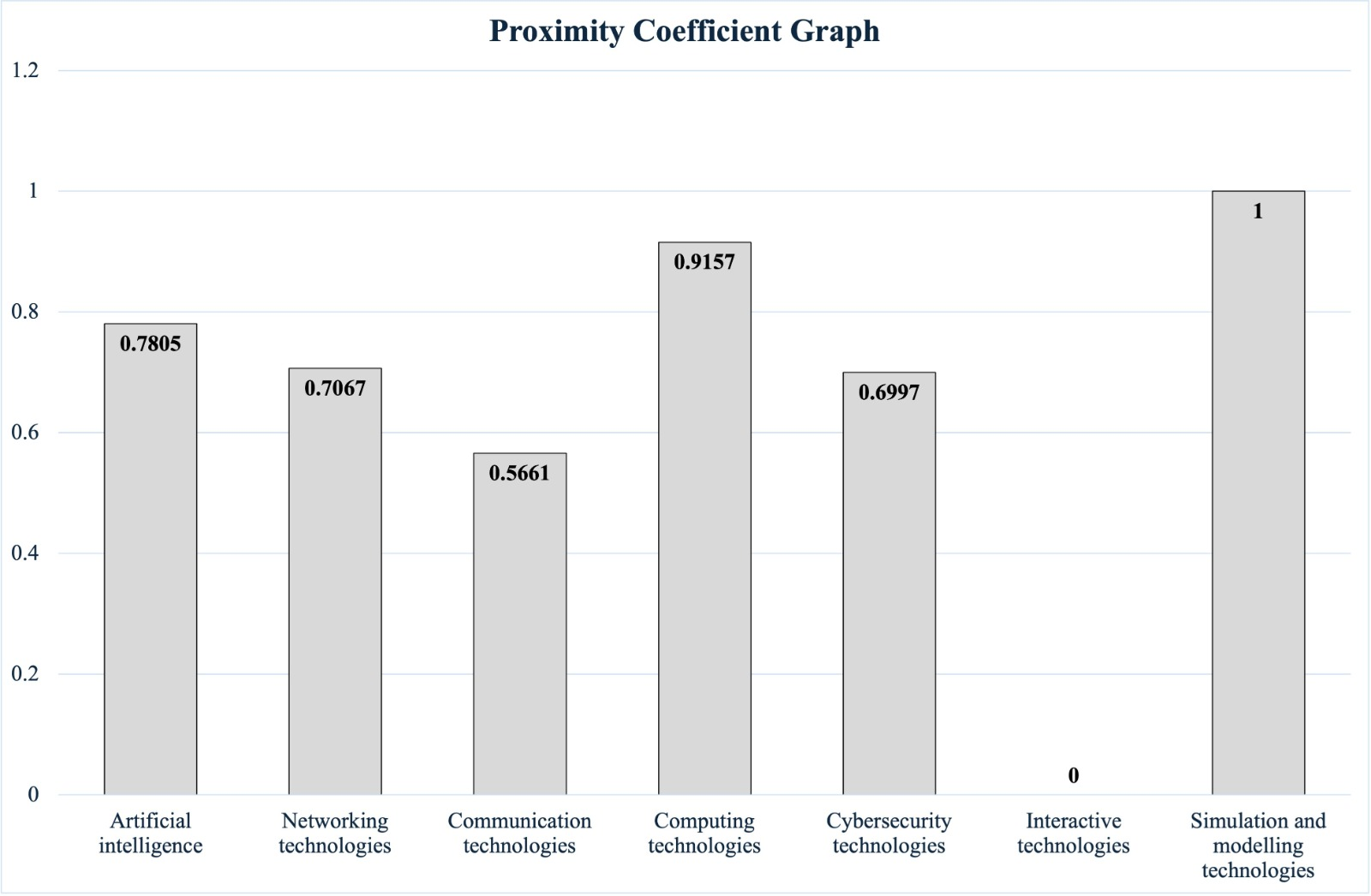
Figure 7 depicts the Proximity coefficients graphically for each of the evaluated technologies.
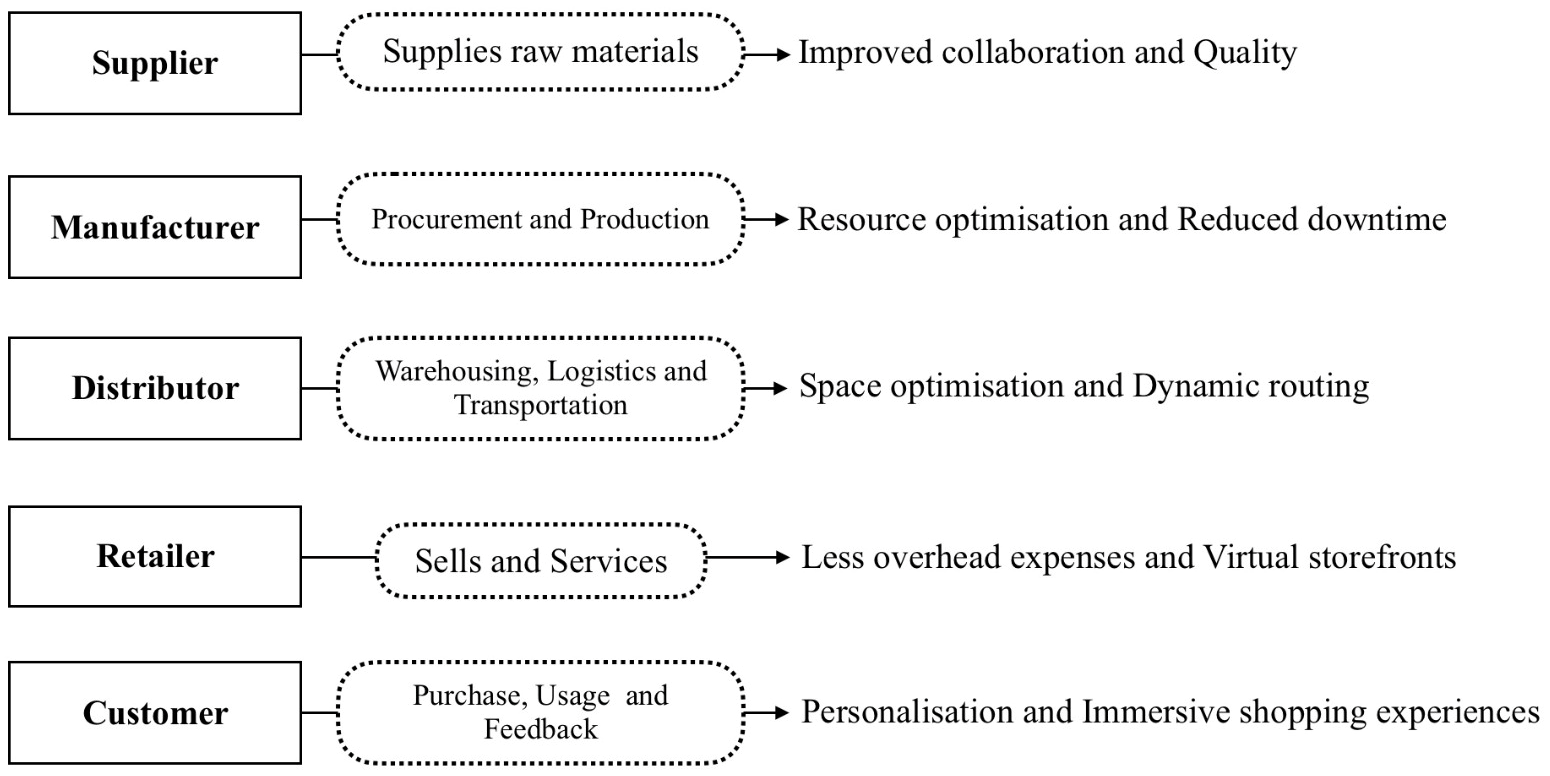
Figure 8 depicts key benefits offered by metaverse technologies to various supply chain stakeholders, thereby benefiting the entire system.
Figure 8 is a concept visualization that shows how the metaverse technologies generate value to various supply chain stakeholders. It supplements the quantitative results by emphasizing the possible areas of influence, which include better teamwork, visibility, and efficiency of operations. Nevertheless, it does not belong to the empirical analysis but is rather a framework that lends support to the heavily generalized implications of the findings.
The results of this research give significant ideas on how the metaverse technologies make different contributions in supply chain resilience and sustainability when viewed through the prism of the Dynamic Capability Theory. The findings suggest that the most important enablers are simulation and modeling technologies, especially digital twins. Their dominant status can be attributed to their potential to support sensing, seizing, and reconfiguring abilities simultaneously. Namely, digital twins allow real-time monitoring and predictive analytics (sensing), enable making decisions based on scenarios (seizing), and support continuous process adaptation and optimization (reconfiguring). This capability improvement in the multidimensional level explains their significant contribution to the outcomes of resilience and sustainability.
On the same note, computing technologies and artificial intelligence are ranked higher because of the fact that the technologies will facilitate the processing, integration and intelligent decision making of data. These technologies boost the visibility and responsiveness within supply chain networks, enhancing sensing and seizing capabilities. Optimization of resources and improvements in efficiency are also indicative of their contribution to sustainability. Conversely, the relatively low ranking of such technologies as communication and interactive systems does not mean that they are not important, but rather it shows that they have a more indirect role in developing capabilities. These technologies mostly facilitate collaboration, user interaction and information exchange, which are necessary but not sufficient conditions needed to improve core adaptive capabilities. It is this distinction that underscores the need to draw a distinction between foundational capability-building technologies and supporting or enabling technologies.
The findings also enable one to consider metaverse technologies not as a single entity, but as a component of an interconnected technological ecosystem. High-ranking technologies like digital twins are heavily reliant on the integration of other technologies, including IoT, networking infrastructure and artificial intelligence, to be functional. This implies that there are strong complementarities, such that one technology is of value only in the presence of others and only once they become available and mature. Simultaneously, trade-offs can also exist regarding the prioritization of investments, since organizations usually have limited resources, which prompts the need to choose one or another technology. The hierarchy that has been given in the present study should thus be seen as a guideline to follow in terms of prioritization and not as a means of strict substitutability.
The results of this work are in agreement with previous studies [
55,
57,
60], which stress the importance of digital technologies to improve supply chain resilience and sustainability. As an example, recent literature has emphasized the role of digital twins, artificial intelligence, and data integration in real-time towards enhancing supply chain visibility and responsiveness. The current results are an extension of these insights because they provide a quantitative prioritization of such technologies based on a multi-criteria decision-making approach. It is important to mention that simulation and modeling technologies (digital twins) have become the most important ones, which corresponds with the current body of literature that highlights their capacity to conduct prediction analysis and manage disruptions, as well as optimize a system.
Therefore, the adoption of metaverse technologies into the supply chain practices impacts personal stakeholders in the sense that it makes them more innovative, efficient, and productive [
55]. This will subsequently help the whole supply chain offer the best value to its customers, besides responding to challenges and evolving market needs efficiently.
Conceptually, the research illustrates the manner in which Dynamic Capability Theory can be put into practice within a systematic assessment framework. The analysis goes beyond descriptive explanations of digital transformation and offers a more refined approach to the development of capabilities based on technology use and the ability to sense, seize and reconfigure. Nevertheless, the fact that only two aggregated criteria are used, namely, resilience and sustainability, can be seen as a trade-off between the simplicity of the analysis and the granularity of the concept. Although this aggregation enables the specialist assessment and model clarity, it can obscure the crucial variations within sub-dimensions, including disruption recovery, adaptability, environmental impact, and social performance. Future studies may build on this framework by using additional disaggregated standards to obtain these nuances.
In terms of management, the results give practical recommendations on technology adoption plans. Investments in technologies that have a direct impact on core dynamic capabilities and those that raise real-time visibility, predictive analytics, and adaptive decision-making should be prioritized by organizations. Meanwhile, managers ought to take a portfolio-based approach, which acknowledges that supporting technologies like communication and interaction systems are critical in enabling integration and coordination. An incremental implementation plan can prove especially useful in a case where basic technologies are implemented first to create the core capabilities, and then there are complementary technologies, which are introduced to improve system-wide functionality. Furthermore, technology prioritization must also be made to be aligned with organizational context and strategic objectives; e.g., firms operating in highly volatile environments might prioritize sensing and responsiveness, whilst long-term sustainability-oriented firms may prioritize optimization and resource efficiency.
In general, the discussion shows that the strategic value of metaverse technologies is not only in their respective functionalities but in their collective contribution. This redresses the emphasis of the adoption of technology as a singular decision-making into the development of capability as a continuous and systemic process, which provides a more detailed picture of the ability of emerging digital technologies to transform supply chain performance.
From a theoretical perspective, the study demonstrates how Dynamic Capability Theory can be operationalized within a structured evaluation framework. By linking metaverse technologies to sensing, seizing, and reconfiguring capabilities, and further to resilience and sustainability outcomes, the analysis moves beyond descriptive accounts of digital transformation and provides a more nuanced understanding of technology-enabled capability development. However, the use of only two aggregated criteria—resilience and sustainability—represents a trade-off between analytical simplicity and conceptual granularity. While this aggregation facilitates expert evaluation and model clarity, it may mask important variations across sub-dimensions such as disruption recovery, adaptability, environmental impact, and social performance. Future research could extend this framework by incorporating more disaggregated criteria to capture these nuances.
From a managerial standpoint, the findings provide actionable guidance for technology adoption strategies. Organizations should prioritize investments in technologies that directly enhance core dynamic capabilities, particularly those that improve real-time visibility, predictive analytics, and adaptive decision-making. At the same time, managers should adopt a portfolio-based approach, recognizing that supporting technologies such as communication and interaction systems play a critical role in enabling integration and coordination. A phased implementation strategy may be particularly effective, where foundational technologies are deployed first to build core capabilities, followed by complementary technologies that enhance system-wide functionality. Additionally, technology prioritization should be aligned with organizational context and strategic objectives; for example, firms operating in highly volatile environments may prioritize sensing and responsiveness, while those focused on long-term sustainability may emphasize optimization and resource efficiency.
Overall, the discussion highlights that the strategic value of metaverse technologies lies not only in their individual functionalities but in their collective contribution to an integrated capability system. This shifts the focus from technology adoption as an isolated decision to capability development as a continuous and systemic process, thereby providing a more comprehensive understanding of how emerging digital technologies can transform supply chain performance.