

From Data to Diagnosis: A Machine Learning-Enabled Framework for Early Sepsis Prediction and Prevention


Abstract
1. Introduction
1.1. Research Problem
1.2. Main Contributions
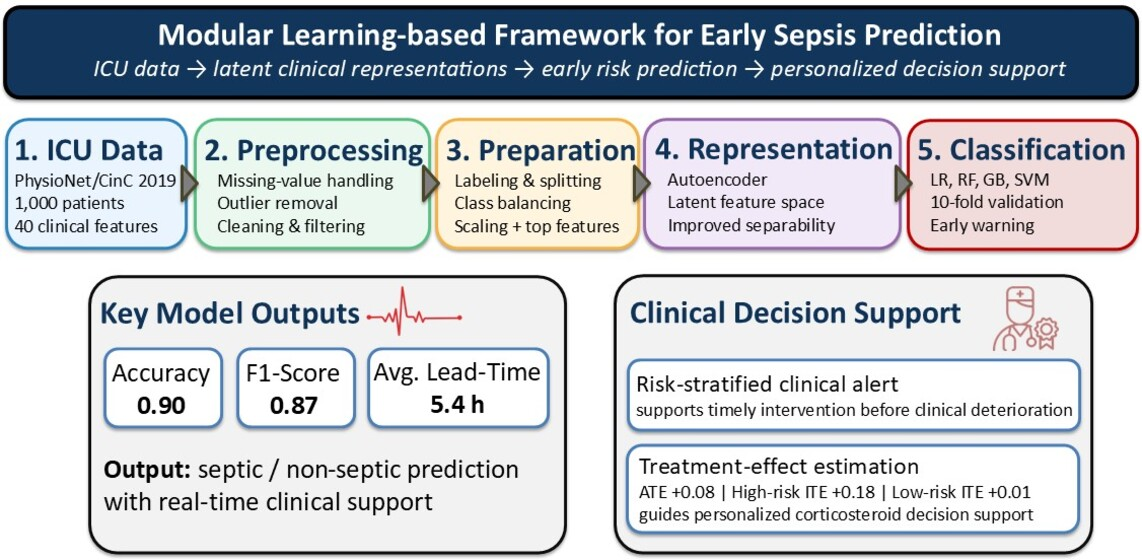
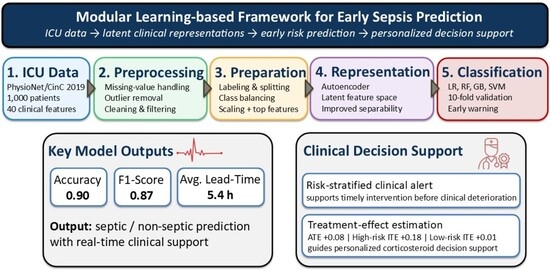
- We propose an integrated machine learning framework for early sepsis prediction that combines representation learning and classification within a unified pipeline.
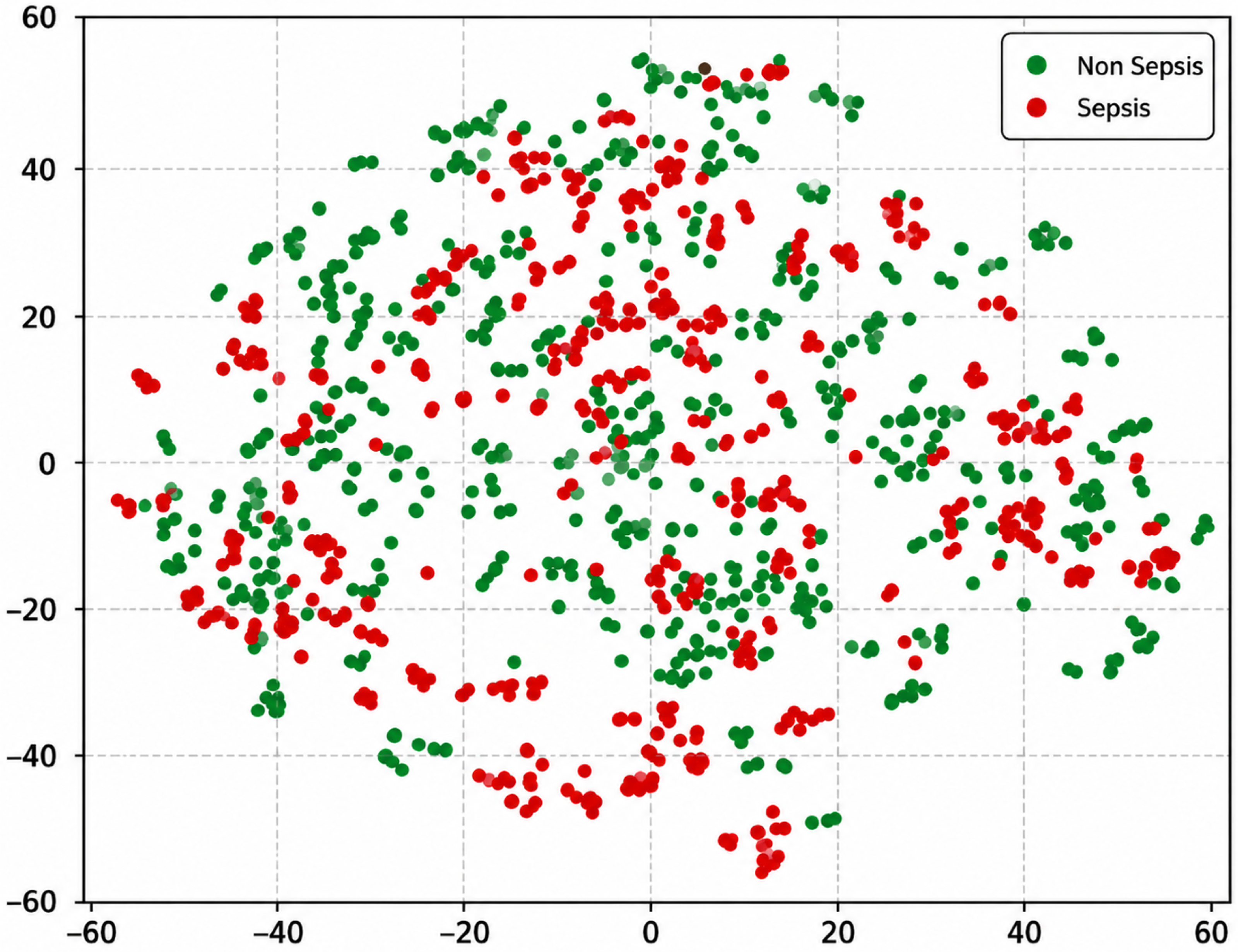
- We demonstrate that autoencoder-based latent feature learning improves class separability in heterogeneous clinical data.
- We provide a computationally efficient and interpretable modeling approach suitable for real-time clinical deployment.
- We integrate predictive modeling with treatment-effect estimation (ITE/ATE), enabling both diagnosis and decision support.
- We design a modular architecture that balances performance, interpretability, and flexibility compared to end-to-end deep learning models.
1.3. Paper Organisation
2. Related Work
2.1. Sepsis Prediction: A Background
2.2. Sepsis Treatment: A Background
3. Our Contribution
3.1. Knowledge Acquisition
3.2. Design Considerations
3.3. System Architecture
4. Materials and Methods
4.1. Clinical Data
- For sepsis patients, SepsisLabel is 1 if and 0 if ;
- For non-sepsis patients, SepsisLabel is 0.
4.2. Data Preprocessing
4.2.1. Handling Missing Values
4.2.2. Removing Outliers
4.3. Data Preparation
4.3.1. Data Labeling
- : Represents the timestamp of clinical suspicion of infection, defined as the earlier occurrence between the administration of intravenous (IV) antibiotics and the collection of blood cultures within a specified time window:
- –
- If antibiotics are administered first, blood cultures must be obtained within 24 h.
- –
- If cultures are obtained first, antibiotics must be administered within 72 h.
- –
- Only antibiotic courses lasting at least 72 consecutive hours are considered valid for defining .
- : Denotes the onset of organ dysfunction, identified by a two-point increase in the Sequential Organ Failure Assessment (SOFA) score occurring within a 24-h window.
- : Defines the sepsis onset time as the earlier of and , provided that occurs no more than 24 h before or 12 h after . Formally:
4.3.2. Data Splitting
4.3.3. Class Balancing
4.3.4. Feature Scaling
4.3.5. Feature Selection
- First, features with excessive missingness were removed. Specifically, variables with more than 60% missing values across patient records were excluded, as high missingness may introduce instability and unreliable imputations.
- Second, low-variance filtering was applied to eliminate non-informative features. Variables exhibiting a variance below 0.01 after min–max normalization were discarded.
- Third, correlation analysis was conducted to reduce redundancy. Highly correlated feature pairs (|r| > 0.85) were identified, and only one representative variable from each correlated group was retained to mitigate multicollinearity effects.
- Fourth, Mutual Information (MI) analysis was employed to quantify feature relevance with respect to the SepsisLabel. MI scores were computed between each feature and the target variable, and features were ranked accordingly.
5. Experimental Setup
5.1. Machine Learning Models
- Gradient Boosting (GB): This is an ensemble boosting method that sequentially builds models, where each new model is trained to minimize the residual errors of the combined previous models. The key principle is to optimize each subsequent model to reduce the overall prediction error.
- Random Forest (RF): Random forests construct a multitude of decision trees during training. For classification tasks, the final output is determined by majority voting across all trees. This approach improves robustness and reduces overfitting compared to single decision trees.
- Logistic Regression (LR): Logistic regression is a supervised learning algorithm used for predicting categorical outcomes based on a set of independent variables. Unlike linear regression, which predicts continuous values, logistic regression models the probability of class membership, producing discrete outputs such as 0/1 or yes/no.
- Support Vector Machine (SVM): Support Vector Machines are supervised learning models that perform classification by identifying an optimal separating hyperplane that maximizes the margin between different classes in the feature space. By relying on a subset of training samples known as support vectors, SVMs achieve robust generalization, and through the use of kernel functions, they can effectively model non-linear relationships between clinical variables.
5.2. Deep Learning Models
5.3. Statistical Analysis
- Individual Treatment Effect (ITE): Measures the expected effect of a treatment on a specific patient, allowing personalized assessment of potential benefit or risk.
- Average Treatment Effect (ATE): Quantifies the expected effect of a treatment at the population level, providing a global evaluation of treatment efficacy across the entire cohort.
5.4. Performance Assessment
5.5. Implementation
5.6. Hyperparameter Configuration and Selection Strategy
5.6.1. Deep Learning Hyperparameters
5.6.2. Machine Learning Hyperparameters
6. Results and Discussion
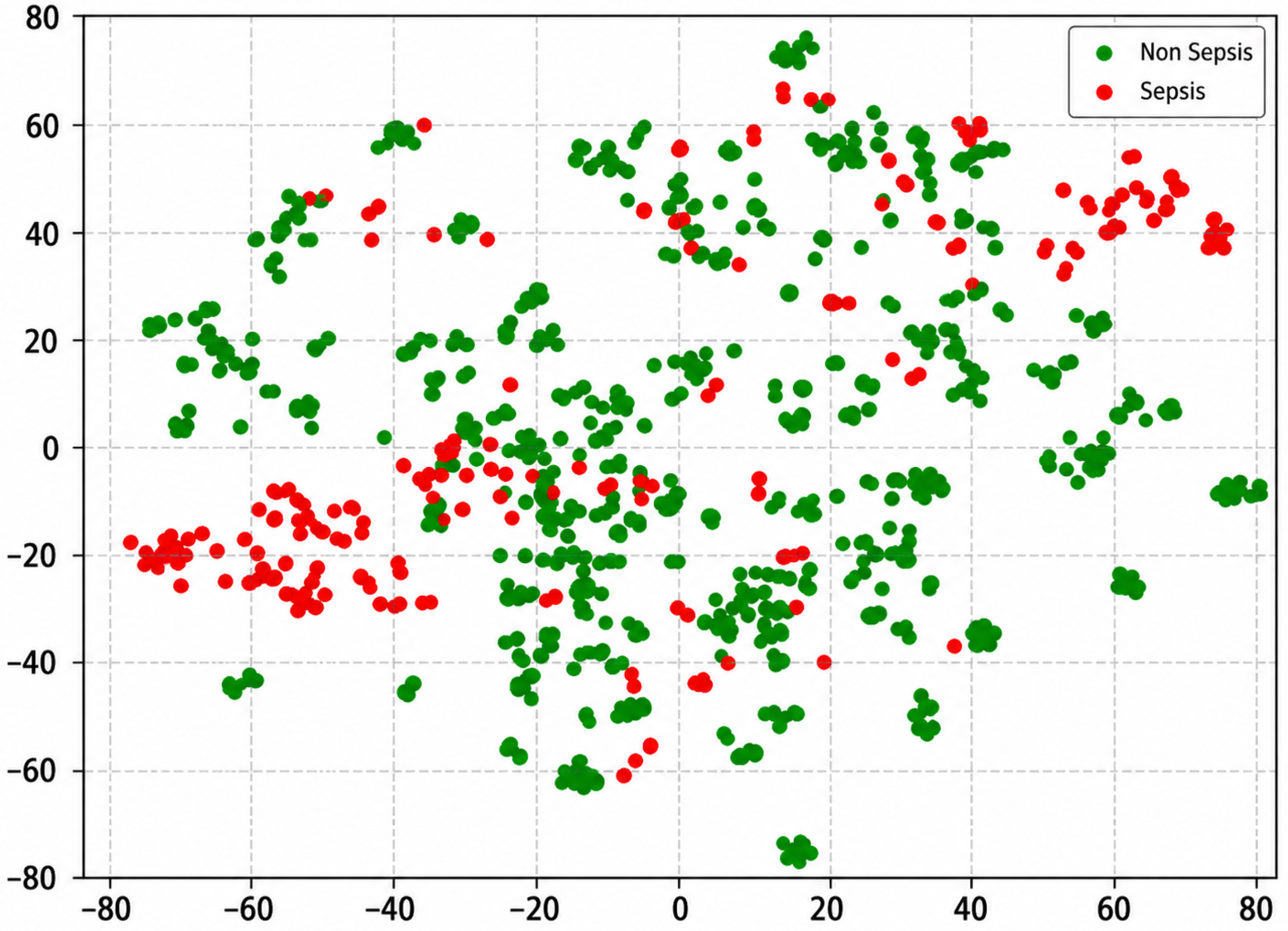
6.1. Septic Patient Distribution
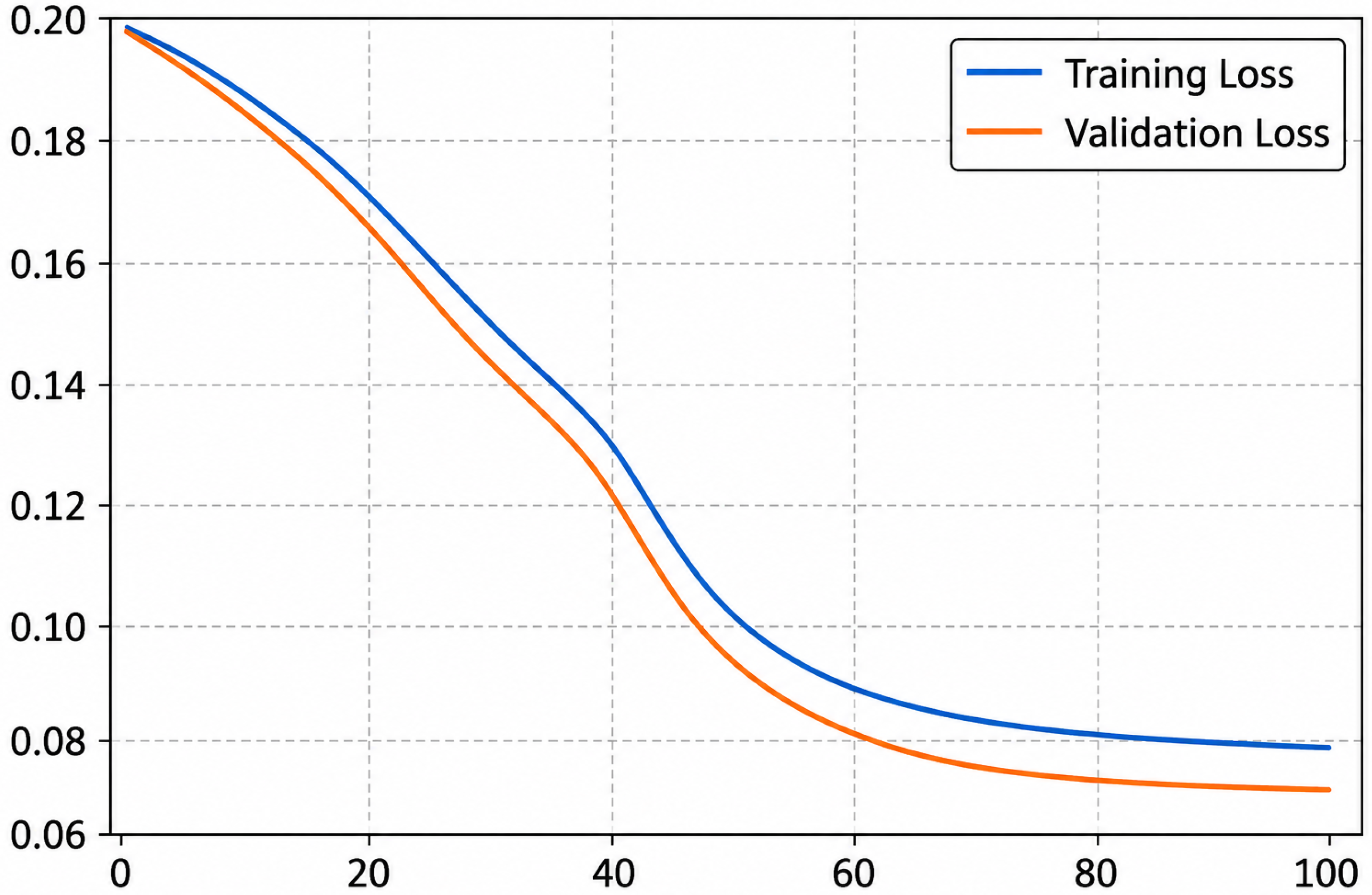
6.2. Loss Variation
6.3. Septic Patient Distribution After Training
6.4. Prediction Accuracy
- Precision: Measures the quality of positive predictions, defined as the ratio of true positives (TP) to all predicted positives (TP + FP):
- Recall: Measures the model’s ability to correctly identify positive samples, calculated as the ratio of true positives to all actual positives (TP + FN):
- F1-Score: Provides a harmonic mean of precision and recall, offering a single metric that balances both aspects of model performance:
- Accuracy: Represents the proportion of correct predictions over the total number of predictions:
6.5. ITE and ATE Analysis
6.6. Impact of Missing-Data Imputation
6.7. Lead-Time Analysis
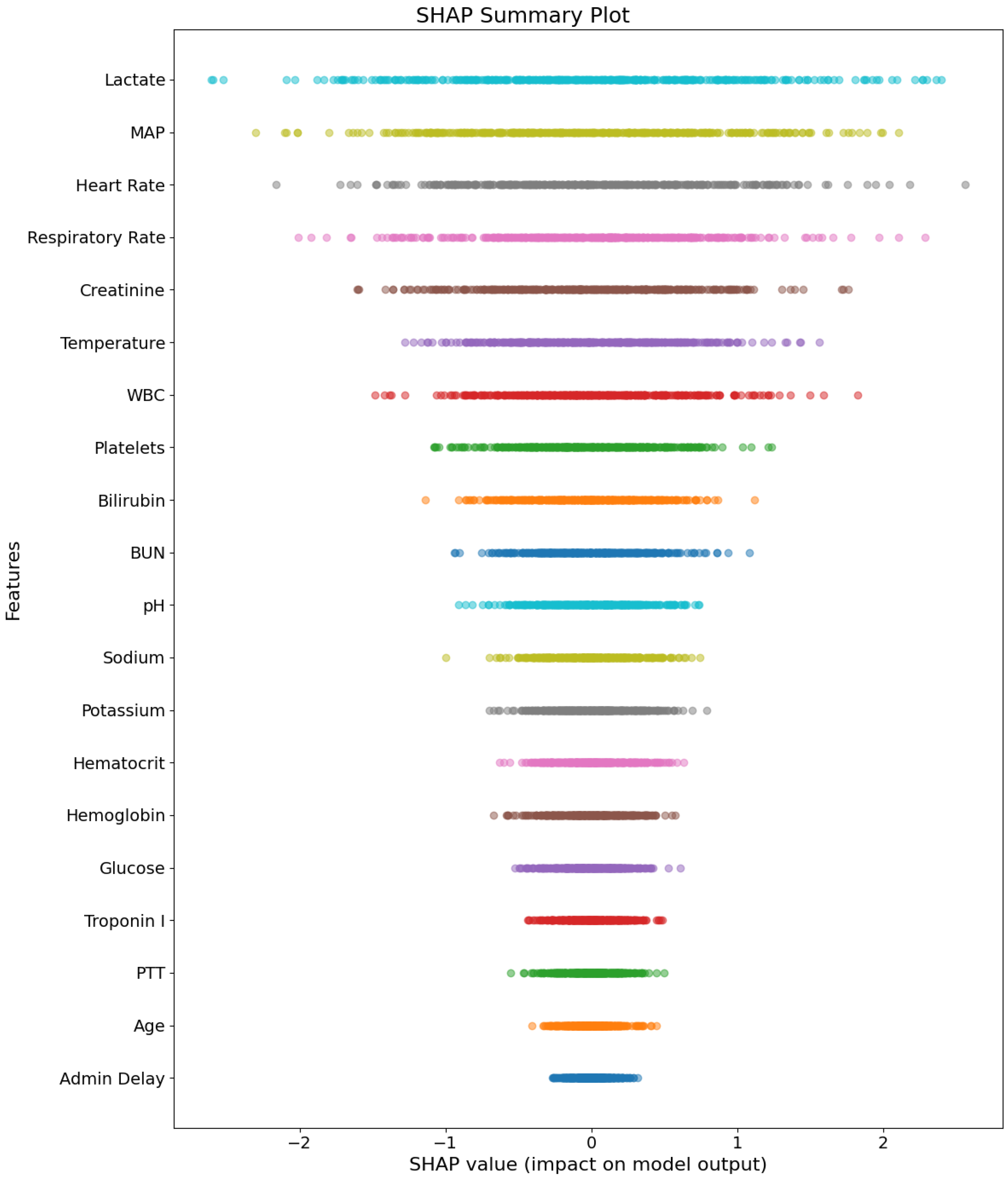
6.8. Feature Importance Analysis
6.9. Comparative Performance with Existing Sepsis Prediction Studies
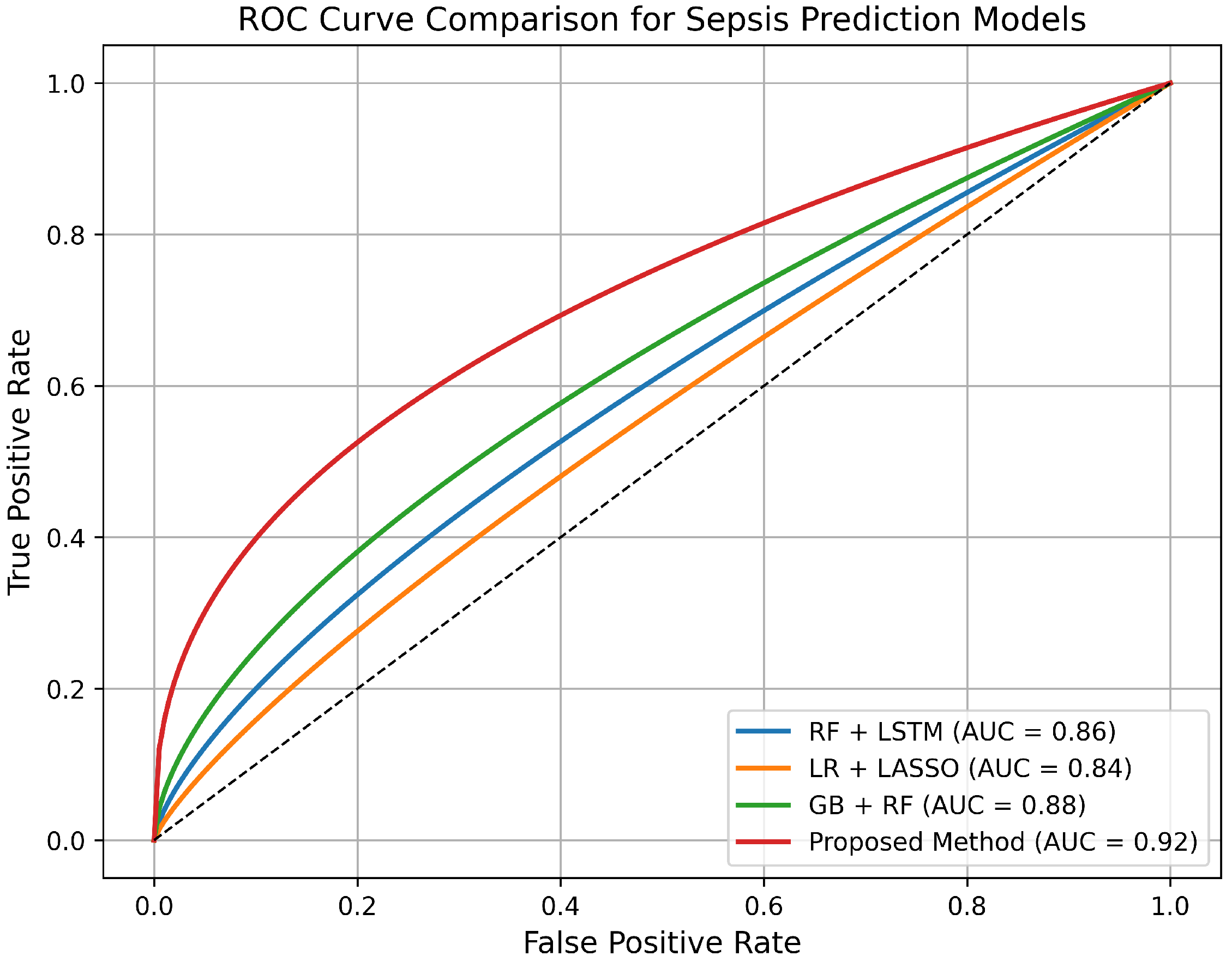
6.10. AUROC Analysis
6.11. Statistical Significance Analysis
6.12. Limitations
6.13. Clinical Deployment Considerations
- First, ICU data streams are inherently irregular and incomplete. Many laboratory variables are measured intermittently rather than hourly, and missingness patterns may differ substantially from those observed in retrospective datasets. Robust inference mechanisms capable of handling real-time missing data are therefore required.
- Second, prediction latency is a critical factor. Clinical decision-support systems must generate risk assessments within clinically actionable timeframes. Computational efficiency, model complexity, and integration with hospital information systems directly influence usability in time-sensitive environments.
- Third, model drift represents a significant challenge. Changes in clinical practice, patient demographics, or measurement devices may alter data distributions over time, potentially degrading predictive accuracy. Continuous monitoring, recalibration, and model updating strategies are essential for maintaining reliability.
- Fourth, false alarm rates and alert fatigue must be carefully managed. Even highly accurate models may generate excessive alerts in high-volume ICU settings, potentially reducing clinician trust and system effectiveness.
7. Conclusions and Future Works
Funding
Institutional Review Board Statement
Informed Consent Statement
Data Availability Statement
Conflicts of Interest
References
- Pinho, M.; Leal, F.; Miguel, I. Profiling Decision-Making Styles Under Healthcare Resource Scarcity: An Interdisciplinary Clustering Approach. Information 2026, 17, 287. [Google Scholar] [CrossRef]
- Singer, M.; Deutschman, C.S.; Seymour, C.W.; Shankar-Hari, M.; Annane, D.; Bauer, M.; Bellomo, R.; Bernard, G.R.; Chiche, J.D.; Coopersmith, C.M.; et al. The third international consensus definitions for sepsis and septic shock (Sepsis-3). JAMA 2016, 315, 801–810. [Google Scholar] [CrossRef]
- He, T.T.; Jiao, T.Q.; An, X.M. Risk prediction models for sepsis-associated encephalopathy: A systematic evaluation and meta-analysis. PeerJ 2026, 14, e20770. [Google Scholar] [CrossRef]
- Antcliffe, D.B.; Burnham, K.L.; Al-Beidh, F.; Santhakumaran, S.; Brett, S.J.; Hinds, C.J.; Ashby, D.; Knight, J.C.; Gordon, A.C. Transcriptomic signatures in sepsis and a differential response to steroids. From the VANISH randomized trial. Am. J. Respir. Crit. Care Med. 2019, 199, 980–986. [Google Scholar] [CrossRef]
- Burki, T.K. Sharp rise in sepsis deaths in the UK. Lancet Respir. Med. 2018, 6, 826. [Google Scholar] [CrossRef]
- Mou, C.; Yang, J.; Wu, Q.; Qin, L.; Lu, J. Progress in sepsis prediction models: From traditional scoring systems to multimodal intelligence and clinical translation. Front. Med. 2026, 13, 1732164. [Google Scholar] [CrossRef]
- Azizi, S.; Hoveidamanesh, S.; Bagheri, T.; Varaki, F.A.; Ghadimi, T.; Forghani, S.F. Modern machine learning techniques used in prediction of Sepsis and Bloodstream infection in Burn patients: A systematic review. Burns 2026, 52, 107965. [Google Scholar] [CrossRef]
- Mahmoudi, P.S.; Sadeghi, F.; Saberian, M.; Khalili, H.; Shafaati, M. Continuous vs. intermittent infusion of corticosteroids in septic shock: A GRADE-based systematic review and meta-analysis. J. Anesth. Analg. Crit. Care 2026, 6, 16. [Google Scholar] [CrossRef]
- Terrington, I.; Cox, O.; Copley, P.; Eastwood, B.; Webb, E.; McKenzie, C.; Saeed, K.; Conway-Morris, A.; Grocott, M.P.; Dushianthan, A. The role of corticosteroids in the management of non-COVID-19 severe community-acquired pneumonia in the intensive care unit: A narrative review. J. Intensiv. Care Soc. 2026, 27, 119–133. [Google Scholar] [CrossRef]
- Mahmud, F.; Quamruzzaman, M.; Sanka, A.I.; Cheung, R.C.; Chowdhury, M.H. Interpretable machine learning-based real-time sepsis diagnosis. Sci. Rep. 2026, 16, 6702. [Google Scholar] [CrossRef]
- Despraz, J.; Matusiak, R.; Nektarijevic, S.; Rossetti, V.; Bastardot, F.; Akrour, R.; Konasch, A.; Gauthiez, E.; Pignolet, O.; Pepe, S.; et al. An artificial intelligence-powered learning health system to improve sepsis detection and quality of care: A before-and-after study. npj Digit. Med. 2026, 9, 106. [Google Scholar] [CrossRef]
- Ustaalioğlu, İ.; Yıldız, F. Early sepsis prediction in elderly patients with urinary tract infections: A machine learning. Signa Vitae 2026, 22, 75. [Google Scholar]
- Lin, T.H.; Chung, H.Y.; Jian, M.J.; Chang, C.K.; Lin, H.H.; Yen, C.T.; Tang, S.H.; Pan, P.C.; Perng, C.L.; Chang, F.Y.; et al. AI-driven innovations for early sepsis detection by combining predictive accuracy with blood count analysis in an emergency setting: Retrospective study. J. Med. Internet Res. 2025, 27, e56155. [Google Scholar] [CrossRef]
- Wang, H.; Pounds, D.; Zhang, W.; Mokbel, A.Y.; Kabir, M.N.; Lin, X.Y.; Highlander, A.; Dehzangi, I. Early Sepsis Prediction Using Publicly Available Data: High-Performance AI/ML Models with First-Hour Clinical Information. Diagnostics 2025, 15, 2727. [Google Scholar] [CrossRef]
- Drysch, M.; Reinkemeier, F.; Puscz, F.; Hinzmann, J.; German Burn Registry Paul Christian Fuchs 2; Lehnhardt, M.; Wallner, C.; Schmidt, S.V. Streamlined machine learning model for early sepsis risk prediction in burn patients. npj Digit. Med. 2025, 8, 621. [Google Scholar] [CrossRef]
- Aityan, S.; Herrero, R.; Mosaddegh, A.; Tayyar, H.; Adebesin, E.; Jeedigunta, S.P.; Kim, H.; Mersini, M.; Lazzaro, R.; Iacovazzo, N.; et al. AI-Powered Early Detection of Sepsis in Emergency Medicine. Life 2025, 15, 1576. [Google Scholar] [CrossRef]
- Yadgarov, M.Y.; Landoni, G.; Berikashvili, L.B.; Polyakov, P.A.; Kadantseva, K.K.; Smirnova, A.V.; Kuznetsov, I.V.; Shemetova, M.M.; Yakovlev, A.A.; Likhvantsev, V.V. Early detection of sepsis using machine learning algorithms: A systematic review and network meta-analysis. Front. Med. 2024, 11, 1491358. [Google Scholar] [CrossRef]
- Zhou, L.; Shao, M.; Wang, C.; Wang, Y. An early sepsis prediction model utilizing machine learning and unbalanced data processing in a clinical context. Prev. Med. Rep. 2024, 45, 102841. [Google Scholar] [CrossRef]
- Pirracchio, R.; Hubbard, A.; Sprung, C.L.; Chevret, S.; Annane, D. Assessment of machine learning to estimate the individual treatment effect of corticosteroids in septic shock. JAMA Netw. Open 2020, 3, e2029050. [Google Scholar] [CrossRef]
- Annane, D.; Renault, A.; Brun-Buisson, C.; Megarbane, B.; Quenot, J.P.; Siami, S.; Cariou, A.; Forceville, X.; Schwebel, C.; Martin, C.; et al. Hydrocortisone plus fludrocortisone for adults with septic shock. N. Engl. J. Med. 2018, 378, 809–818. [Google Scholar] [CrossRef]
- Venkatesh, B.; Finfer, S.; Cohen, J.; Rajbhandari, D.; Arabi, Y.; Bellomo, R.; Billot, L.; Correa, M.; Glass, P.; Harward, M.; et al. Adjunctive glucocorticoid therapy in patients with septic shock. N. Engl. J. Med. 2018, 378, 797–808. [Google Scholar] [CrossRef]
- Keh, D.; Trips, E.; Marx, G.; Wirtz, S.P.; Abduljawwad, E.; Bercker, S.; Bogatsch, H.; Briegel, J.; Engel, C.; Gerlach, H.; et al. Effect of hydrocortisone on development of shock among patients with severe sepsis: The HYPRESS randomized clinical trial. JAMA 2016, 316, 1775–1785. [Google Scholar] [CrossRef]
- Moreno, R.; Sprung, C.; Annane, D.; Chevret, S.; Briegel, J.; Keh, D.; Singer, M.; Weiss, Y.; Payen, D.; Cuthbertson, B.; et al. Time course of organ failure in patients with septic shock treated with hydrocortisone: Results of the Corticus study. In Applied Physiology in Intensive Care Medicine 1: Physiological Notes-Technical Notes-Seminal Studies in Intensive Care; Springer: Berlin/Heidelberg, Germany, 2012; pp. 423–430. [Google Scholar]
- Rochwerg, B.; Oczkowski, S.J.; Siemieniuk, R.A.; Agoritsas, T.; Belley-Cote, E.; D’Aragon, F.; Duan, E.; English, S.; Gossack-Keenan, K.; Alghuroba, M.; et al. Corticosteroids in sepsis: An updated systematic review and meta-analysis. Crit. Care Med. 2018, 46, 1411–1420. [Google Scholar] [CrossRef]
- Fang, F.; Zhang, Y.; Tang, J.; Lunsford, L.D.; Li, T.; Tang, R.; He, J.; Xu, P.; Faramand, A.; Xu, J.; et al. Association of corticosteroid treatment with outcomes in adult patients with sepsis: A systematic review and meta-analysis. JAMA Intern. Med. 2019, 179, 213–223. [Google Scholar] [CrossRef] [PubMed]
- Reyna, M.A.; Josef, C.S.; Jeter, R.; Shashikumar, S.P.; Westover, M.B.; Nemati, S.; Clifford, G.D.; Sharma, A. Early prediction of sepsis from clinical data: The physionet/computing in cardiology challenge 2019. Crit. Care Med. 2020, 48, 210–217. [Google Scholar] [CrossRef]
- Cramer, J.S. The Origins of Logistic Regression; Tinbergen Institute: Amsterdam/Rotterdam, The Netherlands, 2002. [Google Scholar]
- Friedman, J.H. Greedy function approximation: A gradient boosting machine. Ann. Stat. 2001, 29, 1189–1232. [Google Scholar] [CrossRef]
- Parmar, A.; Katariya, R.; Patel, V. A review on random forest: An ensemble classifier. In International Conference on Intelligent Data Communication Technologies and Internet of Things (ICICI) 2018; Springer: Berlin/Heidelberg, Germany, 2019; pp. 758–763. [Google Scholar]
- Cervantes, J.; Garcia-Lamont, F.; Rodríguez-Mazahua, L.; Lopez, A. A comprehensive survey on support vector machine classification: Applications, challenges and trends. Neurocomputing 2020, 408, 189–215. [Google Scholar] [CrossRef]
- Anwar, A. Difference Between AutoEncoder (AE) and Variational AutoEncoder (VAE). 2021. Available online: https://towardsdatascience.com/difference-between-autoencoder-ae-and-variational-autoencoder-vae-ed7be1c038f2 (accessed on 1 March 2026).
- Li, D.; Yang, Y.; Cui, Z.; Yin, H.; Hu, P.; Hu, L. LLM-DDI: Leveraging Large Language Models for Drug-Drug Interaction Prediction on Biomedical Knowledge Graph. IEEE J. Biomed. Health Inform. 2025, 30, 773–781. [Google Scholar] [CrossRef] [PubMed]
- Wu, Y.; Chen, J.; Hu, L.; Xu, H.; Liang, H.; Wu, J. OmniFuse: A general modality fusion framework for multi-modality learning on low-quality medical data. Inf. Fusion 2025, 117, 102890. [Google Scholar] [CrossRef]



| Category | Variables | Count |
|---|---|---|
| Vital signs | Heart rate, pulse oximetry, body temperature, systolic/diastolic blood pressure, mean arterial pressure, respiratory rate, end-tidal CO2 | 8 |
| Laboratory measurements | Acid–base indicators (pH, bicarbonate, base excess, PaCO2), renal markers (BUN, creatinine), electrolytes (Na, K, Ca, Mg, phosphate, chloride), liver enzymes (AST, alkaline phosphatase, bilirubin), hematologic markers (hemoglobin, hematocrit, platelets, WBC), coagulation and cardiac markers (PTT, fibrinogen, troponin I), metabolic indicators (glucose, lactate) | 26 |
| Demographic and administrative data | Age, gender, ICU unit type, hospital-to-ICU admission delay, ICU length of stay | 6 |
| Outcome | Sepsis occurrence indicator | 1 |
| Component | Configuration |
|---|---|
| Input dimension | 40 features |
| Hidden Layer 1 | 64 neurons (ReLU) |
| Hidden Layer 2 | 32 neurons (ReLU) |
| Output Layer | 1 neuron (Sigmoid) |
| Optimizer | Adam |
| Learning rate | 0.001 |
| Batch size | 32 |
| Epochs | 100 |
| Dropout rate | 0.2 |
| L2 regularization | |
| Loss function | Binary Cross-Entropy |
| Component | Configuration |
|---|---|
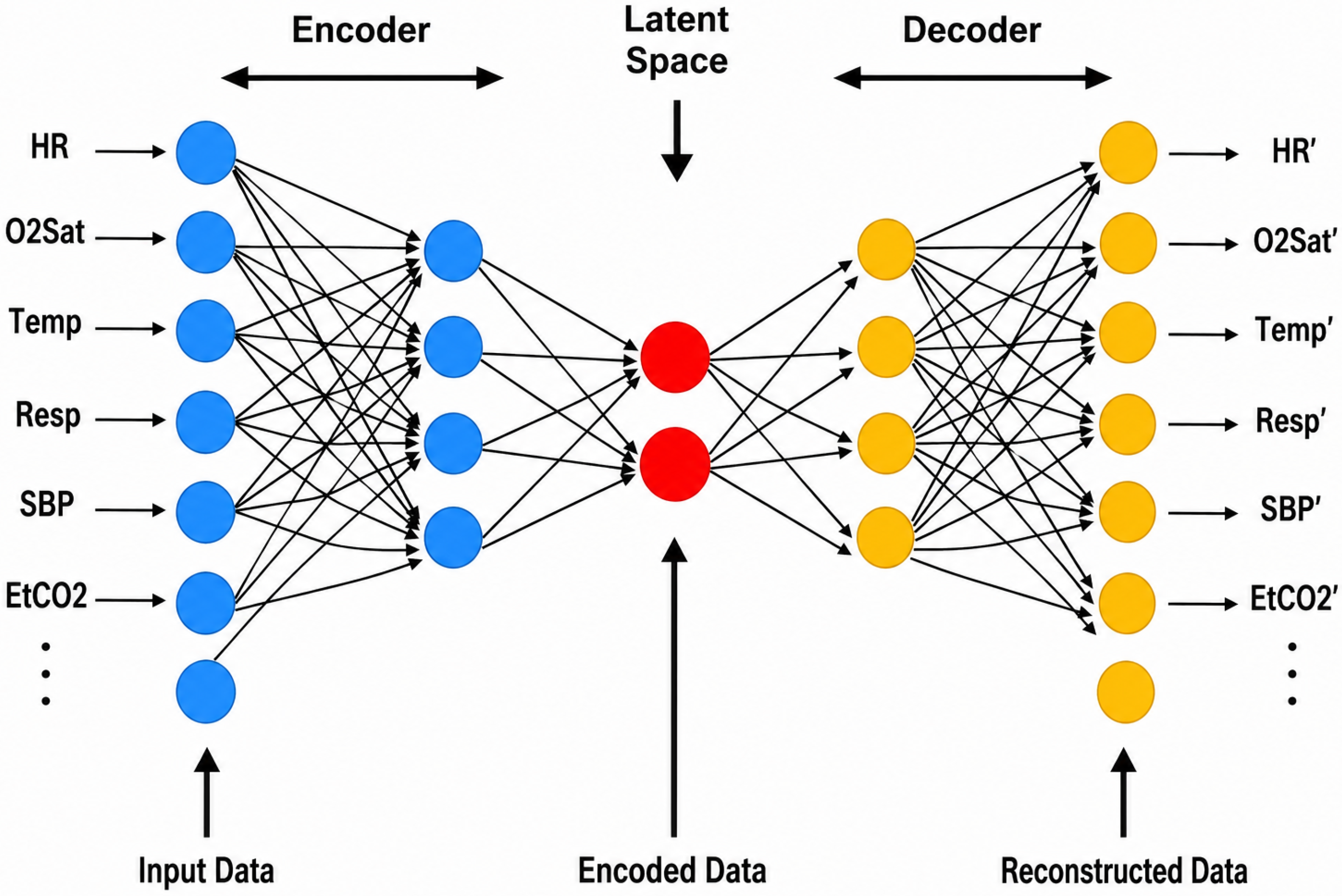
| Input dimension | 40 features |
| Encoder Hidden Layer | 32 neurons (ReLU) |
| Latent dimension | 16 neurons |
| Decoder Hidden Layer | 32 neurons (ReLU) |
| Output dimension | 40 neurons (Sigmoid) |
| Optimizer | Adam |
| Learning rate | 0.001 |
| Batch size | 32 |
| Epochs | 100 |
| Loss function | Mean Squared Error (MSE) |
| Model | Selected Hyperparameters |
|---|---|
| Logistic Regression (LR) | Regularization: L2; |
| Random Forest (RF) | Number of trees: 200; Max depth: None |
| Gradient Boosting (GB) | Nb. of estimators: 200; Learning rate: 0.1; Max depth: 3 |
| Support Vector Machine (SVM) | Kernel: RBF; ; |
| Model | Precision | Recall | F1-Score | Accuracy |
|---|---|---|---|---|
| Logistic Regression (LR) | 0.90 | 0.84 | 0.87 | 0.90 |
| Random Forest (RF) | 0.88 | 0.79 | 0.83 | 0.87 |
| Gradient Boosting (GB) | 0.89 | 0.81 | 0.85 | 0.88 |
| Support Vector Machine (SVM) | 0.86 | 0.76 | 0.81 | 0.85 |
| Metric | Mean Effect | Std. Dev. | Clinical Interpretation |
|---|---|---|---|
| ATE | +0.08 | 0.03 | Modest population-level benefit |
| ITE (All patients) | +0.05 | 0.12 | High inter-patient variability |
| ITE (High-risk subgroup) | +0.18 | 0.07 | Strong benefit for selected patients |
| ITE (Low-risk subgroup) | +0.01 | 0.04 | Minimal or no treatment benefit |
| Imputation Method | Precision | Recall | F1-Score | Accuracy |
|---|---|---|---|---|
| Previous-value Imputation | 0.90 | 0.84 | 0.87 | 0.90 |
| Mean-value Imputation | 0.89 | 0.83 | 0.86 | 0.89 |
| KNN Imputation | 0.90 | 0.85 | 0.87 | 0.90 |
| Metric | Value |
|---|---|
| Average Lead-Time | 5.4 h |
| Median Lead-Time | 4.8 h |
| Study | Method | Accuracy | Precision | Recall | F1-Score |
|---|---|---|---|---|---|
| [11] | RF + LSTM | 0.81 | 0.78 | 0.74 | 0.76 |
| [12] | LR + LASSO | 0.84 | 0.80 | 0.77 | 0.78 |
| [13] | GB + RF | 0.85 | 0.82 | 0.79 | 0.80 |
| Proposed Method | Ensemble Models | 0.90 | 0.90 | 0.84 | 0.87 |
Disclaimer/Publisher’s Note: The statements, opinions and data contained in all publications are solely those of the individual author(s) and contributor(s) and not of MDPI and/or the editor(s). MDPI and/or the editor(s) disclaim responsibility for any injury to people or property resulting from any ideas, methods, instructions or products referred to in the content. |
© 2026 by the author. Licensee MDPI, Basel, Switzerland. This article is an open access article distributed under the terms and conditions of the Creative Commons Attribution (CC BY) license.
Share and Cite
Harb, H. From Data to Diagnosis: A Machine Learning-Enabled Framework for Early Sepsis Prediction and Prevention. Information 2026, 17, 430. https://doi.org/10.3390/info17050430
Harb H. From Data to Diagnosis: A Machine Learning-Enabled Framework for Early Sepsis Prediction and Prevention. Information. 2026; 17(5):430. https://doi.org/10.3390/info17050430
Chicago/Turabian StyleHarb, Hassan. 2026. "From Data to Diagnosis: A Machine Learning-Enabled Framework for Early Sepsis Prediction and Prevention" Information 17, no. 5: 430. https://doi.org/10.3390/info17050430
APA StyleHarb, H. (2026). From Data to Diagnosis: A Machine Learning-Enabled Framework for Early Sepsis Prediction and Prevention. Information, 17(5), 430. https://doi.org/10.3390/info17050430