Article

K-Means Clustering-Based Electrical Equipment Identification for Smart Building Application

1
School of Information and Electrical Engineering, Shandong Jianzhu University, Jinan 250101, China
2
Shandong Provincial Key Laboratory of Intelligent Buildings Technology, Jinan 250101, China
*
Authors to whom correspondence should be addressed.
Information 2020, 11(1), 27; https://doi.org/10.3390/info11010027
Submission received: 2 December 2019 / Revised: 26 December 2019 / Accepted: 28 December 2019 / Published: 1 January 2020
(This article belongs to the Section Information Applications)

Abstract

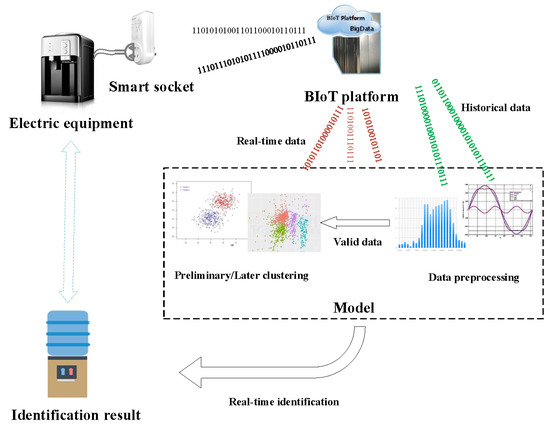
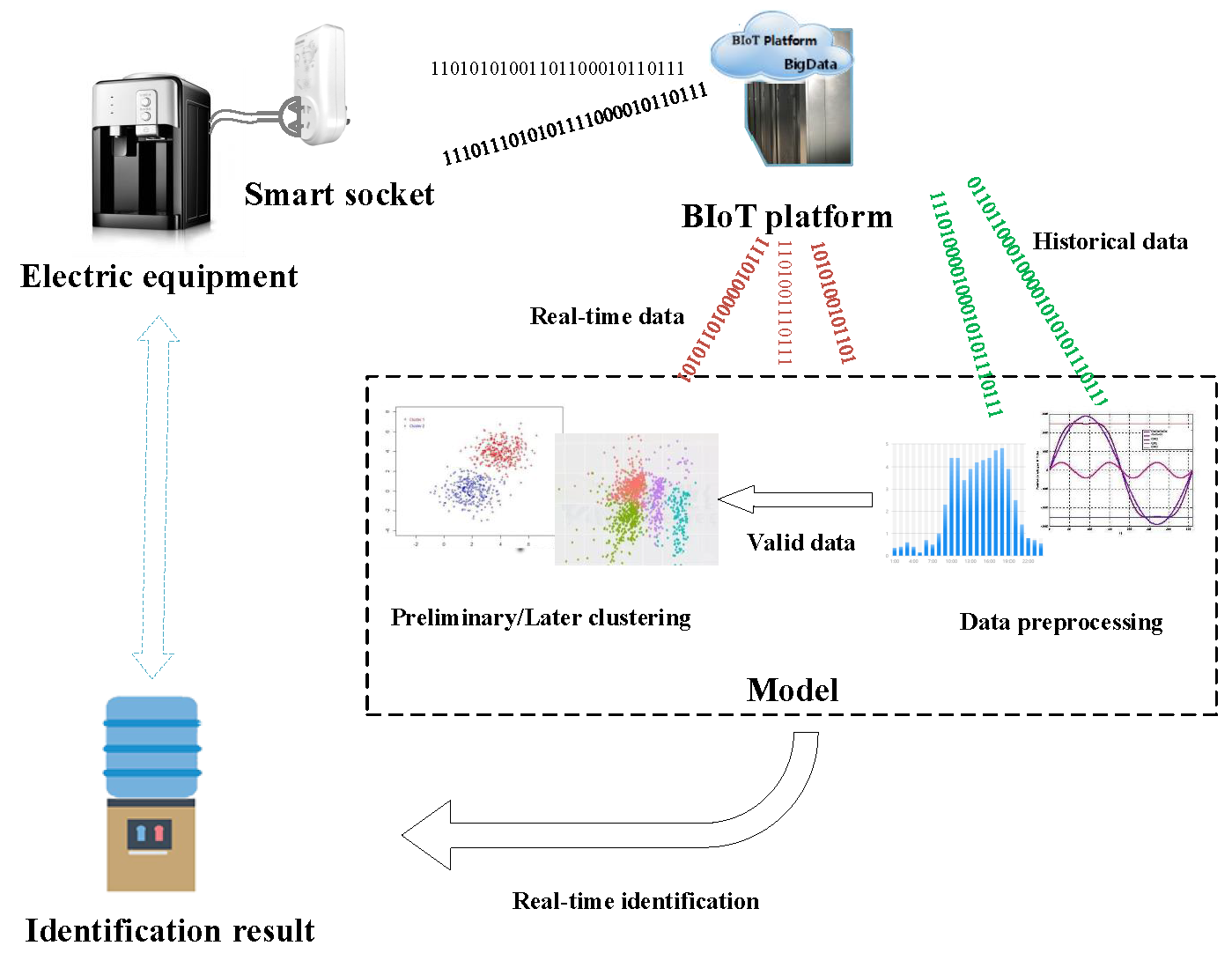
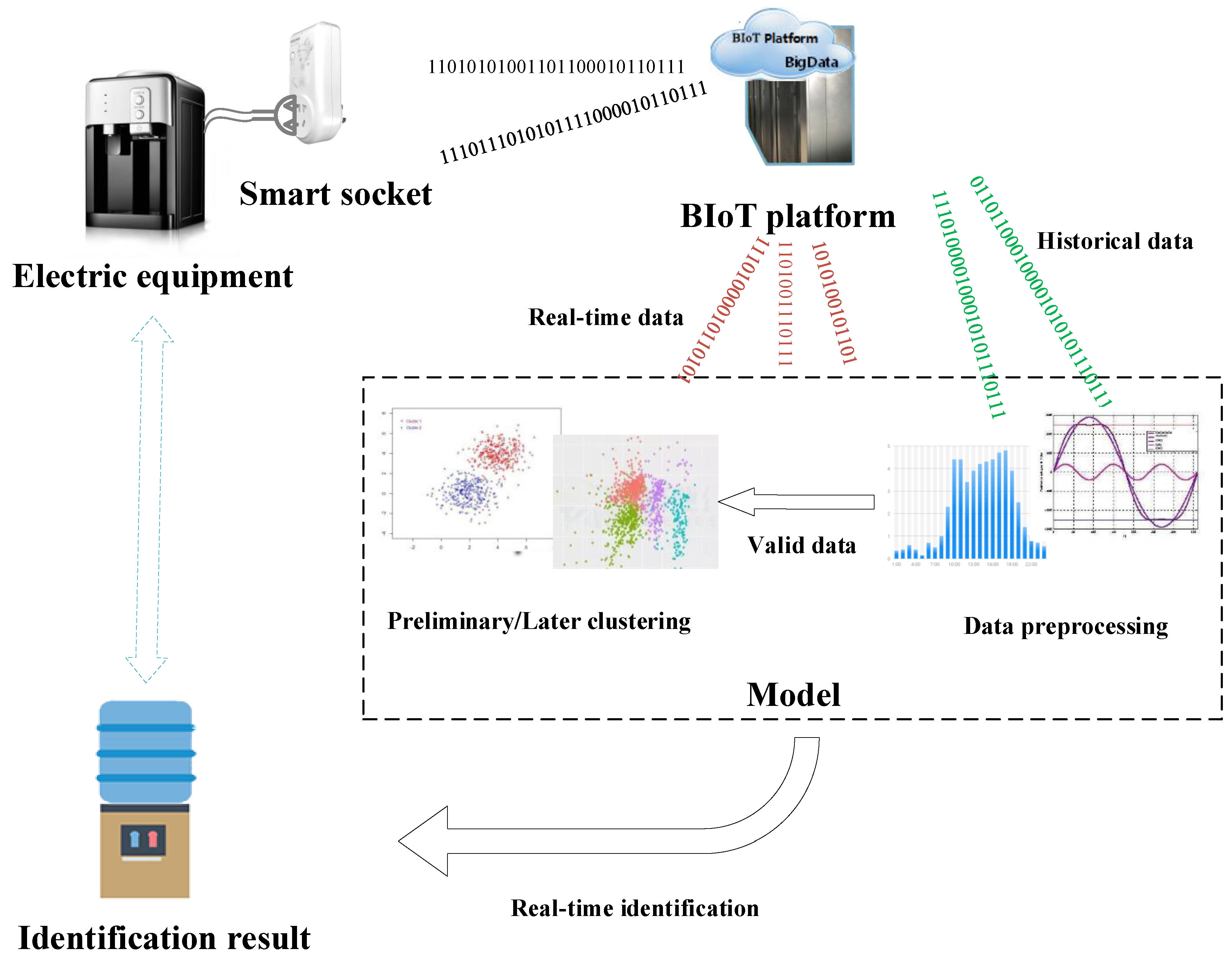
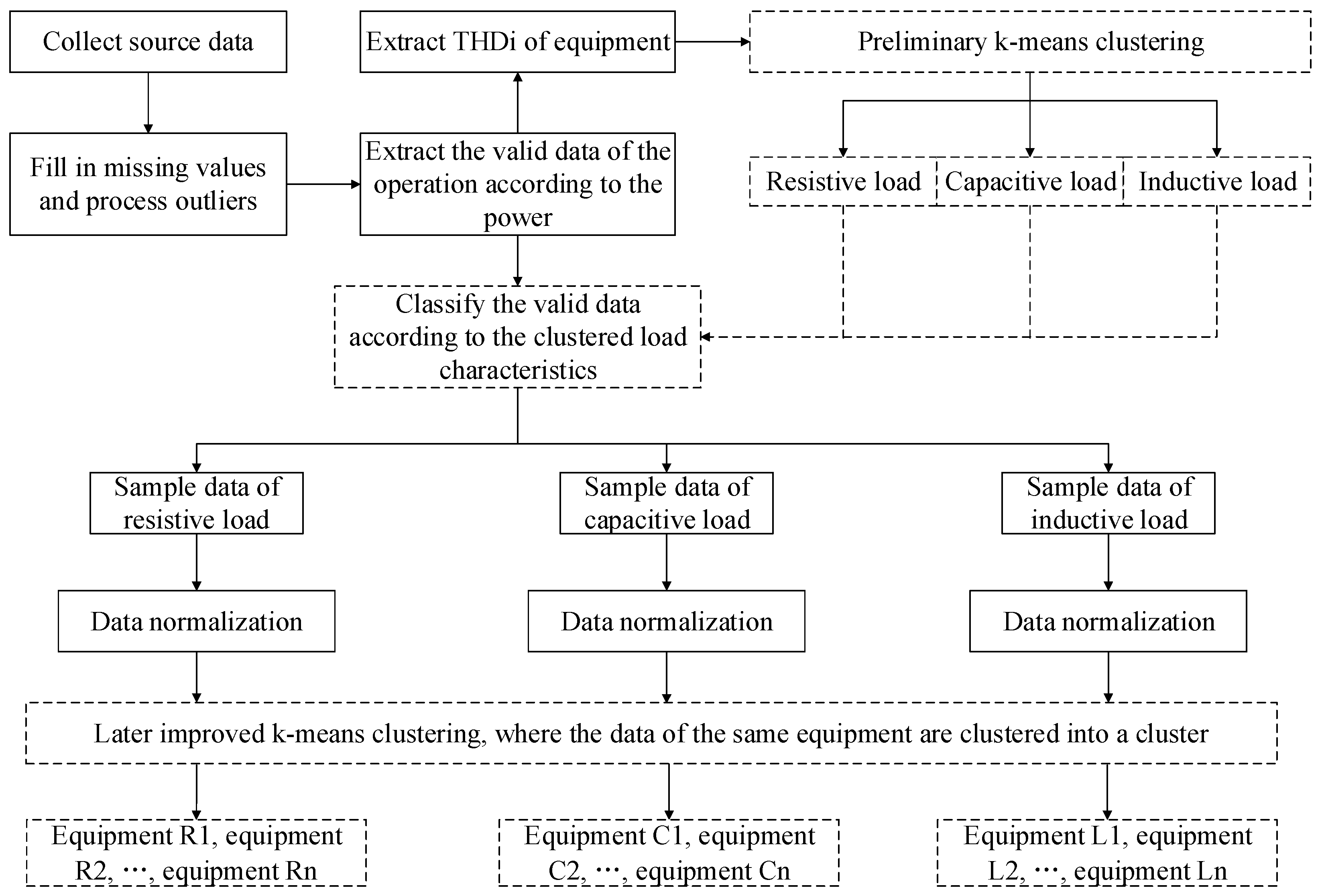
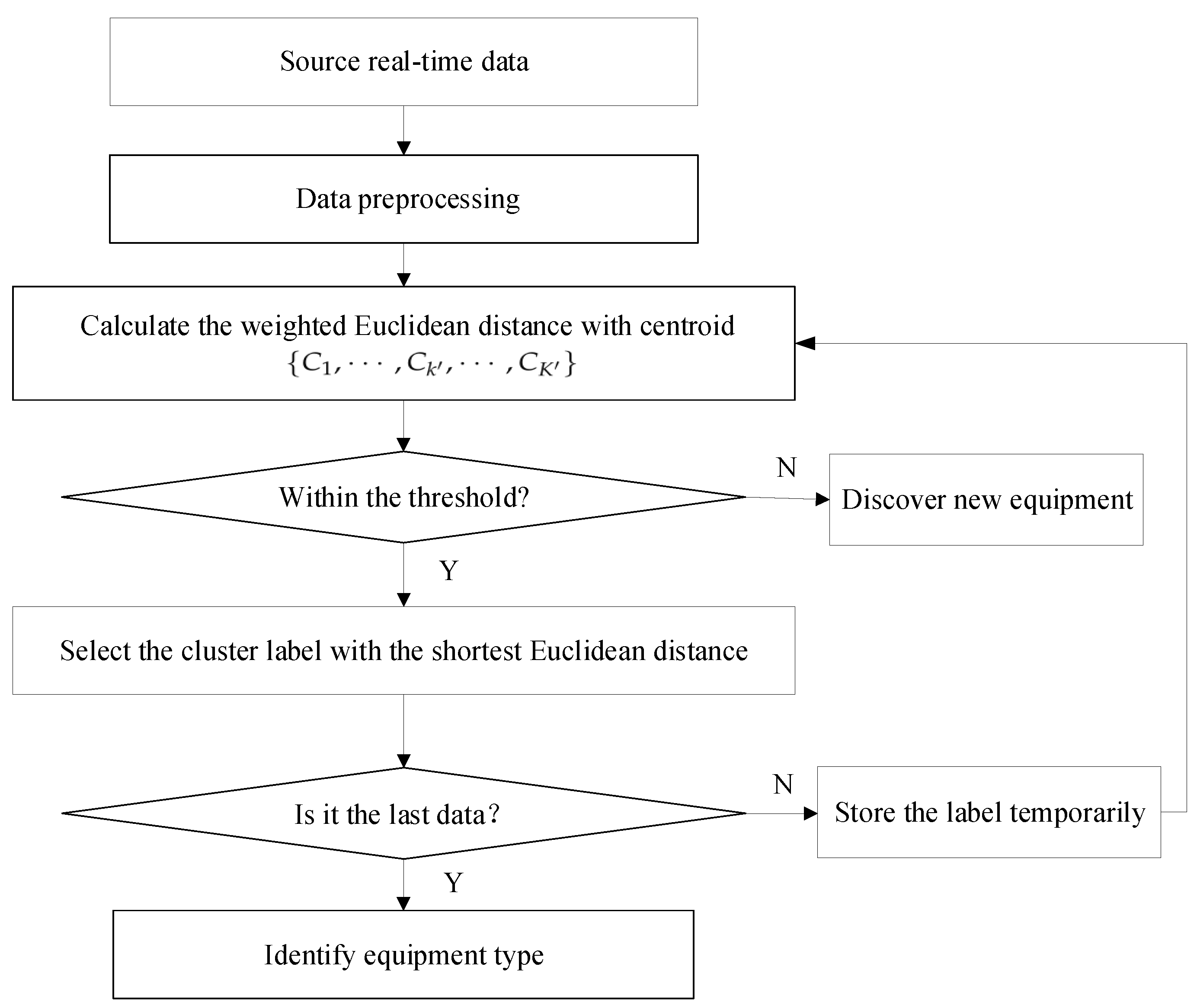
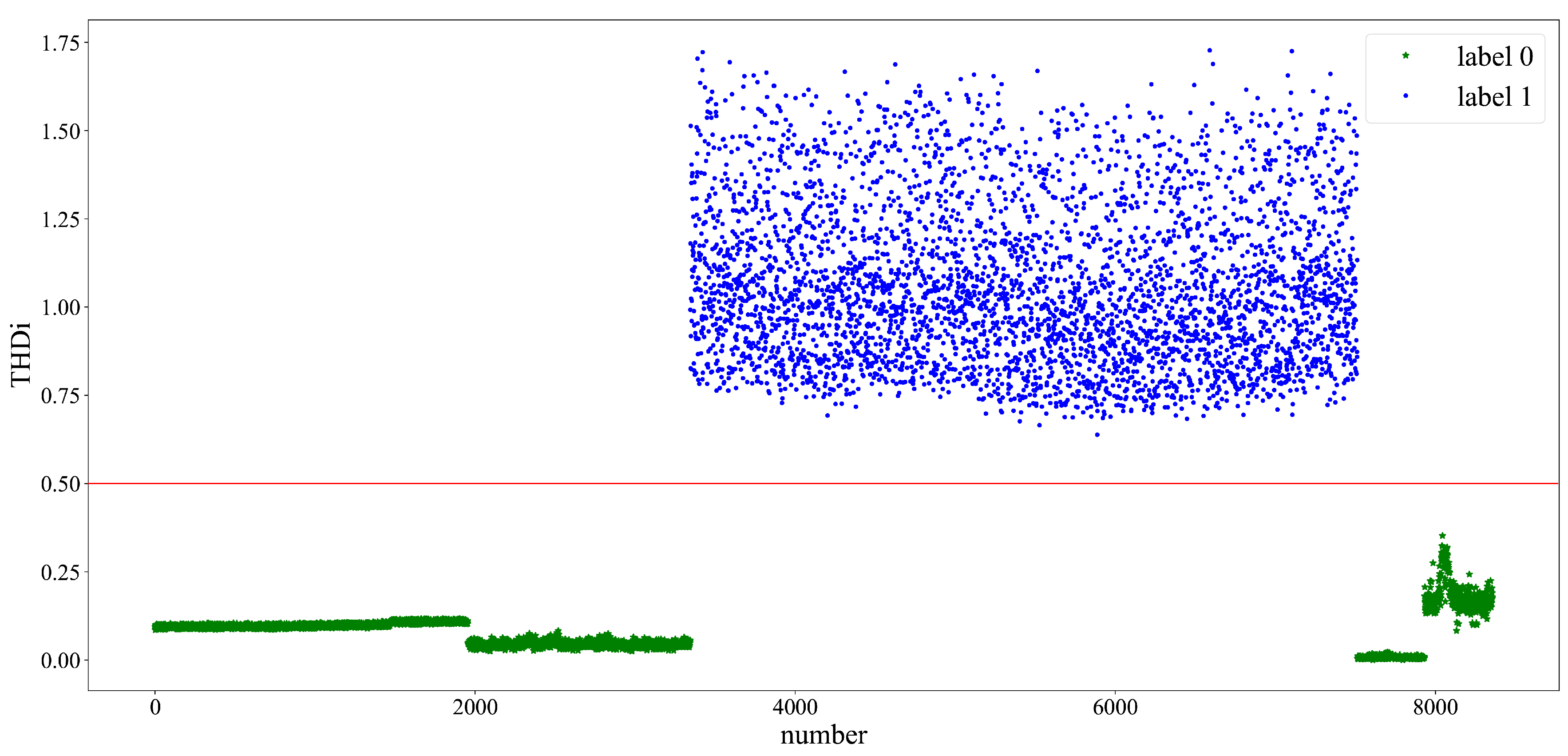
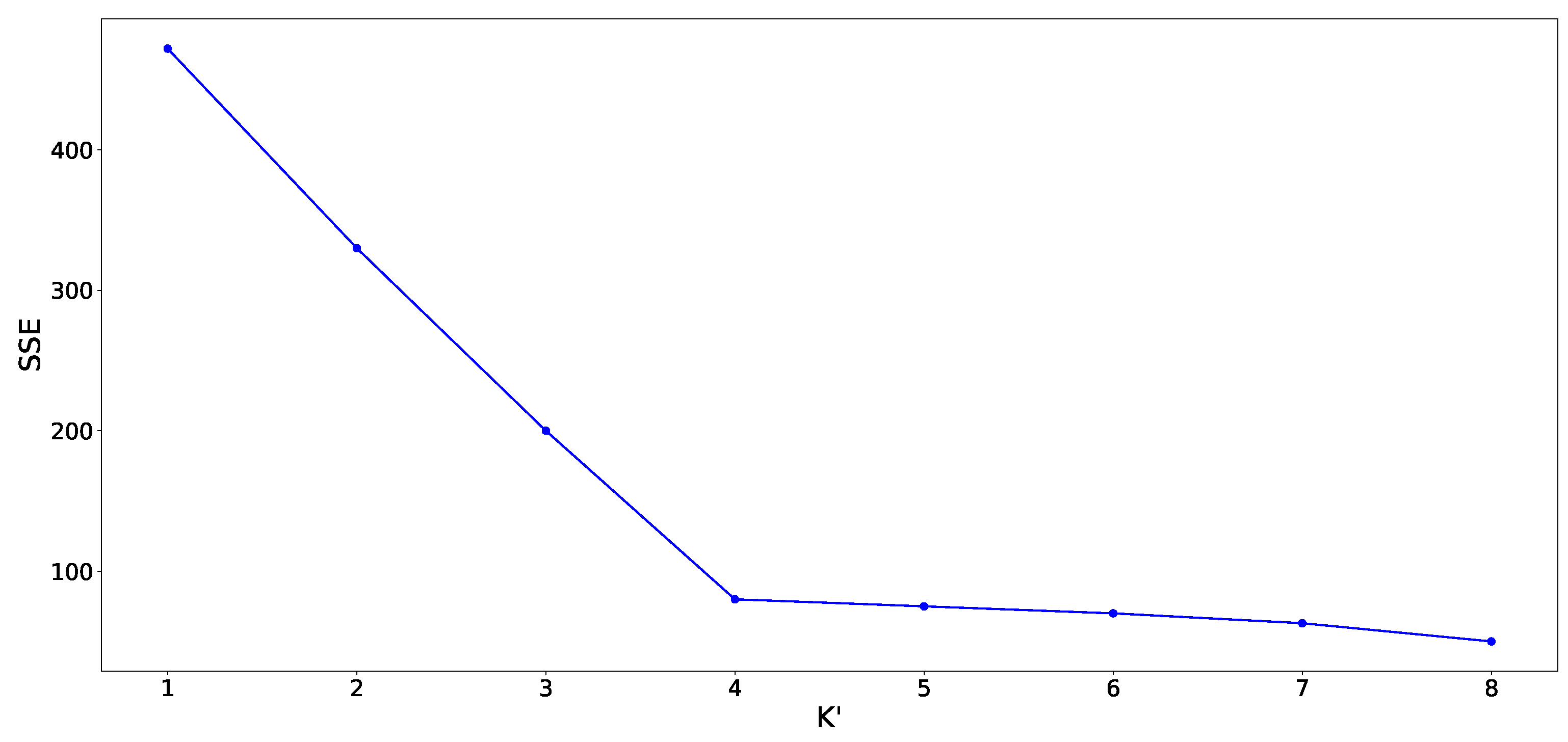
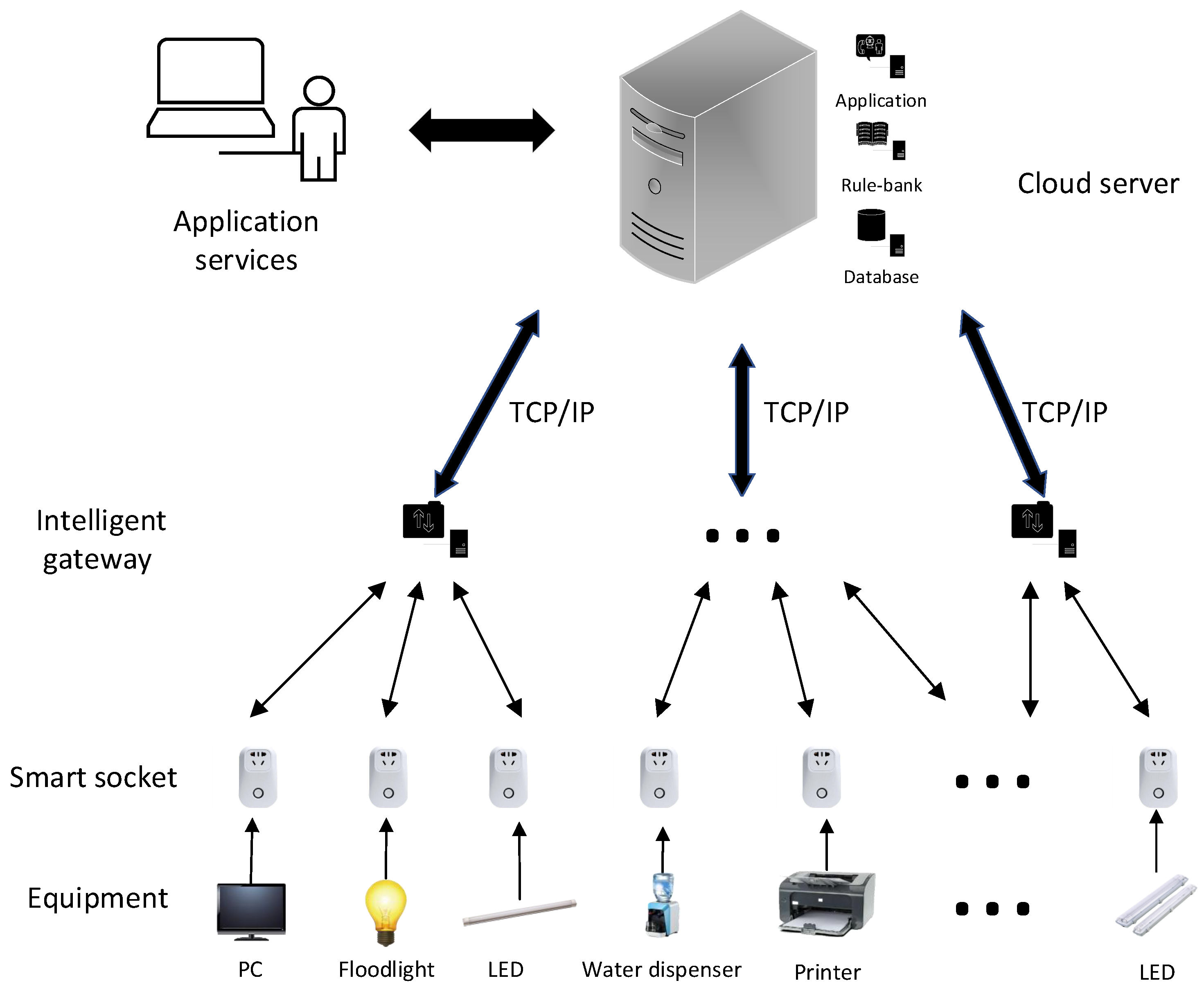
With the development and popular application of Building Internet of Things (BIoT) systems, numerous types of equipment are connected, and a large volume of equipment data is collected. For convenient equipment management, the equipment should be identified and labeled. Traditionally, this process is performed manually, which not only is time consuming but also causes unavoidable omissions. In this paper, we propose a k-means clustering-based electrical equipment identification toward smart building application that can automatically identify the unknown equipment connected to BIoT systems. First, load characteristics are analyzed and electrical features for equipment identification are extracted from the collected data. Second, k-means clustering is used twice to construct the identification model. Preliminary clustering adopts traditional k-means algorithm to the total harmonic current distortion data and separates equipment data into two to three clusters on the basis of their electrical characteristics. Later clustering uses an improved k-means algorithm, which weighs Euclidean distance and uses the elbow method to determine the number of clusters and analyze the results of preliminary clustering. Then, the equipment identification model is constructed by selecting the cluster centroid vector and distance threshold. Finally, identification results are obtained online on the basis of the model outputs by using the newly collected data. Successful applications to BIoT system verify the validity of the proposed identification method.
Keywords: Building Internet of Things; equipment identification; K-means clustering; euclidean distance Building Internet of Things; equipment identification; K-means clustering; euclidean distance
Graphical Abstract