Article

UAV Trajectory Planning in a Port Environment


1
School of Logistics Engineering, Shanghai Maritime University, Shanghai 201306, China
2
Naval Academy, Brest Naval, Lanveoc-Poulmic, BP 600, 29240 Brest Naval, France
*
Author to whom correspondence should be addressed.
J. Mar. Sci. Eng. 2020, 8(8), 592; https://doi.org/10.3390/jmse8080592
Submission received: 9 July 2020 / Revised: 26 July 2020 / Accepted: 30 July 2020 / Published: 8 August 2020

Abstract

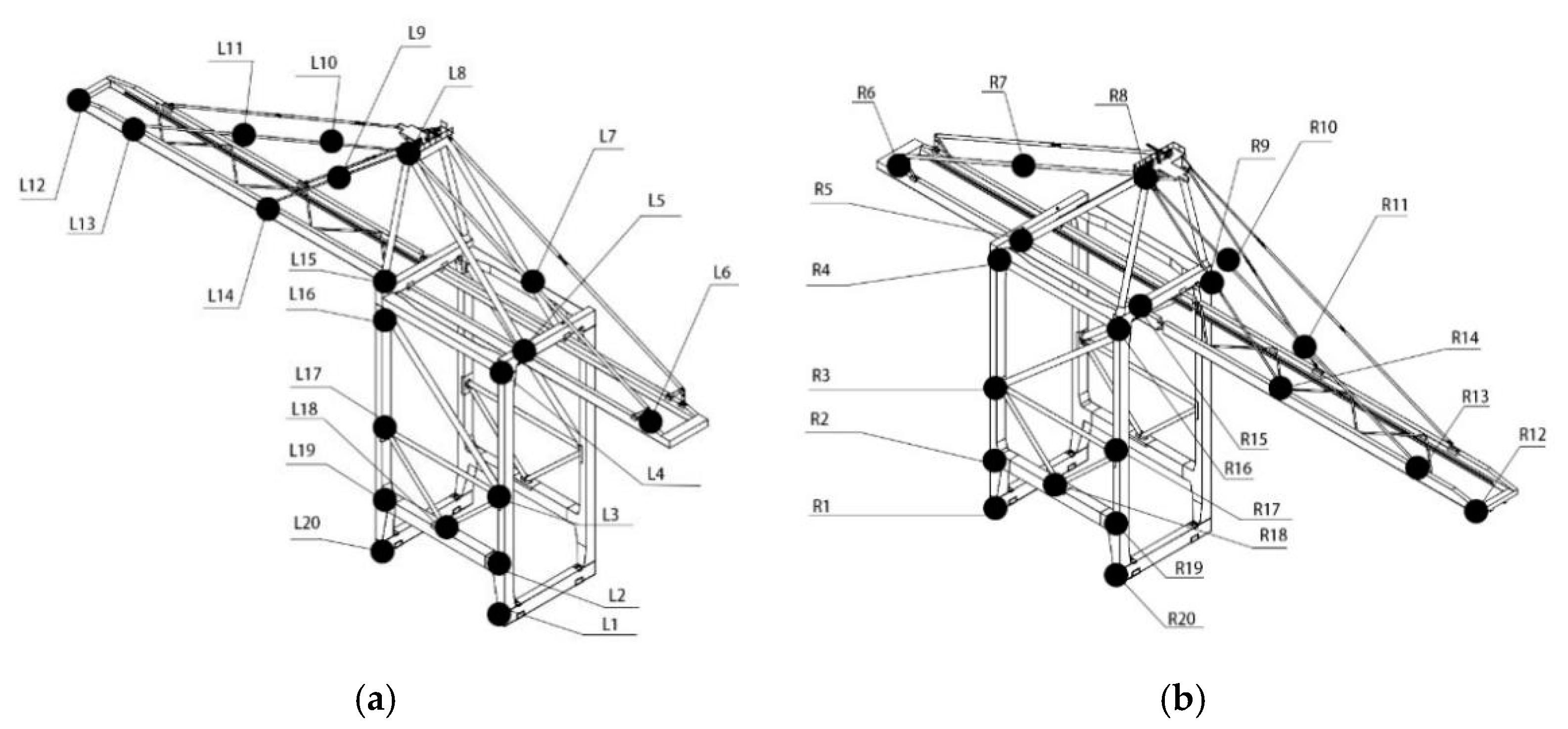
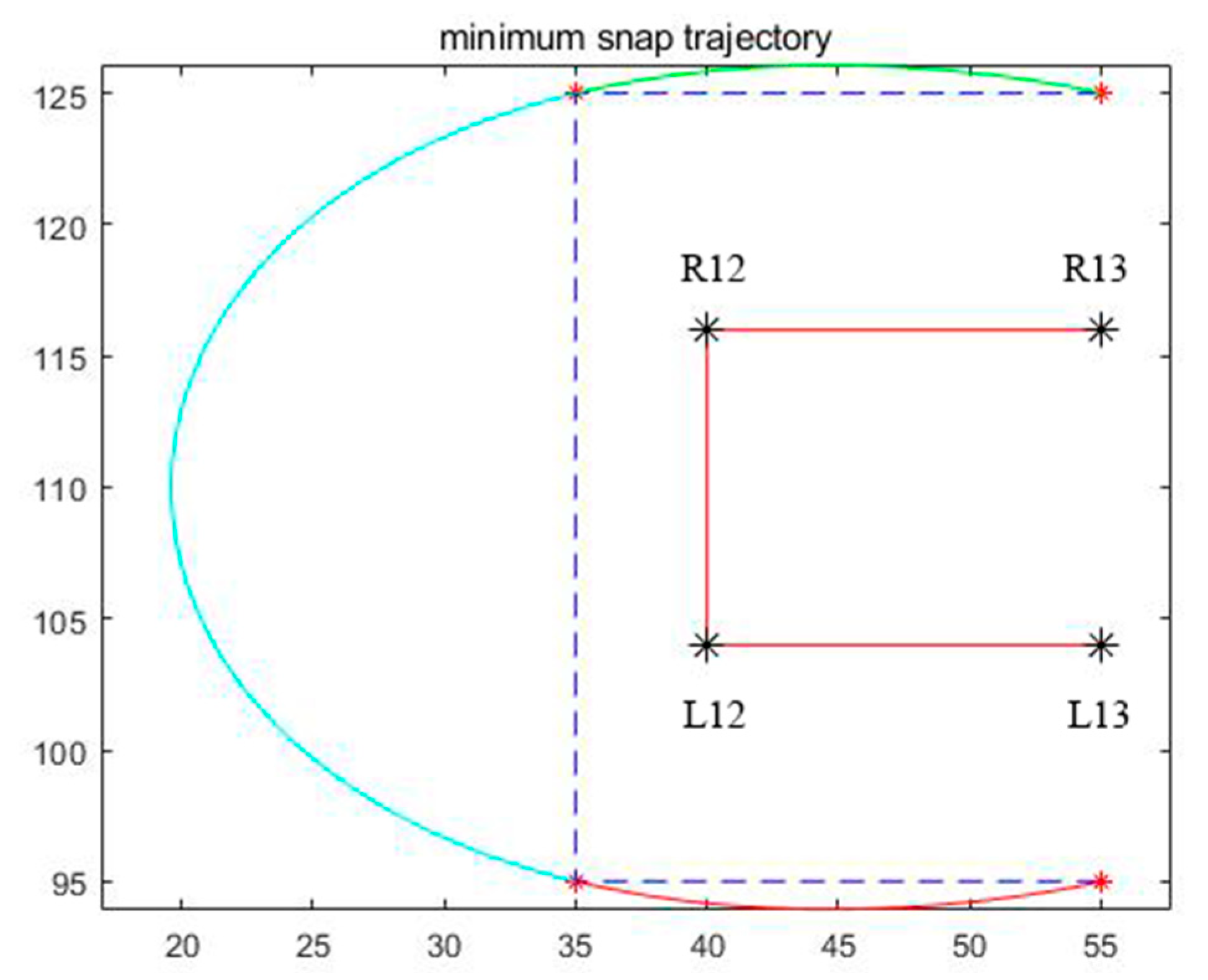
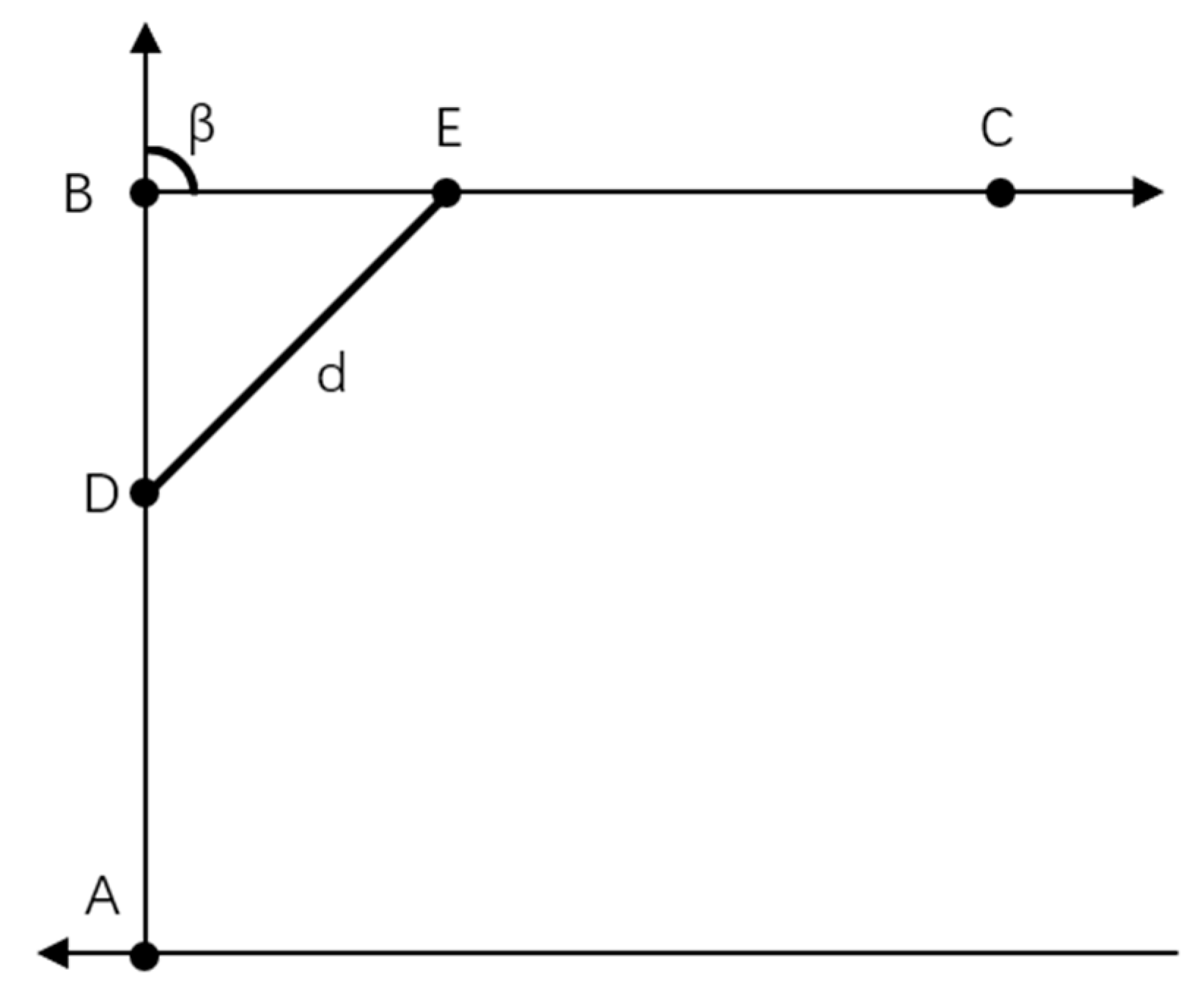
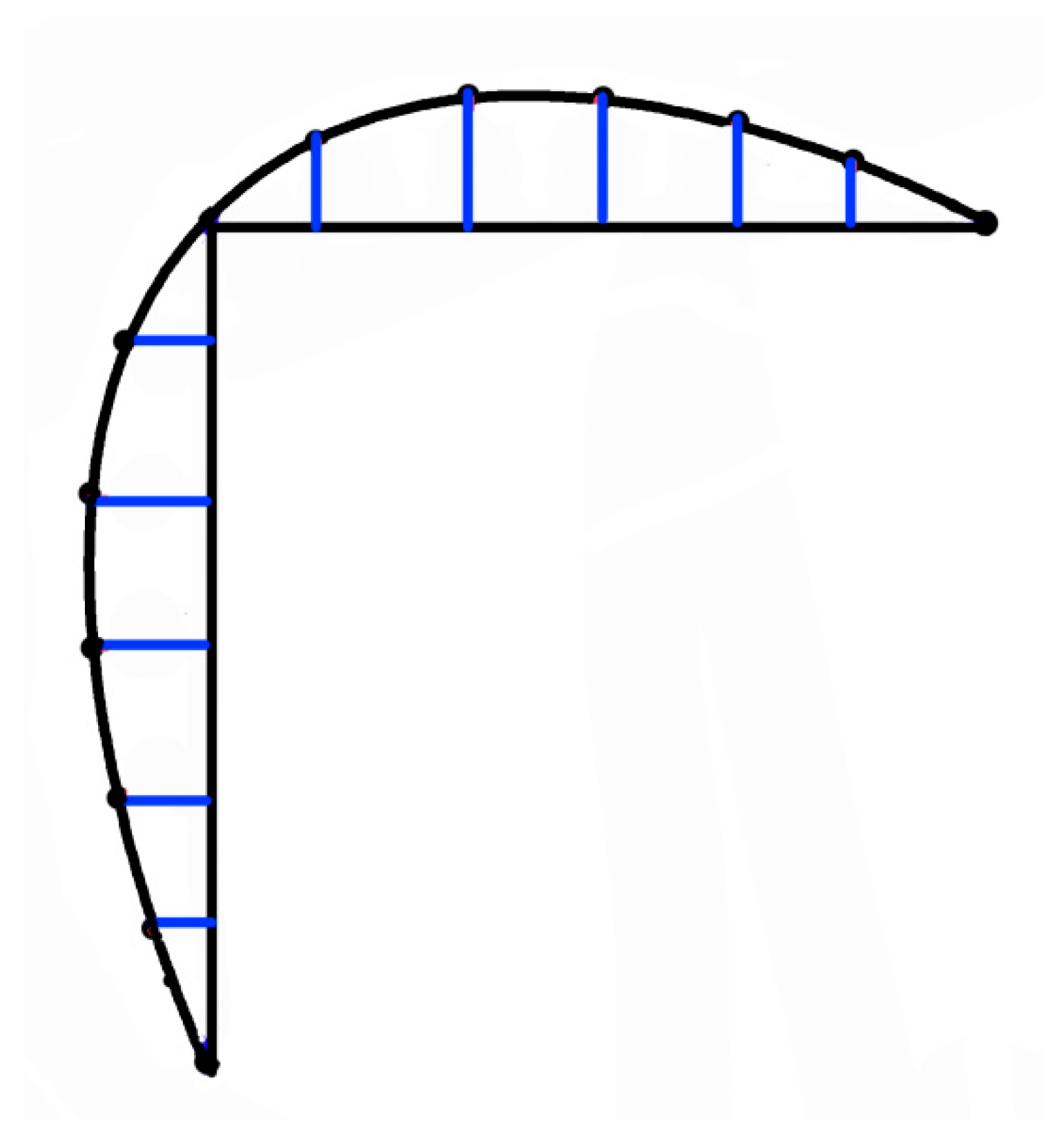
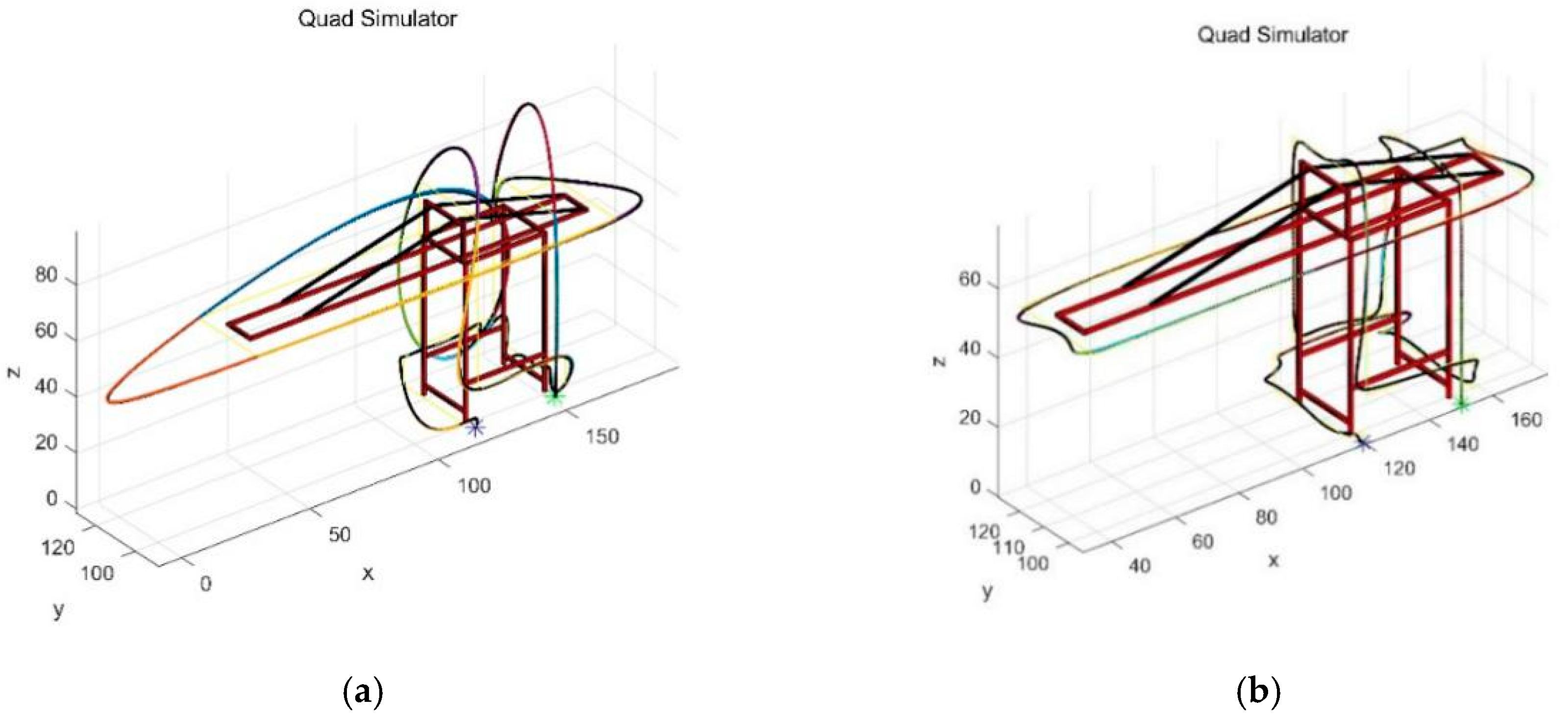
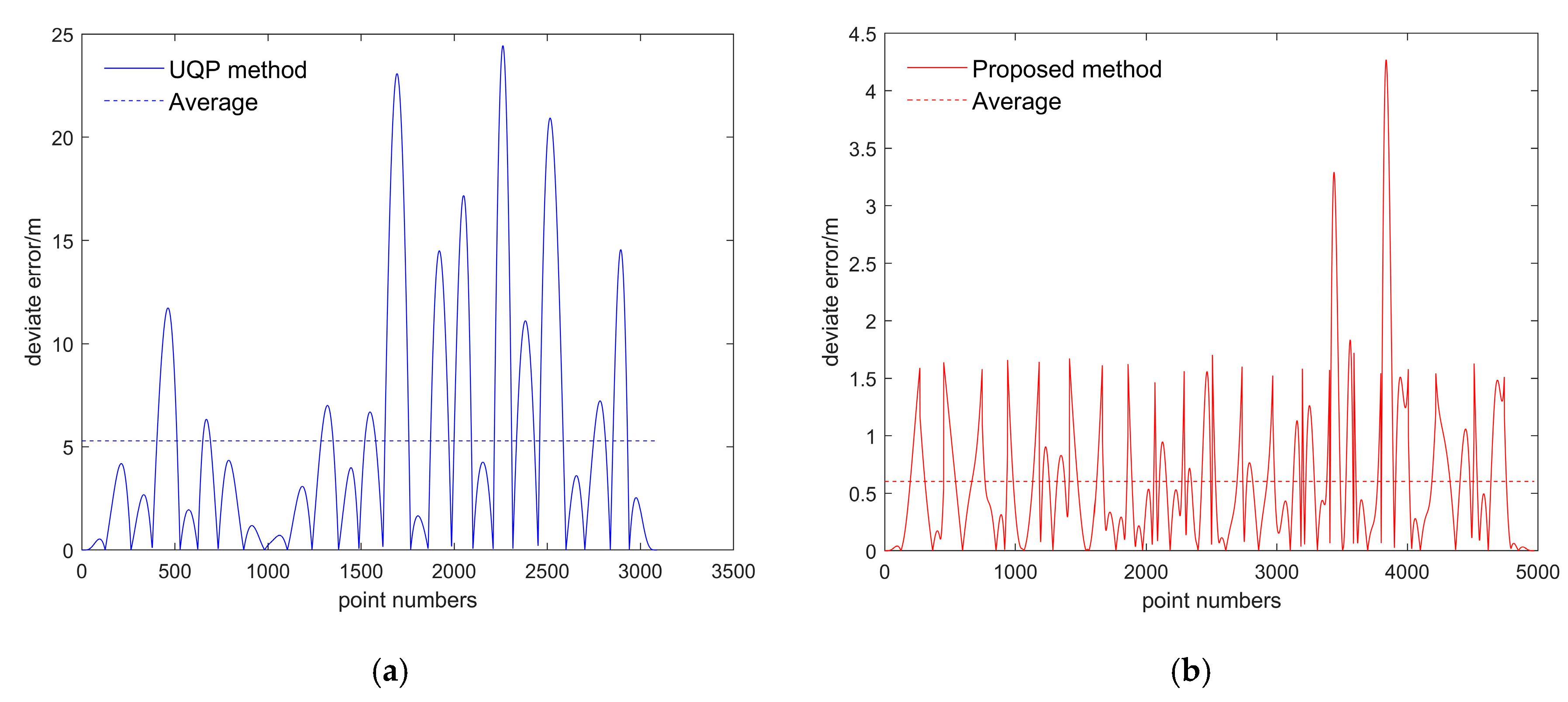
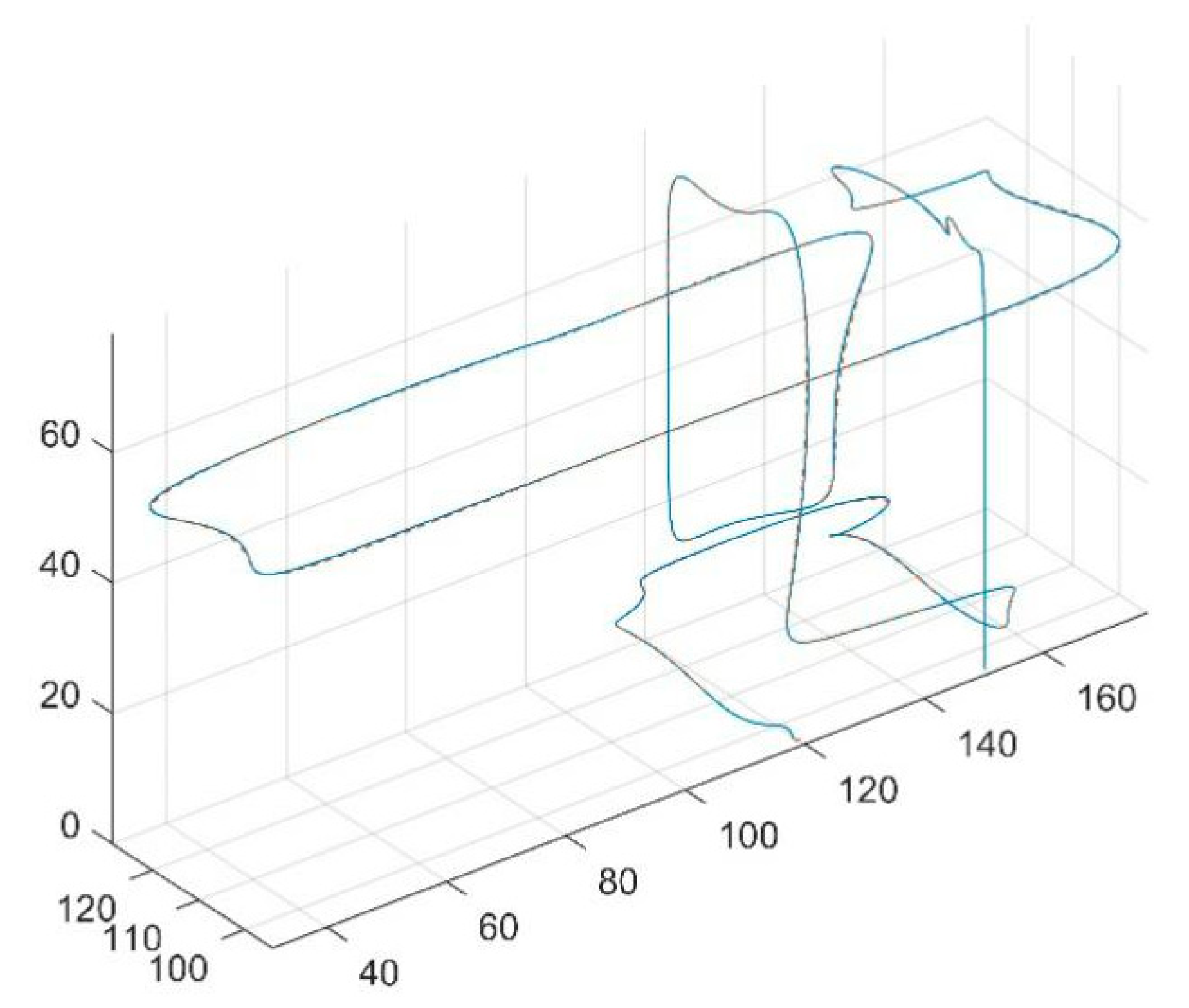
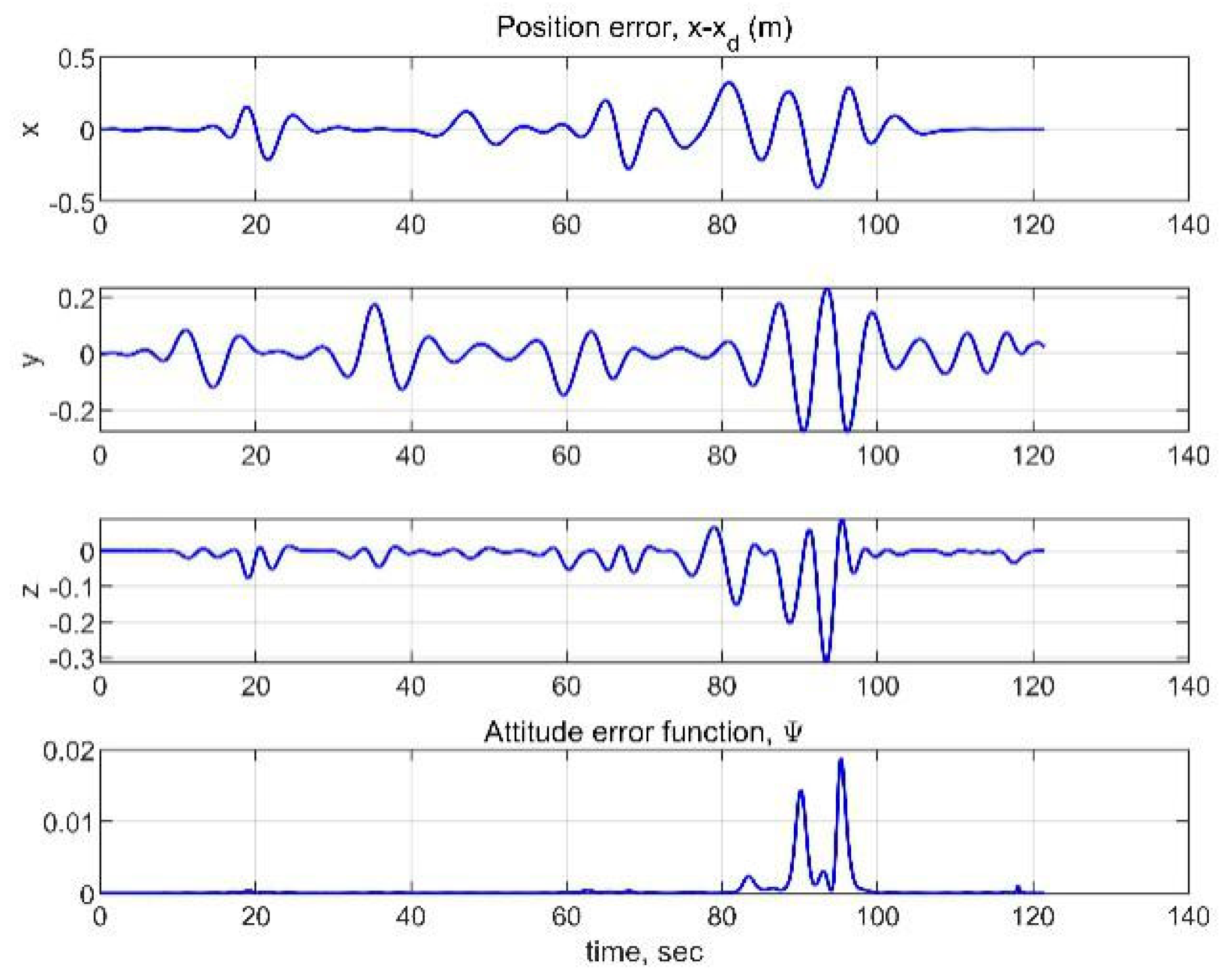
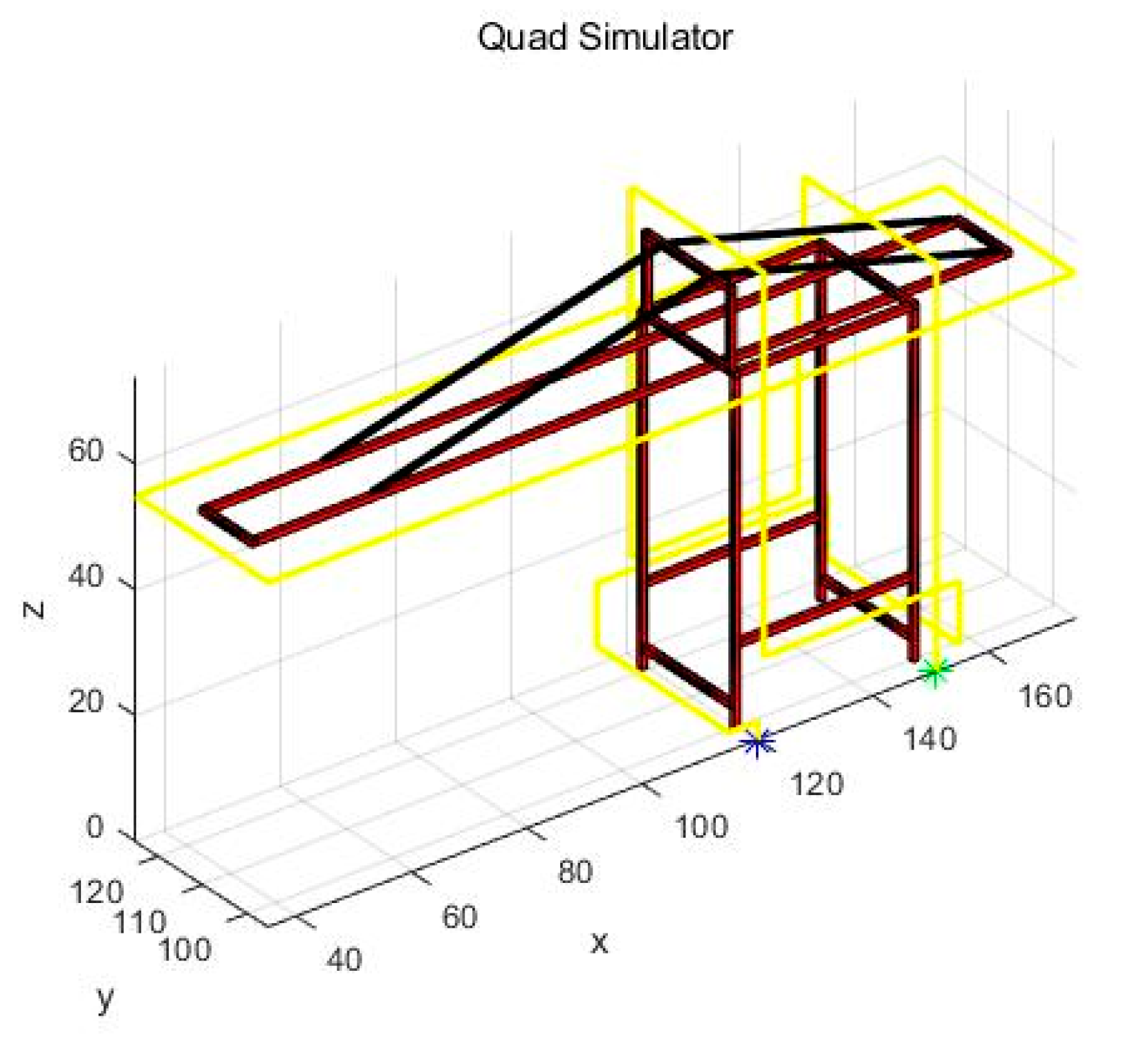
In many situations, the trajectory of an unmanned aerial vehicle (UAV) is very likely to deviate from the initial path generated by a path planning algorithm. This is in fact due to the existence of dynamic constraints of the UAV. In order to reduce the degree of such a deviation, this research introduces a trajectory planning algorithm, the objective of which is to minimize distance while maintaining security. The algorithm first develops preprocess trajectory points by constructing isosceles triangles then, on the basis of a minimum snap trajectory method, it applies a corridor constraint to an optimization objective function, while the deviation evaluation function is established to quantitatively evaluate the deviation distance. A series of experiments were carried out in a simulation environment with a simplified quay crane model. The results show that the proposed method not only optimizes the time and length of the generated trajectory, but also reduces the average deviation distance by 88.7%. Moreover, the generated trajectory can be well tracked by the UAV through qualitative and quantitative analysis. Overall, the experiments show that the proposed method can generate a higher UAV trajectory quality.
Keywords: quay crane; minimum snap trajectory; corridor constraint; evaluation function quay crane; minimum snap trajectory; corridor constraint; evaluation function