Article

Effects of Water Depth on the Performance of Geotextile-Armored and Vegetated Submerged Breakwaters


1
College of Civil Engineering, Tongji University, Shanghai 200092, China
2
The Lyell Centre for Earth and Marine Science and Technology, Institute for Infrastructure and Environment, Heriot-Watt University, Edinburgh EH14 4AS, UK
*
Authors to whom correspondence should be addressed.
J. Mar. Sci. Eng. 2026, 14(18), 1744; https://doi.org/10.3390/jmse14181744 (registering DOI)
Submission received: 30 July 2026 / Revised: 16 September 2026 / Accepted: 17 September 2026 / Published: 19 September 2026
(This article belongs to the Section Coastal Engineering)

Abstract

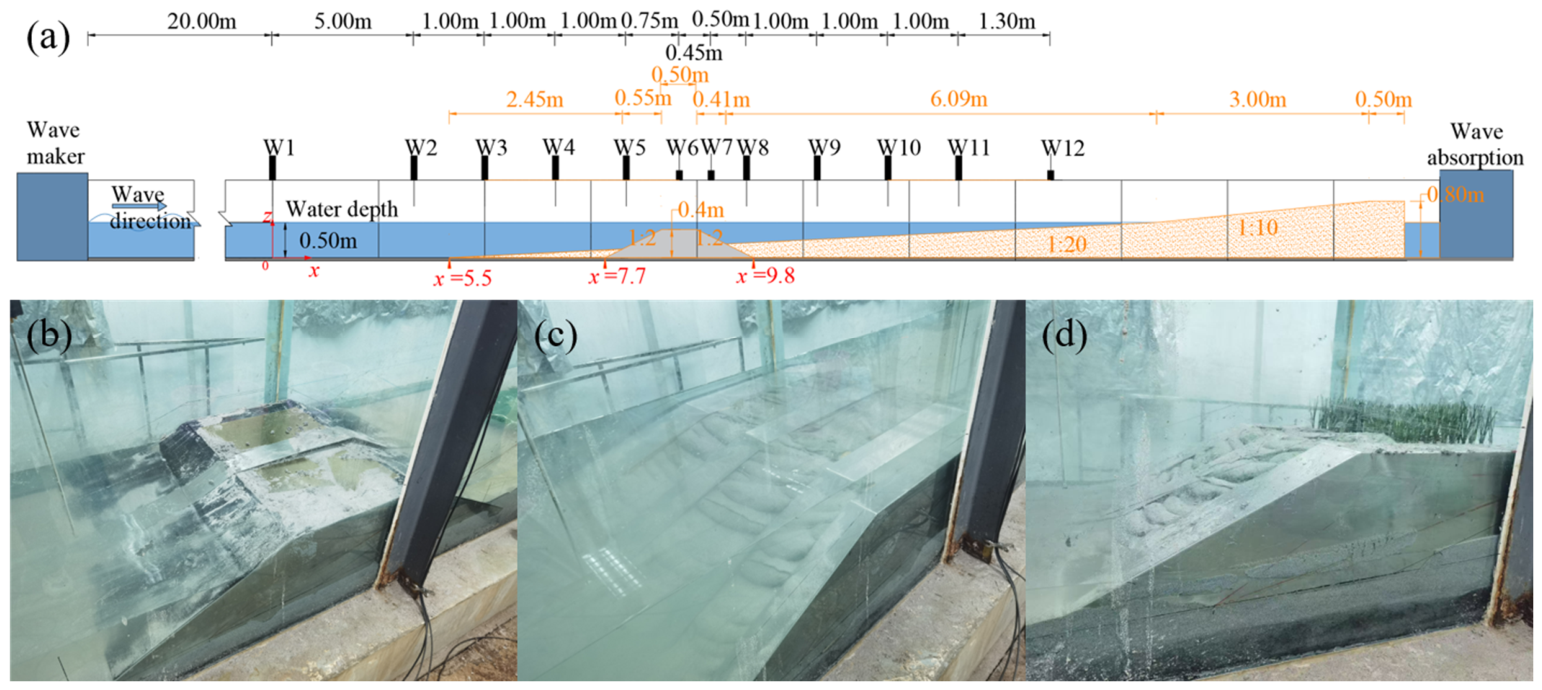
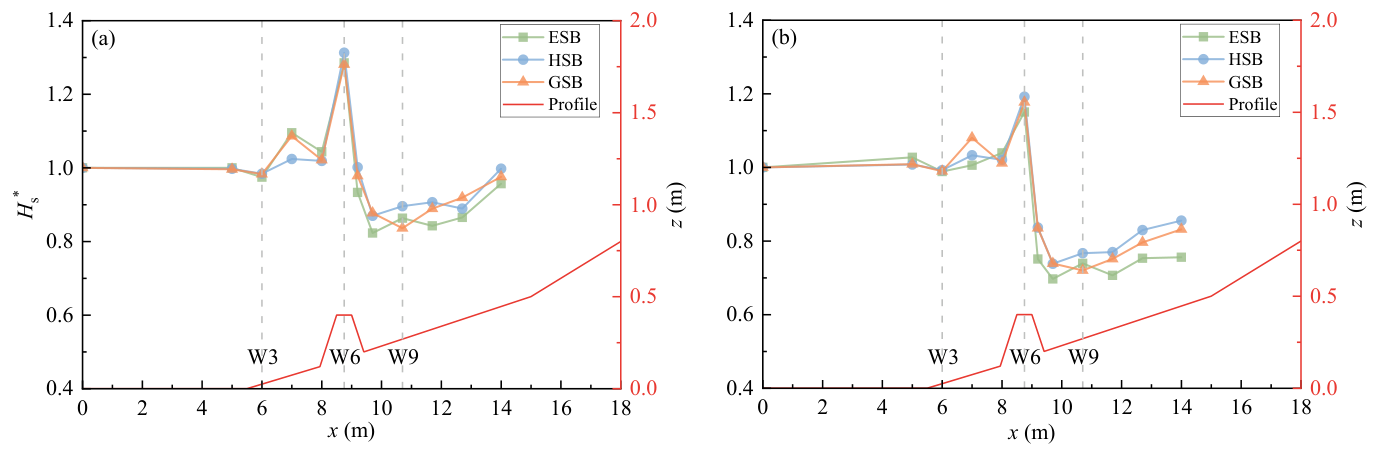
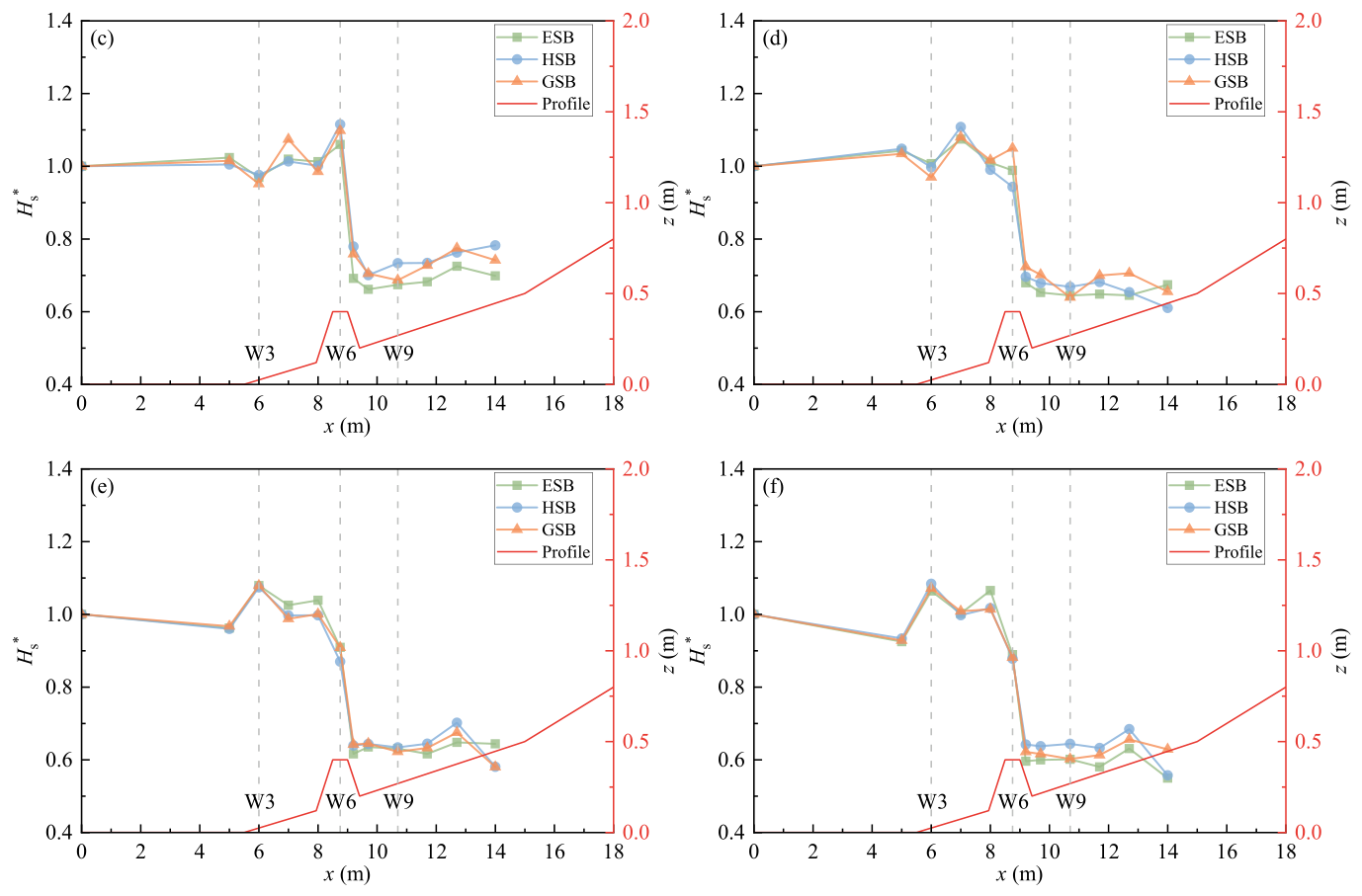
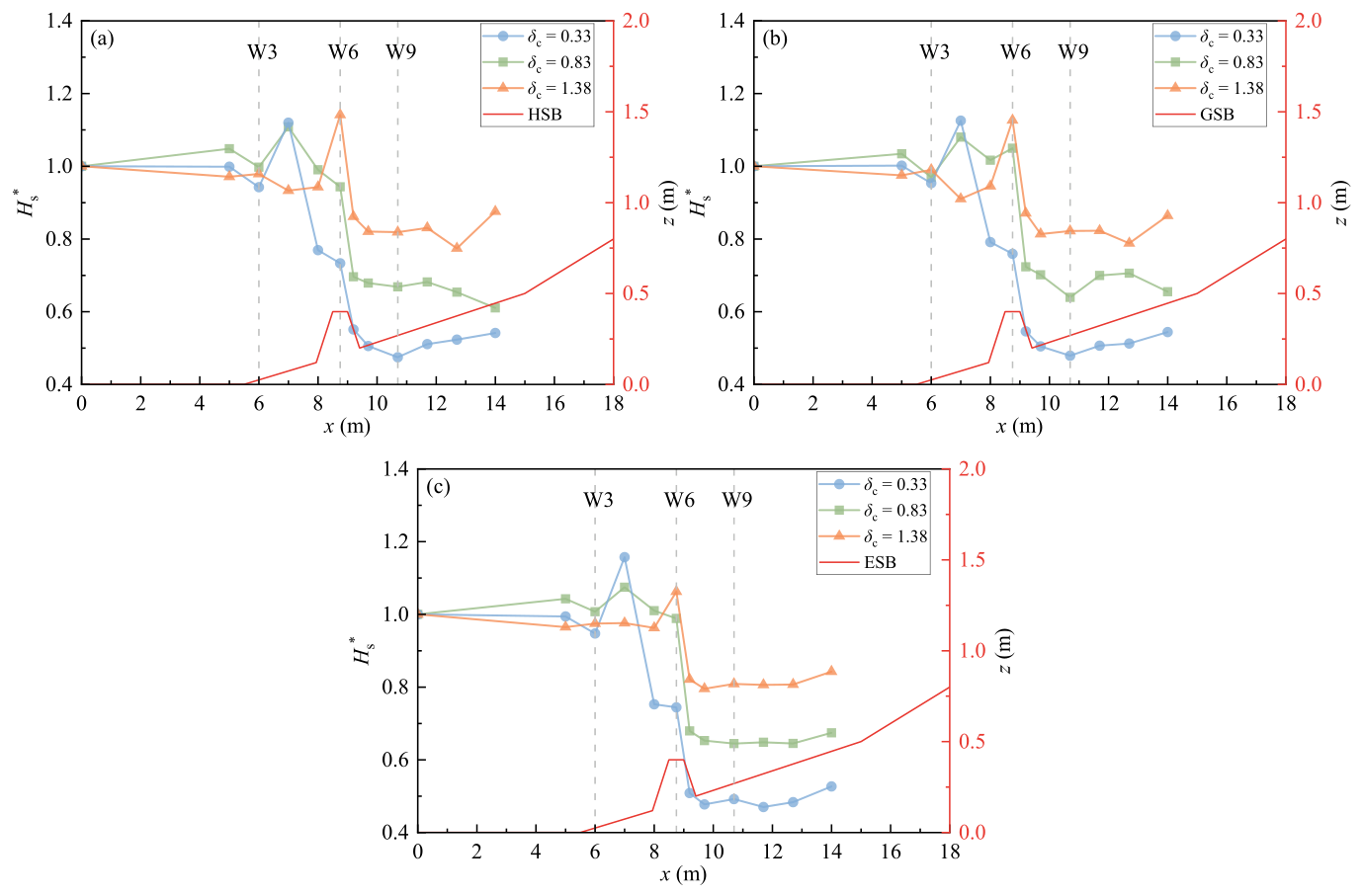
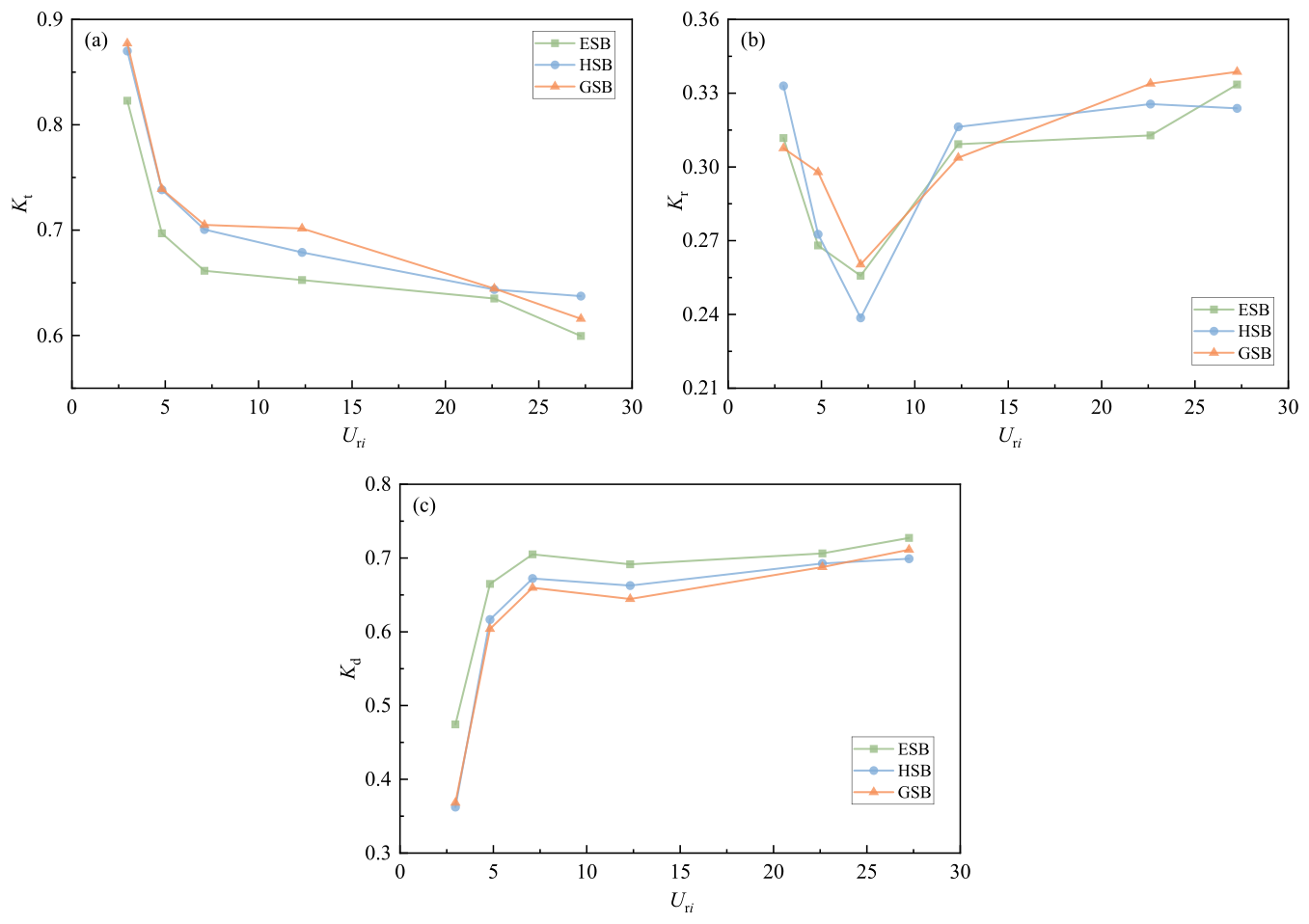
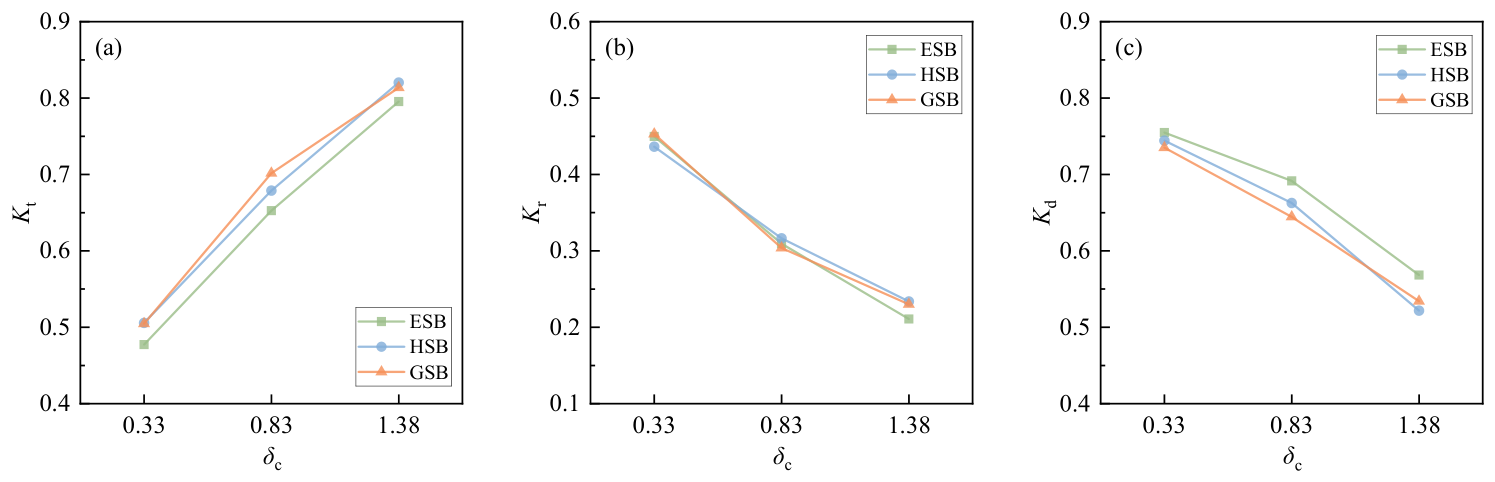
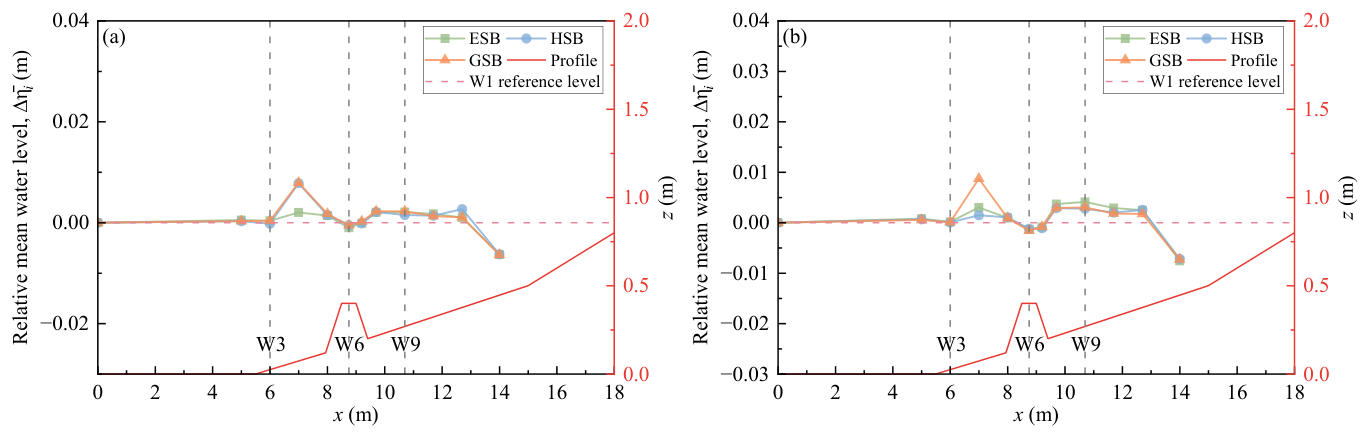
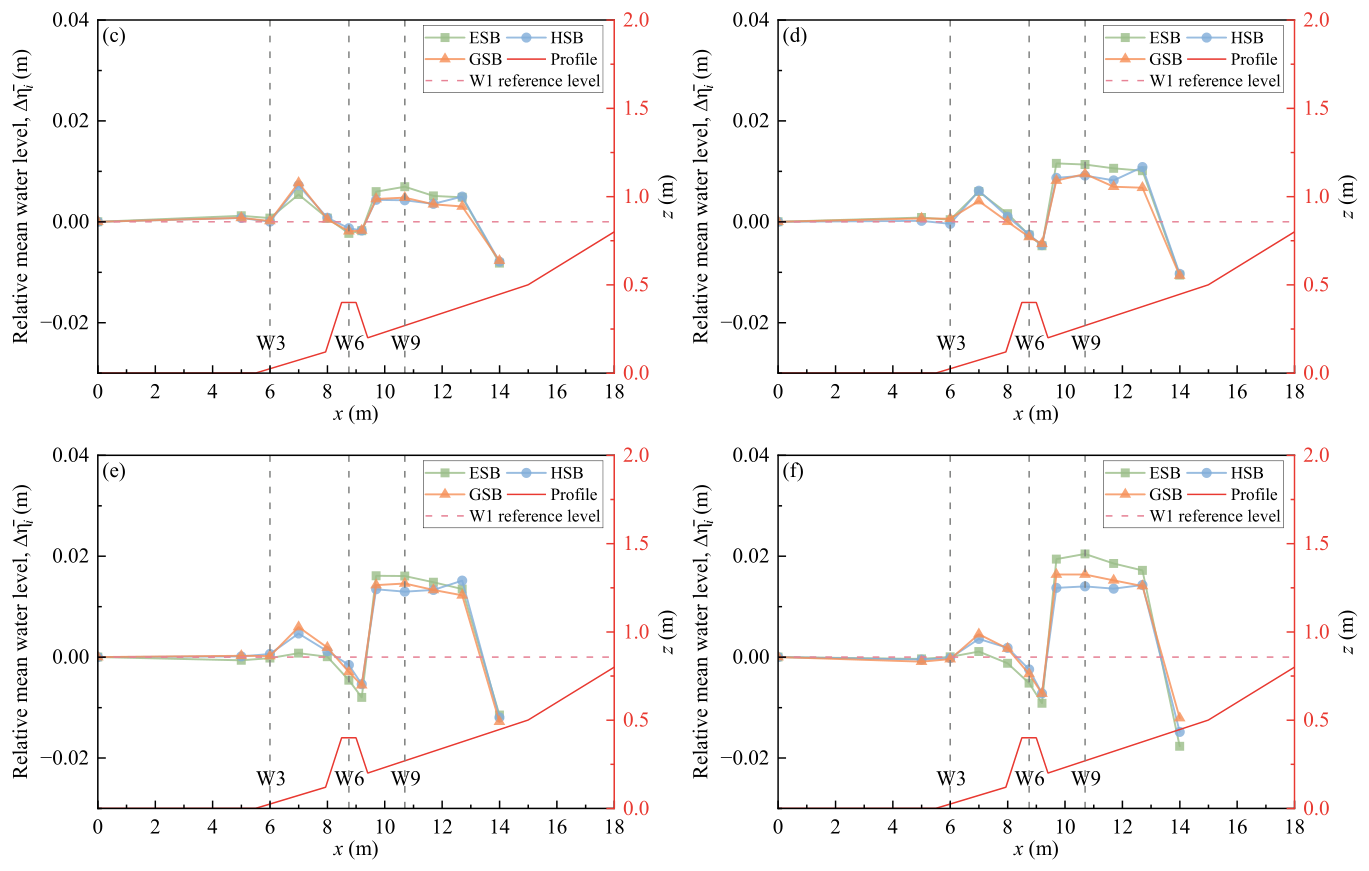
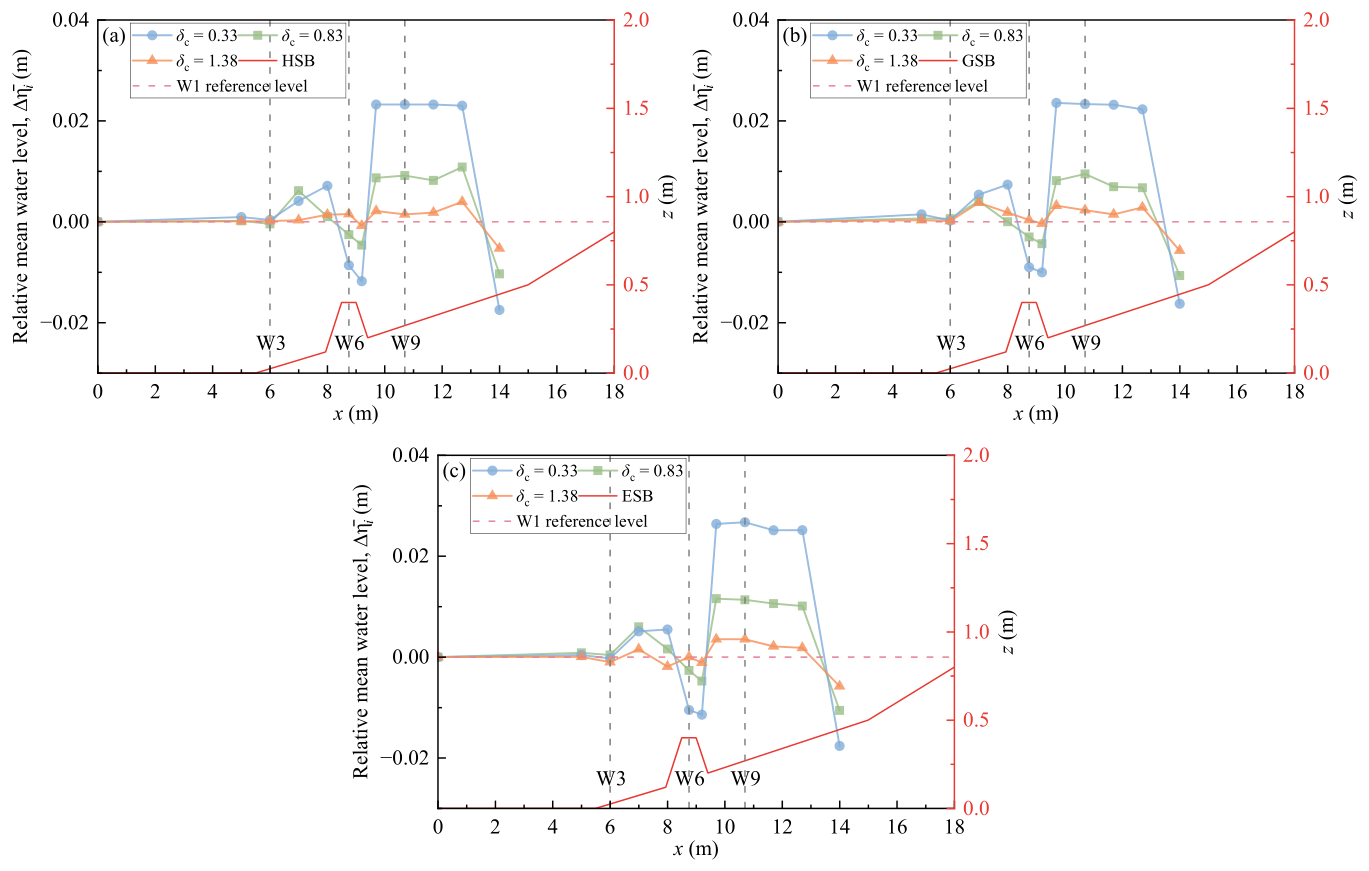
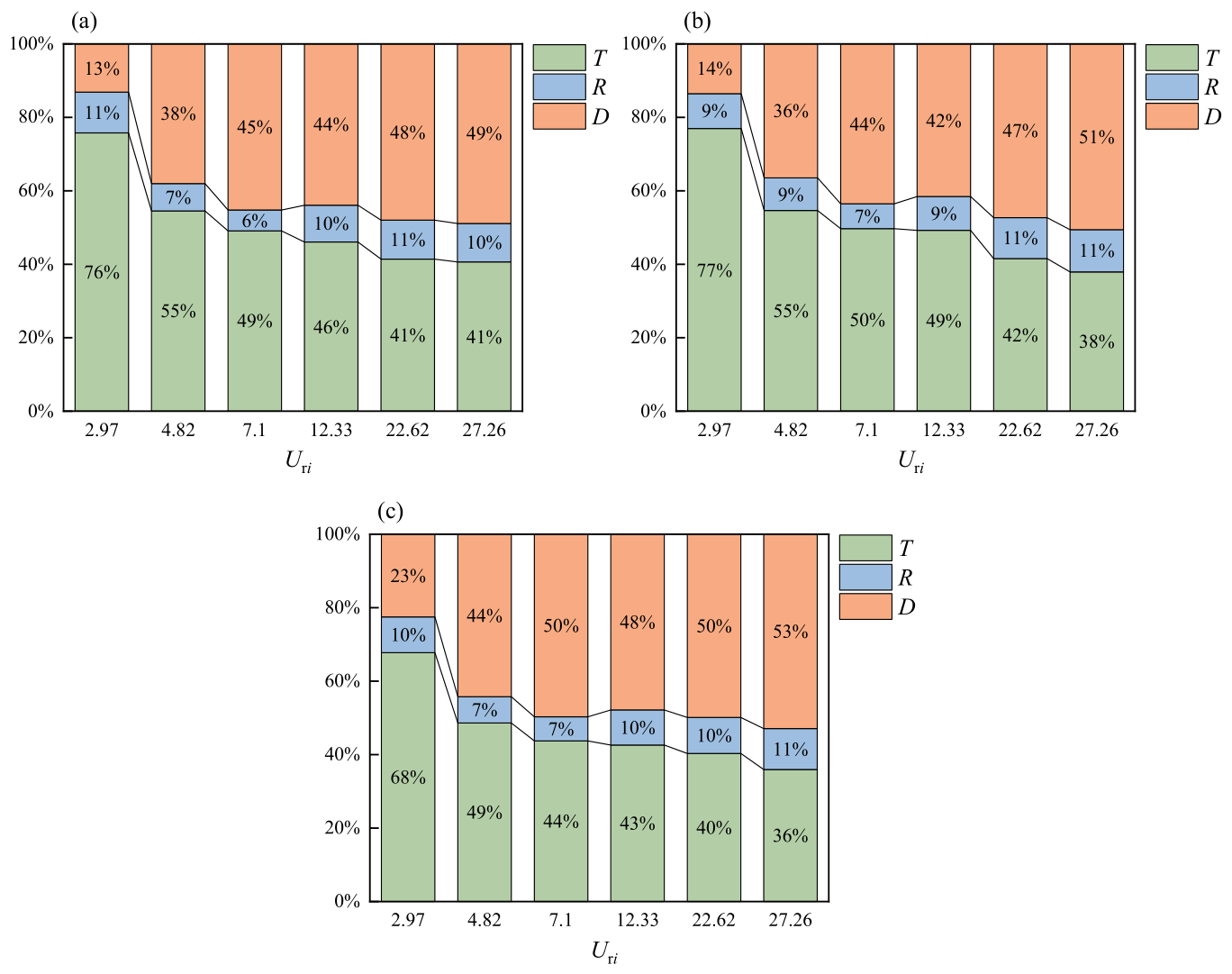
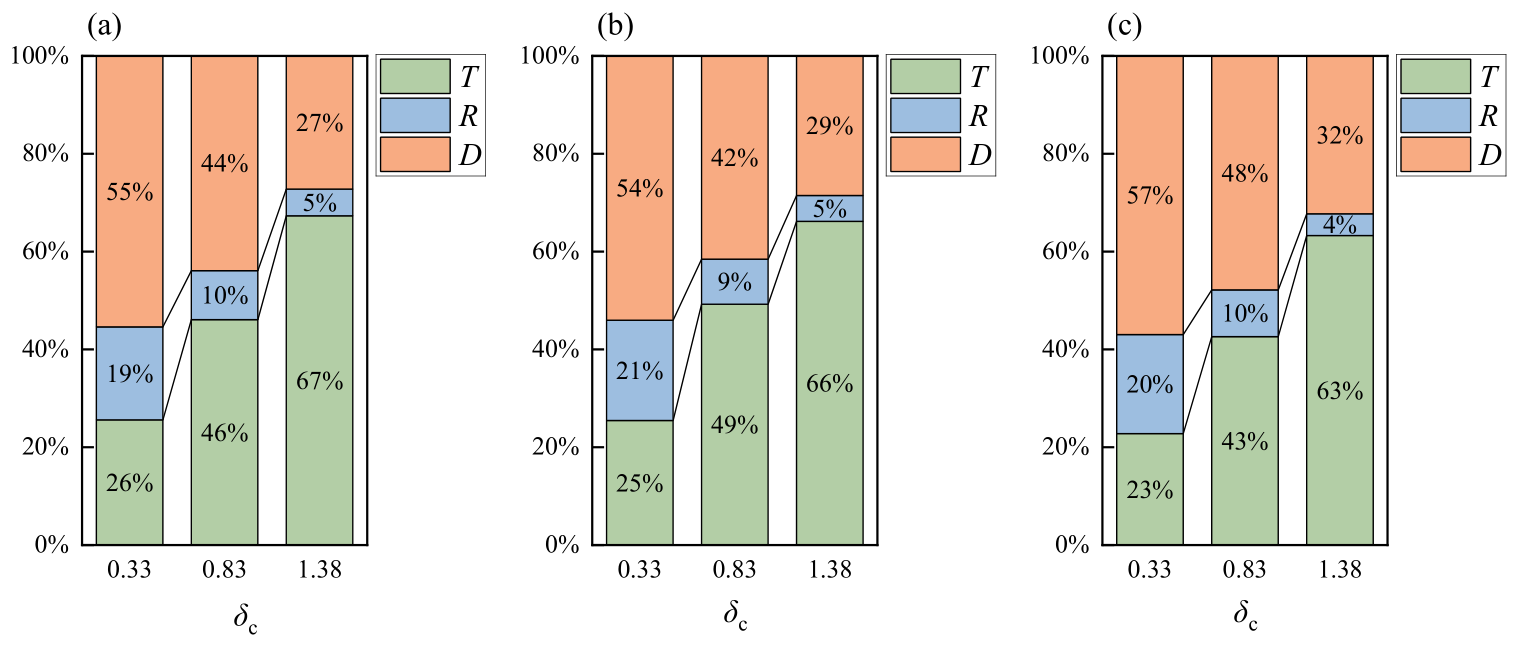
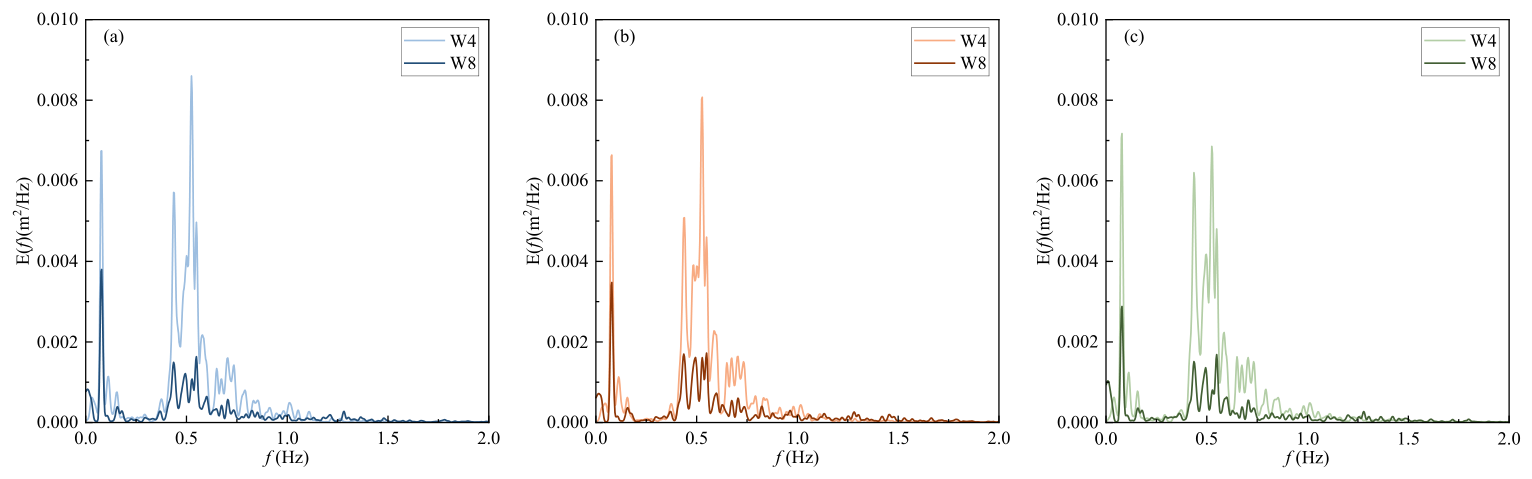
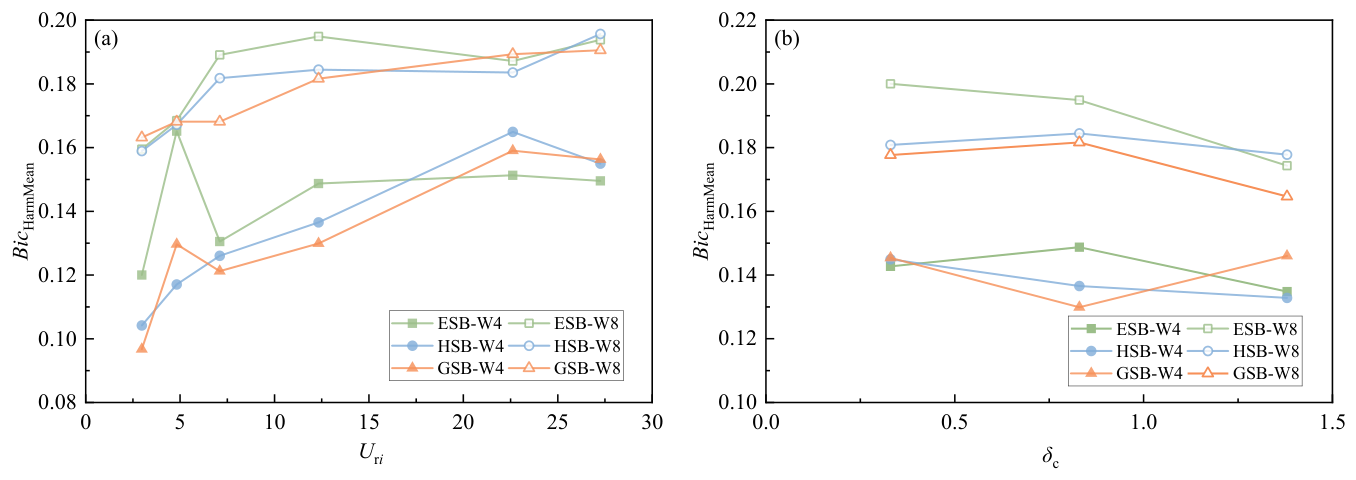
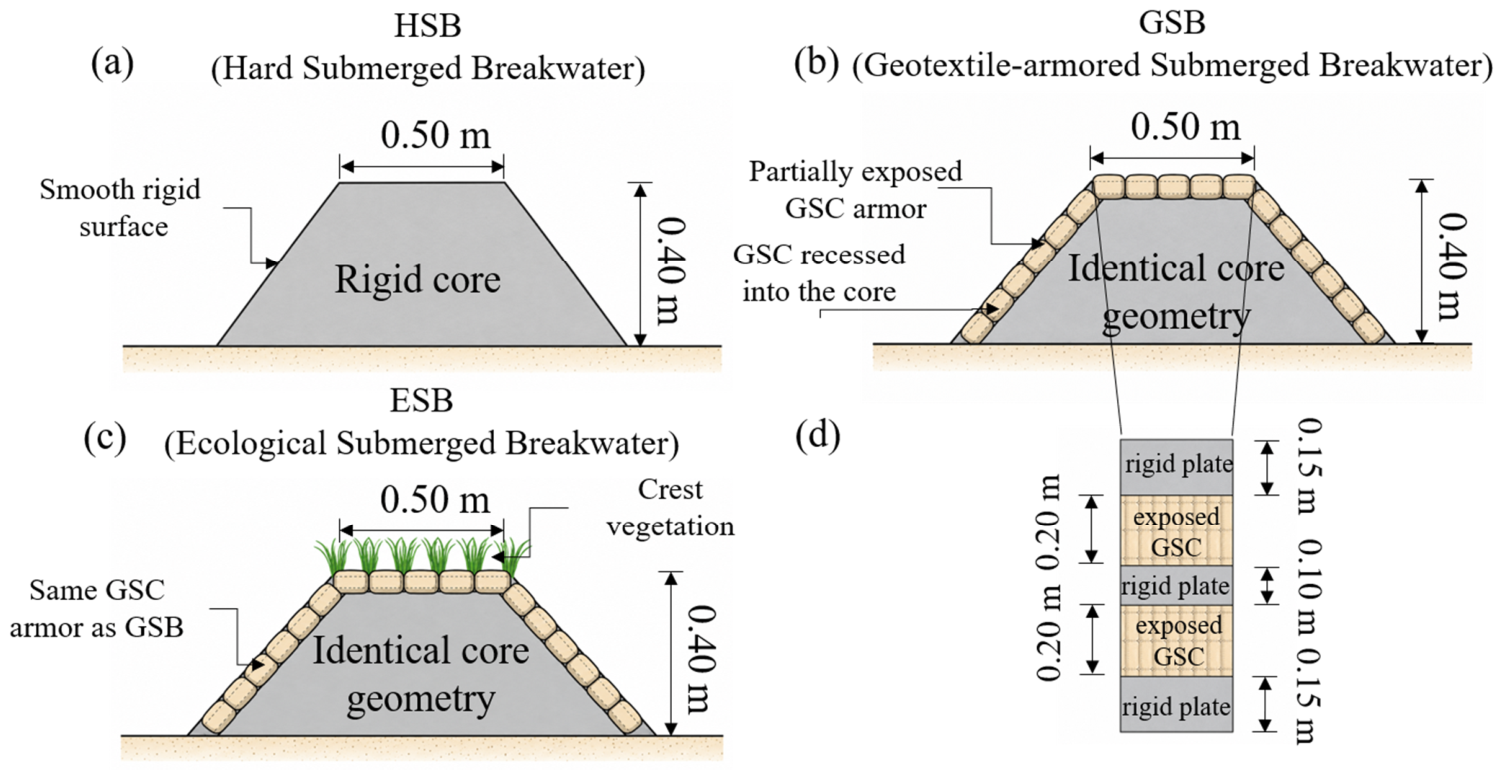
Water depth substantially affects wave transformation over hybrid submerged breakwaters, yet the incremental effects of geotextile armoring and crest vegetation remain insufficiently understood. Experiments were conducted in the 50.0 m long, 0.8 m wide, and 1.2 m high wave flume at the Hydraulic and Harbor Engineering Laboratory of Tongji University. A hard submerged breakwater (HSB), a geotextile-armored submerged breakwater (GSB), and a vegetation-integrated ecological submerged breakwater (ESB) with identical core geometry were compared. Six irregular-wave conditions with H0 = 0.06–0.16 m and Tp = 1.4–2.2 s were tested at h = 0.50 m, corresponding to an incident Ursell number range of Uri = 2.97–27.26. Three still-water depths, h = 0.44, 0.50, and 0.56 m, were examined under H0 = 0.12 m and Tp = 1.8 s, corresponding to a relative crest-submergence range of δc = dc/Hs,1¯ = 0.33–1.38, where dc is the still-water depth above the breakwater crest and Hs,1¯ is the measured incident significant wave height at W1. Wave transformation, relative mean water-level adjustment, bulk wave coefficients, coefficient-based energy partition, wave spectra, and harmonic bicoherence were examined. With increasing Uri, the energy partition shifts from transmission toward residual energy loss, while reflection remains secondary. Adding crest vegetation to the GSB reduces the transmitted energy fraction, T = Kt2, where Kt is the wave-transmission coefficient defined as the ratio of transmitted to incident significant wave height, by an average of 5.2 percentage points over the tested Uri range, whereas the tested partially exposed GSC armor alone produces no systematic attenuation improvement relative to the HSB. Increasing δc increases transmission while reducing reflection, residual energy loss, and relative mean water-level contrast. The incremental vegetation effect is non-monotonic and is greatest at dc/lv = 0.67, where dc is the still-water depth above the breakwater crest and lv is the upright vegetation blade length. Mean squared harmonic bicoherence, defined as the average squared bicoherence over the selected harmonic-coupling frequency-pair region, is consistently higher at the immediate lee-side gauge than at the seaward gauge, indicating enhanced coherent quadratic phase coupling among harmonic frequency components during wave transformation across the breakwater; this lee-side coupling generally weakens with increasing δc. Overall, relative crest submergence governs not only bulk attenuation but also the associated mean water-level and nonlinear phase-coupling responses, while crest vegetation provides a more consistent attenuation benefit than the tested GSC armor alone.
Keywords: submerged breakwater; geotextile armor; vegetation; wave transmission; wave attenuation; mean water level; bicoherence submerged breakwater; geotextile armor; vegetation; wave transmission; wave attenuation; mean water level; bicoherence