Article

Performance Assessment of B-Series Marine Propellers with Cupping and Face Camber Ratio Using Machine Learning Techniques


by
Mina Tadros
1,2,* and
Evangelos Boulougouris
1
1
Department of Naval Architecture, Ocean and Marine Engineering, Maritime Safety Research Centre (MSRC), University of Strathclyde, Glasgow G4 0LZ, UK
2
Department of Naval Architecture and Marine Engineering, Faculty of Engineering, Alexandria University, Alexandria 21544, Egypt
*
Author to whom correspondence should be addressed.
J. Mar. Sci. Eng. 2025, 13(7), 1345; https://doi.org/10.3390/jmse13071345
Submission received: 24 June 2025 / Revised: 11 July 2025 / Accepted: 13 July 2025 / Published: 15 July 2025

Abstract

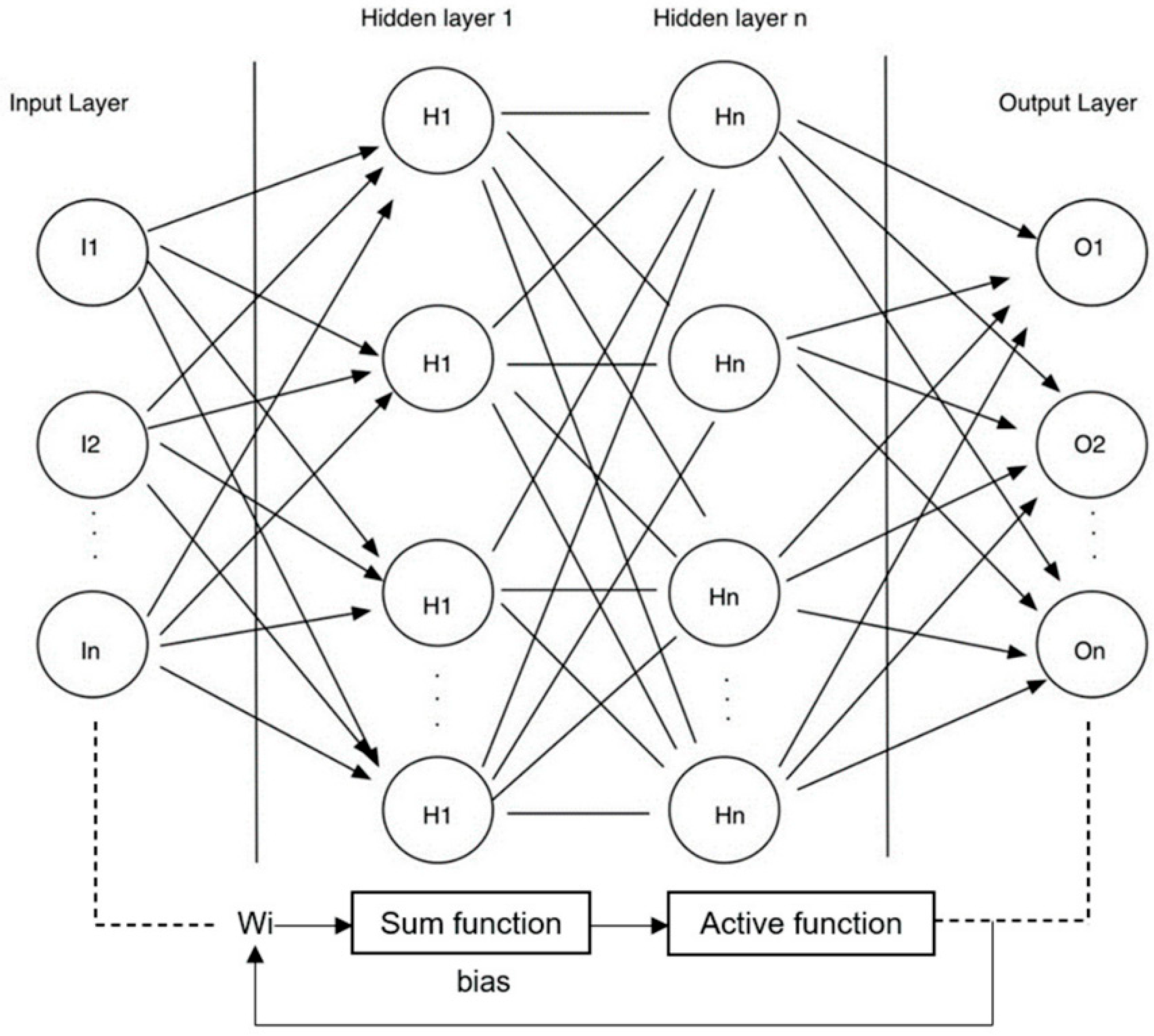
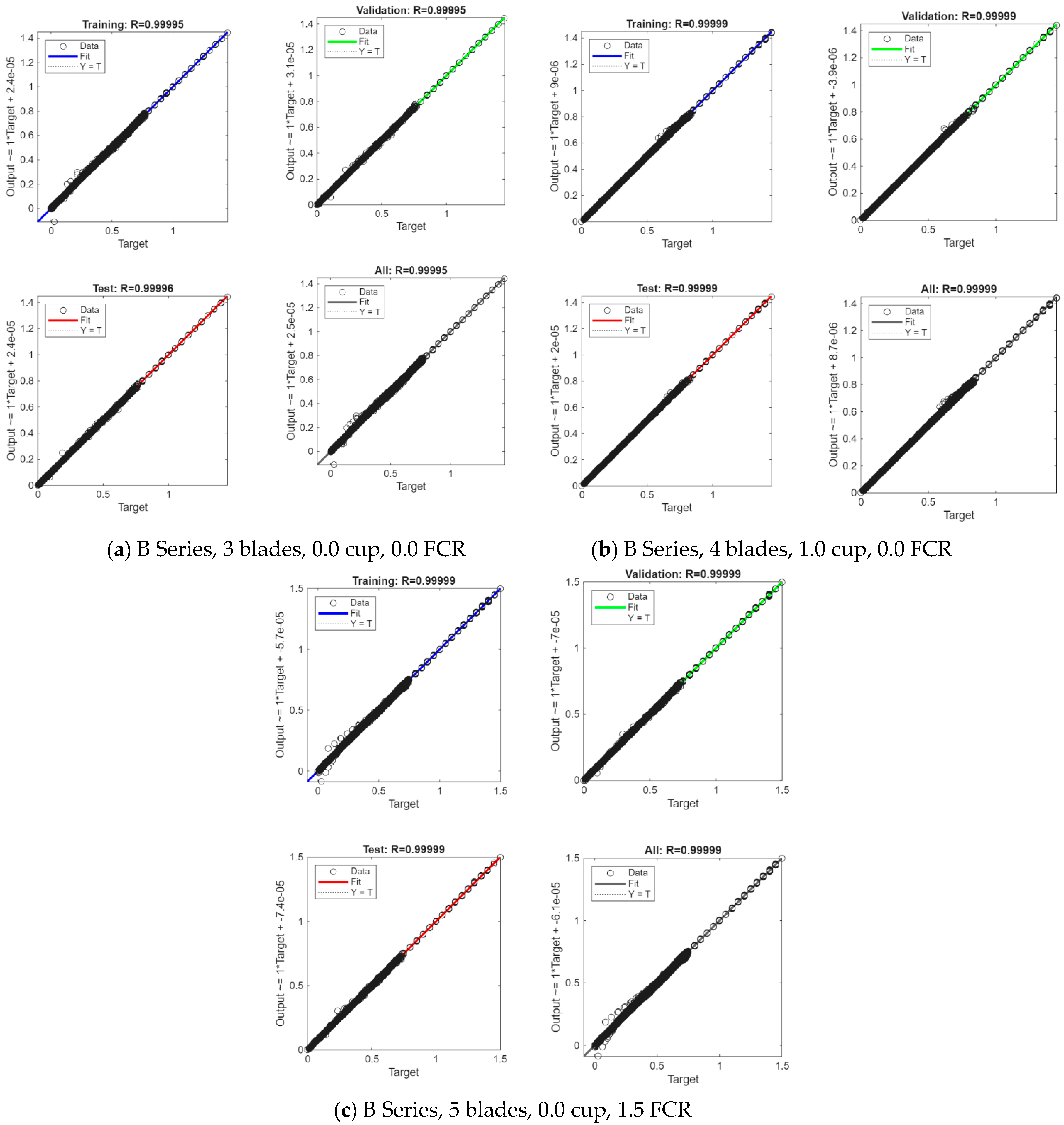
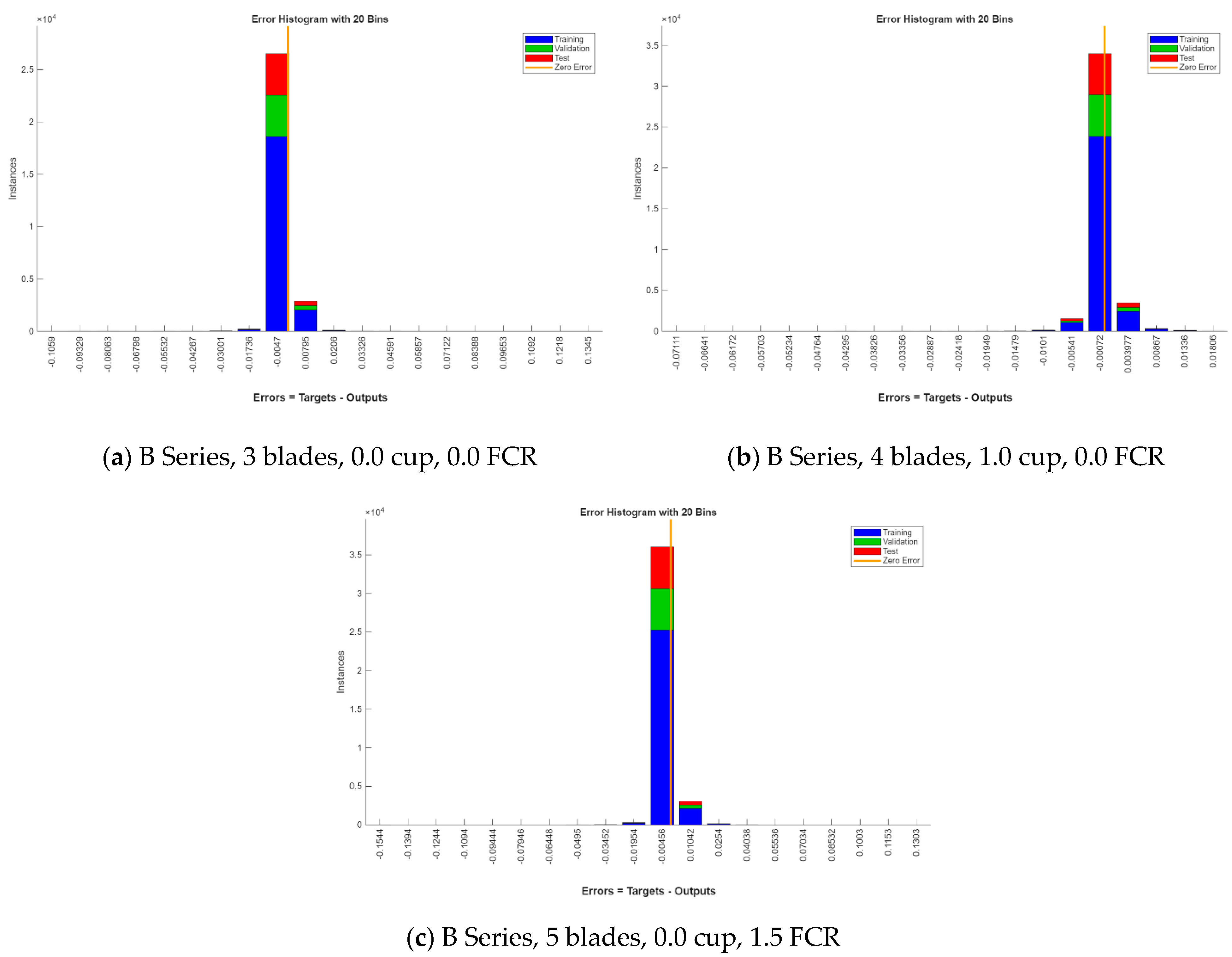
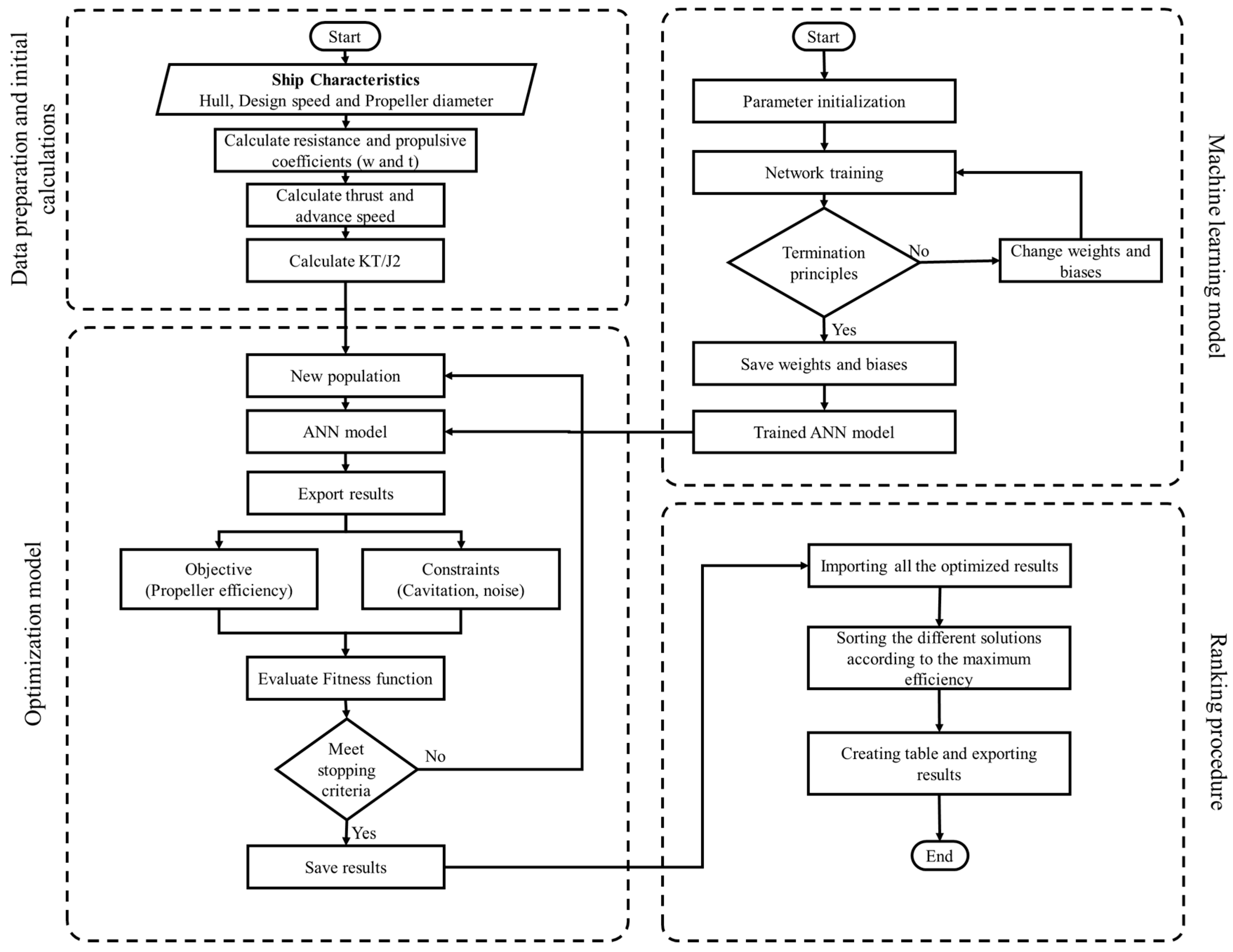
This study investigates the performance of B-series marine propellers enhanced through geometric modifications, namely face camber ratio (FCR) and cupping percentage modifications, using a machine learning (ML)-driven optimization framework. A large dataset of over 7000 open-water propeller configurations is curated, incorporating variations in blade number, expanded area ratio (EAR), pitch-to-diameter ratio (P/D), FCR, and cupping percentage. A multi-layer artificial neural network (ANN) is trained to predict thrust, torque, and open-water efficiency (ηo) with a high coefficient of determination (R2), greater than 0.9999. The ANN is integrated into an optimization algorithm to identify optimal propeller designs for the KRISO Container Ship (KCS) using empirical constraints for cavitation and tip speed. Unlike prior studies that rely on boundary element method (BEM)-ML hybrids or multi-fidelity simulations, this study introduces a geometry-coupled analysis of FCR and cupping—parameters often treated independently—and applies empirical cavitation and acoustic (tip speed) limits to guide the design process. The results indicate that incorporating 1.0–1.5% cupping leads to a significant improvement in efficiency, up to 9.3% above the reference propeller, while maintaining cavitation safety margins and acoustic limits. Conversely, designs with non-zero FCR values (0.5–1.5%) show a modest efficiency penalty (up to 4.3%), although some configurations remain competitive when compensated by higher EAR, P/D, or blade count. The study confirms that the combination of cupping with optimized geometric parameters yields high-efficiency, cavitation-safe propellers. Furthermore, the ML-based framework demonstrates excellent potential for rapid, accurate, and scalable propeller design optimization that meets both performance and regulatory constraints.
Keywords: KCS; face camber ratio; cupping; noise and cavitation; machine learning KCS; face camber ratio; cupping; noise and cavitation; machine learning