Article

Inlet Passage Hydraulic Performance Optimization of Coastal Drainage Pump System Based on Machine Learning Algorithms


by
Tao Jiang
1,
Weigang Lu
1,*,
Linguang Lu
1,
Lei Xu
1,
Wang Xi
1,2,3,
Jianfeng Liu
1 and
Ye Zhu
4
1
College of Hydraulic Science and Engineering, Yangzhou University, Yangzhou 225009, China
2
High-Tech Key Laboratory of Agricultural Equipment and Intelligence of Jiangsu Province, Jiangsu University, Zhenjiang 212000, China
3
Asia Pacific Pump Valve Co., Ltd., Taizhou 225300, China
4
Changzhou Urban Flood Control Engineering Management Office, Changzhou 213000, China
*
Author to whom correspondence should be addressed.
J. Mar. Sci. Eng. 2025, 13(2), 274; https://doi.org/10.3390/jmse13020274
Submission received: 8 January 2025 / Revised: 24 January 2025 / Accepted: 27 January 2025 / Published: 31 January 2025

Abstract

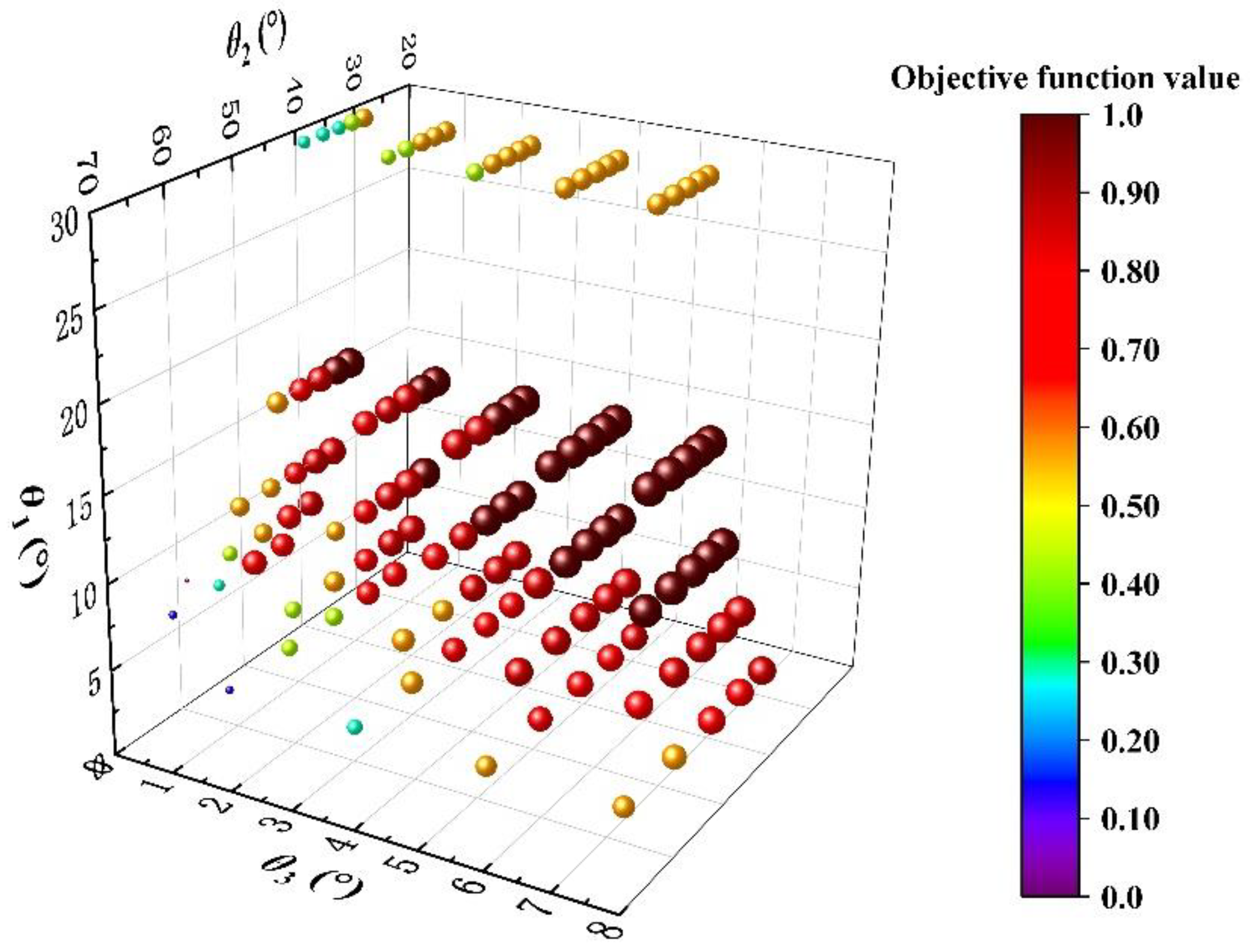
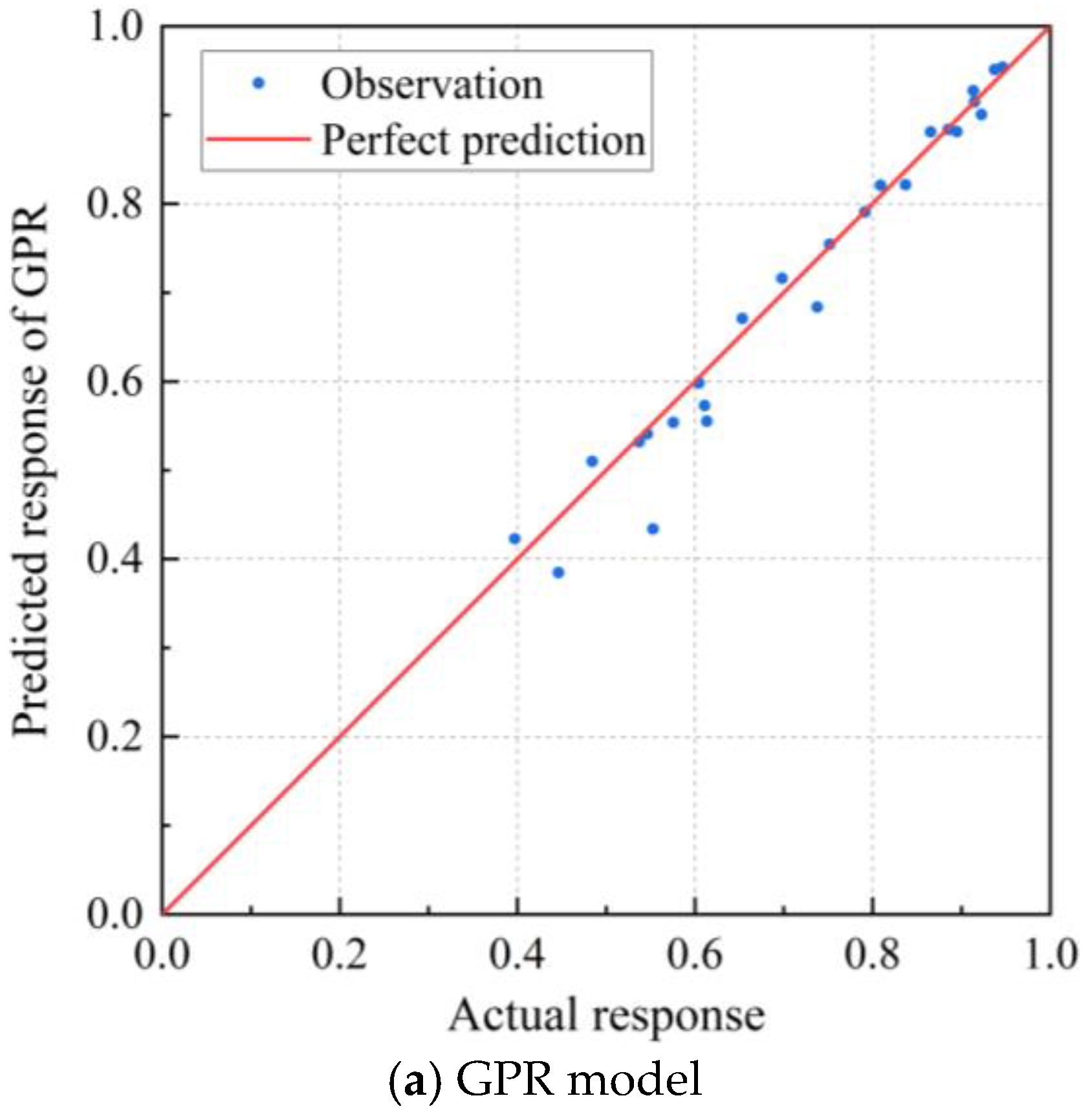
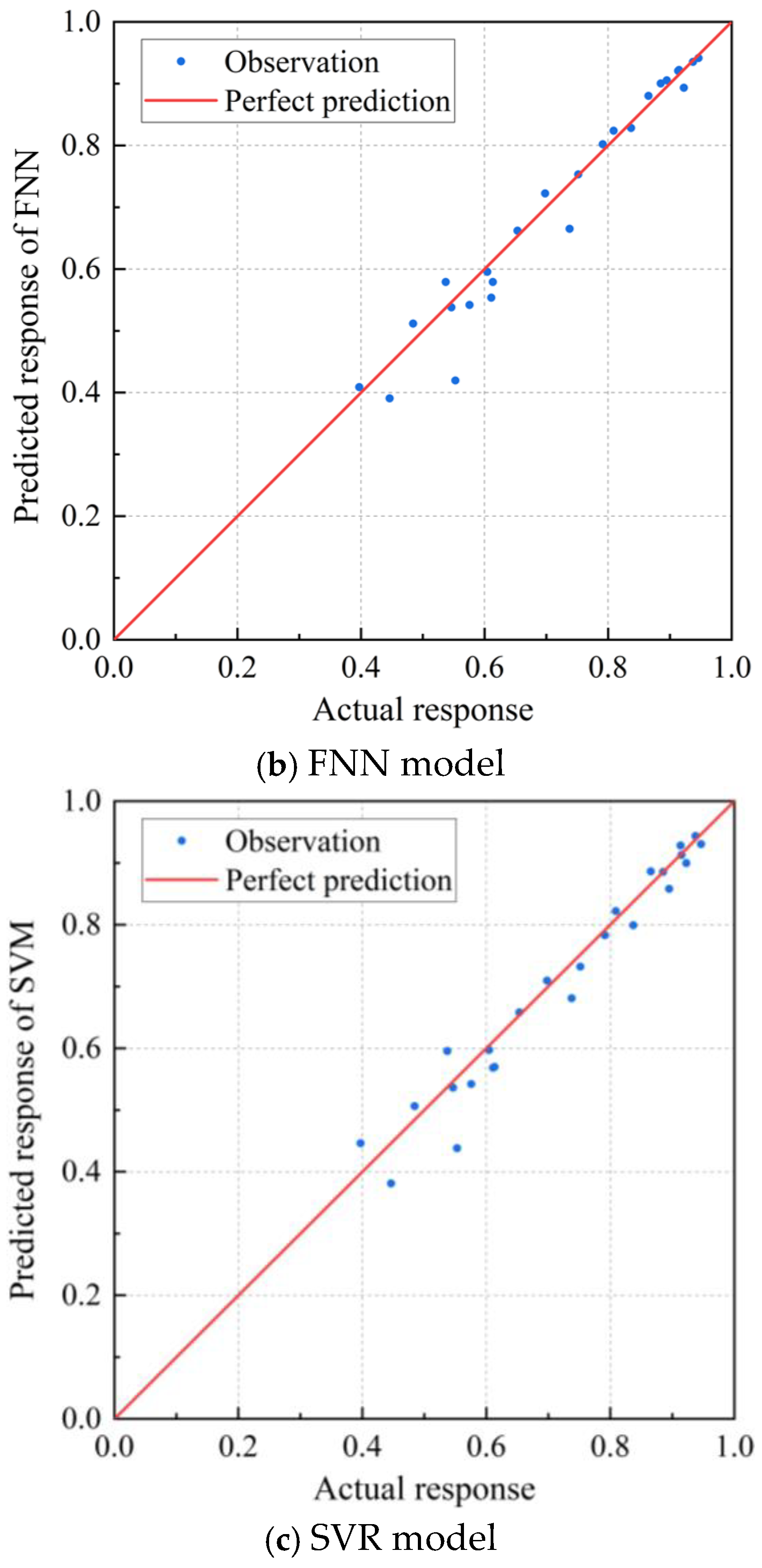
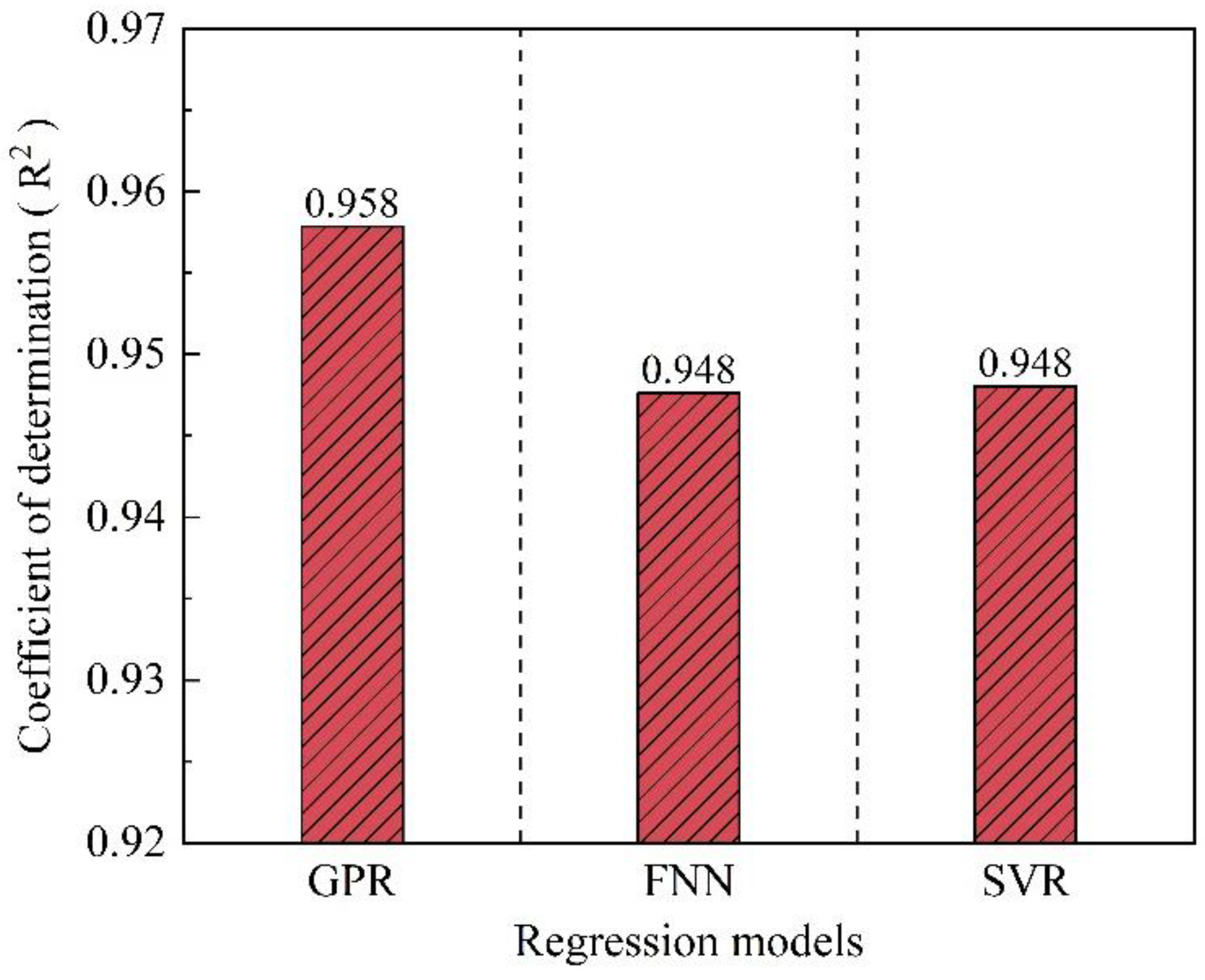
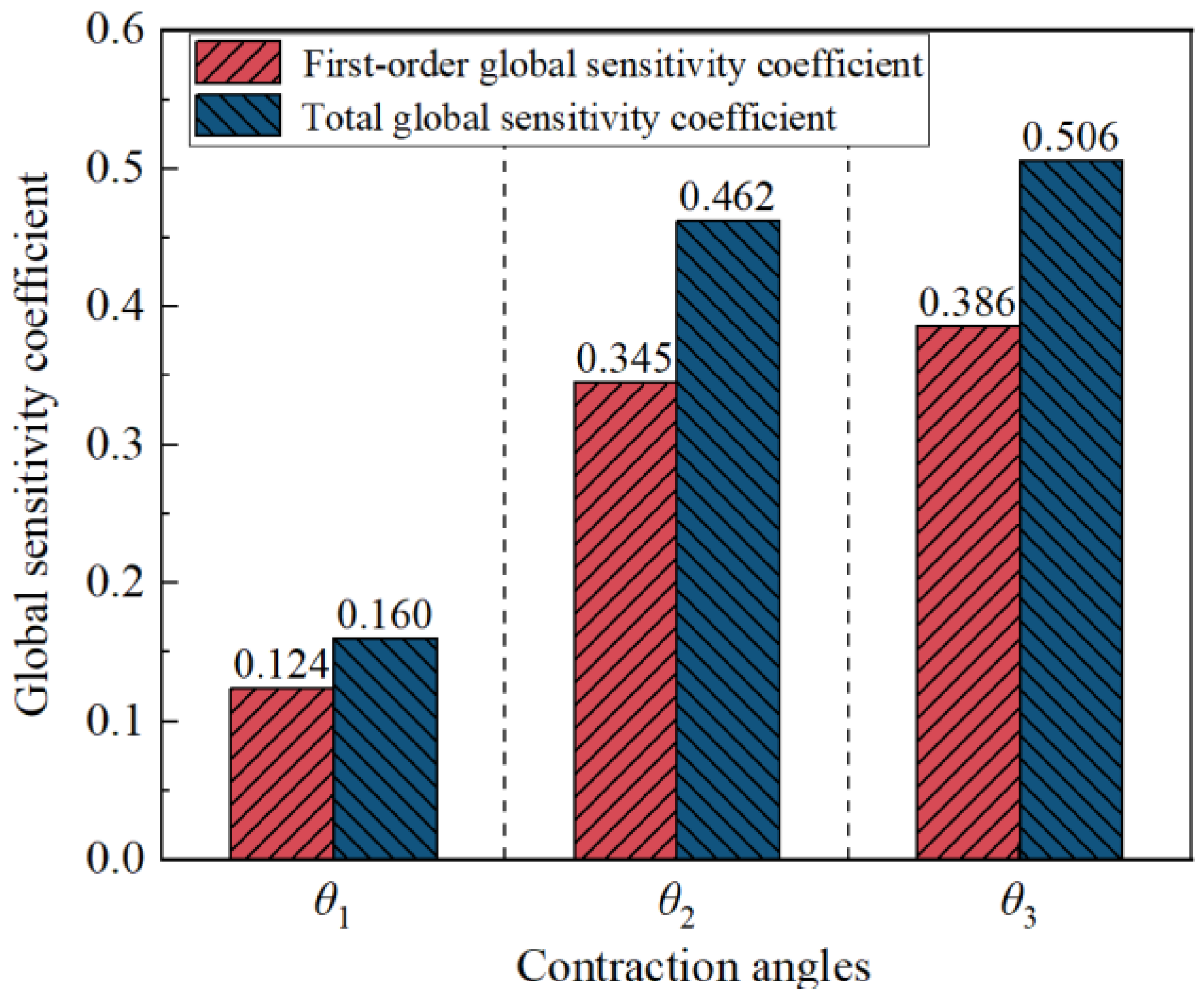
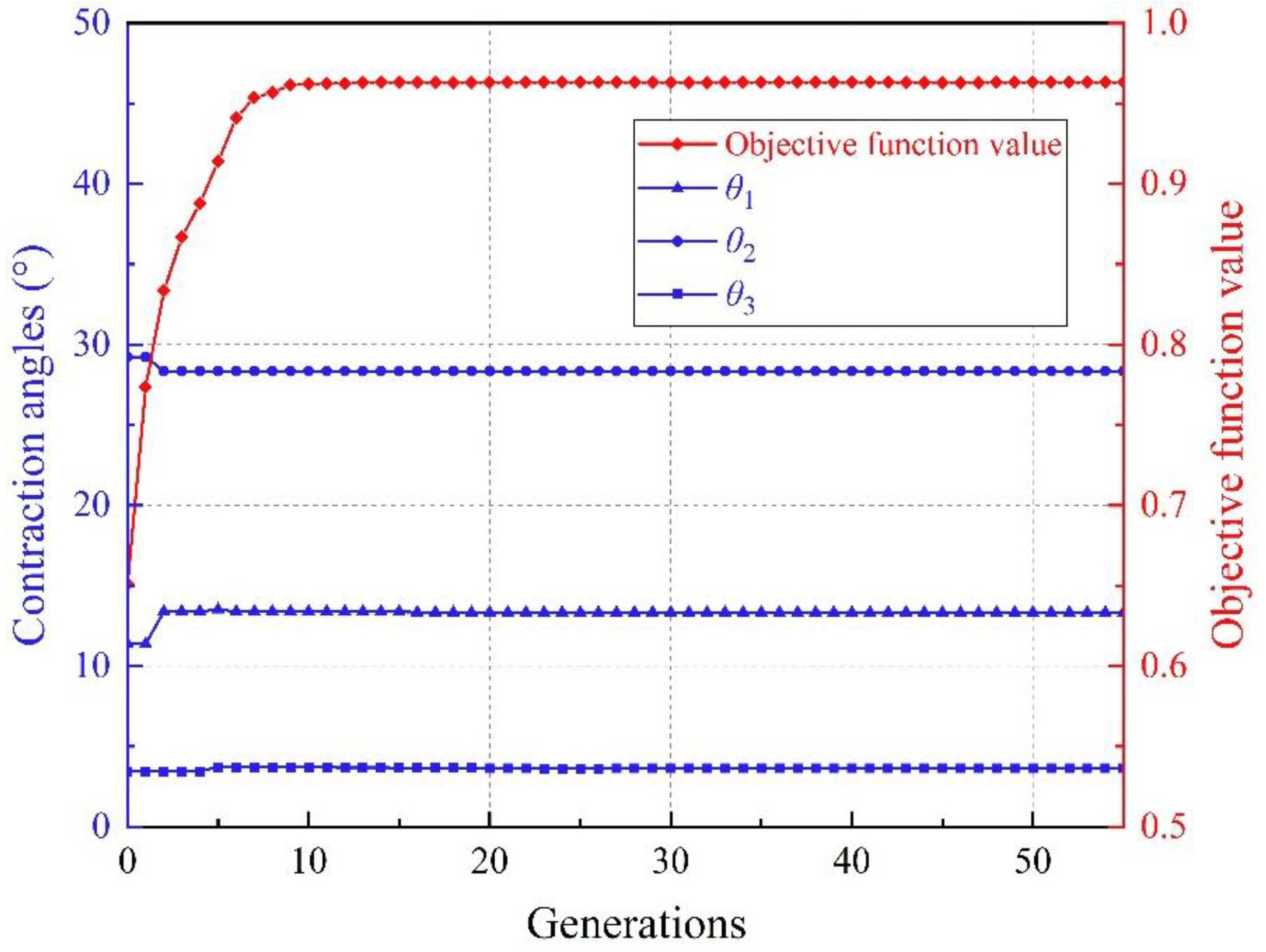
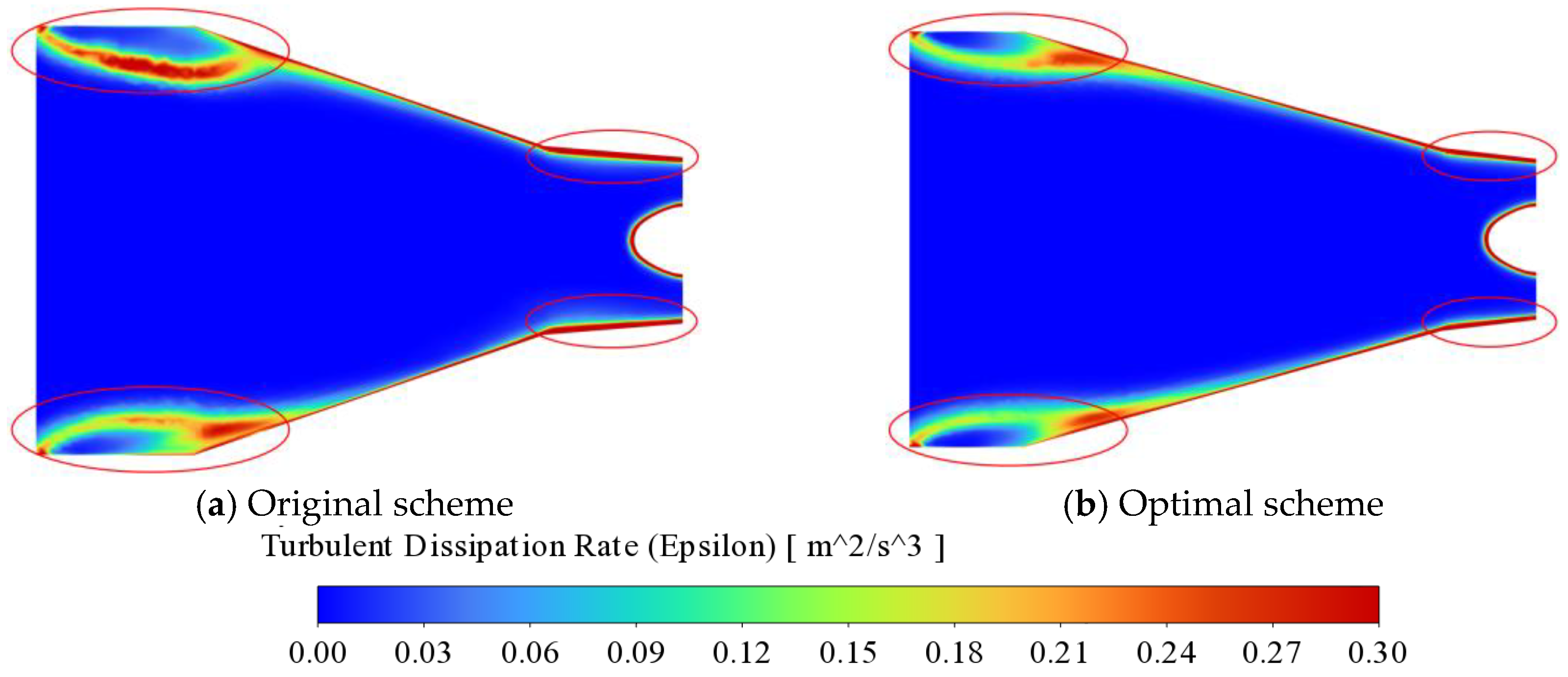
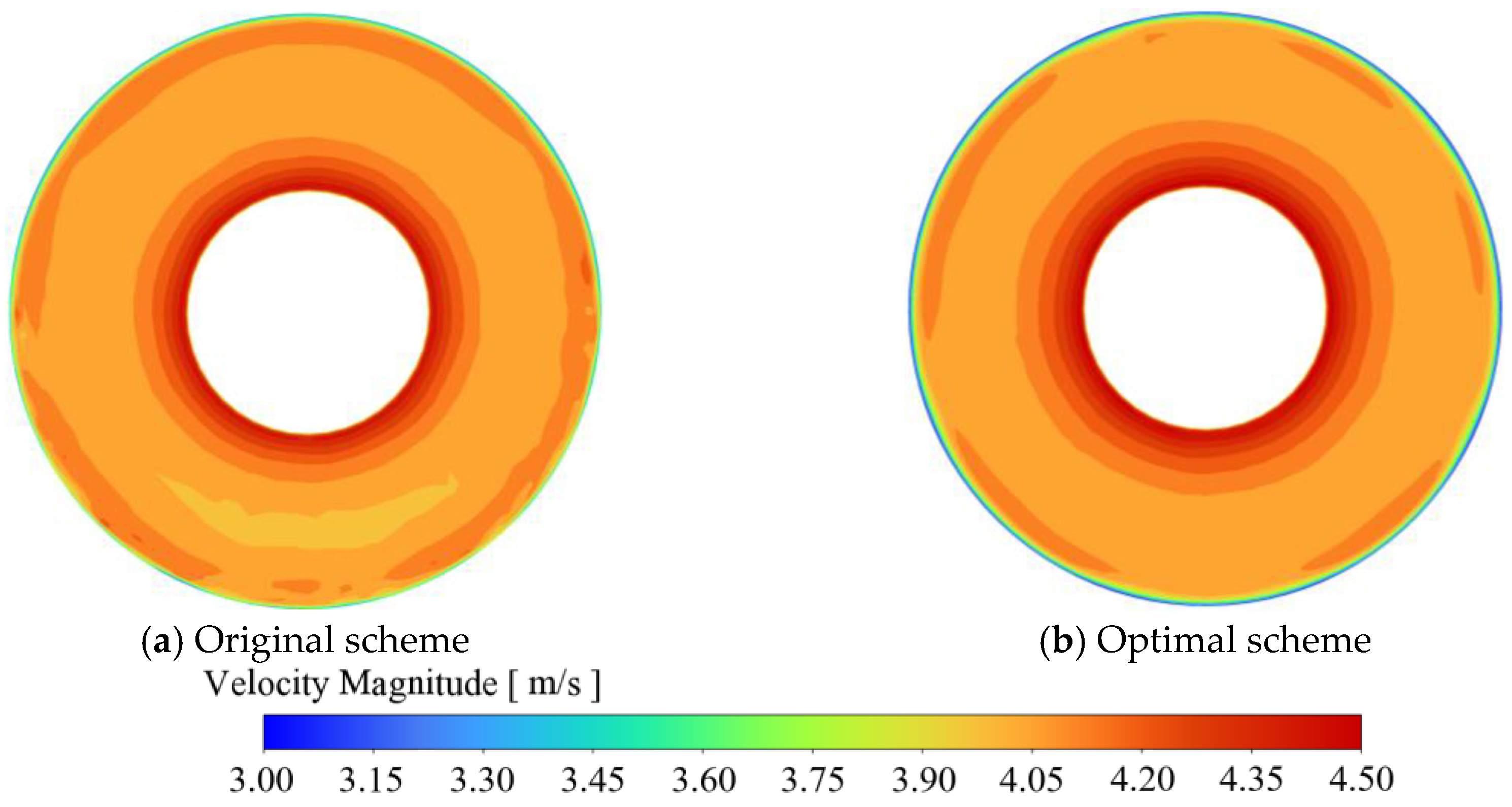
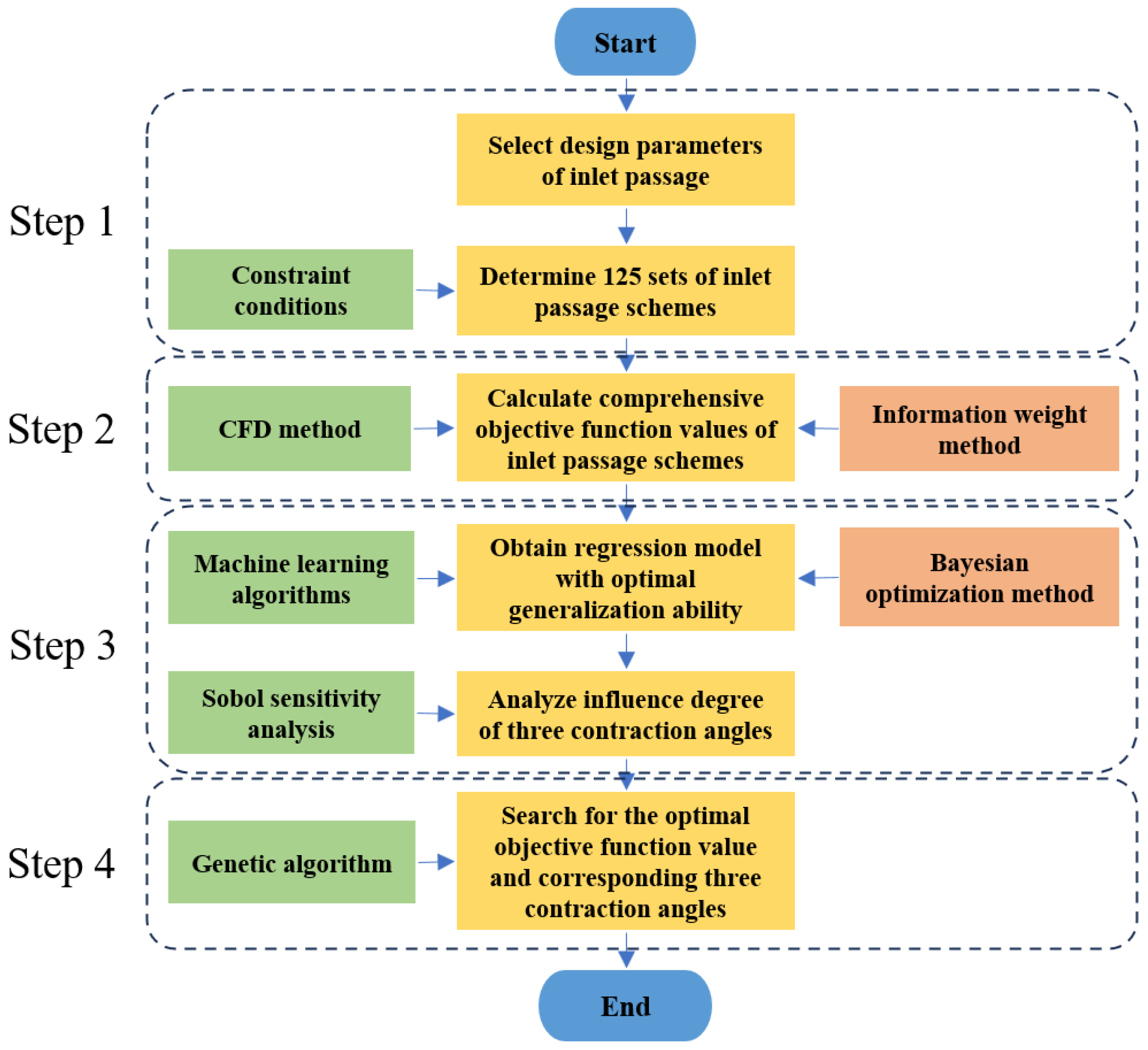
The axial-flow pump system has been widely applied to coastal drainage pump stations, but the hydraulic performance optimization based on the contraction angles of the inlet passage has not been studied. This paper combined the computational fluid dynamics (CFD) method, machine learning (ML) algorithms and genetic algorithm (GA) to find the optimal contraction angles of the inlet passage. The 125 sets of comprehensive objective function were obtained by the CFD method. Three contraction angles and comprehensive objective function values were regressed by three ML algorithms. After hyperparameter optimization, the Gaussian process regression (GPR) model had the highest R2 = 0.958 in the test set and had the strongest generalization ability among the three models. The impact degree of the three contraction angles on the objective function of the GPR model was investigated by the Sobol sensitivity analysis method; the results indicated that the order of impact degree from high to low was θ3>θ2>θ1. The optimal objective function values of the GPR model and corresponding contraction angles were searched through GA; the maximum objective function value was 0.963 and corresponding contraction angles were θ1=13.34°, θ2=28.36° and θ3=3.64°, respectively. The results of this study can provide reference for the optimization of inlet passages in coastal drainage pump systems.
Keywords: coastal drainage pump system; inlet passage optimization; computational fluid dynamics method; machine learning algorithms; sobol sensitivity analysis; genetic algorithm coastal drainage pump system; inlet passage optimization; computational fluid dynamics method; machine learning algorithms; sobol sensitivity analysis; genetic algorithm