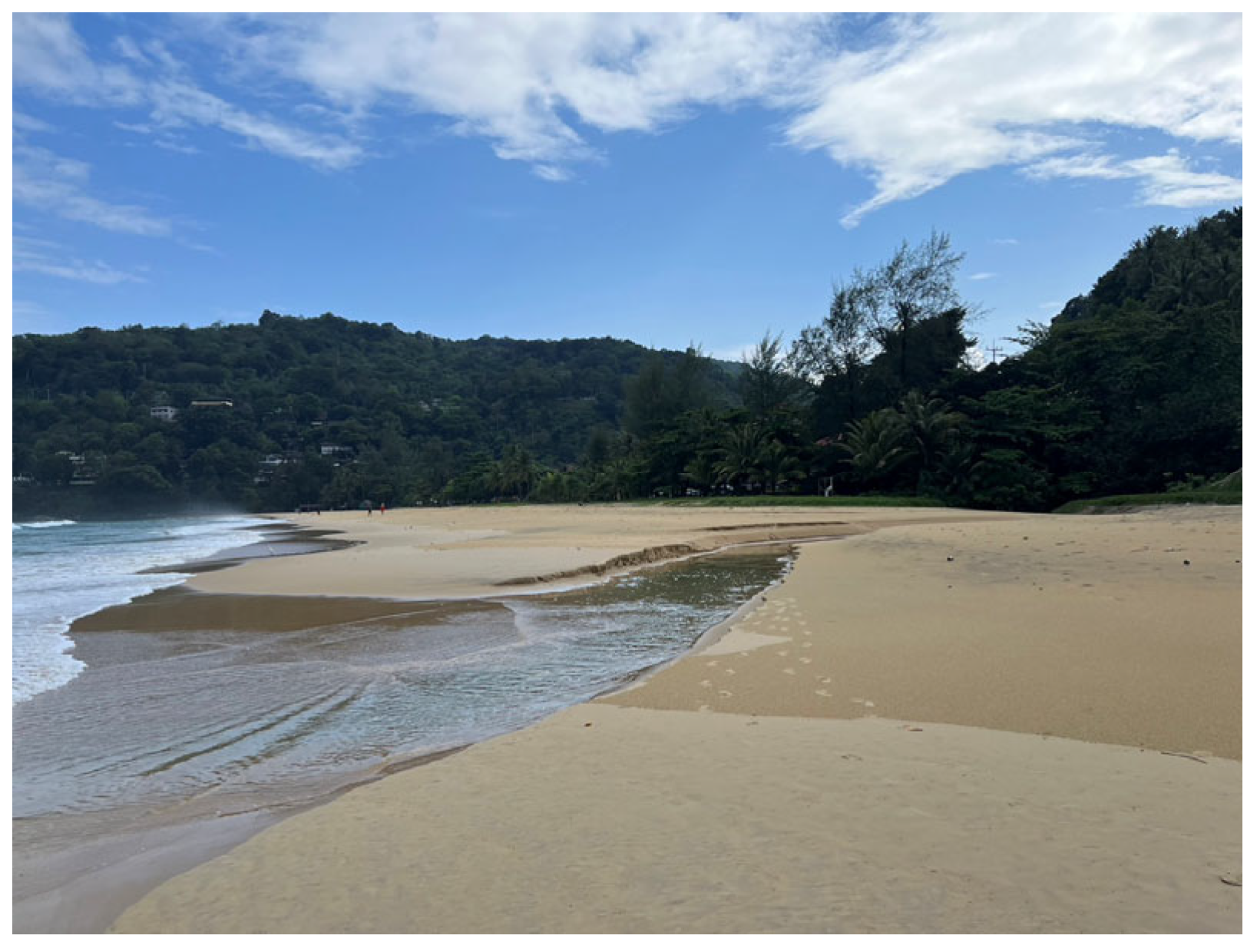
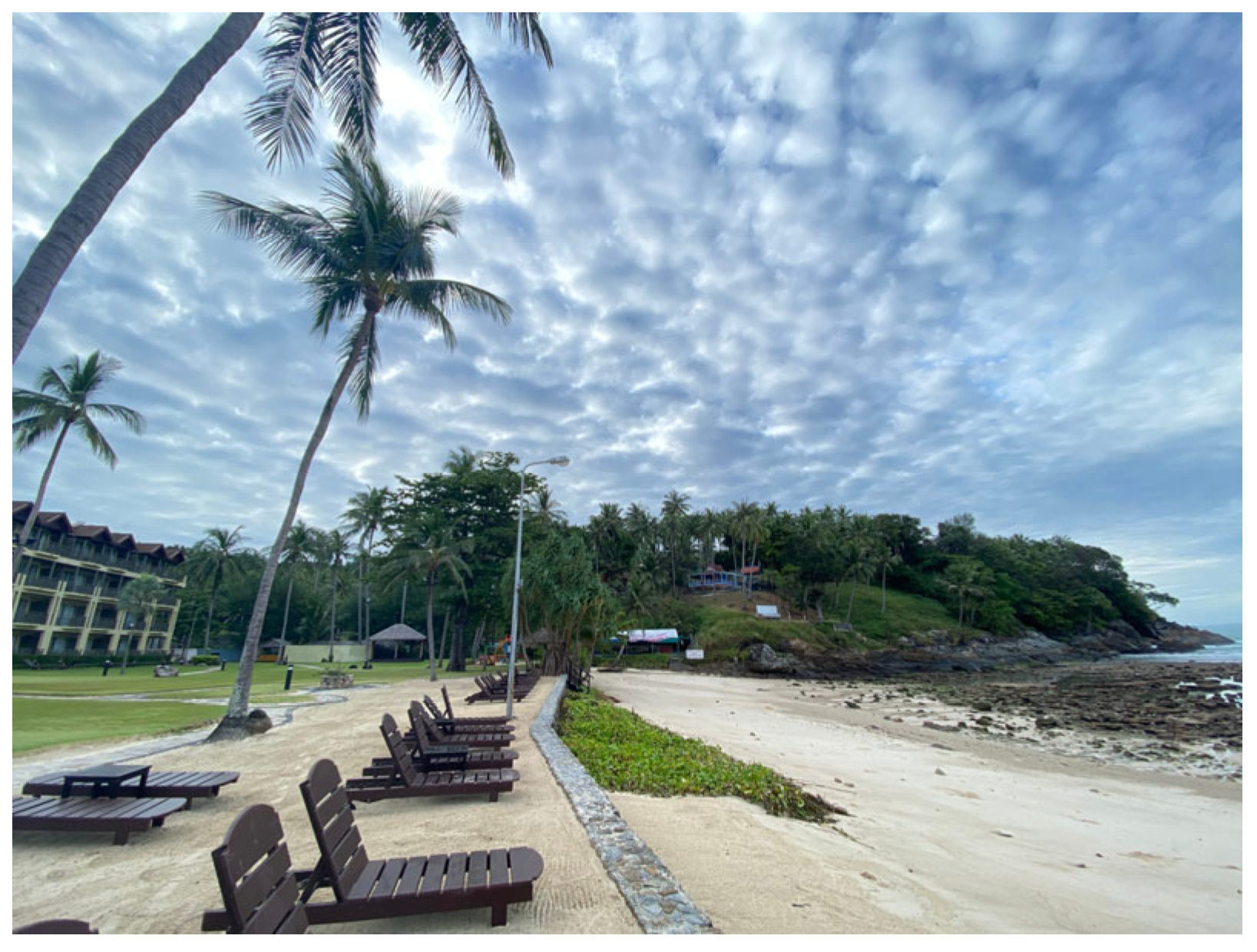
Abstract
Thailand’s current beach management strategies lack integration across sectors, resulting in conflicts of interest and insufficient consideration of diverse beach uses. The complexity of environmental, socio-economic, and coastal disasters challenge policymakers to describe the conditions of sandy beaches, and the most effective coastal management adaptation measures. This study suggests an integrated approach to evaluate beach conditions by incorporating the Urbanization Index, Conservation Index, and Recreation Index. Furthermore, the assessment of beach conditions will include the Threat Index, which consists of erosion rates and shoreline recession caused by sea level rise. The trends index will prioritize beach conditions for appropriate management actions. The study suggests management strategies that aim to preserve the physical and environmental aspects of the beach, while restoring its functionality for ecosystem services by applying engineering structures with beach nourishment. The main purpose of this study is to develop a beach condition that can be used as a guideline for sandy beach management in Thailand. It provides insights and recommendations to policymakers for enhancing the sustainability and resilience of Thailand’s coastal areas in the face of urbanization and climate change.
1. Introduction
Beaches are dynamic areas that change as a result of natural processes. In Thailand, beach areas are essential for various uses, such as fishing, biological diversity, and recreation. Furthermore, urbanization in the coastal zone leads to the development of activities close to the shoreline. Nowadays, the physical environment of beaches is impacted by human activities and the effects of climate change, such as sea level rise and the frequency of storm surges [1,2].
Moreover, coastal activities in Phuket Island are increasing because of the growing number of tourists visiting the region due to the sea–sand–sun tourism project supported by the Ministry of Tourism and Sport, Thailand [3]. Therefore, the use of beaches has intensified, potentially leading to environmental overcapacity and subsequent physical and ecological degradation in the tourism industry at the local levels [4,5].
Various approaches have been proposed to assess the beach condition of tourist sandy beaches that integrate indicators related to physical, ecological, and socio-economic issues [6,7,8,9]. However, these approaches often focus on the hedonic and functional aspects of sandy beaches, and lack an integration of ecological metrics [10].
Conserving the ecological and biological aspects of the beach, specifically the dunes, is essential for the preservation of wildlife [11]. Coastal dunes serve as a habitat for various organisms, and are involved in organic exchange, while marine turtles rely on beaches for nesting. These components indicate beach conditions, and can guide management strategies to protect these habitats. These characteristics show that sandy beaches are socio-ecological systems, thus their management requires an integrative approach to assess sandy beach conditions.
Thailand’s current beach management strategies are separated and lack integration across sectors. The management strategies have not adequately addressed the integration of beach uses, such as tourism and conservation [12]. Furthermore, many beaches in Phuket encounter conflicts of interest due to divergent service purposes within the same areas, such as fishing villages and recreational activities. Therefore, it is crucial to assess beach management by integrating various beach uses collectively.
The growing tourism demand has increased pressure on beaches, threatening their utilization as economic, recreational, natural, and resource assets [12]. In 2007, a study on Function Analyses in Spain found that beach managers had mainly considered the recreational function of beaches, with the natural and protective functions being focused on with secondary importance [7,13]. In 2021, Jurkus et al. applied GIS-detected parameters, such as beach width and distances from parking lots to the beach, among others, to assess the conditions necessary for ensuring tourism sustainability in the coastal areas of Lithuania [14]. It is also essential to apply beach management practices with new tools, including the physical, natural, and socio-economic characteristics of beaches [12].
In 2013, McLachlan et al. introduced the Conservation Index (CI) and Recreation Index (RI) indices to categorize sandy beaches based on their primary use, informing their management guidelines [15]. Then, Cardoso et al. included the Urbanization Index (UI) and other indices for analysis in 2016. These three indicators are relatively easy to measure, enabling a quick assessment of the beach conditions [16,17]. Several factors determine the potential beach conditions based on various viewpoints, such as socio-economic, ecosystems, and available recreation infrastructure. Integrated approaches that assess beach conditions and prioritize management strategies have become increasingly important in the last decade [7].
The beach conditions contain physical and environmental parameters such as beach carrying capacity, beach width, dune height, dune vegetation, and turtle nest. In addition, socio-economic conditions include factors that human activity affects, such as pollution, infrastructures, and safety–security [18].
In recent years, integrated coastal management has been drawing attention in Thailand, despite the lack of a specific management policy. However, it is important to prioritize the sustainable management of beaches in filling the gap between recreation and conservation [6,19]. The literature review of management strategies includes the management issues of sandy beaches, which can be categorized into three main directions: protection, regulation, and restoration [2,12,15,20]. These previous studies introduced strategies that conserve the beach’s physical and ecological characteristics, including implementing buffer zones (Dunes). The regulation strategies were determined to deal with the environmental policies and related practices such as pollution control, carrying capacity, and beach zoning implementation. Finally, restoration measures were defined to recover the beach’s functionality and capacity to provide ecosystem services [10]. Moreover, this study improved the restoration measures by integrating beach nourishment implementation with engineering structures. This is particularly important as engineering structures often have a negative impact on beach areas, resulting in a reduction in the beach width in front of structures [21]. However, beach areas are crucial for promoting tourism and recreational activities. In this regard, beach nourishment develops as an effective strategy to extend the beach width and mitigate the adverse effects caused by engineering structures.
Climate change influences processes and dynamics in coastal zones through long-term changes in winds, wave actions, and extreme sea levels [22,23]. Nevertheless, shoreline changes vary from seasonal to interannual and long-term scales due to different trigger impacts such as erosion and flooding [24,25,26]. As such, this study aims to improve beach conditions by including the Threat Index (TI), encompassing erosion rates and shoreline recession resulting from sea level rise, in conjunction with physical, environmental, and socio-economic factors. Subsequently, the management strategies will be determined based on the trends index of the beach. The trends index was determined by identifying the maximum score from each index, enabling the classification of beach conditions according to their priority. The management strategies comprise three categories: protection, regulation, and restoration. This finding will support the future planning regulation or guidance of beach management.
2. Materials and Methods
2.1. Study Area
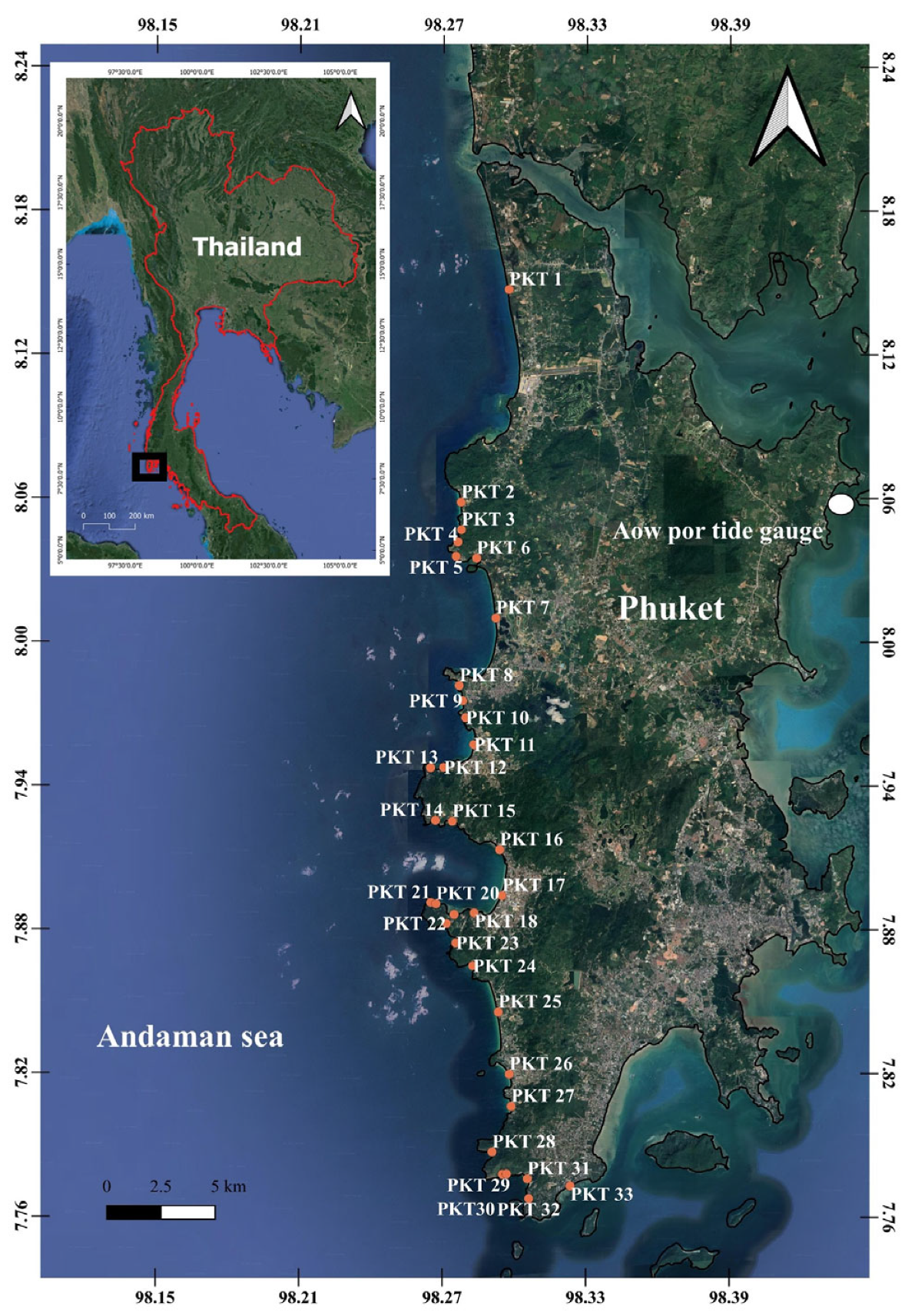
Phuket is a famous tourist destination located in southern Thailand along the Andaman Sea (Figure 1). Phuket Island has 200 km of beach length. The eastern part of the island comprises mangrove, harbors, and muddy beaches. The study sites consist of 33 locations (Table 1) in the island’s western part, with the most famous sandy beaches (37 km). The average sediment grain size, beach width, and beach slope measured in the 20–26 April 2022 observations were 0.42 mm, 23.16 m, and 6.00 degrees. The tide data from Aowpor tide station associated with the Department of Marine Thailand from 2013 to 2021 show that the maximum, minimum, mean, and range are 1.67 m.msl, −2.29 m.msl, −0.18 m.msl, and 3.96 m.msl [27].
Figure 1.
Phuket Island, Thailand (Modified from [27]).
Table 1.
Thirty-three sandy beaches’ locations on Phuket Island, Thailand.
2.2. Method
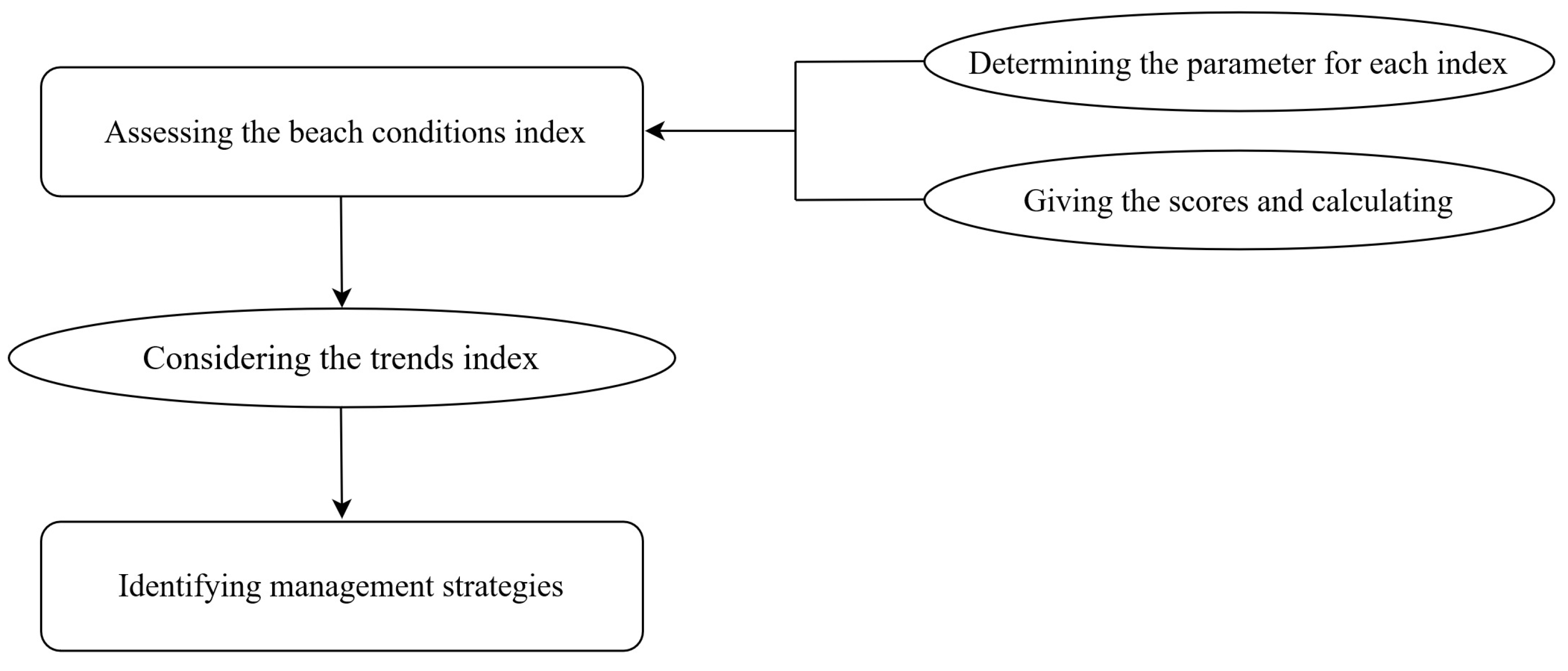
The method contains two parts: assessing the beach conditions and identifying management strategies (Figure 2).
Figure 2.
Methodological diagram.
2.2.1. Assessing the Beach Conditions
The multi-purpose metrics are categorized into four indices to assess the Urbanization Index (UI), Conservation Index (CI), Recreation Index (RI), and Threat Index (TI) for trends in the use of the beaches.
The Urbanization Index (Table 2) comprises noise pollution, beach accessibility, solid waste on the beach, and wastewater pollution in the sea. The Conservation Index (Table 3) includes dune height, beach width, dune vegetation, and turtle nests. The Recreation Index (Table 4) considers physical carrying capacity, infrastructure, hotel with beach access, and safety and security. The Threat Index (Table 5) evaluates the average rate of shoreline changes and shoreline recession caused by sea level rise.
Table 2.
The urbanization Index (UI) consists of accessibility, noise pollution, wastewater pollution in the sea, and solid waste on the beach.
Table 3.
The Recreation Index (RI) consists of physical carrying capacity, infrastructure, hotel with beach access, and safety–security.
Table 4.
Conservation Index (CI) consists of dune height, dune vegetation, beach width, and turtle nests.
Table 5.
Threat Index (TI) consists of shoreline recession due to sea level rise analyzed via Bruun and the rate of shoreline change derived from a previous study [27].
Noise pollution, beach accessibility, the presence of solid waste on the beach, wastewater pollution into the sea, dune height, beach width, dune vegetation, infrastructure, hotel with beach access, and safety and security were interpreted via field observations. In contrast, physical carrying capacity, the average rate of shoreline changes, and shoreline recession due to sea level rise were estimated from the analysis.
Physical carrying capacity is calculated with beach width and beach length using Equation (1).
The average rates of shoreline changes are evaluated by the Net Shoreline Movement (NSM) [28]. Therefore, the shoreline changes in each transaction are calculated using Equation (2). is the shoreline position in the latest year and is the shoreline position in the earliest year. The shoreline position refers to the mean sea level, and each transaction is undertaken at 20 m to 500 m, depending on the shoreline lengths.
The Bruun rule (Equation (3)) has been chosen to estimate the future shoreline recession due to sea level rise [29], where Δy is shoreline recession, S is the rising of the sea level, is the berm height, and is the distance from the horizontal to the closure depth, while is the depth of closure [30].
A previous study addressing shoreline change analysis demonstrated the method for shoreline recession and shoreline change estimation with coastal management in Phuket, Thailand [27].
Each parameter was normalized and scored accordingly. UI, RI, CI, and TI were calculated by Equation (4).
XI is the beach conditions index (UI, RI, CI, and TI) and are the parameters in that index. is a summarization of all the parameters.
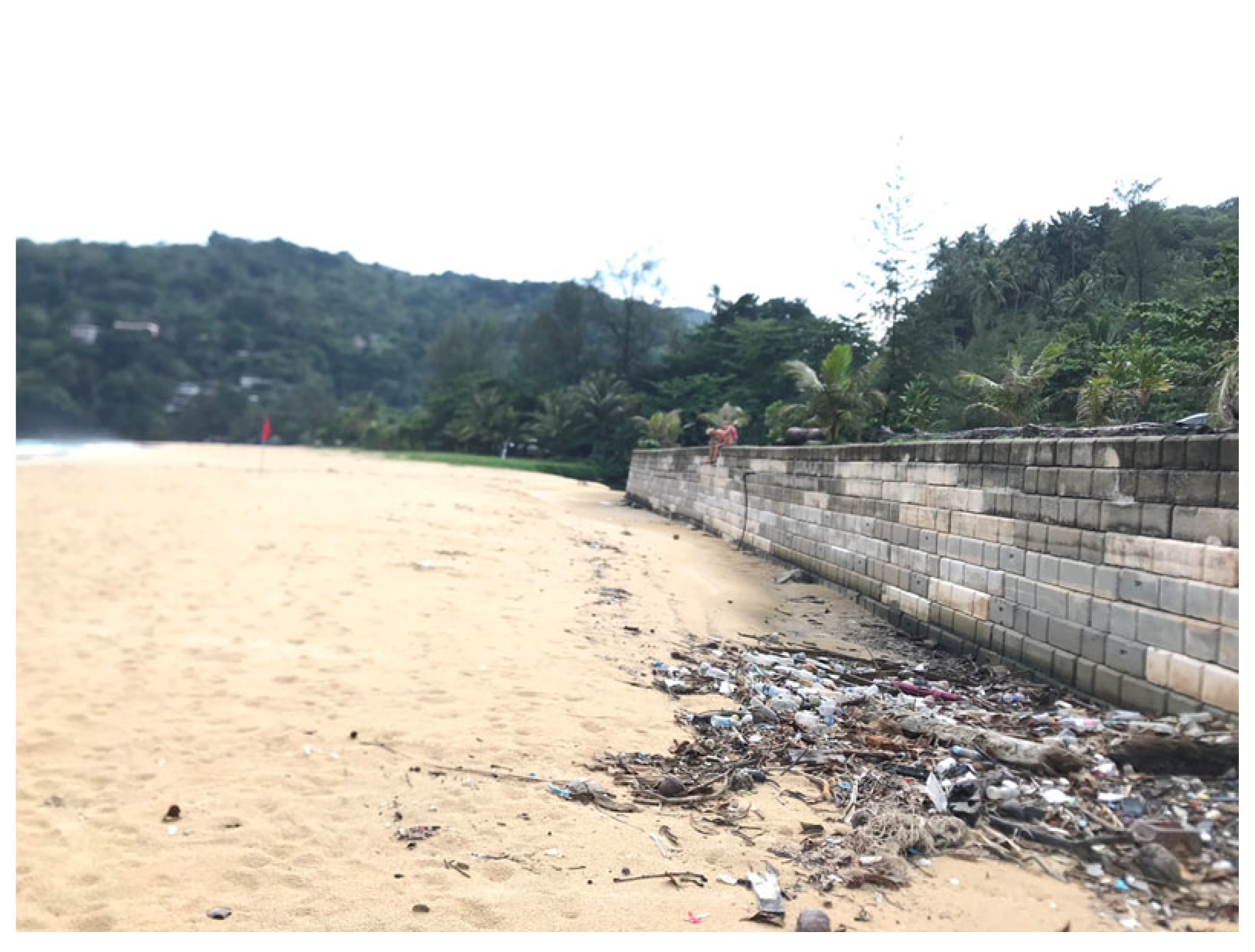
Table 2 shows the Urbanization Index indicators. Accessibility was indicated by the level of difficulty encountered in accessing the beach. Noise pollution was related to field observations in the surrounding environment and the distance of the beach to the urban center. It is hypothesized that beaches near urban centers, communities, or central infrastructure are more likely to experience noise pollution. Wastewater pollution into the sea (Figure 3) and solid waste on the beach (Figure 4) were monitored via field observations.
Figure 3.
The drainage of water from the mainland into the sea can lead to wastewater pollution.
Figure 4.
Solid waste on the beach from the mainland and sea.
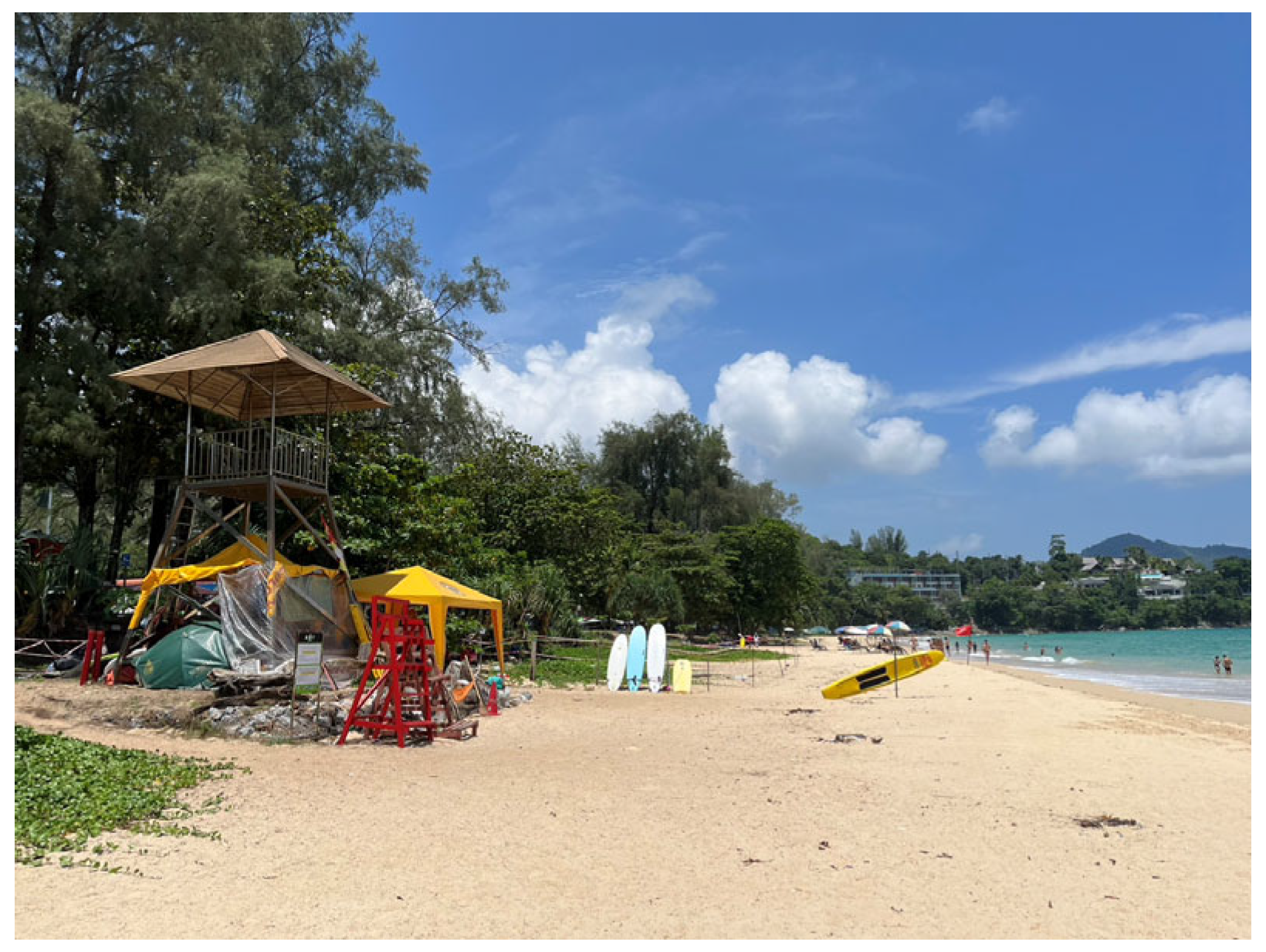
The Recreation Index is shown in Table 3. Infrastructure is essential for the recreational use of beaches [16]. Hotels with beach access and their safety–security are shown in Figure 5 and Figure 6.
Figure 5.
The infrastructure of a hotel with beach access.
Figure 6.
Lifeguard chair on the beach for the safety and security of beach users.
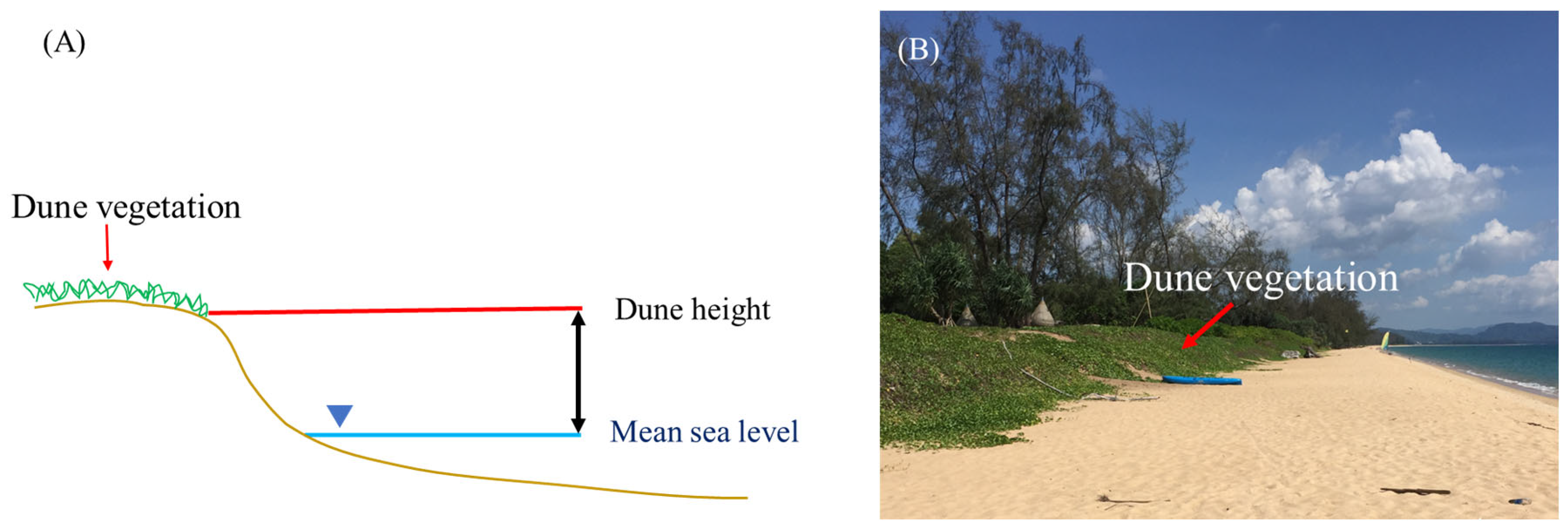
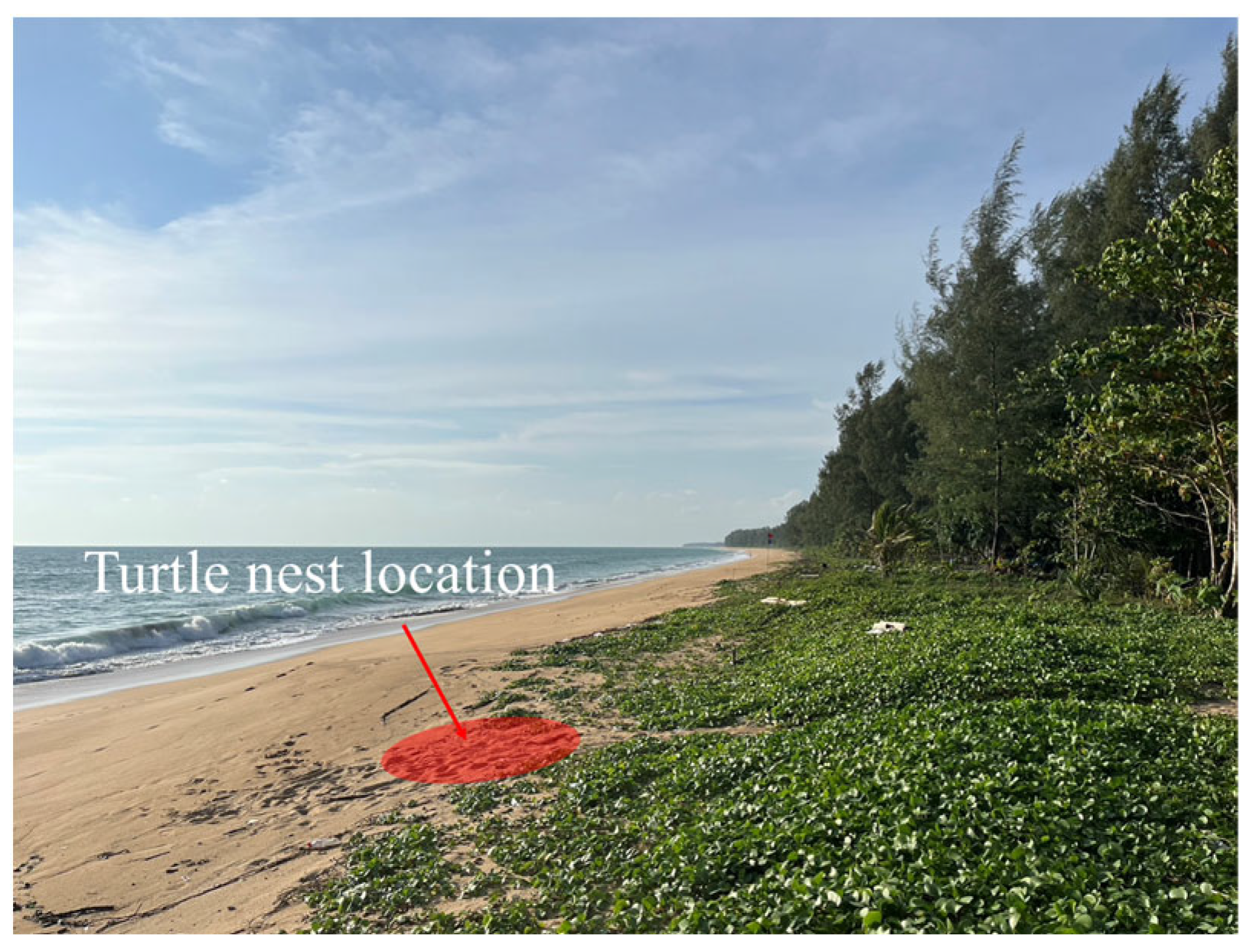
The Conservation Index is presented in Table 4. The measurement of dune height and dune vegetation is depicted in Figure 7. Dune height was determined relative to the mean sea level, and data on dune vegetation factors were obtained through field observations. The turtle nest (Figure 8) factors were observed using information from the Department of Marine and Coastal Resources of Thailand, along with details from local people.
Figure 7.
(A) The measurement of dune height, which is relative to mean sea level. (B) The dune vegetation position on the beaches.
Figure 8.
Example picture of turtle nest location on the beach.
2.2.2. Identifying Management Strategies
The management strategies were derived from the literature, which separated the approaches into three main directions: protection, regulation, and restoration (Table 6) [2,12,15,20]. Protection strategies preserve the physical and ecological aspects of the beach. The appropriate regulatory strategies for implementing environmental policies include controlling access, managing carrying capacity, implementing pollution control measures, and defining zones for specific uses and activities. The restoration strategies were adjusted to recover the function of the beaches, so as to provide ecosystem services related to use trends [7]. The management strategies were proposed in relation to beach conditions and trends in usage. Since many beaches are primarily used for tourism, it is crucial to prioritize maintaining these areas in the face of rising sea levels and erosion. This study added the C4 measures (engineering structures and beach nourishment) to adjust the management strategies implemented for sandy beaches, as derived from the previous research undertaken by Ocaña et al. (2022) [10] into alternative adaptation strategies for tourism beaches.
Table 6.
Management strategies 1 implemented for sandy beaches.
3. Results and Discussion
The results and discussion sections present the assessment of beach conditions and the corresponding management strategies.
3.1. Beach Conditions Assessment
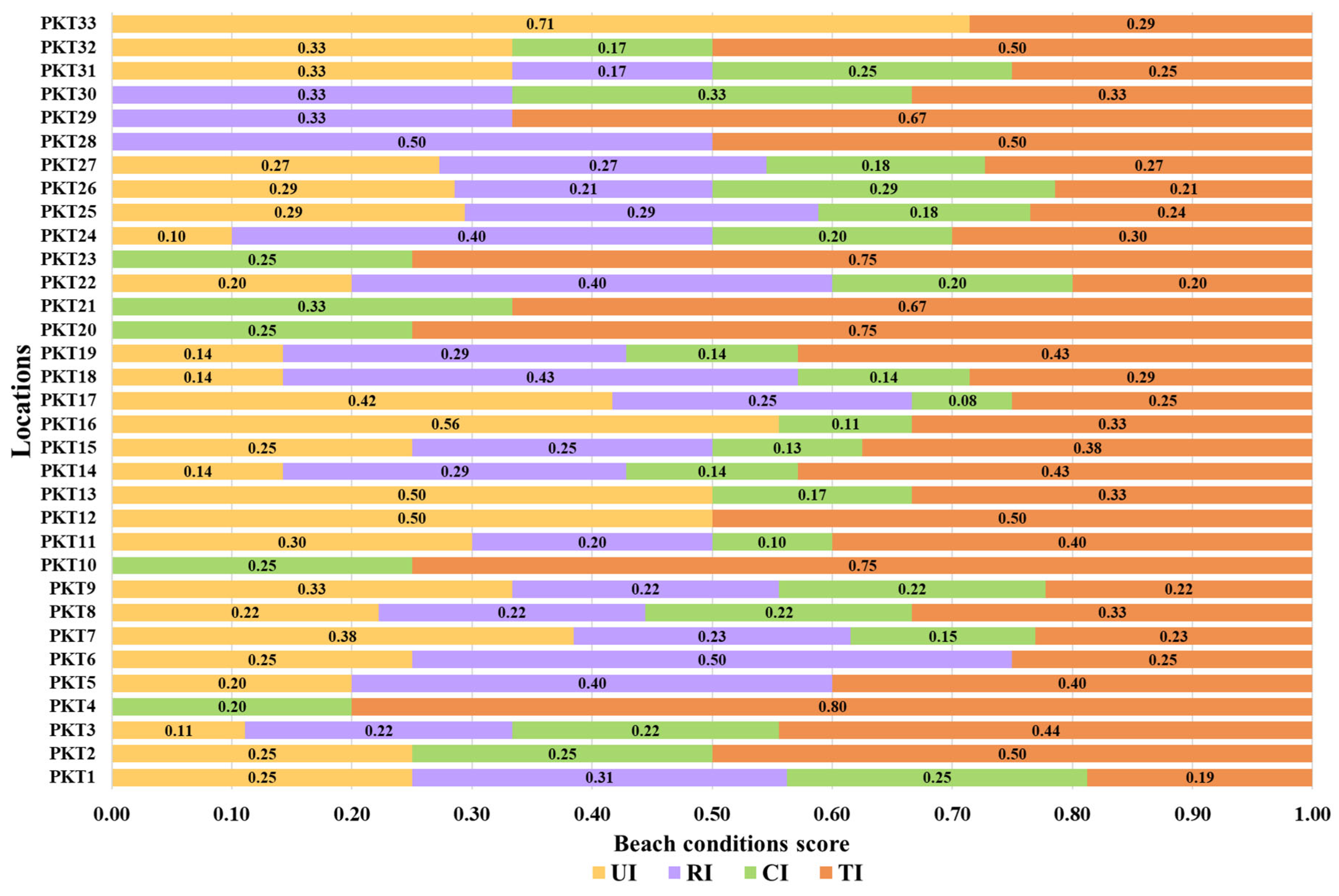
The beach condition assessment results are presented in Table 7 and Figure 9. The scores of the factors are displayed in Table 7. The results show that all beaches have a Threat Index (TI). In contrast, some beaches have a Conservation Index (CI), an Urbanization Index (UI), or a Recreation Index (RI). Therefore, it is crucial to prioritize the assessment of the Threat Index in order to determine the conditions affecting the beaches.
Table 7.
The assessment of beach conditions using factors included in each index, such as area accessibility, noise pollution, wastewater pollution into the sea, solid waste on the beach, physical carrying capacity, hotel with beach access, infrastructure, safety–security, dune vegetation, beach width, dune height, turtle nest, beach erosion, and shoreline recession due to sea level rise. The total index score was calculated by summarizing all the factors.
Figure 9.
The beach condition scores were based on the evaluation of factors such as noise pollution, beach accessibility, solid waste on the beach, wastewater pollution into the sea, dune height, beach width, dune vegetation, turtle nest, physical carrying capacity, infrastructure, hotel with beach access, safety and security, rate of shoreline changes, and shoreline recession due to sea level rise.
In this study, the parameter scores ranged from 0 to 2, reflecting the classification of primary data observed during the field survey. The scores can be further enhanced by increasing the quantitative measurements of the parameters. Additionally, it is imperative to note that the parameters were determined based on a literature review that may not have fully captured the context of Thailand’s tourist beaches. Therefore, enhancing the quantitative parameters through effective management planning and reassessing the scoring range after implementing the necessary improvements is imperative. This expansion of quantitative data will allow for a more comprehensive evaluation of beach conditions.
The findings of this study suggest that the absence of an Urbanization Index (UI), Recreation Index (RI), and Conservation Index (CI) in specific locations warrants the inclusion of these parameters in beach management assessments to ensure the sustainable environmental management and appropriate utilization of the beach.
Furthermore, guiding the integrated development of beaches can facilitate urbanization while encouraging the preservation of their natural resources, which was promoted in the 20-Year National Strategy of Thailand (2018–2037) [31]. The assessment of beach conditions supports the indicator aimed at promoting sustainable economic growth based on maritime activities. It considers the scores of each parameter to establish an integrated coastal management policy.
It would be advantageous to align this assessment of beach conditions with international coastal zone management in the pursuit of target 14.7 of Goal 14 of the United Nations’ Sustainable Development Goals (SDGs), which aims to enhance the economic benefits of developing small island states and the least developed countries through the sustainable utilization of marine resources [32]. Conversely, it is essential to consider the factors used to assess each index concerning the specific use of individual beaches.
3.2. Management Strategies
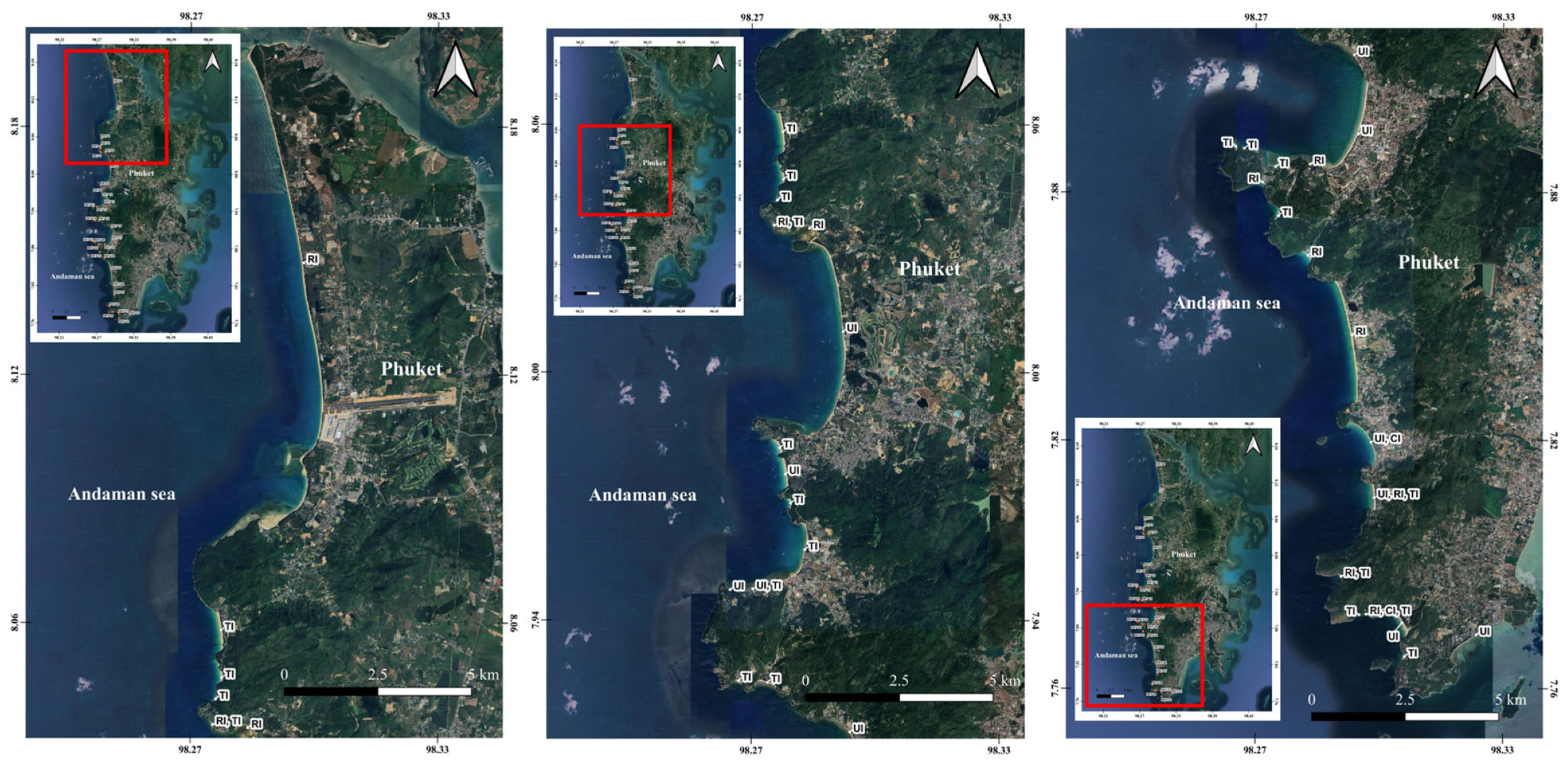
Based on the trends index (Figure 10) and the parameter scores set out in each index, management strategies have been suggested for each location in Table 8. The trends index is evident in TI, UI, and RI, but not in CI. Moreover, the trends index is in some locations indicated by multiple indices, such as at Kata Beach (PKT26), Kata-noi Beach (PKT27) and Saen Beach (PKT30).
Figure 10.
Map of Phuket with the trends index including Urbanization Index (UI), Conservation Index (CI), Recreation Index (RI), and Threat Index (TI).
Table 8.
Potential management strategies.
It is suggested that beaches with a trend index expressed in RI and UI should be subjected to regulation and restoration measures. At the same time, protection measures should be selected as potential management strategies for the primary purpose of beach use in relation to the CI. Several restoration measures have been suggested for beaches with a trends index in relation to the TI index. It is necessary to mitigate the risks of natural changes while preserving beach areas for recreational activities.
The most significant aspect of the 33 study locations is reflected by the Threat Index, which indicates that many tourism beaches in Phuket are exposed to natural hazards, such as coastal erosion and sea level rise. The next most important is the Urbanization Index, which signifies that the beach areas are experiencing increased urban development. The Urbanization Index is related to litter and pollution from wastewater discharges into the sea, or runoff from roads along the beach, resulting in coastal erosion and increased risks.
In cases with a multiple trends index, potential management strategies should be introduced to cover and support various beach conditions. Moreover, the trends index will show the priority management issues of each beach. This helps promote the integrated use of the beach and preserve it from natural and human-induced threats.
The results indicate that the beach nourishment strategy (C2) is the most commonly employed across the thirty-three study locations. Due to the expansion of beach areas facilitated by beach nourishment, tourism activities such as beach recreation, sunbathing, and beach play are well-supported.
In Thailand, it is evident that there is currently no specific management policy for tourism beaches [12]. However, the findings of this study can be incorporated into the sustainable coastal management policy framework, aligning with the targets outlined in Thailand’s 20-Year National Strategy. The implemented management strategies aim to support the sustainable conservation, rehabilitation, and development of natural resources. Additionally, these strategies establish ecological landscape plans that will promote integrated urban and conservation area development in harmony with the carrying capacity of the respective region [31].
Furthermore, the enhanced management strategies for sandy beaches proposed in this study have the potential to be implemented in international coastal zone management, supporting the objectives outlined in the SDGs. Focusing on the threat represented by sea level rise caused by climate change leads us to target 13.2 of Goal 13, which aims to integrate climate change measures into national policies, strategies, and planning. By incorporating climate change adaptation and mitigation strategies into beach management practices, policymakers can work towards achieving this target and ensuring the long-term resilience of coastal areas [32]. Implementing beach nourishment helps towards target 14.c of Goal 14, which aims to enhance the conservation and sustainable use of oceans and resources by implementing international law, as reflected in the United Nations Convention on the Law of the Sea. This includes the sustainable management of fisheries, aquaculture, and tourism. Increasing the beach area through nourishment can contribute to economic growth by supporting recreational activities [32]. Moreover, beach areas are essential for conserving wildlife species that inhabit these coastal environments.
4. Conclusions
The tourism beaches in Phuket, Thailand face natural and human-induced threats. This study proposes to evaluate the beach conditions by use of four indices: the Urbanization Index (UI), the Conservation Index (CI), the Recreation Index (RI), and the Threat Index (TI). The factors in each index include noise pollution, beach accessibility, solid waste on the beach, wastewater pollution in the sea, dune height, beach width, dune vegetation, turtle nests, physical carrying capacity, infrastructure, hotels with beach access, safety and security, the average rate of shoreline changes and shoreline recession due to sea level rise. The narrow score ranges of each parameter can be expanded by implementing a comprehensive management plan and reassessing them following the necessary improvements. The existence of the Threat Index is evident in all beaches, emphasizing the necessity of concentrating on integrating adaptation measures into the management planning of the beaches so as to mitigate these threats effectively. Identifying the multiple trends index on various beaches influences the potential management strategies. This study suggests management strategies aiming in three main directions: protection, regulation, and restoration, based on the integrated assessment of beach conditions with the trends index. Improving management strategies contributes to achieving the 20-Year National Strategy of Thailand and the Sustainable Development Goals, and mainly the target of integrating climate change into national policies and increasing the economic benefits through sustainable management. This finding can be used as a guideline for policymakers to prioritize the essential issues associated with each beach in Phuket. The framework developed in this study can be utilized in other study sites to assess beach conditions and inform decision-making processes regarding management strategies.
Author Contributions
Conceptualization, K.U.; formal analysis, P.N.; investigation, S.R.; methodology, P.N.; project administration, S.R.; supervision, S.R.; validation, S.R.; writing—original draft, P.N. and S.R.; writing—review and editing, S.R. All authors have read and agreed to the published version of the manuscript.
Funding
This research received no external funding.
Institutional Review Board Statement
Not applicable.
Informed Consent Statement
Not applicable.
Data Availability Statement
Not applicable.
Acknowledgments
This work was financially supported by the Office of the Ministry of Higher Education, Science, Research and Innovation; and the Thailand Science Research and Innovation through the Kasetsart University Reinventing University Program 2021.
Conflicts of Interest
The authors declare no conflict of interest.
References
- Nordstrom, K.F. Beaches and Dunes of Developed Coasts; Cambridge University Press: Cambridge, UK, 2000. [Google Scholar]
- Williams, A.T.; Micallef, A. Beach Management: Principles and Practice; Routledge: Abingdon, UK, 2011. [Google Scholar]
- Ministry of Tourism and Sports of Thailand. Sea Sun Sand Tourism Economics Competitiveness; Ministry of Tourism and Sports of Thailand: Bangkok, Thailand, 2018. (In Thai) [Google Scholar]
- Phillips, M.R.; House, C. An evaluation of priorities for beach tourism: Case studies from South Wales, UK. Tour. Manag. 2009, 30, 176–183. [Google Scholar] [CrossRef]
- Zielinski, S.; Botero, C. Are eco-labels sustainable? Beach certification schemes in Latin America and the Caribbean. J. Sustain. Tour. 2015, 23, 1550–1572. [Google Scholar] [CrossRef]
- Cervantes, O.; Espejel, I. Design of an integrated evaluation index for recreational beaches. Ocean Coast. Manag. 2008, 51, 410–419. [Google Scholar] [CrossRef]
- Ariza, E.; Jimenez, J.A.; Sarda, R.; Villares, M.; Pinto, J.; Fraguell, R.; Roca, E.; Marti, C.; Valdemoro, H.; Ballester, R. Proposal for an integral quality index for urban and urbanized beaches. Environ. Manag. 2010, 45, 998–1013. [Google Scholar] [CrossRef] [PubMed]
- Botero, C.; Pereira, C.; Tosic, M.; Manjarrez, G. Design of an index for monitoring the environmental quality of tourist beaches from a holistic approach. Ocean Coast. Manag. 2015, 108, 65–73. [Google Scholar] [CrossRef]
- Lucrezi, S.; Saayman, M.; Van der Merwe, P. An assessment tool for sandy beaches: A case study for integrating beach description, human dimension, and economic factors to identify priority management issues. Ocean. Coast. Manag. 2016, 121, 1–22. [Google Scholar] [CrossRef]
- Ocaña, F.A.; Cuevas, E.; Sauma-Castillo, L.; López-Castro, M.; Guerra-Castro, E. A quantitative three-step approach for guiding sandy beach management. Ocean Coast. Manag. 2022, 229, 106337. [Google Scholar] [CrossRef]
- Martínez, M.L.; Psuty, N.P. Coastal Dunes; Springer: Berlin/Heidelberg, Germany, 2004; pp. 338–339. [Google Scholar]
- Department of Marine and Coastal Resources. The Status of Coastal Zone in Thailand Report; Ministry of Natural Resources and Environment: Bangkok, Thailand, 2020. (In Thai) [Google Scholar]
- Ariza, E.; Sardá, R.; Jiménez, J.A.; Mora, J.; Ávila, C. Beyond performance assessment measurements for beach management: Application to Spanish Mediterranean beaches. Coast. Manag. 2007, 36, 47–66. [Google Scholar] [CrossRef]
- Jurkus, E.; Taminskas, J.; Povilanskas, R.; Kontautienė, V.; Baltranaitė, E.; Dailidė, R.; Urbis, A. Delivering Tourism Sustainability and Competitiveness in Seaside and Marine Resorts with GIS. J. Mar. Sci. Eng. 2021, 9, 312. [Google Scholar] [CrossRef]
- McLachlan, A.; Defeo, O.; Jaramillo, E.; Short, A.D. Sandy beach conservation and recreation: Guidelines for optimizing management strategies for multi-purpose use. Ocean Coast. Manag. 2013, 71, 256–268. [Google Scholar] [CrossRef]
- Cardoso, R.S.; Barboza, C.A.; Skinner, V.B.; Cabrini, T.M. Crustaceans as ecological indicators of metropolitan sandy beaches health. Ecol. Indic. 2016, 62, 154–162. [Google Scholar] [CrossRef]
- González, S.A.; Yáñez-Navea, K.; Muñoz, M. Effect of coastal urbanization on sandy beach coleoptera Phaleria maculata (Kulzer, 1959) in northern Chile. Mar. Pollut. Bull. 2014, 83, 265–274. [Google Scholar] [CrossRef] [PubMed]
- Micallef, A.; Williams, A.T. Application of a novel approach to beach classification in the Maltese Islands. Ocean Coast. Manag. 2004, 47, 225–242. [Google Scholar] [CrossRef]
- Nelson, C.; Botterill, D. Evaluating the contribution of beach quality awards to the local tourism industry in Wales—The Green Coast Award. Ocean Coast. Manag. 2002, 45, 157–170. [Google Scholar] [CrossRef]
- McLachlan, A.; Defeo, O. The Ecology of Sandy Shores; Academic Press: Cambridge, MA, USA, 2017. [Google Scholar]
- Kraus, N.C.; McDougal, W.G. The effects of seawalls on the beach: Part I, an updated literature review. J. Coast. Res. 1996, 12, 691–701. [Google Scholar]
- Reguero, B.G.; Losada, I.J.; Méndez, F.J. A recent increase in global wave power as a consequence of oceanic warming. Nat. Commun. 2019, 10, 205. [Google Scholar] [CrossRef]
- Nidhinarangkoon, P.; Ritphring, S. Assessment of Coastal Vulnerability to Sea Level Rise: A Case Study of Prachuap Khiri Khan, Thailand. In Proceedings of the IOP Conference Series: Earth and Environmental Science, Bangkok, Thailand, 25–28 April 2019; p. 012005. [Google Scholar]
- Barnard, P.L.; Short, A.D.; Harley, M.D.; Splinter, K.D.; Vitousek, S.; Turner, I.L.; Allan, J.; Banno, M.; Bryan, K.R.; Doria, A. Coastal vulnerability across the Pacific dominated by El Nino/Southern oscillation. Nat. Geosci. 2015, 8, 801–807. [Google Scholar] [CrossRef]
- Woodruff, J.D.; Irish, J.L.; Camargo, S.J. Coastal flooding by tropical cyclones and sea-level rise. Nature 2013, 504, 44–52. [Google Scholar] [CrossRef]
- Cooper, J.; Masselink, G.; Coco, G.; Short, A.; Castelle, B.; Rogers, K.; Anthony, E.; Green, A.; Kelley, J.; Pilkey, O. Sandy beaches can survive sea-level rise. Nat. Clim. Change 2020, 10, 993–995. [Google Scholar] [CrossRef]
- Nidhinarangkoon, P.; Ritphring, S.; Kino, K.; Oki, T. Shoreline Changes from Erosion and Sea Level Rise with Coastal Management in Phuket, Thailand. J. Mar. Sci. Eng. 2023, 11, 969. [Google Scholar] [CrossRef]
- Thieler, E.R.; Himmelstoss, E.A.; Zichichi, J.L.; Ergul, A. The Digital Shoreline Analysis System (DSAS) Version 4.0-an ArcGIS Extension for Calculating Shoreline Change; US Geological Survey: Sunrise Valley Drive Reston, VA, USA, 2009.
- Bruun, P. Sea-level rise as a cause of shore erosion. J. Waterw. Harb. Div. 1962, 88, 117–130. [Google Scholar] [CrossRef]
- Nicholls, R.J.; Birkemeier, W.A.; Hallermeier, R.J. Application of the depth of closure concept. In Proceedings of the 25th International Conference on Coastal Engineering, Orlando, FL, USA, 2–6 September 1996; pp. 3874–3887. [Google Scholar]
- National Strategy Secretariat Office. National Strategy 2018–2037 (Summary). 2018. Available online: https://www.bic.moe.go.th/images/stories/pdf/National_Strategy_Summary.pdf (accessed on 17 July 2023).
- Lee, B.X.; Kjaerulf, F.; Turner, S.; Cohen, L.; Donnelly, P.D.; Muggah, R.; Davis, R.; Realini, A.; Kieselbach, B.; MacGregor, L.S. Transforming our world: Implementing the 2030 agenda through sustainable development goal indicators. J. Public Health Policy 2016, 37, 13–31. [Google Scholar] [CrossRef] [PubMed]
Disclaimer/Publisher’s Note: The statements, opinions and data contained in all publications are solely those of the individual author(s) and contributor(s) and not of MDPI and/or the editor(s). MDPI and/or the editor(s) disclaim responsibility for any injury to people or property resulting from any ideas, methods, instructions or products referred to in the content. |
© 2023 by the authors. Licensee MDPI, Basel, Switzerland. This article is an open access article distributed under the terms and conditions of the Creative Commons Attribution (CC BY) license (https://creativecommons.org/licenses/by/4.0/).