Article

Deep-Sea Sediment and Water Simulator for Investigation of Methane Seeping and Hydrate Formation
1
Southern Marine Science and Engineering, Guangdong Laboratory (Guangzhou), Guangzhou 511458, China
2
Research Centre of Ecology & Environment for Coastal Area and Deep Sea, Guangdong University of Technology, Guangzhou 510006, China
3
Guangdong Eco-Engineering Polytechnic, Guangzhou 510520, China
4
Key Laboratory of Gas Hydrate, Guangzhou Institute of Energy Conversion, Chinese Academy of Sciences, Guangzhou 510640, China
5
Guangzhou Center for Gas Hydrate Research, Chinese Academy of Sciences, Guangzhou 510640, China
*
Author to whom correspondence should be addressed.
J. Mar. Sci. Eng. 2022, 10(4), 514; https://doi.org/10.3390/jmse10040514
Submission received: 6 March 2022 / Revised: 1 April 2022 / Accepted: 2 April 2022 / Published: 7 April 2022

Abstract

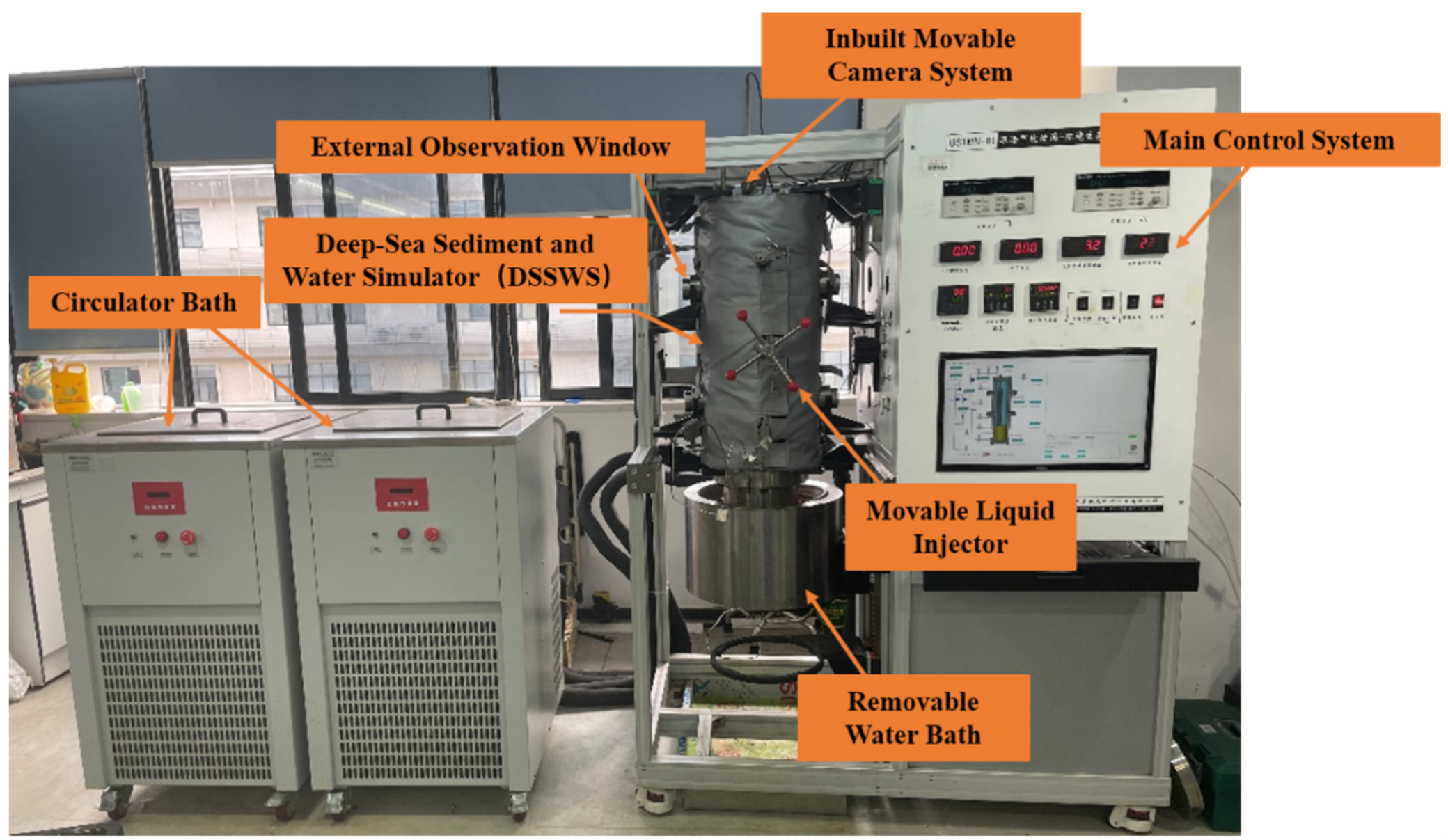
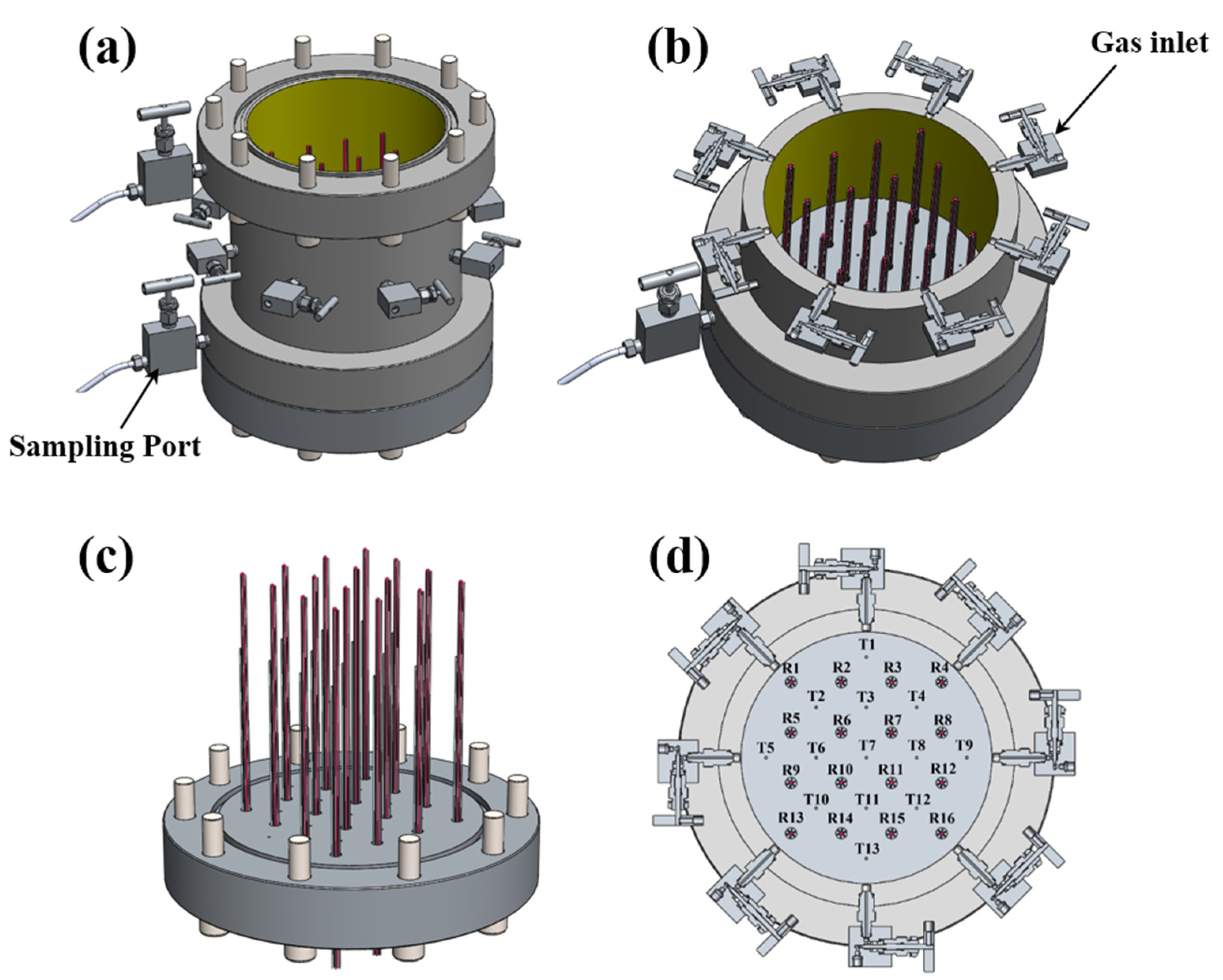
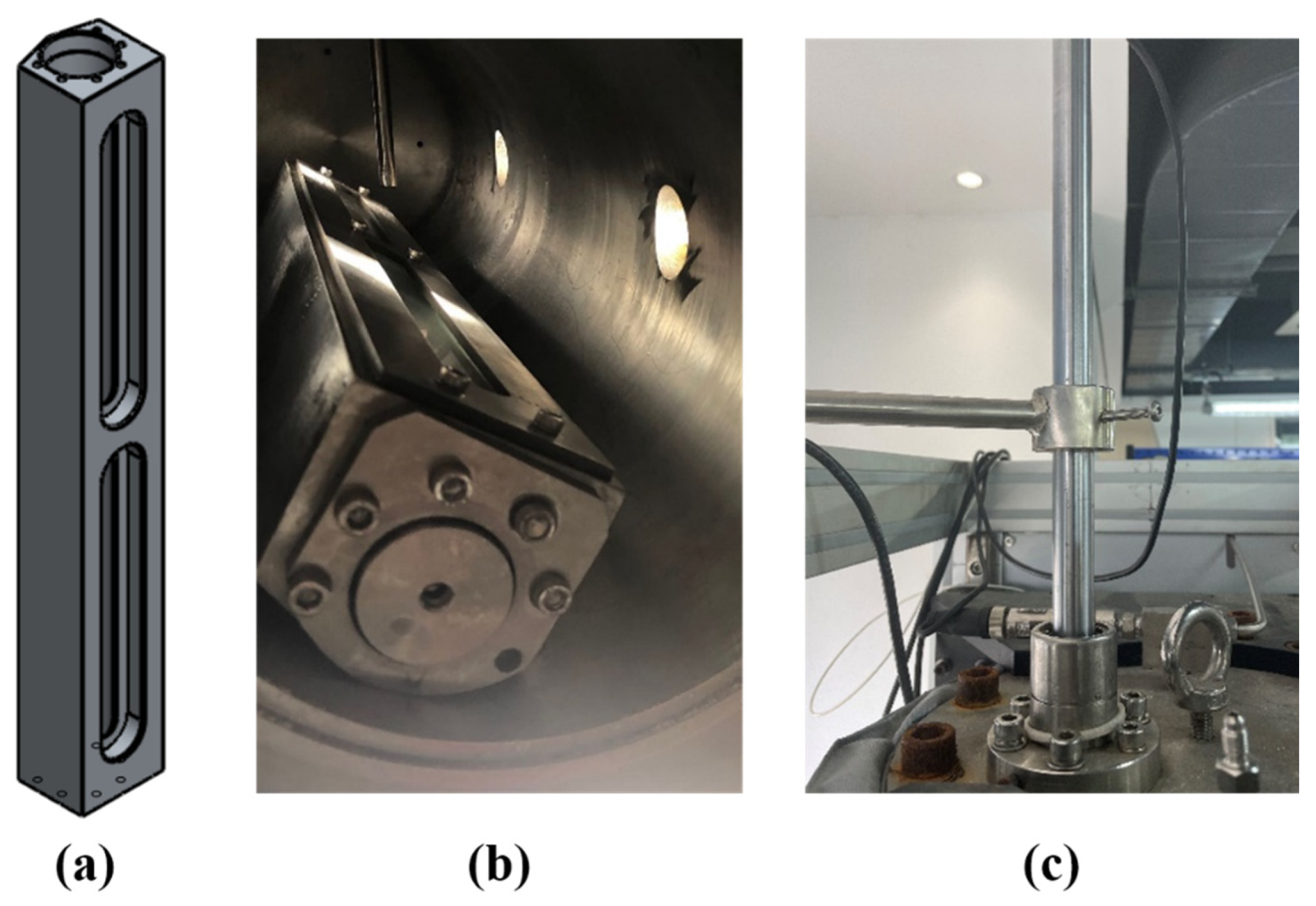
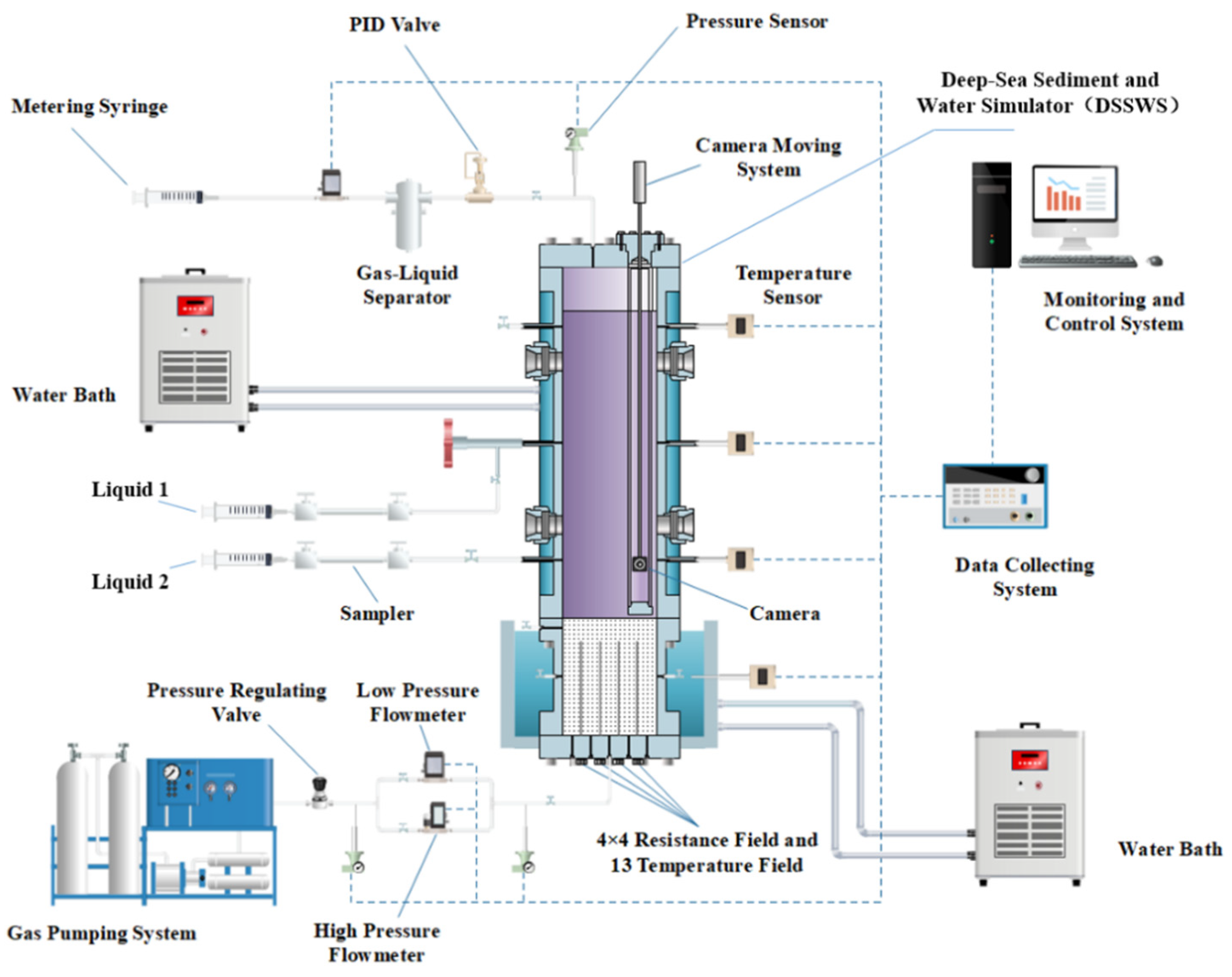
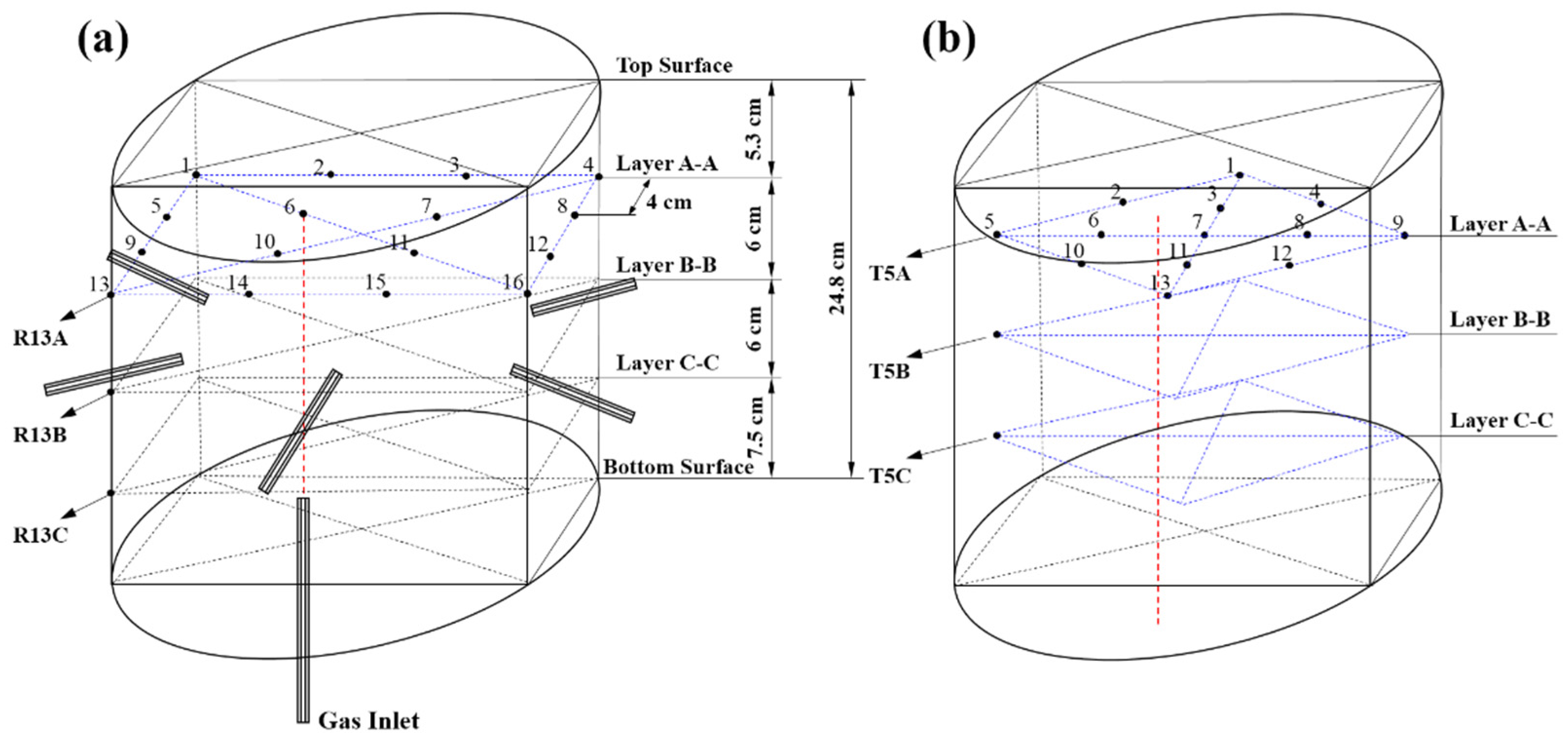
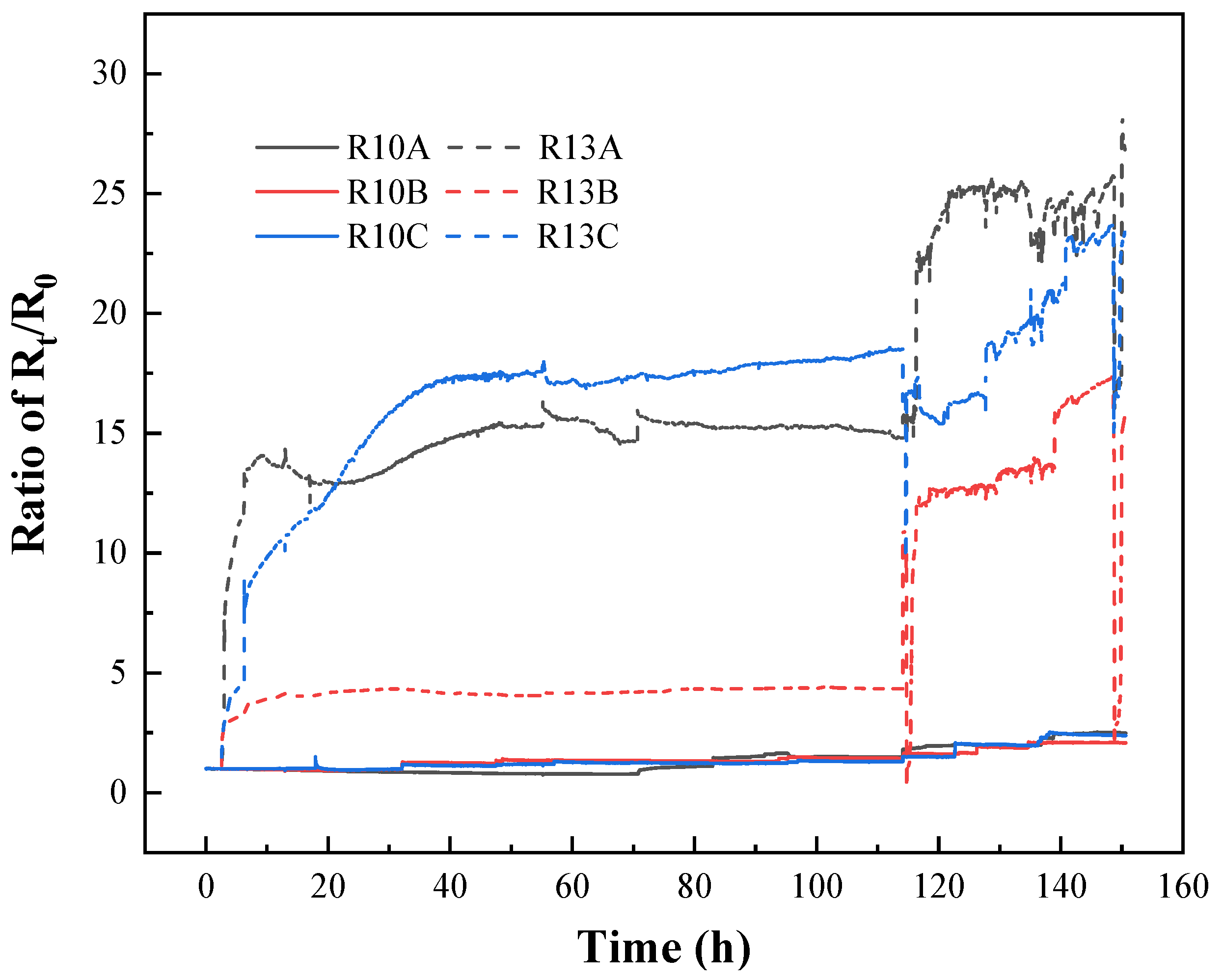
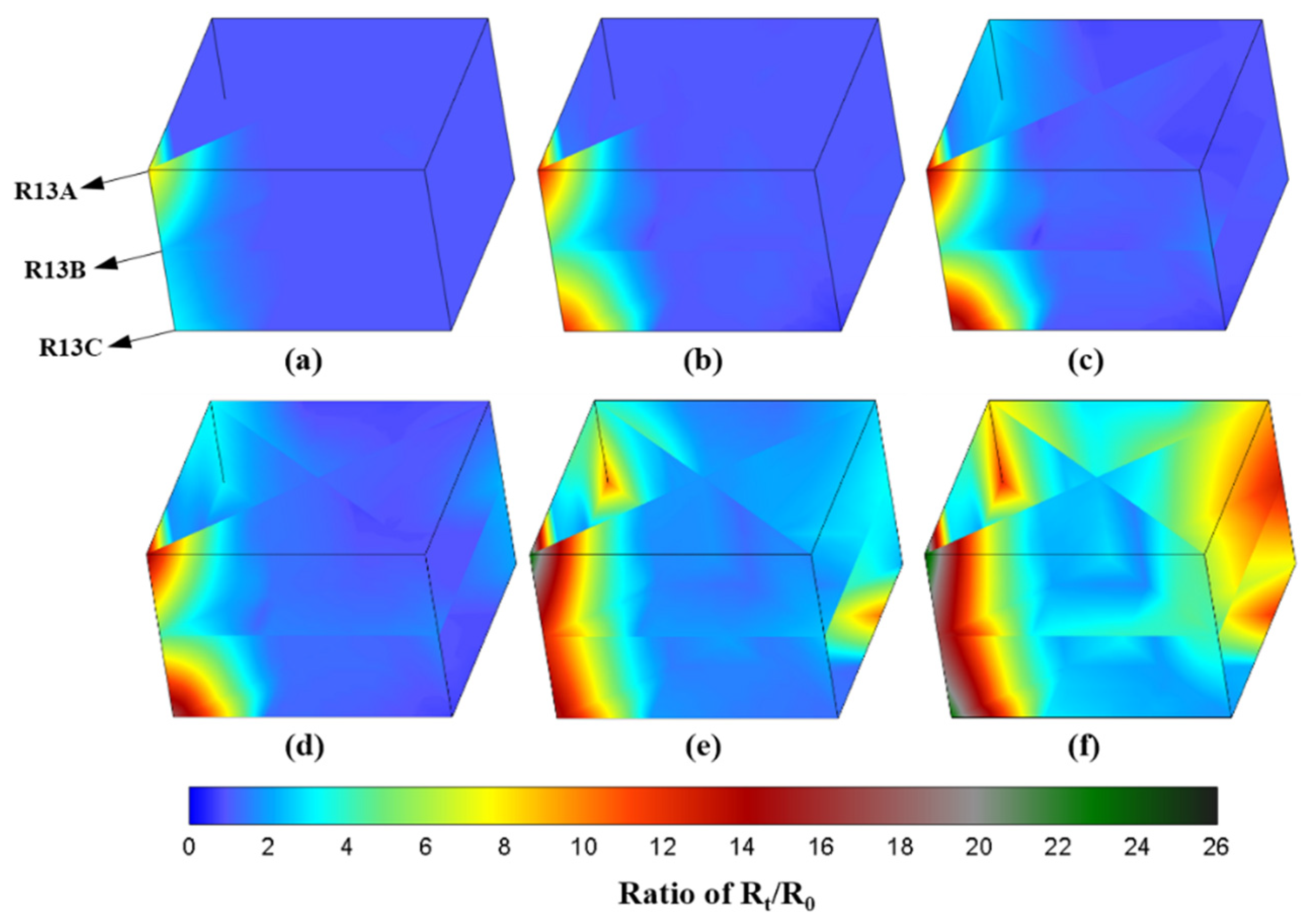
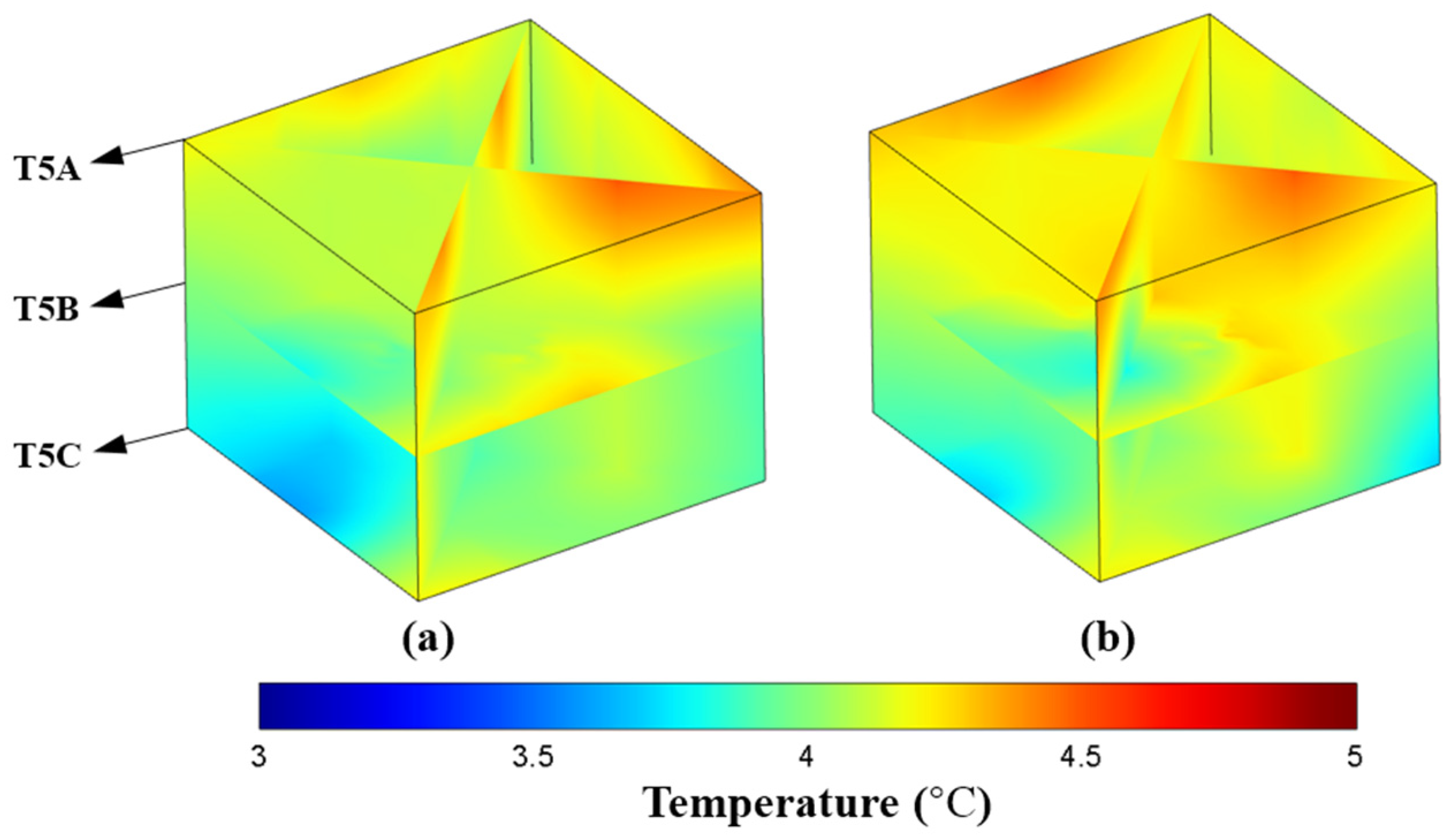
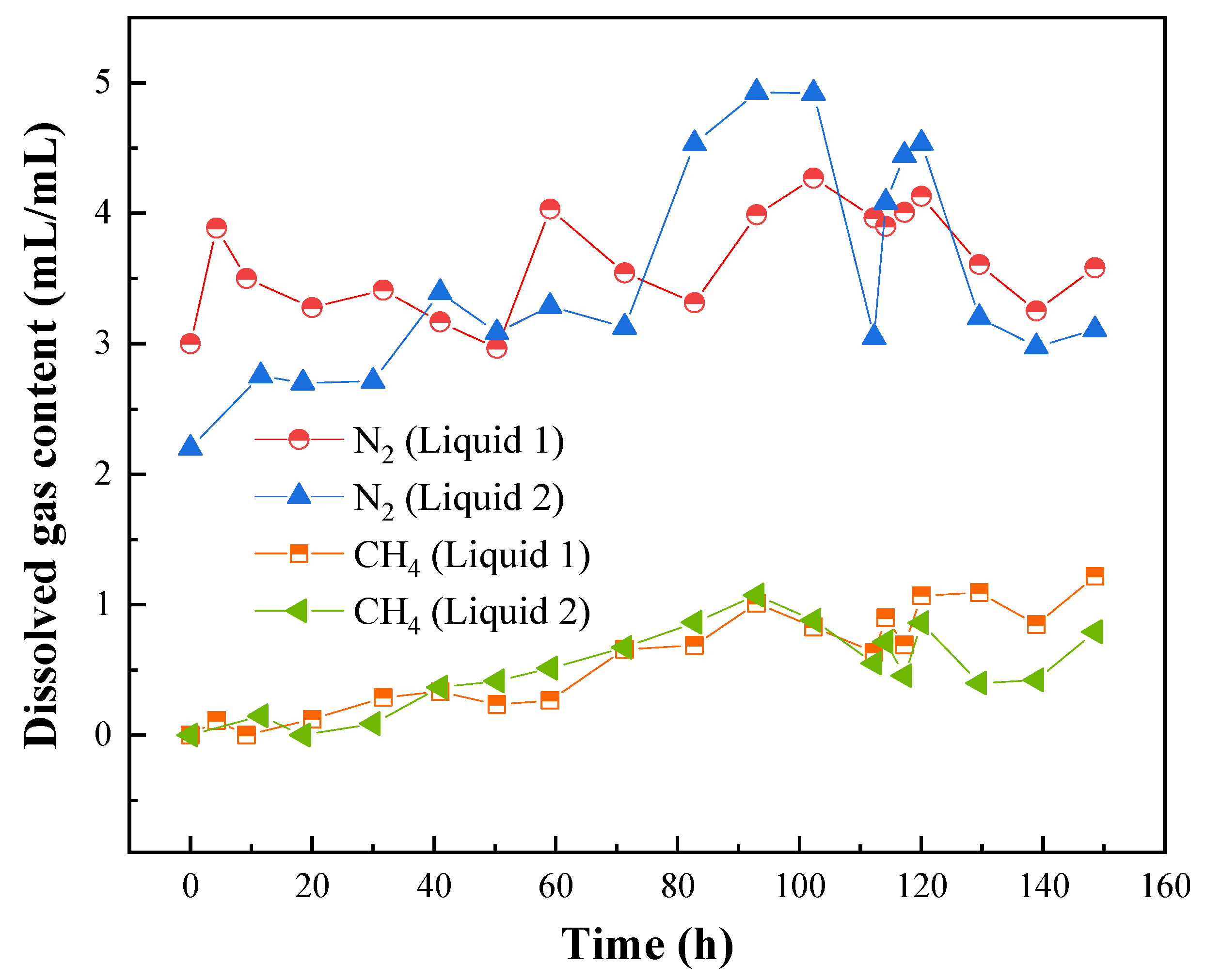
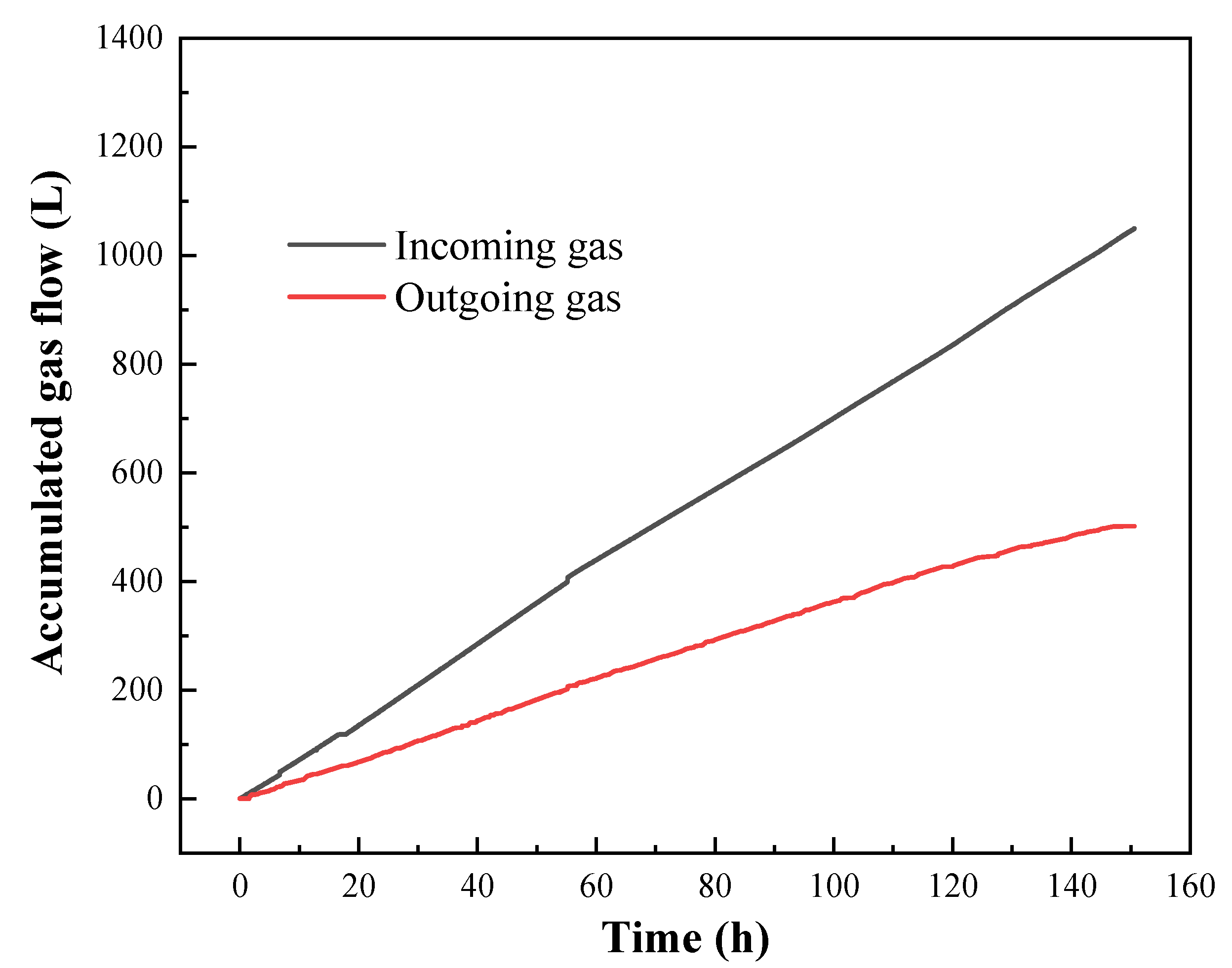
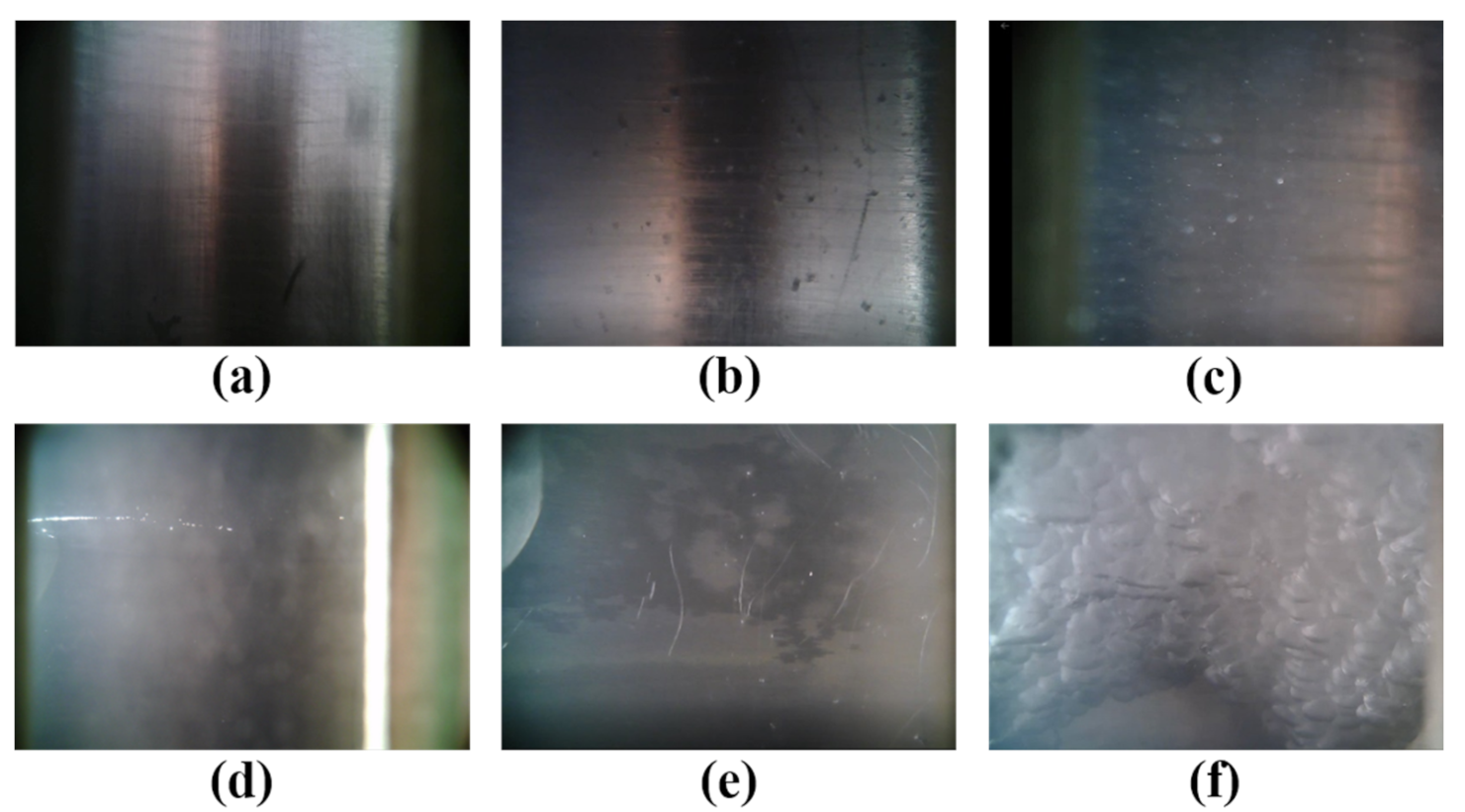
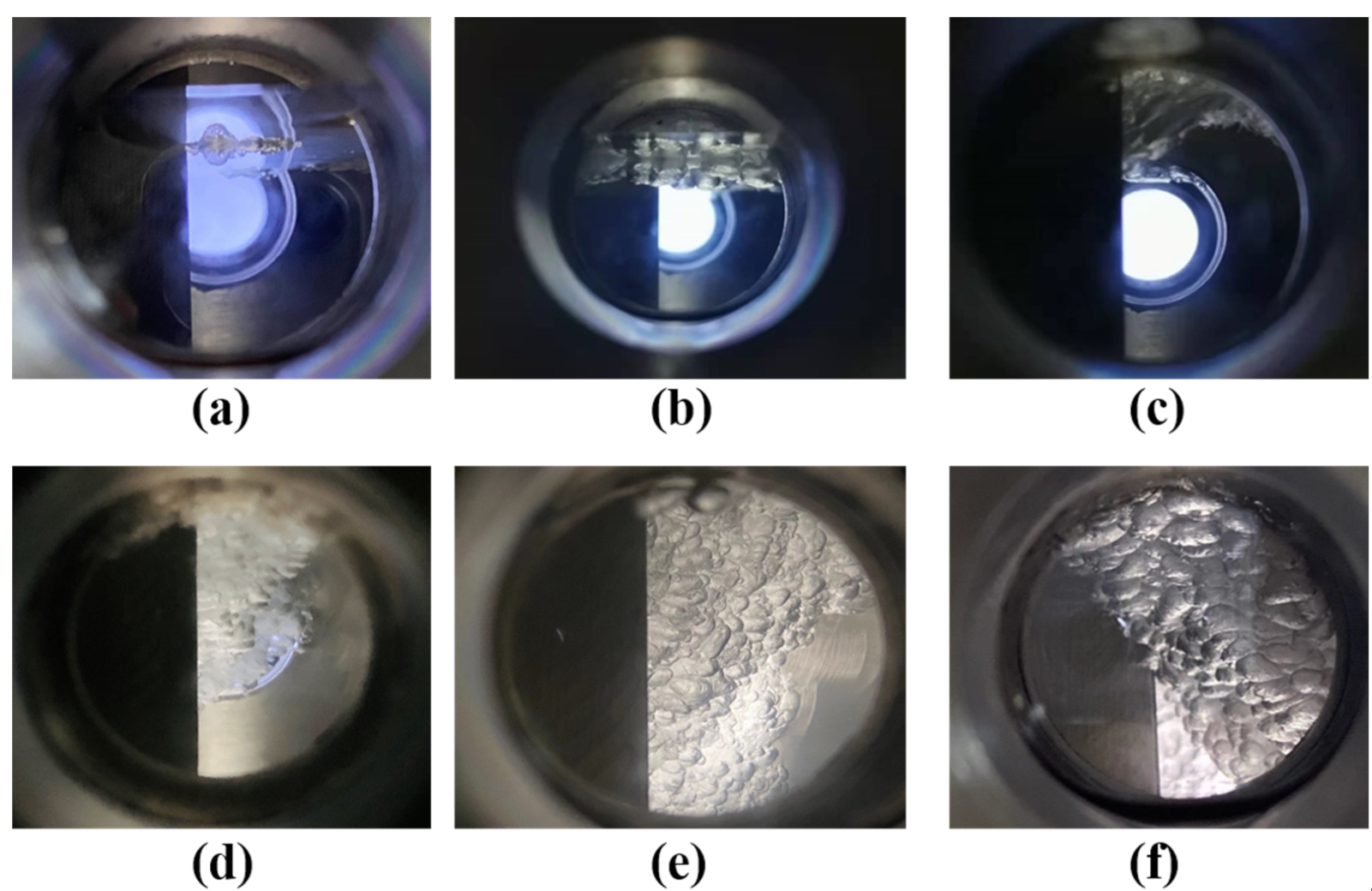
The ubiquitous methane seeping process in the deep-sea environment could significantly influence the global methane cycle and carbon budget. Hydrate formation on the methane bubble during the seeping process is an important way for sequestrating methane during bubble migration. Uncovering the complete methane leakage process needs to reveal the methane leakage pathway and hydrate conversion mechanism. Hence, we built a deep-sea sediment and water simulator to investigate the methane seeping and hydrate formation. The simulator can mimic the deep-sea sediment and water environment with a lower sediment chamber and an upper seawater chamber. The monitoring of the bubble migration path and hydrate transformation and aggregation in the sediment chamber is realized mainly through the spatial distribution of electric resistance and temperature variations. The seawater chamber is equipped with a built-in movable camera and four external windows to observe the rising and morphological evolution of gas and hydrate bubbles. The quantitative storage and escape of CH4 gas could be realized through the measurement of multiple gas/liquid collection ports and cumulative incoming/outgoing gas volume. In addition, a movable biological liquid injection port was designed in the seawater chamber for the coupling CH4 conversion of hydrate formation and microorganism-mediated oxidation. Through the experimental test on each function of the system, the effectiveness of the device was proved. The development of this device has pioneering significance for the experimental simulation of the methane seeping process in a simulated submarine cold spring area.
Keywords: methane seeping; hydrate formation; cold seep; simulator methane seeping; hydrate formation; cold seep; simulator