Review

A Bibliometric Analysis of Vanilla Micropropagation: Evolution, Collaborative Efforts and Future Pathways for Sustainability and Conservation


by
Marco Vinicio Rodríguez-Deméneghi
1,*,
Gael Francisco García-Merino
1,
Noé Aguilar-Rivera
1,
Fabiola Hernández-Ramírez
2 and
María Elena Montes-Ayala
3
1
Facultad de Ciencias Biológicas y Agropecuarias, Universidad Veracruzana, Carretera Peñuela-Amatlán de los Reyes Km 1, Amatlán de los Reyes 94950, Veracruz, Mexico
2
Facultad de Ciencias Químicas, Universidad Veracruzana, Prolongación de Oriente 6, 1009, Orizaba 94340, Veracruz, Mexico
3
Laboratorio de Cultivo de Tejidos Vegetales, Universidad Católica de El Salvador, by Pass a Metapán y Carretera Antigua a San Salvador, Santa Ana 2201, El Salvador
*
Author to whom correspondence should be addressed.
Agriculture 2026, 16(9), 931; https://doi.org/10.3390/agriculture16090931
Submission received: 4 March 2026 / Revised: 6 April 2026 / Accepted: 16 April 2026 / Published: 23 April 2026

Abstract

Vanilla (Vanilla planifolia Jacks. ex Andrews) is a tropical orchid of high economic value, with an annual production of 8000 to 10,000 t and a market exceeding 800 million USD in over 40 countries. In vitro propagation has strengthened the innovation, production, and conservation of this species. Bibliometrics, as a quantitative approach, systematically examines the patterns, dynamics, and evolutionary trends of scientific production. A systematic search was conducted in Scopus and Web of Science until December 2025, using the terms “vanilla” and “micropropagation”. A total of 53 documents were identified in Scopus (1997–2025) and 39 in Web of Science (2000–2025). The evaluated indicators included: year of publication, country of origin, language, areas, main categories, document typology, authorship, and keyword distribution. VOSviewer was used for keyword analysis to identify author collaboration networks and emerging trends. The years with the most information were 2024 and 2025, with Mexico and India standing out prominently. The main thematic areas were Agricultural and Biological Sciences, and the role of researcher Ramírez-Mosqueda was highlighted. The keywords with the highest correlation and impact were bioreactors, vanillin, and cryopreservation. This bibliometric study provides a comprehensive perspective on scientific production related to vanilla micropropagation. The results highlight the multidisciplinary nature of biotechnology applied to this crop, integrating contributions from various areas of knowledge for the benefit of the main actors in the value chain.

1. Introduction

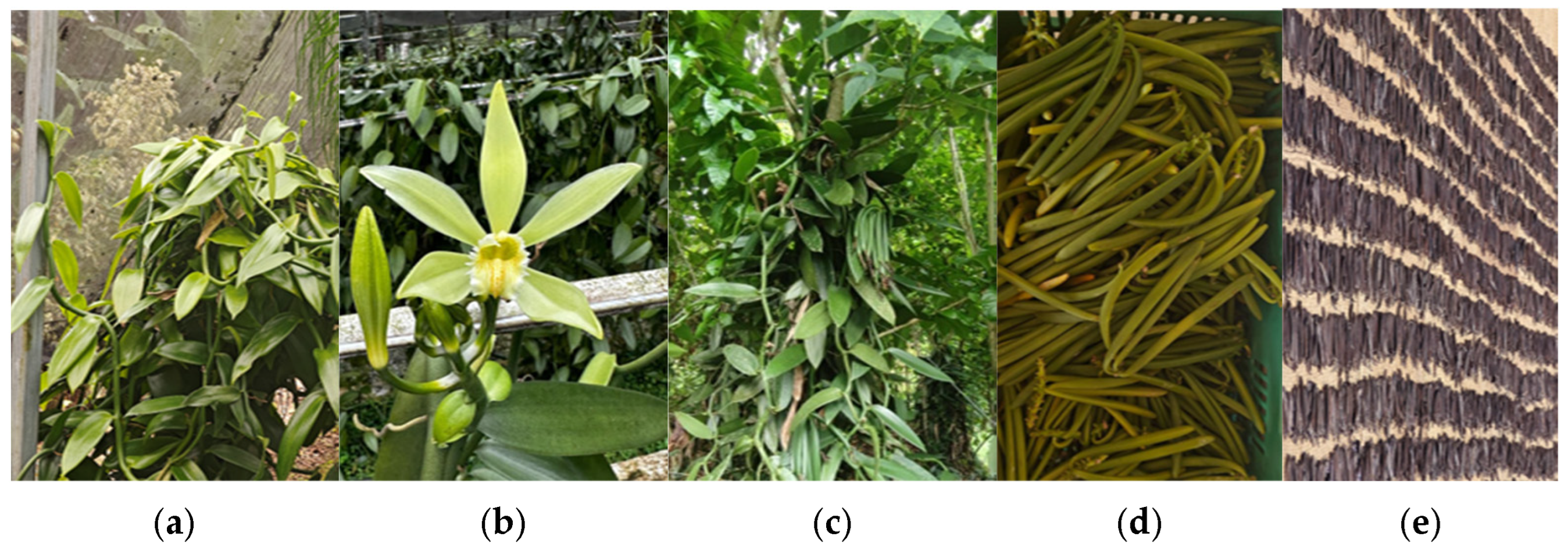
Vanilla (Vanilla planifolia Jacks. ex Andrews) is a monopodial climbing orchid native to tropical regions, ranging from southern Mexico and Central America, representing one of the most economically valuable spices in the world (Figure 1). The vanillin contained in vanilla is the most widely used aromatic compound in the food, perfume, and pharmaceutical industries [1].
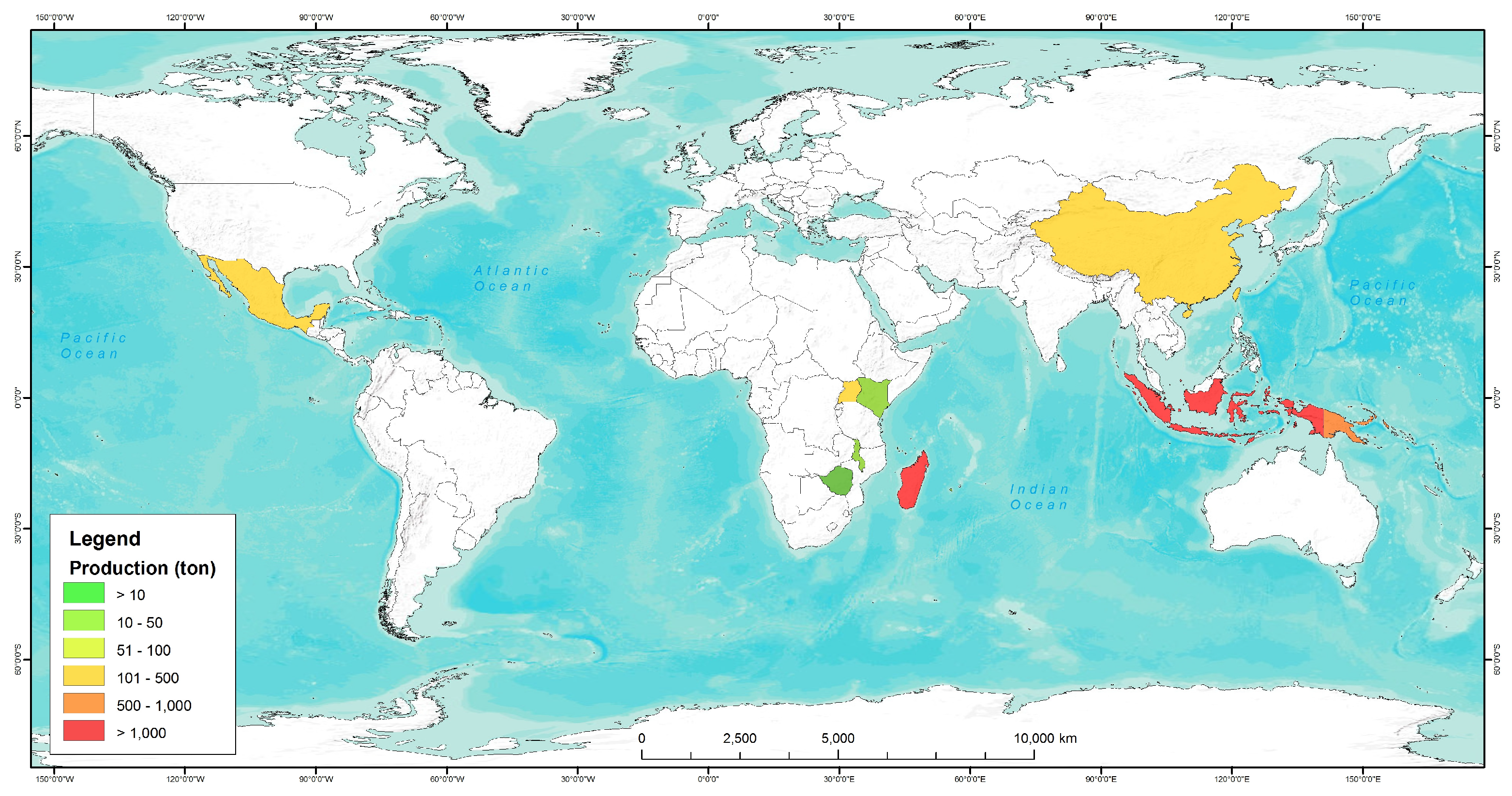
This species is cultivated in over 40 countries, with a global production ranging between 8000 and 10,000 t of cured fruits annually (Figure 2) [2]. The value of conventional and organic vanilla exceeds 800 million USD annually, driven by demand for natural products, in contrast to synthetic vanillin, which dominates 99% of the market but lacks natural sensory complexity [3,4].
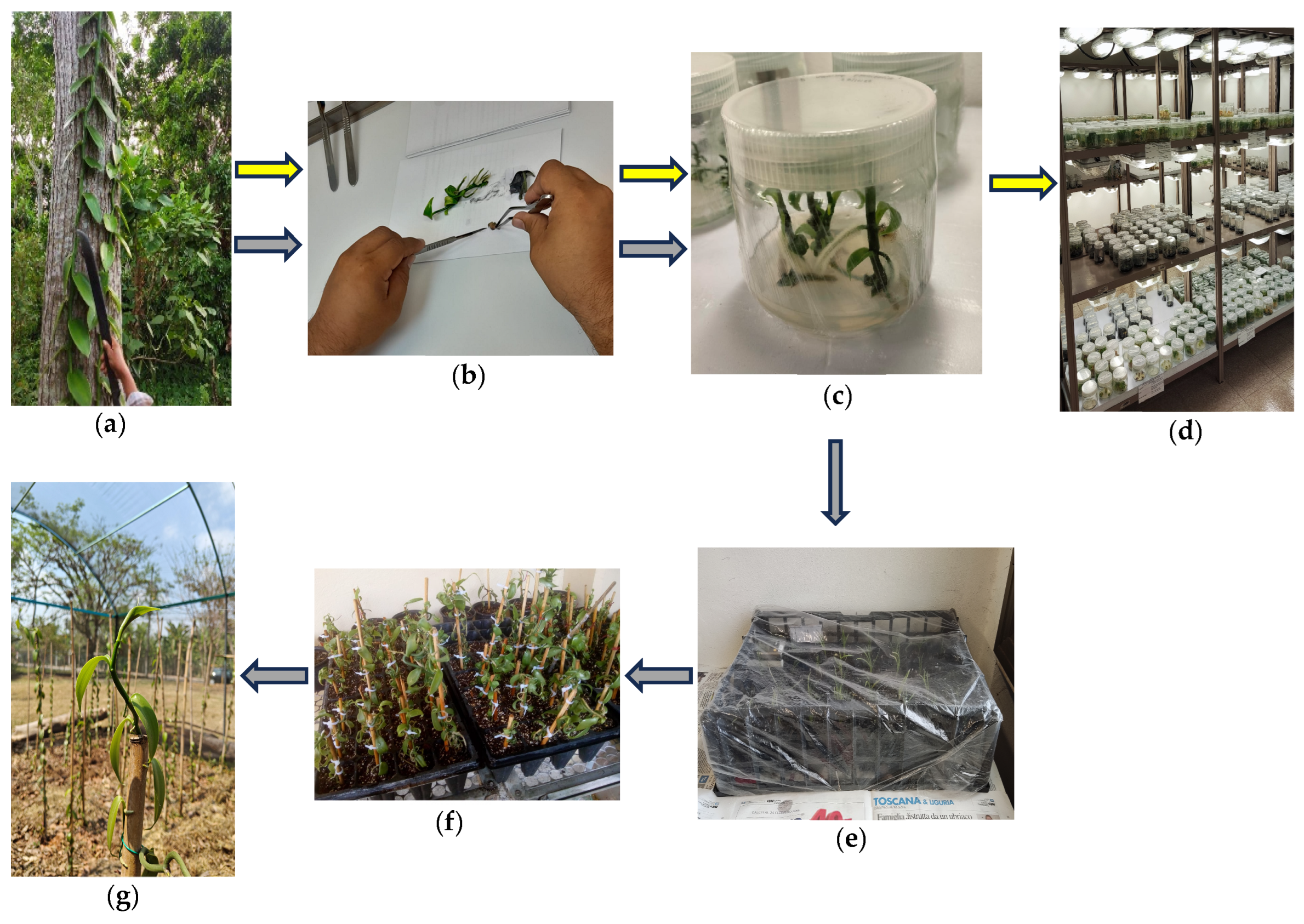
It requires living or inert support for vertical growth, reaching up to 20 m in height with adventitious aerial roots. Its vegetative reproduction by cuttings is inefficient, with low rooting rates and slow propagation, perpetuating narrow genetic diversity and vulnerability to abiotic and biotic stresses [5,6]. Additionally, natural pollination is complicated, depending on specific insects like bees, which necessitates manual pollination, a laborious process that increases costs and reduces yields [2,7]. Fruits can measure up to 25 cm in length depending on the variety, mature in 6–9 months, but seed germination is low under natural conditions [8]. Laboratory micropropagation of this species offers a clonal, disease-free, and high-yield alternative [9,10]. In the last 30 years, micropropagation has transformed vanilla cultivation, mainly using nodal explants in Murashige–Skoog medium supplemented with different cytokinins and auxins, allowing rapid multiplication generating 4–6 shoots per cycle [10,11] (Figure 3). Advances such as temporary immersion bioreactors have scaled up commercial production, improving elongation, rooting, and reducing costs by approximately 20 to 40% [12,13]. This has driven vanilla production and its in vitro and ex situ conservation of genetic diversity against climate change, satisfying growing global demand in countries like Mexico, Madagascar, and Indonesia [5,14].
To understand evolution and trends, bibliometric analyses are frequently used. Bibliometrics is a quantitative research methodology that employs statistical techniques and data mining to identify, analyze, and visualize patterns in global scientific production related to specific topics [15,16]. This type of analysis has been fundamental for mapping the growth and evolution of research in areas such as plant biotechnology, in vitro cultivation, and conservation of native or endangered species [17,18]. By providing a structured overview of the most relevant contributions in the scientific literature on micropropagation, the use of growth regulators, disinfection techniques, and acclimatization, bibliometrics not only facilitates access to specialized information but also supports strategic decision-making to optimize protocols, improve commercial production, and strengthen conservation and research programs for the benefit of sustainable vanilla production. The present bibliometric study seeks to generate a significant impact on the scientific community and the main actors in the vanilla value chain. Research trends, productivity, conservation, and trade can strengthen its positioning in markets, driven by high global demand. Additionally, it will provide direct allies, institutions, and funding sources to drive innovation against the predominance of synthetic vanillin. Therefore, the general objective is to analyze the scientific literature on vanilla micropropagation, identifying trends, key actors, techniques, and knowledge gaps, with the aim of supporting decision making, optimizing protocols, strengthening conservation efforts, and fostering innovation and sustainable competitiveness.

2. Materials and Methods

To conduct a concise and comprehensive review of the scientific literature on vanilla micropropagation over the last 28 years, a systematic search strategy was implemented using the following 2 high-impact electronic databases: Scopus and Web of Science [19,20]. This bibliographic review considered all the scientific literature accessible. The search strategy employed a combination of two terms to ensure retrieval of the literature related to the thematic field of investigation. To precisely delimit the bibliography in the field of vanilla micropropagation, the search descriptors “vanilla” and “micropropagation” were integrated. The search strategy was applied in each of the databases, aiming to identify articles that included the terms in their title, abstract, or keywords. Additional terms were not incorporated because their inclusion reduced the number of retrieved records, reflecting the limited availability of studies on vanilla micropropagation; therefore, prioritizing broader descriptors allowed a more robust and representative analysis. Thus, 53 documents were obtained from the Scopus database for the period 1997–2025, since no data were available in it for periods prior to this time range. Similarly, a total of 39 records were collected from the Web of Science, corresponding to the period between 2000 and 2025, given that this platform does not offer results for periods prior to this date. Finally, the analysis of the collected data was carried out using VOSviewer software (version 1.6.20). For the analysis of citations between authors, the inclusion criteria required a minimum of one document and at least two citations per author. These thresholds ensured that the network visualization represented only those authors with consistent scientific contributions and measurable citation impact. Regarding the keyword co-occurrence analysis, the full counting method was applied, allowing each occurrence of a keyword to contribute equally to the network visualization. A minimum threshold of two occurrences was established for including keywords; this enabled the exclusion of marginal terms while preserving the central thematic of the literature. The visualization parameters used were as follows: a visualization scale of 1.60, the association strength method for item clustering, and labels of 0.7 to facilitate the identification of the most significant relationships within the dataset.

3. Results and Discussion

3.1. Scientific Production and Countries Involved with Micropropagation of Vanilla in the Last 28 Years

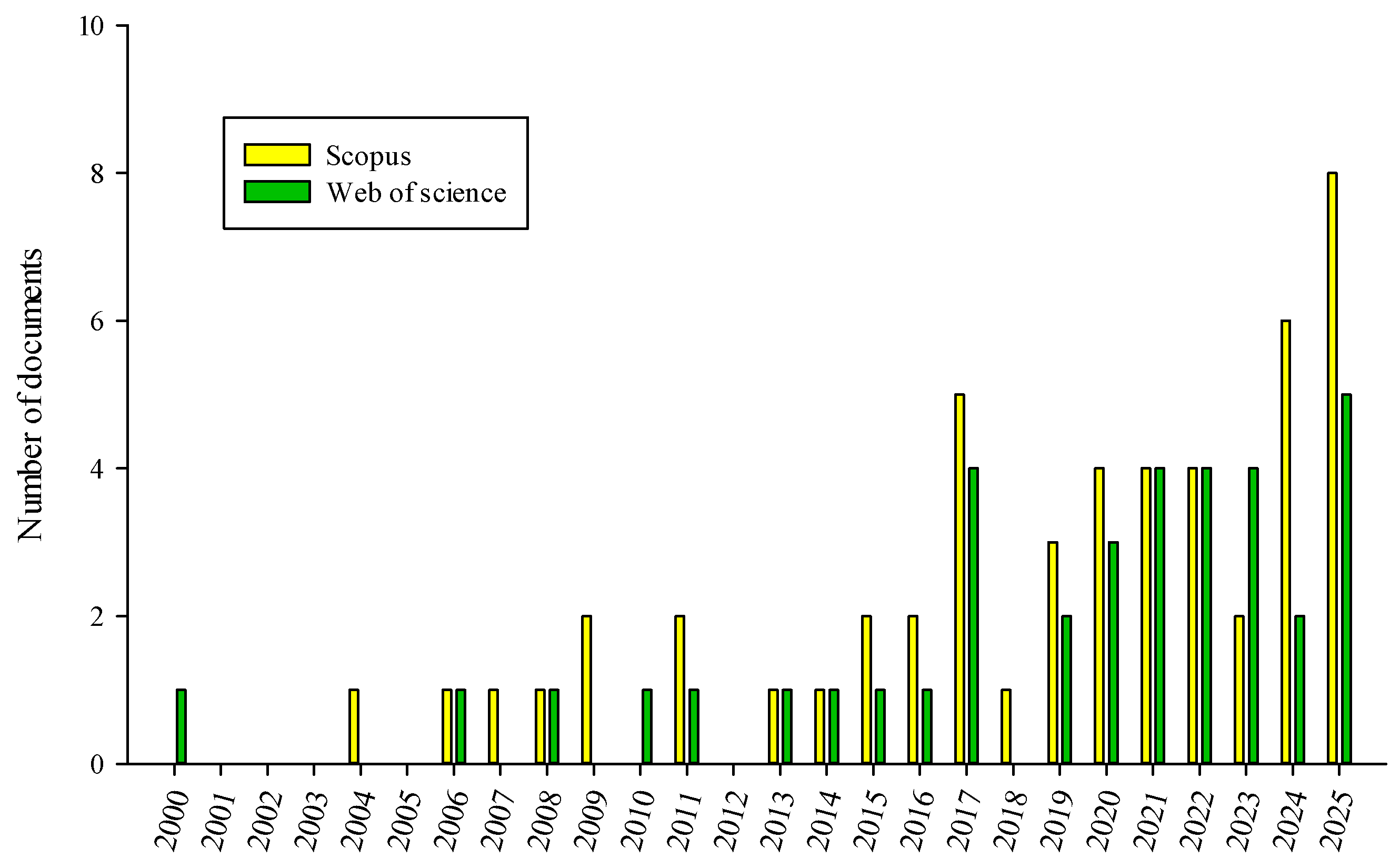
The results obtained from the analysis focused on the amount of scientific information on vanilla micropropagation during the last 28 years reveal a growth in the number of published documents, with a sustained increase over the last 5 years (Figure 4). This trend evidences a sustained interest and expansion in micropropagation, driven by its strategic applicability in sectors such as agriculture, the pharmaceutical industry, food production, and sustainability-oriented systems [10]. Between 2000 and 2008, the least amount of scientific information was generated, reflecting a low interest in this research area at that time, because at the beginning of the 21st century, many publications first focused on model or economically dominant plant systems, while specialized crops like vanilla received less attention until demand or technical advances made it profitable or feasible. Beginning in 2009, this landscape changed notably due to the adoption of micropropagation techniques, which increase the clonal production of vanilla and, consequently, the availability of biomass destined for the extraction of vanillin [21]. The analysis reveals a considerable increase in publications on vanilla micropropagation, with 2024 and 2025 being the years of highest productivity. This fact suggests that these years have been influenced by factors such as advances in in vitro cultivation techniques such as bioreactors, a greater interest in environmental impact, and agronomic resilience to the notable problem of climate change [22]. It is important to highlight that from 2020, an increase in published documents was recorded, which can be attributed to convergent economic, technological, and environmental factors. The high volatility and price increase registered between 2016 and 2019 encouraged investment in innovation to stabilize production and guarantee quality [23]. The growing demand for natural products against synthetic vanillin promoted sustainable propagation strategies, and advances in optimizing protocols using MS medium have improved the clonal efficiency of different plant species, including vanilla [24,25]. Additionally, the expansion of digital scientific networks after the pandemic strengthened international collaboration and academic productivity [26].
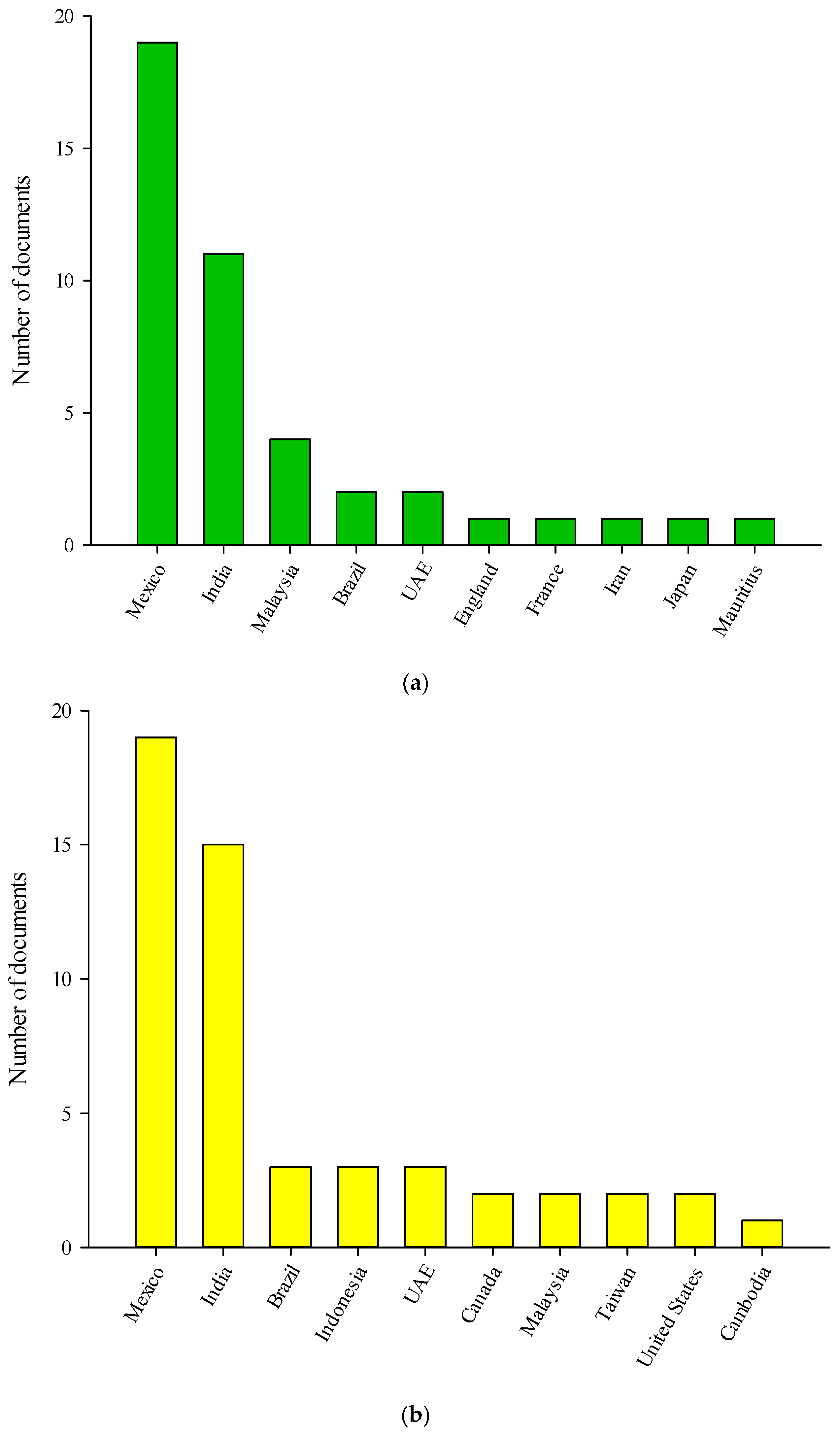
The countries that generated the most scientific information in both Scopus and Web of Science are Mexico, which occupies the first place, followed by India (Figure 5). Also in the top 10 of both databases are countries like Brazil, Indonesia, and Malaysia. This leadership of Mexico is not surprising, given that it is the center of origin and domestication of vanilla, with production concentrated in the Totonacapan region within the states of Veracruz and Puebla [5]. For Mexico, internal demand and exports to international markets have encouraged scientific research around more sustainable and efficient production, addressing topics such as agronomic management and resilience to climate change that identify key variables related to the fruit, size, shape, and average weight, among others [4,27]. India’s high scientific production in recent years can be explained by a convergence of strategic, economic, and scientific factors [28]. India has favorable agroclimatic conditions in tropical and humid regions (Kerala, Karnataka, and Tamil Nadu), which has driven interest in diversifying high-value crops for small producers. It has a solid infrastructure in plant biotechnology and tissue culture, supported by agricultural universities and centers funded by organizations such as the Indian Council of Agriculture Research and the Department of Biotechnology, which have prioritized the micropropagation of species [29]. Likewise, the country’s previous experience in in vitro propagation of ornamental orchids facilitated technology transfer to vanilla [30]. Access to relatively low-cost laboratories, high availability of specialized human capital, and public policies that encourage scientific publication in indexed journals have also contributed to the sustained growth of documents [28].
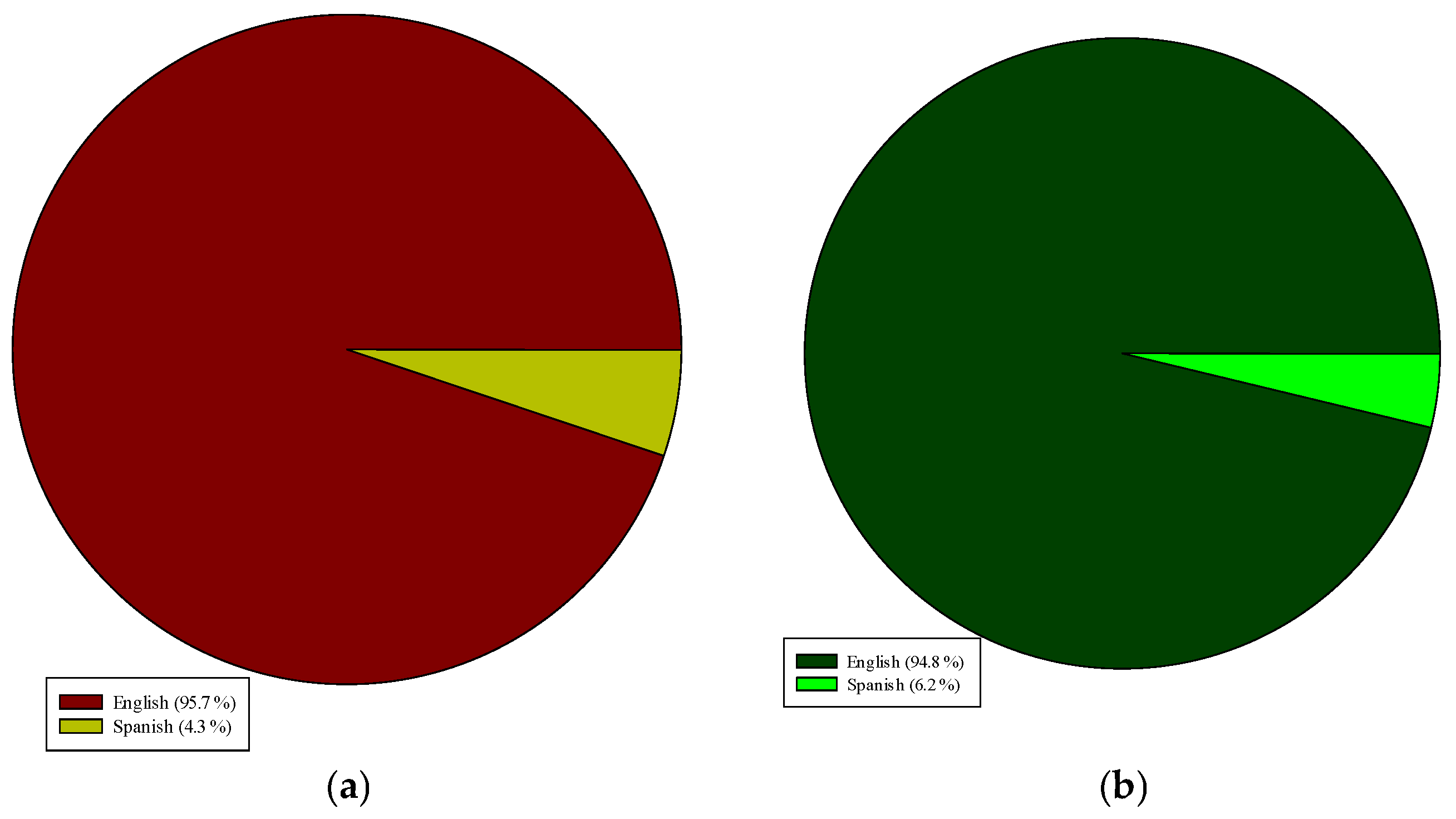
The structural dynamics of the global scientific system and the productive geography of vanilla have led to scientific documents being presented only in English and Spanish (Figure 6). English has consolidated as the lingua franca of science, especially in areas of plant biotechnology and tissue culture, where the most impactful journals, indexed in databases like Scopus and Web of Science, publish predominantly in this language to maximize visibility, citation, and international collaboration [31]. Given that academic evaluation and funding systems prioritize publications in indexed and high-impact, researchers strategically choose English to broaden the global reach of their results.
On the other hand, Spanish maintains a relevant presence because several vanilla-producing and research centers are in Latin America, particularly Mexico. However, many regional journals in Spanish are not fully indexed or have lower international visibility, which limits their proportion in global bibliometric analyses. The idiomatic concentration reflects not only editorial patterns and impact metrics but also scientific internationalization strategies and positioning in global research networks.

3.2. Areas and Supporting Entities for Conducting Research on Micropropagation of Vanilla

Regarding the predominance of areas in which scientific knowledge related to vanilla micropropagation is focused, there is evident interest in key scientific fields such as Agricultural and Biological Sciences, Biochemistry, Genetics, and Molecular Biology, Environmental Sciences by the Scopus database (Table 1). These disciplines reflect the multifaceted nature of vanilla, encompassing aspects from agronomic management and genetic improvement to the characterization of its bioactive compounds and potential pharmacological and food applications. This panorama highlights the versatility of vanilla micropropagation systems as a research topic, positioning it as a crop of global interest [32].
In the Web of Science database, we can observe that the predominant areas are plant sciences, agriculture, and biotechnology, which together account for more than 70% (Table 2). The difference in coverage between Scopus and Web of Science directly influences the perception of scientific production. While Scopus includes a broader spectrum of technical and regional journals on agriculture, biotechnology, and applied sciences, Web of Science focuses on high-impact publications, with an emphasis on basic sciences [33]. This means that many studies on in vitro propagation of vanilla published in local specialized journals or in languages other than English appear in Scopus but may not be indexed in Web of Science. Therefore, the choice of database affects the number of detected documents, author visibility, and interpretation of bibliometric trends in the field.
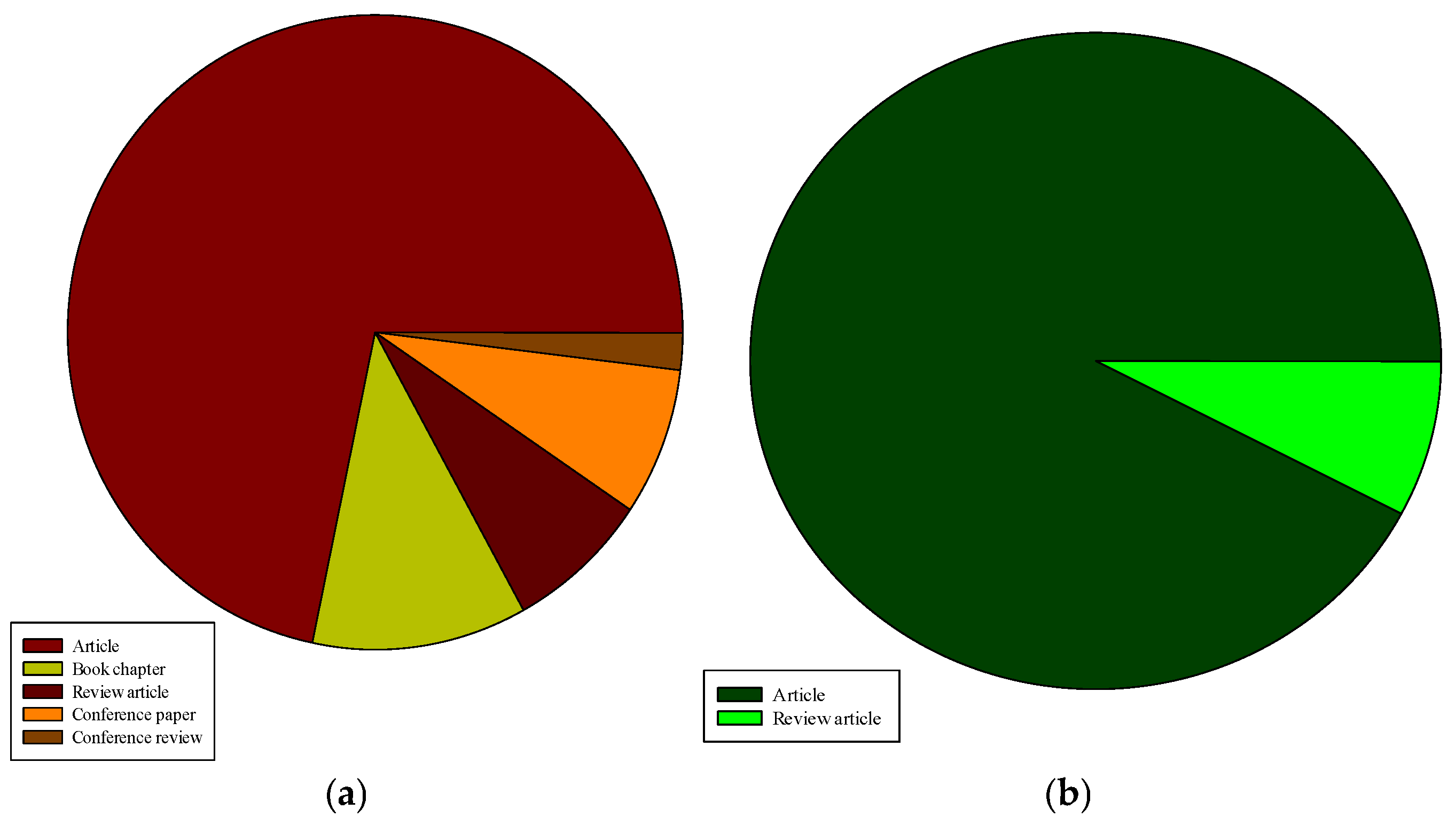
Analyzing the types of scientific documents in a bibliometric study is fundamental because it allows understanding not only the quantity of available research but also the nature and depth of contributions in the field [15] (Figure 7). Original research articles offer direct experimental evidence on in vitro cultivation techniques, optimization of media such as MS medium, growth regulators, and clonal propagation methodologies, being the basis for scientific validation and generation of knowledge applicable to vanilla production and conservation. On the other hand, review articles synthesize, compare, and contextualize multiple studies, allowing identification of trends, knowledge gaps, and innovation opportunities, which is key to guiding future research and sustainable production strategies [34]. The predominance of these types of documents is due to their being the most recognized and citable formats in academic literature, favoring their publication in indexed and high-impact journals.
Other documents, such as short notes or book chapters, are usually less frequent because they provide more limited or specific information, not necessarily oriented to experimental replicability or comprehensive analysis, which explains why original and review articles consistently dominate bibliometric results in this field. In terms of funding, the analysis identifies Consejo Nacional de Ciencia y Tecnología (CONACyT) of Mexico, now renamed as the Secretaría de Ciencia, Humanidades, Tecnología e Innovación (SECIHTI), as the leading entity in providing economic support to research on vanilla micropropagation (Table 3). This finding underscores the crucial role of public policies and national research promotion programs in driving strategic studies with high economic, social, and scientific potential for Mexico. The prominence of this institution reflects Mexico’s commitment to generating knowledge related to native and regional crops, which could have significant implications for food security and rural development in this nation.
The limited presence of government and private institutions promoting research in vanilla micropropagation in major producing countries like Madagascar and Indonesia can be explained by a combination of economic, structural, and cultural factors. Despite being leaders in global vanilla production, both countries face significant budgetary constraints in science and technology, reducing their capacity to invest in plant biotechnology laboratory infrastructure, specialized equipment, and highly qualified personnel training programs [35]. Additionally, scientific research is not always prioritized over the need to address immediate socioeconomic problems, such as rural development, food security, and income stability for small producers, who constitute most of the production chain [36]. The scarcity of solid public policies promoting partnerships between universities, research centers, and the private sector limits technology transfer and innovation in in vitro propagation. These factors could explain why, despite the economic importance of vanilla, formal research in micropropagation is relatively limited in these regions, focusing mainly on individual academic efforts or international cooperation projects. Unfortunately, a significant limitation of this analysis is the absence of standardized, comparable, and reliable information sources that systematically report the budget specifically allocated to each institution. This lack of internationally homogeneous data makes it difficult to conduct precise and comparative assessments regarding the actual dollar value of this subject.

3.3. Co-Authorship Networks and Their Role in Shaping Research on Vanilla Micropropagation

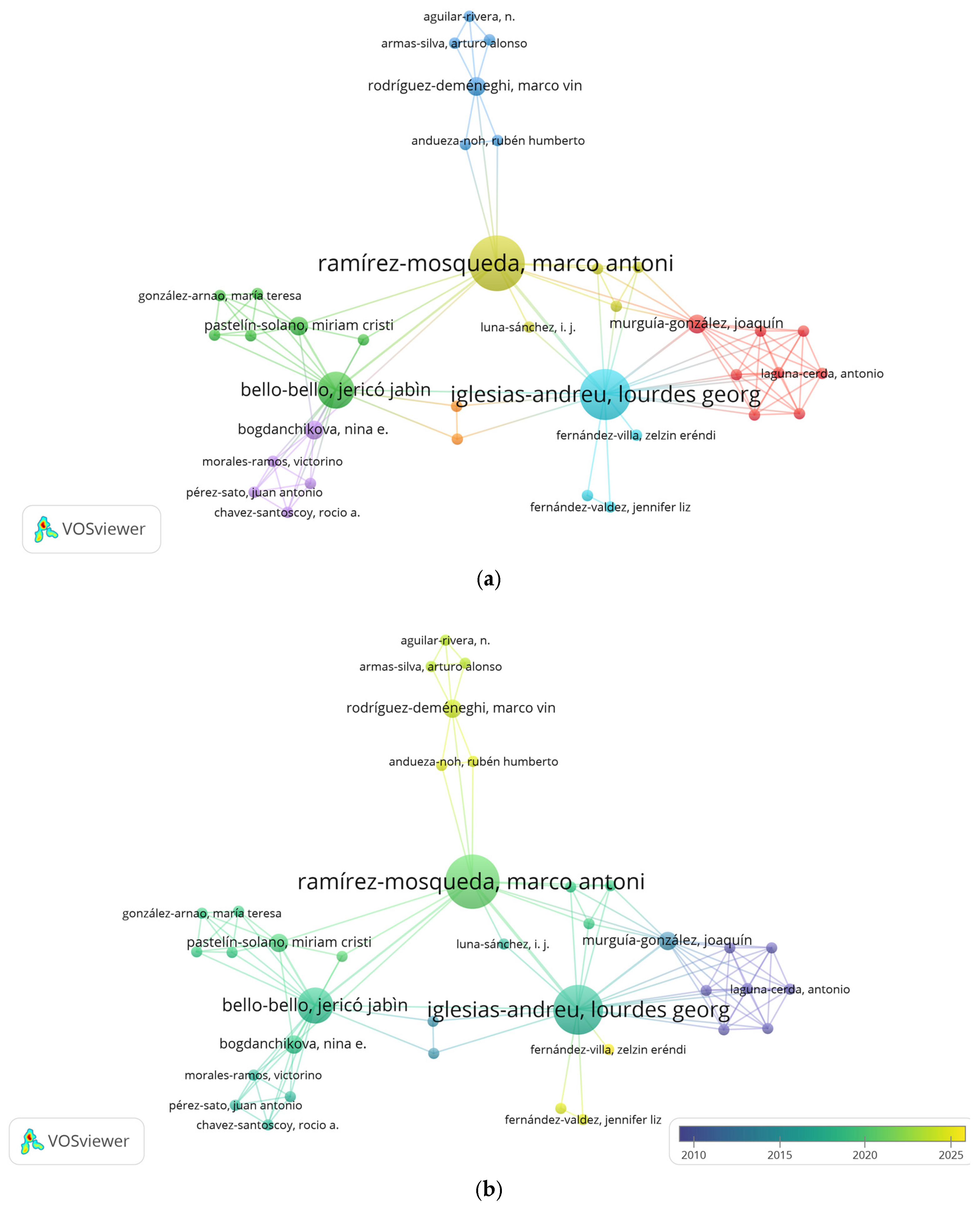
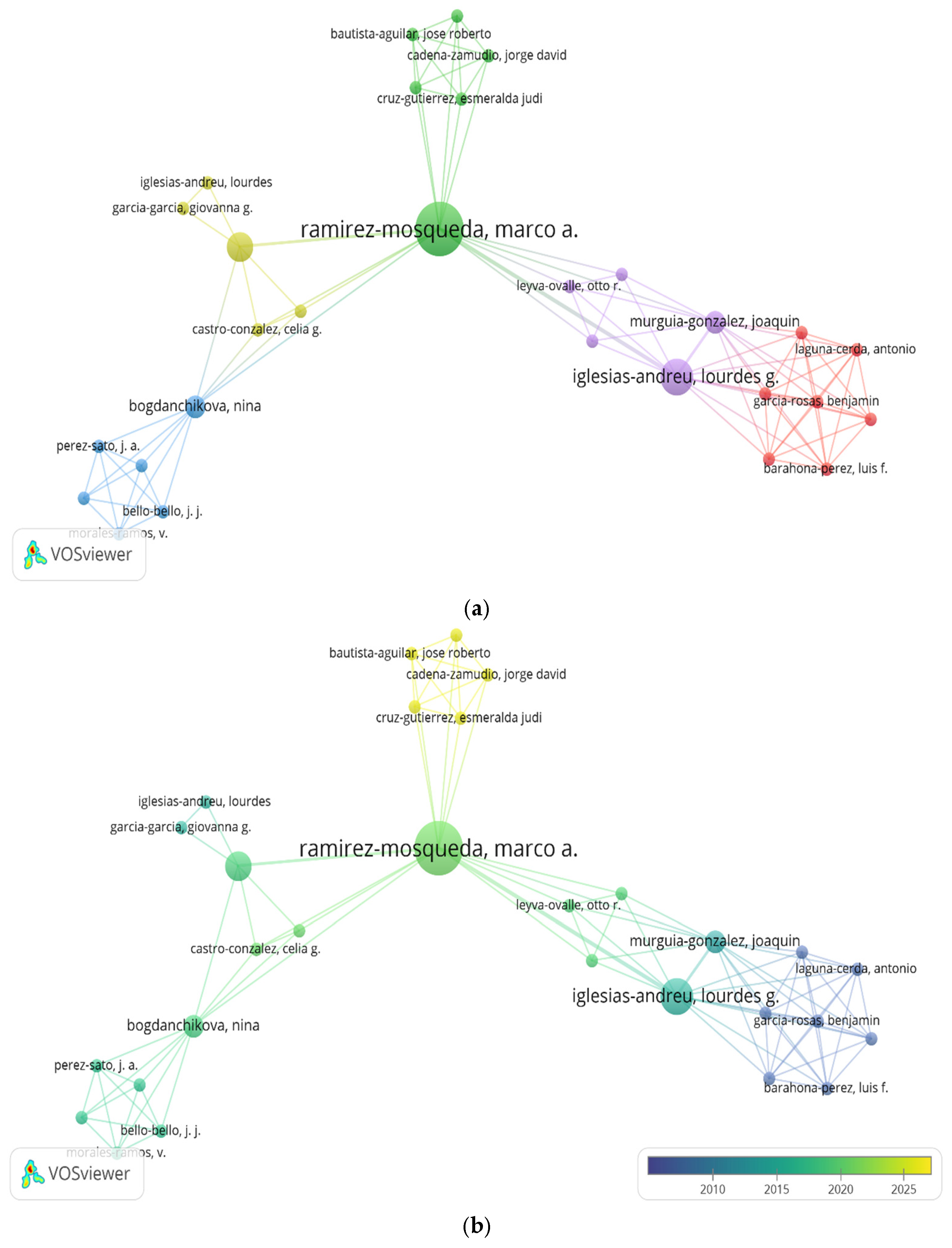
The analysis of the most prolific authors in research on vanilla micropropagation revealed a diverse distribution for both databases (Table 4 and Table 5). Ramírez-Mosqueda, Marco Antonio, a Mexican national, stood out widely, presenting a significantly higher number of scientific articles compared to other researchers. This high level of academic production suggests a consistent focus and substantial contribution to the advancement of knowledge in vanilla micropropagation in the last 5 years, being the main node among authors for international collaborations (Figure 8a). Ramírez-Mosqueda’s leadership could reflect the presence of a consolidated research group with lines of research focused on temporary immersion systems and the effect of light quality on vanilla micropropagation.
At a second level of productivity, authors such as Iglesias-Andreu, Lourdes Georgina, and Bello-Bello, Jerico Jabin, both Mexican nationals, showed a considerable number of publications indexed in international journals, in addition to creating their independent networks between 2015 and 2020 (Figure 8b). Their consistent contributions evidence a significant commitment and consolidated experience in the area, probably leading or actively participating in specialized research projects at the national and international level. The proximity in the number of publications between these authors could indicate strategic collaborations or a shared focus on specific lines of research within the domain.
Relevant contributions from Divakaran, Minoo, and Peter, Kuruppacharil Varkey, both from India, reinforce innovation in propagation and mainly in the conservation of this crop. Likewise, Spinoso, José Luis, Murguía-González, Joaquin, and Pérez-Sato, Juan Antonio made significant contributions strengthening academic groups in the development of this area, particularly in Mexico. Finally, authors such as Babu, Kantipudi Nirmal, Erawati, Dyah Nuning, Gantait, Soumen and Bogdanchikova, Nina with fewer publications (two documents found) in both databases represented relevant contributions, highlighting the diversity of nations such as Indonesia, Russia, and India in advancing biotechnology around vanilla micropropagation, although with limited individual production compared to prominent authors.
The co-authorship network based on Web of Science information revealed a highly centralized collaboration structure, where researcher Ramírez-Mosqueda, like the structure made in Scopus, serves as the main node and communication bridge between various research groups (Figure 9a,b). Additionally, it is observed that the earliest collaboration nodes ranged from 2010 to 2015, represented in blue tones, which include researchers such as Murguia-Gonzalez, Joaquin, and Barahona-Perez, Luis F. Subsequently, the network experiences an expansion towards transition clusters (green tones, between 2018 and 2021) where Iglesias-Andreu, Lourdes G., and Bogdanchikova, Nina stand out. Finally, the most recent and emerging collaborations (yellow tones, after 2022) are concentrated in a peripheral group that includes Bautista-Aguilar, Jose Roberto, and Cadena-Zamudio, Jorge David. This temporal progression suggests a maturation of the main research line, which has evolved from foundational studies to new frontiers of technical and scientific collaboration, maintaining Ramirez-Mosqueda as the integrating axis of knowledge transfer over time.

3.4. Importance of High-Impact Articles and Bibliometric Maps of Concurrency Words

The identification and ranking of the top ten articles with the greatest impact in terms of bibliographic citations constitutes a fundamental pillar in any bibliometric analysis, especially when addressing a specialized and technically demanding field like plant biotechnology (Table 6). In the context of vanilla micropropagation, these relevant articles can serve to understand the evolution of in vitro culture protocols and the technological leaps that have defined the discipline. The analysis highlights the following two fundamental scientific articles that represent the critical aspects of the area: disruptive innovation and germplasm conservation. The article ranked first, “Antimicrobial and hormetic effects of silver nanoparticles on in vitro regeneration of vanilla (Vanilla planifolia Jacks. ex Andrews) using a temporary immersion system” by [37], is crucial because it integrates nanotechnology with the use of temporary immersion systems (TISs), addressing simultaneously the following two of the major bottlenecks in micropropagation: recalcitrant microbial contamination and low multiplication rate [38]. The 115 citations of this study reflect a trend shift, where the use of nanomaterials is not only valued for their aseptic efficacy but also for their hormetic effects that optimize the physiological vigor of explants, allowing commercial scalability previously limited by conventional methods. On the other hand, the second most important article, “Conservation of vanilla species, in vitro” by [39], with an average of 96 citations in both databases, underscores the need for biological sustainability and germplasm security. This work has become a mandatory reference by systematizing protocols for long-term storage and cryopreservation. In a scenario of climate crisis and biodiversity loss, ensuring the genetic base of vanilla is protected is as vital as its mass propagation [40,41]. Having access to the top ten articles allows researchers to optimize resources, avoid duplication of efforts, and base their new hypotheses on methodologies already validated by peers.
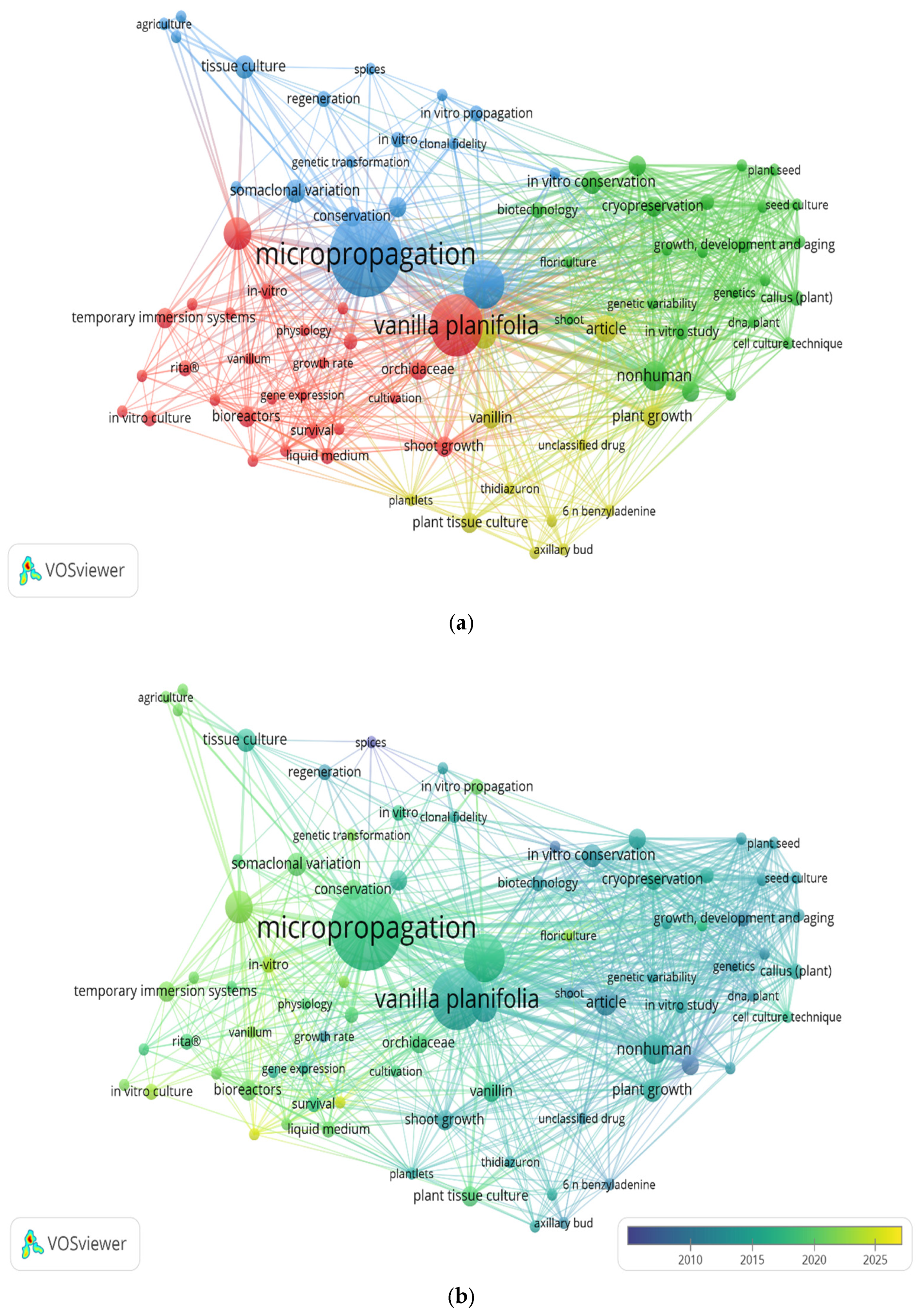
The cartographic representation of the knowledge network on vanilla micropropagation evidences a consolidated and markedly centralized knowledge architecture (Figure 10a,b). This configuration not only reflects thematic density but also a progressive specialization that transitions from classical in vitro regeneration protocols to biotechnological innovations oriented towards systemic optimization and industrial scalability. This evolution is reflected in the network of keyword concurrence, an organization of four interconnected thematic clusters that structure research lines in the field towards automation. The red cluster, associated with applied bioengineering, underscores the importance of optimizing the gaseous and nutritional microenvironment through temporary immersion bioreactors, particularly RITA®-type systems. These devices have shown improvements to multiplication, homogeneity, and physiological vigor in recalcitrant species while reducing hyperhydricity and operational costs [53]. In the case of vanilla, this approach represents a strategic shift: moving from artisanal and low-yield propagation to semi-automated models capable of sustaining agro-industrial value chains. The blue cluster closely links micropropagation with clonal fidelity and genomic stability. The recurrence of terms like “somaclonal variation” and “genetic transformation” evidences a structural concern for the integrity of the propagated material. The literature has noted that micropropagation systems, particularly those based on prolonged callogenic phases or high concentrations of growth regulators, can induce genetic and epigenetic instability [54]. In a crop like vanilla, where commercial quality is directly associated with the biosynthesis of vanillin and secondary phenolic compounds, any phenotypic deviation can compromise the organoleptic and economic value of the product [32]. The green cluster introduces the strategic dimension of biotechnology for conservation, highlighting the role of in vitro culture and cryopreservation in the management of germplasm banks. The genetic loss of species of the genus Vanilla, many of them threatened by deforestation and climate change, has driven the development of ex situ conservation techniques and long-term storage [55,56]. From this perspective, micropropagation transcends its productive function and acquires an ecological and patrimonial dimension, contributing to the preservation of genetic diversity and the restoration of vulnerable populations. The yellow cluster emphasizes the hormonal control of morphogenesis, especially in axillary regeneration. The literature agrees that cytokinins like benzyladenine (BA) and tidiazuron (TDZ) are determinant for the induction and proliferation of shoots; however, their efficacy depends critically on the balance with endogenous auxins and the physiological state of the explant [57]. TDZ acts not only as a cytokinin analog but also modulates complex hormonal pathways, which explains both its high efficiency and the risk of morphological anomalies when its concentration is not optimized. This evidence suggests that the future of the field lies less in simple hormonal intensification and more in the fine modeling of endogenous regulatory networks.
Figure 10b reveals the concurrence of words during the period 2010–2025. The temporal overlap analysis evidences a paradigmatic transition as follows: foundational research (2010–2015) focused on conventional tissue culture techniques, somatic embryogenesis, and cryopreservation for germplasm conservation. However, the current knowledge frontier (2020–2025) has pivoted towards genetic and molecular optimization of in vitro culture. In the last 5 years, the adoption of temporary immersion systems, specifically the RITA® system, and the use of bioreactors in liquid medium are highlighted [43,58,59]. This trend responds to the critical need to scale up seedling production, overcoming the limitations of semi-solid media, such as low multiplication coefficient and root asphyxia [60,61]. Finally, the trend of the term “vanillin” in recent years indicates a growing interest in the use of cell cultures as bio-factories for the in vitro synthesis of secondary metabolites instead of extracting them directly from the plants [62,63]. Vanilla micropropagation has evolved from a conservation tool to a high-precision biotechnological platform, focused on metabolic efficiency and industrial scaling.

3.5. Key Gaps and Future Prospects

Vanilla micropropagation is fundamental for the sustainable production and scaling of this commercially high-value species. Nevertheless, this system still faces significant limitations among them, bottlenecks associated with conventional methods using semi-solid media, which are characterized by low multiplication coefficients, problems with root asphyxiation, and persistent microbial contamination. Additionally, genetic instability and somaclonal variation frequently resulting from prolonged callus-forming phases or the intensive use of plant hormones represent a critical challenge, as they can compromise crop quality by affecting vanillin biosynthesis. These issues are further exacerbated by socioeconomic barriers in major producing countries, where limitations in biotechnological infrastructure, funding, and technology transfer restrict the adoption of advanced systems. Added to this is the progressive erosion of genetic diversity within wild populations, a problem compounded by climate change.
In this context, current research points toward innovative solutions that integrate productive efficiency with principles of sustainable development. Automation via temporary immersion systems emerge as a promising alternative, as it optimizes the culture microenvironment, enhances nutrient availability, and reduces physiological disorders. Likewise, the use of nanoparticles such as silver nanoparticles offers new strategies for controlling microbial contamination, with additional beneficial effects on plant growth. Complementing this approach, the development of cell cultures acting as “biofactories” for the in vitro production of secondary metabolites opens opportunities to decouple vanillin production from the pressure on natural resources, thereby contributing to circular economy models in which biotechnological systems enable the valorization of biomass, the reduction in waste, and the diversification of the value chain. Finally, to ensure the long-term resilience and sustainability of vanilla, it is fundamental to implement conservation strategies such as germplasm cryopreservation alongside the strengthening of international collaborative networks and strategic financing mechanisms. These approaches will facilitate a transition toward a more efficient and resilient production model, aligned with the principles of sustainable development and the circular economy surrounding this emblematic crop.

4. Conclusions

Vanilla micropropagation has evolved from a conservation tool to a high-precision biotechnological platform, focused on metabolic efficiency and industrial scaling. The analysis of the scientific literature on vanilla micropropagation evidence significant advances in the last 5 years, highlighting its pharmaceutical, food, and industrial potential. Scientific production, although concentrated in Mexico and India, reflects a growing global interest in optimizing propagation and improving the quality of this crop. To maximize the use of this biotechnology, it is essential to strengthen international links, promote research funding, develop training programs for specialists, and provide comprehensive technical support to producers. Scientific production around in vitro culture will drive innovation throughout the vanilla value chain. Likewise, vanilla micropropagation could transform in the long term into a model of interdisciplinary research and sustainable development, capable of consolidating its position in the scientific landscape, serving as a reference for the propagation and improvement of other crops of high economic and biotechnological value.

Author Contributions

Conceptualization, M.V.R.-D. and G.F.G.-M.; methodology, M.V.R.-D., N.A.-R. and G.F.G.-M.; validation, F.H.-R. and M.E.M.-A.; formal analysis, M.V.R.-D. and G.F.G.-M.; research, F.H.-R. and M.E.M.-A.; data curation, G.F.G.-M., F.H.-R. and M.E.M.-A.; writing (preparation of the original draft), M.V.R.-D. and N.A.-R.; writing: revision and editing, N.A.-R., M.V.R.-D., G.F.G.-M. and M.E.M.-A.; visualization, M.V.R.-D., F.H.-R. and M.E.M.-A.; supervision, N.A.-R., F.H.-R. and M.E.M.-A. All authors have read and agreed to the published version of the manuscript.

Funding

This research was funded by the Secretariat of Science, Humanities, Technology and Innovation (SECIHTI) within the public announcement of the 2022(1): “Estancias posdoctorales por Mexico”.

Data Availability Statement

The datasets supporting the conclusions of this article are available from the first author upon reasonable request.

Conflicts of Interest

The authors declare no conflicts of interest.

References

  1. Liaqat, F.; Xu, L.; Khazi, M.I.; Ali, S.; Rahman, M.U.; Zhu, D. Extraction, purification, and applications of vanillin: A review of recent advances and challenges. Ind. Crops Prod. 2023, 204, 117372. [Google Scholar] [CrossRef]
  2. Karremans, A.P. A historical review of the artificial pollination of Vanilla planifolia: The importance of collaborative research in a changing world. Plants 2024, 13, 3203. [Google Scholar] [CrossRef] [PubMed]
  3. Martău, G.A.; Călinoiu, L.F.; Vodnar, D.C. Bio-vanillin: Towards a sustainable industrial production. Trends Food Sci. Technol. 2021, 109, 579–592. [Google Scholar] [CrossRef]
  4. Barragán-Ocaña, A.; Silva-Borjas, P.; Cecilio-Ayala, E. Vanilla production in the world and Mexico: Market value and technology. Soc. Sci. Humanit. Open 2024, 10, 101076. [Google Scholar] [CrossRef]
  5. Maldonado-Miranda, J.J.; Martínez-Soto, D.; Ceballos-Maldonado, J.G.; Castillo-Pérez, L.J.; Rodriguez-Vargas, R.; Carranza-Álvarez, C. Organic Vanilla Production in Mexico: Current Status, Challenges, and Perspectives. Plants 2025, 14, 3772. [Google Scholar] [CrossRef]
  6. Iftikhar, T.; Majeed, H.; Waheed, M.; Zahra, S.S.; Niaz, M.; AL-Huqail, A.A. Vanilla. In Essentials of Medicinal and Aromatic Crops; Springer International Publishing: Cham, Switzerland, 2023; pp. 341–371. [Google Scholar] [CrossRef]
  7. Van Dyk, S.; McGlasson, W.B.; Williams, M.; Spooner-Hart, R.; Holford, P. Vanilla planifolia: Artificial and insect pollination, floral guides and volatiles. Plants 2024, 13, 2977. [Google Scholar] [CrossRef]
  8. Ahmad, H.; Khera, R.A.; Hanif, M.A.; Ayub, M.A.; Jilani, M.I. Vanilla. In Medicinal Plants of South Asia; Elsevier: Amsterdam, The Netherlands, 2020; pp. 657–669. [Google Scholar] [CrossRef]
  9. Nongdam, P.; Beleski, D.G.; Tikendra, L.; Dey, A.; Varte, V.; El Merzougui, S.; Vendrame, W.A. Orchid micropropagation using conventional semi-solid and temporary immersion systems: A review. Plants 2023, 12, 1136. [Google Scholar] [CrossRef]
  10. García-Vázquez, G.; Carrión, G.; Gutiérrez-Mora, A.; Mata-Rosas, M. In vitro culture strategies for the conservation and sustainable use of Vanilla planifolia Andrews: A Comprehensive Review. J. Zool. Bot. Gard. 2026, 7, 9. [Google Scholar] [CrossRef]
  11. Gantait, S.; Kundu, S. In vitro biotechnological approaches on Vanilla planifolia Andrews: Advancements and opportunities. Acta Physiol. Plant 2017, 39, 196. [Google Scholar] [CrossRef]
  12. Ramírez-Mosqueda, M.A.; Bello-Bello, J.J. SETIS™ bioreactor increases in vitro multiplication and shoot length in vanilla (Vanilla planifolia Jacks. Ex Andrews). Acta Physiol. Plant 2021, 43, 52. [Google Scholar] [CrossRef]
  13. Ramírez-Mosqueda, M.A.; Rodríguez-Deméneghi, M.V.; Medorio-García, H.P.; Andueza-Noh, R.H. Large-Scale Micropropagation of Vanilla (Vanilla planifolia Jacks.) in a Temporary Immersion Bioreactor (TIB). In Micropropagation Methods in Temporary Immersion Systems; Springer: New York, NY, USA, 2024; pp. 45–52. [Google Scholar] [CrossRef]
  14. Rodríguez-Deméneghi, M.V.; Gheno-Heredia, Y.A.; Aguilar-Rivera, N.; Ramírez-Mosqueda, M.A. Economic evaluation of a business model of a Vanilla planifolia bio-factory using BIT® bioreactors. Agro Prod. 2023. [Google Scholar] [CrossRef]
  15. Donthu, N.; Kumar, S.; Mukherjee, D.; Pandey, N.; Lim, W.M. How to conduct a bibliometric analysis: An overview and guidelines. J. Bus. Res. 2021, 133, 285–296. [Google Scholar] [CrossRef]
  16. Mejia, C.; Wu, M.; Zhang, Y.; Kajikawa, Y. Exploring topics in bibliometric research through citation networks and semantic analysis. Front. Res. Metr. Anal. 2021, 6, 742311. [Google Scholar] [CrossRef] [PubMed]
  17. Xu, J.; Xiao, P.; Li, T.; Wang, Z. Research Progress on endangered plants: A bibliometric analysis. Biodivers. Conserv. 2022, 31, 1125–1147. [Google Scholar] [CrossRef]
  18. Negi, S.; Singh, P.; Trivedi, V.L.; Rawat, J.M.; Semwal, P. The current trends and research progress globally in the plant tissue culture: 90 years of investigation. Plant Cell Tissue Organ Cult. (PCTOC) 2024, 157, 73. [Google Scholar] [CrossRef]
  19. Oliveira, A.S.; de Barros, M.D.; de Carvalho Pereira, F.; Gomes, C.F.S.; Da Costa, H.G. Prospective scenarios: A literature review on the Scopus database. Futures 2018, 100, 20–33. [Google Scholar] [CrossRef]
  20. Birkle, C.; Pendlebury, D.A.; Schnell, J.; Adams, J. Web of Science as a data source for research on scientific and scholarly activity. Quant. Sci. Stud. 2020, 1, 363–376. [Google Scholar] [CrossRef]
  21. Khoyratty, S.; Verpoorte, R.; Kodja, H. Vanillin: Biosynthesis, biotechnology, and bioproduction. In Orchids Phytochemistry, Biology and Horticulture: Fundamentals and Applications; Springer International Publishing: Cham, Switzerland, 2022; pp. 341–358. [Google Scholar] [CrossRef]
  22. Mešić, A.; Jurić, M.; Donsì, F.; Maslov Bandić, L.; Jurić, S. Advancing climate resilience: Technological innovations in plant-based, alternative and sustainable food production systems. Discov. Sustain. 2024, 5, 423. [Google Scholar] [CrossRef]
  23. Khan, K.; Su, C.W.; Khurshid, A.; Umar, M. Are there bubbles in the vanilla price? Agric. Food Econ. 2022, 10, 6. [Google Scholar] [CrossRef]
  24. Mehbub, H.; Akter, A.; Akter, M.A.; Mandal, M.S.H.; Hoque, M.A.; Tuleja, M.; Mehraj, H. Tissue culture in ornamentals: Cultivation factors, propagation techniques, and its application. Plants 2022, 11, 3208. [Google Scholar] [CrossRef]
  25. Duta-Cornescu, G.; Constantin, N.; Pojoga, D.M.; Nicuta, D.; Simon-Gruita, A. Somaclonal variation-Advantage or disadvantage in micropropagation of the medicinal plants. Int. J. Mol. Sci. 2023, 24, 838. [Google Scholar] [CrossRef] [PubMed]
  26. Cosentino, N.; Marenzi, G.; Chiesa, M. The impact of COVID-19 pandemic on scientific research: An upcoming new wave? J. Gen. Intern. Med. 2022, 37, 2553–2555. [Google Scholar] [CrossRef] [PubMed]
  27. Armenta-Montero, S.; Menchaca-García, R.; Pérez-Silva, A.; Velázquez-Rosas, N. Changes in the potential distribution of Vanilla planifolia Andrews under different climate change projections in Mexico. Sustainability 2022, 14, 2881. [Google Scholar] [CrossRef]
  28. Kajal, M.; Trikha, R.; Singh, K. A Comprehensive Study of the Governance of India’s Scientific, Technological, and Innovative Endeavors. In Science, Technology and Innovation Ecosystem: An Indian and Global Perspective; Springer Nature: Singapore, 2024; pp. 37–55. [Google Scholar] [CrossRef]
  29. Kumar, R.K.; Senthamizhkumaran, V.R.; Alagendran, S.; Chitra, M.; Kumar, K.R.; Tyagi, T.; Tyagi, A. Advances in agricultural biotechnology: Enhancing productivity and sustainability in India: A review. J. Sci. Res. Rep. 2024, 30, 366–383. [Google Scholar] [CrossRef]
  30. Tiwari, P.; Sharma, A.; Bose, S.K.; Park, K.I. Advances in orchid biology: Biotechnological achievements, translational success, and commercial outcomes. Horticulturae 2024, 10, 152. [Google Scholar] [CrossRef]
  31. Steigerwald, E.; Ramírez-Castañeda, V.; Brandt, D.Y.; Báldi, A.; Shapiro, J.T.; Bowker, L.; Tarvin, R.D. Overcoming language barriers in academia: Machine translation tools and a vision for a multilingual future. BioScience 2022, 72, 988–998. [Google Scholar] [CrossRef]
  32. Spinoso Castillo, J.L.; Baltazar-Bernal, O. Mini-review: Prospects of in vitro mutagenesis for genetic improvement of Vanilla. Plant Cell Tissue Organ Cult. (PCTOC) 2025, 163, 18. [Google Scholar] [CrossRef]
  33. Pranckutė, R. Web of Science (WoS) and Scopus: The titans of bibliographic information in today’s academic world. Publications 2021, 9, 12. [Google Scholar] [CrossRef]
  34. Chigbu, U.E.; Atiku, S.O.; Du Plessis, C.C. The science of literature reviews: Searching, identifying, selecting, and synthesising. Publications 2023, 11, 2. [Google Scholar] [CrossRef]
  35. Munaweera, T.I.K.; Jayawardana, N.U.; Rajaratnam, R.; Dissanayake, N. Modern plant biotechnology as a strategy in addressing climate change and attaining food security. Agric. Food Secur. 2022, 11, 26. [Google Scholar] [CrossRef]
  36. Woodhill, J.; Kishore, A.; Njuki, J.; Jones, K.; Hasnain, S. Food systems and rural wellbeing: Challenges and opportunities: Woodhill. Food Secur. 2022, 14, 1099–1121. [Google Scholar] [CrossRef] [PubMed]
  37. Spinoso-Castillo, J.L.; Chavez-Santoscoy, R.A.; Bogdanchikova, N.; Pérez-Sato, J.A.; Morales-Ramos, V.; Bello-Bello, J.J. Antimicrobial and hormetic effects of silver nanoparticles on in vitro regeneration of vanilla (Vanilla planifolia Jacks. ex Andrews) using a temporary immersion system. Plant Cell Tissue Organ Cult. (PCTOC) 2017, 129, 195–207. [Google Scholar] [CrossRef]
  38. Abdalla, N.; El-Ramady, H.; Seliem, M.K.; El-Mahrouk, M.E.; Taha, N.; Bayoumi, Y.; Dobránszki, J. An academic and technical overview on plant micropropagation challenges. Horticulturae 2022, 8, 677. [Google Scholar] [CrossRef]
  39. Divakaran, M.; Babu, K.N.; Peter, K.V. Conservation of Vanilla species, in vitro. Sci. Hortic. 2006, 110, 175–180. [Google Scholar] [CrossRef]
  40. Bory, S.; Grisoni, M.; Duval, M.F.; Besse, P. Biodiversity and preservation of vanilla: Present state of knowledge. Genet. Resour. Crop. Evol. 2008, 55, 551–571. [Google Scholar] [CrossRef]
  41. Divakaran, M.; Suseela Bhai, R.; Menchaca Garcia, R.; Aarthi, S.; Devasahayam, S.; Nirmal Babu, K.; Sudarshan, M.R. Vanilla. In Handbook of Spices in India: 75 Years of Research and Development; Springer Nature: Singapore, 2024; pp. 2591–2685. [Google Scholar] [CrossRef]
  42. Palama, T.L.; Menard, P.; Fock, I.; Choi, Y.H.; Bourdon, E.; Govinden-Soulange, J.; Kodja, H. Shoot differentiation from protocorm callus cultures of Vanilla planifolia (Orchidaceae): Proteomic and metabolic responses at early stage. BMC Plant Biol. 2010, 10, 82. [Google Scholar] [CrossRef]
  43. Ramírez-Mosqueda, M.A.; Iglesias-Andreu, L.G. Evaluation of different temporary immersion systems (BIT®, BIG, and RITA®) in the micropropagation of Vanilla planifolia Jacks. In Vitro Cell. Dev. Biol. Plant 2016, 52, 154–160. [Google Scholar] [CrossRef]
  44. Bernotas, D. Beyond the Bounty: Breadfruit (Artocarpus altilis) for food security and novel foods in the 21st Century. Ethnobot. Res. Appl. 2011, 16, 1–29. [Google Scholar]
  45. Ramos-Castellá, A.; Iglesias-Andreu, L.G.; Bello-Bello, J.; Lee-Espinosa, H. Improved propagation of vanilla (Vanilla planifolia Jacks. ex Andrews) using a temporary immersion system. In Vitro Cell. Dev. Biol. Plant 2014, 50, 576–581. [Google Scholar] [CrossRef]
  46. Manokari, M.; Priyadharshini, S.; Jogam, P.; Dey, A.; Shekhawat, M.S. Meta-topolin and liquid medium mediated enhanced micropropagation via ex vitro rooting in Vanilla planifolia Jacks. ex Andrews. Plant Cell Tissue Organ Cult. (PCTOC) 2021, 146, 69–82. [Google Scholar] [CrossRef]
  47. Lee-Espinosa, H.E.; Murguía-González, J.; García-Rosas, B.; Córdova-Contreras, A.L.; Laguna-Cerda, A.; Mijangos-Cortés, J.O.; Santana-Buzzy, N. In vitro clonal propagation of vanilla (Vanilla planifolia ‘Andrews’). HortScience 2008, 43, 454–458. [Google Scholar] [CrossRef]
  48. Rajasekharan, P.E.; Sahijram, L. In vitro conservation of plant germplasm. In Plant Biology and Biotechnology: Volume II: Plant Genomics and Biotechnology; Springer: New Delhi, India, 2015; pp. 417–443. [Google Scholar] [CrossRef]
  49. Tan, B.C.; Chin, C.F.; Alderson, P. Optimization of plantlet regeneration from leaf and nodal derived callus of Vanilla planifolia Andrews. Plant Cell Tissue Organ Cult. (PCTOC) 2011, 105, 457–463. [Google Scholar] [CrossRef]
  50. Sreedhar, R.V.; Venkatachalam, L.; Bhagyalakshmi, N. Genetic fidelity of long-term micropropagated shoot cultures of vanilla (Vanilla planifolia Andrews) as assessed by molecular markers. Biotechnol. J. Health Nutr. Technol. 2007, 2, 1007–1013. [Google Scholar] [CrossRef] [PubMed]
  51. Ramírez-Mosqueda, M.A.; Iglesias-Andreu, L.G.; Luna-Sánchez, I.J. Light quality affects growth and development of in vitro plantlet of Vanilla planifolia Jacks. S. Afr. J. Bot. 2017, 109, 288–293. [Google Scholar] [CrossRef]
  52. Geetha, S.; Shetty, S.A. In vitro propagation of Vanilla planifolia, a tropical orchid. Curr. Sci. 2000, 79, 886–889. [Google Scholar]
  53. Valdiani, A.; Hansen, O.K.; Nielsen, U.B.; Johannsen, V.K.; Shariat, M.; Georgiev, M.I.; Abiri, R. Bioreactor-based advances in plant tissue and cell culture: Challenges and prospects. Crit. Rev. Biotechnol. 2019, 39, 20–34. [Google Scholar] [CrossRef]
  54. Sivanesan, I.; Nayeem, S.; Venkidasamy, B.; Kuppuraj, S.P.; Rn, C.; Samynathan, R. Genetic and epigenetic modes of the regulation of somatic embryogenesis: A review. Biol. Futur. 2022, 73, 259–277. [Google Scholar] [CrossRef]
  55. Velázquez-Rosas, N.; Sinaca Colin, S.; Vázquez-Domínguez, G.; Velasco-Murguía, A.; Silva Rivera, E.; Ruiz-Guerra, B.; Martínez-Mota, R. Importance of Traditional Vanilla Cultivation in the Conservation of Plant Diversity in Tropical Forests in Northern Veracruz, Mexico. Sustainability 2025, 17, 2598. [Google Scholar] [CrossRef]
  56. González-Arnao, M.T.; Cruz-Cruz, C.A.; Hernández-Ramírez, F.; Alejandre-Rosas, J.A.; Hernández-Romero, A.C. Assessment of vegetative growth and genetic integrity of Vanilla planifolia regenerants after cryopreservation. Plants 2022, 11, 1630. [Google Scholar] [CrossRef]
  57. Pasternak, T.P.; Steinmacher, D. Plant growth regulation in cell and tissue culture in vitro. Plants 2024, 13, 327. [Google Scholar] [CrossRef]
  58. Ramírez-Mosqueda, M.A. Silicon Nanoparticles (SiNPs) Enhance Elongation and Rooting of In Vitro Shoots of Vanilla (Vanilla planifolia Andrews) During Micropropagation in RITA® Bioreactors. Plants 2025, 14, 3732. [Google Scholar] [CrossRef]
  59. Ramírez-Mosqueda, M.A.; Cadena-Zamudio, J.D.; Bautista-Aguilar, J.R.; Cruz-Cruz, C.A.; Cruz-Gutiérrez, E.J.; Gutiérrez-Mora, A. Effect of meta-topolin on the in vitro propagation of Vanilla planifolia Jacks. in RITA® systems: Ramírez-Mosqueda et al. Vitr. Cell. Dev. Biol.-Plant 2025, 61, 245–258. [Google Scholar] [CrossRef]
  60. Verdú-Navarro, F.; Moreno-Cid, J.A.; Weiss, J.; Egea-Cortines, M. The advent of plant cells in bioreactors. Front. Plant Sci. 2023, 14, 1310405. [Google Scholar] [CrossRef] [PubMed]
  61. Abdulhafiz, F.; Mohammed, A.; Reduan, M.F.H.; Kari, Z.A.; Wei, L.S.; Goh, K.W. Plant cell culture technologies: A promising alternatives to produce high-value secondary metabolites. Arab. J. Chem. 2022, 15, 104161. [Google Scholar] [CrossRef]
  62. Arya, S.S.; Mahto, B.K.; Sengar, M.S.; Rookes, J.E.; Cahill, D.M.; Lenka, S.K. Metabolic engineering of rice cells with vanillin synthase gene (VpVAN) to produce vanillin. Mol. Biotechnol. 2022, 64, 861–872. [Google Scholar] [CrossRef]
  63. Kumar, S.; Ullah, F.; Cao, B.; Ding, J.; Keerio, H.A.; Wang, S. Sustainable vanillin production: Biotechnological advances, catalytic innovations, and integrated assessment. Bioresour. Technol. 2025, 436, 133014. [Google Scholar] [CrossRef]
Figure 1. Stages of the life cycle of vanilla. (a) Vegetative growth, (b) flowering, (c) fruiting, (d) harvesting of green fruits, (e) processing of fruits.
Agriculture 16 00931 g001
Figure 2. Global production of raw vanilla in 2024 (source FAOSTAT).
Agriculture 16 00931 g002
Figure 3. Micropropagation process of vanilla. (a) Selection of mother plant, (b) introduction of plant material to laboratory, (c) obtaining clones, (d) conservation of germplasm, (e) acclimatization of seedlings, (f) hardening in greenhouse and (g) field production. Yellow arrows: conservation process and gray arrows: multiplication process.
Agriculture 16 00931 g003
Figure 4. Number of scientific publications on micropropagation of vanilla from 2000 to 2025 for all sciences.
Agriculture 16 00931 g004
Figure 5. Countries with published research on micropropagation of vanilla from 2000 to 2025 for all sciences. (a) Scopus and (b) Web of Science.
Agriculture 16 00931 g005
Figure 6. Percentage of scientific documents written in English and Spanish on the micropropagation of vanilla. (a) Scopus and (b) Web of Science.
Agriculture 16 00931 g006
Figure 7. Types of scientific documents on the micropropagation of vanilla in the last 30 years. (a) Scopus and (b) Web of Science.
Agriculture 16 00931 g007
Figure 8. Visualization maps of author networks in vanilla micropropagation research, using documents as weighting attributes in the Scopus database. (a) By number of documents and (b) by publication time (source VOSviewer software).
Agriculture 16 00931 g008
Figure 9. Visualization maps of author networks in vanilla micropropagation research, using documents as weighting attributes in the Web of Science database. (a) By number of documents and (b) by publication time (source VOSviewer software).
Agriculture 16 00931 g009
Figure 10. Network of keywords related to vanilla and micropropagation. (a) By number of documents and (b) by publication time (source VOSviewer software).
Agriculture 16 00931 g010
Table 1. Research areas that published scientific documents on vanilla micropropagation from 2000 to 2025 in Scopus. Note: documents are assigned to multiple research areas.
Area No. Docs.% for Each Research Areas
Agricultural and Biological Sciences3942.86%
Biochemistry, Genetics and Molecular Biology2224.18%
Environmental Science1213.19%
Earth and Planetary Sciences44.40%
Immunology and Microbiology44.40%
Chemical Engineering22.20%
Medicine22.20%
Pharmacology, Toxicology and Pharmaceutics22.20%
Chemistry11.10%
Engineering11.10%
Table 2. Research areas that published scientific documents on vanilla micropropagation from 1997 to 2025 on the Web of Science. Note: documents are assigned to multiple research areas.
Area No. Docs.% for Each Research Areas
Plant sciences2445.28%
Agriculture916.98%
Biotechnology-applied microbiology815.09%
Cell biology35.66%
Developmental biology35.66%
Science, technology and other topics23.77%
Biochemistry, molecular biology11.89%
Chemistry11.89%
Life sciences, biomedicine and other topics11.89%
Pharmacology, pharmacy11.89%
Table 3. Funding sources for projects related to vanilla micropropagation in the Scopus and Web of Science data sources.
Source RankFundingCountry
Scopus1Consejo Nacional de Ciencia y TecnologíaMexico
Web of science1Consejo Nacional de Ciencia y TecnologíaMexico
Scopus2Conselho Nacional de Desenvolvimento Científico e TecnológicoBrazil
Web of science2Programa para el desarrollo profesional docente PRODEPMexico
Scopus3Central Institute of Medicinal and Aromatic PlantsIndia
Web of science3University Grants Commission IndiaIndia
Scopus4Coordenação de Aperfeiçoamento de Pessoal de Nível SuperiorBrazil
Web of science4Conselho Nacional de Desenvolvimento Cientifico e Tecnologico CNPQBrazil
Scopus5Council of AgricultureChina
Web of science5Council of Agriculture Executive YUAN ROCChina
Scopus6Council of Scientific and Industrial Research, IndiaIndia
Web of science6Department of Biotechnology Government of India Vide GrantIndia
Scopus7Council on grants of the President of the Russian FederationRussia
Web of science7DU UGCIndia
Scopus8Empresa Brasileira de Pesquisa Agropecuária EMBRAPABrazil
Web of science8Empresa Brasileira de Pesquisa Agropecuária EMBRAPABrazil
Scopus9Fisheries Agency, Council of AgricultureChina
Web of science9Facultad de estudios profesionales zona huasteca Universidad Autónoma de San Luis PotosíMexico
Scopus10Fundação de Amparo à Pesquisa do Estado de Minas GeraisBrazil
Web of science10Fondo de innovación Tecnológica FIT Secretaria de Economia CONACYTMexico
Table 4. The authors with the most publications in Scopus are related to research on the micropropagation of vanilla.
Author No. Docs.CountryMost Cited Article Related to
Vanilla
Ramírez-Mosqueda, Marco Antonio9MexicoEvaluation of different temporary immersion systems (BIT®, BIG, and RITA®) in the micropropagation of Vanilla planifolia Jacks
Iglesias-Andreu, Lourdes Georgina8MexicoEvaluation of different temporary immersion systems (BIT®, BIG, and RITA®) in the micropropagation of Vanilla planifolia Jacks
Divakaran, Minoo4IndiaConservation of vanilla species, in vitro
Peter, Kuruppacharil Varkey4IndiaConservation of vanilla species, in vitro
Bello-Bello, Jerico Jabin3MexicoAntimicrobial and hormetic effects of silver nanoparticles on in vitro regeneration of vanilla (Vanilla planifolia Jacks. ex Andrews) using a temporary immersion system
Babu, Kantipudi Nirmal2IndiaConservation of vanilla species, in vitro
Bogdanchikova, Nina2RussiaAntimicrobial and hormetic effects of silver nanoparticles on in vitro regeneration of vanilla (Vanilla planifolia Jacks. ex Andrews) using a temporary immersion system
Erawati, Dyah Nuning 2IndonesiaMicropropagation of vanilla (Vanilla planifolia Andrews) with modification of cytokinins
Gantait, Soumen2IndiaIn vitro biotechnological approaches on Vanilla planifolia Andrews: advancements and opportunities
Pérez-Sato, Juan Antonio2MexicoAntimicrobial and hormetic effects of silver nanoparticles on in vitro regeneration of vanilla (Vanilla planifolia Jacks. ex Andrews) using a temporary immersion system
Table 5. The authors with most publications in Web of Science are related to research on the micropropagation of vanilla.
Author No. Docs.CountryMost Cited Article Related to
Vanilla
Ramírez-Mosqueda, Marco Antonio8MexicoEvaluation of different temporary immersion systems (BIT®, BIG, and RITA®) in the micropropagation of Vanilla planifolia Jacks
Bello-Bello, Jerico Jabin8MexicoAntimicrobial and hormetic effects of silver nanoparticles on in vitro regeneration of vanilla (Vanilla planifolia Jacks. ex Andrews) using a temporary immersion system
Iglesias Andreu, Lourdes Georgina7MexicoEvaluation of different temporary immersion systems (BIT®, BIG, and RITA®) in the micropropagation of Vanilla planifolia Jacks
Spinoso, Jose Luis3MexicoAntimicrobial and hormetic effects of silver nanoparticles on in vitro regeneration of vanilla (Vanilla planifolia Jacks. ex Andrews) using a temporary immersion system
Bogdanchikova, Nina2RussiaAntimicrobial and hormetic effects of silver nanoparticles on in vitro regeneration of vanilla (Vanilla planifolia Jacks. ex Andrews) using a temporary immersion system
Gantait, Soumen2IndiaIn vitro biotechnological approaches on Vanilla planifolia Andrews: advancements and opportunities
Murguía-Gonzalez, Joaquin2MexicoIn vitro clonal propagation of vanilla (Vanilla planifolia ‘Andrews’)
Erawati, Dyah Nuning 2IndonesiaMicropropagation of vanilla (Vanilla planifolia Andrews) with modification of cytokinins
Shekhawat, Mahipal S.2IndiaMeta-topolin and liquid medium mediated enhanced micropropagation via ex vitro rooting in Vanilla planifolia Jacks. ex Andrews
Pérez-Sato, Juan Antonio2MexicoAntimicrobial and hormetic effects of silver nanoparticles on in vitro regeneration of vanilla (Vanilla planifolia Jacks. ex Andrews) using a temporary immersion system
Table 6. The 10 most cited articles in Scopus and Web of Science on vanilla micropropagation.
SourceRankTitle DocumentAuthorJournalYear CitationDOI
Scopus1Antimicrobial and hormetic effects of silver nanoparticles on in vitro regeneration of vanilla (Vanilla planifolia Jacks. ex Andrews) using a temporary immersion system [37]Spinoso-Castillo, J. L., Chavez-Santoscoy, R. A., Bogdanchikova, N., Pérez-Sato, J. A., Morales-Ramos, V., & Bello-Bello, J. J.Plant Cell, Tissue and Organ Culture 2017155https://doi.org/10.1007/s11240-017-1169-8
Web of Science1Antimicrobial and hormetic effects of silver nanoparticles on in vitro regeneration of vanilla (Vanilla planifolia Jacks. ex Andrews) using a temporary immersion system [37]Spinoso-Castillo, J. L., Chavez-Santoscoy, R. A., Bogdanchikova, N., Pérez-Sato, J. A., Morales-Ramos, V., & Bello-Bello, J. J.Plant Cell, Tissue and Organ Culture 2017184https://doi.org/10.1007/s11240-017-1169-8
Scopus2Conservation of vanilla species, in vitro [39]Divakaran, M., Babu, K. N., & Peter, K. V.Scientia horticulturae200688https://doi.org/10.1016/j.scienta.2006.07.003
Web of Science2Conservation of vanilla species, in vitro [39]Divakaran, M., Babu, K. N., & Peter, K. V.Scientia horticulturae2006105https://doi.org/10.1016/j.scienta.2006.07.003
Scopus3Shoot differentiation from protocorm callus cultures of Vanilla planifolia (Orchidaceae): proteomic and metabolic responses at early stage [42]Palama, T. L., Menard, P., Fock, I., Choi, Y. H., Bourdon, E., Govinden-Soulange, J., & Kodja, H.BMC plant biology201064https://doi.org/10.1186/1471-2229-10-82
Web of Science3Evaluation of different temporary immersion systems (BIT®, BIG, and RITA®) in the micropropagation of Vanilla planifolia Jacks [43]Ramírez-Mosqueda, M. A., & Iglesias-Andreu, L. G.In Vitro Cellular and Developmental Biology-Plant201668https://doi.org/10.1007/s11627-015-9735-4
Scopus4Evaluation of different temporary immersion systems (BIT®, BIG, and RITA®) in the micropropagation of Vanilla planifolia Jacks [43]Ramírez-Mosqueda, M. A., & Iglesias-Andreu, L. G.In Vitro Cellular and Developmental Biology-Plant201662https://doi.org/10.1007/s11627-015-9735-4
Web of Science4Beyond the Bounty: Breadfruit (Artocarpus altilis) for food security and novel foods in the 21st Century [44]Bernotas, D. Ethnobotany Research and Applications201167https://doi.org/10.17348/era.9.0.129-149
Scopus5Improved propagation of vanilla (Vanilla planifolia Jacks. ex Andrews) using a temporary immersion system [45]Ramos-Castellá, A., Iglesias-Andreu, L. G., Bello-Bello, J., & Lee-Espinosa, H.In Vitro Cellular and Developmental Biology-Plant201359https://doi.org/10.1007/s11627-014-9602-8
Web of Science5Improved propagation of vanilla (Vanilla planifolia Jacks. ex Andrews) using a temporary immersion system [45]Ramos-Castellá, A., Iglesias-Andreu, L. G., Bello-Bello, J., & Lee-Espinosa, H.In Vitro Cellular and Developmental Biology-Plant201365https://doi.org/10.1007/s11627-014-9602-8
Scopus6Meta-topolin and liquid medium mediated enhanced micropropagation via ex vitro rooting in Vanilla planifolia Jacks. ex Andrews [46]Manokari, M., Priyadharshini, S., Jogam, P., Dey, A., & Shekhawat, M. S.Plant Cell, Tissue and Organ Culture 202141https://doi.org/10.1007/s11240-021-02044-z
Web of Science6Meta-topolin and liquid medium mediated enhanced micropropagation via ex vitro rooting in Vanilla planifolia Jacks. ex Andrews [46]Manokari, M., Priyadharshini, S., Jogam, P., Dey, A., & Shekhawat, M. S.Plant Cell, Tissue and Organ Culture 202151https://doi.org/10.1007/s11240-021-02044-z
Scopus7In vitro clonal propagation of vanilla (Vanilla planifolia ‘Andrews’) [47]Lee-Espinosa, H. E., Murguía-González, J., García-Rosas, B., Córdova-Contreras, A. L., Laguna-Cerda, A., Mijangos-Cortés, J. O., & Santana-Buzzy, NHortScience200839https://doi.org/10.21273/HORTSCI.43.2.454
Web of Science7In vitro conservation of plant germoplasm [48]Rajasekharan, P. E., & Sahijram, L.In Plant biology and biotechnology: volume II: plant genomics and biotechnology201545https://doi.org/10.1007/978-81-322-2283-5_22
Scopus8Optimization of plantlet regeneration from leaf and nodal derived callus of Vanilla planifolia Andrews [49]Tan, B. C., Chin, C. F., & Alderson, P.Plant Cell, Tissue and Organ Culture 201137https://doi.org/10.1007/s11240-010-9866-6
Web of Science8Genetic fidelity of long-term micropropagated shoot cultures of vanilla (Vanilla planifolia Andrews) as assessed by molecular markers [50]Sreedhar, R. V., Venkatachalam, L., & Bhagyalakshmi, N.Biotechnology Journal: Healthcare Nutrition Technology200742https://doi.org/10.1002/biot.200600229
Scopus9Light quality affects growth and development of in vitro plantlet of Vanilla planifolia Jacks [51]Ramírez-Mosqueda, M. A., Iglesias-Andreu, L. G., & Luna-Sánchez, I. J.South African Journal of Botany201733https://doi.org/10.1016/j.sajb.2017.01.205
Web of Science9In vitro clonal propagation of vanilla (Vanilla planifolia ‘Andrews’) [47]Lee-Espinosa, H. E., Murguía-González, J., García-Rosas, B., Córdova-Contreras, A. L., Laguna-Cerda, A., Mijangos-Cortés, J. O., & Santana-Buzzy, NHortScience200841https://doi.org/10.21273/HORTSCI.43.2.454
Scopus10In vitro propagation of Vanilla planifolia, a tropical orchid [52]Geetha, S., & Shetty, S. A.Current science200031DOI no assigned
Web of Science10In vitro biotechnological approaches on Vanilla planifolia Andrews: advancements and opportunities [11]Gantait, S., & Kundu, S.Acta Physiologiae Plantarum201738https://doi.org/10.1007/s11738-017-2462-1
Disclaimer/Publisher’s Note: The statements, opinions and data contained in all publications are solely those of the individual author(s) and contributor(s) and not of MDPI and/or the editor(s). MDPI and/or the editor(s) disclaim responsibility for any injury to people or property resulting from any ideas, methods, instructions or products referred to in the content.