Article

Evaluating Marker-Assisted Selection for Varroa Resistance in Flanders Using a Three-Variant Model

1
Honeybee Valley, Department of Biochemistry and Microbiology, Faculty of Sciences, Ghent University, Krijgslaan 287, S33, 9000 Ghent, Belgium
2
Laboratory of Molecular Entomology and Bee Pathology (L-MEB), Department of Biochemistry and Microbiology, Faculty of Sciences, Ghent University, Krijgslaan 287, S2, 9000 Ghent, Belgium
*
Author to whom correspondence should be addressed.
Agriculture 2026, 16(18), 1983; https://doi.org/10.3390/agriculture16181983

Submission received: 5 August 2026 / Revised: 8 September 2026 / Accepted: 14 September 2026 / Published: 16 September 2026
(This article belongs to the Section Farm Animal Production)

Abstract

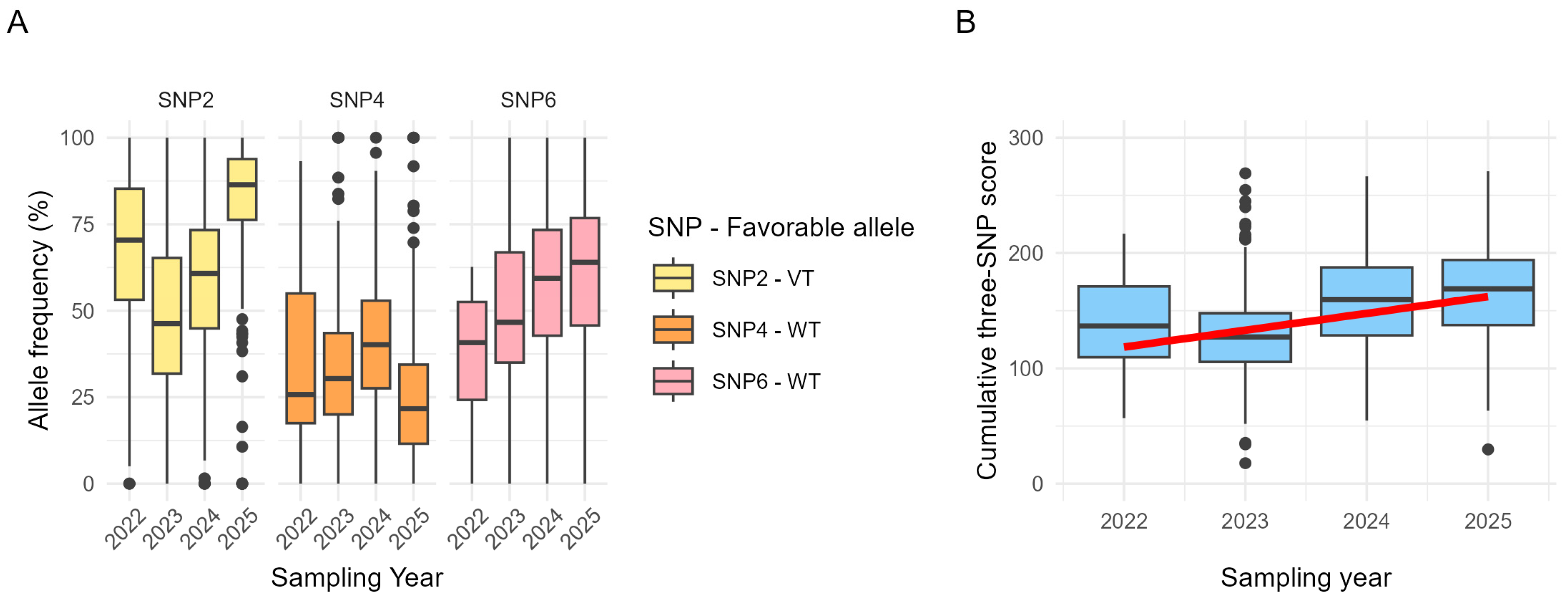
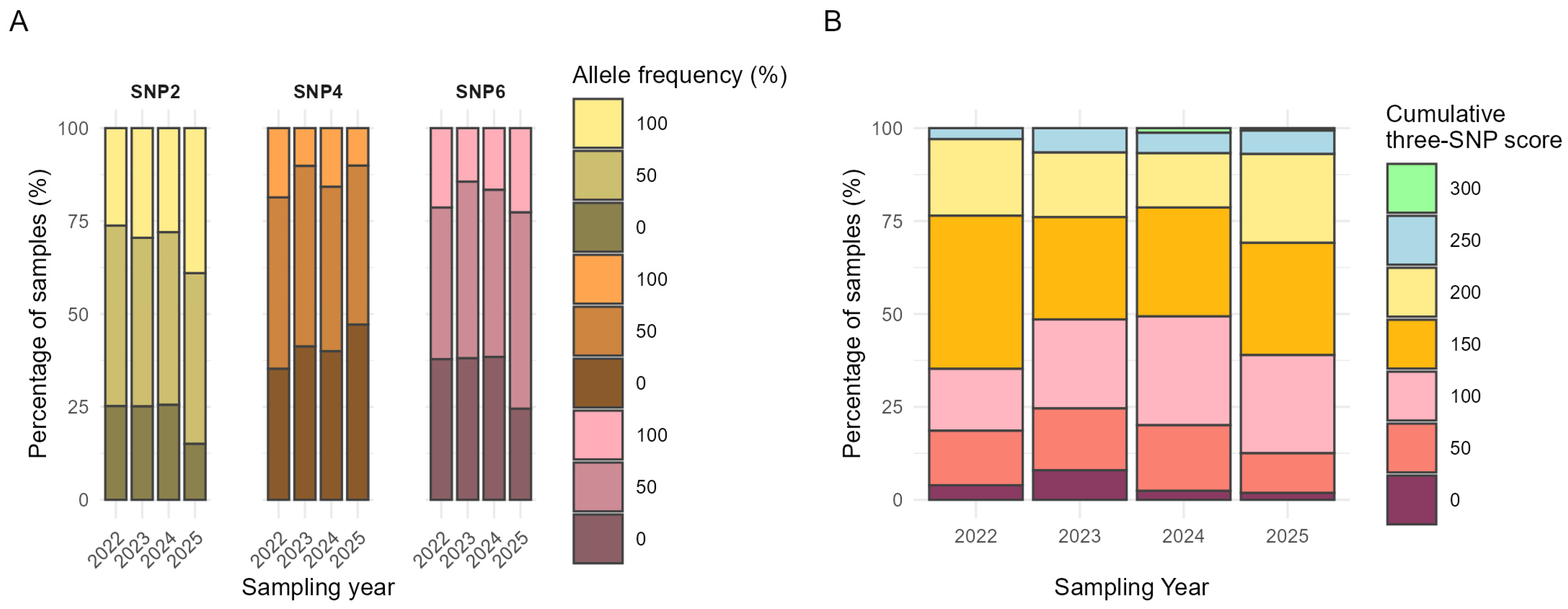
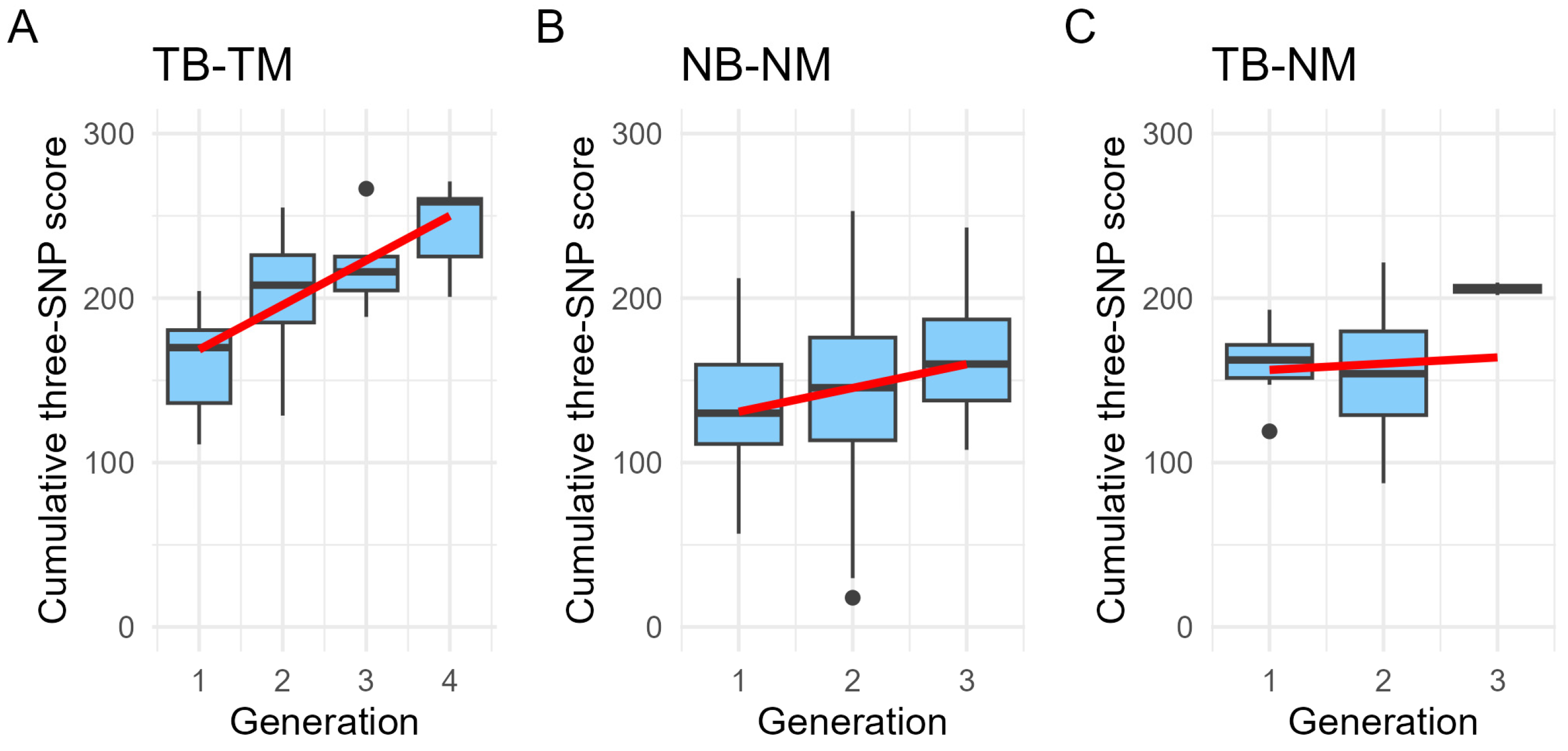
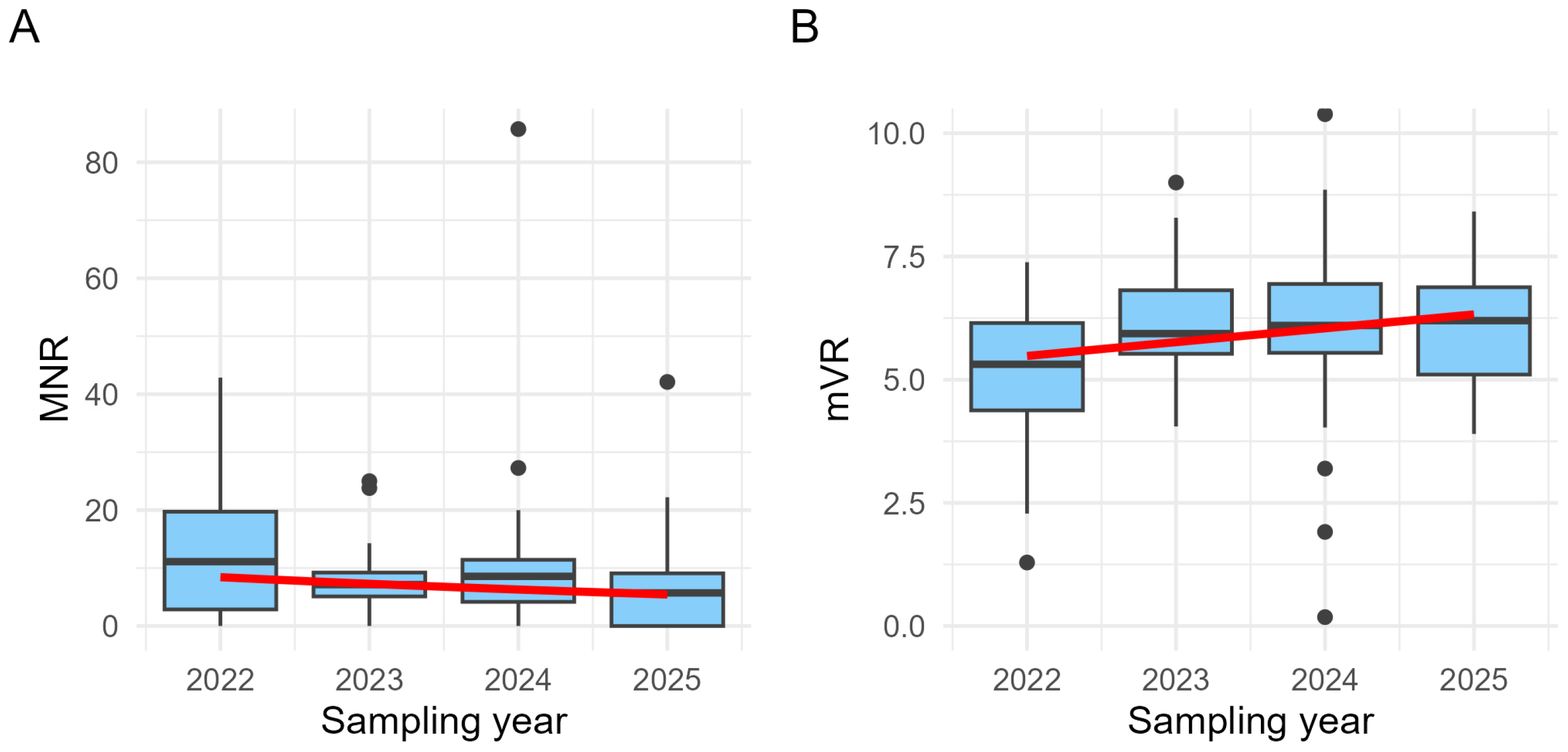
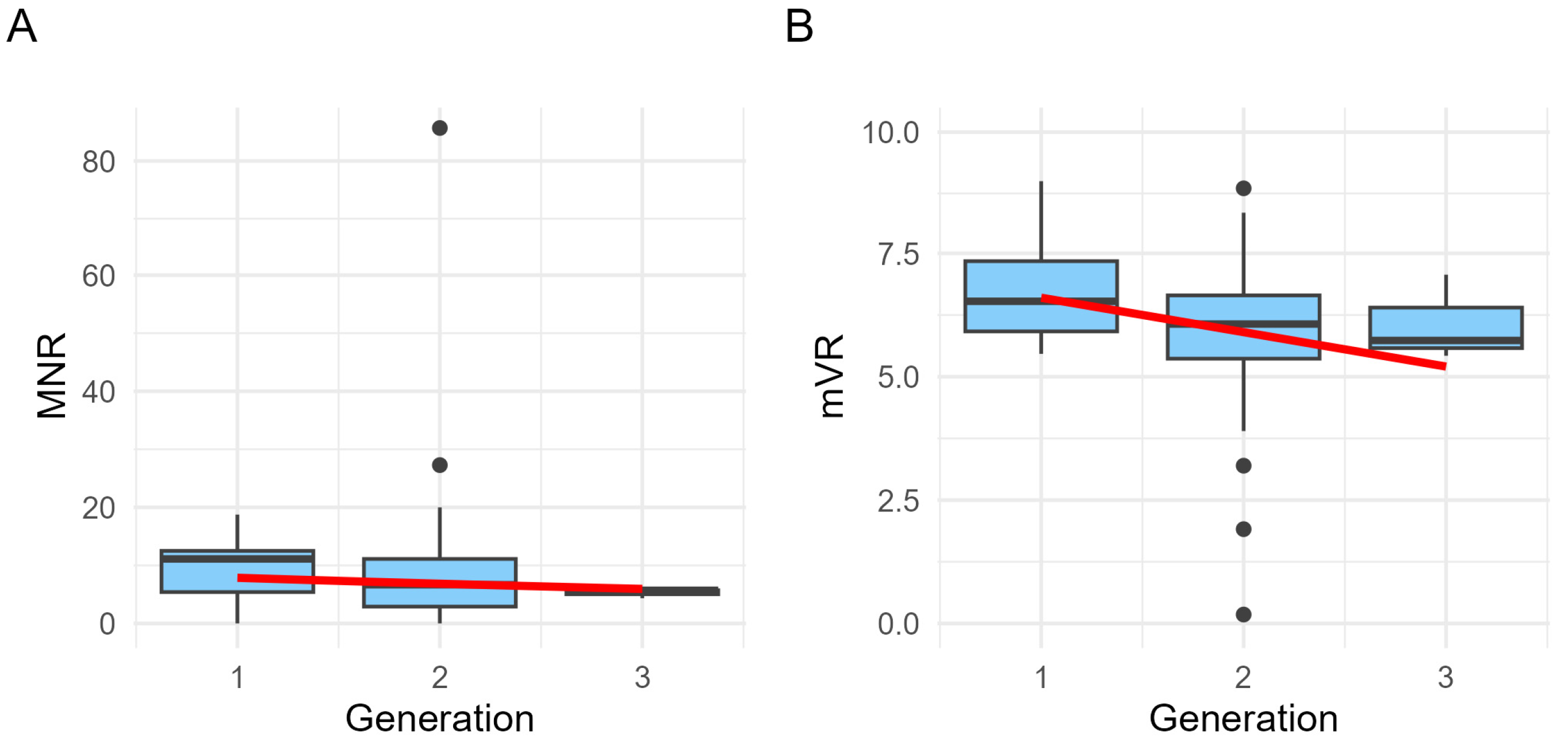
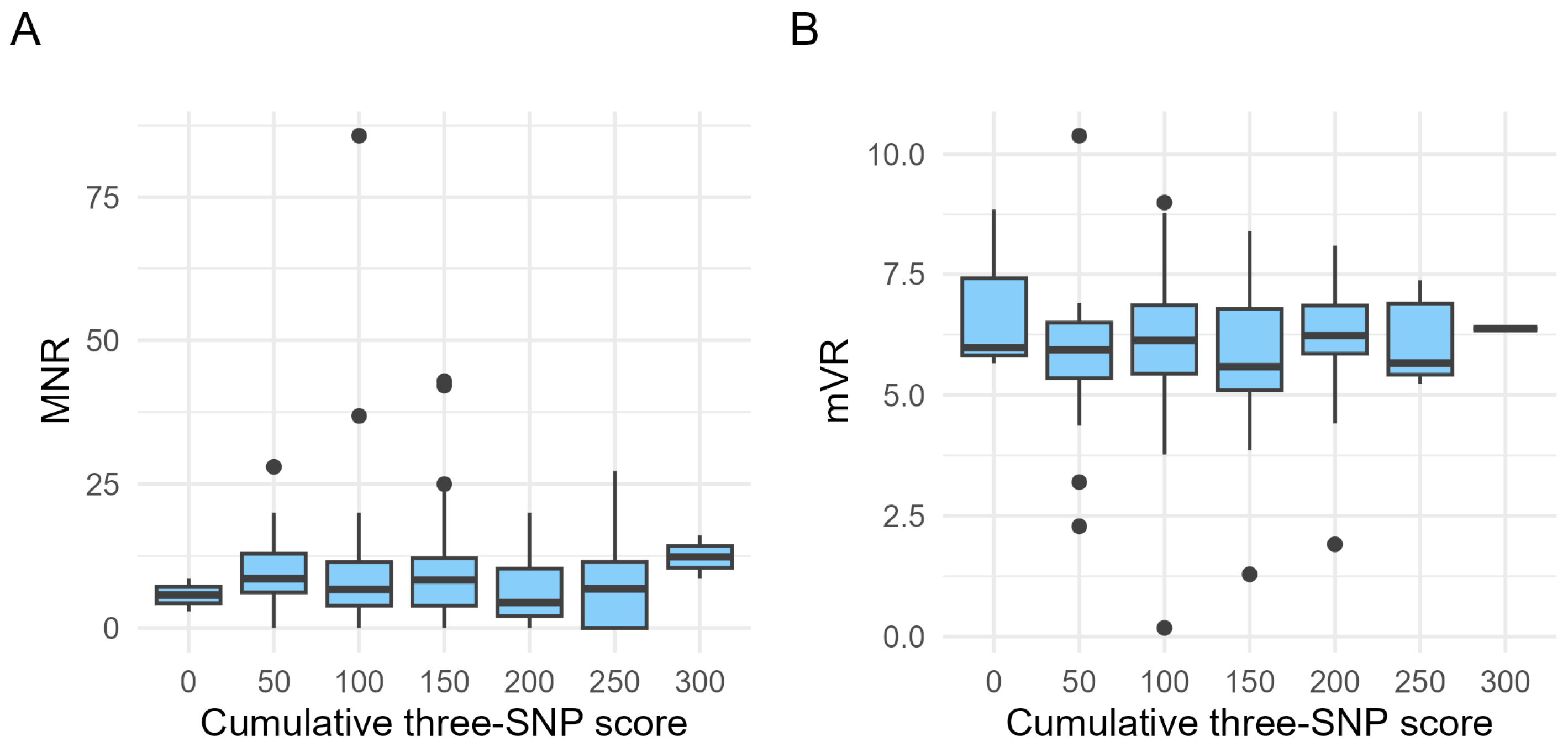
Selective breeding for Varroa resistance is an important strategy to improve honey bee colony survival against Varroa destructor, which remains a major threat to their health. However, phenotyping resistance traits is often labor-intensive. Marker-assisted selection (MAS) offers an alternative by selecting colonies based on molecular markers associated with resistance traits. This study evaluated the implementation of MAS for drone brood resistance (DBR, i.e., mite non-reproduction in drone brood), using a three-SNP model within the ongoing Flemish honey bee breeding program. From 2022 to 2025, predominantly Apis mellifera carnica workers and drones were genotyped. Through targeted breeding and mating via instrumental insemination, we aimed to reconstruct the genetic profile with all three SNPs’ protective alleles. Over sampling years, SNP2 and SNP6 increased in frequency in both workers and drones, whereas SNP4 did not. The cumulative three-SNP score also increased over years and generations, with the greatest genetic gain achieved by combining targeted breeding and targeted mating. The ideal genetic profile was obtained in three queens. However, genetic progress was not reflected in the DBR phenotype. These findings provide insights into the potential and limitations of MAS, suggesting future efforts in breeding programs towards genomic selection.
Keywords: honey bee; Varroa destructor; drone brood resistance; marker-assisted selection; SNP; targeted breeding honey bee; Varroa destructor; drone brood resistance; marker-assisted selection; SNP; targeted breeding