Article

Response of Winter Wheat (Triticum aestivum L.) to Varying Sowing Densities and Foliar Application of Methylobacterium symbioticum


by
Wacław Jarecki
1,*,
Ioana Maria Borza
2,
Cristina Adriana Rosan
3,
Cristian Gabriel Domuța
2 and
Simona Ioana Vicas
3
1
Department of Crop Production, University of Rzeszów, Zelwerowicza 4, 35-601 Rzeszów, Poland
2
Department of Agriculture, University of Oradea, Gen. Magheru, No. 26, 410048 Oradea, Romania
3
Department of Food Engineering, University of Oradea, Gen. Magheru, No. 26, 410048 Oradea, Romania
*
Author to whom correspondence should be addressed.
Agriculture 2026, 16(12), 1333; https://doi.org/10.3390/agriculture16121333

Submission received: 26 May 2026 / Revised: 11 June 2026 / Accepted: 15 June 2026 / Published: 17 June 2026

Abstract

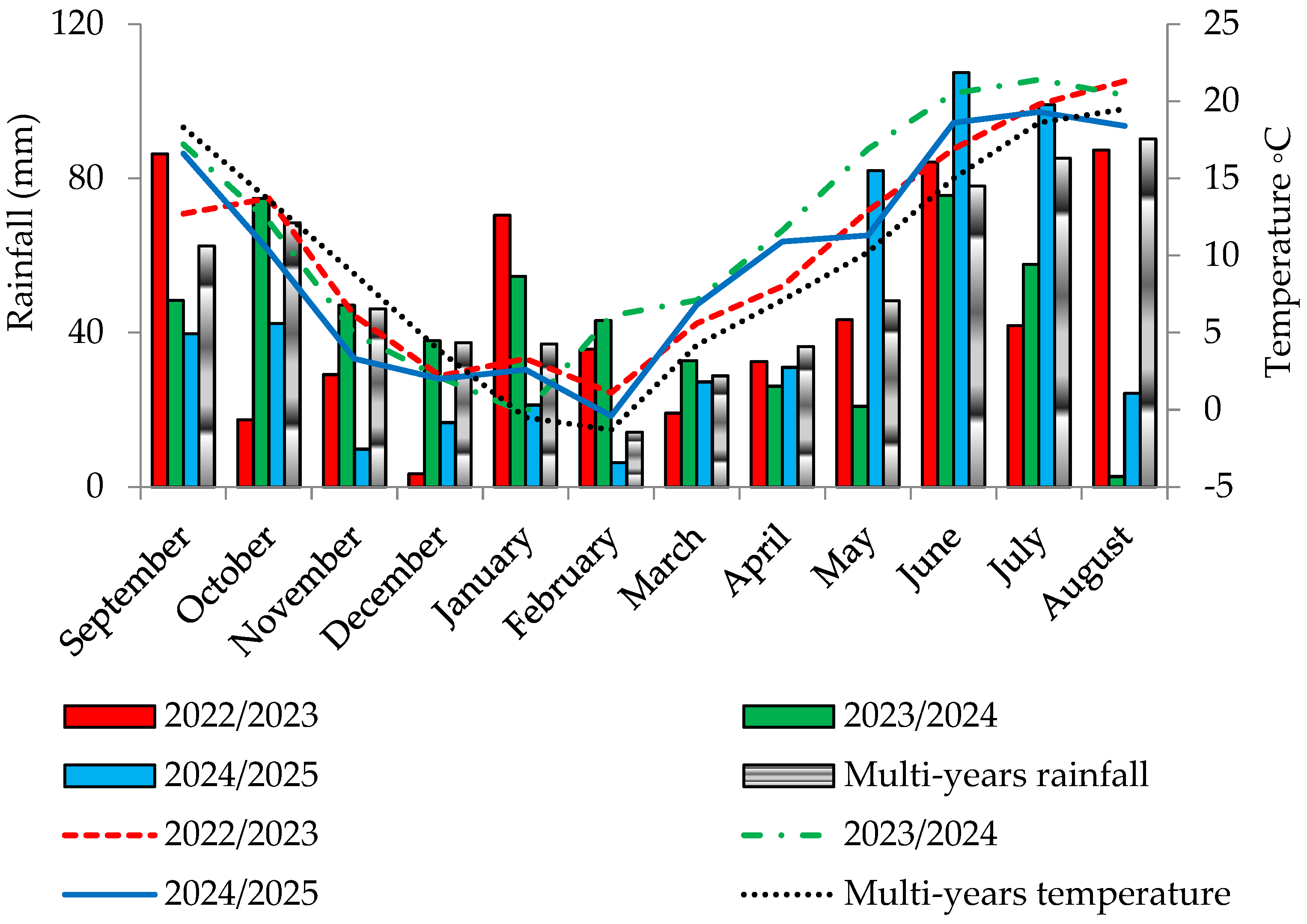
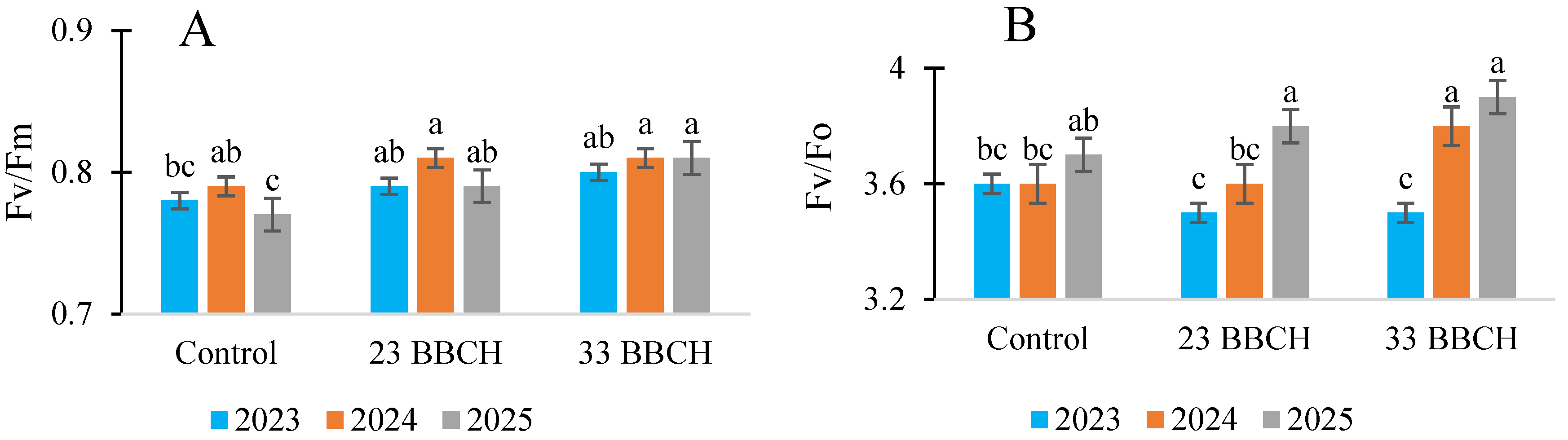
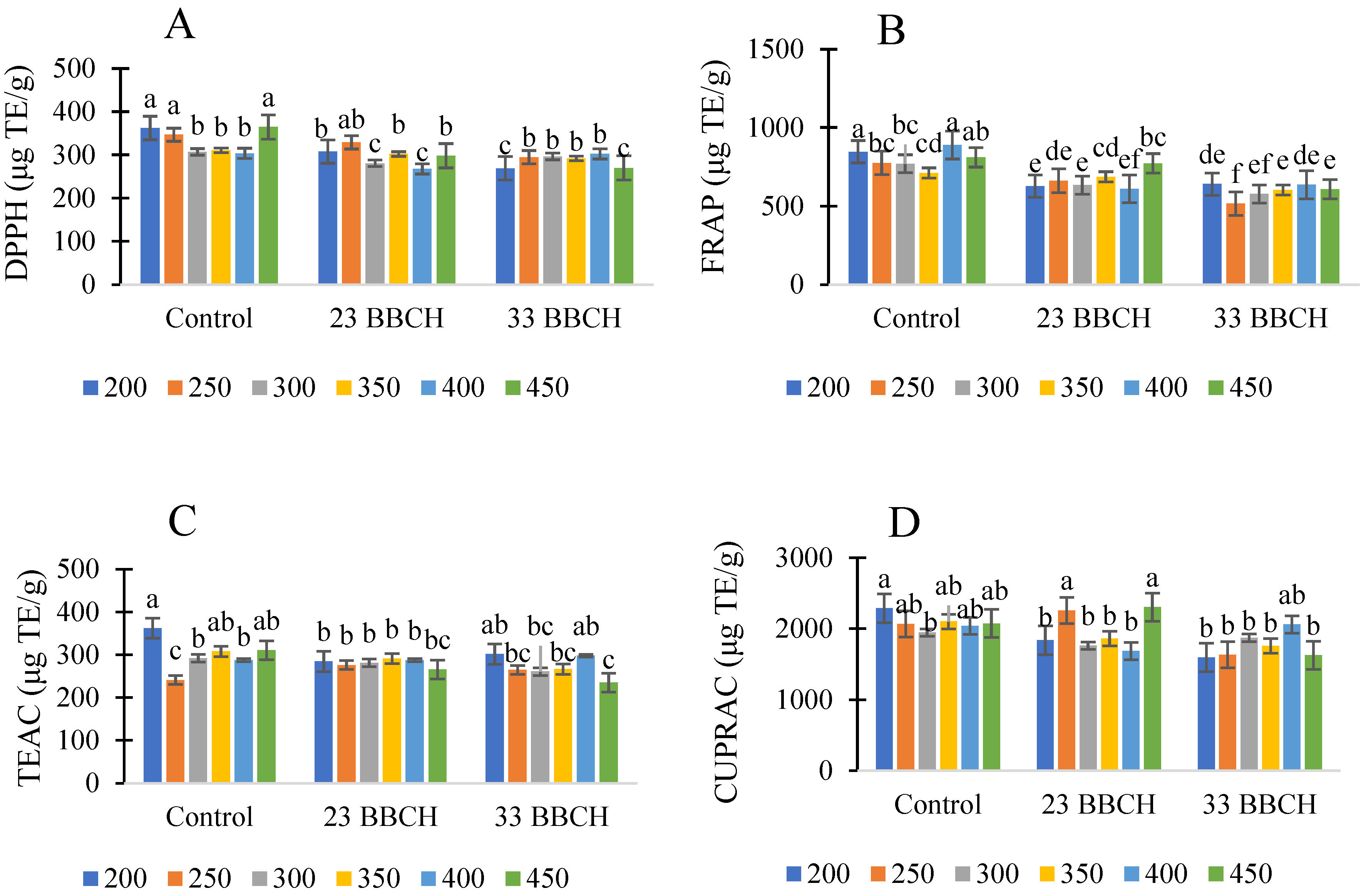
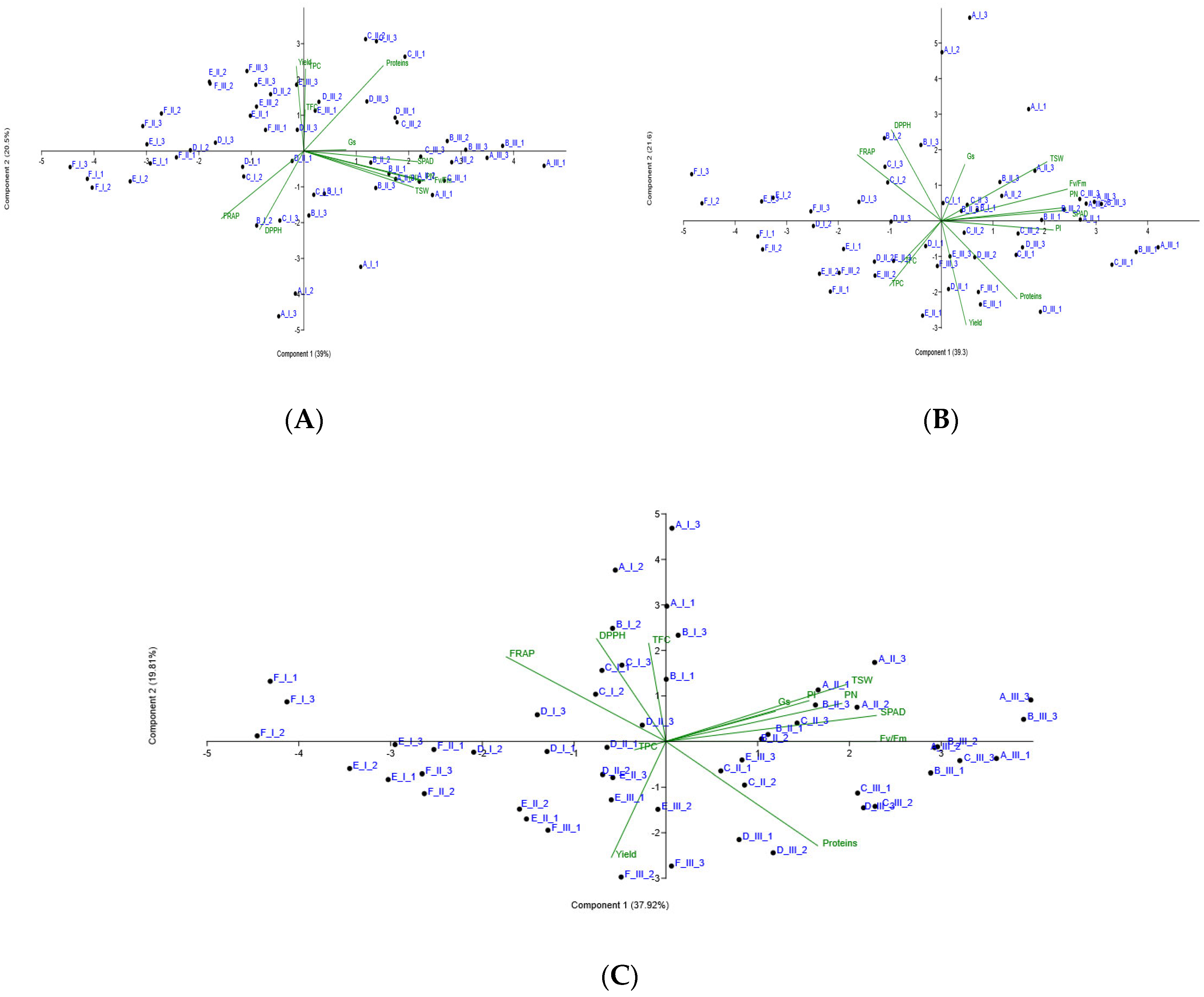
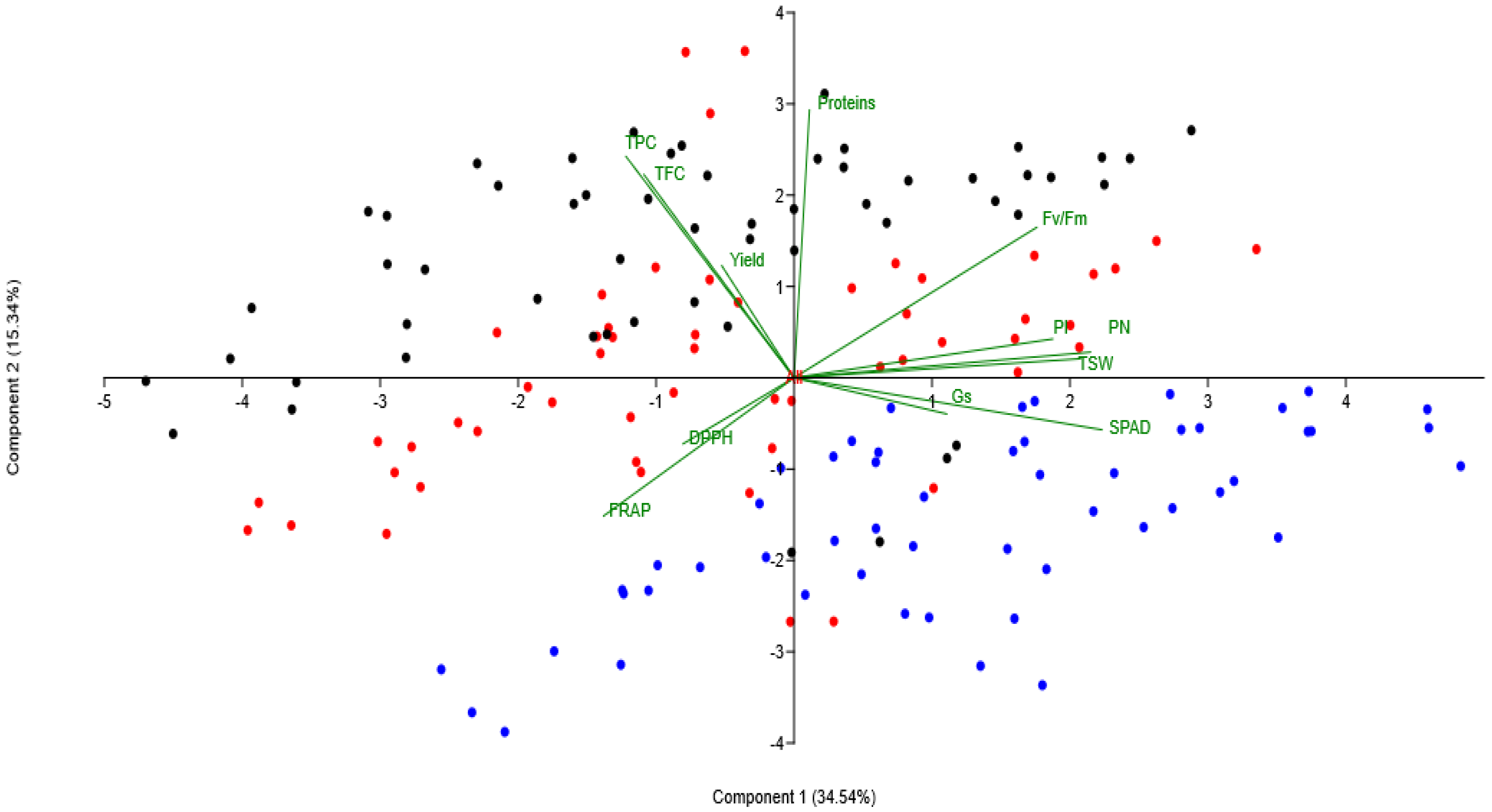
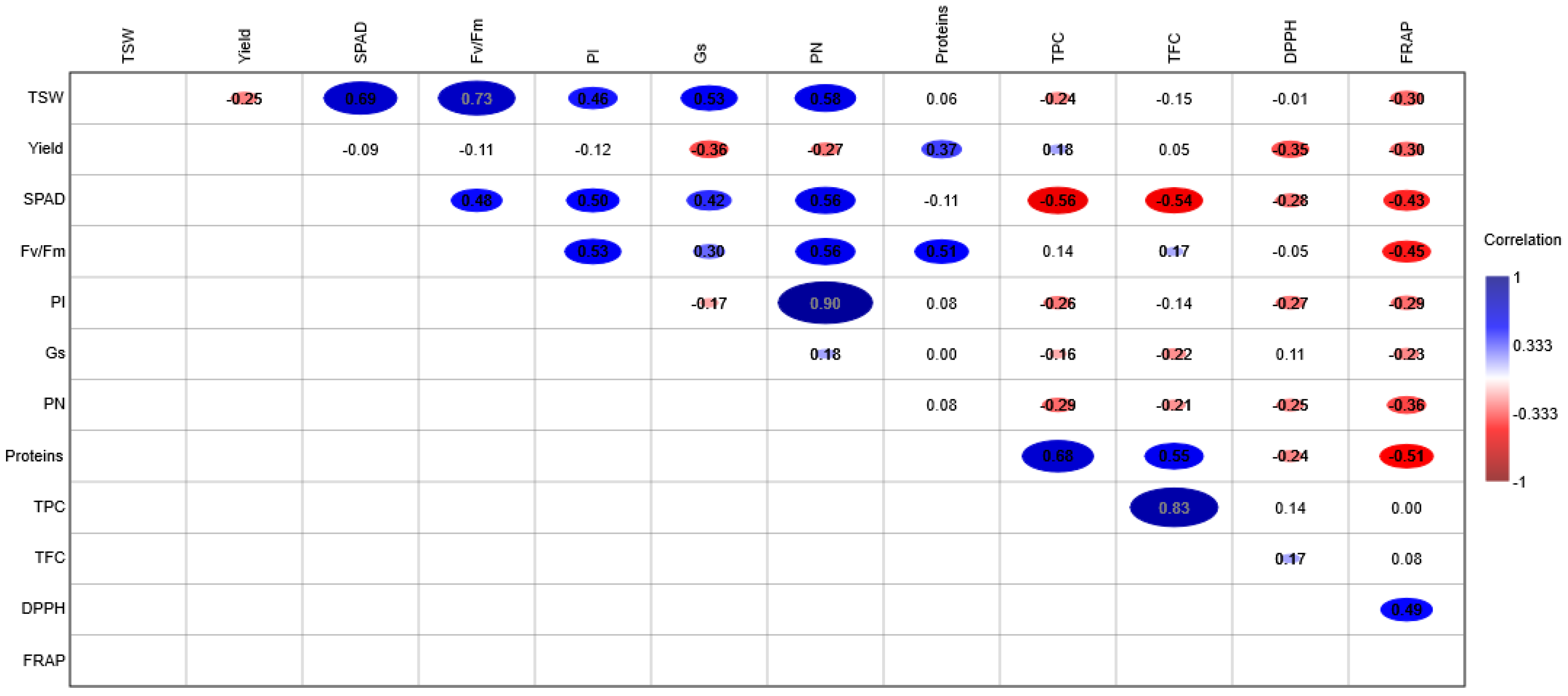
Sowing density affects the tillering and the number of spikes, which are important wheat yield components. Meanwhile, biostimulants stimulate plant growth and development, which usually improves the yield and grain quality. In our experiment, we investigated the impact of different grain sowing densities (200, 250, 300, 350, 400 and 450 grains m−2) and the timing of application of Methylobacterium symbioticum Pascual et al. 2021 bacteria (control, tillering, stem elongation) on winter wheat (“RGT Kilimanjaro” variety) grain yield size and quality. The three-year experiment (2022/2023–2024/2025) was conducted in a split-plot design. The content of macroelements in the soil (Haplic Cambisol) was high, and the contents of micronutrients were medium or low. It was shown that varied weather conditions modified plant responses in individual years. In general, along with the increase in canopy density, the physiological parameters of plants (Fv/Fm, Fv/Fo, PI, RC/ABS), gas exchange parameters (Gs, E, Ci, PN) and SPAD index values. The highest grain yield was obtained in 2023, and the yield in 2025 was significantly lower by 0.39 t ha−1. On average, in the conducted experiment, the best results were obtained with a sowing density of 350 grains m−2 and 400 grains m−2. The yields obtained at these densities were 8.21 t ha−1 and 8.34 t ha−1, respectively. However, the highest protein content (14.6%) was identified at a sowing density of 300 grains m−2. The application of M. symbioticum bacteria, especially in the stem elongation stage, had a positive effect on the yield as well as on the grain protein and gluten content. In contrast, antioxidant capacity was generally higher in the control treatment, while total phenols and flavonoids were most favorably affected by biostimulant application at the tillering stage. PCA and Pearson correlation analysis revealed an inverse relationship between physiological performance and antioxidant-related traits, indicating that climatic variability played an important role in modulating bioactive compound accumulation. Overall, moderate sowing densities combined with M. symbioticum application at stem elongation improved wheat productivity and grain quality, while antioxidant-related traits were mainly influenced by environmental conditions.
Keywords: Triticum aestivum L.; sowing density; endophytic bacteria; physiological measurements; grain yield; grain quality; bioactive compounds Triticum aestivum L.; sowing density; endophytic bacteria; physiological measurements; grain yield; grain quality; bioactive compounds