1. Introduction
In regions such as the north of the State of Mexico, dependence on maize (Zea mays L.) as a food source is very high. However, this presents difficulties not only due to the limited resources available for its proper management but also to its limitations as a rain-fed crop and its low level of technology (lack of machinery, improved seeds, technical services to assess soil or crop health, and other agricultural inputs). These factors, combined with the current condition of the soil (acidity, low nutrient levels, erosion, and droughts), increase the vulnerability of maize crops.
While farmers are unable to carry out tests to demonstrate the actual health of the soil, they believe themselves to be acting correctly when they use excessive amounts of chemical fertilisers. Under the belief that more fertilisers translate into higher yields, they ignore the environmental damage they are causing, which also affects crop establishment.
Maize is a food of great economic, social, and cultural importance worldwide, with an annual production of 850 million tonnes of grain [
1] and an annual average of 116 million tonnes of maize grown for human consumption [
2]. In the first stage of maize production, germination and initial seedling growth are significant in defining the establishment of the crop and its future yield and productivity [
3]. This is seriously affected by deviations from neutral soil pH, as mentioned above [
4,
5,
6,
7,
8,
9,
10].
In this region of the State of Mexico, there are acidic soils with pH between 5.7 and 6. Its maize production yields range between 2.78 and 4.92 tonnes per hectare (t ha
−1); maize is mostly grown under rain-fed conditions, and with low levels of technology, maize yields and crop yields in general depend mainly on climate and soil conditions [
11]. It is therefore essential to conduct studies that integrate the dynamics of the seedling establishment system with the effects of soil pH, since inadequate pH management can lead to yield losses of up to 69% [
12], thereby seriously affecting the population’s food security.
Food security is defined as the ability of all people to always have physical, social, and economic access to sufficient, safe, and nutritious food that meets dietary needs and food preferences for an active and healthy life [
13,
14,
15]. One of the major concerns is that globally, food production must increase by 70% to meet the demand of a growing population that will reach 9.7 billion by 2050 [
16]. Soil pH plays a key role in this issue, since it is associated with soil health and regulates the availability of macro- and micronutrients, which has direct implications regarding the production of healthy, useful, and available crops for food security [
17,
18].
Soils with extreme pH, acid or alkaline, can induce stress in seedlings, affecting their vigour, height, leaf development, and biomass. The scientific literature reports that values close to neutral, between 6.0 and 7.0, favour uniform and accelerated growth, while deviations from this range limit the availability of nutrients such as phosphorus, calcium, and micronutrients, thereby restricting the ability of the seedling to develop optimally [
18,
19]. However, most of the available studies focus on fertilised or chemically amended conditions, which has left a gap in understanding the direct relationship between soil pH and seedling development under conditions without any addition of nutrients.
Chemical soil degradation operates through independent yet interconnected pathways that destabilise the agroecosystem; the addition of nutrients to fertilisers has improved crop yields worldwide, although inadequate nutrient management can cause soil acidification.
Very low pH levels (below 6) decrease the availability of soil nutrients (phosphorus, potassium, calcium, and magnesium) [
20] and carry future implications of the risk of phytotoxicity due to the release and solubility of metals/cations Al
3+, Mn
2+ [
21]. Acidic soil constitutes a major constraint to achieving food security and requires sustainable solutions [
22]. Acidic soils cover an estimated 3950 million ha, or 30–40% of the world’s arable land [
23].
Furthermore, soil salinisation leads to the formation of alkaline soils with poor structure, low porosity, and a high pH (above 7.5), rendering them more prone to the loss of soil organic carbon, which in turn reduces the soil’s shock-absorbing capacity and structural resilience. Weakness in the soil structure disrupts the functioning of microbial communities in cropland soils by slowing the decomposition of organic matter [
24]. Alkaline soils cover an area of more than 800 million ha worldwide [
23].
However, there still exists a significant gap in the scientific literature regarding the integration of system dynamics and experiments to project agricultural yields. It is necessary to analyse the systemic complexity of adaptation in food production (which begins with germination, emergence, plant establishment, and dry-matter accumulation) in order to develop solutions that have a real impact.
In this study, the use of local maize varieties allows us to observe unique responses in terms of adaptability and physiological resilience, which is difficult to capture through traditional statistical analysis since it fails to account for feedback loops and/or the non-linearity of the system. The optimal development of maize under soil-neutral conditions is a well-established agronomic principle; conventional assessments typically incorporate pH variations into complex fertilisation regimes [
25,
26]. Within this framework, it is essential to accurately quantify the physiological stress induced solely by soil pH on seedling development and to analyse potential growth patterns based on individual stress factors in isolation [
27,
28]. This assessment offers unique scientific value since it provides insight into how the pH of nutrient-deficient or severely degraded soils affects the initial development of seedlings.
Global soil degradation underscores the urgency of food security. This study limits its scope to a biophysical analysis of traditional agricultural systems involving native varieties in the north of the State of Mexico. Thus, this study does not seek to linearly extrapolate early-emergence variables to the context of the global agri-food supply but rather to propose a conceptual reference model for understanding the cumulative loss of systemic resilience on a small scale. In this context, the aim of this study is to experimentally assess the impact of pH and incorporate this into a simulation model to provide valuable information on sustainable management systems and regional food security.
2. Materials and Methods
2.1. Agroecological Characteristics of the Study Area
The research was carried out in the northern part of the State of Mexico, an area characterised by the predominant cultivation of native maize using seasonal farming methods. The State of Mexico is located at an altitude of between 1330 and 2800 m above sea level. Covering an area of 22,351.8 km
2, it has an average temperature of between 3 and 28 °C, with average annual rainfall of between 600 and 1300 mm, average solar energy of 6.9 kWh, wind speeds ranging from 3 to 19 km/h, and average solar radiation of 5.5 kWh/m
2 [
29,
30].
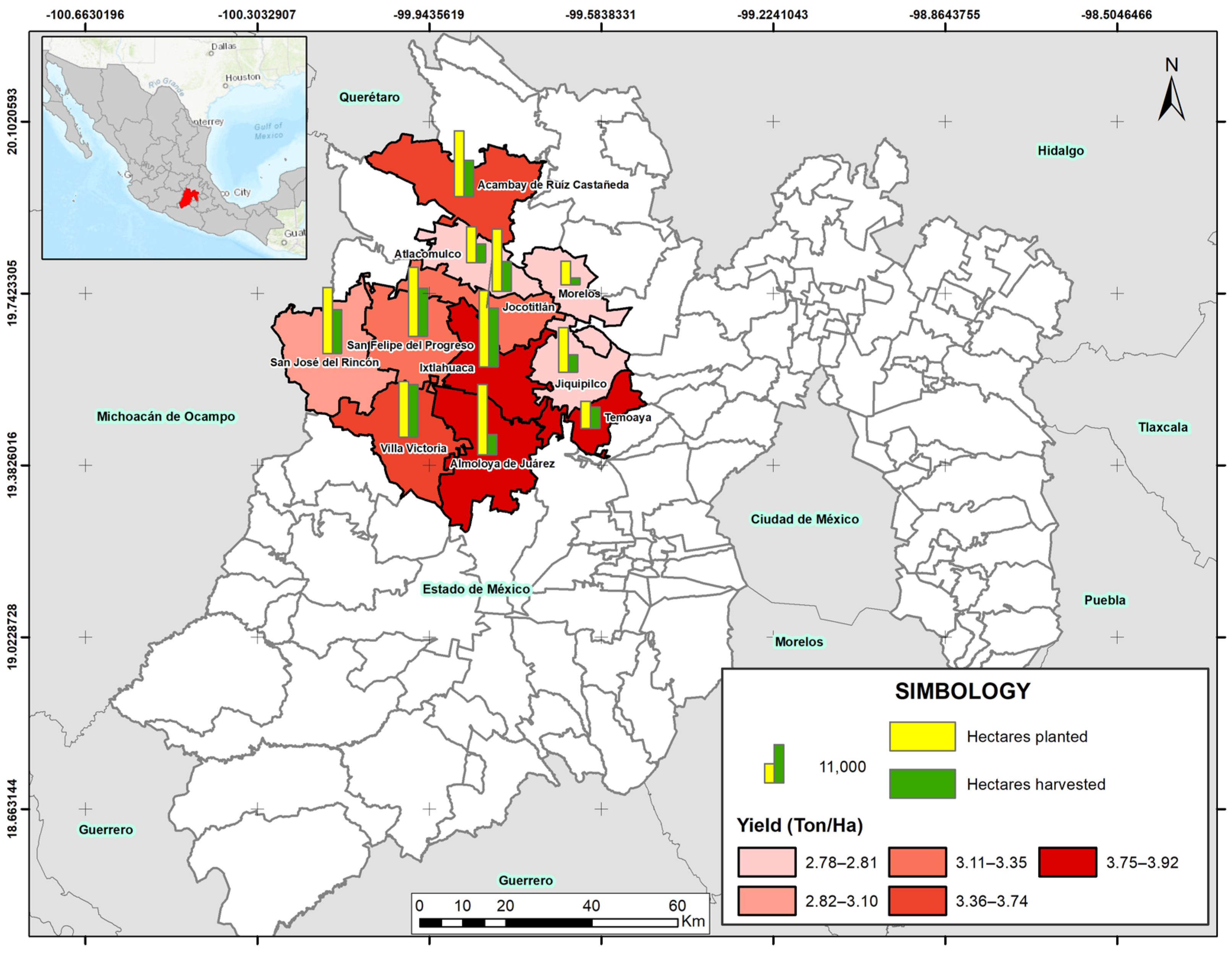
Figure 1 shows the municipalities covered by the study, along with their maize production levels and yields; the production levels are below the maize sowing rate.
The geographical and climatological characterisation described above provides the calibration framework for the experimental phase. The soil samples and native maize varieties originate from traditional farming systems exposed to these micro-regional environmental fluctuations. Consequently, the parameters set in the growth chamber (12/12 h photoperiod, 25 ± 1 °C and 60% relative humidity) were designed to emulate the average field conditions during the sowing and emergence period of the crop in the region.
2.2. Materials and Experimental Design
2.2.1. Soil Sample
For the development of the research, it was necessary to use agricultural soils.
Table 1 shows their properties.
2.2.2. Biological Material
The properties of the native seeds of the region supplied by the producers are given in
Table 2.
The moisture content was estimated using a seed moisture analyser, the International Grain Moisture Analyzer GAC 2700-INTL (DICKEY-john Corporation, Auburn, IL, USA), which had been calibrated beforehand. Drying was carried out in an oven at 130 ± 1 °C for 16 h, followed by cooling to room temperature for 15 min, and the samples were weighed using a digital balance with an accuracy of 0.001 g. The 100-grain weight was also determined using the digital balance with an accuracy of 0.001 g. Measurement protocols were in accordance with the International Seed Testing Association (ISTA) international standard [
31].
2.2.3. Research Design: Experimental Design
This research adopts a correlational and quantitative approach [
32], of a systemic-transdisciplinary nature [
33], combined with experimental design to demonstrate the dynamics and complexity of the problem situation within the system under study: the effect of soil pH on the growth of maize seedlings, as a non-linear process and given its potential for complex long-term dynamics, provides an experimental simulation platform that links variables and contexts [
34,
35].
Experimental design is considered an important and necessary step in scientific activity and enables a structured and controlled process for the generation of useful and accurate data for analysis [
36,
37]. In this instance, it is planned in accordance with Gutiérrez Pulido and De la Vara [
38].
This research combines a controlled laboratory experiment with a system dynamic modelling approach to analyse soil pH behaviour in response to the establishment of native maize. The experimental phase was conducted using a completely randomised design (CRD). The only independent experimental factor evaluated was soil pH, which was set at three different levels as shown below:
Treatment 1 (T1—neutral pH/control): This consisted of agricultural soil preserved in its natural state without any exogenous chemical additions; the pH ranged between 6.8 and 7.9.
Treatment 2 (T2—acidic pH): Agricultural soil artificially modified to a target pH < 6.8 by incorporating elemental sulphur.
Treatment 3 (T3—alkaline pH): Soil artificially modified to a target pH > 7.9 by adding calcium carbonate (CaCO3) per kilogram of dry soil.
Each of the three treatments was carried out with five independent replicates, resulting in a total of 75 experimental units evaluated simultaneously.
Each experimental unit consisted of 12 cells of 50 × 50 mm, each containing 35 g of sterile soil per cell (agricultural soil exposed to 180 °C for 24 h and then sieved in 200-micron mesh) The soil was exposed to these conditions to observe solely the effect of pH on seedling growth, which is the objective of this study, into which one native maize seed was planted in each cell. Irrigation was carried out every 2 days with 3 mL of distilled water in each treatment, in line with the authors’ previous studies.
The native maize seeds used were rigorously standardised from a homogeneous sample selected for size and visual health, sourced from the 2024 crop in the study region.
The assignment of treatments to the physical disposition in the laboratory was carried out using a randomisation technique based on a table of random numbers generated by Minitab software (Minitab
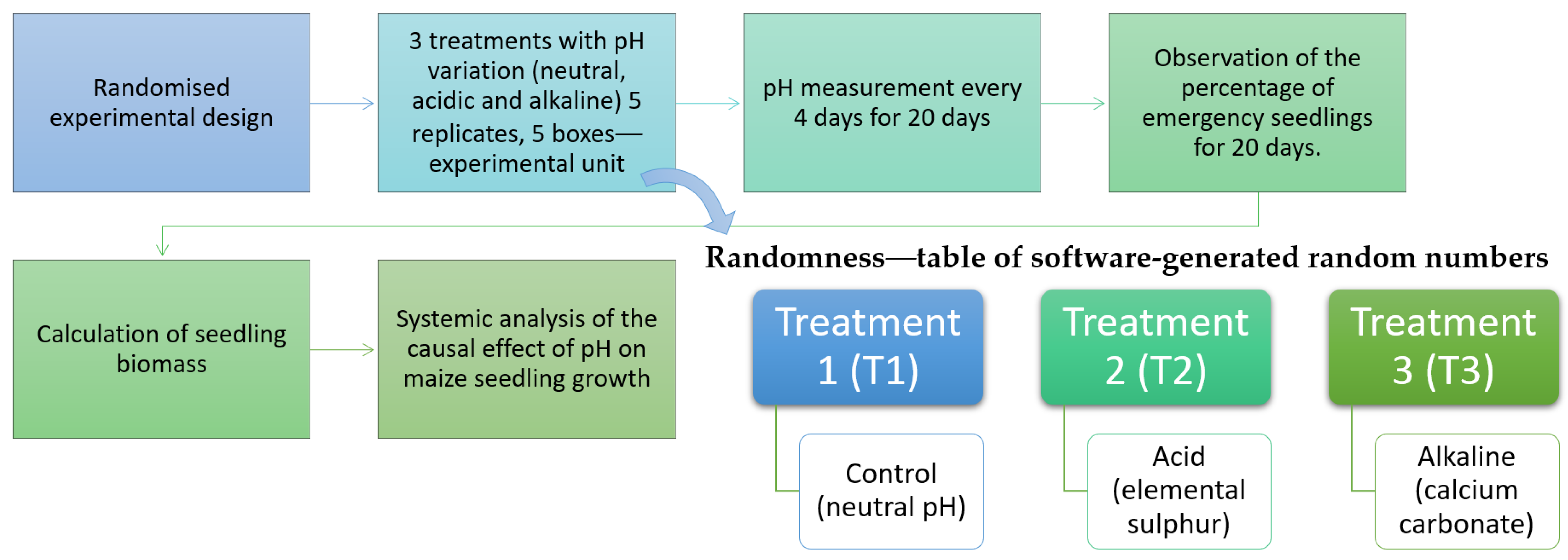
® 20.3 (64-bit) version 2021). The sequential integration of this empirical data into the simulation environment follows the systemic methodological framework illustrated in
Figure 2.
2.2.4. Treatment Preparation and Incubation
To control for physicochemical stress, the natural soil was prepared prior to thermal sterilisation (180 °C, 24 h). Treatment T2 (acidic target: pH < 6.8) was prepared by incorporating elemental sulphur (93% purity) per kilogram of dry soil (0.9 g/kg). Due to the non-polar and hydrophobic nature of elemental sulphur, the amendment was pre-dissolved in analytical-grade acetone under moderate heat under controlled laboratory conditions. This liquid solution was sprayed uniformly over the soil to ensure homogeneous dispersion, thereby allowing the solvent to evaporate completely under a fume hood prior to use [
17]. T3 (alkaline target: pH = 8.2 ± 0.1) was obtained using analytical CaCO
3 (2.0 g/kg) [
39]. The mixture was homogenised in the dry state using a mechanical mixer to ensure uniform particle distribution.
Following the application of the chemical amendments, the soils in all treatments were moistened with sterile distilled water until they reached 40% of their water-holding capacity and were subjected to an incubation and chemical stabilisation protocol in the dark for a period of 30 days prior to sowing, thereby ensuring the fixation and stabilisation of the target pH levels.
2.3. Analytical Methods and in Situ Measurements
The pH was monitored every four days, which confirmed the stability of the treatment throughout the 20-day trial. For these in situ measurements, a pre-calibrated GroLine HALO2 wireless digital pH meter (HI9810302) (HANNA® instruments, Mexico City, Mexico) was used, with the probe inserted directly into the cells at random in each treatment group.
At the end of the experiment (day 20), destructive soil sampling was carried out to quantify the chemical profile and final availability of macronutrients under the influence of each treatment. The analyses were carried out using standardised protocols: the final pH and electrical conductivity (EC) were determined by potentiometry in a soil–water suspension (1:2 ratio); total nitrogen (N) was extracted with 2N potassium chloride and determined by vapour stripping; available phosphorus (P) was determined using the BRAY P-1 method; and exchangeable potassium (K) was extracted in 1.0 N ammonium acetate, pH 7.0, ratio 1:20, and determined by flame emission spectrophotometry. Measurements were repeated three times.
Chlorophyll and nitrogen levels in the leaves (V2–V3) were measured using a SPAD-502 Plus (Kosmos Scientific de Mexico, S.A. de C.V., Monterrey, N.L., Mexico). This device measures leaf absorbance in two wavelength regions: the red region and the near-infrared region. The meter can provide an indexed reading of chlorophyll content in a range from −9.9 to 199.9. Measurements were taken on fully expanded leaves, at the midpoint of the leaf blade in accordance with [
40]. The average of eight readings per plant were taken to obtain a representative value.
2.4. Equations and Data Analysis Software
For this study, the equations described below were employed to calculate the vigour and physiological quality in accordance with the protocol described by Maguire (1962) [
41], which described the germination speed index (GSI) and percentage of germination (G) formulated as follows:
where
E1 = number of seeds that have emergence on day
i;
Di = number of days after planting for the corresponding count; and
n = maximum duration of study evaluation.
It is possible to calculate the number of plants that emerge each day of the test. The total of these indicates the emergence rate.
where
SG = total number of seeds that have emergence on the test and
SW = total number of seeds that were put for testing.
It is possible to calculate the percentage of plants during the test, with respect to the total number of seeds sown [
42].
The relative water content (
WC) of the seedlings was determined at the end of the experimental period in accordance with standard protocols described by Turner (1981) [
43] using the following equation:
where
WC = water content;
Mf = fresh weight of the seedling recorded immediately after harvest (g) t; and
Ms = constant dry weight of the seedling obtained after the dehydration process (g).
For WC, once the assessment was complete, the weight of the seedling was measured using a balance with an accuracy of 0.001 g. The plants were then dried in an oven at 105 °C for 8 h until a constant mass was achieved and left to cool for 30 min, and their new weight was recorded. These values were entered into the aforementioned equation, which provides information on the water content.
Systemic reductions in early development under stress conditions were quantified by comparison with the neutral control using the Relative Inhibition Index of Physiological Responses (
Ir, %). This calculation was performed at the end of the experiment using the following formal algebraic expression taken from [
44]:
where
Xs, stress, represents the average total variable of the seedlings subjected to extreme environments (T2 or T3) and
Xc, the variable control, is the baseline average total dry mass achieved under the optimal neutral environment. These values serve as the model’s penalty parameters.
The experimental data was analysed using a one-way analysis of variance (ANOVA) within the framework of a linear fixed-effects model. The mathematical structure of the experiment is formalised in the following equation [
37,
38]:
where
is the observed (physiological) response variable,
represents the overall mean of the system,
τ quantifies the specific effect of the applied pH treatment (acidic, neutral, or alkaline), and ε corresponds to the intrinsic experimental error.
The use of
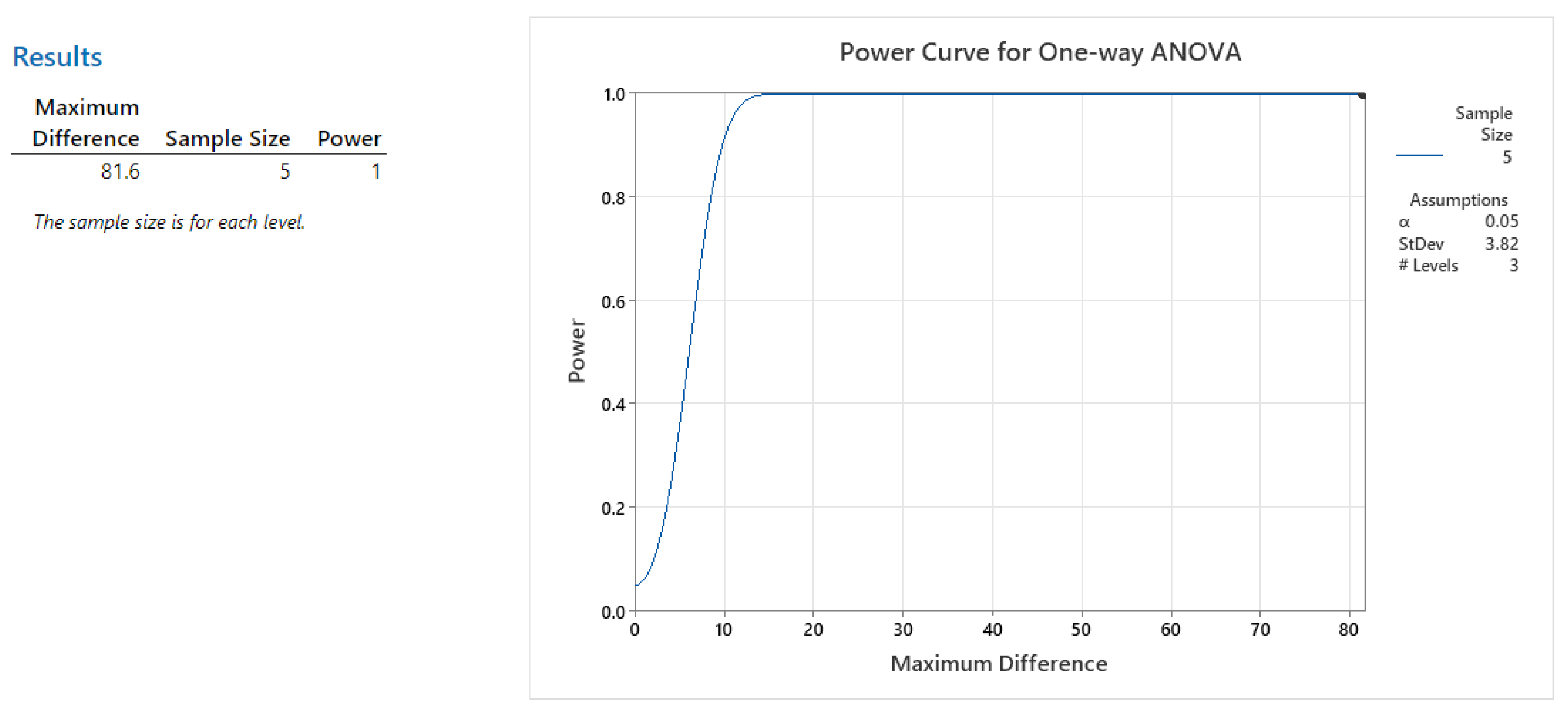
n = 5 independent replicates was validated by a post hoc power analysis in Minitab software (Minitab
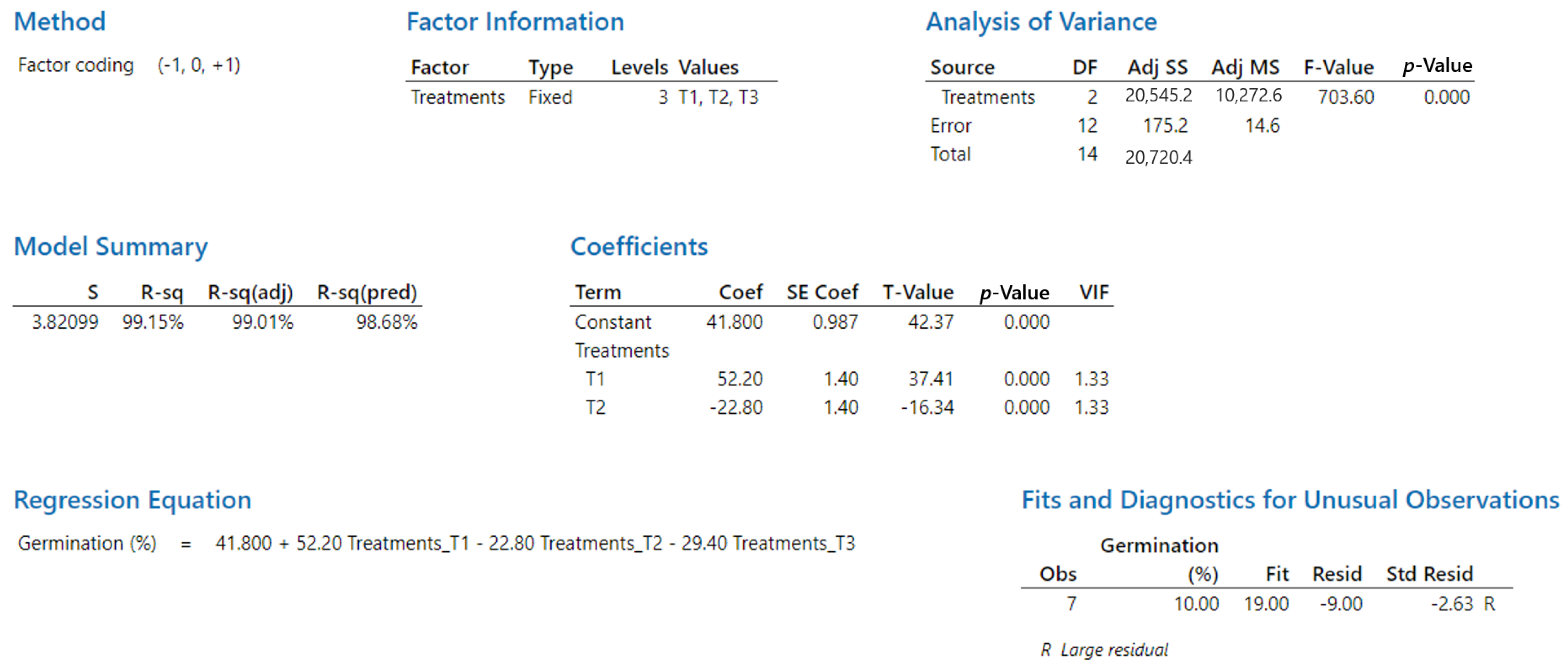
® 20.3 (64-bit) version 2021) for a one-way ANOVA design (α = 0.05, 3 treatment levels). Given the controlled laboratory conditions and the imposed chemical stress, the system calculated a statistical power (1 − β) of 1.00 based on an empirical pooled standard deviation of 3.821 and a maximum difference between means of 81.60. This demonstrated that the sample size provided maximum sensitivity for the detection of the expected biophysical differences and reduced the probability of committing a Type II error (see
Appendix A).
The variance structures were examined visually and analytically within the Minitab software (Minitab® 20.3 (64-bit) version 2021) environment to ensure their full compatibility with the principles of the linear model.
In cases where the global null hypothesis was rejected due to significant treatment effects
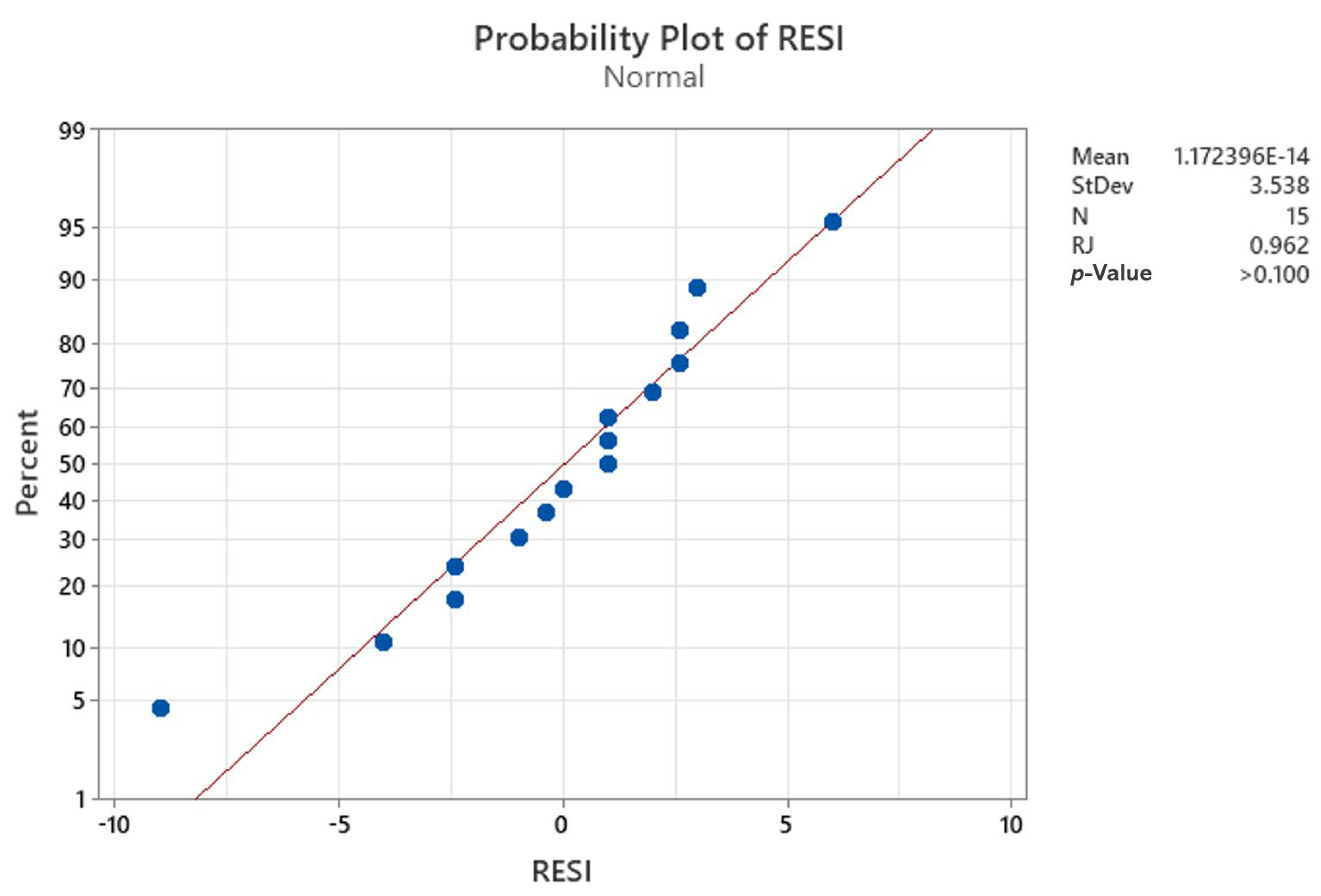
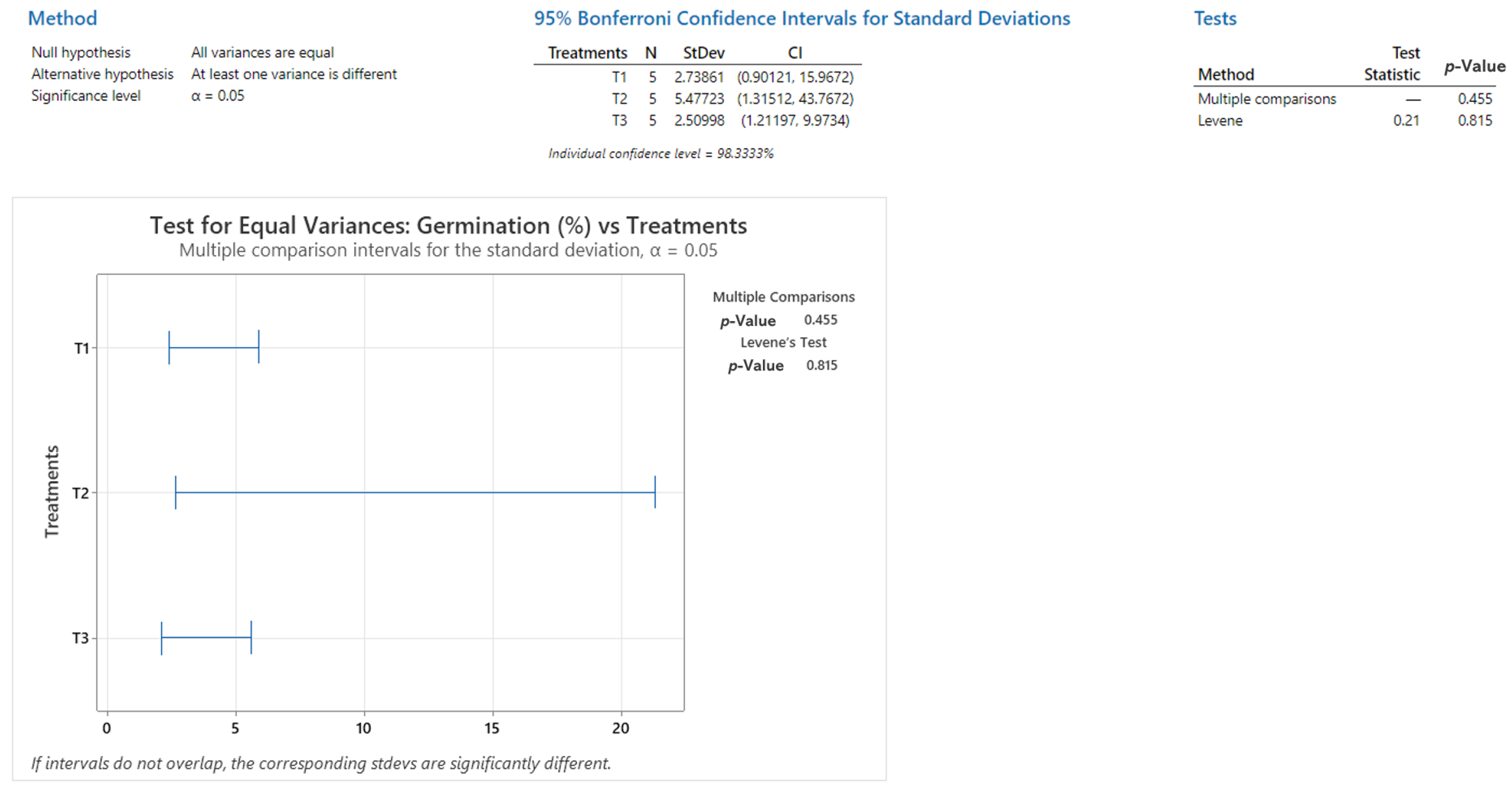
p ≤ 0.05, multiple pairwise comparisons were performed using Tukey’s Honest Significant Difference (HSD) post hoc test, whilst controlling for Type I error at an overall significance level of α = 0.05. The assumptions of the generalised linear model were assessed using Ryan–Joiner’s normality test and Levene’s test for homoscedasticity (
p > 0.05). The results of these tests are presented in
Appendix B. All data processing and mathematical modelling were performed using Minitab software (Minitab
® 20.3 (64-bit) version 2021), whilst all final graphs were generated using OriginPro 2024 (64-bit) SR1.
2.5. Systemic Analysis of the Causal Effect of pH
The conceptual dynamic hypothesis is represented by a causal map, which identifies the key variables and the polarities of the feedback loops [
45].
The structural formalisation of the model is carried out using a Forrester diagram, in which the concepts are transformed into state variables (stocks), flows and integral differential equations.
The parameterisation establishes the initial values, time horizons, time step dt and the sources of data. These models are developed to study and test policy proposals, due to their specific causal-descriptive approach based on operational modelling [
46,
47].
Simulation Parameter
The causal map was designed to identify the system’s dynamic hypotheses by linking laboratory-based chemical and physiological responses to socio-economic variables via feedback loops [
48].
The data obtained from the laboratory phase was incorporated into a system dynamics simulation model, and information on the socio-economic variables was obtained via a structured questionnaire comprising eight closed questions regarding the percentage of investment in technology relative to crop yield, production costs relative to soil amendments, and the selling price of maize. This questionnaire was administered to a group of 12 leaders representing producers from the State of Mexico’s Maize Producers’ Federation.
The causal structure was translated into a Forrester diagram to operationally define the equations governing state variables such as crop and income. The growth rates were programmed by incorporating the development constants calculated from the experimental trial. The main equations of the model are described below:
where
CV = crop vitality;
EpH = effect of pH on the soil;
Rinc = rate of increase;
DB = dry biomass; and 50 represents the initial state of the biomass at the start of the time horizon.
The computational environment was developed using the system dynamics paradigm within the Vensim® PLE Version 9.3.5 × 64 software architecture.
The model’s time horizon was set with an initial time of 1 month and a final simulation limit of 48 months, using a fixed time step (dt = 0.25 months) to capture the delayed effects and feedback loops governing the system. The operational boundary condition for the independent variable was restricted to a pH range of 0 to 14 to maintain the stability of the simulation since this is the natural pH scale, without claiming that it necessarily reaches 0 or 14 in real-world environments. This computational setup enables the evaluation of the system’s structural behaviours generated by deviations from soil pH neutrality. The model was calibrated using a mixed methods approach that links experimental biophysical coefficients with operational data from the regional agricultural literature. The calibration process was carried out using data from the control treatment (T1) as a baseline.
Validation was carried out through behavioural testing under extreme conditions, which confirmed the model’s validity by subjecting the input variables to extreme pH values, thereby demonstrating growth rates with logical consistency and numerical stability, without generating asymptotic divergences. This mathematical formalisation enabled the interdependencies of the system to be numerically simulated over time.
To evaluate long-term behaviour, three simulation scenarios were programmed with a direct quantitative correspondence to the laboratory treatments that linked the empirical physiological constants to the operational limits of the pH input variable (T1/neutral, T2/acidic, and T3/alkaline). The computational runs labelled Sim7, Sim5, and Sim10 represent the three aforementioned scenarios. This alignment allows the 48-month projections to depend on the edaphic disturbance thresholds calibrated in the initial empirical phase.
3. Results
The experimental and computational findings of this study are organised into three stages to assess the effects of variations in soil pH. Firstly, the chemical changes and the availability of macronutrients in the soil under the applied treatments are presented. Secondly, the physiological, germination and biomass responses of native maize seedlings are quantified. And lastly, the experimental parameters are integrated into a system dynamics framework to project long-term behaviours related to the regional agricultural economy and food security.
The analytical transition between short-term metrics (20-day assessment) and long-term socio-ecological projections (48 months) was addressed using a parameterised systemic scaling approach, which considered the inherent limitations of modelling. Empirical data on germination and dry biomass was not extrapolated as linear predictors of agricultural yield in the field but rather as functions of base biological penalty and boundary conditions in the Vensim® PLE Version 9.3.5 × 64 software, so that the impact of soil pH stress would be isolated during the most critical window of seedling development and establishment.
3.1. Soil Electrical Conductivity and the Behaviour of Macronutrients as a Function of PH
Table 3 summarises the chemical profiles obtained following the treatments and specifies the pH, EC, and macronutrient values of each treatment.
Tukey’s post hoc test (HSD) revealed significant groupings for all traits analysed (α = 0.05). The treatments differed significantly in terms of N, K, and EC, in contrast to P, where a significant concentration was observed in the acid treatment (T2, pH < 6.8), which was classified exclusively in cluster ‘b’ in terms of phosphorus content (mg/kg) (4.3 ± 0.4 b). In contrast, the effect of neutral and alkaline pH was classified in group ‘a’.
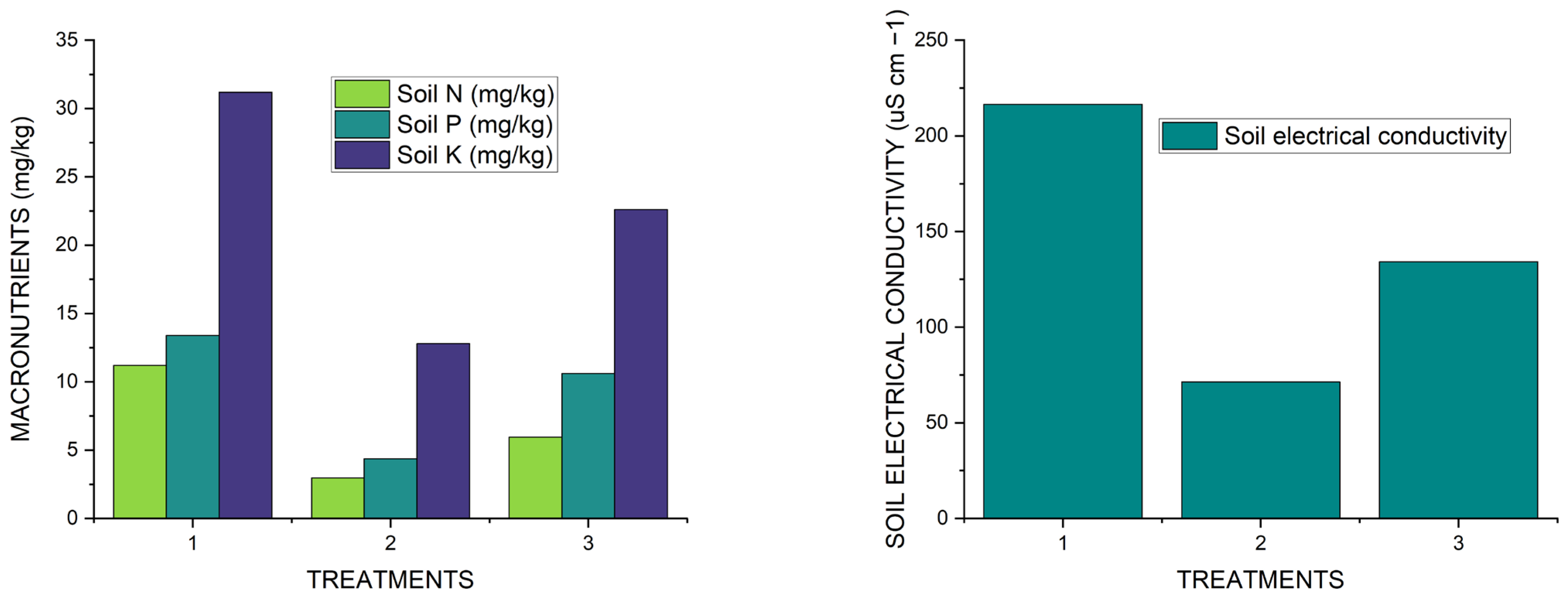
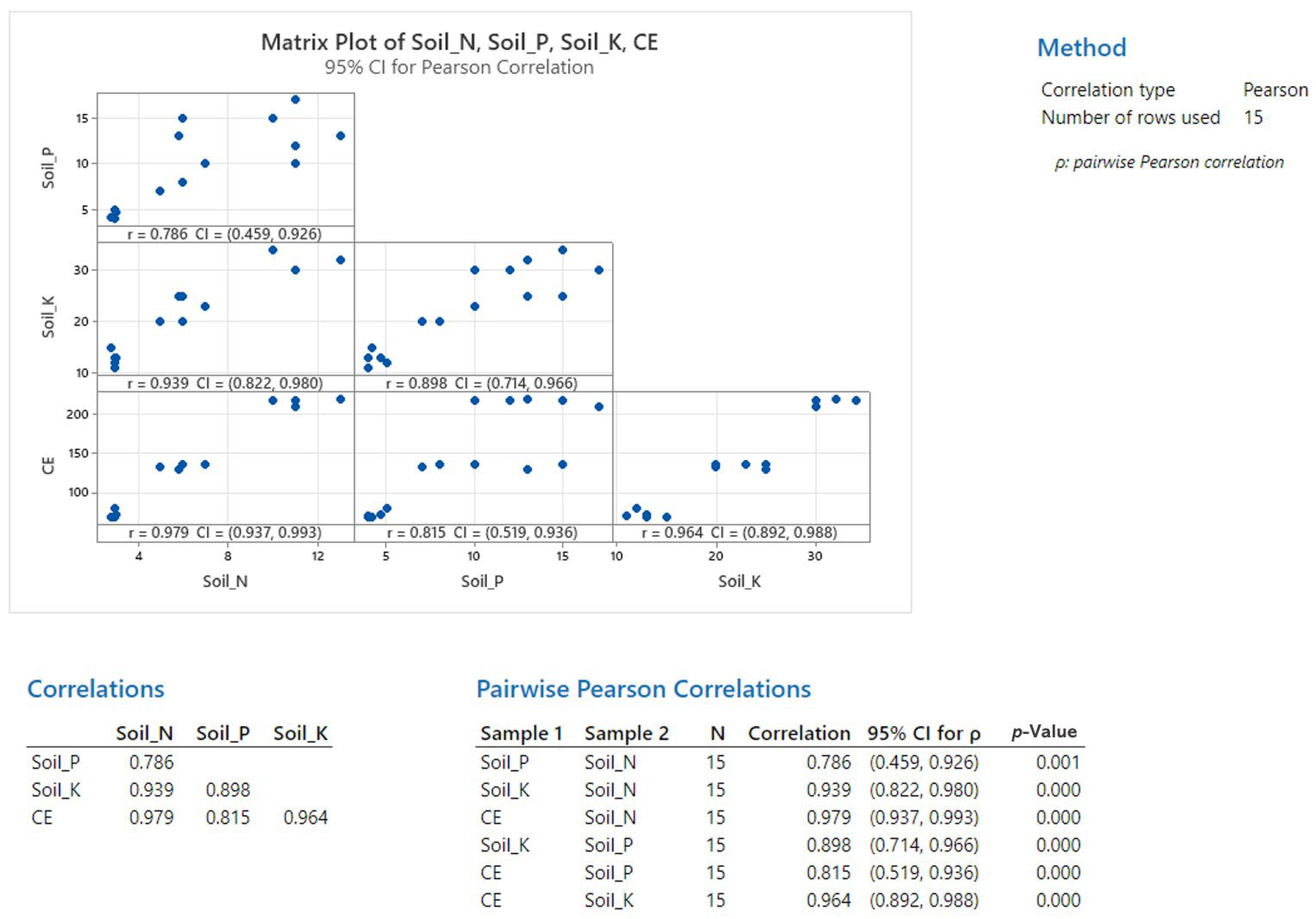
Figure 3 shows that the soil macronutrients (N: nitrogen, P: phosphorus and K: potassium) are contrasted with respect to the effect of dynamics in each treatment. T2 showed a worse performance. This correlation graphic can be seen in
Figure A5 in
Appendix C.
Conductivity was higher in the scenario where the pH was close to neutral, wherein low values were assumed in the extreme pH scenarios (high or low) and had an impact on germination: the highest percentage of germination was in soils with pH close to neutral. This confirms the impact of pH on seedling germination. The element most present was potassium, and that with the lowest proportion was nitrogen; the acidic soil scenario presented the lowest levels in all the variables analysed. The conductivity was proportional to the concentration of macronutrients in each environment studied.
The reduction rates for the chemical scenario analysis with respect to the control are shown in
Table 4 and were determined by applying the Relative Inhibition Index (Equation (4)) to the macronutrient response variables.
The impact in the acidic environment was greater compared to the alkaline one.
3.2. Physiological Variables’ Analysis as a Function of pH Activity
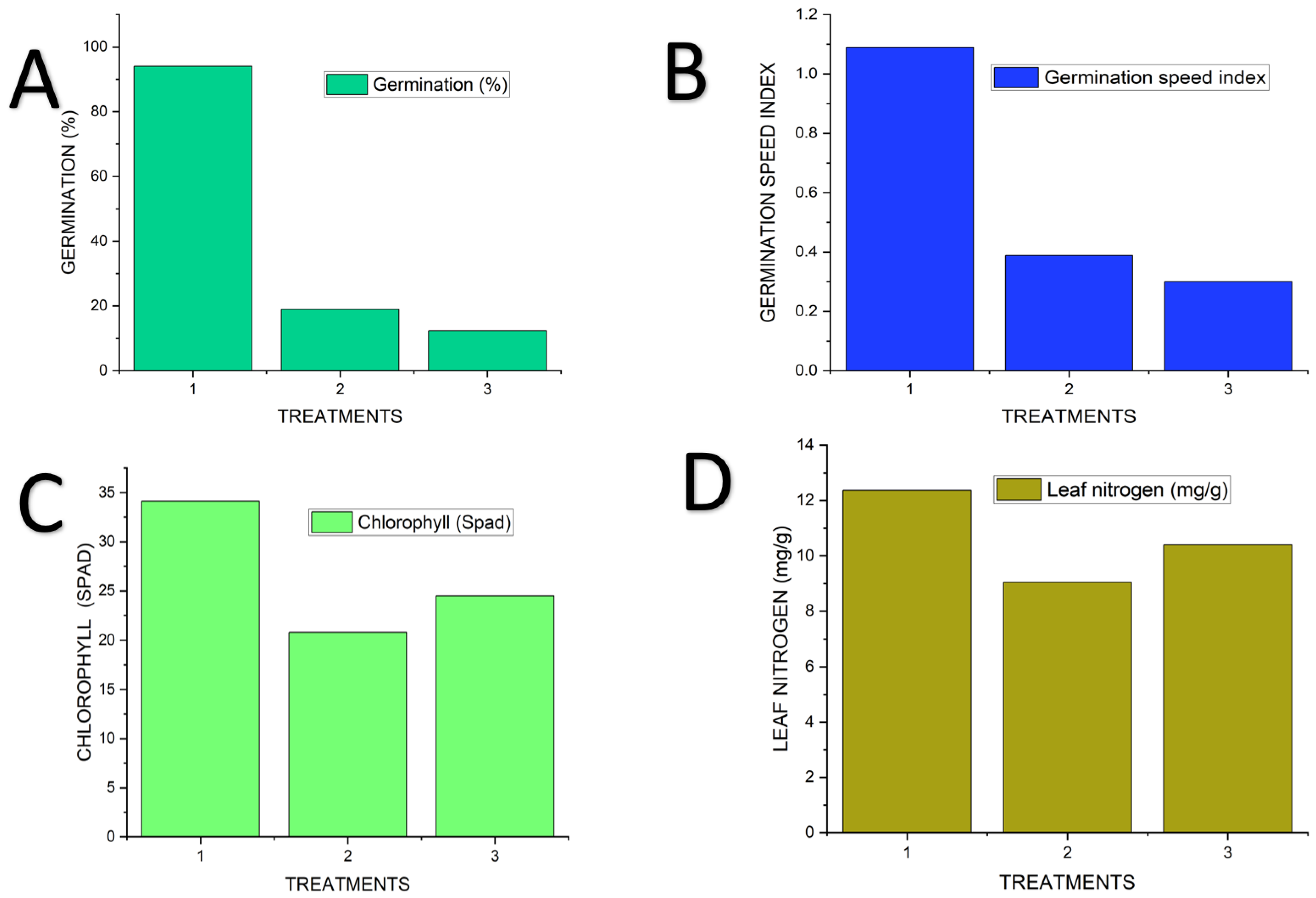
The germination speed index (GSI), the germination rate, chlorophyll, and leaf nitrogen were compared with respect to the dynamics in each treatment, as shown in
Table 5. Chlorophyll and leaf nitrogen levels were high in the neutral environment.
Figure 4 shows how the seedlings respond to each pH scenario.
The highest percentage of seeds that germinated had neutral pH values, whilst the extreme pH values reached percentages lower than 60%. The germination speed index, which quantifies the speed with which the seeds germinate in each group, obtained better results in the same pH values close to neutral, represented better vigour, and performed better in the scenario where the pH was close to neutral, although a number of seedlings in the acidic medium showed a high index.
3.3. Biomass and Water Consumption as a Function of pH Activity
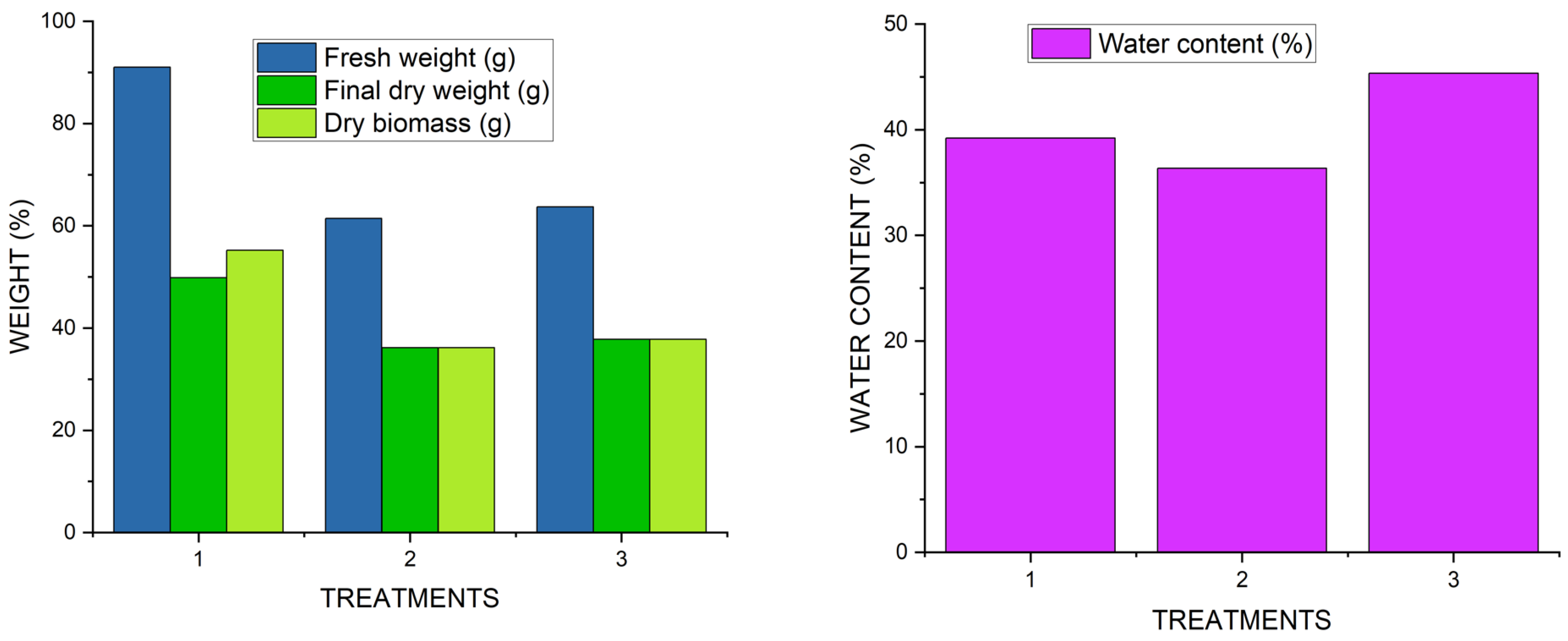
The biomass yield and the water consumption were analysed through the fresh and final dry weight of the seedlings, water content, and dry biomass of each seedling exposed to each treatment, as indicated in
Table 6.
Figure 5 shows the performance of the aforementioned attributes. Treatment T1 presented a higher final dry weight in contrast to T2 and T3. The water content was higher than the dry matter in T3, which highlights the relationship between these variables in terms of biomass yield as a function of soil pH.
3.4. Mapping of Variables as a Function of pH Activity
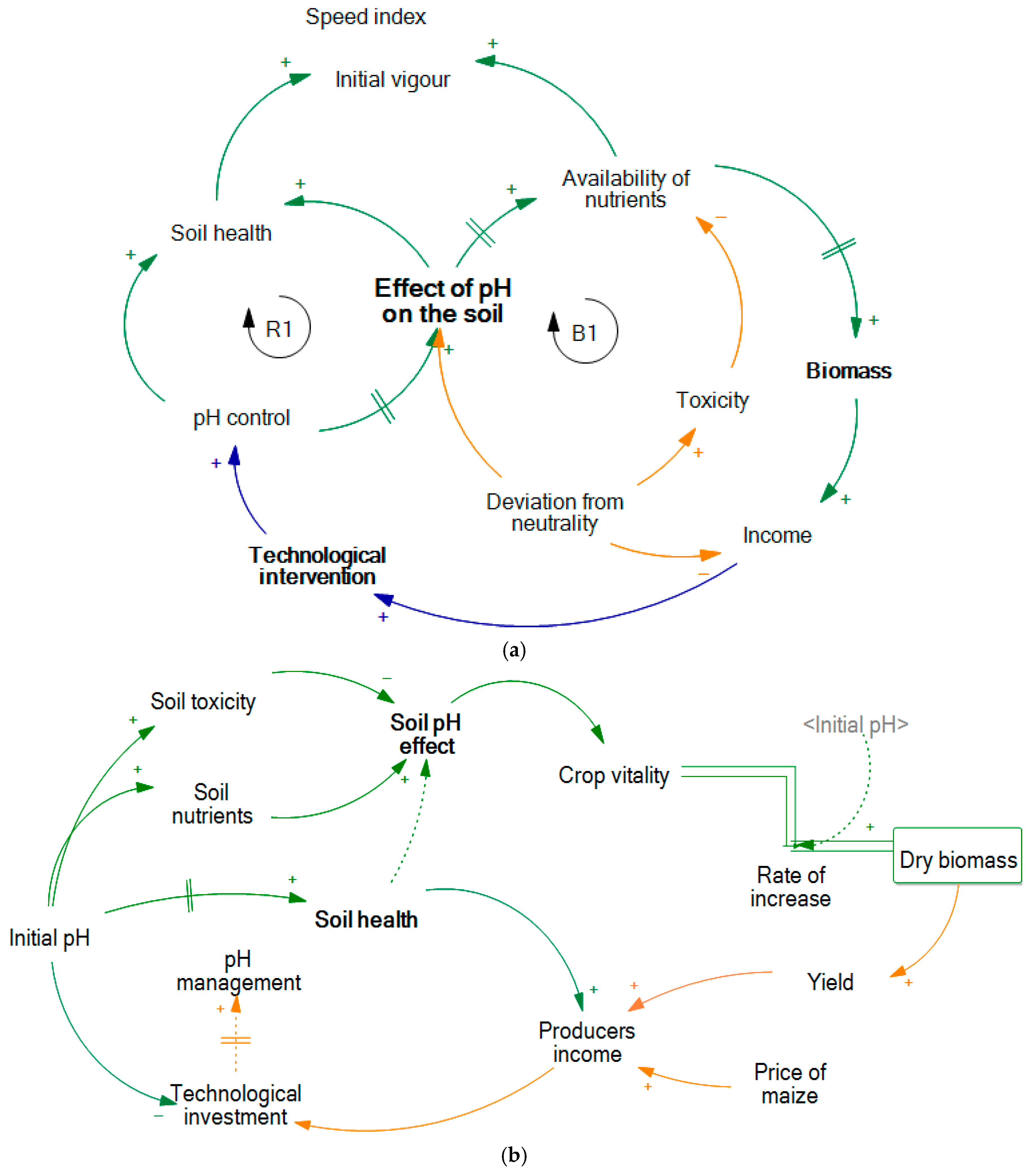
The variables are interlinked through a causal map and a dynamic model in order to recognise their effect as a system and to analyse their impact on crops by integrating variables such as farmer income and technological investment for the management of soil pH dynamics, as shown in
Figure 6.
The 48-month horizon is intended solely to illustrate the theoretical behaviour of the system and serves as an indicative simulation framework rather than a deterministic projection.
This framework shows that soil-related factors (acidity and toxicity) limit crop vigour, and, consequently, it is not just a biological phenomenon but a control system in which biomass acts as the driving force behind soil health. The most critical factor is the balance loop (B1), where, if the deviation from neutrality is not corrected, toxicity and low nutrient availability negate any efforts to invest in technology. This model quantifies growth dynamics under various stress scenarios resulting from soil pH management, which affects the availability of the soil nutrients necessary for the correct development and establishment of crops.
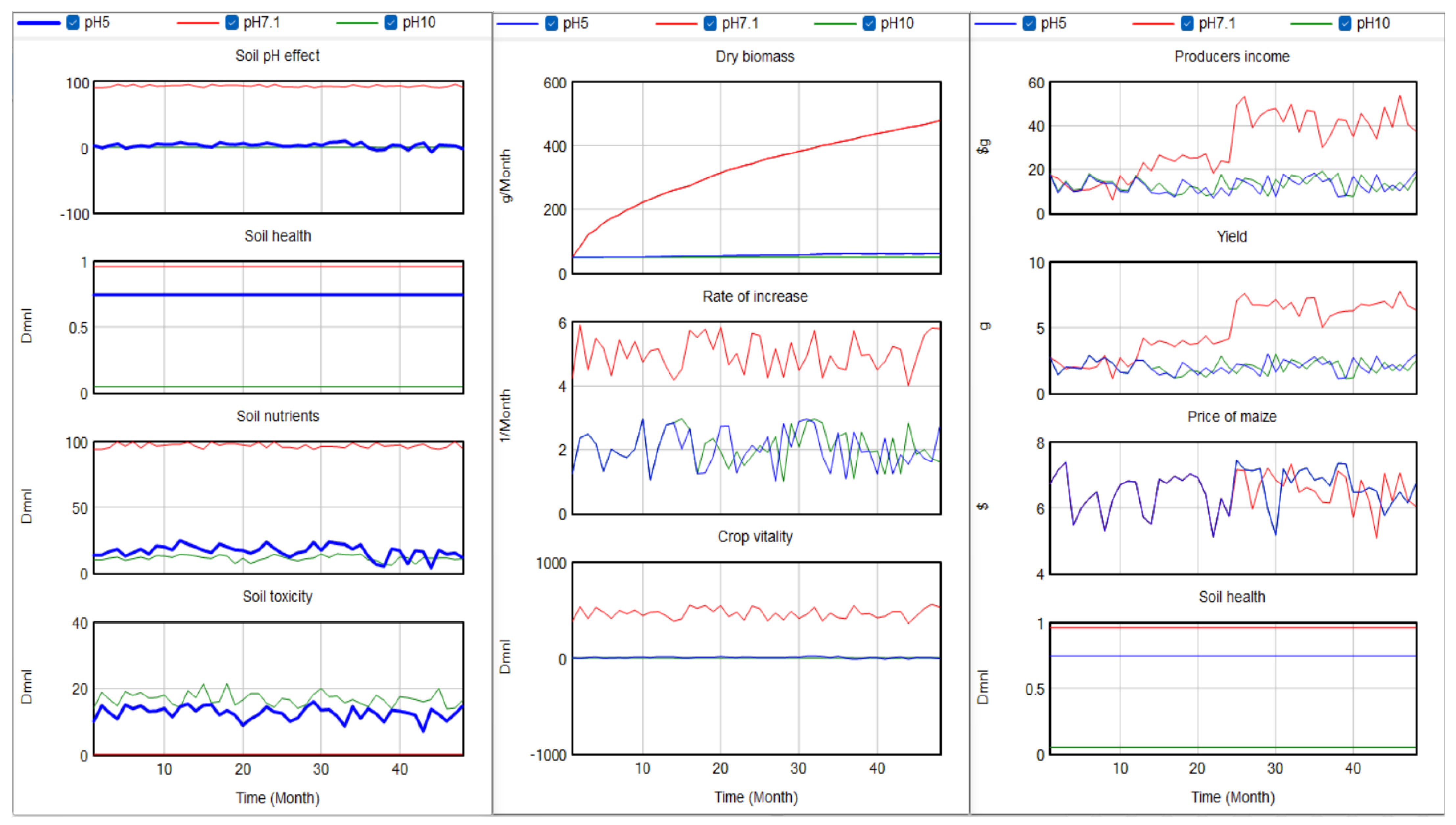
According to the experiments carried out, an acidic environment reduces nutrient availability, which affects germination by 80%, whilst an alkaline environment reduces it by up to 87%. Consequently, not only does this have an impact on crop yields and food availability for the population and on production costs, it also prevents farmers from obtaining a surplus from their crops to sell and generate income. This reduces the rate of investment in technology for dynamic soil pH management and hence creates a vicious circle.
Figure 7 shows the results for the acidic, alkaline, and neutral scenarios, whereby the graphs allow us to assess how dry biomass and producers’ income are affected by deviations from soil neutrality.
Soil toxicity, soil nutrients and crop vigour are represented by a dimensionless index (Dmnl), whose values close to zero indicate the greatest inhibition of nutrient uptake (in the first case), whilst values close to 100 or higher indicate good performance in the other cases.
All the processes involved in the system require time for the intrinsic effect to be achieved. Thus, the availability of nutrients in the soil to reach an adequate fertility level requires a natural time interval for each cycle of the element, be it P, N, or K, just as soil fertility for crop yield must wait for the crop to grow, develop, and mature. The yield of the production on the possible income that could be attained, an investment in technology, also implies a period of time to observe the behaviour of the pH in the soil and evaluate how effective the practice has been, and the establishment of the pH level also takes time in accordance with the electrical conductivity so that the soil nutrients can become available and the seeds can germinate in a healthy way and establish themselves as crops.
4. Discussion
4.1. Interpretation of the Results
The results obtained in this research indicate that soil pH exerts an impact on the initial development of maize seedlings as soon as germination occurs, and the root system is then established. The disparity in growth and development in the different treatments coincides with the direction of previous work, where it is stated that the germination process is very sensitive to soil conditions and a neutral pH is a guarantee of a higher availability of macronutrients (N-P-K) [
49].
Conductivity acts as a measure of the concentration of total soluble ions rather than the specific availability of nutrients to the plant [
50,
51]: a decline in conductivity indicates ionic stress, which could block essential nutrients such as nitrogen, thereby reducing plant vigour and chlorophyll synthesis. It is consistent that the chlorophyll level of the control plants remained higher since nitrogen is its essential molecule, and in this treatment the nutrients were more available for the plants to absorb. It is also stated in [
52] that chlorophyll is sensitive to pH levels.
The germination speed index was lower in the extreme cases, which indicated a condition of stress or low quality due to slowness or irregularity. In contrast, the opposite was the case when the pH was close to neutral, where the seeds germinated faster and more uniformly and showed better physiological vigour. Rapid germination is a key component of seed vigour, since it is often correlated with faster field emergence [
53] in the same way as it is with the freshness, dry weight, and dry biomass the opposite of the water content. The near-neutral treatment presented a reduced water content relative to the acidic and alkaline pH treatments. The water use may have been efficient in that it produced more dry matter with less water. There are more ‘solids’ per unit fresh weight, and hence the relative water content is low.
It was also demonstrated that in scenarios where the pH was more neutral, the water content was lower than that of the dry biomass, which suggests a good yield. In acidic conditions, the water content was equal to the dry biomass, but in the more critical alkaline environment, the water content was higher than the dry biomass. The stability observed in water content and final dry weight suggests notable resilience in homeo-static regulation and in the maintenance of the seedling’s water status rather than an altered efficiency in the metabolic conversion of water into structural components.
In synthesis, the alkaline soil is strongly associated with the high levels of soil pH and leaf temperature, in which germination was reduced by 87%. Acidic soil, on the other hand, represents the scenario of extremely low yield and growth. It is the opposite of the vigour condition. Furthermore, acidic soil is associated with a low pH and high water content (in contrast with final dry weight), which could reflect plants retaining more water due to their stunted growth: in this scenario germination was reduced by 80%. Lastly, neutral soil is strongly associated with high yield, vigorous growth, and high levels of nutrients (N, P, K).
At extreme pH levels, nutrient levels decreased, as shown in
Table 4, and created a hostile soil environment susceptible to toxicity; therefore, soil health deteriorated. For example, soil acidity exerts a direct effect on the increase in concentrations of toxic cations, such as Al
3± and Mn
2± [
26]. These quantitative penalties operate as functions of the initial decline in vegetative vigour within the architecture of the system dynamics model. The implications of pH-induced ionic stress are discussed exclusively from the perspective of the biological performance and photosynthetic potential of seedlings during their early establishment phase.
A well-managed soil pH is maintained at a near-neutral level suitable for cultivation and allows a good level of electrical conductivity to ensure the availability of soluble salts at a moderate range by making nutrients such as nitrogen, potassium, and phosphorus available and rendering the soil fertile for seedling establishment and development. This positively influences the yield of the crop in such a way that food can be available to supply families, with the option for the farmer to sell the surplus and obtain income to invest again in the agricultural production process, thereby leading to a viable circle of the system.
4.2. Comparative Analysis with Previous Studies
Treatments with acidic and alkaline pH levels had a negative effect, which may be linked to the immobilisation of soil nutrients that are essential for metabolic processes during the germination and the early growth of seedlings [
54], and led to a reduction in germination of 80% to 87%. This finding is also related to electrical conductivity (EC), which in extreme cases was low, ranging from 70 to 130 μS/cm, and resulted in the reduced availability of salt due to the existence of fewer soluble ions, which in turn blocked nutrients. According to [
55], high conductivity promotes seed germination due to water availability. Similarly, Carmo’s findings suggest that there is higher productivity when plants are grown at an EC above 2.5 mS cm
−1: a level that typically has adverse effects on most cultivated vegetables. This leads Carmo to conclude that it is important to continue this line of research [
56].
Soil pH affects crops in several critical growth parameters, such as nutrient absorption and root architecture [
39,
57]. Levels of pH that are too high or too low cause the loss of microorganisms and ultimately decreases soil health. Furthermore, pH affects the solubility and effectiveness of certain toxic chemicals (such as aluminium), and plants absorb Al
±3 and Mn
±2 [
58]. Excessively acidic or alkaline soils are not only inadequate for the growth of most plants but also detrimental to the health of animals. A suitable soil pH is crucial, and its level is generally not fixed but varies over time and with external disturbances. Soil pH is a major factor influencing soil quality [
59,
60].
Soil acidification (low pH < 6.8) is associated both with decreased microbial abundance and diversity and with increased N
2O emissions, and soil pH is considered a crucial factor determining the effect of fertiliser [
17,
61,
62]. Acidic soils obstruct maize production: they cause yield losses of up to 79% [
12,
63]. However, in [
64] it is stated that species such as rice, maize, and cowpea are tolerant to soil acidity, while wheat and common beans show intolerance to soil acidity. Alkaline soil affects more than 1.1 thousand million hectares in more than one hundred (100) countries [
65]. Since plant growth in alkaline or calcareous soils is inhibited by the low availability of Fe, Zn, Mn and B, indirect adverse effects associated with P, Fe and Zn deficiencies and/or NH
3 and HCO
3 toxicities can induce damage to seedling growth and development [
54,
66].
4.3. Scaling Horizons and Scope of the Model
As regards the time lag between the 20-day laboratory trial and the 48-month system dynamics horizon, it should be clarified that the simulation does not mathematically extrapolate the phenology of seedlings in the early stages to predict yields of mature crops. Instead, empirical constants calibrate the baseline vulnerability parameters within the soil pH disturbance by modelling how initial chemical degradation affects accumulated biomass across successive production cycles. This structural scope is common in vulnerability modelling for low-input agricultural systems, where constraints on initial vigour act as permanent bottlenecks to long-term economic resilience. According to [
67,
68,
69], it is essential to mathematically isolate the parameters governing the early establishment of the crop, since this initial stage determines the multi-year boundary conditions and system thresholds under scenarios of structural stress.
The baseline scenario was calibrated using pH values representative of the area (acidic: 5.7 to 6.0), where native varieties yield between 2.78 and 4.92 tonnes per hectare under seasonal conditions. Although the inclusion of variables regarding climate and pests remains vital, in this model they operate implicitly as exogenous variables and stochastic modifiers within the Vensim® PLE Version 9.3.5 × 64 flow equations, rather than as independent visual components. This allows the pure biophysical penalty of pH to be isolated whilst incorporating historical environmental variability to maintain realistic production boundaries.
Thermal sterilisation (180 °C for 24 h) was a necessary step to achieve biophysical decoupling by eliminating background microbial activity to isolate the pure chemical impact of pH on seedling vigour without biological interference. Conversely, discussions of ‘soil health’ and ‘microbial communities’ do not describe the sterile laboratory matrix but rather parameterise theoretical constraints and long-term feedback loops within the simulation architecture. In the dynamic model, deviations from neutrality generate cumulative non-linearities and capture how persistent acidification or alkalisation restricts the recovery of regional soil biology, thereby adversely affecting its health.
4.4. Contributions and Future Work
This study highlights the direct relationship between laboratory observations and dynamic computer simulation. Real-world data on seedling growth and health were employed to feed the model. Therefore,
Figure 6 and
Figure 7 form part of a preliminary modelling framework that incorporates experimental data to ascertain how soil pH affects food production and enables the analysis of what would occur in the field under various scenarios of acidity or alkalinity.
It is important to continue along this line of work: future research should move from controlled laboratory tests to longitudinal field experiments, which would enable the incorporation of dynamic soil moisture, temperature fluctuations, microbial activity, and other variables of interest into the Vensim® PLE Version 9.3.5 × 64 model architecture.
Lastly, the integration of this biophysical growth sector with an economic sector at the plot level, within the framework of system dynamics, would enable the simulation both of risks to agricultural income and of indicators of food sovereignty under climate change scenarios. This would provide validated non-linear simulation tools for regional decision-making.
5. Conclusions
This study combines laboratory tests with system dynamics models in order to quantify the non-linear effects of deviations from neutral soil pH on the early development of native maize as independent yet interconnected variables. The elimination of the analysis generated by fertilisation gradients provides a necessary theoretical framework for the simulation of scenarios in rain-fed and low-input agricultural systems, where the use of fertilisers is limited by regional socio-economic constraints.
The empirical results demonstrate that extreme pH levels (acidic and alkaline) cause the immobilisation of key macronutrients, thereby reducing the initial biomass allocation of seedlings and chlorophyll synthesis due to localised chemical precipitation. By incorporating these physiological constraints into the Vensim® PLE Version 9.3.5 × 64 software architecture as dimensionless inhibition multipliers, the developed model establishes a robust and relevant computational framework for the simulation of vegetative vigour under ionic stress. Ultimately, this systems-based approach serves as a reliable decision-support tool for the diagnosis of interactions that may affect soil pH, which may prove useful in designing initial crop management strategies in specific production environments.
In regions such as the State of Mexico, where the soil is predominantly acidic, a decline in soil health is inevitable. This not only reduces the availability of the nutrients required by crops, which explains the low yields, but also affects the nutritional quality and resilience of crops in the face of increasingly extreme weather conditions.
In the context of this systemic study, vigour and yield are not treated as qualitative descriptors but as quantifiable emergent properties of the interaction between soil pH and seedling development. Vigour depends on the initial physiological response reflected in the growth rate, which is constrained by the action of pH when it deviates from neutrality. For its part, marketing is formally defined through the model’s financial block; dry biomass regulates the income flows that determine yield and the opportunity to sell the surplus. This represents the commercial viability of the system, the contraction of which directly restricts the producer’s investment capacity.



 ,
,