A Pilot Field Evaluation of Organic Surface Contamination in Pig Farrowing Units Using Rapid Hygiene Monitoring Methods

Abstract
1. Introduction
2. Materials and Methods
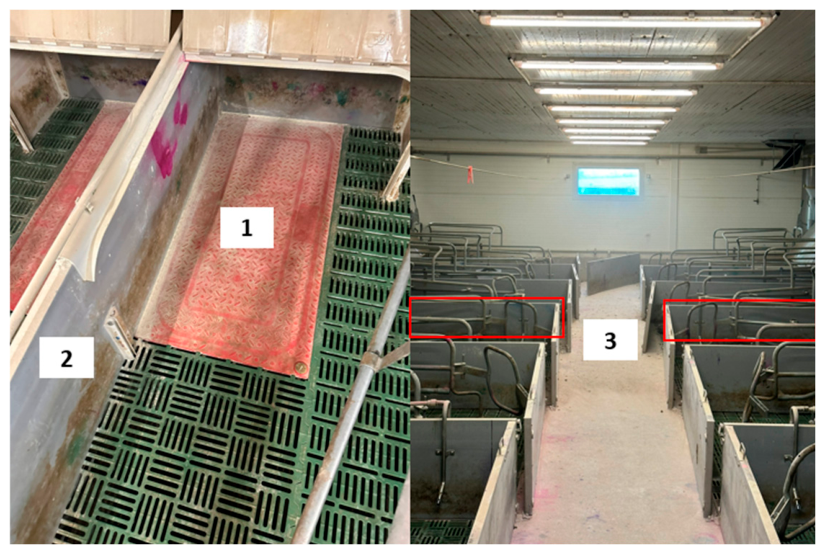
2.1. Sampling Conditions and Measurement Procedure
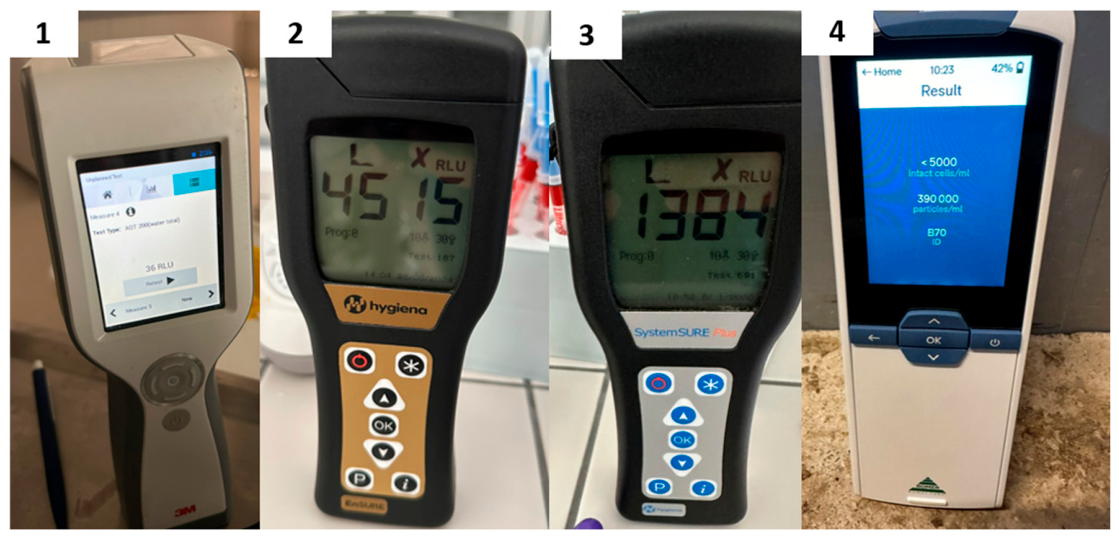
2.2. Methods and Luminometry Conditions
2.3. Methods and Conditions of Mobile Flow Cytometry
2.4. Methods and Conditions of Microbiological Cultivation
2.5. Statistical Analysis
3. Results
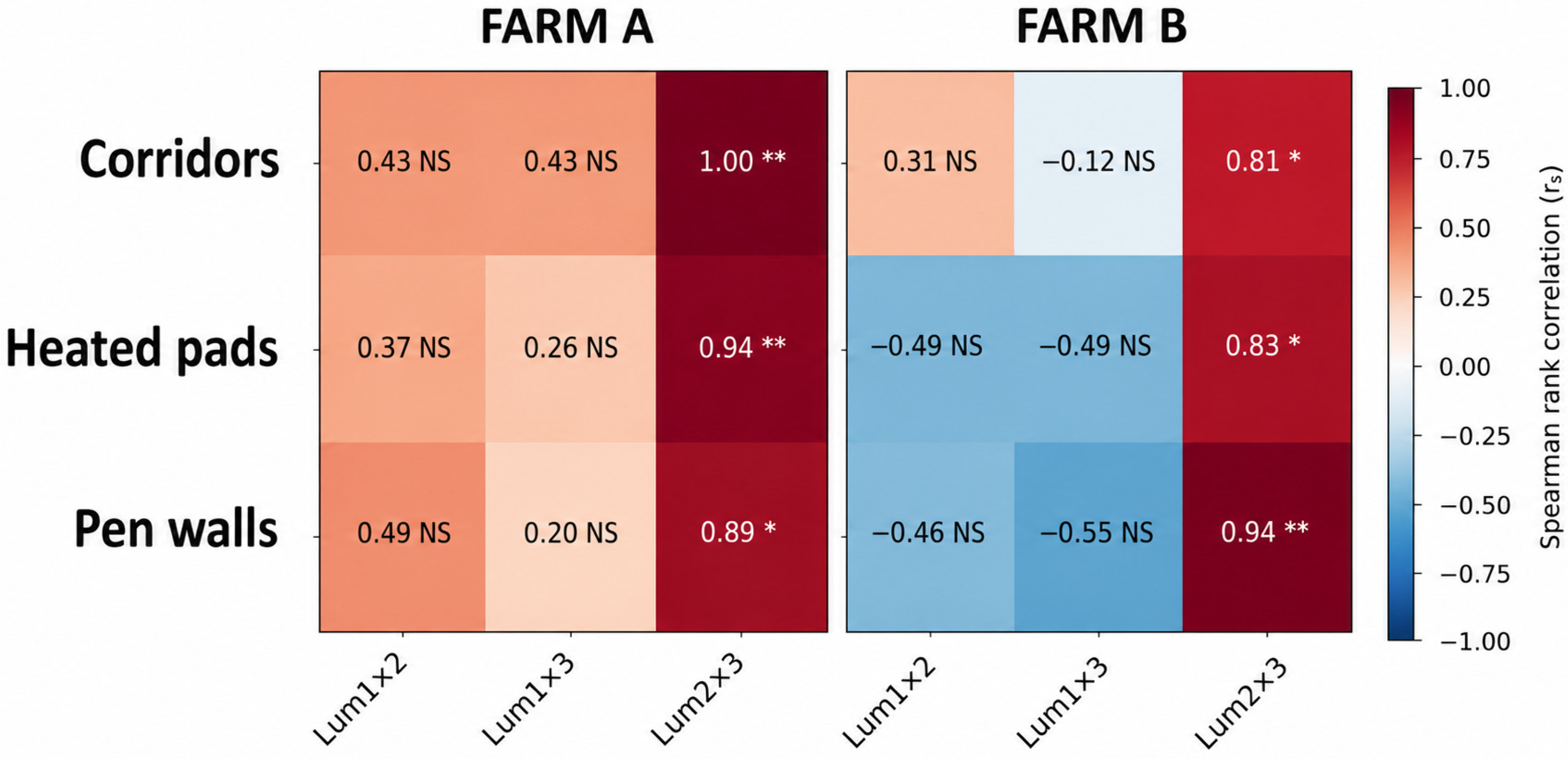
3.1. Rapid Hygiene Monitoring Methods and Their Comparison
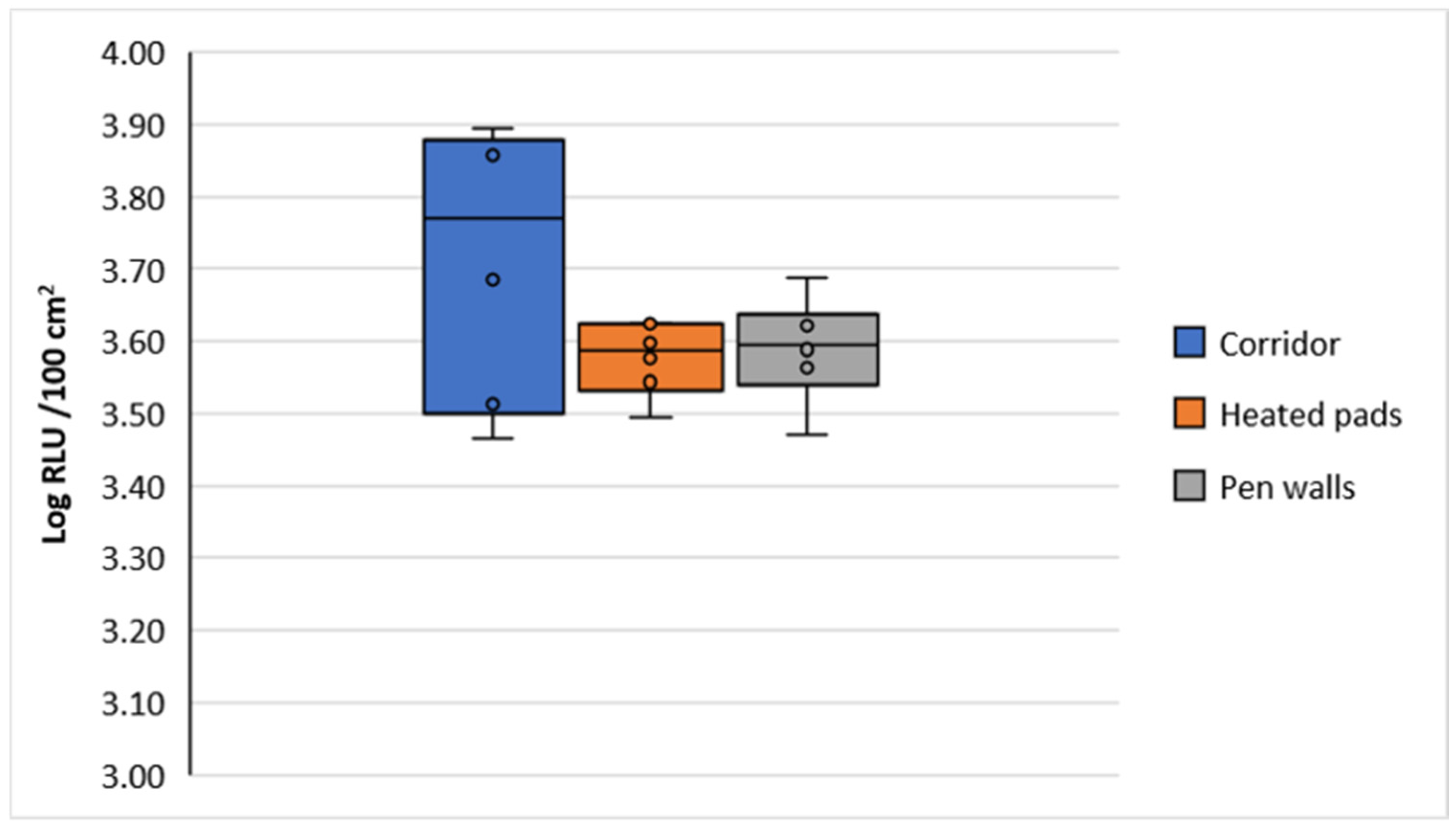
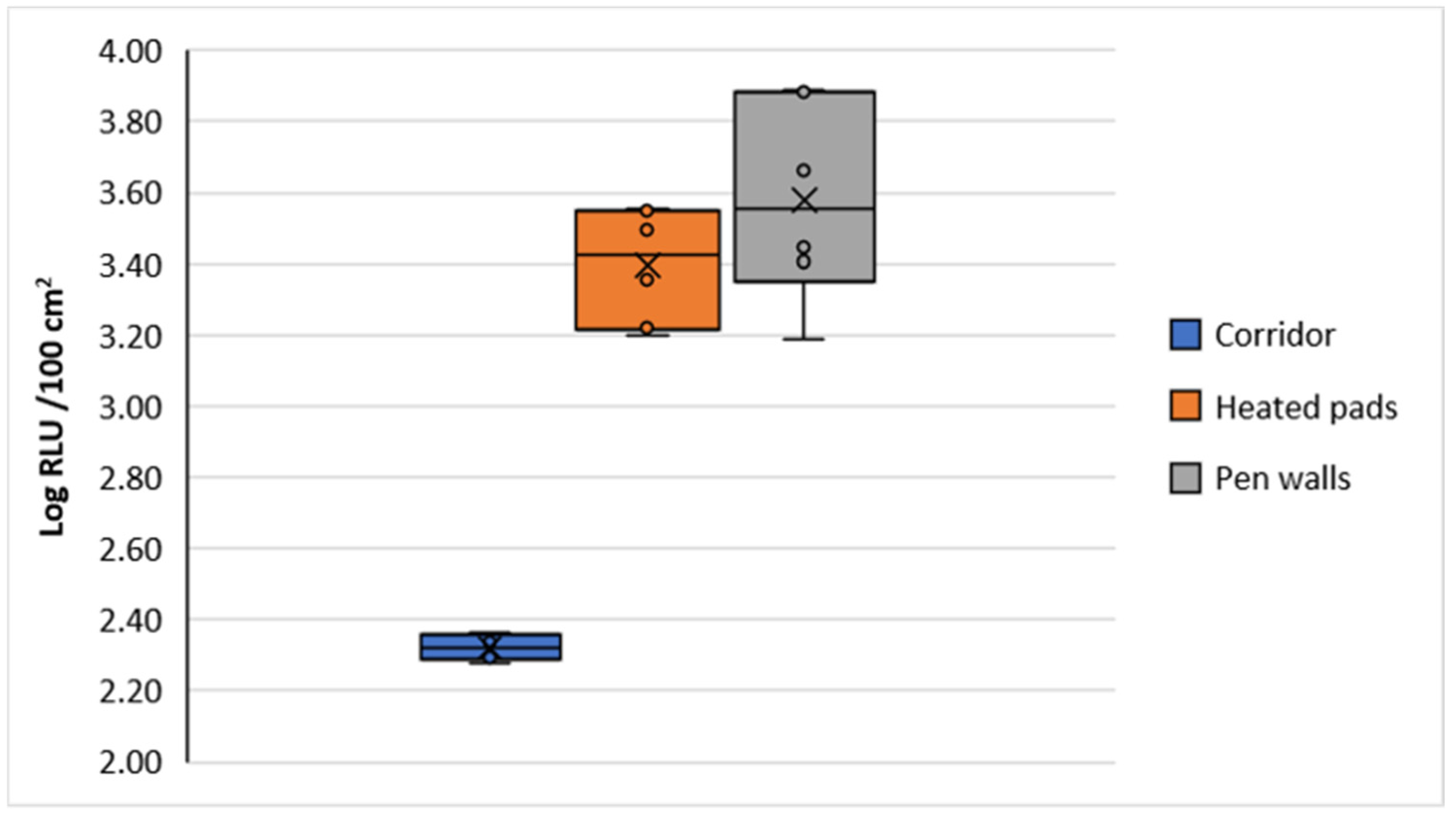
3.2. Organic Surface Contamination Prior to Sanitation Measured by Luminometry
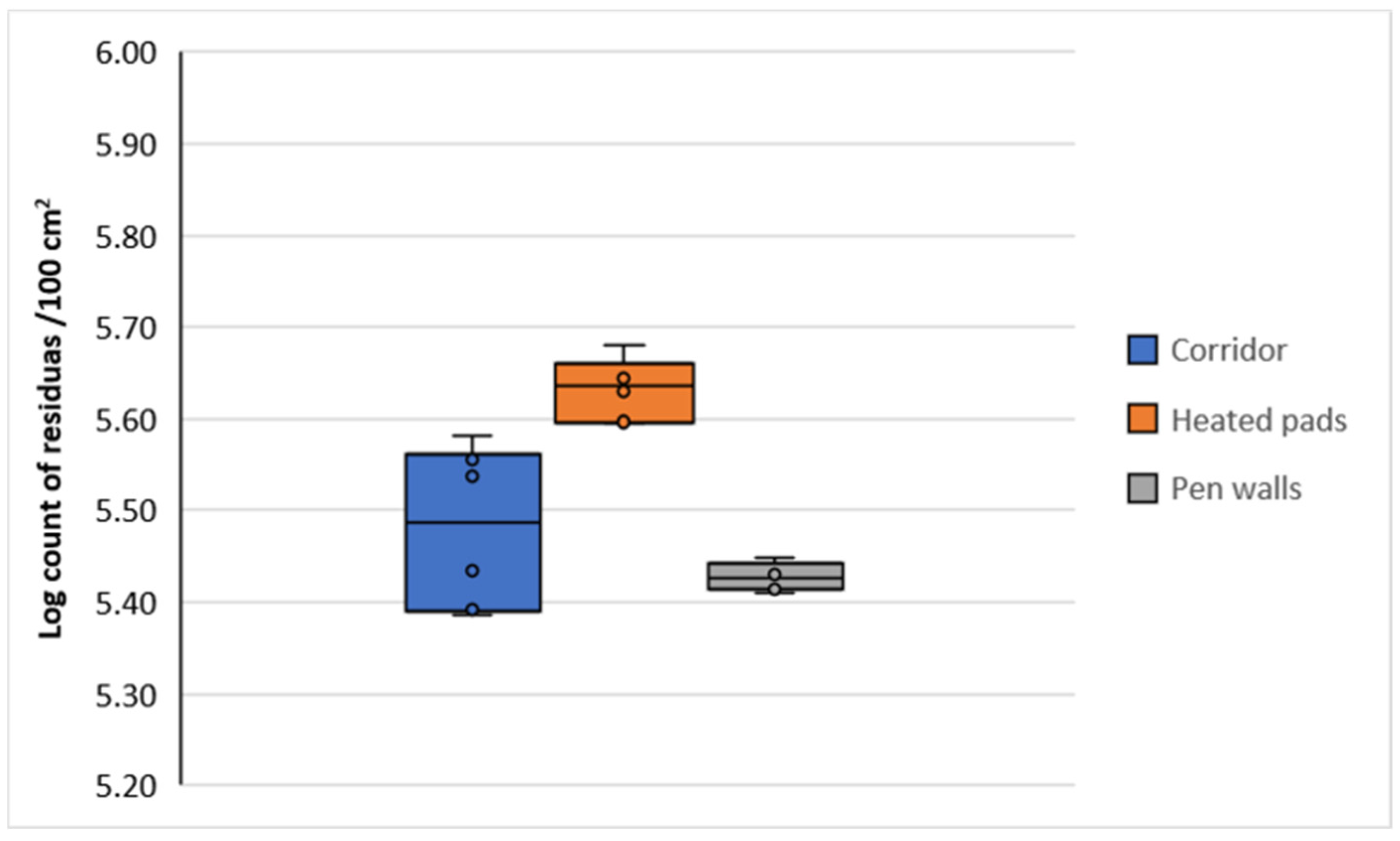
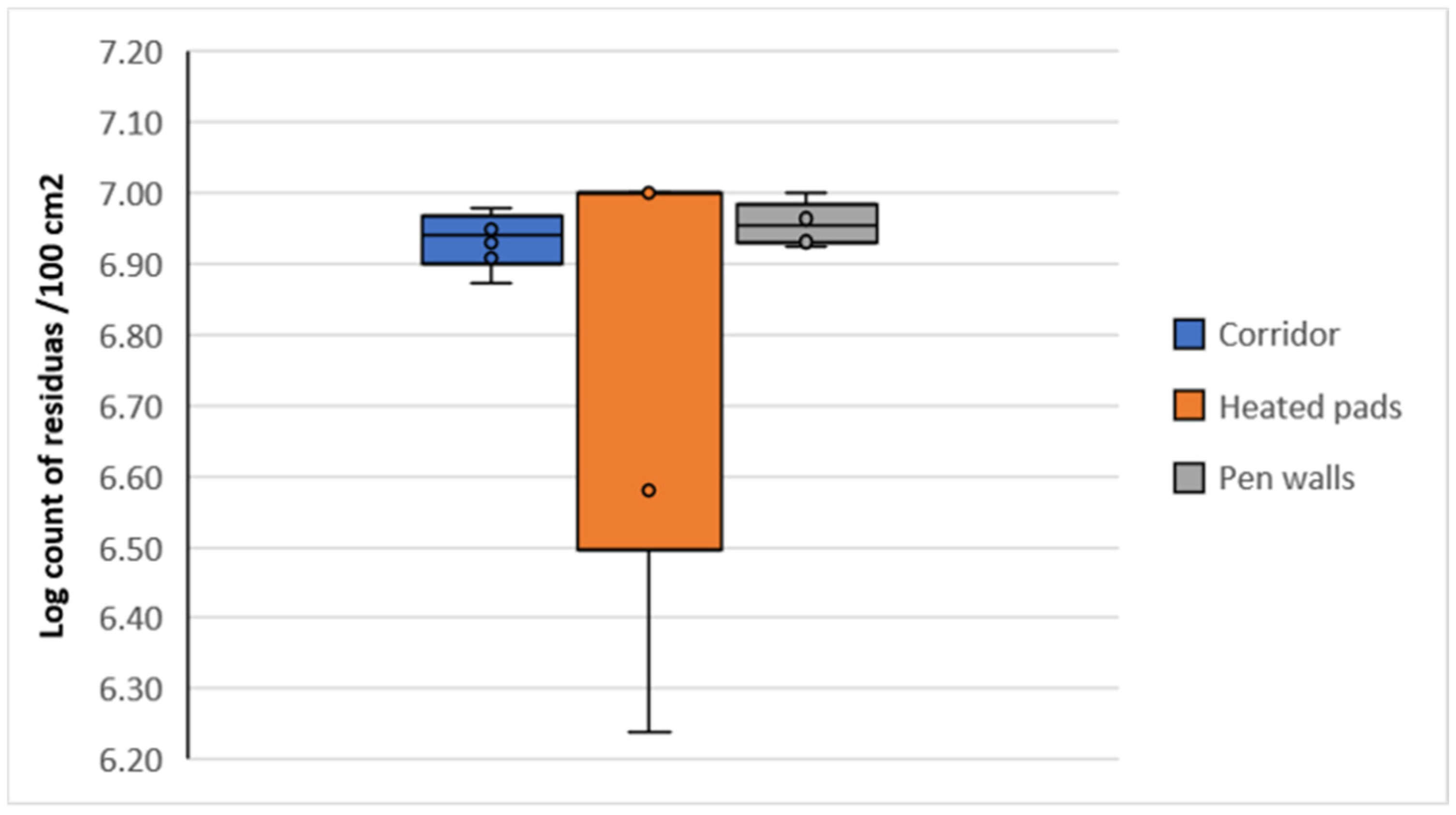
3.3. Organic Surface Contamination Prior to Sanitation Measured by Mobile Flow Cytometry
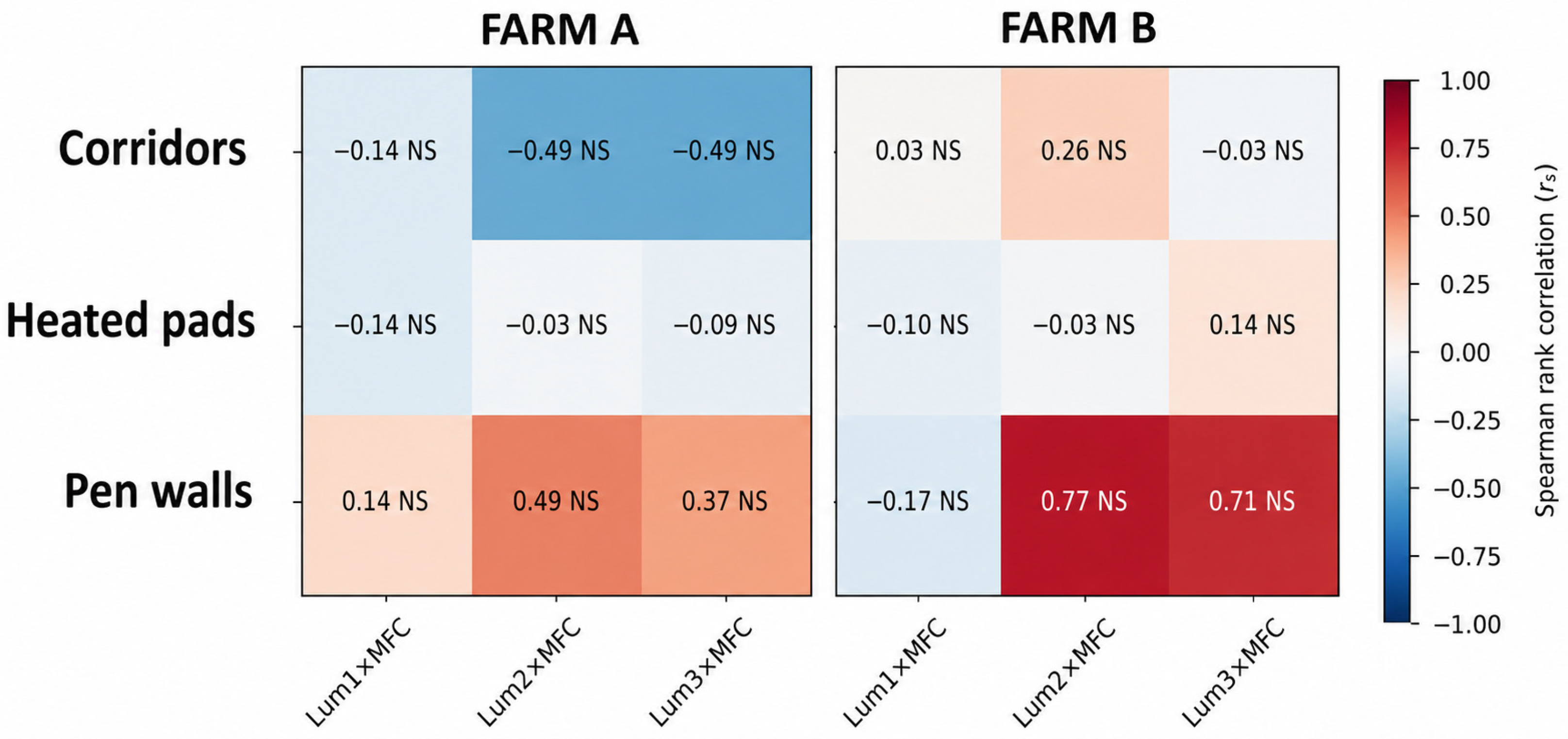
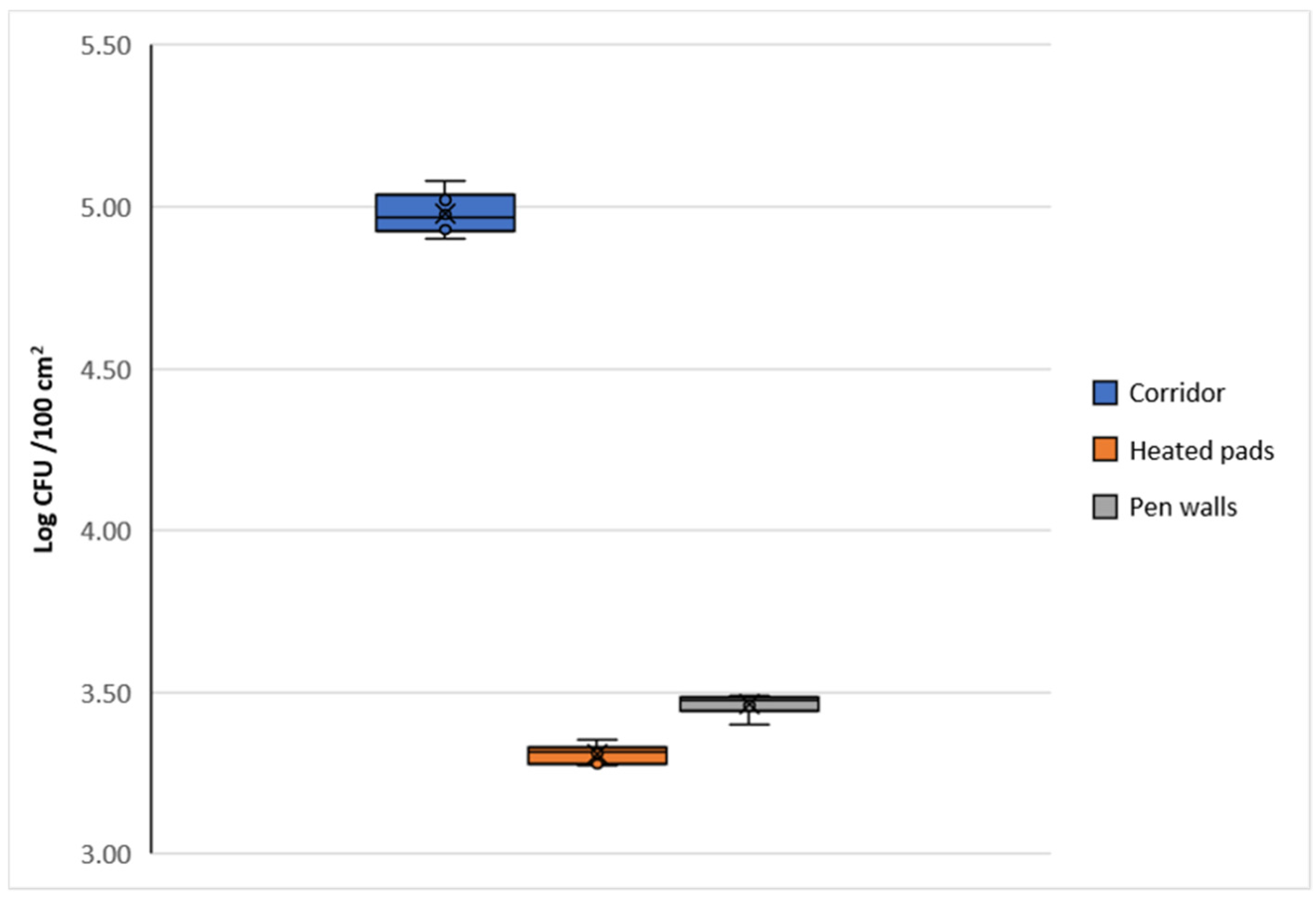
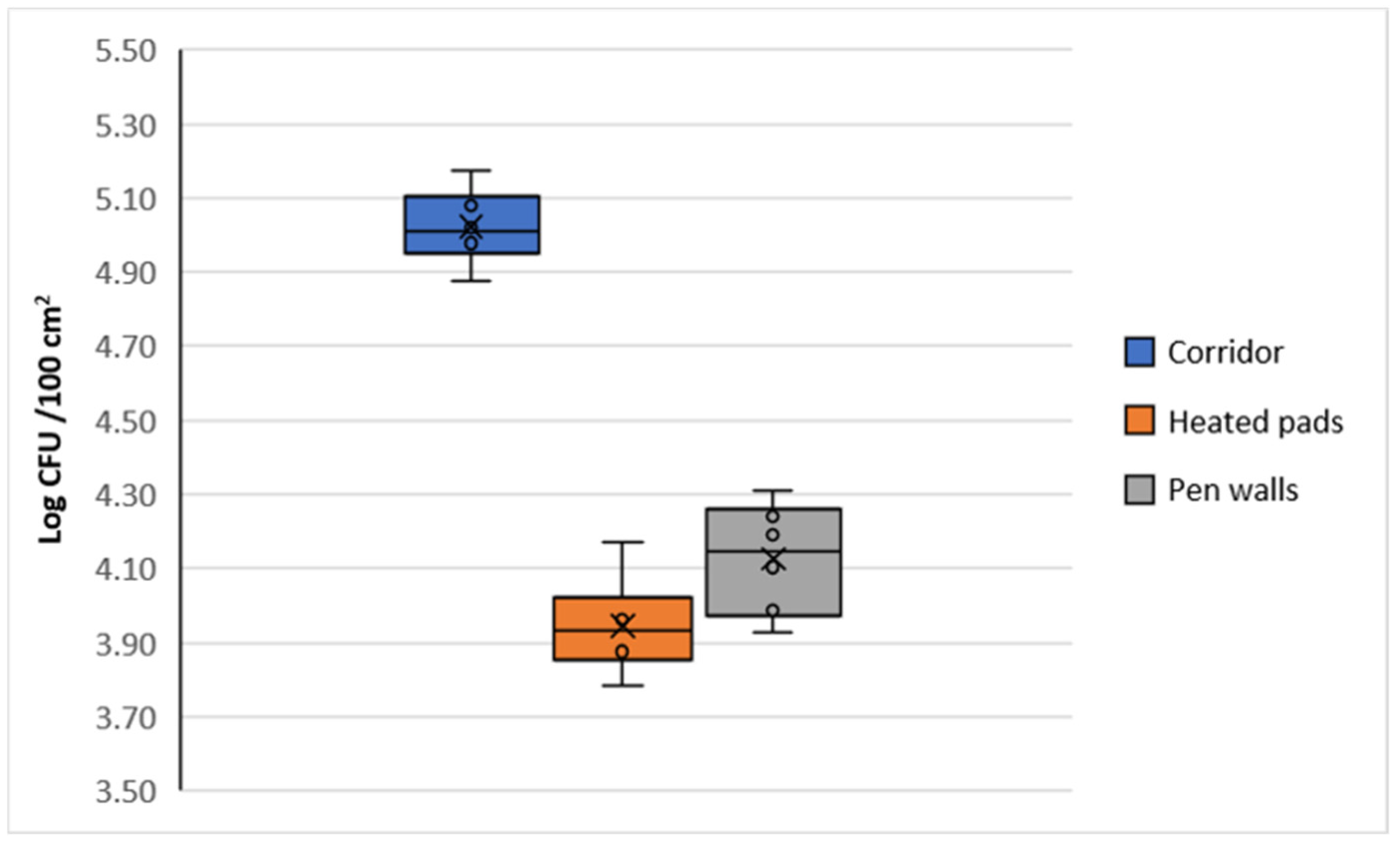
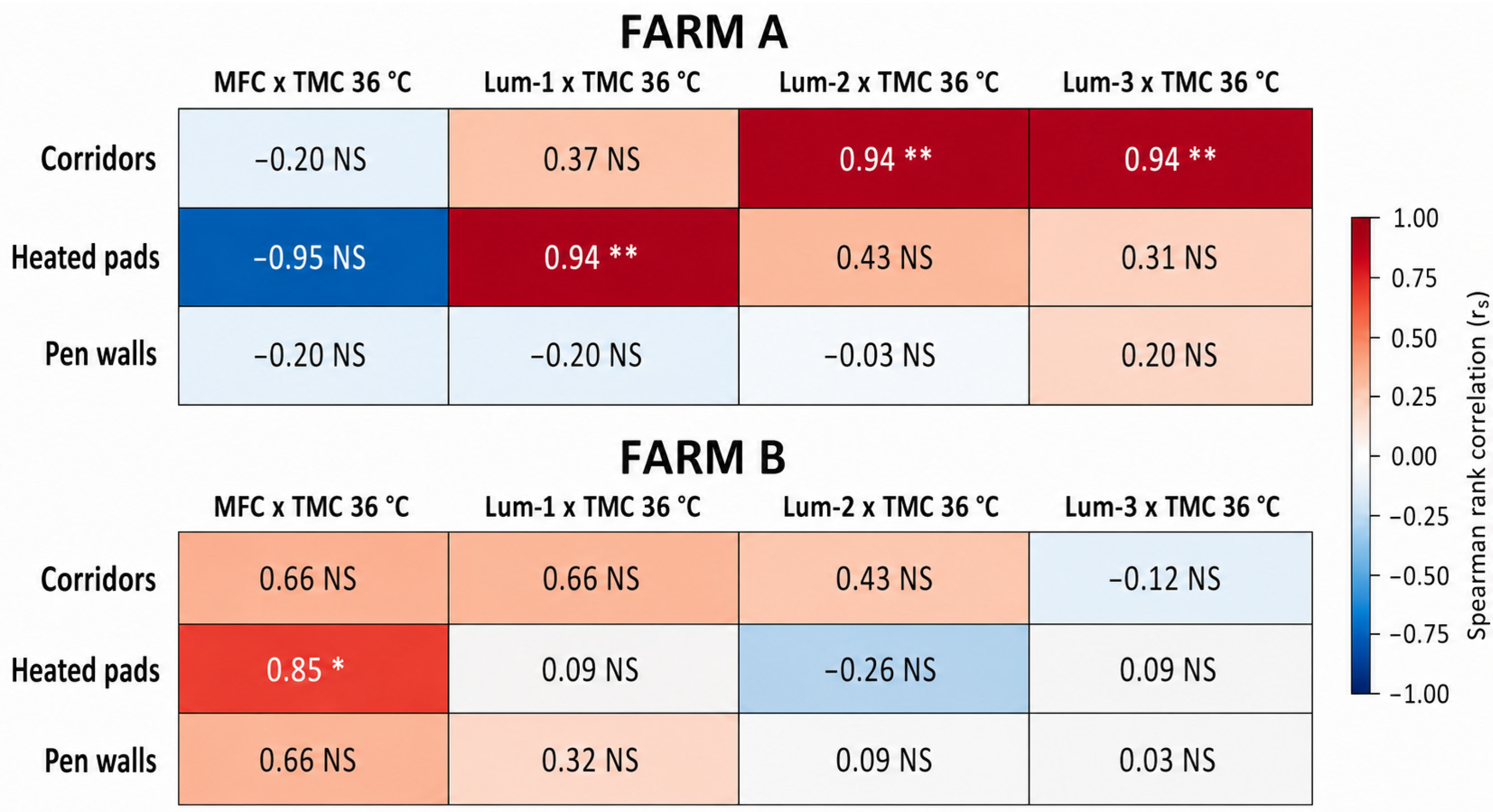
3.4. Rate of Microbial Contamination and Comparison with Rapid Detection Methods
4. Discussion
- Assess the agreement between different ATP luminometers used for environmental hygiene monitoring;
- Compare ATP-based luminometry with mobile flow cytometry in the assessment of surface contamination;
- Evaluate relationships between rapid detection methods and microbiological cultivation (TMC 36 °C);
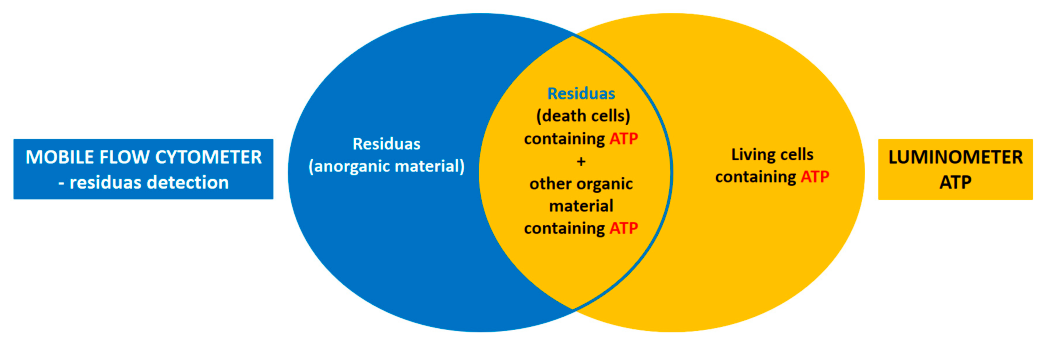
- Evaluate whether these rapid detection methods provide overlapping or complementary information on environmental contamination;
- Determine the applicability of these methods for identifying potentially critical contamination sites prior to sanitation procedures in commercial pig farms.
4.1. Potential of Rapid Hygiene Monitoring Methods for On-Farm Use and Their Relationship to Microbiological Cultivation
4.2. Type of Luminometer as a Factor Influencing Measurements of Organic Contamination
4.3. Organic Contamination Level on Farms and Identification of Critical Points Prior to Sanitation
4.4. Study Limitations, Contribution, and Future Research
5. Conclusions
Supplementary Materials
Author Contributions
Funding
Institutional Review Board Statement
Data Availability Statement
Acknowledgments
Conflicts of Interest
References
- Heinemann, C.; Meyer, I.; Bögel, F.T.; Schmid, S.M.; Hayer, J.J.; Steinhoff-Wagner, J. Individual Training for Farmers Based on Results from Protein and ATP Rapid Tests and Microbiological Conventional Cultural Methods Improves Hygiene in Pig Fattening Pens. J. Anim. Sci. 2020, 98, skz389. [Google Scholar] [CrossRef]
- Yi, S.-W.; Cho, A.; Kim, E.; Oh, S.-I.; Roh, J.H.; Jung, Y.-H.; Choe, C.; Yoo, J.G.; Do, Y.J. Evaluation of Adenosine Triphosphate Testing for On-Farm Cleanliness Monitoring Compared to Microbiological Testing in an Empty Pig Farrowing Unit. J. Anim. Sci. Technol. 2020, 62, 682–691. [Google Scholar] [CrossRef] [PubMed]
- Johnson, D.C.; Leal, L.A.; Perez, J.G.; Segundo, D.; Welch, M.W.; Parr, E.; Meyer, M.; Hedblom, G.A.; Lopez-Velasco, G.; Mayo-Gibbons, M.; et al. Evaluation of ATP Bioluminescence for Rapid Determination of Farrowing Room Cleanliness after Pressure Washing at a Commercial Sow Farm. Transl. Anim. Sci. 2024, 8, txae138. [Google Scholar] [CrossRef] [PubMed]
- Maertens, H.; De Reu, K.; Van Weyenberg, S.; Van Coillie, E.; Meyer, E.; Van Meirhaeghe, H.; Van Immerseel, F.; Vandenbroucke, V.; Vanrobaeys, M.; Dewulf, J. Evaluation of the Hygienogram Scores and Related Data Obtained after Cleaning and Disinfection of Poultry Houses in Flanders during the Period 2007 to 2014. Poult. Sci. 2018, 97, 620–627. [Google Scholar] [CrossRef]
- Chancy, A.; Santschi, D.E.; Paquet, É.R.; Renaud, D.L.; Gauthier, M.-L.; Charbonneau, É.; Barbeau-Grégoire, N.; Van Driessche, L.; Buczinski, S. Standardization and Validation of ATP Luminometry as a Diagnostic Tool to Assess the Cleanliness of Feeding Equipment in Preweaning Calves. J. Dairy Sci. 2023, 106, 6263–6274. [Google Scholar] [CrossRef]
- Scollo, A.; Perrucci, A.; Stella, M.C.; Ferrari, P.; Robino, P.; Nebbia, P. Biosecurity and Hygiene Procedures in Pig Farms: Effects of a Tailor-Made Approach as Monitored by Environmental Samples. Animals 2023, 13, 1262. [Google Scholar] [CrossRef] [PubMed]
- Renaud, D.L.; Kelton, D.F.; LeBlanc, S.J.; Haley, D.B.; Jalbert, A.B.; Duffield, T.F. Validation of Commercial Luminometry Swabs for Total Bacteria and Coliform Counts in Colostrum-Feeding Equipment. J. Dairy Sci. 2017, 100, 9459–9465. [Google Scholar] [CrossRef]
- Turner, D.E.; Daugherity, E.K.; Altier, C.; Maurer, K.J. Efficacy and Limitations of an ATP-Based Monitoring System. J. Am. Assoc. Lab. Anim. Sci. 2010, 49, 190–195. [Google Scholar]
- Van Driessche, L.; Santschi, D.E.; Paquet, É.; Renaud, D.; Charbonneau, É.; Gauthier, M.-L.; Chancy, A.; Barbeau-Grégoire, N.; Buczinski, S. Hygiene Management Practices and Adenosine Triphosphate Luminometry of Feeding Equipment in Preweaning Calves on Dairy Farms in Quebec, Canada. J. Dairy Sci. 2023, 106, 8885–8896. [Google Scholar] [CrossRef]
- Luyckx, K.; Dewulf, J.; Van Weyenberg, S.; Herman, L.; Zoons, J.; Vervaet, E.; Heyndrickx, M.; De Reu, K. Comparison of Sampling Procedures and Microbiological and Non-Microbiological Parameters to Evaluate Cleaning and Disinfection in Broiler Houses. Poult. Sci. 2015, 94, 740–749. [Google Scholar] [CrossRef]
- Hammes, F.; Berney, M.; Wang, Y.; Vital, M.; Köster, O.; Egli, T. Flow-Cytometric Total Bacterial Cell Counts as a Descriptive Microbiological Parameter for Drinking Water Treatment Processes. Water Res. 2008, 42, 269–277. [Google Scholar] [CrossRef]
- Mildenhall, K.B.; Rankin, S.A. Implications of Adenylate Metabolism in Hygiene Assessment: A Review. J. Food Prot. 2020, 83, 1619–1631. [Google Scholar] [CrossRef]
- Willis, C.; Morley, R.; Westbury, J.; Greenwood, M.; Pallett, A. Evaluation of ATP Bioluminescence Swabbing as a Monitoring and Training Tool for Effective Hospital Cleaning. Br. J. Infect. Control 2007, 8, 17–21. [Google Scholar] [CrossRef]
- Efremenko, E.; Senko, O.; Stepanov, N.; Maslova, O.; Lomakina, G.Y.; Ugarova, N. Luminescent Analysis of ATP: Modern Objects and Processes for Sensing. Chemosensors 2022, 10, 493. [Google Scholar] [CrossRef]
- Cullen, J.T.; Lawlor, P.G.; Viard, F.; Lourenco, A.; Gómez-Mascaraque, L.G.; O’Doherty, J.V.; Cormican, P.; Gardiner, G.E. Optimising the Hygiene of a Liquid Feeding System to Improve the Quality of Liquid Feed for Pigs. Sci. Rep. 2024, 14, 16516. [Google Scholar] [CrossRef]
- Rodrigues, L.B.; dos Santos, L.R.; Rizzo, N.N.; Ferreira, D.; de Oliveira, A.P.; Levandowski, R.; Webber, B.; do Nascimento, V.P. ATP-Bioluminescence and Conventional Microbiology for Hygiene Evaluation of Cutting Room Surfaces in Poultry Slaughterhouse. Acta Sci. Vet. 2018, 46, 6. [Google Scholar]
- Moazzami, M.; Bergenkvist, E.; Boqvist, S.; Frosth, S.; Langsrud, S.; Møretrø, T.; Vågsholm, I.; Hansson, I. Assessment of ATP-Bioluminescence and Dipslide Sampling to Determine the Efficacy of Slaughterhouse Cleaning and Disinfection Compared with Total Aerobic and Enterobacterales Counts. J. Food Prot. 2023, 86, 100155. [Google Scholar] [CrossRef]
- Lindell, I.C.; Lundh, Å.; Sjaunja, K.S.; Cederholm, M. Adenosine Triphosphate Bioluminescence for Hygiene Testing of Rubber Liners and Tubes on Dairy Farms. J. Dairy Sci. 2018, 101, 2438–2447. [Google Scholar] [CrossRef] [PubMed]
- Letsch, F.G.; Welch, M.W.; Meyer, M.; Hedblom, G.A.; Parr, E.; Classen, D.M.; Dillard, M.; Boler, D.D. Evaluation of ATP Bioluminescence for Rapid Determination of Cleanliness of Livestock Trailers after a Commercial Wash. Transl. Anim. Sci. 2024, 8, txae052. [Google Scholar] [CrossRef]
- Buczinski, S.; Morin, M.-P.; Roy, J.-P.; Rousseau, M.; Villettaz-Robichaud, M.; Dubuc, J. Use of ATP Luminometry to Assess the Cleanliness of Equipment Used to Collect and Feed Colostrum on Dairy Farms. J. Dairy Sci. 2022, 105, 1638–1648. [Google Scholar] [CrossRef] [PubMed]
- Poscente, V.; Di Gregorio, L.; Costanzo, M.; Bernini, R.; Bevivino, A. Flow Cytometry: Unravelling the Real Antimicrobial and Antibiofilm Efficacy of Natural Bioactive Compounds. J. Microbiol. Methods 2024, 222, 106956. [Google Scholar] [CrossRef]
- Gunasekera, T.S.; Attfield, P.V.; Veal, D.A. A Flow Cytometry Method for Rapid Detection and Enumeration of Total Bacteria in Milk. Appl. Environ. Microbiol. 2000, 66, 1228–1232. [Google Scholar] [CrossRef]
- Zand, E.; Froehling, A.; Schoenher, C.; Zunabovic-Pichler, M.; Schlueter, O.; Jaeger, H. Potential of Flow Cytometric Approaches for Rapid Microbial Detection and Characterization in the Food Industry—A Review. Foods 2021, 10, 3112. [Google Scholar] [CrossRef] [PubMed]
- Bertelsen, C.V.; Skands, G.E.; González Díaz, M.; Dimaki, M.; Svendsen, W.E. Using Impedance Flow Cytometry for Rapid Viability Classification of Heat-Treated Bacteria. ACS Omega 2023, 8, 7714–7721. [Google Scholar] [CrossRef]
- Pîndaru, A.M.; Măruțescu, L.; Popa, M.; Chifiriuc, M.C. A Label-Free Optical Flow Cytometry Based-Method for Rapid Assay of Disinfectants’ Bactericidal Activity. Int. J. Mol. Sci. 2024, 25, 7158. [Google Scholar] [CrossRef] [PubMed]
- Møretrø, T.; Normann, M.A.; Sæbø, H.R.; Langsrud, S. Evaluation of ATP Bioluminescence-Based Methods for Hygienic Assessment in Fish Industry. J. Appl. Microbiol. 2019, 127, 186–195. [Google Scholar] [CrossRef]
- Romer Labs Revolution or Mere Evolution? Flow Cytometry and Verification of Cleaning and Disinfection in Food Manufacturing Facilities. Available online: https://www.romerlabs.com/en/library/knowledge/detail/revolution-or-mere-evolution (accessed on 18 December 2025).
- Romer Labs Introducing CytoQuant. Available online: https://www.rapidmicrobiology.com/news/why-you-may-not-be-using-the-best-surface-cleaning-verification-solution-introducing-cytoquant (accessed on 18 December 2025).
- Hygiena Monitoring. Available online: https://www.hygiena.com/hygiene-monitoring (accessed on 20 December 2025).
- 3M Product Instructions UXL100. Available online: https://www.manualslib.com/manual/1751239/3m-Clean-Trace-Uxl100.html (accessed on 20 December 2025).
- Makovska, I.; Biebaut, E.; Dhaka, P.; Korniienko, L.; Jerab, J.G.; Courtens, L.; Chantziaras, I.; Dewulf, J. Methods for Assessing Efficacy of Cleaning and Disinfection in Livestock Farms: A Narrative Review. Front. Vet. Sci. 2025, 12, 1581217. [Google Scholar] [CrossRef]
- Bakke, M. A Comprehensive Analysis of ATP Tests: Practical Use and Recent Progress in the Total Adenylate Test for the Effective Monitoring of Hygiene. J. Food Prot. 2022, 85, 1079–1095. [Google Scholar] [CrossRef]
- Hinkle, D.E.; Wiersma, W.; Jurs, S.G. Applied Statistics for the Behavioral Sciences; Houghton Mifflin: Boston, MA, USA, 2003. [Google Scholar]
- Lu, H.; Xie, Y.; Chen, L.; Song, Y.; Zhang, L.; Li, R.; Nie, X.; Liu, Y.; Zhu, G.; Ding, X.; et al. Microbial Aerosols in Livestock Farming Environment: A Threat That Cannot Be Ignored. Vet. Sci. 2025, 12, 1147. [Google Scholar] [CrossRef] [PubMed]
- Mannion, C.; Leonard, F.C.; Lynch, P.B.; Egan, J. Efficacy of Cleaning and Disinfection on Pig Farms in Ireland. Vet. Rec. 2007, 161, 371–375. [Google Scholar] [CrossRef]
- Heinemann, C.; Leubner, C.D.; Hayer, J.J.; Steinhoff-Wagner, J. Hygiene Management in Newborn Individually Housed Dairy Calves Focusing on Housing and Feeding Practices. J. Anim. Sci. 2021, 99, skaa391. [Google Scholar] [CrossRef]
- Aycicek, H.; Oguz, U.; Karci, K. Comparison of Results of ATP Bioluminescence and Traditional Hygiene Swabbing Methods for the Determination of Surface Cleanliness at a Hospital Kitchen. Int. J. Hyg. Environ. Health 2006, 209, 203–206. [Google Scholar] [CrossRef]
- Bakke, M.; Suzuki, S. Development of a Novel Hygiene Monitoring System Based on the Detection of Total Adenylate (ATP+ADP+AMP). J. Food Prot. 2018, 81, 729–737. [Google Scholar] [CrossRef]
- Ching, C.L.; Kamaruddin, A.; Rajangan, C.S. Assessing the Performance of a Real-Time Total Adenylate (ATP+ADP+AMP) Detection Assay for Surface Hygiene Monitoring in Food Manufacturing Plants and Commercial Kitchens. J. Food Prot. 2021, 84, 973–983. [Google Scholar] [CrossRef]
- Alvarado, A.C.; Cabahug, J.; Predicala, B.Z. ATP Bioluminescence Method as a Rapid Tool For assessment of Cleanliness of Commercial Animal Transport Trailers. EBSCOhost. Available online: https://openurl.ebsco.com/contentitem/doi:10.7451%2FCBE.2020.62.5.1?sid=ebsco:plink:crawler&id=ebsco:doi:10.7451%2FCBE.2020.62.5.1 (accessed on 15 December 2024).
- Kupski, B.; Ceylan, E.; Stewart, C. Performance Evaluation of Various ATP Detecting Units; Report RPN 13922; Silliker, Inc., Food Science Center: South Holland, IL, USA, 2010. [Google Scholar]
- Gamo, K. Hygiene controls in the kitchen taking advantage of the ATP swab test: Establishing ATP reference standards based on a facility’s “existing conditions”. HACCP 2013, 19, 100–107. [Google Scholar]
- Walia, K.; Argüello, H.; Lynch, H.; Grant, J.; Leonard, F.C.; Lawlor, P.G.; Gardiner, G.E.; Duffy, G. The Efficacy of Different Cleaning and Disinfection Procedures to Reduce Salmonella and Enterobacteriaceae in the Lairage Environment of a Pig Abattoir. Int. J. Food Microbiol. 2017, 246, 64–71. [Google Scholar] [CrossRef]
- Vangroenweghe, F.; Heylen, P.; Arijs, D.; Castryck, F. Hygienograms for Evaluation of Cleaning and Disinfection Protocols in Pig Facilities. In Proceedings of the International Conference on the Epidemiology and Control of Biological, Chemical and Physical Hazards in Pigs and Pork, Québec, QC, Canada, 30 September–2 October 2009; p. 223. [Google Scholar]
- Alarcón, L.V.; Allepuz, A.; Mateu, E. Biosecurity in Pig Farms: A Review. Porc. Health Manag. 2021, 7, 5. [Google Scholar] [CrossRef]



| Farm A | |||
| Sampling Sites | LUM 1 | LUM 2 | LUM 3 |
| Mean Log Value | |||
| Corridor | 3.91 a | 3.71 ab | 3.47 b |
| Heated pads | 3.61 a | 3.58 a | 3.28 b |
| Pen walls | 3.80 ab | 3.59 bc | 3.22 c |
| Farm B | |||
| Sampling Sites | LUM 1 | LUM 2 | LUM 3 |
| Mean Log Value | |||
| Corridor | 3.76 a | 2.32 ab | 1.98 b |
| Heated pads | 4.37 a | 3.40 b | 3.14 c |
| Pen walls | 4.05 ab | 3.58 bc | 3.28 c |
| Luminometry—ATP | ||
| Sampling Sites | Farm A | Farm B |
| Mean Log Value | ||
| Corridor | 3.71 a, x | 2.32 b, y |
| Heated pads | 3.58 a, x | 3.40 b, x |
| Pen walls | 3.59 a, x | 3.58 a, x |
| Mobile Flow Cytometry—Other Particles | ||
| Sampling Sites | Farm A | Farm B |
| Mean Log Value | ||
| Corridor | 5.48 b, y | 6.93 a, x |
| Heated pads | 5.63 b, x | 6.80 a, x |
| Pen walls | 5.43 b, y | 6.96 a, x |
Disclaimer/Publisher’s Note: The statements, opinions and data contained in all publications are solely those of the individual author(s) and contributor(s) and not of MDPI and/or the editor(s). MDPI and/or the editor(s) disclaim responsibility for any injury to people or property resulting from any ideas, methods, instructions or products referred to in the content. |
© 2026 by the authors. Licensee MDPI, Basel, Switzerland. This article is an open access article distributed under the terms and conditions of the Creative Commons Attribution (CC BY) license.
Share and Cite
Kaluža, M.; Macháček, M. A Pilot Field Evaluation of Organic Surface Contamination in Pig Farrowing Units Using Rapid Hygiene Monitoring Methods. Agriculture 2026, 16, 1298. https://doi.org/10.3390/agriculture16121298
Kaluža M, Macháček M. A Pilot Field Evaluation of Organic Surface Contamination in Pig Farrowing Units Using Rapid Hygiene Monitoring Methods. Agriculture. 2026; 16(12):1298. https://doi.org/10.3390/agriculture16121298
Chicago/Turabian StyleKaluža, Michal, and Miroslav Macháček. 2026. "A Pilot Field Evaluation of Organic Surface Contamination in Pig Farrowing Units Using Rapid Hygiene Monitoring Methods" Agriculture 16, no. 12: 1298. https://doi.org/10.3390/agriculture16121298
APA StyleKaluža, M., & Macháček, M. (2026). A Pilot Field Evaluation of Organic Surface Contamination in Pig Farrowing Units Using Rapid Hygiene Monitoring Methods. Agriculture, 16(12), 1298. https://doi.org/10.3390/agriculture16121298