Lethal Effect of Pulsed Electric Fields on Tribolium castaneum: Optimization and Mechanistic Insight into Electro-Neurotoxicity

 , ,
, ,
Abstract
1. Introduction
2. Materials and Methods
2.1. Experimental Materials and Instruments
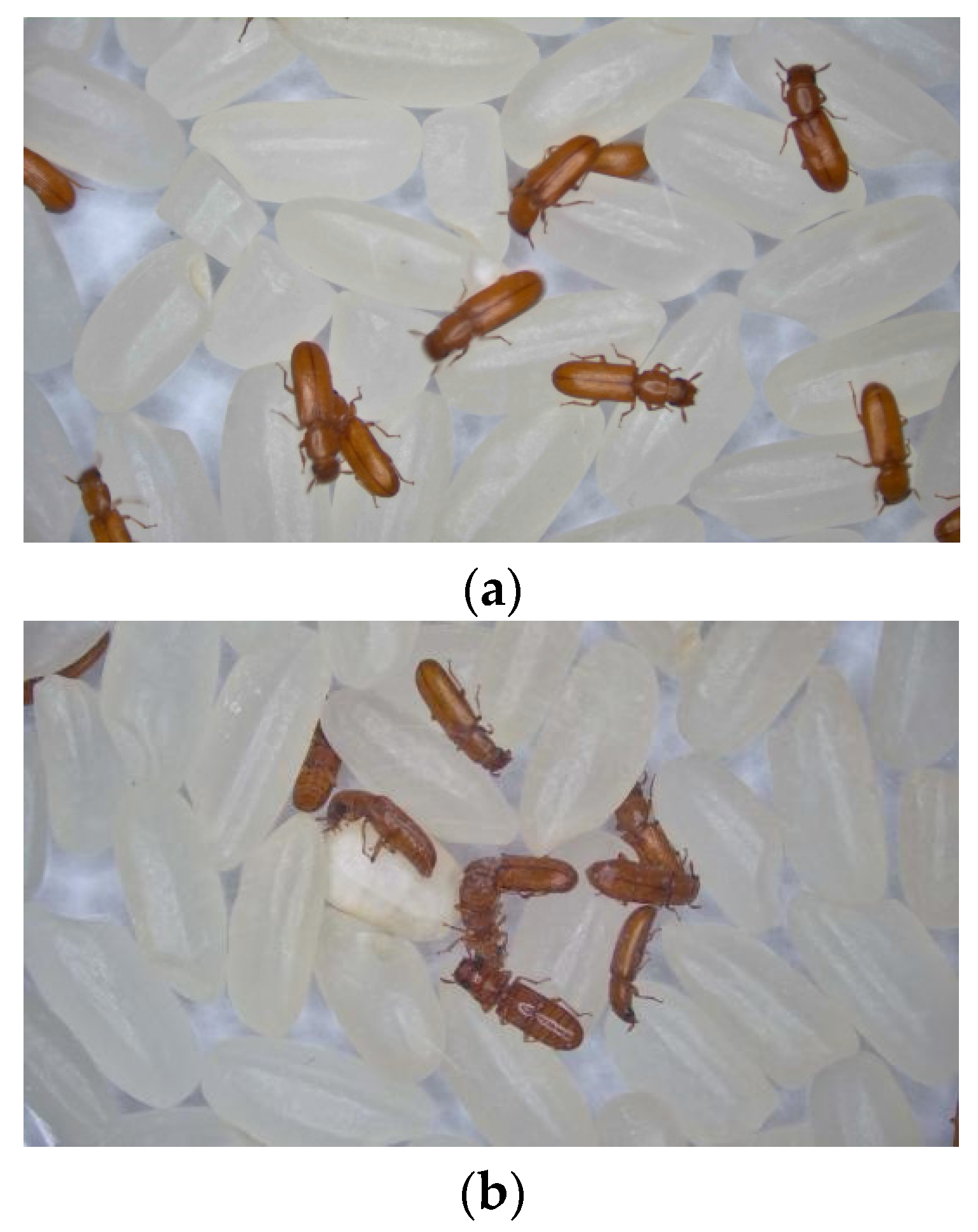
2.1.1. Experimental Insects and Materials
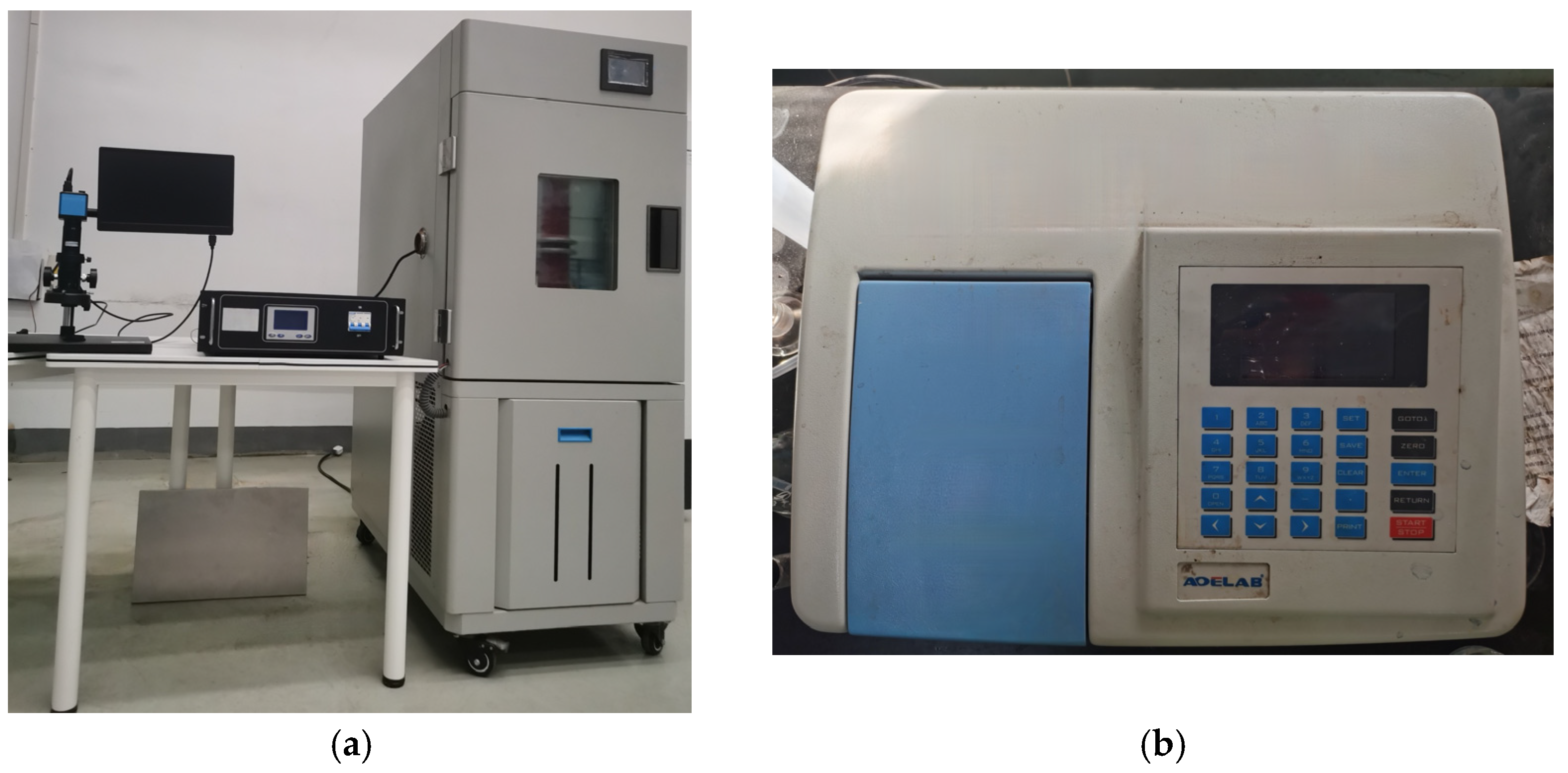
2.1.2. Main Instruments and Reagents
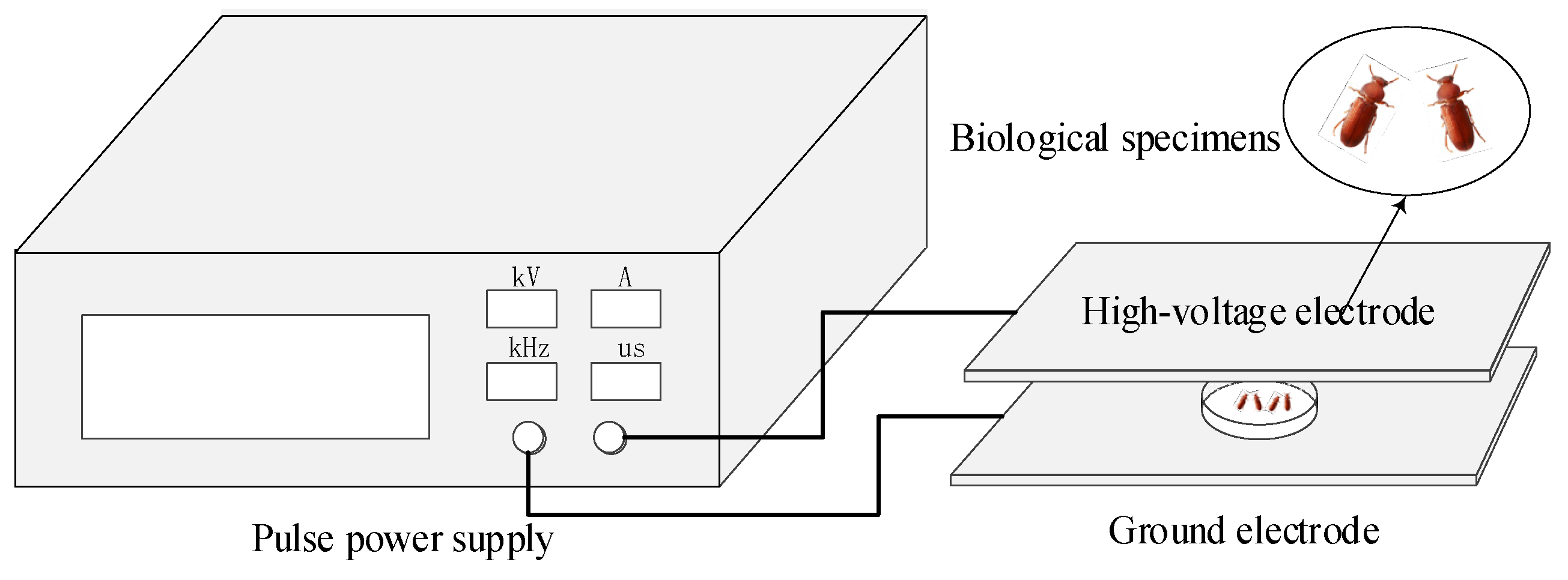
2.2. PEF Experimental Platform
2.3. Experimental Methods
2.3.1. Preliminary Experiments and Factor Level Determination
2.3.2. Response Surface Methodology (RSM) Design
2.3.3. Mortality Assessment and Calculation
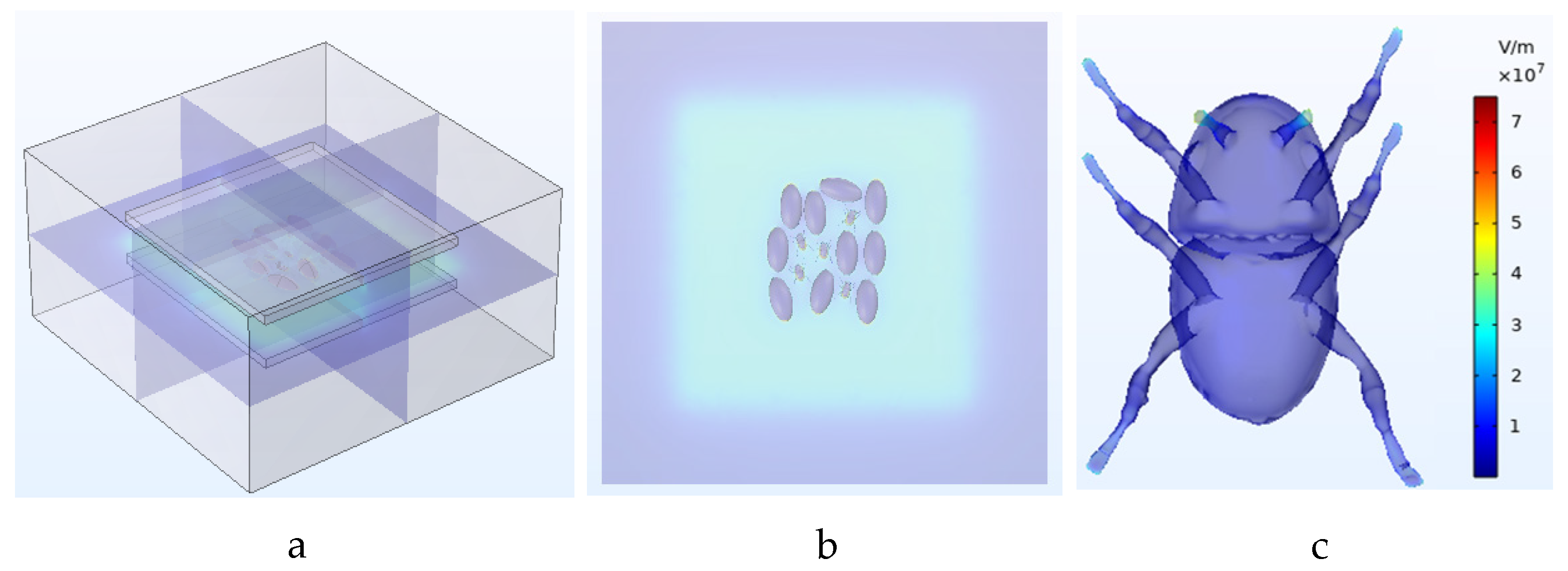
2.3.4. Electric Field Simulation
2.3.5. AChE Activity Assay
2.4. Data Statistical Analysis
3. Results
3.1. Experimental Validation of PEF Insecticidal Process
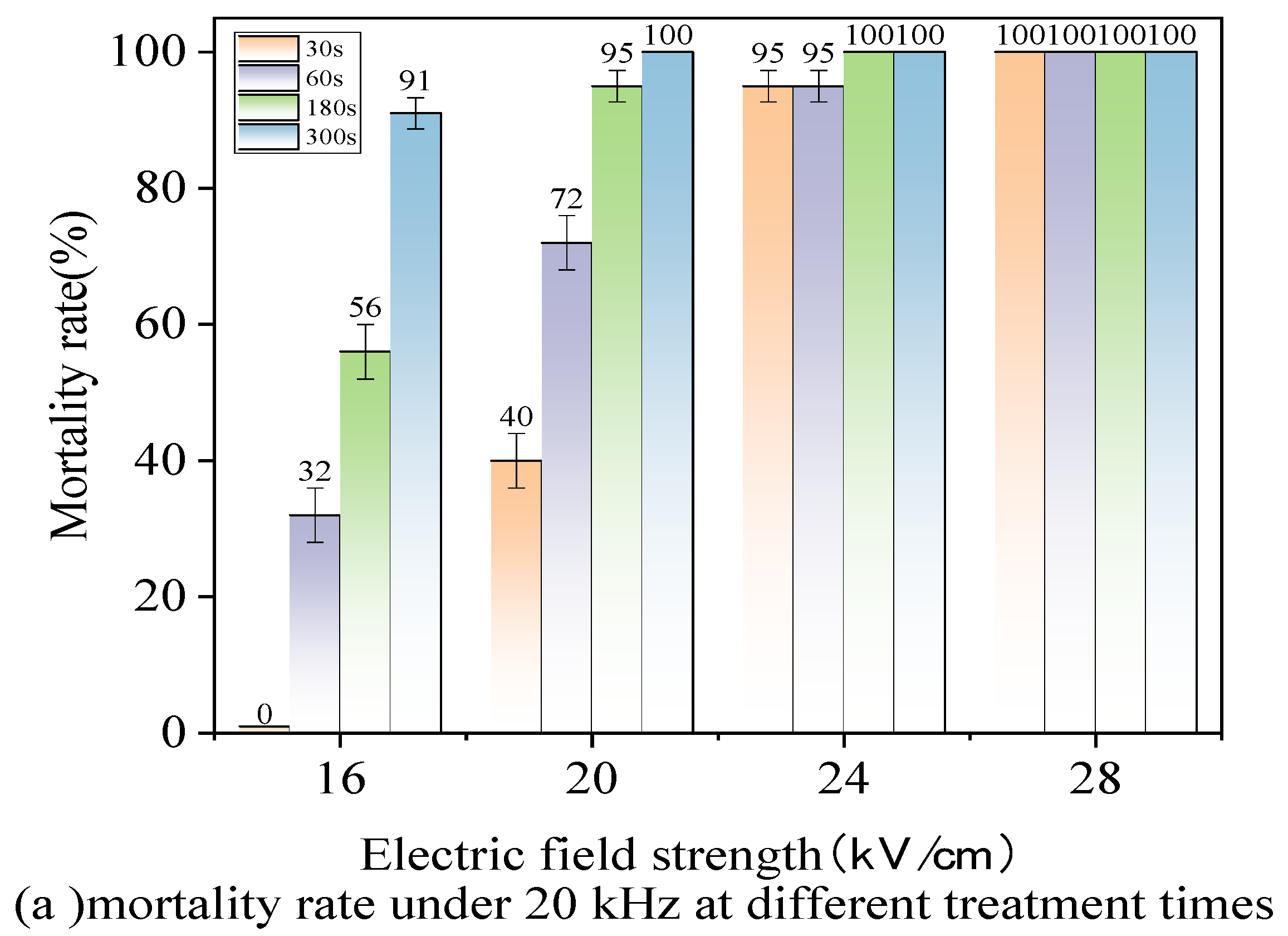
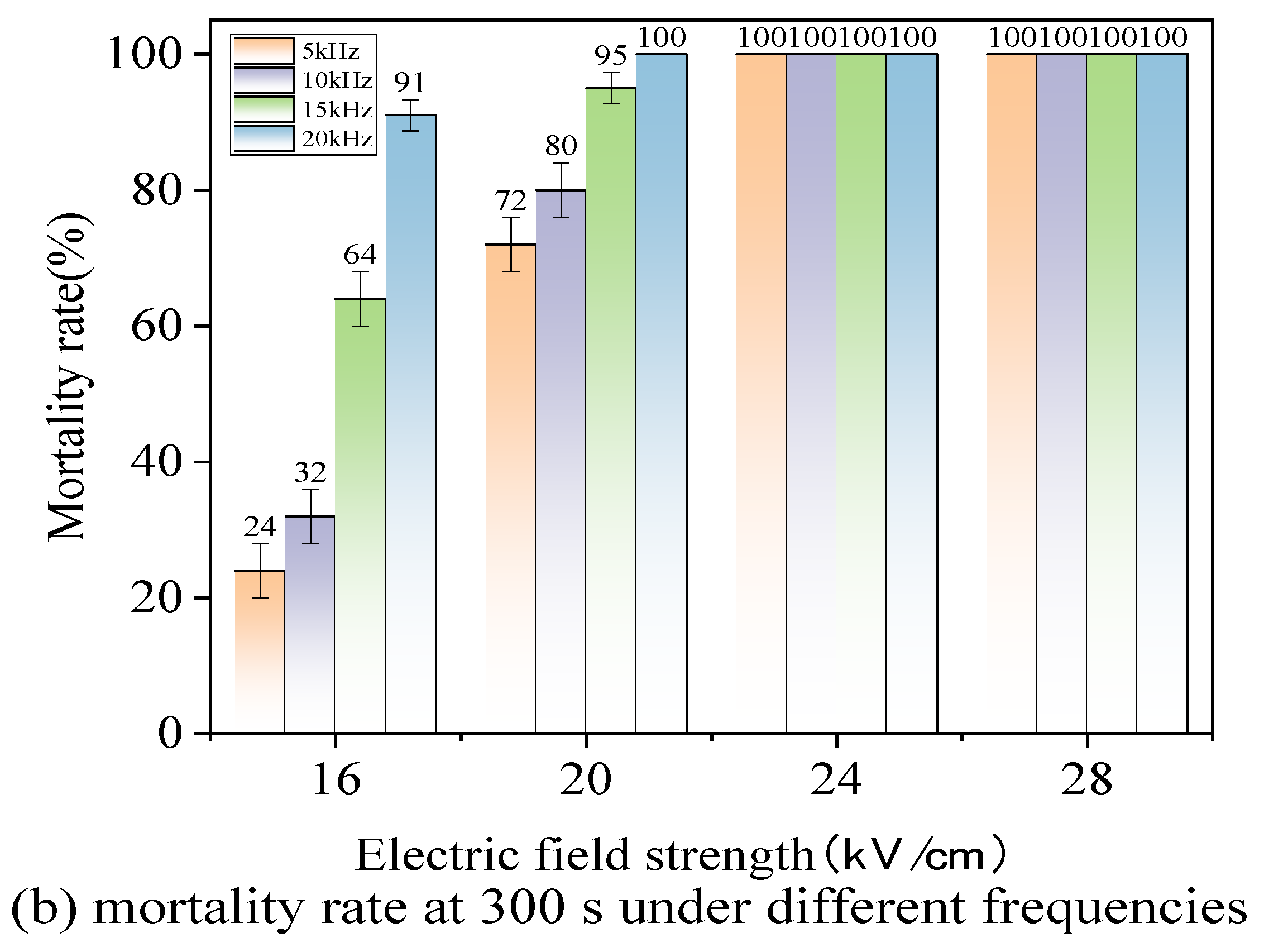
3.1.1. Influence of Key Process Parameters on T. castaneum
3.1.2. Establishment and Evaluation of the Mortality Response Surface Model
3.1.3. Analysis of Process Parameter Interactions
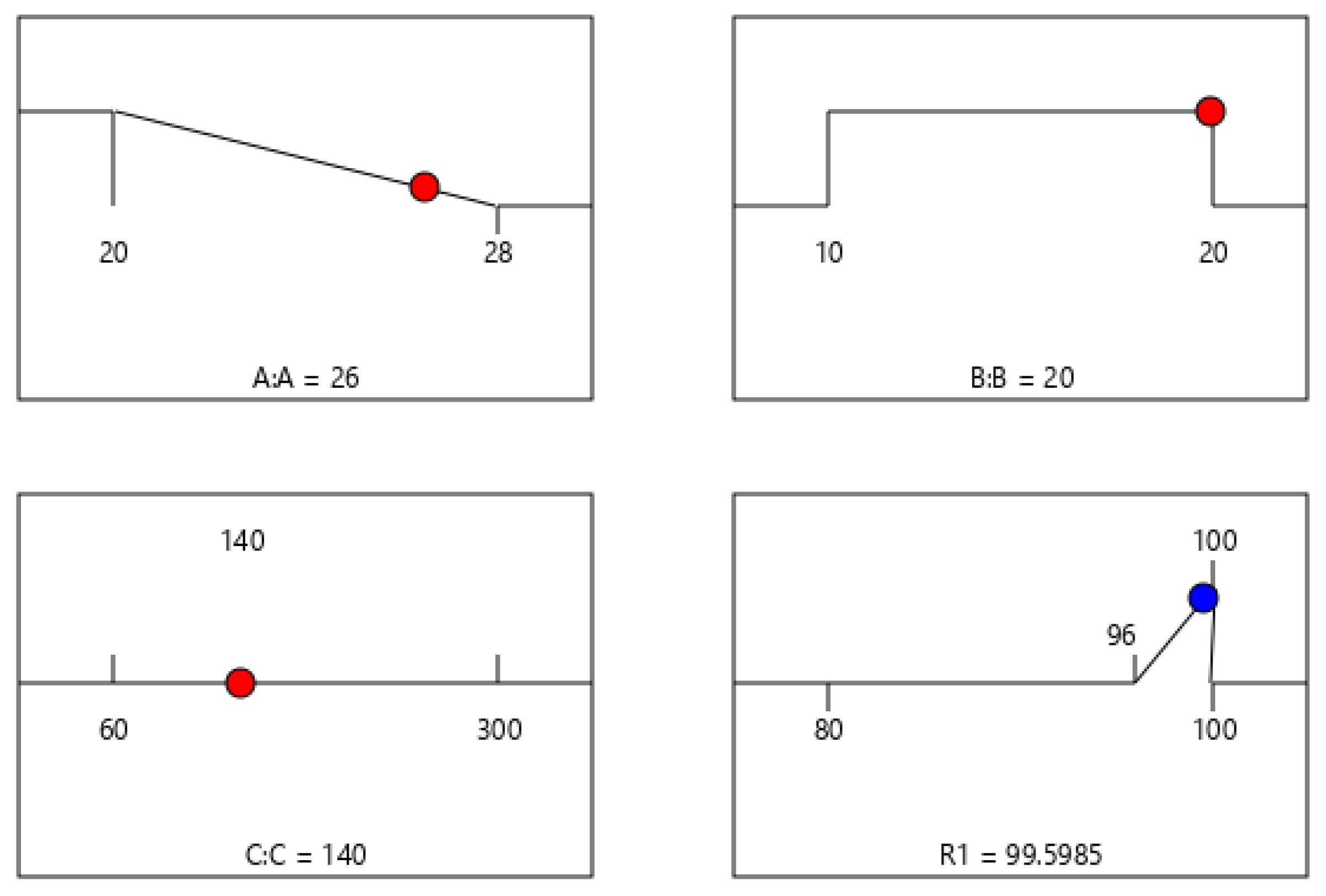
3.1.4. Selection and Validation of Optimal Process Parameters
3.2. Electric Field Distribution Simulation and Its Correlation with Insecticidal Effect
3.3. Evaluation of Thermal Effects
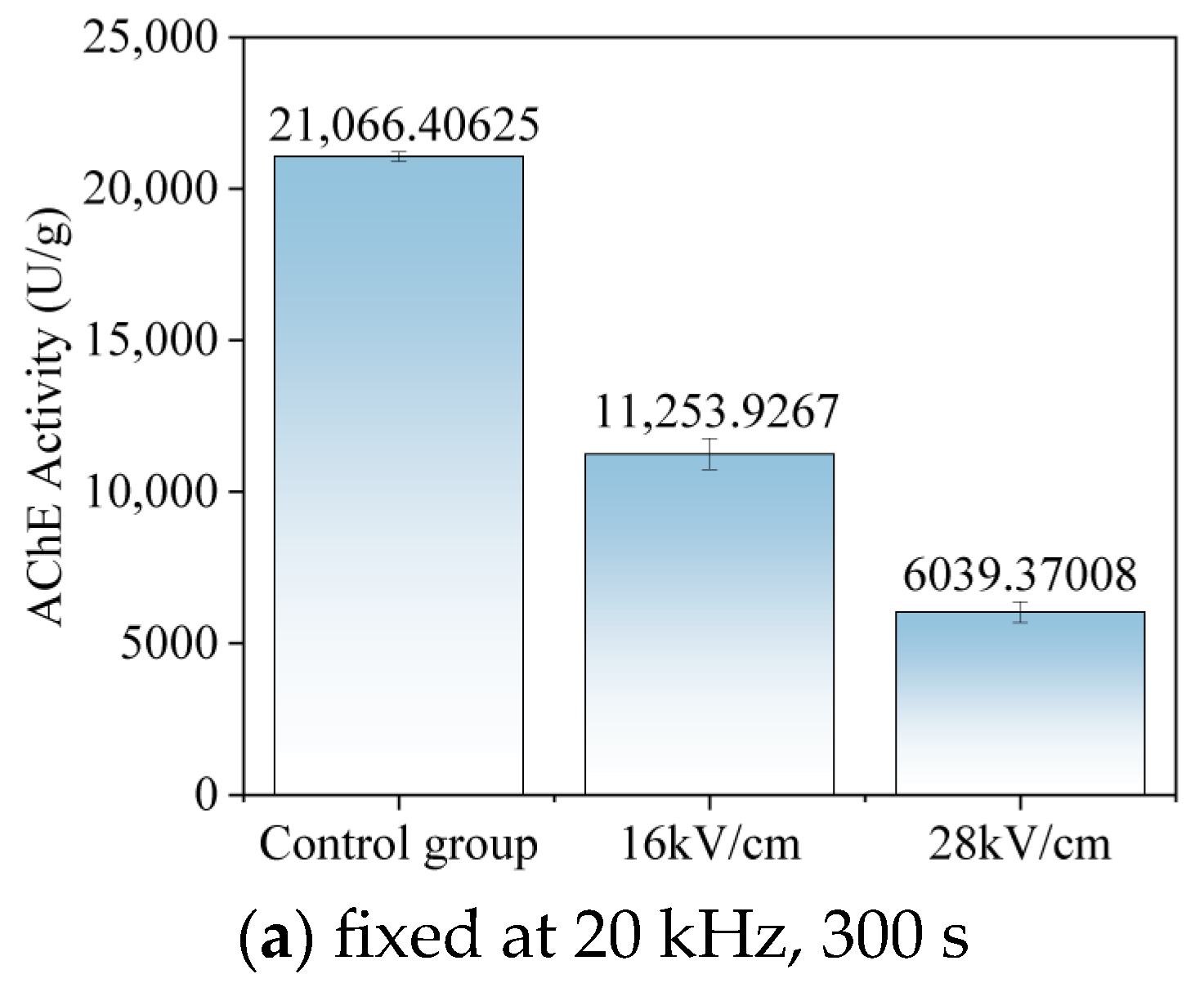
3.4. Neurotoxic Mechanism of PEF for Pest Control
4. Discussion
4.1. Electro-Neurotoxicity Mechanism: From Macroscopic Field to Molecular Targets
- 1.
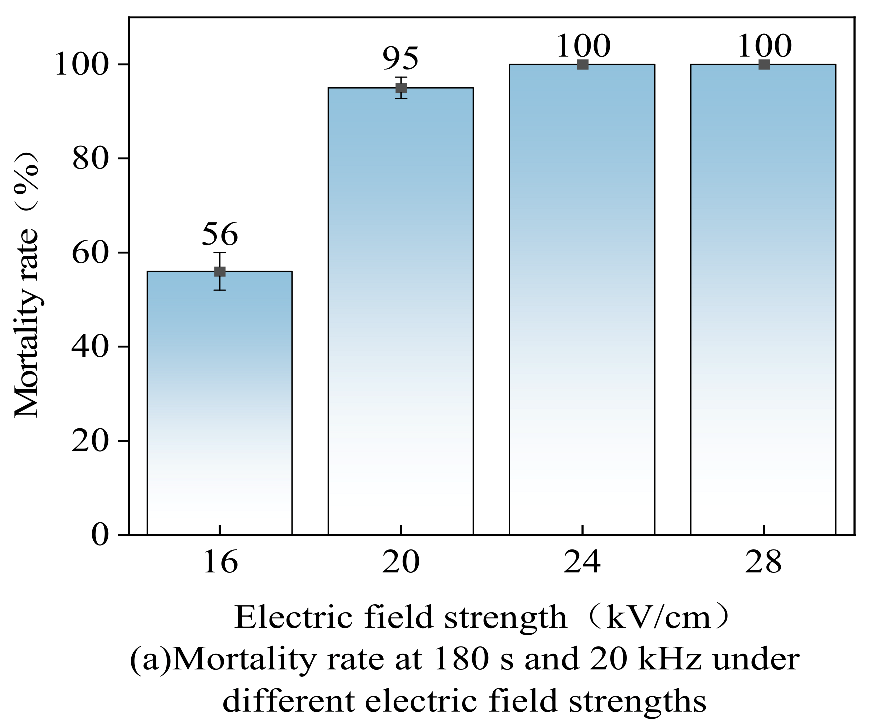
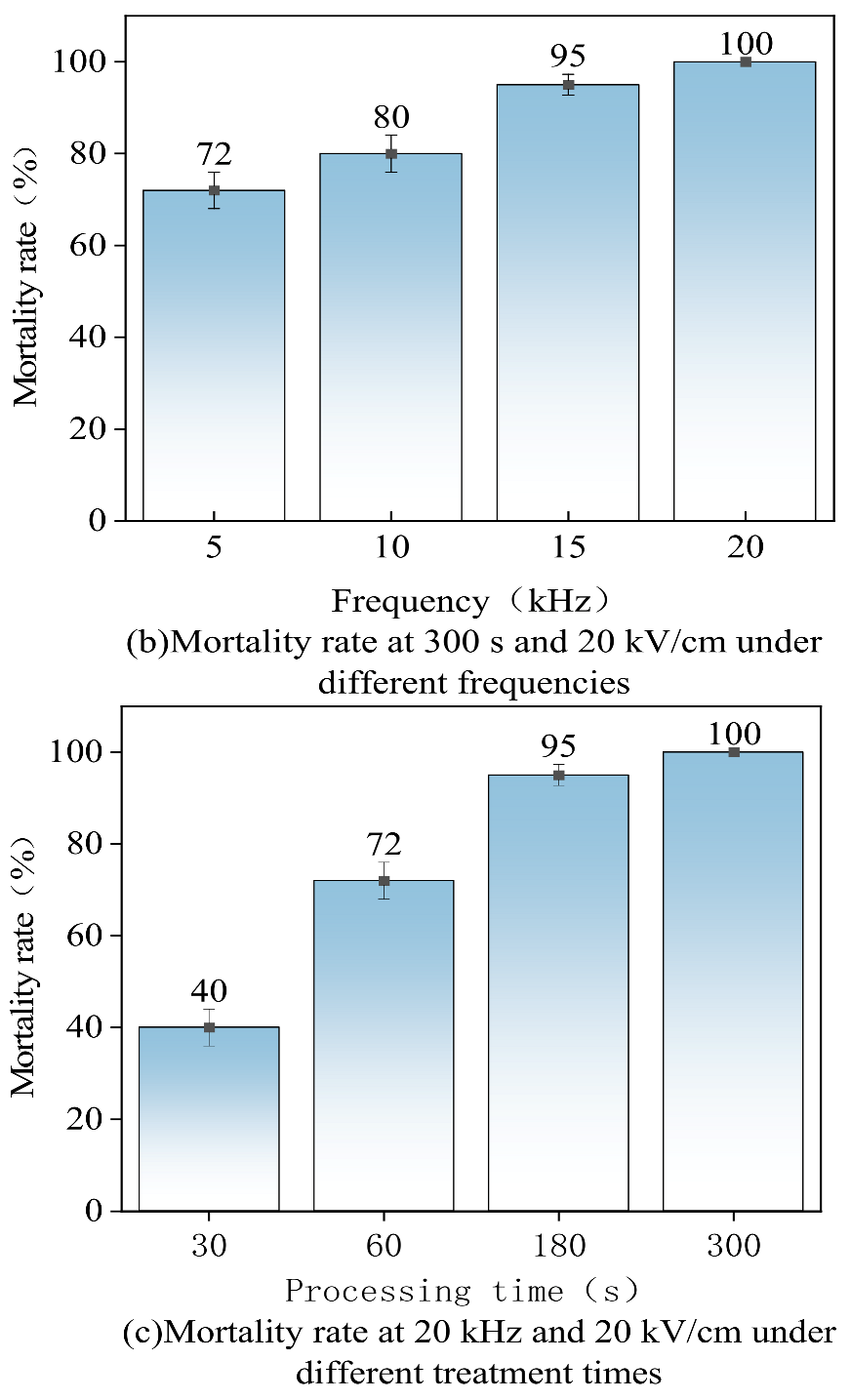
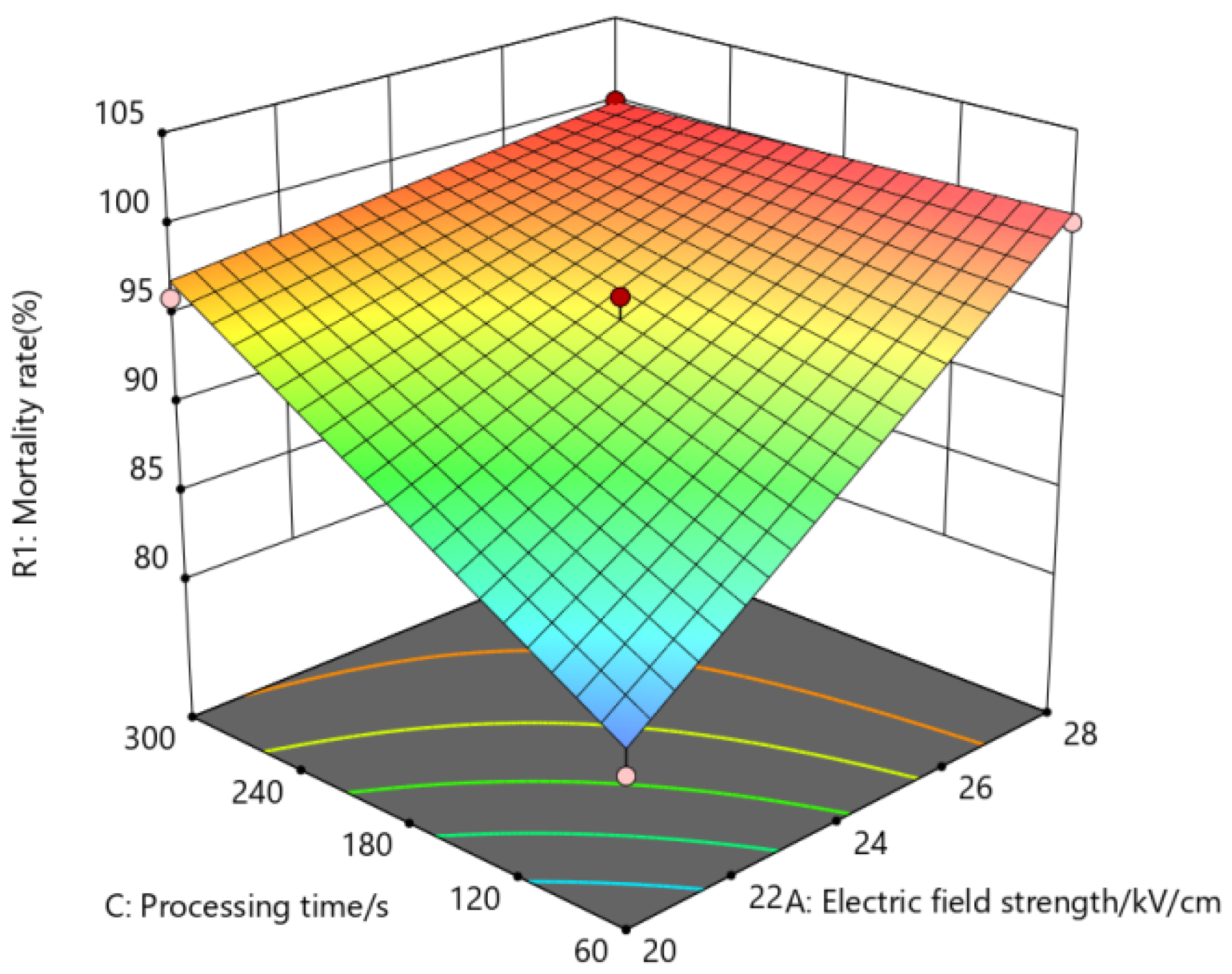
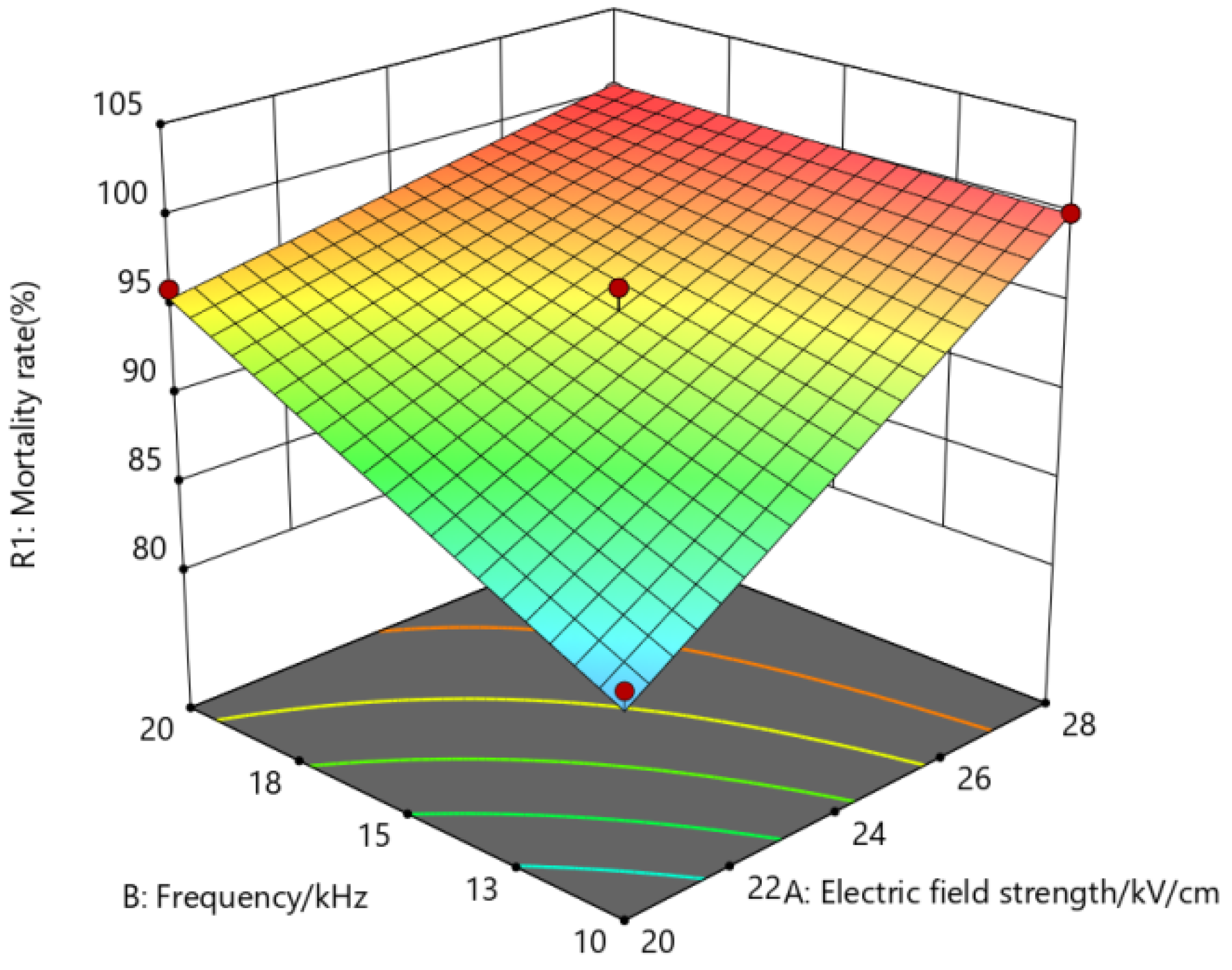
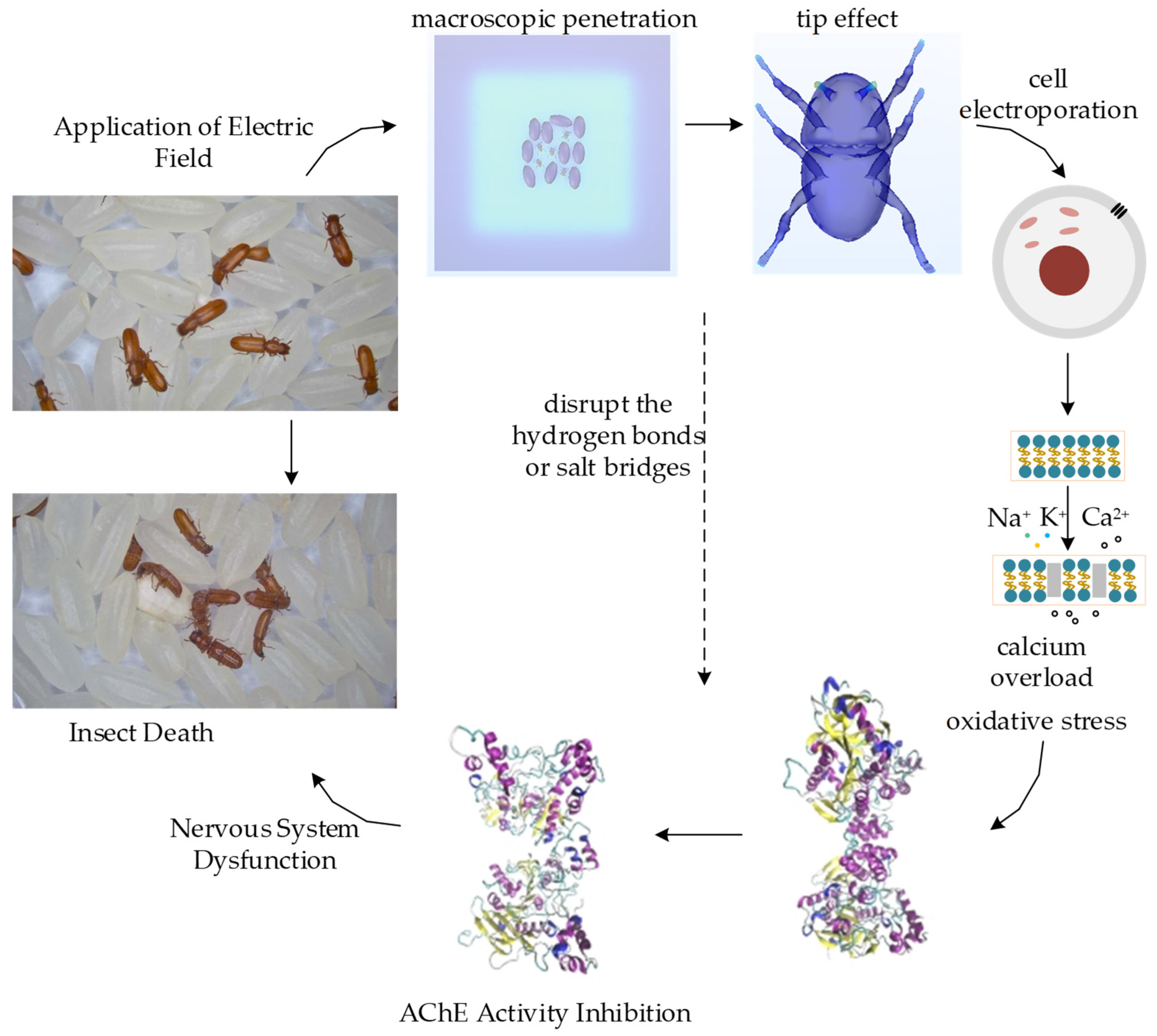
- Initiation via Physical Stress. This study determined the optimal insecticidal parameters via response surface methodology (RSM) (26 kV/cm, 20 kHz, 140 s). Simulation results (Section 3.2) confirmed that under these conditions, due to the disparity in dielectric constants between the Tribolium castaneum (T. castaneum) body and the air, the electric field exhibited a significant “focusing effect.” Specifically, the local field strength was intensified at the head and tail regions—where nerve endings are concentrated—far exceeding the applied average field strength.
- 2.
- Cellular Trigger via Electroporation. The lethal effect of PEF initiates with cellular electroporation. The localized high field strength described above is believed to exceed the electroporation threshold of nerve cell membranes in these regions [33]. This creates transient or irreversible micropores in the membrane, serving as the physical “trigger” for all subsequent biochemical damage.
- 3.
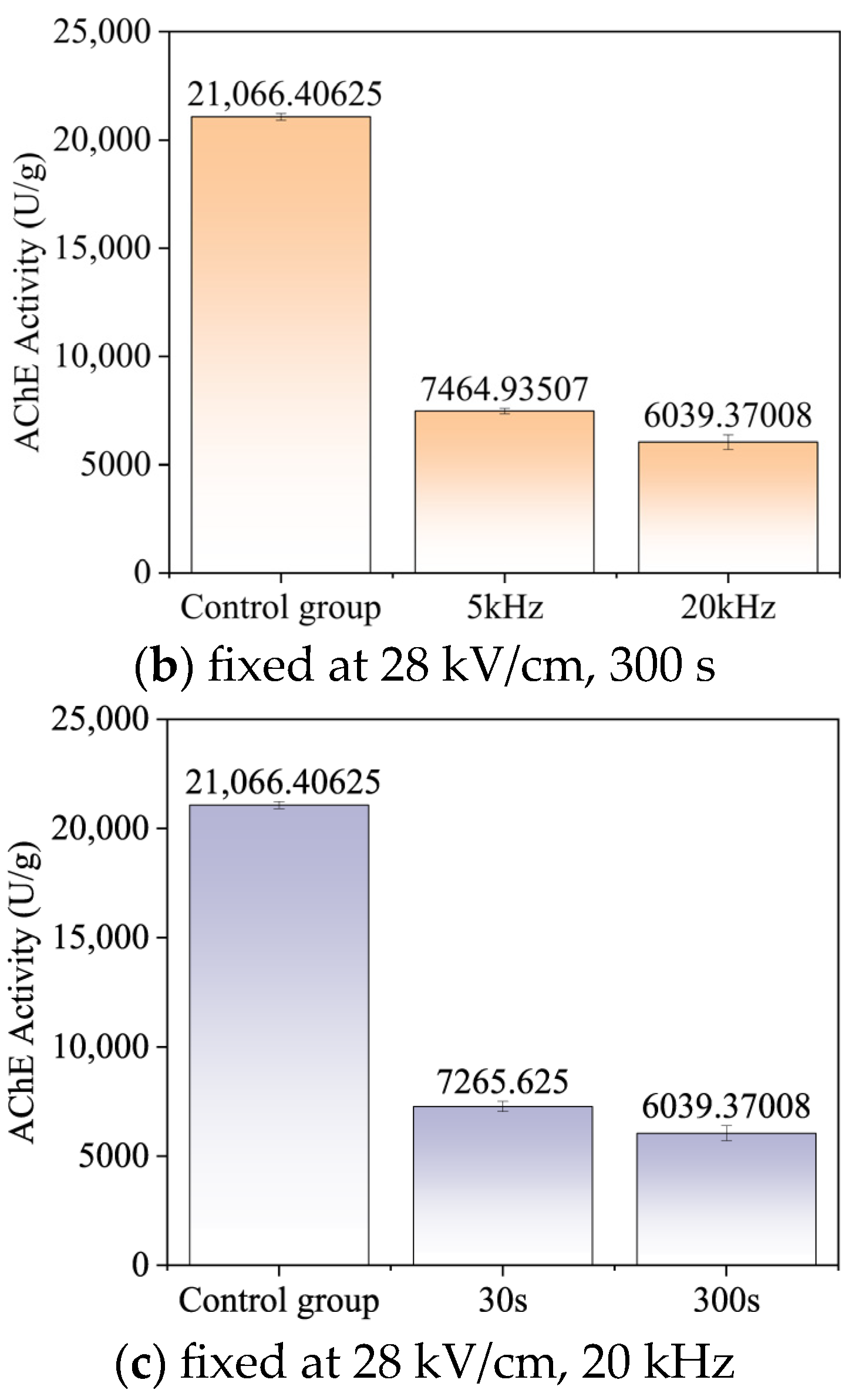
- Biochemical Cascades and acetylcholinesterase (AChE) Inactivation. Electroporation immediately disrupts cellular homeostasis, triggering catastrophic biochemical cascades that directly or indirectly lead to AChE inactivation. First, electroporation causes a loss of control over ion channels, disrupting the balance of ions such as Na+ and K+, which interferes with normal neural signal transmission (causing immediate paralysis) [36]. Second, it induces a massive influx of extracellular Ca2+ (i.e., “calcium overload”) and triggers cellular “oxidative stress” [37,38]. The significant decline in AChE activity observed in Section 3.4 is the biochemical consequence of these cascades. We hypothesize that the inactivation occurs via three pathways:
- 4.
- Nervous System Dysfunction. The inactivation, degradation, or denaturation of AChE results in the failure to hydrolyze the neurotransmitter acetylcholine in the synaptic cleft. This leads to excessive accumulation of acetylcholine, causing continuous excitatory discharge of neurons. Ultimately, this results in nervous system dysfunction, muscle spasms, paralysis, and the death of the insect.
- 5.
- Comparison with Chemical Control Mechanisms. This pathway shares similarities with the mechanism of organophosphorus insecticides, as both target AChE, but their triggering modes are fundamentally different [39,40]. Chemical insecticides inhibit enzymes via covalent binding of small molecules. In contrast, PEF operates through an “electric field-neurotoxicity” coupled pathway: the physical field causes enzymatic damage either directly or indirectly through electroporation-induced biochemical cascades. This reveals that PEF, as a physical insecticidal technology, operates on a more direct principle without chemical residue risks, providing theoretical support for its application as a green and sustainable strategy for stored grain pest control.
4.2. Application Potential: Penetration, Uniformity, and Quality Preservation
- 1.
- Penetration and Uniformity: A major challenge for physical disinfestation methods like cold plasma is limited penetration depth [12]. In contrast, our study demonstrates that PEF possesses excellent macroscopic penetration capabilities. The simulation results (Figure 9a,b) visually confirm that the electric field lines effectively penetrate the air voids between rice grains, maintaining sufficient field strength throughout the treatment chamber. This phenomenon is theoretically governed by the dielectric properties of the grain at the selected frequency (20 kHz). Unlike high-frequency electromagnetic waves (e.g., microwaves), where penetration is limited by surface absorption, dry rice behaves as a low-loss dielectric in the low-frequency, quasi-static electric field used in this study [28]. Consequently, the grain matrix does not effectively shield the electric field, allowing field lines to penetrate the depth of the processing layer with negligible attenuation. This theoretical finding is strongly supported by our “in-rice” validation experiment (Section 3.1.4), where a 100% mortality rate was achieved for T. castaneum mixed within the rice mass. This indicates that the heterogeneous nature of the grain pile does not significantly shield the insects from the electric field, ensuring a relatively uniform and effective treatment for hidden pests.
- 2.
- Impact on Grain Quality: Preserving the nutritional and functional quality of grain is paramount. Unlike thermal methods such as radio frequency (RF) and microwave (MW), which rely on dielectric heating and often lead to the degradation of heat-sensitive nutrients due to excessive or non-uniform temperature rise [13], PEF operates fundamentally as a non-thermal process. Our thermal evaluation (Section 3.3) showed that the temperature rise during the optimal PEF treatment was negligible (< 1.5 °C). This “cold” processing characteristic suggests that PEF treatment is unlikely to cause thermal damage to the rice, thereby preserving its original quality, including heat-sensitive vitamins and proteins.
- 3.
- Limitations and Future Perspectives: It should be noted that this study primarily focused on the adult stage of T. castaneum. Adults were selected because they are typically considered to have higher electrical resistance compared to eggs or larvae due to their well-developed, sclerotized exoskeleton, making them a robust model for optimizing lethal parameters [28]. However, the efficacy of PEF may vary across developmental stages due to differences in size, morphology, and dielectric properties. Therefore, while our results establish a solid baseline for adult control, future research will aim to systematically evaluate the lethal effects of PEF on eggs, larvae, and pupae to develop a comprehensive, multi-stage control strategy. Furthermore, the residue-free nature of PEF aligns strongly with growing global regulatory trends favoring the phase-out of traditional chemical fumigants and the adoption of sustainable processing technologies.
5. Conclusions
Author Contributions
Funding
Data Availability Statement
Conflicts of Interest
References
- Keerthana, B.; Preetha, G.; Saminathan, V.R.; Eevera, T.; Ramesh, D.; Ashok, M.; Logeswaran, K. Ensuring food security: Strategies for insect pest detection in storage—A review. Int. Food Res. J. 2025, 32, 379–399. [Google Scholar] [CrossRef]
- Gitau, A.; Kilalo, D.; Nderitu, J.; Mendesil, E.; Tefera, T. Grain handling and storage practices of grain traders in Kenya and its implications in reducing food losses. Cogent Food Agric. 2024, 10, 2306723. [Google Scholar] [CrossRef]
- Kumar, D.; Kalita, P. Reducing postharvest losses during storage of grain crops to strengthen food security in developing countries. Foods 2017, 6, 8. [Google Scholar] [CrossRef]
- Campbell, J.F.; Athanassiou, C.G.; Hagstrum, D.W.; Zhu, K.Y. Tribolium castaneum: A model insect for fundamental and applied research. Annu. Rev. Entomol. 2022, 67, 347–365. [Google Scholar] [CrossRef]
- Lis, L.B.; Bakula, T.; Baranowski, M.; Czarnewicz, A. The carcinogenic effects of benzoquinones produced by the flour beetle. Pol. J. Vet. Sci. 2011, 14, 159–164. [Google Scholar] [CrossRef] [PubMed]
- Miliordos, D.E.; Baliota, G.V.; Athanassiou, C.G.; Natskoulis, P.I. Review on the Occurrence of Mycotoxigenic Fungi in Dried Fruits and the Role of Stored-Product Insects. Toxins 2025, 17, 313. [Google Scholar] [CrossRef] [PubMed]
- Alzahrani, S.M.; Ebert, P.R. Pesticidal toxicity of phosphine and its interaction with other pest control treatments. Curr. Issues Mol. Biol. 2023, 45, 2461–2473. [Google Scholar] [CrossRef]
- Chidemo, S.C.; Musundire, R.; Mashavakure, N. Higher dosage of phosphine is required to control resistant strains of pests in outdoor grain storage systems: Evidence from Zimbabwe. J. Stored Prod. Res. 2023, 100, 102046. [Google Scholar] [CrossRef]
- Kim, D.; Lee, S.E. Proteomic evaluation of pathways associated with phosphine-induced mitochondrial dysfunction and resistance mechanisms in Tribolium castaneum against phosphine fumigation: Whole and partial proteome identification. Ecotoxicol. Environ. Saf. 2025, 289, 117652. [Google Scholar] [CrossRef]
- EFSA (European Food Safety Authority); Álvarez, F.; Arena, M.; Auteri, D.; Leite, S.B.; Binaglia, M.; Castoldi, A.F.; Chiusolo, A.; Colagiorgi, A.; Colas, M.; et al. Peer review of the pesticide risk assessment of the active substance phosphine. EFSA J. 2025, 23, e9177. [Google Scholar] [CrossRef]
- Carvalho, F.P. Pesticides, environment, and food safety. Food Energy Secur. 2017, 6, 48–60. [Google Scholar] [CrossRef]
- Liu, S.Y.; Yang, D.N.; Huang, J.Q.; Huang, H.L.; Sun, J.Y.; Yang, Z.; Zhou, C.G. Advances in Atmospheric Cold Plasma Technology for Plant-Based Food Safety, Functionality, and Quality Implications. Foods 2025, 14, 2999. [Google Scholar] [CrossRef]
- Al-Sharify, Z.T.; Al-Najjar, S.Z.; Anumudu, C.K.; Hart, A.; Miri, T.; Onyeaka, H. Non-Thermal Technologies in Food Processing: Implications for Food Quality and Rheology. Appl. Sci. 2025, 15, 3049. [Google Scholar] [CrossRef]
- Chudasama, M.; Singh, D.K.; Pradhan, R.C. Review on Electroporation Mechanisms for PEF-Assisted Extraction and Microbial Inactivation. Food Eng. Rev. 2025, 17, 706–726. [Google Scholar] [CrossRef]
- Jacobs, E.J.; Rubinsky, B.; Davalos, R.V. Pulsed field ablation in medicine: Irreversible electroporation and electropermeabilization theory and applications. Radiol. Oncol. 2025, 59, 1–22. [Google Scholar] [CrossRef]
- Kanafusa, S.; Uhlig, E.; Uemura, K.; Galindo, F.G.; Håkansson, Å. The effect of nanosecond pulsed electric field on the production of metabolites from lactic acid bacteria in fermented watermelon juice. Innov. Food Sci. Emerg. Technol. 2021, 72, 102749. [Google Scholar] [CrossRef]
- Sweers, L.J.H.; Mishyna, M.; Ahrne, L.M.; Boom, R.M.; Fogliano, V.; Patra, T.; Lakemond, C.M.M.; Keppler, J.K. Pulsed electric field processing of edible insect slurries induces thermally-assisted microbial inactivation. Curr. Res. Food Sci. 2025, 10, 100940. [Google Scholar] [CrossRef]
- Singh, S.; Mishra, S.; Gowda, N.A.N.; Dalbhagat, C.G.; Venugopal, A.P.; Kambhampati, V. A Comprehensive Review on Advances in Sustainable Non-Thermal Technologies for Liquid Food Safety and Quality Retention. J. Food Process. Eng. 2025, 48, e70177. [Google Scholar] [CrossRef]
- Shin, G.Y.; Yildiz, S.; Franco, B.G.; Barbosa-Cánovas, G. High-pressure, pulsed electric fields, and thermosonication processing of pineapple juice–coconut milk blend: Modeling microbial inactivation kinetics. LWT 2025, 234, 118553. [Google Scholar] [CrossRef]
- Yan, Z.Y.; Yin, L.; Hao, C.J.; Liu, K.F.; Qiu, J. Synergistic effect of pulsed electric fields and temperature on the inactivation of microorganisms. AMB Express 2021, 11, 47. [Google Scholar] [CrossRef]
- Nithya, C.; Sudheer, K.P.; Abdullah, S.; Lakshmi, E.J. Enhancing juice yield and bioactive compounds in red dragon fruit juice through pulsed electric field and ultrasonic pre-treatments: Process optimization and comparative evaluation. Food Chem. 2025, 496, 146709. [Google Scholar] [CrossRef] [PubMed]
- Mohamad, E.A.; Elfky, A.A.; El-Gebaly, R.H.; Afify, A. Study the change in the mosquito larvae (Culex pipiens) in water treated with short pulses electric filed. Electromagn. Biol. Med. 2022, 41, 80–92. [Google Scholar] [CrossRef]
- Jia, L.; Xu, S.C.; Shang, H.Z.; Guo, J.; Yan, X.; Liu, C.H.; Li, G.W.; Luo, K. High-Voltage Electrostatic Fields Adversely Affect the Performance of Diamondback Moths over Five Consecutive Generations. Agronomy 2023, 13, 1008. [Google Scholar] [CrossRef]
- He, J.; Cao, Z.; Yang, J.; Zhao, H.Y.; Pan, W.D. Effects of static electric fields on growth and development of wheat aphid Sitobion aveanae (Hemiptera: Aphididae) through multiple generations. Electromagn. Biol. Med. 2016, 35, 1–7. [Google Scholar] [CrossRef]
- El Hajj, R.; Mhemdi, H.; Karamoko, G.; Karoui, R.; Allaf, K.; Lebovka, N.; Vorobiev, E. Impact of pulsed electric field treatment on the viability of Tenebrio molitor insect biomass, and on the following pressing and drying processes. Innov. Food Sci. Emerg. Technol. 2023, 89, 103462. [Google Scholar] [CrossRef]
- Al Naggar, Y.; Fahmy, N.M.; Alkhaibari, A.M.; Al-Akeel, R.K.; Alharbi, H.M.; Mohamed, A.; Eleftherianos, I.; El-Seedi, H.R.; Giesy, J.P.; Alharbi, H.A. Mechanisms and Genetic Drivers of Resistance of Insect Pests to Insecticides and Approaches to Its Control. Toxics 2025, 13, 681. [Google Scholar] [CrossRef]
- Zhang, Q.Q.; Lu, J.J.; Ahmed, Z.; Jiang, S.; Xu, B. Effect of temperature and relative humidity on the development of Oryzaephilus surinamensis L. (Coleoptera: Silvanidae) reared on dried noodles. J. Stored Prod. Res. 2025, 111, 102541. [Google Scholar] [CrossRef]
- Shrestha, B.; Baik, O.D. Radio frequency selective heating of stored-grain insects at 27.12 MHz: A feasibility study. Biosyst. Eng. 2013, 114, 195–204. [Google Scholar] [CrossRef]
- Abdulhameed, A.S.; Jawad, A.H.; Kashi, E.; Radzun, K.A.; Alothman, Z.A.; Wilson, L.D. Insight into adsorption mechanism, modeling, and desirability function of crystal violet and methylene blue dyes by microalgae: Box-Behnken design application. Algal Res. 2022, 67, 102864. [Google Scholar] [CrossRef]
- Piepho, H.P.; Malik, W.A.; Bischoff, R.; El-Hasan, A.; Scheer, C.; Sedlmeier, J.E.; Gerhards, R.; Petschenka, G.; Voegele, R.T. Efficacy assessment in crop protection: A tutorial on the use of Abbott’s formula. J. Plant Dis. Prot. 2024, 131, 2139–2160. [Google Scholar] [CrossRef]
- Komersova, A.; Komers, K.; Čegan, A. New findings about Ellman’s method to determine cholinesterase activity. Z. Nat. C 2007, 62, 150–154. [Google Scholar] [CrossRef] [PubMed]
- Voss, G.; Sachsse, K. Red cell and plasma cholinesterase activities in microsamples of human and animal blood determined simultaneously by a modified acetylthiocholine/DTNB procedure. Toxicol. Appl. Pharmacol. 1970, 16, 764–772. [Google Scholar] [CrossRef]
- Avazzadeh, S.; O’Brien, B.; Coffey, K.; O’Halloran, M.; Keane, D.; Quinlan, L.R. Establishing Irreversible Electroporation Electric Field Potential Threshold in A Suspension In Vitro Model for Cardiac and Neuronal Cells. J. Clin. Med. 2021, 10, 5443. [Google Scholar] [CrossRef]
- Jouni, A.; Baragona, M.; Obeidi, Y.; Iancu, A.M.; Siepmann, R.M.; Ritter, A. A Retrospective Comparison of CT Imaging and Computational Simulations of Irreversible Electroporation in the Liver. Technol. Cancer Res. Treat. 2025, 24, 15330338251384207. [Google Scholar] [CrossRef]
- Brosseau, C.; Sabri, E. Resistor–capacitor modeling of the cell membrane: A multiphysics analysis. J. Appl. Phys. 2021, 129, 011101. [Google Scholar] [CrossRef]
- Ohnishi, N.; Fujiwara, Y.; Kamezaki, T.; Katsuki, S. Variations of Intracellular Ca2+ Mobilization Initiated by Nanosecond and Microsecond Electrical Pulses in HeLa Cells. IEEE Trans. Biomed. Eng. 2019, 66, 2259–2268. [Google Scholar] [CrossRef]
- Kulbacka, J.; Choromanska, A.; Szewczyk, A.; Michel, O.; Baczynska, D.; Sikora, A.; Rossowska, J.; Kulbacki, M.; Rembialkowska, N. Nanoelectropulse delivery for cell membrane perturbation and oxidation in human colon adenocarcinoma cells with drug resistance. Bioelectrochemistry 2023, 150, 108356. [Google Scholar] [CrossRef]
- Szewczyk, A.; Rembialkowska, N.; Saczko, J.; Daczewska, M.; Novickij, V.; Kulbacka, J. Calcium electroporation induces stress response through upregulation of HSP27, HSP70, aspartate beta-hydroxylase, and CD133 in human colon cancer cells. Biol. Res. 2025, 58, 10. [Google Scholar] [CrossRef]
- Moncada-Restrepo, M.; Eysoldt, S.; Medina, J.; Di Guida, V.; Chambers, J.W. Inhibition of Muscle-Specific Protein Kinase (MuSK) Releases Organophosphate-Aged Acetylcholinesterase (AChE) from C2C12 Cells. Toxics 2025, 13, 829. [Google Scholar] [CrossRef] [PubMed]
- Kukkar, P.; Kukkar, D.; Younis, S.A.; Singh, G.; Singh, P.; Basu, S.; Kim, K.H. Colorimetric biosensing of organophosphate pesticides using enzymatic nanoreactor built on zeolitic imdiazolate-8. Microchem. J. 2021, 166, 106242. [Google Scholar] [CrossRef]



| No. | Electric Field Strength/(kV/cm) | Frequency/(kHz) | Processing Time/(s) | Mortality Rate/(%) |
|---|---|---|---|---|
| 1 | 20 | 10 | 180 | 84 |
| 2 | 28 | 10 | 180 | 100 |
| 3 | 20 | 20 | 180 | 96 |
| 4 | 28 | 20 | 180 | 100 |
| 5 | 20 | 15 | 60 | 80 |
| 6 | 28 | 15 | 60 | 100 |
| 7 | 20 | 15 | 300 | 96 |
| 8 | 28 | 15 | 300 | 100 |
| 9 | 24 | 10 | 60 | 86 |
| 10 | 24 | 20 | 60 | 96 |
| 11 | 24 | 10 | 300 | 96 |
| 12 | 24 | 20 | 300 | 100 |
| 13 | 24 | 15 | 180 | 92 |
| 14 | 24 | 15 | 180 | 96 |
| 15 | 24 | 15 | 180 | 96 |
| 16 | 24 | 15 | 180 | 96 |
| 17 | 24 | 15 | 180 | 96 |
| Source | Sum of Squares | df | Mean Square | F-Value | p-Value |
|---|---|---|---|---|---|
| model | 548.00 | 6 | 91.33 | 46.77 | <0.0001 |
| A | 242.00 | 1 | 242.00 | 123.92 | <0.0001 |
| B | 84.50 | 1 | 84.50 | 43.27 | <0.0001 |
| C | 112.50 | 1 | 112.50 | 57.61 | <0.0001 |
| AB | 36.00 | 1 | 36.00 | 18.43 | 0.0016 |
| AC | 64.00 | 1 | 64.00 | 32.77 | 0.0002 |
| BC | 9.00 | 1 | 9.00 | 4.61 | 0.0574 |
| Residuals | 19.53 | 10 | 1.95 | - | |
| Lack of Fit | 6.73 | 6 | 1.12 | 0.3505 | 0.8786 |
| Pure Error | 12.80 | 4 | 3.20 | - | - |
| Total | 567.53 | 16 | - | - | - |
| Statistical Indicators | Numeric Value | Fitting Indicators | Numeric Value |
|---|---|---|---|
| Std. Dev. | 1.40 | R2 | 0.9656 |
| Adeq Precision | 94.71 | Adjusted R2 | 0.9449 |
| C.V.% | 1.48 | Predicted R2 | 0.9222 |
Disclaimer/Publisher’s Note: The statements, opinions and data contained in all publications are solely those of the individual author(s) and contributor(s) and not of MDPI and/or the editor(s). MDPI and/or the editor(s) disclaim responsibility for any injury to people or property resulting from any ideas, methods, instructions or products referred to in the content. |
© 2025 by the authors. Licensee MDPI, Basel, Switzerland. This article is an open access article distributed under the terms and conditions of the Creative Commons Attribution (CC BY) license.
Share and Cite
Jin, S.; Zhang, Q.; Tang, B.; Zhu, X.; Liu, L.; Zhang, X. Lethal Effect of Pulsed Electric Fields on Tribolium castaneum: Optimization and Mechanistic Insight into Electro-Neurotoxicity. Agriculture 2026, 16, 4. https://doi.org/10.3390/agriculture16010004
Jin S, Zhang Q, Tang B, Zhu X, Liu L, Zhang X. Lethal Effect of Pulsed Electric Fields on Tribolium castaneum: Optimization and Mechanistic Insight into Electro-Neurotoxicity. Agriculture. 2026; 16(1):4. https://doi.org/10.3390/agriculture16010004
Chicago/Turabian StyleJin, Shuo, Quansheng Zhang, Binyang Tang, Xiangwei Zhu, Longfei Liu, and Xiaoxing Zhang. 2026. "Lethal Effect of Pulsed Electric Fields on Tribolium castaneum: Optimization and Mechanistic Insight into Electro-Neurotoxicity" Agriculture 16, no. 1: 4. https://doi.org/10.3390/agriculture16010004
APA StyleJin, S., Zhang, Q., Tang, B., Zhu, X., Liu, L., & Zhang, X. (2026). Lethal Effect of Pulsed Electric Fields on Tribolium castaneum: Optimization and Mechanistic Insight into Electro-Neurotoxicity. Agriculture, 16(1), 4. https://doi.org/10.3390/agriculture16010004