Article

Land Use Rather than Microplastic Type Determines the Diversity and Structure of Plastisphere Bacterial Communities
1
Guangdong Engineering Technology Research Centre of Modern Eco-Agriculture and Circular Agriculture, Key Laboratory of Agro-Environment in the Tropics, Ministry of Agriculture and Rural Affairs, South China Agricultural University, Guangzhou 510642, China
2
Department of Ecology, College of Natural Resources and Environment, South China Agricultural University, Guangzhou 510642, China
3
Guangdong Laboratory for Lingnan Modern Agriculture, South China Agricultural University, Guangzhou 510642, China
*
Author to whom correspondence should be addressed.
Agriculture 2025, 15(7), 778; https://doi.org/10.3390/agriculture15070778

Submission received: 21 February 2025 / Revised: 17 March 2025 / Accepted: 17 March 2025 / Published: 3 April 2025
(This article belongs to the Special Issue Innovative Conservation Cropping Systems and Practices—2nd Edition)

Abstract

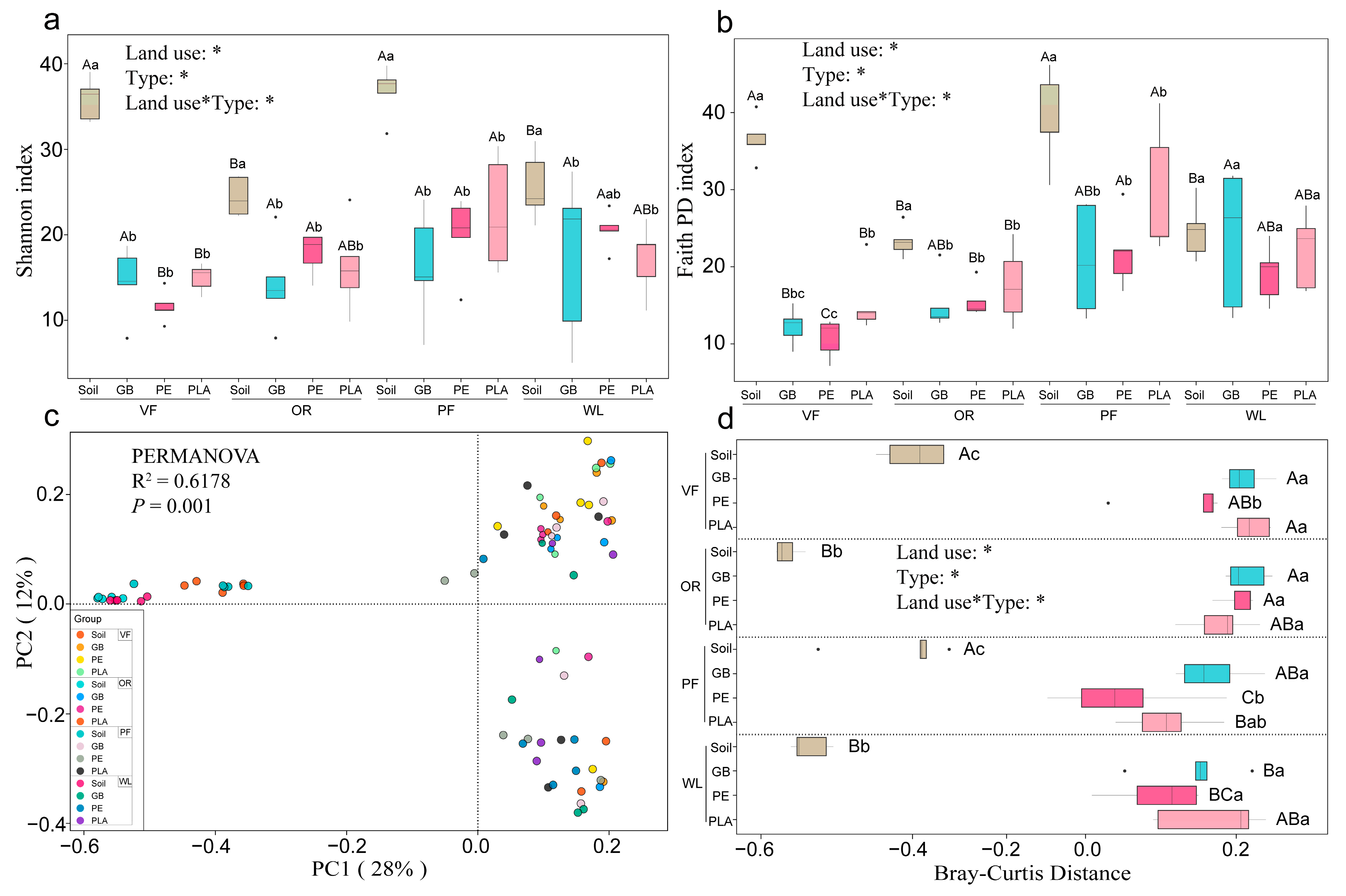
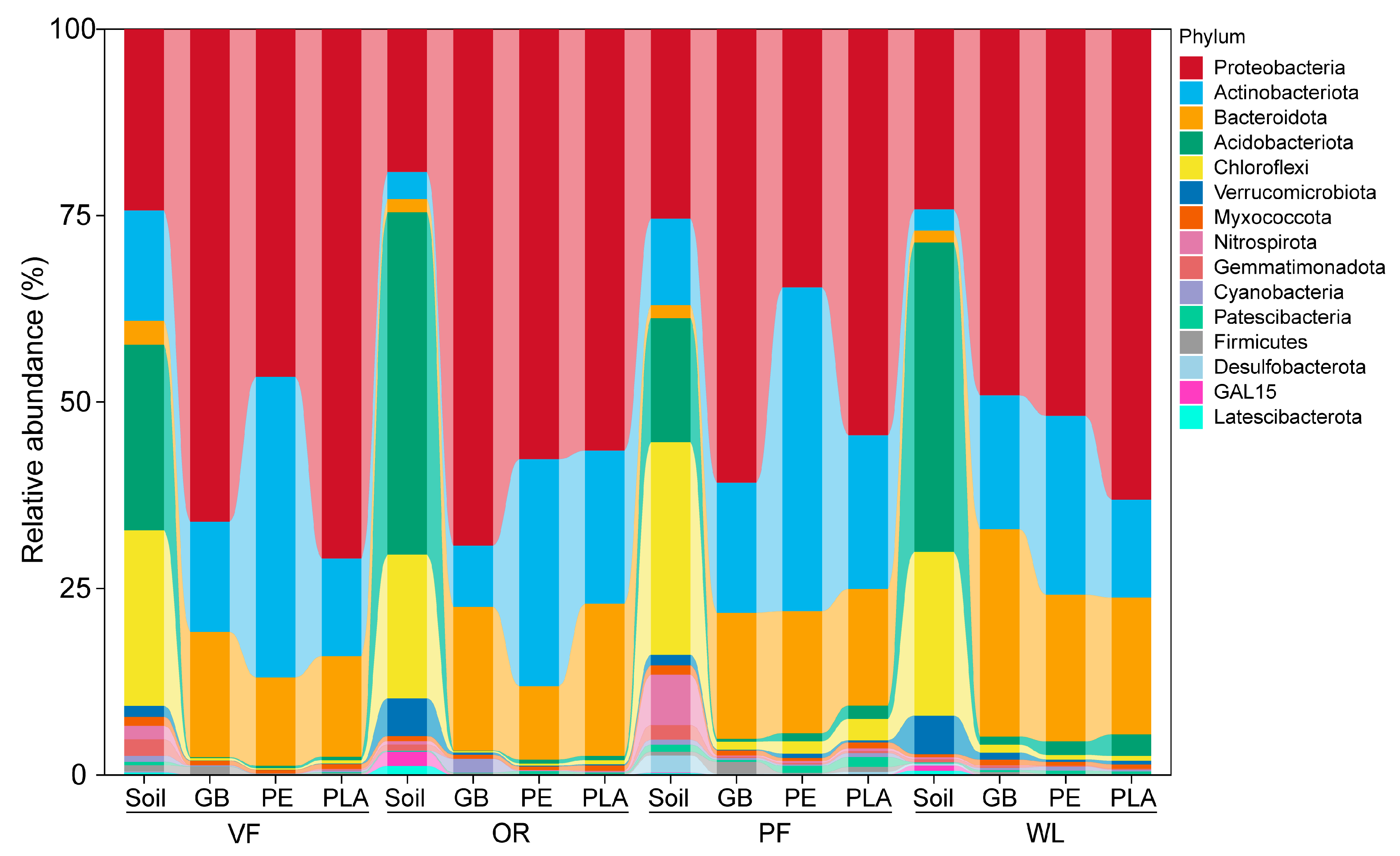
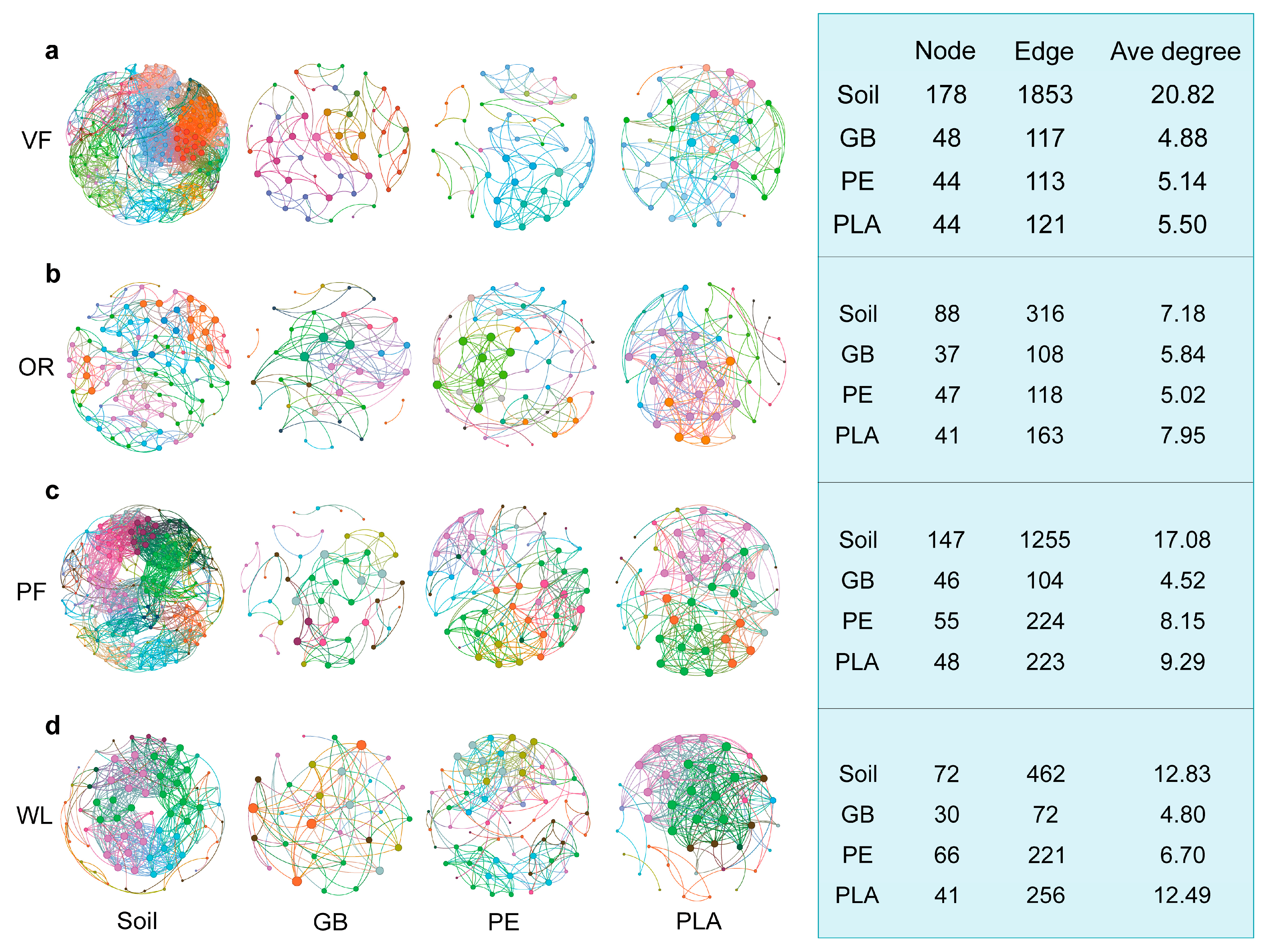
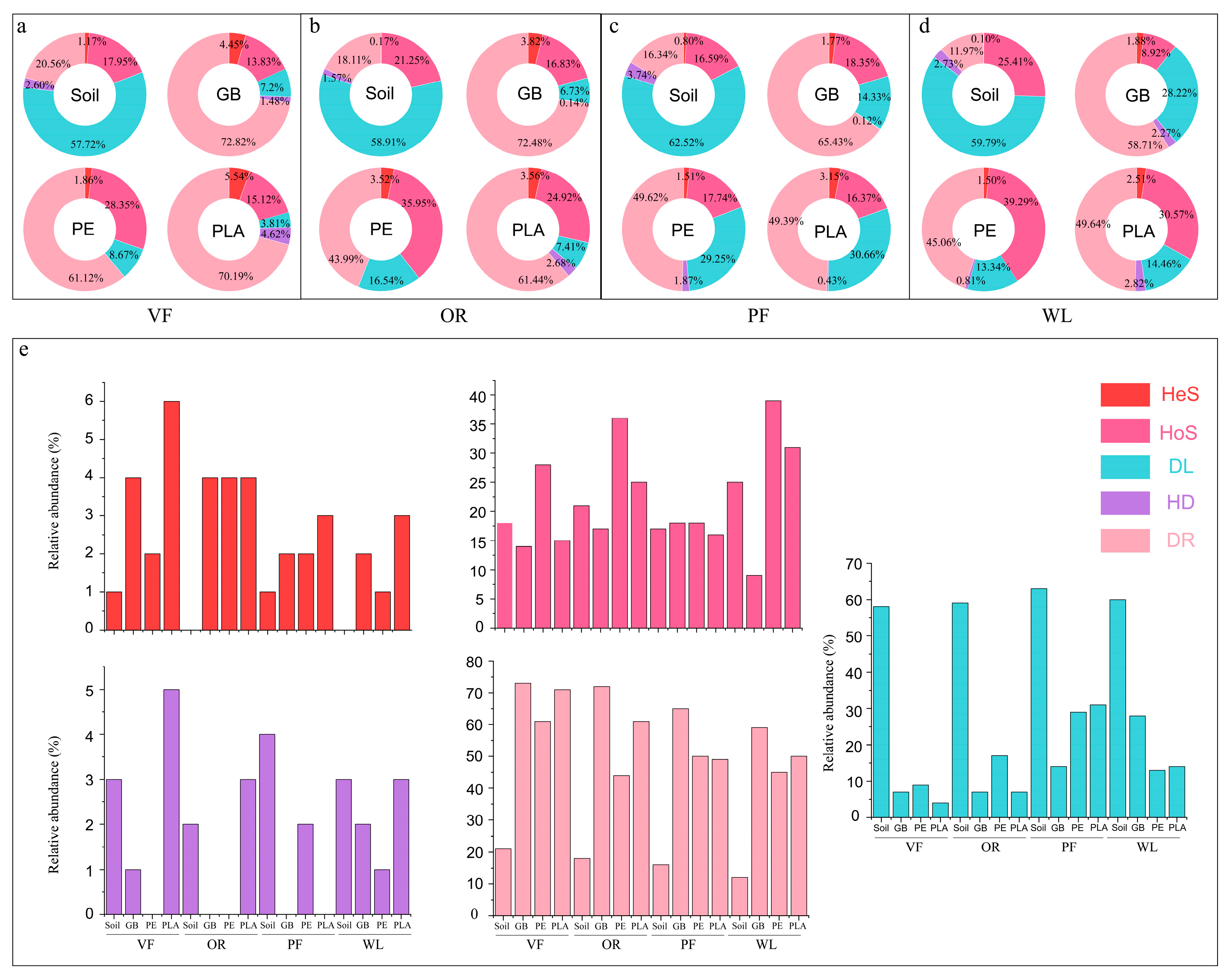
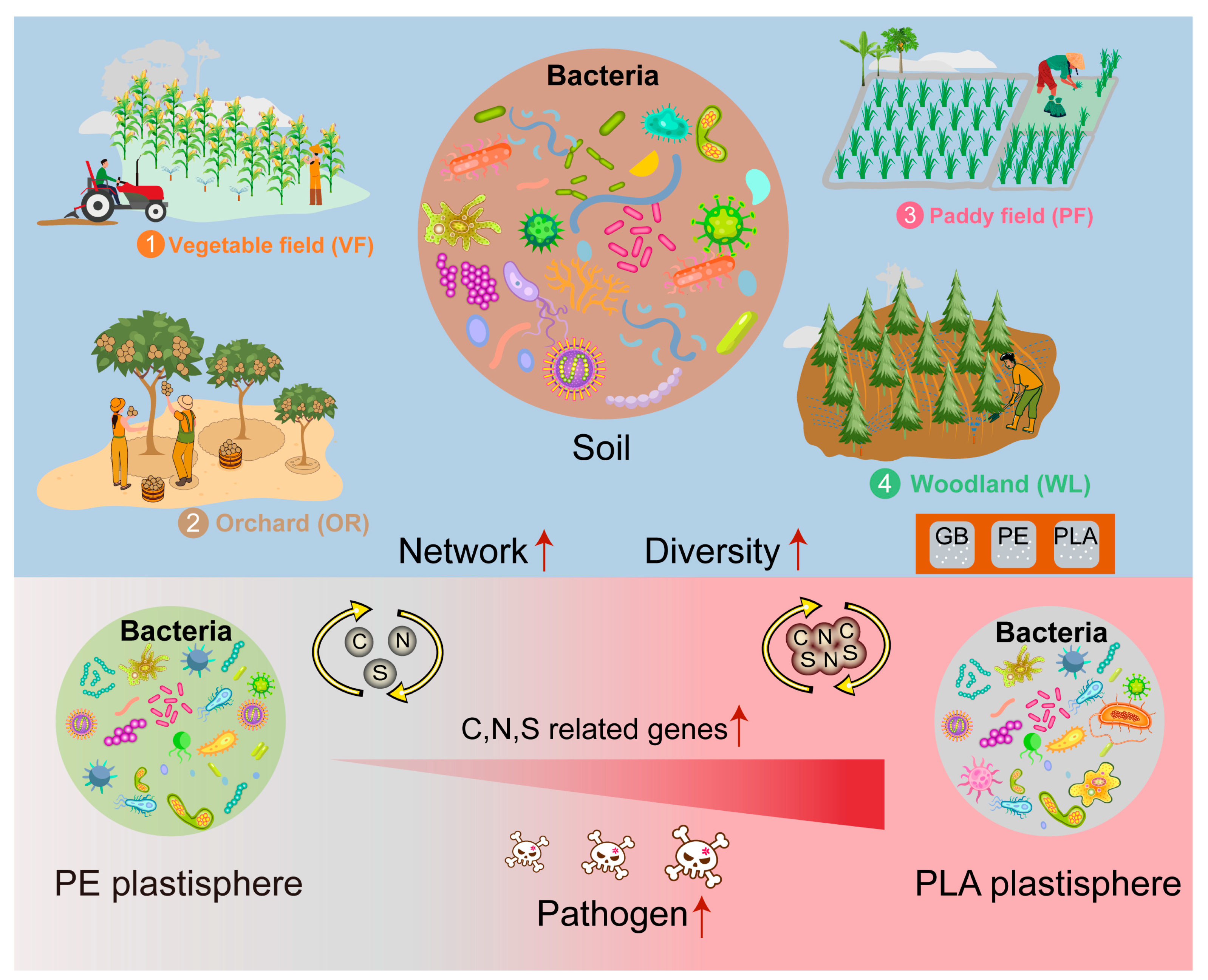
Microplastic (MP) pollution has raised global concerns, and biodegradable plastics have been recommended to replace conventional ones. The “plastisphere” has been considered a hotspot for the interactions among organisms and environments, but the differences in the properties of soil microbial communities in the plastisphere of conventional and biodegradable MPs remain unclear. This in situ experiment was conducted to compare the diversity and structure of the bacterial community in the plastisphere of conventional MPs (polyethylene [PE]) and biodegradable MPs (polylactic acid [PLA]) in vegetable fields, orchards, paddy fields, and woodlands. It was discovered that the bacterial α-diversity within the plastisphere was significantly lower than that in the soil across all land use. Significant differences between plastic types were only found in the vegetable field. Regarding the community composition, the relative abundances of Actinobacteriota (43.2%) and Proteobacteria (70.9%) in the plastisphere were found to exceed those in the soil, while the relative abundances of Acidobacteriota (45.5%) and Chloroflexi (27.8%) in the soil were significantly higher. The complexity of the microbial network within the plastisphere was lower than that of the soil. Compared with the soil, the proportion of dispersal limitation in the PLA plastisphere significantly decreased, with the greatest reduction observed in the vegetable field treatment, where it dropped from 57.72% to 3.81%. These findings indicate that different land use types have a greater impact on bacterial community diversity and structure than plastics themselves, and that biodegradable MPs may pose a greater challenge to the ecological function and health of soil ecosystems than conventional MPs.
Keywords: conventional microplastics; biodegradable microplastics; plastic degradation; soil ecosystems; global change conventional microplastics; biodegradable microplastics; plastic degradation; soil ecosystems; global change