Article

Developing Native Fish to Control Spirogyra in Paddy Fields for Improving the Growth, Nutrient Uptake, and Physiological Characteristics of Oryza sativa L.

1
Yunnan Collaborative Innovation Center for Plateau Lake Ecology and Environmental Health, College of Agronomy and Life Sciences, Kunming University, Kunming 650214, China
2
College of Life Science, China West Normal University, Nanchong 637009, China
3
Fishery Technology Extension Station of Yunnan, Kunming 650034, China
4
Great Lakes Institute for Environmental Research, University of Windsor, Windsor, ON N9B 3P4, Canada
*
Authors to whom correspondence should be addressed.
Agriculture 2025, 15(18), 1990; https://doi.org/10.3390/agriculture15181990
Submission received: 14 August 2025 / Revised: 15 September 2025 / Accepted: 17 September 2025 / Published: 22 September 2025
(This article belongs to the Section Crop Protection, Diseases, Pests and Weeds)

Abstract

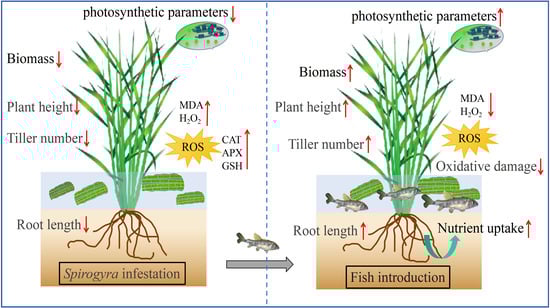
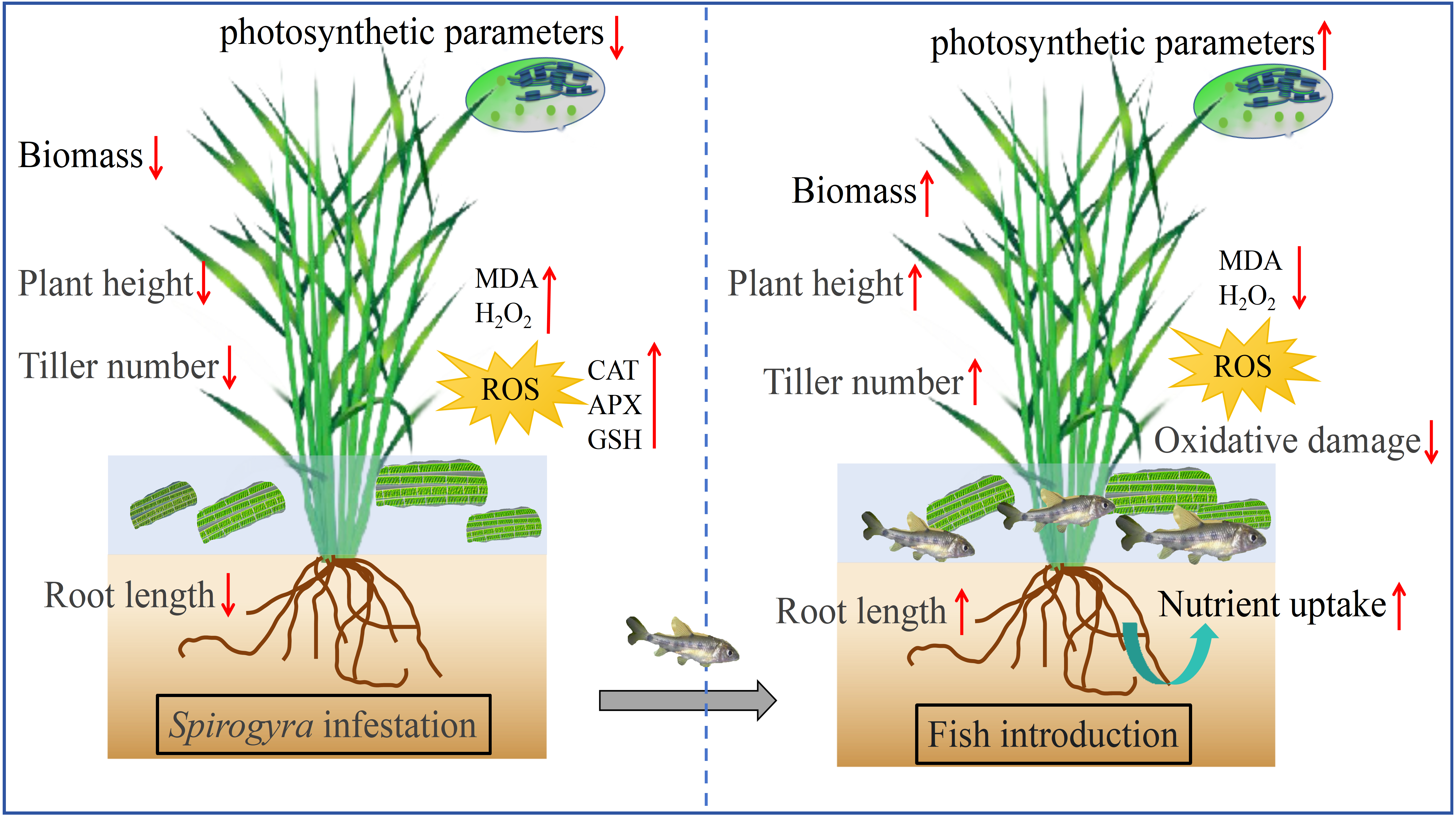
Oryza sativa L. is the largest food crop in the world. The harmful filamentous green algae Spirogyra in paddy fields poses a serious threat to O. sativa yield. Therefore, biological control for Spirogyra is important for sustainable agricultural development. The native fish species Acrossocheilus yunnanensis can graze on Spirogyra and exhibits strong environmental adaptability, providing a novel approach to the biological control of Spirogyra. Therefore, we designed the O. sativa+Spirogyra+A. yunnanensis co-culture system to study the effects of A. yunnanensis on O. sativa growth and physiological characteristics. The results indicated that Spirogyra stress significantly inhibited O. sativa biomass accumulation, root length and plant height development, reduced photosynthetic efficiency, and increased the contents of oxidative stress markers including malondialdehyde (MDA) and hydrogen peroxide (H2O2). Interestingly, grazing of A. yunnanensis on Spirogyra increased the biomass of Oryza sativa by 58.60%, the root–shoot ratio by 78.01%, and the root length and plant height by 49.83% and 25.85%, respectively. Meanwhile, the soil nitrate nitrogen (NO3-N), ammonium nitrogen (NH4+-N), and available phosphorus (AP) were enhanced, which improved O. sativa nutrient uptake and promoted photosynthetic pigment accumulation. This was manifested by an increase in chlorophyll content, net photosynthetic (Pn), transpiration rate, stomatal conductance (Gs), and intercellular CO2 concentration (Ci). Grazing of A. yunnanensis on Spirogyra alleviated the oxidative damage to O. sativa induced by Spirogyra, as evidenced by decreased malondialdehyde (MDA) and hydrogen peroxide (H2O2) level in both leaves and roots, along with increased protein content. This provides a new strategy for constructing a rice–fish symbiotic system by using indigenous fish species, achieving Spirogyra control and sustainable agricultural development.

Graphical Abstract

1. Introduction

In modern agricultural ecosystems, Oryza sativa (rice), one of the most widely cultivated and crucial food crops globally, meets the food needs of approximately half of the world’s population [1]. However, algae, as structurally simple yet highly adaptable lower organisms, have become one of the key factors affecting O. sativa growth and yield. For instance, in northern China (including the Sanjiang Plain), the area affected by Spirogyra has exceeded 133,000 hectares, with over 33,000 hectares suffering severe damage. In particular, the filamentous green algae Spirogyra has become a major constraint on healthy O. sativa growth and stable high yields due to its excessive proliferation, as the excessive application of chemical fertilizers in rice paddies leads to prolific growth of Spirogyra. During the decomposition of Spirogyra, certain pollutants are released, potentially generating harmful gases such as hydrogen sulfide and methane. These gases can poison O. sativa roots, leading to physiological disorders like blackening and root rot, which inhibit nutrient uptake and pose a serious threat to O. sativa cultivation safety [2,3,4]. Spirogyra aggregates into floating mats, resulting in algal surface blooms in stagnant or slow-moving waters. Because of a lack of grazers in the fields, the coverage of Spirogyra increased. When its coverage reaches 90%, this algal bloom blocks sunlight penetration, significantly alterting the aquatic light and thermal environment. This high-density coverage can reduce the water temperature by up to 2.8 °C and leads to a significant decrease in the underwater light intensity. Eventually, the plant height of O. sativa can be reduced by up to 6.8 cm, and the yield can decrease by 6.87% [5]. Some studies have explored the impact of the rice–duck farming model on species richness and diversity of weed communities [3]. In addition, other studies have focused on the red swamp crayfish and examined its feeding ability on weeds such as Ludwigia prostrata Roxb., Leptochloa chinensis (L.) Nees, Echinochloa crusgalli (L.) Beauv, and Eclipta prostrata (L.) [6]. However, research on Spirogyra control has long been constrained by its inconspicuous damaging characteristics, which are challenging to directly observe.
Nowadays, chemical herbicide application remains the primary weed management strategy in O. sativa paddy systems, yet this practice poses substantial risks of secondary environmental impacts. In 2014, the United States Geological Survey found that atrazine was one of the herbicides frequently detected in surface water. The monitoring in 2018 further showed that the concentration of atrazine in the surface water of some states in the Midwest and the South reached up to 53 mg/L at the highest [7]. During the process of pesticide application, up to 25% of the pesticides can drift and disperse with the air current, traveling as far as hundreds or even thousands of kilometers. This not only harms non-target organisms near the application area but also threatens ecosystems far away from the pesticide application sites, severely disrupting biodiversity and ecological balance [8]. With the development of sustainable agricultural practices, research into interspecies relationships within aquatic ecosystems has facilitated advancements in biological weed control in paddy fields, making it a prominent focus in contemporary agronomic studies. Notably, research has demonstrated that utilizing trophic interactions in aquatic ecosystems can provide an economically viable, efficient, and environmentally sustainable approach to Spirogyra control [9,10]. Fish, especially herbivorous and omnivorous species, as top consumers in aquatic ecosystems, can feed on, transform, degrade, and transfer harmful algae in water bodies and have demonstrated potential as a biological control method for harmful algae. For example, the grazing behavior of Spinibarbus hollandi and Hypophthalmichthys molitrix can reduce benthic filamentous green algae, thereby contributing to water quality improvement [11,12,13]. Although previous studies have confirmed the control effect of certain fish species on filamentous green algae, their application for the biological control of Spirogyra in paddy fields has not been further explored.
Spirogyra impedes nutrient uptake in plant leaves and root systems, resulting in growth retardation [14]. Photosynthetic physiological characteristics of plants reflect their habitat adaptability, and light energy utilization efficiency is the key to exploring productivity. Furthermore, nutrient availability and belowground spatial conditions regulate plant growth by influencing photosynthetic physiology [15]. Furthermore, cellular damage caused by membrane lipid peroxidation can be manifested by increased levels of malondialdehyde (MDA) and hydrogen peroxide (H2O2) in plants. To mitigate the damage, plants enhance antioxidant enzyme activity to maintain cellular viability and improve stress tolerance while simultaneously accumulating osmoregulatory substances [16]. Our previous research revealed that Acrossocheilus yunnanensis, a native fish species in the upper Yangtze River Basin, not only grazes Spirogyra in substantial quantities but also effectively disrupts the cellular integrity of the algae by its digestion. Therefore, we hypothesize that the introduction of the native fish species A. yunnanensis into paddy fields for the biological control of Spirogyra would promote O. sativa growth and development. We verified the following content: (1) A. yunnanensis grazing on Spirogyra would significantly increase the biomass, plant height, and root length of O. sativa in paddy fields; (2) The introduction of A. yunnanensis into paddy fields enhances soil fertility by increasing nitrate nitrogen (NO3-N), ammonium nitrogen (NH4+-N), and available phosphorus (AP) concentrations, thereby promoting the nutrient uptake in O. sativa; (3) Grazing by A. yunnanensis on Spirogyra alleviates the inhibitory effects of Spirogyra on the photosynthesis of O. sativa, resulting in the increase in chlorophyll content, net photosynthetic rate (Pn), intercellular CO2 concentration (Ci), and improved light energy capture and conversion efficiency; (4) Grazing of A. yunnanensis on Spirogyra can significantly reduce the levels of malondialdehyde (MDA) and hydrogen peroxide (H2O2) in O. sativa, thereby alleviating oxidative stress induced by Spirogyra. This study aims to establish a theoretical foundation for the biological control strategies of Spirogyra, thereby promoting eco-friendly Spirogyra management and advancing sustainable agricultural development.

2. Materials and Methods

2.1. Research Site and Planting Materials

The research site and planting materials were conducted in a greenhouse at Kunming University, China (Kunming, Yunnan, 102.79° E, 24.98° N). In the experiment, the plant was O. sativa cv. Shenliangyou 862, a hybrid rice variety purchased from Jiangsu Mingtian Seed Industry Technology Co., Ltd. (Nanjing, China). The soil from Guanwu Mountain (24°58′ N, 102°48′ E) was mixed with the nutrient soil from Jiangsu Siweibo Biotechnology Co., Ltd. (Nanjing, China) (nutrient soil/natural soil = 3:1). The properties of the mixed soil were as follows: available phosphorus (330.38 mg/kg), organic matter (16.22 mg/kg), nitrate nitrogen (6.788 mg/kg), ammonium nitrogen (179.38 mg/kg), and pH (7.25).
The filamentous green algae Spirogyra were collected from the Baoxiang River in the Guandu District of Kunming City (25.0739° N, 102.6946° E) in May of 2024, taken to the laboratory for microscopic examination, and repeatedly washed with distilled water. Then, they were cultured in acrylic cylinders (80 cm high, 60 cm wide) with combo medium in a greenhouse for two weeks. The water temperature of the greenhouse was 19 ± 1 °C and the light–dark cycle was 14:10 h.
Healthy individuals of A. yunnanensis were taken from the same batch of fry in the Fishery Technology Extension Station of Yunnan in December of 2023 and cultured in three acrylic cylinders (100 L tap water) at a constant water temperature of 19 ± 1 °C, which had been thoroughly disinfected for three days with 84 disinfectant tablets (concentration of 0.3 g/L) purchased from Nanjing Clever Jie Biotechnology Co., Ltd. (Nanjing, China). All experimental fish in this study were approved by the Experimental Animal Welfare Ethics Committee at the Kunming University (China, Ref. No. KMU 2023039).

2.2. Experimental Design

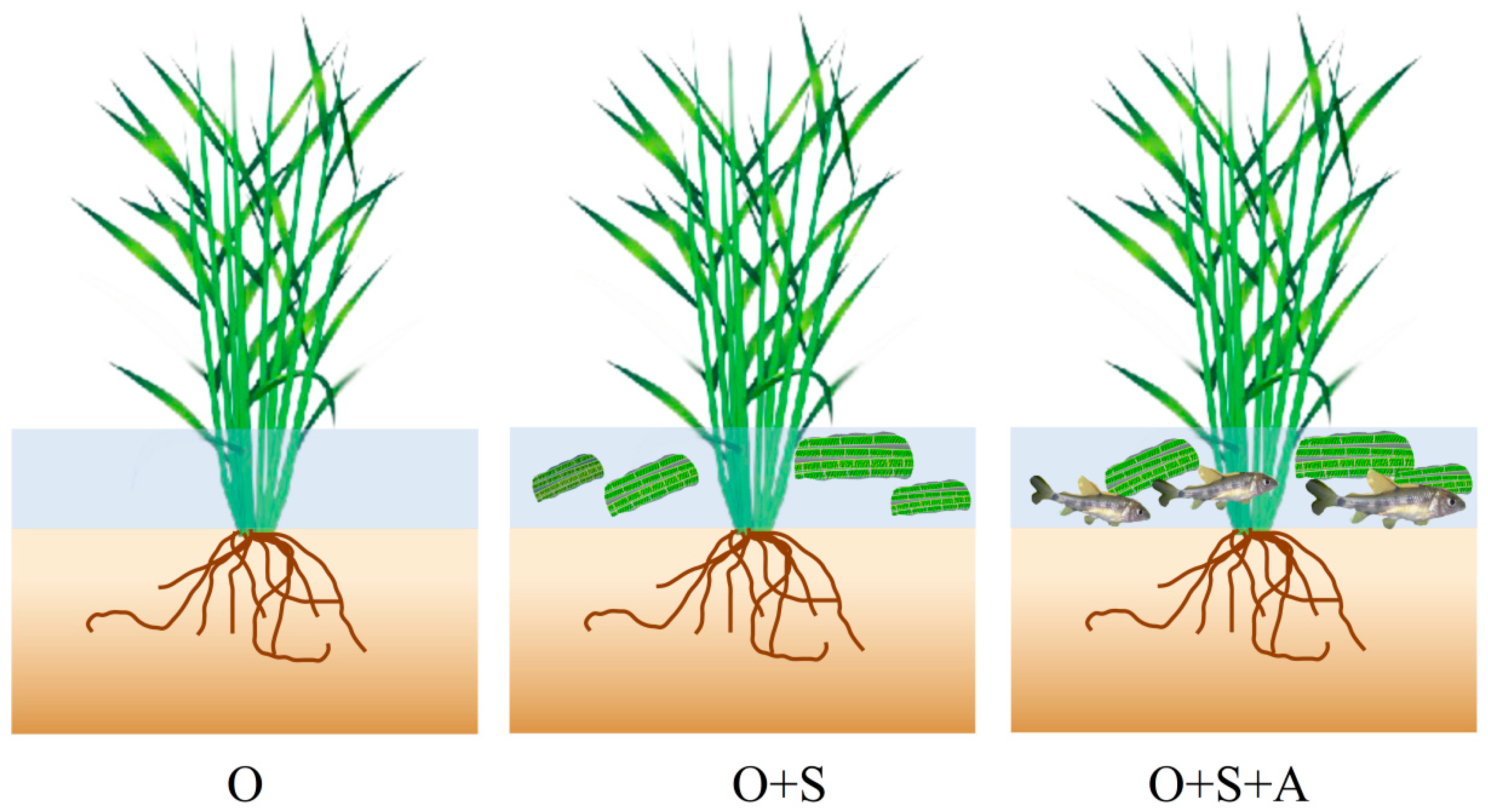
The period of this experiment is 40 days. A total of three treatment groups is set up: a monoculture of O. sativa (O); a co-culture of O. sativa and Spirogyra (O+S); and a co-culture of O. sativa, Spirogyra, and A. yunnanensis (O+S+A). Moreover, each treatment group has four replicates. Fifteen O. sativa seedlings were transplanted into experimental tanks (55 cm in length, 36 cm in width, 38 cm in height) containing 12 cm of mixed soil and acclimatized for one week. At the initiation of co-culture (0 h), 50 g of pre-cultured Spirogyra (blotted dry with absorbent paper) was added to both the O+S and O+S+A treatment groups to achieve 70–80% surface coverage. Seven healthy A. yunnanensis (mean body weight: 8.05 ± 0.68 g; mean length: 9.56 ± 0.32 cm; 12-month-old) were randomly selected and co-cultured in tanks. During the experiment, A. yunnanensis exhibited continuous grazing behavior on Spirogyra. To prevent the lack of forage for fish in the O+S+A co-culture system due to the premature depletion of Spirogyra (as this depletion would disrupt the balance of the experimental system), 50 g of pre-cultured Spirogyra was supplemented in the O+S+A group, respectively, on the 20th and 30th days. This supplementation was conducted immediately after observing that Spirogyra in the group’s tanks had been grazed. Finally, it is undeniable in the experiment that in the O+S group, Spirogyra had no external consumption or supplementation, maintaining a stable and continuous biomass. This led to long-term, persistent nutrient competition between Spirogyra and O. sativa (e.g., competing for nutrients such as nitrogen and phosphorus), which may have exerted a certain inhibitory effect on rice growth. However, in the O+S+A group, although Spirogyra went through a “consumption/supplementation” cycle, its biomass fluctuation was consistently in a state of “being controlled by fish grazing.” Through continuous grazing, A. yunnanensis could effectively restrict the overgrowth of Spirogyra, thereby significantly reducing the nutrient competition pressure between Spirogyra and O. sativa. This positive effect of “alleviating Spirogyra competition via fish grazing” could offset the minor environmental fluctuations caused by Spirogyra supplementation, ensuring that the growth environment of O. sativa in the O+S+A group was not substantially disturbed. At the end of the experiment, O. sativa plants were washed three times with deionized water, followed by removal of residual moisture from roots using filter paper. After measuring fresh weight, samples were immediately stored at −80 °C for subsequent analysis. The experimental design is shown in Figure 1.

2.3. Sample Determination and Methods

2.3.1. Plant Sampling

After the experiment, the O. sativa plants in each tank were collected and rinsed with deionized water. The surface moisture of the plant was absorbed with absorbent paper, then the fresh weight was monitored with an analytical balance. The O. sativa plants were oven-dried to constant weight at 80 °C using a forced-air drying oven (DHG-9245A, Shanghai Heng Scientific Instrument Co., Ltd. (Shanghai, China)), and the dry weight of O. sativa was measured with an analytical balance. The root–shoot ratio (RSR) was determined as the following formula [17]:
R S R = U n d e r g r o u n d   d r y   w e i g h t   o f   p l a n t A b o v e g r o u n d   d r y   w e i g h t   o f   p l a n t

2.3.2. Growth Rate

Plant height and root length of each rice plant were measured at the start (day 0) and end (day 40) of the experiment. For plant height measurement, the zero end of a ruler was placed vertically at the base of the stem and extended along the main stem to the highest point (leaf tip), keeping the plant naturally upright. The roots of O. sativa were first washed clean, laid flat, and then measured from the root base to the tip of the longest root.
G r o w t h   r a t e % = ( F i n a l   g r o w t h   o f   p l a n t I n i t i a l   g r o w t h   o f   p l a n t ) I n i t i a l   g r o w t h   o f   p l a n t × 100 %

2.3.3. Nutrient Elements of Oryza sativa

In total, 0.1 g of leaves, 0.07 g of roots, and 0.2 g of stems from the dried O. sativa were digested using HNO3-HClO4. Then the digested solution was used to measure nitrogen (N), phosphorus (P), potassium (K), manganese (Mn), copper (Cu), and zinc (Zn). The N content was determined using the H2SO4-H2O2 indophenol blue colorimetry method, and P content was analyzed by the molybdenum–antimony–ascorbic acid colorimetry method. The remaining elements (K, Mn, Cu, and Zn) were quantified using inductively coupled plasma atomic emission spectrometry (ICP-AES; iCAP 6300, Thermo Fisher Scientific, Waltham, MA, USA).

2.3.4. Photosynthetic Pigments and Fluorescence Parameters of Oryza sativa

Photosynthetic pigments were extracted by 95% ethanol. The concentrations of chlorophyll a (Chl a), chlorophyll b (Chl b), and carotenoids in the extractant were measured by light absorption at 665 nm, 649 nm, and 470 nm, respectively, and calculated using the following equations:
chlorophyll a = (13.95 × A665 − 6.88 × A649)
chlorophyll b = (24.96 × A649 − 7.32 × A665)
Carotenoids = [(1000 A470 − 2.05 Chl a − 114.8 Chl b)/245]
Total Chlorophyll = [(Chl a + Chl b) × 25/(0.5 × 1000)]
where A665, A649, and 470 nm indicate the light absorption value of the leaf extract at 665 nm and 649 nm, respectively.
Three to five plants with uniformly sized leaves of O. sativa were selected from each treatment. Net photosynthetic rate (Pn), stomatal conductance (Gs), transpiration rate (Tr), and intercellular CO2 concentration (Ci) were measured using a portable photosynthesis system (LI-6400XT) (Gene Technology Co., Ltd., Beijing, China). Measurements were taken between 9:30 and 11:40 AM to capture peak photosynthetic activity [18].

2.3.5. Determination of Antioxidant System

We completed the sample extraction step following the operating instructions of the kit, in which 0.1 g of fresh leaf and root tissues of O. sativa were ground, respectively, in a pre-chilled mortar with 0.9 mL of extraction agent (PB, phosphate buffer, pH: 7.0). Then, centrifuge the mixture for measuring Superoxide Dismutase (SOD), Catalase (CAT), and Malondialdehyde (MDA) at 3500 rpm for 10 min at 4 °C, and centrifuge the mixture for measuring H2O2 at 12,000 rpm for 10 min; the supernatant was collected for analysis. SOD activity, CAT activity, MDA, and Hydrogen Peroxide (H2O2) content were measured at the absorption values at 560 nm, 405 nm, 532 nm, and 405 nm using commercially available kits (Nanjing Jiancheng Bioengineering Institute, Nanjing, China).
Fresh leaf and root tissues (0.1 g each) of O. sativa were ground in an ice bath using a pre-chilled mortar and pestle with 10 volumes (w/v) of respective extraction buffers (1:10 tissue mass to extraction volume ratio). The reagent extract was added, and then the mortar was used for full grinding until the slurry was formed. The homogenate was centrifuged at 13,000 rpm for 20 min at 4 °C for ascorbate peroxidase (APX) measurement and centrifuged at 8000 rpm for 10 min at 4 °C for glutathione (GSH) measurement. The supernatant was collected for spectrophotometric analysis using commercially available assay kits (Jining Bio, Shanghai, China). APX activity was measured by monitoring the absorbance at 290 nm (ascorbate oxidation), while GSH content was determined at 412 nm. Protein concentration was quantified using the Coomassie Brilliant Blue method.

2.4. Statistical Analysis

Statistical analyses were performed using SPSS software packages (v.21.0; SPSS Inc., Chicago, IL, USA) and Origin 2021. Significant differences between samples were statistically compared using one-way analysis of variance (ANOVA), and Duncan’s multiple comparisons for measuring mean values were performed. The correlation was analyzed with the Pearson test (two-tailed) at p = 0.05. Any differences between the mean values at p < 0.05 were statistically significant.

3. Results

3.1. Changes in Biomass, Tillering, and Panicle Number of Oryza sativa

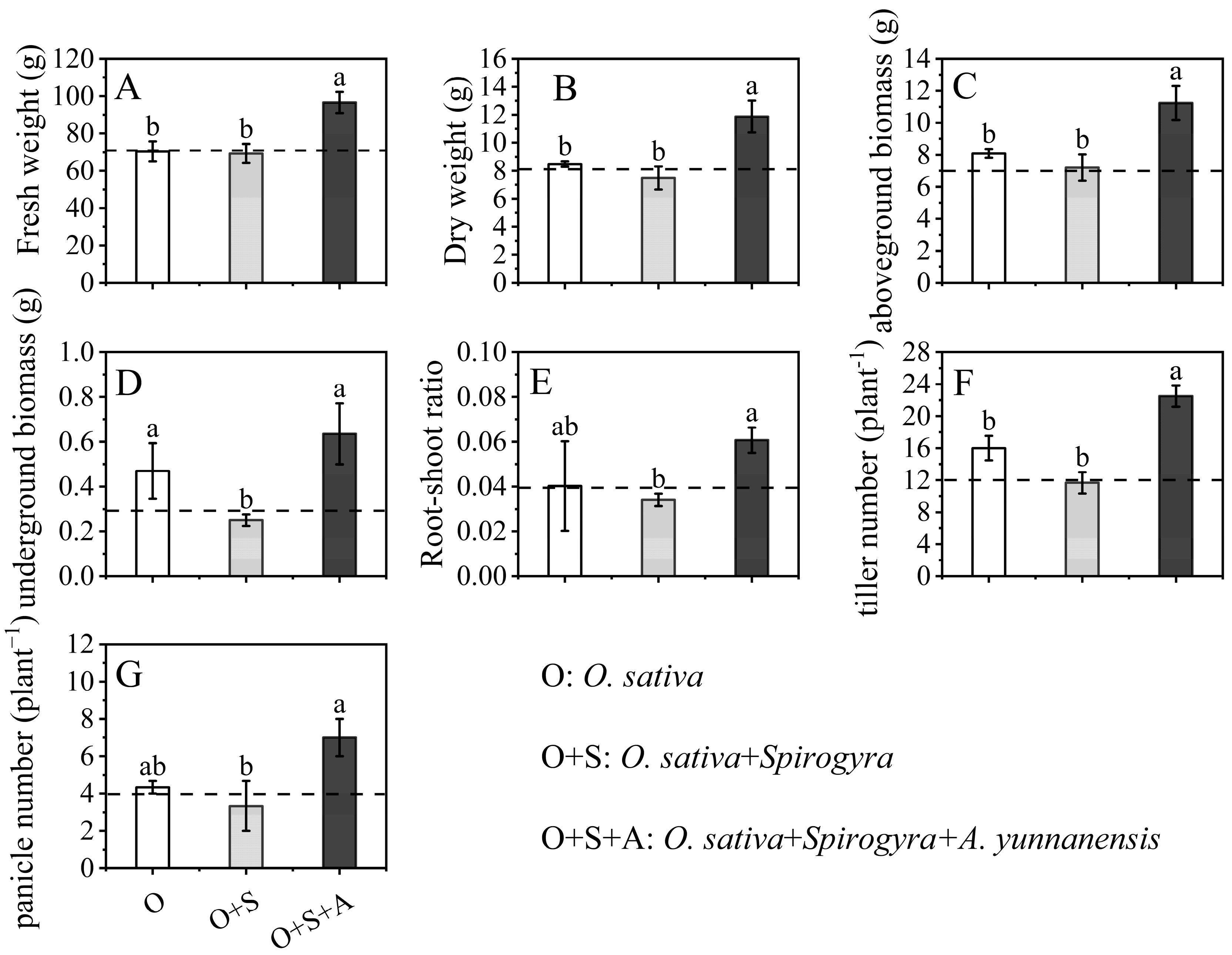
There was no significant difference in fresh weight and dry weight of O. sativa between the O. sativa monoculture and O. sativa+Spirogyra co-culture group (p > 0.05). However, the introduction of A. yunnanensis into the co-culture group (O. sativa+Spirogyra+A. yunnanensis) significantly enhanced biomass accumulation of O. sativa, with fresh weight (96.59 g) and dry weight (11.87 g). These represented increases of 39.34% and 58.60%, respectively, compared to the O. sativa+Spirogyra group (Figure 2A,B). Meanwhile, the above-ground biomass of O. sativa increased by 38.91% and 56.07% compared to the O. sativa monoculture and O. sativa+Spirogyra co-culture group, respectively (Figure 2C). Spirogyra stress significantly reduced the belowground biomass of O. sativa by 46.84% compared to O. sativa monoculture. However, the introduction of A. yunnanensis significantly increased the root biomass of O. sativa by 154.51% compared to the O. sativa+Spirogyra co-culture group (Figure 2C,D). Similarly, the root–shoot ratio, tillers, and panicle panicles of O. sativa increased by 78.01%, 92.86%, and 110.00%, respectively (Figure 2E–G).

3.2. Changes in Plant Height, Root Length Growth Rate, and Growth Morphology of Oryza sativa

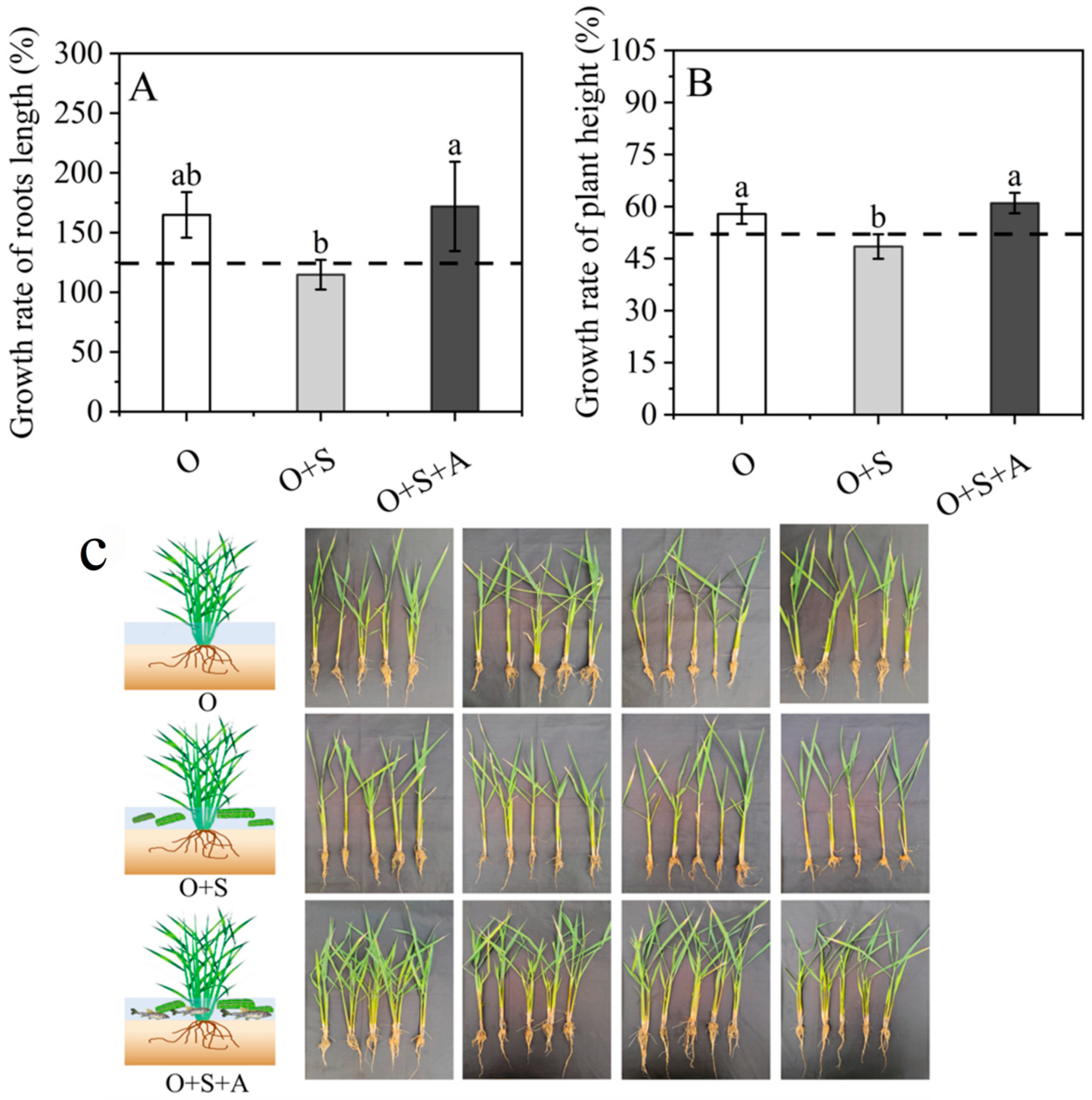
As shown in Figure 3A,B, Spirogyra stress significantly inhibited O. sativa growth, reducing root length and plant height by 34.67% and 12.63%, respectively, compared to the O. sativa monoculture group. However, the introduction of A. yunnanensis into the co-culture system (O. sativa+Spirogyra+A. yunnanensis) increased the root length and plant height growth rates of O. sativa by 49.83% and 25.85%, respectively, compared to the O. sativa + Spirogyra co-culture group. And O. sativa co-cultured with Spirogyra showed significantly sparser leaves, weaker growth, and fewer and shorter in roots compared to the O. sativa monoculture group (Figure 3C).

3.3. Changes in Nutrient Elements in Oryza sativa

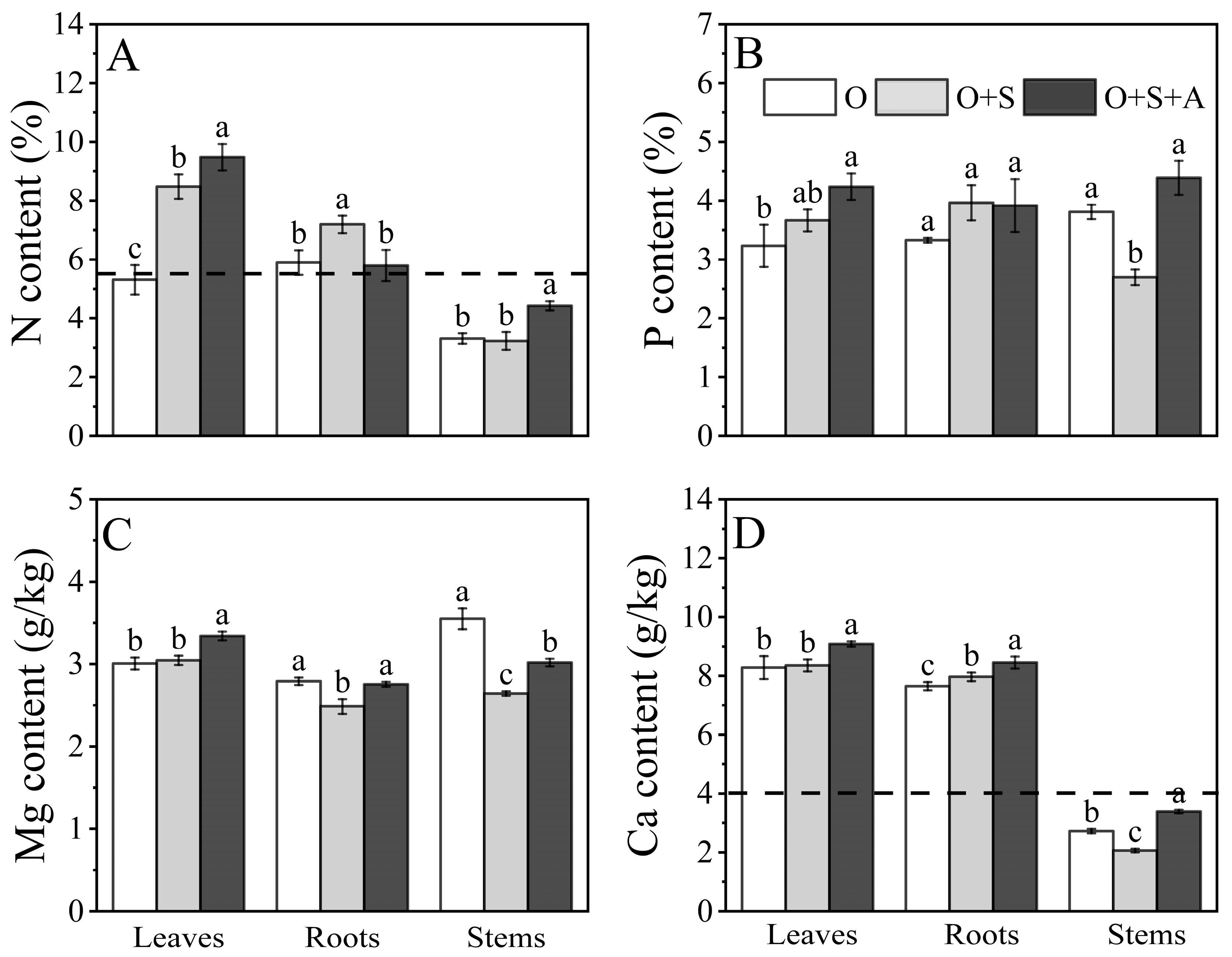
As shown in Figure 4, compared with the O. sativa monoculture group and the O. sativa+Spirogyra group, the introduction of A. yunnanensis into the co-culture system (O. sativa+Spirogyra+A. yunnanensis) significantly increased the contents of nitrogen, phosphorus, magnesium, and calcium in O. sativa leaves (p < 0.05). The nitrogen content in O. sativa roots had a maximum value of 7.19%. Magnesium and calcium content of roots in O. sativa co-cultured with Spirogyra+A. yunnanensis were significantly increased by 10.88% and 8.78% compared to the O. sativa + Spirogyra group. But Spirogyra stress significantly reduced phosphorus, magnesium, and calcium contents in O. sativa stems by 29.28%, 25.52%, and 24.13%, respectively, compared to the O. sativa monoculture group. However, the introduction of A. yunnanensis into the co-culture system (O. sativa+Spirogyra+A. yunnanensis) significantly enhanced the phosphorus, magnesium, and calcium contents in O. sativa stems by 62.70%, 14.16%, and 64.35%, respectively. Especially, the stem nitrogen content in O. sativa was increased by 4.43%, compared to the O. sativa+Spirogyra group.

3.4. Changes in Soil Nutrient in Paddy Field

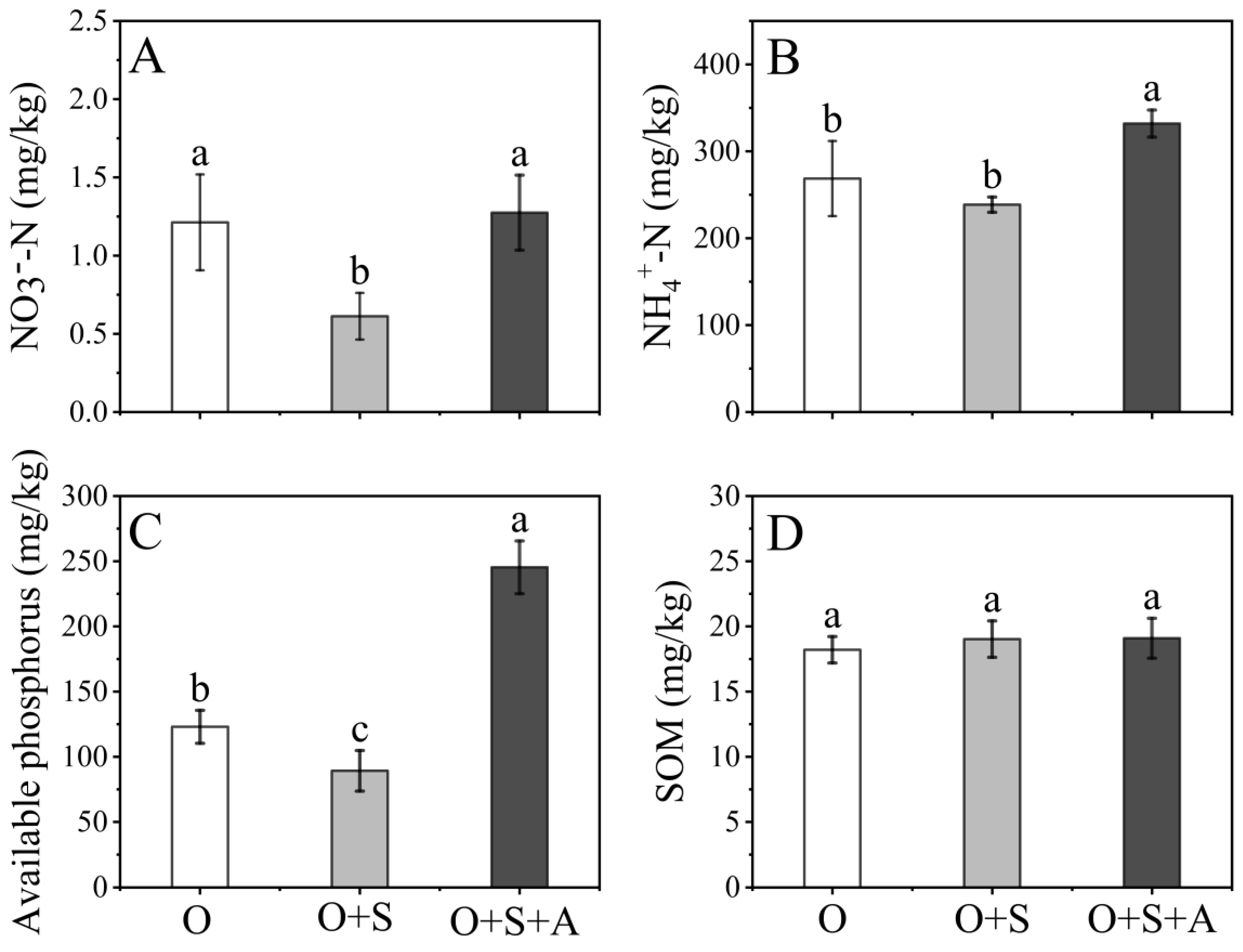
Compared with the O. sativa monoculture group, the content of soil available phosphorus, ammonium nitrogen, and nitrate nitrogen in the O. sativa+Spirogyra co-culture group decreased by 27.44%, 11.17%, and 49.48%, respectively. However, after the introduction of A. yunnanensis into the co-culture system (O. sativa+Spirogyra+A. yunnanensis) significantly increased the above three indicators in the soil by 174.93%, 39.11%, and 108.16%, respectively, compared to the O. sativa+Spirogyra co-culture group (Figure 5).

3.5. Changes in the Photosynthetic Characteristics of Oryza sativa

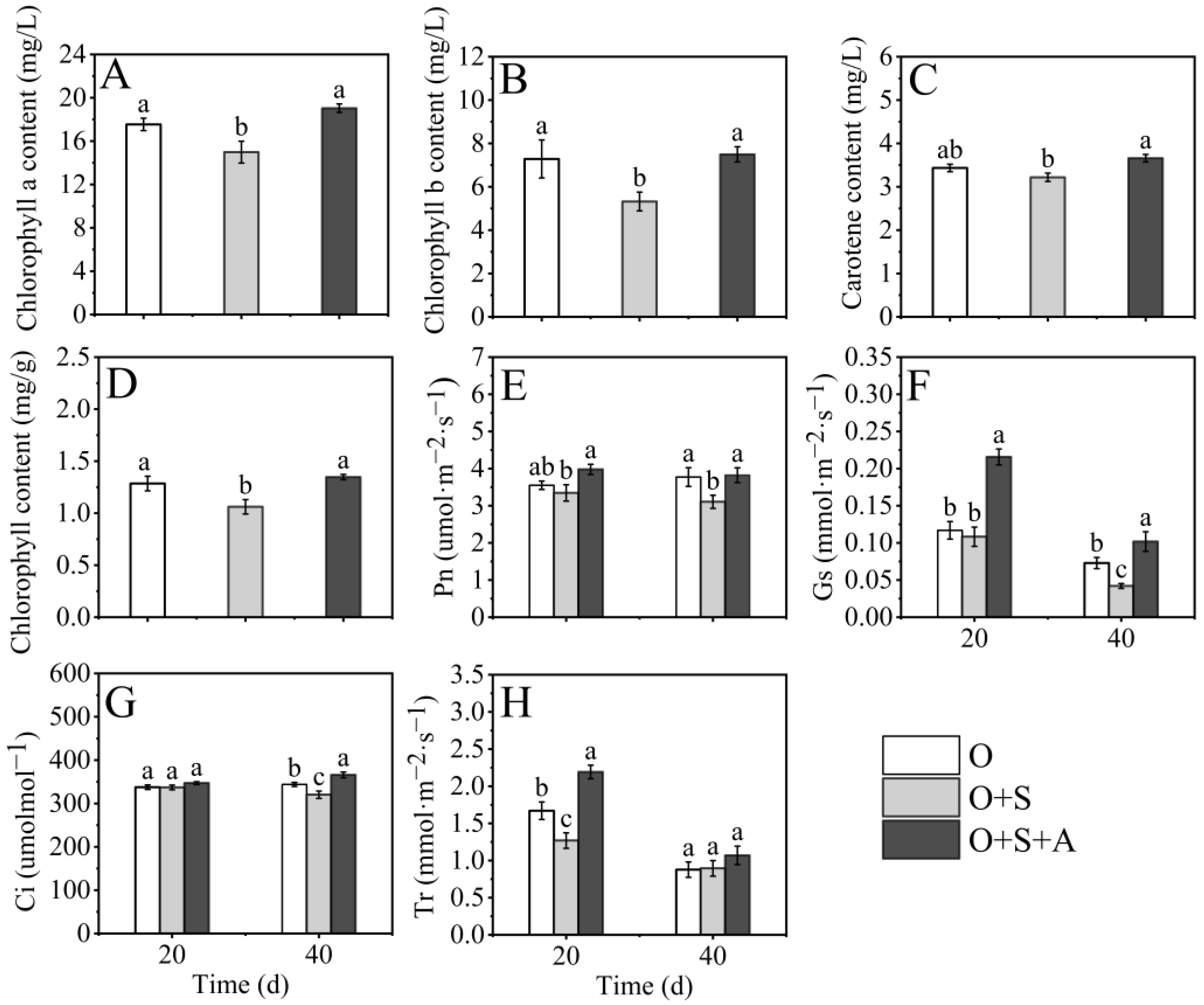
Compared with the O. sativa monoculture group, Spirogyra stress significantly decreased chlorophyll a, chlorophyll b, and total chlorophyll content in O. sativa by 14.59%, 26.93%, and 17.41%, respectively, indicating a significant inhibition of photosynthesis. However, the introduction of A. yunnanensis into the co-culture system (O. sativa+Spirogyra+A. yunnanensis) significantly increased the contents of chlorophyll a, chlorophyll b, carotenoids, and total chlorophyll in O. sativa by 27.08%, 40.89%, 26.92%, and 13.71%, respectively, compared to the O. sativa+Spirogyra co-culture group (Figure 6A–D). As shown in Figure 6E,F, Spirogyra stress significantly inhibited the net photosynthetic rate (Pn) and stomatal conductance (Gs) of O. sativa leaves. Especially, on the 40th day, compared to the O. sativa monoculture group, Spirogyra stress significantly reduced the net photosynthetic rate (Pn), stomatal conductance (Gs), and intercellular carbon dioxide (Ci) of O. sativa by 17.68%, 42.39%, and 6.94%, respectively. In addition, on the 20th day, the transpiration rate (Tr) of O. sativa co-cultured with Spirogyra reached the lowest value of 1.27 mmol/m2/s. However, on the 20th and 40th day of the experiment, compared with the O. sativa+Spirogyra co-culture group, the introduction of A. yunnanensis into the coculture system (O. sativa+Spirogyra+A. yunnanensis) increased significantly the net photosynthetic rate (Pn), stomatal conductance (Gs), and intercellular carbon dioxide (Ci) of O. sativa. On the 20th day of the experiment, the introduction of A. yunnanensis into the coculture system (O. sativa+Spirogyra+A. yunnanensis) increased significantly the transpiration rate by 72.73% compared to the O. sativa+Spirogyra co-culture group (Figure 6H). Similarly, the intercellular CO2 concentration increased significantly by 14.28% on the 40th day (Figure 6G).

3.6. Changes in the Antioxidant System of Oryza sativa

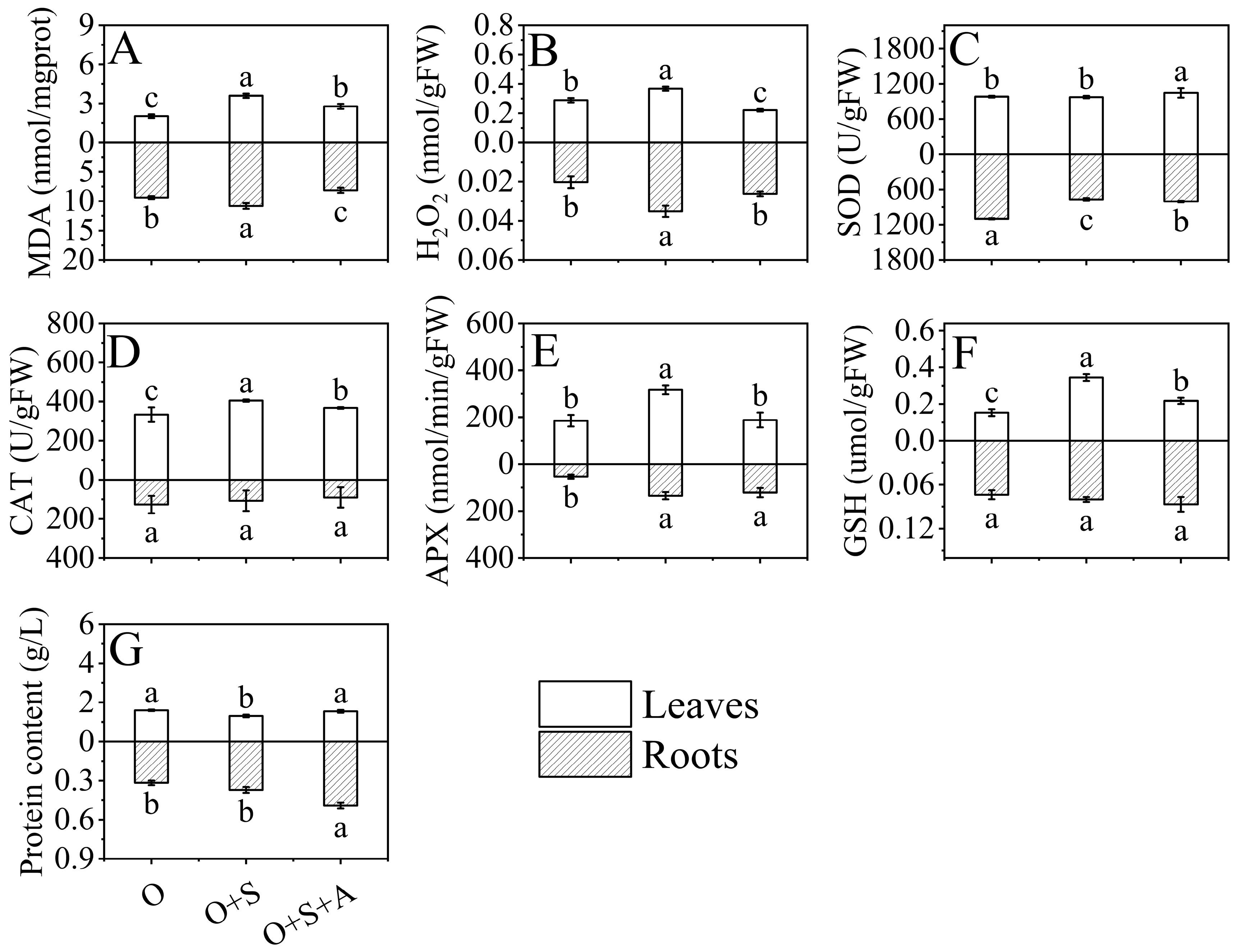
Compared to the O. sativa monoculture group, Spirogyra stress increased MDA and H2O2 contents in O. sativa leaves and roots by 77.81% and 15.46%, 27.07% and 73.40%, respectively. However, the introduction of A. yunnanensis into the co-culture system (O. sativa+Spirogyra+A. yunnanensis) significantly decreased MDA and H2O2 contents in O. sativa leaves and roots by 22.89% and 24.86%, 40.00% and 25.57%, respectively (Figure 7A,B). The activity of SOD in O. sativa root co-cultured with Spirogyra reached a minimum value of 770.50 U/g (Figure 7C), and in the O. sativa+Spirogyra+A. yunnanensis group, this parameter of O. sativa leaves increased significantly. The activities of CAT, APX and GSH in leaves of O. sativa co-cultured with Spirogyra reached the maximum values of 404.91 U/g, 316.75 nmol/min/g, and 0.35 μmol/g, respectively, resulting in the increase of 21.47%, 71.21%, and 125.56% compared to the O. sativa monoculture group. However, the introduction of A. yunnanensis into the co-culture system (O. sativa+Spirogyra+A. yunnanensis) significantly reduced the activities of CAT, APX, and GSH in O. sativa leaves by 9.16%, 40.60%, and 37.06%, respectively (Figure 7D–F). The protein concentration in O. sativa leaves under Spirogyra stress was the minimum value of 1.31 g/L, reduced by 18.22% compared to the O. sativa monoculture group. The introduction of A. yunnanensis into the co-culture system (O. sativa+Spirogyra+A. yunnanensis) enhanced the protein concentration in O. sativa leaves and roots to the maximum value of 1.55 g/L and 0.49 g/L, respectively, resulting in an increase of 18.21% and 32.72% compared to the O. sativa+Spirogyra group (Figure 7G).

4. Discussion

Biomass is a crucial indicator for assessing plant growth and energy accumulation, and its differential distribution among organs reveals plant growth strategies [19,20]. This study demonstrated that Spirogyra stress significantly inhibited O. sativa root biomass. This phenomenon may be attributed to the nutrient competition triggered by Spirogyra coverage—Spirogyra directly competes with O. sativa for soil-borne nitrogen, phosphorus, and other essential nutrients, which in turn weakens the root system’s nutrient absorption efficiency and consequently impairs tiller development. Notably, A. yunnanensis exhibited a remarkable control effect on Spirogyra during the grazing process. Data measured at the end of the experiment showed that the net biomass increment of Spirogyra in the O. sativa+Spirogyra group was 16.15 g, whereas the total Spirogyra biomass consumed by A. yunnanensis reached 112.92 g, indicating a relatively large grazing scale (Supplementary Figure S1). Building on this, the growth parameters of O sativa (rice) was significantly improved, including a notable increase in root biomass (Figure 2D) and a marked rise in the growth rates of root length and plant height (Figure 3A,B). Correspondingly, the uptake of nitrogen and phosphorus in the leaf and stem tissues of O. sativa was significantly enhanced (Figure 4), and these changes are crucial for sustaining the normal growth of O. sativa as well as improving its yield and quality [21,22]. The contents of soil nitrate nitrogen, ammonium nitrogen, and available phosphorus in the experimental simulated soil (in tanks) also enhanced significantly (Figure 5A–C). The feces and vital activities of A. yunnanensis enhanced soil nutrient contents, while its swimming behavior loosened the soil, promoting nutrient mineralization and decomposition, thereby improving nutrient absorption efficiency. This is consistent with many previous studies—for example, in the rice-duck farming system, ducks can control weeds through foraging activities (eliminating the need for herbicides) and supplement soil nutrients, thereby promoting O. sativa biomass accumulation [23,24]. After A. yunnanensis is introduced into paddy fields, O. sativa absorbs nitrogen from deeper soil layers, accompanied by root architectural modifications in response to nutrient-enriched areas as the plants develop [25]. Soil phosphorus availability and supply can significantly promote root physiological metabolism in crops [26]. This study consistently revealed that under nutrient-optimized conditions mediated by A. yunnanensis, O. sativa exhibited significantly improved root metabolic activity, leading to the increase in dry weights in leaves and roots. Moreover, the root–shoot ratio indicates the growth balance between belowground and aboveground plant parts, and the number of tillers directly affects the number of effective panicles and yield of O. sativa [27]. This study showed that A. yunnanensis significantly increased the root–shoot ratio, tiller number, and panicle number of O. sativa by grazing on Spirogyra. The grazing and excreta of A. yunnanensis exhibited a nitrogen fertilization effect on the growth of O. sativa by disturbing water and soil [28]. The co-culture model of A. yunnanensis and O. sativa improves O. sativa reproductive performance by balancing aboveground and belowground growth, increasing structural indices such as root dry weight and length, and enhancing nutrient acquisition and distribution efficiency.
Chlorophyll is an important photosynthetic pigment for absorbing and transforming light energy [29,30]. Plants compensate for nutrient starvation and maintain photosynthetic product by reducing shoot growth, nutrient remobilization, and other regulatory mechanisms. In this study, the contents of chlorophyll a, chlorophyll b, and total chlorophyll in O. sativa leaves co-cultured with Spirogyra decreased significantly (Figure 6A–D). At the same time, the contents of magnesium and calcium in O. sativa leaves, roots, and stems decreased significantly (Figure 4C,D). Magnesium deficiency in O. sativa plants under Spirogyra stress may affect the distribution of photosynthates by disrupting both the loading and transport of assimilates in the phloem and hindering the polar transport of photosynthetic products from leaves to roots [31,32]. Calcium deficiency impairs chlorophyll and precursor biosynthesis by inhibiting plant growth and compromising cell membrane integrity. The regulation of physiological processes such as photosynthetic rate and stomatal conductance by nutrient elements is crucial in the process of plant growth. These regulatory processes directly or indirectly affect the implementation of plant growth strategies [33]. For example, Mg, as the most abundant free divalent cation in plant cytosol, is a key cofactor for carbon metabolism-related enzymes and indispensable for chlorophyll synthesis and carbon fixation [34,35]. Calcium can regulate the expression of genes encoding chloroplast photosynthesis-related proteins and enzymes. Ca2+-binding proteins have been confirmed to exist in chloroplasts, but some proteins are located in the chloroplast membrane, such as S-adenosylmethionine transporter-like protein (SAMTL) and chloroplast inner membrane protein (TIC) [36]. The synergistic depletion of these critical components leads to a significant reduction in chlorophyll content, which directly impairs photosynthetic efficiency, limits carbon assimilation, and ultimately decreases primary productivity in plants [37]. However, after the introduction of A. yunnanensis into the paddy field, the contents of magnesium, calcium, and other nutrient elements and photosynthetic indexes in O. sativa plants increased significantly, indicating that the feeding behavior of this fish on Spirogyra can effectively alleviate the stress of Spirogyra on the photosynthetic system of O. sativa. The absorption and transport of magnesium, calcium, and other elements is preferentially allocated to chloroplasts, where it participates in photosynthesis processes. This mechanism leads to a significant increase in photosynthetic pigment content and enhances accumulation of photosynthetic assimilates, consequently promoting plant growth and biomass production [38,39]. In this study, grazing by A. yunnanensis on Spirogyra significantly improved the photosynthetic parameters of O. sativa, with marked increases in key parameters including net photosynthetic rate (Pn), stomatal conductance (Gs), transpiration rate (Tr), and intercellular CO2 concentration (Ci) (Figure 6E–H). Naeem et al., who reported [40] that Ca2+ promoted maize growth and upregulated key photosynthetic parameters (Gs, Tr). Notably, our study revealed that introducing A. yunnanensis into the co-culture system significantly increased calcium uptake in O. sativa plants, accompanied by synchronous improvements in photosynthetic parameters (Pn, Gs, Tr), indicating that A. yunnanensis improved the microenvironment of the paddy field through grazing on Spirogyra, which not only promoted the absorption and utilization of calcium by O. sativa but also optimized the photosynthetic efficiency by increasing stomatal conductance and photosynthetic enzyme activity, and finally significantly promoted plant growth. This is consistent with the findings of Song et al., who discovered [41] that Ca2+ promoted plant carbon accumulation and dry matter accumulation by enhancing leaf photosynthetic capacity. This ecological regulation model significantly enhances the population expansion potential of O. sativa in heterogeneous habitats by synergistically optimizing its efficiency in acquiring light energy and nutrients [42].
Under stress conditions, plants generate more ROS that leads to the induction of peroxidation of membrane lipids and oxidative damage. Plants evolve tolerance mechanisms to maintain cell homeostasis and resist this abiotic stress [43,44], and activate several enzymes, including SOD, CAT, APX, and GSH, to protect against oxidative damage. In this study, the stress induced by Spirogyra significantly increased the accumulation of MDA and H2O2 in O. sativa, causing membrane lipid peroxidation and substantial reactive oxygen species (ROS) accumulation. The plant antioxidant system, including both enzymatic and non-enzymatic defense mechanisms, was rapidly and coordinately activated [45]. Spirogyra stress rapidly enhances the activities of CAT, APX, and the GSH content in O. sativa plants, thereby activating their defense response. However, grazing of A. yunnanensis on Spirogyra decreased the levels of MDA and H2O2 in both the leaves and roots of O. sativa, indicating that the introduction of A. yunnanensis alleviated the oxidative stress of O. sativa suffering from Spirogyra. Consequently, the activities of CAT and APX, as well as the GSH content, also decreased (Figure 7D–F). This is consistent with the results of Du [46] et al., who observed that Cenchrus calyculatus exhibited significantly higher CAT activity under stress conditions. Similarly, Wang [47] et al. reported that anthracnose infection induced a notable increase in CAT activity and GSH content in the leaves of Stylosanthes seedlings. Proteins in plants not only serve as essential structural components of cells but also play catalytic and regulatory roles in vital biological processes [48,49]. Spirogyra stress significantly reduced the protein content in O. sativa leaves, indicating that Spirogyra may disrupt nitrogen metabolism in O. sativa, thereby inhibiting the oxidation of proteolysis or protein synthesis [50]. Nevertheless, the grazing of A. yunnanensis on Spirogyra alleviated peroxidation-induced lysosomal damage in O. sativa cells, slowed the degradation of storage substances, and enhanced the resistance to Spirogyra by effectively maintaining the biosynthesis of substances and membrane stability caused by the improvement of osmotic pressure and carbohydrate levels [51].

5. Conclusions

Spirogyra stress in the co-culture system has negative effects on O. sativa growth, nutrient uptake, and physiological characteristics, resulting in the decrease in biomass, photosynthetic efficiency, and oxidative damage. However, the introduction of A. yunnanensis as a biological control method for Spirogyra significantly increased the biomass, root–shoot ratio, root length, and plant height of O. sativa and optimized the synergistic growth of aboveground and underground parts. The availability of nitrogen, phosphorus, and other nutrients in paddy soil was enhanced to promote their uptake by O. sativa, and the chlorophyll content and photosynthetic parameters were promoted. The biological control effect of A. yunnanensis on Spirogyra alleviated the oxidative damage to O. sativa induced by Spirogyra, regulated the activity of antioxidant enzymes (CAT, APX) and GSH content, and enhanced protein synthesis, protecting the integrity of cell structure and function. This present study provides scientific evidence for the ecological application of rice–fish co-culture systems while providing a sustainable solution for controlling Spirogyra in paddy fields and improving agricultural productivity.

Supplementary Materials

The following supporting information can be downloaded at https://www.mdpi.com/article/10.3390/agriculture15181990/s1, Figure S1: The Spirogyra growth increment and fish grazing amount.

Author Contributions

M.Z.: Conceptualization, methodology, formal analysis, data curation, writing—original draft; R.J., X.Y., and S.W.: methodology, data curation; Z.H.: conceptualization, supervision; X.H.: formal analysis, supervision, writing—original draft, review and editing; X.C.: conceptualization, supervision, funding acquisition, writing—review and editing. All authors have read and agreed to the published version of the manuscript.

Funding

This research received financial support from the Yunnan Provincial Science and Technology Department grants (2019FA043), the National Natural Science Foundation of China (U1902202, 42167009), the Joint Fund Project of Yunnan Provincial Universities (2018FH001-004), the Kunming University Talent Program (YJL23024), and the Yunnan College Students Innovation and Entrepreneurship Project (S202311393065, S202311393070, S202311393074), International Joint Innovation Team for Yunnan Plateau Lakes and Laurentian Great Lakes, and Yunnan Collaborative Innovation Center for Plateau Lake Ecology and Environmental Health.

Data Availability Statement

All data generated or analyzed during this study are included in this published article, and the data are available from the corresponding author on reasonable request.

Conflicts of Interest

The authors declare that they have no known competing financial interests or personal relationships that could have appeared to influence the work reported in this paper.

References

  1. Rusinque, L.; Maleita, C.; Abrantes, I.; Palomares-Rius, J.E.; Inácio, M.L. Meloidogyne graminicola—A threat to rice production: Review update on distribution, biology, identification, and management. Biology 2021, 10, 1163. [Google Scholar] [CrossRef] [Scilit]
  2. Cao, D.Y. Study on Mechanism of Spirogyra (Spirogyra communis (Hass.) Kütz) Control by Photosynthetic Bacteria Combined with Copper Citrate in Transplanted Rice Field. Master’s Thesis, Shandong Agricultural University, Tai’an, China, 2022. [Google Scholar]
  3. Shah, N.; Dubey, V.K.; Thakkar, S.; Doshi, H.; Mahawar, P. Bioaccumulation of arsenic(V) from wastewater by live and dead Spirogyra sp. J. Basic Microbiol. 2021, 62, 489–497. [Google Scholar] [CrossRef] [Scilit]
  4. Sherwood, A.R.; Neumann, J.M.; Dittbern-wang, M.; Conklin, K.Y. Diversity of the green algal genus Spirogyra (Conjugatophyceae) in the Hawaiian Islands. Phycologia 2018, 57, 331–344. [Google Scholar] [CrossRef] [Scilit]
  5. Sun, W.L. Comparative Study on Harmfulness of the Investigation and Control Methods of Moss for Rice Field in Dalian. Master’s Thesis, Shenyang Agricultural University, Shenyan, China, 2018. [Google Scholar]
  6. Muthayya, S.; Sugimoto, J.D.; Montgomery, S.; Maberly, G.F. An overview of global rice production, supply, trade, and consumption. Ann. N. Y. Acad. Sci. 2014, 1324, 7–14. [Google Scholar] [CrossRef] [Scilit]
  7. Moore, M.T.; Locke, M.A.; Cullum, R.F. Expanding wetland mitigation: Can rice fields remediate pesticides in agricultural runoff? J. Environ. Qual. 2018, 47, 1564–1571. [Google Scholar] [CrossRef] [Scilit]
  8. Albaseer, S.S.; Jaspers, V.L.B.; Orsini, L.; Vlahos, P.; Al-Hazmi, H.E.; Hollert, H. Beyond the field: How pesticide drift endangers biodiversity. Environ. Pollut. 2024, 366, 125526. [Google Scholar] [CrossRef] [Scilit] [PubMed]
  9. Chen, Z.Q.; Zhao, D.; Li, M.L.; Tu, W.G.; Luo, X.M.; Liu, X. A field study on the effects of combined biomanipulation on the water quality of a eutrophic lake. Environ. Pollut. 2020, 265, 15–91. [Google Scholar] [CrossRef] [Scilit]
  10. Wang, C. The Research on Three Methods Inhibiting the Growth of Spirogyra. Master’s Thesis, Shanghai Ocean University, Shanghai, China, 2012. [Google Scholar]
  11. Lin, Z.; Zhang, Y.J.; Zhang, L.T.; Jin, J.; Pan, L.D.; Wang, C. Study on feeding preference of Spinibarbus hollandi to Spirogyra, Hydrilla verticillata and Ceratophyllum demersum and effect on water quality. Acta Hydrobiol. Sin. 2013, 37, 735–743. [Google Scholar]
  12. Zhang, Y.G.; Zhang, M.; Li, M.; Lü, X.C.; Zhang, Y.P.; Li, H.Y.; Zhao, H.; Lu, Y.G.; Qin, Y.; Li, X.J. Biological control of benthicfilamentous green algae. J. Hydroecol. 2024, 45, 112–120. [Google Scholar]
  13. Zhang, Y.J.; Lin, Z.; Wang, F.; Guo, G.M.; Chen, X.J.; Zhang, L.T.; Hua, W.F. Enclosures experiment for controlling filamentous algae (Spirogyras sp.) by Spinibarbus hollandi and Hypophthalmichthys molitrix. Acta Sci. Circumstantiae 2015, 35, 780–788. [Google Scholar]
  14. Zhang, J.F.; Ge, J.R.; Dayananda, B.; Li, J.Q. Effect of light intensities on the photosynthesis, growth and physiological performances of two maple species. Front. Plant Sci. 2022, 13, 999026. [Google Scholar] [CrossRef] [Scilit] [PubMed]
  15. Zhang, J.; Li, S.H.; Song, H.Y.; Chen, J.Y.; Wang, J.M.; Li, R.X.; Yang, J.; Tao, J.P.; Liu, J.C. Growth and photosynthetic physiological responses of Lolium perenne L. to water stress in the simulated karst soil habitats. Acta Ecol. Sin. 2020, 40, 1240–1248. [Google Scholar] [CrossRef] [Scilit]
  16. Kumar, D.; Ohri, P. Say “NO” to plant stresses: Unravelling the role of nitric oxide under abiotic and biotic stress. Nitric Oxide 2022, 130, 36–57. [Google Scholar] [CrossRef] [Scilit]
  17. Zhao, H.J. Research on the Characteristics of Root System Architecture and Distribution of Cotton and Characteristics of Root-Shoot Relationship Under Drought Stress. Master’s Thesis, Hebei Agricultural University, Baoding, China, 2023. [Google Scholar] [CrossRef]
  18. Zhang, P.F. Effects of Elevated Atmospheric Ammonia Concentration on Root-Shoot Characteristics, Nitrogen Utilization, and Yield of Wheat and Maize Under Different Nitrogen Application Levels. Master’s Thesis, Northwest A&F University, Xianyang, China, 2023. [Google Scholar] [CrossRef]
  19. Zheng, S.J.; Wang, L.; Dong, Q.; Zeng, H.P.; Li, X.Z.; Li, L.; Hua, Q.; Wu, Y.T.; Yang, J.M.; Chen, F.Y. Effects of different karst fissures and rainfall distribution on the biomass, mineral nutrient elements, antioxidant substances, and photosynthesis of two coniferous seedlings. BMC Plant Biol. 2024, 24, 1017. [Google Scholar] [CrossRef] [Scilit] [PubMed]
  20. Zeng, F.; Mallhi, Z.I.; Khan, N.; Rizwan, M.; Ali, S.; Ahmad, A.; Hussain, A.; Alsahli, A.A.; Alyemeni, M.N. Combined citric acid and glutathione augments lead (Pb) stress tolerance and phytoremediation of castorbean through antioxidant machinery and Pb uptake. Sustainability 2021, 13, 4073. [Google Scholar] [CrossRef] [Scilit]
  21. Yuan, P.L.; Wang, J.P.; Li, C.F.; Xiao, Q.Q.; Liu, Q.J.; Sun, Z.C.; Wang, J.H.; Cao, C.G. Soil quality indicators of integrated rice-crayfish farming in the Jianghan Plain, China using a minimum data set. Soil Tillage Res. 2020, 204, 104732. [Google Scholar] [CrossRef] [Scilit]
  22. Lai, Y.H.; Peng, M.Y.; Rao, R.Y.; Chen, W.S.; Huang, W.T.; Ye, X.; Yang, L.T.; Chen, L.S. An integrated analysis of metabolome, transcriptome, and physiology revealed the molecular and physiological response of citrus sinensis roots to prolonged nitrogen deficiency. Plants 2023, 12, 2680. [Google Scholar] [CrossRef] [Scilit]
  23. Li, M.J.; Li, R.H.; Zhang, J.E.; Liu, S.W.; Hei, Z.W.; Qiu, S.Q. A combination of rice cultivar mixed-cropping and duck co-culture suppressed weeds and pests in paddy fields. Basic Appl. Ecol. 2019, 40, 67–77. [Google Scholar] [CrossRef] [Scilit]
  24. Li, S.S.; Wei, S.H.; Zuo, R.L.; Wei, J.G.; Qiang, S. Changes in the weed seed bank over 9 consecutive years of rice–duck farming. Crop Prot. 2012, 37, 42–50. [Google Scholar] [CrossRef] [Scilit]
  25. Nacry, P.; Bouguyon, E.; Gojon, A. Nitrogen acquisition by roots: Physiological and developmental mechanisms ensuring plant adaptation to a fluctuating resource. Plant Soil 2013, 370, 1–29. [Google Scholar] [CrossRef] [Scilit]
  26. Chapman, N.; Miller, A.J.; Lindsey, K.; Whalley, W.R. Roots, water, and nutrient acquisition: Let’s get physical. Trends Plant Sci. 2012, 17, 701–710. [Google Scholar] [CrossRef] [Scilit]
  27. Wen, X.X.; Sun, L.P.; Chen, Y.Y.; Xue, P.; Yang, Q.Q.; Wang, B.F.; Yu, N.; Cao, Y.G.; Zhang, Y.; Gong, K.; et al. Rice warf and Low Tillering 10 (OsDLT10) regulates tiller number by monitoring auxin homeostasis. Plant Sci. 2020, 297, 110502. [Google Scholar] [CrossRef] [Scilit]
  28. Bashir, M.A.; Wang, H.; Pan, J.; Khoshnevisan, B.; Sun, W.T.; Zhai, L.M.; Zhang, X.S.; Wang, N.; Rehim, A. Variations in soil nutrient dynamics and their composition in rice under integrated rice-crab co-culture system. J. Clean. Prod. 2020, 281, 125222. [Google Scholar] [CrossRef] [Scilit]
  29. Zeng, J.J.; Ping, W.; Sanaeifar, A.; Xu, X.; Luo, W.; Sha, J.J.; Huang, Z.X.; Huang, Y.F.; Liu, X.M.; Zhan, B.S.; et al. Quantitative visualization of photosynthetic pigments in tea leaves based on Raman spectroscopy and calibration model transfer. Plant Methods 2021, 17, 4. [Google Scholar] [CrossRef] [Scilit]
  30. Jang, Y.H.; Park, J.R.; Kim, E.G.; Kim, K.M. OsbHLHq11, the basic helix-loop-helix transcription factor, involved in regulation of chlorophyll content in rice. Biology 2022, 11, 1000. [Google Scholar] [CrossRef] [Scilit] [PubMed]
  31. Hauer-jákli, M.; Tränkner, M. Critical leaf magnesium thresholds and the impact of magnesium on plant growth and photo-oxidative defense: A systematic review and meta-analysis from 70 years of research. Front. Plant Sci. 2019, 10, 766. [Google Scholar] [CrossRef] [Scilit] [PubMed]
  32. He, H.S.; Khan, S.; Jin, X.; Ma, H.Z.; Li, X.G. Physiological response to short-term magnesium deficiency in banana cultivars. J. Soil Sci. Plant Nutr. 2021, 21, 2826–2836. [Google Scholar] [CrossRef] [Scilit]
  33. Weng, X.H.; Li, H.; Ren, C.H.; Zhou, Y.G.; Zhu, W.X.; Zhang, S.Z.; Liu, L.Y. Calcium regulates growth and nutrient absorption in poplar seedlings. Front. Plant Sci. 2022, 13, 887098. [Google Scholar] [CrossRef] [Scilit] [PubMed]
  34. Mun, H.I.; Kim, Y.X.; Suh, D.H.; Lee, S.; Singh, D.; Jung, E.S.; Lee, C.H.; Sung, J. Metabolomic response of Perilla frutescens leaves, an edible-medicinal herb, to acclimatize magnesium oversupply. PLoS ONE 2020, 15, e0236813. [Google Scholar] [CrossRef] [Scilit]
  35. Jin, X.; Ackah, M.; Wang, L.; Amoako, F.K.; Shi, Y.; Essoh, L.G.; Li, J.; Zhang, Q.; Li, H. Magnesium nutrient application induces metabolomics and physiological responses in mulberry (Morus alba) plants. Int. J. Mol. Sci. 2023, 24, 9650. [Google Scholar] [CrossRef] [Scilit]
  36. Wang, Q.; Yang, S.; Wan, S.; Li, X.G. The significance of calcium in photosynthesis. Int. J. Mol. Sci. 2019, 20, 1353. [Google Scholar] [CrossRef] [Scilit]
  37. Aras, S.; Keles, H.; Bozkurt, E. Physiological and histological responses of peach plants grafted onto different rootstocks under calcium deficiency conditions. Sci. Hortic. 2021, 281, 109967. [Google Scholar] [CrossRef] [Scilit]
  38. Chen, Z.C.; Peng, W.T.; Li, J.; Liao, H. Functional dissection and transport mechanism of magnesium in plants. Semin. Cell Dev. Biol. 2017, 74, 142–152. [Google Scholar] [CrossRef] [Scilit]
  39. Viehweger, K. How plants cope with heavy metals. Bot. Stud. 2014, 55, 35. [Google Scholar] [CrossRef] [Scilit]
  40. Naeem, M.; Naeem, M.S.; Ahmad, R.; Ihsan, M.Z.; Ashraf, M.Y.; Hussain, Y.; Fahad, S. Foliar calcium spray confers drought stress tolerance in maize via modulation of plant growth, water relations, proline content and hydrogen peroxide activity. Arch. Agron. Soil Sci. 2017, 64, 116–131. [Google Scholar] [CrossRef] [Scilit]
  41. Song, Q.B.; Liu, Y.F.; Pang, J.Y.; Yong, J.W.H.; Chen, Y.; Bai, C.; Gille, C.; Shi, Q. Supplementary calcium restores peanut (Arachis hypogaea) growth and photosynthetic capacity under low nocturnal temperature. Front. Plant Sci. 2020, 10, 1637. [Google Scholar] [CrossRef] [Scilit] [PubMed]
  42. Wang, Y.J.; Müller-schärer, H.; Van kleunen MCai, A.M.; Zhang, P.; Yan, R.; Dong, B.C.; Yu, F.H. Invasive alien plants benefit more from clonal integration in heterogeneous environments than natives. New Phytol. 2017, 216, 1072–1078. [Google Scholar] [CrossRef] [Scilit]
  43. Yildiztugay, E.; Ozfidan-Konakci, C.; Kucukoduk, M.; Tekis, S.A. The impact of selenium application on enzymatic and non-enzymatic antioxidant systems in Zea mays roots treated with combined osmotic and heat stress. Arch. Agron. Soil Sci. 2016, 64, 261–275. [Google Scholar] [CrossRef] [Scilit]
  44. Khan, M.A.; Asaf, S.; Khan, A.L.; Ali, S.; Kang, S.M. Alleviation of salt stress response in soybean plants with the endophytic bacterial isolate Curtobacterium sp. SAK1. Ann. Microbiol. 2019, 69, 797–808. [Google Scholar] [CrossRef] [Scilit]
  45. Li, H.; Wang, H.; Wen, W.; Yang, G.W. The antioxidant system in Suaeda salsa under salt stress. Plant Signal. Behav. 2020, 15, 1771939. [Google Scholar] [CrossRef] [Scilit]
  46. Du, C.; Baowuriga; Khasbagan; He, J.Y. Physiological Responses of Cenchrus incertus to Abiotic Stress in Different Habitats. Chin. J. Grassl. 2024, 46, 52–60. [Google Scholar]
  47. Wang, H.; Chen, Z.; Liu, G.D.; Bai, C.H.; Qiu, H.; Jia, Y.X.; Luo, L.J. Alterations of growth, antioxidant system and gene expression in Stylosanthes guianensis during Colletotrichum gloeosporioides infection. Plant Physiol. Biochem. 2017, 118, 256–266. [Google Scholar] [CrossRef] [Scilit] [PubMed]
  48. Aoyama, K.; Nakaki, T. Glutathione in cellular redox homeostasis: Association with the excitatory amino acid carrier 1 (EAAC1). Molecules 2015, 20, 8742–8758. [Google Scholar] [CrossRef] [Scilit] [PubMed]
  49. Sang, T.; Zhang, Z.; Liu, G.T.; Wang, P.C. Navigating the landscape of plant proteomics. J. Integr. Plant Biol. 2025, 67, 740–761. [Google Scholar] [CrossRef] [Scilit]
  50. Ozturk, M.; Turkyilmaz Unal, B.; García-caparrós, P.; Khursheed, A.; Gul, A.; Hasanuzzaman, M. Osmoregulation and its actions during the drought stress in plants. Physiol. Plant. 2020, 172, 1321–1335. [Google Scholar] [CrossRef] [Scilit]
  51. Li, J.; Xie, J.M.; Yu, J.H.; Lyv, J.; Zhang, J.F.; Ding, N.; Li, N.H.; Zhang, J.; Bakpa, E.P.; Yang, Y.; et al. Melatonin enhanced low-temperature combined with low-light tolerance of pepper (Capsicum annuum L.) seedlings by regulating root growth, antioxidant defense system, and osmotic adjustment. Front. Plant Sci. 2022, 13, 998293. [Google Scholar] [CrossRef] [Scilit]
Figure 1. Experimental design. O: monoculture of O. sativa; O+S: co-culture of O. sativa and Spirogyra; O+S+A: co-culture of O. sativa, Spirogyra, and A. yunnanensis.
Agriculture 15 01990 g001
Figure 2. (AE) Biomass of Oryza sativa; (F) Tillering number of Oryza sativa; (G) Panicle number of Oryza sativa. Data are presented as mean ± standard deviation (SD). n = 3–4 for each treatment group. The lowercase letters a and b, indicated significant differences between groups (p < 0.05). O: monoculture of O. sativa; O+S: co-culture of O. sativa and Spirogyra; O+S+A: co-culture of O. sativa, Spirogyra, and A. yunnanensis. The dashed lines serve no other purpose than to assist in analysis.
Agriculture 15 01990 g002
Figure 3. (A) Root length growth rate of Oryza sativa; (B) Plant height growth rate of Oryza sativa; (C) Growth morphology diagram of Oryza sativa. Data are presented as mean ± standard deviation (SD). n = 3–4 for each treatment group. The lowercase letters a, b, indicated significant differences between groups (p < 0.05). O: monoculture of O. sativa; O+S: co-culture of O. sativa and Spirogyra; O+S+A: co-culture of O. sativa, Spirogyra, and A. yunnanensis. The dashed lines serve no other purpose than to assist in analysis.
Agriculture 15 01990 g003
Figure 4. Nutrient accumulation in Oryza sativa. (A) Nitrogen (N); (B) Phosphorus (P); (C) Magnesium (Mg); (D) Calcium (Ca). Data are presented as mean ± standard deviation (SD). n = 3–4 for each treatment group. The lowercase letters a, b and c, indicated significant differences between groups (p < 0.05). O: monoculture of O. sativa; O+S: co-culture of O. sativa and Spirogyra; O+S+A: co-culture of O. sativa, Spirogyra, and A. yunnanensis. The dashed lines serve no other purpose than to assist in analysis.
Agriculture 15 01990 g004
Figure 5. Soil nutrient content in paddy fields. (A) Nitrate nitrogen; (B) Ammonium nitrogen; (C) Available phosphorus; (D) Soil Organic Matter. Data are presented as mean ± standard deviation (SD). n = 3–4 for each treatment group. The lowercase letters a, b and c, indicated significant differences between groups (p < 0.05). O: monoculture of O. sativa; O+S: co-culture of O. sativa and Spirogyra; O+S+A: co-culture of O. sativa, Spirogyra, and A. yunnanensis.
Agriculture 15 01990 g005
Figure 6. The photosynthetic characteristics in Oryza sativa. (A,B) Chlorophyll a and b concentrations in Oryza sativa; (C) Carotenoid content in Oryza sativa; (D) Chlorophyll content in Oryza sativa; (E) Net photosynthetic rate of Oryza sativa; (F) Stomatal conductance rate of Oryza sativa; (G) Intercellular carbon dioxide concentration in Oryza sativa; (H) Transpiration rate of Oryza sativa. Data are presented as mean ± standard deviation (SD). n = 3–4 for each treatment group. The lowercase letters a, b and c, indicated significant differences between groups (p < 0.05). O: monoculture of O. sativa; O+S: co-culture of O. sativa and Spirogyra; O+S+A: co-culture of O. sativa, Spirogyra, and A. yunnanensis. And Pn: net photosynthetic rate; Gs: stomatal conductance; Ci: intercellular carbon dioxide; Tr: transpiration rate.
Agriculture 15 01990 g006
Figure 7. The change of antioxidant system in Oryza sativa. (A) Malondialdehyde; (B) Hydrogen peroxide; (C) Superoxide dismutase; (D) Catalase; (E) Ascorbate peroxidase; (F) Glutathione enzyme; (G) Protein. Data are presented as mean ± standard deviation (SD). n = 3–4 for each treatment group. The lowercase letters a, b and c, indicated significant differences between groups (p < 0.05). O: monoculture of O. sativa; O+S: co-culture of O. sativa and Spirogyra; O+S+A: co-culture of O. sativa, Spirogyra, and A. yunnanensis.
Agriculture 15 01990 g007
Disclaimer/Publisher’s Note: The statements, opinions and data contained in all publications are solely those of the individual author(s) and contributor(s) and not of MDPI and/or the editor(s). MDPI and/or the editor(s) disclaim responsibility for any injury to people or property resulting from any ideas, methods, instructions or products referred to in the content.