Article

Balancing Productivity and Environmental Sustainability in Pomelo Production Through Controlled-Release Fertilizer Optimization

1
International Magnesium Institute, College of Resources and Environment, Fujian Agriculture and Forestry University, Fuzhou 350002, China
2
College of Bee Science and Biomedicine, Fujian Agriculture and Forestry University, Fuzhou 350002, China
3
College of Life Sciences, Fujian Agriculture and Forestry University, Fuzhou 350002, China
4
College of Horticulture, Fujian Agriculture and Forestry University, Fuzhou 350002, China
5
International College, Fujian Agriculture and Forestry University, Fuzhou 350002, China
*
Author to whom correspondence should be addressed.
Agriculture 2025, 15(13), 1367; https://doi.org/10.3390/agriculture15131367

Submission received: 15 May 2025 / Revised: 20 June 2025 / Accepted: 23 June 2025 / Published: 25 June 2025
(This article belongs to the Special Issue Innovative Conservation Cropping Systems and Practices—2nd Edition)

Abstract

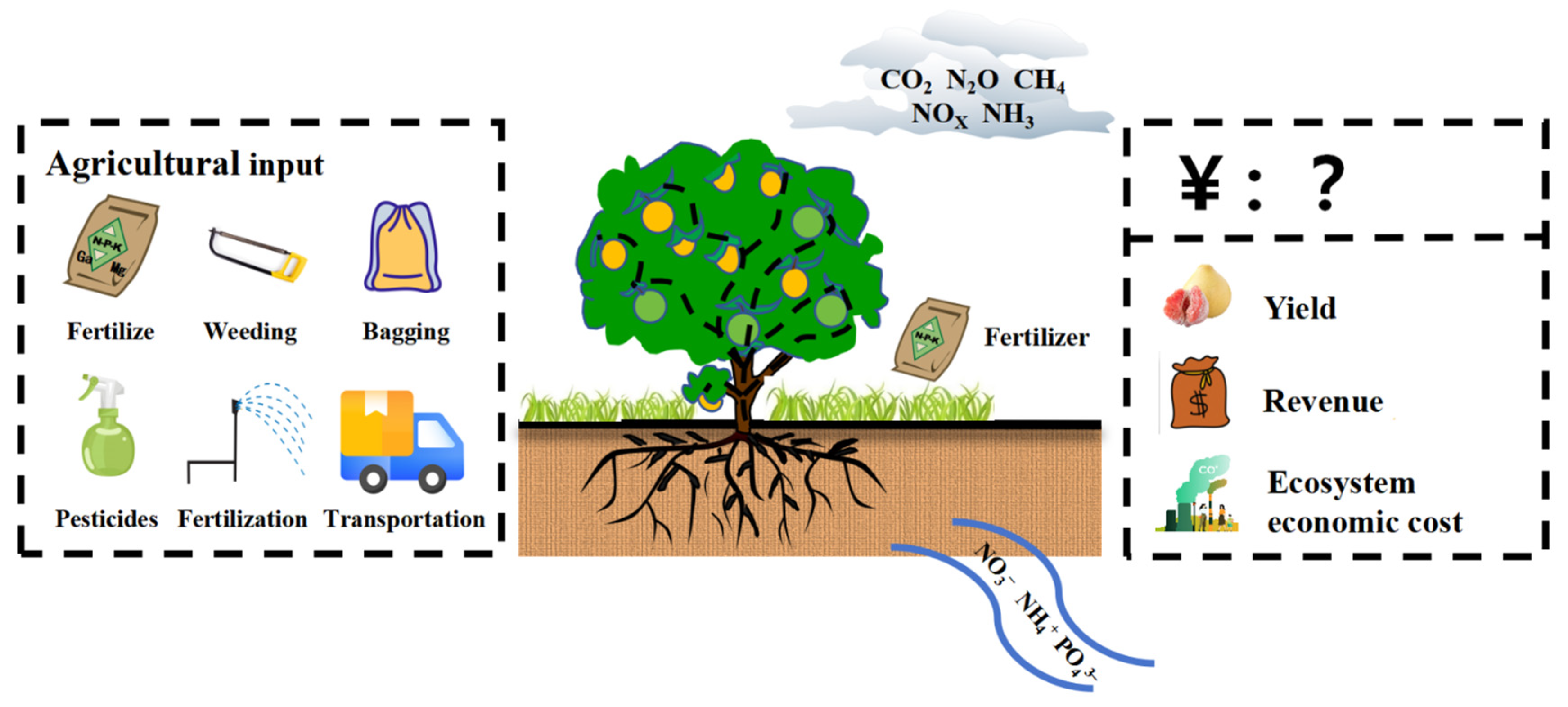
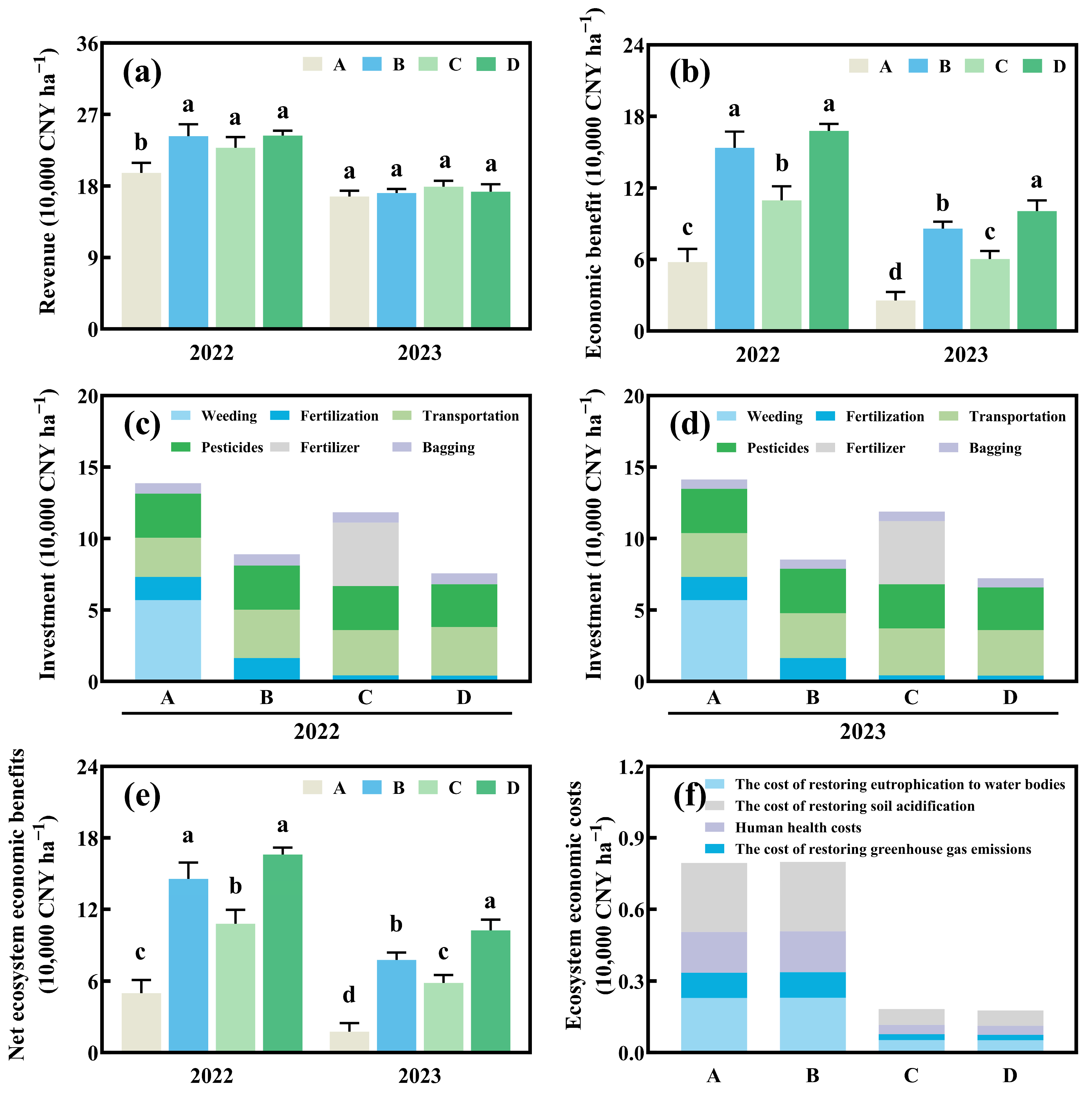
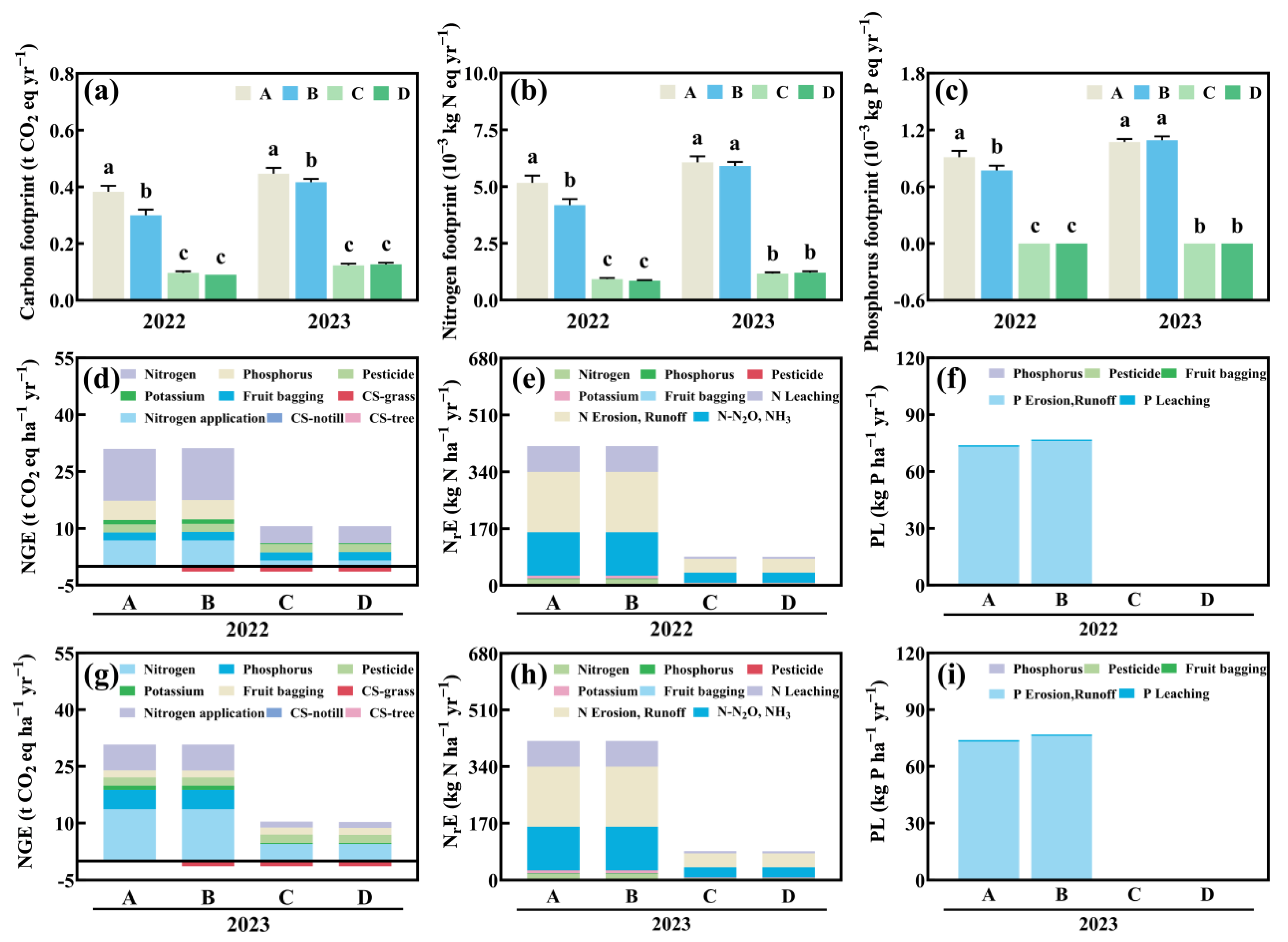
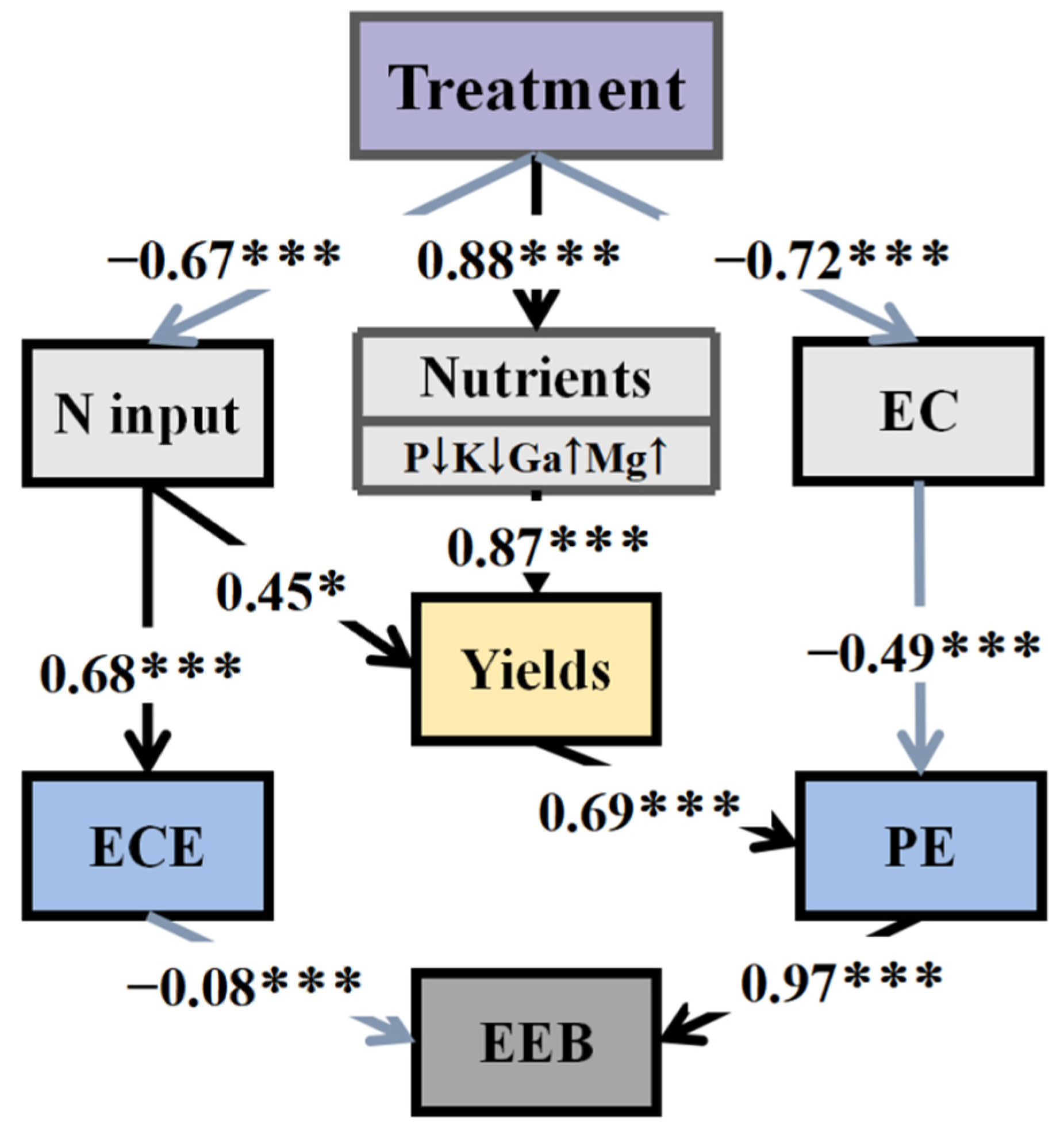
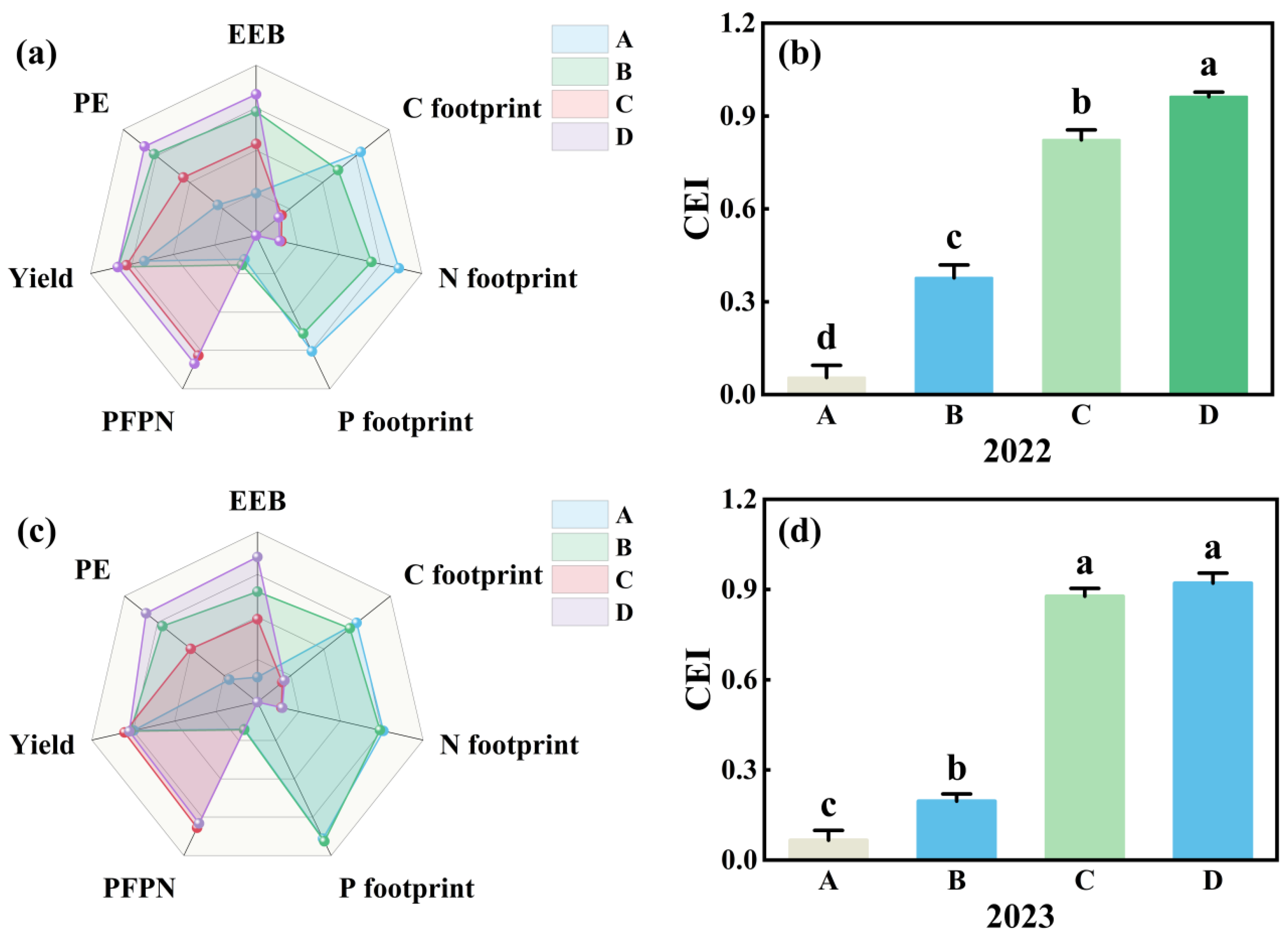
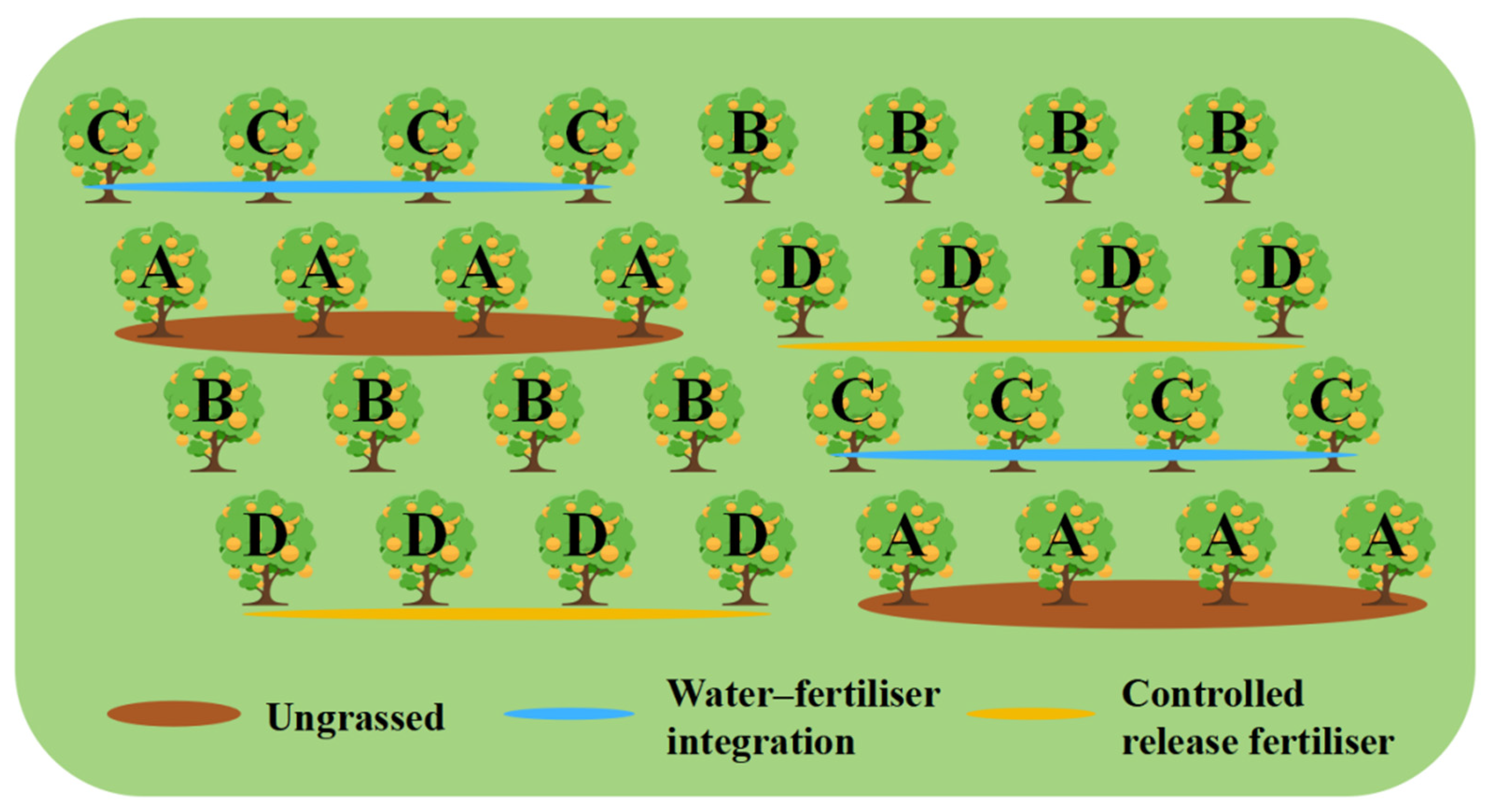
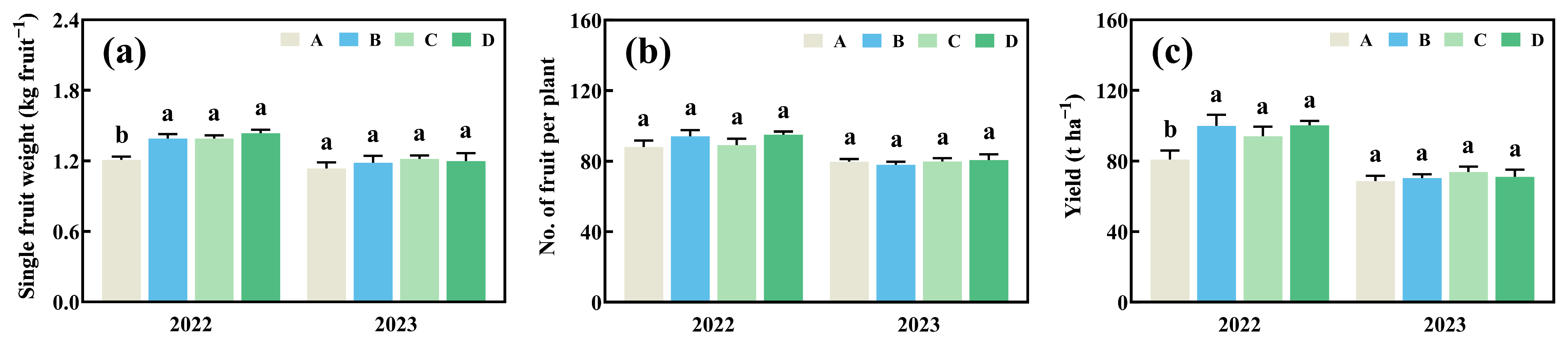
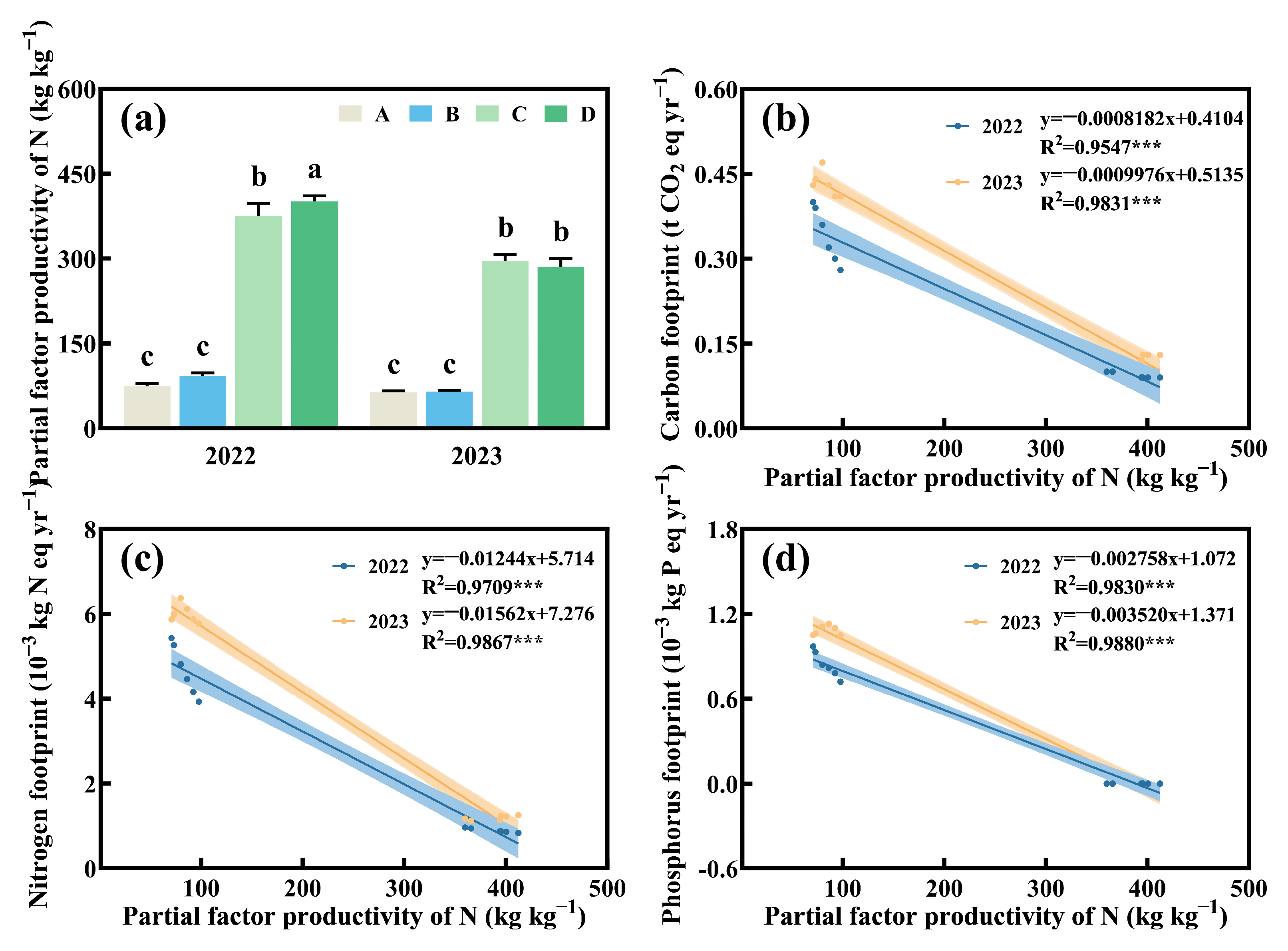
In the context of agricultural green transformation, the balance between the environmental footprint and economic return is a key indicator for measuring the synergy of high yields, high efficiency, and environmental friendliness in agricultural systems. However, the pathways and mechanisms for achieving this synergy in orchard systems remain unclear. Based on a three-year field experiment in Pinghe County, Fujian Province, a comprehensive evaluation framework integrating life cycle assessment (LCA) was constructed. This framework was used to systematically analyze the differences in the net ecosystem economic benefit (EEB) and environmental impact of four fertilization regimes: the conventional farming regime with no mulching (A; 1084 kg N ha−1, 914 kg P2O5 ha−1, and 906 kg K2O ha−1), the conventional farming regime with mulching (B), the optimized fertilization regime with water–fertilizer integration (C; 250 kg N ha−1, 200 kg K2O ha−1, 100 kg MgO ha−1, and 400 kg CaO ha−1), and the optimized fertilization regime with controlled-release fertilizers (D). The results showed that regime D performed best in terms of yield, nutrient-use efficiency, and EEB, which increased by 220.5% and 297.5% compared with regime A, and reduced the input cost by CNY 63,100~69,000 hm−2. Moreover, compared with regime A, regimes B, C, and D significantly reduced the carbon, nitrogen, and phosphorus footprints, respectively, with the carbon footprint reduced by 6.7~21.7%, 72.4~74.8%, and 71.6~76.5%; the nitrogen footprint reduced by 2.6~19.0%, 80.7~82.2%, and 80.1~83.4%; and the phosphorus footprint reduced by 15.3%, 100%, and 100%. Furthermore, the comprehensive evaluation index (CEI) is D > C > B > A. In total, the three optimized regimes balanced high yield with environmental sustainability, with the D regime showing the best performance, offering scientific support for transitioning to low-carbon, high-value orchards in smallholder systems.
Keywords: Guangxi pomelo; controlled-release fertilizer; life cycle assessment; net ecosystem economic benefit; environmental footprint Guangxi pomelo; controlled-release fertilizer; life cycle assessment; net ecosystem economic benefit; environmental footprint