Article

Experimental Study on Sucrose Losses of Sugarcane by 2450 MHz Microwave Technology

1
Beijing Key Laboratory of Optimized Design for Modern Agricultural Equipment, College of Engineering, China Agricultural University, Beijing 100083, China
2
Guangxi Academy of Sciences, Nanning 530007, China
*
Author to whom correspondence should be addressed.
Agriculture 2023, 13(8), 1638; https://doi.org/10.3390/agriculture13081638

Submission received: 2 August 2023 / Revised: 15 August 2023 / Accepted: 17 August 2023 / Published: 20 August 2023
(This article belongs to the Section Agricultural Product Quality and Safety)

Abstract

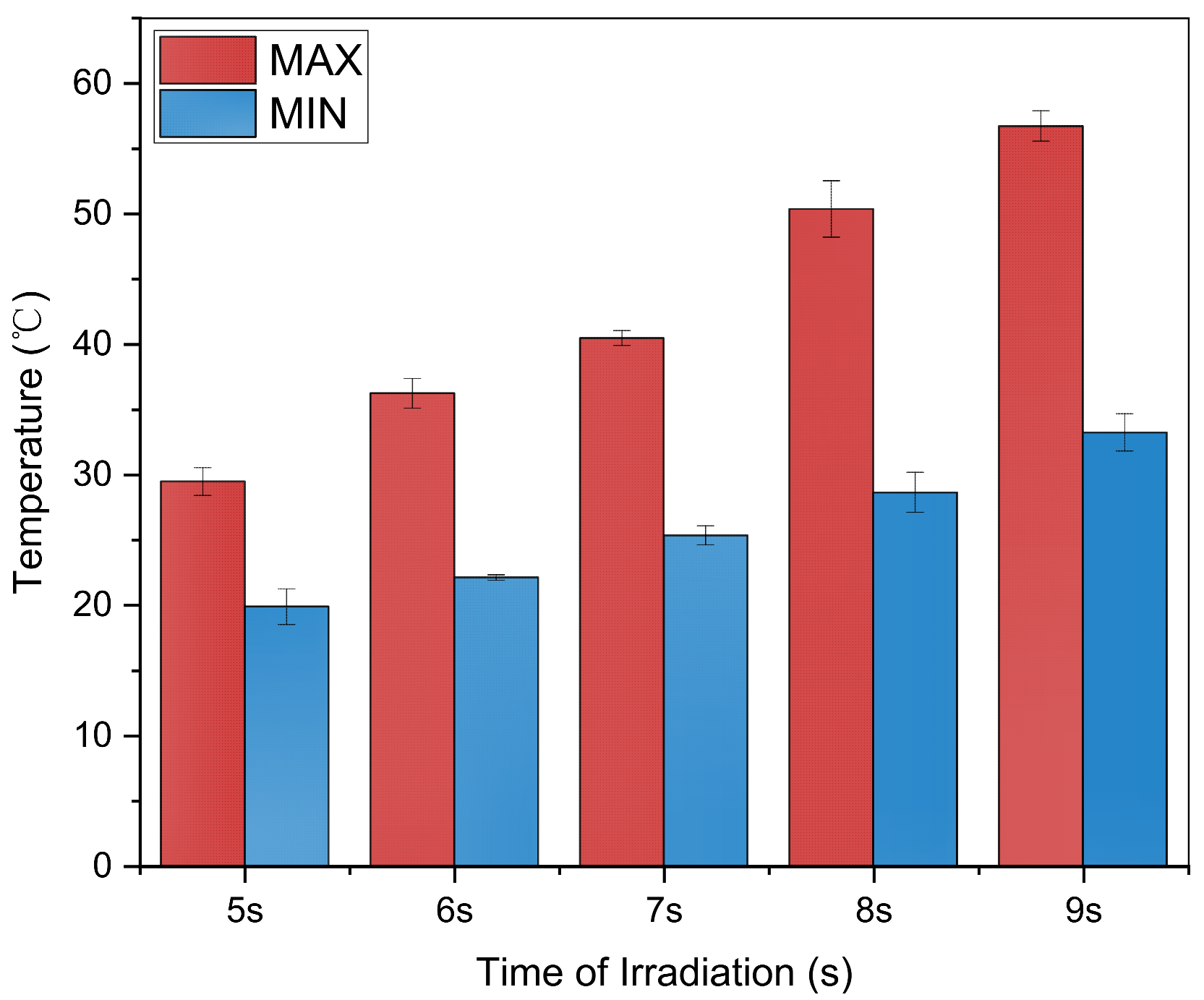
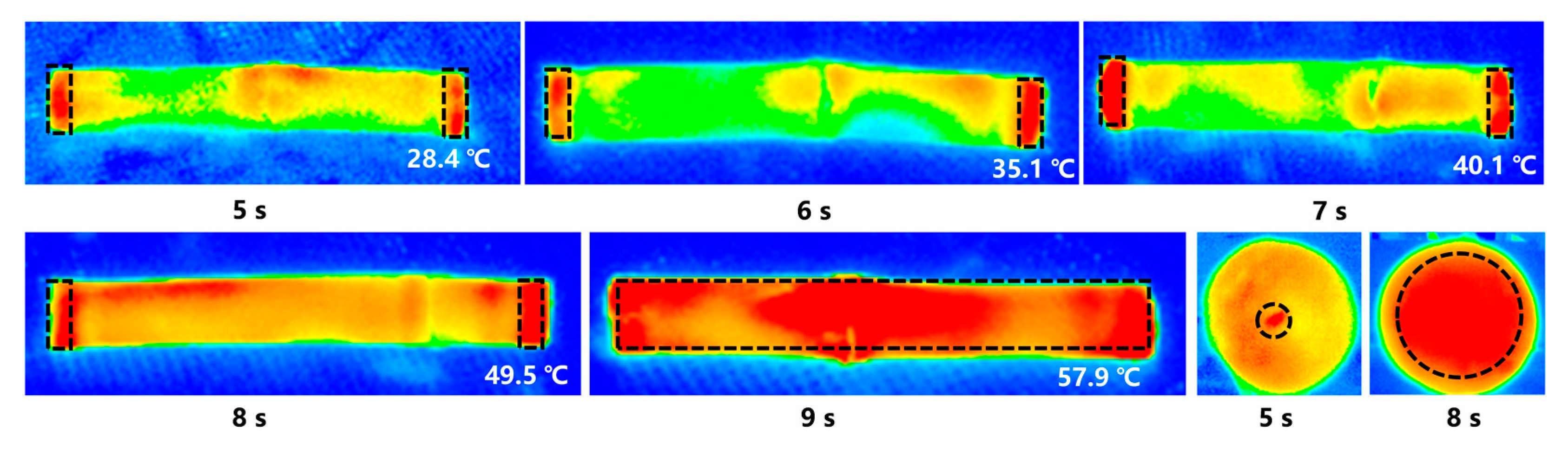
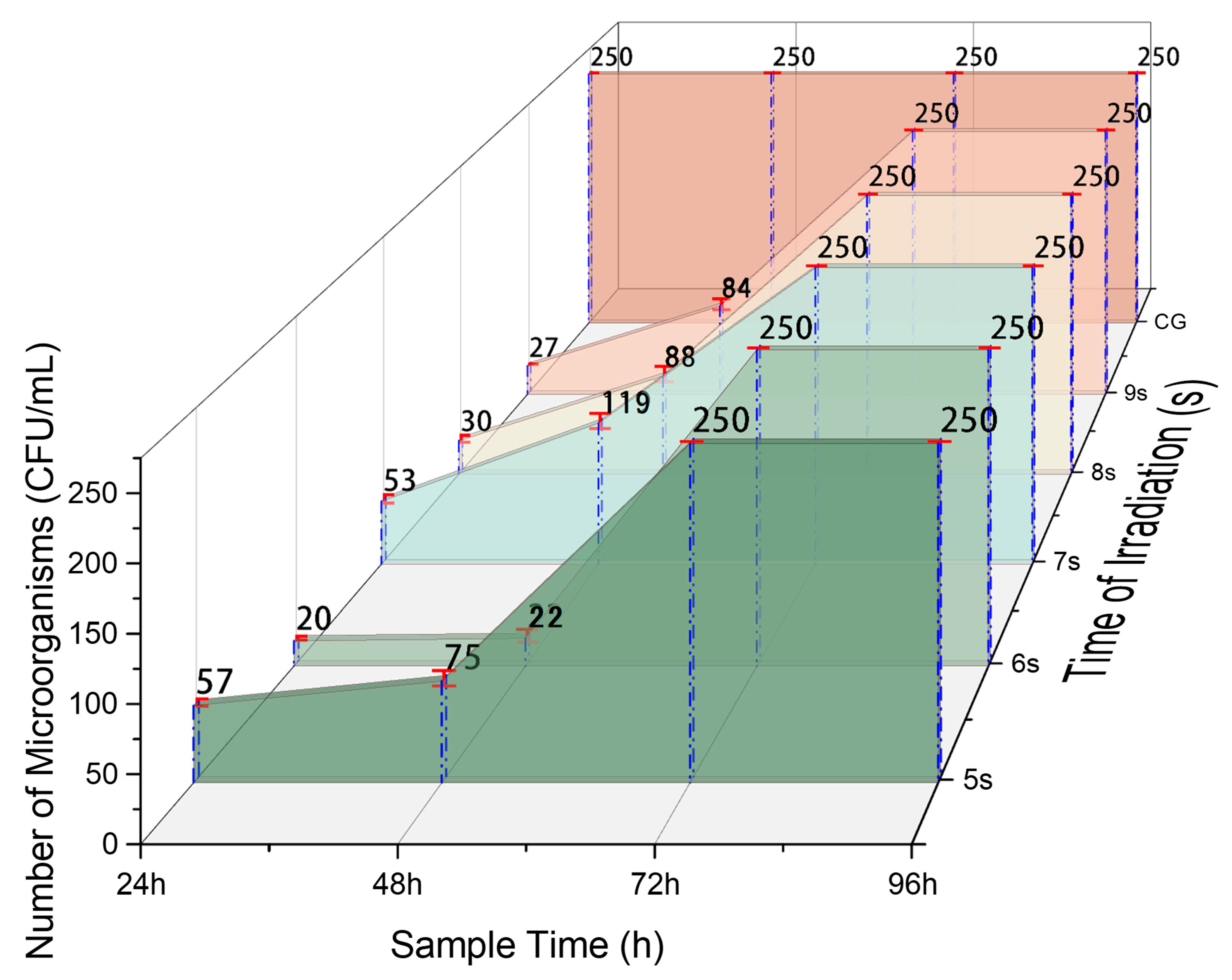
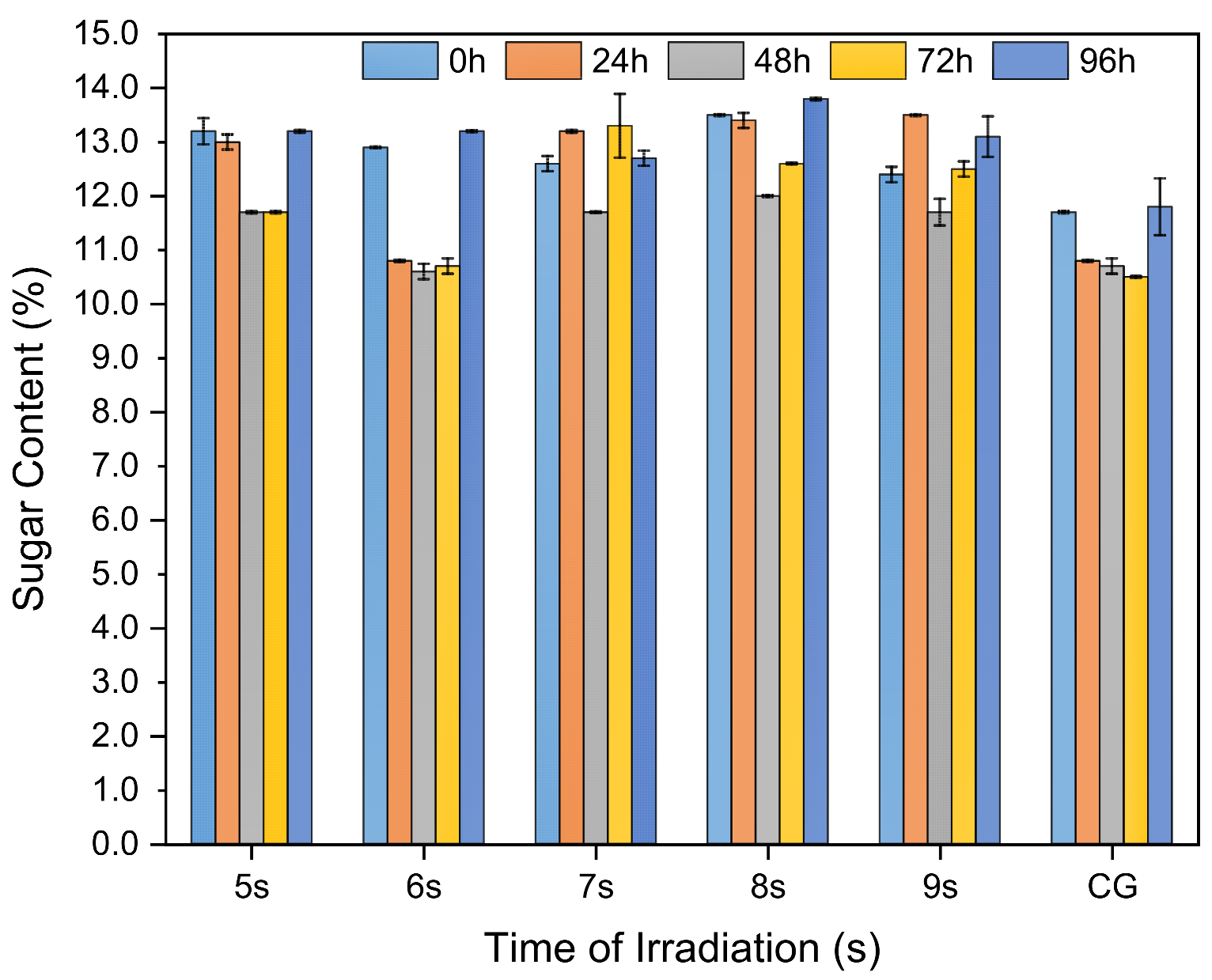
Sugarcane is one of the essential raw materials for sugar production worldwide. From a present perspective, extending the storage time of sugarcane after harvest is a crucial step toward increasing sugar production. Particularly, sugarcane harvested by sugarcane harvesters is more susceptible to biological damage due to the increased number of wounds created during harvesting. Once harvested, the most effective way to reduce bio-injury is to deliver sugarcane to the factory as soon as possible. In recent years, microwave radiation has been increasingly used in food products to reduce biological contamination. The present study examines the effect of microwave irradiation on the sucrose loss that occurs in post-harvest sugarcane. A microwave was employed for different time intervals, particularly from 5 to 9 s at a 2450 MHz frequency and 5100 W power. The results reveal that microwave radiation can effectively kill microorganisms in sugarcane wounds in a very short time. With a microwave irradiation time of 6 s, a microbial disinfection efficiency of 91.2% was achieved. The maximum temperature in the billets at that time was only 35.1 °C. Microwave radiation reduced the sucrose loss rate due to a significant decrease in the number of microflora during the 48 h period. As a result, the storage time of harvested sugarcane was prolonged, leading to improved economic benefits in sugar extraction.
Keywords: sugarcane; microwave irradiation; sucrose loss; microflora; time of irradiation sugarcane; microwave irradiation; sucrose loss; microflora; time of irradiation