Article

Endothelial Progenitor Cells as a Marker of Vascular Damage But not a Predictor in Acute Microangiopathy-Associated Stroke


1
Department of Neurology, Collegium Medicum in Bydgoszcz, Nicolaus Copernicus University in Toruń, Skłodowskiej 9 Street, 85-094 Bydgoszcz, Poland
2
Department of Pathophysiology, Collegium Medicum in Bydgoszcz, Nicolaus Copernicus University in Toruń, Skłodowskiej 9 Street, 85-094 Bydgoszcz, Poland
3
Department of Radiology, Collegium Medicum in Bydgoszcz, Nicolaus Copernicus University in Toruń, Skłodowskiej 9 Street, 85-094 Bydgoszcz, Poland
4
Department of Neurological and Neurosurgical Nursing, Collegium Medicum in Bydgoszcz, Nicolaus Copernicus University in Toruń, Łukasiewicza 1 Street, 85-821 Bydgoszcz, Poland
5
Medical Simulation Centre, Medical University of Gdańsk, Faculty of Medicine, Dębowa 17 Street, 80-208 Gdańsk, Poland
*
Author to whom correspondence should be addressed.
J. Clin. Med. 2020, 9(7), 2248; https://doi.org/10.3390/jcm9072248
Submission received: 3 June 2020 / Revised: 13 July 2020 / Accepted: 14 July 2020 / Published: 15 July 2020
(This article belongs to the Special Issue Diagnosis, Prevention and Treatment for Stroke)

Abstract

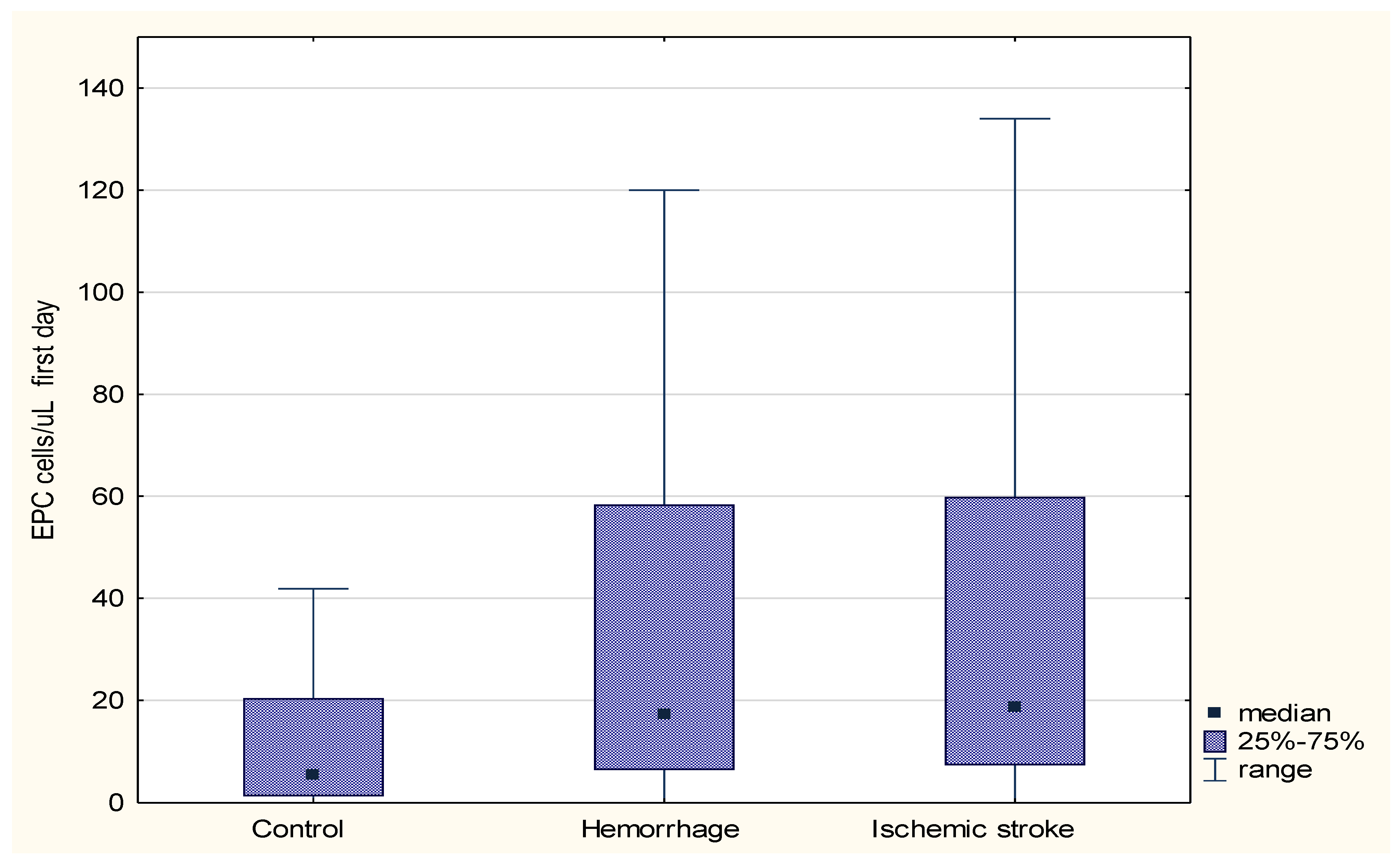
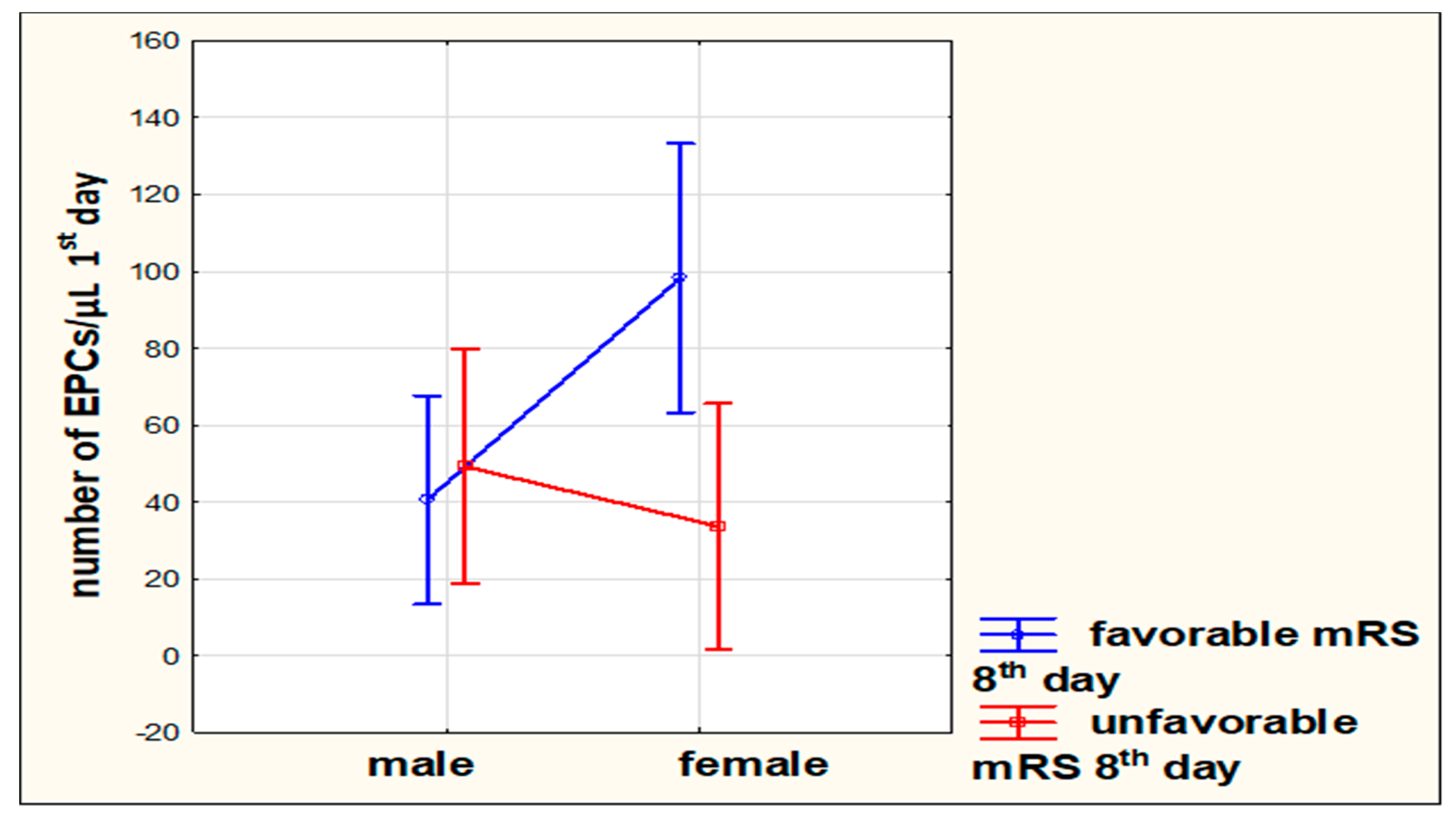
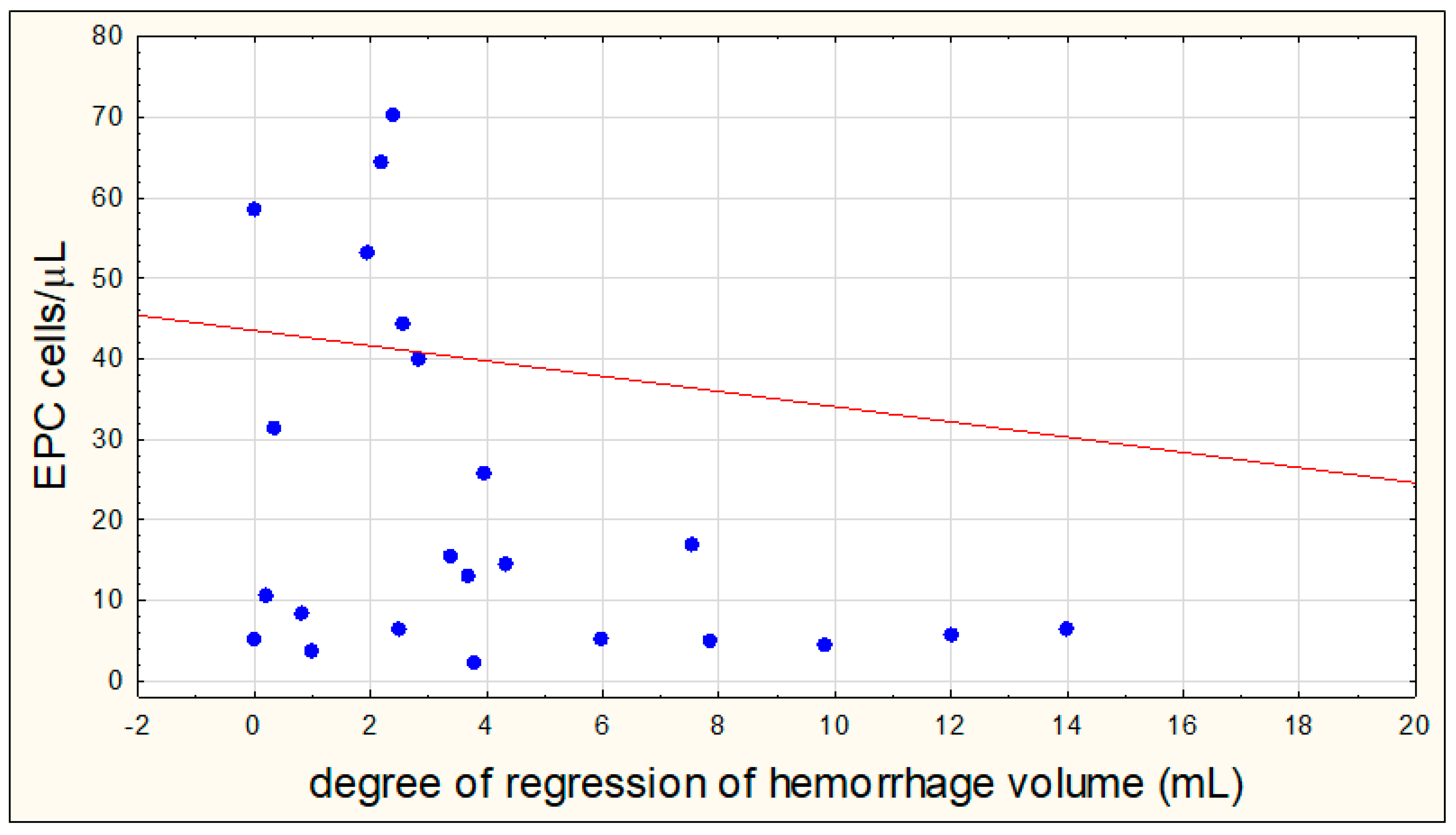
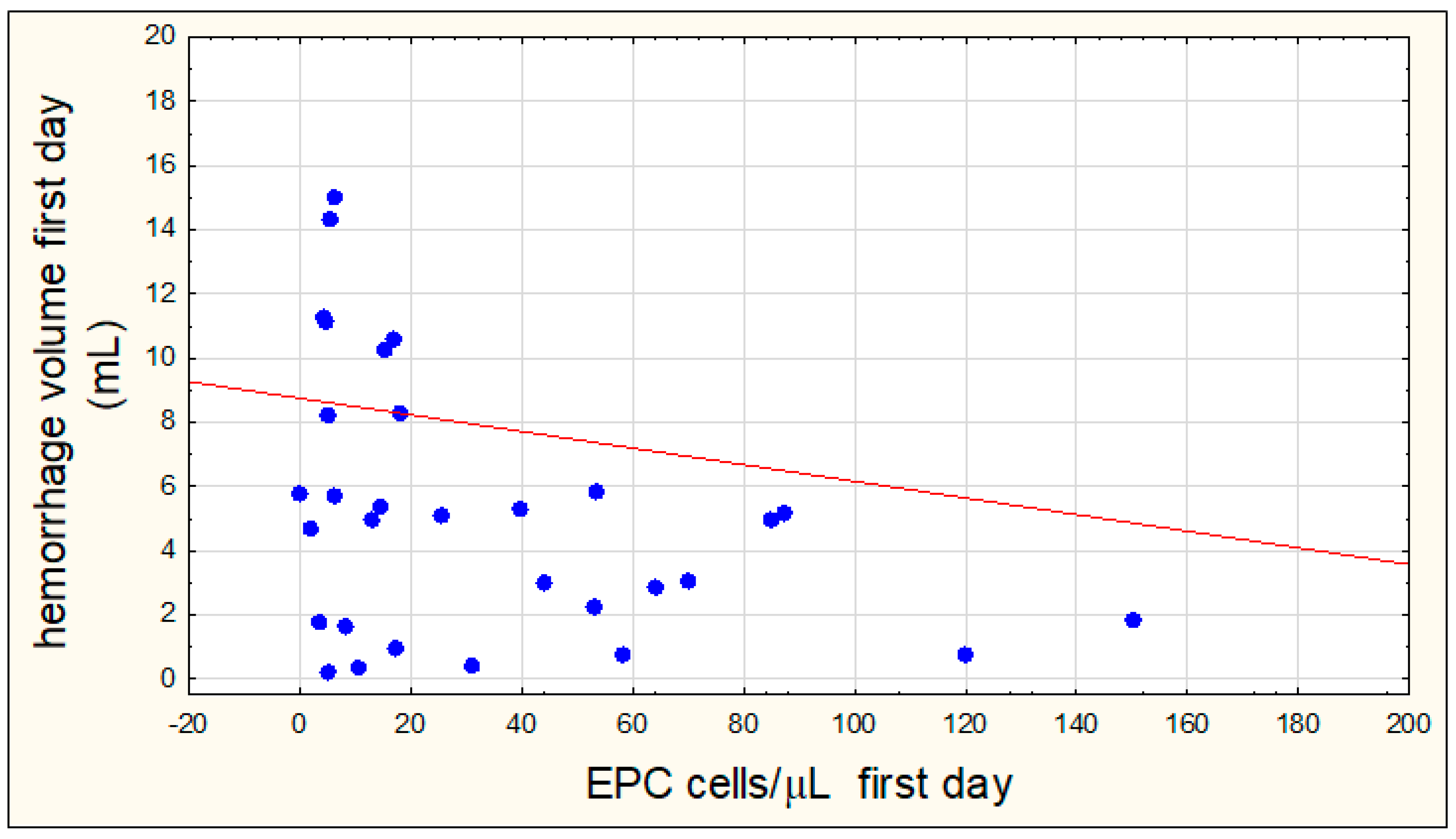
Background: The aim of the study was to assess the number of endothelial progenitor cells (EPCs) in patients with acute stroke due to cerebral microangiopathy and evaluate whether there is a relationship between their number and clinical status, radiological findings, risk factors, selected biochemical parameters, and prognosis, both in ischemic and hemorrhagic stroke. Methods: In total, 66 patients with lacunar ischemic stroke, 38 patients with typical location hemorrhagic stroke, and 22 subjects from the control group without acute cerebrovascular incidents were included in the prospective observational study. The number of EPCs was determined in serum on the first and eighth day after stroke onset using flow cytometry and identified with the immune-phenotype classification determinant (CD)45−, CD34+, CD133+. Results: We demonstrated a significantly higher number of EPCs on the first day of stroke compared to the control group (med. 17.75 cells/µL (0–488 cells/µL) vs. 5.24 cells/µL (0–95 cells/µL); p = 0.0006). We did not find a relationship between the number of EPCs in the acute phase of stroke and the biochemical parameters, vascular risk factors, or clinical condition. In females, the higher number of EPCs on the first day of stroke is related to a favorable functional outcome on the eighth day after the stroke onset compared to males (p = 0.0355). We found that a higher volume of the hemorrhagic focus on the first day was correlated with a lower number of EPCs on the first day (correlation coefficient (R) = −0.3378, p = 0.0471), and a higher number of EPCs on the first day of the hemorrhagic stroke was correlated with a lower degree of regression of the hemorrhagic focus (R = −0.3896, p = 0.0367). Conclusion: The study showed that endothelial progenitor cells are an early marker in acute microangiopathy-associated stroke regardless of etiology and may affect the radiological findings in hemorrhagic stroke. Nevertheless, their prognostic value remains doubtful in stroke patients.
Keywords: endothelial progenitor cells; ischemic stroke; hemorrhage; prognosis; clinical outcome endothelial progenitor cells; ischemic stroke; hemorrhage; prognosis; clinical outcome