Review

UPR: An Upstream Signal to EMT Induction in Cancer

by
Patricia G. Santamaría
1,2,3,4,
María J. Mazón
2,3,
Pilar Eraso
1,2,3 and
Francisco Portillo
1,2,3,4,*
1
Departamento de Bioquímica, Universidad Autónoma de Madrid, 28029 Madrid, Spain
2
Instituto de Investigaciones Biomédicas “Alberto Sols” CSIC-UAM, 28029 Madrid, Spain
3
IdiPAZ, 28029 Madrid, Spain
4
CIBERONC, 28029 Madrid, Spain
*
Author to whom correspondence should be addressed.
J. Clin. Med. 2019, 8(5), 624; https://doi.org/10.3390/jcm8050624
Submission received: 27 March 2019 / Revised: 30 April 2019 / Accepted: 3 May 2019 / Published: 8 May 2019

Abstract

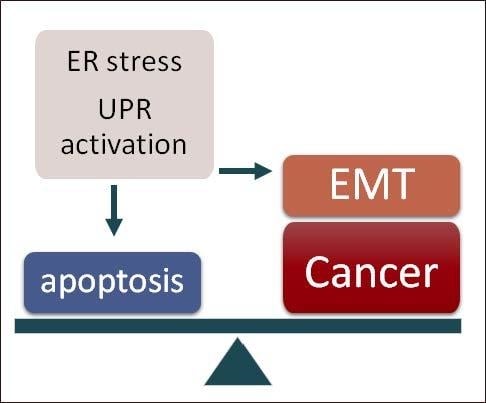
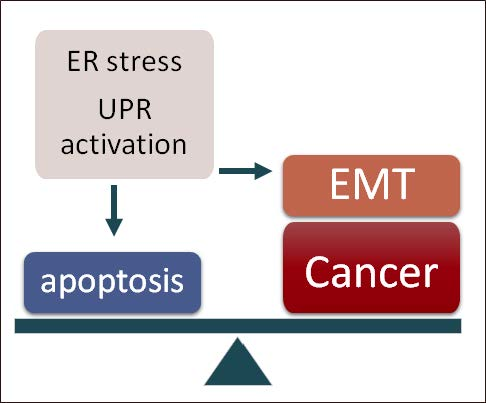
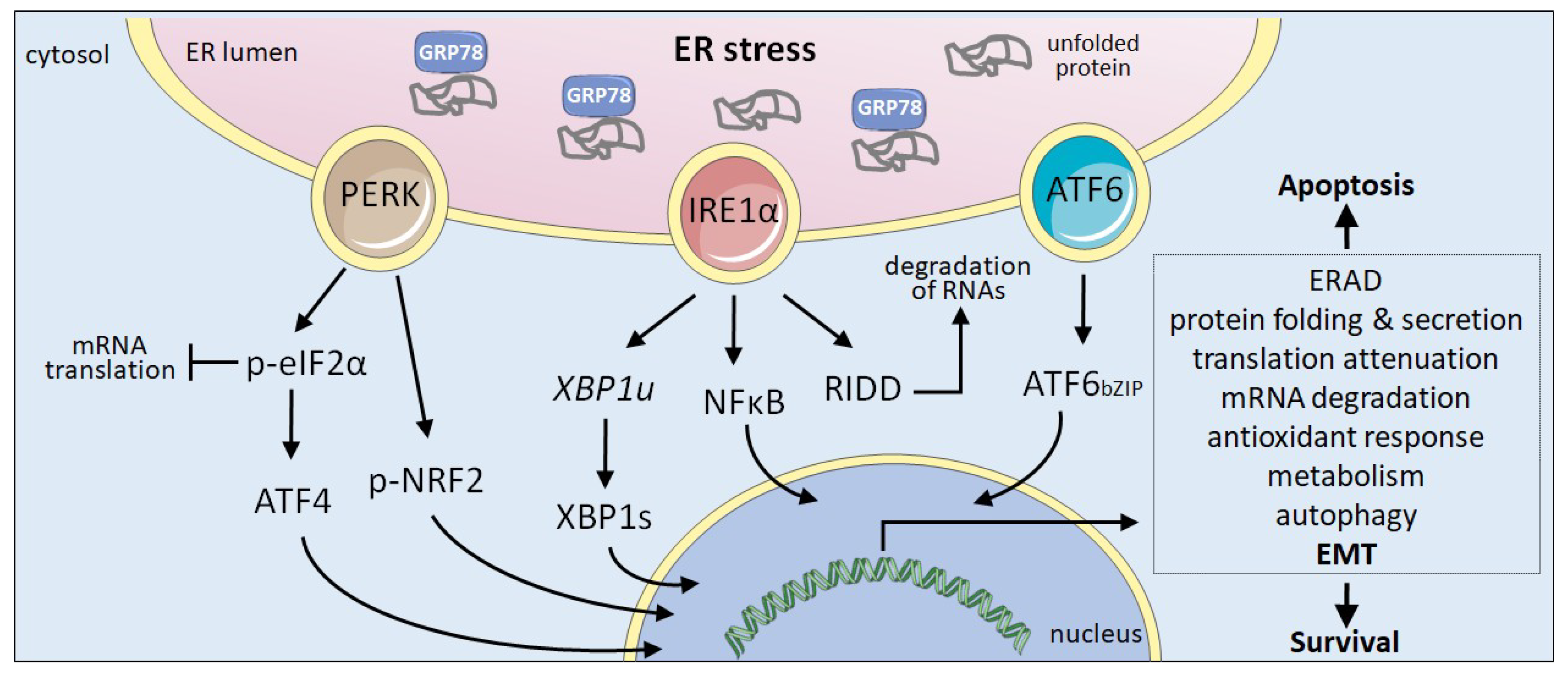
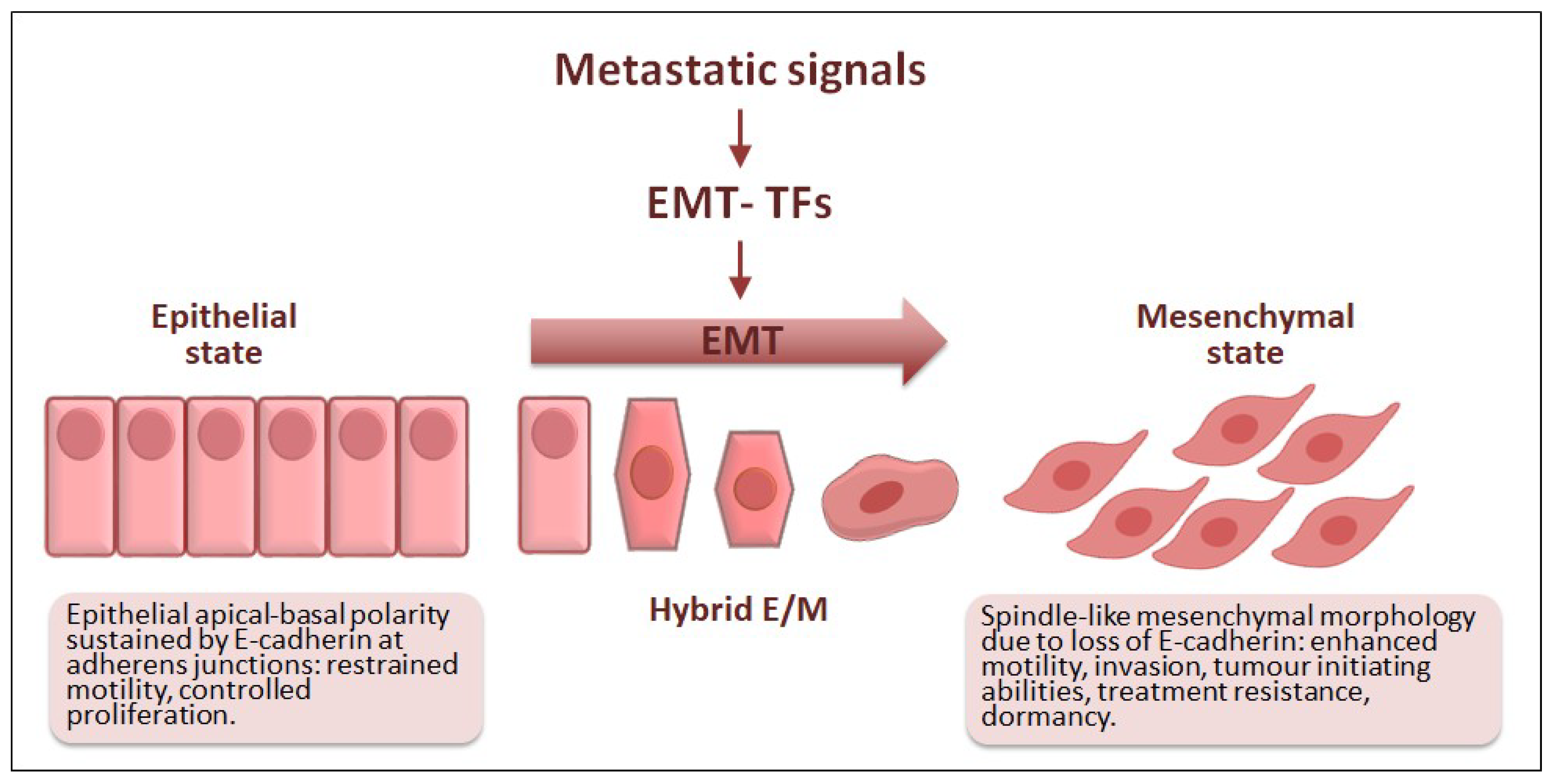
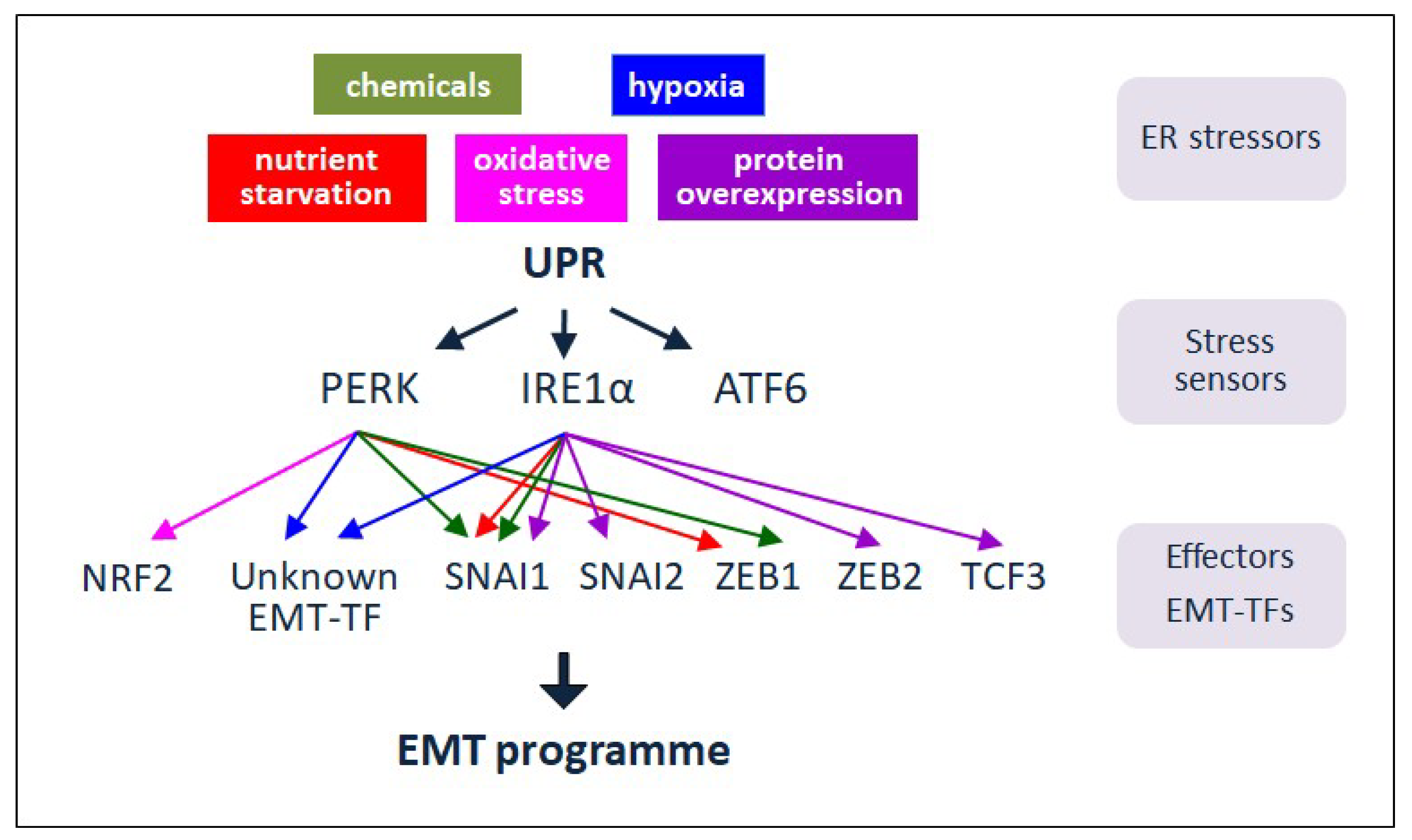
The endoplasmic reticulum (ER) is the organelle where newly synthesized proteins enter the secretory pathway. Different physiological and pathological conditions may perturb the secretory capacity of cells and lead to the accumulation of misfolded and unfolded proteins. To relieve the produced stress, cells evoke an adaptive signalling network, the unfolded protein response (UPR), aimed at recovering protein homeostasis. Tumour cells must confront intrinsic and extrinsic pressures during cancer progression that produce a proteostasis imbalance and ER stress. To overcome this situation, tumour cells activate the UPR as a pro-survival mechanism. UPR activation has been documented in most types of human tumours and accumulating evidence supports a crucial role for UPR in the establishment, progression, metastasis and chemoresistance of tumours as well as its involvement in the acquisition of other hallmarks of cancer. In this review, we will analyse the role of UPR in cancer development highlighting the ability of tumours to exploit UPR signalling to promote epithelial-mesenchymal transition (EMT).
Keywords: epithelial-mesenchymal transition; endoplasmic reticulum stress; metastasis; plasticity; unfolded protein response epithelial-mesenchymal transition; endoplasmic reticulum stress; metastasis; plasticity; unfolded protein response
Graphical Abstract