Article

Molecular and Functional Cargo of Plasma-Derived Exosomes in Patients with Hereditary Hemorrhagic Telangiectasia

1
Department of Otorhinolaryngology, Head and Neck Surgery, Ulm University Medical Center, 89075 Ulm, Baden-Wuerttemberg, Germany
2
Department of Otorhinolaryngology, Head and Neck Surgery, University Hospital Mannheim, Medical Faculty Mannheim, University of Heidelberg, 68167 Mannheim, Baden-Wuerttemberg, Germany
3
Core Facility Immune Monitoring, Ulm University Medical Faculty, 89075 Ulm, Baden-Wuerttemberg, Germany
4
Department of Otorhinolaryngology, Head and Neck Surgery, Klinikum Rechts der Isar, Technical University Munich, 81675 Munich, Bavaria, Germany
*
Author to whom correspondence should be addressed.
These authors contributed equally to this work.
J. Clin. Med. 2024, 13(18), 5430; https://doi.org/10.3390/jcm13185430
Submission received: 12 August 2024 / Revised: 9 September 2024 / Accepted: 11 September 2024 / Published: 13 September 2024

Abstract

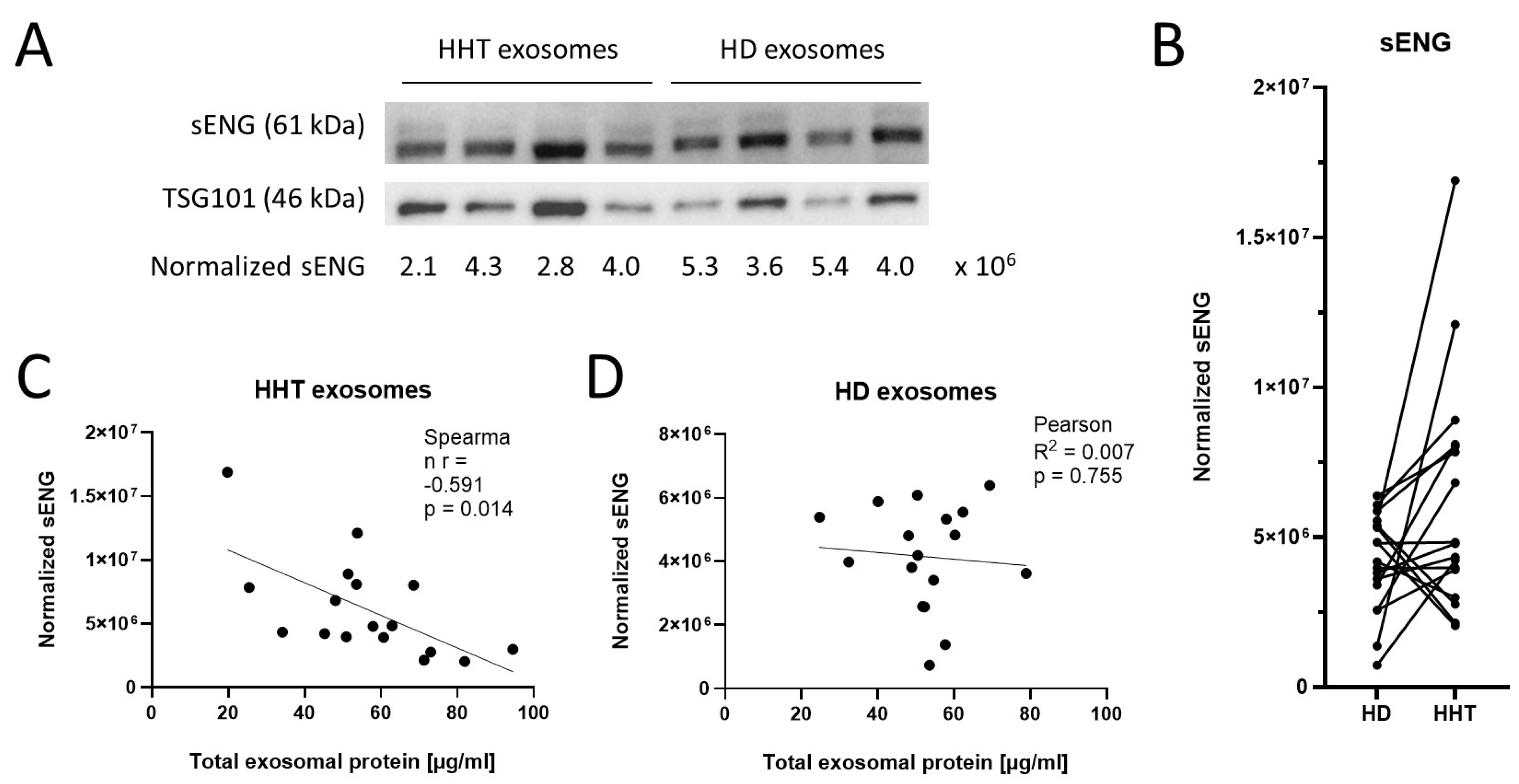
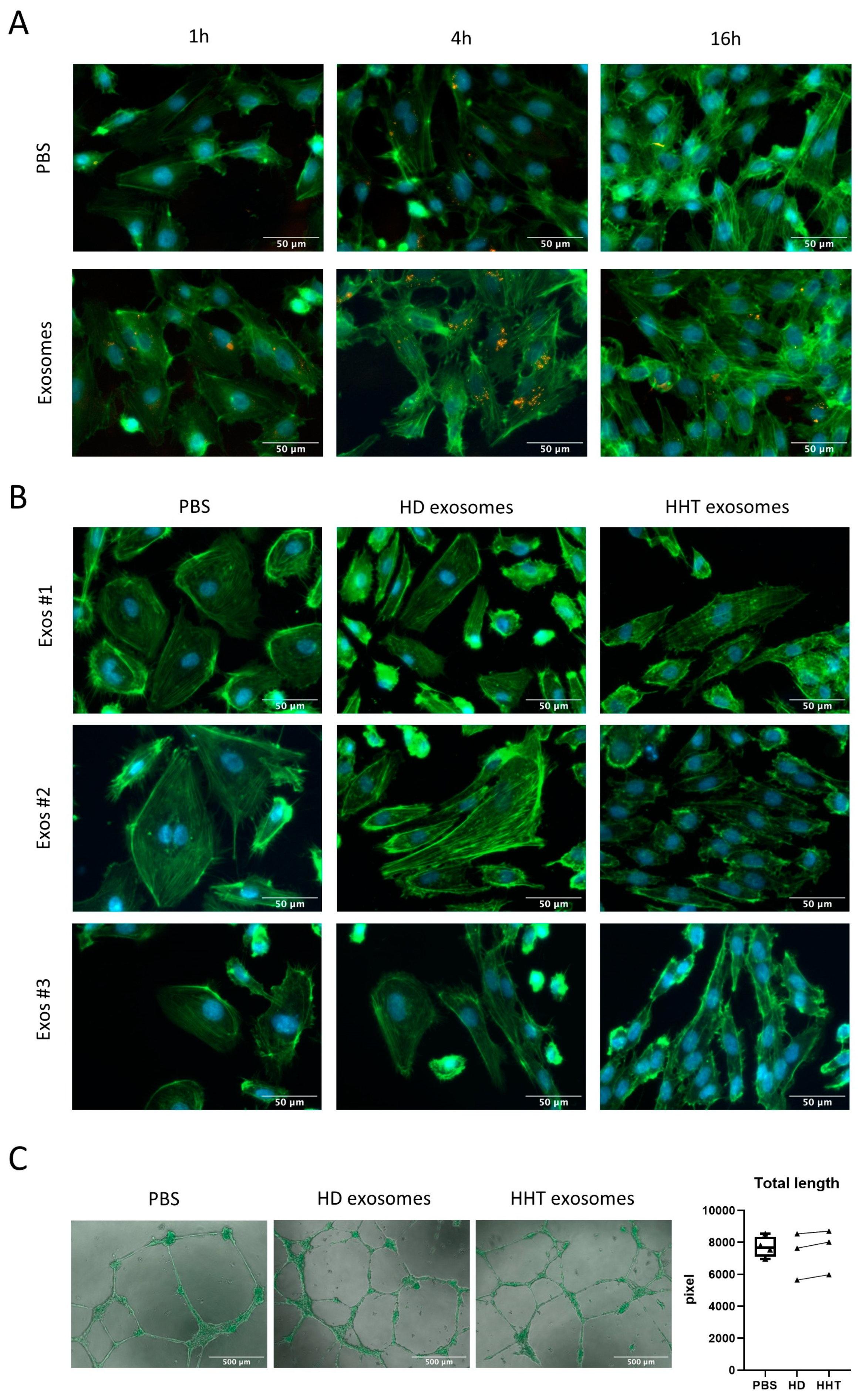
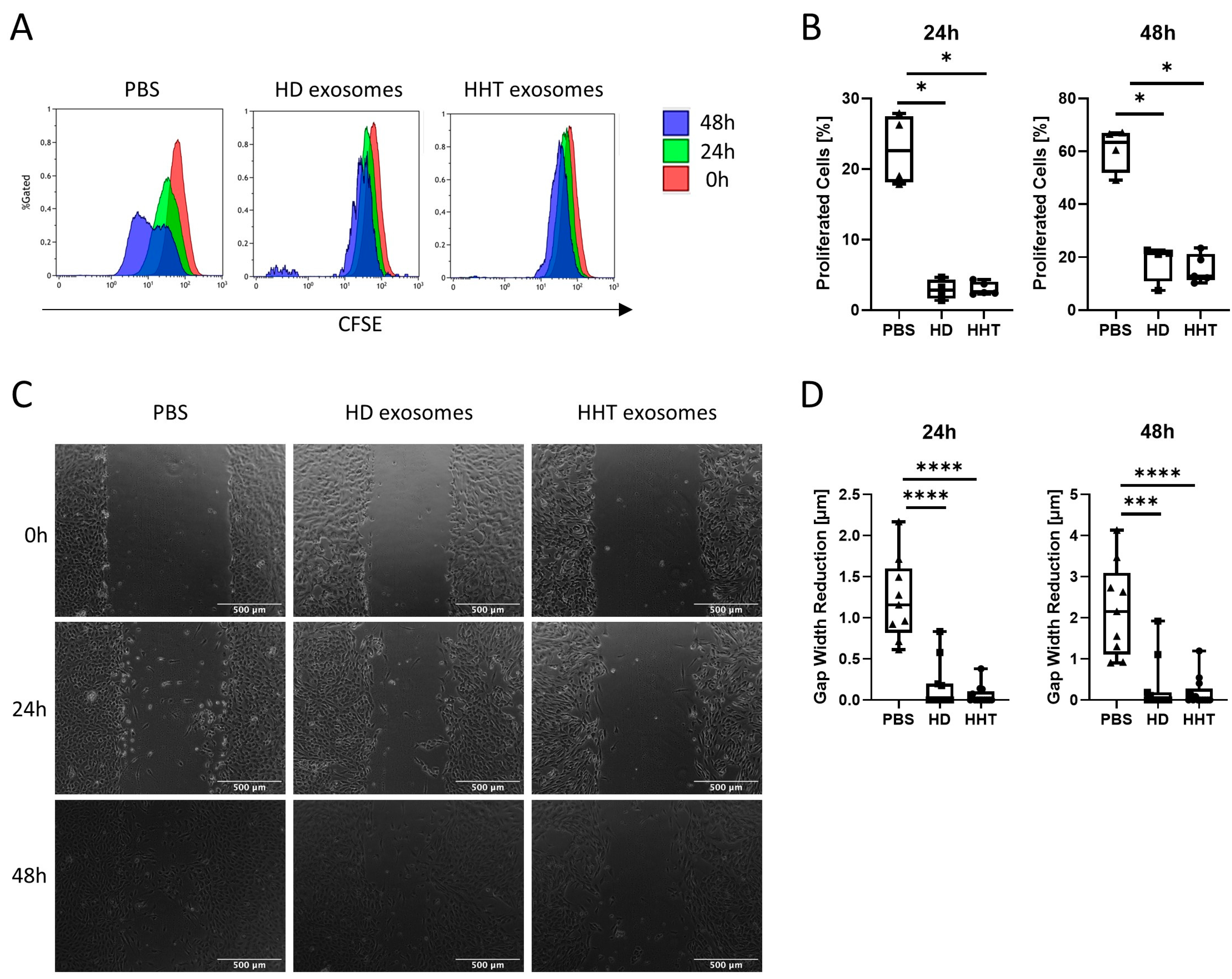
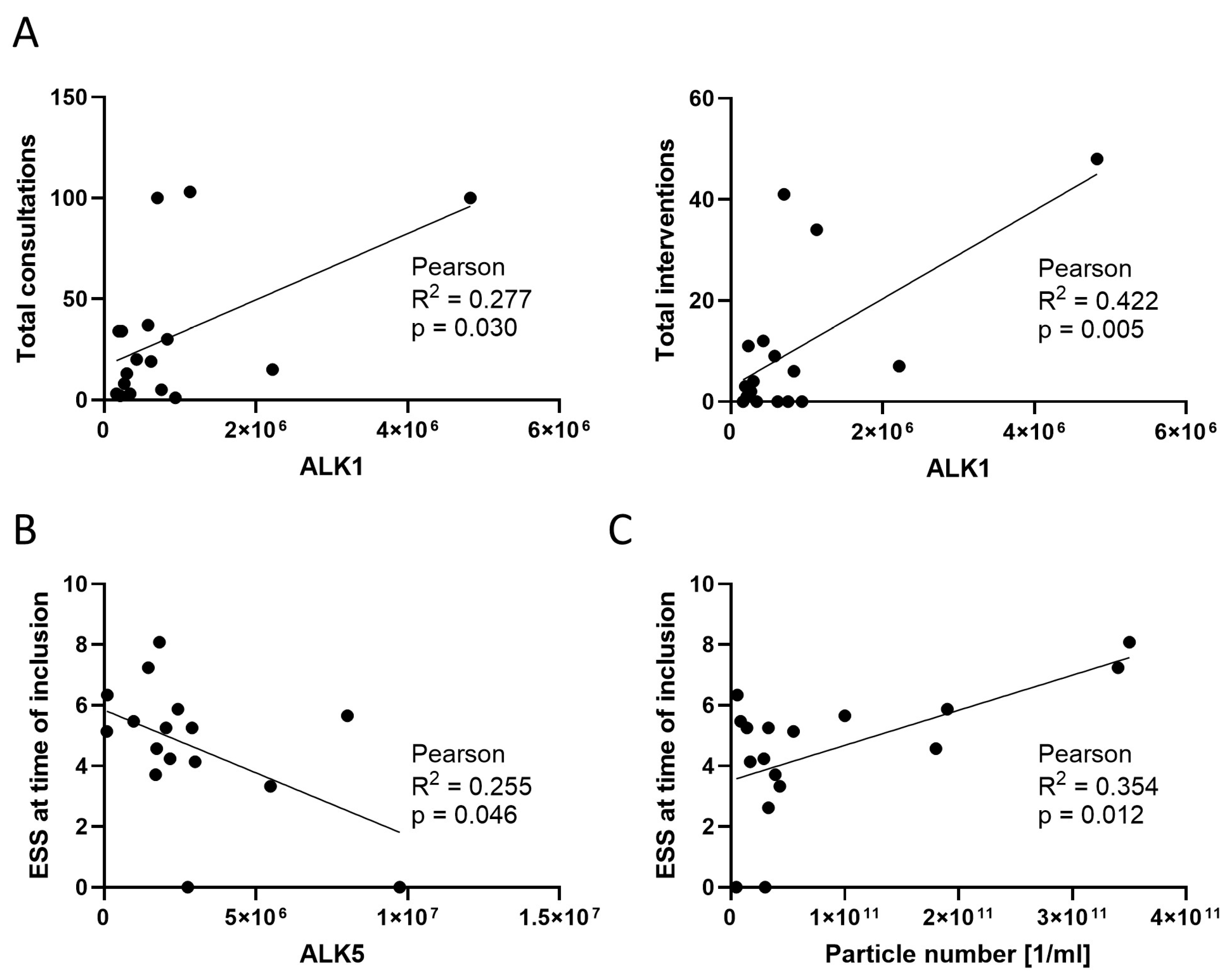
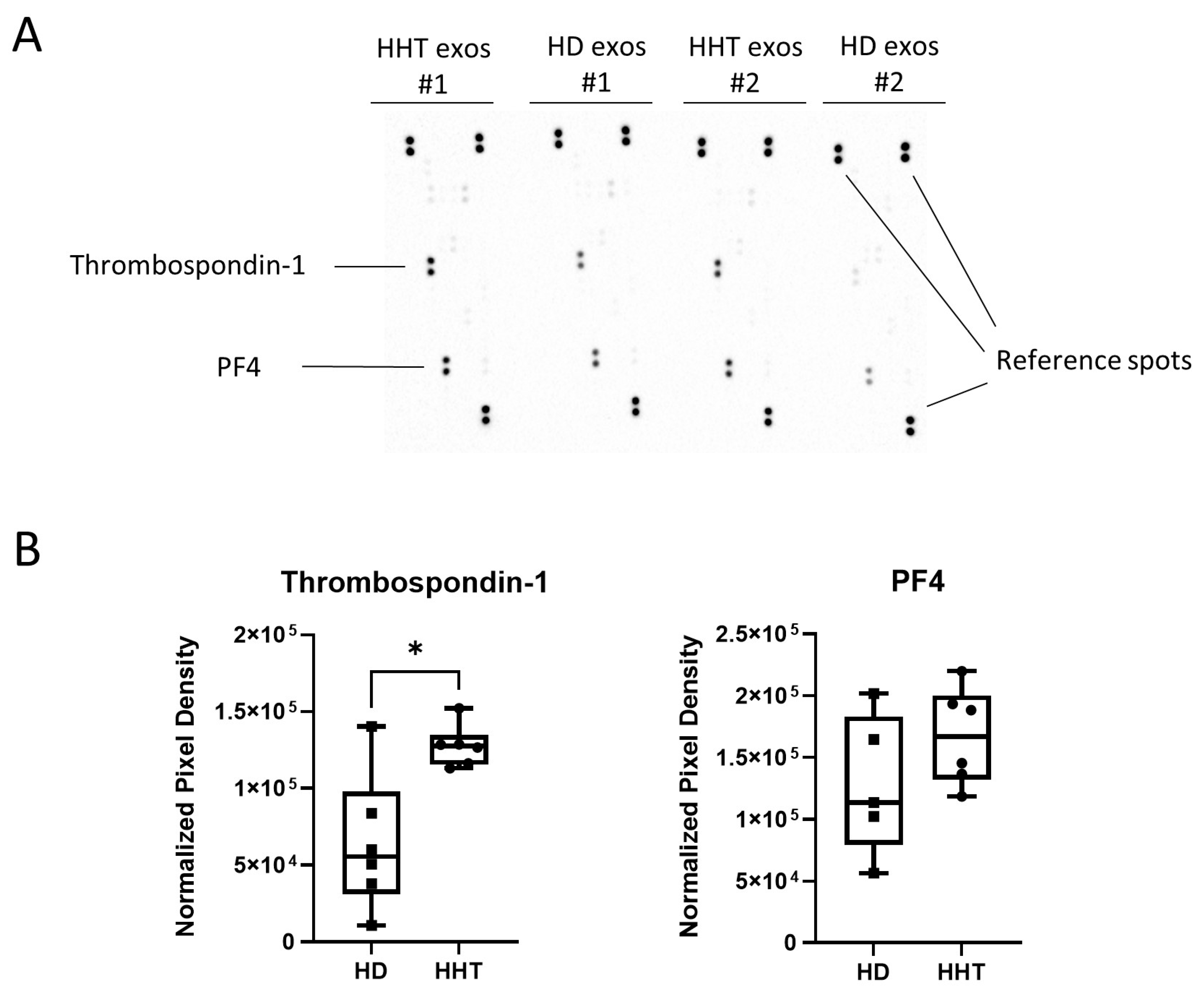
Background: Hereditary Hemorrhagic Telangiectasia (HHT) is a genetic disorder leading to frequent bleeding in several organs. As HHT diagnosis is demanding and depends on clinical criteria, liquid biopsy would be beneficial. Exosomes from biofluids are nano-sized vesicles for intercellular communication. Their cargo and characteristics represent biomarkers for many diseases. Here, exosomes of HHT patients were examined regarding their biosignature. Methods: Exosomes were isolated from the plasma of 20 HHT patients and 17 healthy donors (HDs). The total exosomal protein was quantified, and specific proteins were analyzed using Western blot and antibody arrays. Human umbilical vein endothelial cells (HUVECs) co-incubated with exosomes were functionally examined via immunofluorescence, proliferation, and scratch assay. Results: The levels of the angiogenesis-regulating protein Thrombospondin-1 were significantly higher in HHT compared to HD exosomes. Among HHT, but not HD exosomes, a negative correlation between total exosomal protein and soluble Endoglin (sENG) levels was found. Other exosomal proteins (ALK1, ALK5) and the particle concentration significantly correlated with disease severity parameters (total consultations/interventions, epistaxis severity score) in HHT patients. Functionally, HUVECs were able to internalize both HD and HHT exosomes, inducing a similar change in the F-Actin structure and a reduction in migration and proliferation. Conclusions: This study provided first insights into the protein cargo and function of HHT-derived exosomes. The data indicate changes in sENG secretion via exosomes and reveal exosomal Thrombospondin-1 as a potential biomarker for HHT. Several exosomal characteristics were pointed out as potential liquid biomarkers for disease severity, revealing a possible new way of diagnosis and prognosis of HHT.
Keywords: hereditary hemorrhagic telangiectasia (HHT); exosome; biomarker; thrombospondin-1 (THBS1); soluble endoglin (sENG); endoglin (ENG); ALK1; ALK5 hereditary hemorrhagic telangiectasia (HHT); exosome; biomarker; thrombospondin-1 (THBS1); soluble endoglin (sENG); endoglin (ENG); ALK1; ALK5