Article

Exploring the Impact of mRNA Modifications on Translation Efficiency and Immune Tolerance to Self-Antigens


1
Department of Cancer Immunology, Oslo University Hospital, Radiumhospitalet, Ullernchausseen 70, 0379 Oslo, Norway
2
Department of Radiation Biology, Oslo University Hospital, Radiumhospitalet, Ullernchausseen 70, 0379 Oslo, Norway
3
Department of cellular Therapy, Oslo University Hospital, Radiumhospitalet, Ullernchausseen 70, 0379 Oslo, Norway
*
Author to whom correspondence should be addressed.
Vaccines 2024, 12(6), 624; https://doi.org/10.3390/vaccines12060624

Submission received: 6 May 2024 / Revised: 2 June 2024 / Accepted: 3 June 2024 / Published: 5 June 2024
(This article belongs to the Special Issue mRNA-Based Vaccine Development)

Abstract

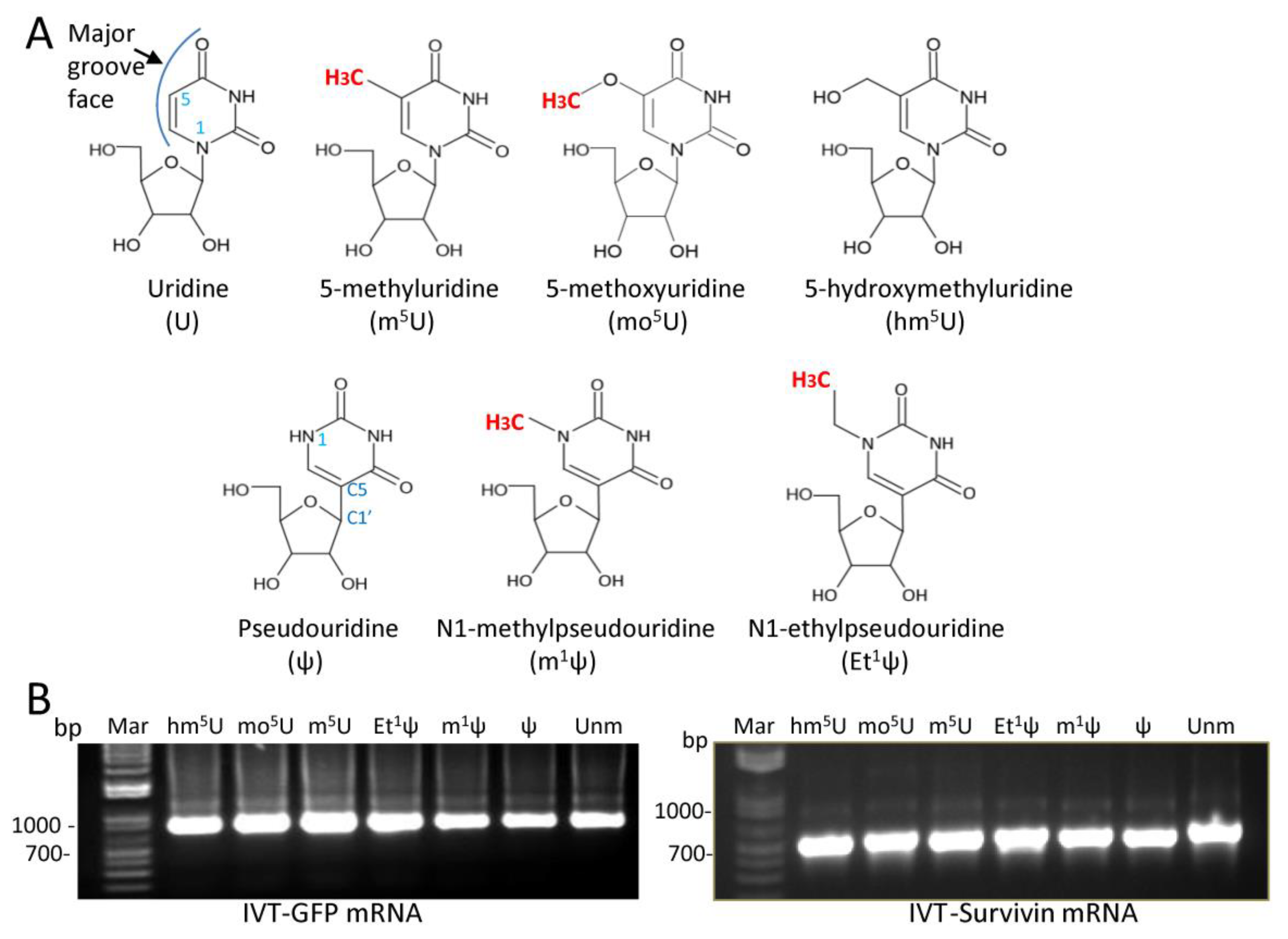
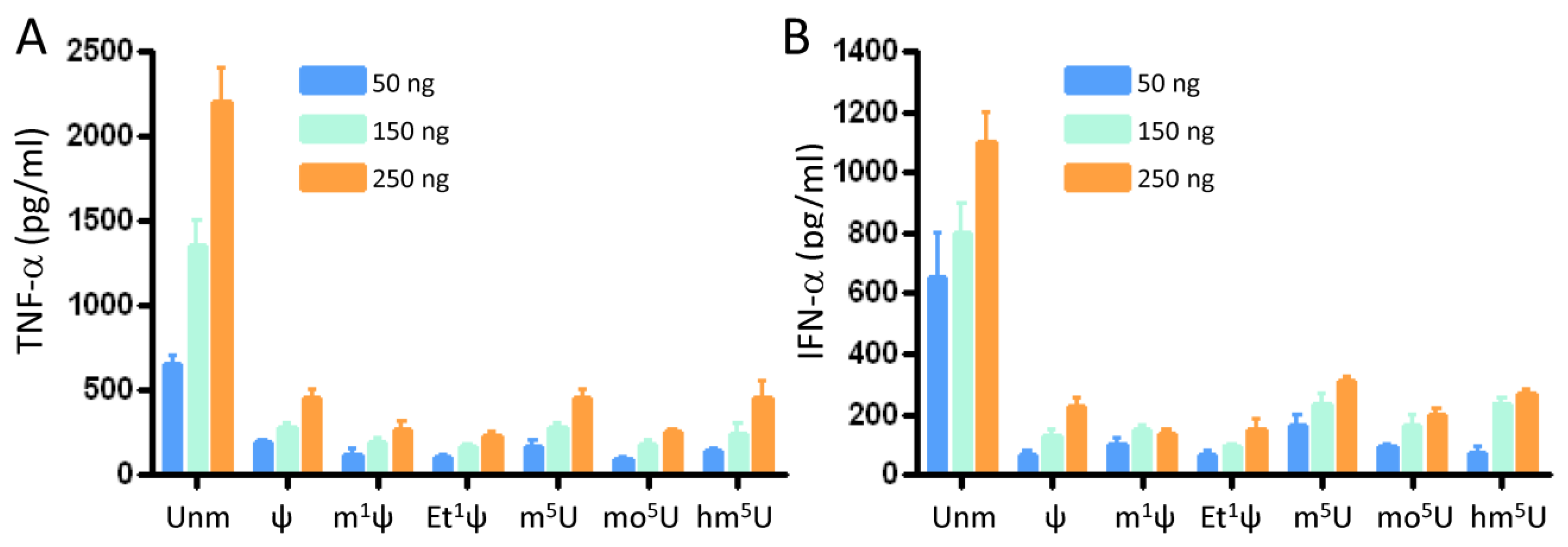
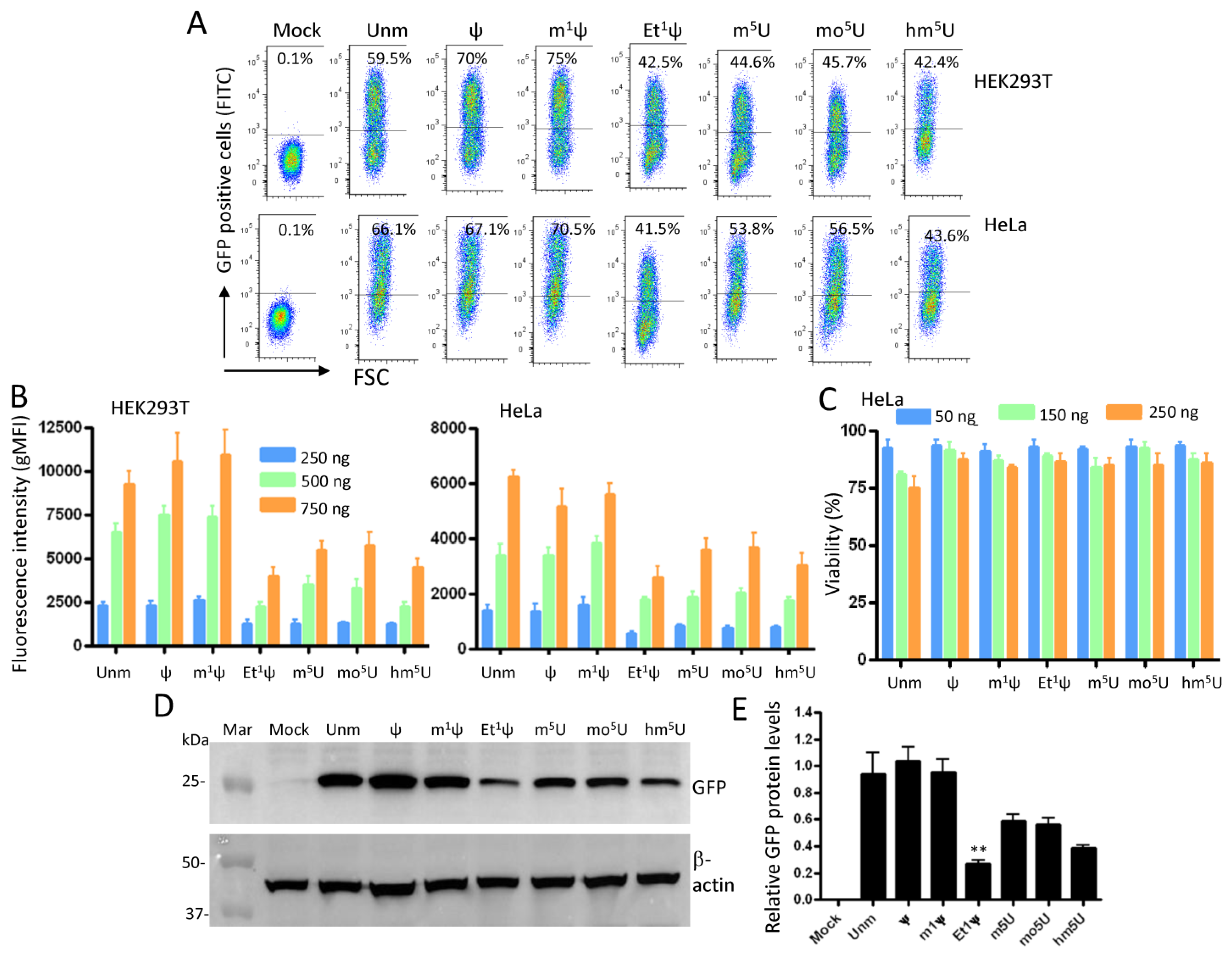
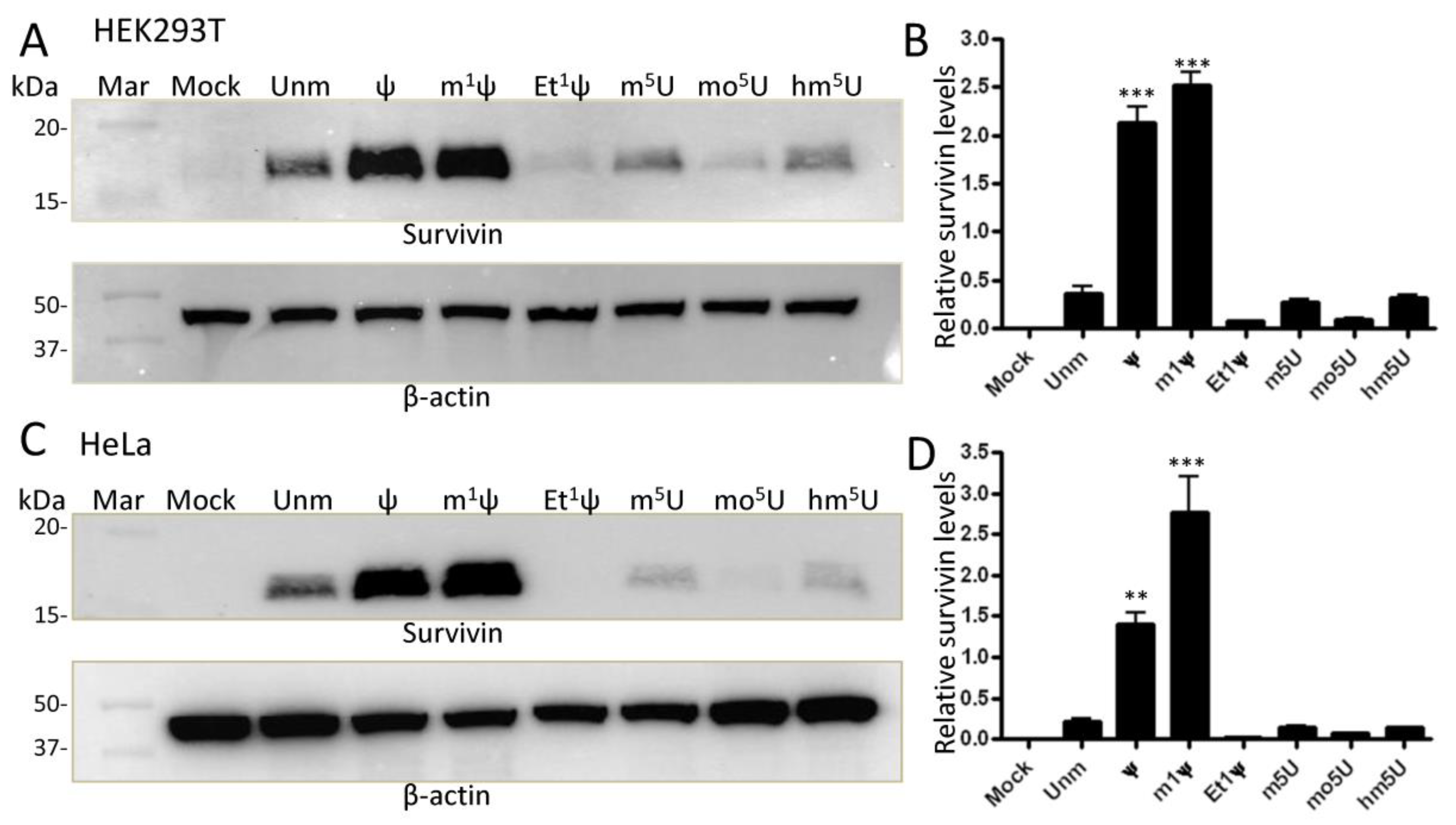
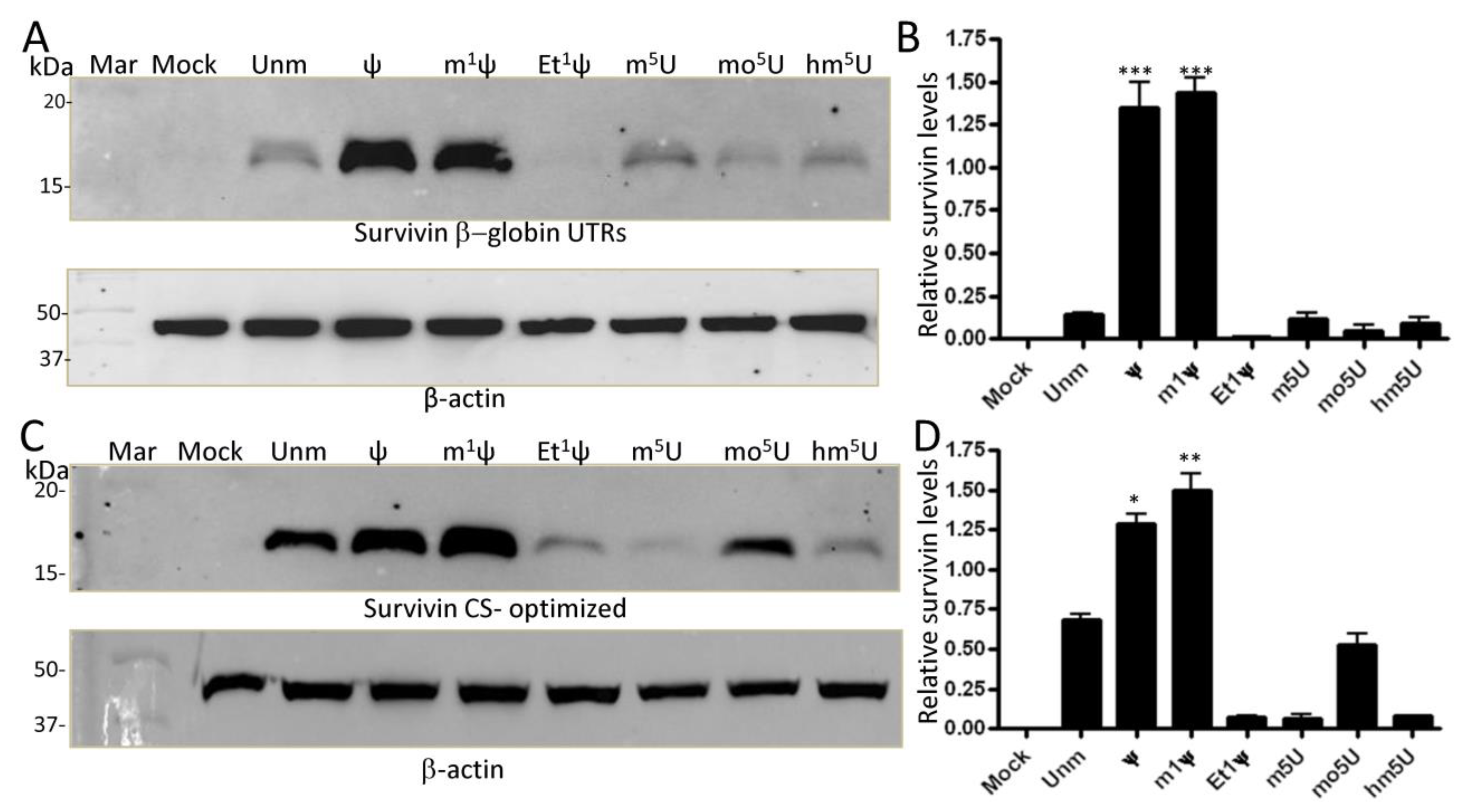
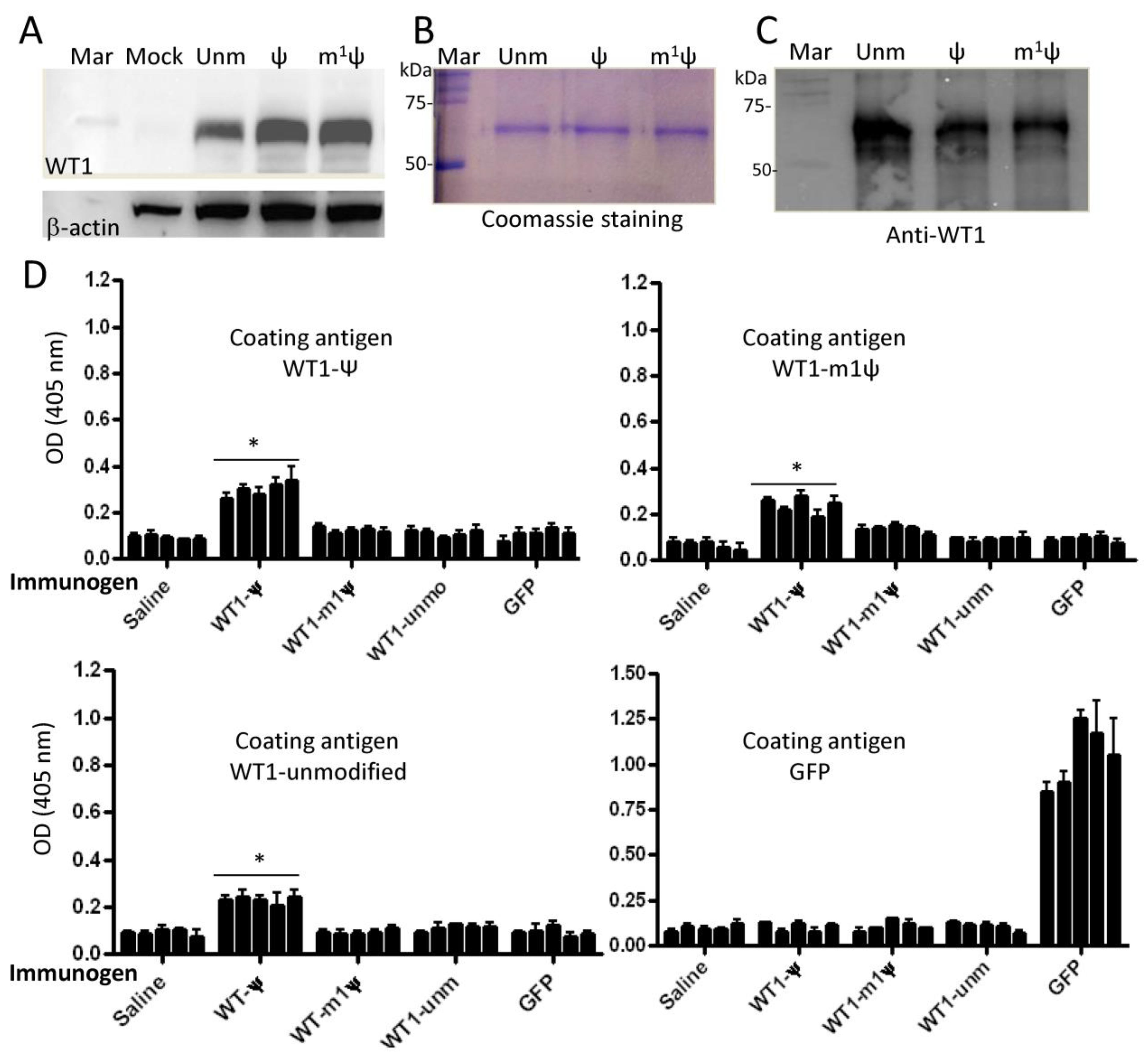
Therapeutic modified mRNAs are being developed for a broad range of human diseases. However, the impact of potential miscoding of modified mRNAs on self-tolerance remains unknown. Additionally, more studies are needed to explore the effects of nucleoside alkylation on translation. While all six tested modifications are tolerated as substrates by T7 RNA polymerase and inhibited mRNA immunogenicity, the translation efficiency varied significantly depending on the type of modification. In contrast to methylation, ethylation at the N1 position of pseudouridine (Ψ) hindered translation, suggesting that the C5-C1’ glycosidic bond alone is not a critical element for high translation. Inhibition of mRNA translation was also observed with 5-methoxyuridine modification. However, this inhibition was partially alleviated through the optimization of mRNA coding sequences. BALB/c mice immunized with syngeneic ψ-modified mRNA encoding for Wilms’ tumor antigen-1 (WT1) developed a low but significant level of anti-WT1 IgG antibodies compared to those immunized with either unmodified or N1-methyl ψ-modified mRNA. Overall, the data indicate that adding a simple ethyl group (-CH2CH3) at the N1 position of ψ has a major negative effect on translation despite its reduced immunogenicity. Additionally, mRNA containing Ψ may alter translation fidelity at certain codons, which could lead to a breakdown of immune tolerance to self-antigens. This concern should be taken into account during gene replacement therapies, although it could benefit mRNA-based vaccines by generating a diverse repertoire of antigens.
Keywords: mRNA vaccine; RNA modifications; pseudouridine; tumor antigens; immune tolerance mRNA vaccine; RNA modifications; pseudouridine; tumor antigens; immune tolerance