
Case Report

BNT162b2 mRNA COVID-19 Vaccine Does Not Impact the Honeymoon Phase in Type 1 Diabetes: A Case Report


1
CTO Andrea Alesini Hospital, Division of Endocrinology and Diabetes, Department of Systems Medicine, University of Rome Tor Vergata, Via San Nemesio 21, 00145 Rome, Italy
2
Cell Transplant Center, Diabetes Research Institute (DRI), University of Miami Miller School of Medicine, 1450 NW 10th Ave, Miami, FL 33136, USA
3
Section of Diabetology, UniCamillus, Saint Camillus International University of Health Sciences, Via di Sant’Alessandro 8, 00131 Rome, Italy
4
Network of Immunity in Infection, Malignancy and Autoimmunity (NIIMA), Universal Scientific Education and Research Network (USERN), Via Cola di Rienzo 28, 00192 Rome, Italy
5
Department of Systems Medicine, University of Rome Tor Vergata, Via Montpellier 1, 00133 Rome, Italy
6
Network of Immunity in Infection, Malignancy and Autoimmunity (NIIMA), Universal Scientific Education and Research Network (USERN), Colonia Centroamérica L-823, Managua 14048, Nicaragua
7
Laboratory of Flow Cytometry, IRCCS San Raffaele, Via di Val Cannuta 247, 00166 Rome, Italy
8
Laboratory of Cardiovascular Endocrinology, IRCCS San Raffaele, Via di Val Cannuta 247, 00166 Rome, Italy
9
Department of Human Sciences and Promotion of the Quality of Life, San Raffaele Roma Open University, Via di Val Cannuta 247, 00166 Rome, Italy
10
Department of Neurology, Evelyn F. McKnight Brain Institute, University of Miami Miller School of Medicine, 1120 NW 14th St, Miami, FL 33136, USA
*
Author to whom correspondence should be addressed.
These authors contributed equally to this work.
Vaccines 2022, 10(7), 1096; https://doi.org/10.3390/vaccines10071096

Submission received: 30 May 2022 / Revised: 21 June 2022 / Accepted: 4 July 2022 / Published: 8 July 2022
(This article belongs to the Special Issue Vaccine Safety)

Abstract

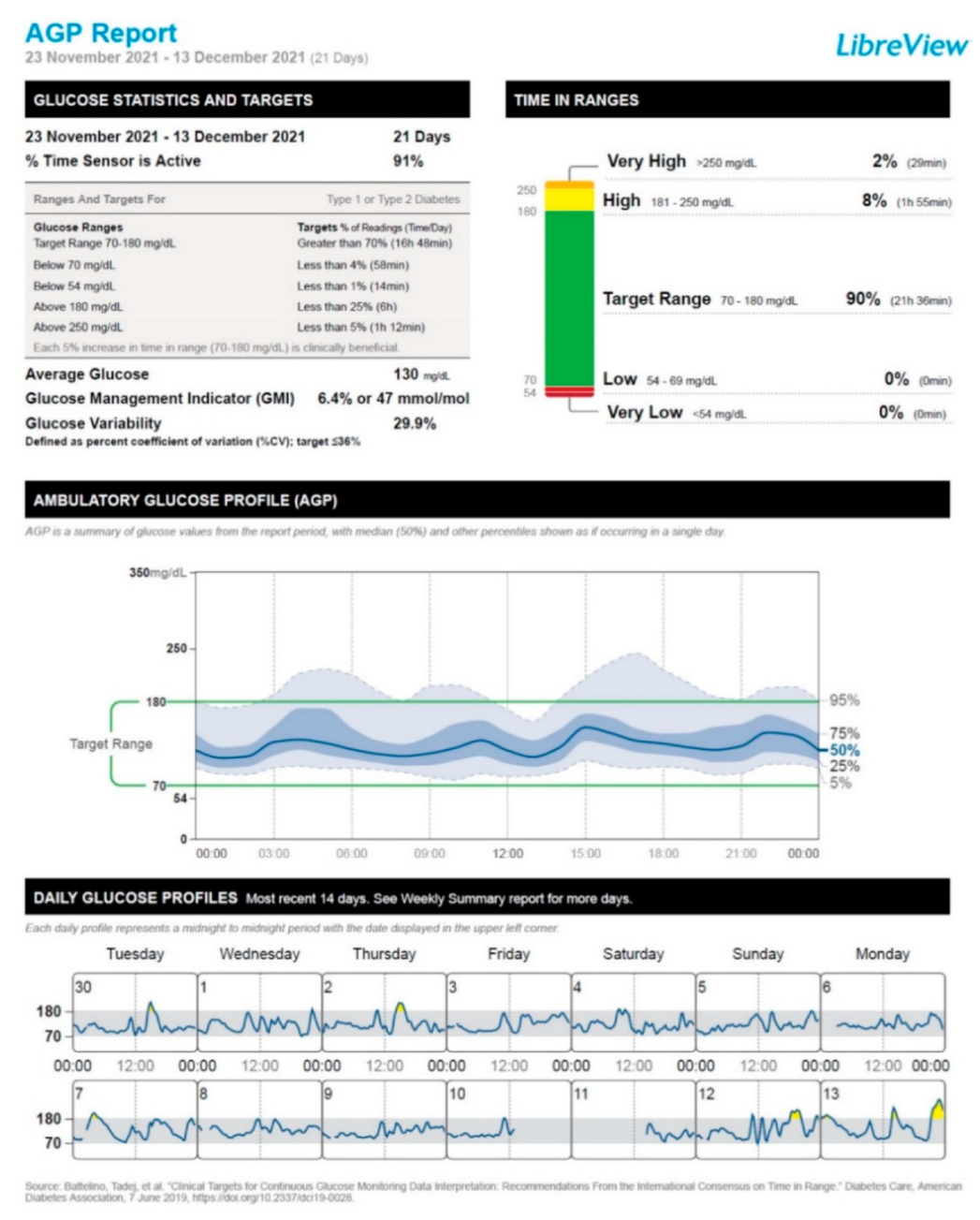
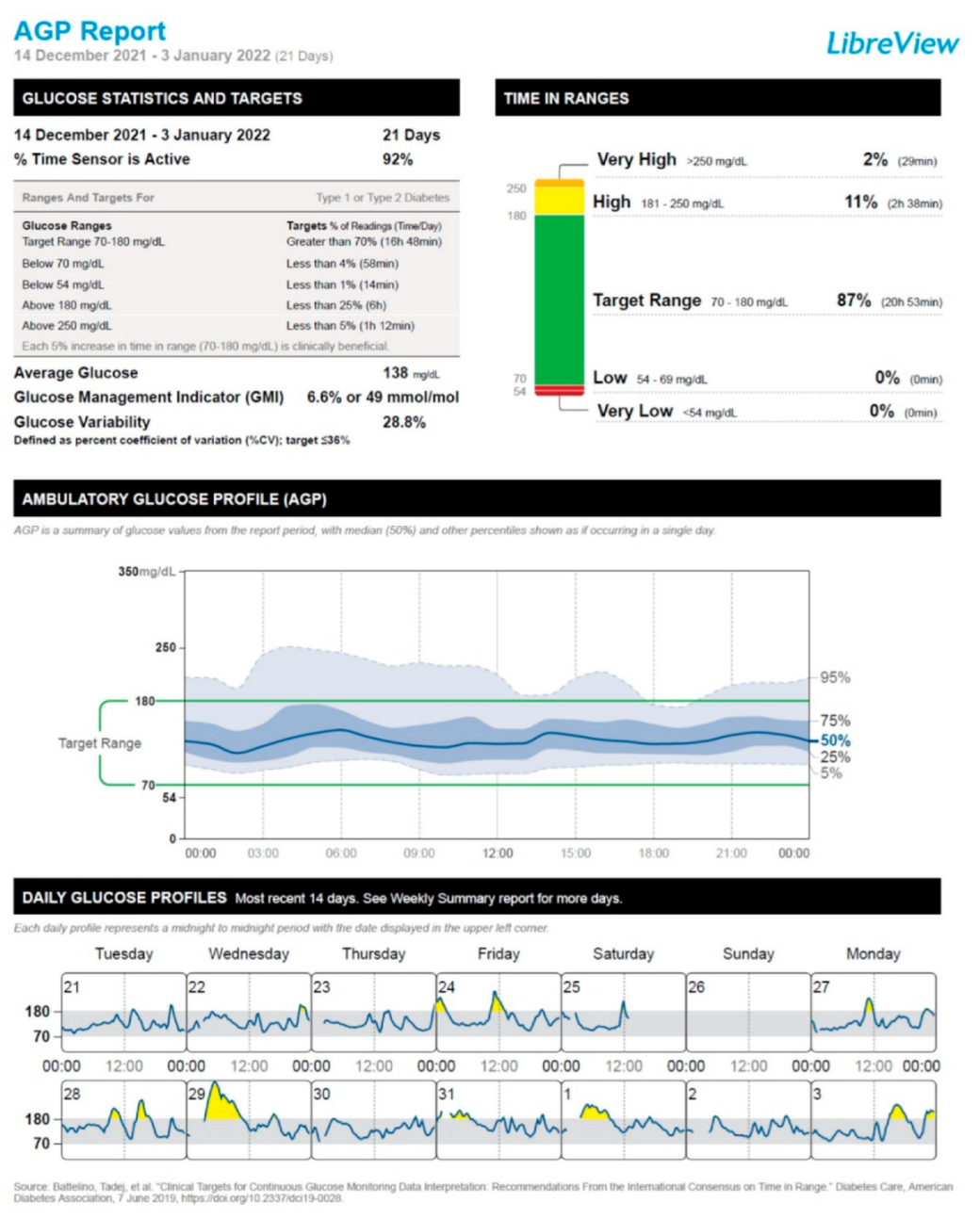
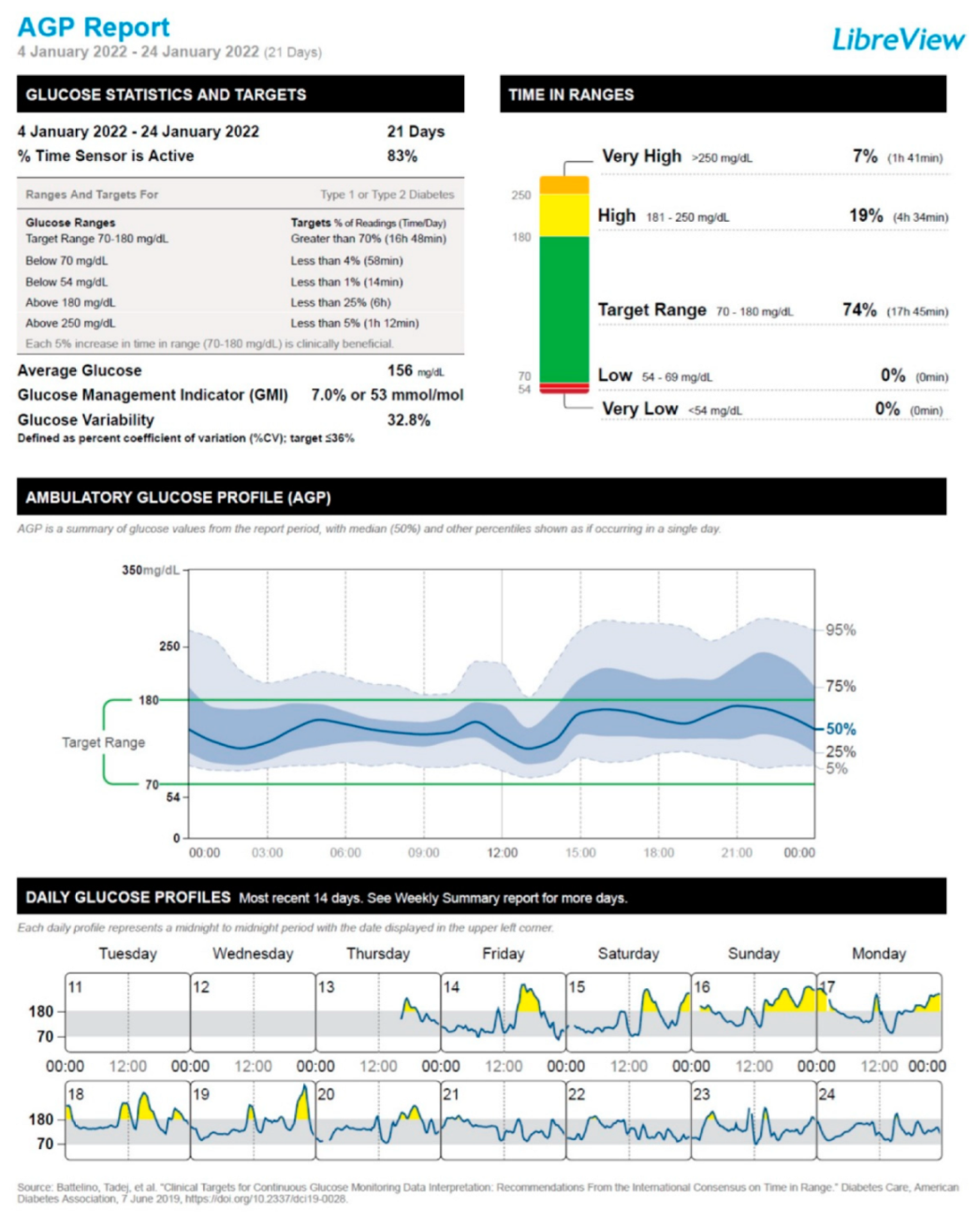
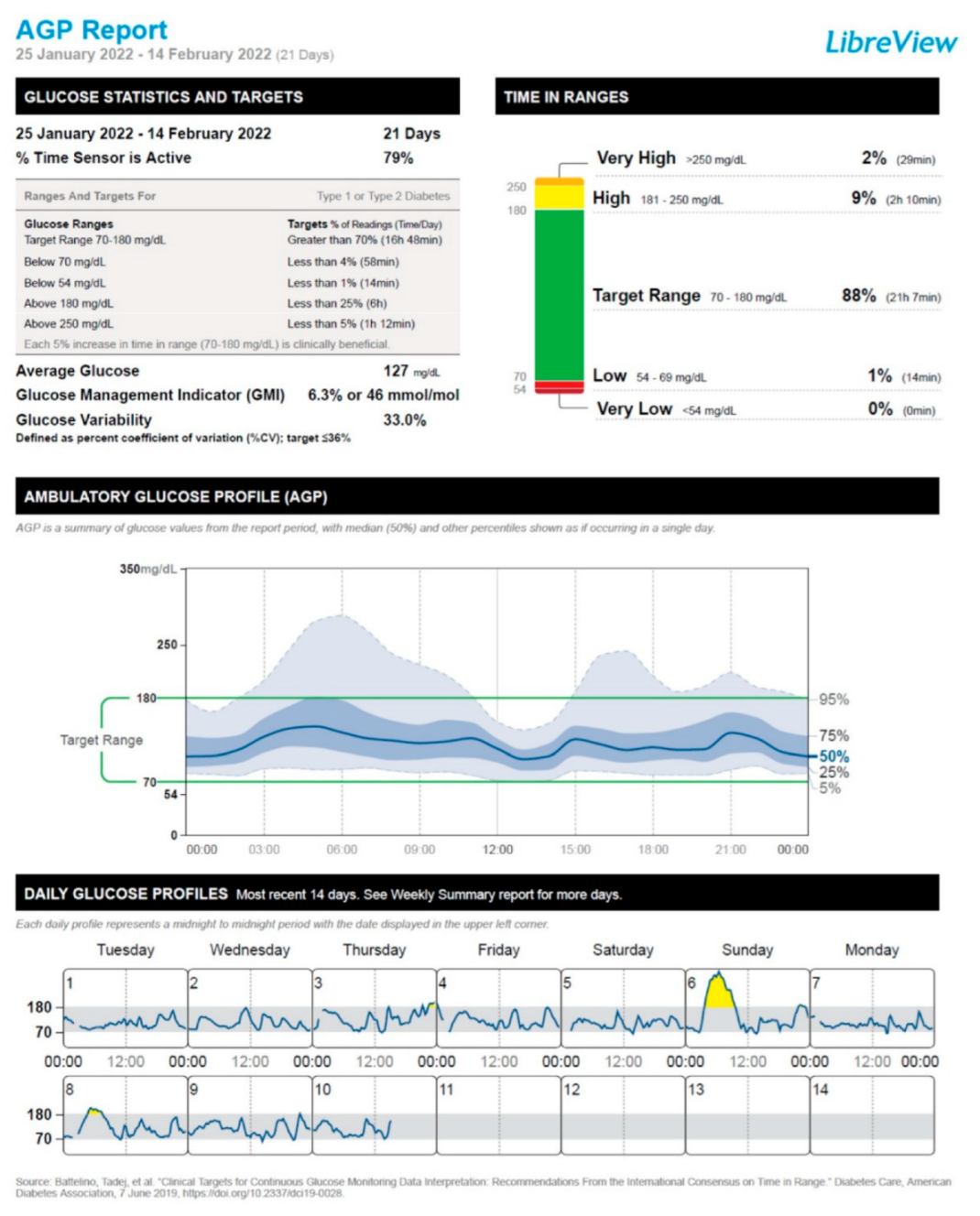
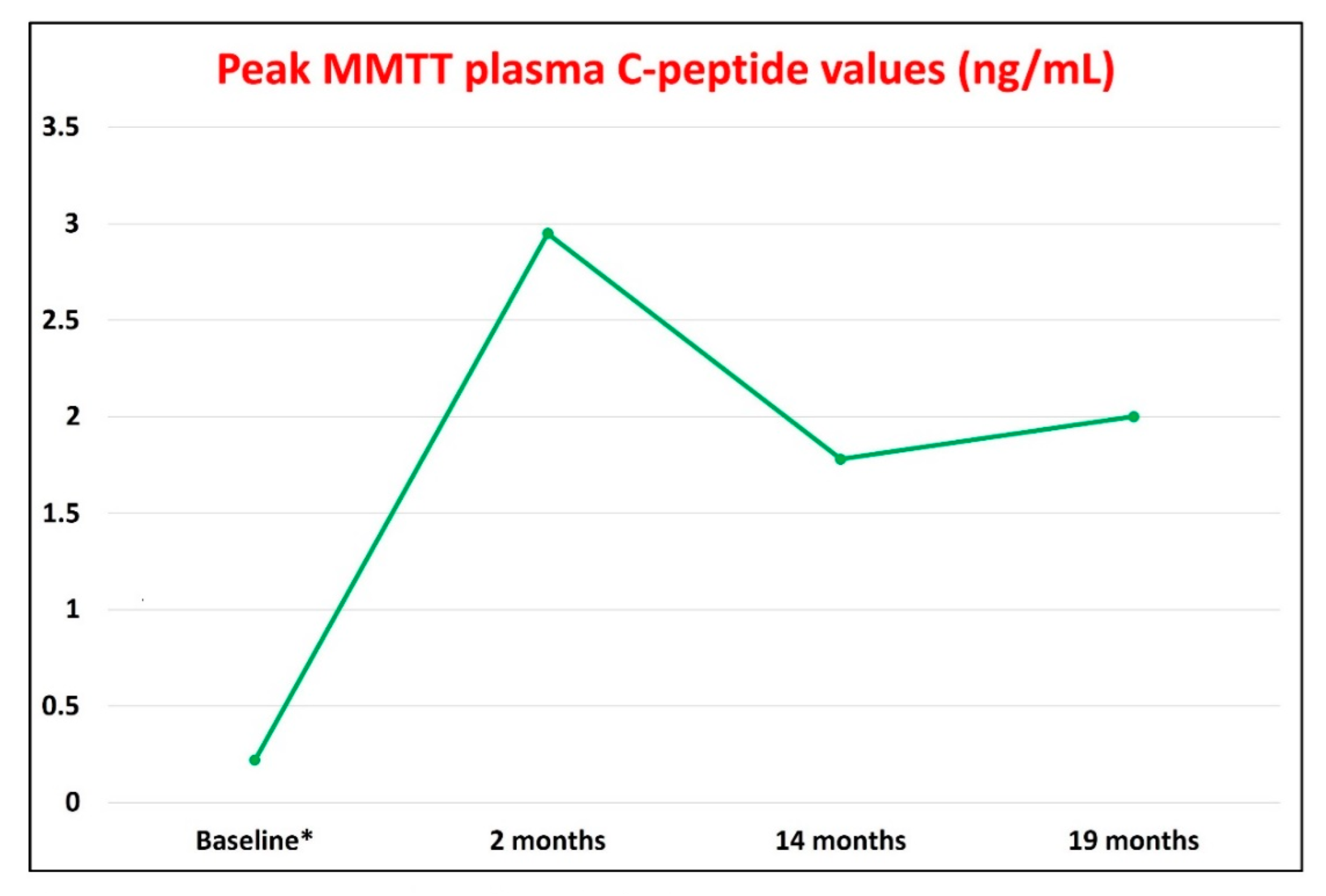
Type 1 diabetes (T1D), which is caused by the autoimmune destruction of insulin-secreting pancreatic beta cells, represents a high-risk category requiring COVID-19 vaccine prioritization. Although COVID-19 vaccination can lead to transient hyperglycemia (vaccination-induced hyperglycemia; ViHG), its influence on the course of the clinical remission phase of T1D (a.k.a. “honeymoon phase”) is currently unknown. Recently, there has been an increasing concern that COVID-19 vaccination may trigger autoimmune phenomena. We describe the case of a 24-year-old young Italian man with T1D who received two doses of the BNT162b2 mRNA (Pfizer-BioNTech) COVID-19 vaccine during a prolonged honeymoon phase. He experienced a transient impairment in glucose control (as evidenced by continuous glucose monitoring) that was not associated with substantial changes in stimulated C-peptide levels and islet autoantibody titers. Nonetheless, large prospective studies are needed to confirm the safety and the immunometabolic impact of the BNT162b2 vaccine in T1D patients during the honeymoon phase. Thus far, T1D patients who are going to receive COVID-19 vaccination should be warned about the possible occurrence of transient ViHG and should undergo strict postvaccination surveillance.
Keywords: T1D; honeymoon phase; clinical remission; autoimmunity; hyperglycemia; beta cell; C-peptide; COVID-19 vaccine; SARS-CoV-2 BNT162b2 mRNA vaccine; COVID-19 vaccination-induced hyperglycemia T1D; honeymoon phase; clinical remission; autoimmunity; hyperglycemia; beta cell; C-peptide; COVID-19 vaccine; SARS-CoV-2 BNT162b2 mRNA vaccine; COVID-19 vaccination-induced hyperglycemia